

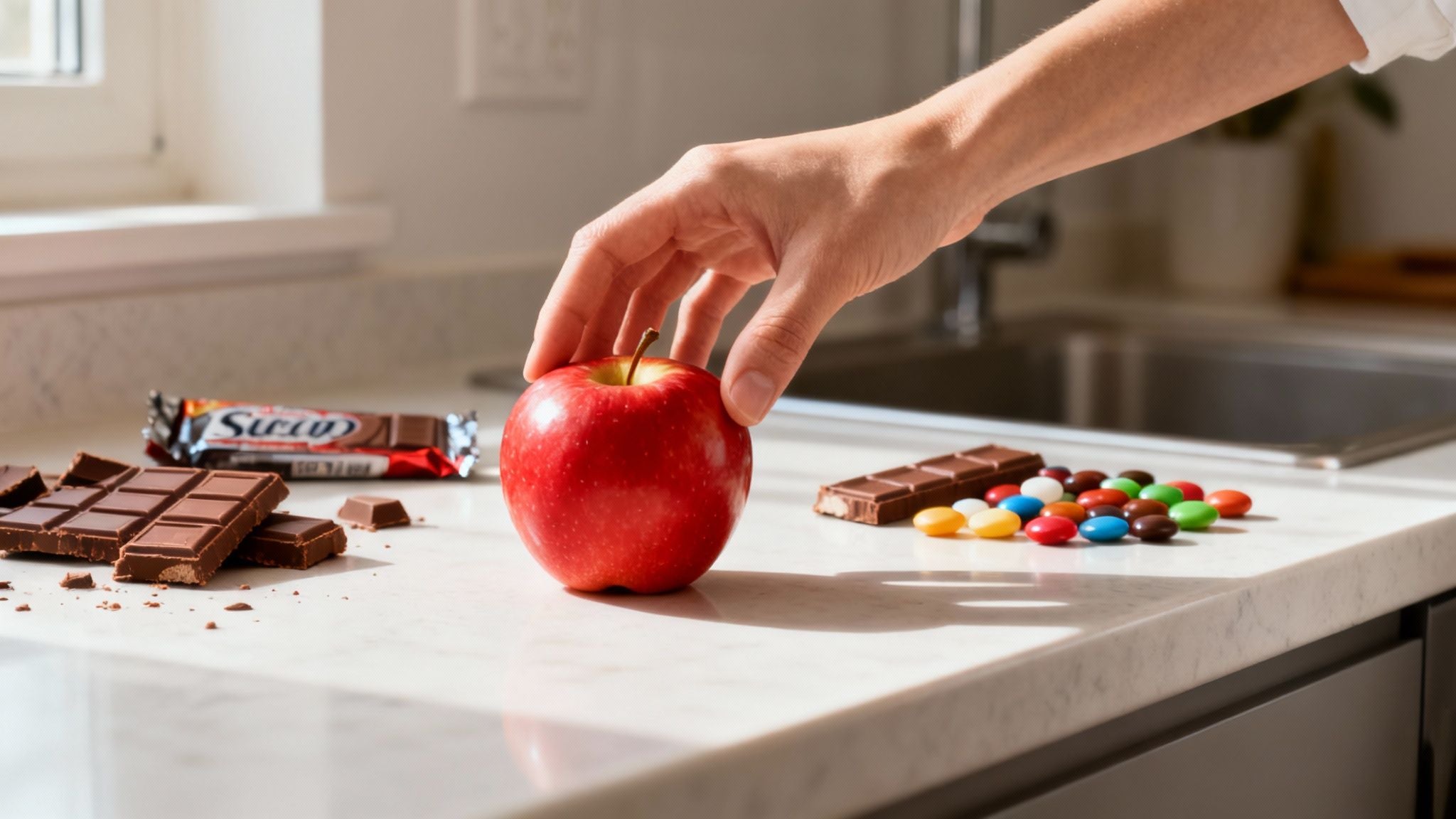
Admitting that you might be eating too much sugar and asking yourself, "What can I do about my sugar addiction?" is the first huge step. The solution lies not in iron discipline alone, but in understanding what is actually happening in your body. It's about breaking this vicious cycle of craving and reward and making conscious decisions instead of running on autopilot.
Why sugar has such a strong hold on us
Does this sound familiar? After a long, stressful day, the chocolate in the cupboard seems to call out to you. But this reach for a "comfort food" is more than just a bad habit – it's a solid biochemical reaction deeply rooted in our brain.
When you eat something sweet, your brain releases dopamine. This is the famous happiness hormone that gives us a feeling of well-being and reward. Your brain quickly stores this experience: "Sugar = great feeling!" And logically, it wants this feeling again and again. It is precisely this cycle that makes it so incredibly difficult to resist the sweet craving. So you're not just fighting a minor weakness, but a deeply rooted biological mechanism.
How to recognize a sugar addiction
A true sugar addiction is more than just an occasional craving for a piece of cake. It's worth paying attention to the subtle but clear signals your body sends you.
- Constant craving: You think about sweets almost incessantly and feel like you need them to get through the day.
- Loss of control: You intend to eat just a small piece, but in the end, the whole bar is gone. Sound familiar?
- Withdrawal symptoms: If you try to cut out sugar, you suddenly feel irritable, extremely tired, or even get headaches.
- Tolerance development: A cookie used to be enough, but now you need three or four to get the same satisfying feeling.
If these points sound familiar, sugar is probably more than just a luxury food for you. It has started to control your daily life and well-being.
"I'm doing something I know isn't good for me, and I'm doing it anyway." This feeling is so typical of an addiction. And it's the point at which change must begin.
Hidden sugar in everyday life
A huge part of the problem is the sugar we unknowingly consume. The biggest traps often lie in drinks. Did you know that a quarter of all sugar consumption in Germany comes from soft drinks? That's an incredible 8.5 kilograms per person per year. This unfortunately puts us at the top in Western Europe. Sweets add another layer with an average of 7.9 kilograms per year. You can find more about these hidden sugar sources, for example, on the AOK website.
This knowledge is your most important tool. It helps you realize that you are not alone with this problem and that there are real biological reasons for your cravings. If you want to dive deeper into the matter, read our article on how harmful sugar really is. With this understanding, you can tackle the problem at its root and mentally prepare for a successful exit.
Unmasking hidden sugar and smart shopping
Hand on heart: Anyone who wants to get their sugar consumption under control often faces a real challenge in the supermarket. The whole thing quickly feels like a minefield. Sugar is not only hidden in the sweets aisle but also lurks where we least expect it – in ready-made sauces, muesli, or even salad dressing.
But don't worry. Now is the time to become a sugar detective and reclaim control over your own shopping cart.
Recognizing the many faces of sugar
Your most important tool here? Clearly the ingredients list. A simple trick I've gotten used to is always looking at the order first. What's at the top is what's most present. So if sugar or one of its aliases appears in second or third place, that's a clear warning sign.
And the food industry is truly creative when it comes to disguising sugar. Did you know there are over 70 different names for sugar? So you don't fall into the trap, here are the most common aliases you should watch out for:
- All kinds of syrups: Glucose syrup, fructose syrup, corn syrup, maple syrup
- Anything ending in "-ose": Sucrose, dextrose, maltose, fructose
- Other usual suspects: Maltodextrin, barley malt extract, sweet whey powder, grape sweetness
Once you have these terms in mind, your eye will be sharpened. You'll surprisingly quickly recognize which products are truly low in sugar and which just pretend to be healthy.
To get a better picture of where the biggest sugar bombs await us, let's look at the main sources of our consumption.
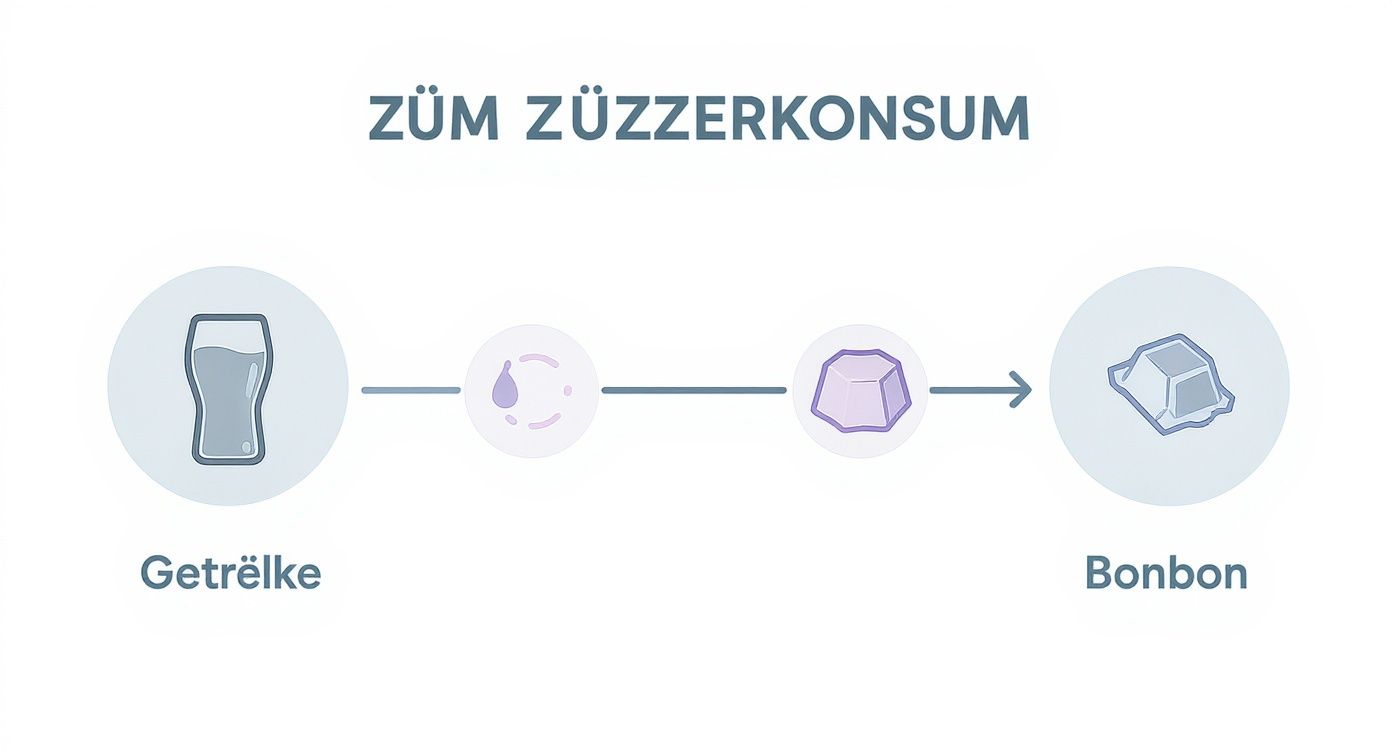
You can see immediately: liquid sugar from drinks and the very obvious sweets make up a huge part. This is often the easiest lever to quickly change something.
Common sugar traps in the supermarket
Many products on supermarket shelves look healthy but contain astonishing amounts of sugar. The following table shows a few classic examples and how you can easily replace them with better alternatives.
| Food item | Typical sugar content per 100g/ml | Healthier alternative |
|---|---|---|
| Fruit yogurt | approx. 12-15g | Natural yogurt with fresh fruit |
| Ready-made salad dressing | approx. 10-25g | Vinaigrette made from vinegar, oil & herbs |
| Ketchup | approx. 20-30g | Tomato paste or strained tomatoes |
| Muesli mixes | approx. 15-30g | Oats with nuts and seeds |
| Iced tea & soft drinks | approx. 8-12g | Water, unsweetened tea or infused water |
These small swaps make a huge difference in everyday life without you feeling like you have to give something up.
My personal tip: When shopping, focus on foods that don't even need an ingredients list. Fresh vegetables, fruits, legumes, nuts, and eggs are simply what they are – unprocessed and honest.
At the same time, something is happening in Germany. The average per capita consumption has actually fallen from 33.9 to 30.4 kilograms per year. A positive sign! It shows that awareness is growing. Nevertheless, we must remain vigilant, as domestic sugar production increased by almost 7 percent during the same period. You can read more about this exciting development at Kettner-Edelmetalle.
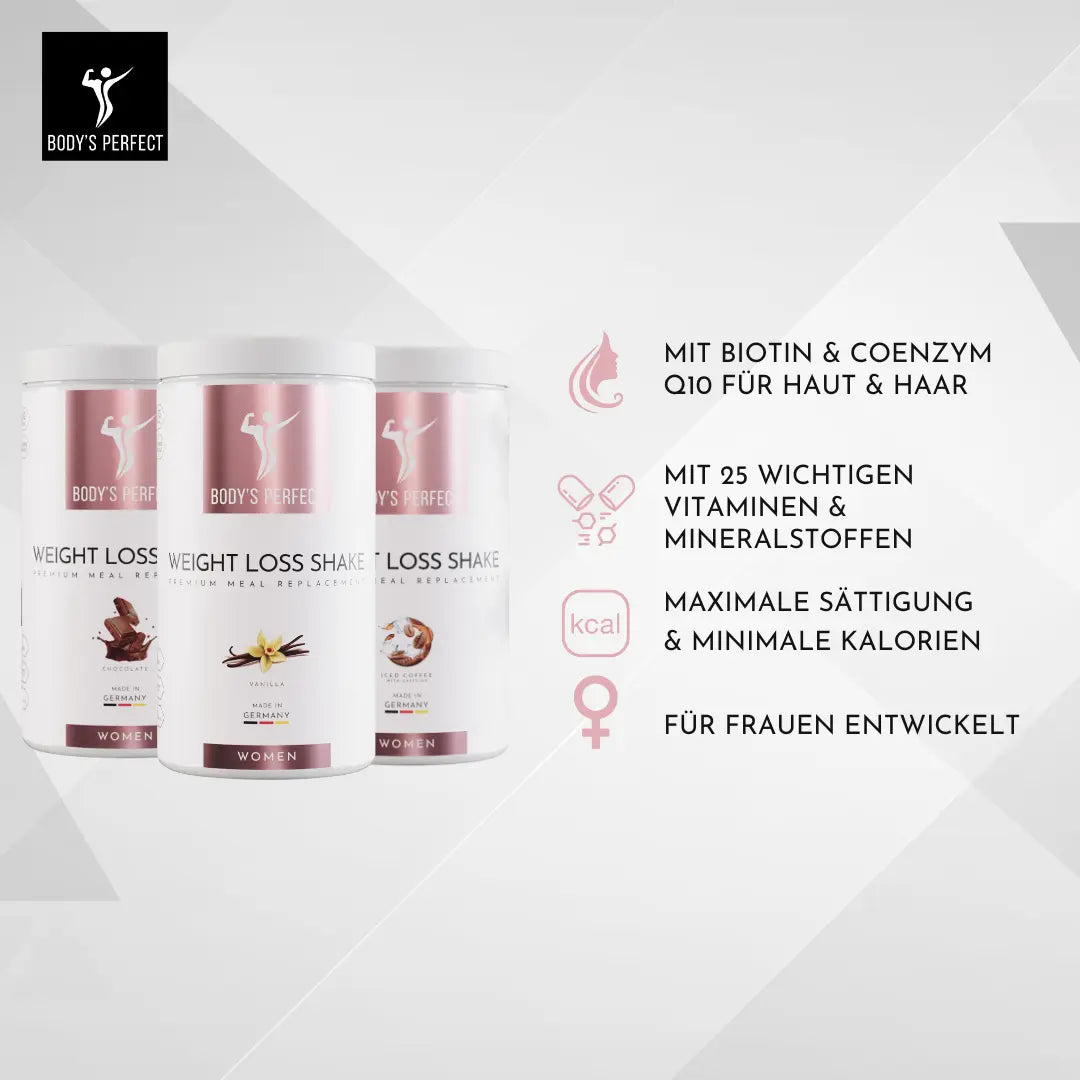
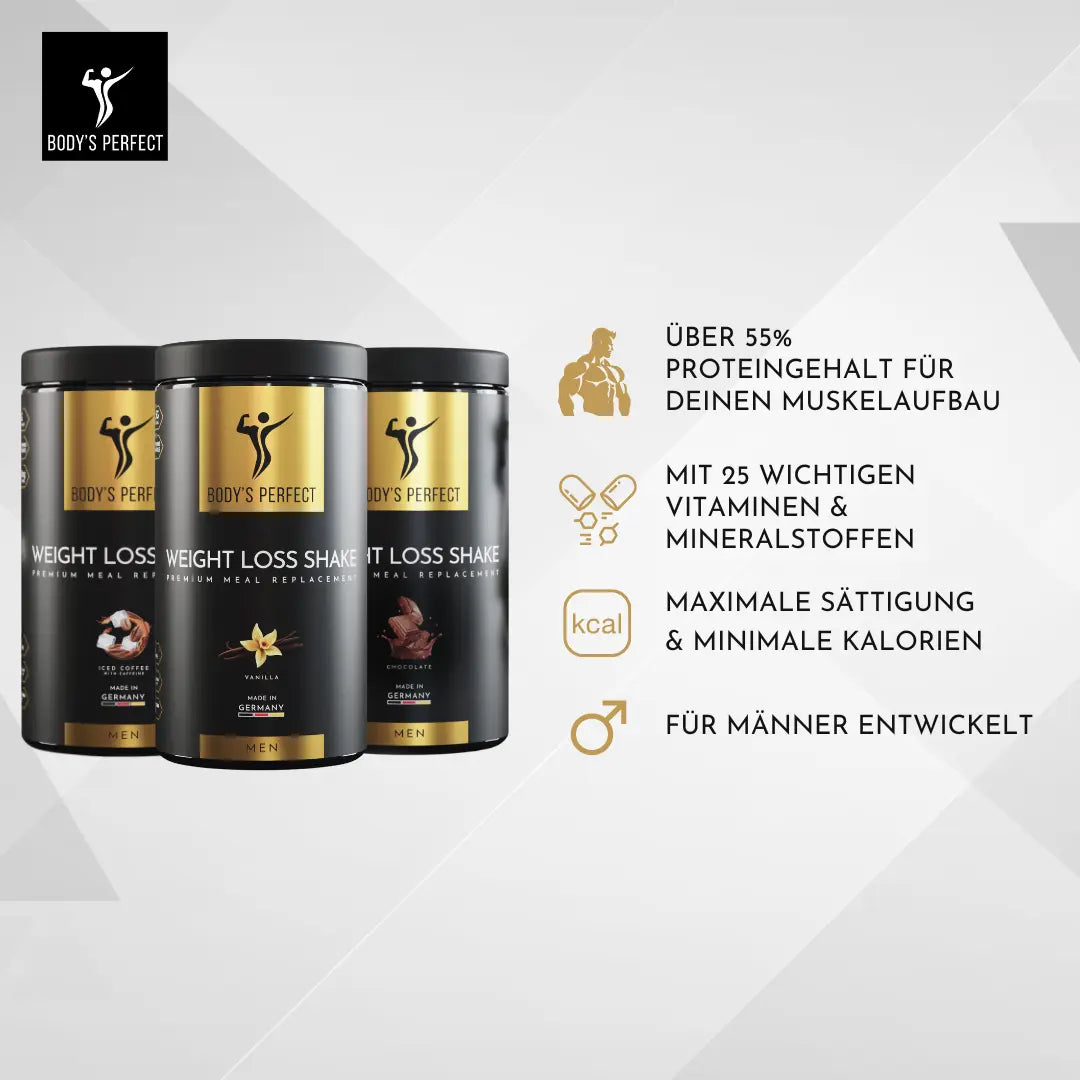
To prevent cravings, sufficient protein intake is golden. It ensures long-lasting satiety. A clever addition could be, for example, high-quality protein shakes without sugar. They not only provide you with important nutrients but also help you feel full and satisfied throughout the day. This way, you gradually regain full control.
Successfully mastering the first days of sugar withdrawal
Okay, you've decided to fight sugar. Fantastic! But let's be honest: the first few days can feel like running a marathon in withdrawal. This initial phase is the biggest hurdle for many on the path to more energy and well-being.
If your body has been used to a constant supply of sugar for years, it will protest when you take away this quick energy source. This is completely normal and actually a good sign – it shows that your system is starting to re-sort itself.
What to expect in the first few days
The first one to ten days are usually the most intense. Your body and mind first need to adjust, and this can manifest itself through some typical symptoms. Don't worry, it will pass!
- Headaches and fatigue: Your body is looking for its usual "fuel." Until it learns to switch more efficiently to healthy fats and complex carbohydrates, it can feel like you've been unplugged.
- Irritability and mood swings: Sugar plays with the "happiness hormones" in your brain. If this kick is gone, your mood can go on a rollercoaster ride until everything balances out again.
- Intense cravings: This is your brain's loudest protest. It screams for its usual reward. Important to know: This is a purely biochemical process and has nothing to do with weakness of will!
Give yourself and your body time. Every day you make it is a huge success.
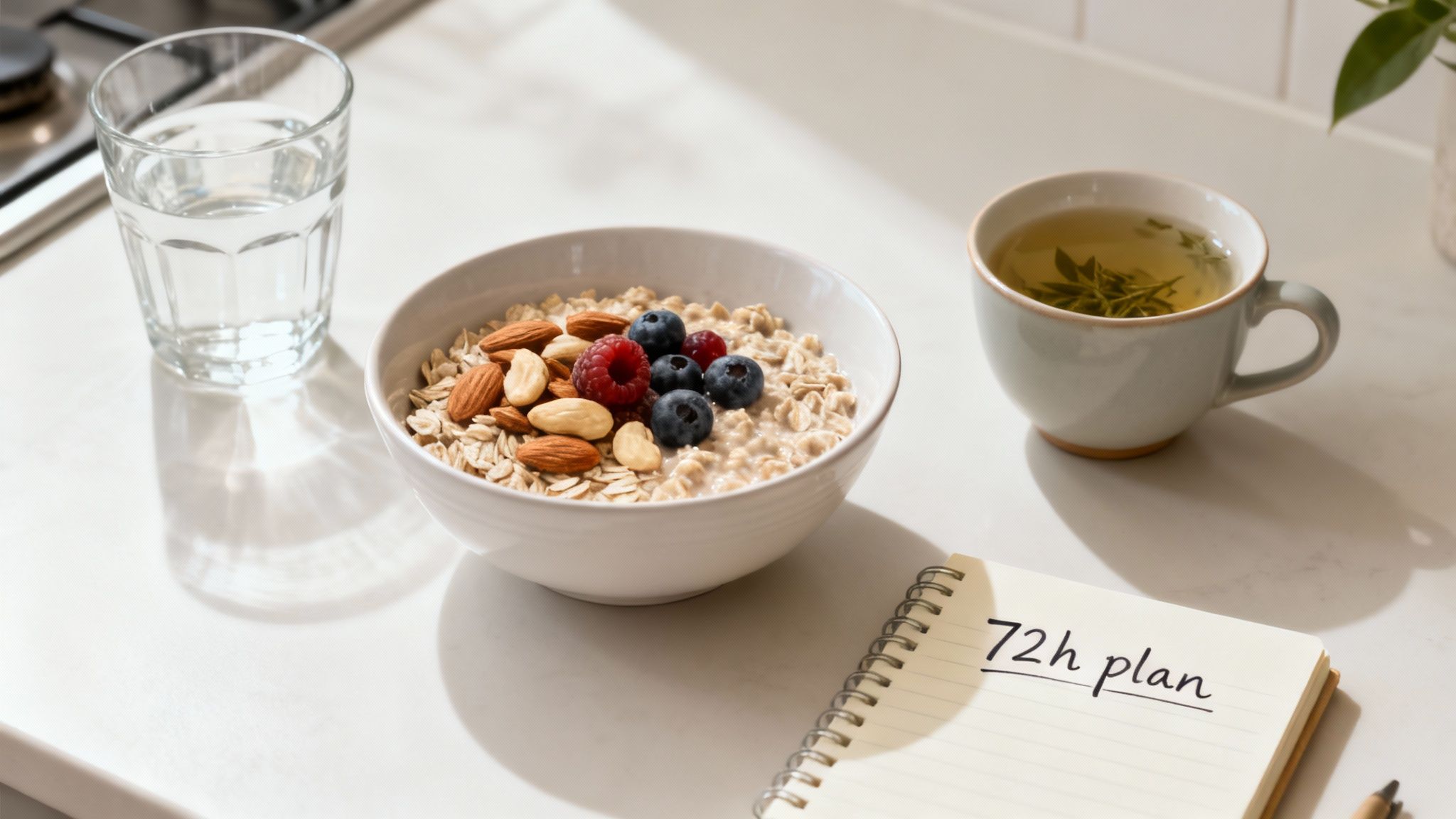
Your plan for the first 72 hours
To get through this critical phase well, you need a clear roadmap. It's now primarily about giving your body what it really needs: good nutrients, rest, and a little distraction.
- Eat until you're satisfied with the right things: Make sure every main meal truly satisfies you. A good mix of proteins (like eggs, fish, lentils), healthy fats (avocado, nuts), and plenty of fiber from vegetables keeps your blood sugar levels stable. This is the best weapon against cravings.
- Water is your best friend: We often confuse thirst with hunger or a craving for something sweet. Always keep a glass of water or unsweetened tea within reach. This fills the stomach and supports the metabolism.
- Sleep, sleep, sleep: Too little sleep makes you hungry – especially for quick energy like sugar. Try to get seven to eight hours of sleep per night in the first few days. This makes a huge difference.
- Exercise, but gently: A hardcore workout might be too much right now. But a brisk walk in the fresh air stimulates circulation, boosts your mood through natural endorphins, and distracts from cravings.
A little practical trick: If cravings become unbearable, reach for bitter substances. A few drops of bitter elixir from the pharmacy or a piece of very dark chocolate (over 85% cocoa) can often stop the craving for sweets immediately.
By stabilizing your blood sugar levels, you give your body the chance to recover from the constant ups and downs. You can find out how to specifically achieve blood sugar regulation in our detailed article. These strategies not only help you through withdrawal but are the foundation for a permanently better body feeling.
Understanding cravings and responding confidently
Everyone knows the feeling: out of nowhere, this insatiable appetite for something sweet overcomes you, throwing all good intentions to the wind. But cravings are not a sign of weakness. See it rather as a signal from your body that you can learn to interpret instead of fighting against it.
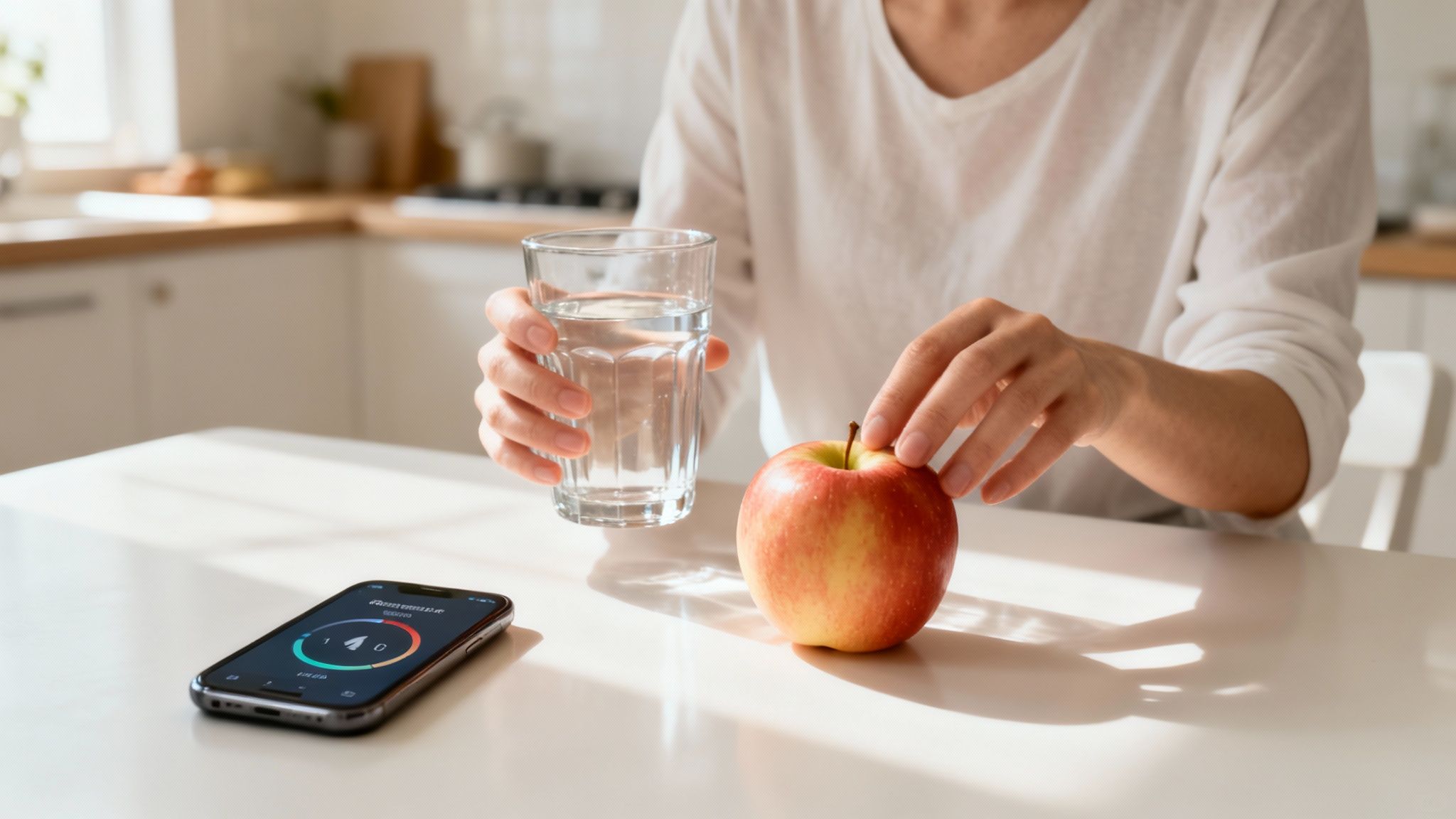
Often, something entirely different lies behind the craving for sugar. Stress, an emotional low, or simply old habits are the most common triggers. Our brain is clever and remembers: "Stress? Sugar helps!" – and the program runs automatically.
Immediate strategies when cravings hit
When the next wave of cravings rolls in, you're not helpless. With a few simple tricks, you can outsmart the craving and regain control. The trick is to break the cycle before it takes hold.
- Drink a large glass of water: Surprisingly often, our body confuses thirst with hunger. So before you reach for a snack, slowly drink a large glass of water and wait a few minutes. This fills the stomach and can often significantly reduce the craving.
- Seek distraction: The strong urge for sweets usually only lasts a few minutes. Use this time! Take a walk around the block, call a friend, or put on your favorite song. A short, conscious interruption can work wonders.
- Do a short breathing exercise: Sit quietly for two minutes. Breathe deeply through your nose, counting to four. Hold your breath briefly, then slowly and consciously exhale through your mouth. This calms the nervous system and reduces stress – one of the main triggers for cravings.
These methods are your quick response team for emergencies. They help you get through the acute moment and make a conscious decision instead of blindly following the impulse.
Getting cravings under control long-term
Immediate measures are great, but it's even better if cravings don't arise at all. The key to this lies in stable blood sugar levels. If these go on a rollercoaster ride, cravings are practically pre-programmed.
The best way to prevent cravings is to remove their basis. A well-fed, well-nourished body doesn't scream for quick energy from sugar.
Make sure your meals are balanced. Every meal should contain a good portion of protein (e.g., from chicken, fish, lentils, or quark) and plenty of fiber (from lots of vegetables, whole grains, and legumes). These nutrients provide long-lasting satiety and prevent your blood sugar from plummeting.
Foods that keep you full for a long time are your best allies in the fight against sugar addiction. A clever selection of low-calorie satisfying foods helps you get through the day feeling content, without constantly thinking about the next snack. This way, you'll go from being driven by your desires to confidently managing your appetite.
How to build routines for a low-sugar future
A sugar break for a few weeks is a great start, but the real magic happens when it becomes a habit. It's about integrating new, healthy routines into your daily life so that they eventually feel completely normal – without any feeling of deprivation.
The trick is to start small. Nobody turns their life upside down overnight. It's about finding a low-sugar routine that suits you and your life. One that you can stick to, even when things get stressful.
The power of small, consistent steps
Instead of trying to do everything at once, focus on one small change per week. This is much easier to implement and doesn't feel like a huge mountain.
In the first week, for example, you could only drink water instead of sugary sodas. In the second week, you swap the chocolate bar in the afternoon for a handful of nuts and an apple.
This way, you won't overwhelm yourself and you'll give your body time to adjust to the change. Every small success motivates you for the next step. This way, you gradually build a solid foundation for a healthy diet that lasts.
If you do weaken sometimes, it's not the end of the world. See it as a lesson. Briefly ask yourself what triggered it, and consider what you can do differently next time. Don't be too hard on yourself – the motto is to just keep going.
How to master social situations without sugar stress
Birthdays, restaurant visits, invitations from friends – our social life is full of sugar-laden temptations. This can really be a challenge. But don't worry, with a few clever tricks, you can stay on track without feeling like a spoilsport.
- In a restaurant: Most menus can be found online these days. Take a look beforehand and choose dishes with plenty of vegetables and protein. A little tip: ask for sauces or dressings on the side. This way, you stay in control.
- Invited to friends'? Simply offer to bring a delicious salad or a sugar-free dessert yourself. This relieves the host and guarantees you an option that suits you.
- At parties and celebrations: It's not about being dogmatic. If you really feel like a piece of cake, consciously take a small piece and enjoy it without a bad conscience. Balance is everything.
It's astonishing how deeply sugar is embedded in our food industry. While direct sugar consumption is slightly decreasing, the industrial use of sugar in Germany increased to a drastic 174,300 tons in the 2023/24 economic year. This shows how often sugar is hidden in processed foods without us even realizing it.
To avoid these sugar traps, it helps immensely to understand your eating habits from the ground up. Knowing how good and bad carbohydrates affect your body is a huge advantage for your long-term success.
If you stick with it, you'll notice how your sense of taste changes. Suddenly, fruit tastes much sweeter and vegetables more intense. For a complete plan and great support, your sugar-free diet can become a permanent part of your new, energized life.
Frequently asked questions that we keep getting asked
When you decide to eat less sugar, questions inevitably arise. That's great, because it shows that you're really engaging with the issue. To give you a little more confidence on your journey, we've compiled the answers to the most frequently asked questions for you here – honestly and directly.
How long do you really feel bad during sugar withdrawal?
This is probably the question that concerns almost everyone the most. First, the good news: It's just a phase and it will pass! However, how long it takes and how intense it gets varies greatly from person to person. Some hardly notice anything, while others struggle through headaches, constant fatigue, or irritability for one to ten days.
Try to be patient with yourself and your body. If you've been giving it sugar daily for years, it simply needs a moment to readjust. Every single day you persevere is a huge win and brings you closer to your goal – a new, energized body feeling.
What if I falter?
A slip-up is not the end of the world. It's part of the learning process. Much more important is how you deal with it afterwards. Don't beat yourself up and certainly don't throw everything away immediately.
Instead, briefly ask yourself what actually happened. Were you stressed? Were you at a party? Or was it simply the power of old habits? This small analysis is worth its weight in gold for next time. Accept the slip-up, put it behind you, and simply pick up where you left off the next day.
Think of it this way: a single rainy day doesn't make a miserable summer. Just as little does a piece of cake ruin all your progress. Tomorrow is a new day!
Should I try to eliminate sugar completely?
A life completely without sugar is neither realistic nor healthy. Natural sugar, as found in fruits, vegetables, or dairy products, is an important part of a balanced diet. So it's not about completely banning sugar. The goal is to learn how to deal consciously with added, industrial sugar.
You want to regain control, so that sugar is no longer your emotional savior in times of need or your constant companion. You'll be amazed at how your sense of taste will change: suddenly a strawberry tastes incredibly sweet and intense. This way, you'll find a balance that is good for you and allows enjoyment without having to cling to rigid rules.
How much can I lose weight if I cut out sugar?
Unfortunately, there is no blanket answer to this, as every body reacts differently. Weight loss depends heavily on how much sugar you previously ate and drank and what your overall diet change looks like. If you previously had many soft drinks and sweets in your diet, you will quickly save a lot of calories by giving them up and will probably see initial success on the scale quite quickly.
However, it is clear: eating less sugar is one of the most effective levers for healthy and, above all, long-term weight loss. It helps to keep your blood sugar levels stable, which prevents cravings and noticeably improves your general well-being.
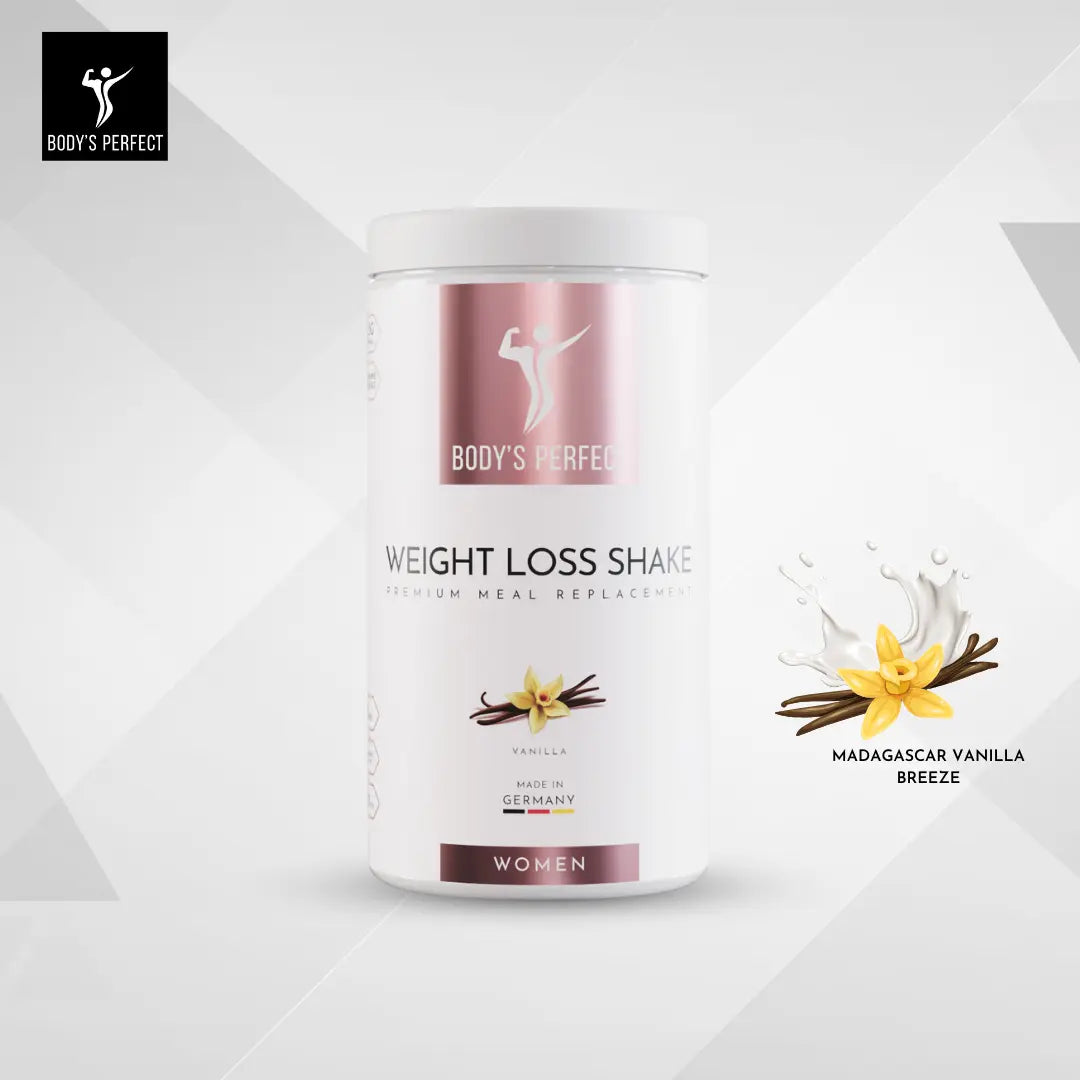
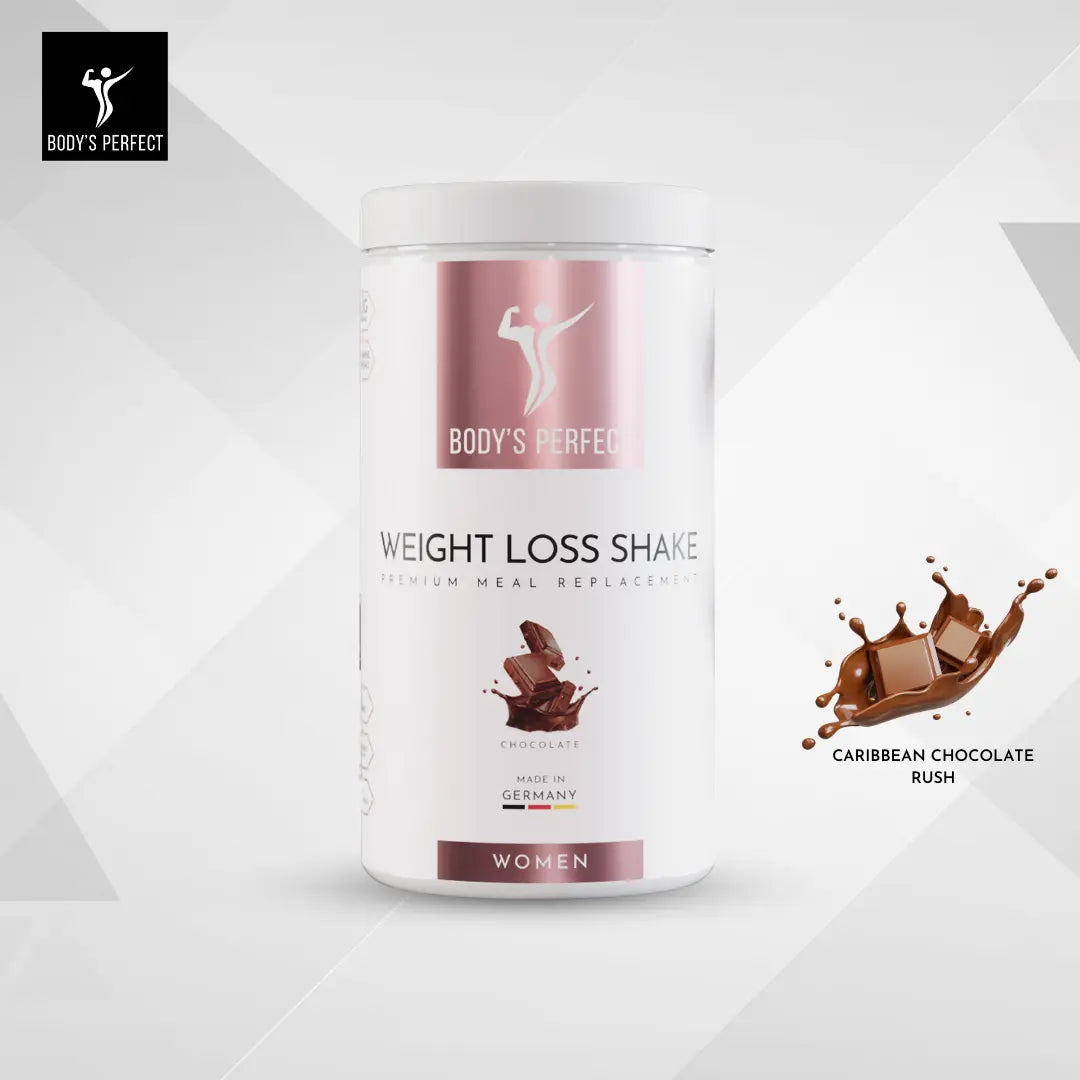
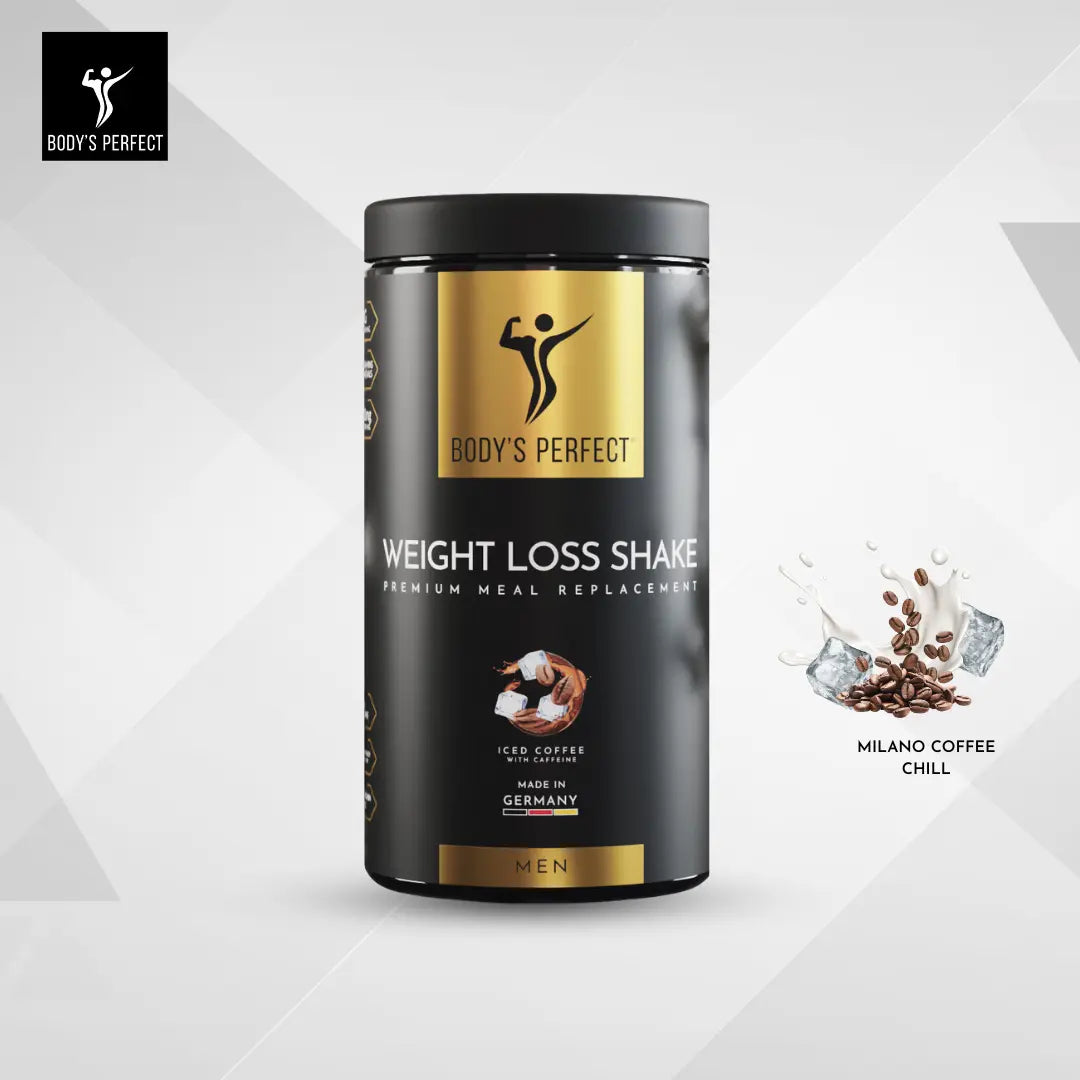
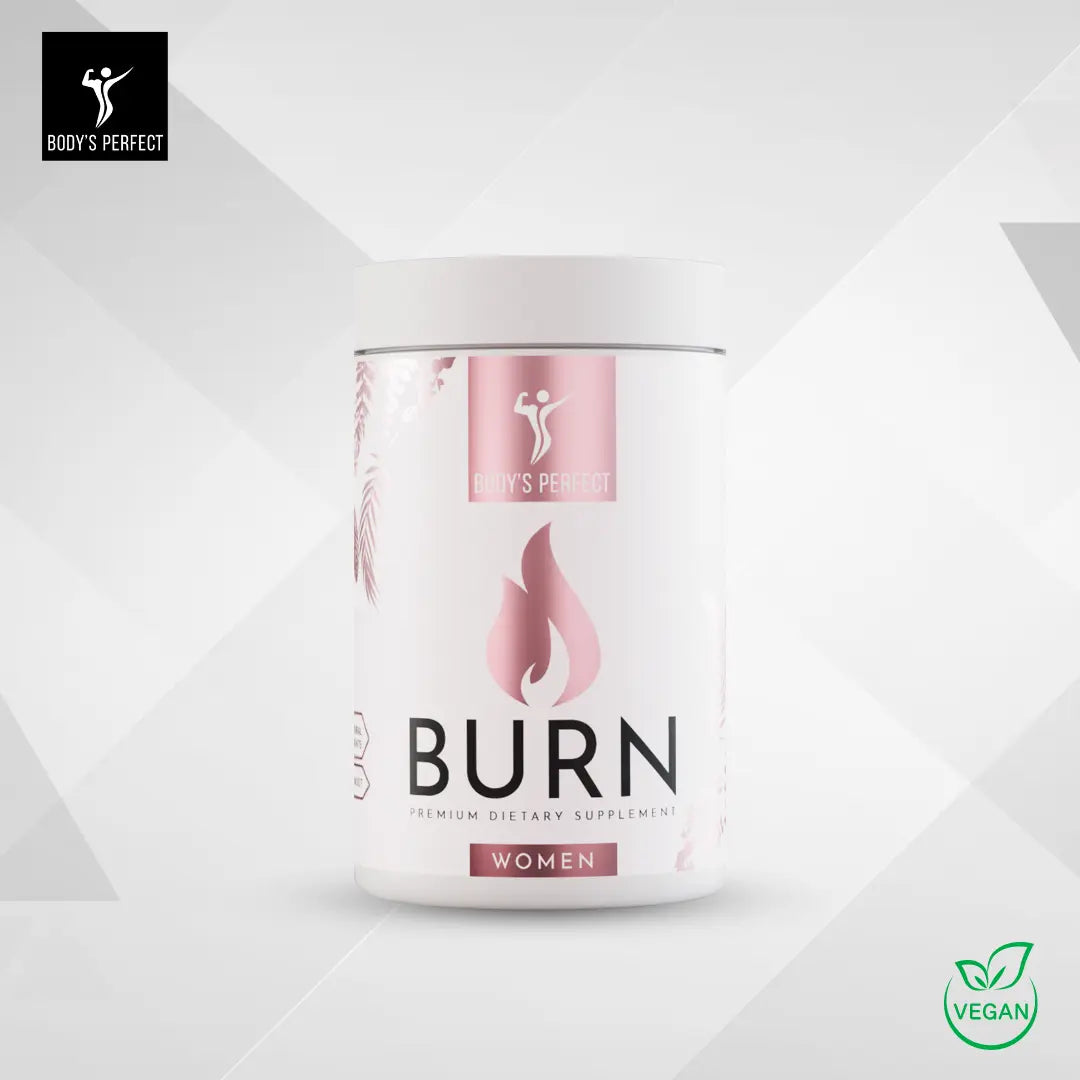
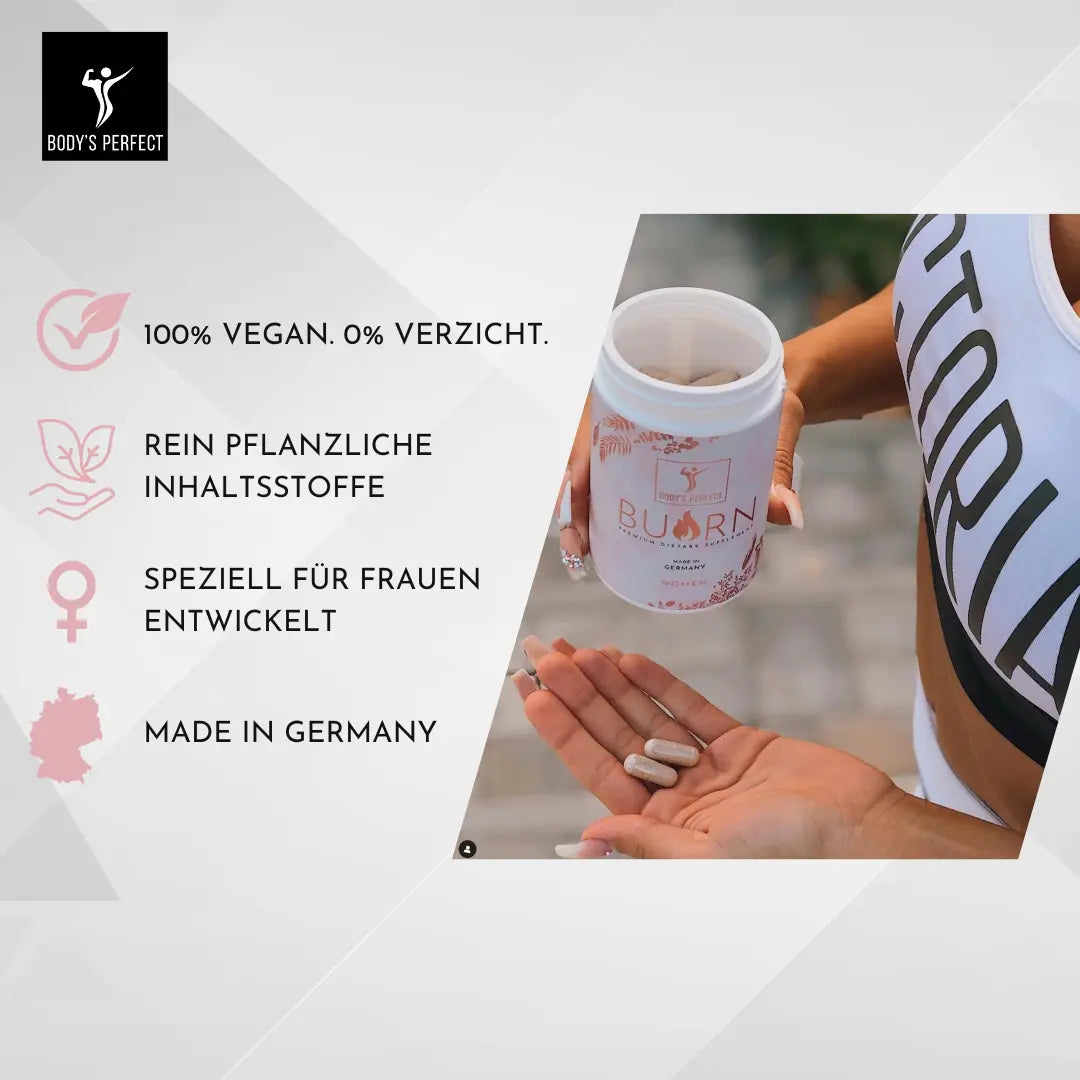
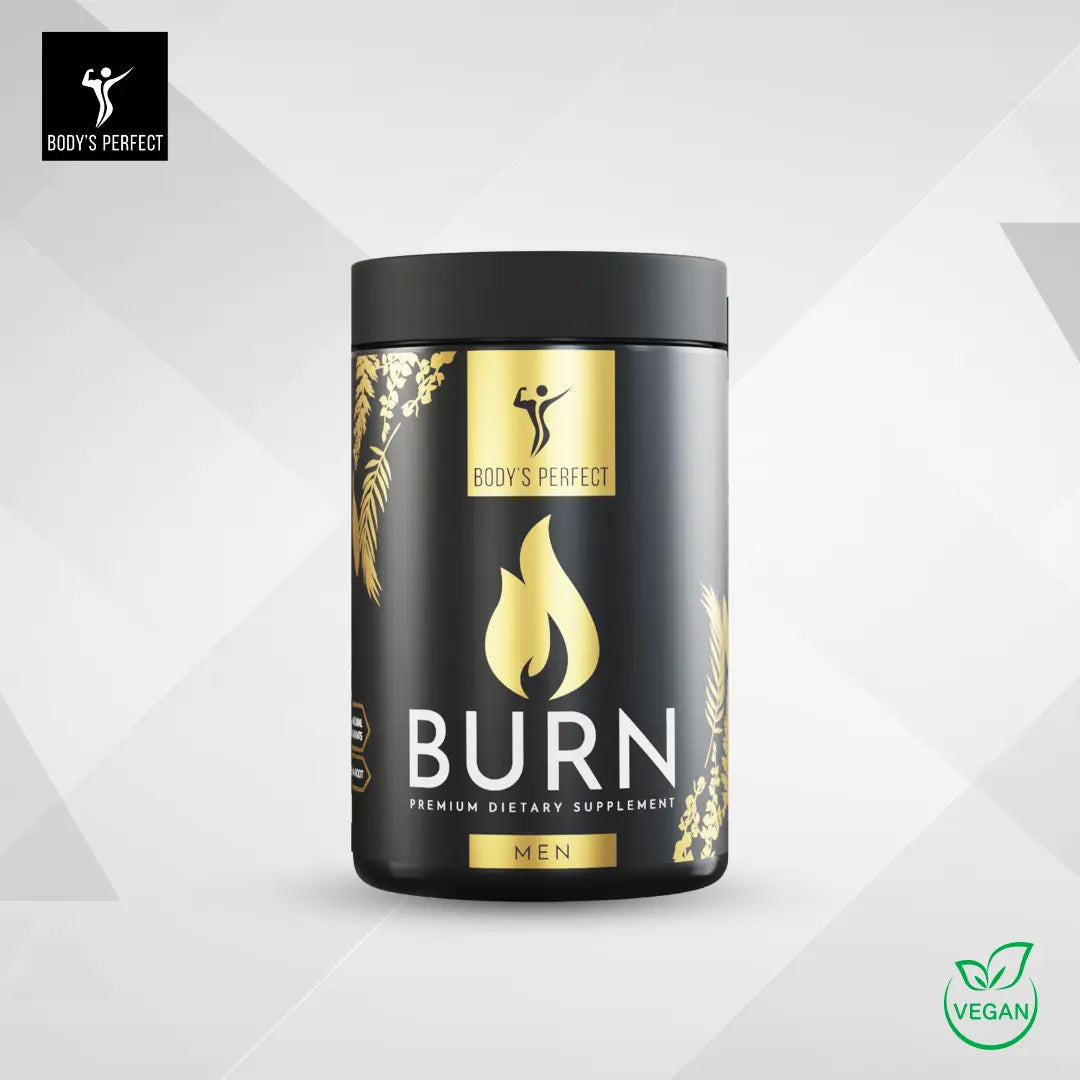
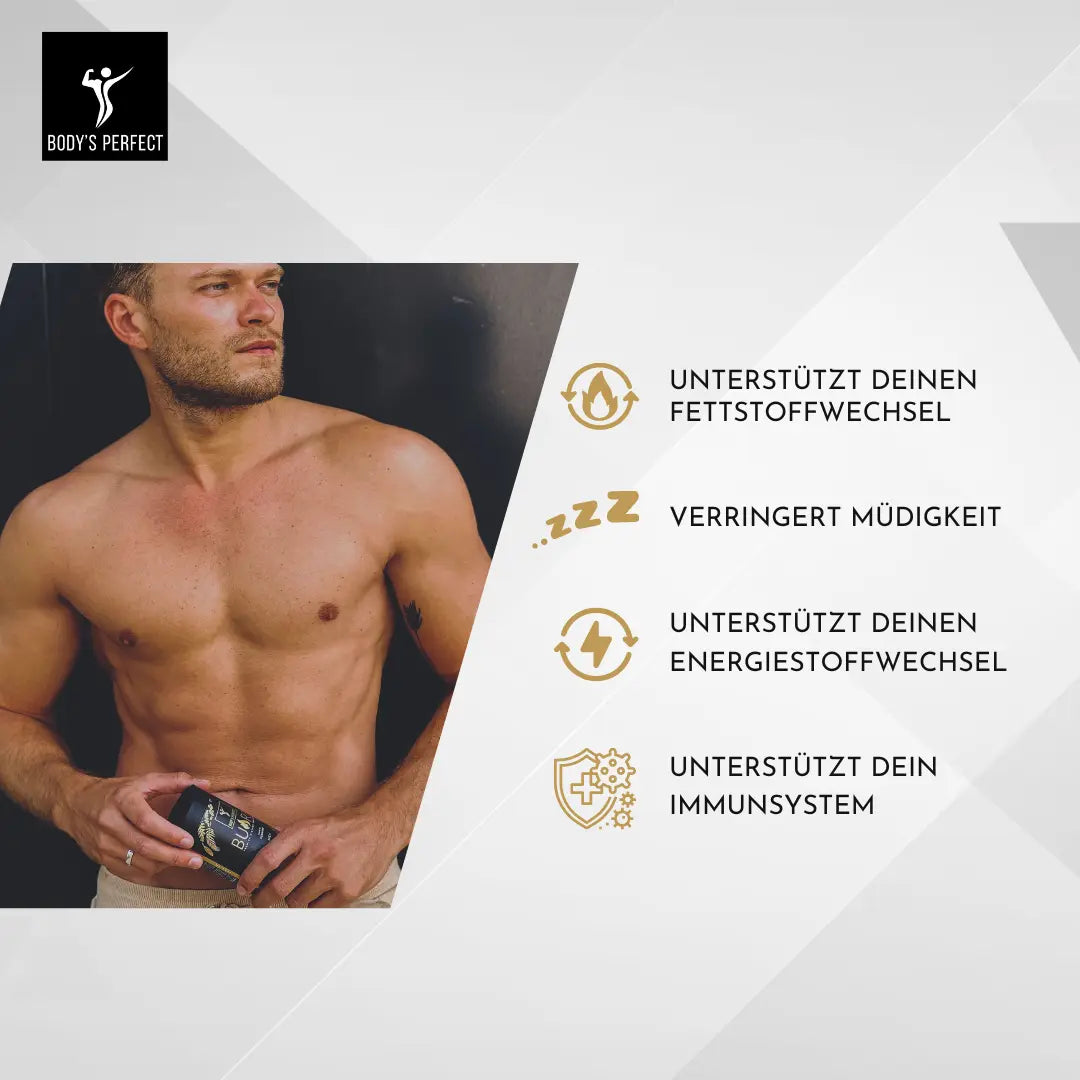
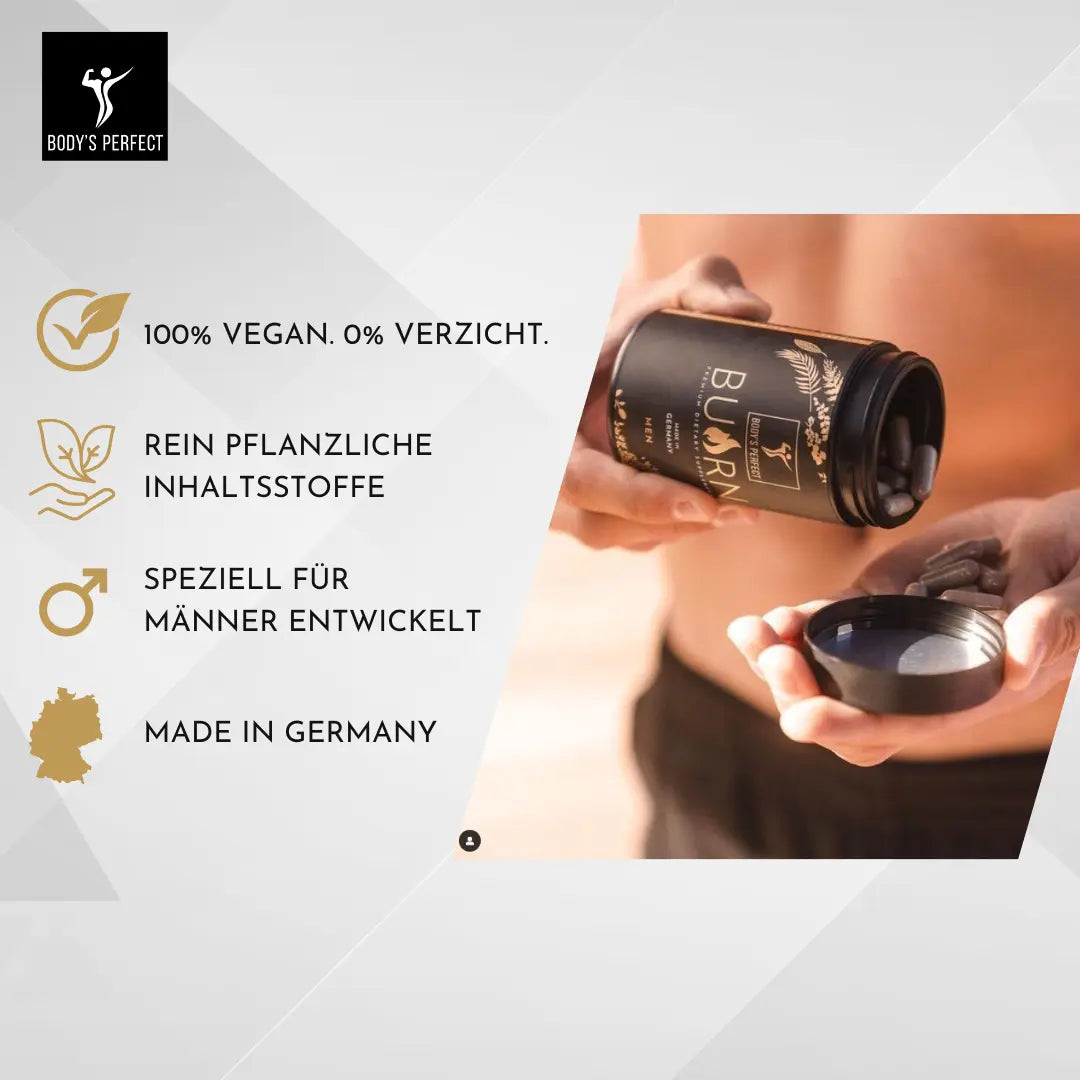
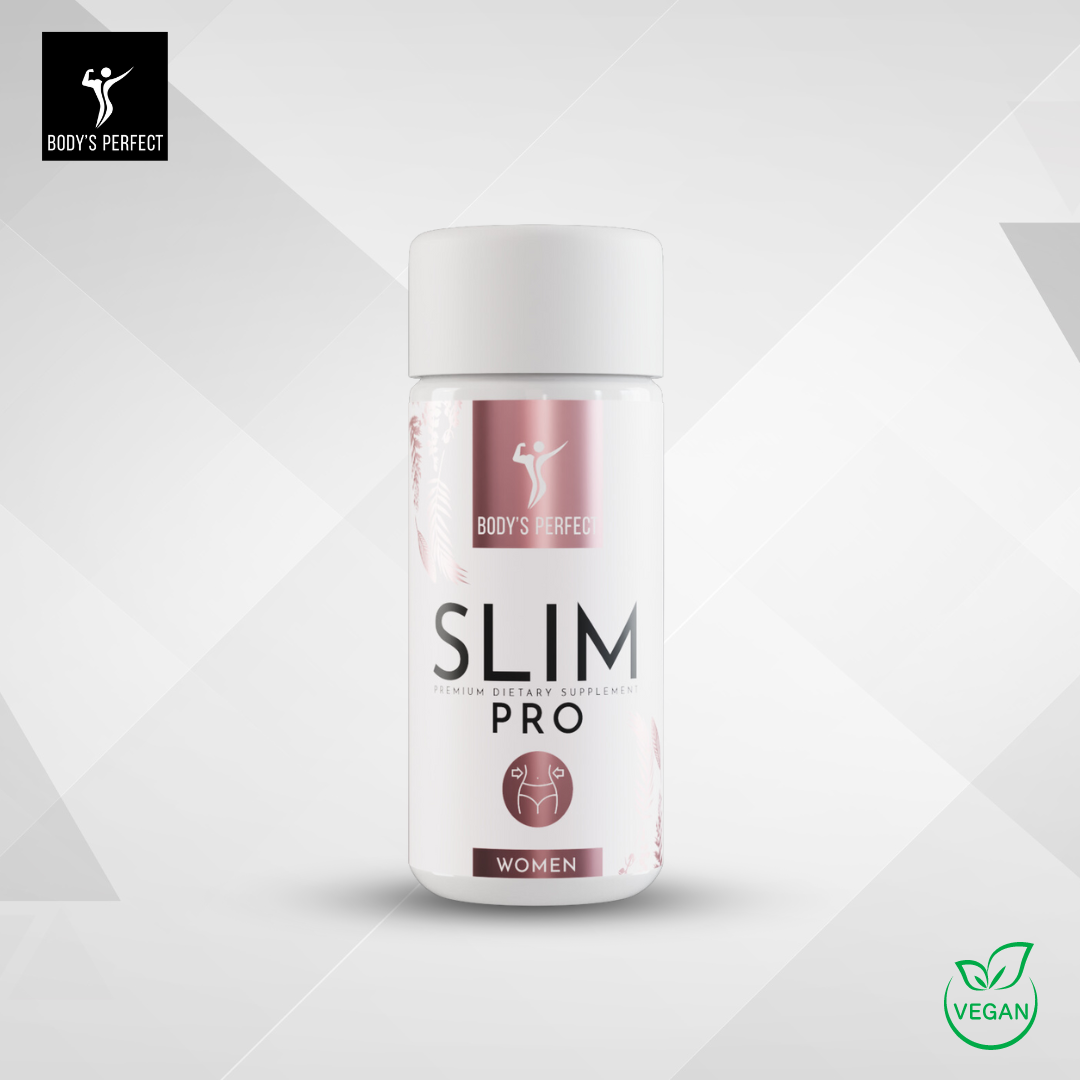
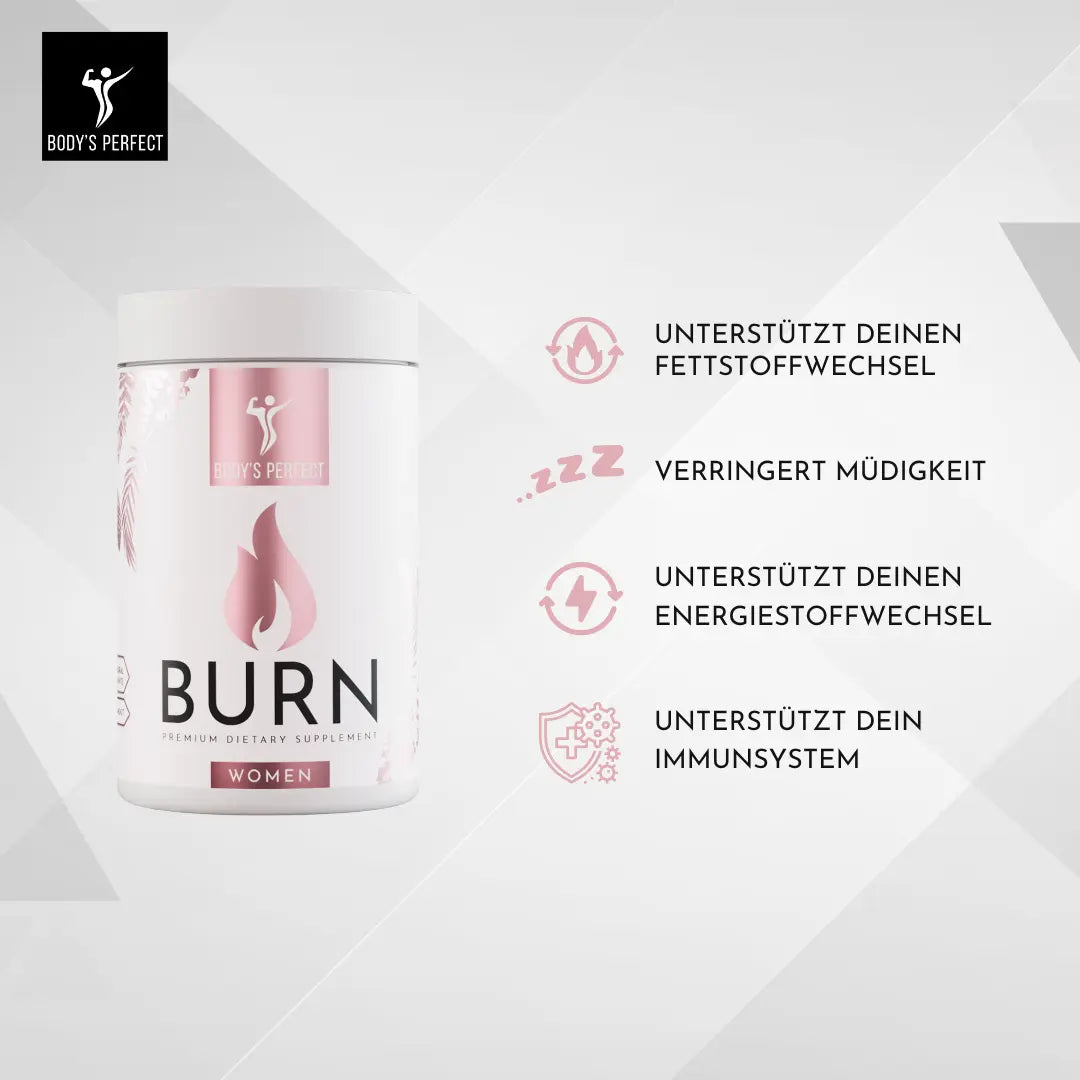
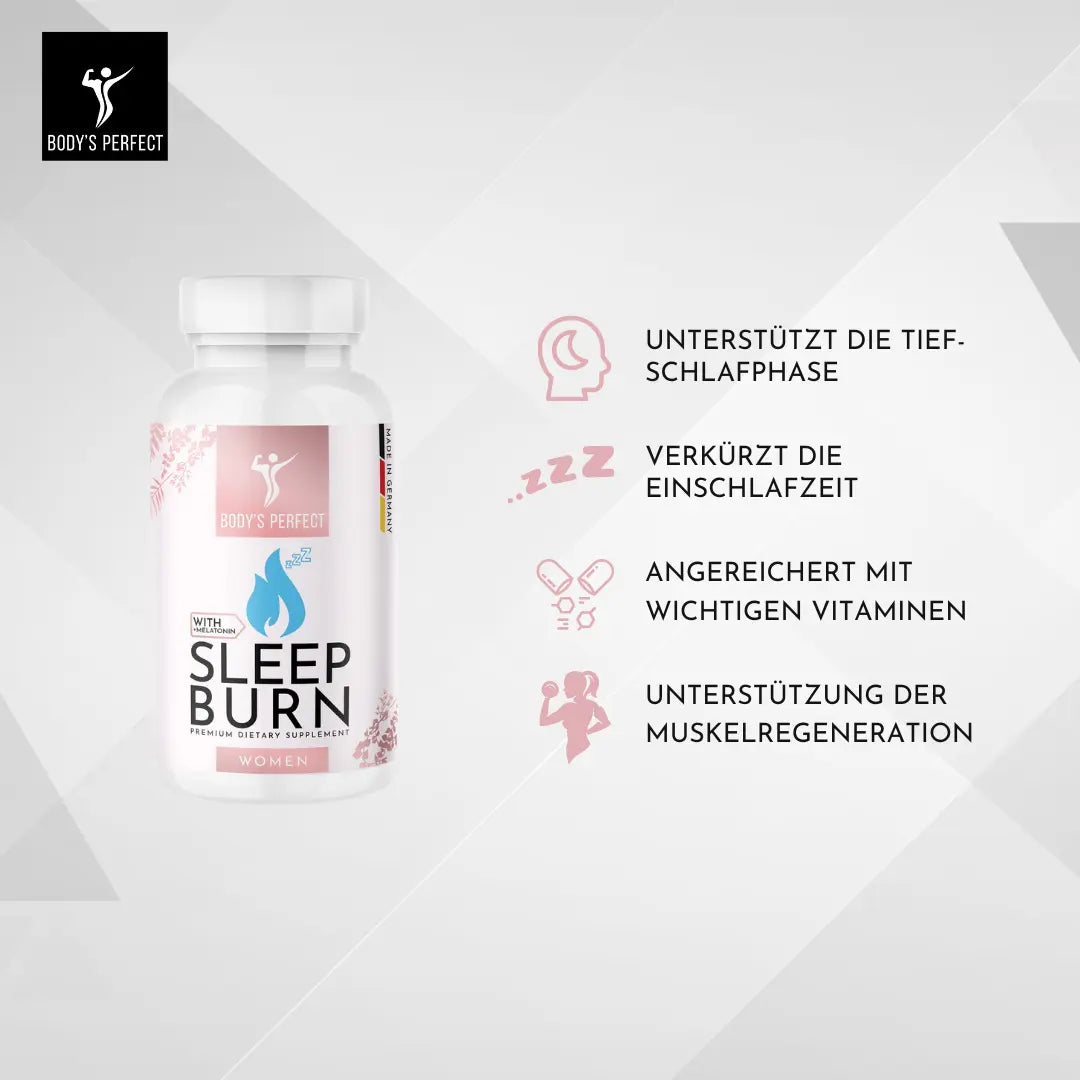
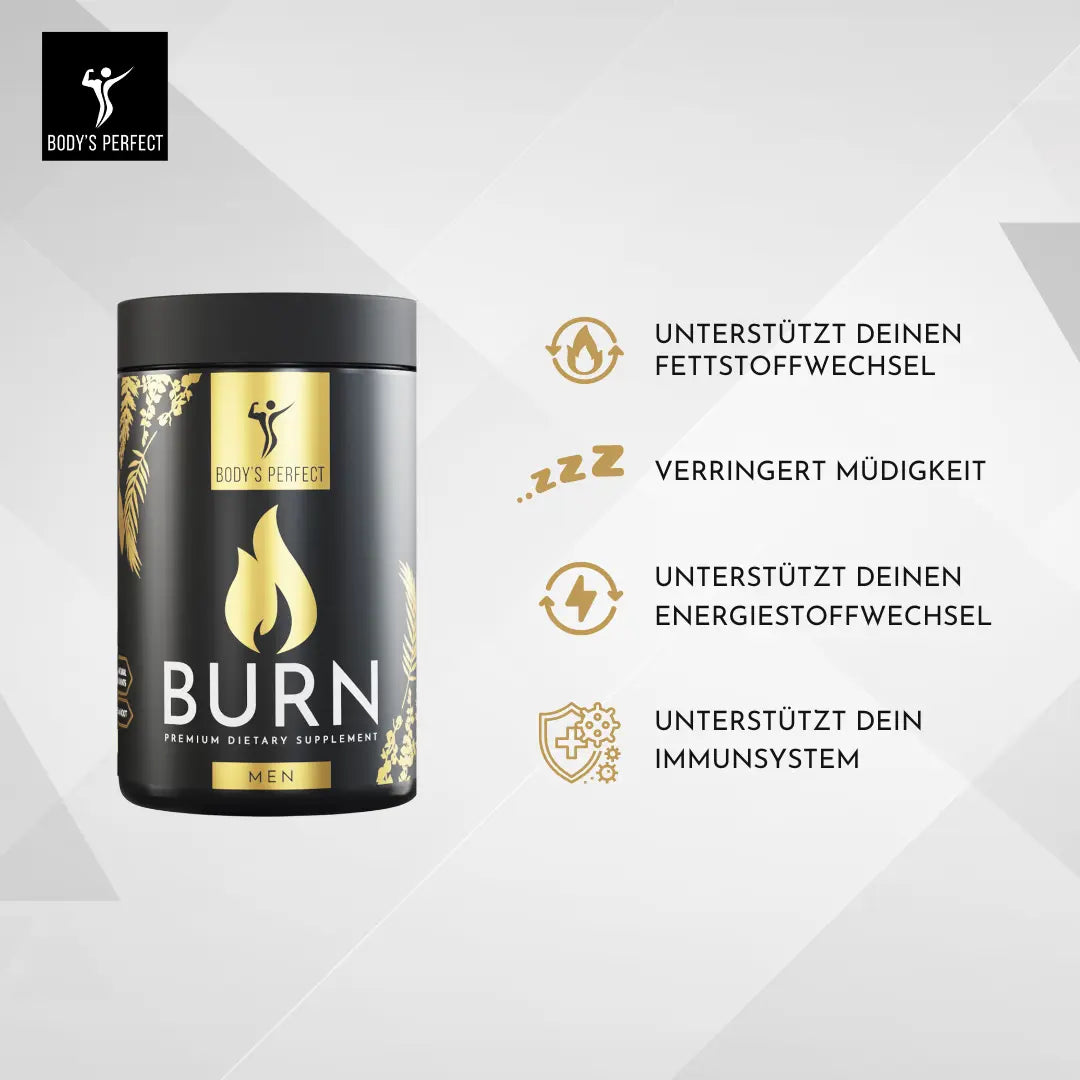
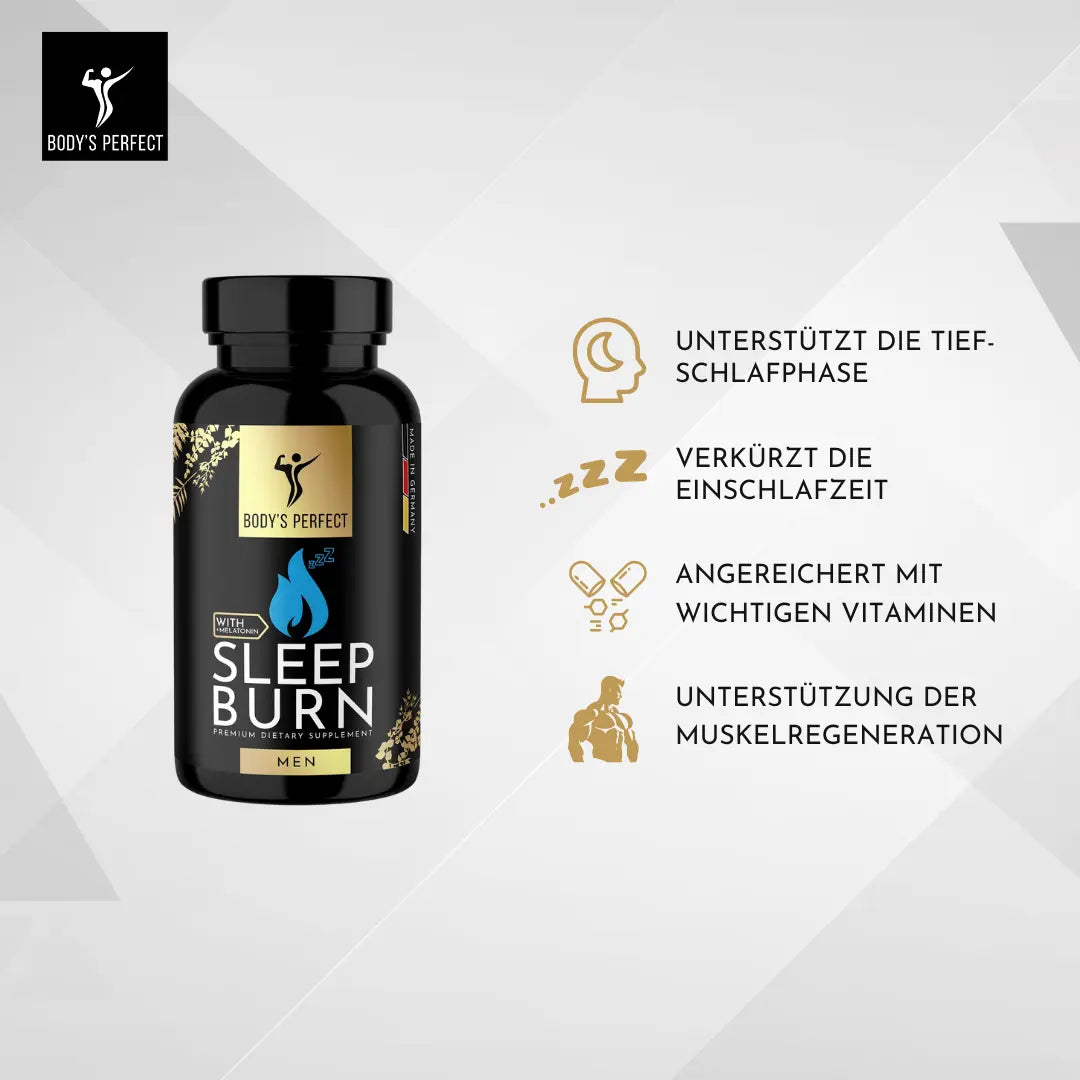
On the path to a healthier you, the right support can make all the difference. BODY'S PERFECT products have been developed precisely for this purpose: they provide you with high-quality, natural ingredients and help you optimize your weight management. Discover which solution best suits you and your goals. Learn more at bodysperfect.com.


















Share:
Creatine for Weight Loss: How to cleverly use it for your diet
Creatine for Muscle Growth: Your Guide to More Strength & Mass