

Let's clear up the biggest myth right away: Creatine isn't just for building muscle; it can also be a real game-changer in your diet. Many people associate creatine immediately with weight gain. While that's true, this gain is water in your muscles – not fat.
This guide will show you exactly why this effect can help you lose weight with creatine and how to use it strategically to achieve your goals.
Does Creatine Really Fit into Weight Loss?
The idea of taking a supplement known for weight gain during a diet sounds contradictory at first. But appearances can be deceiving here. The number on the scale is often a poor indicator, as it doesn't distinguish between fat, water, and valuable muscle mass.
And this is precisely where creatine's strategic role comes into play. Your goal isn't just to blindly lose pounds. You want to specifically reduce body fat while protecting your hard-earned muscle mass. This is the secret to a defined, athletic body and the best protection against the dreaded yo-yo effect.
Creatine is your ally to ensure the quality of your weight loss. It helps you burn fat instead of muscle – and that ultimately makes all the difference for your long-term success and your reflection in the mirror.
Interpreting the Number on the Scale Correctly
When you start taking creatine, you'll likely see a small increase on the scale. This is completely normal and even a good sign! It shows that the creatine is working and your muscle cells are drawing in water, making them plumper and more powerful.
In Germany, athletes typically gain 1 to 2 percent of their body weight initially due to creatine. For an 80-kilogram adult, this means about 0.8 to 1.6 kilograms more – but only due to water in the muscles.
This effect has absolutely nothing to do with an increase in body fat. On the contrary, this process even brings you several advantages in your diet:
- Muscle mass protection: In a calorie deficit, the body often targets muscles as an energy source. Creatine acts like a shield for your muscles.
- Strength retention: With full creatine stores, you can continue to push hard in training, perhaps even getting stronger. And that means more calories burned.
- Active metabolism: Muscles are your most important metabolic engine. The more of them you retain, the higher your basal metabolic rate remains, even at rest.
The initial gain is therefore a clever investment in your metabolism. To understand the exact mechanisms behind this, also check out our comprehensive guide on Creatine's Effects.
How Creatine Protects Your Metabolism
If you want to lose fat, you can't avoid a calorie deficit. That's the golden rule. But this deficit also puts your body in a slight state of alarm. It wants to save energy – and prefers to get it from your hard-earned muscles. This is where creatine comes in and becomes a personal bodyguard for your muscles.
Imagine your muscles as small power plants that burn calories even when you're just lying on the couch. If you lose muscle mass during a diet, these power plants throttle their performance. Your basal metabolic rate drops, losing weight becomes increasingly difficult, and the door for the dreaded yo-yo effect is wide open.
Your Shield in a Calorie Deficit
Creatine ensures that your muscles have readily available energy even with fewer calories. This tremendously helps you maintain your strength and intensity during training. Instead of struggling through your workout feeling weak and tired, you can continue to push hard and lift heavy weights.
This signal is invaluable for your body. It thinks: "Okay, these muscles are obviously still needed, I'd rather keep them!" So, instead of burning valuable muscle tissue for energy, it increasingly draws on fat reserves instead.
The result is a much higher quality of weight loss. You're not just losing pounds on the scale, but specifically body fat, while preserving your shaping musculature.
The following infographic clearly shows how creatine, muscles, water, and fat interact.
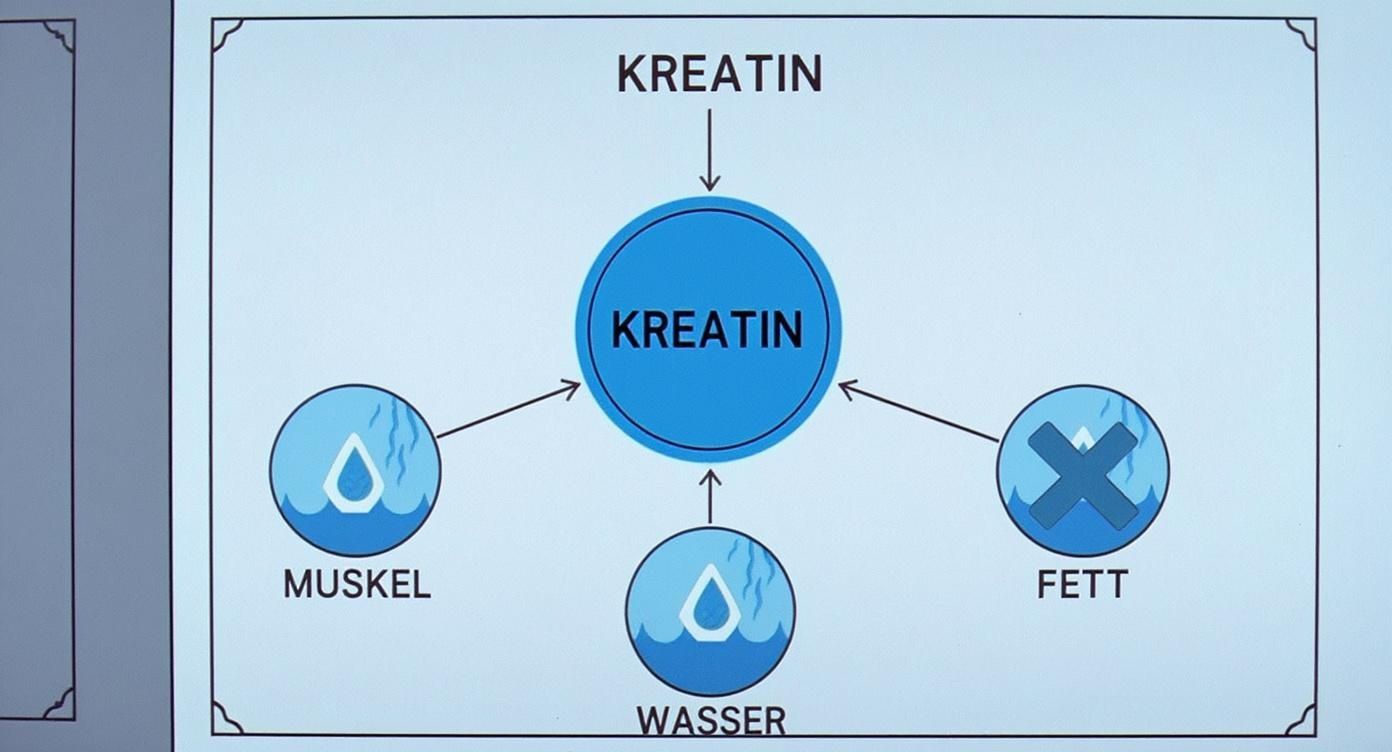
It's immediately clear: Creatine has a direct, positive connection to muscle cells and their water balance. And this, in turn, helps to boost fat loss.
Why an Active Metabolism is So Crucial
Maintaining your muscle mass remains the most important lever for keeping your metabolism revved up during a diet. Every muscle you preserve from breakdown helps you maintain your daily calorie expenditure. This not only makes weight loss more effective but, above all, more sustainable.
The advantages are obvious:
- Higher basal metabolic rate: More muscles burn more calories around the clock. Yes, even while you sleep.
- Better body composition: You won't just get lighter, but also firmer and more defined, because the ratio of muscle to fat simply improves.
- No yo-yo effect: A strong metabolism is the best insurance policy against rapid weight gain once the diet is over.
So, when you use creatine for weight loss, you actively support fat loss instead of unintentionally slowing it down through muscle loss. Do you want to delve even deeper into the topic? Then check out our guide where we reveal how you can naturally stimulate your metabolism. This will lay the foundation for your long-term success.
How Much Creatine is Useful in a Diet? The Right Dosage
Okay, how much creatine do you really need to best support your diet? The answer might surprise you: It's surprisingly simple. Don't be put off by complicated loading phases or wild intake protocols. If you want to lose weight with creatine, a simple, consistent routine is your best friend.
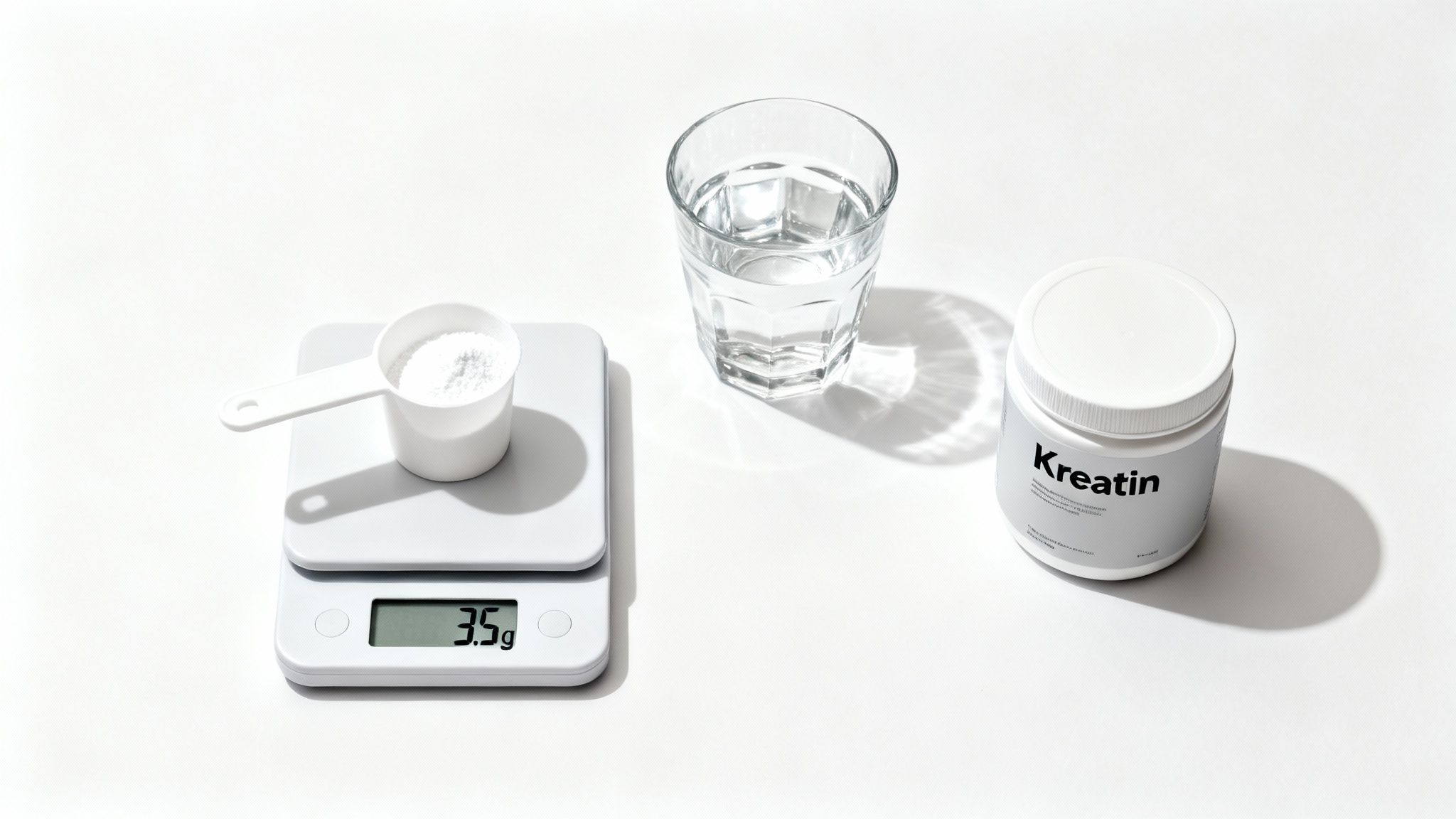
For most people, a daily dose of 3 to 5 grams of creatine is perfectly sufficient. With this amount, you ensure that your muscle stores are well filled and remain so. More is not better here – it usually only leads to unnecessary water retention, which would only frustrate you on the scale.
This dosage, by the way, is well-researched and absolutely safe. Both the German Nutrition Society and international authorities classify a daily intake of 3 to 5 grams as harmless. Long-term studies even show that even significantly higher amounts are well tolerated. If you want to read more deeply, you can find further information on safe use from the Verbraucherzentrale (consumer advice center).
Why You Can Safely Skip the Loading Phase
In the past, there was often talk of a "loading phase," where you were supposed to take up to 20 grams of creatine daily for a few days to fill the stores as quickly as possible. However, especially when trying to lose weight, this is not the best strategy.
While a loading phase fills stores faster, it also causes sudden and significant water retention. In a diet where you want to keep an eye on your weight, a slow and steady intake is the much smarter approach.
If you skip the loading phase and simply start directly with your 3 to 5 grams per day, your stores will fill up a bit slower, but the end result after a few weeks will be exactly the same. The big advantage: you spare yourself the initial "water shock" on the scale.
The Best Time for Intake
Honestly, the exact time you take your creatine is secondary. Much more important is that you take it every day. Consistency is key here, so your muscle stores are always full. It's best to simply incorporate it into your daily routine, then you won't forget it.
However, there are a few little tricks to optimize absorption even further:
- After training: Many take it directly after a workout, often with a protein shake. This can slightly improve absorption into muscle cells.
- Combination with carbohydrates: A small splash of juice in water or a banana can also help shuttle creatine into the muscles due to the slight insulin release.
- Drink plenty of water, very important: Creatine binds water in the muscles. So, make sure to drink enough throughout the day. This keeps you well-hydrated and ensures that creatine can exert its full effect.
Creatine is a great tool, but of course only one piece of the puzzle. If you want to know what else can support you, check out our guide on supplements for sports.
Training and Nutrition: The Unbeatable Team for Fat Loss
Creatine is a brilliant helper in your diet, but it's not a magic potion. Its true strength only becomes apparent when it works together with the two most important building blocks of your success: well-planned training and the right nutrition. Only when these three are in perfect harmony do you create the ideal conditions to specifically burn fat while protecting your hard-earned muscles.
Forget the old myth that you have to sweat for hours on the treadmill to lose fat. When creatine is involved, the key to success lies elsewhere.
Strength Training as a Fat-Burning Engine
Focus entirely on intense strength training. Why? Because it sends the strongest signal to your body to preserve valuable muscle mass. And this is exactly where creatine helps you: It provides the necessary power for heavy weights and intense repetitions, even when you're in a calorie deficit.
Every strength training session not only burns calories during the workout but also ignites the afterburn effect. This means your metabolism continues to run at full speed for hours after the workout. This way, you protect your muscles and simultaneously boost fat burning – an absolute win-win situation.
Always remember: Your goal is to show your body that the muscles are needed. Intense training combined with creatine is the unmistakable message it needs.
The Secret of a Smart Calorie Deficit
Of course, to lose fat, you need a calorie deficit. But it must be chosen wisely. Too high a deficit robs you of energy for training, provokes cravings, and forces your body to break down muscle mass – exactly the opposite of what you want.
A moderate deficit of 300 to 500 calories below your total daily requirement is the golden mean. This ensures that you have enough energy for your training and that your body primarily targets fat reserves.
- Determine your needs: Use an online calorie calculator to find out your approximate daily requirement.
- Keep track: Track what you eat for a few days to get a feel for your current calorie intake.
- Adjust slowly: Gradually reduce your calories so your body has time to adjust.
Protein: The Protector of Your Muscles
Alongside a calorie deficit, a protein-rich diet is your most important partner. Protein is the bodyguard for your muscles, keeps you full for a long time, and even boosts your metabolism through its thermic effect. Aim for approximately 1.8 to 2.2 grams of protein per kilogram of body weight per day.
Adequate protein intake is key to staying strong during your diet and looking more defined in the end. If you want to know how best to implement this, check out our 5 Tips for a Protein-Rich Diet for Weight Loss.
Who is Creatine Really Suitable for Weight Loss?
For whom does creatine really make sense in a diet? Let's take a closer look. It's not a miracle cure for everyone, but for certain people, it can really provide a decisive advantage.
For Whom is Creatine a True Game-Changer?
Are you one of those who regularly lift weights and love strength training? Then the answer is a clear yes. When you are in a calorie deficit, your most important goal is to protect your hard-earned muscle mass and strength. This is exactly where creatine is your best friend in the gym.
But even if you're just starting to train, creatine can be a great jump start. You'll notice yourself getting stronger faster, and that's a huge motivational boost. Nothing is better than seeing progress from the beginning – that helps immensely to stay on track.
Who Can Rather Do Without It?
The effect of creatine is closely linked to intense, short-term muscle work. This is also consistent with the results of a study by the Robert Koch Institute, which shows that performance-enhancing substances like creatine are primarily used by athletes in Germany. If you want to read the details on its prevalence in Germany, you can find them in the KOLIBRI survey of the RKI.
It quickly becomes clear who benefits less from taking it:
- Pure endurance athletes: If your training mainly consists of long runs or bike tours, the benefit of creatine is rather small. It targets explosive strength, not endurance.
- People who don't exercise: Without the stimulus of strength training, creatine simply cannot unfold its muscle- and strength-preserving effects.
To sum it up: Creatine is the right choice for you if you actively pursue your weight loss goal with strength training. It's a smart tool to ensure the quality of your success – meaning losing fat specifically while retaining your valuable muscles.
Of course, there are other aids on the way to your goal. To get a good overall overview, take a look at our article on which supplements really help with weight loss.
Your Strategy for Successful Weight Loss with Creatine
Let's summarize everything so you have a clear strategy for yourself. Creatine is not a magic pill that melts fat overnight. Instead, think of it as a smart partner who supports you in the background and protects your muscles during a diet.
Essentially, it's a tool that helps you improve the quality of your weight loss. Because losing weight is not just losing weight.
When you're in a calorie deficit, protecting your muscles is an absolute priority. This is exactly where creatine comes in: it helps you stay strong during training and maintain intensity. This is the crucial signal to your body to get the missing energy from fat reserves – and not from your valuable muscle mass. This keeps your metabolism running and gives the dreaded yo-yo effect a much harder time.
Your Roadmap to Success
To get the most out of your diet, you should cleverly combine three things:
- Smart Nutrition: Maintain a moderate calorie deficit and eat enough protein. This provides double protection for your muscles and also keeps you full longer.
- Focused Training: Concentrate on intense strength training. This is the strongest stimulus you can give your body to preserve muscles, and it also boosts your metabolism.
- Targeted Supplementation: Take 3-5 grams of creatine daily. This secures your strength levels and helps minimize muscle breakdown.
Don't be discouraged by the scale at first! The slight weight gain is not a setback, but a good sign. It's just water being drawn into your muscles – the best proof that creatine is doing its job and preparing your muscles for the diet.
If you consistently follow these three points, you'll achieve much more than just a lower number on the scale. You'll sculpt a defined, strong, and long-term fit body. So, use creatine wisely to elevate your goal – losing weight with creatine – to a new level and start with more power.
Frequently Asked Questions About Creatine and Weight Loss
Here you'll find answers to the typical questions we often receive about creatine and the goal of weight loss. We'll get straight to the point so you can make the right decision for yourself.
Will I gain weight instead of losing it with creatine?
This is probably the biggest concern, but I can reassure you: It's unfounded. Yes, it's true that the scale may show 1 to 2 kilograms more at the beginning. However, this is almost exclusively water drawn into your muscles – it is not fat.
Look at it this way: It's an investment in your metabolism. This extra water not only makes your muscles look fuller but also directly improves their performance. In the long run, this strong musculature will help you burn more calories and lose fat. So, you'll be losing fat while improving your physique.
Do I need to do a loading phase during my diet?
In short: no. A high-dose loading phase is not necessary and is even rather unwise during a diet. It only leads to unnecessarily rapid and significant water retention, which can quickly be frustrating on the scales.
The significantly smarter method is a consistent intake of 3 to 5 grams per day. This way, your muscle stores will fill up a little slower, but the effect will ultimately be exactly the same. The crucial advantage for you is that the initial weight gain will be much gentler and more controlled.
Does creatine help even if I only do cardio?
Here we have to be honest: Creatine's greatest strengths lie in improving explosive power. That makes it the perfect partner for intense strength training. If you only focus on moderate endurance training like jogging or cycling, you will hardly notice any significant effect.
Creatine only unleashes its full potential, i.e., the protection of your muscle mass, when the muscles are truly challenged by strength sports.
If your goal is a sculpted body and not just a lower number on the scale, then the combination of creatine, a sensible calorie deficit, and regular strength training is the absolute most effective strategy.
So, if you really want to tone and shape your body, this trio is your key to success.
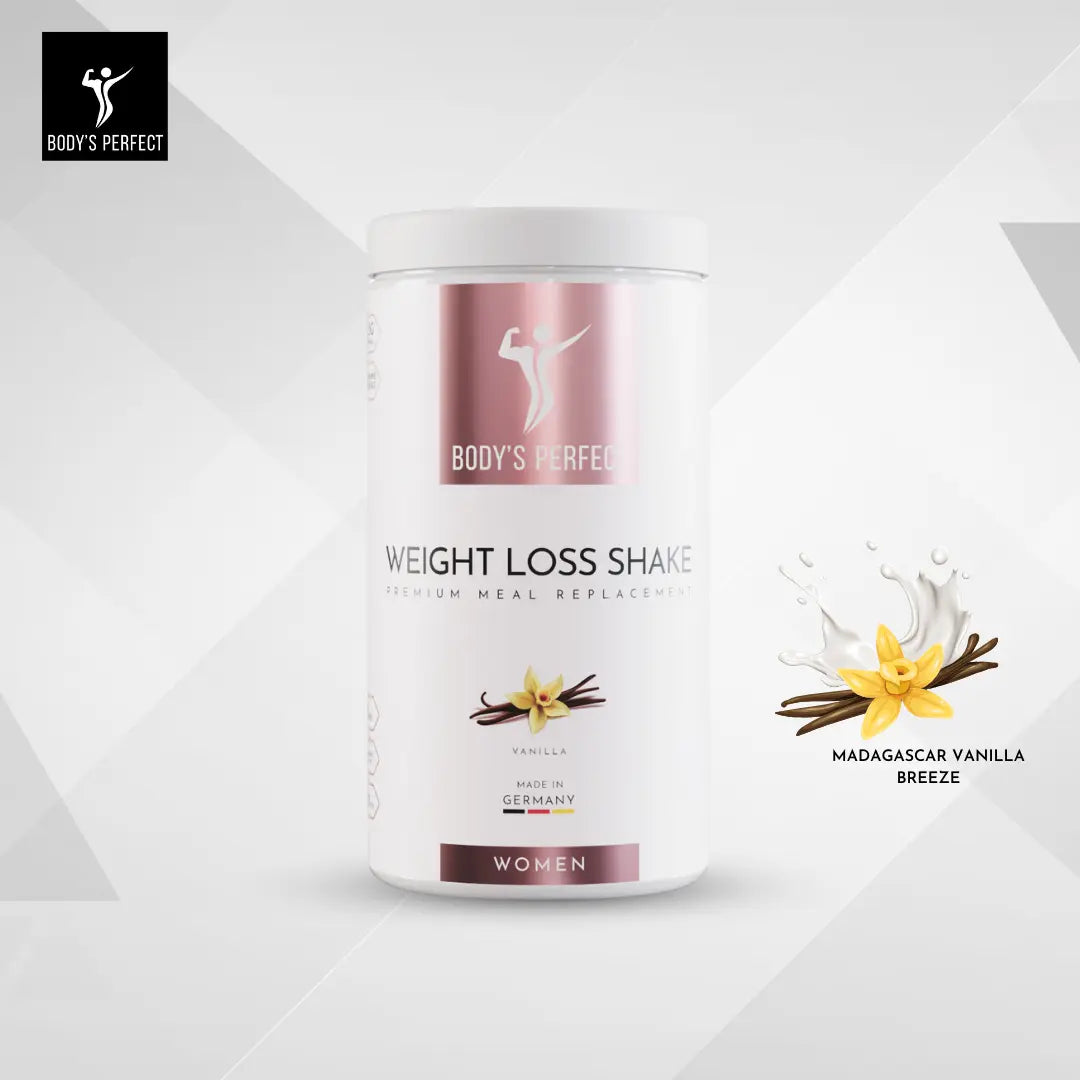
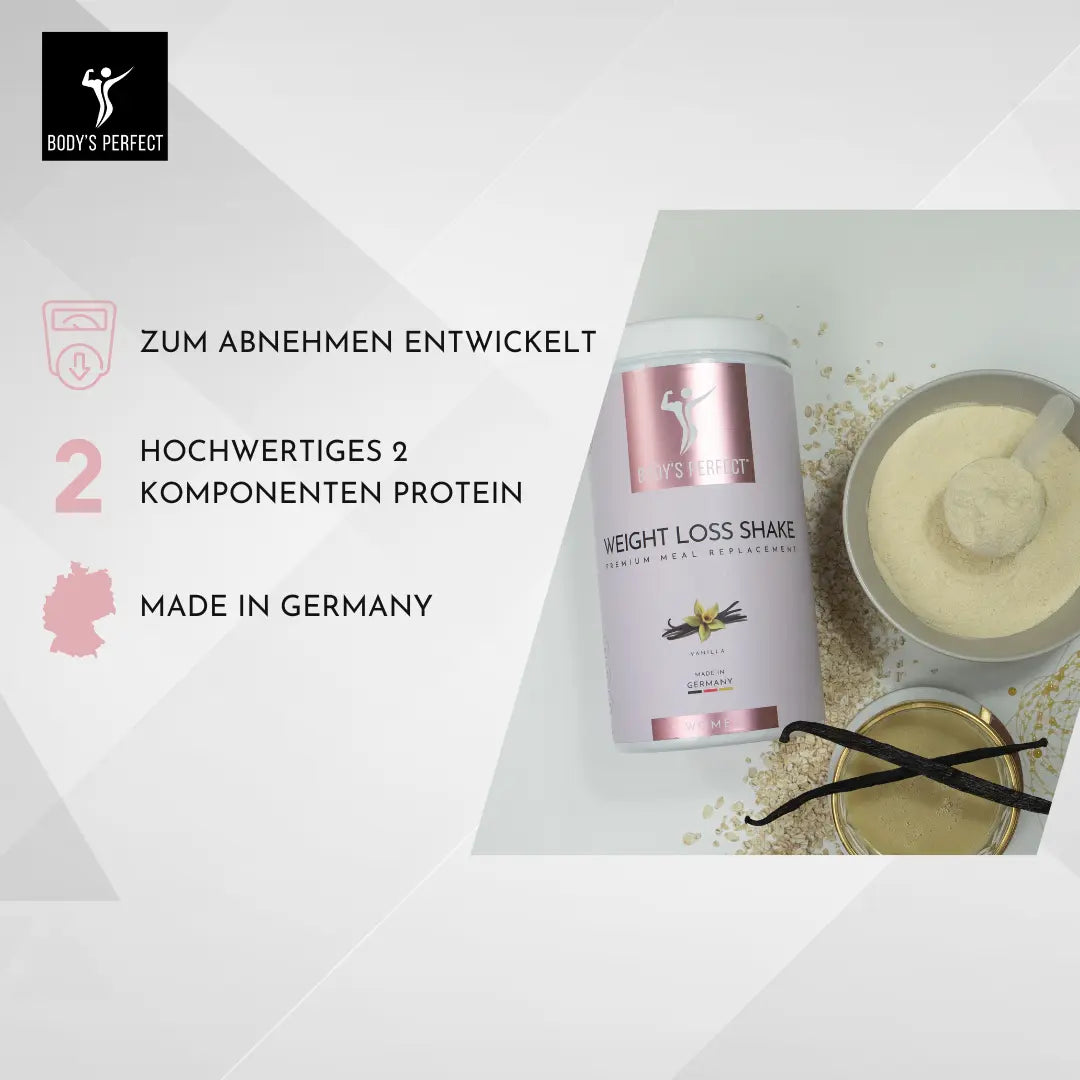
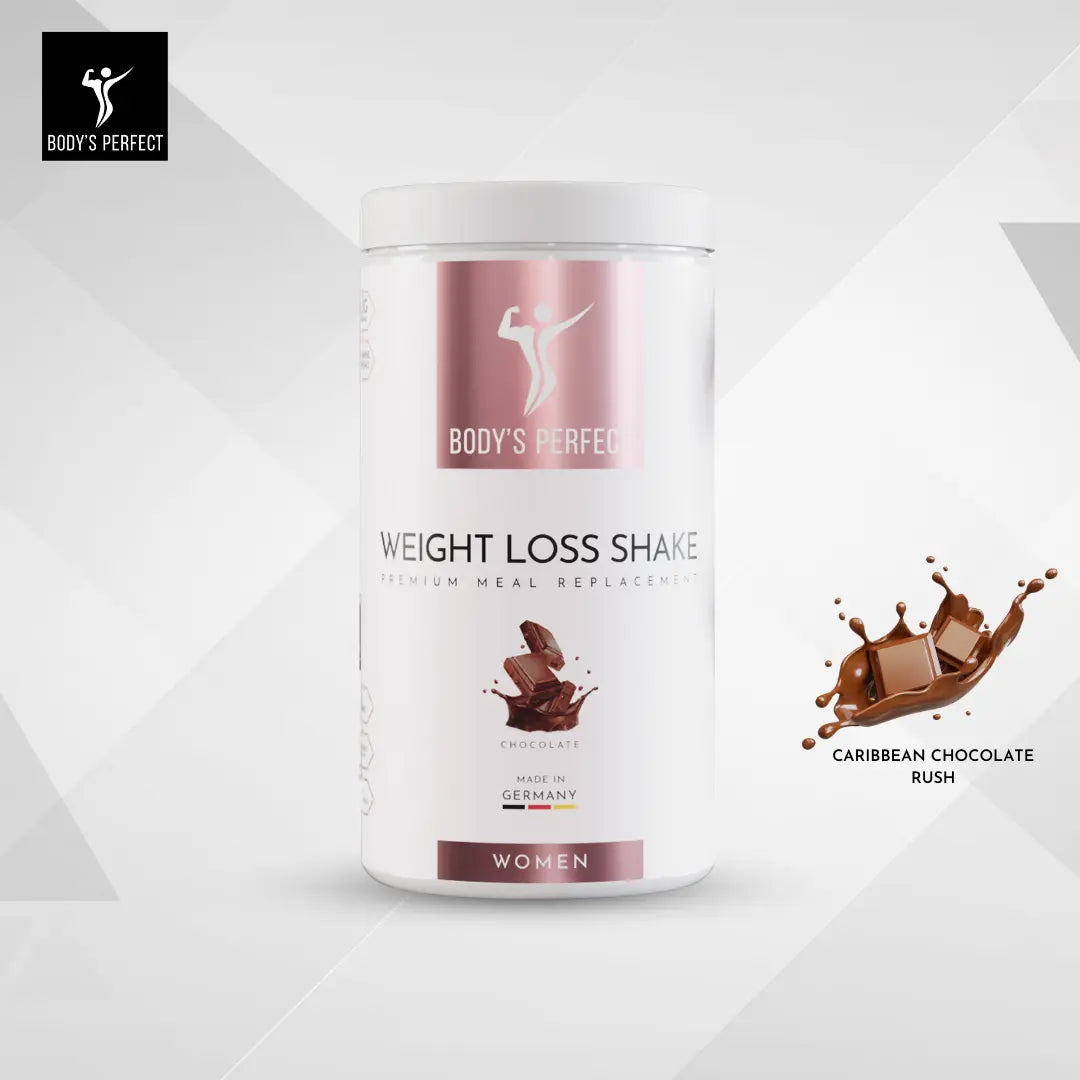
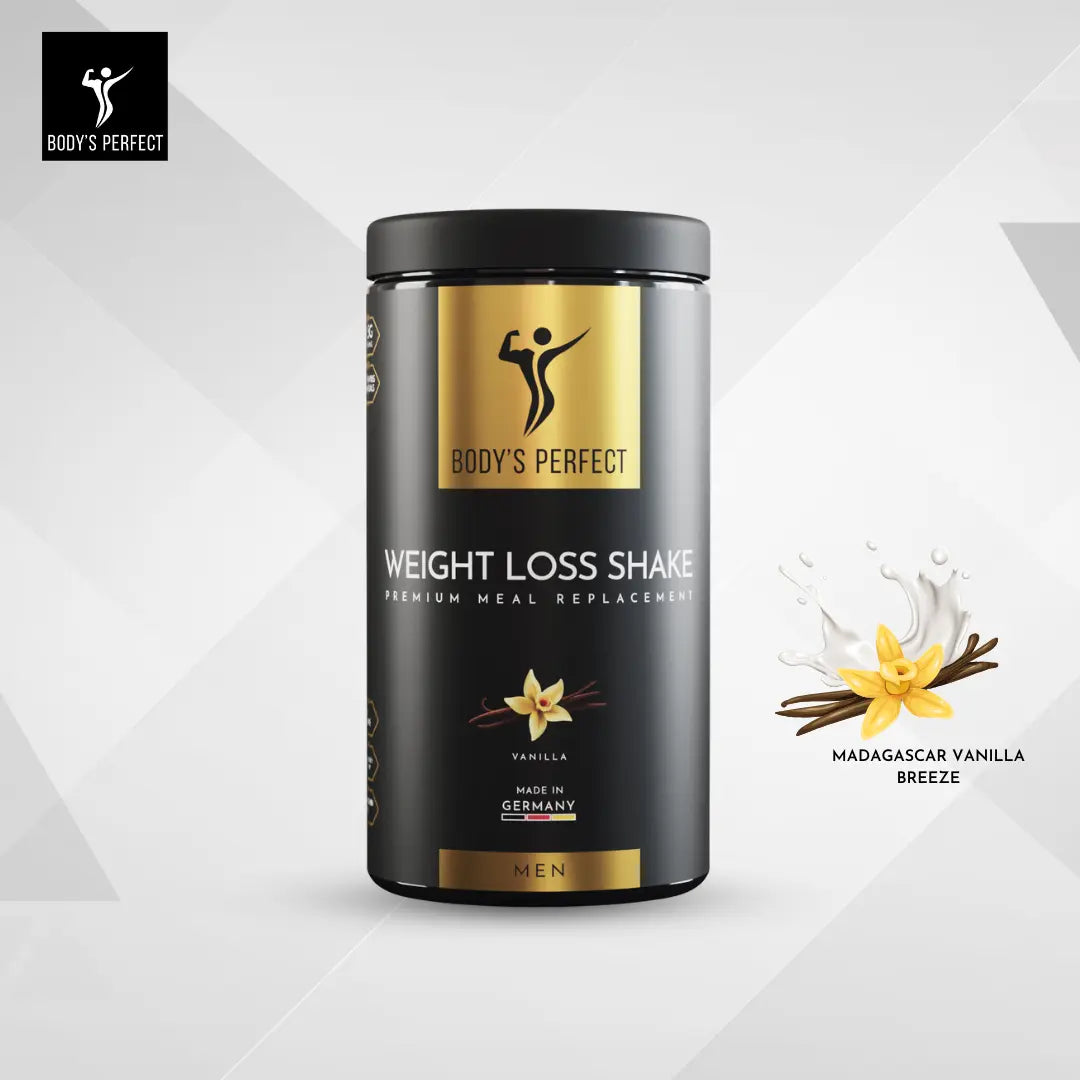
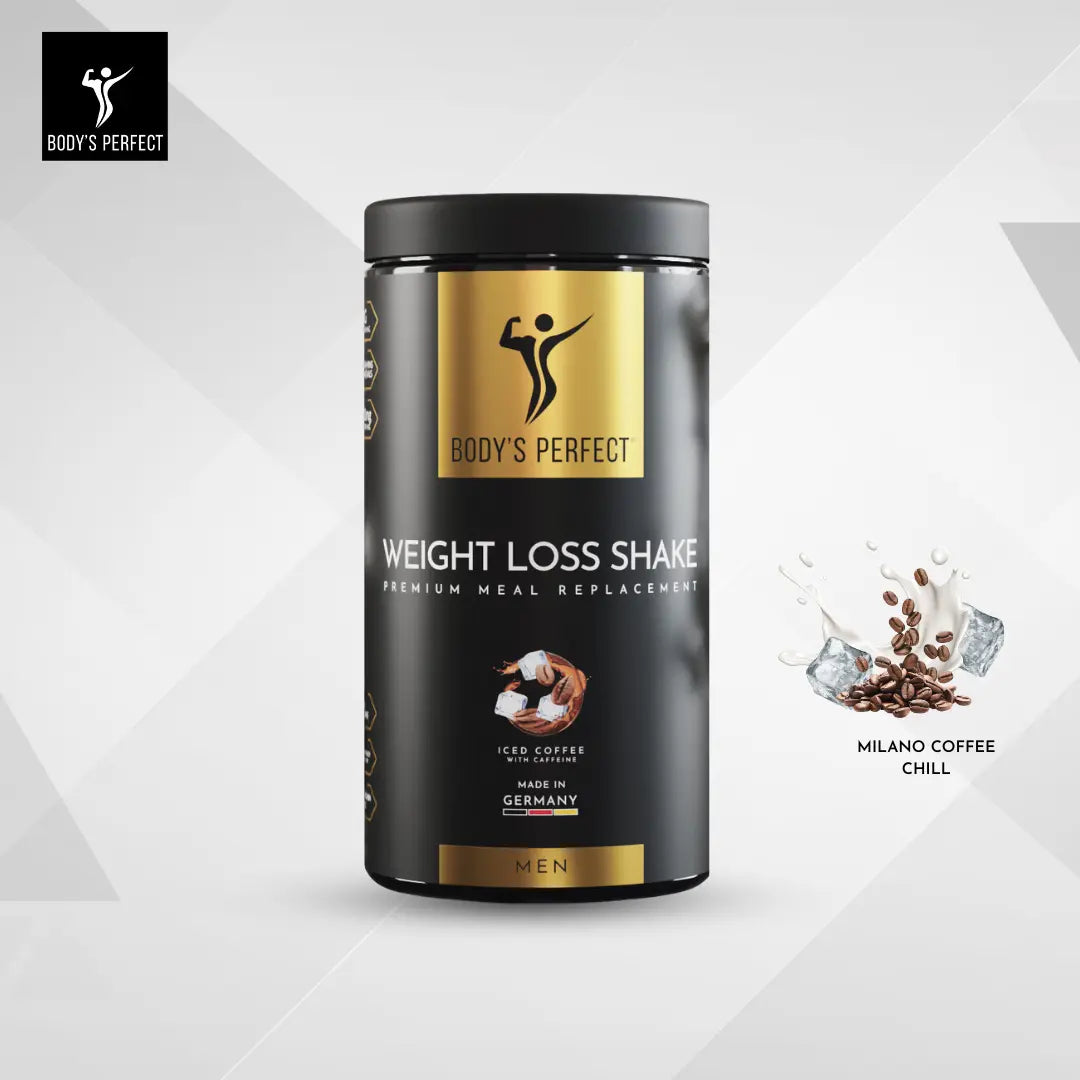
Are you ready to take your diet to the next level and effectively protect your muscles? At BODY'S PERFECT, you'll find everything you need for your journey to a defined and fit body – from high-quality supplements to innovative DNA metabolic tests. Discover the right products for your goals now at https://bodysperfect.com.






Share:
Healthy Weight Loss with Fruit: The Top 8 Fruits for Your Feel-Good Weight
Sugar addiction: What to do? Your way out of the sugar trap