

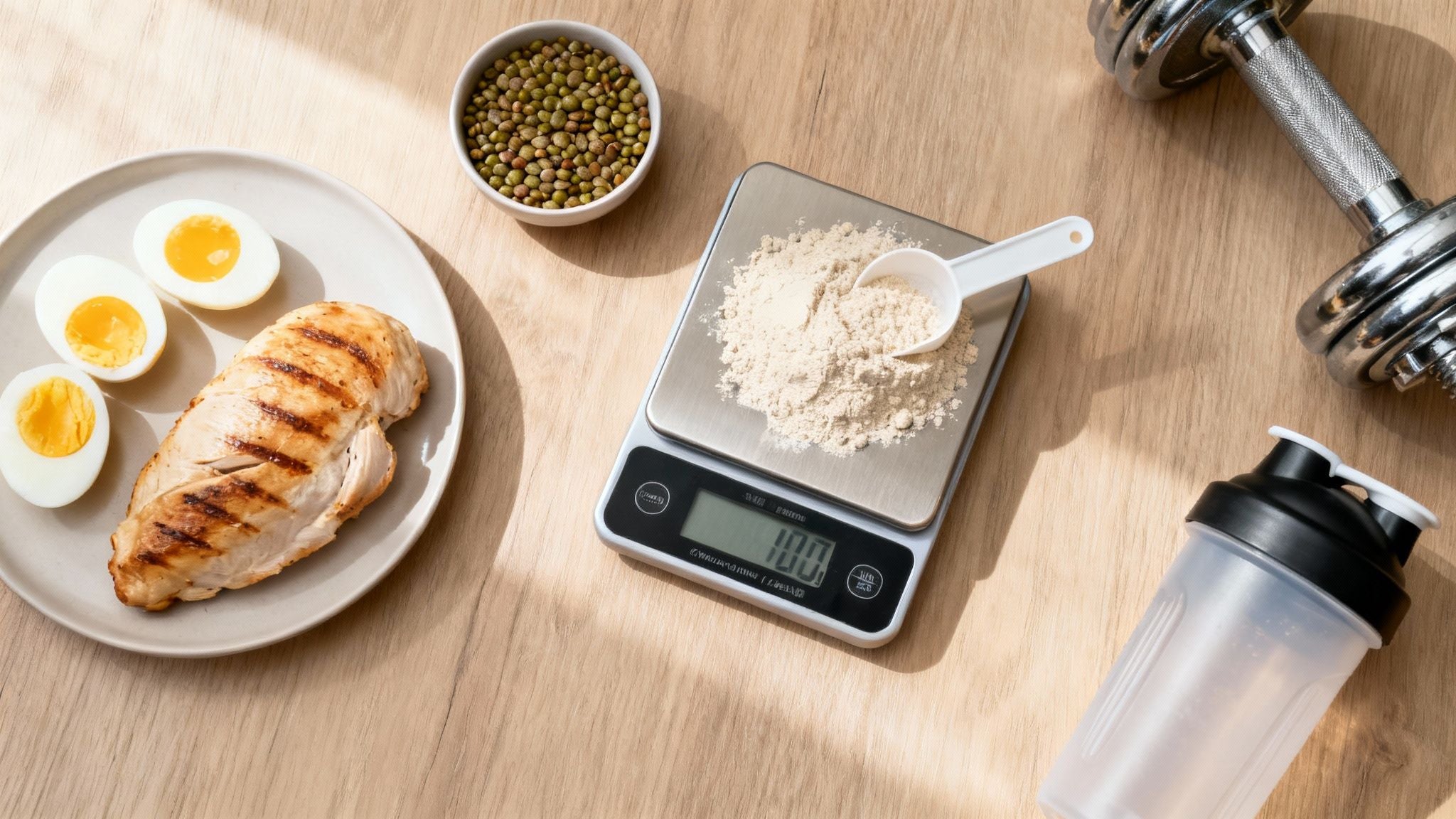
You're wondering how much protein you really should eat per day for muscle building? The answer is actually quite simple and scientifically well-proven: For the best results, you should stick to 1.6 to 2.0 grams of protein per kilogram of body weight. This is the golden rule that ensures your muscles get all the building blocks they need to grow.
The exact amount of protein for your muscle growth
You've probably heard the general recommendation: 0.8 grams of protein per kilo of body weight. That's a solid value for someone who is hardly active. But for you and your strength training goals? That's nowhere near enough. Imagine your body after training like a construction site where new building material constantly needs to be delivered. This material is protein.
Hard training leaves tiny tears in your muscle fibers. That sounds bad at first, but it's exactly what you want! It's the signal for your body not just to repair the muscles, but to rebuild them thicker and stronger. Without enough protein building blocks (amino acids), this process, called muscle protein synthesis, will only run on a low flame. It's like telling construction workers to build a massive wall but only throwing them a handful of bricks. Not much will happen.
From standard value to athlete recommendation
Even official bodies like the German Nutrition Society (DGE) clearly state that athletes need more protein. While 0.8 g/kg applies to the general population, the recommendation for ambitious strength athletes is 1.2 to 2.0 grams of protein per kilogram of body weight daily. This covers the increased need for growth and regeneration. Studies even go a step further and show that an intake of around 1.6 g/kg ideally supports muscle growth.
The graph here illustrates the difference between the needs of a sedentary person and an athlete quite well.

As you can see: your needs are more than twice as high. This makes an adapted diet incredibly important.
Simply put: For real muscle building, it's not the general health recommendation that counts, but the specific needs of athletes. Your body simply needs more building blocks to get stronger.
However, a high-protein diet is only half the battle. A slight calorie surplus is just as crucial. Only then will your body even have the energy to build new muscle mass. If you want to learn how to perfectly coordinate everything, check out our guide to calculating your total energy requirements. With the right knowledge about proteins and calories, you'll lay the foundation for your success.
How protein truly makes your muscles grow
Imagine your muscles like a brick wall. Every time you train intensely – whether you lift heavy weights or challenge yourself with your own body weight – tiny, intentional cracks appear in this wall. But that's no cause for concern; it's the starting signal for your body to really get to work.
These micro-injuries kickstart an ingenious repair process, technically called muscle protein synthesis. Your body doesn't just want to patch up the "damage"; it wants to make the wall even stronger and more stable for the next challenge. And this is exactly where protein comes in: It provides the essential building blocks – the amino acids – to fill the gaps and reinforce the wall.

If this supply of building blocks is missing, your body can only carry out the repair work sluggishly. The frustrating result: your muscle growth stagnates, even though you're giving it your all in training.
The key to growth: a positive nitrogen balance
Another important point is the so-called nitrogen balance. It sounds complicated, but it isn't. Nitrogen is a main component of proteins. If you consume more nitrogen through food than your body uses and excretes, you are in a positive nitrogen balance.
This state is essentially the scientific term for your body being in "building mode." It has enough material available to create new tissue – in our case, muscles. A negative balance, conversely, means that the body breaks down more protein than it builds, which can even lead to muscle loss.
A consistently positive nitrogen balance is the biochemical basis for sustainable muscle growth. It signals to your body that it has all the resources to get stronger.
However, to promote this anabolic (building) state, not only protein is important. Other nutrients also play a role. For example, the right supplementation can further boost protein synthesis. In our article on the effect of creatine on muscle building, you can learn more about how you can additionally boost your results.
Ultimately, it's this simple yet powerful logic that forms the core of training and nutrition: Your workout provides the stimulus for growth, but your food supplies the building material. Without the right amount of protein per day, the desired muscle growth will not happen, no matter how hard you toil in the gym.
How to calculate your personal protein requirement
Now we're getting down to business! The general recommendations are a great starting point, but for real results, you need to know your personal target amount. The good news is that the calculation is much simpler than you might think.
Basically, you only need a simple formula that takes your body weight and your current goal into account.
The simple formula for your protein requirement
The basis is always your current body weight in kilograms. You then multiply that by a specific factor, which depends on your goal – whether you're building muscle or losing fat on a diet.
- For muscle building (calorie surplus): Here, a value of 1.6 to 2.0 grams of protein per kilogram of body weight has proven effective. If you're just starting out, 1.6 g/kg is a perfect starting value.
- For muscle retention during a diet (calorie deficit): If you want to lose weight and protect your hard-earned muscle mass, you should even increase your protein intake slightly. Ideal here is 1.8 to 2.2 grams of protein per kilogram of body weight to prevent muscle breakdown.
Why more protein on a diet? It's simple: in a calorie deficit, your body looks for energy wherever it can get it – and unfortunately, it also taps into your muscles. A higher protein intake acts as a shield here and also ensures that you stay full longer.
To tailor this even more precisely to you, you can also determine your daily calorie requirement with our calculator. Then you'll know not only how much protein, but also how much total energy you need for your goals.
Concrete examples from practice
Theory is all well and good, but it only becomes truly clear with concrete examples. Let's calculate this for two typical cases.
The following table shows you how simple the calculation is.
Sample calculations for your daily protein requirement
Here's how to calculate the protein requirement for a 65 kg woman and an 85 kg man in the bulking and dieting phases.
| Person / Goal | Calculation (Weight x Factor) | Total Protein per Day |
|---|---|---|
| Anna (65 kg) for Muscle Building | 65 kg x 1.6 g/kg | approx. 104 g |
| Ben (85 kg) for Muscle Building | 85 kg x 1.6 g/kg | approx. 136 g |
| Anna (65 kg) on a Diet | 65 kg x 2.0 g/kg | approx. 130 g |
| Ben (85 kg) on a Diet | 85 kg x 2.0 g/kg | approx. 170 g |
As you can see, these figures are your personal guideline. They are not set in stone, but they provide clear orientation for your daily life.
Numerous studies confirm that these values are not only effective but also safe. For example, a German study compared a daily protein intake of 1.6 g/kg with a very high 3.2 g/kg. The result? Even 1.6 g/kg was sufficient for significant gains in muscle mass and strength – and this without stressing the liver or kidneys. You can find more details about this study here.
Now you have your personal number. In the next step, I'll show you how to cleverly distribute this amount throughout the day to get the most out of your training.
When and how to best take your protein
Okay, you now know your daily protein target – great, that's half the battle! But now comes the next crucial question: Does it matter when you eat this protein? In short: No, absolutely not. The right timing and a clever distribution throughout the day are key to really kickstarting muscle protein synthesis – the building process in your muscles.
Imagine it like a campfire. If you throw all the logs in at once, it blazes up briefly and fiercely, but quickly dies down again. But if you add wood regularly, the flame burns constantly and strongly. It works exactly the same way with your muscles and protein.
Distribute your protein intake evenly
Instead of cramming your entire protein intake into two huge meals, it's much smarter to divide it into several portions. This way, you provide your muscles with a steady supply of amino acids – the small building blocks from which new muscle tissue is formed.
The golden rule: Aim for 3 to 5 protein-rich meals a day. Ideally, each of these meals provides between 25 and 40 grams of protein to stimulate muscle growth maximally.
This even distribution keeps your body in "building mode" almost continuously and prevents it from running out of building material in between. This not only leads to better training results but also stabilizes your blood sugar levels and keeps you full for longer. A welcome bonus, especially if you're on a diet.
The myth of the anabolic window
For a long time, the myth of the "anabolic window" persisted. The idea was that you had to frantically chug a protein shake within 30 minutes after training, otherwise all your effort would have been in vain. Nowadays, we know: Fortunately, it's not that dramatic. The time window is significantly larger.
Of course, a protein-rich meal after training is a damn good idea. Your muscles are particularly receptive to nutrients then and want to start repairing. But you don't have to stress yourself. A good portion of protein within one to two hours after your workout is completely sufficient to optimally kickstart regeneration. If you want to know more precisely how to best time your protein shake, we have a separate article for you.
Use the night for regeneration
An often underestimated, but extremely effective time for protein is right before bed. At night, while you sleep, the most important repair and building processes in your body run at full speed. A portion of slow-digesting protein, for example from quark or a casein shake, supplies your muscles with important amino acids for hours.
- Benefits of a protein portion in the evening:
- Supports regeneration: Your muscles receive building blocks for repair throughout the night.
- Prevents muscle breakdown: You counteract catabolic processes during the long fasting phase at night.
- Promotes muscle growth: Muscle protein synthesis is kept at a high level even during sleep.
This small habit can really make a noticeable difference and get you to your goals faster. If you cleverly distribute your calculated protein intake throughout the day and even the night, you create the perfect conditions for sustainable muscle building.
The best protein sources for your diet
Okay, you now know your personal protein target and how to best distribute your meals throughout the day. But now comes the most important question: Where should all that protein actually come from? Because not all protein is created equal. Some sources simply provide your body with better building blocks that it can directly convert into muscle mass.
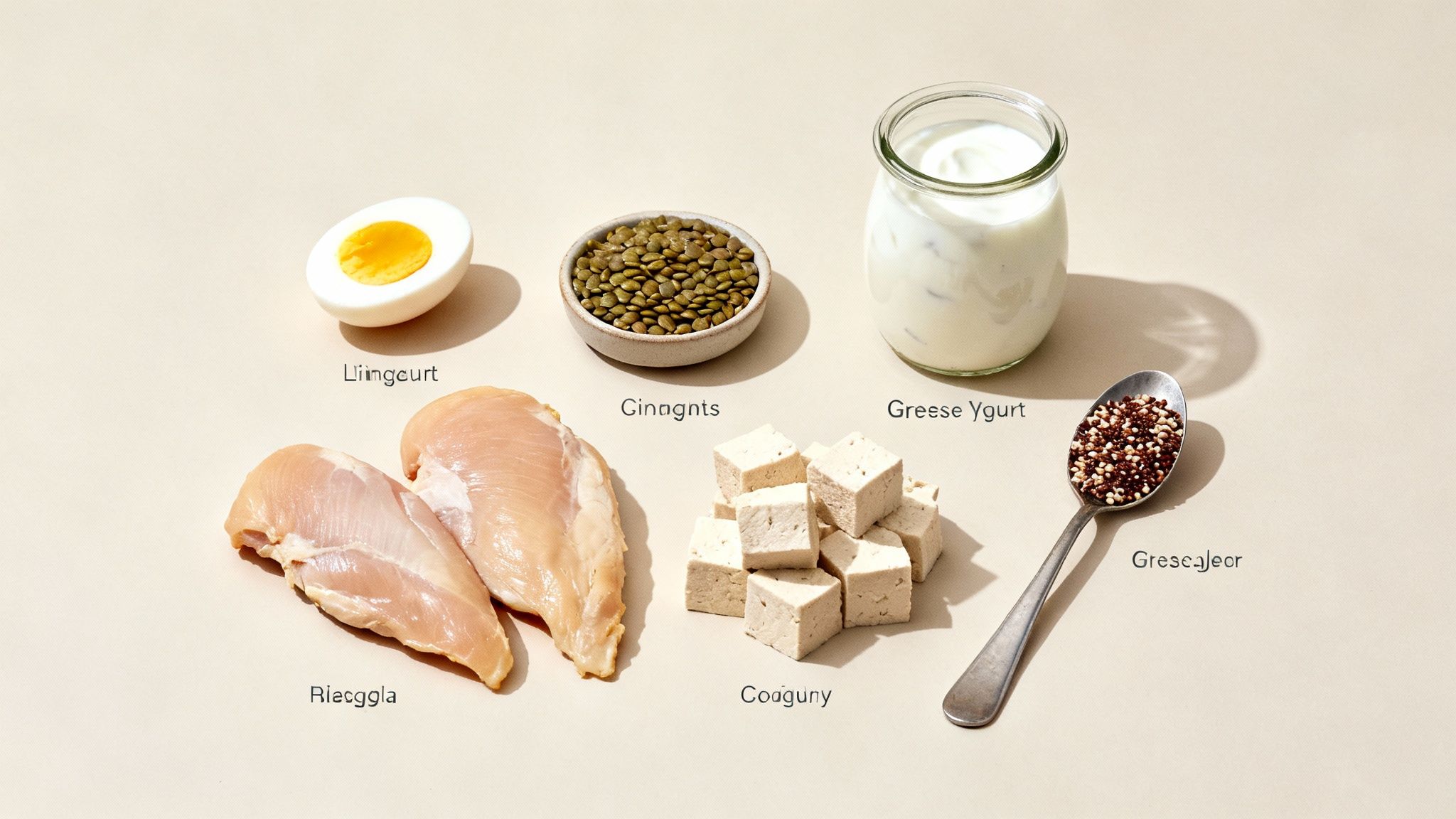
To assess the quality of a protein, experts often speak of its biological value. Think of it this way: This value describes how well your body can convert the protein from your food into its own structures – meaning muscles. The higher the value, the more efficient the process.
Animal proteins as powerhouses
Animal foods are a classic for muscle building for a reason. They naturally provide a complete package of all nine essential amino acids, and in a ratio that our body loves.
Here are some real champions:
- Lean meat: Chicken or turkey breast are the absolute stars – low in fat and with a whopping 30 grams of protein per 100 grams.
- Fish: Salmon and tuna not only boast plenty of protein but also provide valuable omega-3 fatty acids.
- Eggs: The good old chicken egg has a biological value of 100 and serves as a benchmark. A large egg provides you with about 6-7 grams of high-quality protein.
- Dairy products: Quark is hard to beat with around 13 grams of protein per 100 grams. But Skyr or a good Greek yogurt are also top choices.
These foods are a great base to easily reach your daily protein goal.
Plant-based power for your muscles
Are you vegetarian or vegan? No problem, you can still optimally supply your muscles. The trick is to cleverly combine different plant-based sources so you get all the important amino acids.
Many people in Germany already consume more protein than generally recommended. According to the National Consumption Study II, the intake for men averages 81 grams and for women 60 grams per day. However, for muscle building, not only the quantity but especially the quality is crucial, with experts seeing an upper limit of 1.6 grams per kilogram of body weight for optimal benefit. Learn more about expert opinions on protein intake on nutrition-hub.de.
Some of the best plant-based protein sources include:
- Legumes: Lentils, chickpeas, and black beans are true powerhouses.
- Soy products: Tofu, tempeh, and edamame not only provide a lot of protein but are also super versatile in the kitchen.
- Pseudocereals: Quinoa is one of the few plant-based all-rounders that naturally contains all essential amino acids.
- Nuts and seeds: Almonds, chia seeds, or hemp seeds are perfect as a protein-rich snack or as a topping for your meals.
For example, combine lentils with rice or eat hummus with your whole grain bread – this way you give your body exactly what it needs.
When protein powder makes sense
Meeting your protein needs solely through solid food is absolutely feasible. But let's be honest: In a stressful everyday life or right after training, that can sometimes be a challenge. And that's exactly where good protein powders come in.
A protein shake is not magic, but simply a super convenient way to quickly supply your muscles with the necessary building blocks. Especially after exercise, when your body is craving nutrients, a shake is ideal. In our article, you'll find out what makes the best whey protein and how it can support you on your journey.
At the end of the day, the best protein source is the one that fits into your life. A colorful mix of animal and plant-based foods is great. And when you need to be quick, a shake is the perfect addition. For most people, this is the best path to success.
Here's what your diet plan for muscle building could look like
Theory is one thing, practice is another. You now know how much protein you need – but how do you incorporate that into your daily routine without constantly calculating? Don't worry, it's easier than you think.
To make it easier for you to get started, I’ve put together two simple daily meal plans for you. One plan aims for approximately 120 grams of protein, the other for around 160 grams. Think of them as a basic framework. You can adapt them to your taste, habits, and whatever you have in your fridge.
Sample Plan for approx. 120 Grams of Protein per Day
This plan is great if you weigh around 75 kg and are currently working on muscle building (75 kg x 1.6 g/kg = 120 g protein). Everything is easy to implement, with delicious meals that truly satisfy you.
-
Breakfast (approx. 30 g Protein): A large bowl of low-fat quark (250 g), with a handful of berries, a spoon of chia seeds, and a few nuts. The quark provides you with slow-digesting protein for a long time, keeping you full until lunch.
-
Lunch (approx. 40 g Protein): A juicy chicken breast (about 150 g) with a generous portion of quinoa and colorful vegetables. This is the perfect combination of high-quality protein and complex carbohydrates, providing you with long-lasting energy.
-
Afternoon Snack (approx. 20 g Protein): A pot of Skyr (200 g) or a good protein shake. Ideal for overcoming the typical afternoon slump and continuing to supply your muscles.
-
Dinner (approx. 30 g Protein): A large scrambled egg made from three eggs, with a slice of wholemeal bread and a few cherry tomatoes. This is easily digestible and gives your body exactly what it needs for regeneration during the night.
Sample Plan for approx. 160 Grams of Protein per Day
This plan is more for heavier athletes or if you are in a really intense muscle-building phase. Let's take an 80-kilo athlete aiming for 2.0 g per kilo of body weight as an example (80 kg x 2.0 g/kg = 160 g protein).
A small note: The exact gram amounts can, of course, vary slightly depending on the product or preparation. See these plans as your guide – it's about developing a feel for the right quantities and suitable foods.
Here's what a day with higher protein needs could look like:
-
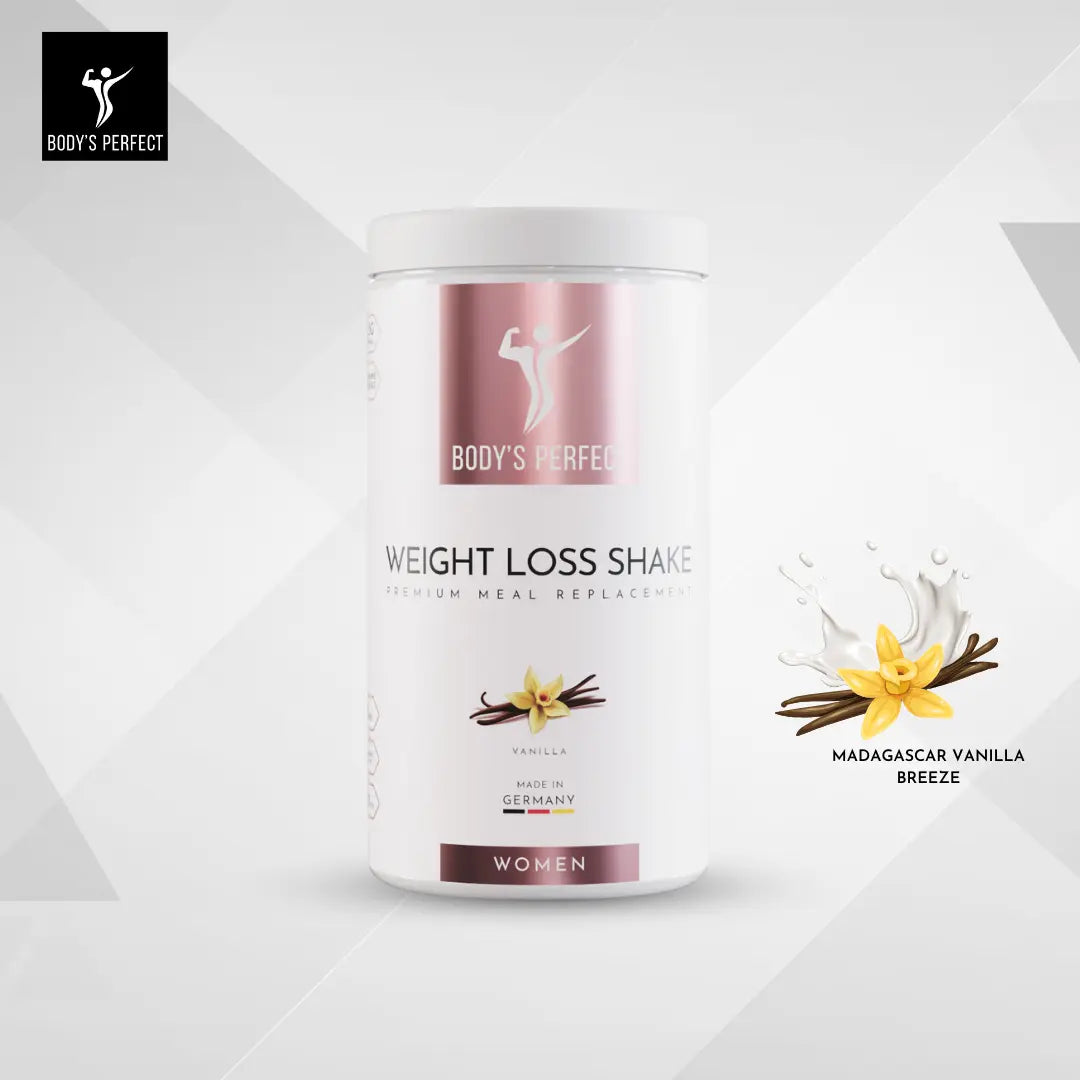
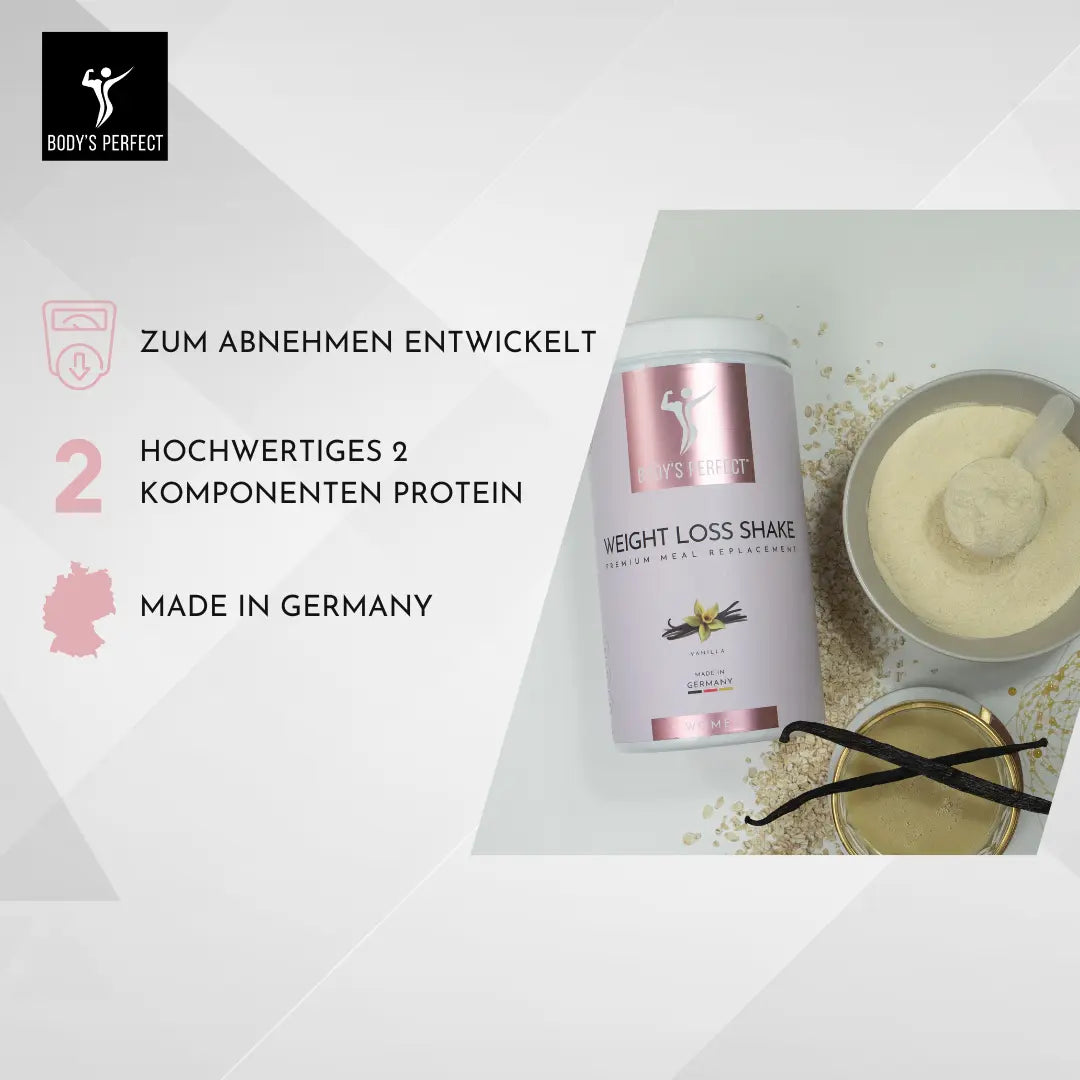
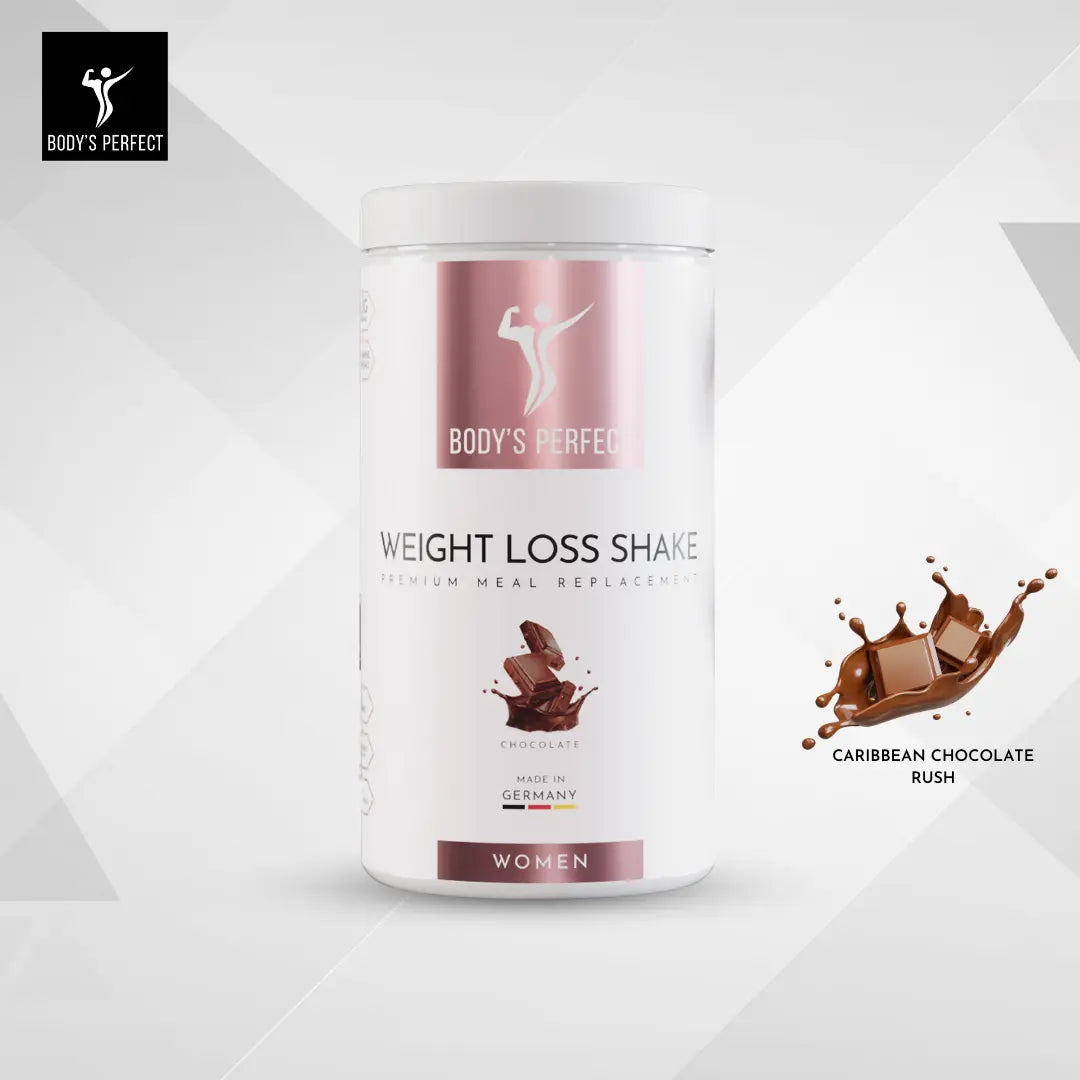
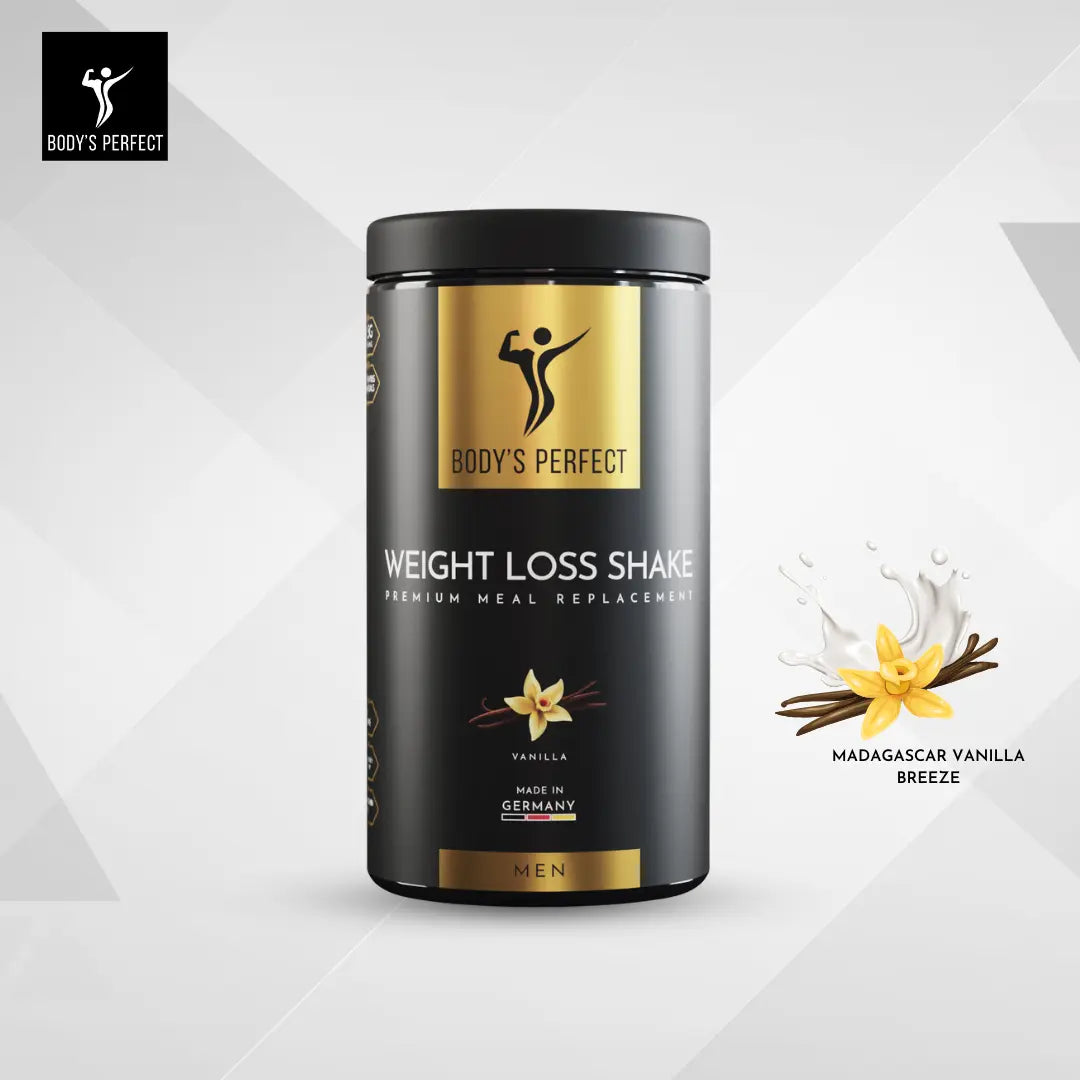
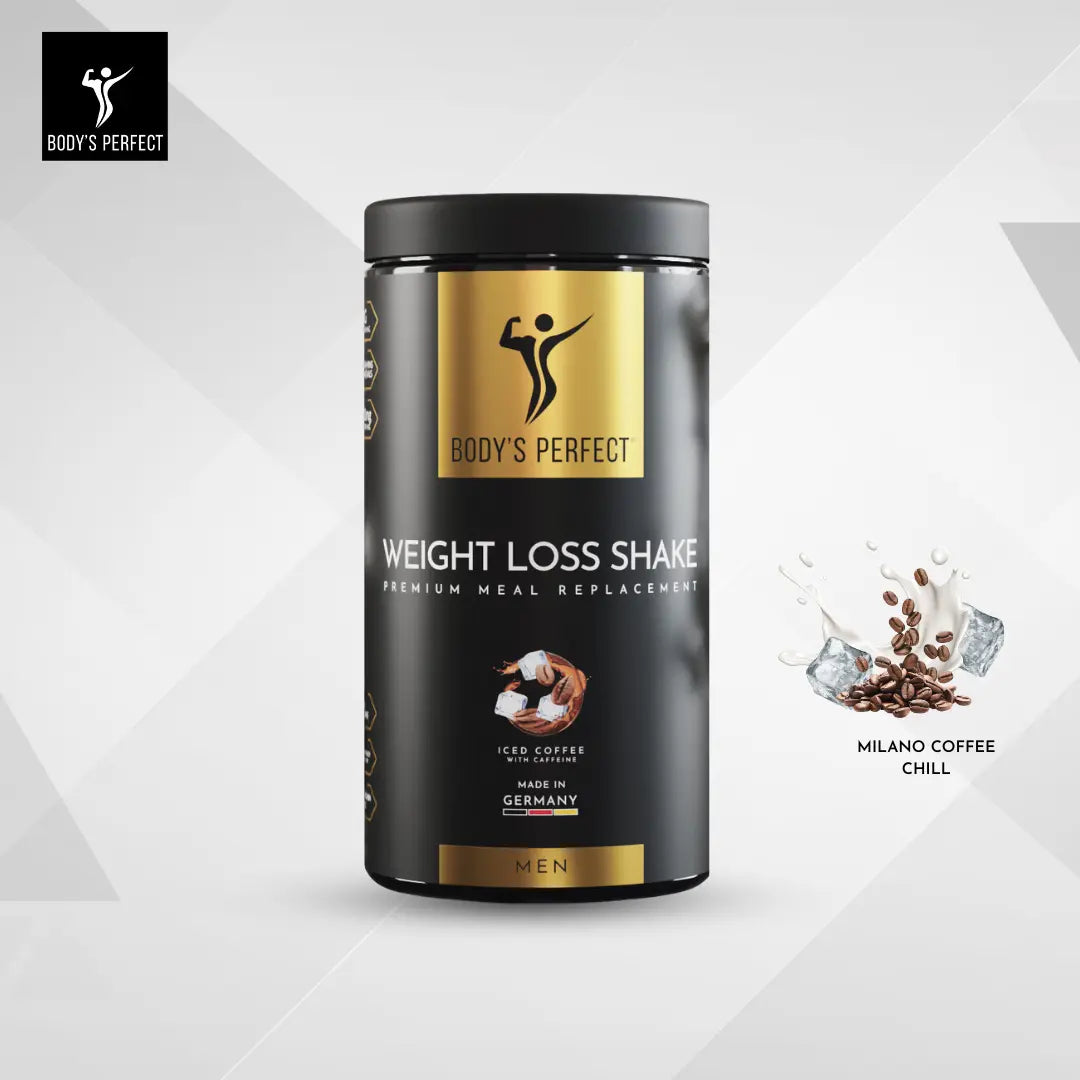
Breakfast (approx. 40 g Protein): A large porridge made from rolled oats (80 g), cooked with milk and enriched with a spoon (30 g) of BODY'S PERFECT Weight-Loss-Shake for extra protein and flavor. Top it off with some flaxseeds.
-
Lunch (approx. 50 g Protein): A large salmon fillet (200 g) with sweet potatoes and broccoli. Here you not only get a lot of protein but also healthy fats and important vitamins.
-
Afternoon Snack (approx. 30 g Protein): A can of tuna in its own juice (approx. 150 g drained weight) with a few wholemeal crackers. A super quick and extremely high-protein snack for in between meals.
-
Dinner (approx. 40 g Protein): Lean ground beef (200 g), which you turn into a delicious chili with kidney beans and corn. A really hearty meal that perfectly prepares your muscles for nocturnal repair.
You see, with a little planning, the question "How much protein per day for muscle building?" is not that complicated to answer in everyday life. Use these ideas as your starting point and feel free to get creative.
Your Most Pressing Questions about Protein and Muscle Building
After so much information, it's normal if you still have a few specific questions swirling in your head. Don't worry, you're not alone! We've collected the most common questions for you and answered them briefly and concisely, so you can clear up any remaining doubts and get started.
Does too much protein damage the kidneys?
We hear this concern again and again, but for most people, it is unfounded. If you have healthy kidneys, there is no scientific evidence that a high protein intake – even up to 2.2 grams per kilogram of body weight – is harmful. Your body handles it perfectly fine.
The only important thing is: Drink enough water! A protein-rich diet means a little more work for your body, and fluids help it flush everything out cleanly. However, if you already have kidney disease, be sure to talk to your doctor before increasing your protein intake.
Are protein shakes a must for muscle building?
A clear no. Protein shakes are absolutely not a must. You can perfectly cover your entire needs with normal, solid foods. Think of shakes more as a practical tool – they can make your life easier, but they are not vital.
A protein shake is like a practical helper: not absolutely necessary, but incredibly useful when you're in a hurry or want to do something good for yourself after a workout without complications.
Especially after exercise, when your body craves nutrients, or in a hectic everyday life, they are a super convenient solution. But they are a supplement, not an obligation.
How do I get enough protein as a vegan or vegetarian?
It's not as complicated as many people think! It just takes a little clever planning to ensure your body gets all the essential amino acids.
- The trick is variety: Combine different plant-based sources. Think of classics like lentils with rice, beans with corn, or hummus with wholemeal bread. This way, the amino acids complement each other perfectly.
- Focus on powerhouses: Foods like tofu, tempeh, seitan, and quinoa are true protein bombs and can be prepared in many ways.
- Smart supplementation: Vegan protein powders made from pea, rice, or soy protein are an easy way to reach your daily goal without much effort.
With the right strategy, nothing stands in the way of your muscle building, even with a plant-based diet.
What if I eat too little protein on one day?
Don't panic! A single day where you miss your goal won't set you back weeks. Your body is quite clever and can easily compensate for such small slip-ups. So don't worry if things don't go perfectly sometimes.
What's important is not perfection every single day, but consistency over weeks and months. As long as you average the right amount, you're on the right track. Focus on the big picture and just keep going!
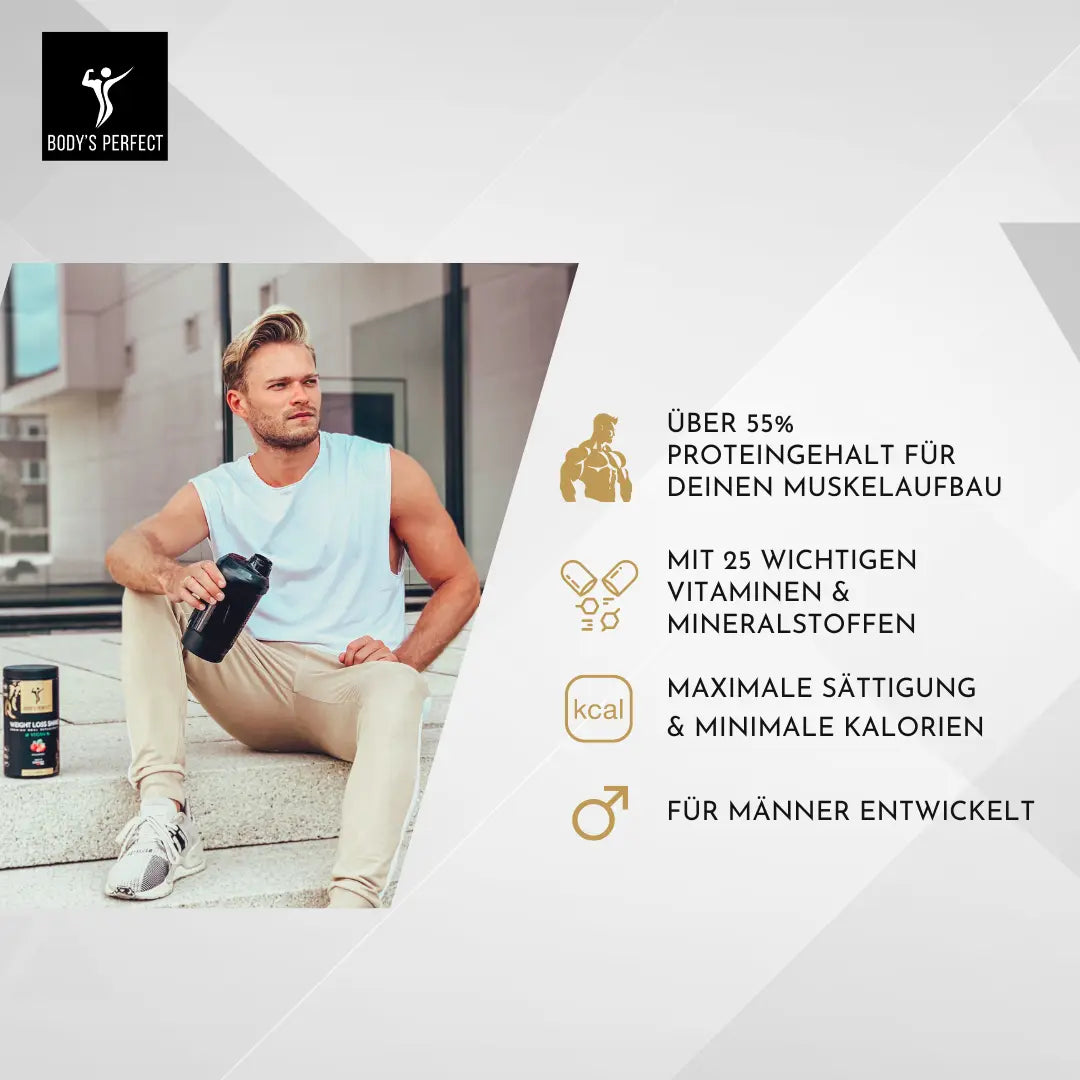
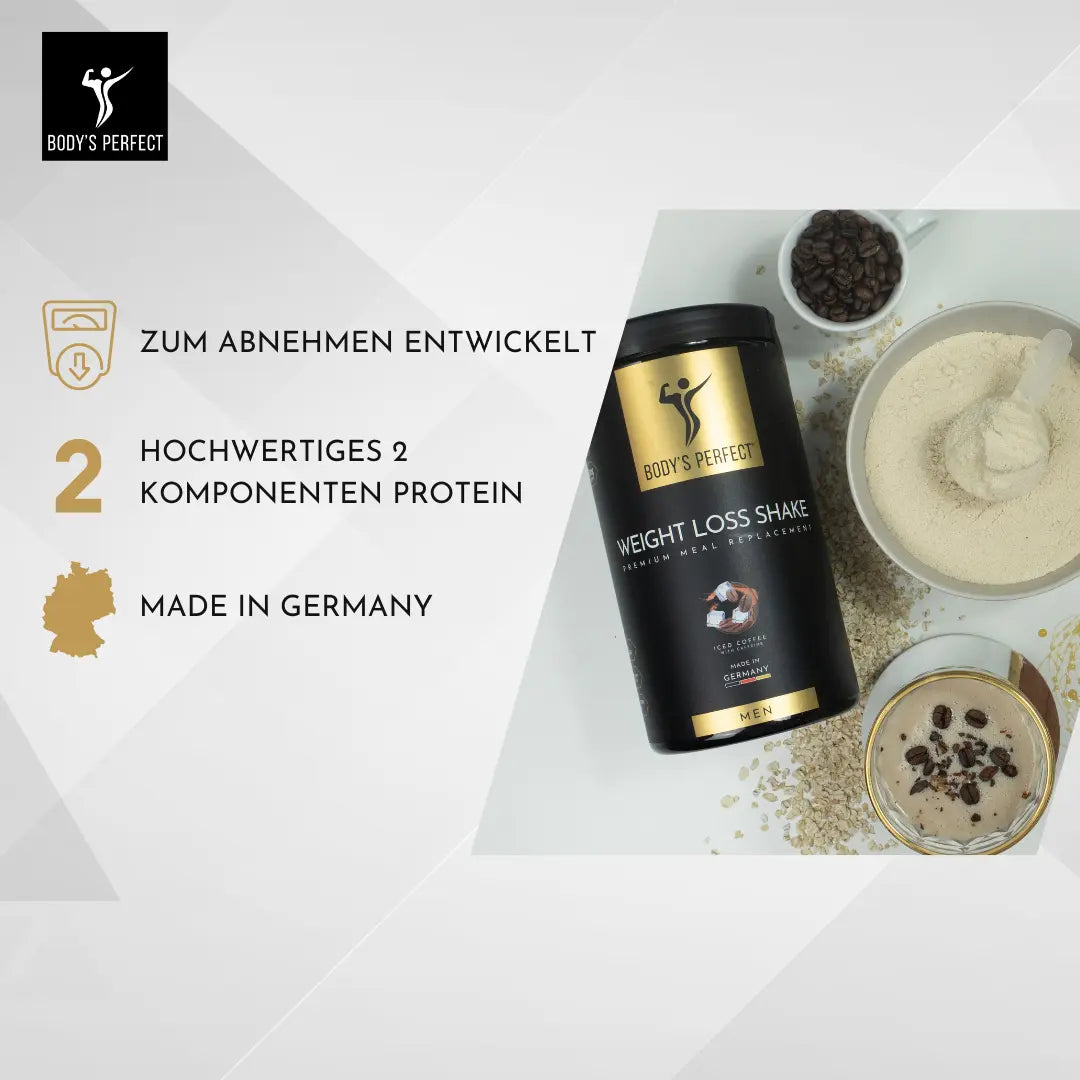
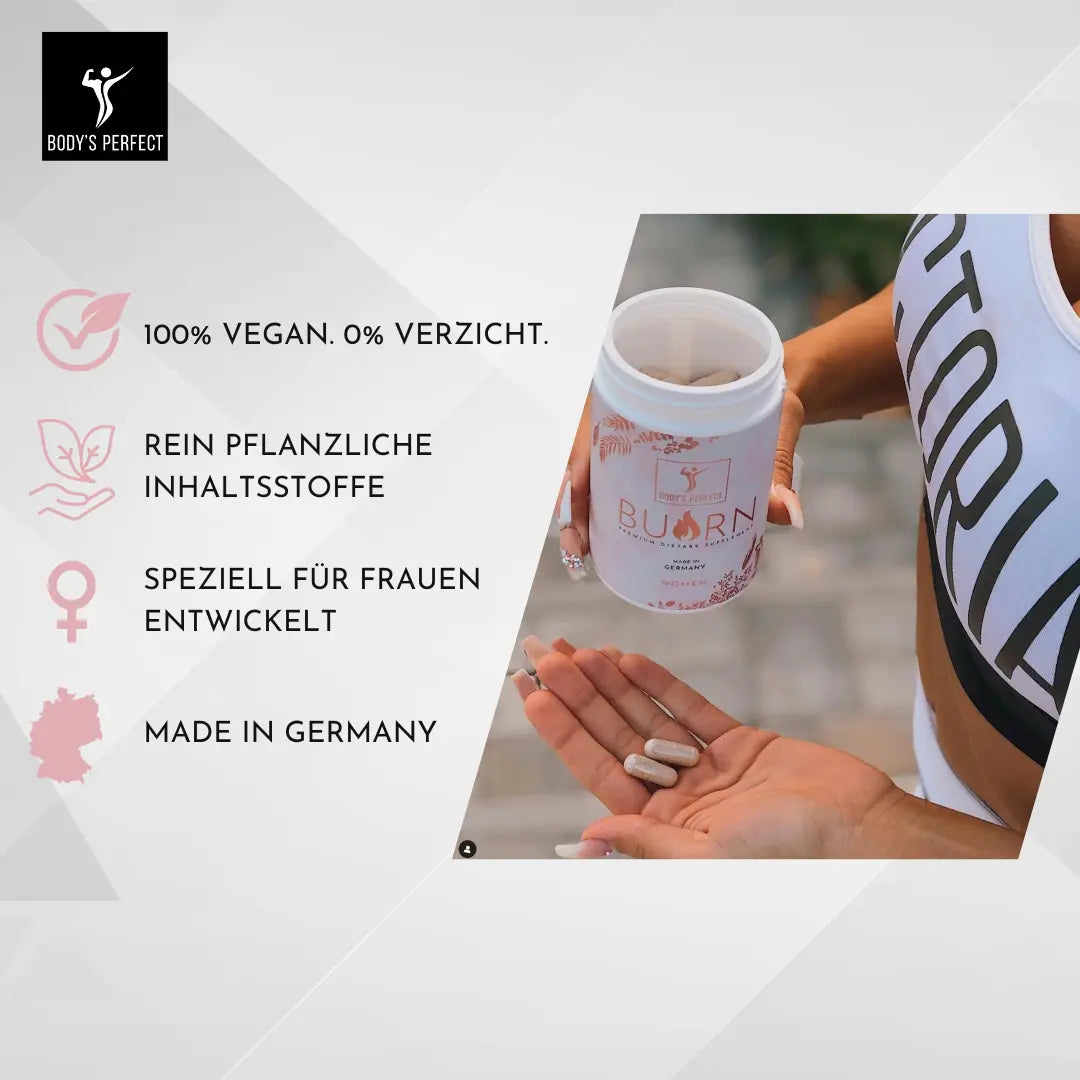
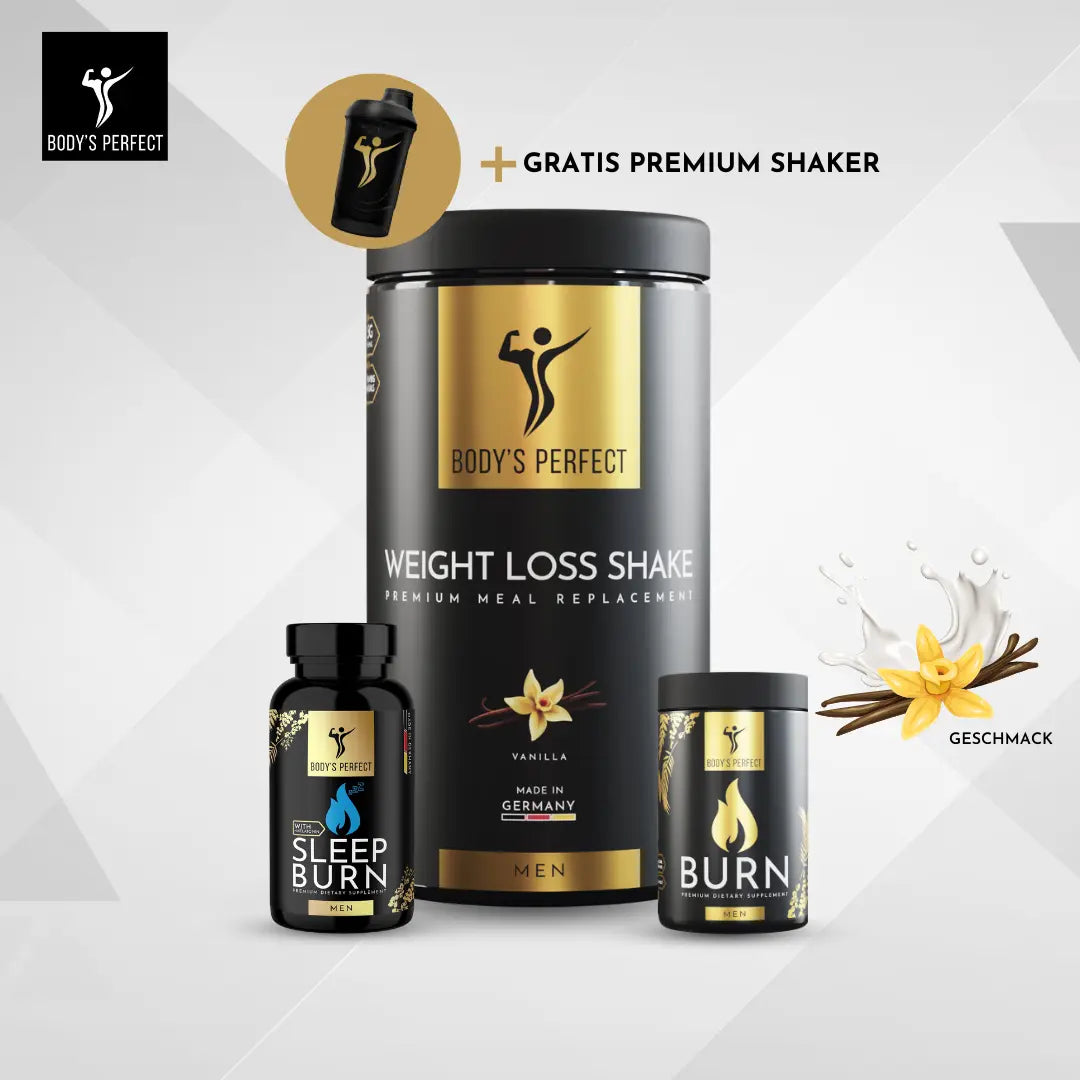
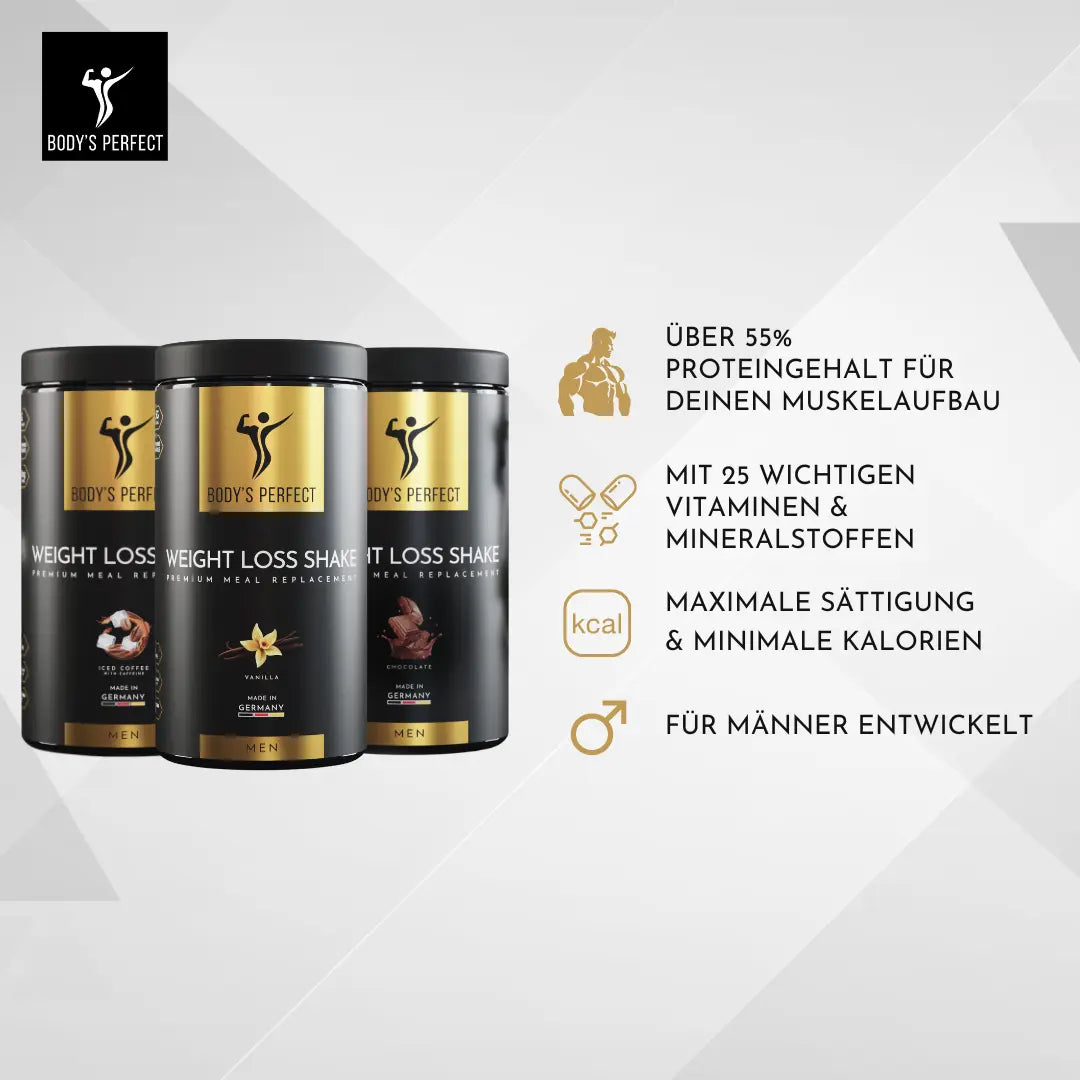
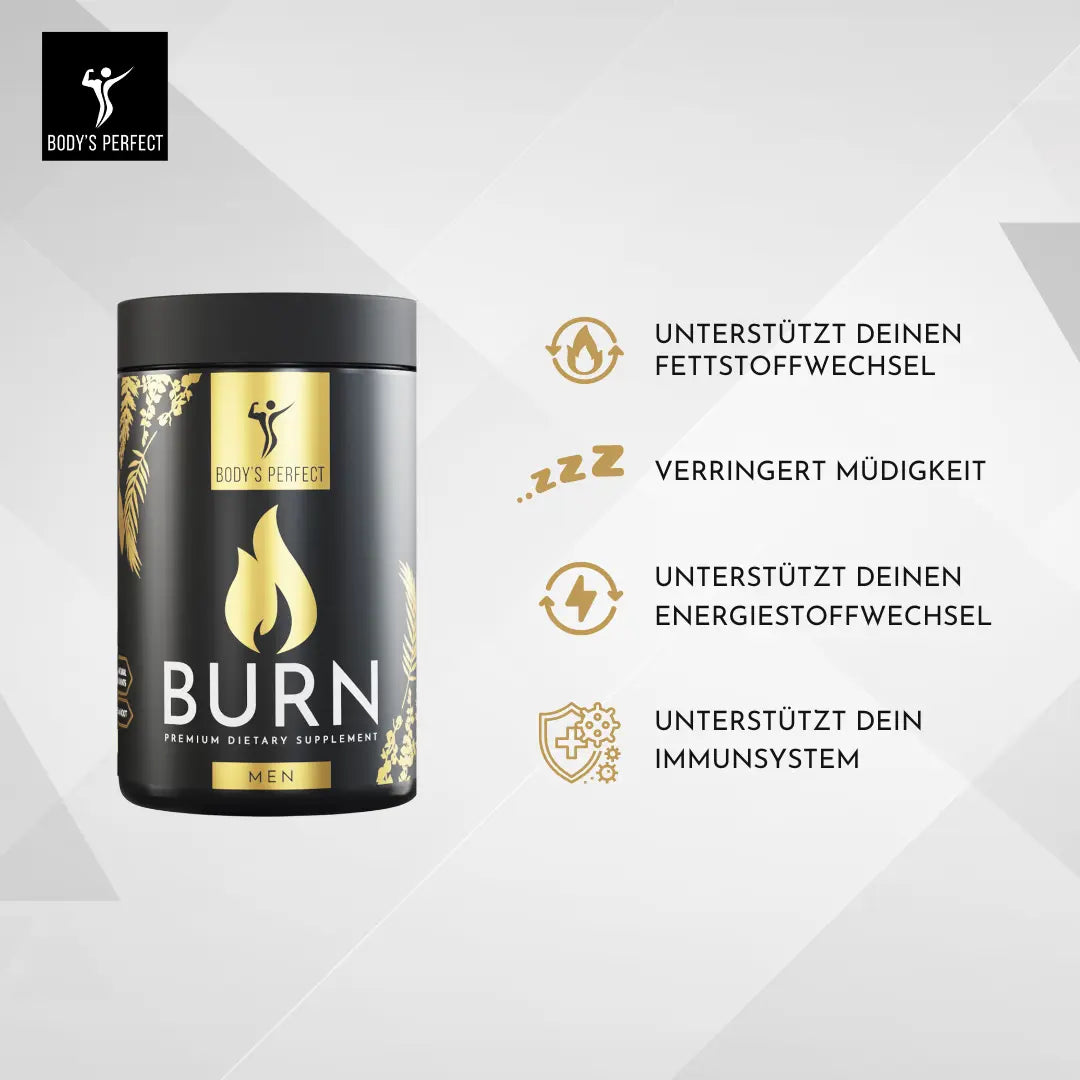
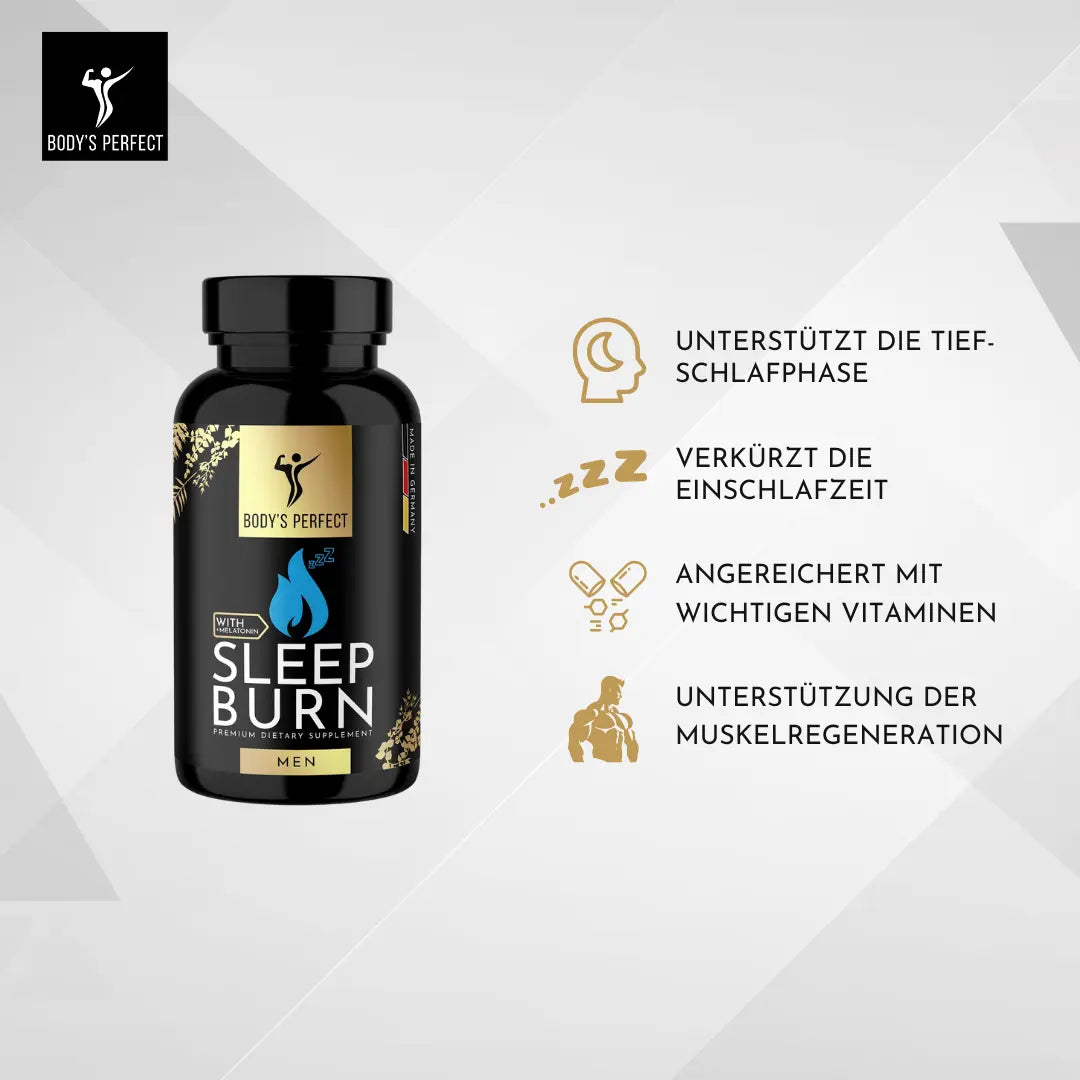
Are you ready to take your nutrition to the next level? The high-quality products from BODY'S PERFECT are made for exactly that. Our shakes and capsules, developed and manufactured in Germany, provide optimal support. Discover now at bodysperfect.com how easy and delicious the path to your goal can be.







Share:
Your Daily Calorie Needs Calculator: The Key to Your Target Weight
Lower body fat percentage for men - Your effective plan for health and definition