

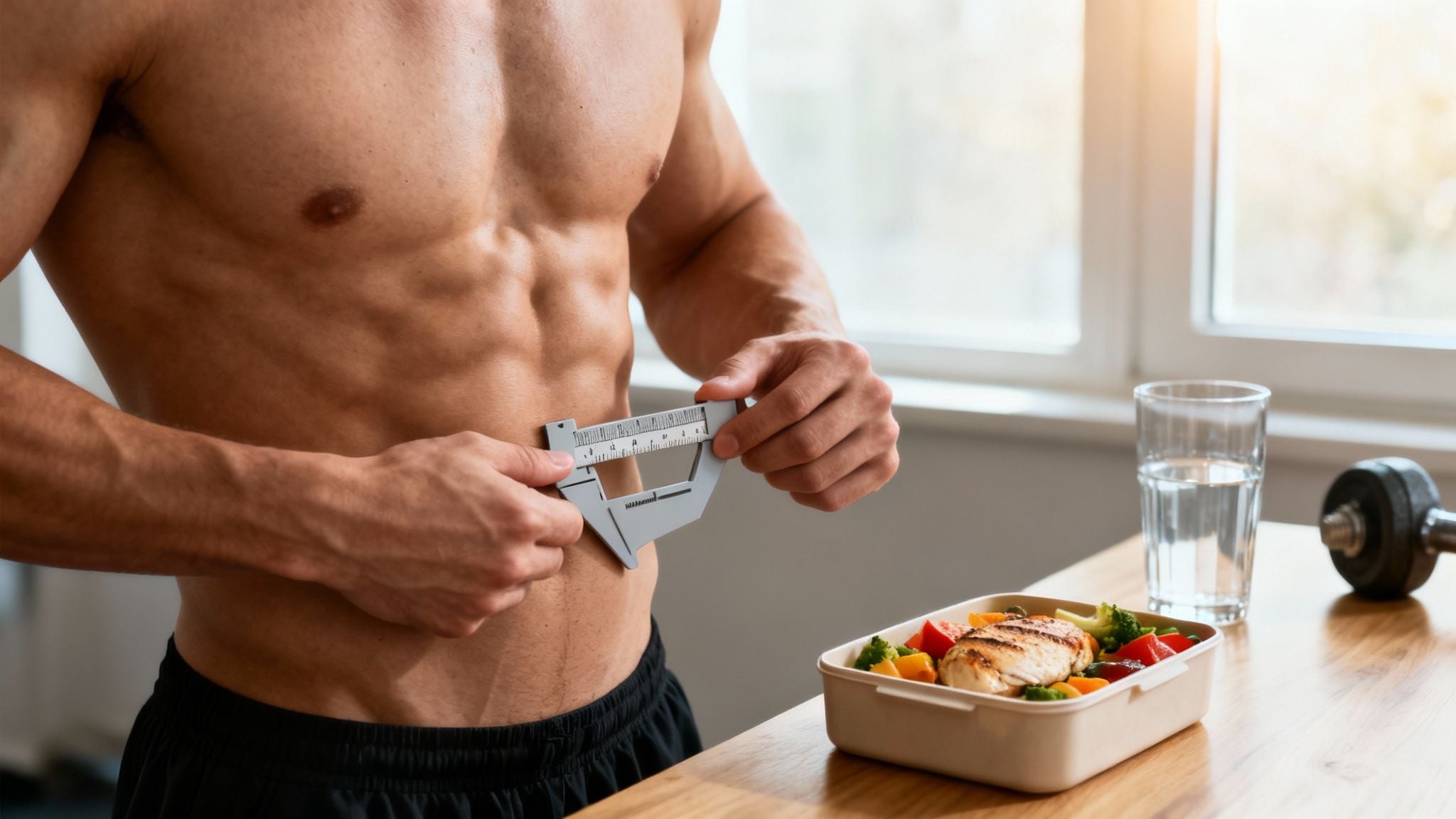
Reducing your body fat percentage as a man is one of the best decisions you can make for your health and well-being. The path to achieving this is actually quite straightforward: a smart combination of a moderate calorie deficit, a high-protein diet, and a well-thought-out training plan that combines strength training with cardio. This way, you protect your valuable muscle mass and achieve sustainable results that go far beyond what you see in the mirror.
Why your body fat percentage is more than just aesthetics
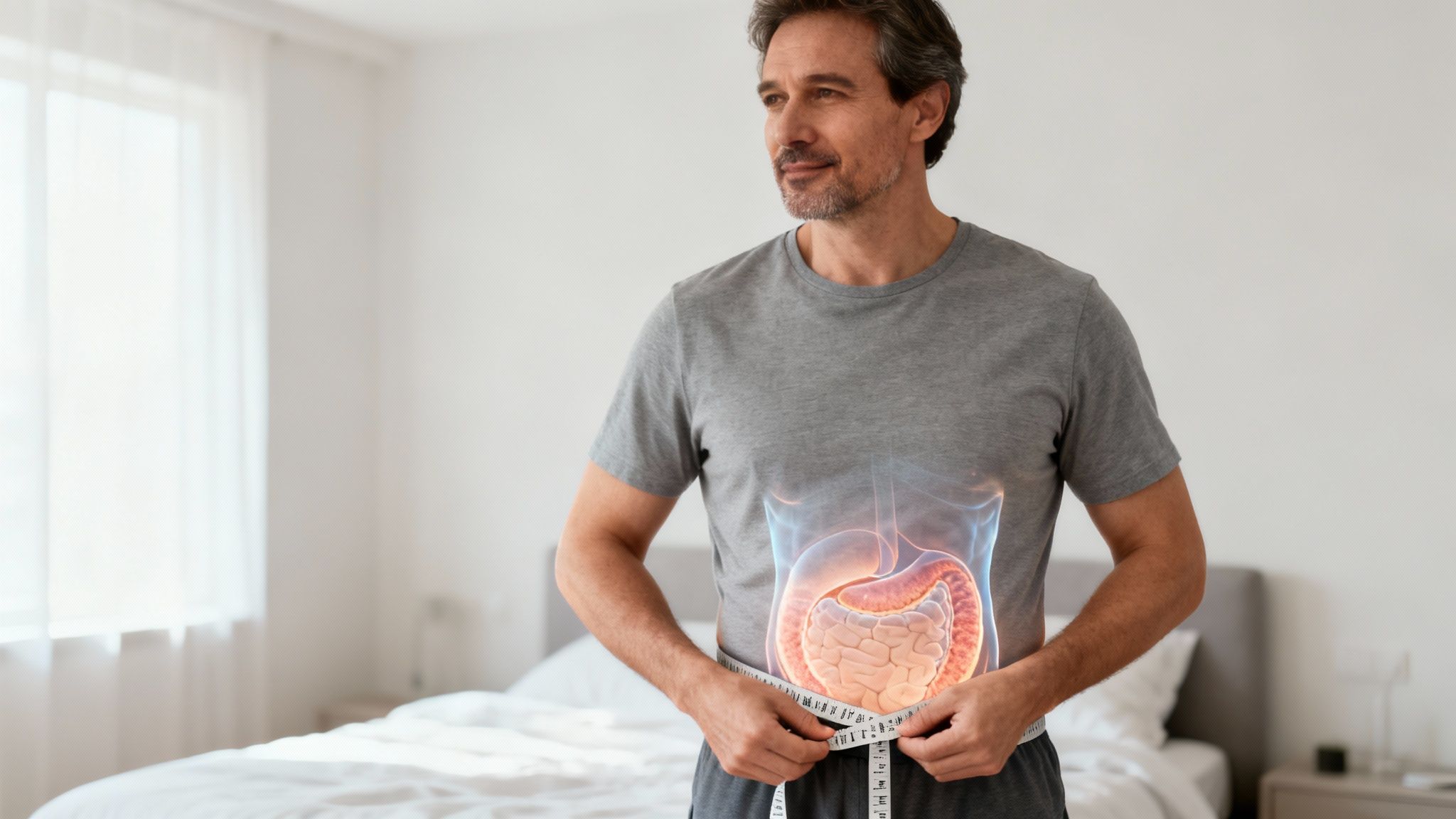
Of course, the first goal that comes to mind is often a defined stomach or finally visible muscles. And that's a great motivator! But the real benefits of body fat reduction lie much deeper. A healthy body fat percentage is the foundation for your long-term health, your daily energy, and even your hormonal balance.
This is not about chasing an unrealistic ideal from a magazine. It's about getting your body into a state where it simply functions optimally. Excess fat, especially the invisible belly fat, is more than just a passive energy store – it's active tissue that can fuel inflammation in the body.
The difference between essential and dangerous fat
Your body needs a certain amount of fat to survive. This essential fat protects your organs, aids in hormone production, and is indispensable for the absorption of fat-soluble vitamins. Problems only arise when so-called storage fat gets out of hand.
Here we need to distinguish between two types:
- Subcutaneous fat: This is the fat directly under the skin that you can pinch. Colloquially, these are our "problem areas."
- Visceral fat: This fat is the real troublemaker. It accumulates deep in your abdominal cavity and surrounds vital organs such as the liver, stomach, and intestines. You can neither see it nor touch it, but it has a massive impact on your health.
A high proportion of visceral fat is directly linked to an increased risk of cardiovascular disease, type 2 diabetes, and hormonal problems such as low testosterone levels. So, it's precisely this internal belly fat that you should declare war on.
By lowering your body fat percentage, you are actively working to minimize these health risks. You often notice the positive effects after only a short time: more energy, more stable blood sugar levels, and simply a better feeling in your own body.
What is a healthy body fat percentage for men?
A "healthy" body fat percentage is not a fixed number, but depends heavily on your age and fitness level. A competitive athlete will naturally have different values than someone who is only moderately active. Nevertheless, there are clear guidelines that you can use as a guide.
The following table shows healthy and elevated body fat percentage ranges for different age groups, so you can better categorize your own values.
| Age Group | Healthy Range | Elevated Range |
|---|---|---|
| 20–39 years | 8–19 % | > 20 % |
| 40–59 years | 11–21 % | > 22 % |
| 60–79 years | 13–24 % | > 25 % |
These values serve as a general guide. Your individual goal may, of course, differ depending on what you want to achieve.
Current data from the nationwide NAKO Health Study unfortunately show that many men in Germany are above these healthy values. Even among 20- to 29-year-olds, the average body fat percentage is around 20%. With age, this value increases significantly, reaching an average of 30% among 70- to 75-year-olds. If you want to know more, you can read the details on German body measurements at spektrum.de.
These figures clearly show how important it is to take countermeasures early. Reducing body fat is a real investment in your future. It's about not only looking good, but also feeling energetic and healthy – a principle deeply rooted in the idea of a sound mind in a sound body. You can find out more in our article about the meaning of "Mens sana in corpore sano". This first step, understanding the "why," gives you the motivation you need for the journey ahead.
Your strategy starts on your plate
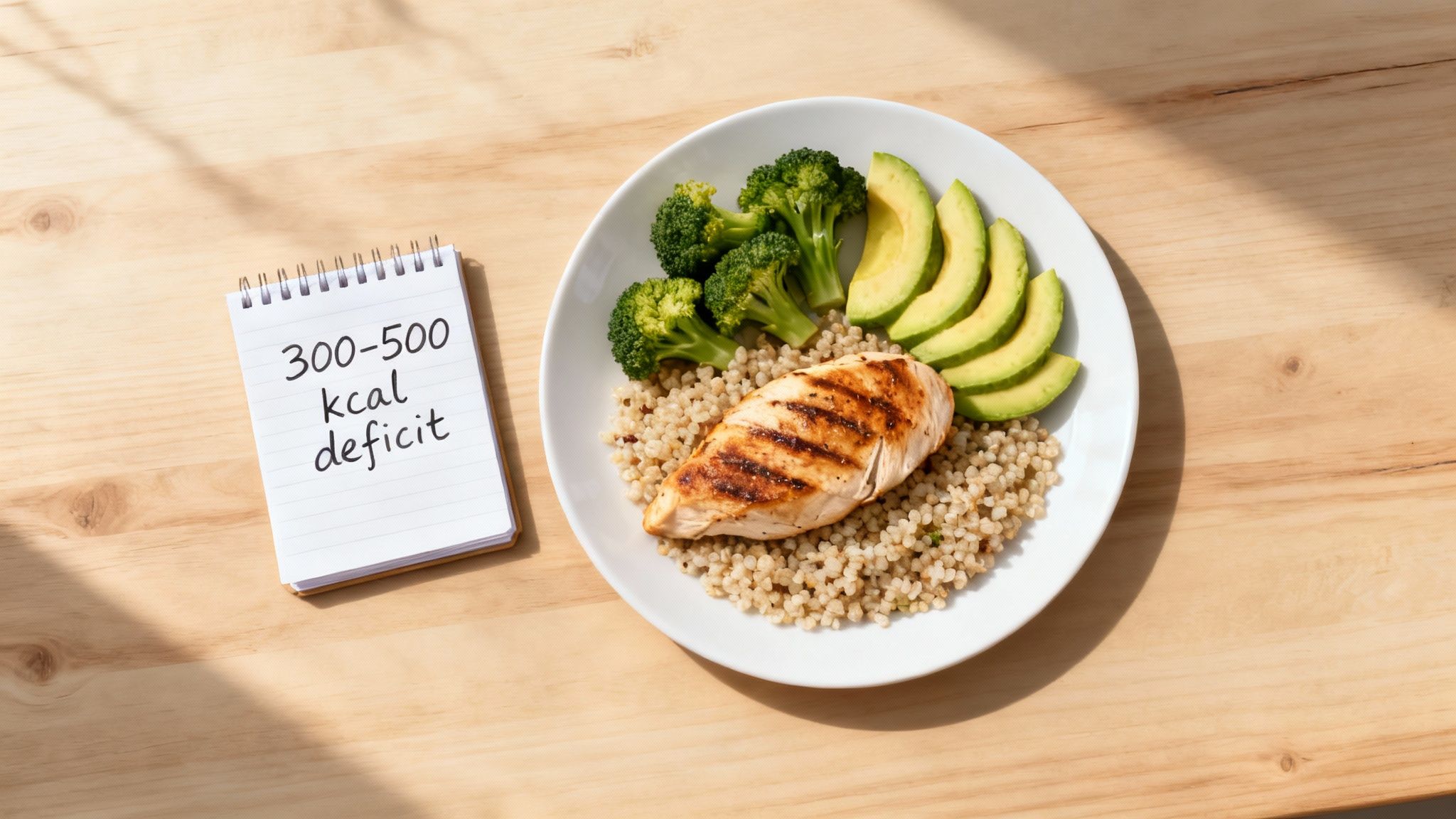
Training is important, no question. But the battle against body fat is won 80% in the kitchen. The whole thing is based on a simple principle: you have to expend more energy than you consume. Sounds simple, right? This calorie deficit is the only, undeniable truth when it comes to fat loss.
But be careful, it's not about starving yourself. A radical deficit is the fastest way to cravings, zero energy, and – worst of all – muscle loss. Your body then switches to emergency mode and sacrifices valuable muscle mass, which you actually need for a high metabolism.
We're going to do it smarter: a moderate deficit of 300 to 500 calories below your daily requirement is the golden mean. This is enough to see steady progress, but not so much that your performance in training or at work suffers. This forces your body to tap into fat reserves instead of your hard-earned muscles.
Your calorie requirement as a starting point
Before you cut calories, you naturally need to know how many you need in the first place. Your total requirement is made up of your basal metabolic rate (what your body consumes at complete rest) and your active metabolic rate (everything you do through movement).
For starters, a good online calculator is perfectly sufficient. Enter your age, gender, weight, height, and activity level (be honest!). From the number you get, subtract 300 to 500 calories. That's your daily target.
A practical tip: Consider this number as a starting point, not as a law set in stone. Every metabolism is different. Observe yourself for two weeks. How is your energy? Is the scale moving? If necessary, adjust calories slightly up or down.
Macros – the key to muscle protection
Calories are the "what," macronutrients are the "how." The composition of your food determines whether you ultimately lose fat or just muscle and water. The three big players are proteins, carbohydrates, and fats.
- Proteins: Your absolute MVP (Most Valuable Player). Protein protects your muscles from breakdown during a deficit. It's extremely satiating and even slightly boosts calorie expenditure through its metabolism (thermic effect).
- Carbohydrates: They are not the enemy! Complex carbs from oats, whole grain rice, or sweet potatoes are pure gold. They provide the power for your training and prevent the dreaded "brain fog" on long days.
- Fats: Essential for life, period. Healthy fats from avocados, nuts, or olive oil are crucial for your hormone balance – especially for testosterone – and for the absorption of important vitamins.
How to build your plan
A smart distribution that works well for many men is: 40% of calories from protein, 30% from carbohydrates, and 30% from fats.
As an example, let's take a man aiming for 2,200 calories per day:
- Protein: 220 g (equivalent to 880 kcal)
- Carbohydrates: 165 g (equivalent to 660 kcal)
- Fat: 73 g (equivalent to 660 kcal)
Focus on real, unprocessed foods. Those who plan their meals are less likely to fall into the trap of cravings and fast-food sins. In our guide, you'll find a list of which foods specifically help you lose weight.
A huge lever is often sugar. Concrete tips for a sugar-free diet help you to track down hidden sugar that unknowingly slows down your progress.
Ultimately, it's about achieving a healthy body fat percentage. For men between 20 and 39 years old, the normal range is 8% to 19%. Anything above that increases health risks, which is why a good diet is so crucial to getting rid of dangerous belly fat in particular. With a clear plan on your plate, you lay the foundation for your success.
Your training for maximum fat loss: the right mix makes all the difference

Your diet lays the foundation, of course. But training is the engine that really kickstarts fat burning and shapes your body. Many men make a crucial mistake here: they torture themselves for hours on the treadmill, hoping to burn as many calories as possible. But that's only half the battle.
If you really want to effectively lower your body fat percentage as a man, you need a smart combination of strength and endurance training.
The real game-changer here is strength training. Why? Because it not only burns calories during the session but also sustainably reprograms your metabolism. Every pound of muscle mass you work hard to build is like a small powerhouse that consumes energy around the clock – even when you're relaxing on the couch in the evening.
Strength training is your best fat-burning engine
In a calorie deficit, you need to send a clear signal to your body: "Hey, these muscles are needed, let's keep them!" Without this stimulus, it would get rid of energy-intensive muscles first during a diet. So, strength training not only protects you from muscle loss but also permanently boosts your basal metabolic rate.
The key to success is a principle called progressive overload. Sounds complicated, but it just means you have to try to get a little bit better from training to training. That could mean more weight on the barbell, one more repetition, or simply cleaner technique. This forces your muscles to adapt and get stronger.
A good plan focuses on the heavy, fundamental exercises:
- Squats: The absolute king of exercises for legs and core.
- Deadlifts: A full-body workout that builds functional strength like no other exercise.
- Bench press: The classic for a strong chest, shoulders, and triceps.
- Pull-ups (or lat pulldown): Indispensable for a wide back and the coveted V-taper.
- Shoulder press: For strong, rounded shoulders and more stability.
My practical tip: Fully concentrate on getting stronger in these basic exercises. A plan that focuses two to three times a week on these fundamental movements is much more effective for fat loss than a complicated split with dozens of isolation exercises.
Use cardio smartly and purposefully
Cardio is your tool to increase your calorie deficit and keep your cardiovascular system fit. But here too, quality over quantity applies. There are two proven methods that you can combine perfectly depending on your time and desire.
High-Intensity Interval Training (HIIT) HIIT is brutally efficient and a real metabolism booster. You alternate between very short, extremely strenuous phases (e.g., 30 seconds sprint) and short recovery phases (e.g., 60 seconds leisurely walking).
- Advantage: Enormous calorie consumption in a short time and a strong afterburn effect. Your metabolism runs at full speed for hours after training.
- Disadvantage: Quite demanding for the central nervous system. Two, maximum three HIIT sessions per week, each lasting 15–20 minutes, are completely sufficient.
Low-Intensity Steady State (LISS) LISS is the exact opposite: long, moderate training at a consistent, low intensity. Imagine brisk walking on the treadmill with an incline, relaxed cycling, or a swimming session.
- Advantage: Easy on the joints, promotes recovery, and directly burns fat without completely exhausting you.
- Disadvantage: You need more time. A typical session lasts 45–60 minutes.
What's better? Both! A really good strategy is to incorporate two HIIT sessions on training days directly after strength training and complete one to two LISS sessions on your rest days. This mix ensures maximum fat loss without killing your recovery. In our guide, you'll learn more about how to optimally design cardio for weight loss.
Ultimately, one thing matters most: find a routine that you enjoy and can stick to consistently. Because the best training plan in the world is useless if you don't follow it. Make strength training your priority, use cardio strategically, and you'll create the perfect conditions to burn fat and simultaneously build a strong, defined body.
The invisible helpers: recovery and stress management
You can train and eat as disciplined as you like – if you ignore the invisible helpers like recovery and stress management, you will sabotage your own success. Your body doesn't build muscle in the gym or burn most of its fat there. The real magic happens during breaks, especially while you sleep.
Many men focus 100% on training and nutrition and then wonder why they hit a plateau, are constantly tired, or why belly fat just won't budge. The answer often lies not in harder training, but in smarter recovery.
Sleep: The most important switch for fat loss
Sleep is so much more than just a break for your mind. While you sleep, your body regulates crucial hormones that directly influence whether you burn or store fat.
Even a single night of insufficient sleep can severely disrupt your hormonal balance. The hunger hormone ghrelin skyrockets, while the satiety hormone leptin drops. The result is predictable: you wake up craving sweets and fatty foods and simply don't feel full, no matter what you eat.
But it gets even worse. Lack of sleep also increases the release of the stress hormone cortisol, which we will discuss in more detail shortly. At the same time, your insulin sensitivity decreases. This means your body is less able to process sugar from the blood and is more likely to store it as fat.
Remember: Poor sleep makes you hungrier, less satisfied, and makes your body more likely to store fat. A consistent sleep routine of seven to nine hours per night is therefore not an option, but an absolute necessity to lower your body fat percentage.
If you find it difficult to wind down in the evening, good sleep hygiene can work wonders. Try to put away electronic devices an hour before bed and ensure a cool, dark environment. For additional support on your way to restful nights, you can inform yourself in our article about the role of melatonin for sleep.
Why chronic stress feeds your belly fat
Stress is a normal reaction of the body, but chronic stress – whether at work, in private life, or due to overtraining – is a real fat loss killer. The main culprit is the already mentioned hormone cortisol.
In short bursts, cortisol is useful; it makes us alert and efficient. However, a persistently elevated cortisol level leads to your body storing more fat, preferably in the abdominal area. This visceral belly fat is not only stubborn but also particularly harmful to health.
Chronic stress constantly signals a "danger situation" to your body. In response, it tries to secure as many energy reserves as possible by blocking fat breakdown and promoting muscle breakdown. Your goal of lowering your body fat percentage is thus made almost impossible.
What can you do about it? It's not about completely eliminating stress, but about managing it better. Even small, conscious breaks in everyday life often help:
- Daily walks: 20 minutes in the fresh air can noticeably lower cortisol levels.
- Conscious breathing exercises: Take just two minutes three times a day to breathe deeply in and out of your abdomen.
- Planned breaks: Integrate fixed breaks into your calendar where you consciously do something that makes you feel good and has nothing to do with work or training.
Listen to your body's signals. If you constantly feel exhausted, sleep poorly, or are no longer making progress in your training, it's often a sign of too much stress and too little recovery. Give your body the rest it deserves – it will reward you with better results.
Which supplements can truly support your journey
The supplement market is a real jungle. There are big promises everywhere, countless products, and often very little substance behind them. Let's be honest: the magic pill that melts fat while you lie on the couch doesn't exist. Supplements are exactly what the name says – an addition.
They complement a solid foundation of good nutrition, smart training, and adequate recovery. If these three pillars are in place, a few selected products can meaningfully accelerate your progress. They are like a good toolbox: not strictly necessary, but very helpful if you know how to use them.
Protein – your muscle protection in a caloric deficit
Your most important ally in the fight against fat? Clearly, protein. It protects your hard-earned muscles in a caloric deficit, is very satiating, and even boosts metabolism through its thermic effect. In everyday life, however, it's sometimes not so easy to meet the increased demand of 1.8 to 2.2 grams per kilogram of body weight solely through normal meals.
This is where a high-quality protein powder comes in. It doesn't replace a full meal, but it's an incredibly practical way to safely reach your protein goals. A rapidly digestible whey isolate after training, like our Bodysperfect Whey Isolate, immediately supplies your muscles with the necessary building blocks for regeneration. This ensures that your body targets fat reserves – and not your muscles.
The clever helpers for more performance and well-being
Besides protein, there are a handful of other supplements that are well-researched and can give you a real advantage.
- Creatine: Probably the most thoroughly researched supplement of all. Creatine helps you achieve more strength and performance in training. This means: you can train harder, give your body a stronger signal for muscle preservation, and indirectly burn more calories.
- Omega-3 fatty acids: These essential fats, often found in fish oil, have strong anti-inflammatory properties and are excellent for your cardiovascular health. Good recovery is crucial for staying consistent in the long run.
- Vitamin D3: Especially during the darker months, many of us in Germany have a deficiency. However, Vitamin D is extremely important for the immune system and hormone balance, including testosterone.
The focus should always be on filling gaps. Not everyone needs everything. Take a close look at your diet and lifestyle to find out what truly makes sense for you. More details and a comprehensive overview can be found in our guide on supplements that help with weight loss.
By the way, dealing with your own body fat is more important than many people think. According to the Robert Koch Institute (RKI), about 31% of men in Germany have "abdominal obesity." This fat, which accumulates deep in the abdominal cavity, is particularly harmful to health. It is also interesting that even almost 3% of men with normal weight have too much of it. This shows how important targeted fat reduction is.
If you want to read more about it, you can read on adipositas-gesellschaft.de why belly fat is so dangerous. So, use supplements wisely to optimize your strategy and effectively achieve your health goals.
Your master plan for a perfect week
Theory is all well and good, but in the end, what you implement in everyday life is what counts. Let's put the puzzle pieces – nutrition, training, recovery – together into a clear, manageable plan. See this as a blueprint, not a rigid law. Your life is dynamic, so your plan should be too. Adapt it to your work, your family, and your energy level.
The goal is simple: to give you a structure that works and helps you stay consistent. It's about creating routines that feel good and bring you closer to your goal of losing body fat as a man every day.
How a typical day could look
A successful day doesn't start at the weight bench, but in the morning in your head and in the kitchen. Here's an example of how you can live the principles from this guide from morning to night:
-
07:00 AM – Wake up & hydrate! Your first grab should be a large glass of water. This wakes up your metabolism and replenishes fluid reserves after the night. Simple, but effective.
-
07:30 AM – Protein for breakfast. Forget empty calories. Start with a good portion of protein to prevent cravings and feed your muscles. Scrambled eggs with some vegetables or a large bowl of low-fat quark with berries and a few nuts are a top choice.
-
10:30 AM – The smart snack (if needed). If a little hunger strikes, be prepared. A simple protein shake or Greek yogurt is perfect for bridging the time until lunch without an energy slump.
-
01:00 PM – Lunch with a plan. The formula is simple: a lean protein source (chicken, fish, tofu), a mountain of vegetables, and a fistful of complex carbohydrates (sweet potato, quinoa). This gives you power for the afternoon without sending you into a food coma.
-
05:00 PM – Energy for your workout. About 60–90 minutes before training, your body needs fuel. A banana or a small bowl of oatmeal provides quickly available energy for a strong performance in the gym.
-
06:30 PM – Time to give it your all. Now it's serious. Focus completely on your strength training. Afterwards, you'll do a short, intense HIIT session, just as we discussed in the training chapter.
-
08:00 PM – Dinner for recovery. After exercise, your body craves nutrients. A meal similar to your lunch is ideal now. Skip heavy, fatty dishes – they'll just sit in your stomach and hinder recovery.
-
10:00 PM – Wind down and relax. Put away your phone. Read a few pages of a book or listen to relaxing music. This lowers your stress level and is the best preparation for a deep, restful sleep.
Your weekly plan at a glance
A good plan balances training and recovery. It gives you a clear guideline for which muscles to work when and when your body gets time to grow stronger. Your nutrition remains consistently aligned with your calorie deficit and macros on all days.
The most important tip: Stay flexible! This is just a suggestion. If Wednesday is packed, simply move your leg training to Thursday. The key is to complete your sessions per week and pay attention to breaks.
The following table shows what a well-thought-out week can look like. It's your roadmap for balancing training, nutrition, and recovery to effectively lower your body fat percentage.
Example weekly plan for training and nutrition
| Day | Workout Session | Nutritional Focus |
|---|---|---|
| Monday | Strength Training (Push) + HIIT | Moderate calorie deficit, high protein content |
| Tuesday | Strength Training (Pull) + LISS | Moderate calorie deficit, high protein content |
| Wednesday | Active Recovery (Walk) | Moderate calorie deficit, high protein content |
| Thursday | Strength Training (Legs) + HIIT | Moderate calorie deficit, high protein content |
| Friday | Strength Training (Full Body) | Moderate calorie deficit, high protein content |
| Saturday | Active Recovery (Bike Tour) | Moderate calorie deficit, high protein content |
| Sunday | Complete Rest Day | Moderate calorie deficit, high protein content |
This plan is a strong foundation. It combines four targeted strength sessions with a smart mix of intense and light cardio. At the same time, it gives you enough time for active recovery and complete regeneration. Take this structure, make it your own, and you'll be surprised how quickly the first results show.
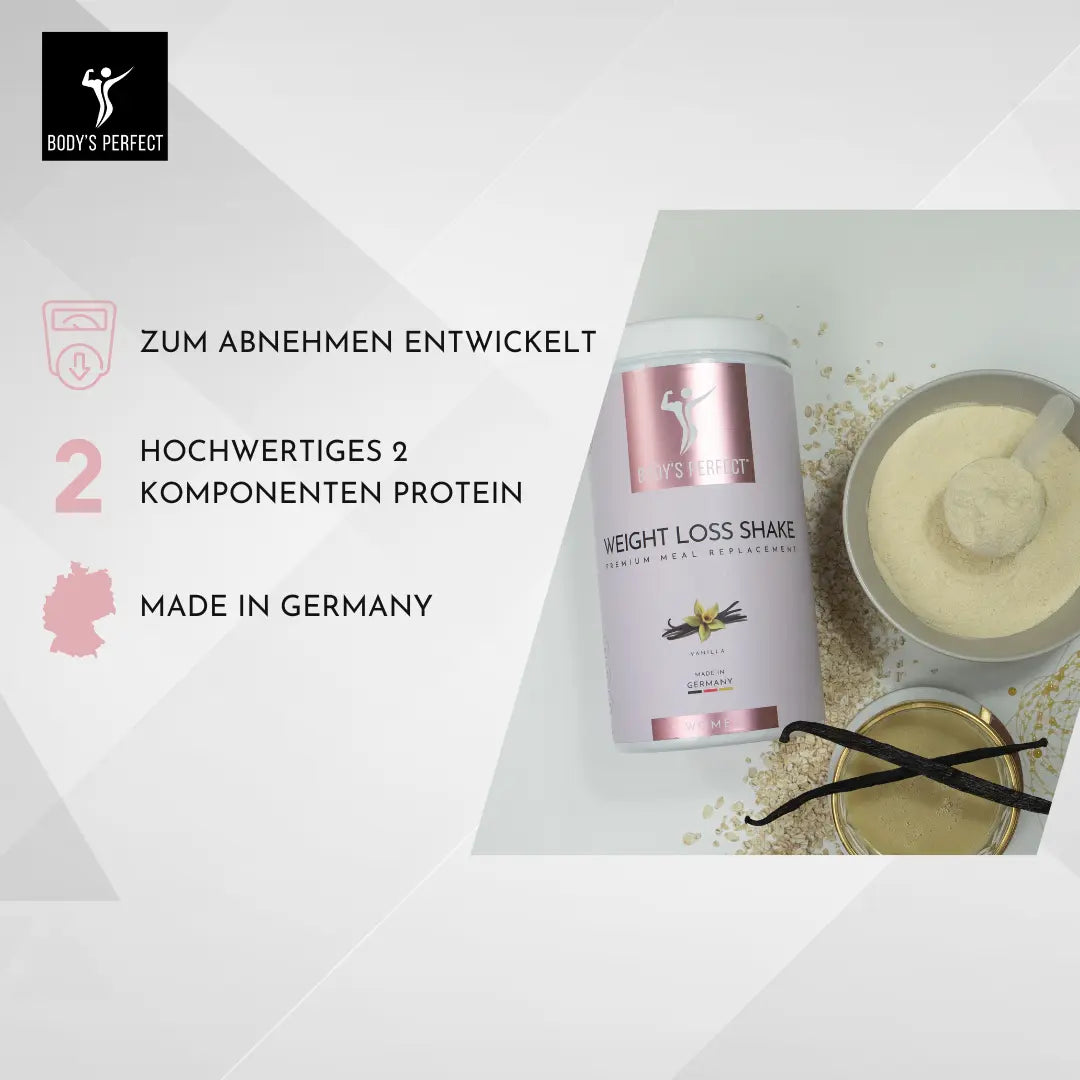
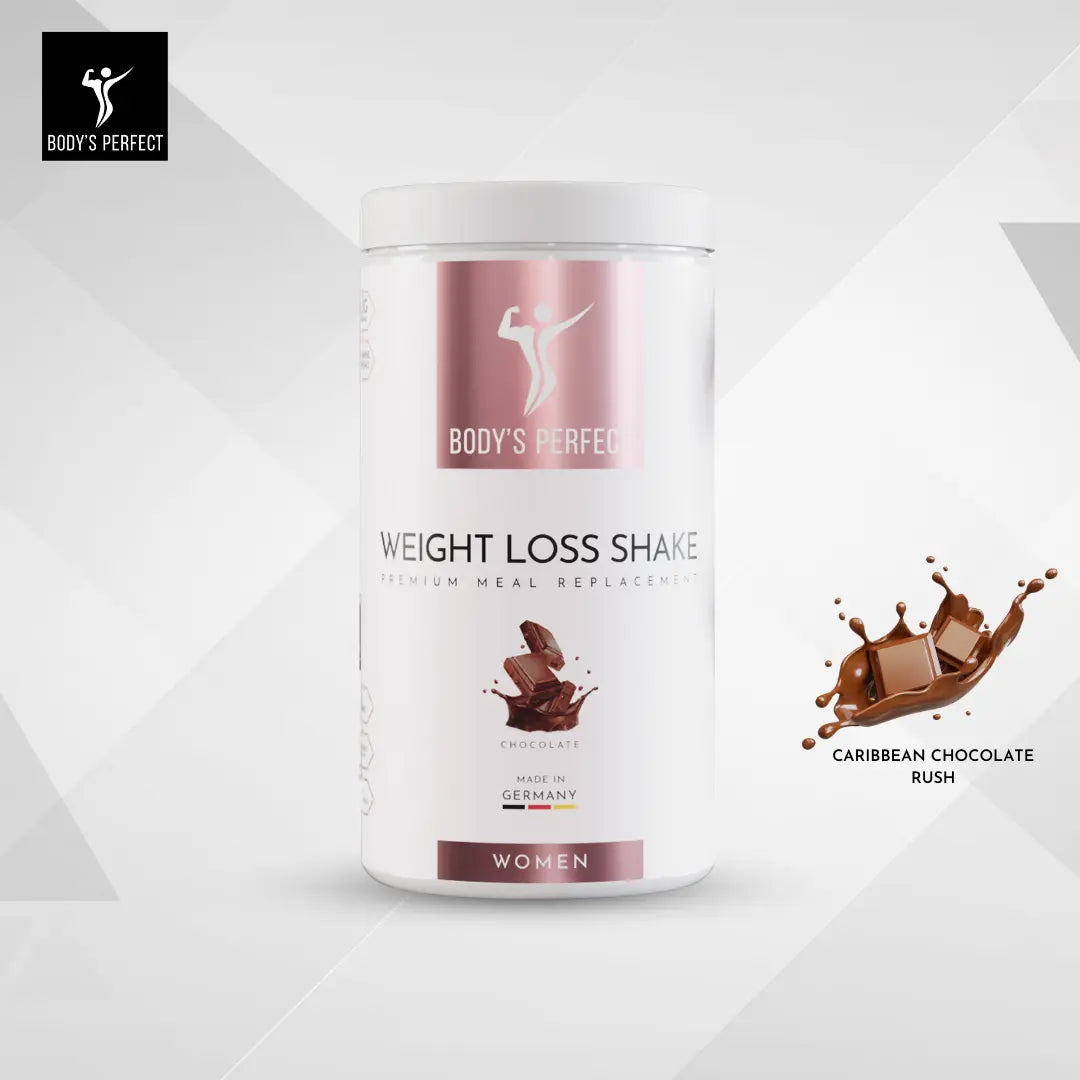
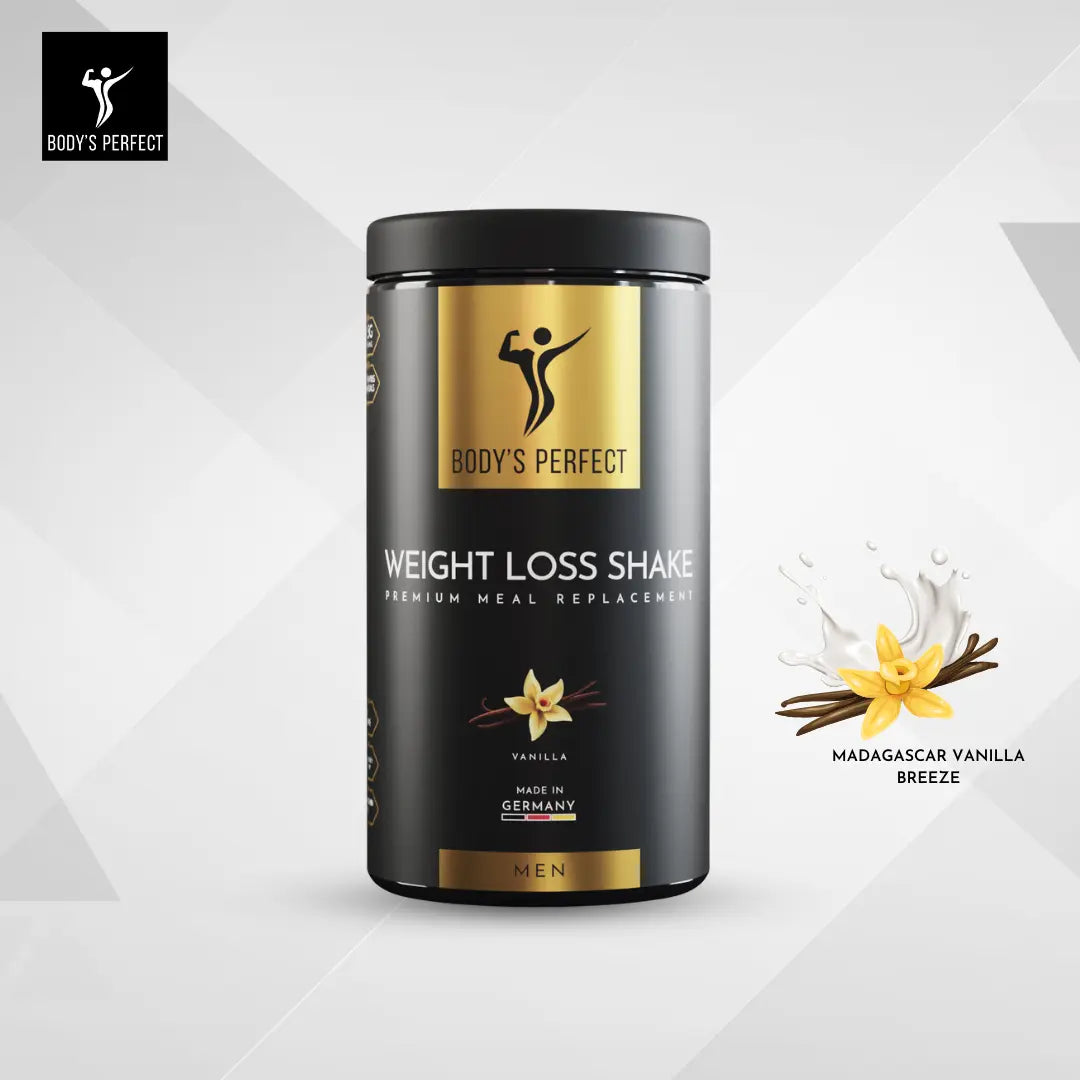
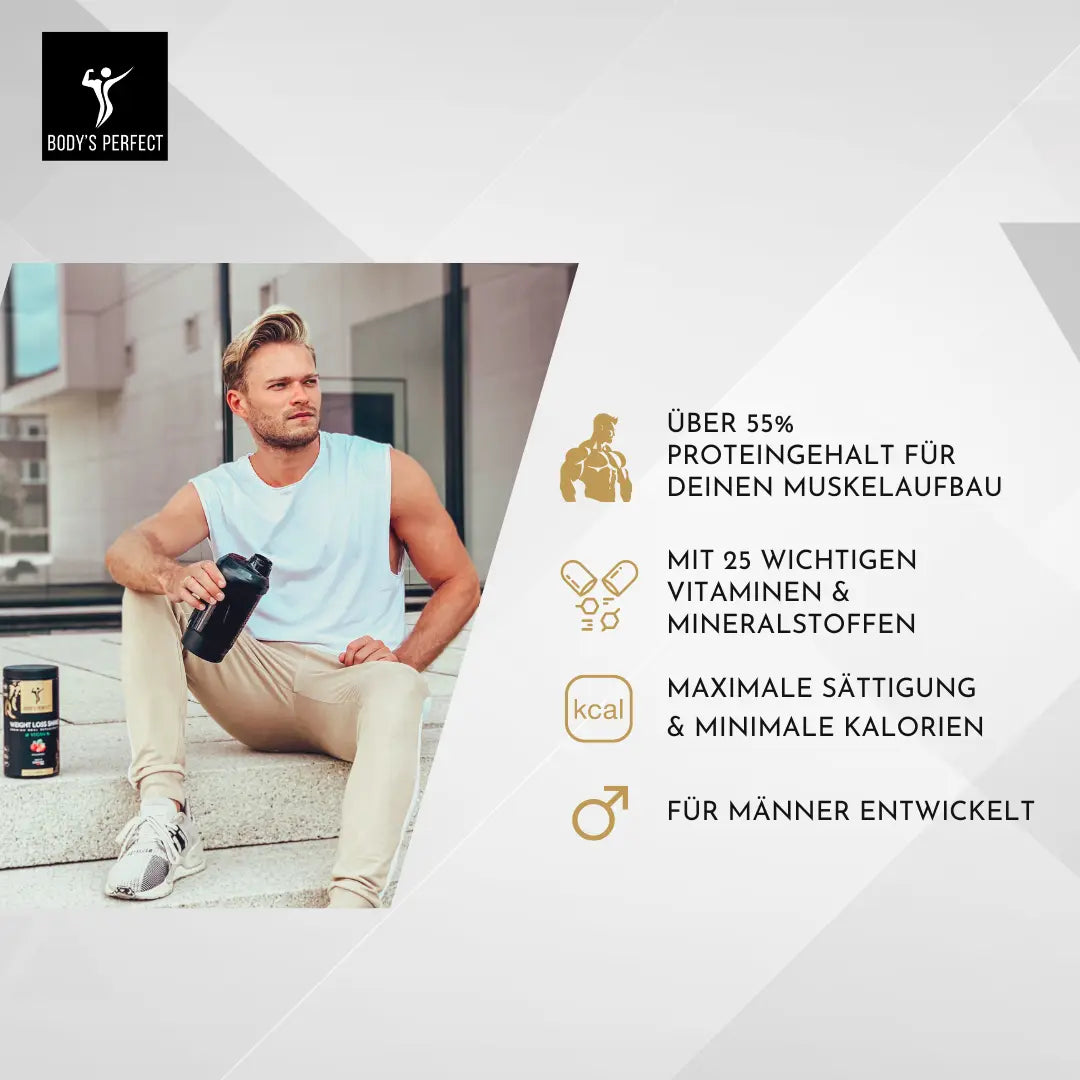
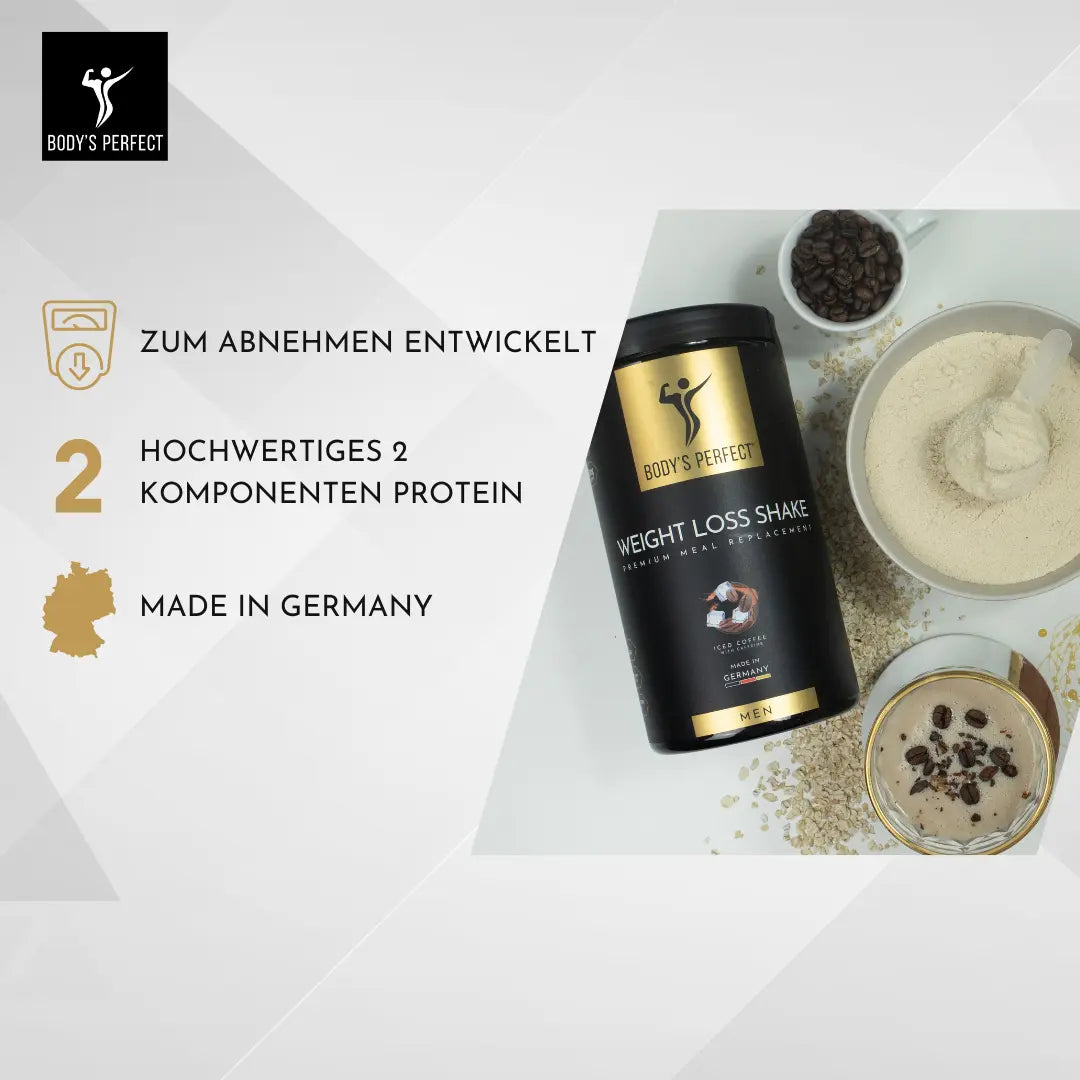
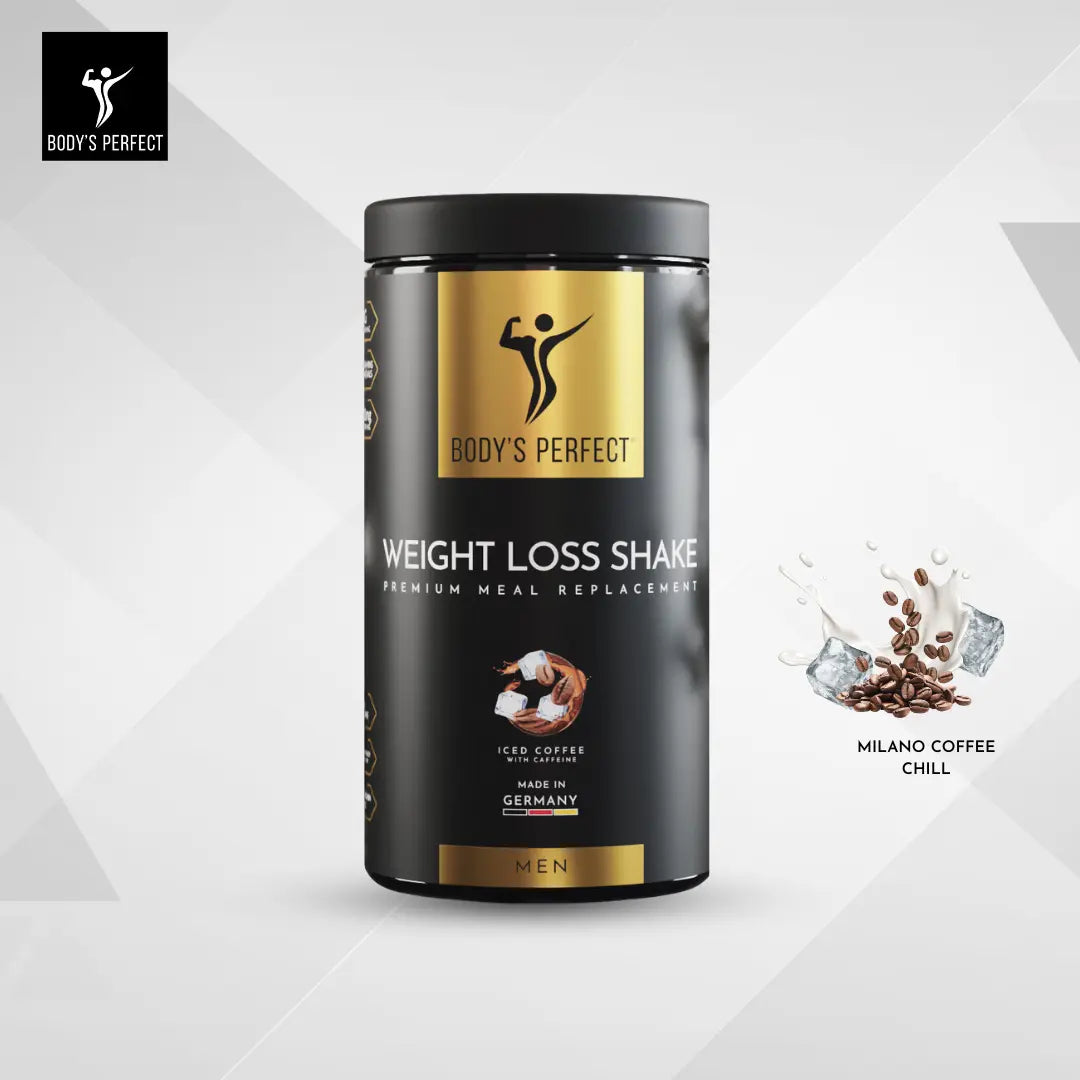
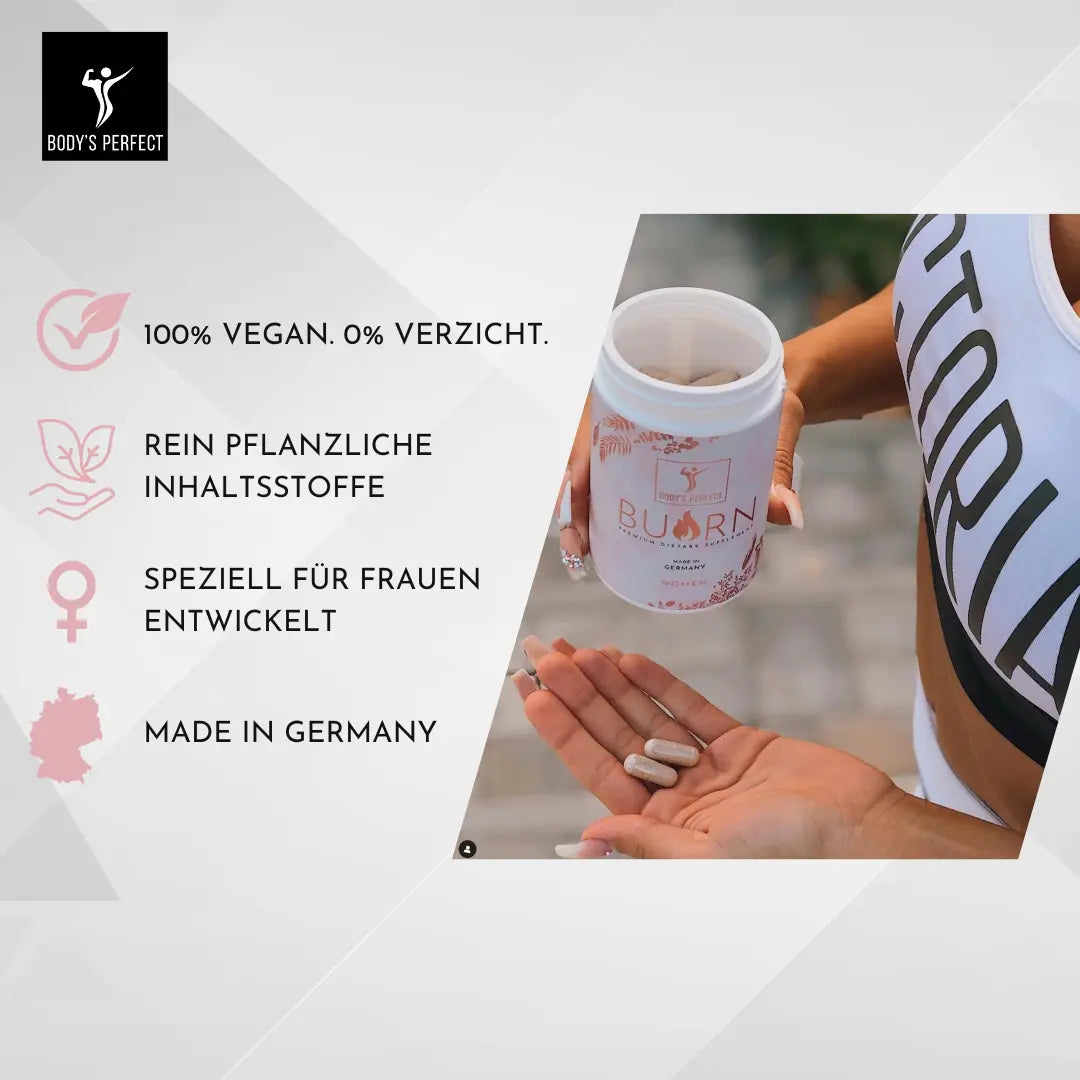
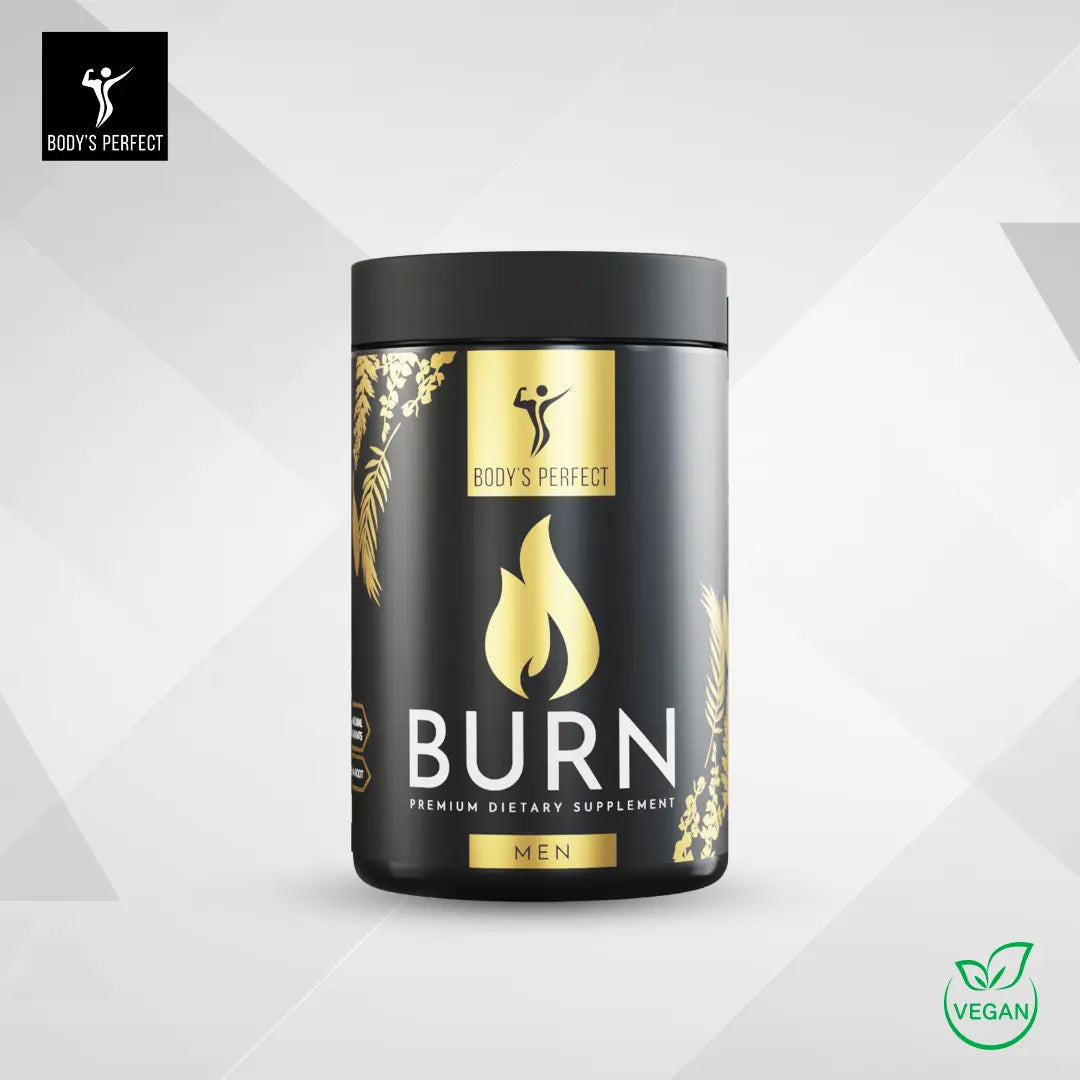
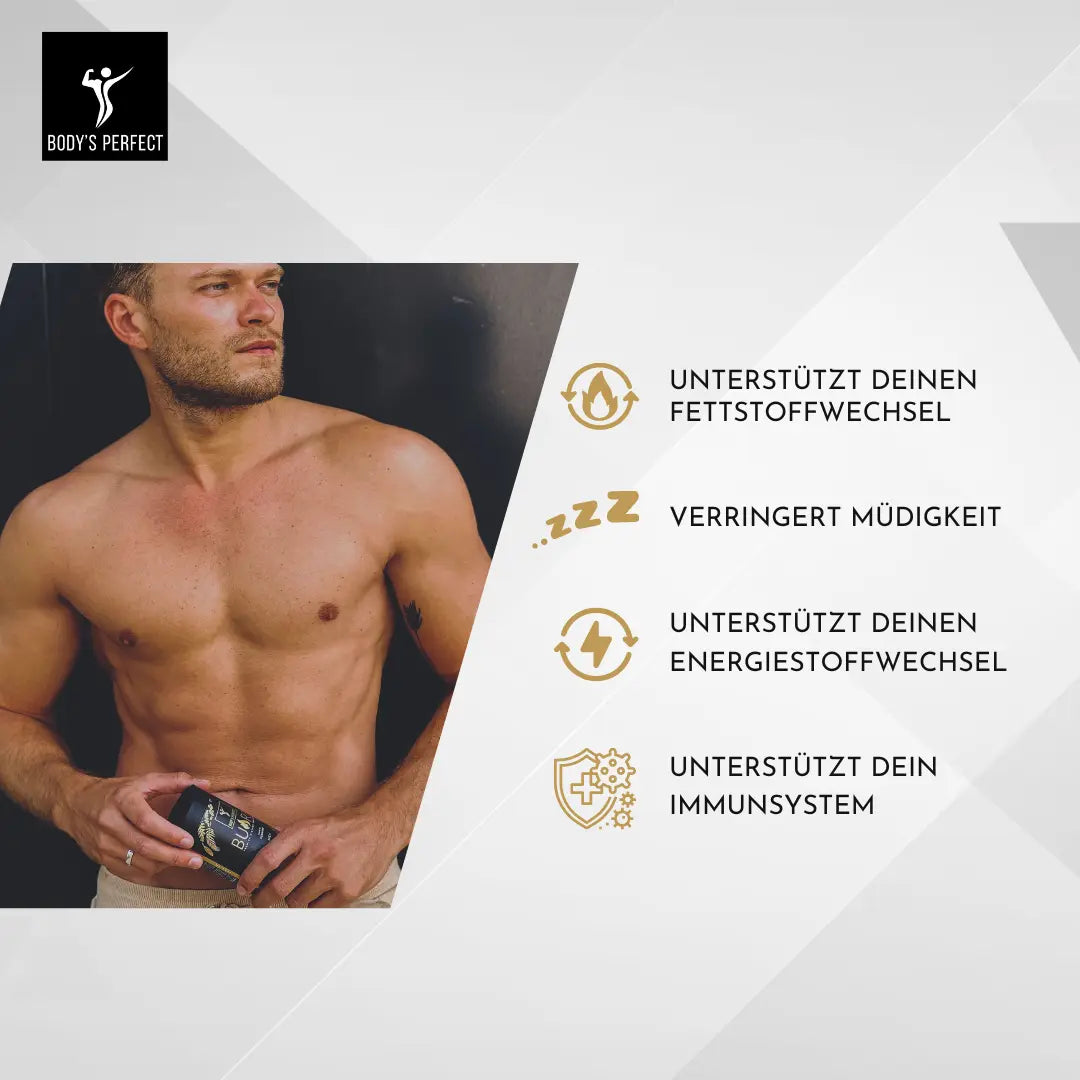
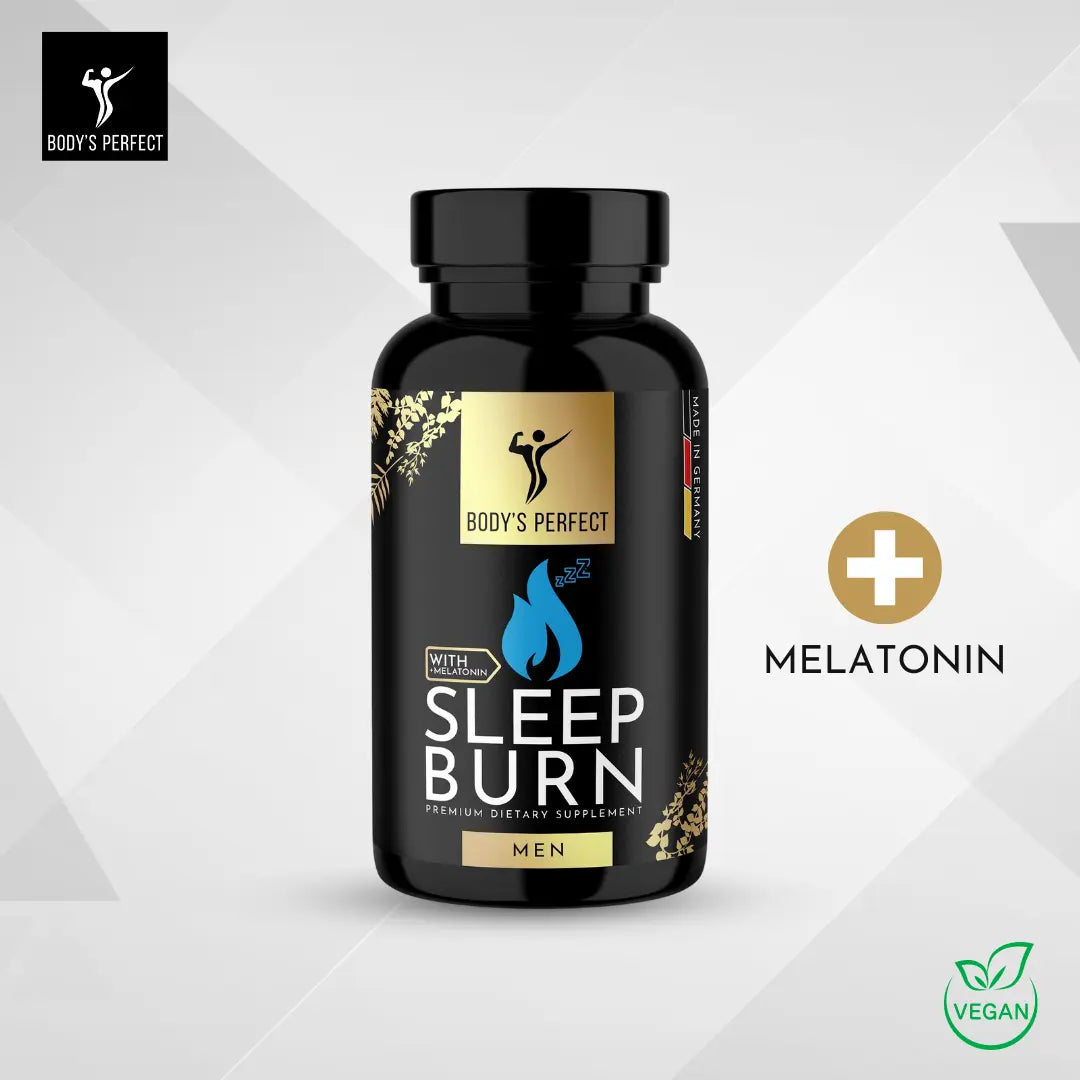
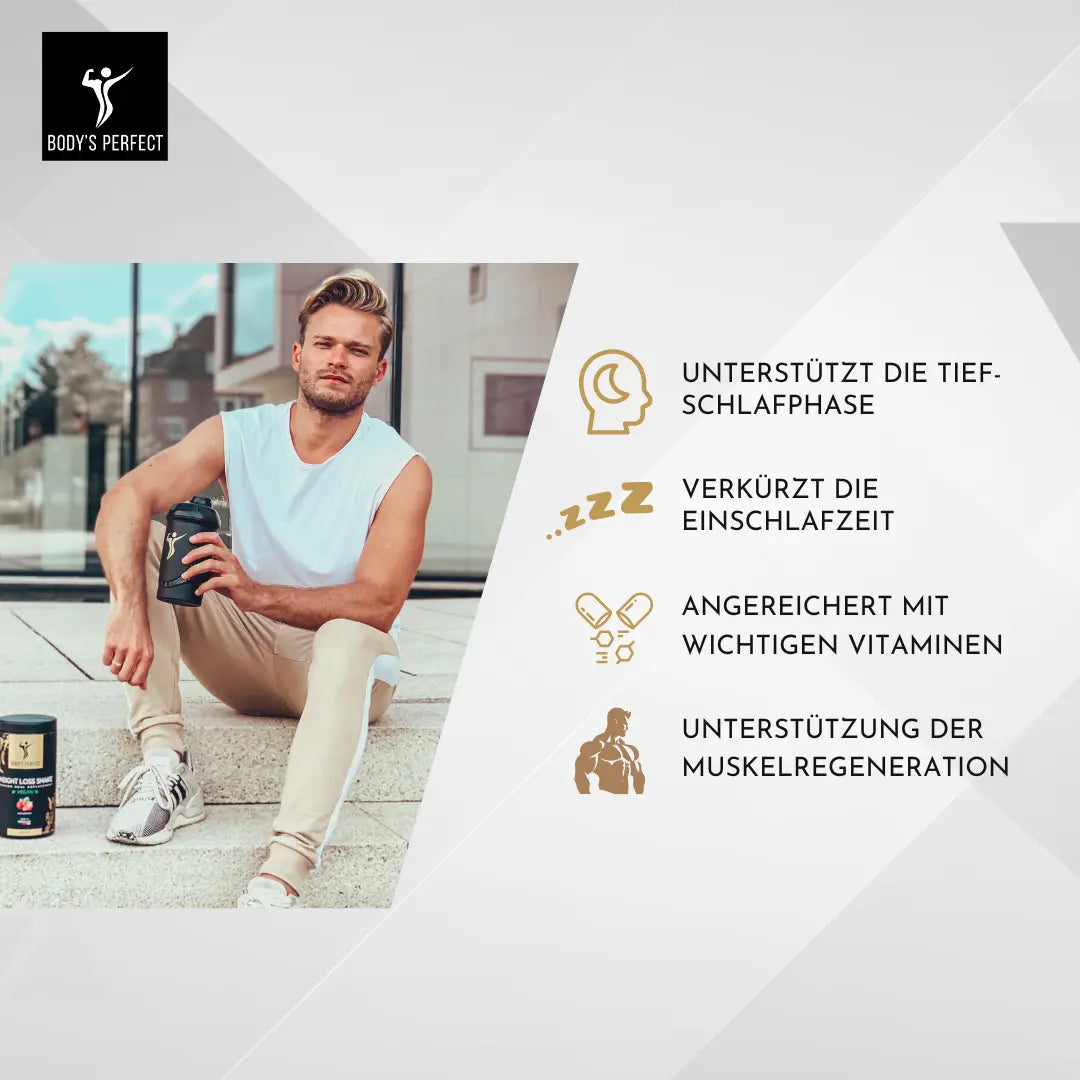
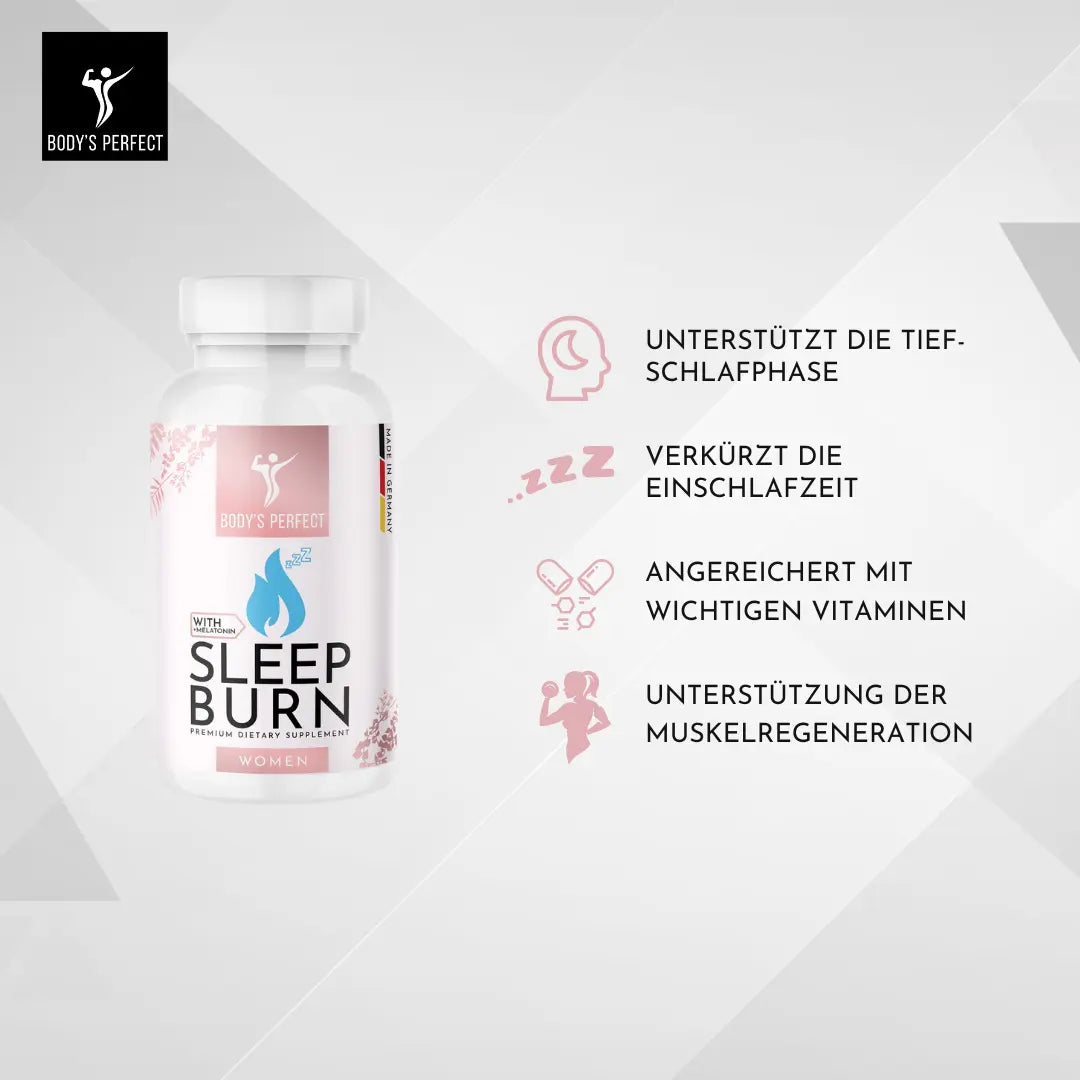
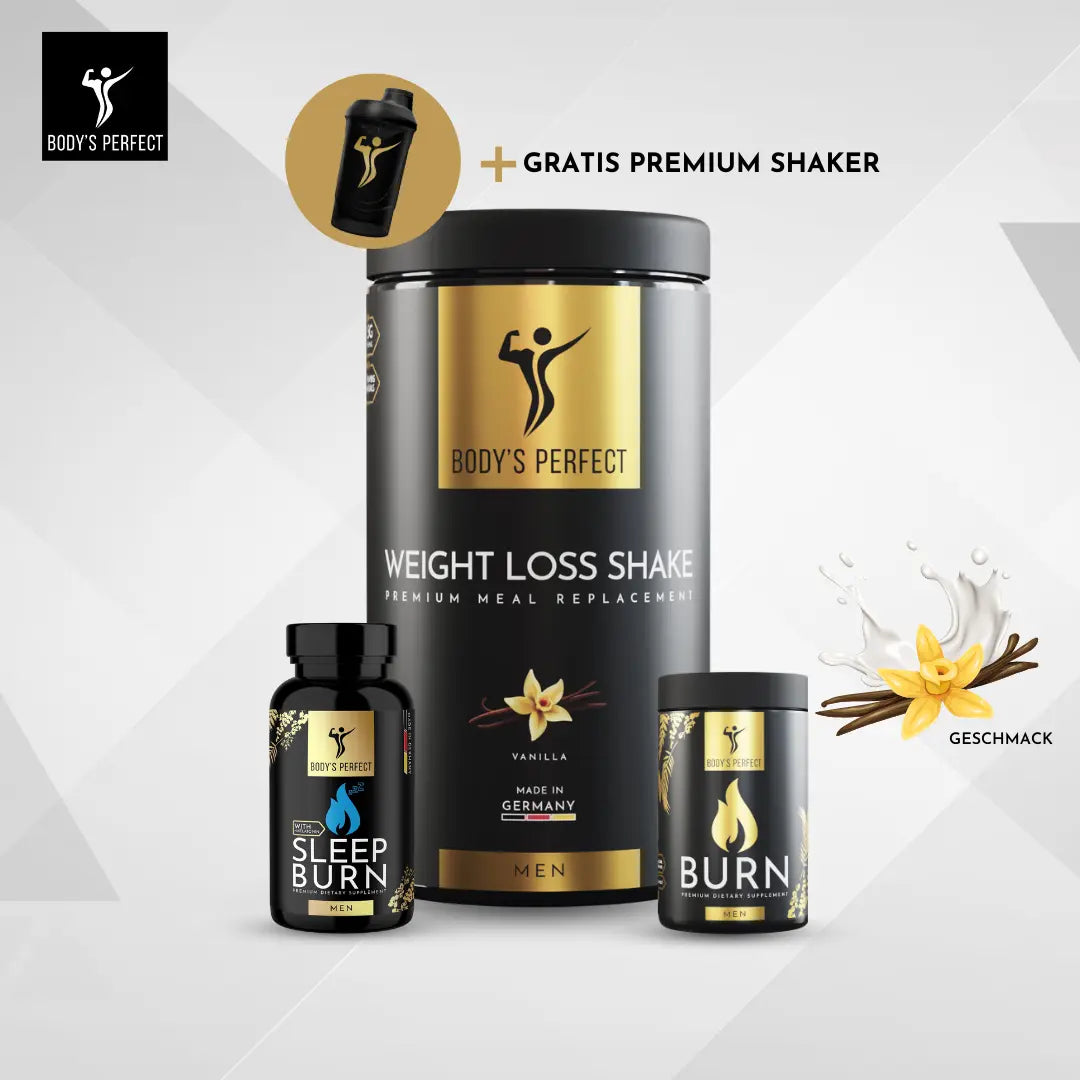
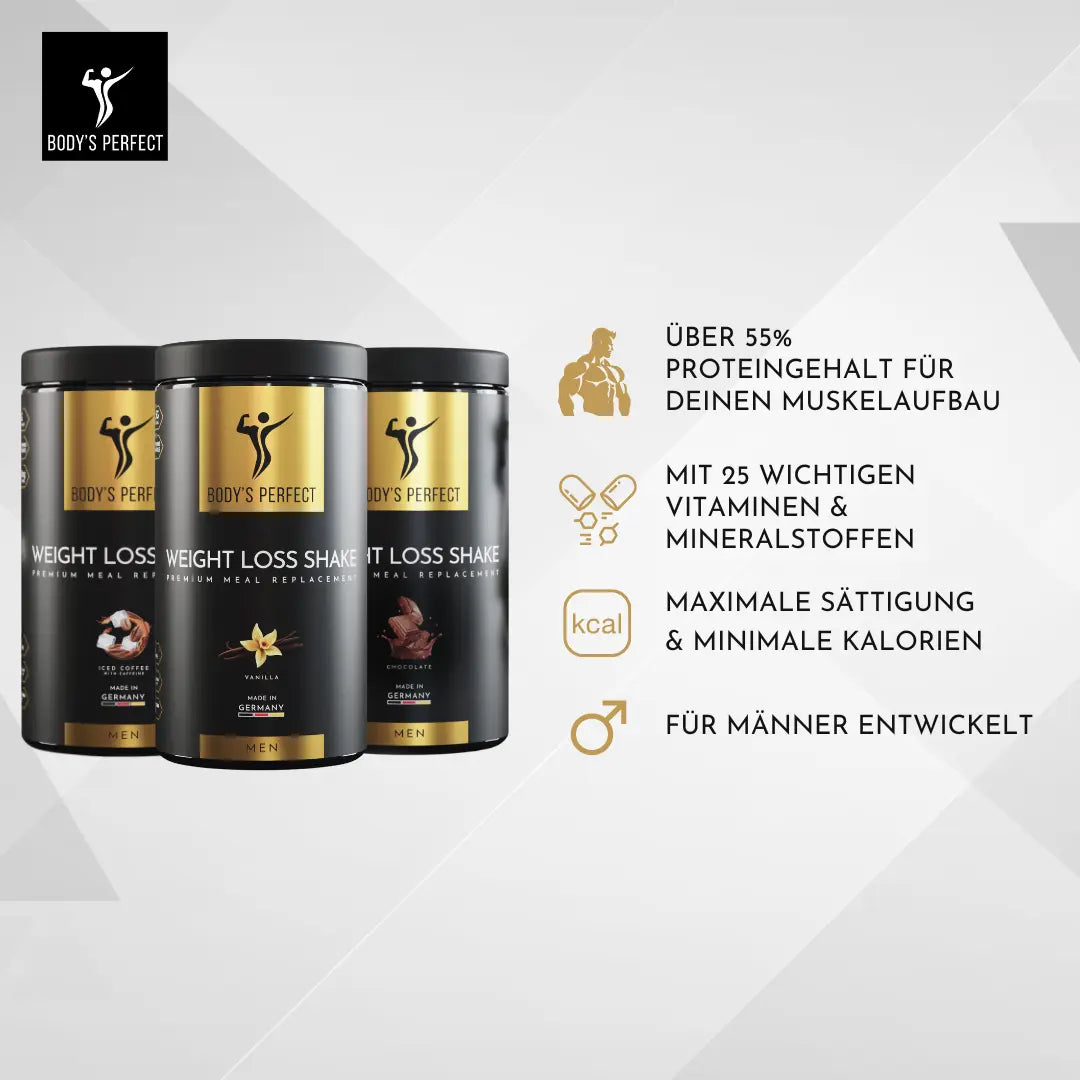
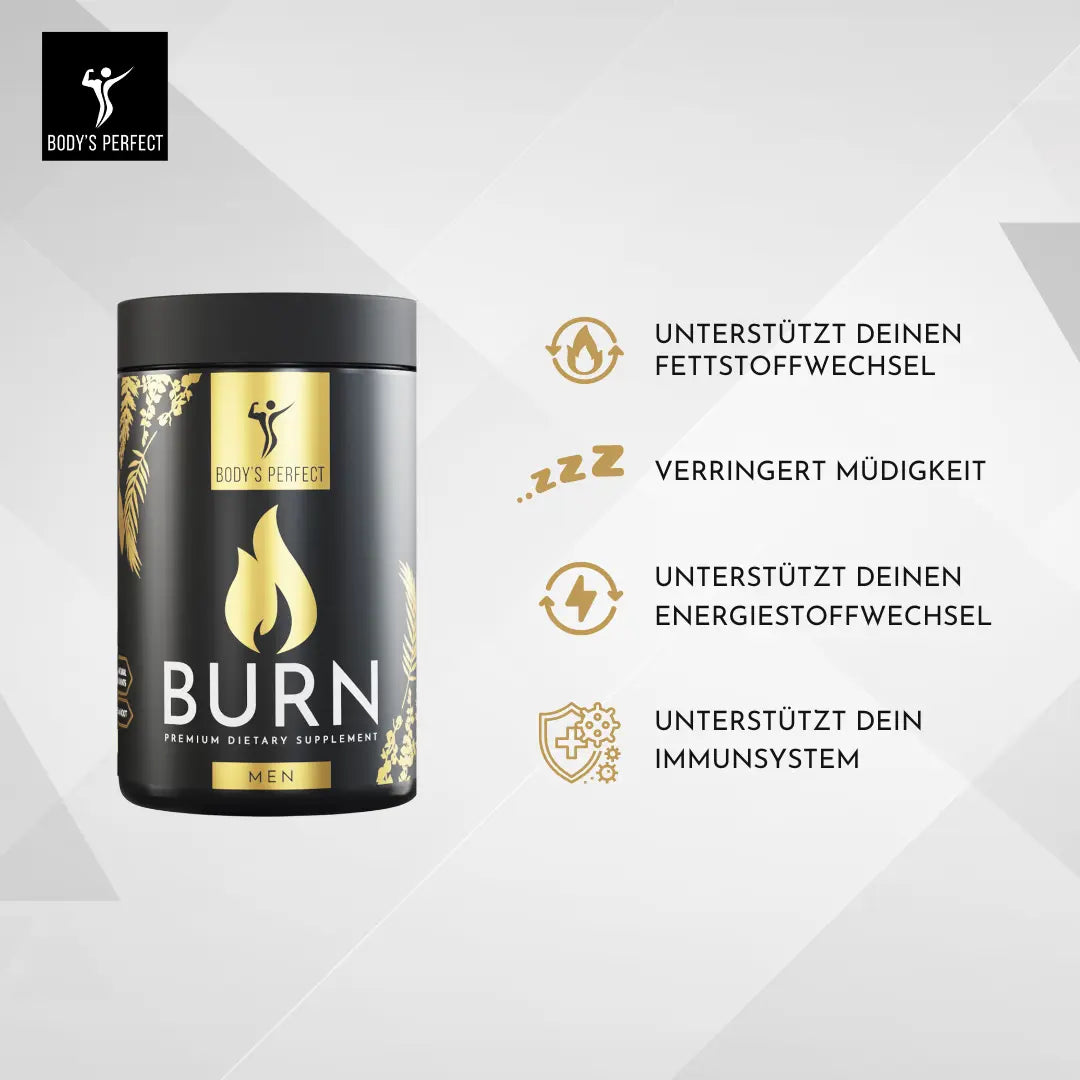
To progress even faster on your journey, you need the right allies. BODY'S PERFECT products are designed exactly for this: They support you with high-quality ingredients, manufactured in Germany, for your nutrition and training. Find the right products for your mission now at https://bodysperfect.com.








Share:
How much protein per day for muscle growth? Your plan for success
Calculate your basal metabolic rate for weight loss – Step by step