


Regulating your female hormones naturally is not rocket science. Rather, it is a blend of conscious nutrition, clever stress management, restful sleep, and a mindful lifestyle. At its core, it's about understanding your body's signals and giving it exactly the building blocks it needs to regain its natural balance.
How to correctly interpret your body's signals

Do you sometimes feel like you're on autopilot? One day you could uproot trees, and the next, you barely have the energy to get off the couch. Such extreme fluctuations are rarely coincidental. Instead, they are direct messages from your body – specifically, your hormonal system.
Hormones are tiny but incredibly powerful messengers. They orchestrate almost everything in your body: your mood, appetite, sleep, metabolism, and, of course, your cycle. Imagine them as a finely tuned orchestra. As long as all the instruments play in harmony, you feel balanced, fit, and simply good.
However, if even a single hormone goes out of sync, it can disrupt the entire harmony. Suddenly, you're struggling with discomfort that makes everyday life a burden. The very first step to bringing your hormones back into balance is to first recognize and correctly interpret these signals.
The main players in your hormone balance
Innumerable hormones dance together in your body, but two play the absolute main role for us women: estrogen and progesterone. Their balance is crucial for a regular cycle and your overall well-being.
- Estrogen sets the tone in the first half of the cycle. It gives you energy, good mood, and is responsible for building up the uterine lining and ovulation. You could call it your "go-getter" hormone.
- Progesterone takes the lead after ovulation in the second half of the cycle. It is often referred to as the "calming hormone" because it has a relaxing effect, promotes sleep, and prepares the body for a possible pregnancy.
When the delicate interplay of these two goes out of whack – often in the form of estrogen dominance, where there is too much estrogen compared to progesterone – the typical symptoms become noticeable.
Common signs of a hormonal imbalance
Hormonal chaos doesn't manifest the same way in every woman. The symptoms are often so diverse that they are not immediately attributed to hormones. Perhaps some of this sounds familiar to you?
- Cycle problems: You struggle with severe PMS, your period is irregular and painful, or you have spotting between periods.
- Mood swings: You are irritable, anxious, or simply feel down without any apparent reason.
- Lack of energy: You are constantly tired and exhausted, even if you have had enough sleep.
- Weight problems: You gain weight inexplicably, especially around the abdomen, or losing weight just doesn't work.
- Sleep disturbances: You have trouble falling or staying asleep, especially in the second half of your cycle.
- Skin and hair: You suddenly get acne (often on the chin), your hair falls out, or your skin is unusually oily.
Important: These symptoms are not a whim of nature that you have to put up with. They are clear indications from your body that something is out of balance and it needs your support.
Many of these signs also overlap with the symptoms of a metabolic disorder, because hormones and metabolism are inextricably linked. An imbalance in one area almost always affects the other. By learning to listen to these signs, you finally take back control over your well-being.
Your diet as a key to hormonal balance
What you eat has a direct and often immediately noticeable impact on your hormones. Don't just see your food as calories, but as information for your body. Every bite provides it with the building blocks it needs to stay in balance – or it can throw everything out of whack.
The path to balanced hormones does not involve strict diets, but rather a conscious and nutrient-rich diet. It's about specifically supplying your body with everything it needs for natural regulation. Your diet is thus one of the strongest tools you have at your disposal.
This colorful bowl is a perfect example of a meal that makes your hormones happy: salmon for valuable omega-3 fatty acids, broccoli with its hormone-regulating compounds, whole grains for important fiber, and avocado for a dose of healthy fats.
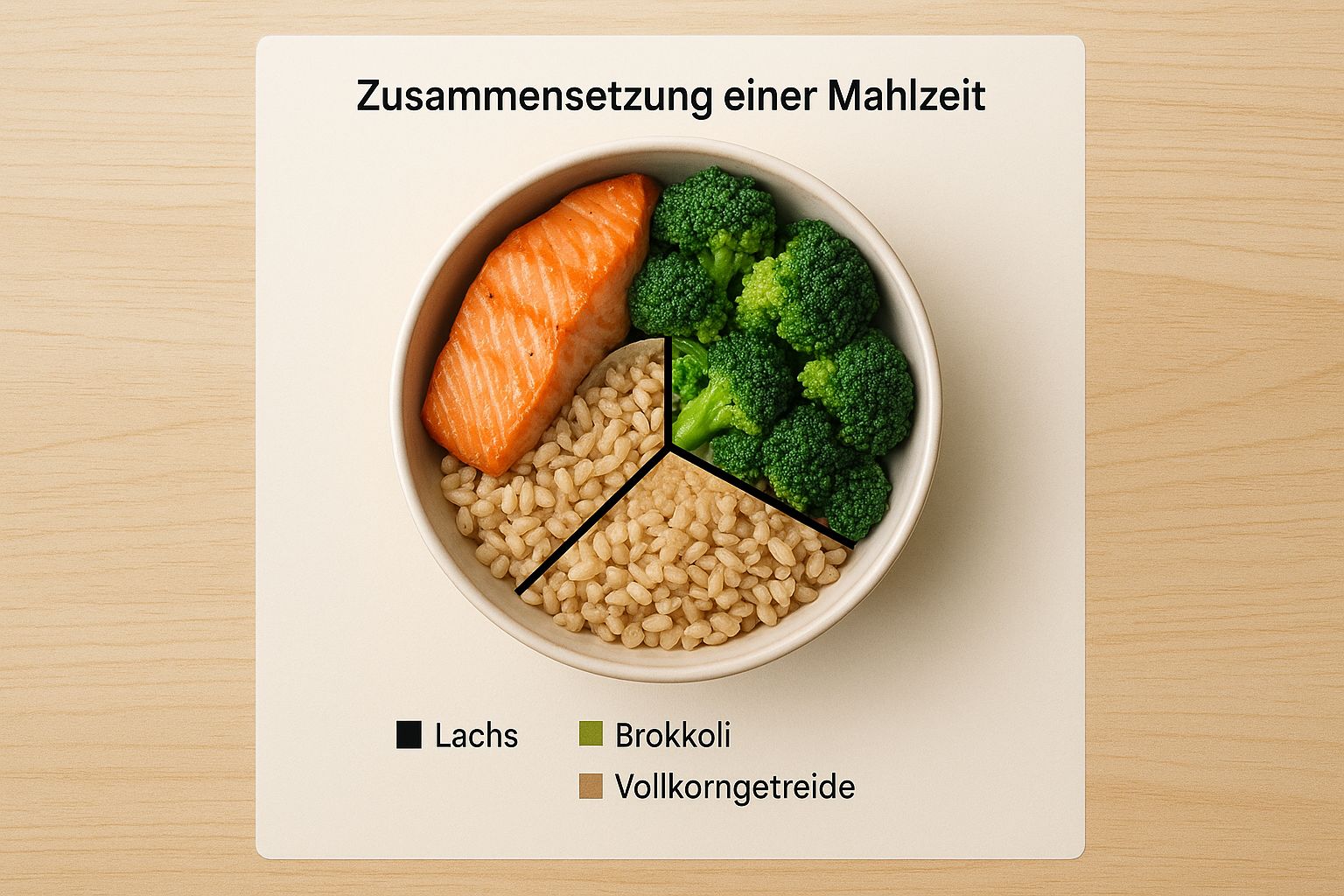
You can see right away: A hormone-friendly meal doesn't have to be complicated. It thrives on the diversity of fresh, unprocessed ingredients.
The building blocks for your hormonal happiness
For your body to optimally produce and process hormones like estrogen and progesterone, it needs very specific nutrients. If these are missing, the sensitive system quickly goes out of whack.
Here are the three most important cornerstones:
- Healthy fats: They are the foundation for your hormone production. Without them, especially omega-3 fatty acids, your body cannot produce sex hormones at all. In addition, they have anti-inflammatory effects and thus support the entire system.
- Fiber: They are indispensable for good digestion. They help your body effectively get rid of excess estrogen. If digestion slows down, old estrogen can re-enter the bloodstream and promote estrogen dominance.
- High-quality proteins: The amino acids from proteins are necessary for countless processes in the body, including signal transmission between the brain and hormone glands. Another plus: they keep blood sugar levels stable, preventing cravings and hormonal fluctuations.
Good nutrient supply is paramount. To give you a better overview, I have summarized the most important nutrients and their best sources here.
| Top Nutrients for Your Hormone Balance |
| :--- | :--- | :--- |
| Nutrient | Effect on Hormones | Best Food Sources |
| Omega-3 Fatty Acids | Serve as building blocks for hormones, have anti-inflammatory effects. | Fatty fish (salmon, herring), flax seeds, chia seeds, walnuts |
| Fiber | Supports the excretion of excess estrogen. | Legumes, whole grains, flax seeds, vegetables (e.g., broccoli) |
| Magnesium | Calms the nervous system, reduces stress hormones (cortisol). | Dark chocolate, nuts, seeds, green leafy vegetables, avocados |
| B Vitamins (especially B6) | Important for progesterone production and hormone metabolism. | Chickpeas, salmon, chicken, potatoes, bananas |
| Zinc | Supports thyroid function and the production of sex hormones. | Pumpkin seeds, lentils, beef, chickpeas |
This table should serve as a little cheat sheet for your next shopping trip. Focus on regularly incorporating foods from each category into your diet.
Power Foods for Your Shopping List
To make it even more practical, here's a small list of foods you should put on your plate more often from now on.
These foods will support you:
- Cruciferous vegetables: Broccoli, cauliflower, kale, or Brussels sprouts contain indole-3-carbinol, a compound that helps the liver break down estrogen more effectively.
- Fatty fish: Salmon, mackerel, and herring are bursting with omega-3 fatty acids. They are virtually the basic building blocks for your hormones and fight inflammation in the body.
- Flax seeds: These small powerhouses are a top source of fiber and lignans, which have an estrogen-balancing effect. They work best when freshly ground.
- Avocados & nuts: They provide you with healthy fats and important nutrients like vitamin E and B vitamins, which are indispensable for hormone production.
- Whole grains: Oats, quinoa, and brown rice provide complex carbohydrates and fiber that keep your blood sugar levels nice and stable.
Remember: every meal is a new opportunity to do something good for your body. It's about progress, not perfection.
What foods you should avoid
Just as there are helpers, unfortunately, there are also troublemakers that can severely disrupt your hormonal balance.
Try to reduce these things as much as possible:
- Sugar and refined carbohydrates: White bread, sweets, and soda cause your blood sugar to skyrocket. This provokes a strong insulin release, which in turn throws other hormones out of whack.
- Highly processed foods: Ready meals and fast food are often full of unhealthy fats, hidden sugar, and artificial additives. All of this stresses your body and can promote inflammation.
- Excessive alcohol consumption: Alcohol stresses your liver, which is responsible for breaking down hormones. It can also increase cortisol levels and disturb your sleep – both are poison for hormone balance.
Hormonal imbalances often only become apparent when symptoms become clear, for example, during menopause. The German Menopause Society (DMG) emphasizes that hormone levels, especially in women between 40 and 45, can fluctuate greatly. This makes a diagnosis based solely on a blood test difficult. Learn more about the DMG's recommendations for individual counseling on frauenaerzte-im-netz.de.
Practical ideas for your hormone-friendly day
A complete dietary change sounds like a huge project at first. But don't worry, just start with small, manageable steps.
- Breakfast: How about porridge made from oatmeal with ground flax seeds, berries, and a handful of nuts? Keeps you full for a long time and blood sugar stable.
- Lunch: A large, colorful salad with grilled salmon, plenty of green leafy vegetables, and a simple dressing of good olive oil and lemon is perfect.
- Dinner: A quick vegetable stir-fry with broccoli, bell peppers, and chicken or tofu, plus a small portion of quinoa. Simple, delicious, and hormone-friendly.
A balanced diet is also closely linked to an active metabolism. If you want to support your goals even better, check out which foods stimulate your metabolism. By focusing on real, nutrient-rich foods, you lay the best foundation for a life in hormonal balance.
Adjusting exercise and lifestyle strategically
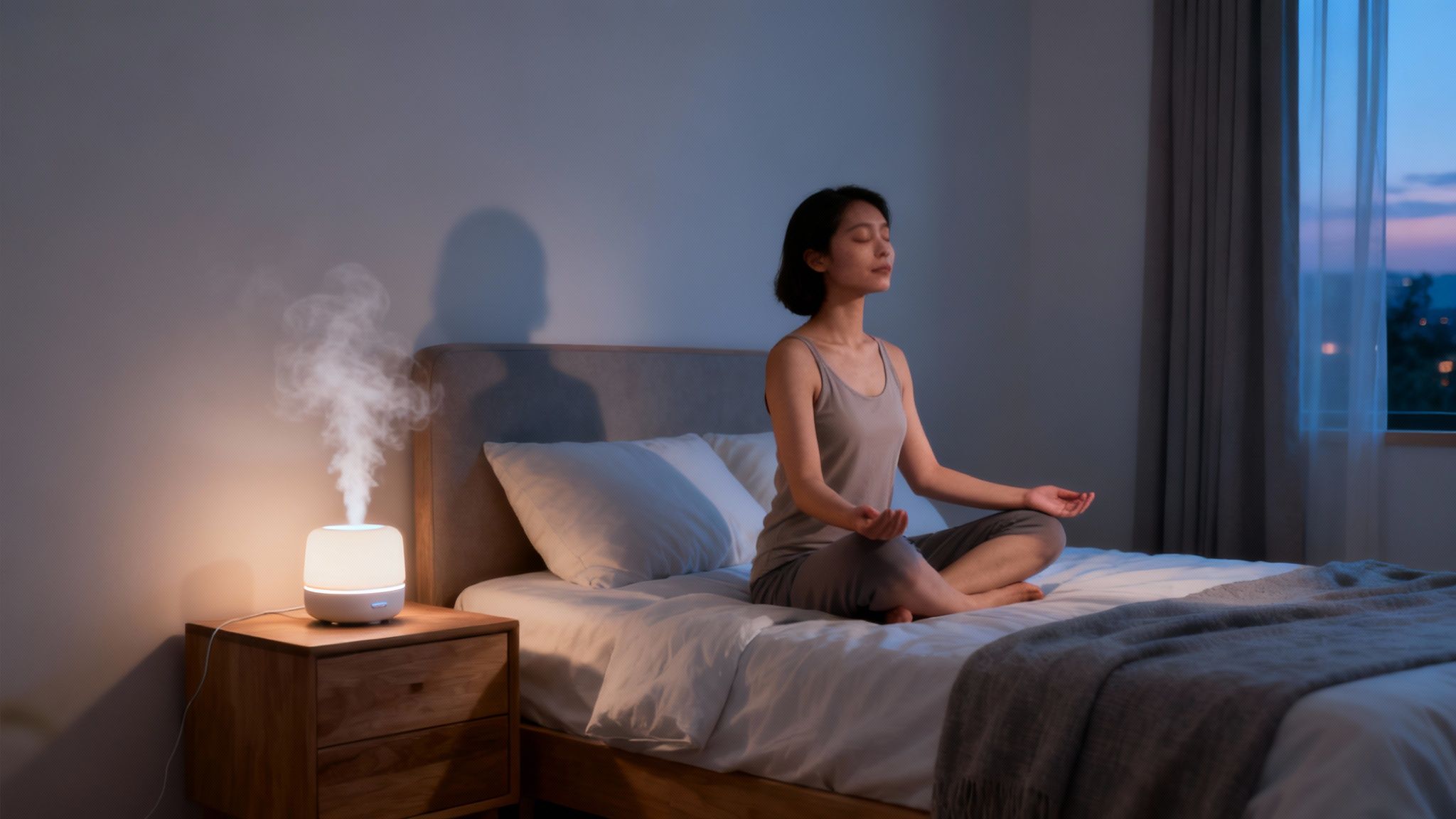
You can eat as perfectly as possible – if you're constantly under pressure and can't get any sleep at night, you'll undermine all progress. Stress and sleep are the two giants that guard your hormonal well-being. Chronic stress is pure poison for your hormone balance.
When you're stressed, your body releases the hormone cortisol. This is actually a clever survival mechanism for short-term dangers. But in our modern world, the saber-toothed tiger has become a permanent to-do list, and stress becomes chronic. This is precisely where the problem lies.
Persistently high cortisol levels throw your entire system out of whack. It can block the production of other important hormones, especially the calming progesterone. The body "steals" the building blocks it would need for progesterone, so to speak, to produce even more cortisol instead.
The vicious circle of cortisol and hormonal chaos
A constantly high cortisol level often results in estrogen dominance because the balancing progesterone is missing. Perhaps you are all too familiar with the consequences: severe PMS, restless nights, constant irritability, and the feeling of being somehow out of sorts.
At the same time, too much cortisol slows down thyroid function, which slows down metabolism and makes weight loss a real challenge. This creates a nasty vicious circle: stress creates hormonal chaos, which in turn leads to new stress and poor sleep. But the good news is: you can actively break this cycle.
Effective strategies for your stress management
It's not about completely eliminating stress – that would be utopian. Much more crucial is how you deal with it and consciously allow your body periods of recovery.
Here are some simple but incredibly effective methods for everyday life:
- Mini breathing breaks: Do you notice the tension rising? Take three minutes. Breathe deeply through your nose for four seconds, hold your breath for seven seconds, and then slowly exhale through your mouth for eight seconds. This 4-7-8 breathing technique is like a reset button for your nervous system and immediately lowers cortisol levels.
- Gentle movement instead of power workouts: Long, intense cardio sessions can additionally stress the body. Much better are gentle forms of movement like yoga, Pilates, or a brisk walk in nature. They reduce stress without overtaxing the system.
- Conscious breaks: Plan fixed, small breaks every day where you truly switch off. A cup of tea without your smartphone, five minutes listening to your favorite music, or just gazing thoughtfully out the window.
Your body doesn't distinguish whether the stress comes from a real emergency or from deadline pressure. The hormonal response is the same. So regularly give your nervous system the signal: "Everything is fine."
Especially during phases of hormonal changes, such as menopause, stress and sleep problems can massively amplify symptoms. In Germany, around 9 million women are currently in this phase of life. Of these, about 80 percent suffer from symptoms such as hot flashes and sleep disturbances. You can read more about these connections in an overview by Doctolib.
The regenerative power of good sleep
During sleep, your body regenerates and brings its hormones back into balance. Sleep deprivation, however, acts like chronic stress and increases cortisol levels. Even a single bad night can disrupt the insulin sensitivity of your cells and trigger cravings the next day.
Try to get seven to nine hours of good sleep per night. Quality is at least as important as duration.
Here's how to create the best conditions for a restful night:
- Establish an evening routine: Signal to your body about an hour before bedtime that it's time to wind down. Dim the lights, read a few pages of a book, take a warm bath, or listen to relaxing music.
- Optimize your bedroom: Your bedroom should be a cool, dark, and quiet sanctuary. It's best to banish all electronic distractions like TVs or smartphones from this room.
- Stick to fixed times: If possible, go to bed and wake up at the same time every day – yes, even on weekends. This greatly stabilizes your internal clock (circadian rhythm).
Do you still find it hard to fall asleep? This could be due to a lack of the sleep hormone melatonin. You can find out exactly how it works and how you can naturally stimulate its production in our article about melatonin for better sleep. Investing in your sleep is one of the best decisions you can make to naturally regulate your female hormones and start the day full of energy.
Adjusting exercise and lifestyle strategically
The right kind of exercise can work wonders for your hormones. However, the wrong kind of training can also further stress your body and even exacerbate hormonal imbalance. So it's not about exhausting yourself daily, but about moving your body intelligently and mindfully.
Many of us immediately think of intense cardio training like jogging or HIIT when it comes to exercise. Although these sports absolutely have their place, they can quickly become a boomerang for an already stressed hormonal system. Long, intense sessions can raise cortisol levels, our stress hormone, even further – exactly what we want to avoid.
Imagine your body is already in "alarm mode." Every hard workout then only signals more danger to it. The result? It releases even more cortisol, which in turn can inhibit the production of important progesterone and further disrupt hormone balance.
Smart training for your hormone balance
Instead of pushing your body to its limits, focus on forms of movement that strengthen it without overstraining it. The focus is on regeneration and building muscle mass. Muscles are metabolically active and help regulate blood sugar levels – a very important factor for stable hormones.
Here are the training methods that have proven most effective for your hormonal balance:
- Moderate Strength Training: Muscle building is a real game-changer for your hormones. It improves insulin sensitivity, which helps keep blood sugar stable and curbs cravings. Two to three sessions per week are ideal. Focus on basic exercises like squats, lunges, and rowing. If you want to dive deeper into how effective strength training can be for women's weight loss, you'll find valuable tips and training plans in our guide.
- Pilates and Yoga: These gentler forms of movement combine strength building with conscious breathing and relaxation. They are proven to lower cortisol levels, improve flexibility, and strengthen deep muscles without overtaxing the nervous system.
- Outdoor Walks: Never underestimate the power of a simple walk! Daily outdoor exercise, preferably in daylight, helps regulate your sleep-wake cycle, reduce stress, and boost vitamin D production.
The key is consistency, not intensity. A daily 30-minute walk can be more valuable for your hormones than two extremely strenuous workouts per week.
Avoid Hidden Hormone Disruptors in Everyday Life
In addition to proper exercise, your immediate environment also plays a crucial role. We are daily surrounded by so-called environmental estrogens (also called xenoestrogens). These are chemical substances that resemble the body's own estrogen in their structure and can really mess up your hormonal system.
Pay conscious attention to these potential disruptors in your daily life:
- Plastic: Especially plasticizers like Bisphenol A (BPA) can leach into your food from plastic bottles, food storage containers, or the inner lining of cans. Switch to alternatives made of glass, stainless steel, or BPA-free plastic whenever possible.
- Cosmetics: Many conventional personal care products contain parabens, phthalates, and other hormonally active chemicals. A quick look at the ingredient list is really worthwhile. Natural cosmetics or products with few, clear ingredients are often the better choice.
- Pesticides: Conventionally grown fruits and vegetables can be contaminated with pesticides, which can also interfere with your hormonal system. If possible, opt for organic products or wash and peel your food particularly thoroughly.
Your Gut as the Center of Hormone Regulation
An often overlooked but extremely important factor for female hormonal balance is the health of your gut. A healthy gut not only helps absorb nutrients but is also crucial for the breakdown and excretion of used hormones, especially estrogen.
If your digestion is not optimal, excess estrogen cannot be properly eliminated from the body. Instead, it re-enters the bloodstream and can thus promote estrogen dominance.
How to strengthen your gut flora:
- Eat probiotic foods: Yogurt, kefir, sauerkraut, and kimchi contain live bacterial cultures that enrich your gut flora.
- Feed your good bacteria: Prebiotics are essentially "food" for your beneficial gut inhabitants. You'll find them abundantly in foods like onions, garlic, leeks, asparagus, and bananas.
- Avoid unnecessary antibiotics: Unfortunately, they don't differentiate between good and bad bacteria and can severely disrupt your gut flora.
By taking a holistic view of your lifestyle, adjusting your exercise, and eliminating hidden disruptors, you create the best foundation to naturally regulate your female hormones and feel completely well again.
Natural Helpers and Supplements as Useful Additions
Have you changed your diet, are you working on your stress levels, and have you found an exercise routine that does you good? Fantastic, because that's the absolute foundation. Sometimes, however, your hormonal system simply needs a targeted impulse from outside to fully regain its strength. This is where proven medicinal plants and certain nutrients can come into play as a supplement.
It's not about compensating for an unhealthy lifestyle with a few pills. Think of it more like this: These natural helpers can specifically address where your body might have a small deficit and gently but effectively support the path to hormonal balance.
Plant Power for Your Hormonal System
Naturopathy has known for centuries about plants that have a balancing effect on the female body. Many of them are adaptogenic, meaning they help the body adapt better to stress and find its natural rhythms again.
Here are three of the most well-known plant supporters:
- Chasteberry (Vitex agnus-castus): The classic when it comes to premenstrual syndrome (PMS). Chasteberry can help regulate prolactin levels, which often has a positive effect on breast tenderness, irritability, and cycle irregularities.
- Ashwagandha: As an adaptogen, Ashwagandha is a master at lowering cortisol levels. If chronic stress is throwing your hormones out of balance, this plant can help you find more inner calm and resilience.
- Maca Root: This small power tuber from the Andes is known for its energizing and balancing effects. It can promote libido, lift mood, and increase overall vitality, without containing hormones itself. You can read more about the diverse properties of Maca root powder here.
Targeted Supplementation of Essential Nutrients
Besides pure plant power, there are also vitamins and minerals that are absolutely essential for hormone production and regulation. If even one of them is missing, the entire system can falter.
These nutrients play a particularly important role:
- Magnesium: It's called the "relaxation mineral" for a reason. Magnesium is involved in over 300 metabolic processes, including the production of progesterone and the regulation of stress hormones.
- Vitamin D: Often referred to as the "sun hormone," it is actually a hormone precursor and plays a crucial role in our immune system and hormonal health.
- B Vitamins: Especially vitamin B6 is a key player in the production of progesterone and helps the liver break down excess estrogen.
Targeted supplementation is useful when you have an increased need – for example, due to a lot of stress, an unbalanced diet, or if you have a proven deficiency.
The discussion about hormone therapies is often complex. A large-scale study with data from around 10 million women has shown that the type of therapy affects the risk of various diseases differently. While a pure estrogen therapy in women without a uterus could reduce the risk of certain fatal diseases, a combined hormone therapy slightly increased the risk of breast cancer, but at the same time reduced other risks. Discover more about the complex results of the hormone therapy study on wexxeljahre.de.
Your Path to More Balance with Support
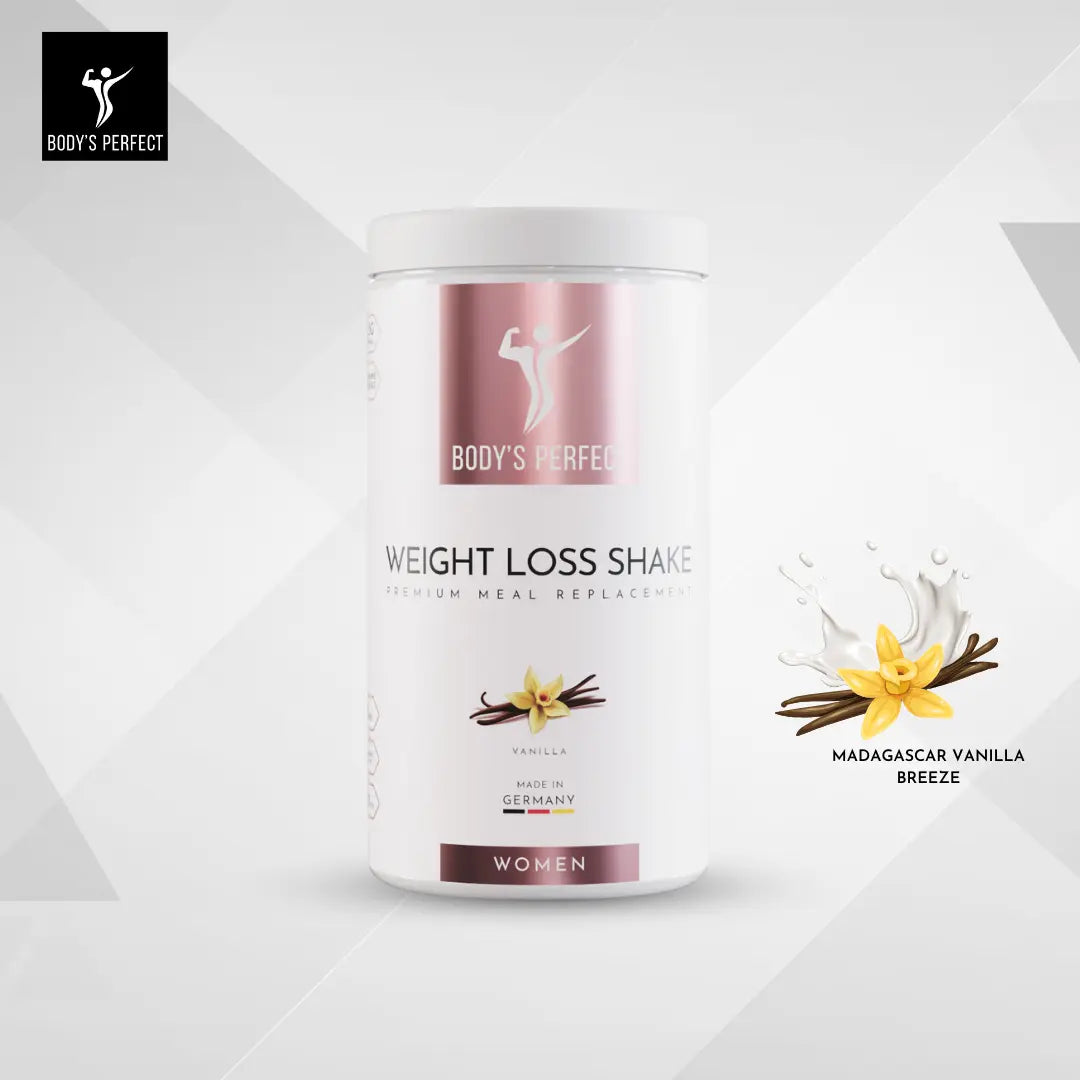
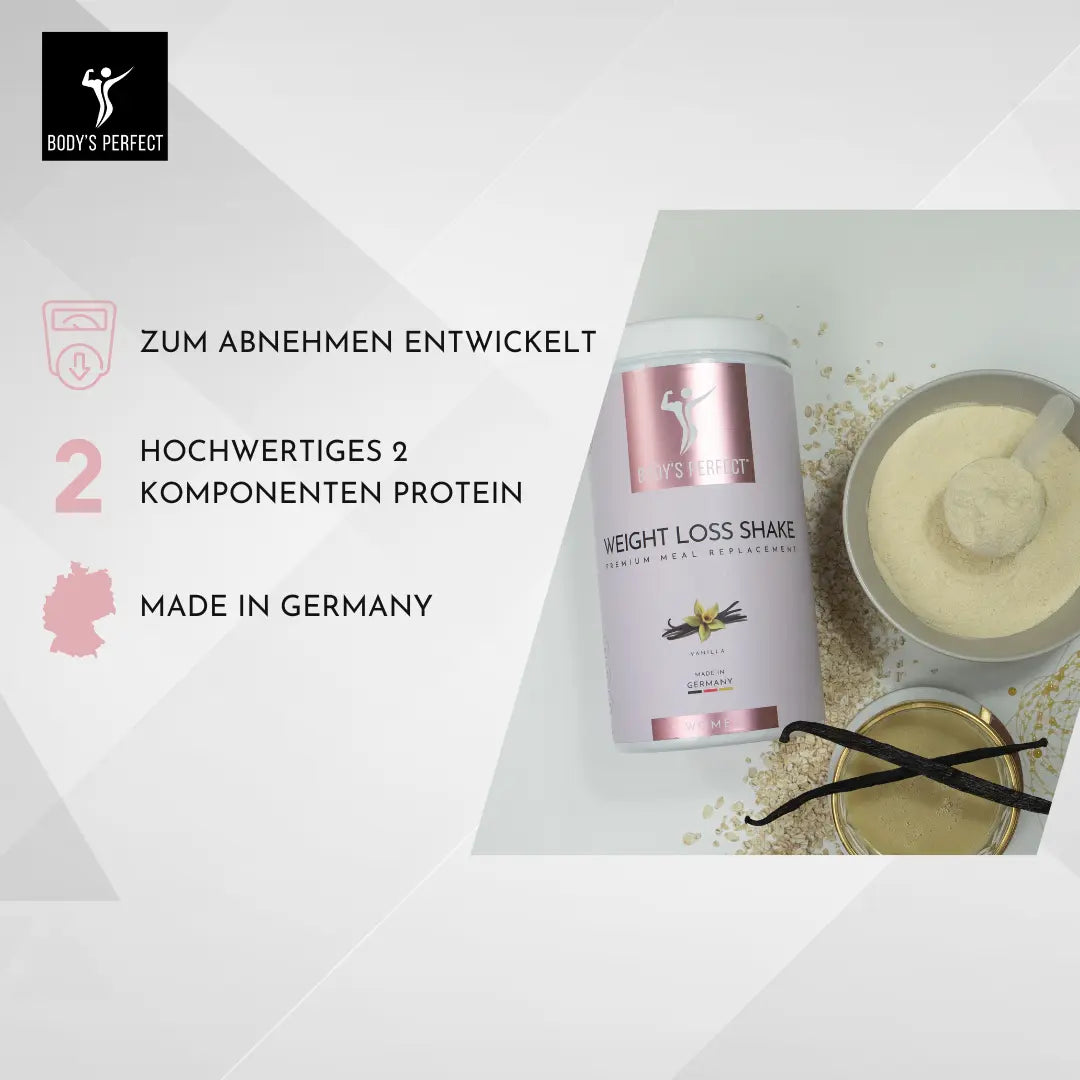
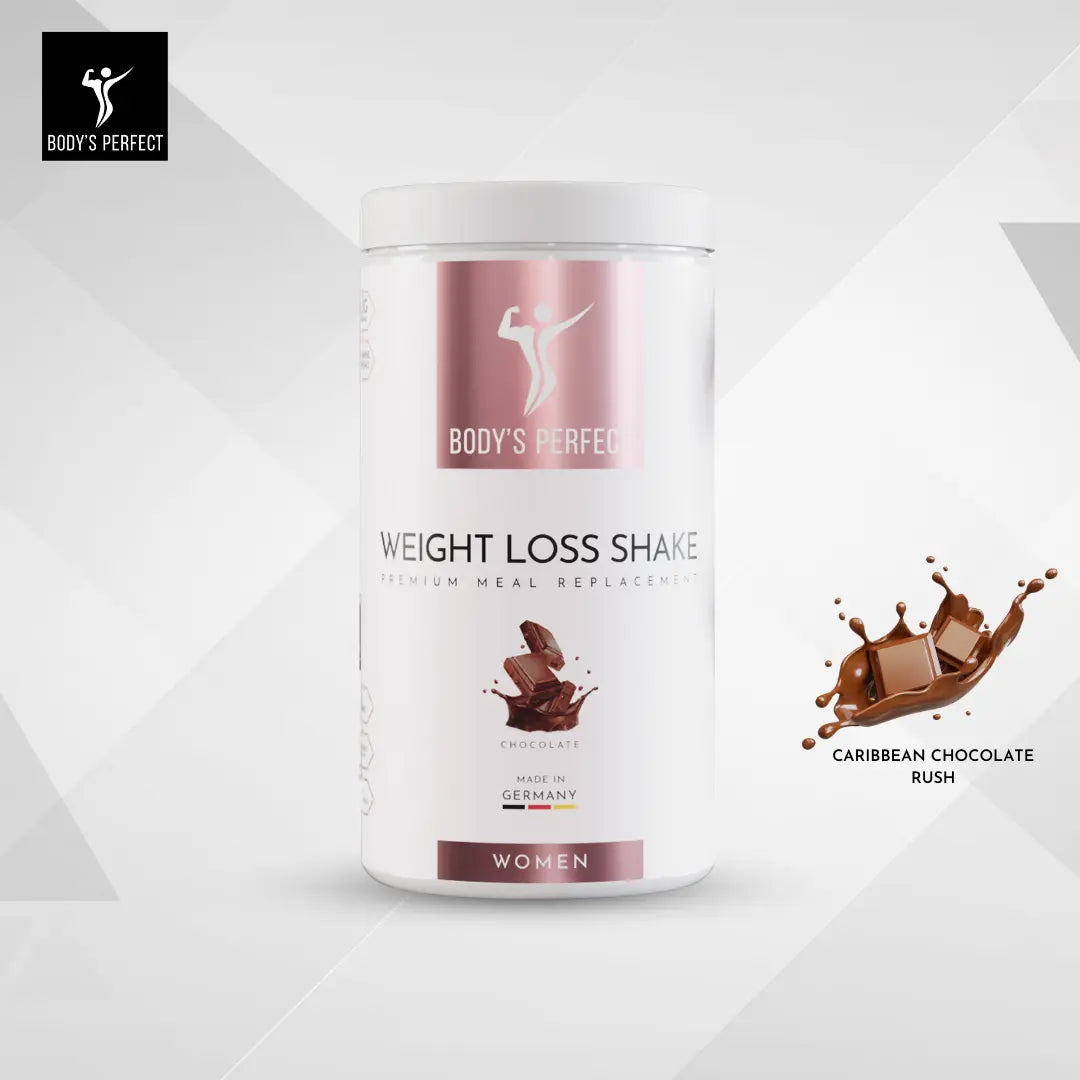
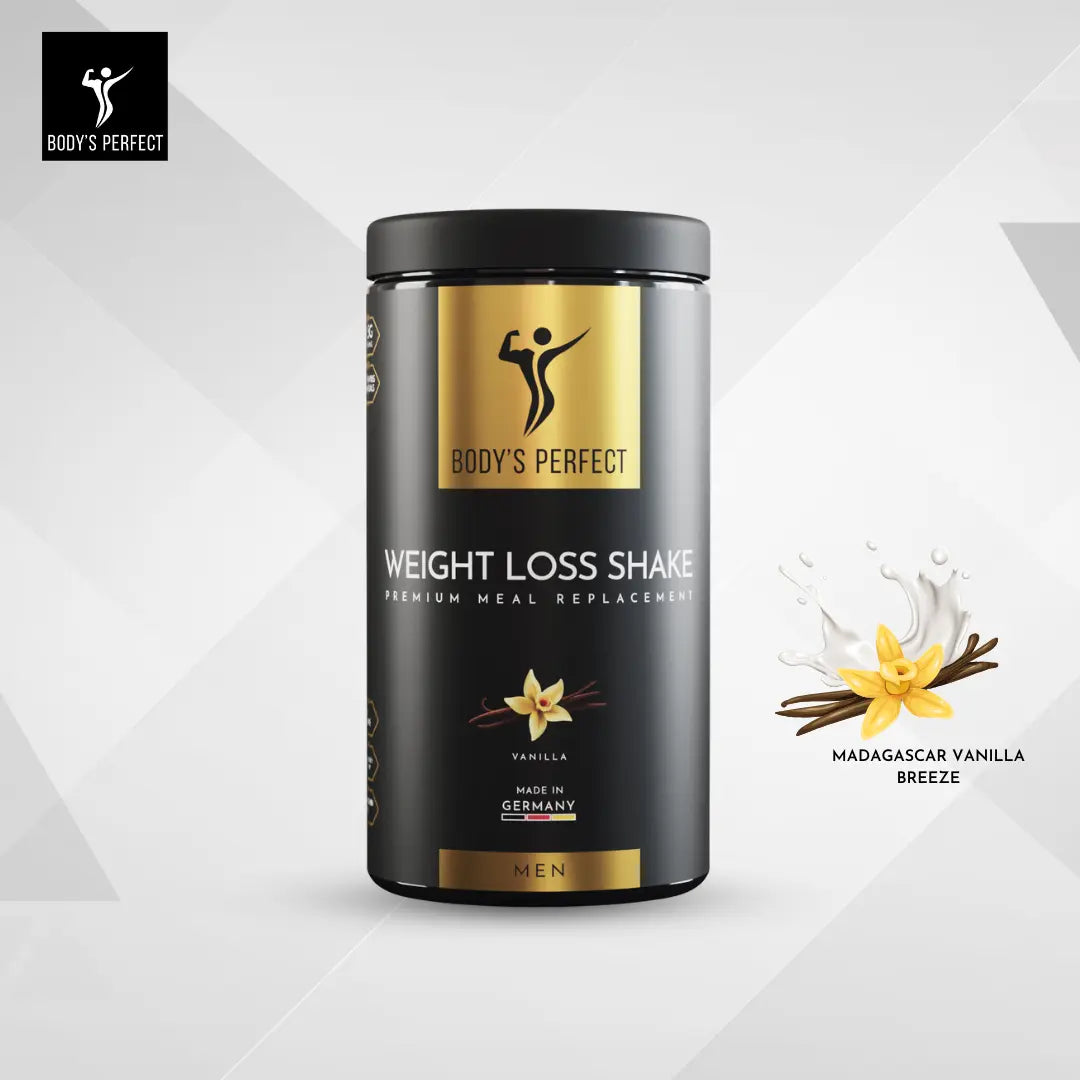
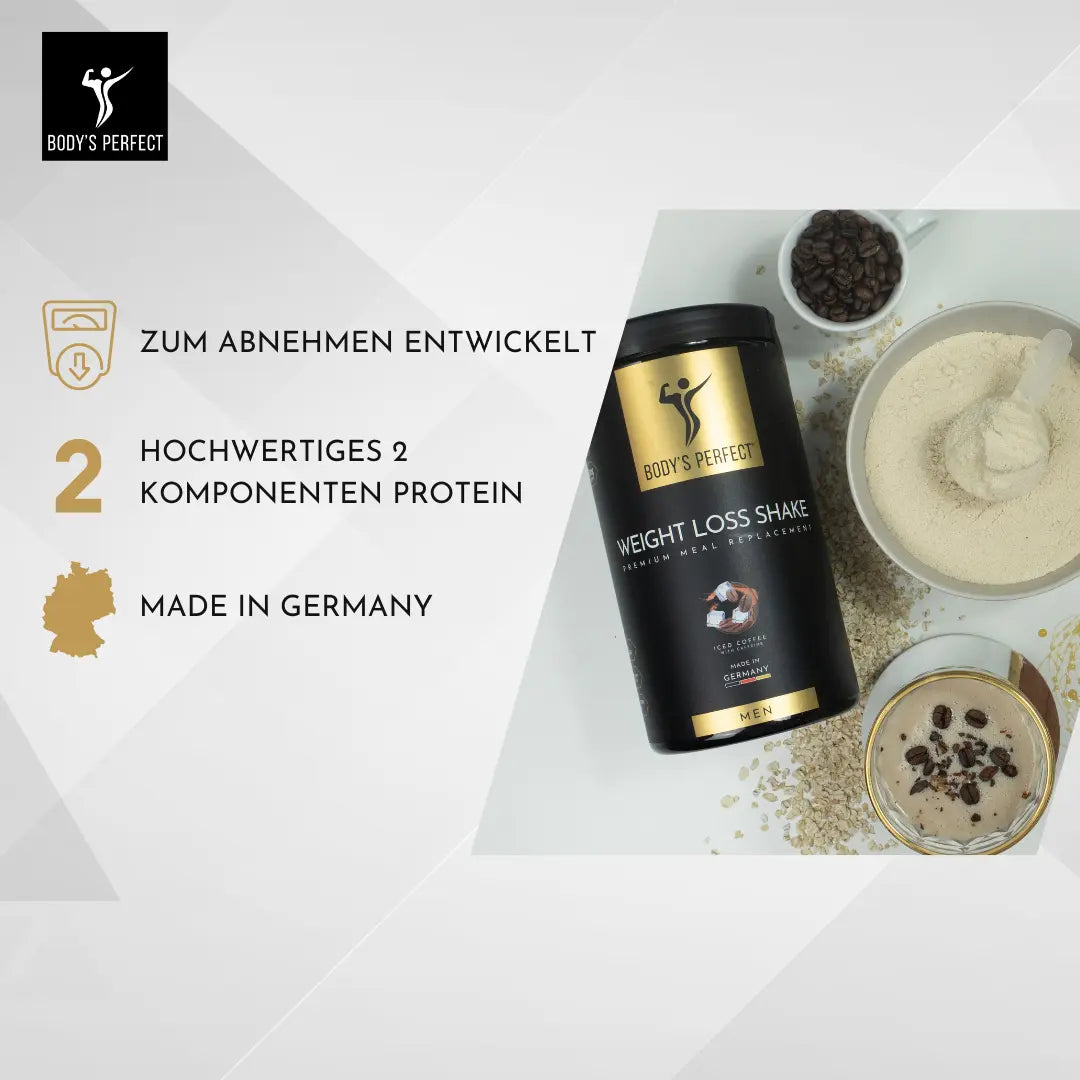
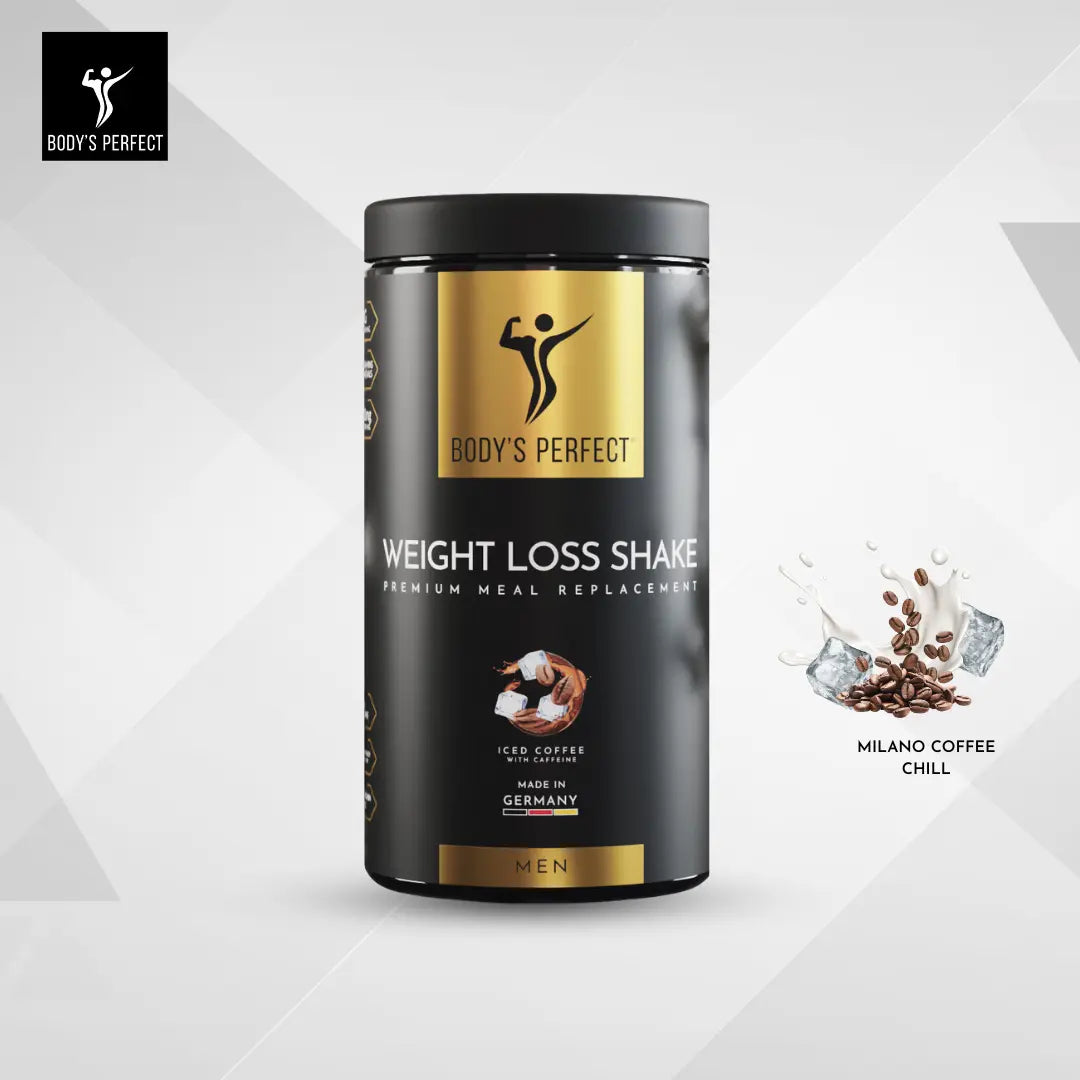
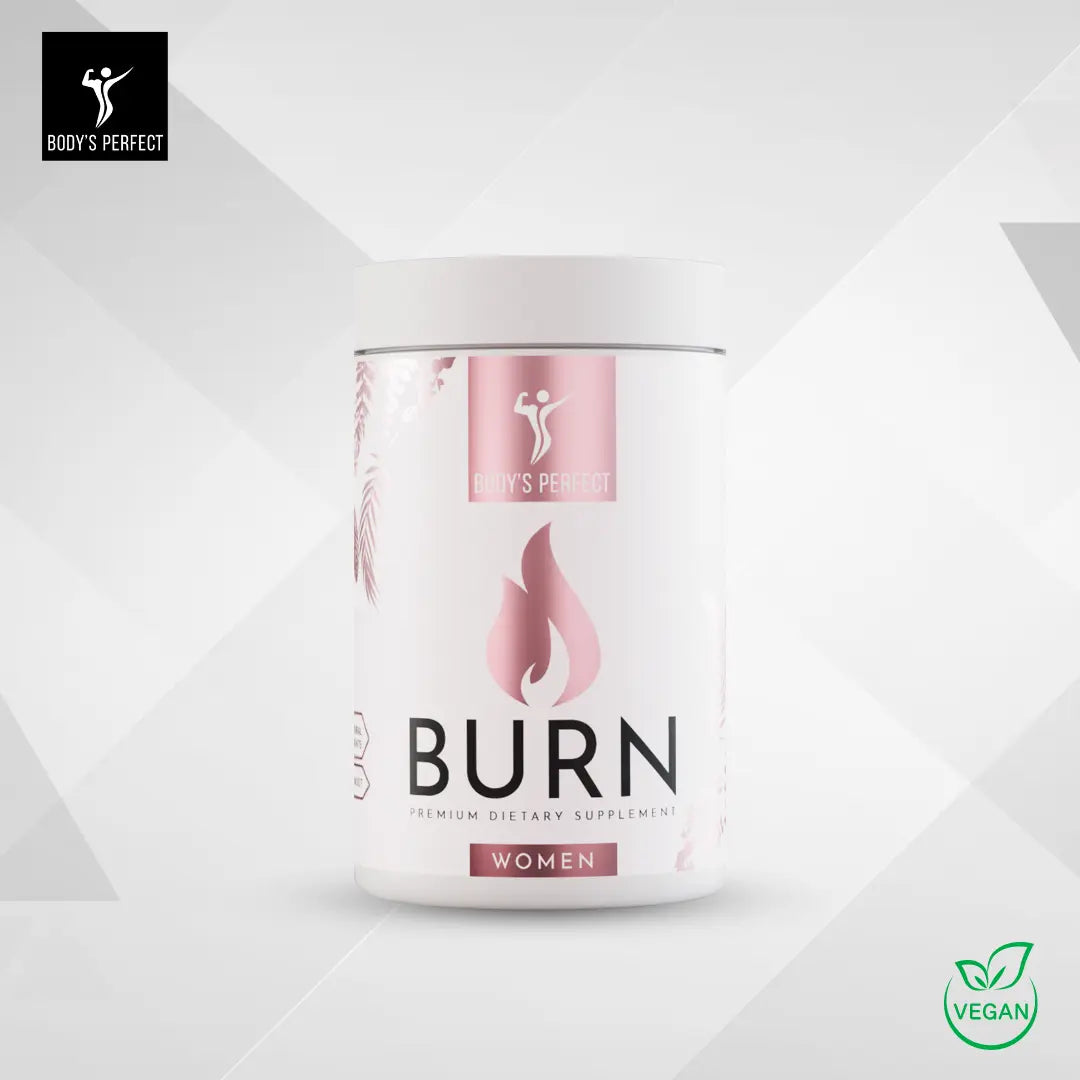
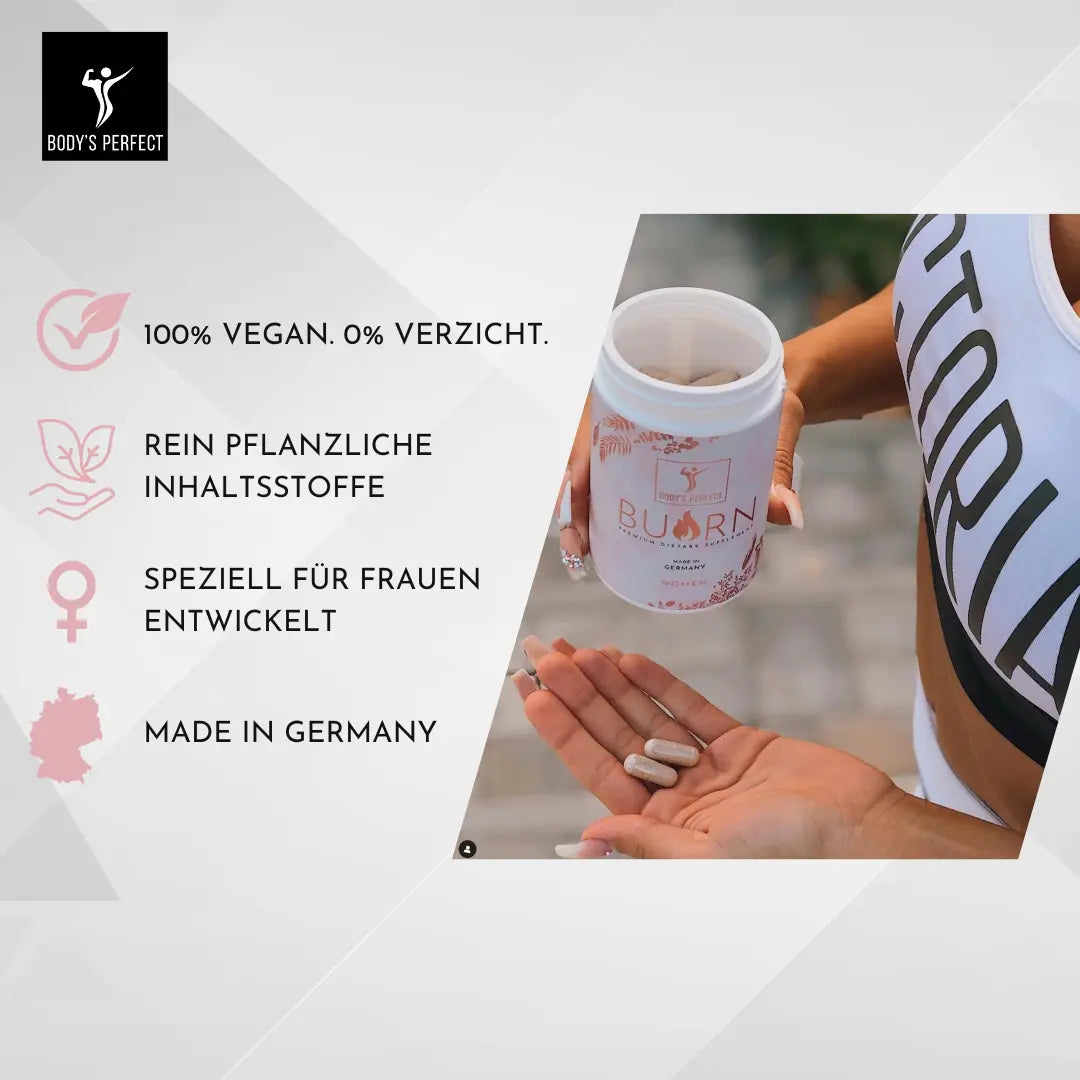
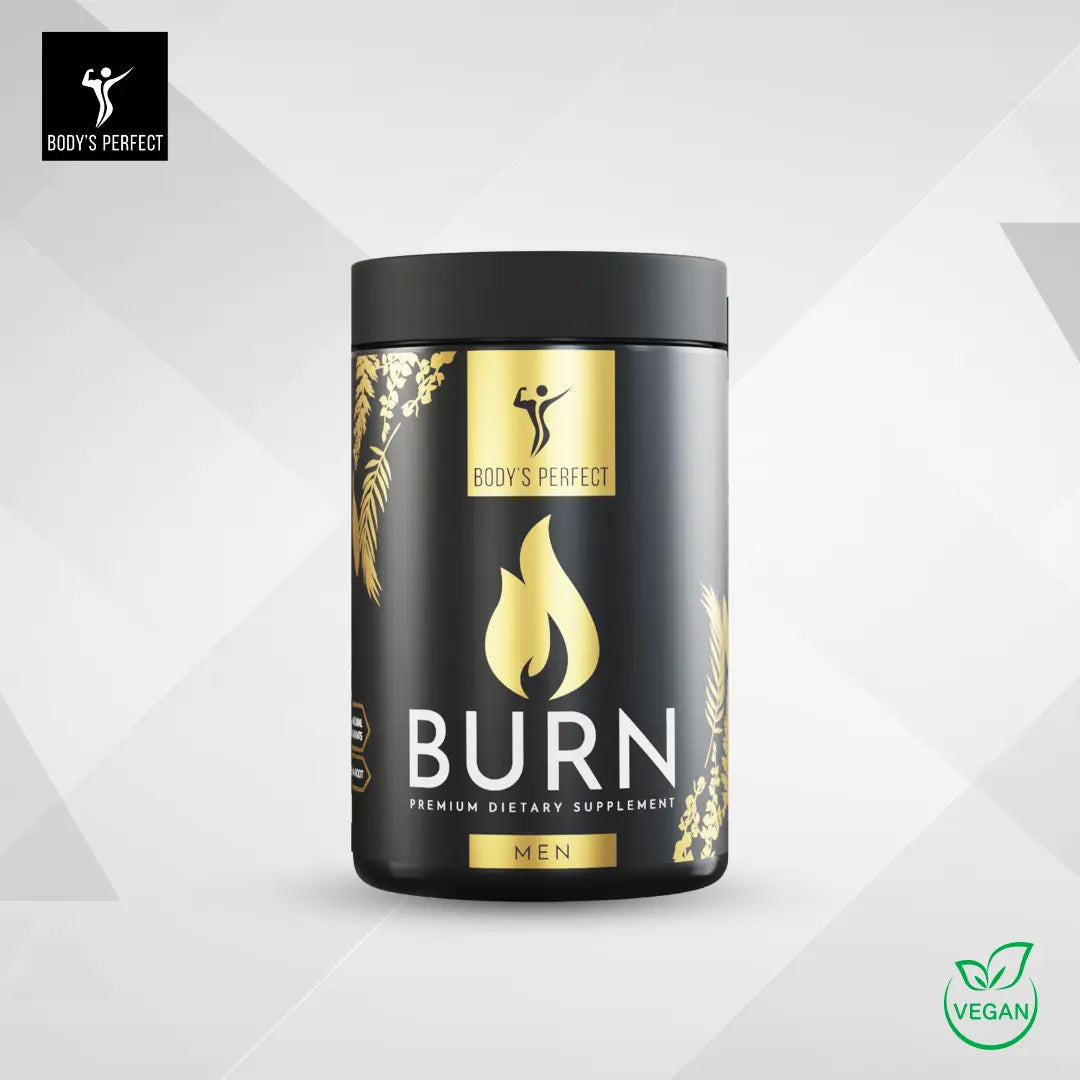
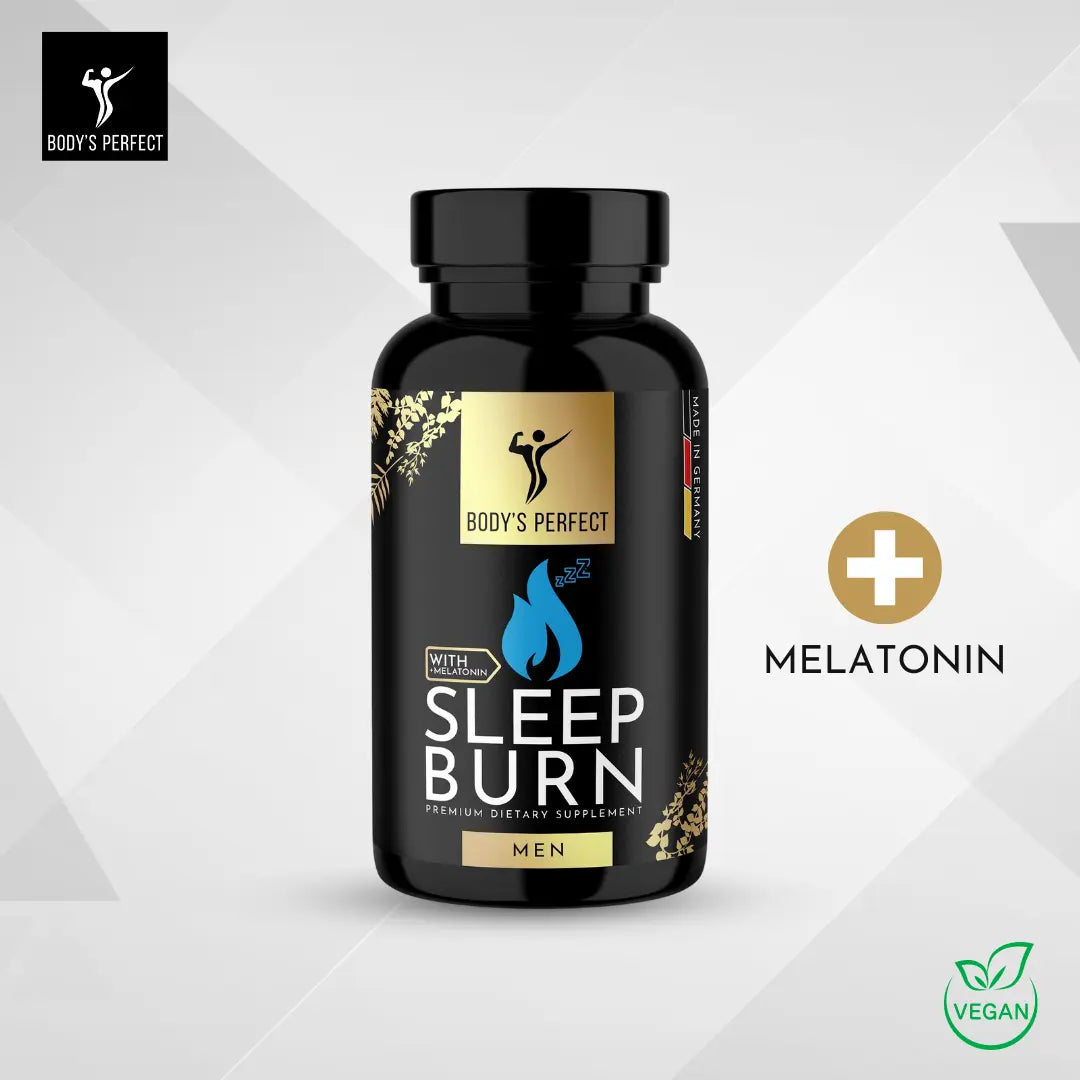
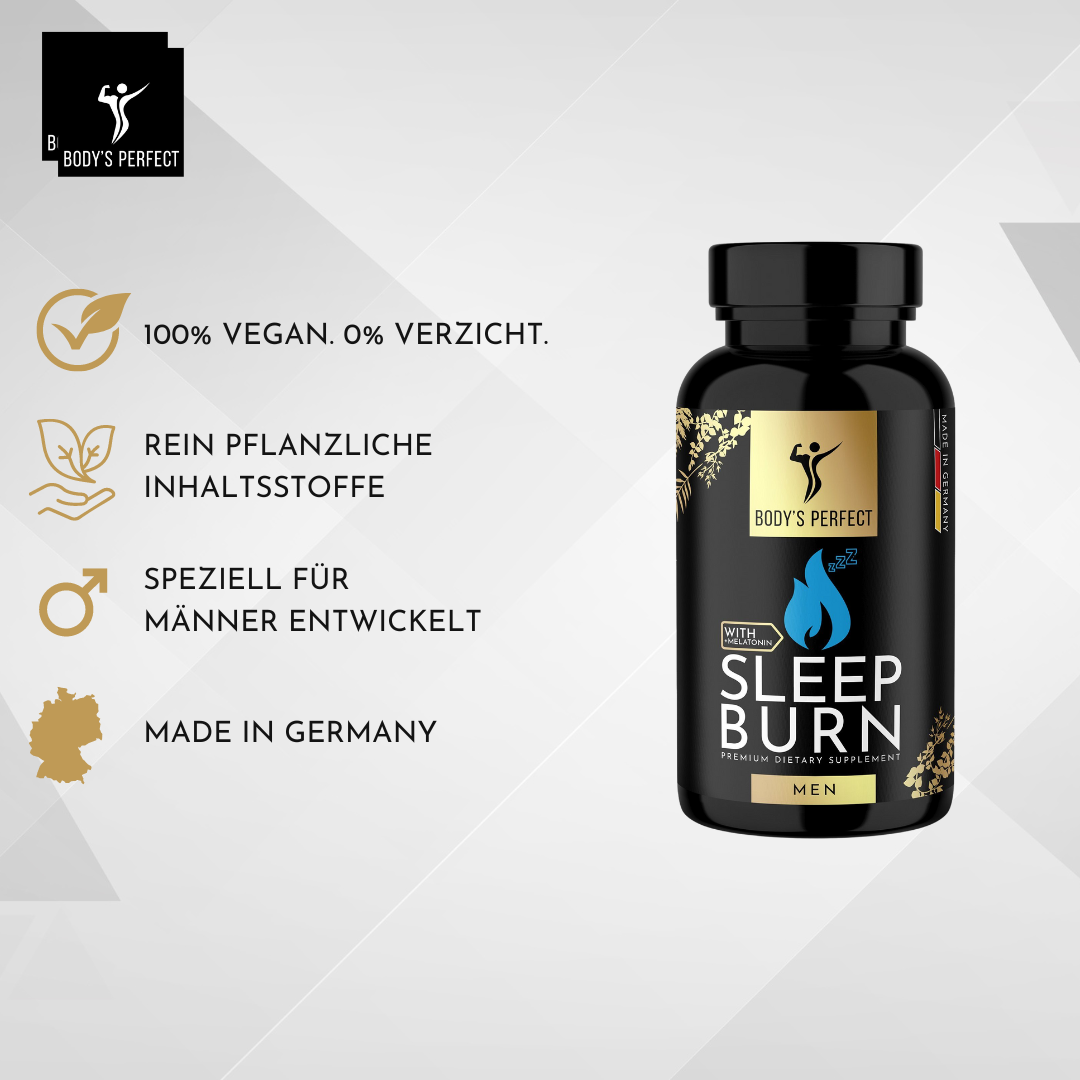
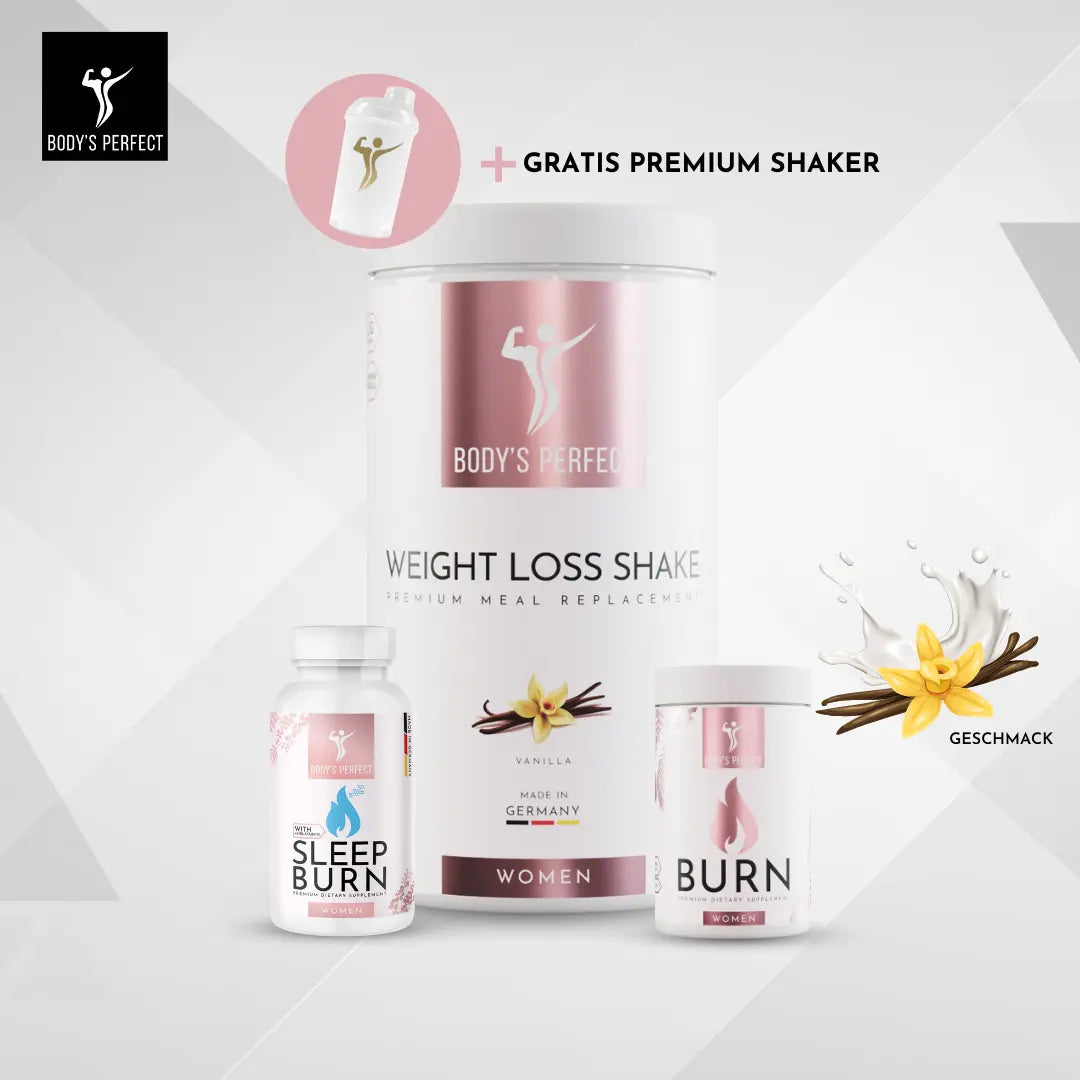
The selection of supplements is vast and can quickly overwhelm. At bodysperfect.com you will find high-quality products made in Germany with natural ingredients that can specifically support you on your way to more well-being. Our formulations are designed to optimally supply your body with the nutrients it needs for a natural balance – as a perfect complement to a healthy lifestyle.
However, it is always important: food supplements are not a substitute for a healthy lifestyle. Before you take supplements, it is best to talk to a doctor or naturopath. This way you can ensure that you choose exactly the support your body really needs to naturally regulate your female hormones.
Your Questions About Hormone Balance – Answered Briefly and Concisely
When you embark on the journey of getting your hormones under control, the same questions always come up. That's perfectly normal! To remove any lingering uncertainties, I've summarized the most common ones for you here.
How long does it take for my hormone balance to stabilize again?
This is the question of all questions, and the honest answer is: it depends. Your body is unique and not a machine that you can simply restart. See it as a process that requires a little patience and, above all, consistency.
The good news is: you often feel the first, subtle improvements quite quickly. Perhaps after four to six weeks you suddenly have more energy in the afternoon or your mood swings become gentler. These are the first signs that your body is responding to the positive changes.
However, to achieve a truly stable, profound balance, you should realistically expect three to six months. During this period, your body has the chance to find its rhythm, menstrual cycle disorders can regulate themselves, and you simply feel more like yourself again.
Give yourself and your body this time. Every small step is a gain, and your consistency will ultimately pay off with pure well-being.
Can I naturally support my body even if I'm on the pill?
Yes, absolutely! That's actually a really good idea. Even if the pill "overrides" your natural cycle with artificial hormones, all your other systems continue to work. So your body still benefits enormously from a healthy lifestyle.
While the pill prevents ovulation and thus the body's own production of progesterone, a nutrient-rich diet, good sleep, and smart stress management still strengthen you from the inside out. You support your liver in its detoxification work and can even mitigate typical side effects of the pill.
This foundation becomes especially important if you eventually consider stopping the pill. A well-nourished and strong body copes much better with this big change. The risk of typical problems like post-pill acne or a long period of cycle chaos is significantly reduced.
When is the point reached where I should see a doctor?
This guide is intended to provide you with knowledge and tools to naturally regulate and support your female hormones. However, it is not a substitute for medical advice. Sometimes, going to the doctor's office is simply essential.
Please do not hesitate to seek medical advice if any of these points apply to you:
- Your symptoms are very severe or persistent: If pain, extreme bleeding, or depressive moods significantly impair your daily life.
- Symptoms appear suddenly and severely: If your condition suddenly worsens without a clear reason.
- You have an unfulfilled desire to have children: If you've been trying to get pregnant for a while without success, a thorough hormonal evaluation is the right step.
- You suspect a medical condition: Symptoms can sometimes indicate conditions like PCOS, endometriosis, or thyroid problems. These need to be investigated.
A doctor's visit brings clarity, can rule out more serious causes, and ensures that you receive the best possible treatment for your individual situation.
Your path to balanced hormones is more than just a to-do list – it's a journey to more mindfulness and a better body awareness. With the right nutrients and a conscious lifestyle, you give your body exactly the support it needs. The products from BODY'S PERFECT were developed to accompany you on this path with high-quality, natural ingredients. Find the perfect addition to your health routine at https://bodysperfect.com.









Share:
Calculating Your Calorie Needs for Weight Loss
Top Low-Carb Vegetables for Your Success