

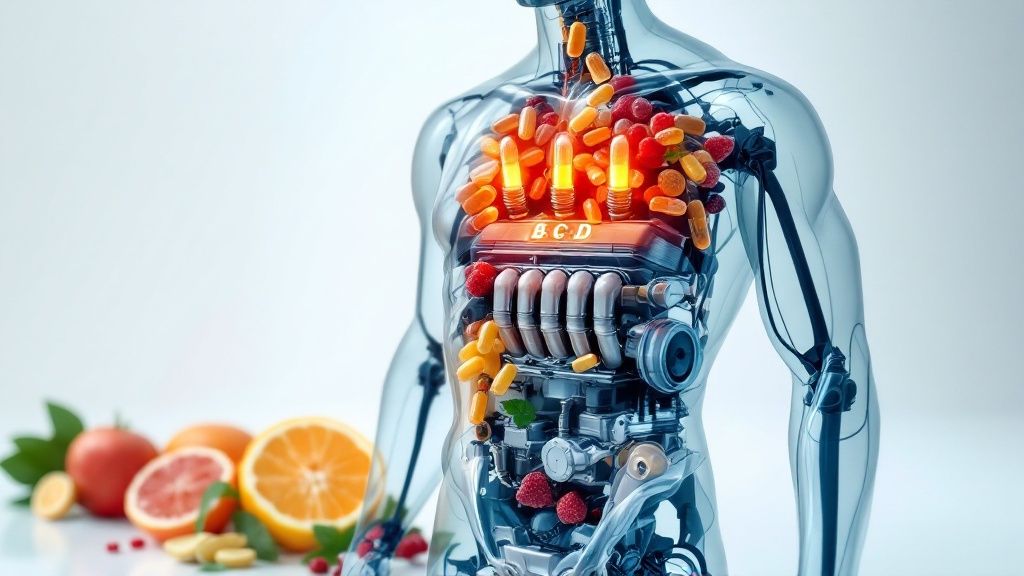
Vitamins are, so to speak, the small but crucial spark plugs for your metabolism. Without them, not much happens when it comes to losing weight. Think of it this way: your body is an engine. Calories are the fuel. But vitamins? They are what ensure that the fuel is converted into energy in the first place. If they are missing, you unnecessarily slow down your fat loss.
Why vitamins are the foundation for your desired weight
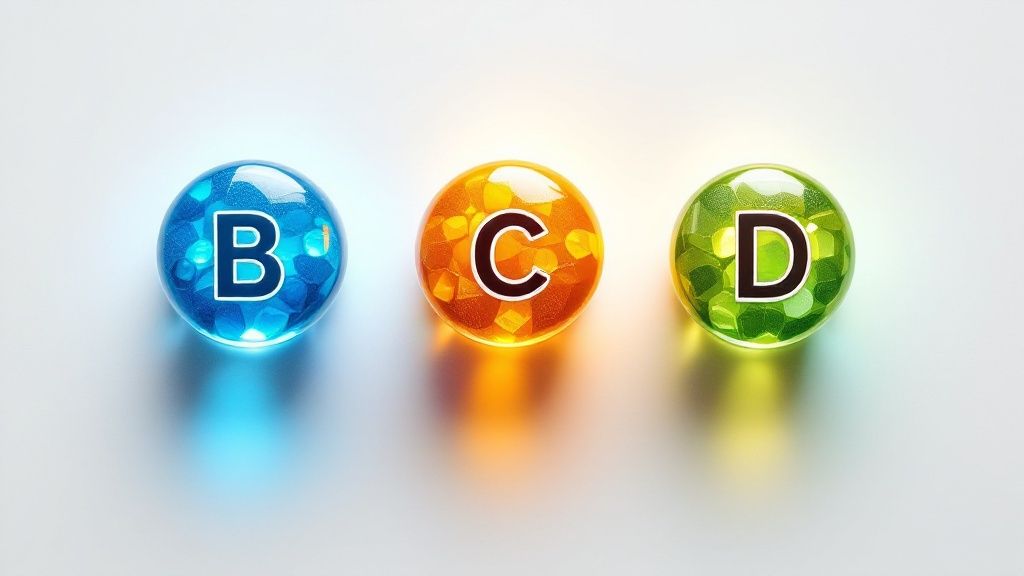
Does this sound familiar? You stick strictly to your plan, count calories, and give your all during exercise, but the scale simply doesn't budge. Often, the cause isn't just calories, but the small, invisible helpers – vitamins. They are responsible for ensuring your body burns fat effectively, cravings stay away, and you feel fit and energetic all day long.
The paradox: especially when you're on a diet and eating less, your need for certain nutrients increases. Your body needs them even more now to operate at full throttle. A deficiency, which you might not even notice, can sabotage all your efforts.
The hidden nutrient needs during a diet
When you reduce your calories, you automatically eat fewer foods that contain important vitamins and minerals. However, your body needs these micronutrients right now to keep your metabolism going and burn fat. If it falls into a deficit, it quickly switches to "conservation mode" – and that's the last thing you want when losing weight.
This problem, by the way, is more widespread than one might think. The National Food Consumption Study II showed that in Germany, over half of women (51%) and even two-thirds of men (66%) are overweight. Interestingly, 28% of respondents regularly use vitamin supplements. This shows that awareness of the importance of nutrients is growing.
A calorie deficit is the key to losing weight, no question. But a nutrient deficit is the invisible handbrake that prevents you from reaching your goal.
Good basic knowledge about vitamins is therefore the first step to making your diet smarter and more successful. It's not just about eating less, but above all better. The right food choices or targeted supplementation can make the difference between frustration and success. If you want to learn more about the role of natural dietary supplements, feel free to read our detailed article on the topic.
Your most important vitamin helpers for metabolism
So, now let's get into the details: Which vitamins are the real powerhouses when you want to lose weight? There are some very crucial helpers that assist your body in using fat more efficiently as energy, instead of storing it for bad times. Let's take a closer look at these small power packages.
This picture wonderfully shows how even a single vitamin can tip the scales – in the truest sense of the word.
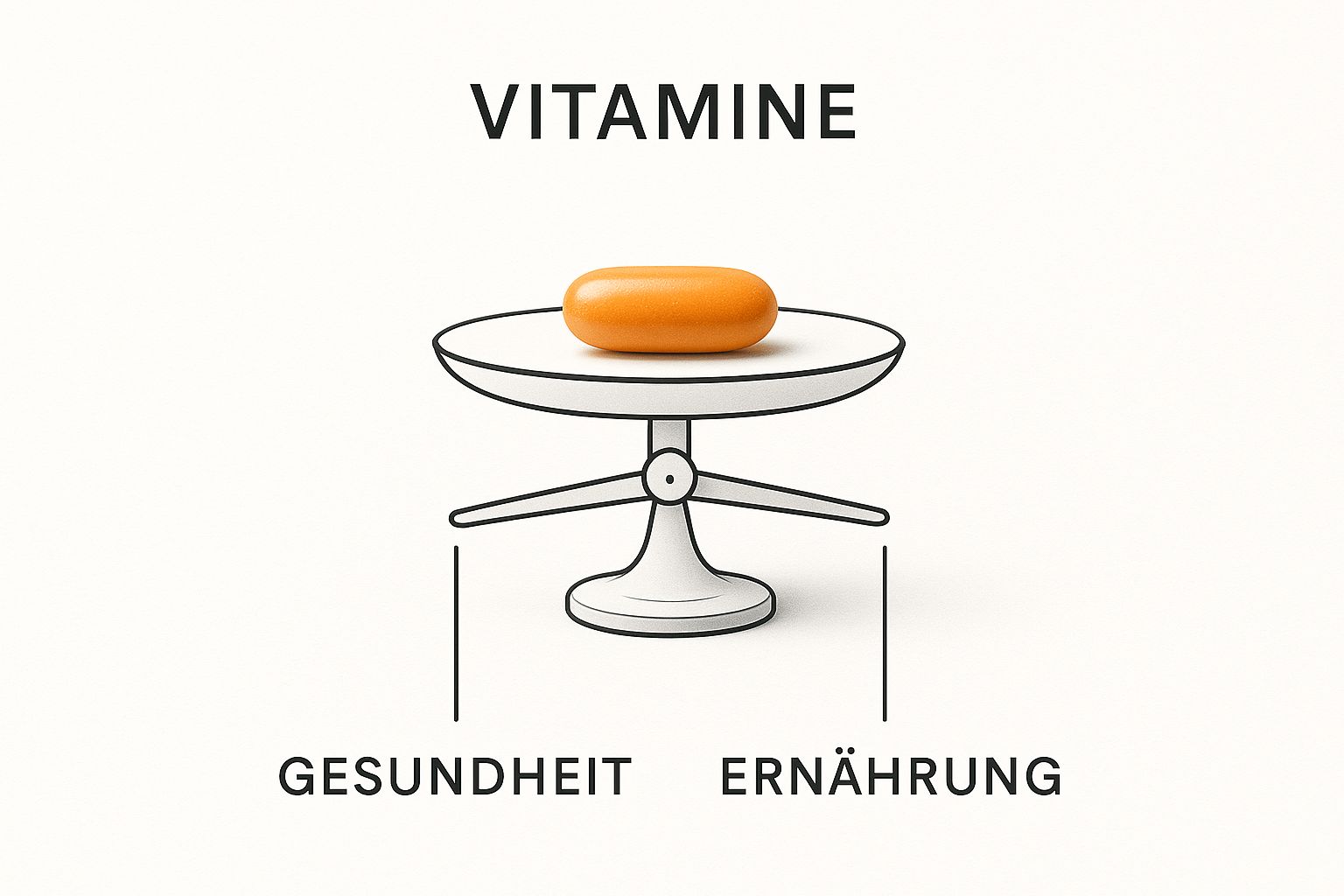
The balance of your body is not only determined by calories but also by the invisible power of micronutrients.
B vitamins: The spark plugs for your engine
Imagine B vitamins as the spark plugs in an engine. Their main task? To release energy from food – meaning from carbohydrates, fats, and proteins – and make it available to your body. Without these spark plugs, the engine sputters, and the whole process runs on a low flame.
Vitamin B6 and Vitamin B12 are particularly prominent here. They are responsible for ensuring that your body converts the ingested food into pure energy instead of storing it as fat deposits. If you want to delve deeper into the effects of Vitamin B6, we also have a separate article for you.
Vitamin C: The bodyguard for your cells
A diet can be quite stressful for your body. During this time, more free radicals are often produced, which can attack your cells and slow down your metabolism. And this is exactly where Vitamin C comes into play.
As a powerful antioxidant, it acts like a bodyguard: it protects your cells from this oxidative stress and strengthens your immune system. A fit immune system and healthy cells are essential to remain energetic and performing during your weight loss journey.
Vitamin D: The director of your hormone balance
Vitamin D, our beloved "sunshine vitamin," can do so much more than just strengthen bones. It's involved in numerous hormonal processes that also control your metabolism and satiety. A deficiency can quickly throw this delicate interplay out of whack.
In fact, studies have shown that overweight people in Germany often have lower vitamin D levels. Since vitamin D is fat-soluble, it can be stored in fatty tissue, meaning less of it is available in the blood. Even though research is still ongoing regarding the exact connection, it is clear: a good supply is essential for a well-functioning metabolism.
Top vitamins for your metabolism at a glance
To help you keep track, we have a small summary for you here. This table shows you the most important vitamins for weight loss, their function for metabolism, and in which foods you can find them.
| Vitamin | Function in weight loss | Top food sources |
|---|---|---|
| B vitamins (B6, B12) | Boost energy production from food. | Legumes, nuts, fish, meat, eggs, whole grains |
| Vitamin C | Protects cells from stress during a diet, strengthens the immune system. | Bell peppers, citrus fruits, broccoli, berries |
| Vitamin D | Regulates hormones important for metabolism and satiety. | Fatty fish (salmon, herring), mushrooms, egg yolk, cod liver oil |
| Iron | Essential for oxygen transport; no fat burning without oxygen. | Red meat, lentils, spinach, pumpkin seeds |
| Magnesium | Activates hundreds of enzymes involved in energy production. | Nuts, seeds, whole grains, dark chocolate |
As you can see, each of these vitamins and minerals plays an important role in the complex orchestra of your metabolism. A balanced diet is the best way to ensure that all musicians can play their instruments.
The warning signs of a vitamin deficiency during a diet

You're eating less, making more conscious choices, and yet you often feel tired, unfocused, and constantly battling cravings? These are not normal side effects of a diet. Rather, they could be your body's first quiet cries for help.
An unnoticed vitamin deficiency is actually one of the most common invisible brakes that can sabotage your weight loss success.
Especially when you reduce calories, the risk of a deficiency increases. Your body receives less food overall and thus fewer vital nutrients. At the same time, it's working overtime to break down fat reserves – a process that consumes exactly these micronutrients.
A vicious circle begins: the deficiency slows down metabolism, and a sluggish metabolism naturally makes losing weight even harder.
How do I know if I'm lacking vitamins?
Your body is a true communication talent; you just need to learn to understand its signals. Instead of sifting through a medical lexicon, pay attention to these typical signs that could indicate a deficiency:
- Constant fatigue and lethargy: Do you feel wiped out in the morning, even though you've had enough sleep? This can be a clear sign of a lack of B vitamins or iron, which are essential for your energy production.
- Cravings for sweets or salty foods: Your body isn't necessarily screaming for chocolate. It might be lacking magnesium or chromium, two important helpers that keep blood sugar levels balanced.
- Concentration problems and "brain fog": If clear thoughts become a challenge, B vitamins like B12, which are needed for smooth nerve function, might be missing.
- Frequent infections or poor wound healing: A weakened immune system can be an indication of too little Vitamin C or Vitamin D.
A vitamin deficiency acts like a jammers for your metabolism. It interrupts the important signals for efficient fat burning and can thus paralyze your entire progress.
Of course, these symptoms can also have other causes. But especially during a diet, you should take them particularly seriously, because they are often the first signs that your engine is not running smoothly.
If you want to learn more about the diverse symptoms of a metabolic disorder, you'll find more information in our detailed article. A little mindfulness is key here to counteract in time and stay on track.
The right nutrition strategy: refueling with vitamins without counting calories
How do you supply your body with all the important vitamins for weight loss without losing sight of your calorie goal? The secret is not complicated science. It's about choosing wisely what goes on your plate.
The key lies in nutrient-dense foods. These are the true superheroes of your diet: they provide plenty of vitamins and minerals, but only a few calories. Imagine it like a limited budget – you want to get the maximum value for every dollar you spend. You should think the same way about calories: choose the foods that give you the greatest health benefits.
Cleverly filling your vitamin stores
A vitamin-rich diet doesn't have to be complicated. A simple trick I like to recommend: eat as colorful as possible! The more colors on your plate, the broader the spectrum of nutrients you generally consume.
Here are some simple ideas on how to implement this in everyday life:
- Vegetables first: Make vegetables the star of every meal. Green leafy vegetables like spinach or kale are almost calorie-free but packed with B vitamins and iron. Colorful bell peppers, broccoli, and tomatoes are your best friends for a decent dose of vitamin C.
- Berries instead of gummy bears: When the craving for sweets strikes, a handful of berries is the perfect answer. They are full of vitamins and antioxidants that protect your cells – a real win for your body.
- The base: Lean protein: Whether it's fish, chicken breast, or lentils – lean protein sources not only keep you full for a long time but also provide important B vitamins. These are absolutely crucial for your body to convert food into energy.
So you see, it's not that difficult to boost your metabolism. If you want to delve deeper into the topic, you'll find even more valuable tips in our article on foods that boost metabolism.
When dietary supplements can be useful
Let's be honest: everyday life is often stressful, some diets are very restrictive, or you simply don't like certain foods. In such cases, it can be difficult to meet the entire vitamin requirement through diet alone. And this is exactly where high-quality dietary supplements come into play.
They are not a substitute for a balanced diet, but a kind of safety net. They help to fill gaps and ensure that your body has everything it needs.
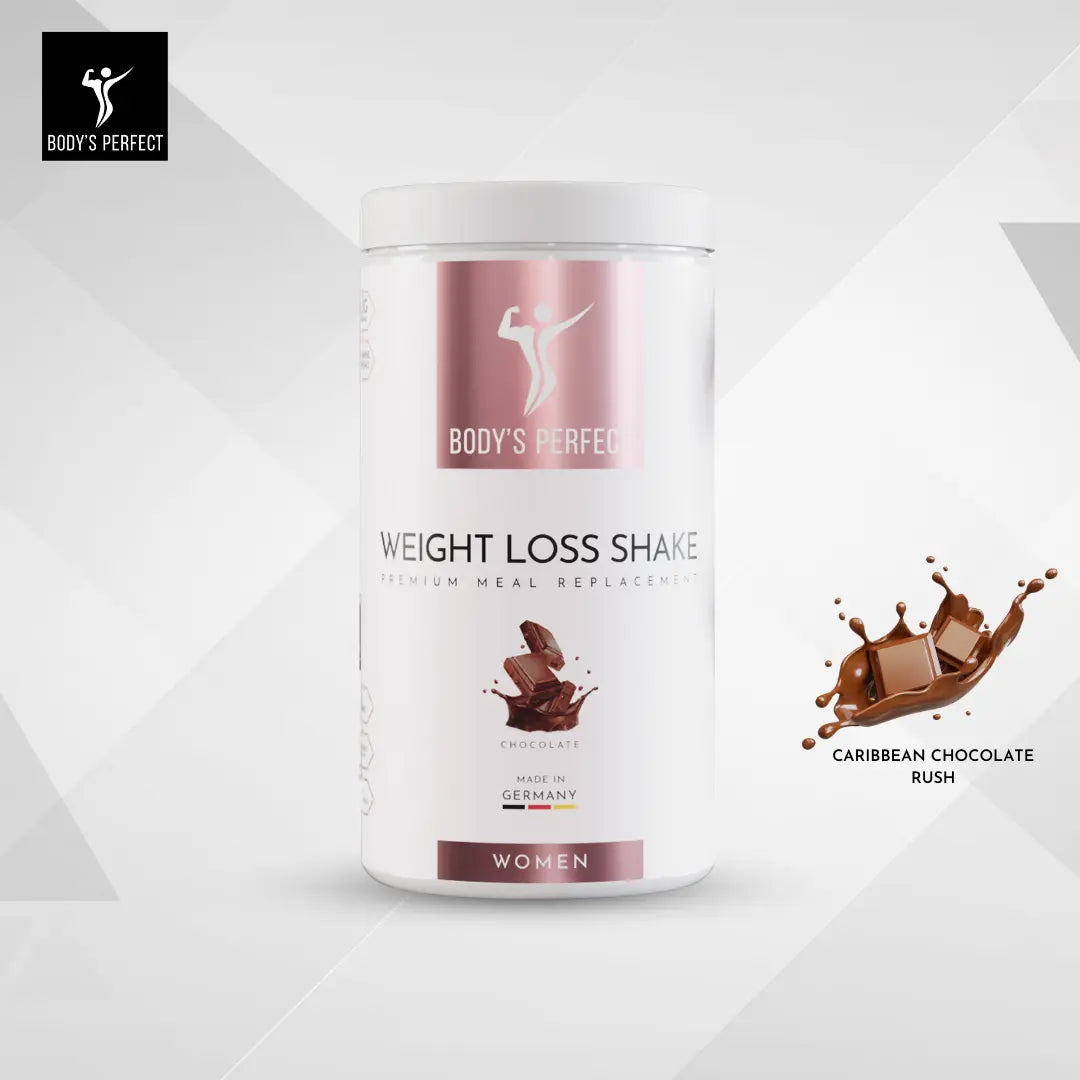
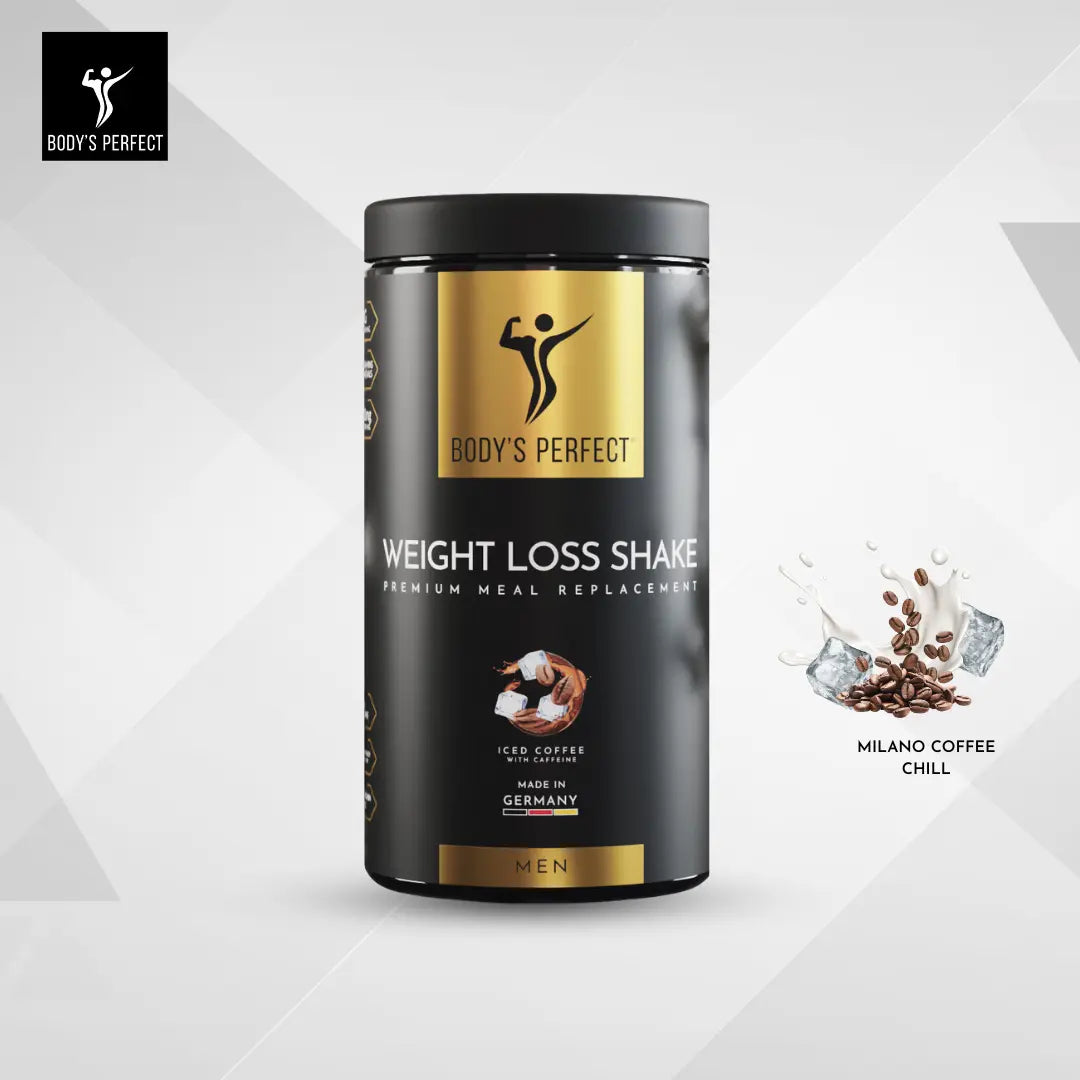
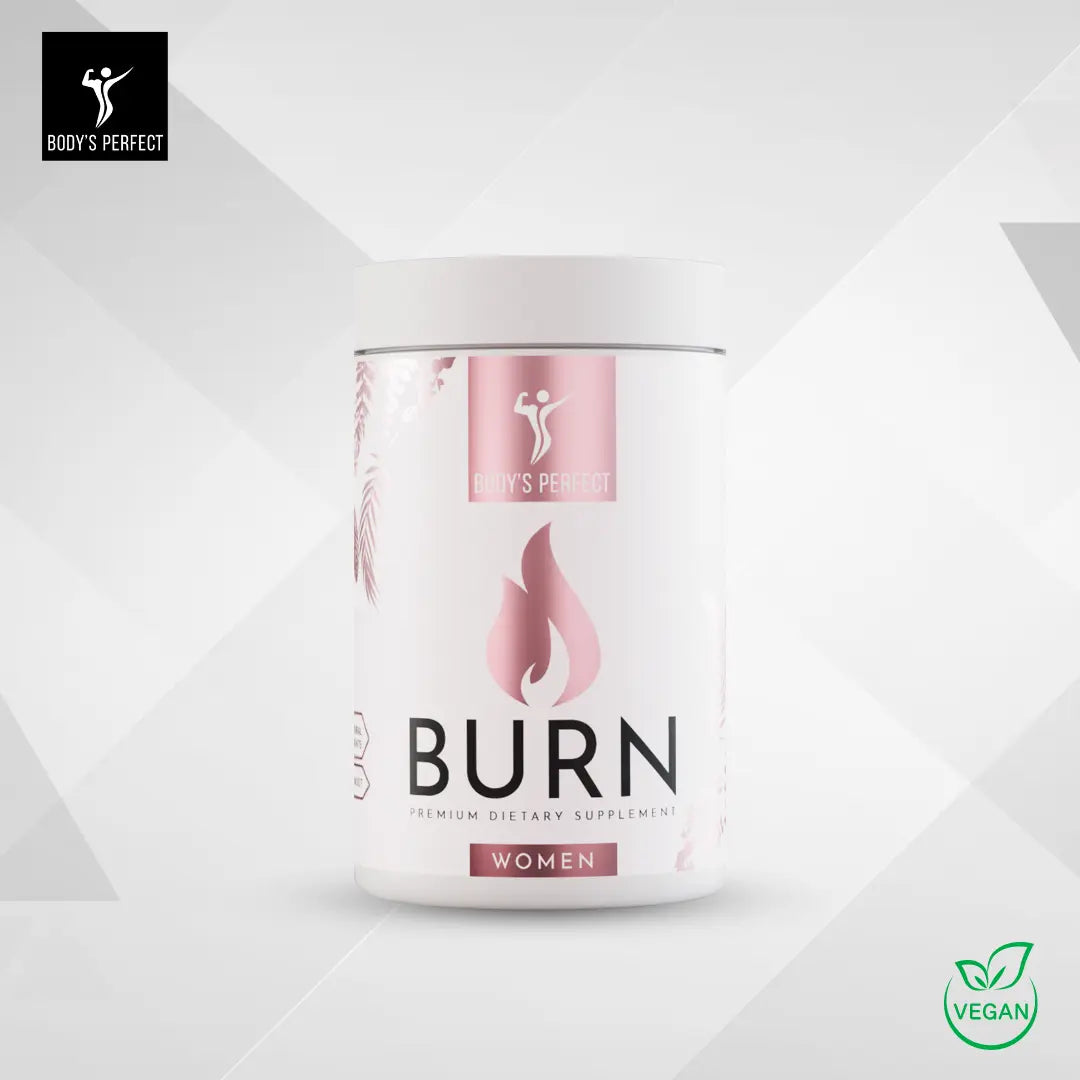
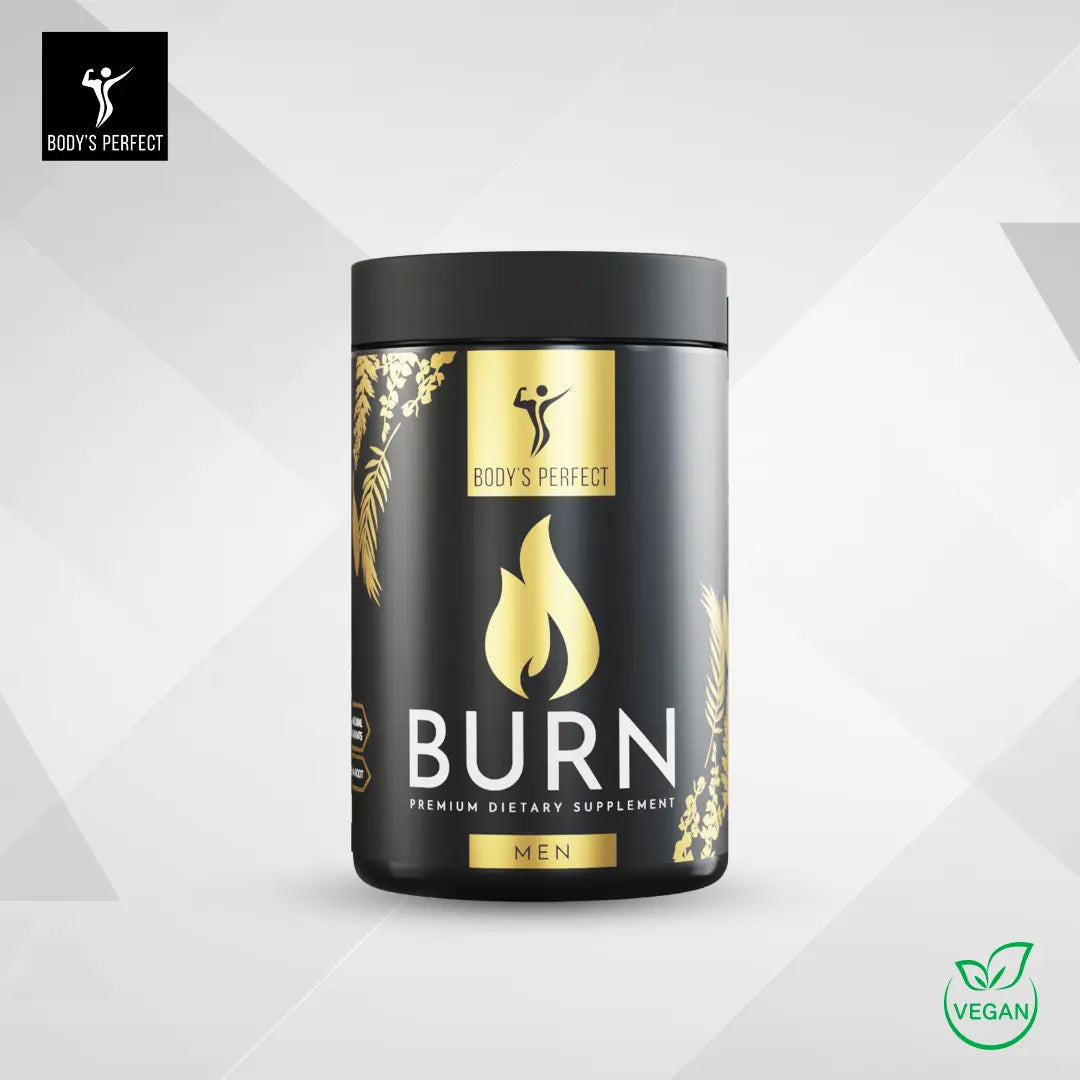
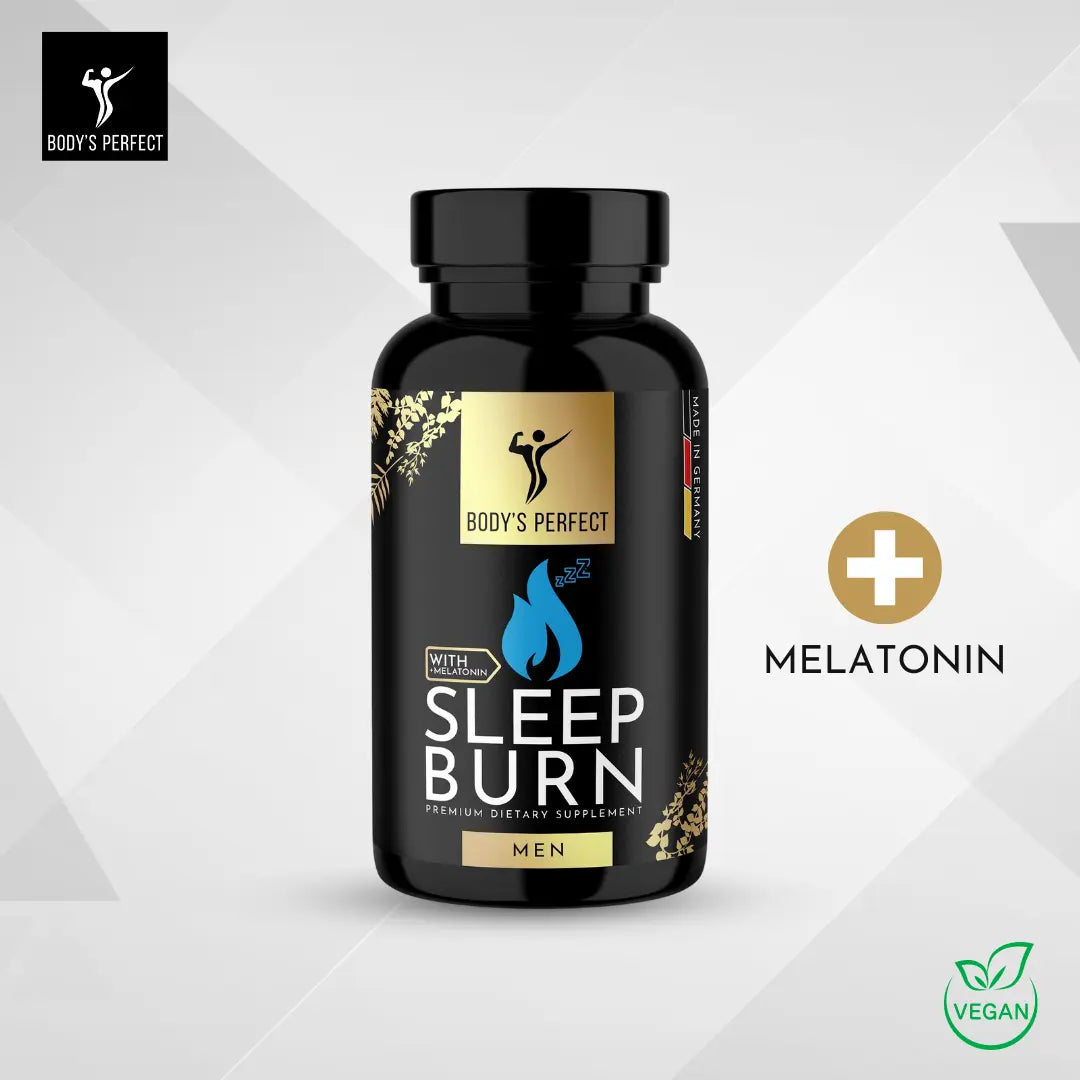
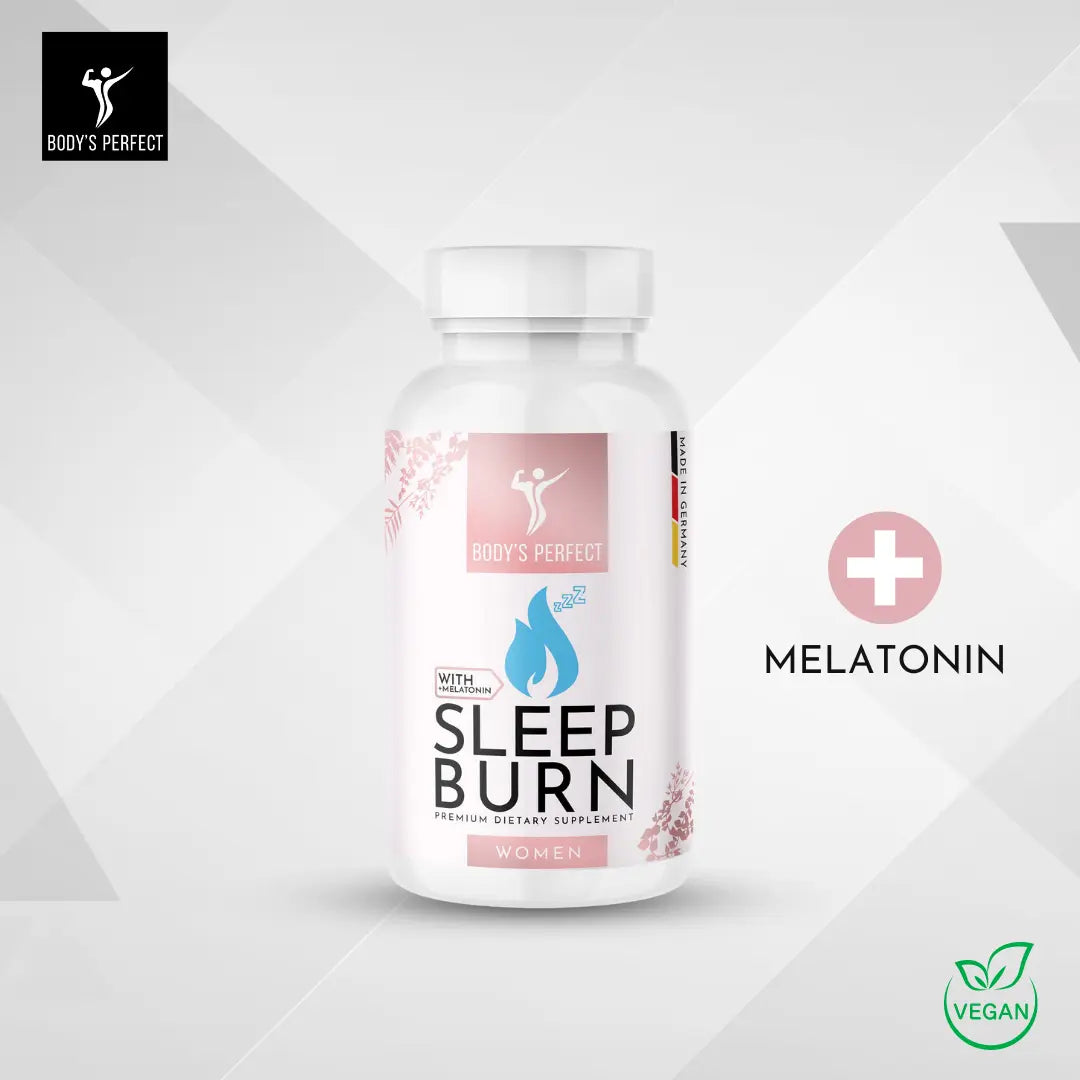
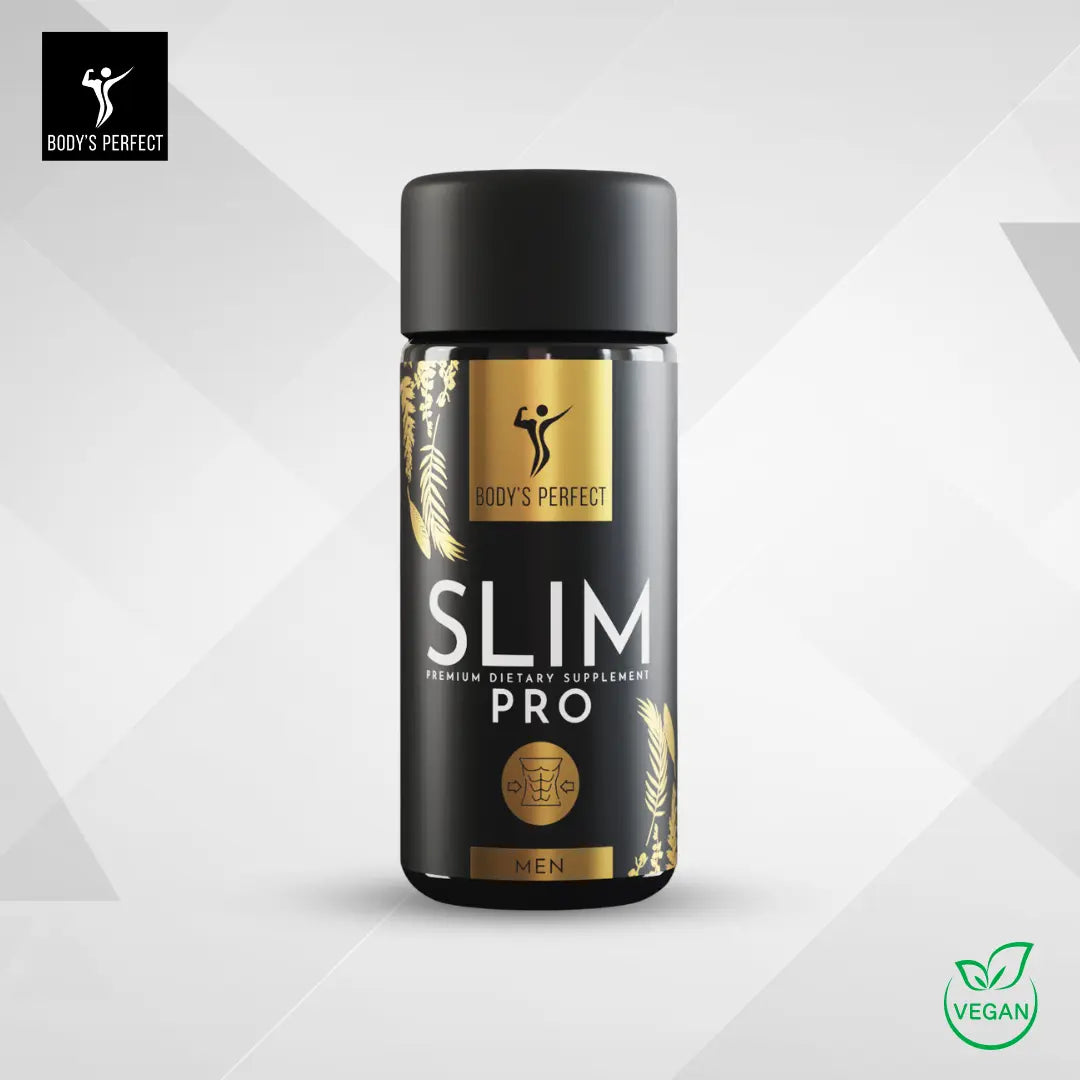
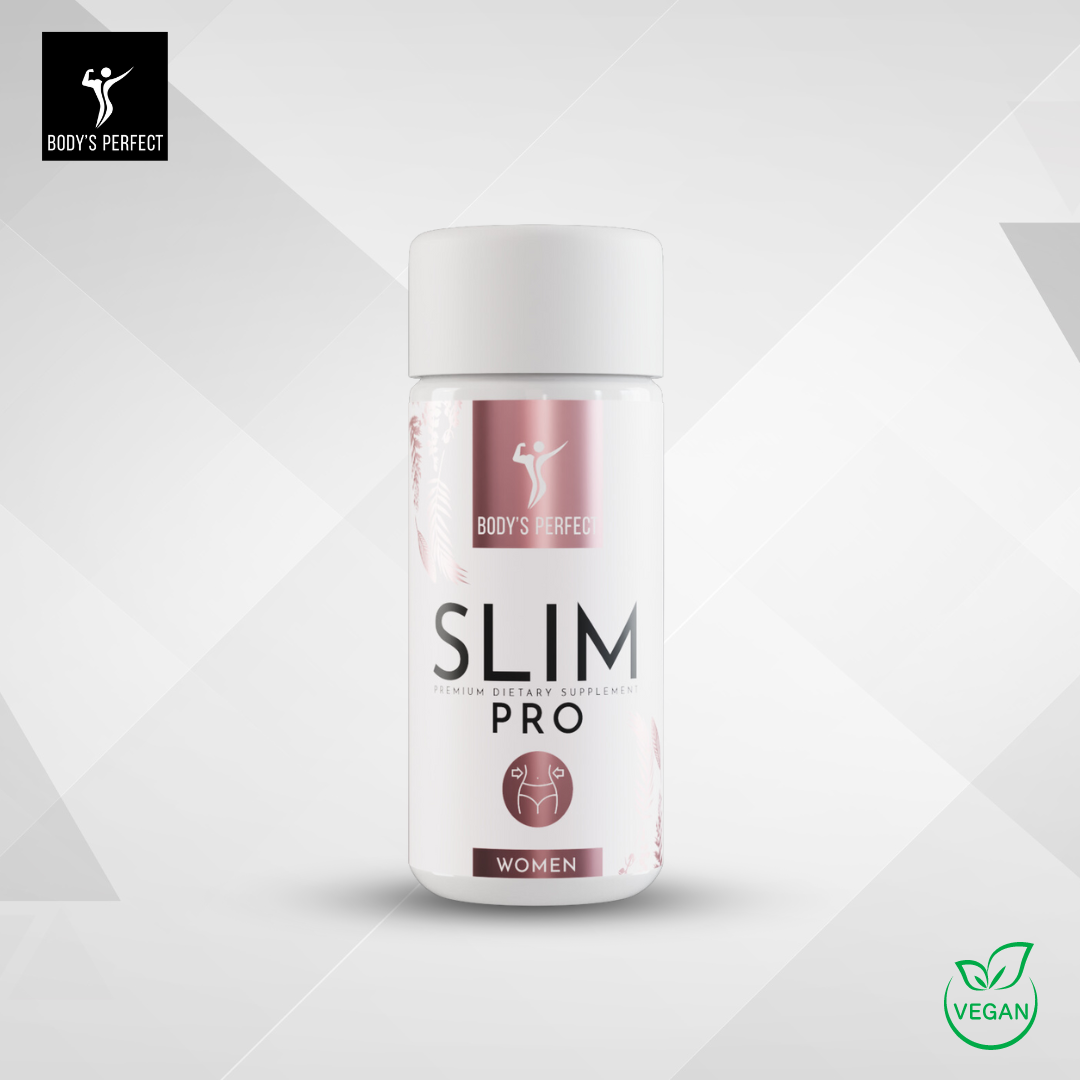
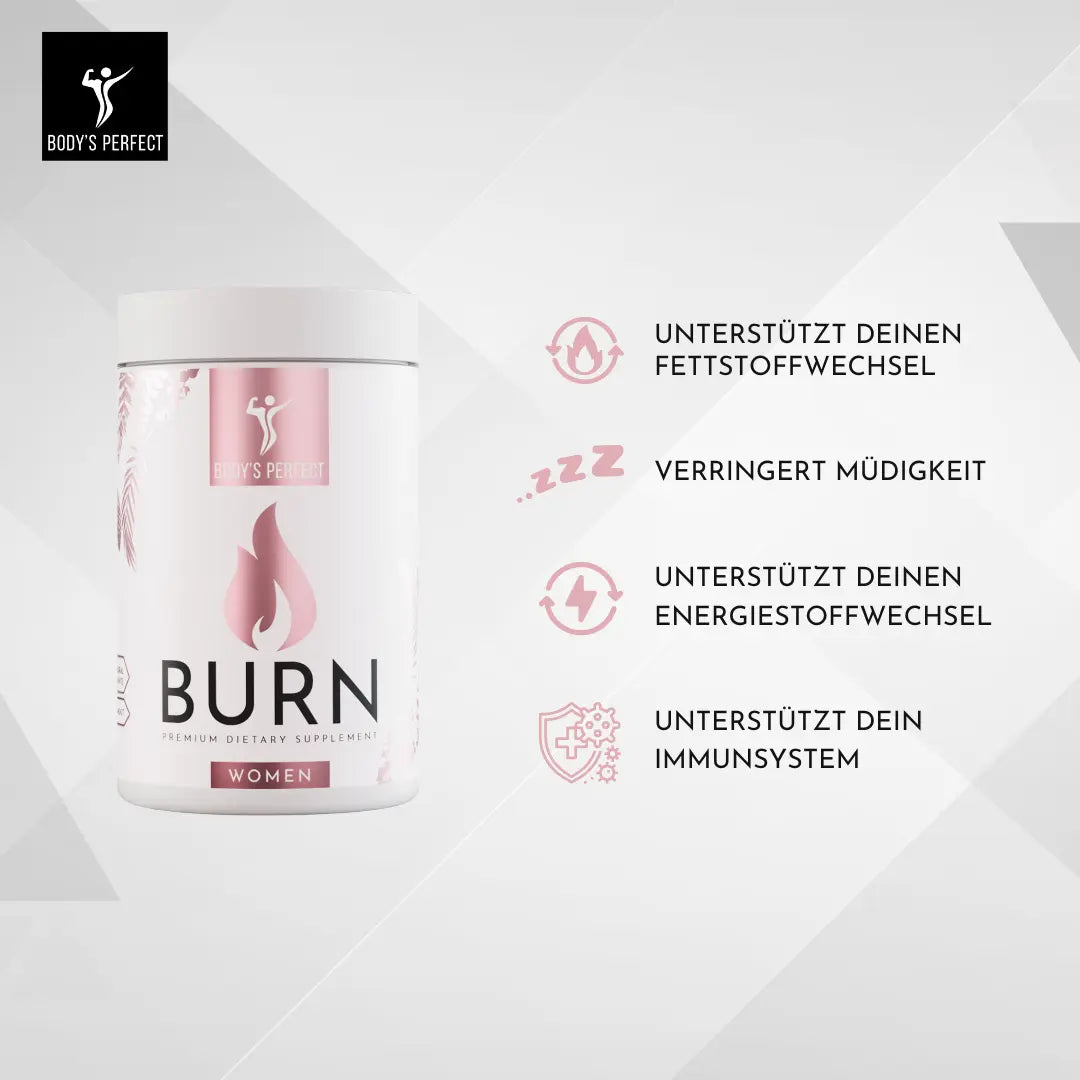
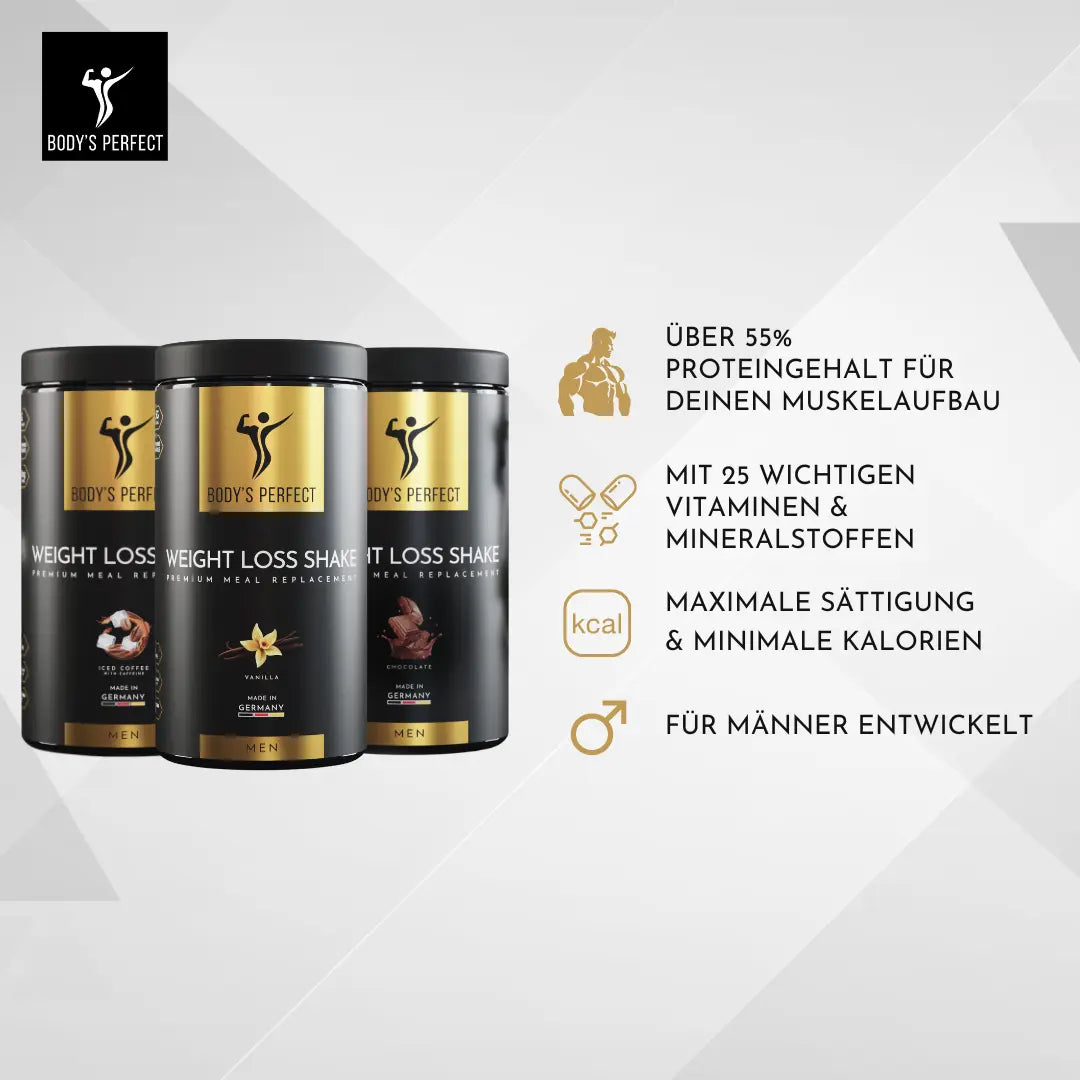
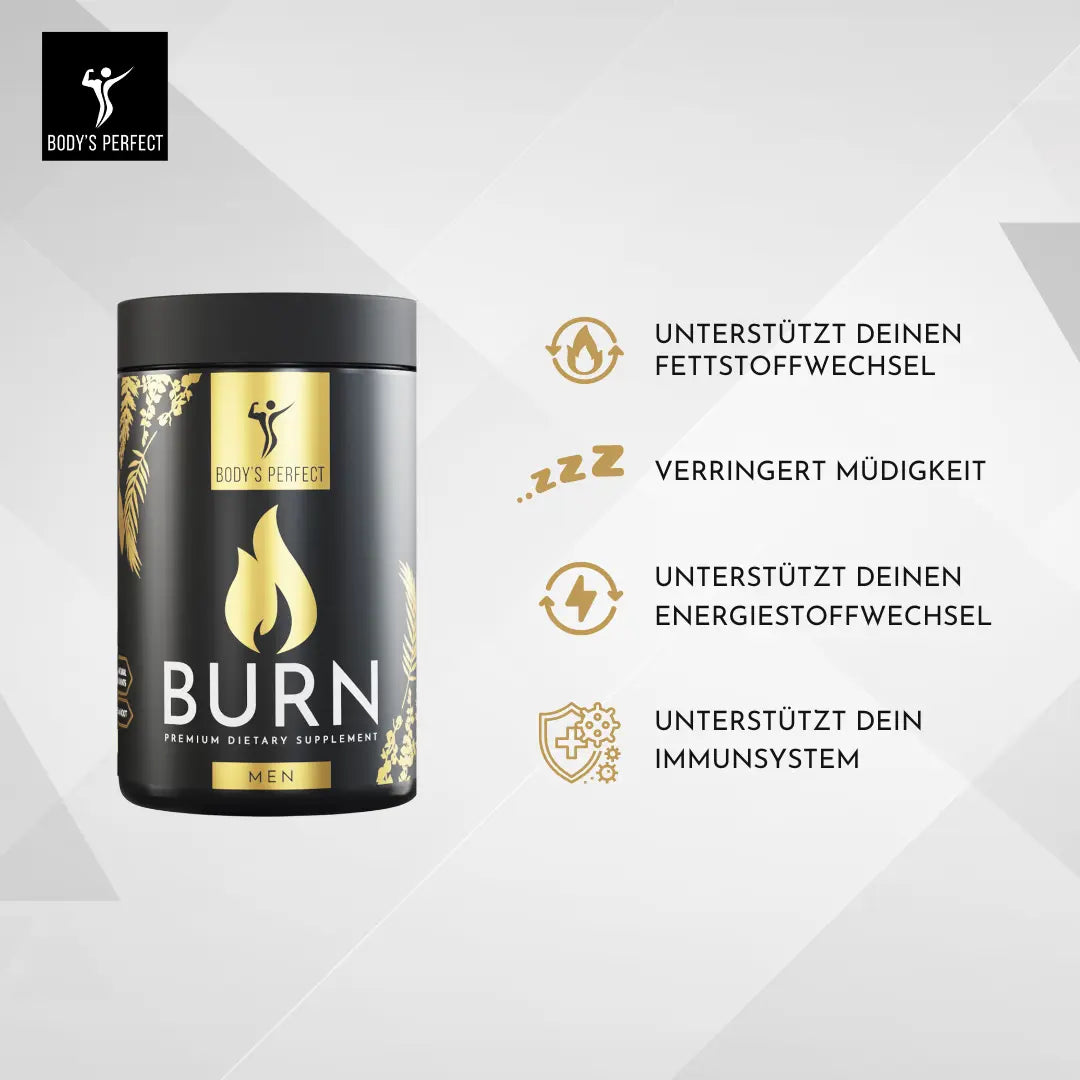
Think of them as valuable helpers that ensure your metabolic engine doesn't run out of fuel even in demanding times. Products like those from BODY'S PERFECT have been specially developed for this purpose: they specifically provide the nutrients your body needs for efficient fat burning and a successful weight loss journey.
Avoiding common mistakes with vitamins and diets
The idea that "more is better" is tempting, especially when it comes to vitamins. But precisely this approach can deter you from your goal and even slow down your weight loss success. Let's look at the most common pitfalls so you can skillfully avoid them and truly make your diet work.
A widespread misconception is that vitamins – especially water-soluble ones – can simply be overdosed at will. But your body is not a simple container, but a finely tuned system. If you take too much of one vitamin, it can disrupt the delicate balance of other nutrients and, in the worst case, even lead to unpleasant side effects.
It's about teamwork
Instead of fixating on a single "super vitamin," you should rather keep the big picture in mind. Your metabolism is a complex network in which vitamins and minerals work hand in hand. A good example is magnesium: it needs Vitamin B6 to be optimally absorbed by your cells in the first place. If a player is missing from the team, the performance of the entire team suffers.
The true power lies not in the isolated dose of a single vitamin, but in the harmonious interplay of all micronutrients.
Another classic: relying solely on fruit to meet your vitamin needs. Sure, fruit is healthy. But it also contains a lot of fruit sugar (fructose). If you eat too much of it, it can severely disrupt your blood sugar levels and temporarily block fat burning.
A clever balance is therefore crucial to provide your body with top-notch care and avoid frustration. Vegetables should always play the main role on your plate, while fruit remains a delicious and vitamin-rich addition. To specifically boost the interaction of nutrients, it can be useful to know how to cleverly help. In our article on tablets to stimulate metabolism, you will find valuable tips on this.
More questions? Here are the answers
Finally, we will clarify a few more questions that we are often asked about vitamins and weight loss. This way, you are well equipped for your journey to your desired weight.
Can I lose weight with vitamins alone?
No, that would be nice, but unfortunately it's a myth. Vitamins are not miracle cures that simply melt away fat deposits. Think of them more as diligent helpers that get your metabolism going. They ensure that your body optimally utilizes the energy from food and that fat burning runs smoothly – especially if you are in a calorie deficit. However, the foundation for success always remains a healthy diet and exercise.
Which vitamin is best for fat burning?
This question is understandable, but it misses the point. There isn't one miracle vitamin. A well-functioning metabolism is pure teamwork. B vitamins, for example, are the spark plugs for energy production, while vitamin D controls important hormonal processes. Instead of fixating on a single nutrient, you should rather pay attention to a colorful and balanced mix. That is the true key.
Do I always have to take supplements when on a diet?
Not necessarily, but they can be a really smart addition. The basis is always a well-thought-out diet with plenty of fresh vegetables and high-quality protein. However, if everyday life gets stressful, the diet is very strict, or you already have a deficiency, supplements are worth their weight in gold. They are a support, but never a substitute for real food.
A good vitamin supply is not just a question of figure, but of overall health. A deficiency can affect many areas.
The issue of nutrient deficiency is more relevant in Germany than one often believes. The Federal Statistical Office has determined that around 25% of hospital patients are malnourished or at high risk of it. Often, a vitamin deficiency is also behind this. You can read more about the background of malnutrition in Germany here. A clear sign of how important it is to pay attention to one's supply.
Can too much fruit ruin my weight loss success?
Yes, that can actually happen. While fruit is packed with vitamins, it also contains a lot of fruit sugar. If you eat too much of it, it can severely disrupt your blood sugar levels and slow down fat burning. A good rule of thumb: vegetables should play the main role on your plate, while fruit is the delicious, but moderately used supporting actor.
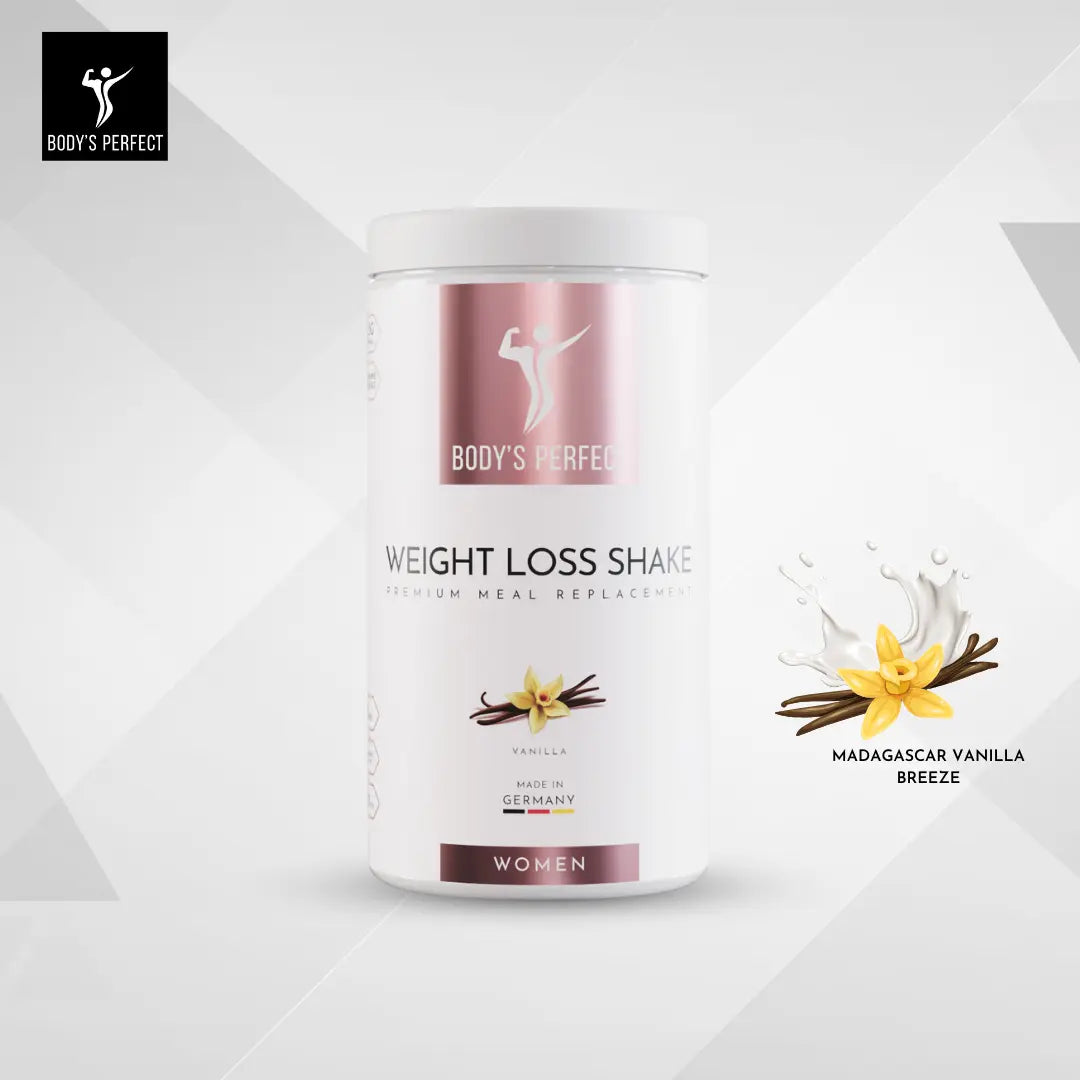
Are you ready to strengthen your metabolism? At BODY'S PERFECT you will find high-quality products, manufactured in Germany, that support you on your journey. Check out our specially developed capsules and shakes on https://bodysperfect.com now and give your diet the crucial boost.
































Share:
Losing Weight Without Dieting: Your Path to a Sustainable Feel-Good Weight
Lose 5 kilos in one week: How to achieve quick success