

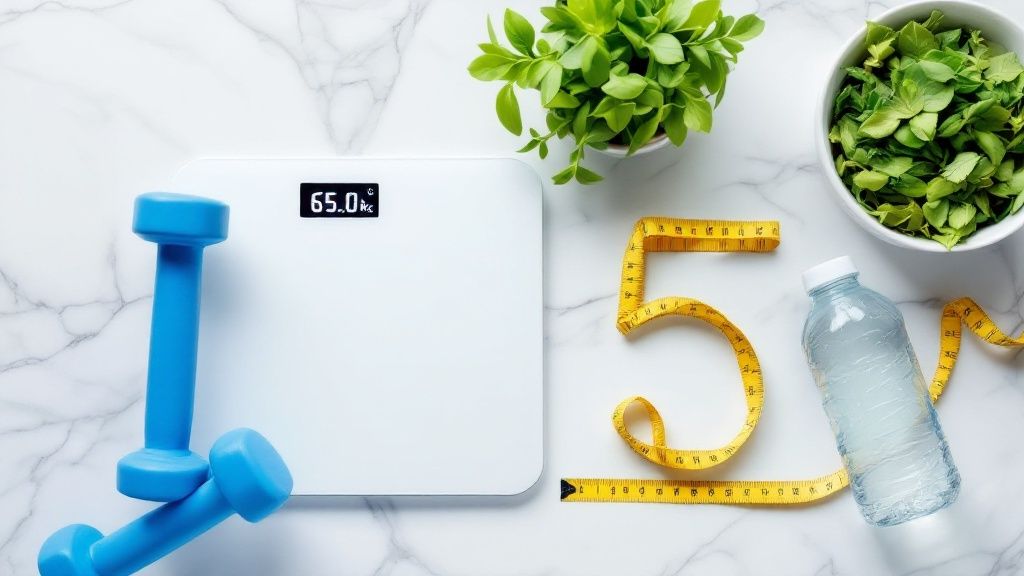
The dream of quickly losing 5 kilos in a week is completely understandable. Who doesn't wish for quick results? But – and this is the most important thing you need to understand – this rapid drop on the scale at the beginning is primarily water, not pure fat. This initial success is great for your motivation, but it's crucial to know what's really happening in your body.
What's really behind rapid weight loss?
Being five kilos lighter in just seven days – that sounds almost too good to be true. And honestly, it is, if we're talking about pure fat loss. That's not only unrealistic but also unhealthy.
A single kilogram of body fat is equivalent to approximately 7,000 calories that you need to save. To lose five kilos of pure fat, you would need to create a gigantic deficit of 35,000 calories in just one week.
Let's do the math: That would be a 5,000 calorie deficit per day. That's more than most of us consume in an entire day! This alone shows that most of the weight you lose initially must come from somewhere else.
Your weight isn't just fat
Your body weight is a sum of different parts:
- Muscles: Your engine for an active metabolism.
- Fat: The energy reserves you want to get rid of.
- Water: Makes up a huge part of your weight and fluctuates greatly.
- Intestinal contents: Yes, what's in your digestive tract also weighs something.
If you suddenly change your diet drastically, especially by reducing carbohydrates, your body draws on its glycogen stores in your muscles and liver. The trick is: every gram of glycogen binds about three to four grams of water. So, when these stores are emptied, you lose a lot of water. You'll see this immediately on the scale, but it's not fat loss.
This image clearly shows how enormous the calorie deficit would be for 5 kg of pure fat loss, compared to healthy, sustainable weight loss.
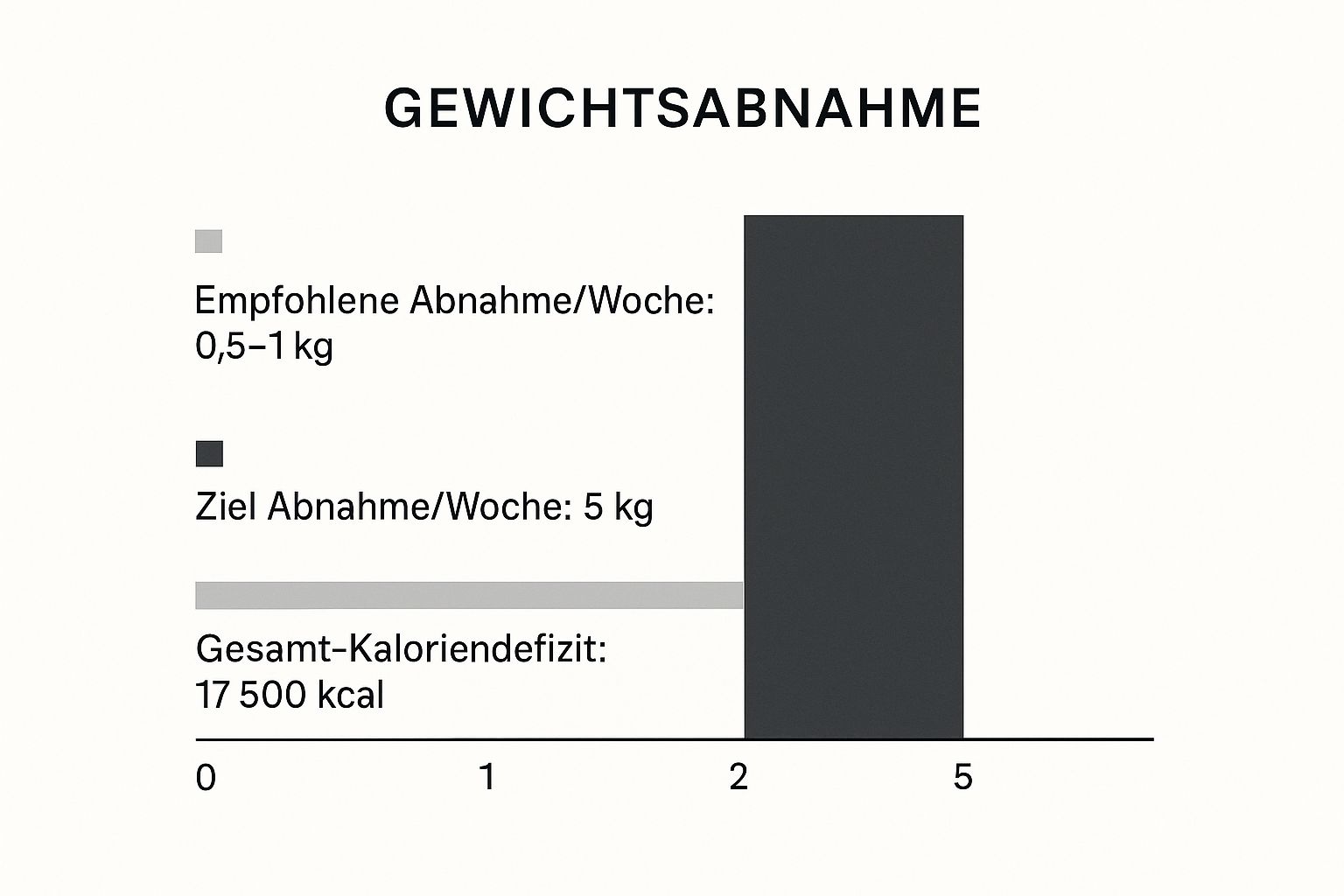
It's immediately clear: even if you assume that only half of the weight loss is fat, the required deficit is still far from what is considered healthy and sustainable.
Realistic expectations and common myths
Especially when it comes to rapid weight loss, there are many misunderstandings. This table gives you an overview of what actually happens with rapid weight loss compared to what is often mistakenly believed.
| Factor | What actually happens (Reality) | What is often believed (Myth) |
|---|---|---|
| Composition of weight loss | Mainly water, some glycogen, and a small amount of fat. | 5 kg of pure fat is burned. |
| Long-term viability | Hardly sustainable; the yo-yo effect often follows as soon as you eat normally. | The weight loss is permanent. |
| Physical feeling | You may feel tired, weak, or irritable due to the high deficit. | You immediately feel energized and fit. |
| Metabolism | Too extreme a deficit can slow down metabolism. | Metabolism is immediately boosted. |
It's important to know these realities to avoid disappointment and make the process healthy.
Also think about your health
In Germany, obesity is a big issue, but the good news is: even a small weight reduction has enormous benefits for your health. A loss of just 1 to 3 kilograms can positively influence blood sugar levels. Every lost kilo relieves blood pressure. And a loss of 5 to 10 kilograms significantly improves blood lipid levels.
However, experts warn that losing 5 kilos in a week is only possible through aggressive measures that carry risks and are rarely long-lasting.
It's not about demonizing quick success. Use this initial motivation as a kick-start, but be aware that true success lies in sustainability.
A healthy and realistic fat loss is about 0.5 to 1 kilogram per week. Anything beyond that is primarily the water loss already mentioned at the beginning. If you want to know more about how much you can realistically lose in a week, read our detailed guide on the subject.
Our goal is to show you how to manage this initial turbo-start safely and effectively, and then transition to a healthy, long-term path.
Your Meal Plan for the 7-Day Challenge
To be honest: The success of your mission to lose weight quickly hinges on what's on your plate. But don't worry, this isn't about complicated rules or rigid diets. It's about understanding the right principles and applying them intelligently. A good meal plan is your most important tool to achieve the necessary calorie deficit without your body going into starvation mode.

The key to success is simple: focus on foods that keep you full for a long time and simultaneously boost fat burning. Specifically, this means lots of protein and plenty of fiber. This combination keeps your blood sugar stable, fights off cravings, and protects your valuable muscle mass while the pounds melt away.
The Cornerstones of Your Success
To realistically approach the goal of "5 kilos in 7 days," we will focus on three essential pillars in your diet. Each plays a crucial role in your fast, yet conscious, success.
-
Protein is your best friend: Proteins are incredibly filling, and your body even burns extra calories digesting them. Therefore, plan a high-quality protein source for every meal – this is non-negotiable.
-
Vegetables and fiber for volume: Green vegetables are a real game-changer. They are extremely low in calories but packed with nutrients and fiber. They fill your stomach without burdening your calorie count. Eat your fill!
-
Cleverly reduce carbohydrates: This week, we will largely cut out fast carbohydrates. Sugar, white flour, and sugary drinks spike your blood sugar and promote water retention. Get rid of them!
This focus not only helps you lose weight. You also supply your body with everything it needs to feel energetic and fit despite the calorie deficit.
Remember: It's not about starving, but about eating smarter. Every meal should satisfy you and give your body the signal: "It's all good, we're burning fat now!"
Foods you need now
For your challenge, there are a few foods that have proven particularly valuable. They provide the right building blocks to get full and boost your metabolism. By the way, you can find a super detailed overview of which foods help with weight loss in our extensive guide.
Your shopping list for the week could look like this:
- Protein sources: Chicken breast, turkey, lean beef, salmon, tuna in its own juice, eggs, low-fat quark, cottage cheese.
- Fiber-rich vegetables: Broccoli, spinach, kale, cucumbers, zucchini, bell peppers, and all kinds of salads.
- Healthy fats (in moderation): Avocado, a small handful of nuts, good olive oil, flax seeds.
Conversely, there are also a few things you should avoid this week because they will hinder your progress. These include ready meals, sugary snacks, fast food, and alcohol.
Sample Meal Plan for 3 Days
To make it easier for you to get started, here's a very concrete plan as inspiration. You can, of course, adapt it to your taste, but the basic principle quickly becomes clear: protein-rich, fiber-rich, and delicious!
| Meal | Day 1 | Day 2 | Day 3 |
|---|---|---|---|
| Breakfast | Scrambled eggs from 3 eggs with spinach and half an avocado | Low-fat quark with a handful of berries and flax seeds | Omelet with mushrooms and bell peppers |
| Lunch | Large mixed salad with 150 g grilled chicken breast | Pan-fried salmon (approx. 150 g) with steamed broccoli | Tuna salad (without mayo) with cucumbers and tomatoes |
| Dinner | Pan-fried turkey strips with a large side salad | Lean ground beef (approx. 150 g) with zucchini noodles | Cottage cheese with vegetable sticks (carrot, cucumber, bell pepper) |
As you can see, every meal is designed to keep you full and satisfied. Don't forget to drink plenty of water or unsweetened tea – that further supports your metabolism.
Meal Prep for a Stress-Free Week
Preparation is half the battle. If you plan your meals a few days in advance (meal prep), you eliminate the risk of reaching for unhealthy snacks in stressful moments.
It's that simple:
- Plan: Decide on the weekend what you want to eat for the next 2-3 days.
- Shop: Create a targeted shopping list and stick to it. This saves you money and avoids temptations.
- Pre-cook: Take an hour or two on Sunday. Fry chicken, hard-boil a few eggs, and chop your vegetables for salads.
- Portion: Fill everything into airtight containers. This way, you always have your healthy food ready in the fridge.
With this clear structure, you lay the perfect foundation for your challenge. Next, we'll look at how you can take your results to a whole new level with the right exercise.
Exercise that truly fires up your metabolism
Your diet is the foundation, that's clear. But exercise is the turbocharger that really gets your metabolism going. To see quick results, you need a smart strategy that makes your body burn calories around the clock – not just when you're actively sweating.
It's not about tormenting yourself for hours in the gym. Instead, we rely on a clever combination that delivers maximum effects with manageable effort.

The key lies in combining targeted endurance training with short but intense strength units. This way, you attack your fat reserves from two sides and get the most out of your week.
Endurance in fat-burning mode
Moderate endurance training, often known as LISS (Low-Intensity Steady State), is your best tool to directly target fat reserves. This includes activities like brisk walking, light jogging, or cycling – anything where you could still comfortably hold a conversation.
Why is it so effective? During sustained, moderate exertion, your body primarily uses fat as an energy source. Unlike high-intensity sprints, where it quickly grabs readily available carbohydrates, it has time here to access your stored fat.
- How long? Plan 30 to 45 minutes on three to four days this week.
- When is best? An ideal time is in the morning before breakfast. Because your carbohydrate stores are depleted overnight, your body has to tap into fat reserves earlier.
- A simple example: A brisk walk in the fresh air, where your heart rate is slightly elevated. This not only burns calories but also wonderfully reduces stress.
Moderate exercise is perfect for burning calories without putting additional stress on the body. Especially when you are in a calorie deficit, it is important to manage the intensity wisely. This way, you avoid cravings, which are often triggered by overexertion.
HIIT: The Afterburner for Your Metabolism
Now comes the second, crucial component: High-Intensity Interval Training (HIIT). These are very short, but extremely intense periods of exertion alternating with short breaks. A HIIT workout often only lasts 15 to 20 minutes, but it really packs a punch.
The real magic of HIIT is the so-called afterburn effect. Your body is challenged so much that it has to expend additional energy for hours after the workout to recover. This means: you burn calories while you're already relaxing on the couch.
Here's a simple HIIT plan for home:
- Jumping jacks: Go full throttle for 30 seconds.
- Rest: Catch your breath for 15 seconds.
- Squats (without weight): As many clean repetitions as possible for 30 seconds.
- Rest: 15 seconds.
- High knees (running in place): As fast as you can for 30 seconds.
- Rest: 15 seconds.
- Push-ups (on your knees is also great!): For 30 seconds.
- Rest: 60 seconds.
Repeat this entire circuit three to four times. Incorporate two such HIIT sessions into your week, but allow yourself a rest day in between so your body can recover.
The underestimated power of everyday movement
The biggest lever most people overlook is everyday movement – also known as NEAT (Non-Exercise Activity Thermogenesis). These are all the calories you burn outside of conscious exercise. And believe me, there's huge potential here!
Instead of resting completely after your workout, just try to keep moving continuously. Every small activity adds up and can burn hundreds of extra calories throughout the day.
Practical tips that really make a difference:
- Always take the stairs instead of the elevator.
- Consciously park a bit further away and walk the last bit.
- Make short phone calls standing or pacing.
- Get off one stop earlier and walk the rest of the way.
If you want to delve deeper into which mix of cardio, strength training, and daily activities works best in the long run, check out our comprehensive guide on the topic of best exercises for weight loss in 2025. There you'll find even more strategies for sustainable success.
Water and Sleep Are Your Secret Helpers
When it comes to losing weight quickly, most people focus on diet and exercise. And that's correct, but there are two players that are often sorely neglected: water and sleep. These two factors often make the difference between success and frustration. They are not minor issues, but your crucial tools to boost your metabolism and prevent cravings from even arising.

If you neglect these, you are essentially working against yourself. Imagine your body is a high-performance engine. Diet and exercise are the fuel, but water is the coolant and sleep is the nightly maintenance. If one of these is missing, the engine won't run smoothly – or might even overheat.
Why water is your most important tool
Simply put: water is the spark plug for your metabolism. If you drink too little, all processes in your body run on low power, including fat burning. There are even studies showing that just half a liter of water can boost calorie expenditure by up to 30% for the next hour.
Even more important, however, is another psychological trick: our brain has difficulty distinguishing between thirst and hunger. The nagging feeling that lures you to the fridge is often just a hidden signal from your body that desperately needs fluids.
My practical tip: Before you grab a snack, drink a large glass of water. Then just wait 15 minutes. You'll be amazed how often the "hunger pang" has simply disappeared afterwards.
Set a goal for this week to drink 3 to 4 liters of water per day. It sounds like a lot, but with a few simple habits, it isn't.
- The morning booster: Start the day immediately after waking up with half a liter of lukewarm water. This awakens your digestion and metabolism.
- The meal trick: A large glass of water before each meal fills your stomach, and you automatically eat less because you feel full faster.
- Make it visible: Fill a large 1.5-liter bottle in the morning. Your goal: drink it empty by lunchtime. This way, you keep track.
Sleep: The Ultimate Fat-Burning Aid
Sleep deprivation is the absolute killer for any diet. Those who sleep too little throw their hormone balance completely out of whack. Your body then releases more of the stress hormone cortisol, which promotes fat storage – especially, and cruelly, around the belly.
At the same time, something else happens: the level of the satiety hormone leptin decreases, while the hunger hormone ghrelin increases. This is a fatal combination. You constantly crave unhealthy things and feel much less satisfied.
Your goal must be 7 to 8 hours of good sleep per night. Only then can your body optimally regenerate and burn fat at night. Plus, you'll have the necessary energy for your workout the next day.
One must not forget the enormous economic burden obesity places on our society. Researchers estimate the annual costs of obesity in Germany at around 63 billion euros – a staggering sum. This shows how important it is to find holistic and effective ways to lose weight that also include basic factors such as sleep and adequate hydration. If you are interested in the background of obesity costs, you can find more information on marcusknispel.com.
Using Supplements as Smart Support
If you challenge your body in such a short time, as in a 7-day challenge, it's smart to give it targeted support. This is not about magic pills, but about filling nutrient gaps and optimizing certain processes in the body. Think of supplements as clever tools: Used correctly, they can make your plan to lose 5 kilos in a week noticeably more effective.
But let's be honest: no supplement in the world will do the work for you. However, they can make the toughest hurdles – such as constant hunger, protecting your muscles, or a sluggish metabolism – significantly easier to overcome. They are your allies on this short but intense journey.
Protein Powder: Your Shield for Muscles
With a strong calorie deficit, there is always the danger that your body will break down not only fat but also valuable muscle. You must prevent exactly that, because your muscles are essentially your personal fat-burning furnaces. This is where a good protein powder becomes your most important partner.
A protein shake is much more than just a quick drink after exercise. It quickly supplies you with the amino acids your muscles need to survive. At the same time, studies repeatedly show how satiating a protein-rich diet is. For you, this practically means: a shake in the morning or in between can nip cravings in the bud. This makes it much easier for you to maintain your calorie deficit.
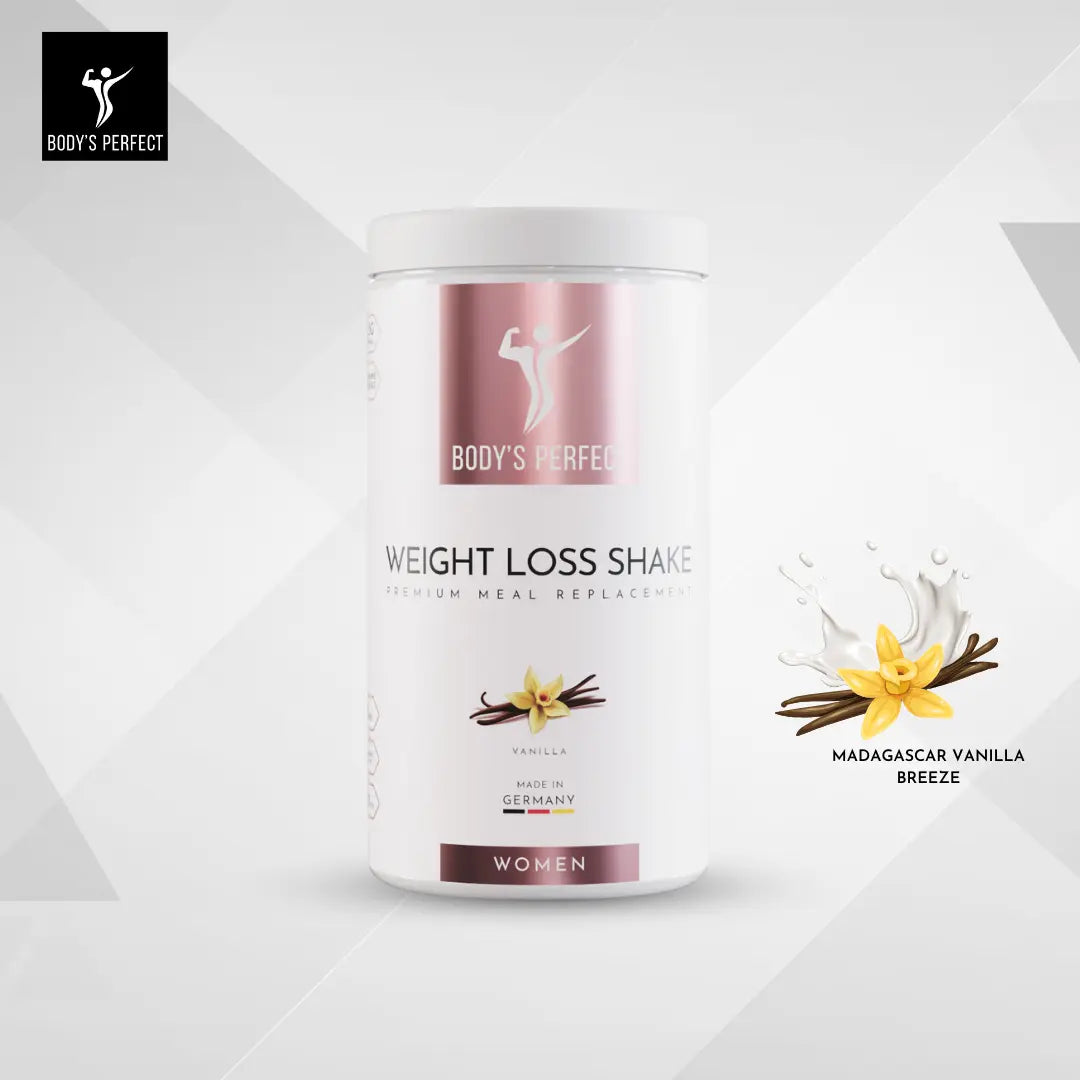
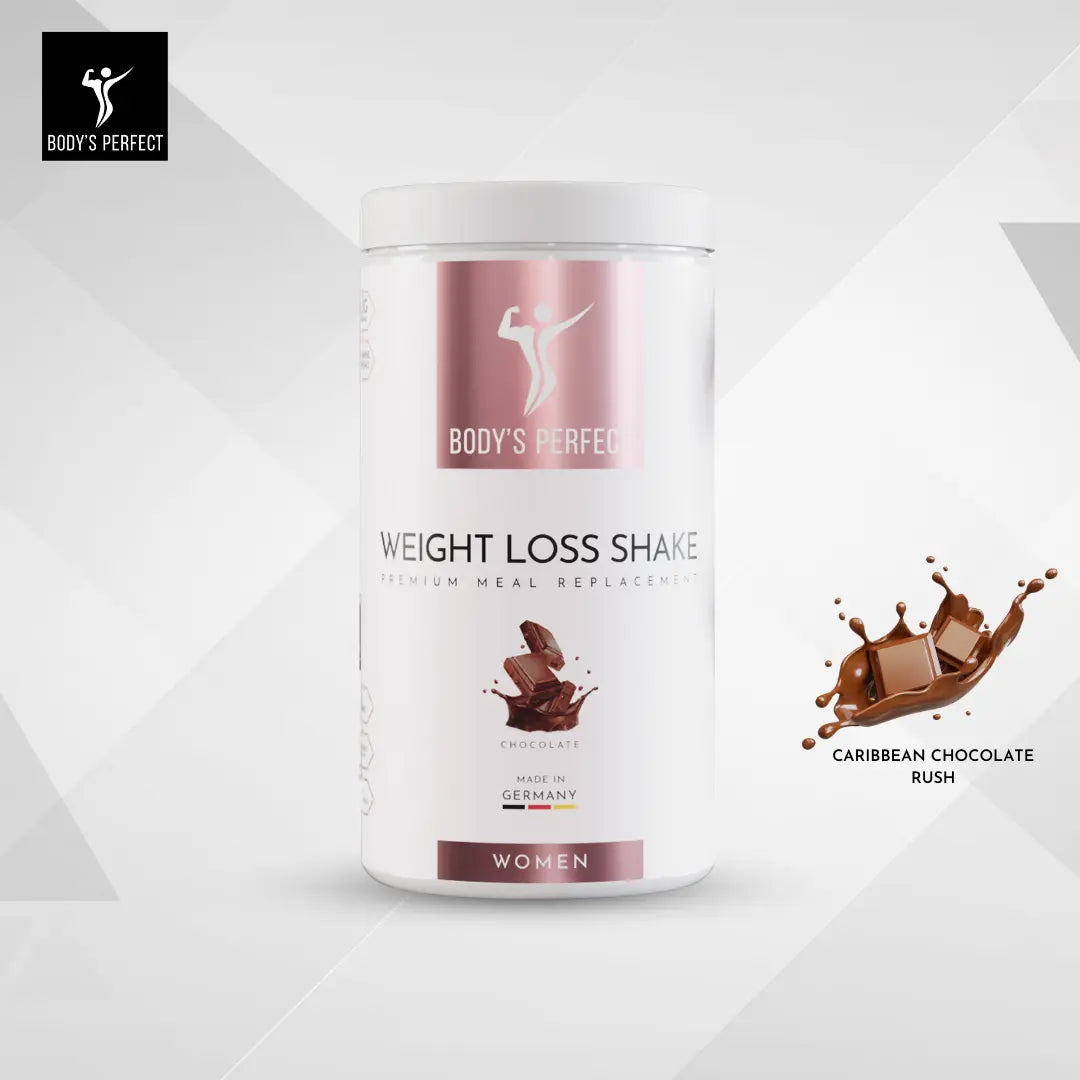
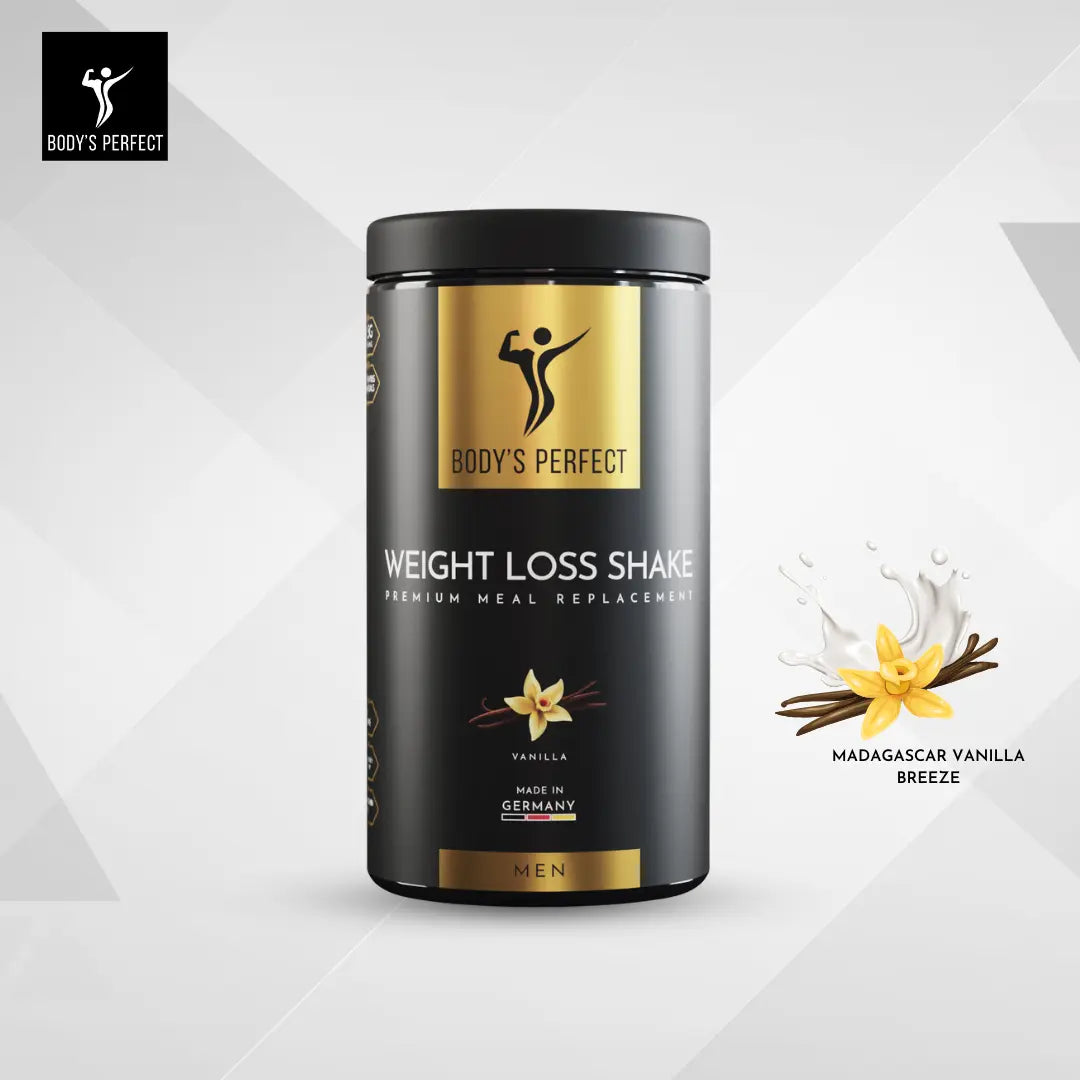
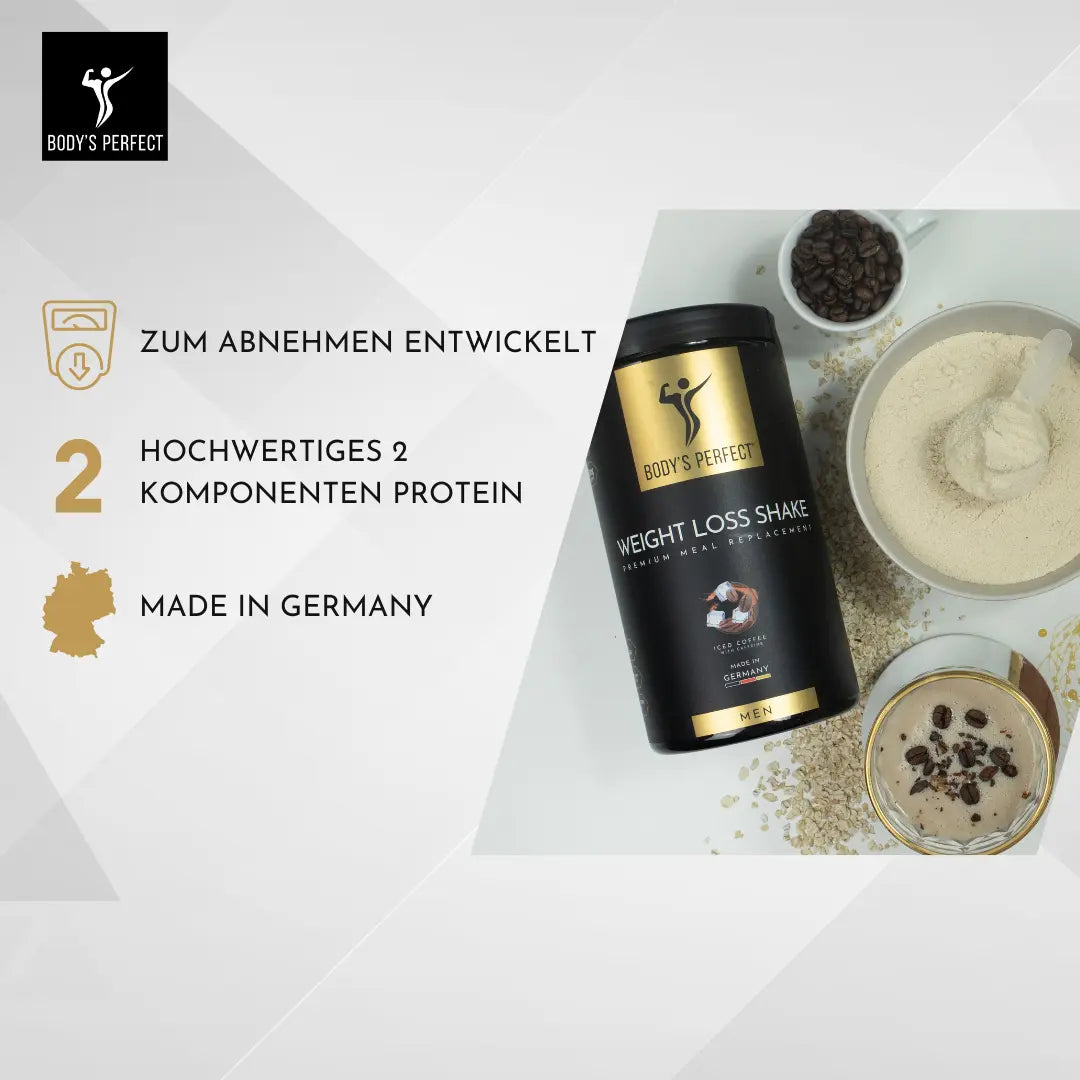
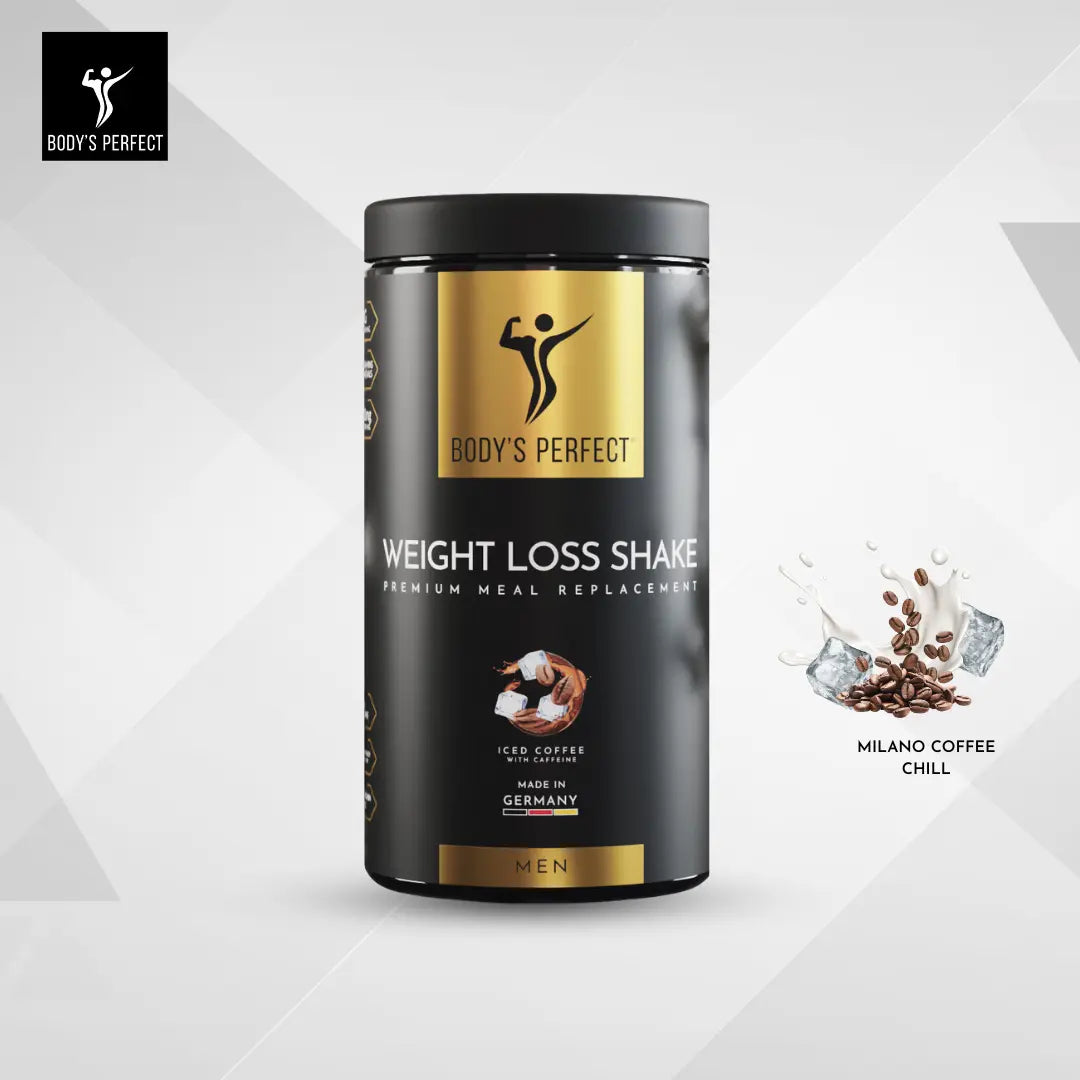
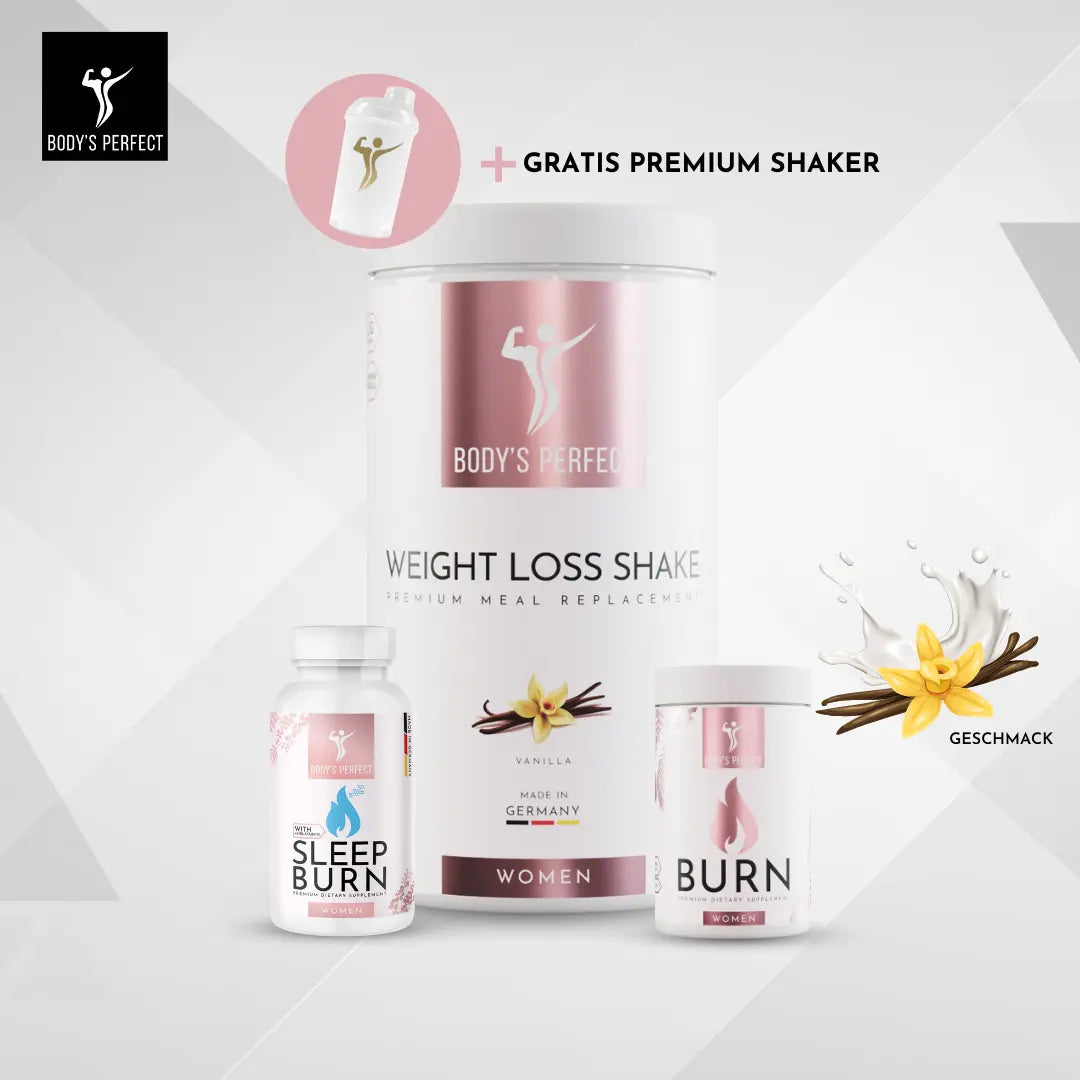
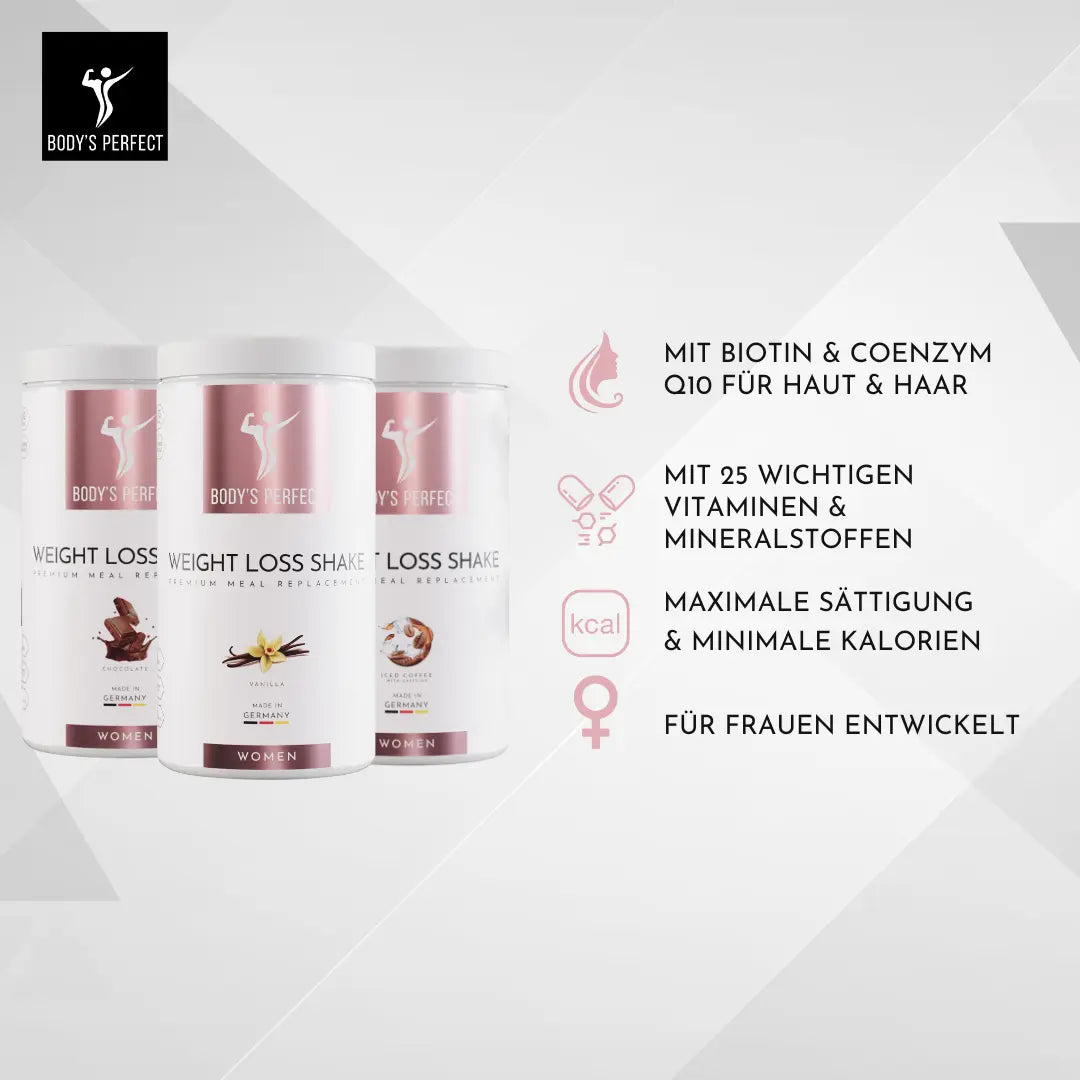
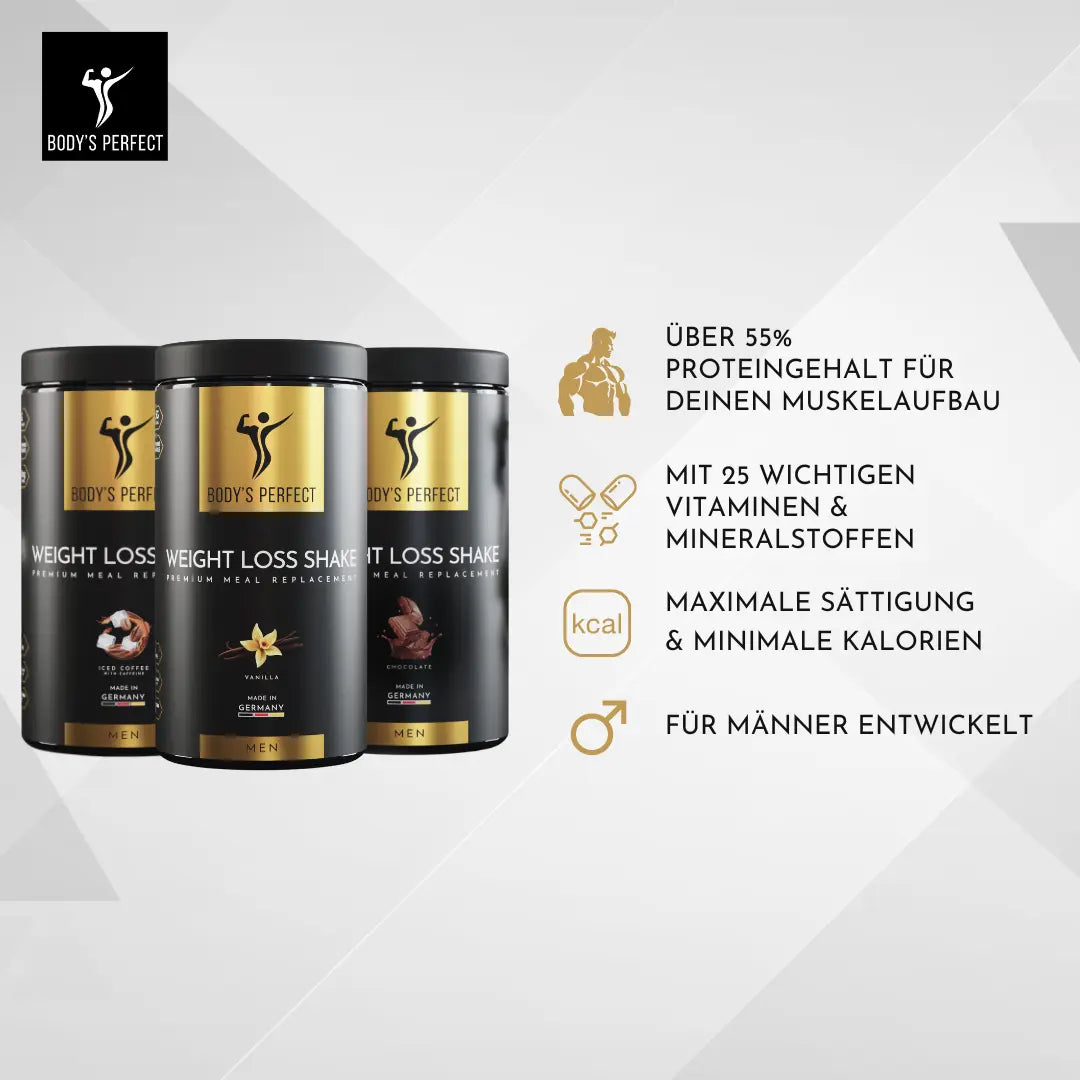
A high-quality protein powder like our BODY'S PERFECT Weight Loss Shake is ideal here. It not only provides you with first-class protein but is also designed to optimally support you in achieving your goal – without unnecessary calories.
Natural Helpers for Your Metabolism
Besides protein supply, there are also some natural substances that can give your metabolism a gentle boost. Forget aggressive "fat burners." We're talking about smart helpers that give your body a little nudge in the right direction.
A classic example is green tea extract. The catechins it contains, especially EGCG, can slightly increase heat production in the body (thermogenesis). Simply put: your body burns a few more calories, even when you're just sitting on the couch.
- Green tea extract: Can boost fat burning and slightly increase energy expenditure.
- Guarana: Is a natural source of caffeine that gives you more energy for the day and your workout.
- Cayenne pepper: The capsaicin it contains can also support thermogenesis.
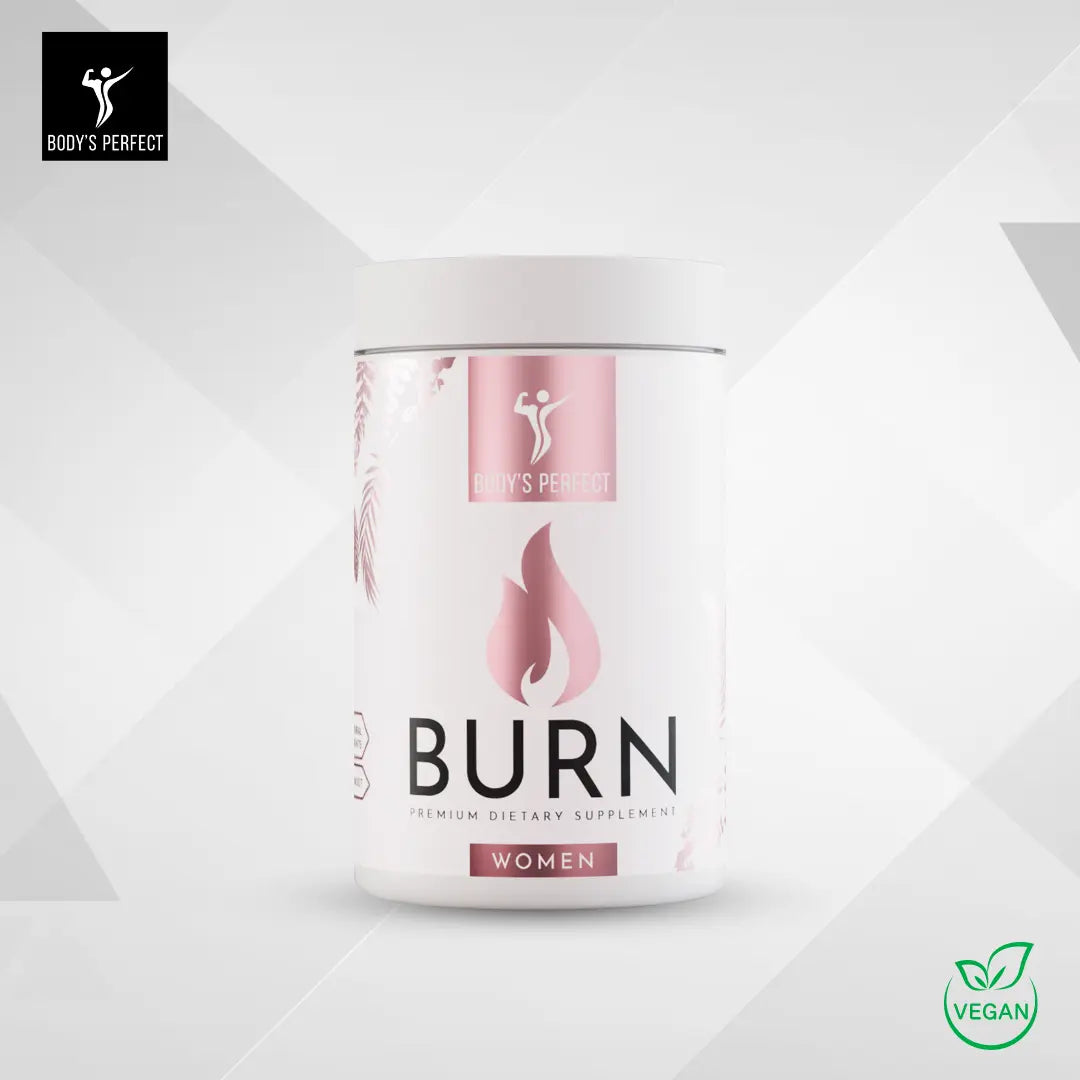
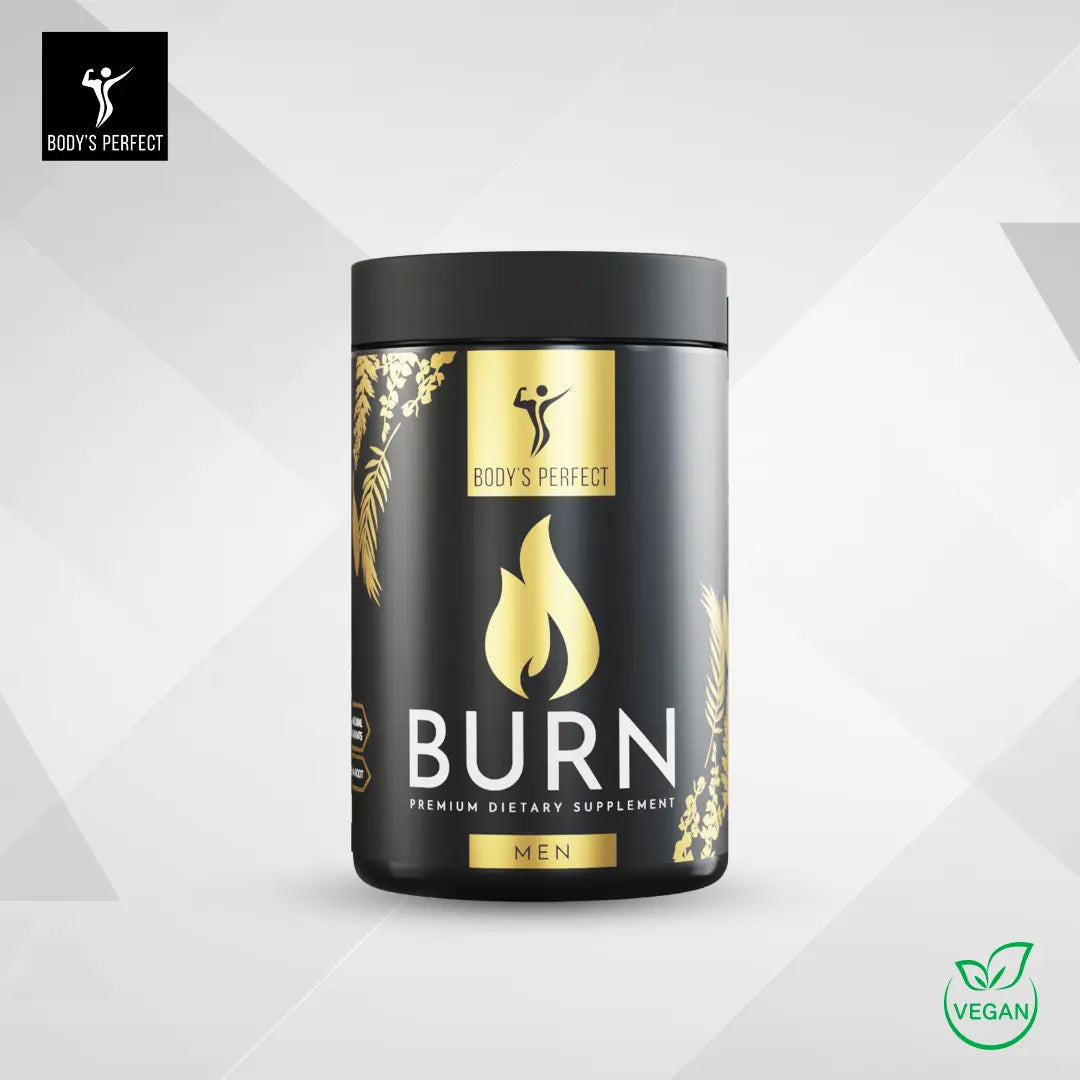
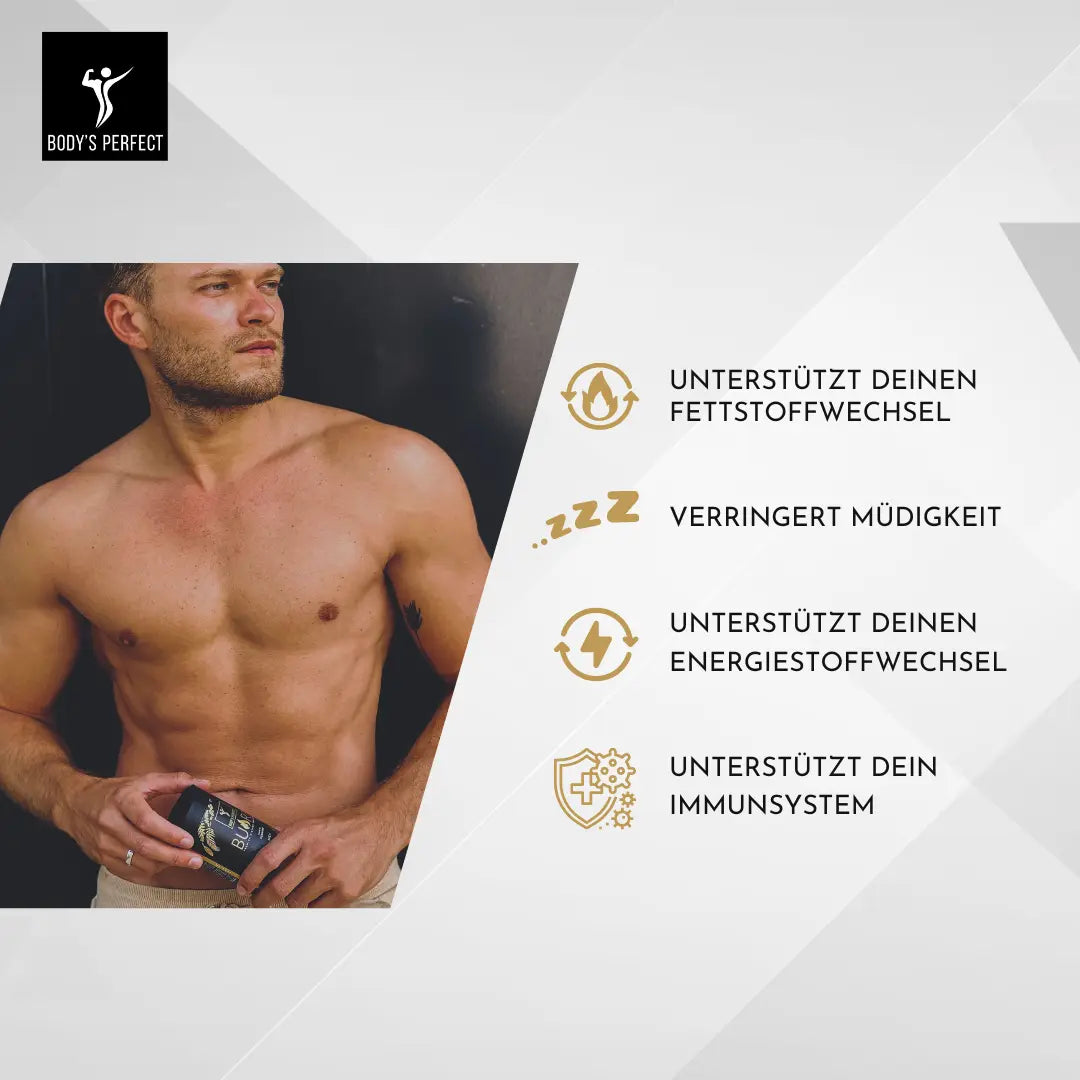
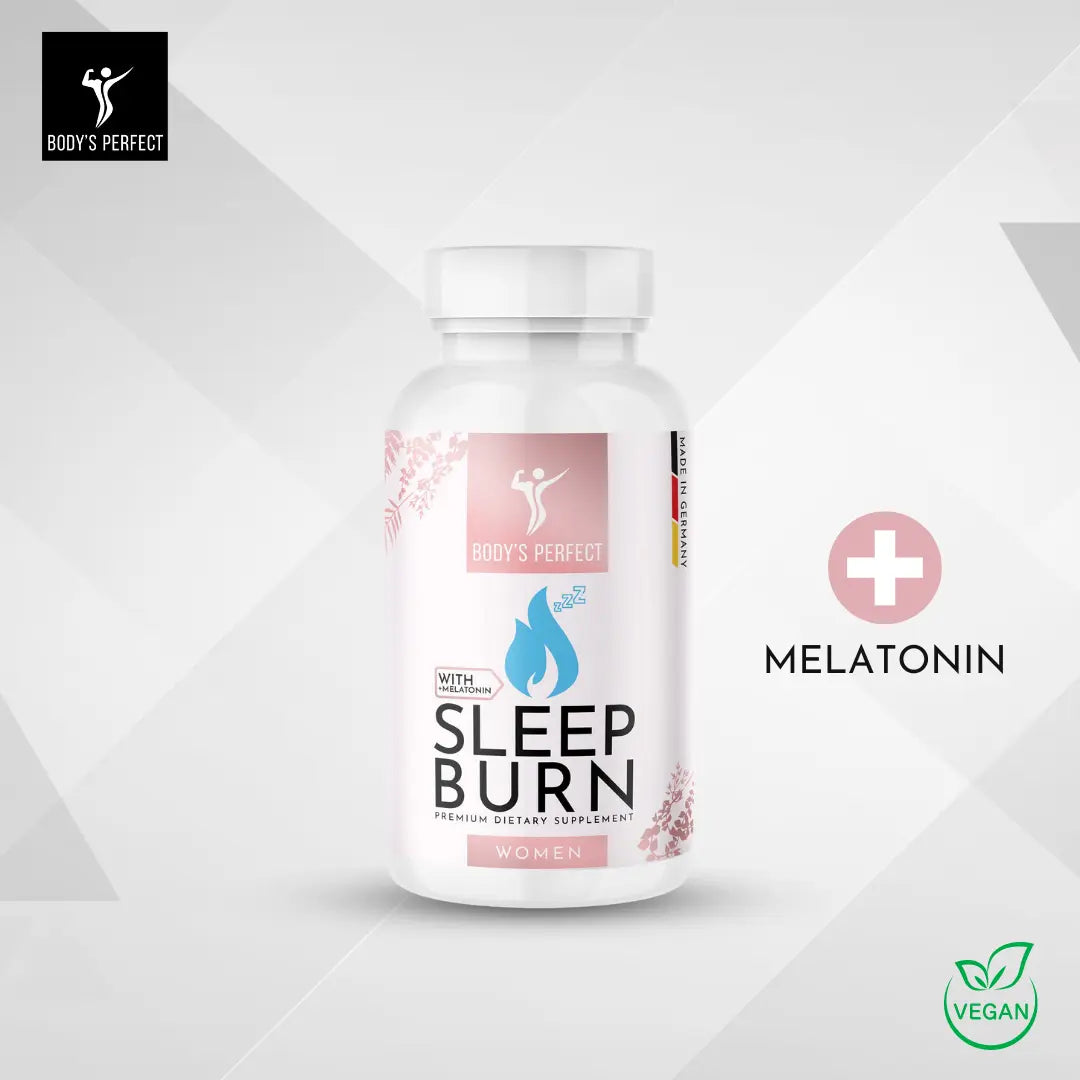
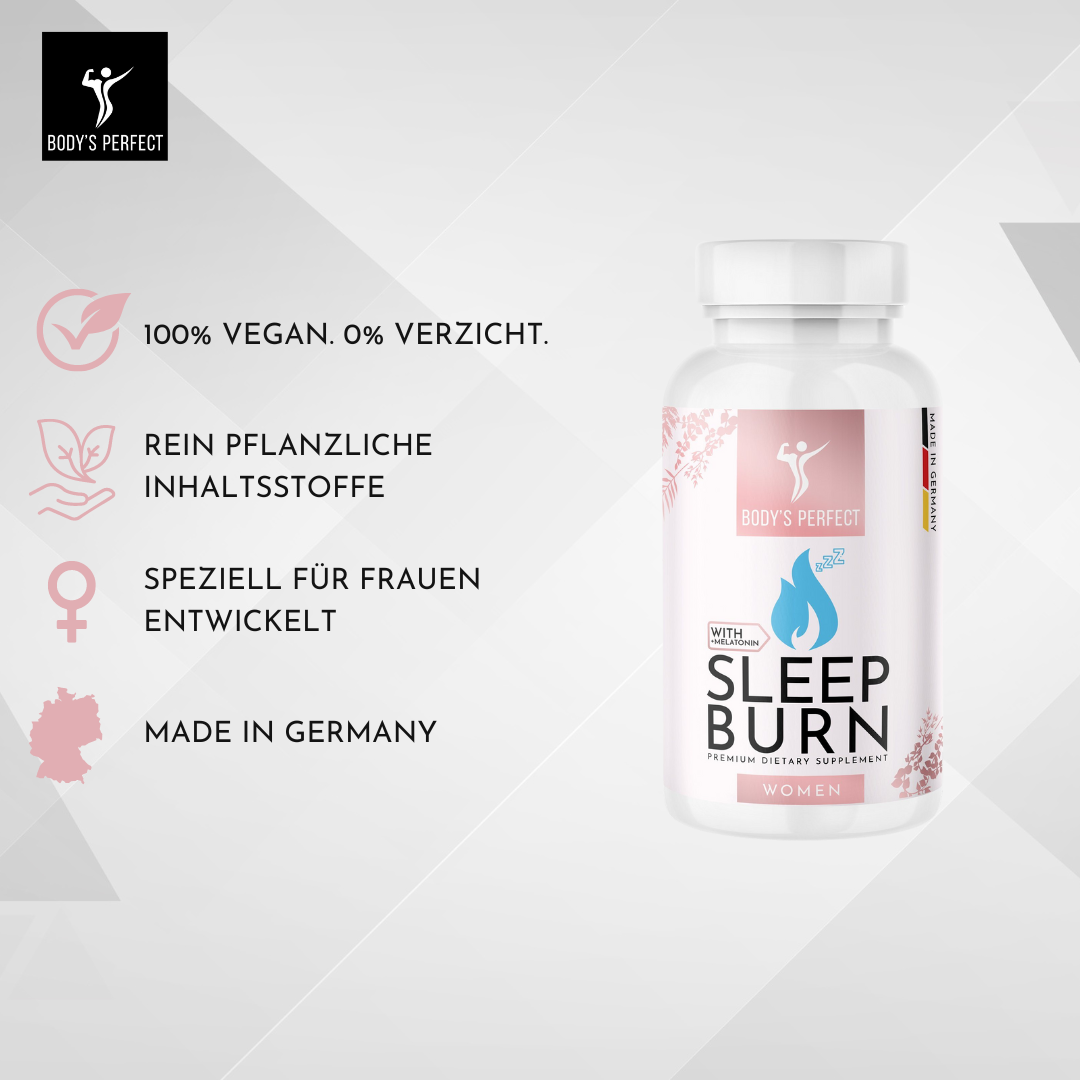
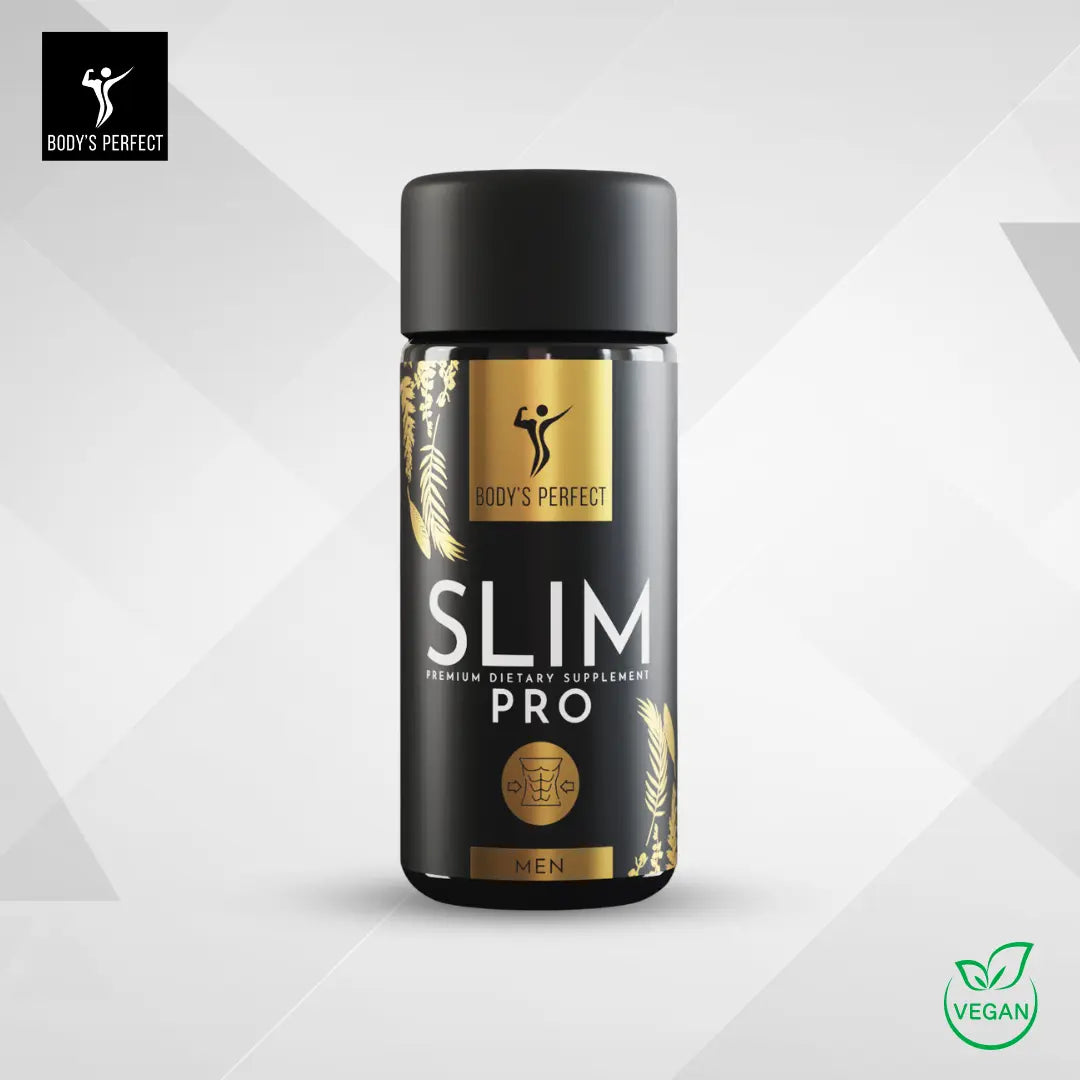
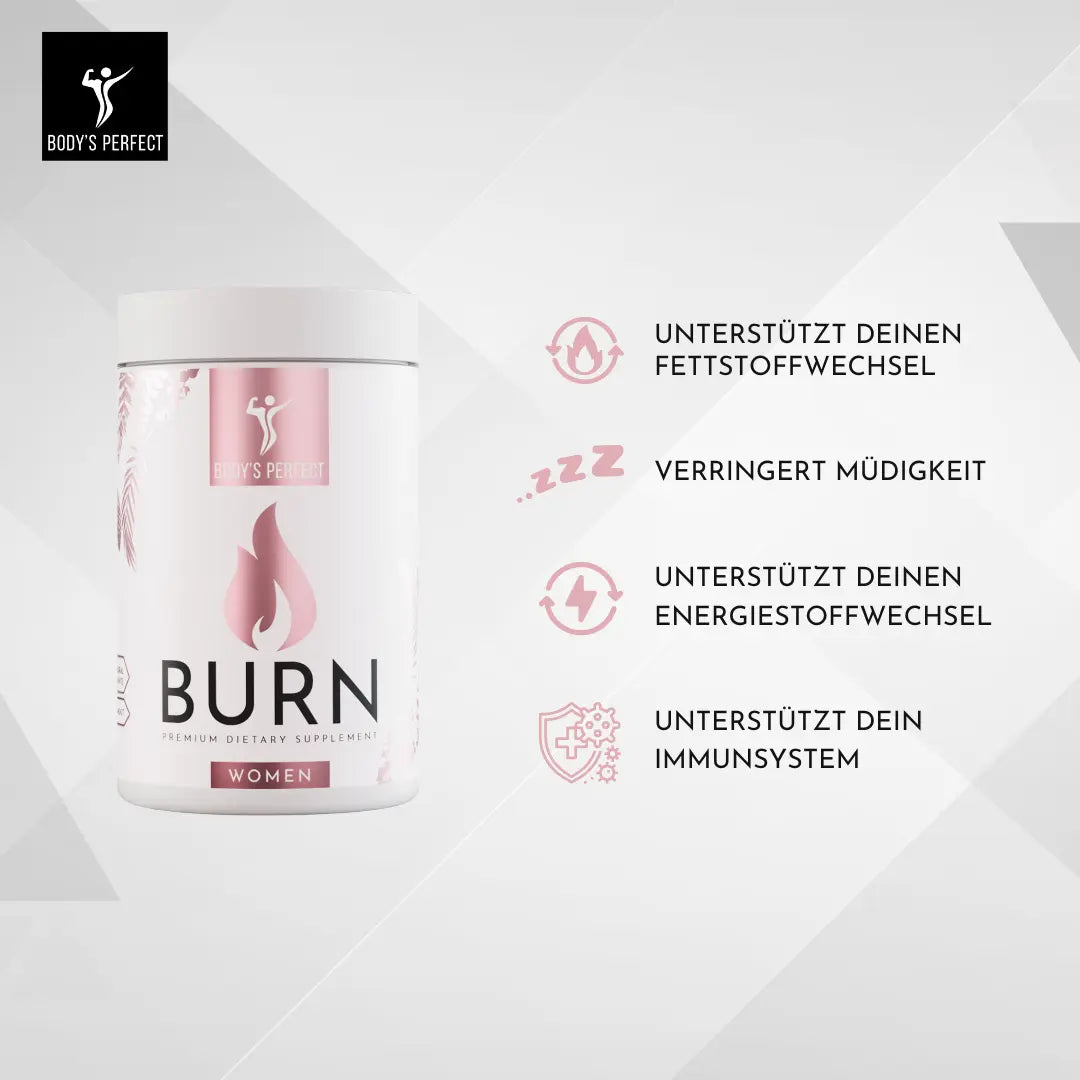
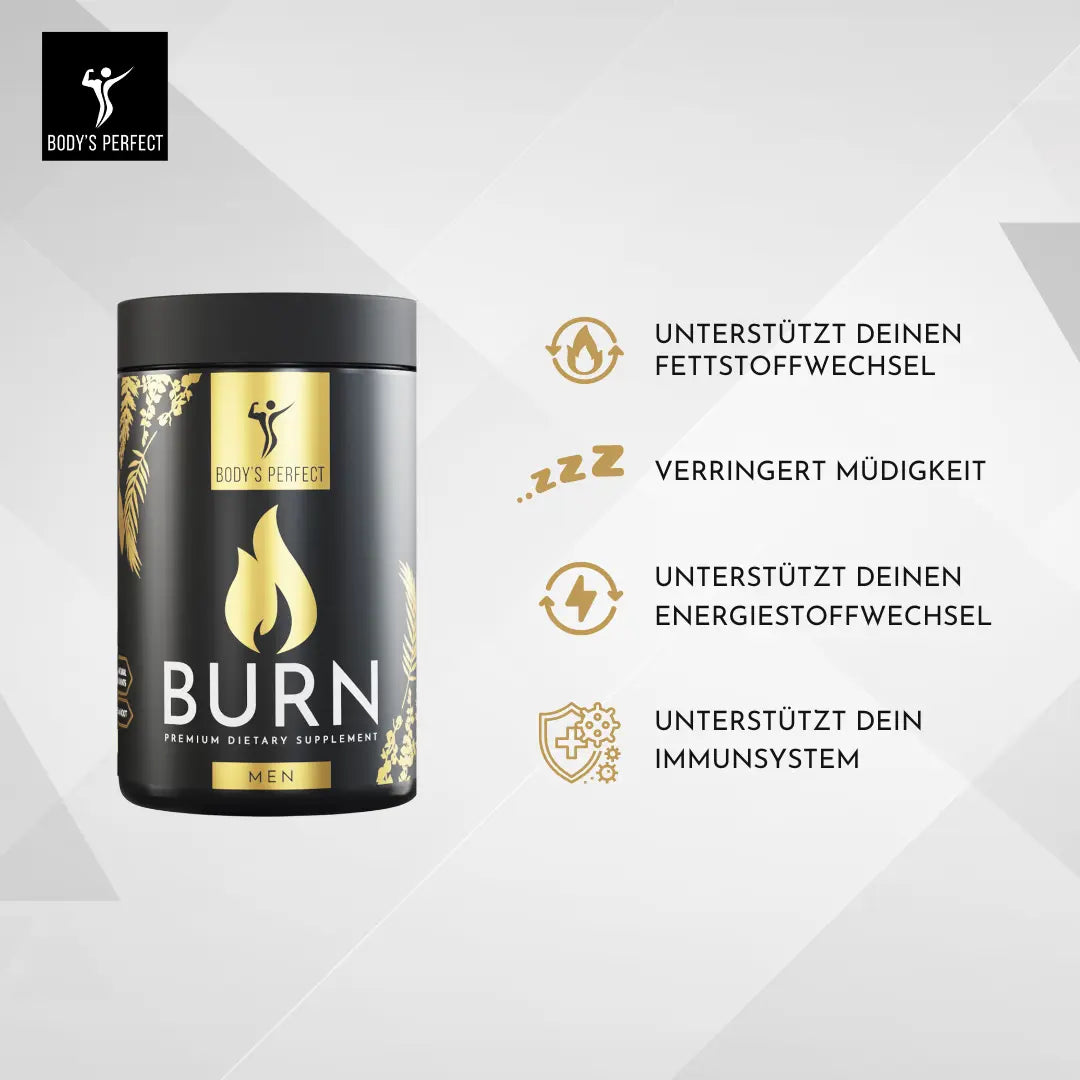
Such ingredients are often found in capsule form, for example in our BODY'S PERFECT BURN capsules. Their composition is designed to naturally support your metabolism and give you an extra energy boost when you need it most – for instance, shortly before your workout.
If you want to delve deeper into the world of plant-based helpers, you'll find much more valuable information and tips in our article on natural dietary supplements.
Never forget: Supplements are the icing on the cake of a solid plan of good nutrition and exercise. They don't replace a meal, but they can significantly increase the effectiveness of your efforts. Use them specifically to optimally nourish your body during this challenging week.
Maintaining Weight and Preventing the Yo-Yo Effect
Congratulations! You've mastered the intense week, and the results on the scale speak for themselves. But honestly? The real work begins right now. It's about securing this success and not falling into the dreaded yo-yo trap. This section is your roadmap for the time after, so that short-term success turns into a permanently good body feeling.
The biggest mistake you could make now would be to immediately return to your old eating habits. Imagine: Your body has just adapted to the lower calorie intake, and your metabolism is still running on low flame. Any sudden flood of calories would be seen as a signal to immediately store reserves for bad times – in the form of fat.
The Transition: How to Get Back to Everyday Life
The key is a gentle, conscious transition. Instead of going from zero to a hundred, you slowly and gradually increase your calorie intake. This process is also called "Reverse Dieting". This gives your metabolism the necessary time to adapt again and get back up to a normal level without panicking.
Here's how to proceed strategically:
- Step by step: In the first week after the challenge, increase your daily calorie intake by only 100 to 150 calories.
- Observe what happens: Weigh yourself regularly, but don't fret if there are small fluctuations – that's normal. If your weight remains stable, you can increase by another 100 calories the following week.
- Find your level: You do this until you have found your personal maintenance calorie amount. This is the amount with which you effortlessly maintain your weight.
This slow increase is truly crucial. It signals to your body that the "famine" is over and it can ramp up its metabolism again.
Cleverly Reintroducing Carbohydrates
Last week you significantly reduced carbohydrates. Now it's time to cleverly reintegrate them into your diet, as they are an extremely important energy source for your body and brain.
It's best to start with high-quality, complex carbohydrates. They keep your blood sugar level stable and give you sustained energy instead of plunging you into a performance slump.
Good sources for reintroduction:
- Oatmeal: A real powerhouse for breakfast. It keeps you full for a long time and prevents morning cravings.
- Sweet potatoes and quinoa: Great as a side dish for lunch or dinner. Nutrient-rich and delicious.
- Whole grain products: Choose real whole wheat bread or whole wheat pasta instead of the refined white flour varieties.
Initially, add only a small portion per day, for example, 30-40 g of oatmeal or 100 g of cooked sweet potato. See how your body reacts to it and gradually find your personal feel-good balance.
The true art is not to fall into an "all-or-nothing" mentality. It's not about giving up everything forever. It's about finding a healthy middle ground that suits your life and with which you feel good.
Consolidate New Habits and Stay Consistent
You will be long-term successful if you manage to integrate the principles from the challenge week into your normal daily life. It's about building sustainable habits that feel good.
It's also interesting to see that weight loss in Germany varies significantly regionally. A 2023 study by Oviva showed that people in Mecklenburg-Vorpommern lost the most weight on average. This clearly demonstrates that extreme weight loss like 5 kilos in one week is far above average and only achievable in the short term with very strict methods. The study also found that men in Saxony-Anhalt lost 50% more weight than women. This shows how complex the topic is and that individual, long-term strategies are needed. If you are interested, read more about the exciting study results at Oviva.
Your goal should now be to move from short-term motivation to a long-term routine – one that benefits you and brings you closer to your goal of a healthy lifestyle every day.
Your Questions, Our Answers for Fast Weight Loss
Before you get started, you probably have a few questions on your mind. That's good and shows that you want to do it right! Let's clarify the most common uncertainties so you can start with confidence.
How much weight loss per week is realistic?
Healthy and, above all, sustainable fat loss is about 0.5 to 1 kilogram per week. Of course, in the first week, the pounds often drop faster, but this is mainly due to water loss. Pure fat loss at this rate is hardly feasible – and honestly, not the goal either.
Do I have to cut out carbohydrates completely?
No, definitely not forever! However, for this intensive starting week, it is extremely effective to drastically reduce simple carbohydrates such as sugar and white flour. Instead, focus on complex carbs from plenty of vegetables. After the first week, you can then slowly reintroduce good carbohydrate sources such as whole grain products.
Which sport brings the fastest results?
The best strategy is always a mix. Moderate cardio training like jogging, walking, or cycling burns calories directly and taps into your fat reserves. Additionally, you should include strength training or short, intense HIIT (High-Intensity Interval Training) sessions. This protects your valuable muscles and, through the afterburn effect, keeps your metabolism fired up for hours after your workout.
What you should remember: Losing weight quickly is a sprint. Maintaining your healthy weight, however, is a marathon. See this week as a motivating starting shot to change your lifestyle positively in the long term.
On your journey to a healthier you, BODY'S PERFECT supports you with high-quality products specially developed for your goals. Discover our shakes, capsules, and individual DNA tests on bodysperfect.com now.














Share:
Using Vitamins as Metabolism Boosters for Weight Loss
Which supplements make sense? Find out what you really need