


Useful supplements are primarily those that compensate for a proven deficiency or support a clear, personal goal such as your weight management. These often include Vitamin D, Omega-3 fatty acids, and depending on your diet, also iron or Vitamin B12. The goal is to specifically fill gaps in your diet, not just randomly pop pills.
The Supplement Jungle and Your Way Through It
You're in the drugstore or scrolling online through countless offers, asking yourself: What do I really need and what's just clever marketing? Don't worry, you're not alone. The supplement market is huge, and it's becoming increasingly difficult to keep track and distinguish genuine helpers from expensive duds.
The basic idea behind food supplements is actually quite simple: they are supposed to support your diet exactly where something might be missing. Imagine it as a toolbox for your body. A balanced diet is the solid foundation, but sometimes you need a very specific tool for a special task – like reaching your desired weight.
When a Supplement Truly Makes Sense
There are simply phases of life and situations in which your body needs more of certain nutrients or you absorb less of them through food. Precisely then, targeted supplementation can make a real difference.
- For special diets: If you are vegan, for example, it is difficult to get enough Vitamin B12, as it is found almost exclusively in animal products.
- In the darker months: From October to March, the sun here is simply not strong enough for your skin to produce enough Vitamin D. A deficiency is almost inevitable.
- For high physical exertion: Those who exercise a lot or want to lose weight specifically often have a higher demand for protein for muscles and minerals like magnesium for recovery.
Important to understand: A food supplement never replaces a healthy lifestyle. Rather, it is targeted support to optimally promote your health and your goals – such as weight management.
So you see, it's not about blindly taking all sorts of things. The question "Which supplements are useful?" can best be answered if you know your very personal needs.
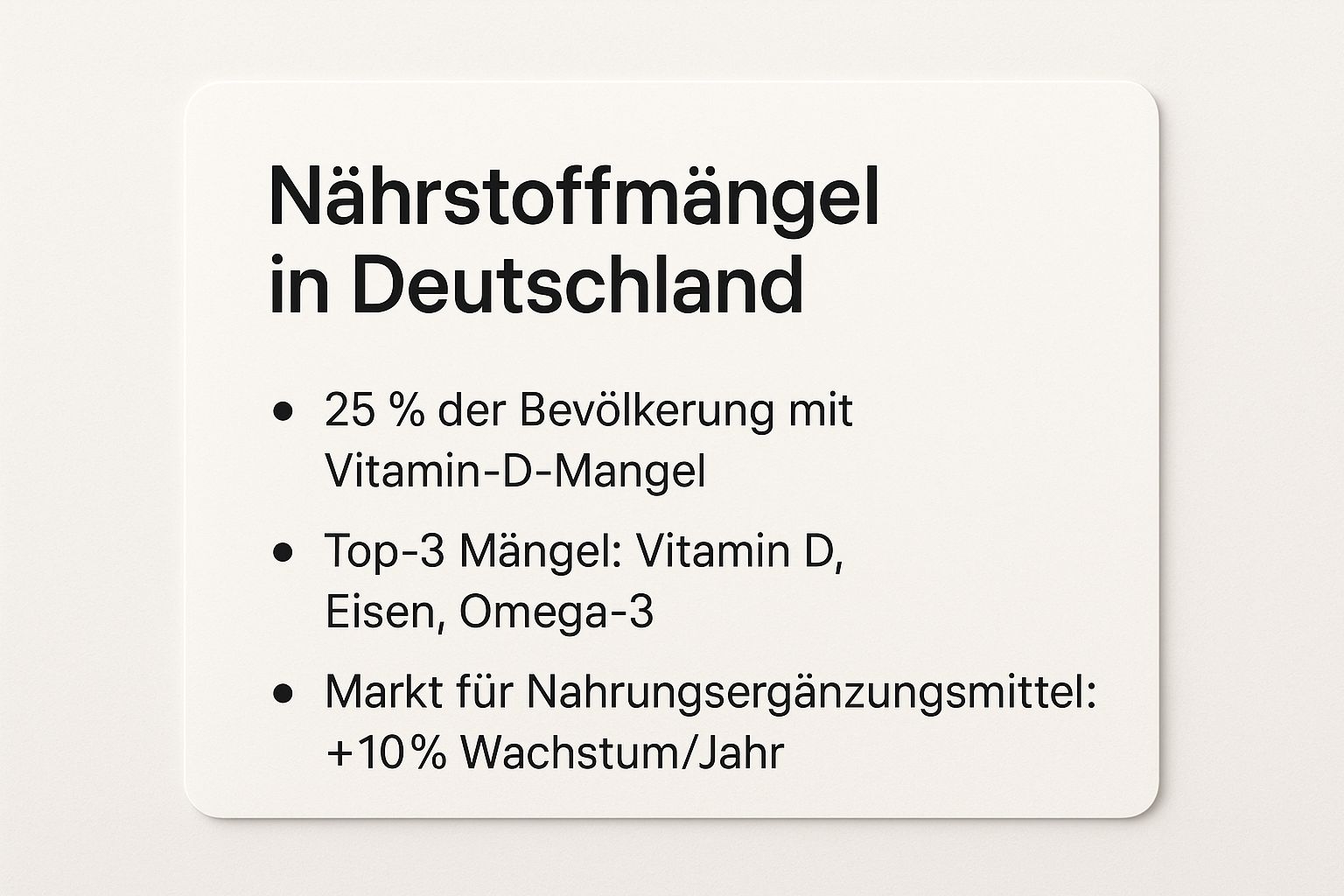
This overview clearly shows where many of us in Germany fall short: Vitamin D, iron, and Omega-3 are often insufficient. And these are precisely the nutrients that are super important for our energy, our immune system, and overall well-being.
To help you get started, we have put together a small overview. This table shows you at a glance which supplements can be useful for various goals, from general health to weight loss support.
Quick Overview of Useful Food Supplements
| Goal | Potentially Useful Supplement | Brief Benefit |
|---|---|---|
| General Health & Immune System | Vitamin D3, Vitamin C, Zinc | Strengthens immune defenses and supports overall well-being. |
| Energy & Performance | B Vitamins (esp. B12), Iron | Important for energy metabolism and oxygen supply. |
| Weight Loss Support | Protein powder, Glucomannan | Promotes satiety and helps maintain muscle mass. |
| Plant-Based Diet | Vitamin B12, Iron, Iodine | Balances typical nutrient deficiencies in a vegan/vegetarian diet. |
| Stress Reduction & Sleep | Magnesium, Ashwagandha | Supports the nervous system and can contribute to relaxation. |
Remember, this is just a general guide. Whether and what you really need always depends on your individual situation.
Strategically Strengthening the Foundation for Your Health

Imagine your body as a house. A healthy diet is the foundation, that's clear. But vitamins and minerals are the building blocks in the walls that you don't see, but which hold everything together. If even a single stone is missing, the entire structure can waver.
Especially when you want to lose weight or get fitter, your metabolism is working at full speed – and naturally consumes more of these little helpers. This is exactly where food supplements come in to strategically fill gaps.
These Micronutrients You Should Know
There are a few "usual suspects" where many of us quickly run into a deficit in everyday life. A deficiency then often manifests itself through fatigue, cravings, or a weak immune system. Let's take a look at the most important candidates:
-
Vitamin D – The Sunshine Vitamin: In our latitudes, especially from October to March, it is almost impossible to get enough Vitamin D solely through the sun. But it is absolutely crucial for a strong immune system, your mood, and healthy bones.
-
Magnesium – The Relaxation Manager: This mineral is a real workhorse and involved in over 300 metabolic processes. It helps your muscles recover, supports your nervous system in dealing with stress, and can even improve sleep. Those who exercise a lot or are often stressed usually have a higher need.
-
Zinc – The Immune Booster: Zinc is a true multi-talent. It is not only essential for your immune defenses but also important for healthy skin, hair, and a smoothly functioning metabolism.
-
Vitamin B12 – The Energy Supplier: This vitamin is a critical issue especially for vegans and vegetarians, because it is found almost exclusively in animal products. It is indispensable for blood formation and the function of your nerves. A deficiency often manifests itself through extreme fatigue and concentration problems.
That these four are so often in focus is no coincidence – they fill widespread gaps. A market analysis by the German Food Association shows: Vitamin and mineral preparations account for about two-thirds of the market, with Vitamin D and magnesium leading the way.
What You Should Really Look For When Choosing
When you think about food supplements, it's not just important what is in them, but also in what form. The magic word here is bioavailability. It describes how well your body can absorb and utilize a nutrient at all.
A great example is magnesium: The body can utilize magnesium citrate much better than the often cheaper magnesium oxide. A close look at the label is therefore worthwhile, so that what you take really arrives.
It's similar with zinc, where compounds like zinc bisglycinate are absorbed significantly better. There are also huge differences with other minerals, as you can read, for example, in our article on the effects of selenium.
In the end, it pays to invest in high-quality products with pure ingredients and without unnecessary fillers. Your body will thank you – with more energy, better immune defenses, and an all-round good feeling.
Why Protein Is Your Best Friend for Weight Loss

When you think of protein, you often immediately picture a bodybuilder with a huge shake. But protein can do so much more! It might be your most important partner if you want to lose weight healthily and permanently. It's not about building mountains of muscle, but about cleverly supporting your body.
Proteins are the fundamental building blocks of our body and essential for countless processes. When losing weight, however, they play two crucial roles: they protect your valuable muscles and keep you feeling full for a long time.
Your Bodyguard for Muscles and Metabolism
When you are in a caloric deficit – i.e., on a diet – your body not only attacks fat reserves, but unfortunately also your muscles. This is a real problem, because your muscles are like small powerhouses that burn calories around the clock, even when you're just sitting on the sofa.
Fewer muscles therefore mean a slower metabolism. This is the perfect invitation for the dreaded yo-yo effect.
A protein-rich diet specifically counteracts this. It signals to your body to retain muscle and rather draw energy from fat deposits. This way you ensure that you really lose fat and not just muscle and water.
In addition, protein significantly boosts your metabolism. The body has to expend much more energy for the digestion of proteins than for fats or carbohydrates. This is called the thermic effect of food (TEF). Simply put: You burn calories just by eating protein.
Proteins are a real metabolism booster: Up to 30% of the calories from protein are directly used by the body during digestion. For carbohydrates, it's only 5-10%.
The Natural Appetite Suppressant
Do you know that feeling of being hungry again shortly after eating? This is often because the meal contained too little protein. Of all nutrients, protein keeps you feeling full best and longest. It influences the hormones that control your hunger and satiety, helping you to easily manage cravings.
When you feel full and satisfied, you automatically reach for unhealthy snacks less often. A protein-rich meal is therefore your ticket to maintaining a caloric deficit comfortably and without constant stomach growling.
Whey, Casein, or Vegan – What Suits You?
The protein powder market is huge, but don't worry, the choice is simpler than it looks. The three best-known types each have their own strengths:
- Whey Protein: The absolute classic. Your body absorbs it very quickly, which makes it perfect for after training to immediately supply your muscles with nutrients.
- Casein Protein: The so-called "night protein". It is digested very slowly and supplies your body with amino acids evenly over hours. Ideal as the last meal before going to bed.
- Plant-based Proteins: Powders from peas, rice, or soy are great for vegans or people with lactose intolerance. Modern mixtures are now so good that they are hardly inferior to animal proteins in quality.
To make the right decision for you, take a look at our guide on the best whey protein. Ultimately, the best protein powder is always the one you enjoy taking and that fits perfectly into your daily routine.
Natural Helpers for Metabolism and Well-being
Besides the well-known vitamins, minerals, and proteins, nature has even more in store to support you on your way to your desired weight and more energy. This primarily involves plant extracts, which have played a role in traditional teachings for ages and whose mechanisms of action are now being scrutinized more and more by modern science.
Of course, these natural helpers are not miracle cures. But they can specifically optimize certain processes in your body. Just imagine them as little specialists who help your metabolism or stress management get going.
Gently Boosting Metabolism
Some plant extracts are known to naturally stimulate metabolism. They can give your body a small push to burn energy from food more efficiently – a great side effect if you're trying to shed a few pounds.
A great example of this is green tea extract. It is packed with valuable plant compounds, especially catechins, which include the famous epigallocatechin gallate (EGCG). Studies suggest that EGCG can slightly increase thermogenesis, i.e., the body's heat production. Simply put: Your body burns a few more calories even at rest.
Remember: Green tea extract is naturally no substitute for exercise or a healthy diet. But it can be the tipping point that gently boosts your metabolism and slightly supports fat burning.
Stress – The Secret Weight Loss Blocker
Stress is a factor that many completely underestimate when losing weight. Chronic stress causes your body to release the hormone cortisol. This, in turn, can trigger cravings for sweets and fatty foods and promote fat storage, especially around the belly.
This is where so-called adaptogens come in. These are plant compounds that help the body better adapt to stressful situations and regain its balance.
-
Ashwagandha: This plant is also known as winter cherry and is a proven remedy in Ayurveda to calm down. Ashwagandha can help normalize cortisol levels and thus provide more serenity in everyday life.
-
Rhodiola Rosea (Rhodiola): Rhodiola is considered a true mood enhancer and energy supplier. It strengthens mental and physical resilience to stress, can banish fatigue, and promote concentration. This way, you stay on track even in strenuous phases.
If you have your stress level under control, you lay an incredibly important foundation for your weight loss success. You avoid emotional eating and give your body the chance to work optimally again. If you want to dive deeper into the fascinating world of plant power, you will find many more tips in our guide on natural food supplements.
Herbal helpers like these are a great way to support your body holistically. They are the best proof of how useful food supplements can be if you use them specifically and as a complement to a healthy lifestyle.
How to Get the Most Out of Your Supplements

The best and highest quality supplement will unfortunately do you little good if your body cannot absorb it properly. The key to success lies in proper timing and clever combinations.
Imagine it like a football team: some nutrients work perfectly together and reinforce each other, while others tend to get in the way on the field.
That's exactly why we're providing you with a simple and practical roadmap here. This ensures that every single active ingredient really reaches where it's needed.
Timing is Everything: When is the Best Time to Take What?
The timing of intake can make a huge difference. Some nutrients need fat to be absorbed by the body, while others work best on an empty stomach.
-
Fat-soluble vitamins (A, D, E, K): As the name suggests, these vitamins need some fat as a "transport medium." It's best to always take them with a meal that contains healthy fats – for example, avocado, nuts, or a drizzle of olive oil in your salad.
-
Magnesium: If you take magnesium for better sleep and relaxation, the ideal time is shortly before bedtime. It helps your nervous system to calm down. For athletes, a dose after training can be useful to support muscle recovery.
-
Proteins: The classic time for a protein shake is within 30-60 minutes after training. In this "anabolic window," your muscles can absorb amino acids particularly well and use them for repair. A shake can also be a great snack that keeps you full for a long time.
Did you know? Iron from plant sources is absorbed much better by the body if you take it together with Vitamin C. A glass of orange juice with your lentils or an iron-containing supplement along with a Vitamin C capsule is therefore a real bioavailability booster.
To help you keep track, we've put together a small overview here.
Optimal Intake Time for Important Supplements
| Food Supplement | Best Time | Why it makes sense |
|---|---|---|
| Protein Powder | Within 30-60 min. after training | Maximum support for muscle repair and growth. |
| Fat-soluble Vitamins (A, D, E, K) | With a fatty meal | Fat is necessary for the body to absorb these vitamins. |
| Magnesium | Evenings before bedtime | Promotes relaxation of the nervous system and improves sleep quality. |
| Iron | Mornings on an empty stomach | Is best absorbed without "competition" from other nutrients like calcium. |
| B vitamins | In the morning with breakfast | They boost your energy metabolism and give you a kick for the day. |
Remember, this is a general recommendation. Ultimately, your own body and daily routine set the best rhythm.
Smart Combinations for Maximum Effect
Just as some nutrients support each other, others can block absorption. Here are the most important "rules of the game" you should know to avoid common mistakes.
These nutrients do not combine well:
- Calcium and Iron: Calcium can actively inhibit the absorption of iron. Therefore, never take iron-containing supplements with a glass of milk or calcium-rich yogurt. It is best to maintain a gap of at least two hours.
- Zinc and Copper: When taken in high doses, these two minerals compete for the same absorption pathways in the body. To ensure that both are absorbed, you should take them at different times.
If you want to delve deeper into this topic and learn how to optimize your performance in sports specifically through the right nutrient combination, our article on Sports Supplements is just what you need.
How to distinguish real quality from empty promises
The supplement market is a real jungle. Providers everywhere entice with big promises. But how do you recognize which products are really effective and which are just deceptive packaging? Don't worry, with a few simple tricks you'll quickly become a pro and recognize quality at first glance.
First things first: Learn to read the label like an expert. It's essentially the product's business card. Don't be fooled by fancy packaging, but take a very close look at what's inside – the ingredient list is crucial.
What really matters on the label
An honest and clear ingredient list is the be-all and end-all. Pay particular attention to these points:
- The form of the active ingredient: This is where the wheat is separated from the chaff. Your body cannot utilize every form of a nutrient equally well. Take magnesium as an example: your body can absorb magnesium citrate much more easily than the often-used but cheaper magnesium oxide.
- Pure ingredients: A top product focuses on the essentials: the pure active ingredient. Avoid products with endlessly long lists of unnecessary fillers such as magnesium stearate, titanium dioxide, or artificial colorings. Less is often more here.
- Sensible dosages: Take a look at the indicated dosage per capsule and compare it with the general recommendations. Extremely low amounts usually do nothing, while absurdly high dosages are not necessarily better either.
The sheer number of providers certainly doesn't make it any easier. Did you know that in 2025 there will be 174 manufacturers in Bavaria alone? This shows how crowded the market is. You can find more insights into the manufacturer landscape of food supplements here.
Quality, of course, has its price, but a high price alone is by no means a guarantee of a good product. It's about making a conscious choice and investing in products based on pure and well-utilizable ingredients – just like the carefully developed formulas from bodysperfect.com.
Independent seals can be a good indicator, but they are not a must. Much more important is that a manufacturer is transparent about its raw materials and production.
With this knowledge, you are well equipped to make the right decisions for your health. If you are specifically looking for support for your weight management, we have put together even more valuable tips for you in our guide on weight loss capsules.
Your most frequently asked questions about food supplements
Finally, we want to clarify a few questions that we encounter again and again in everyday life. Here are short and clear answers so that you know exactly where you stand and can safely plan your next steps.
Can I compensate for an unhealthy diet with supplements?
Clearly: No. This is probably one of the biggest myths of all. Food supplements can be fantastic helpers, but they are not miracle cures. Their strength lies in specifically closing gaps in your nutrient supply – but they can never replace a balanced diet full of fresh foods.
Just see them for what the name implies: a supplement to a healthy lifestyle, not a free pass for unhealthy habits. The foundation for your well-being and your weight loss goals always remains a nutrient-rich diet.
When do I actually notice an effect?
This varies greatly from person to person and from nutrient to nutrient. If you have a real deficiency, for example in iron or vitamin B12, you often feel noticeably fitter and more energetic after just a few weeks.
For other substances that unfold their effect in the body over the long term – think of omega-3 fatty acids or herbal adaptogens – it can take two to three months. Here, patience and consistent intake are the keys to success.
Are more expensive products automatically better?
Not necessarily, but quality often comes at a price, of course. A higher price can be an indication of purer raw materials, better bioavailability (i.e., how well your body absorbs the substance), or extensive laboratory tests by independent institutes.
However, look less at the price and more at the details: Is there a transparent ingredient list? Are the ingredients sensibly dosed? Super cheap products are often stretched with fillers, contain inferior raw materials, or are so low-dosed that they have little effect. Invest rather in a product where the active ingredients actually get to where they are supposed to go.
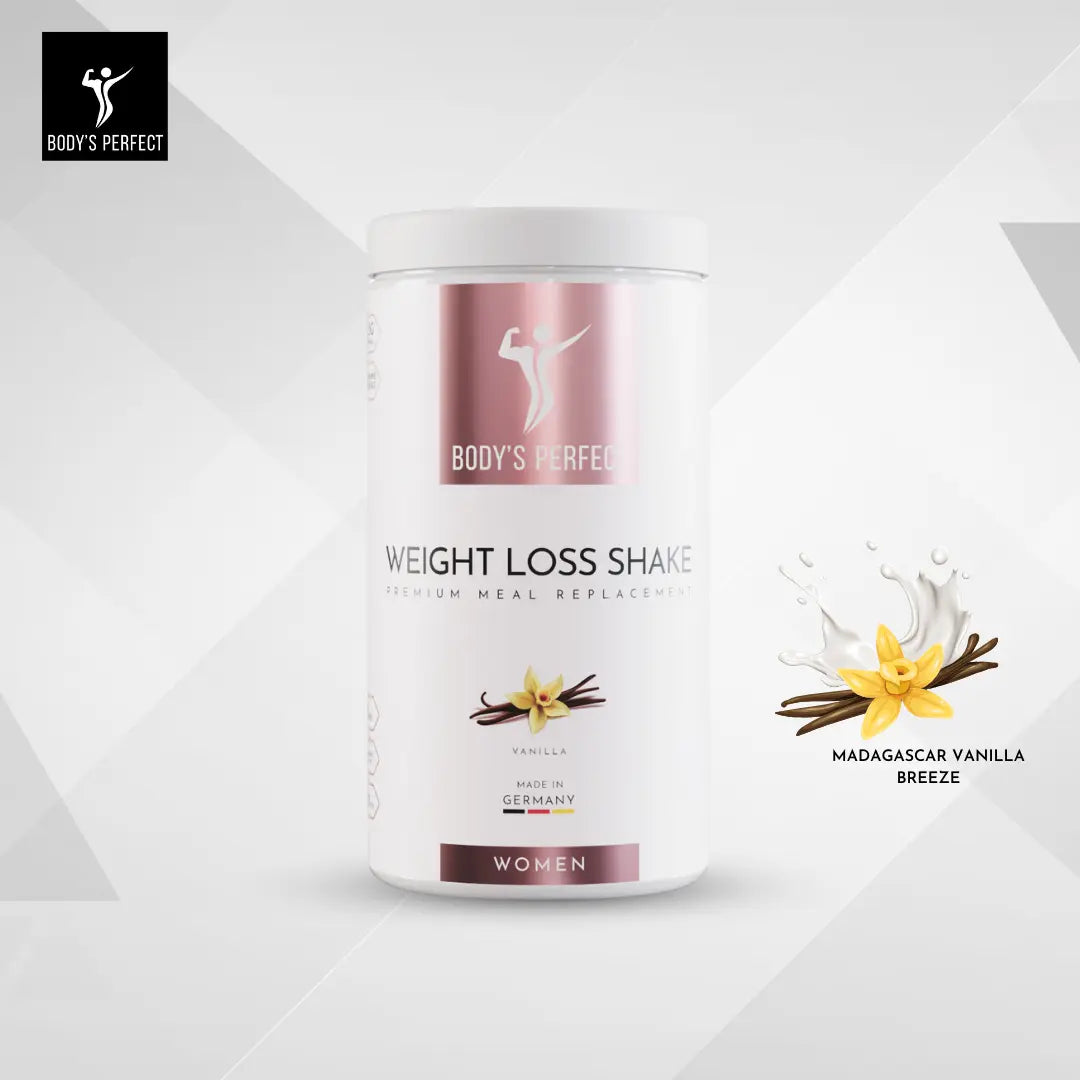
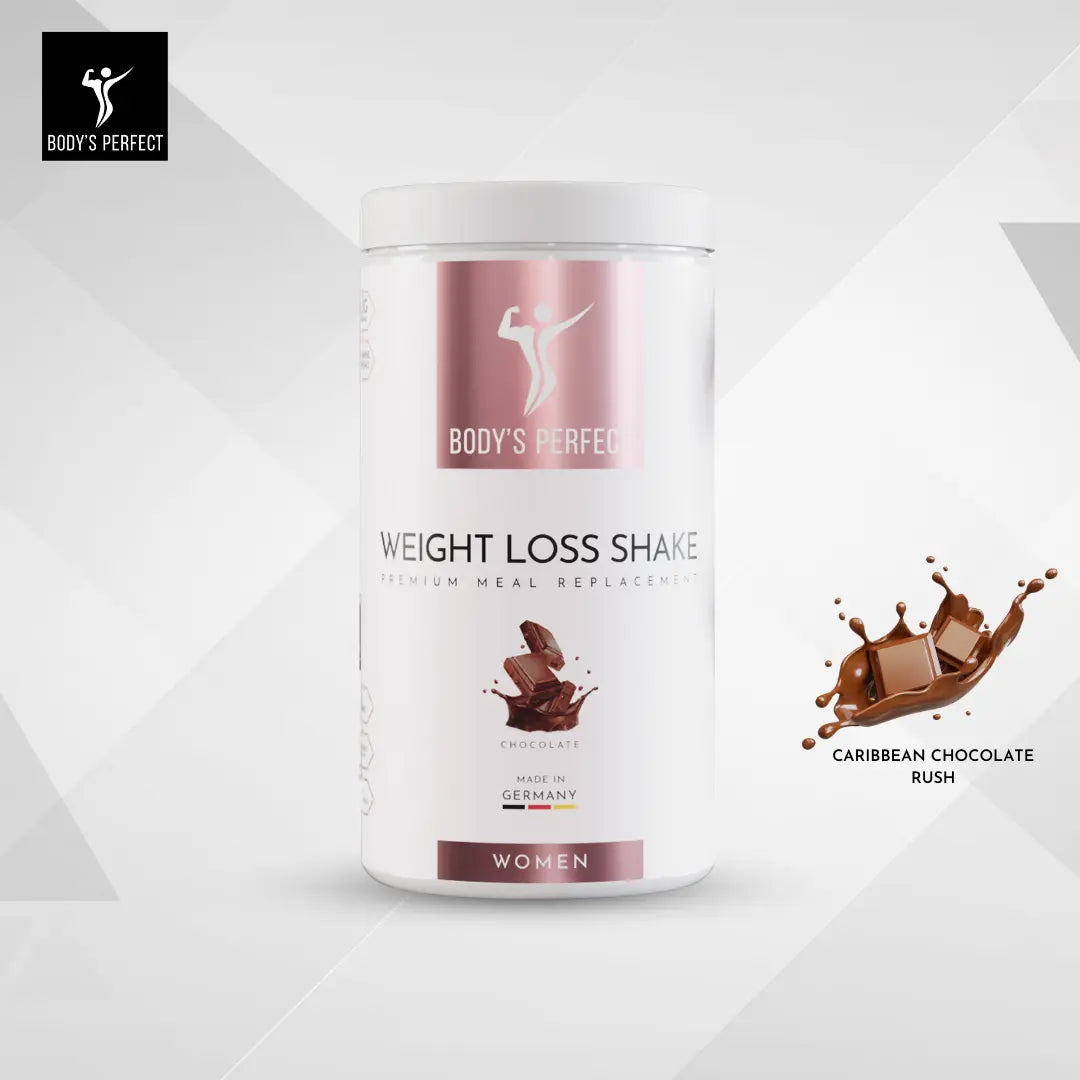
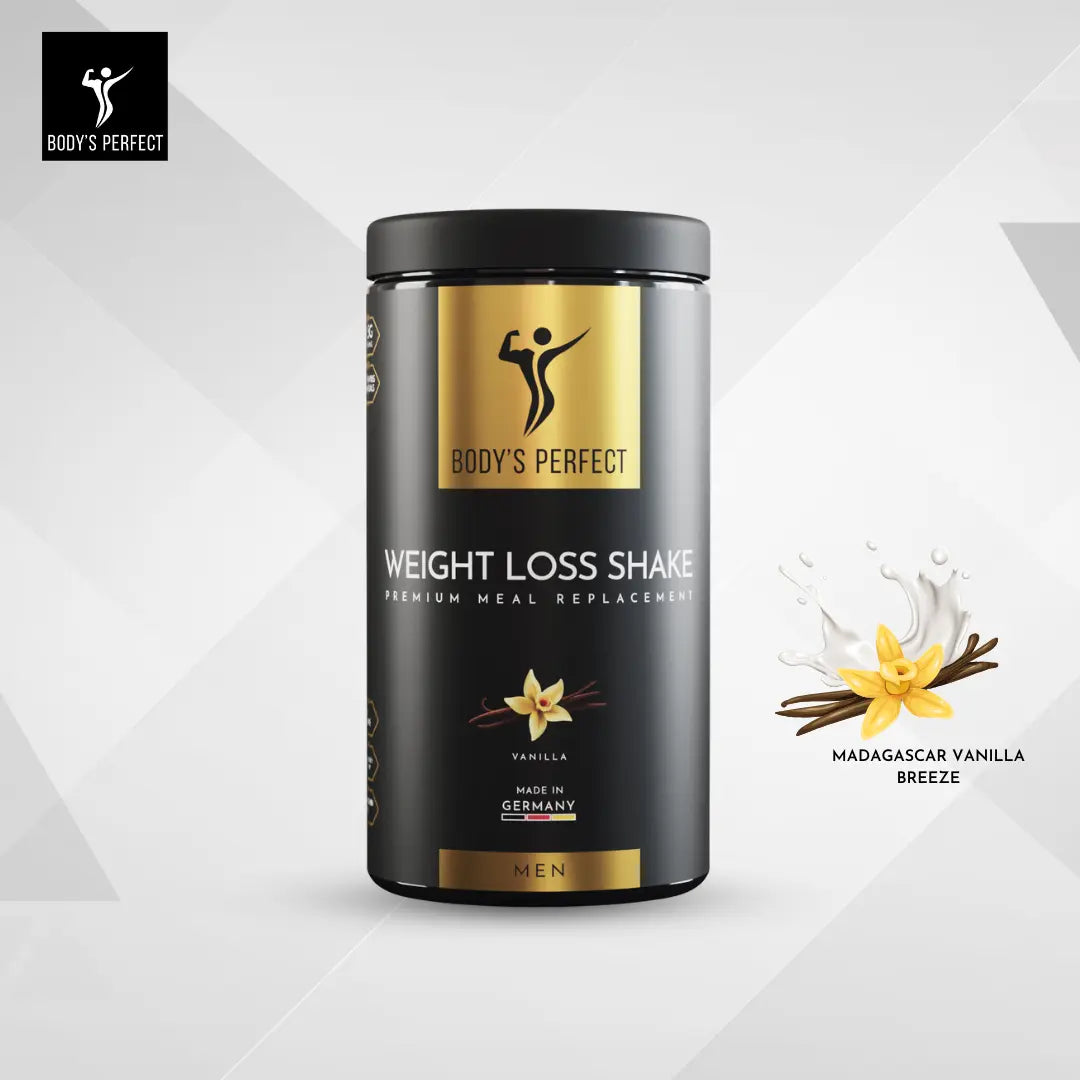
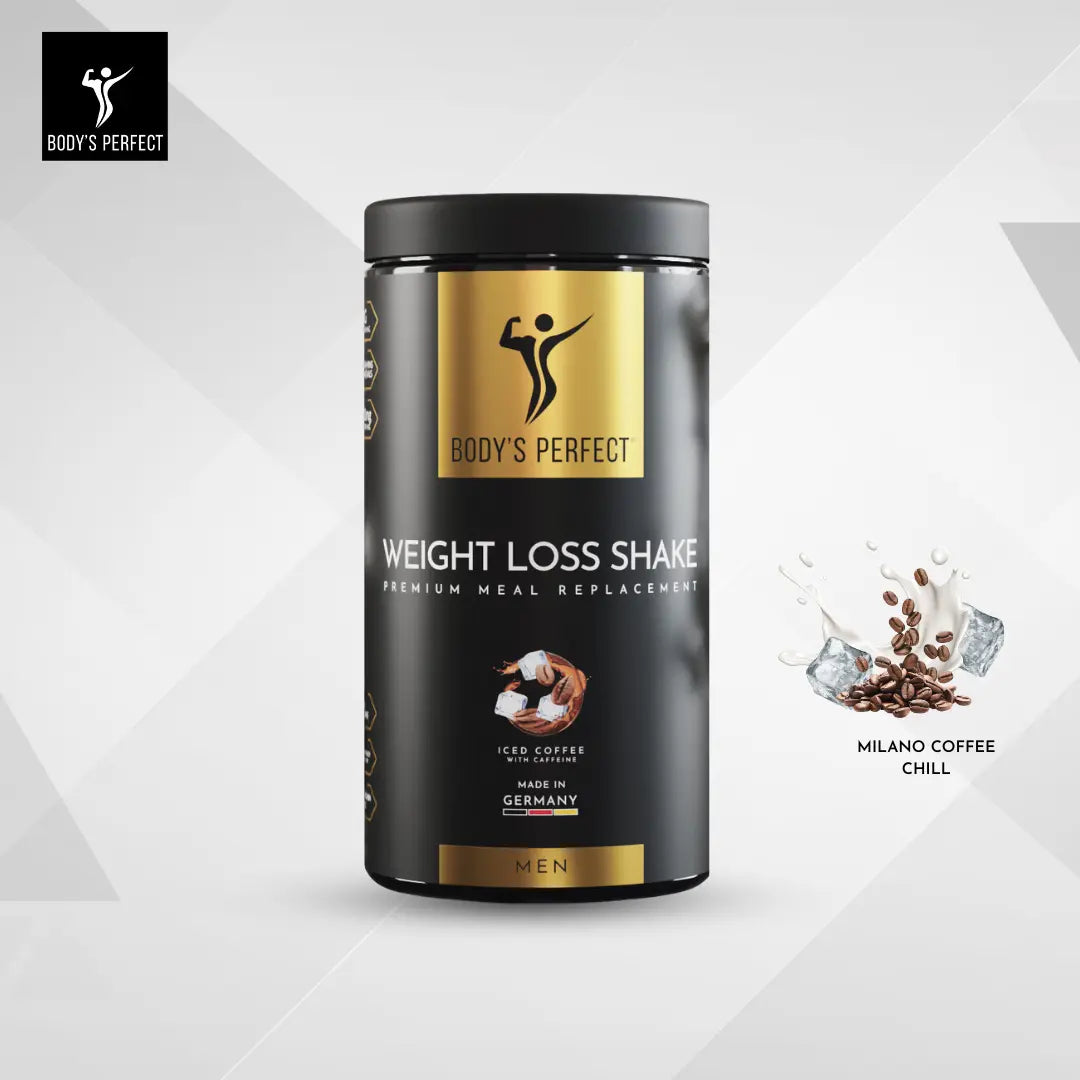
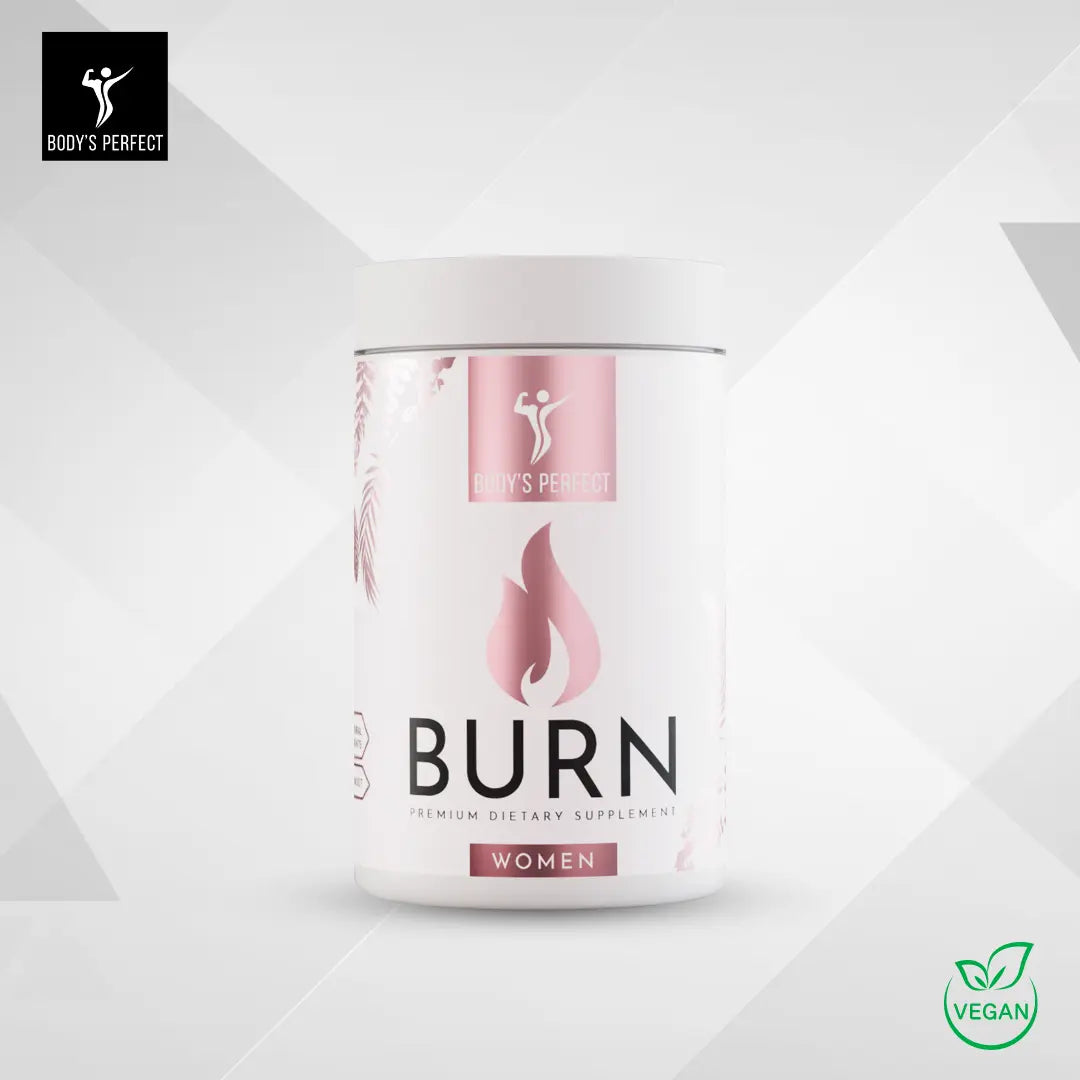
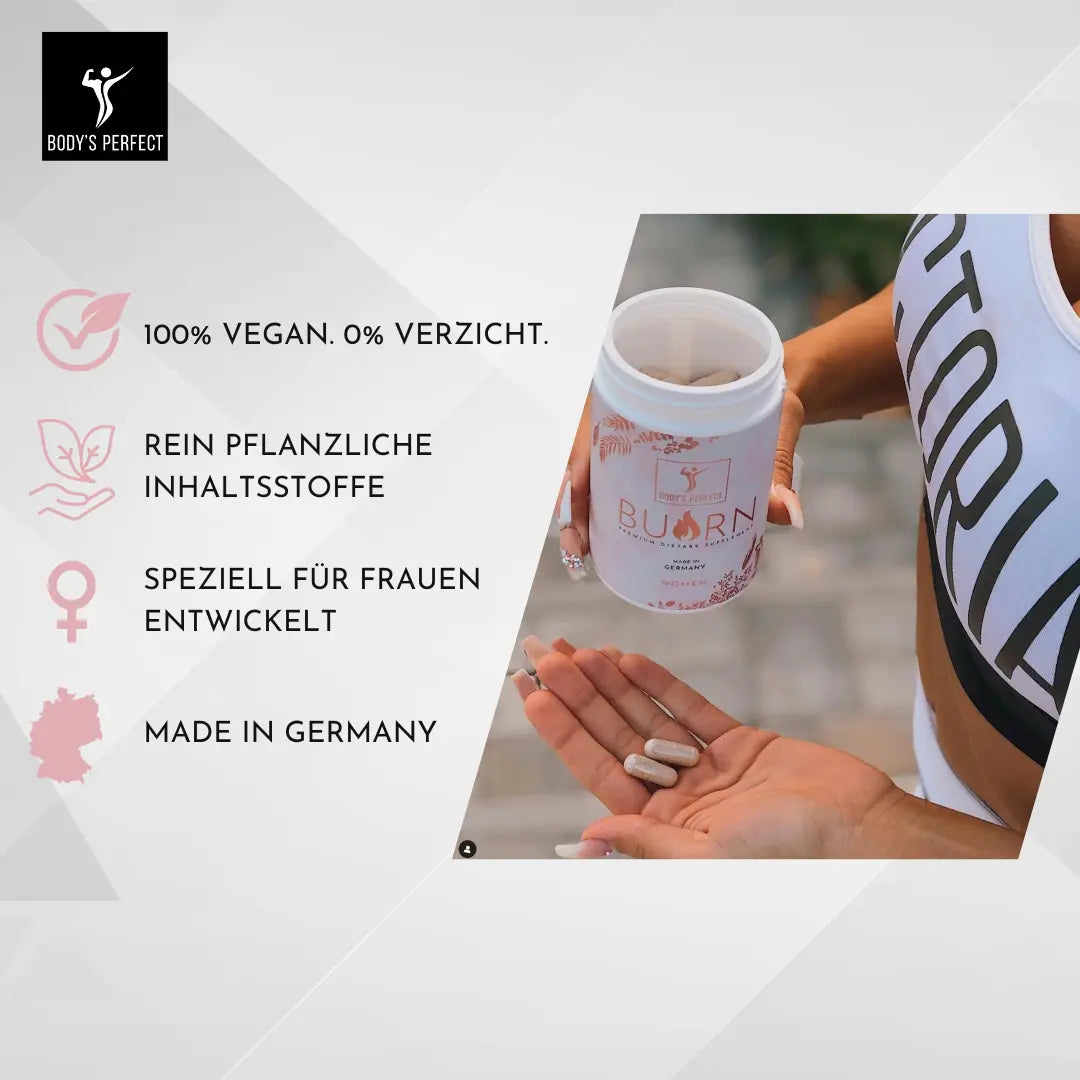
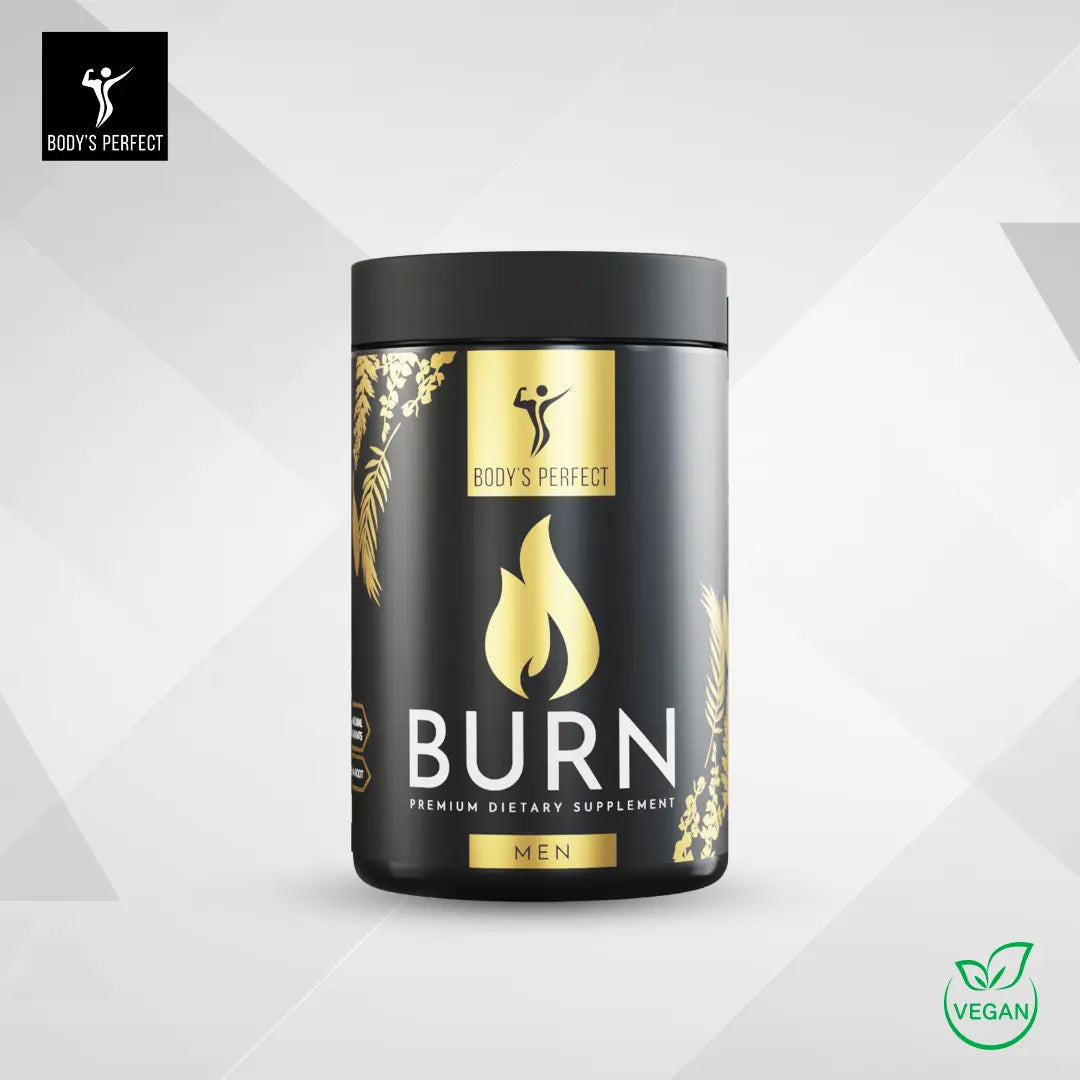
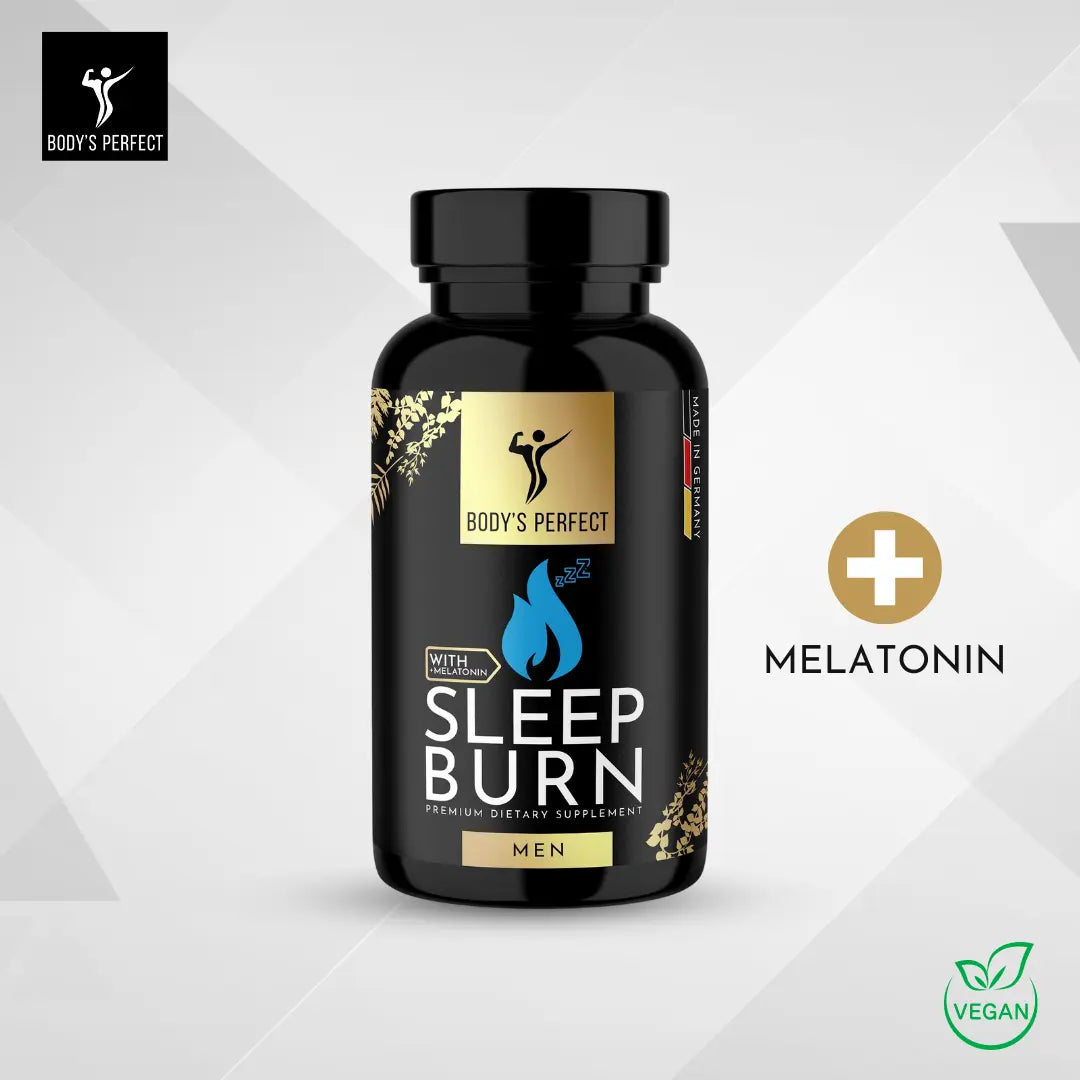
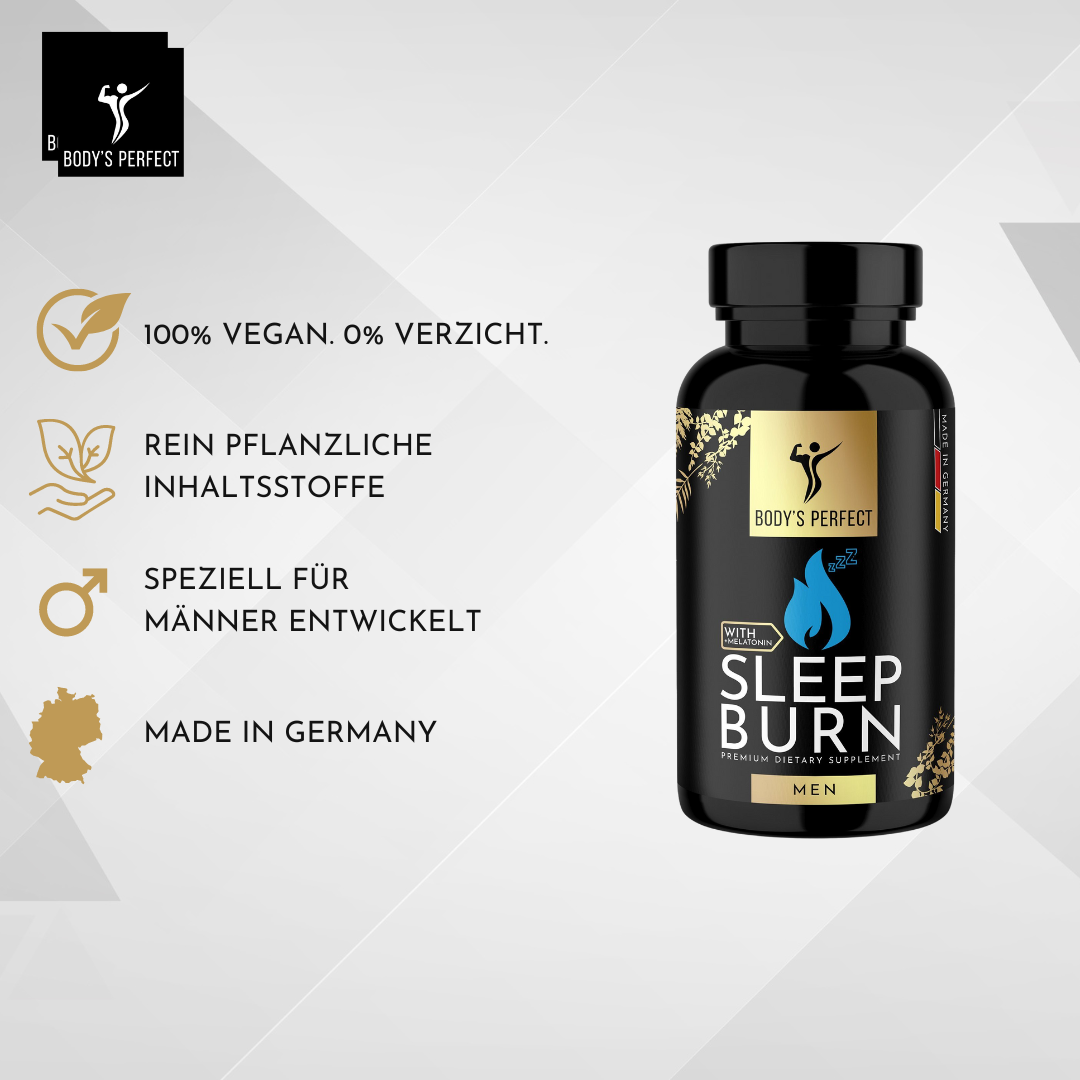
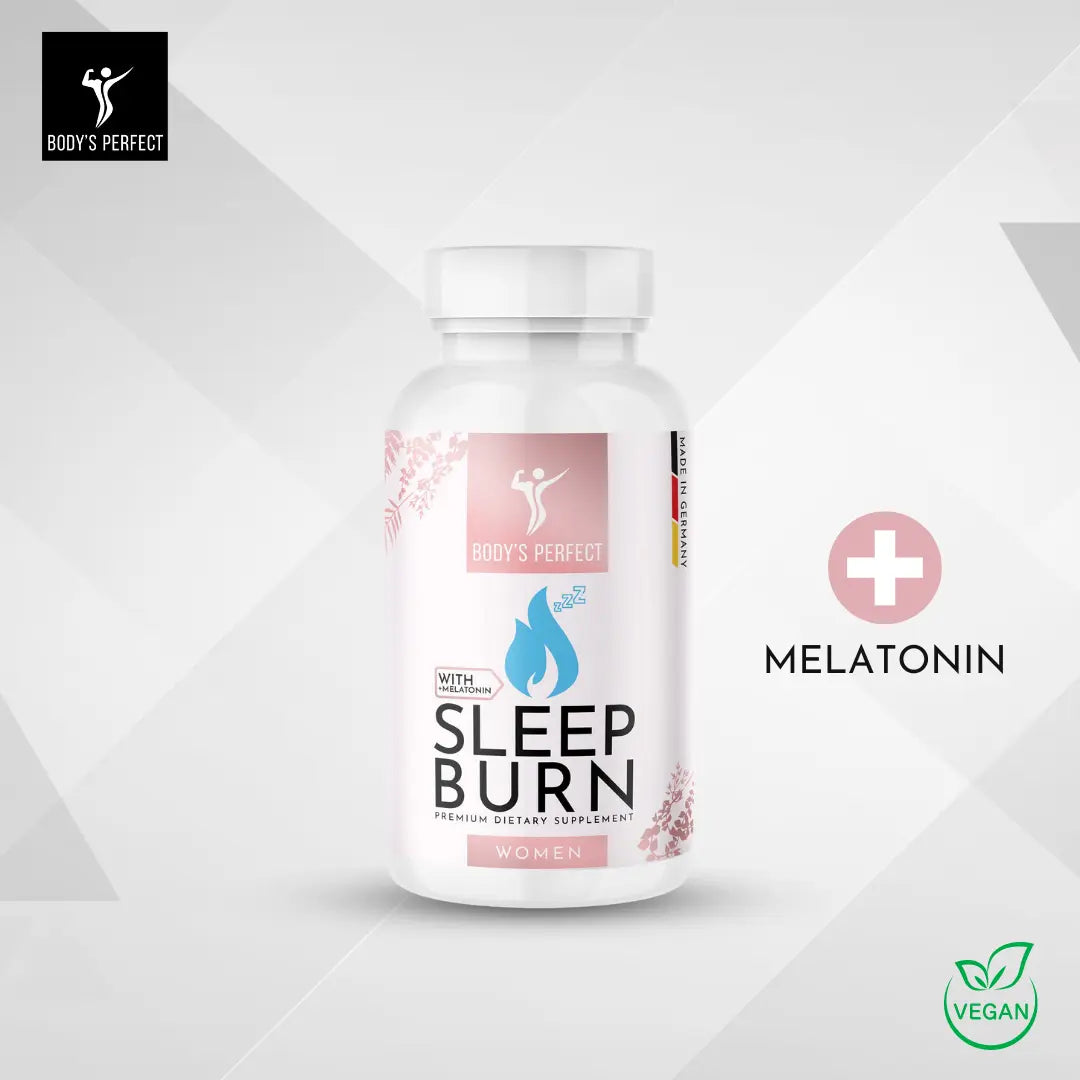
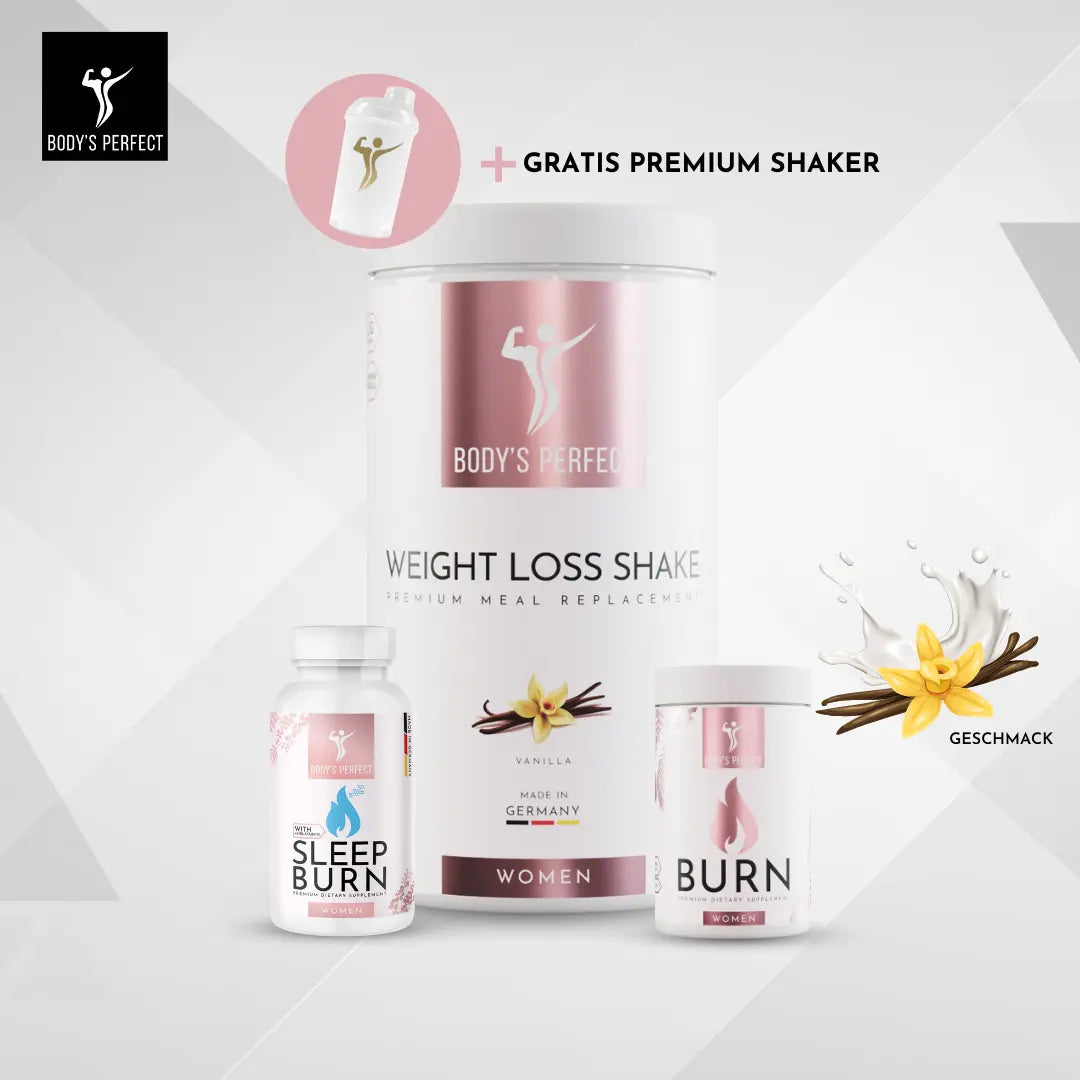
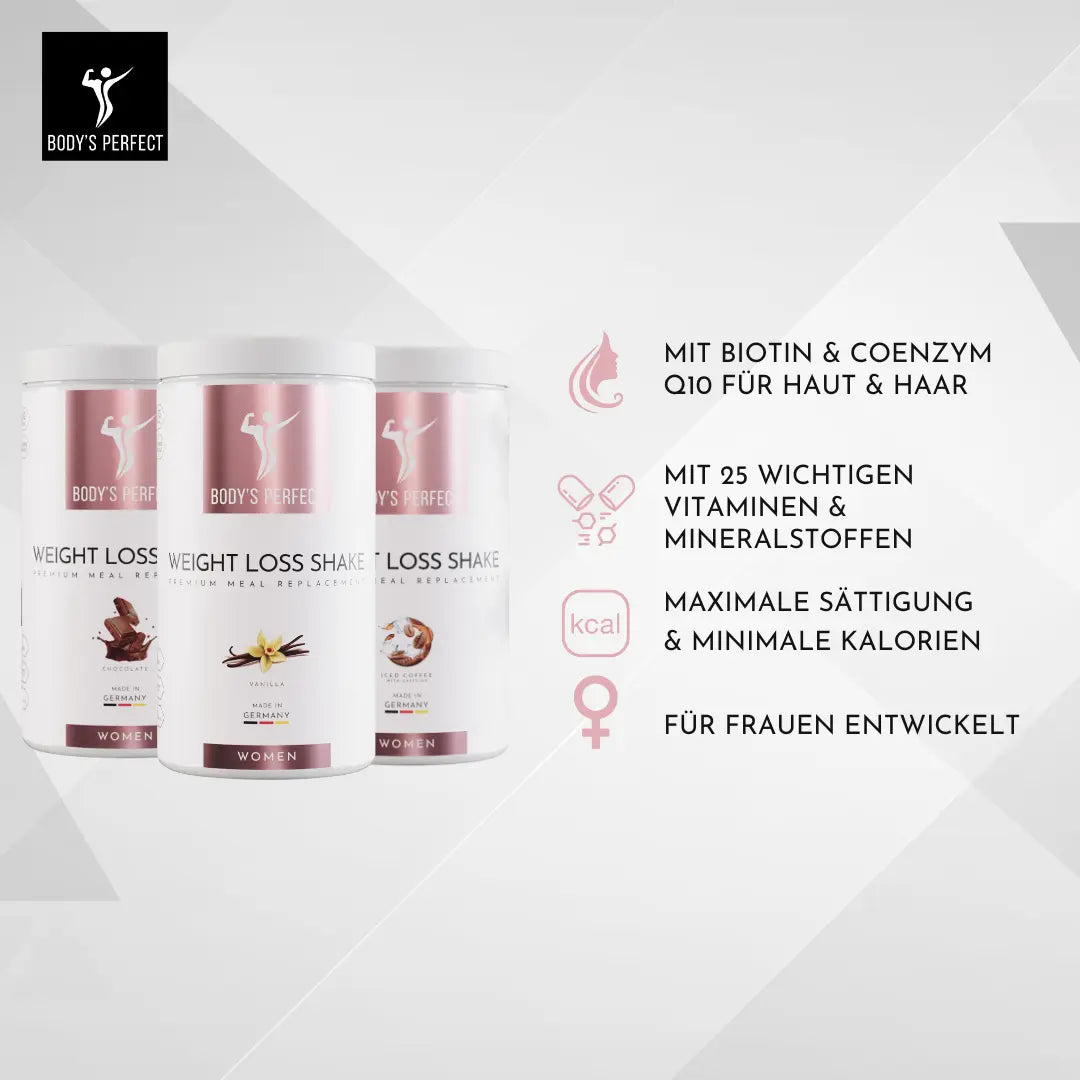
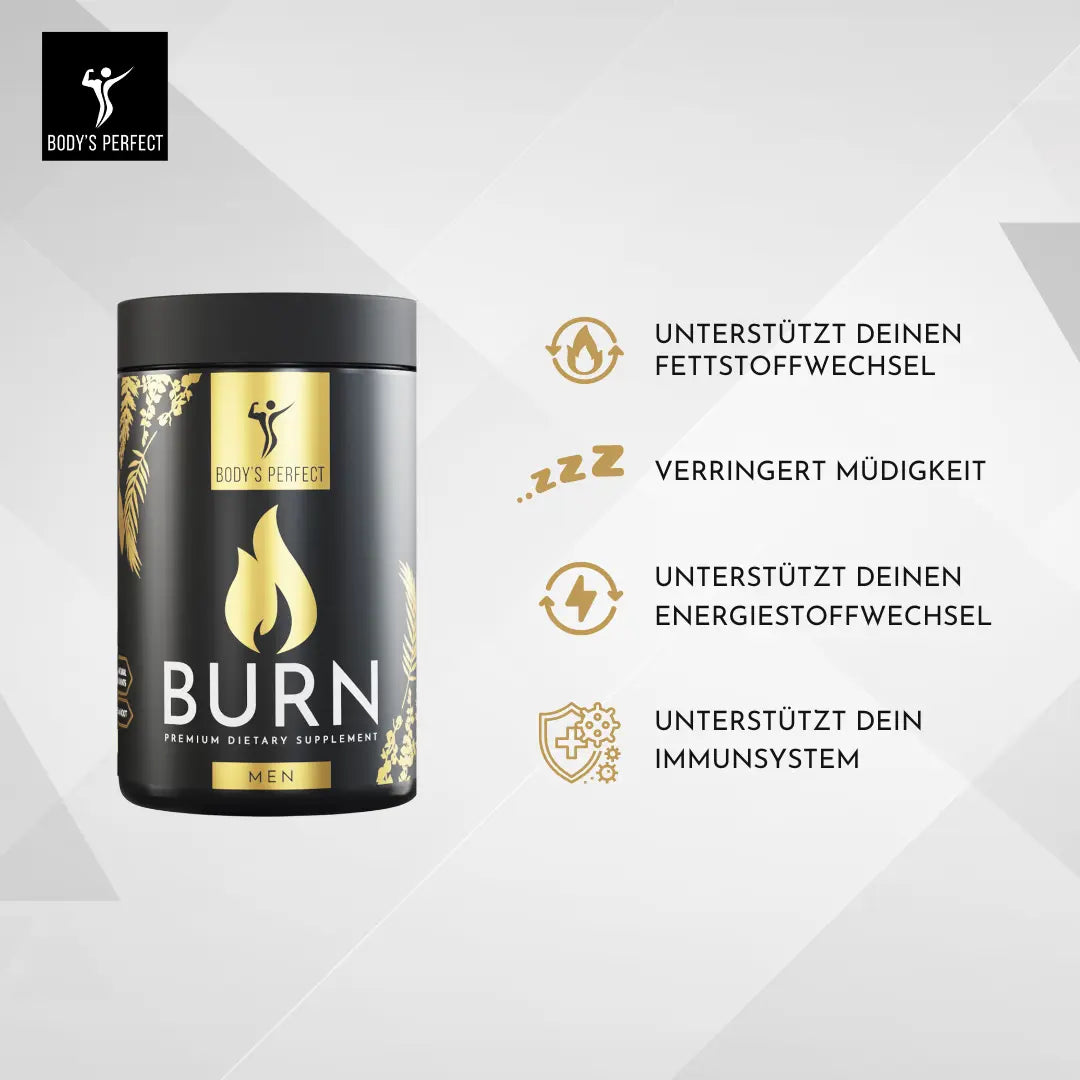
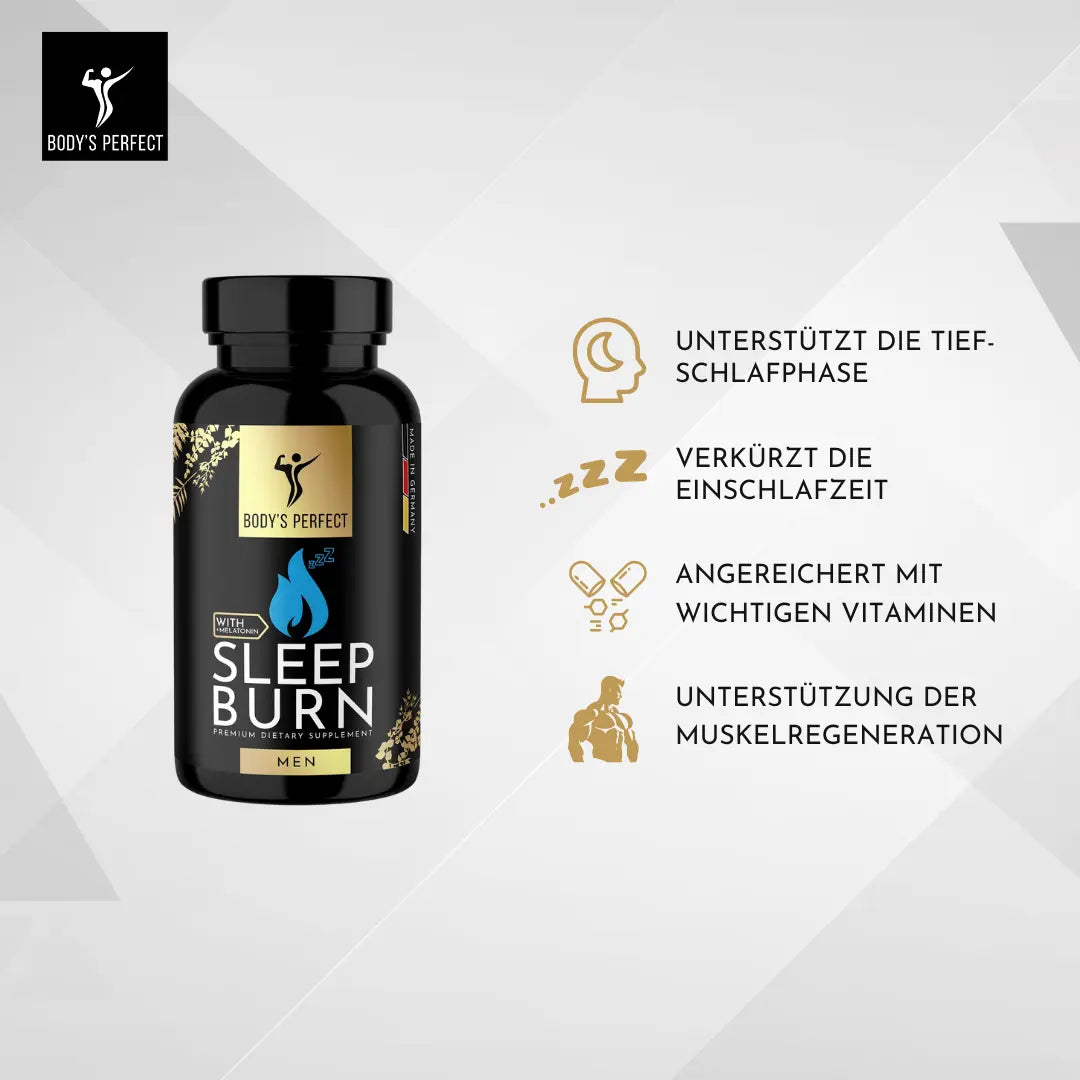
Your path to more well-being begins with the right knowledge and the right tools. At BODY'S PERFECT, you will find carefully developed products that are manufactured in Germany and support you with pure ingredients and well-thought-out formulations. Take a look around and give your body exactly the support it deserves. Learn more on our website: https://bodysperfect.com.














Share:
Lose 5 kilos in one week: How to achieve quick success
Losing Weight with Protein Shakes: Your Simple Guide to Success