


Losing weight without dieting – that sounds almost too good to be true, doesn't it? But it's actually the most logical and healthiest way. It's about saying goodbye to rigid rules and prohibitions and instead making clever, healthy habits a permanent part of your everyday life. At its core, this means working with your body, not against it. This way, you build a positive relationship with food and leave no room for the dreaded yo-yo effect.
The Diet Cycle and Why It Doesn't Get You Anywhere
You probably know the drill: full of enthusiasm, you start a new diet. The first few days feel great, you're disciplined, and the scale might even reward you. But then everyday life hits with full force – and with it, frustration. Strict prohibitions, monotonous meals, and the constant feeling of having to give up everything open the door to cravings and bad moods.
This cycle is simply exhausting. But failure is rarely due to a lack of willpower. The real problem is the concept of traditional dieting itself. Many of them are based on an extreme calorie deficit that puts your body into a real state of alarm.
Why Your Body Doesn't Like Diets
Your body is a true survivor. If you suddenly give it much less energy than it's used to, it immediately switches into economy mode. This has very concrete consequences:
- Your metabolism slows down: Your body tries to cope with the scarce energy and lowers its basal metabolic rate.
- Muscle mass is broken down: To gain energy, your body doesn't just tap into fat reserves, but unfortunately also valuable muscle mass.
- Hormonal changes: The hunger hormone ghrelin skyrockets, while the satiety hormone leptin drops. The result? You're constantly hungry.
Diets create a vicious cycle of deprivation, cravings, and guilt. Sustainable weight loss without dieting breaks this cycle by focusing on positive changes and understanding your body's own needs.
The Yo-Yo Effect is a Logical Consequence
As soon as the diet is over and you eat "normally" again, the usual amount of calories hits a throttled metabolism. Your body, still in emergency mode, immediately stores the excess energy as fat reserves – for the next "famine." The result is the notorious yo-yo effect: in the end, you often weigh more than before. If you want to delve deeper into this topic, you'll find valuable tips on losing weight without the yo-yo effect in our article.
The numbers speak a clear language: The widespread prevalence of overweight in Germany shows that rigid diet concepts don't work for many. According to current statistics, almost 54% of all adults are affected. This emphasizes how urgently we need practical and flexible strategies for everyday life. If you're interested in current statistics on overweight, you can read more here.

An Unhealthy Relationship with Food
Constant deprivation and thinking in terms of "good" and "bad" foods can literally poison your relationship with food. Food is declared an enemy instead of a pleasure. Instead of listening to your body's signals, i.e., hunger and satiety, you cling to rigid plans and calorie tables.
Losing weight without dieting is the smarter and healthier way because it addresses the root of the problem. Instead of suffering in the short term, you build positive habits in the long term that feel good and really fit into your everyday life. It's about seeing your body as a partner, trusting it, and providing it with what it really needs. This way, you not only reach your feel-good weight, but you also gain a huge piece of quality of life and a relaxed relationship with food.
The Foundation: How Small Habits Achieve Great Things
Radical changes usually fail. The true key to lasting success lies not in one big, dramatic upheaval. It's the many small, almost inconspicuous adjustments that seamlessly integrate into your daily life and build a strong foundation.
So, forget the idea of having to change everything overnight. This pressure almost always leads to you giving up quickly. Instead, we focus on tiny changes that ultimately have a huge impact.
The Smart Method: Habit Stacking
One of the best techniques for establishing new routines is called habit stacking. The principle is ingeniously simple: you link a new, desired habit to a routine you already have. This makes the old habit a trigger for the new one – you don't even have to actively think about it anymore.
Think about your morning routine: getting up, going to the bathroom, making coffee. These are fixed anchor points in your day. This is exactly where you can connect.
- Existing habit: You wait until your morning coffee has brewed.
- New habit: During this time, you drink a large glass of water.
It's that simple. You don't need extra willpower; the new habit simply becomes part of the normal process.
Here are a few more examples of how this can look in everyday life:
- After you brush your teeth, you do five squats.
- While you wait for the bus, you contract your abdominal muscles for 30 seconds.
- Before you start your favorite series, you lay out your sports clothes for the next day.
The trick is to keep the hurdle as low as possible. It's not about immediately incorporating a 30-minute workout. Start with a tiny action that is so easy that you can't even say "no."
More Movement in Everyday Life – Without a Gym
Movement is crucial, of course. But that doesn't mean you have to torture yourself for hours at the gym. Your everyday life offers countless opportunities to be more active. Every extra step, every small effort counts and adds up over the day and week.
Try to see movement as a natural part of your day, not as another appointment on your calendar.
- Take the stairs: Consistently forgo the elevator. This is a simple but super effective mini-workout for your legs and circulation.
- Park further away: Deliberately choose a parking space a few minutes' walk from the entrance. These are bonus steps.
- Walk during your break: Use your lunch break for a short walk in the fresh air. This not only boosts your metabolism but also clears your head.
This approach is also confirmed by science. A study by the Cologne Sports School impressively showed that you can lose significant weight if you move more and eat more consciously – without a traditional diet. One participant lost 13 kilograms of pure fat in seven months and simultaneously built muscle, without starving. This shows how effective a real lifestyle change can be.
Small Habits with a Big Impact
This table shows simple everyday adjustments and explains their direct benefits for your weight loss success without dieting.
| Small Habit | Why it works | Practical Tip |
|---|---|---|
| A glass of water before each meal | Fills the stomach, reduces hunger, and helps you eat less. | Always place a carafe of water on the dining table. |
| Stairs instead of elevator | Burns calories and strengthens leg muscles without extra time. | Make it a rule: Always walk up to the 3rd floor. |
| Vegetables with every main meal | Vegetables are low in calories but high in fiber and nutrients. They provide lasting satiety. | Start with something simple, like a handful of tomatoes with dinner. |
| Get off one stop earlier | Effortlessly integrates more steps into your day and boosts your circulation. | Perfect for the way home to clear your head. |
As you can see, it's really the little things that make the difference. Each of these habits is not a big deal on its own, but together they form a strong framework for a healthier lifestyle.
A balanced meal is the basis for a healthy diet without deprivation. This image shows how simple that can look.

The illustration makes it clear: a healthy meal doesn't have to be complicated. Fresh, unprocessed foods like vegetables, whole grains, and healthy fats are key.
Think Long-Term and Be Patient with Yourself
Building new habits is a process, not a sprint. There will be days when things go great, and days when you might fall back into old patterns. That's completely normal and no reason to give up everything. The crucial difference is that you now have a foundation of small, positive routines that you can always fall back on.
Be kind to yourself. Every small step in the right direction is a success. Celebrate these mini-successes instead of focusing on what's not yet perfect. Over time, these tiny adjustments will become so normal for you that you won't even think about them anymore.
And then you will not only have lost weight – you will have created a healthier, more active, and happier version of yourself. If you're looking for more practical advice, you'll find more weight loss tips in our guide to help you on your journey.
Eat Until You're Full and Still Lose Weight
One of the biggest myths about losing weight is that you have to constantly starve yourself. That is simply wrong. The good news is: You can feel full and satisfied with every meal and still achieve your goals. The trick is not to eat less, but to eat differently – simply smarter.
Leave behind the endless calorie counting and the constant worry about the next meal. Once you get a feel for which foods truly nourish and satisfy you, losing weight becomes a completely intuitive process. It's about giving your body exactly what it needs for full energy and performance.

The Secret Lies in Energy Density
A totally helpful concept on this path is energy density. This sounds more complicated than it is. It simply describes how many calories a food has per gram. Foods with a low energy density have a lot of volume and nutrients, but relatively few calories.
Imagine a large plate of salad with crisp vegetables or a bowl of oatmeal with fresh berries. Such meals fill you up really well, keep you full for a long time, and provide you with all the important things like vitamins, minerals, and fiber. The opposite would be a small handful of nuts or a piece of chocolate: high energy density, i.e., a lot of energy in a small space.
So, if you primarily fill your plate with low-energy density foods, you can eat huge portions without exceeding your calorie budget.
- High volume, low calories: Think of vegetables like broccoli, spinach, and tomatoes, fruits like berries and apples, lean proteins like chicken breast or low-fat quark, and water-rich soups.
- Low volume, high calories: These include oils, butter, nuts, sweets, and anything fried.
Important: It's not about giving up everything! The mix is what matters. Use high-energy density foods as a flavorful finishing touch – for example, a spoonful of good oil for the salad – but build your main meals around voluminous fillers.
Your Satiety Superheroes: Protein and Fiber
Two nutrients are your absolute best friends if you want to lose weight without dieting: protein and fiber. They are the undisputed champions for long-lasting satiety.
Proteins are not just for bodybuilders. Your body uses more energy to digest them than for fats or carbohydrates. But more importantly: they are incredibly satiating. A protein-rich meal keeps your blood sugar levels stable and thus prevents the dreaded cravings.
Fiber, found in vegetables, fruits, legumes, and whole grains, swells in the stomach. This slows down digestion and ensures that you feel pleasantly full for hours.
A very simple tip for everyday life: Always build your meals around a good source of protein and add a large portion of fiber-rich vegetables or salad.
Learn to Listen to Your Body Again: Mindful Eating
In our hectic everyday lives, we have often forgotten how to correctly interpret our body's signals. We eat quickly at our desks, distracted in front of the TV, or on the go. In doing so, we overlook the most important thing: our natural hunger and satiety cues.
Mindful eating means giving your full attention to food again. This is a simple but incredibly effective method for making healthier choices almost automatically.
Here's how to get started:
- Take your time. Sit down to eat, put your smartphone away, and turn off the TV.
- Use all your senses. Look at your food. How does it smell? Consciously enjoy every bite.
- Chew slowly. A great trick: simply put your cutlery down after a few bites. Your brain needs about 20 minutes for the satiety signal to arrive.
- Listen to your gut. Eat when you're truly hungry, and stop when you're pleasantly full – not just when your waistband feels tight.
This simple exercise helps you reconcile pleasure and necessity. You'll be amazed at how much less you often need to feel truly satisfied. If constant hunger still plagues you, you'll find more valuable strategies on losing weight without hunger in our guide.
If you focus on nutrient-dense foods with plenty of volume, incorporate your satiety superheroes protein and fiber, and learn to interpret your body's signals again, that's the perfect foundation. This way, you can eat until you're full, provide your body with top nutrition, and effortlessly lose weight – without feeling like you have to give up anything.
How to Make Your Metabolism Your Ally
Your metabolism is essentially the engine of your body. It constantly runs in the background and burns energy – even when you're completely relaxed on the sofa. It's often blamed when the pounds don't come off. But instead of seeing it as an adversary, you can learn to make it your strongest ally.
Forget all the myths and questionable tricks. The truth is actually quite simple: you have much more influence on your metabolism than you think. With a few clever habits in everyday life, you can really get your inner engine revving.
Muscles are Your Secret Calorie Burners
The biggest lever to boost your basal metabolic rate – the amount of energy your body uses at absolute rest – is muscle mass. Muscles are metabolically active tissue. This means they consume energy even when you're not doing anything.
Imagine every pound of muscle as a small power plant that works for you around the clock. Targeted strength training is key here.
- Efficiency is everything: Two to three training sessions per week are absolutely sufficient to give your body the right signals for muscle growth.
- Focus on the big ones: Concentrate on exercises like squats, deadlifts, or push-ups. They engage many muscle groups simultaneously and are therefore particularly effective.
- Don't be afraid of weights: You don't have to become a bodybuilder. Even moderate training with dumbbells, resistance bands, or your own body weight brings visible and noticeable results.
The effect is truly impressive. More muscle means a permanently higher energy consumption, which makes losing weight without dieting noticeably easier.
The Often Underestimated Role of Sleep and Water
Two factors that are often completely overlooked are enough sleep and adequate fluid intake. Both have a direct link to your hormone balance and thus to your entire energy management.
Lack of sleep, for example, completely messes up the hormones that control hunger and satiety. At the same time, the stress hormone cortisol increases, which can trigger cravings for unhealthy foods.
Treat yourself to seven to eight hours of sleep per night. This is not lost time, but an active investment in your health and your weight loss success. A well-rested body simply works better.
Water is just as important. Your body needs it for almost every single metabolic process. Even slight dehydration can slow down your metabolism by up to 3%. So, drink regularly throughout the day, preferably still water or unsweetened tea.
Meaningful Support from Nature
A healthy lifestyle of exercise, good nutrition, and sufficient sleep is and remains the foundation. However, many people in Germany are looking for ways to naturally support this process. In fact, around 2.7 million people use over-the-counter remedies to manage their weight without having to adhere to strict diet rules. A look at the statistics on the use of weight loss products clearly shows this desire for everyday solutions.
This is precisely where carefully selected ingredients can be a sensible addition. They do not replace healthy habits but can offer great support as part of a holistic strategy.
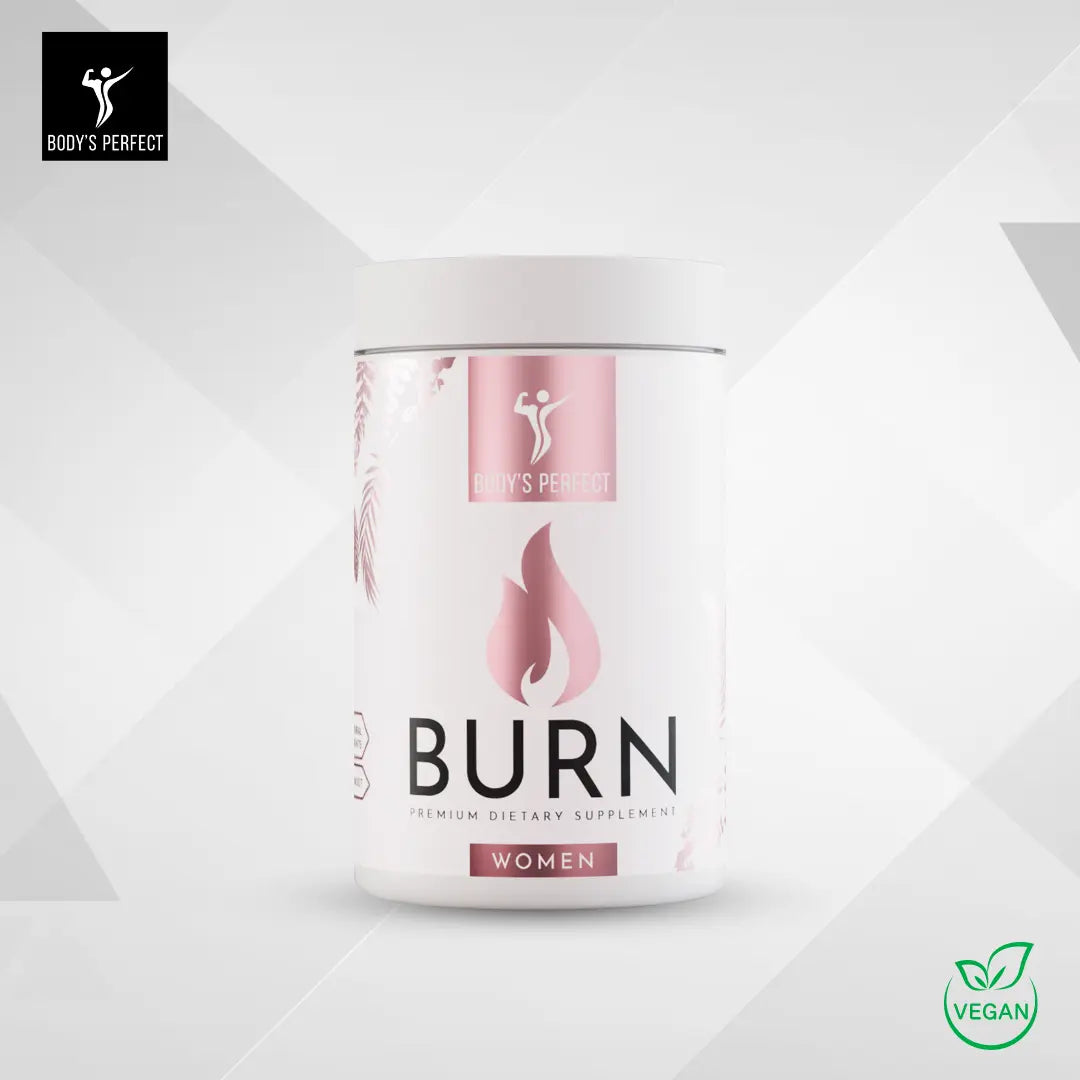
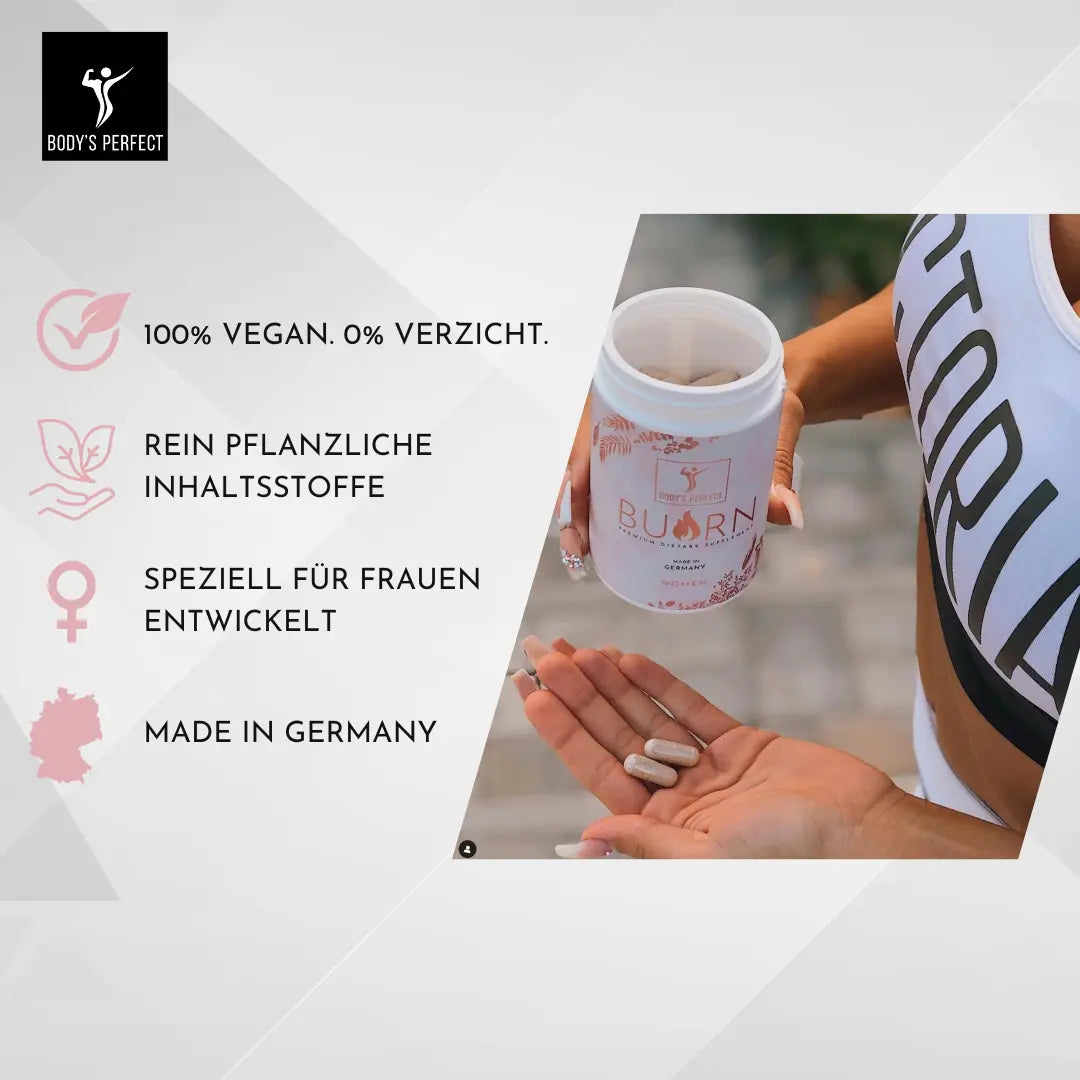
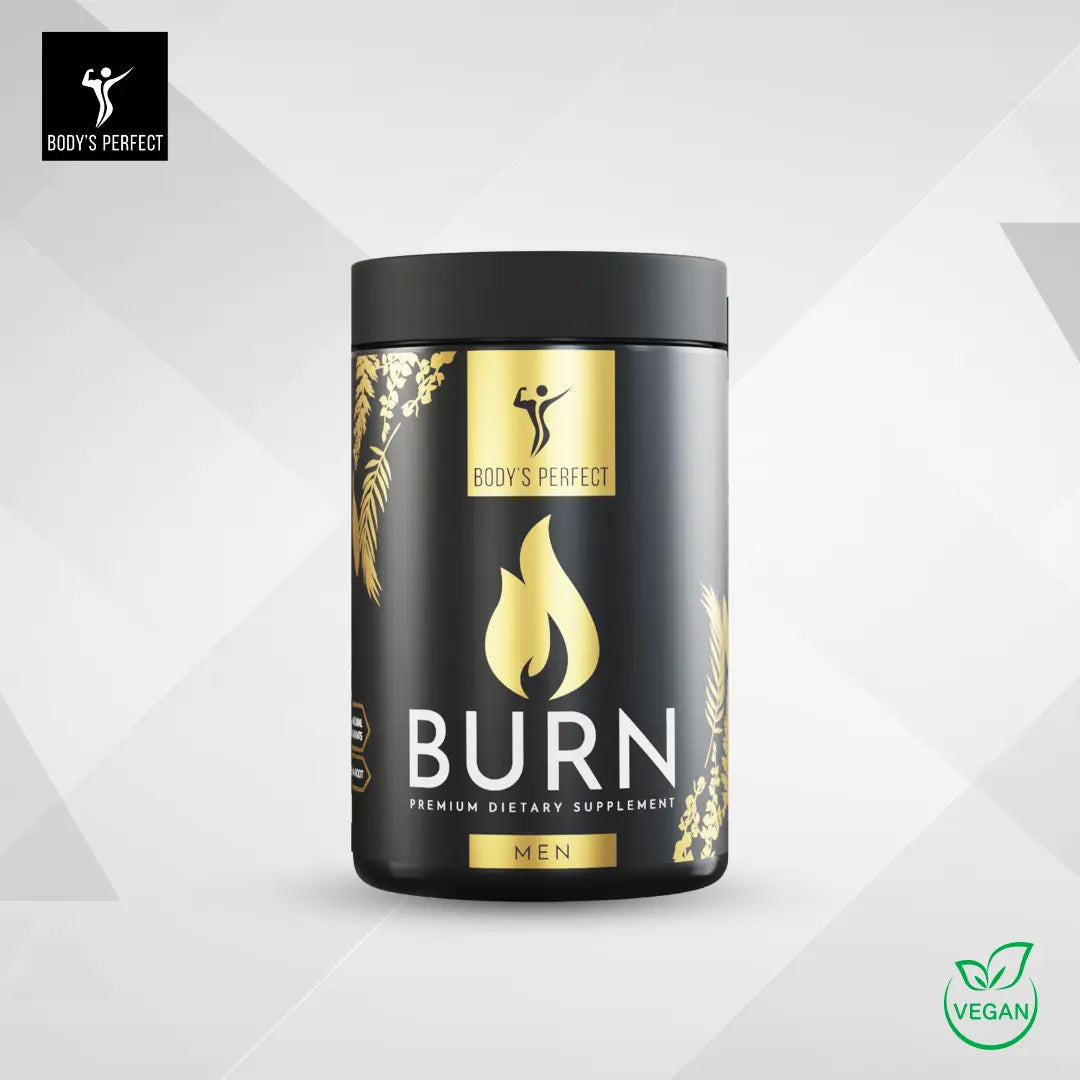
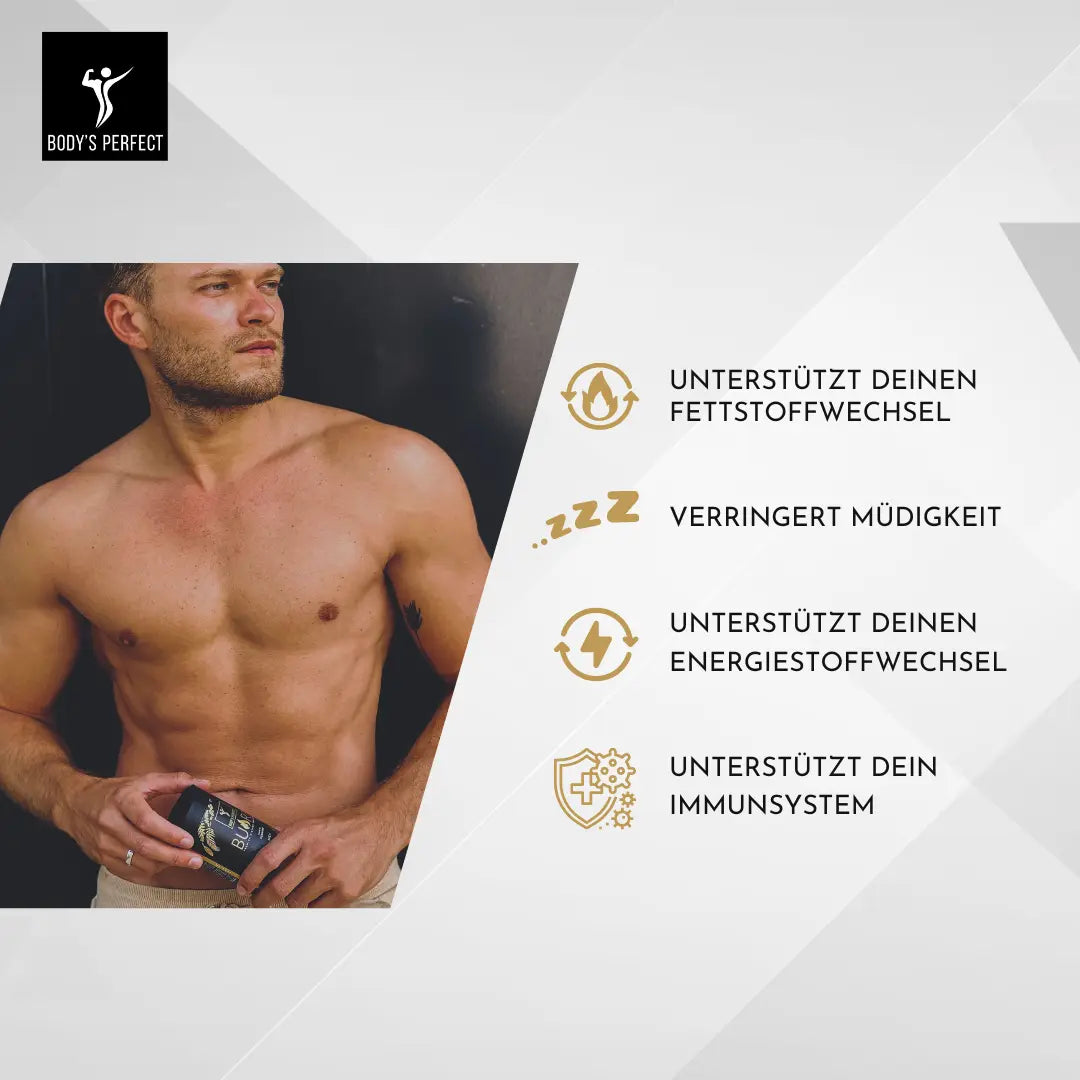
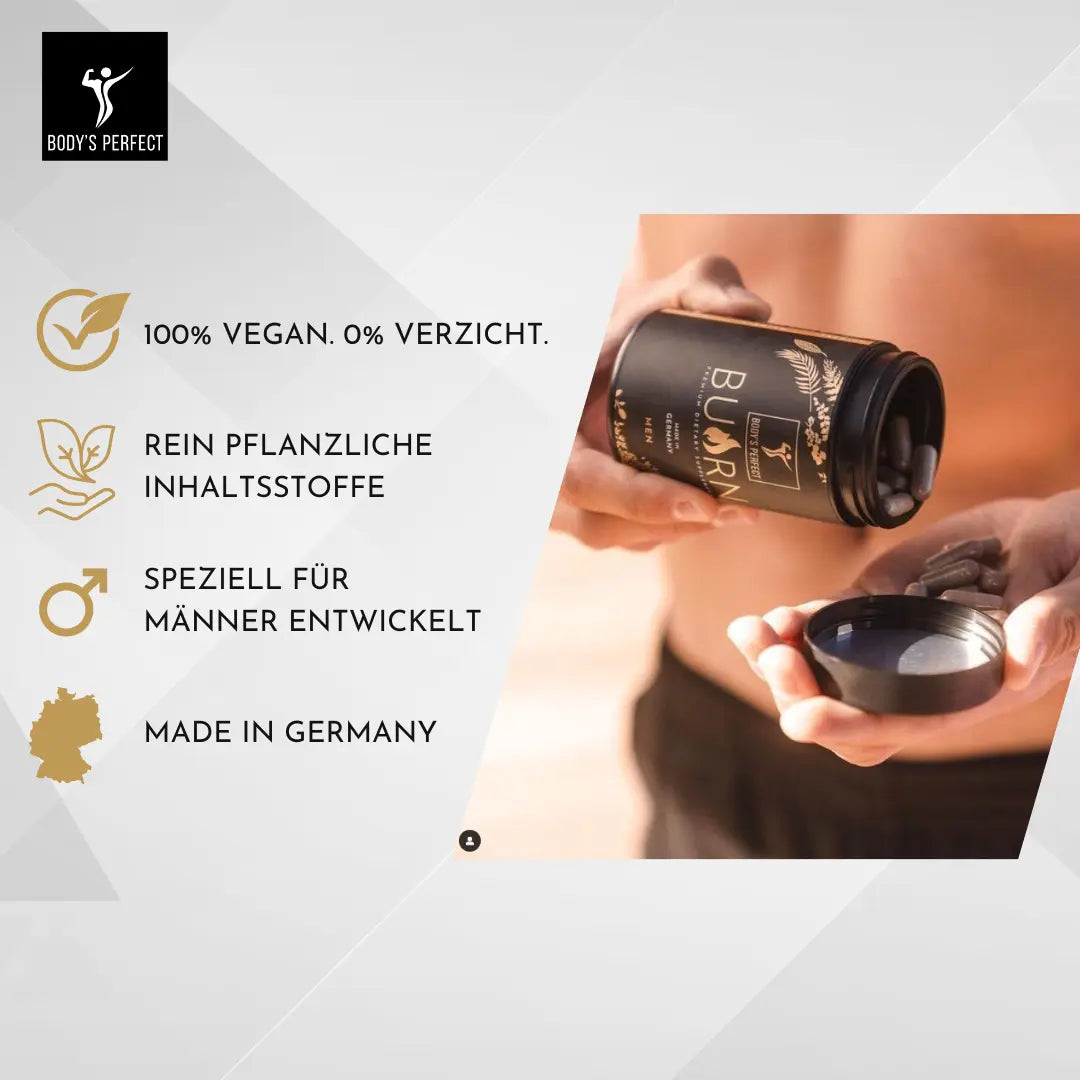
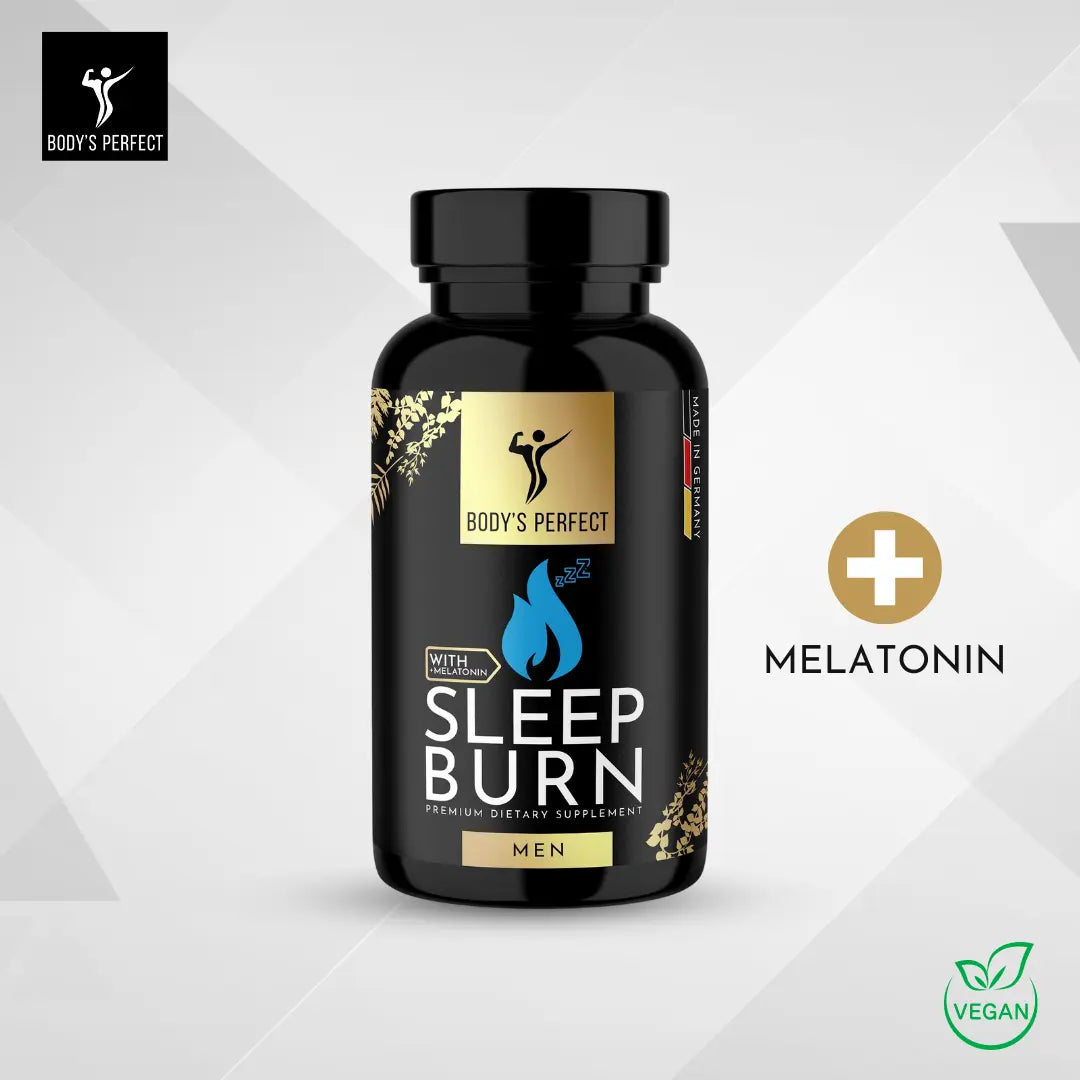
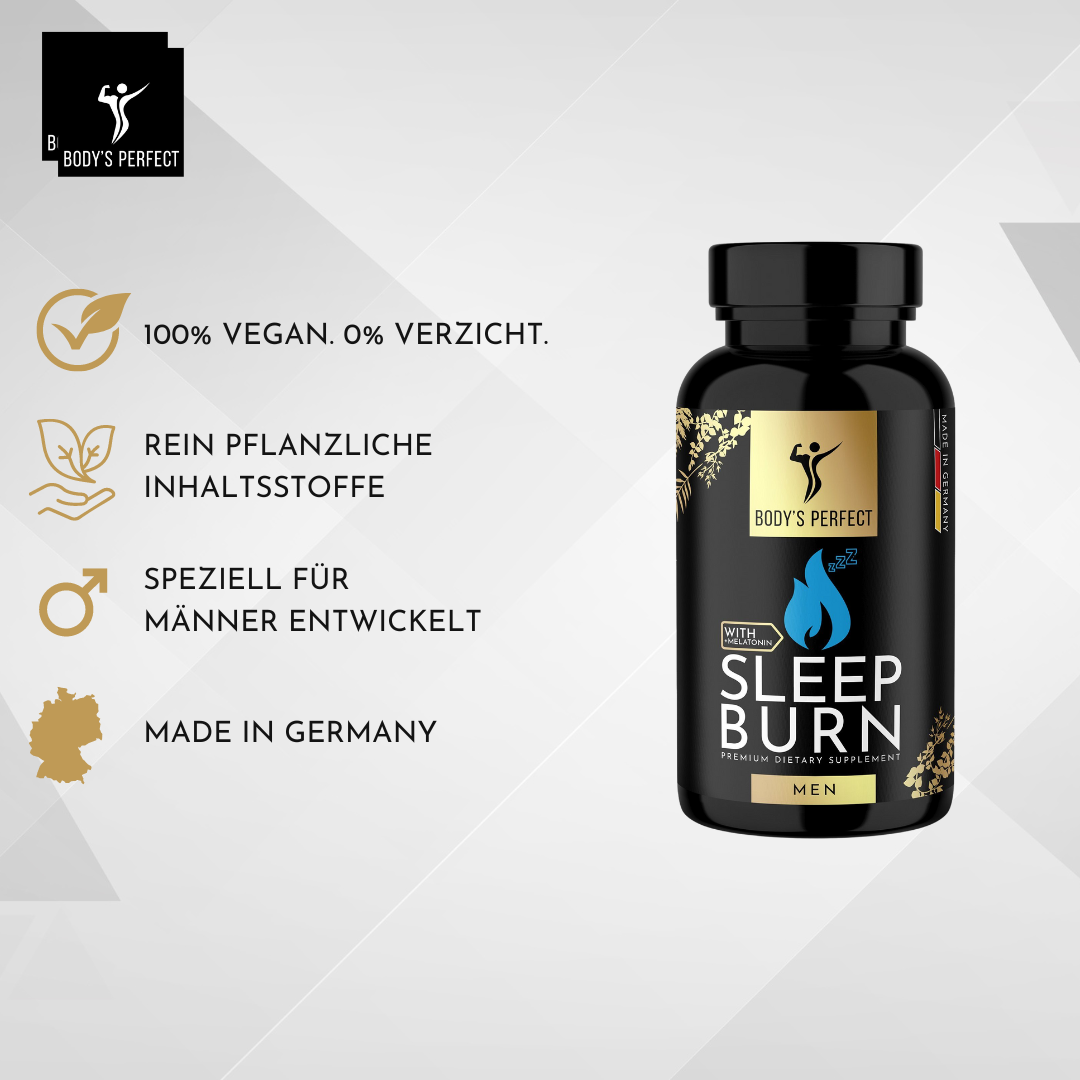
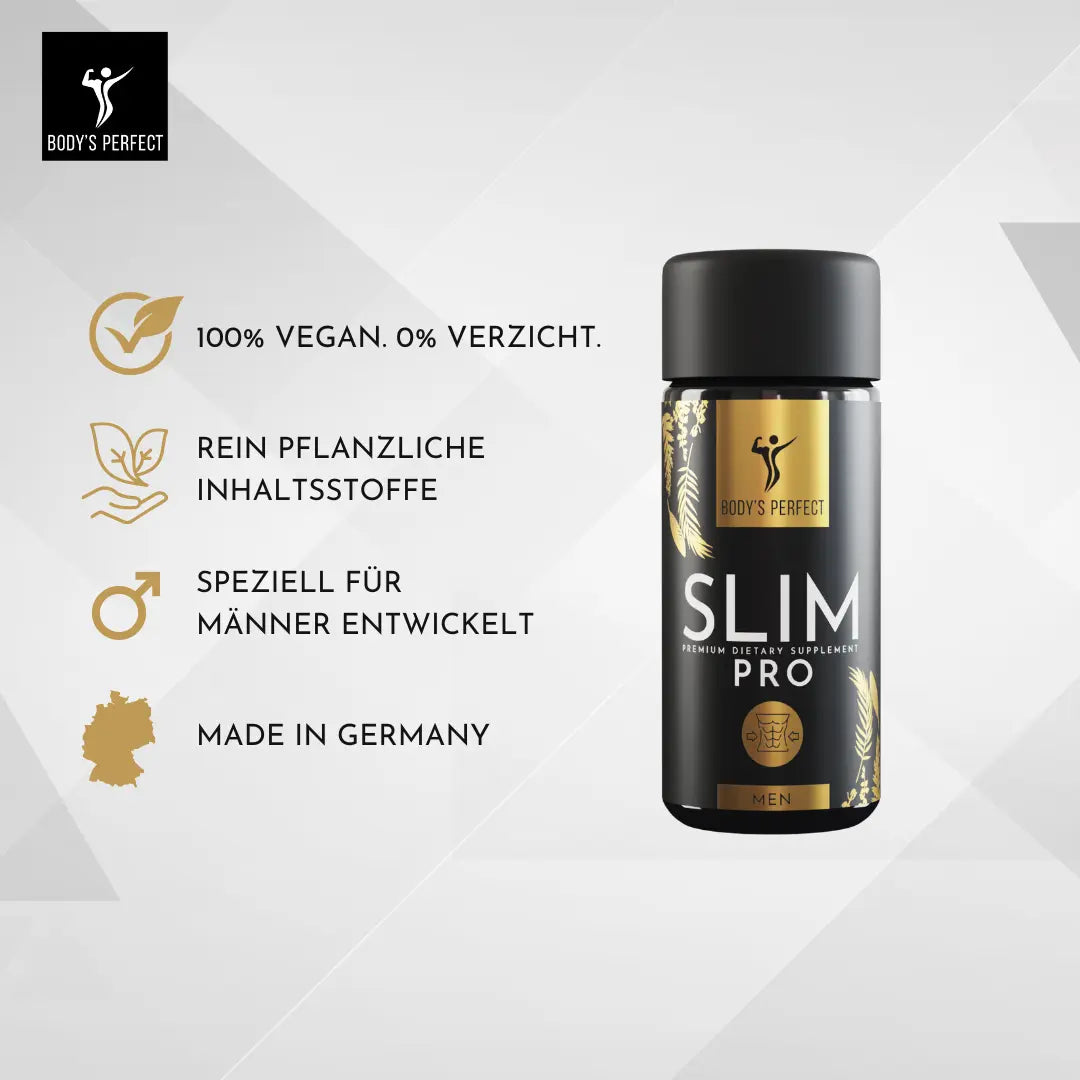
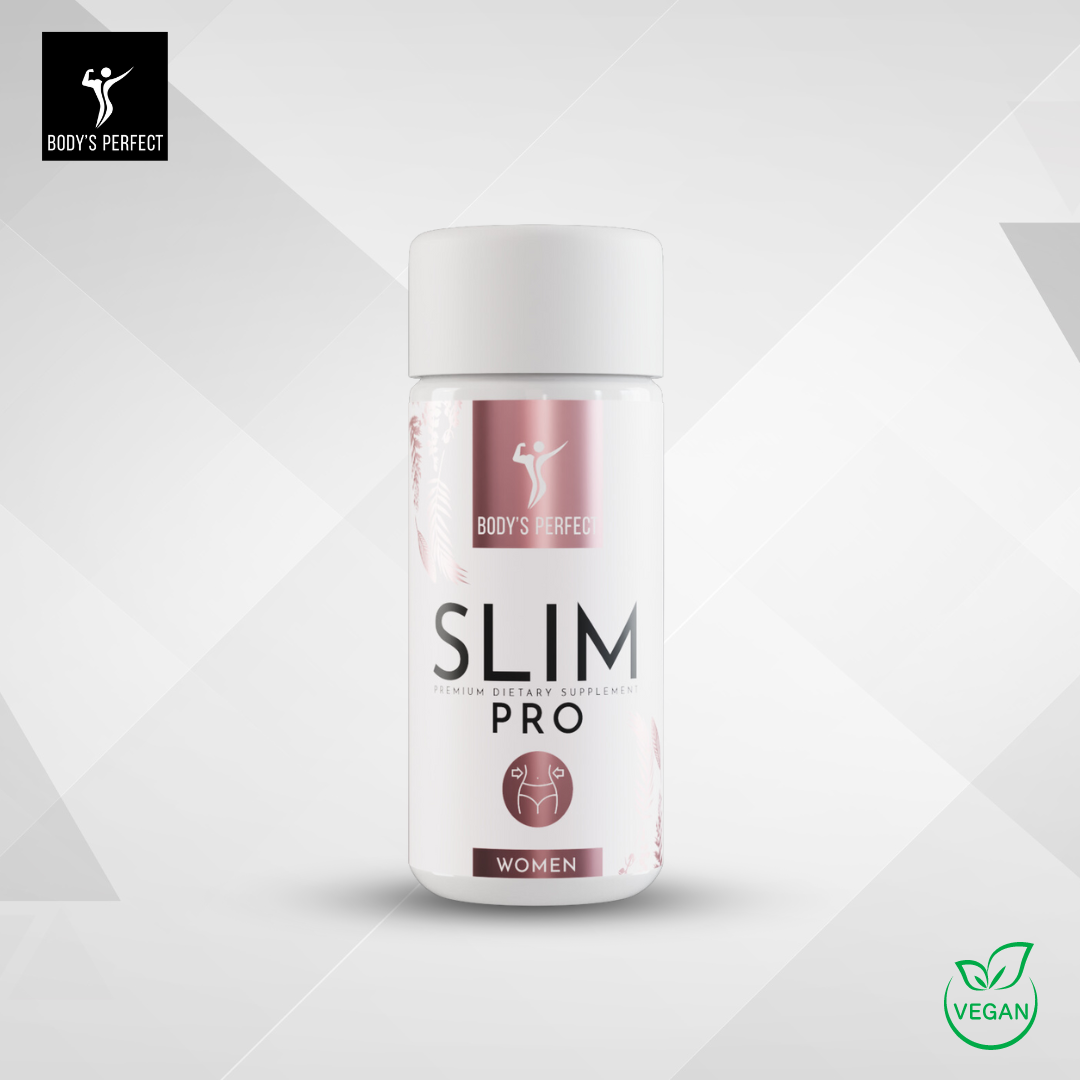
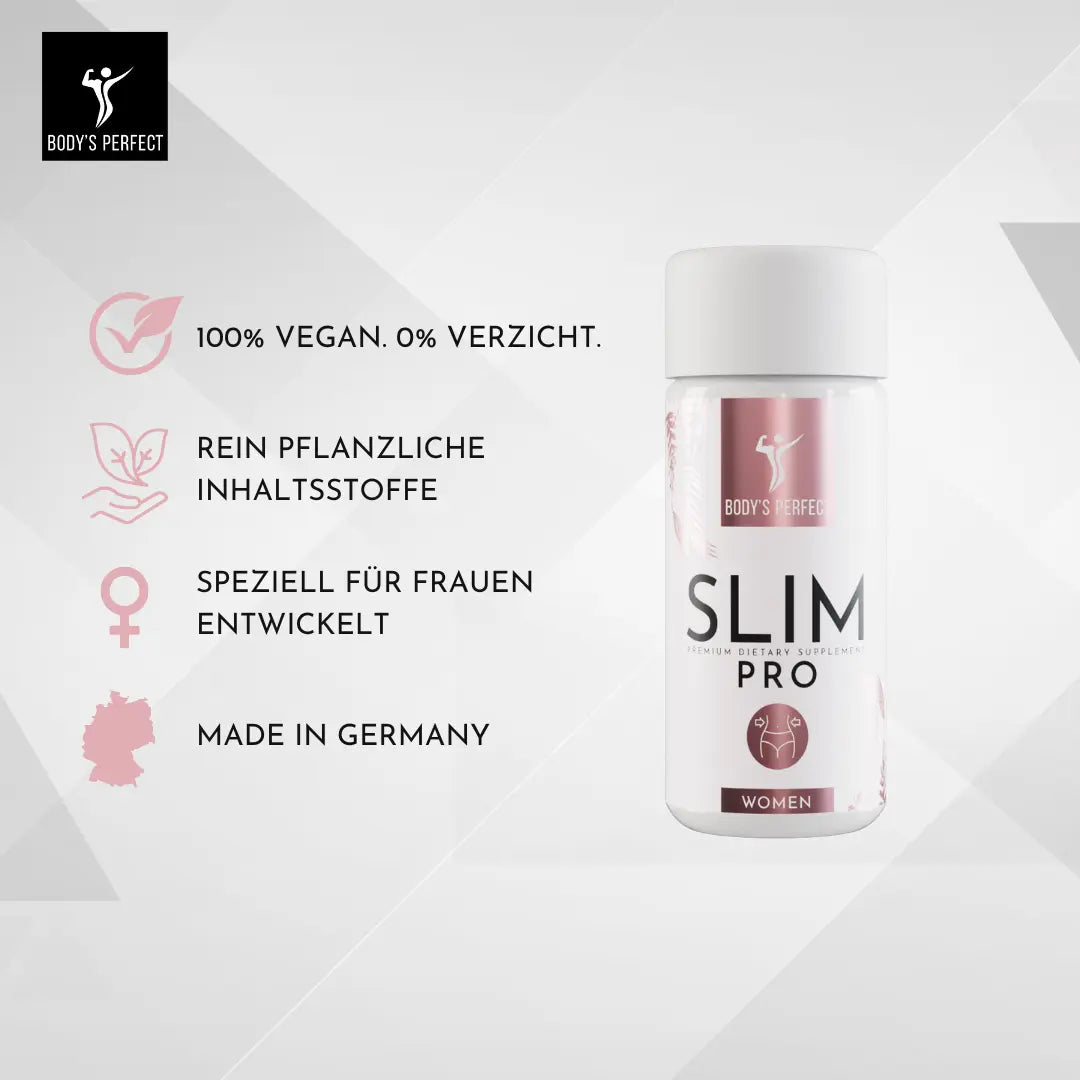
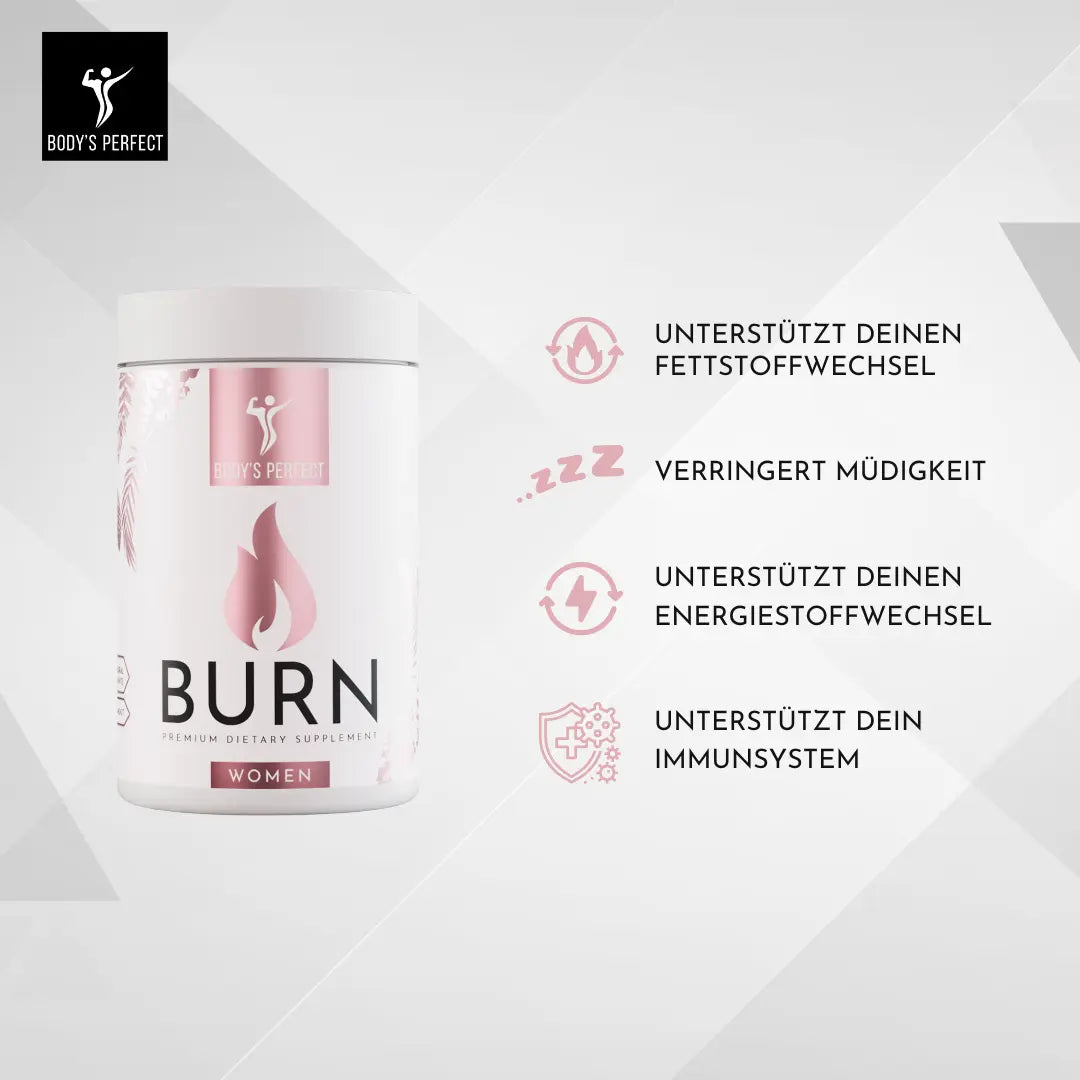
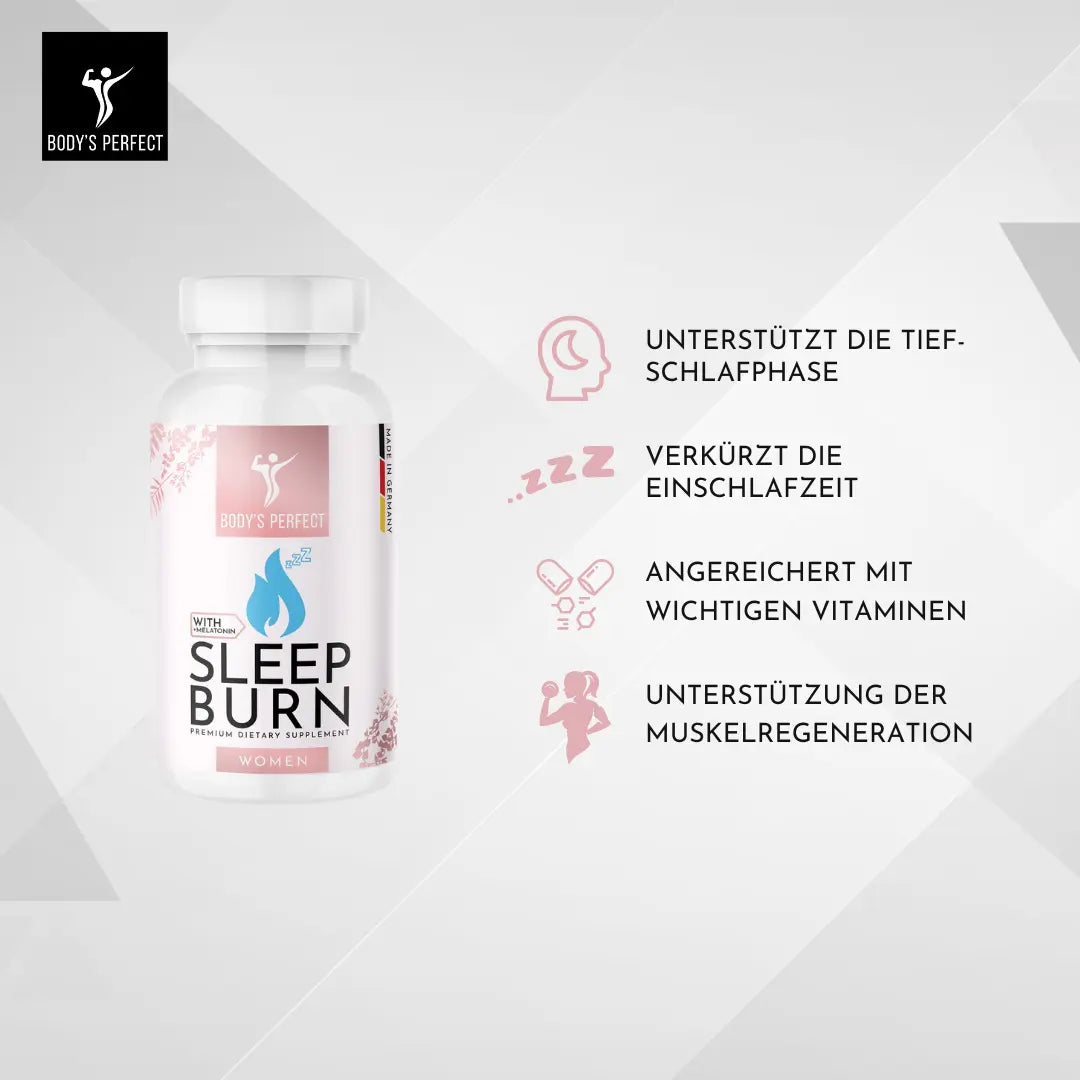
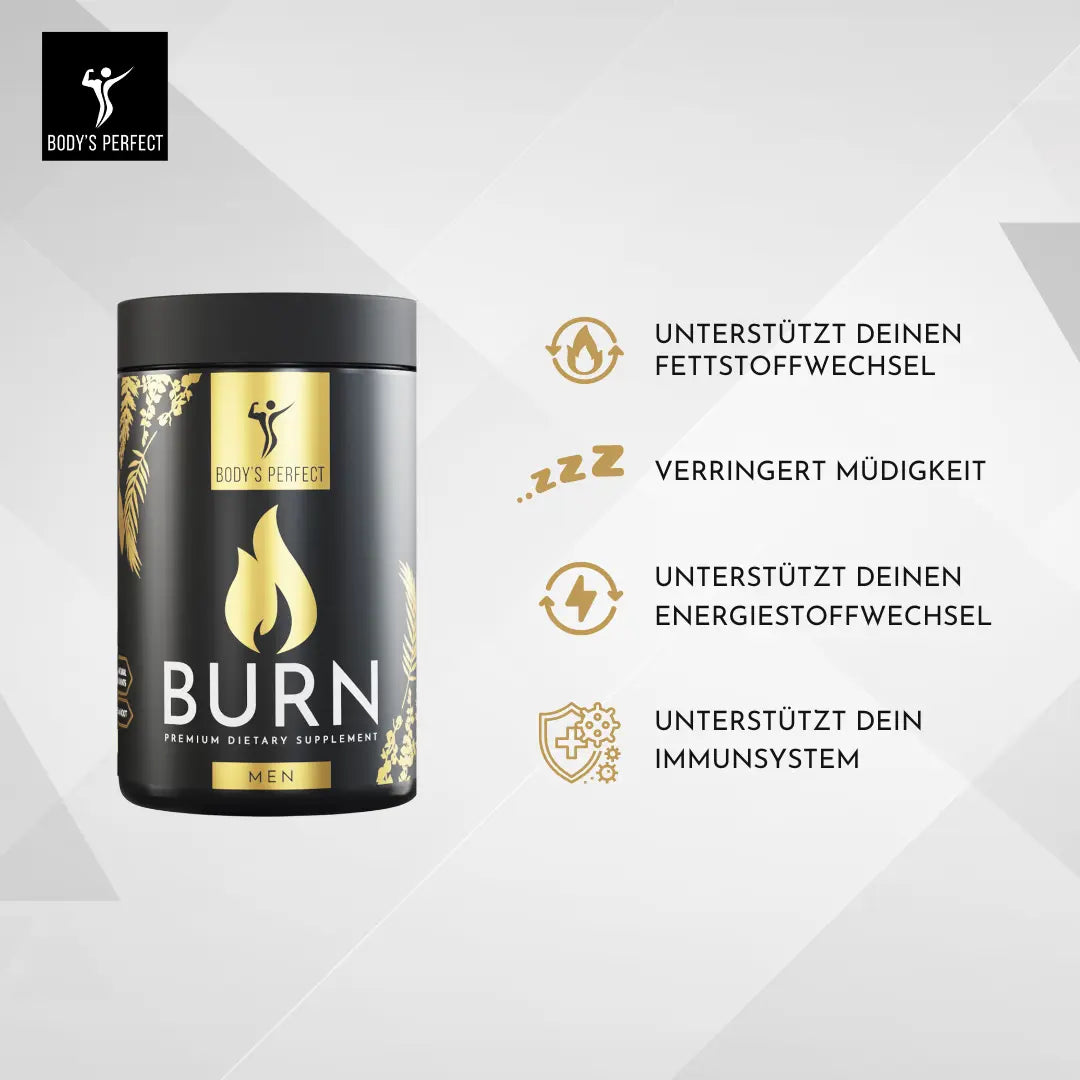
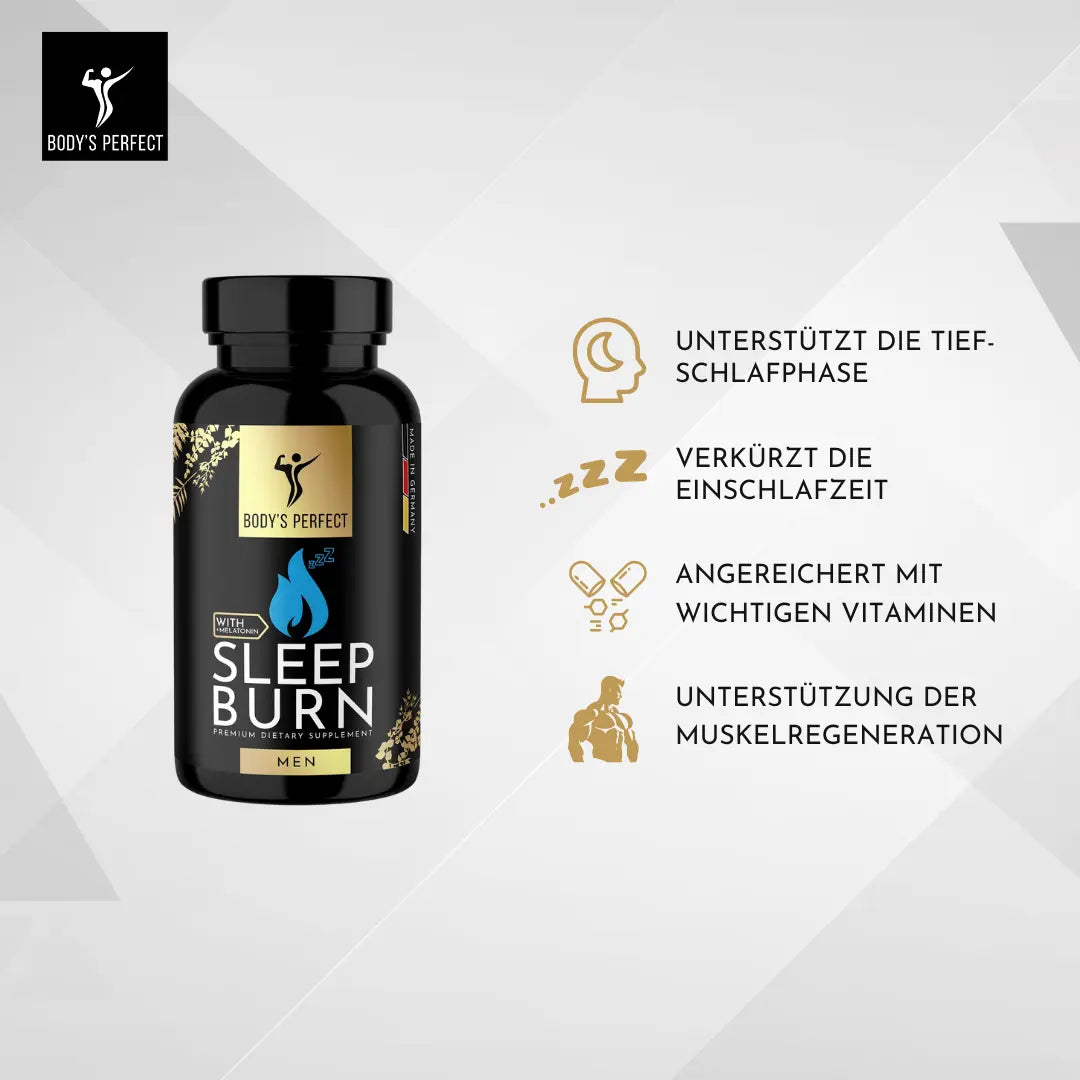
Body's Perfect Fat Burner Capsules are an example of such a well-thought-out supplement. They contain, among other things, green tea extract and L-carnitine – two substances known in sports nutrition for their positive properties and can support you on your journey.
- Green Tea Extract: Is rich in valuable plant compounds that can naturally stimulate your metabolism.
- L-Carnitine: Plays an important role in energy metabolism. It helps transport fatty acids into cells for energy production.
Products like these can help you get the most out of your efforts and further activate your metabolism. If you want to delve deeper into the topic, check out our detailed article on naturally stimulating metabolism.
By cleverly combining these building blocks – strength training, sleep, hydration, and targeted nutrients – you turn your metabolism into a reliable partner on your journey to your feel-good weight.
The Right Mindset: Your Key to Lasting Success
Honestly: the most important part of your journey doesn't happen on your plate or in the gym, but in your head. Sustainable weight loss without dieting is 80% pure mindset and only 20% mechanics. Your mental attitude determines whether you stick with it long-term or throw in the towel at the first small obstacle.
It's about developing a resilient and positive mindset. It's your anchor in stormy times and helps you stay on course, even if the scale shows the same number for a week.
Set Smart Goals and Ignore the Scale
One of the biggest motivation killers ever? The number on the scale. It fluctuates from day to day – sometimes due to water retention, sometimes due to hormones, or simply because you've just eaten something. This often has little to do with your actual fat loss. If you cling too much to this number, frustration is inevitable.
Instead, focus on goals you can directly control and that promote positive habits. This shifts the focus from the pure result to the process – and that's what gets you to your goal.
- Instead of: "I want to lose 5 kilos in a month."
- Rather: "I'll go for a 20-minute walk three times this week."
- Instead of: "I can never eat chocolate again."
- Rather: "I'll include a portion of vegetables with every main meal."
Such goals are specific, measurable, and immediately give you a sense of accomplishment. Every small milestone strengthens your self-confidence and keeps your motivation alive.
Dealing with Setbacks and Emotional Hunger
There will be days when you eat more than planned or skip your workout. This isn't failure; it's just life. What matters is how you deal with it. Perfectionism is your biggest enemy here.
A slip-up is no reason to throw everything overboard. Don't see it as proof that you can't do it, but as what it is: a single event. Take a deep breath, be kind to yourself, and simply continue at the next opportunity. Self-compassion is a real superpower in these moments.
A slip-up doesn't make you a failure. It's just information, not a judgment. Learn from it instead of punishing yourself. The important thing is to get back up and continue your journey.
A common trigger for such moments is what we call emotional eating. Many of us have learned over the years to react to stress, boredom, or frustration with food. The first step is to recognize this pattern in yourself.
In moments when you want to reach for unhealthy snacks without real hunger, ask yourself: "What am I really feeling right now? And what do I need at this moment?" Often, it's not food you crave, but comfort, a break, or simply a distraction.
Finding Healthier Ways to Deal with Emotions
Once you realize you're eating for emotional reasons, you can start developing healthier strategies. It's best to make a small list of things that are good for you and have nothing to do with food.
- When stressed: A short breathing exercise, a walk in the fresh air, or simply putting on your favorite music.
- When bored: Pick up a good book, call a friend, or tackle a small household project that's been waiting.
- When frustrated: Write your thoughts in a diary, do some exercise to let off steam, or talk to someone you trust.
These new habits naturally take time. But with every conscious decision to choose an alternative to food, you strengthen your mental resilience. You learn that you can cope with your feelings even without the "crutch" of food. This is a huge step towards freedom and a healthy, relaxed relationship with yourself and your body. Celebrate each of these small mental victories – they are the foundation for your lasting success.
Frequently Asked Questions About Losing Weight Without Dieting
The path to losing weight without a strict diet often raises questions. This is perfectly normal, after all, you're leaving old paths and building a completely new, healthier lifestyle. To clear up any remaining doubts and to encourage you on your course, I have answered the most frequently asked questions for you here – short, clear, and practical.
See this section as a small compass for moments when you might feel unsure. It's a confirmation that you are exactly on the right track.
How long does it take to see results without dieting?
Patience is truly your most important ally here. Losing weight without dieting is a marathon, not a sprint. The core of it all is to build sustainable habits, not to quickly lose a few pounds that will only come back anyway.
You often feel the first positive changes after just a few weeks: you feel more energetic, your mood improves, and maybe your favorite jeans fit a little looser. Visible success on the scale usually takes a little longer, but it's lasting. Trust the process and don't be too hard on yourself – your body needs time to adjust.
Do I really not have to give anything up?
No, and that's precisely one of the biggest advantages of this approach. Absolute abstinence is the greatest enemy of success. Prohibitions almost always lead to cravings and the miserable feeling of having failed if you become "weak."
It's about a healthy balance, not perfection. The 80/20 rule is a great guide for this: As long as your diet consists of 80% nutrient-rich, whole foods, there is absolutely room for a piece of cake, pizza, or whatever you love in the remaining 20%. Learn to enjoy these moments consciously and without any guilt.
What do I do if my weight stagnates?
A weight plateau is super frustrating, but a completely normal part of the journey. Your body is smart and has simply gotten used to your new circumstances. Instead of panicking, you should see this phase as an opportunity to take a closer look at your routines.
Ask yourself:
- Sleep: Are you really getting enough restorative sleep?
- Stress: Has your stress level perhaps increased recently?
- Exercise: Could you offer your body a new challenge to create fresh stimuli?
- Nutrition: Have old habits perhaps unknowingly crept back in?
Often, just a small adjustment is enough to break through the plateau. Sometimes it's also helpful to recalculate your calorie deficit for weight loss to ensure that the foundation is still correct.
What you should remember: A plateau doesn't mean you're doing something wrong. It just shows that your body has gotten used to your success and it's time for the next small step.
Your path is your own, and there's no formula that fits everyone. Listen to your body, stay flexible, and always remember why you're doing all this: for more well-being, energy, and a healthy relationship with yourself – for life.
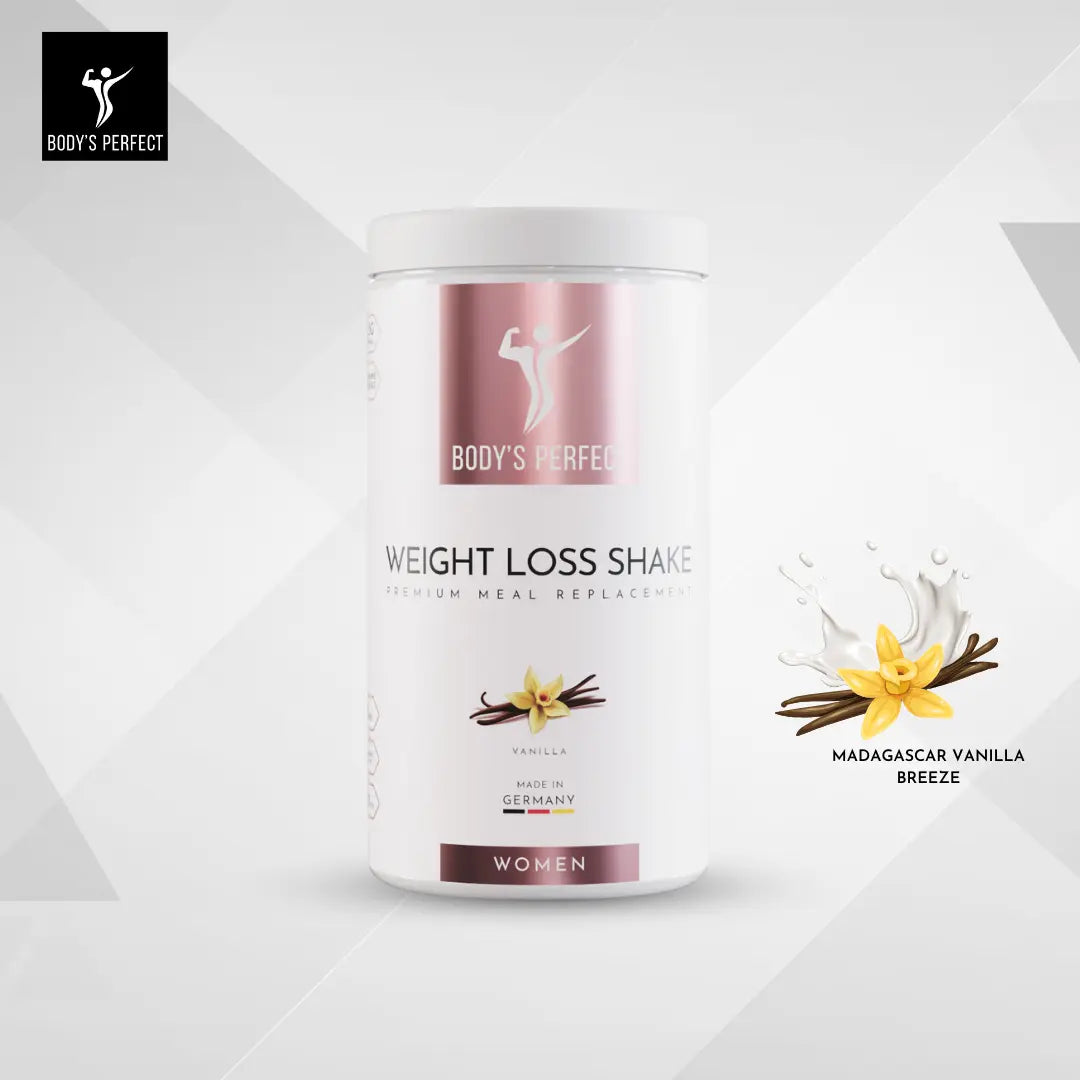
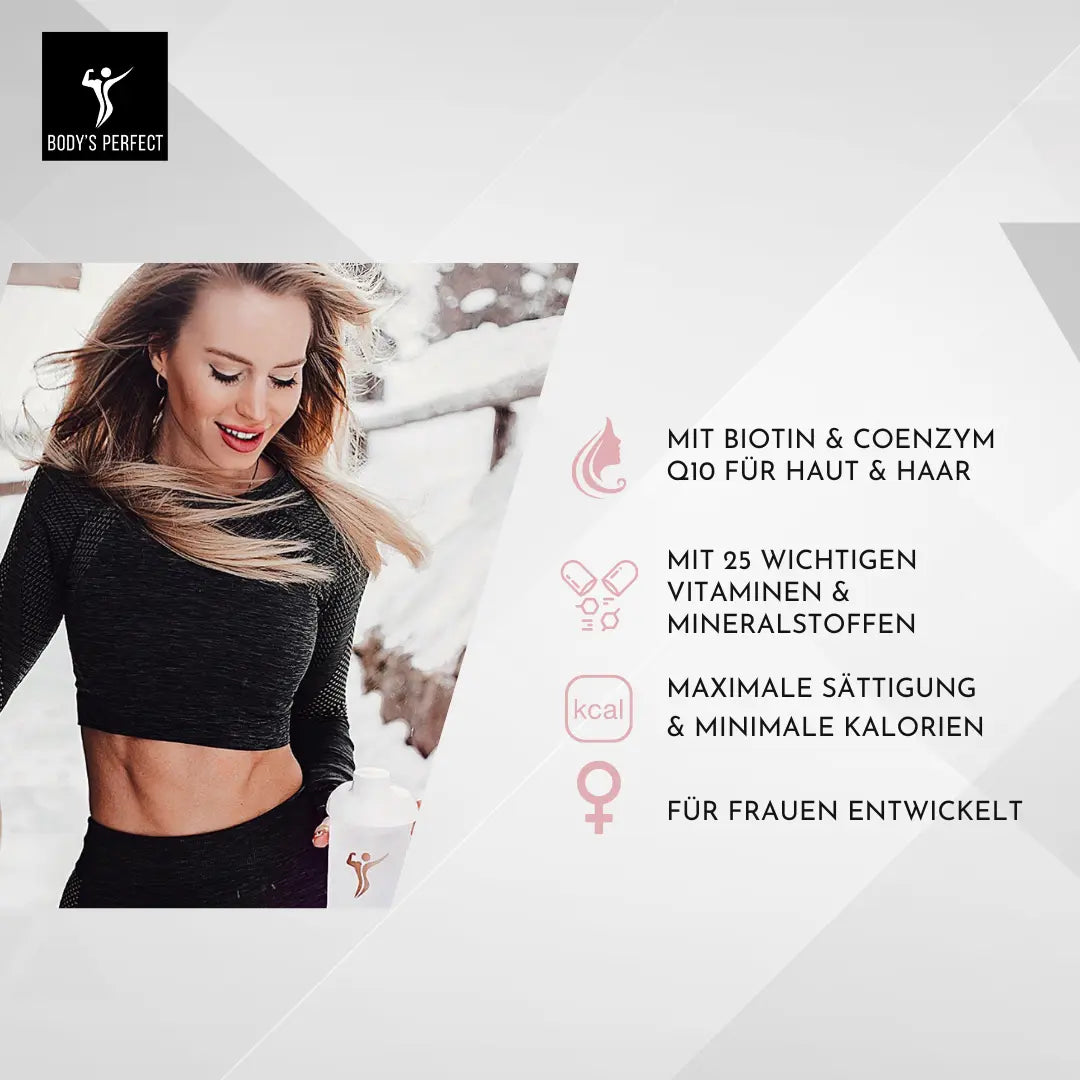
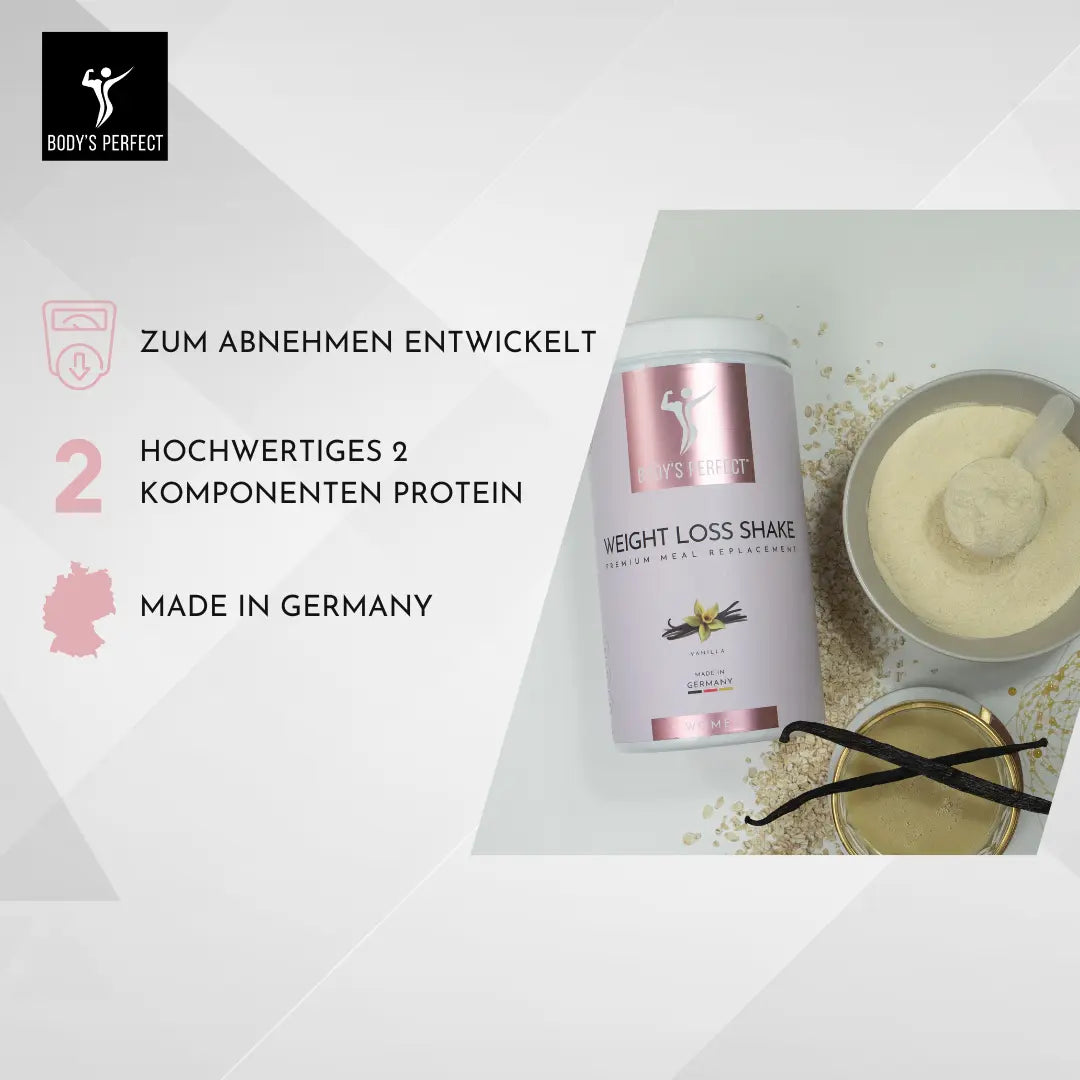
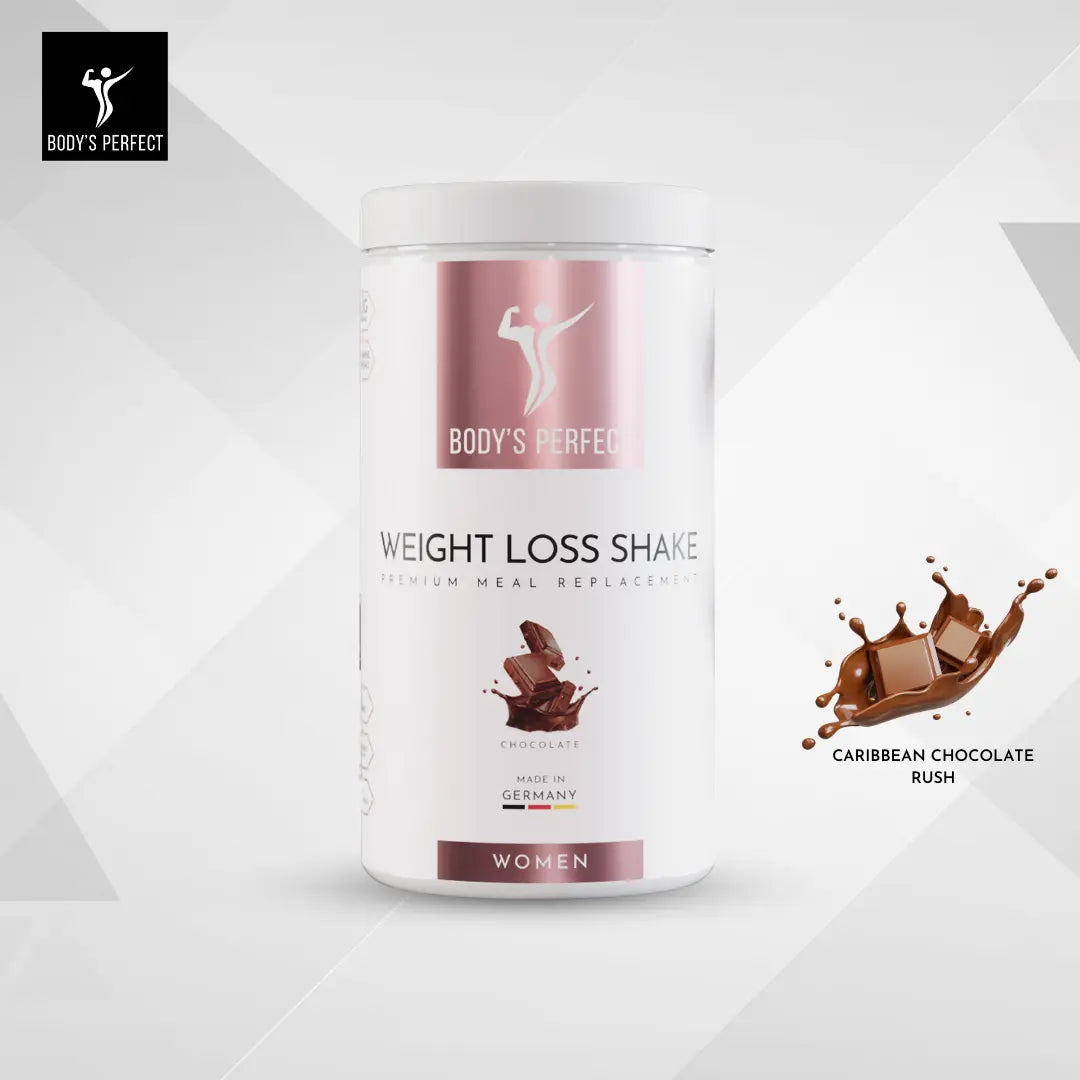
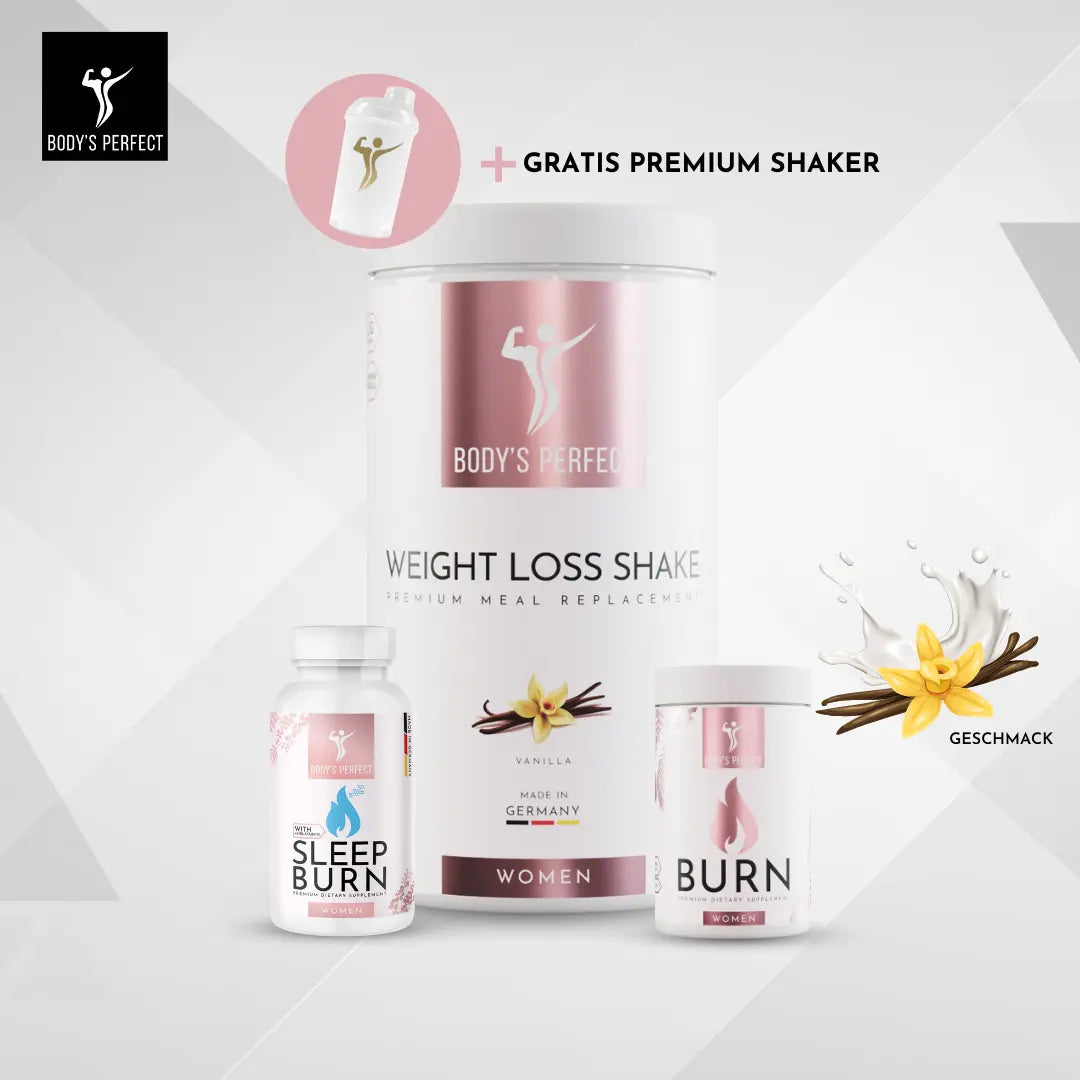
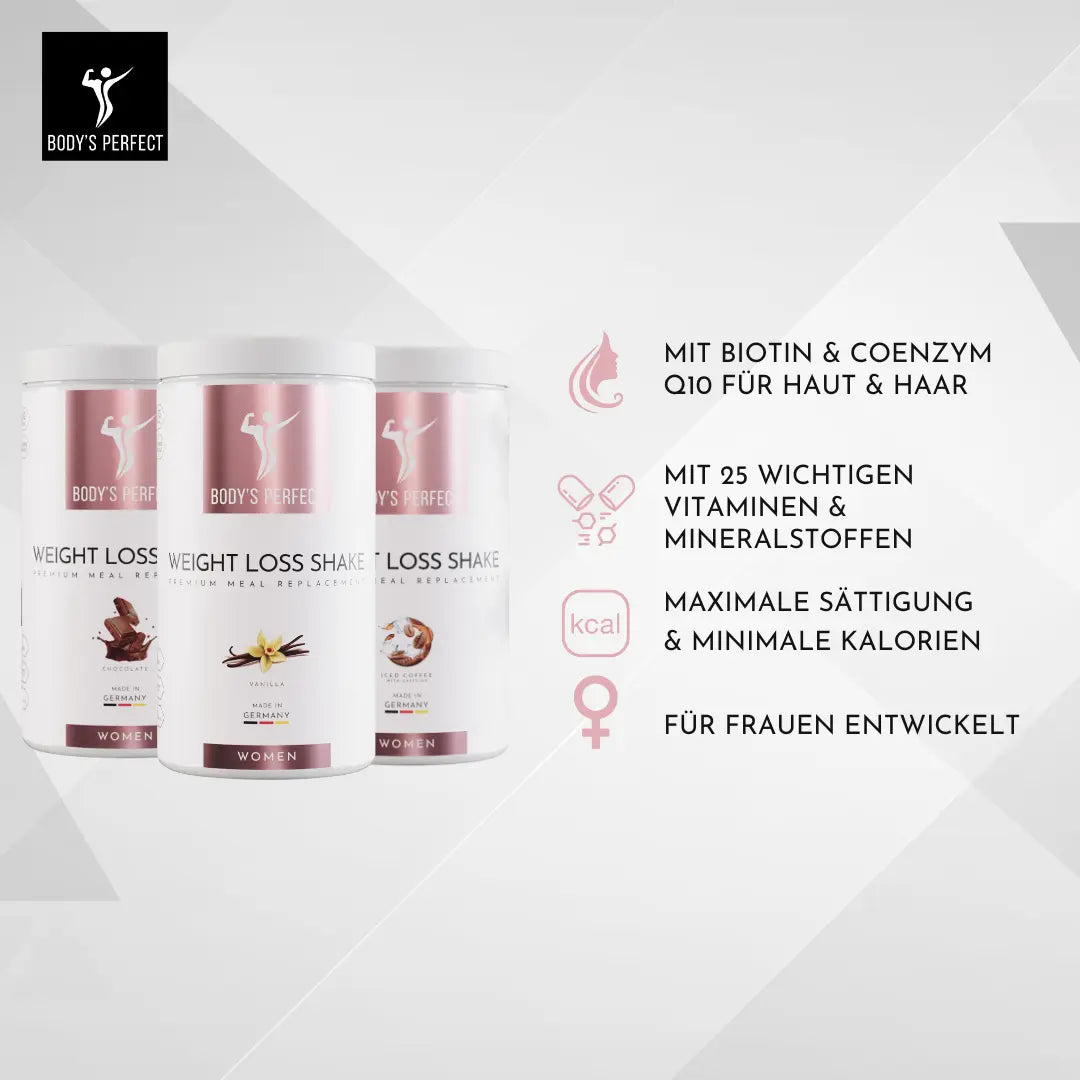
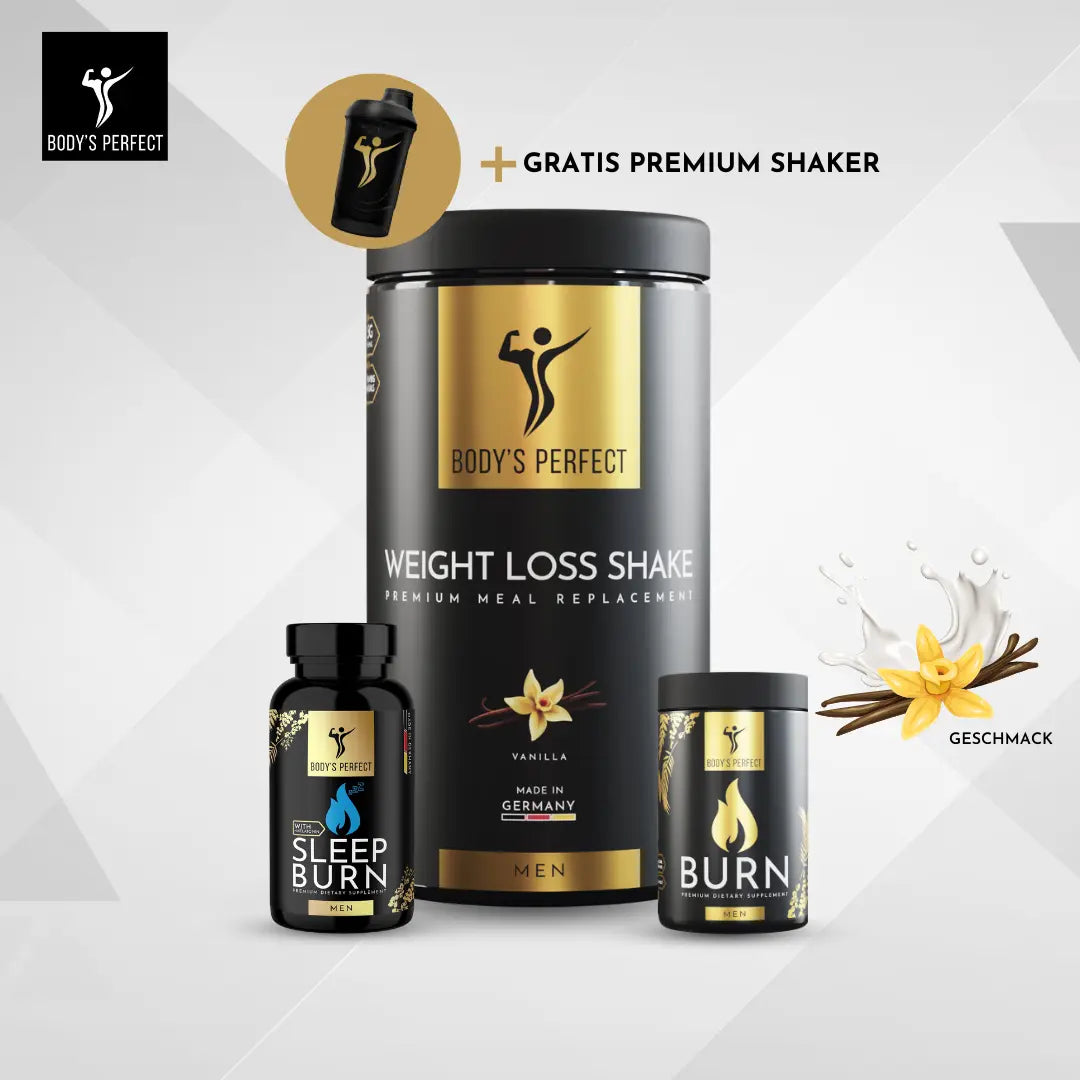
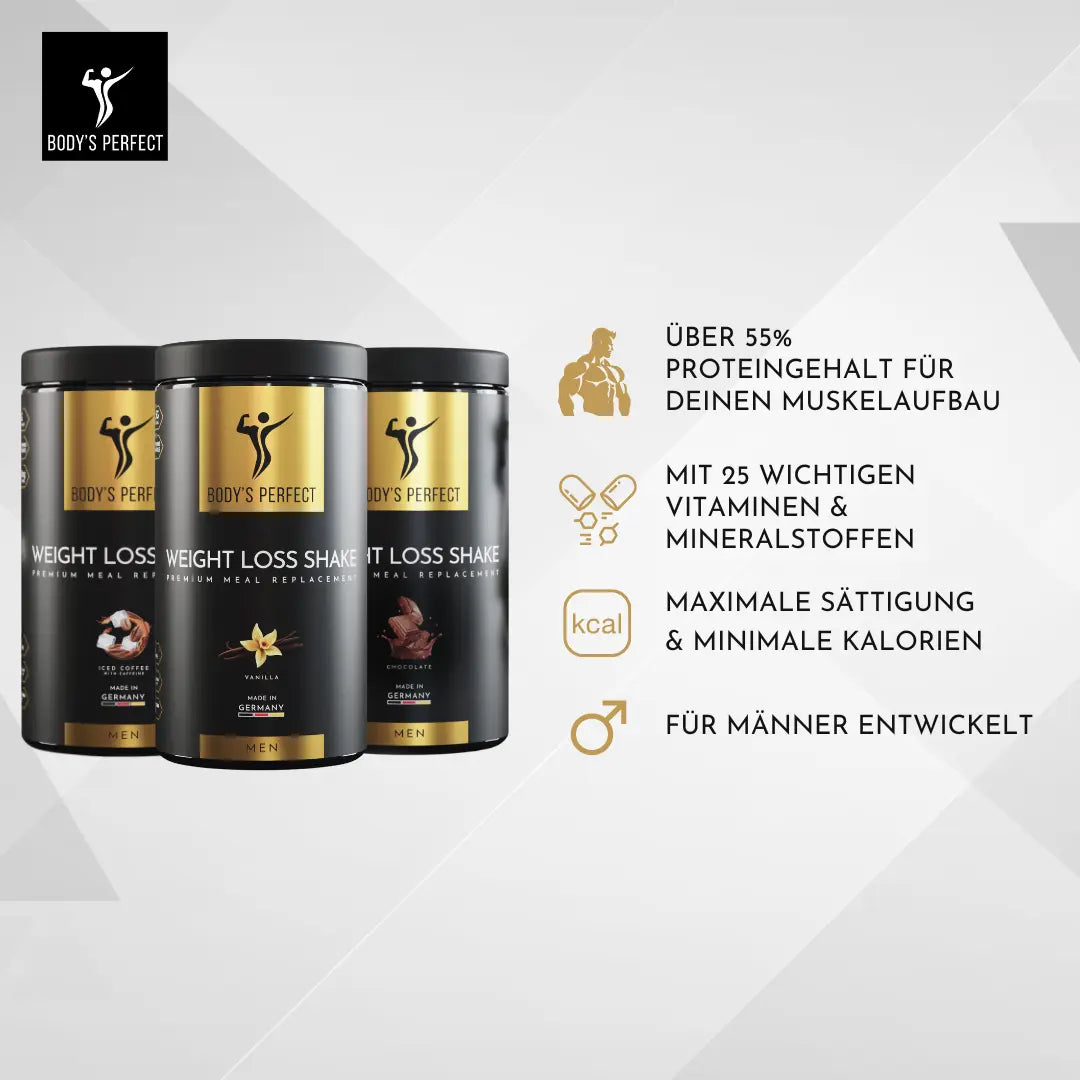
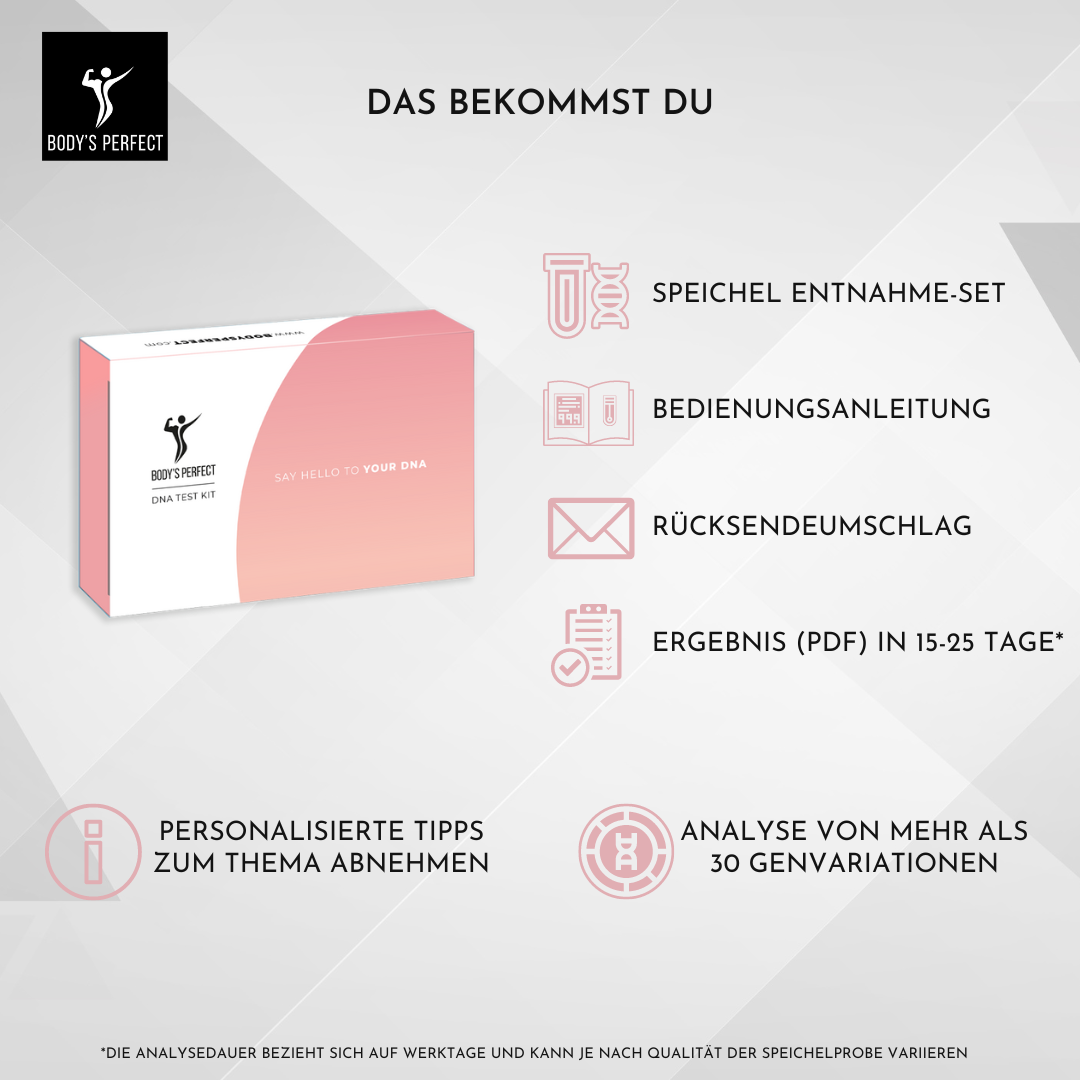
Would you like to support your journey to a healthier you with high-quality, natural products? At Body's Perfect, you'll find everything you need for your goal – from specially developed shakes to DNA-based metabolism analyses. Discover the right companions for your journey now at https://bodysperfect.com.




Share:
Lose 15 kg in 3 weeks - Turbo Diet: Myths & Facts
Using Vitamins as Metabolism Boosters for Weight Loss