


Successful weight loss is not a sprint, but a marathon based on scientifically sound strategies. Diets often fail due to overly complicated rules or unrealistic goals. However, there are proven methods that really work and can be integrated into everyday life in a sustainable way. This guide provides you with the crucial tips for losing weight that go far beyond mere calorie counting and are based on an intelligent combination of nutrition, exercise, and a deeper understanding of your body.
Your Path to Your Desired Weight: More Than Just Calorie Counting
Here, we combine the latest findings from nutritional science and sports with innovative approaches such as personalized metabolic analysis. The key to success lies in finding the right strategy for you and individually understanding and supporting your body. Discover how you can not only achieve your goal but also maintain your desired weight in the long term through clever adjustments to your habits and knowledge of your genetic predisposition – for example, through a BODY'S PERFECT DNA test. Each of these tips is a powerful tool on your journey. Are you ready to take control and get started?
1. The Calorie Deficit – Understanding and Mastering the Scientific Basis
The foundation of any successful weight loss is a simple but effective principle: the calorie deficit. It simply means consuming fewer calories than your body burns daily. This forces your body to draw on its stored energy reserves, i.e., fat. This is not about radical deprivation, but about a conscious and controlled reduction in energy intake.
A moderate, sustainable deficit is the key to success and one of the most important tips for losing weight. A daily deficit of 300 to 500 calories usually leads to a healthy weight loss of about 0.5 kilograms per week. This approach protects your metabolism and prevents the dreaded yo-yo effect, as the body is not put into a panicked "starvation mode."
How to implement the calorie deficit in practice:
- Determine your needs: Use precise tools such as the BODY'S PERFECT calorie calculator to determine your individual daily requirement (basal metabolic rate plus activity metabolic rate). This is the basis for all further calculations.
- Weigh food: Especially at the beginning, it is crucial to weigh food instead of just estimating. This way, you develop an accurate sense of portion sizes and calorie density.
- Use tracking apps: Apps like MyFitnessPal or Weight Watchers' point system simplify calorie control and help you keep track.
The following bar chart shows the direct relationship between the daily calorie deficit and the expected weekly weight loss.
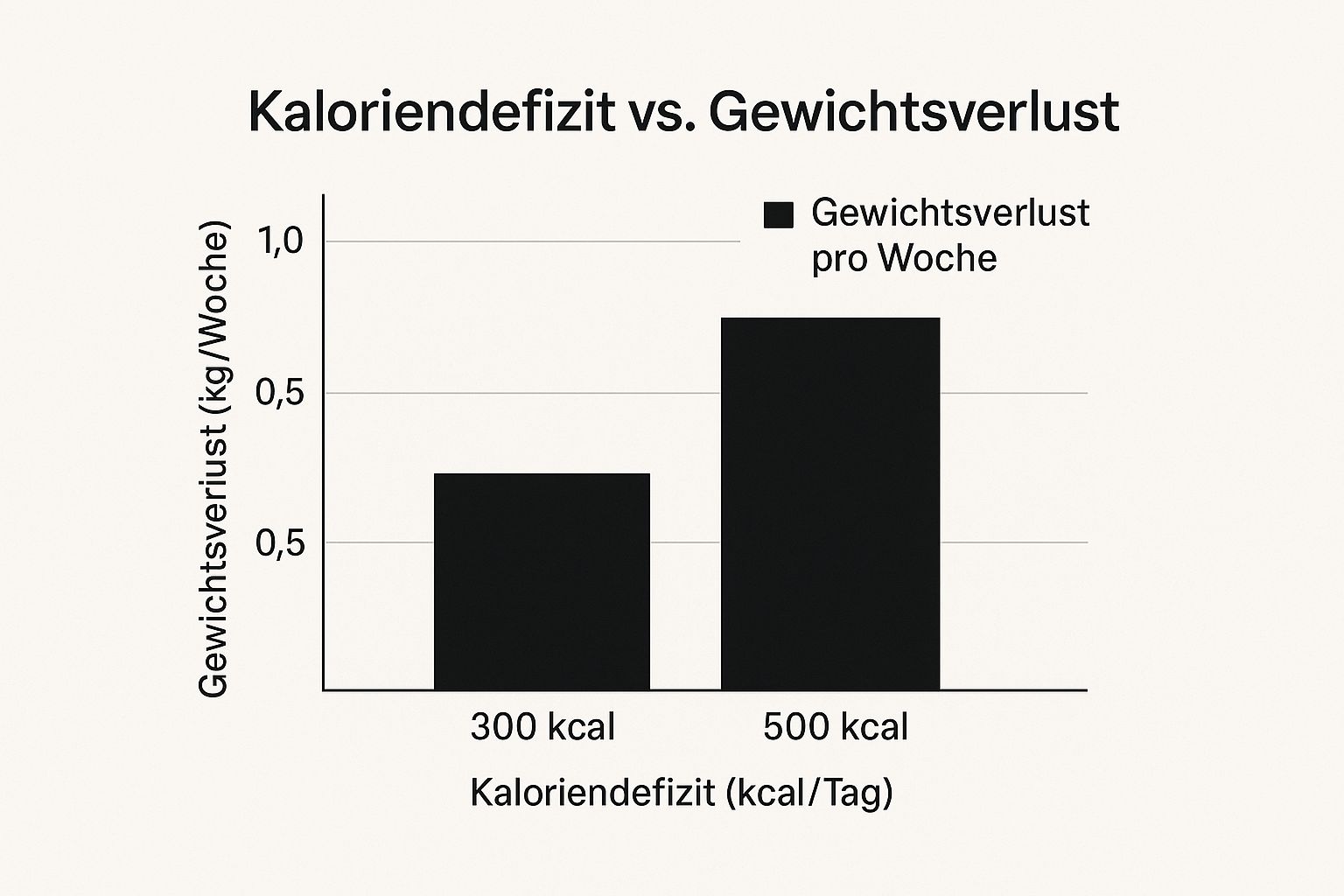
As the graph illustrates, doubling the deficit from 300 to 500 calories leads to a proportionally higher weight loss, which underscores the direct effectiveness of this principle. Remember that even small adjustments in everyday life, such as giving up a sugary drink or choosing a smaller portion, can make a big difference and add up over time to visible results.
2. Protein-Rich Diet – More Satiety and Muscle Protection
Another crucial component for sustainable weight loss is a protein-rich diet. Proteins are not only important for muscle building but also play a central role in satiety and metabolism. Increased protein intake helps to counteract muscle breakdown during a calorie deficit, which is particularly important for keeping the basal metabolic rate high. At the same time, protein provides long-lasting satiety, effectively preventing cravings.

The body also uses more energy to digest proteins than fats or carbohydrates. This "thermic effect of food" (TEF) can increase daily calorie expenditure by up to 30% for the metabolized protein calories. Bodybuilders have been using this effect for decades, and studies, such as those by Dr. Donald Layman, show that a diet with about 30% protein can lead to up to 25% higher weight loss. Thus, protein-rich meals are among the most effective tips for losing weight.
How to implement a protein-rich diet in practice:
- Protein with every meal: Integrate a protein source into your breakfast, lunch, and dinner. This stabilizes blood sugar levels and keeps you full longer.
- Prioritize lean sources: Focus on lean meats like chicken or turkey, fish, eggs, low-fat quark, legumes, and tofu to avoid unnecessary fats and calories.
- Protein shakes as a supplement: Especially after exercise or as a quick snack, high-quality protein shakes are a practical way to meet the daily requirement of 1.6 to 2.2 grams per kilogram of body weight. Learn more about implementation in our guide to protein-rich nutrition on bodysperfect.com.
While a protein-rich diet offers strong protection against cravings, you can find additional strategies to effectively control sugar cravings specifically. Detailed helpful tips against sugar cravings can be a valuable addition to your dietary strategy.
3. Intermittent Fasting – Redefining Your Eating Rhythm
Intermittent fasting, also known as interval fasting, is less a diet than an eating pattern that alternates between periods of eating and voluntary fasting. Instead of focusing on what you eat, this method structures when you eat. The most popular variant is the 16:8 method, where you fast for 16 hours and consume your meals within an 8-hour window. This approach can naturally simplify calorie control and also offers potential metabolic benefits.

This method has established itself as one of the most effective tips for losing weight, as it encourages the body to use its fat reserves as an energy source. Pioneers like Dr. Jason Fung and prominent users like former Twitter CEO Jack Dorsey have popularized the benefits. Studies show impressive results, with participants in some cases losing between 10% and 16% of their body weight within 12 weeks. The main advantage lies in its simplicity: by shortening the eating window, many find it easier to maintain a calorie deficit without constantly counting calories.
How to implement intermittent fasting in practice:
- Gentle start: Don't start with 16 hours of fasting immediately. Begin with a 12:12 rhythm (12 hours eating, 12 hours fasting) and gradually increase the fasting time by one hour per week until you comfortably reach the 16:8 method.
- Stay hydrated: Adequate fluid intake is crucial during fasting. Drink plenty of water, unsweetened tea, or black coffee to suppress hunger and keep the body hydrated.
- Quality of the first meal: Break your fast with a balanced, protein-rich meal. This provides long-lasting satiety, stabilizes blood sugar levels, and supplies essential nutrients for muscle building and maintenance.
4. Drinking Enough Water – The Simple Metabolism Booster
Water is the basis of all life and one of the most underestimated, yet most effective tips for losing weight. Adequate fluid intake is crucial for the body's function and plays a direct role in regulating metabolism and hunger. Thirst is often mistakenly interpreted as hunger, leading to unnecessary calorie intake. Drinking enough can break this cycle and actively support weight loss.
Studies, including one by Dr. Brenda Davy at Virginia Tech, have impressively shown that increased water intake can significantly boost weight loss success. Participants who drank 500 ml of water before each main meal lost 44% more weight than the comparison group. Water not only increases satiety and thus reduces the amount of calories consumed during the meal, but can also temporarily boost metabolism by up to 30%. The German Society for Nutrition (DGE) therefore recommends a daily intake of at least 1.5 to 2 liters.
How to integrate more water into your daily life:
- Strategic placement: Place a large, reusable water bottle directly at your workplace or another visible location. This serves as a constant visual reminder.
- Add flavor: If plain water is too boring for you, flavor it naturally with lemon slices, cucumbers, mint, or berries. This makes drinking enjoyable.
- Use technology: Use apps like WaterLlama or Plant Nanny, which playfully remind you to drink regularly and track your daily intake.
Start your day with a large glass of water to activate your metabolism right after waking up and rehydrate your body. This simple trick, combined with drinking before meals, is a simple but extremely effective habit that can significantly ease your path to your desired weight.
5. Regular Strength Training – The Afterburn Effect for Sustainable Success
While endurance sports are often considered the classic way to lose weight, regular strength training is an equally effective, if not more sustainable, method. The decisive advantage lies in building muscle mass. Muscles are metabolically active tissue that continuously burns calories even at rest. Each additional kilogram of muscle mass built increases your daily basal metabolic rate by up to 100 calories. This is one of the most effective tips for losing weight, as you turn your body into a permanent fat-burning machine.
This so-called afterburn effect ensures that your calorie expenditure remains elevated for hours after your workout. Studies, such as those conducted by hypertrophy researcher Dr. Brad Schoenfeld, show that regular strength training can increase the basal metabolic rate by up to 7% after just six months. This leads to long-term and more effortless weight control that goes beyond the pure calorie burning during exercise.
How to effectively integrate strength training into your daily life:
- Prioritize compound exercises: Focus on complex exercises such as squats, deadlifts, bench presses, and rows. These engage multiple muscle groups simultaneously and are therefore particularly efficient for muscle building and calorie consumption.
- Apply progressive overload: To stimulate muscle growth, you need to constantly challenge your muscles. Increase the weight, repetitions, or sets weekly to achieve continuous progress.
- Pay attention to recovery: Give trained muscle groups 24 to 48 hours to recover before loading them again. This is crucial for muscle building and prevents injuries.
To further optimize the effects of strength training, proper nutrient intake can also help. Detailed scientific findings on muscle building with creatine show how certain supplements can support the process. If you want to learn more about which sport is best for weight loss, you will find a detailed comparison in our further article. A frequency of two to three strength training sessions per week is already sufficient to achieve significant and visible results.
6. Adequate Sleep – The Often Underestimated Factor for Weight Loss Success
While diet and exercise are often in the spotlight, one of the most effective strategies for weight regulation is often neglected: adequate sleep. Chronic sleep deprivation is more than just an energy drain; it directly interferes with the hormonal control of hunger and satiety and can sabotage your weight loss efforts. Consistent sleep of 7 to 9 hours is therefore one of the most fundamental tips for losing weight.
The science behind it is clear: sleep deprivation increases the concentration of the hunger hormone ghrelin and simultaneously lowers the level of the satiety hormone leptin. This hormonal imbalance not only leads to stronger feelings of hunger but also to an increased craving for high-calorie, carbohydrate-rich foods. Studies show that people consume an average of up to 385 more calories after a short night's sleep. In addition, one study found that with only 5.5 hours of sleep, fat loss was 55% lower, although calorie intake was identical.
How to improve your sleep quality for weight loss success:
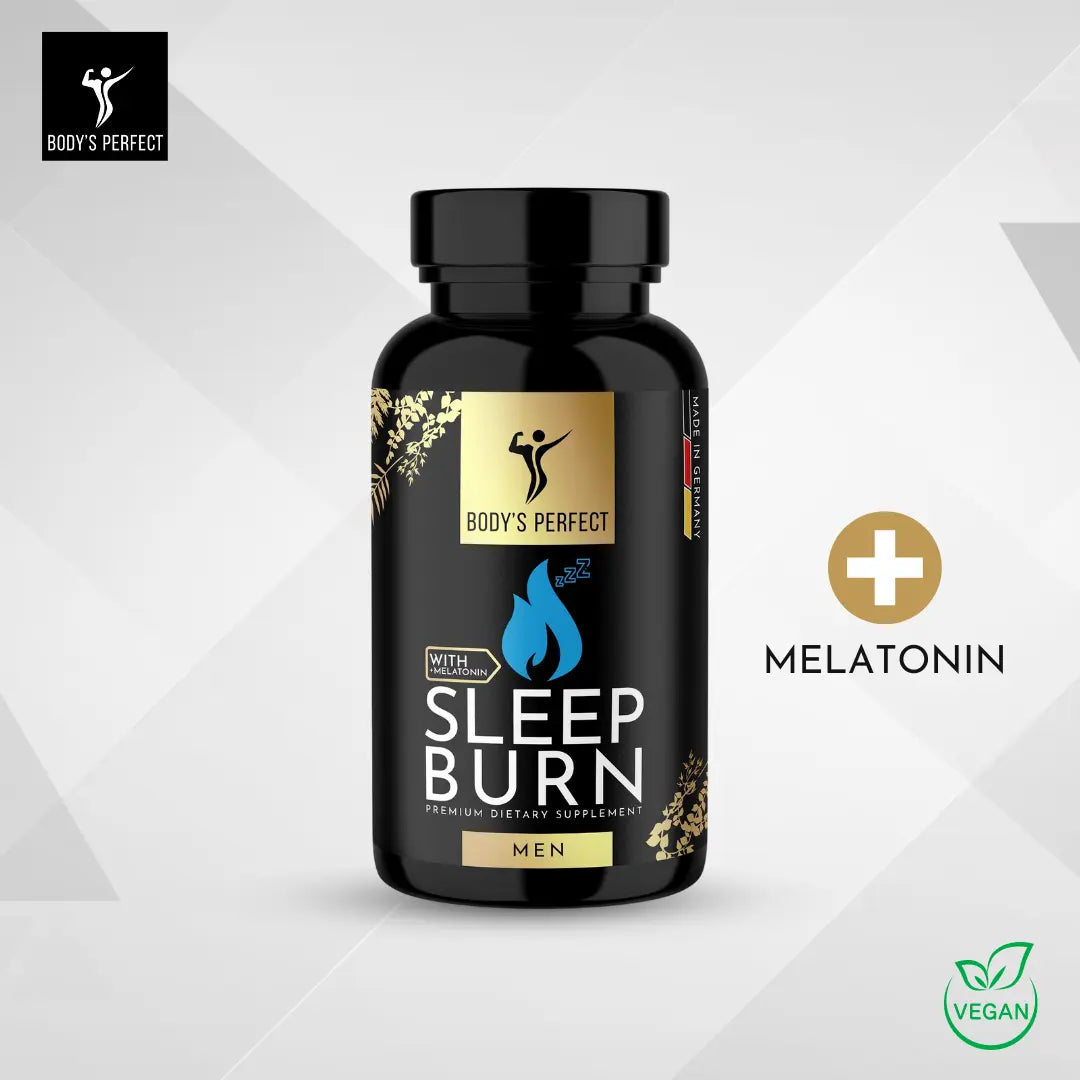
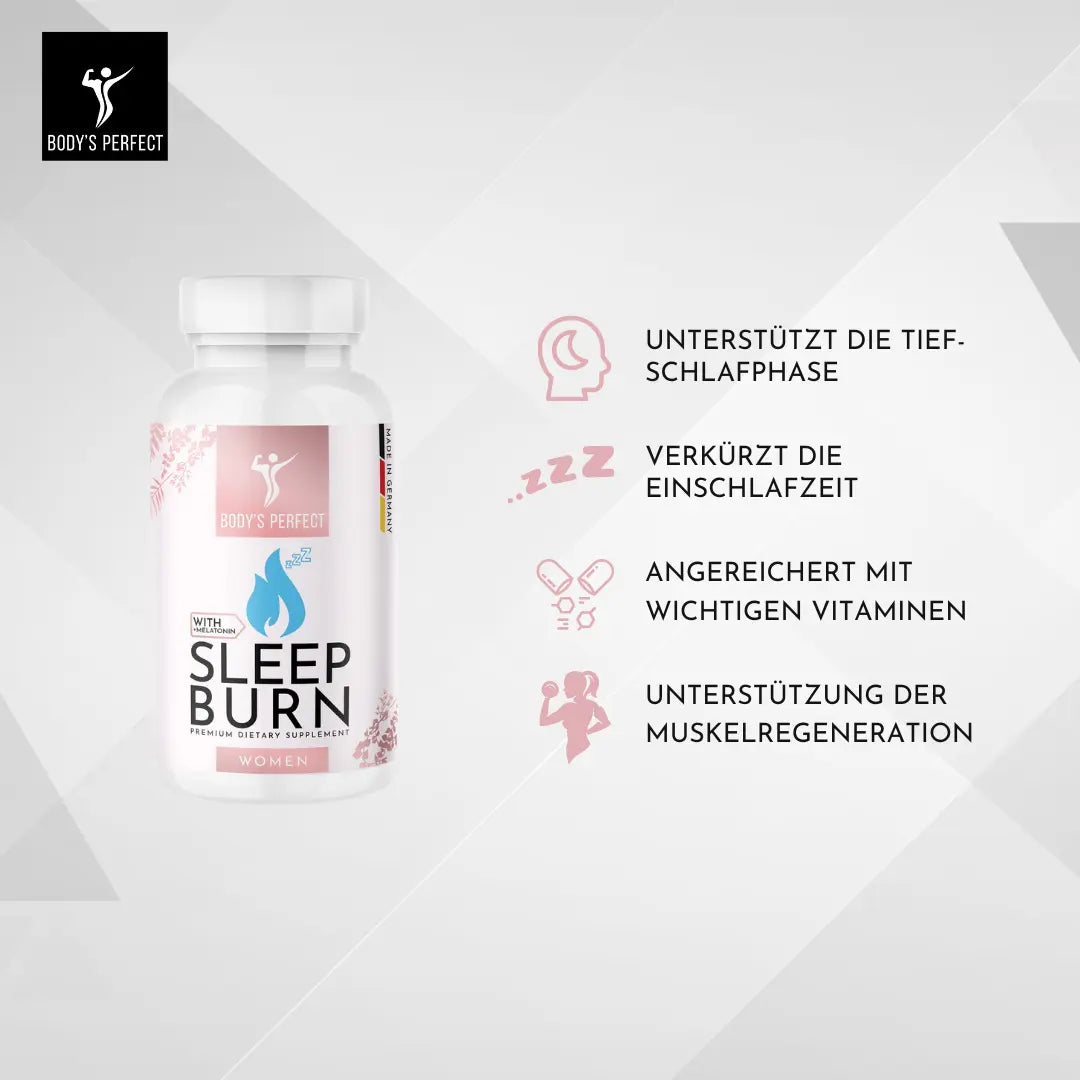
- Digital detox: Turn off all electronic devices such as smartphones, tablets, and televisions at least one hour before bedtime. The blue light from these devices inhibits the production of the sleep hormone melatonin. Learn more about the role of melatonin for healthy sleep.
- Fixed sleep times: Go to bed and wake up at the same time every day, even on weekends. This routine stabilizes your circadian rhythm and improves sleep quality.
- Optimal sleep environment: Ensure a cool (ideally 16-19 °C), dark, and quiet bedroom. Blackout curtains and a calm atmosphere signal to the body that it's time to rest.
The importance of sleep is also recognized in elite sports. NBA players were able to improve their athletic performance by an impressive 9% just by increasing their sleep duration. This shows that adequate sleep is crucial not only for regeneration but also for hormonal balance and willpower. Those who are well-rested make better dietary choices and have more energy for physical activities, which significantly supports the weight loss process.
7. Stress Management – Defeating the Invisible Enemy of Fat Burning
An often underestimated factor in weight loss is the invisible influence of stress on our bodies. Chronic stress leads to the release of the hormone cortisol, which not only triggers cravings for fatty and sugary foods but also specifically promotes fat storage, especially in the abdominal area. Well-thought-out stress management is therefore more than just a balm for the soul; it is one of the most fundamental tips for losing weight that paves the way for sustainable success.
By actively reducing stress, you regulate your hormone balance and reduce the likelihood of emotional eating. Studies impressively confirm this connection: participants in Dr. Jon Kabat-Zinn's "Mindfulness-Based Stress Reduction" program reported 26% fewer emotionally driven eating episodes. Controlled stress management is therefore a powerful tool to regain control over your eating habits and put your body into a fat-burning mode.
How to implement effective stress management in practice:
- Daily mindfulness practice: Integrate 10 to 15 minutes of meditation or mindfulness exercises into your day. Apps like Headspace or Calm offer guided programs that make it easier to get started and help calm the mind.
- Identify stress triggers: Keep a stress diary to identify patterns. When do you feel overwhelmed? Recognizing the triggers is the first step to developing targeted coping strategies.
- Establish relaxation rituals: Create fixed rituals that help you relax. This could be a warm bath, reading a book, or a quiet walk in nature. Since stress is a common stumbling block, you can also integrate practical tips for reducing stress at work into your daily life.
- Use exercise as an outlet: Regular physical activity, whether yoga, jogging, or strength training, is an excellent way to relieve accumulated stress and simultaneously burn calories.
8. Meal Prep and Planning – Strategic for Success
One of the most effective tips for losing weight is the strategic planning and preparation of your meals, known as meal prep. This approach tackles one of the biggest hurdles in weight loss: spontaneous, unhealthy food choices. By preparing your meals for several days in advance, you always have a healthy, calorie-controlled option at hand. This prevents cravings and reaching for fast food or convenience products when time and energy are short.
Meal prep is more than just pre-cooking; it is a conscious decision for control and consistency. Studies and testimonials show that structured meal planning can reduce impulsive eating decisions by up to 80%. You not only save time in everyday life and money through targeted shopping but also create a routine that helps you effortlessly adhere to your nutritional goals and paves the way for long-term success.
How to implement Meal Prep in practice:
- Block out planning time: Set aside 2 to 3 hours on the weekend, for example on Sundays. Plan your meals for the upcoming week, write a detailed shopping list, and prepare the dishes.
- Batch cook staple ingredients: Cook versatile basics like quinoa, rice, chicken breast, lentils, or roasted vegetables in larger quantities. You can then flexibly combine these into different meals.
- Invest in good containers: High-quality, leak-proof, and portion-sized meal prep containers are essential. They keep your food fresh and make it easy to transport to work or the gym.
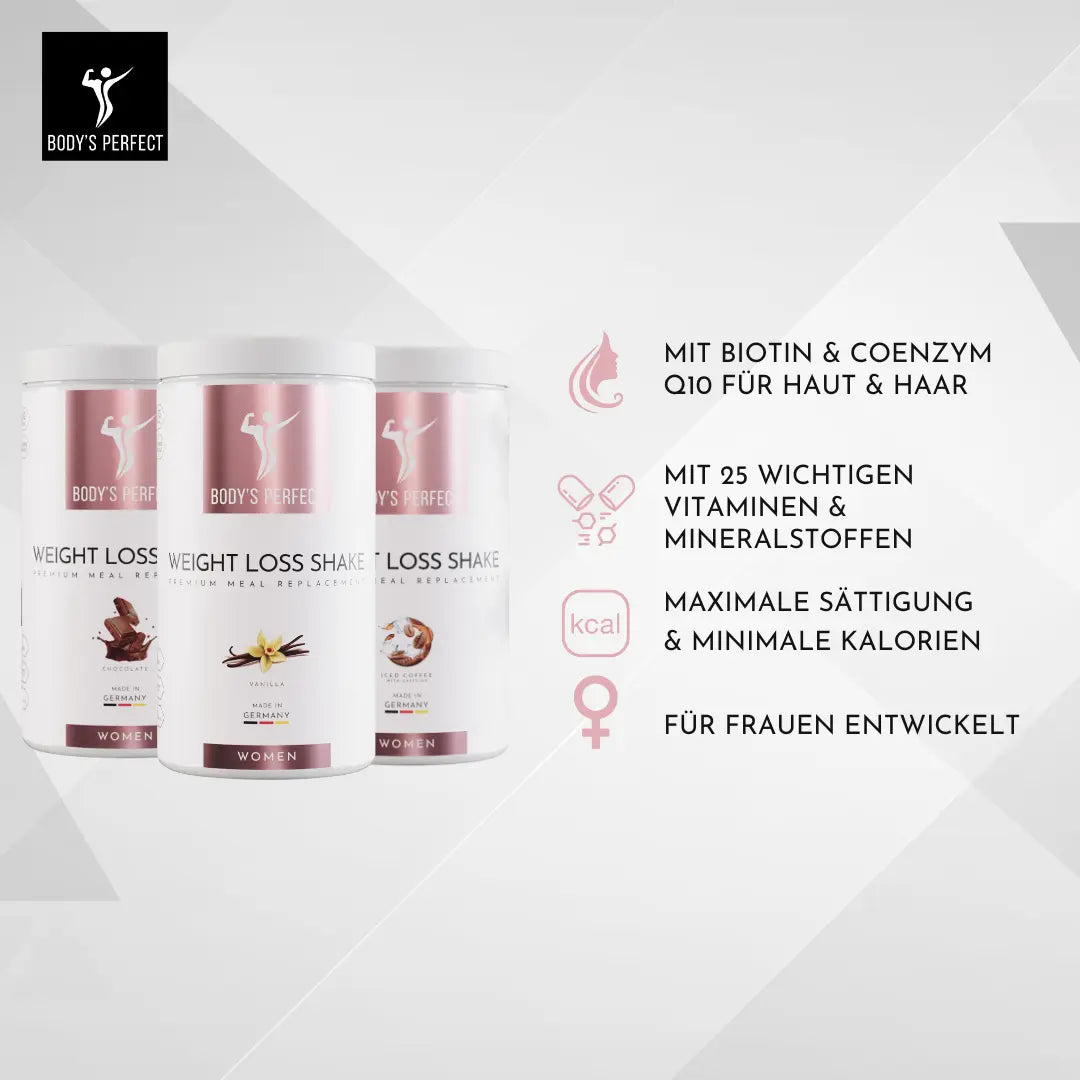
- Use clever additions: If time is especially tight, you can quickly and easily supplement a prepared meal with a nutritious drink. Learn how to make a weight loss shake yourself and thus perfect your planning.
Systematic preparation eliminates the stress of daily food choices and ensures that every meal brings you closer to your goals. This proactive approach gives you full control over your diet and is a crucial building block for sustainable weight loss.
Comparison of the 8 most important weight loss tips
| Method | Implementation Complexity 🔄 | Resource Requirement ⚡ | Expected Results 📊 | Ideal Use Cases 💡 | Key Benefits ⭐ |
|---|---|---|---|---|---|
| Create a calorie deficit | Medium - calorie counting necessary | Low - mainly discipline | 0.5-1 kg weight loss/week | Sustainable weight loss | Scientifically proven, flexible |
| High-protein diet | Medium - conscious planning | Medium - more expensive foods | Promotes muscle and fat loss | Weight reduction with muscle retention | Satiety, increased metabolism |
| Intermittent Fasting | Low - focus on timing | Low - no special foods | 10-16% weight loss in 12 weeks | Meal timing control, metabolic benefits | Simplified calorie control |
| Drink enough water | Very low - routine adjustment | Very low - free | Metabolism increase 24-30% | Hunger reduction, energy boost | Free, improves bodily functions |
| Regular strength training | High - technique and equipment | Medium - gym/equipment | Increased basal metabolic rate, body toning | Muscle building and body shaping | Afterburn effect, improved insulin sensitivity |
| Sufficient sleep | Medium - sleep habits | Low - time and environment | Improved hormone balance, less cravings | Hormone regulation, regeneration | Strengthens immune system, mental health |
| Stress management | Medium - learning techniques | Low - time for exercises | Less emotional eating, improved sleep | Psychological eating control | Reduces cortisol and belly fat |
| Meal Prep and Planning | Medium - time investment | Medium - storage | Reduced spontaneous food choices | Simplified nutrition, calorie control | Saves time and mental burden |
Your personal roadmap to success: Putting knowledge into action
The journey to your desired weight is not a sprint, but a marathon consisting of many small, conscious steps. You have now learned eight well-founded and practical strategies that lay the foundation for sustainable weight loss. From creating a moderate calorie deficit and a high-protein diet to the importance of sufficient sleep and effective stress management – each of these points is a powerful tool in your arsenal. These weight loss tips are not short-term tricks, but proven principles for a healthier lifestyle.
However, the key to success is not to be overwhelmed by the abundance of information. Instead, you should view this article as a menu from which you can choose. Pick two or three tips that are easiest for you to implement. Perhaps you start by consciously increasing your daily water intake to two liters and sticking to a fixed bedtime. Or you dedicate Sunday to meal prep for the coming week to automate healthy choices in a stressful everyday life.
From knowledge to sustainable habit
The true magic unfolds when these initial actions become fixed habits. A single healthy dinner is good, but 50 healthy dinners over the next few months fundamentally change your body and your well-being. Consider each implemented tip as a building block. Once one building block is firmly in place, you can add the next. This gradual approach prevents frustration and ensures that the changes are permanent.
To make this process even more targeted and effective, individualization is crucial. Every body reacts differently to nutrients and training. This is exactly where modern science comes in. A personalized analysis, such as the BODYSlim DNA Test from BODY'S PERFECT, can show you how your body metabolizes fats and carbohydrates and what type of athlete you are genetically. This knowledge is the ultimate "game-changer" as it allows you to tailor the weight loss tips presented in this article exactly to your biological predispositions. You will learn whether a low-carb or a low-fat diet is more effective for you personally and can adjust your training accordingly.
Your journey is unique. Combine the knowledge gained here with a deep insight into your own genetics. Take control, make informed decisions, and be patient with yourself. Every day is a new opportunity to take another step on your personal roadmap to success and achieve your goal.
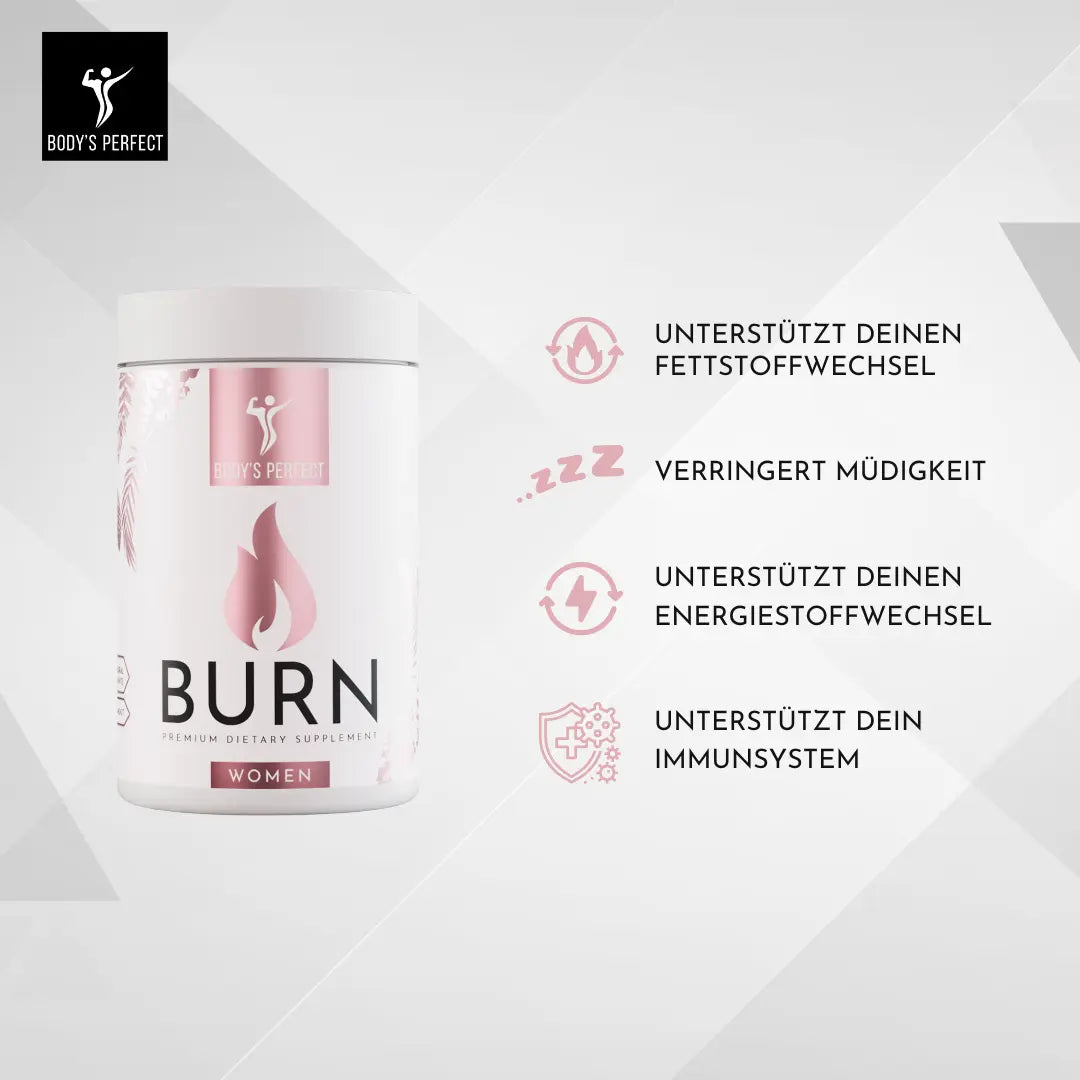
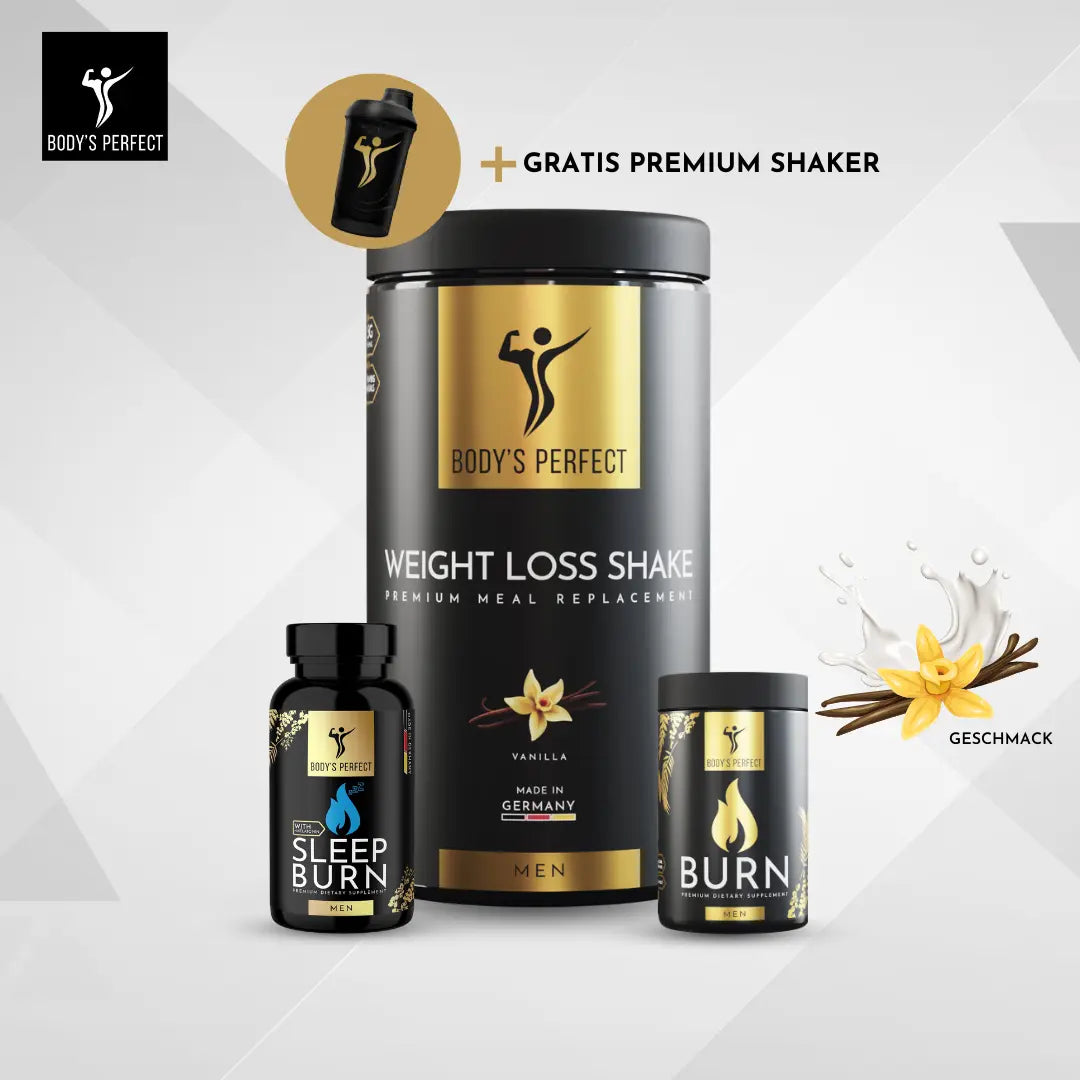
Are you ready to take your weight loss journey to the next level and optimize it based on your unique DNA? Discover the BODYSlim DNA Test and the tailored products from BODY'S PERFECT to specifically support your metabolism. Stop the guesswork and start your personalized path to a healthier, lighter you.












Share:
Lose Belly Fat Men: The Best Tips for Quick Results
Sustainable Weight Loss Without the Yo-Yo Effect: Your Personal Journey