


Why Conventional Diets Fail and What Really Works!
 Anyone who has ever tried to lose weight knows this feeling all too well: the pounds drop off at first, but after a few weeks, nothing changes on the scale – or the weight even creeps back up. This frustrating phenomenon has a name: the yo-yo effect. It is the main reason why most diets simply don't work in the long run. The figures are sobering: although around 8.18 million people in Germany actively want to lose weight, only a small proportion manage to maintain the new weight permanently. The extent to which the mind plays a role in weight loss is also highlighted in this article from Focus Online, which addresses the psychological hurdles.
But why do so many good intentions fail? The key lies in understanding how our body works.
The Survival Mode: When Your Body Rebels
Imagine your body as a sophisticated machine that has been trained over millennia to survive. If you suddenly drastically cut calories through a crash diet, it sounds an alarm, interpreting it as a famine. Its reaction is purely instinctive and quite clever: it switches into survival mode.
This has very specific consequences for you:
- Metabolism slows down: Your body becomes a penny-pincher. It tries to make do with the little energy it gets for as long as possible and thus burns significantly fewer calories.
- Muscle mass is sacrificed: Muscles consume a lot of energy. To save, the body first breaks down these valuable muscles – and not the unwanted fat.
- Cravings kick in: Your brain sends strong signals to get you to quickly consume high-calorie food and end the perceived emergency.
This fight against your own biology is almost impossible to win. As soon as you end the diet and eat "normally" again, the usual amount of calories meets a throttled metabolism. The result? The pounds are back faster than they left, often with a few extra "bonus pounds." Welcome to the yo-yo trap.
The Path to Sustainable Success
A sustainable approach to weight loss takes a completely different path. Instead of fighting your body, you work with it. This means abandoning radical short-term diets and instead building on long-term, healthy habits. It's not about forbidding everything, but about making smart choices and giving your body what it really needs.
This includes a balanced diet and regular exercise that boosts metabolism instead of slowing it down. You can find more about how to lose weight in a healthy way in our comprehensive guide to natural weight loss. Real change begins with understanding your body's signals and building a healthy relationship with food.
Plant-based nutrition as a secret weapon for effortless weight loss
If you want to lose weight sustainably, you don't necessarily have to keep track of every single calorie. A much more relaxed and often more effective method is right on our plate: a plant-based diet. Instead of focusing on deprivation, you simply concentrate on nutrient-rich and satiating foods like vegetables, legumes, and whole grains. The trick is that these foods naturally have a lower caloric density but more volume and fiber. The result? You can eat your fill, feel satisfied longer, and incidentally consume fewer calories – all without agonizing hunger pangs.
This infographic shows how easy it is to start the day with a nutrient-rich, plant-based meal. A combination of fresh greens and plant-based protein is key here.
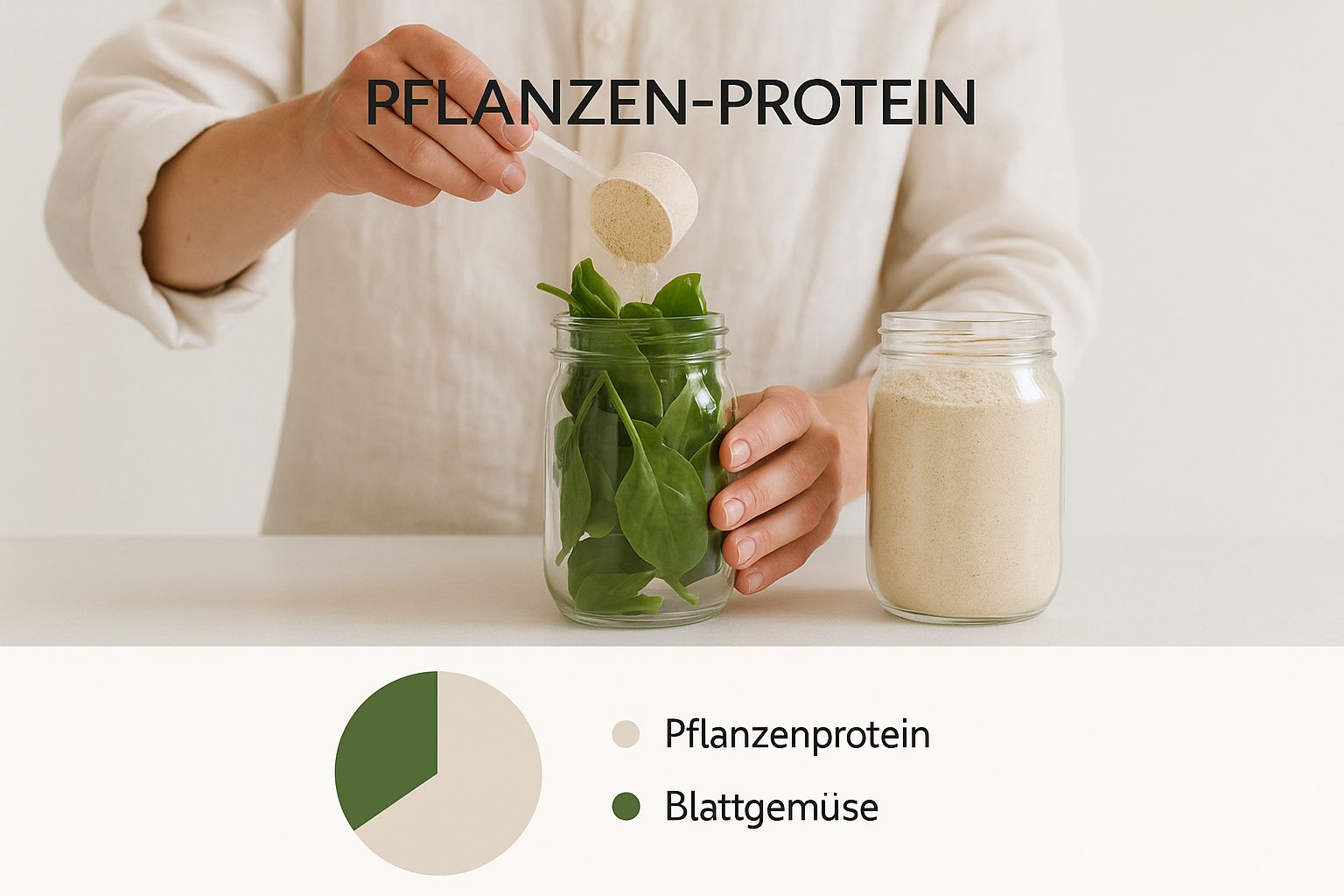
The mix of fresh ingredients and high-quality protein ensures long-lasting satiety and provides the body with important nutrients that support an active metabolism.
How to make the easy transition
The transition doesn't have to happen overnight. Instead, start with small, conscious changes. For example, swap the minced meat in your bolognese for lentils or try a bean-based burger patty. You'll be surprised how delicious and satisfying these alternatives can be. A quick smoothie made from fruits, oats, and a scoop of plant-based protein powder can also be a nutritious breakfast that keeps you energized for hours. Such small adjustments add up and create the basis for healthy habits that facilitate weight loss. You can find more helpful tips in our article on 5 healthy habits for losing weight.
To better understand the benefits of a plant-based diet, let's look at a direct comparison with traditional diets. The following table shows the differences in terms of calories, nutrients, and satiety.
Comparison: Traditional vs. Plant-Based Diet Comparison of nutrient density, calorie content, and satiating effects of different food groups
| Food Group | Calories per 100g (approx.) | Fiber Content (per 100g) | Satiety Index | Environmental Impact |
|---|---|---|---|---|
| Plant-based (Vegetables) | 20-50 kcal | 2-4 g | Very High | Very Low |
| Plant-based (Legumes) | 120-150 kcal | 7-9 g | High | Low |
| Animal (Red Meat) | 250-300 kcal | 0 g | Medium | Very High |
| Animal (Cheese, high-fat) | 350-400 kcal | 0 g | Medium-High | High |
| Processed Snacks | 450-550 kcal | < 1 g | Very Low | Medium-High |
As the table shows, plant-based foods offer significantly more volume and fiber with fewer calories. This leads to better satiety and makes it easier to achieve a calorie deficit without constantly feeling hungry.
More than just weight loss
A plant-based diet not only helps with sustainable weight loss but also increases your general well-being and daily energy. It's no coincidence that this approach is becoming increasingly popular. A recent analysis has shown that 82 percent of nutrition experts in Germany consider plant-based eating to be increasingly important. It is seen as crucial for a healthy and sustainable diet. You can read more about these exciting developments in the current Trend Report on Nutrition 2025. By adding more plants to your diet, you are not only investing in your figure but also in your long-term health and making a valuable contribution to the environment.
Unlocking Your Metabolism and Boosting It Naturally
We all know stories of people whose metabolism seems to be running at full throttle, while ours feels like it's idling. But metabolism is not a mysterious engine that cannot be influenced. On the contrary: it is a dynamic system of countless biochemical processes that converts food into vital energy – and you can actively support it. For sustainable weight loss, it is crucial not to stifle this engine with radical diets, but to boost it intelligently and naturally.
The most important value in this context is your basal metabolic rate. This is the amount of energy your body consumes at absolute rest, just to maintain heartbeat, breathing, and body temperature. It accounts for the lion's share of your daily calorie expenditure. While factors such as age, gender, and genetics play a role, the biggest lever you have at your disposal is your muscle mass.
Muscles: The Secret Calorie Burners
Imagine your muscles as small power plants that consume energy around the clock – even when you are comfortably lying on the couch. Fat tissue, on the other hand, is more of a passive storage. The more muscle mass you have, the higher your basal metabolic rate. This simply means: you burn more calories without lifting a finger.
This is precisely why a clever combination of strength and endurance training is so effective. While cardio training primarily burns calories during the activity itself, strength training builds muscle mass, which permanently increases your daily energy consumption.
As you can see, there are various levers for your metabolism. The following table gives you a good overview of what you can influence and what you cannot.
Factors Influencing Your Metabolism
Overview of various influencing factors on the basal metabolic rate and their effects on weight loss
| Factor | Impact on Metabolism | Modifiability | Practical Tips |
|---|---|---|---|
| Muscle Mass | More muscle = higher basal metabolic rate | High | Regular strength training (2–3x per week) |
| Nutrition | Protein-rich diet boosts, crash diets slow down | High | Sufficient protein (approx. 1.5 g per kg body weight), no radical calorie cuts |
| Daily Movement | Increases total energy expenditure (NEAT) | High | Take stairs, walks during lunch break, work standing up |
| Sufficient Sleep | Lack of sleep lowers metabolism and promotes cravings | Medium | Aim for 7–8 hours per night, establish fixed sleep times |
| Hydration | Dehydration can slow down metabolism | High | Drink approx. 2–3 liters of water or unsweetened tea daily |
The table clearly shows: you have many ways to positively influence your metabolism, especially through exercise, nutrition, and daily habits.
Naturally Boosting Your Metabolism in Everyday Life
You don't have to turn your life upside down to support your metabolism. It's often the small but consistent habits that make the difference. For example, start your day with a protein-rich breakfast, such as quark with berries or a protein shake. Protein has a higher thermic effect than carbohydrates or fats, meaning your body has to expend more energy during digestion.
Another crucial but often underestimated factor is sufficient sleep. Studies show that even a single night of too little sleep can slow down metabolism the next day. At the same time, the hormones that control hunger and satiety are thrown out of balance. Your path to sustainable weight loss is therefore also a path to more self-care and better sleep habits.
Movement that inspires: Find your perfect training routine
Hand on heart: Do you also associate sport more with torture than with joy? Hours of sweating in the gym or monotonous jogging in any weather – for many, that sounds like a punishment. But to lose weight sustainably, exercise must become a permanent and, above all, enjoyable part of your life. The trick is to find activities that you genuinely look forward to, rather than just ticking them off as a necessary evil. Say goodbye to the idea that every workout has to be to the point of total exhaustion.
The perfect mix for maximum success
When it comes to shaping the body and really getting the metabolism going, a combination of two types of training has proven particularly effective:
- Strength training: Builds valuable muscles that diligently burn calories even at rest. Exercises like squats, push-ups, or rowing are particularly smart because they target several muscle groups at once, making your workout super efficient.
- Endurance training: Strengthens your cardiovascular system and burns a lot of calories during the activity. You don't have to run a marathon. Regular movement like brisk walking, a bike ride, or relaxed swimming is perfectly sufficient.
The German Nutrition Society (DGE) recommends a combination of strength training and about 30 to 60 minutes of exercise per day. This mix not only ensures that you burn fat but also builds a toned and healthy body.
Make exercise your hobby
The best training plan is useless if you don't stick to it. The solution is actually quite simple: find something you truly enjoy! Be curious and try different things until you find your passion.
| Activity Type | Examples | Suitable for whom? |
|---|---|---|
| Outdoor & Nature | Hiking, cycling, stand-up paddling | For everyone who loves fresh air and wants to clear their head. |
| Home & Flexible | Online yoga classes, HIIT workouts via app, dancing in the living room | Perfect for busy people who want to remain independent of time and place. |
| Social & Motivating | Dance classes (salsa, Zumba), team sports (volleyball), joint running groups | Ideal for anyone who is swept away by the energy of a group. |
It's about changing your perspective. Don't view a long walk as exercise, but as time for an interesting podcast. Instead of meeting for coffee, why not arrange a bike ride with friends? This way, movement subtly creeps into your daily life. You can find more clever strategies on how to stay fit in the long term in our guide on the best tips for staying in shape.
And always remember: every movement counts. Take the stairs instead of the elevator or do small errands on foot. These small changes add up throughout the day and bring you closer to your feel-good weight – without any pressure or torment.
The Psychology of Weight Loss: Your Mind Determines Success
We can talk for hours about calories, macronutrients, and workout plans. But if we ignore one crucial factor, every well-intentioned plan is doomed to fail: our psyche. Sustainable weight loss is about 80% mental. Your thinking, your habits, and how you deal with emotions form the foundation upon which your long-term success stands. Without this stable mental base, you will always fall back into old patterns.
Why We Eat Out of Emotion
Do you know the feeling? A stressful day at the office, an argument with your partner, or simply boredom – and your hand automatically reaches for chocolate or chips. This behavior is known as emotional eating. We eat not because our body signals hunger, but because we are trying to dampen unpleasant feelings, reward ourselves, or fill an inner void.
The big problem with this is that this "solution" only works in the short term. The actual feeling remains unresolved and is often accompanied by guilt. To break this vicious cycle, you need to learn to recognize your true needs.
- Observe yourself: Keep a small diary. When exactly do you reach for unhealthy snacks? How do you feel at that moment? This awareness alone is the first big step towards change.
- Find alternatives: The next time you want to eat out of stress, pause briefly and ask yourself, "What do I really need?" Perhaps it's a five-minute break, a quick chat with a colleague, or simply a walk in the fresh air.
- Be patient with yourself: Establishing new habits takes time. Setbacks are not failures, but a normal part of the learning process.
From Self-Criticism to Self-Care
The inner critic can be your biggest enemy on the path to your feel-good weight. Constant self-reproaches after a "slip-up" destroy your motivation and self-confidence. Successful people, instead, cultivate an attitude of self-care. They treat themselves with the same patience and understanding as they would a good friend.
This positive inner dialogue is crucial. When you strengthen your self-confidence, you automatically make better decisions for your body. You can also find valuable tips on this in our article on how to boost your self-confidence.
That the psyche plays a key role here is not mere assumption. Studies confirm that qualities such as self-control and the right way to deal with emotional stress are decisive for long-term weight loss success. It is becoming increasingly clear that a holistic approach that equally involves body and mind is essential. You can learn more about the psychological aspects of weight loss on Focus Online. In the end, it's not the calories on your plate, but the thoughts in your head that determine your long-term success.
Practical Implementation: From Knowledge to Habit
All the knowledge about metabolism, nutrition, and psyche is unfortunately useless if it doesn't find its way into your daily life. This is precisely where most good intentions fail – not due to a lack of will, but due to practical implementation in a hectic life. The key to success is to make healthy choices as easy and automatic as possible until they become habits. Sustainable weight loss means shaping your environment to support you, instead of constantly putting you to the test.
Setting Up Your Kitchen as a Control Center for Success
Your kitchen is the central hub for everything. Smart preparation here saves you countless bad decisions made on a whim later on.
- Visibility is key: What you see, you eat. Place a bowl of fresh fruit or readily available vegetable sticks prominently on the countertop. Unhealthy snacks, on the other hand, belong at the very back and top of the cupboard – or ideally, not even in your shopping cart.
- Intelligent Meal Prep: Don't worry, you don't have to cook for an entire week. Start small: just cook double portions of rice, quinoa, or lentils in the evening. This way, you have a ready-made, healthy base for a quick lunch the next day and don't have to rush to the bakery or snack bar.
- Healthy Staples: Make sure you always have a selection of shelf-stable, healthy foods at home. These include oatmeal, canned legumes (beans, chickpeas), frozen vegetables, and berries. With these, you can whip up a quick and nutritious meal anytime, even when time is short.
Navigating Social Hurdles with Confidence
Invitations to dinner or parties with friends are often the biggest stumbling blocks on the way to your goal. But you don't have to socially isolate yourself to be successful. Good preparation is half the battle here too. Eat a small snack beforehand, for example, a yogurt or a handful of nuts. This way, you won't arrive ravenous and can choose much more consciously at the buffet. Focus on salads, vegetables, and lean protein sources, and only fill your plate once.
It's not about perfection, but about clever strategies that integrate well into your life. If you're looking for further practical help, you'll find many additional weight loss tips in our article that will make your daily life easier. Remember: every small step that becomes a habit is a big victory for your long-term health.
Your Personal Roadmap for Sustainable Weight Loss Success
Now that we've covered the basics of nutrition, exercise, and mental strength, it's time to turn this knowledge into a personal roadmap. Sustainable weight loss means having a plan that fits into your life – not the other way around. It's not about being perfect, but about making steady progress.
Setting Goals and Maintaining Motivation
A realistic goal is the alpha and omega. The German Nutrition Society (DGE) suggests a moderate weight loss of about 0.5 kilograms per week. That might not sound like much at first, but over three months, that's six kilos of pure fat – without the dreaded yo-yo effect or the loss of valuable muscle mass.
This is how motivation is maintained in the long term:
- Celebrate small successes: Reward yourself when you reach a milestone, but please not with food. How about a new book, a relaxing bath, or a short trip instead?
- Seek support: Talk to a friend or family member about your plan. An ally can pick you up on weak days and share your successes with you.
- Visualize your goal: What exactly do you want to achieve? Fit back into your favorite jeans? Climb stairs with more energy? Having a clear picture in mind is incredibly motivating and helps you stay on track.
Dealing with Stagnation and Plateaus
Anyone who has ever tried to lose weight knows them: those frustrating plateaus where nothing seems to happen on the scale for weeks. That's completely normal! Your body adapts to the new situation. Instead of burying your head in the sand, you should see it as a sign that it's time for a small adjustment. Introduce variety into your training, try new healthy recipes, or review your portion sizes. Sometimes it's just a tiny change that challenges your metabolism anew.
Your journey to your feel-good weight is a marathon, not a sprint. With a little patience, the right strategies, and a clear plan, you will achieve a change that truly lasts.
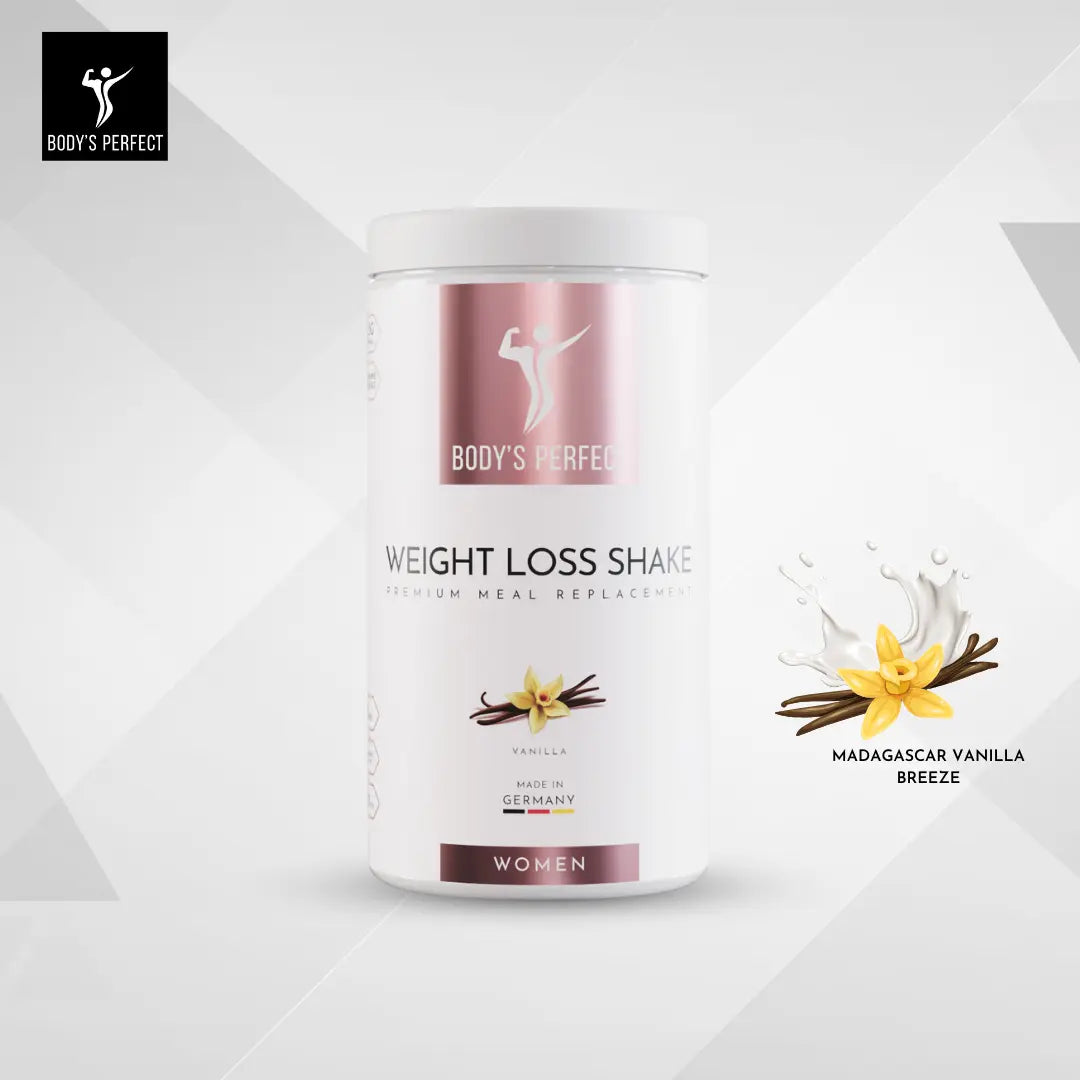
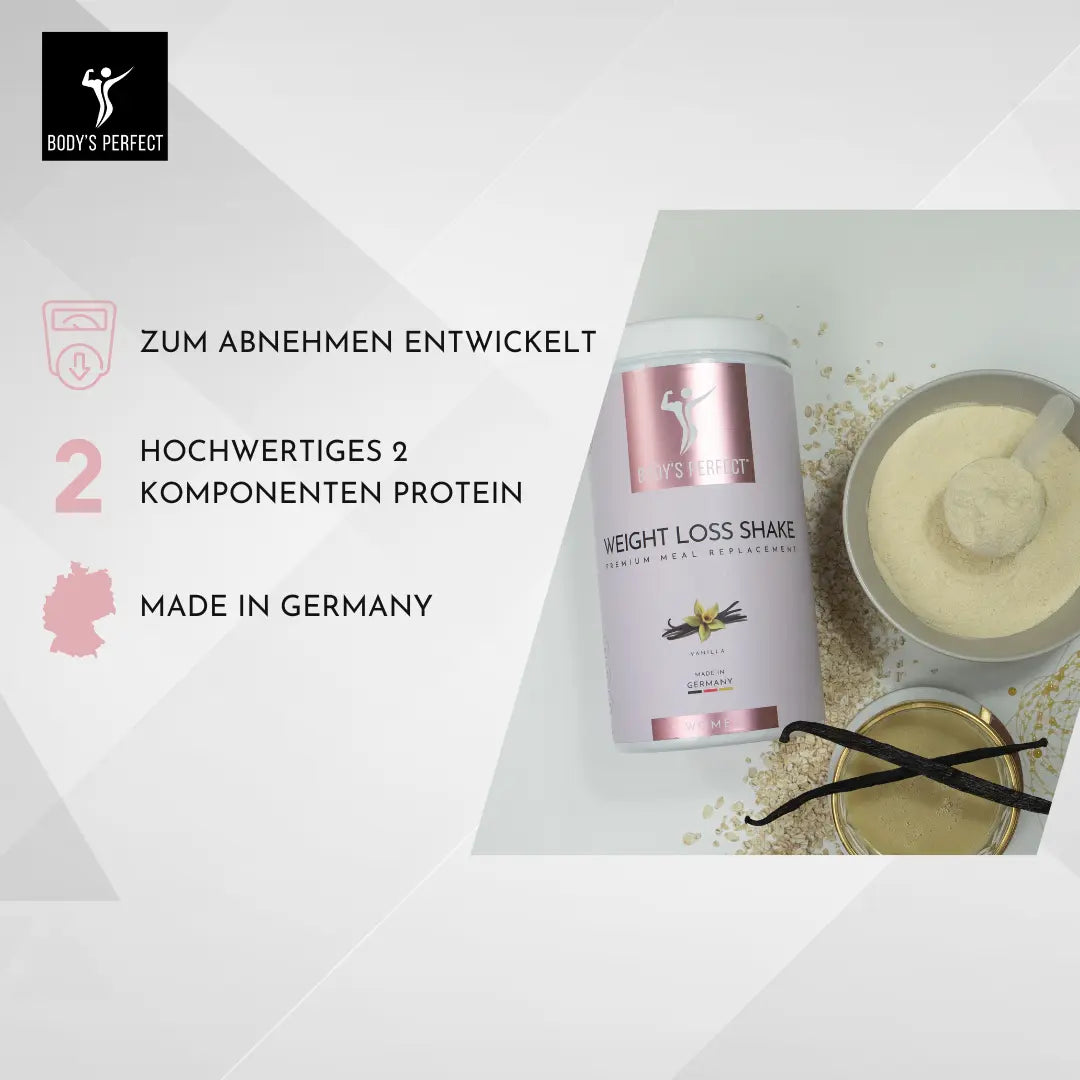
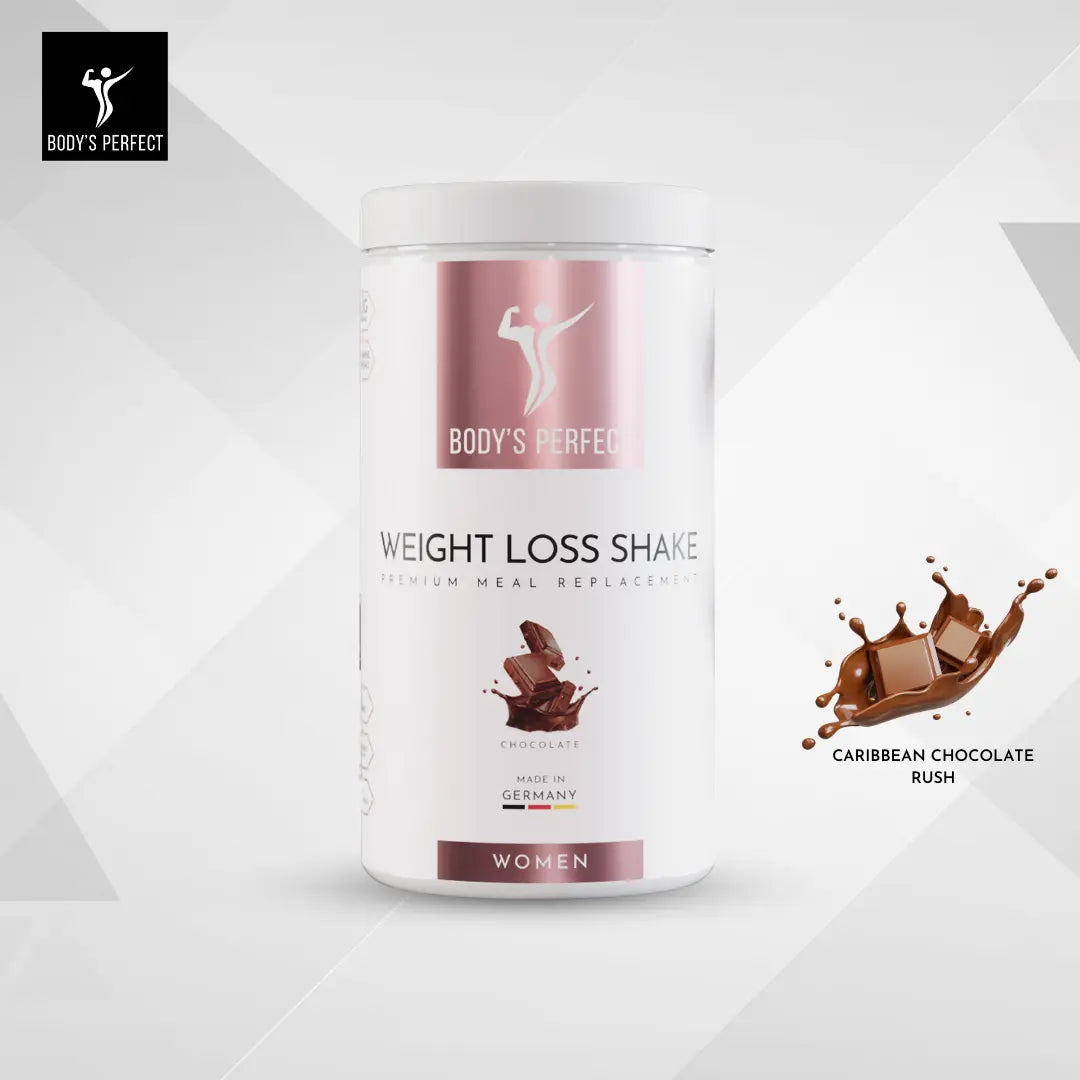
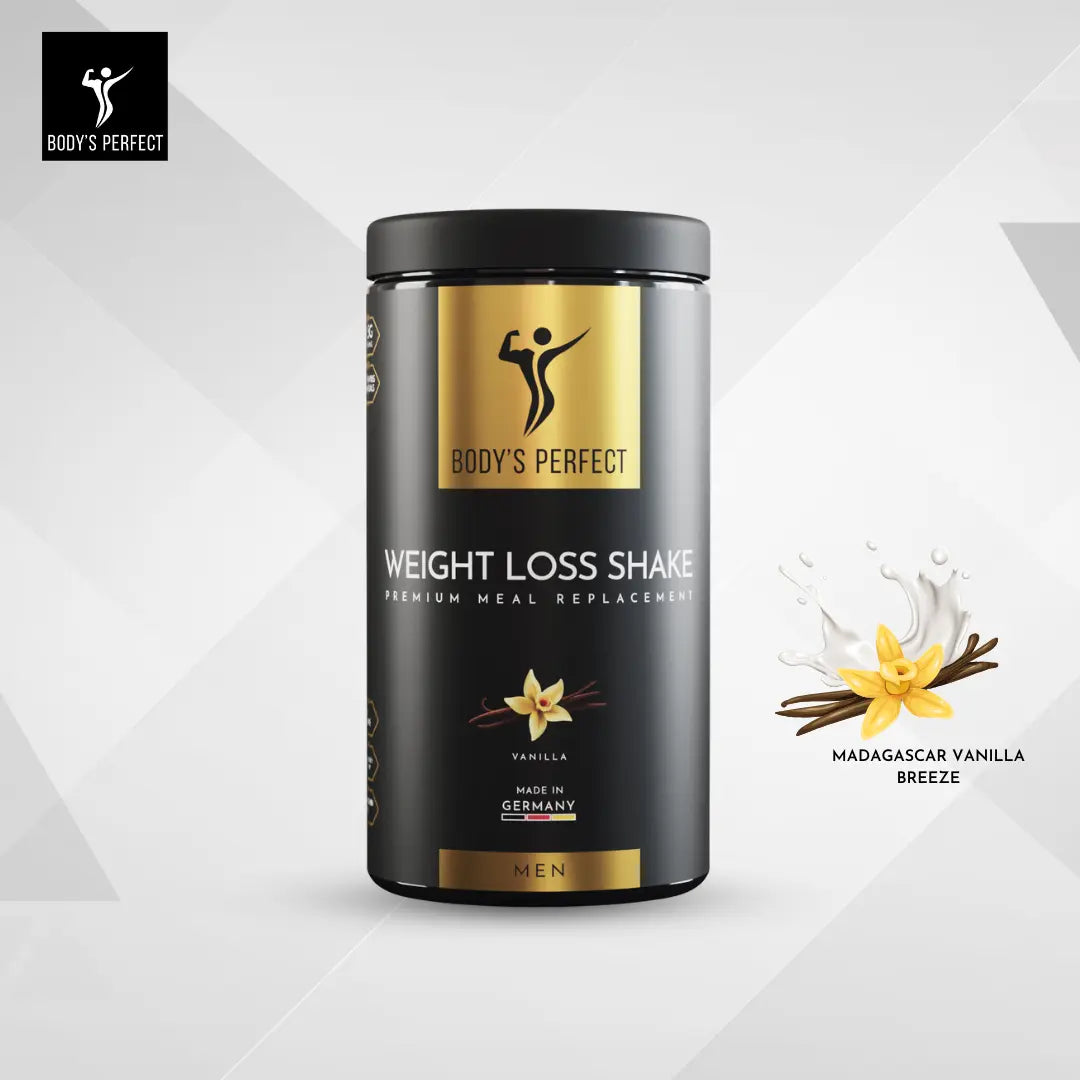
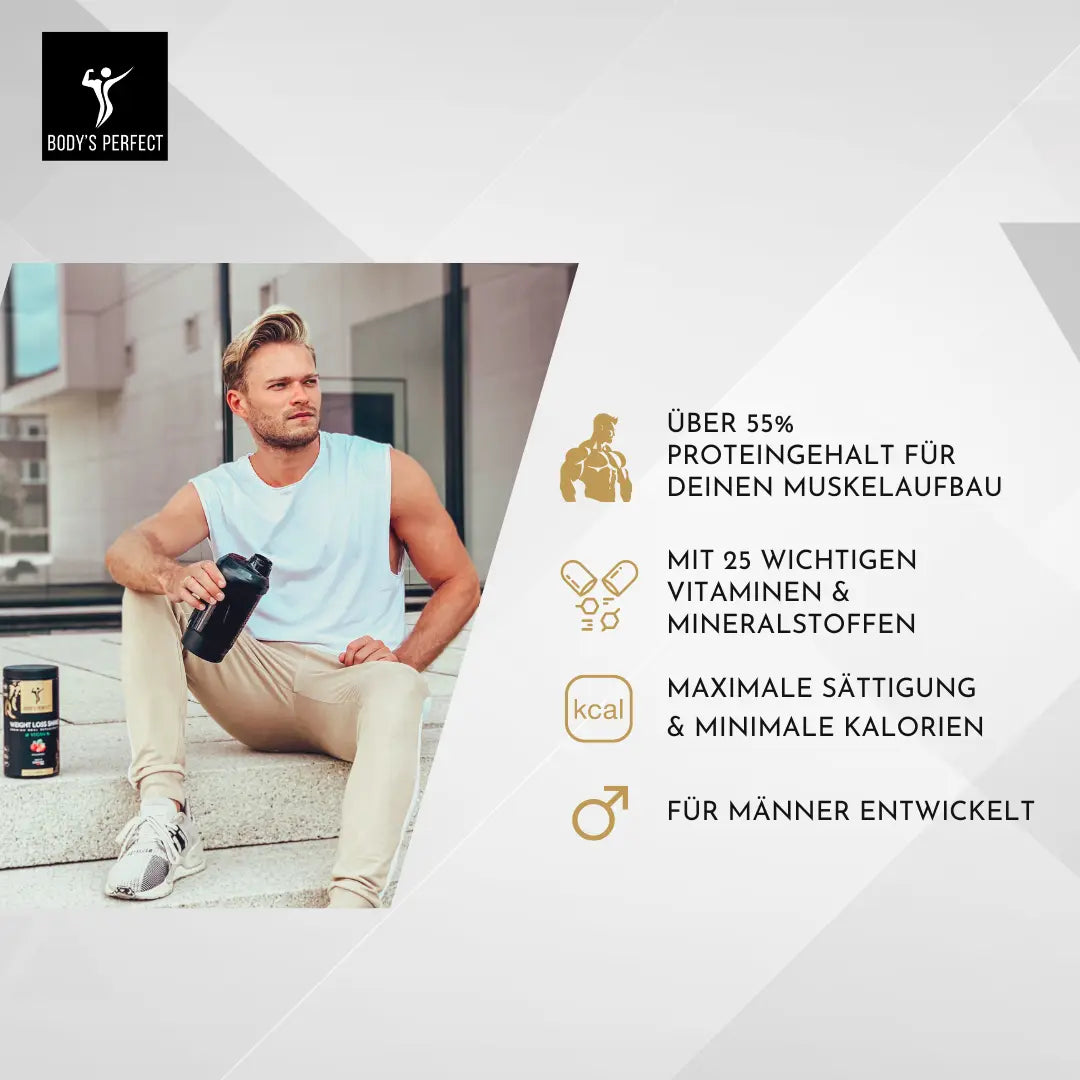
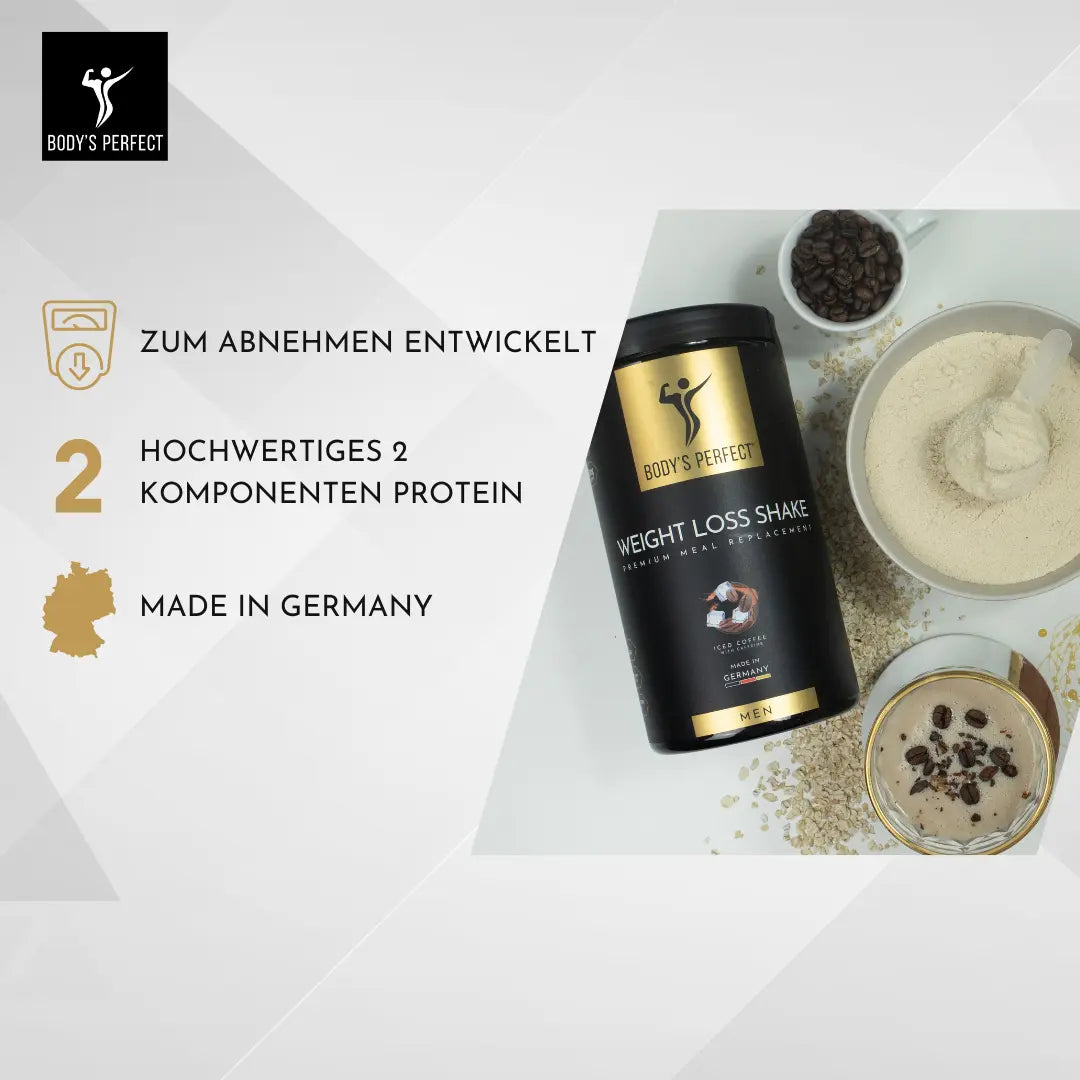
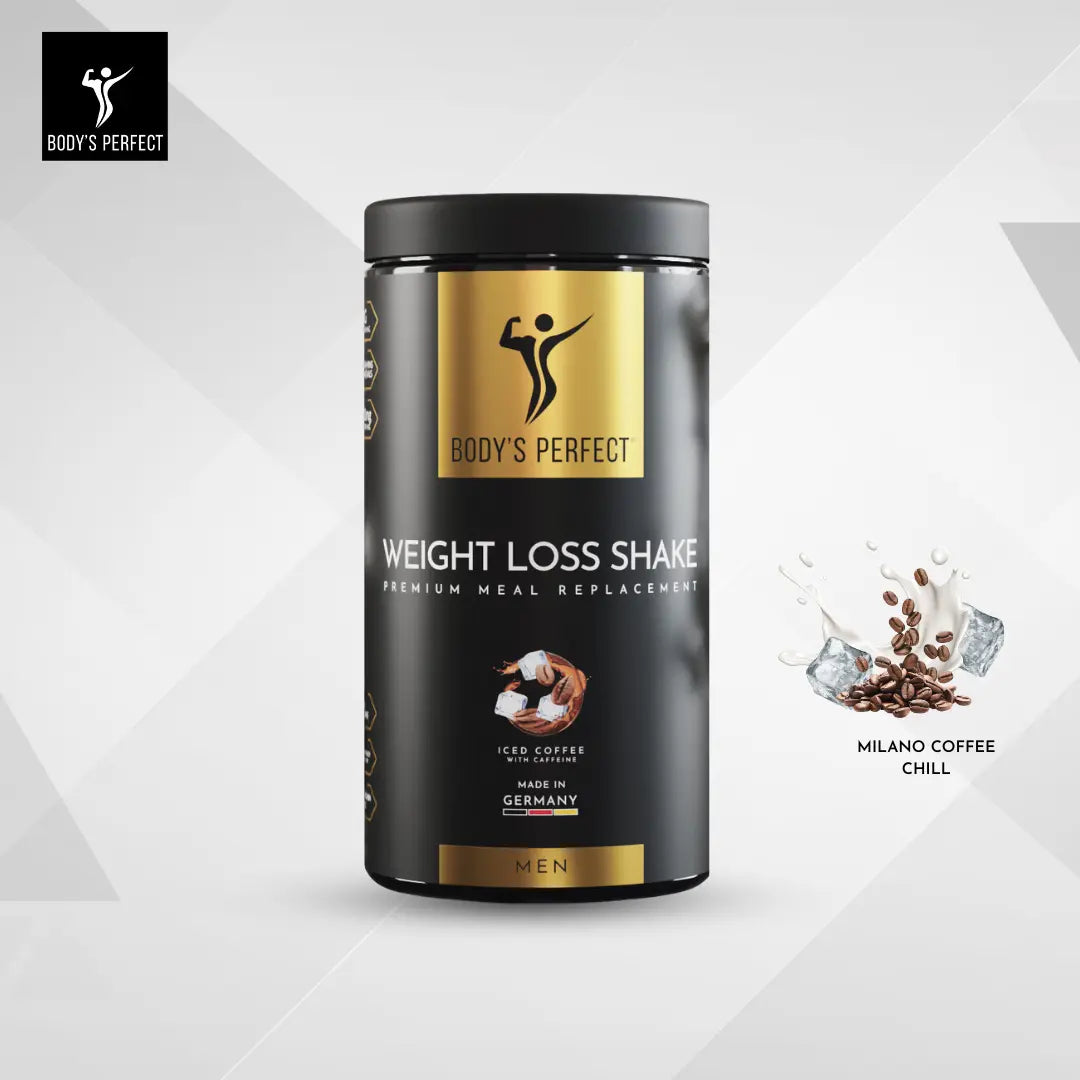
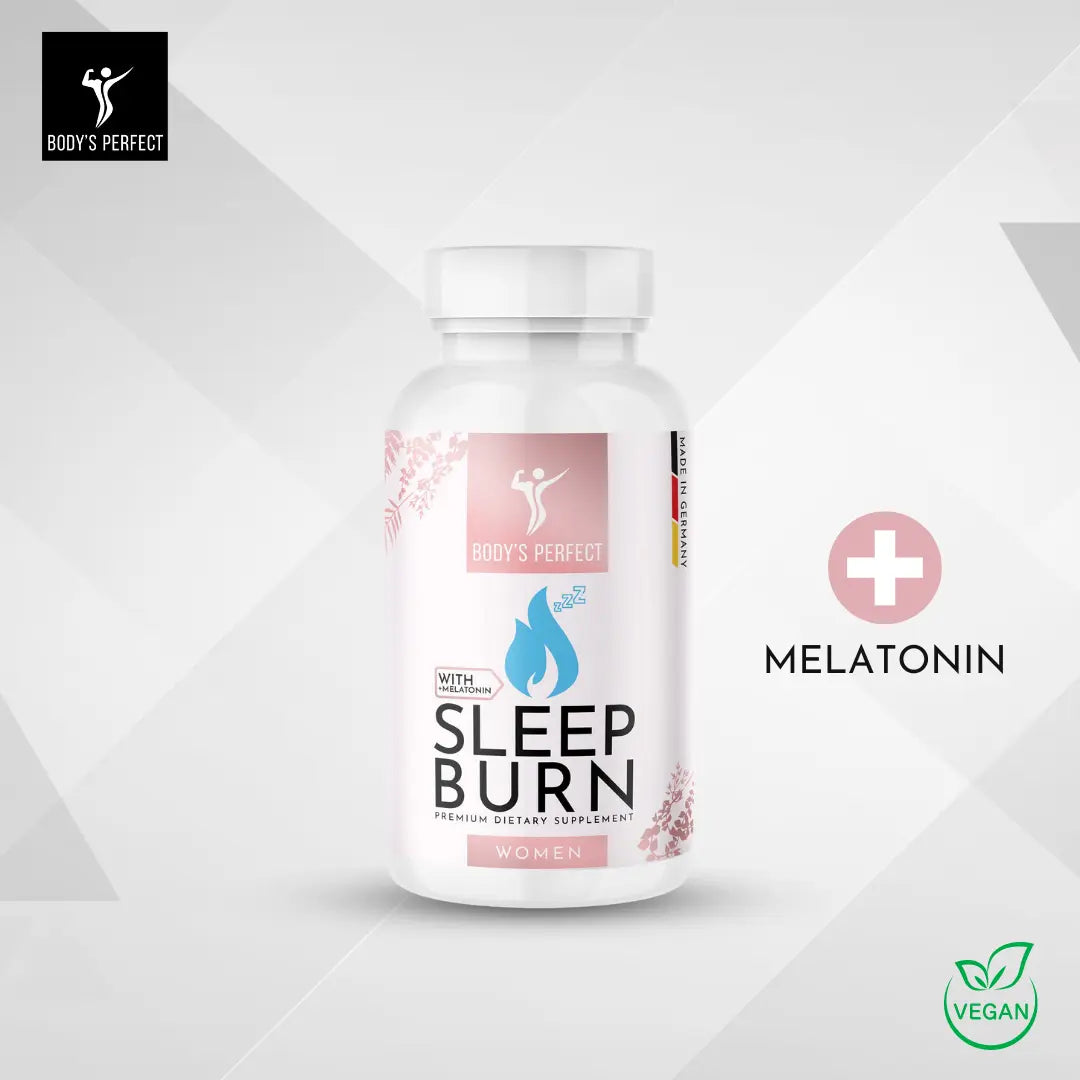
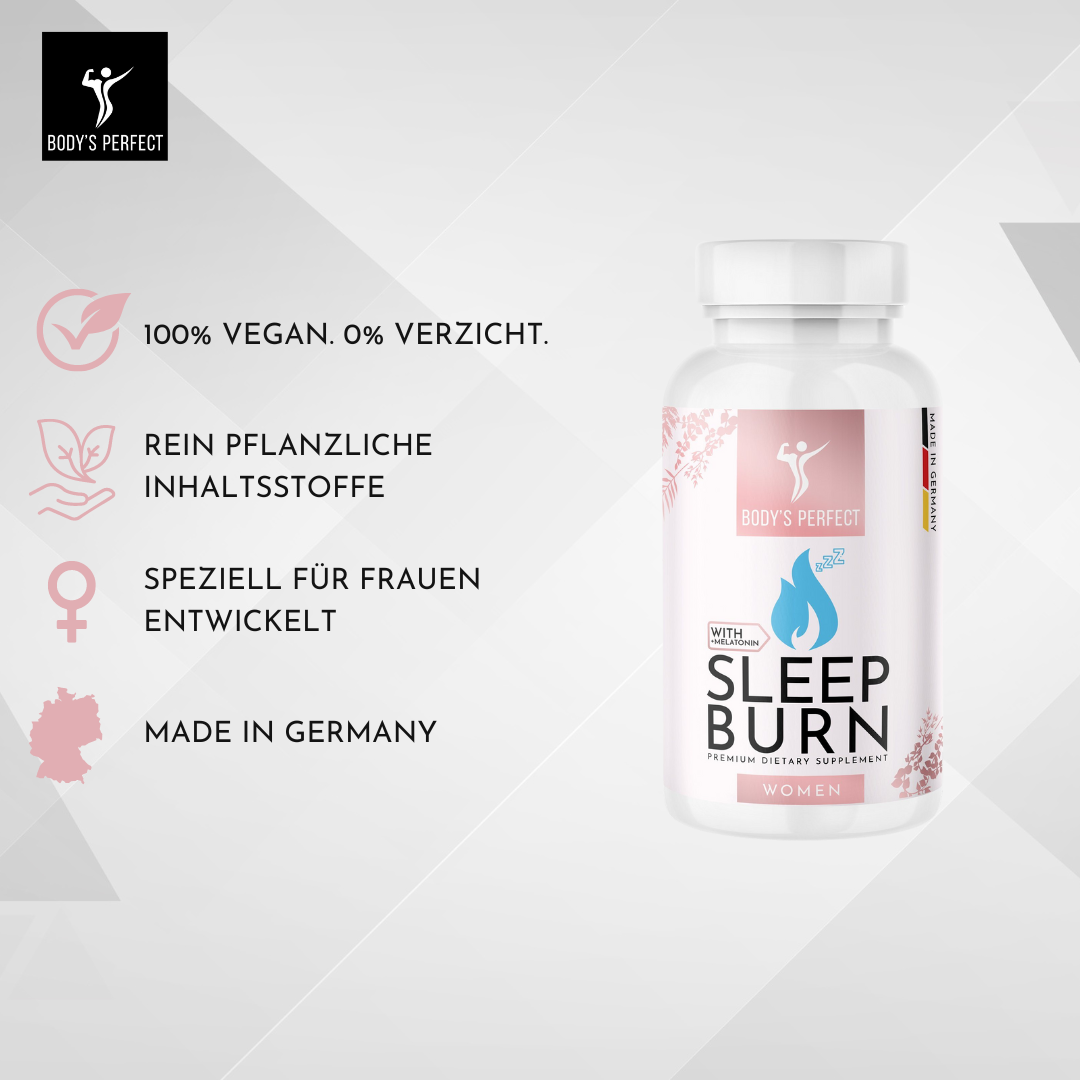
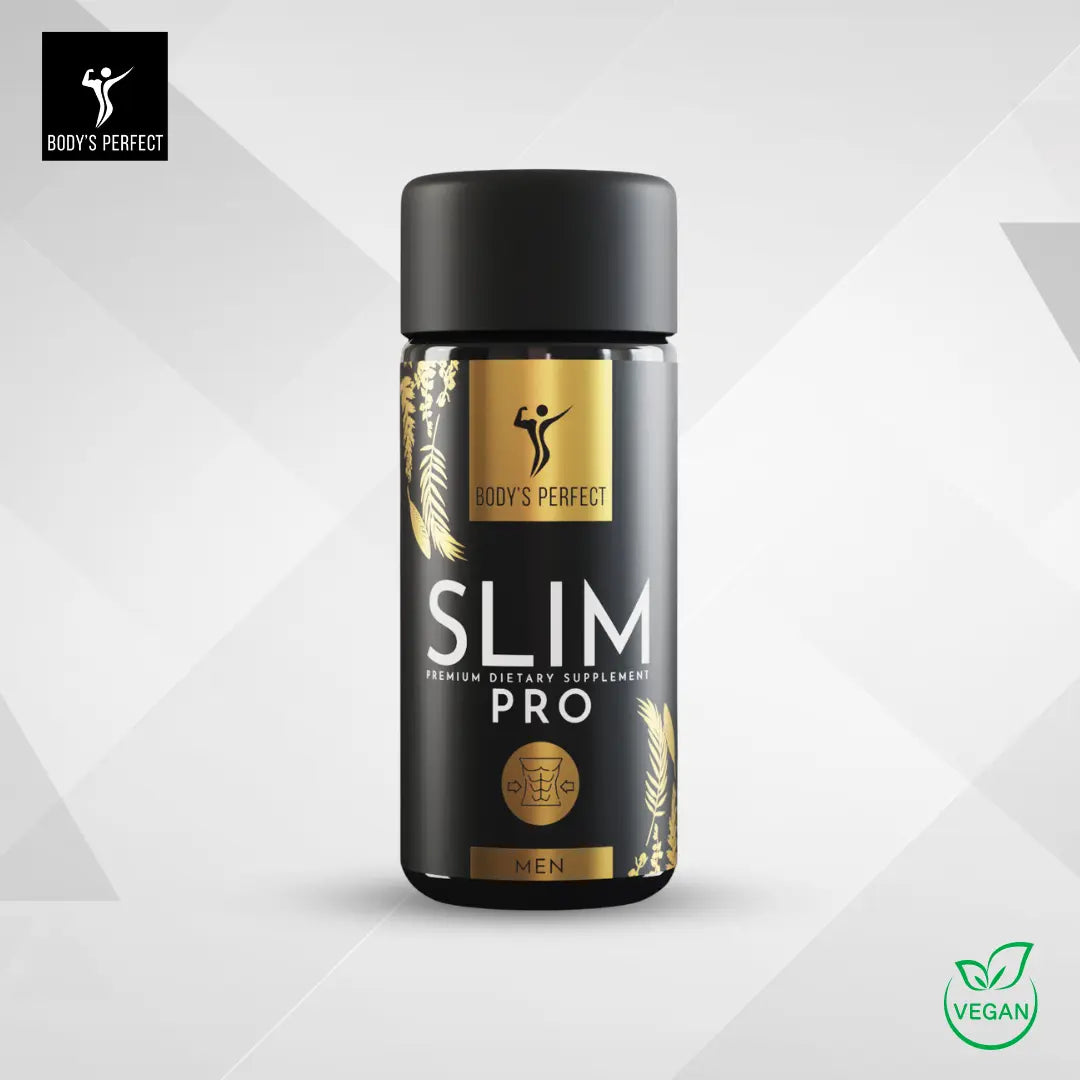
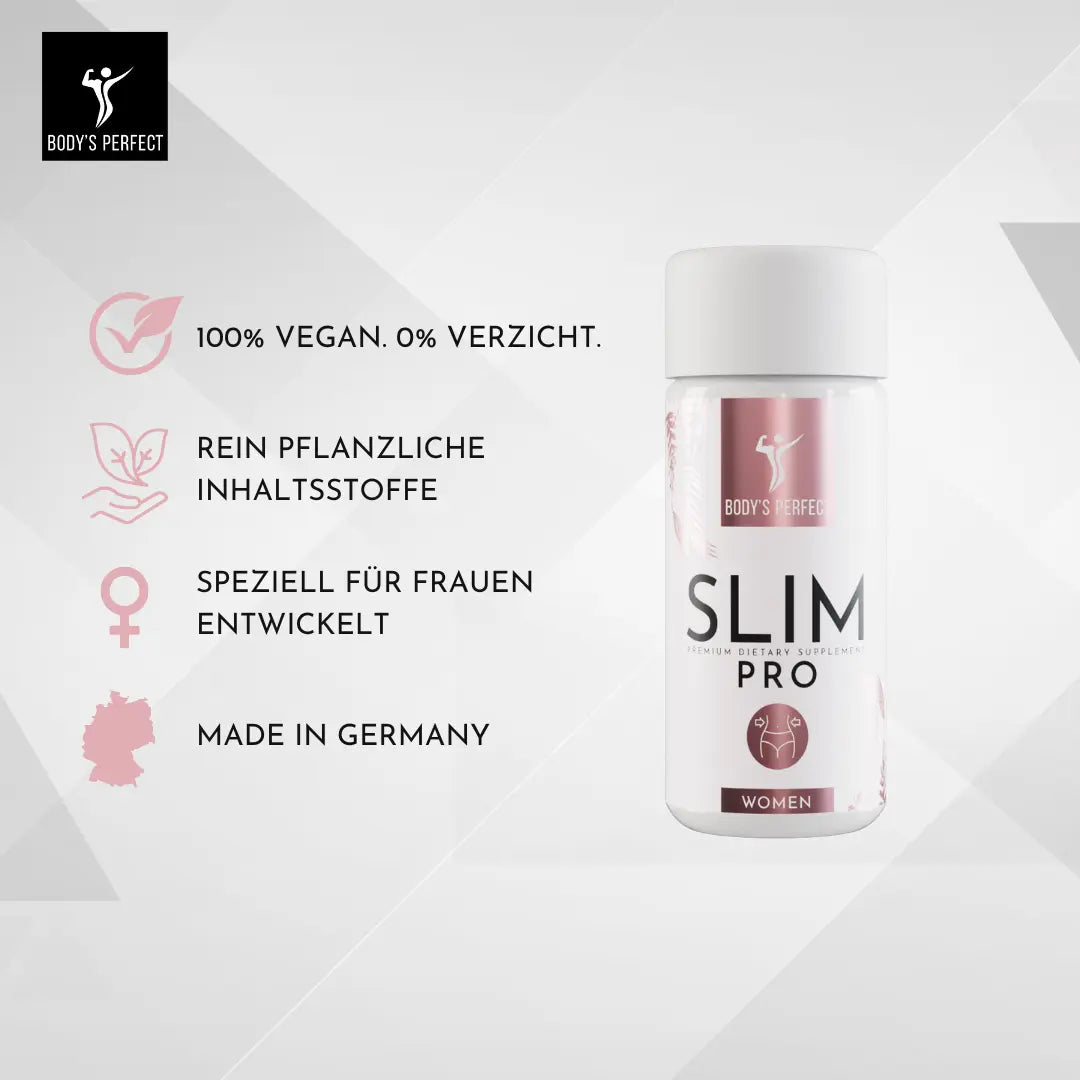
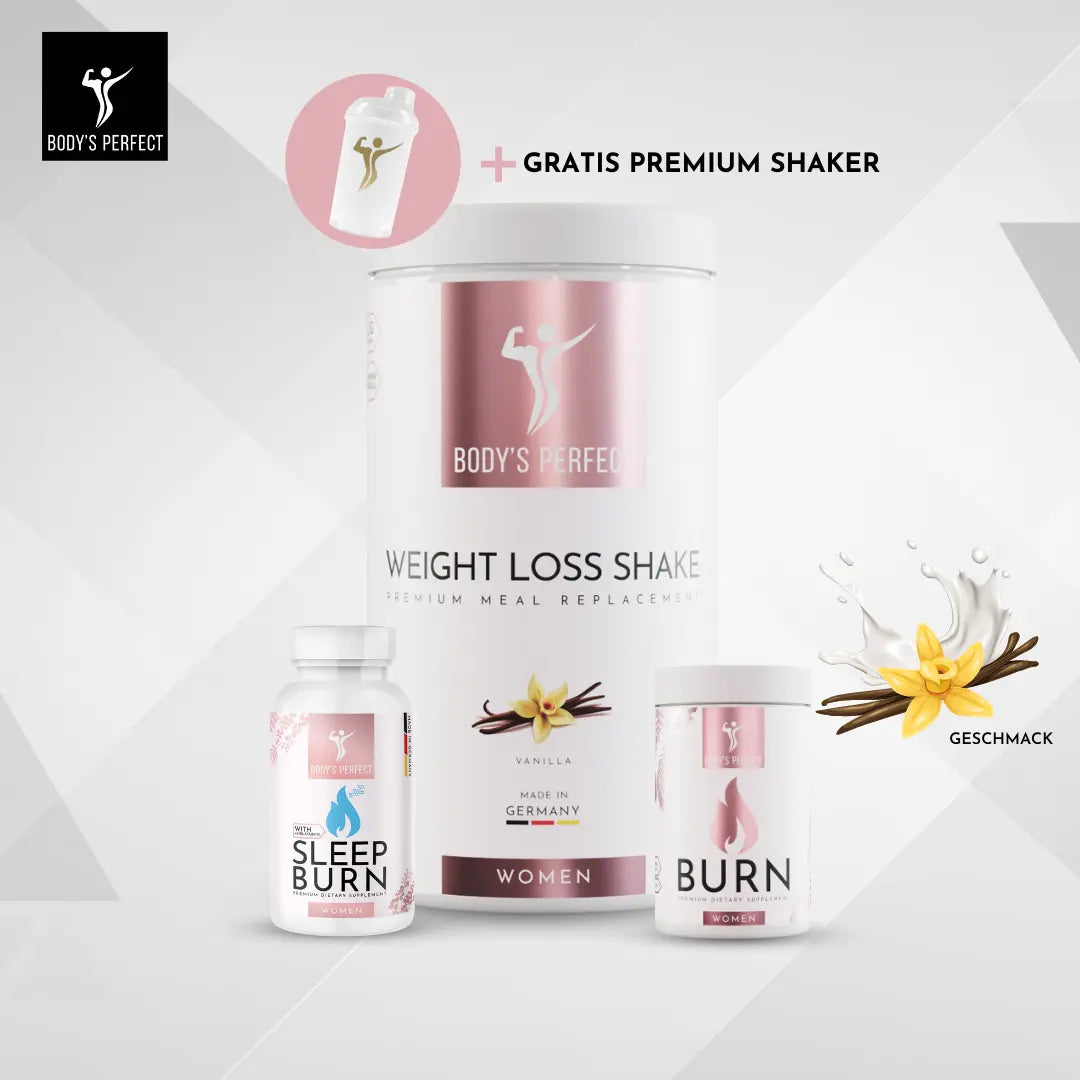
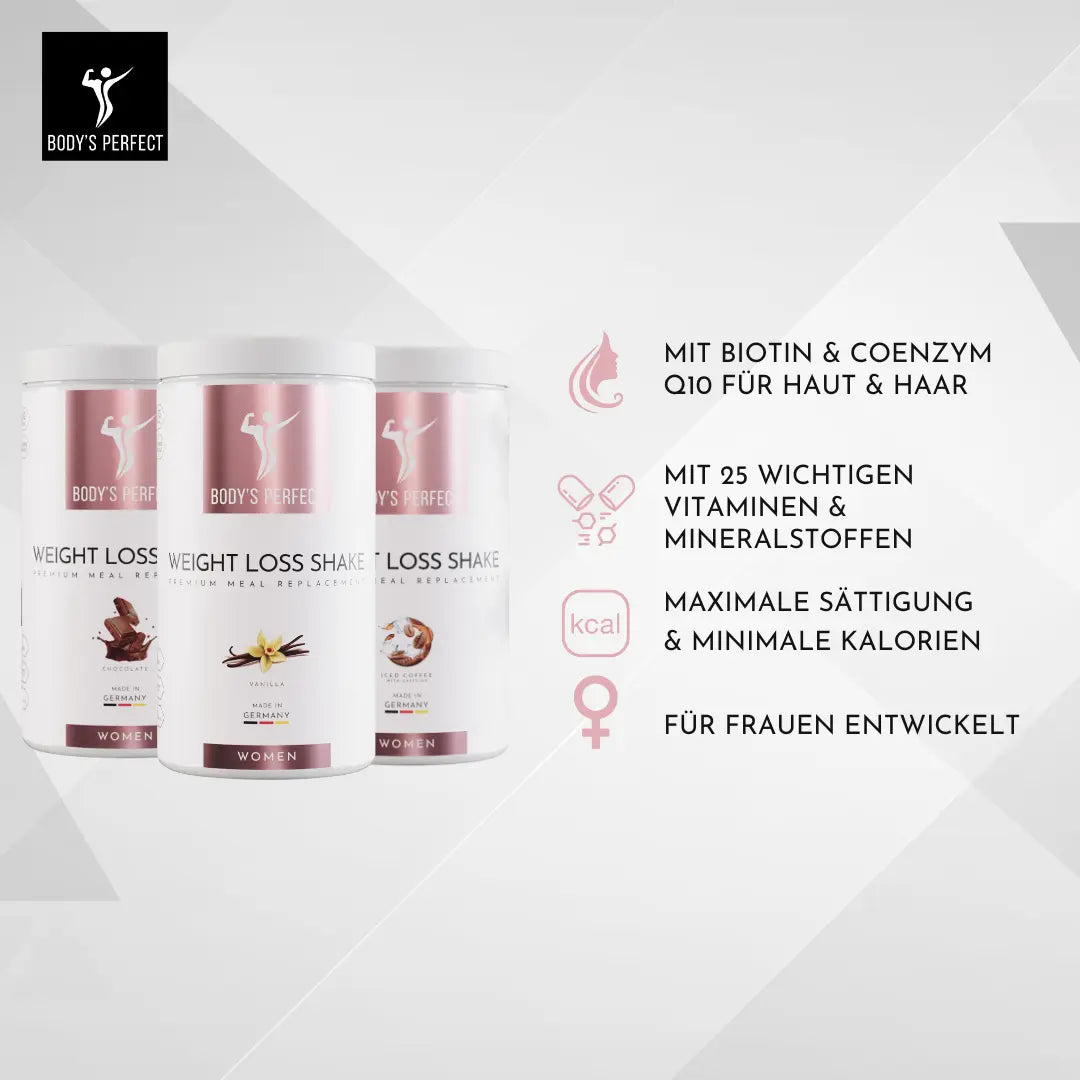
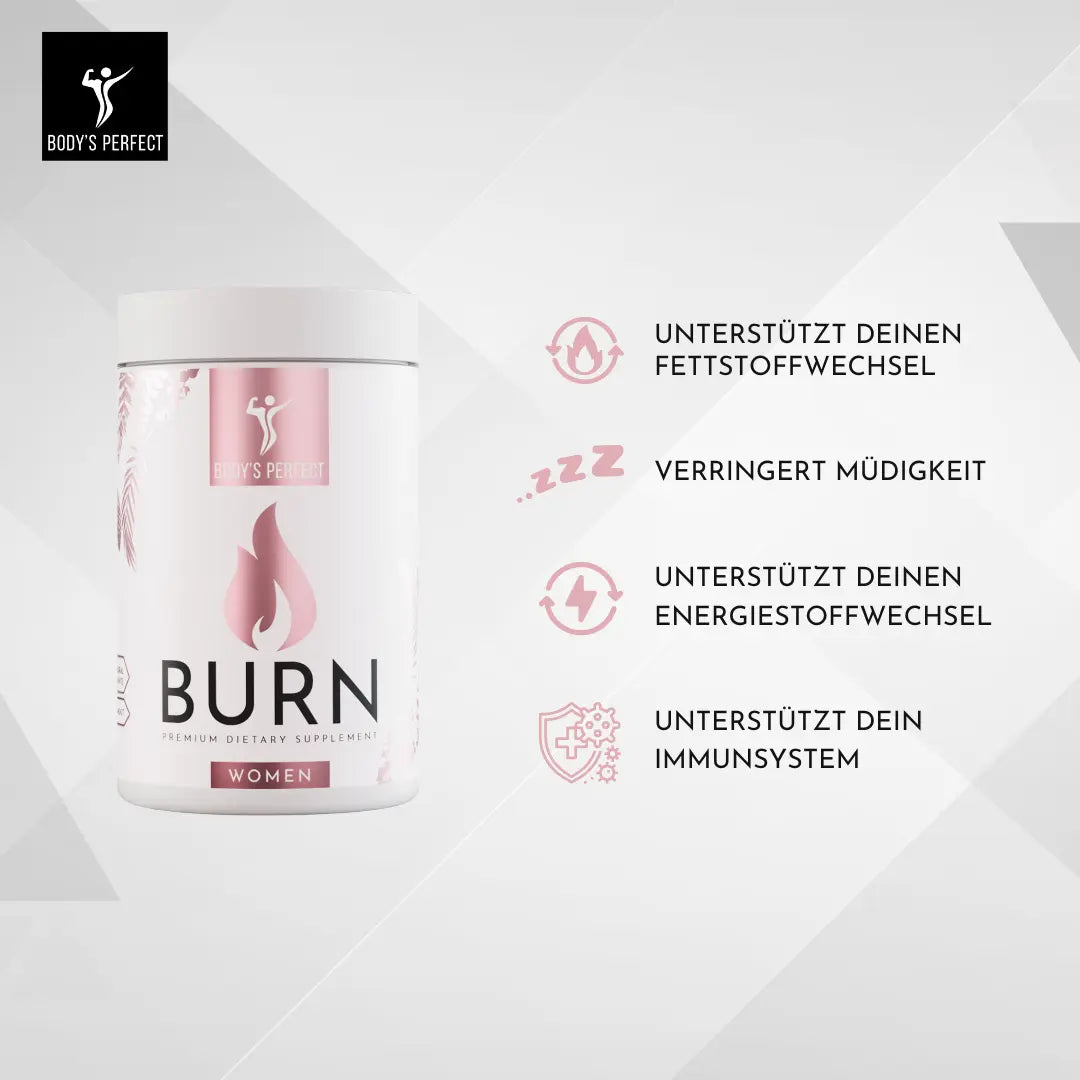
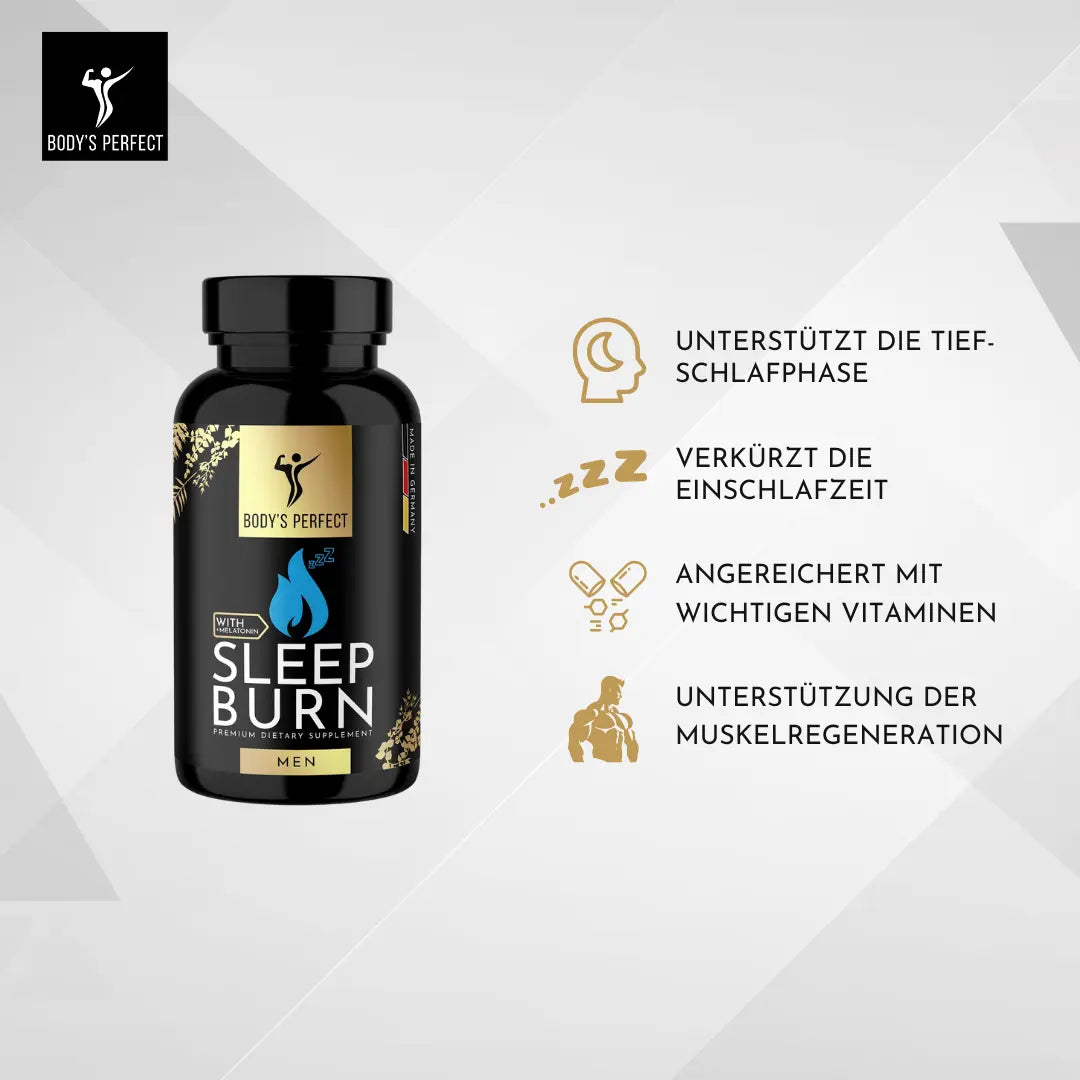
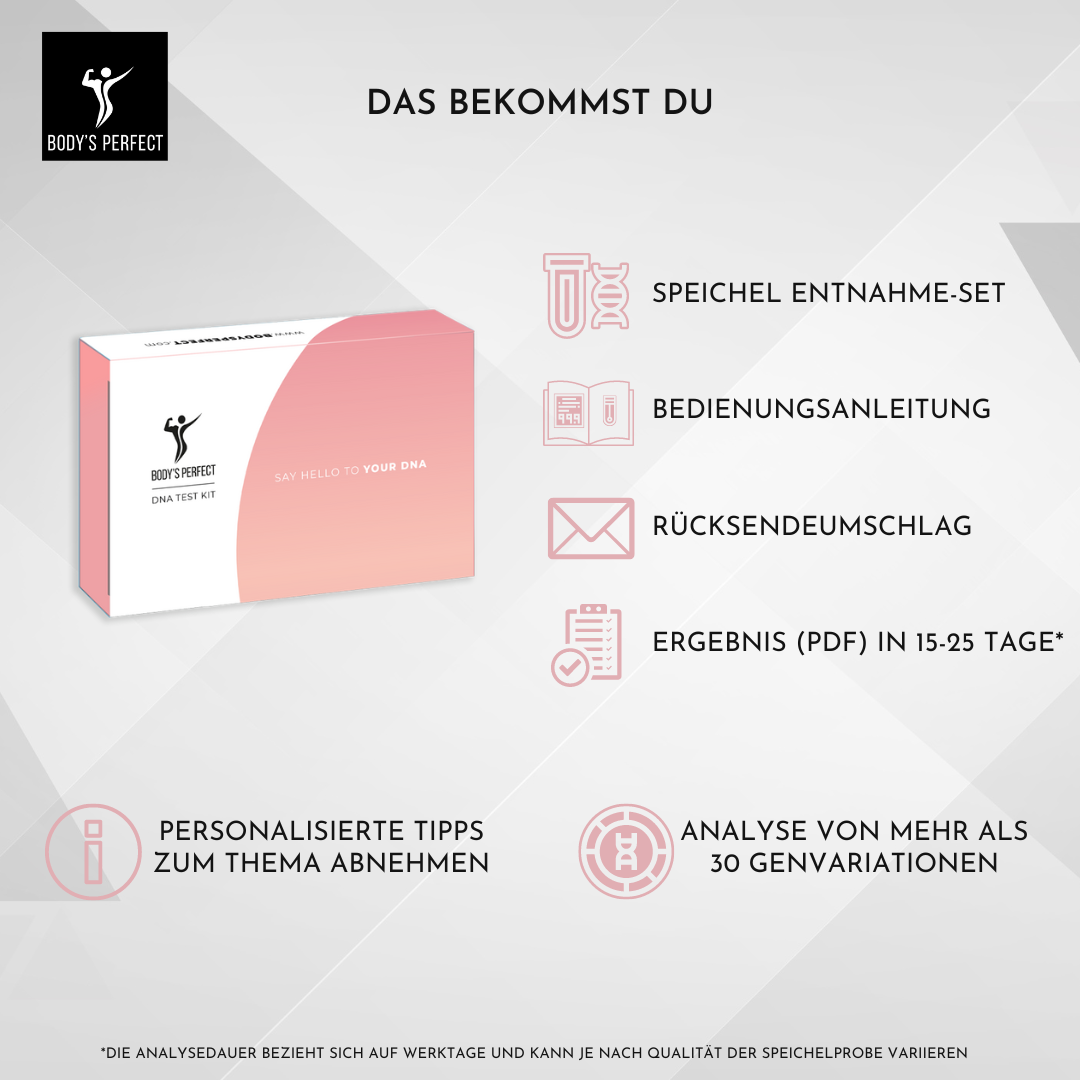
Do you want to embark on this journey not alone and understand your body even better? The products from BODY'S PERFECT and our innovative DNA metabolism tests offer you ideal support to achieve your goals effectively and healthily.





Share:
Weight Loss Tips: 8 Proven Strategies for 2025
Which Weight Loss Shake is the Best? Top 7 in the 2025 Test