


Muscle Building and Nutrition: Top Tips for Fast Results
 Let's be honest, most advice on muscle-building nutrition is unnecessarily complicated and often off-putting. You give your all in training, stick to your plan, but the results don't come, while your training partner seemingly builds muscle with ease. This can be incredibly frustrating. However, the reason is usually simpler than you think: many underestimate what needs to happen on a biological level for a muscle to grow at all.
What Your Muscles Truly Need to Grow
Imagine your muscles as a construction site. The training itself is the impulse that sets everything in motion – it creates tiny, deliberate damage in the muscle fibers. This process is called hypertrophy. These micro-tears are the crucial signal to your body to start the repair and growth process. It's the wake-up call that says, "Hey, we need to get stronger!"
The Crucial Role of Regeneration and Nutrition
Now comes the part where the wheat is separated from the chaff: the post-workout phase. Your body wants to not only repair the damaged fibers but also rebuild them thicker and more resilient to be prepared for the next strain. But for that, it needs the right building materials – meaning, the nutrients from your diet. If these building blocks are missing, the construction site cannot be completed. This is where many stagnate: the work order (training) is given, but the building materials (nutrition) are missing.
Why the Hype Around Fitness and Nutrition Is Growing
This interplay of training and nutrition is no longer a secret. The fitness industry in Germany is booming. While significantly fewer people were registered in gyms in 2003, German fitness studios already counted around 11.7 million members in 2019 – a threefold increase! This trend shows how important a conscious lifestyle and targeted nutrition have become for many. You can read more about how the fitness industry has developed at cerascreen.de.
The art lies in giving your body exactly the right nutrients when it needs them most. It's not about following complicated diets, but about understanding the simple biological processes. If you internalize this principle, you will avoid the most common nutritional pitfalls and lay a solid foundation for your success.
The Protein Question: Finally Clarity Instead of Myths
When it comes to the right nutrition for muscle building, hardly any topic causes as much discussion as protein. In fitness forums and on social media, the wildest recommendations fly around, often confusing more than helping. But before you spend your money on expensive products or drive yourself crazy, let's take a look at what really matters. Protein is the basic building block of your muscles – so adequate intake is non-negotiable if you want to see results.
The right ratio of macronutrients is the key to success. The following infographic shows a proven breakdown for effective muscle building.
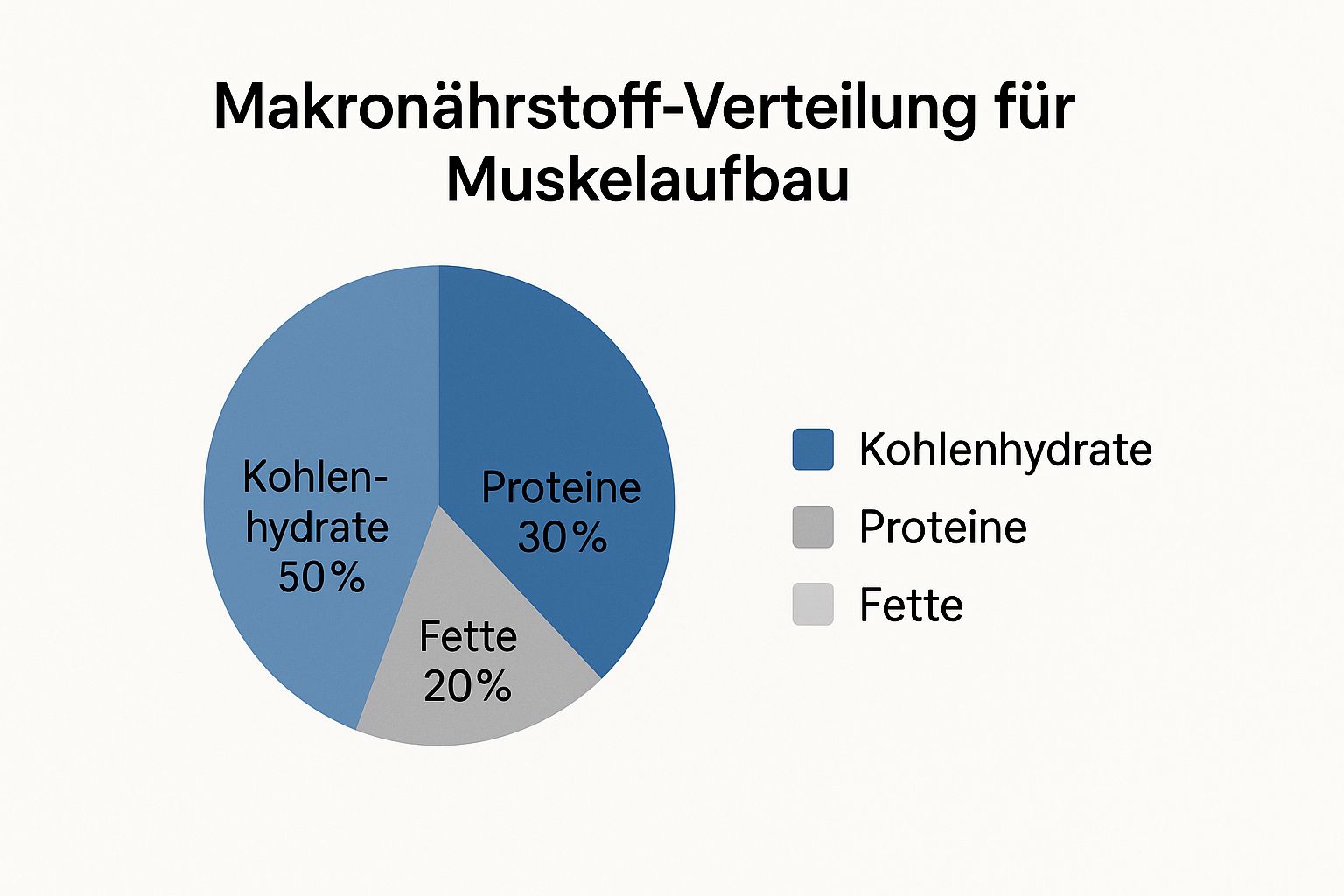
As you can see, proteins play a central role at 30%, but they work best in a team with carbohydrates and fats.
Your Personal Protein Requirement: How to Find the Golden Mean
The classic question "How much protein do I really need?" cannot be answered with a single number for everyone. It all depends on you. Instead of a general gram amount, it makes much more sense to calculate the requirement per kilogram of body weight. As a rule of thumb, a value between 1.6 and 2.2 grams of protein per kilogram of body weight per day has proven effective for most strength athletes. An 80 kg athlete should therefore aim for between 128 and 176 grams of protein. This provides enough building blocks for muscle repair without unnecessarily overstraining the body.
To make this more tangible, I have created a table that gives you a quick overview.
Protein Requirement by Training Goals and Body Weight Clear representation of recommended protein amounts for various fitness goals and body weight classes
| Body Weight (kg) | Muscle Maintenance (g/day) | Muscle Building (g/day) | Intense Strength Training (g/day) |
|---|---|---|---|
| 60 | 72 | 96 | 132 |
| 70 | 84 | 112 | 154 |
| 80 | 96 | 128 | 176 |
| 90 | 108 | 144 | 198 |
| 100 | 120 | 160 | 220 |
This table clearly shows how your personal requirement increases with your weight and your goals. Studies confirm that an intake of 1.6 g per kilogram can lead to significant gains. So, it doesn't always have to be the extremely high amount to make progress. If you want to delve deeper into the science, you can find exciting insights in this article on the optimal protein amount for muscle building.
Cleverly Combining Protein Sources: Animal, Plant-Based, or Both?
The good news is: You don't have to eat only chicken and rice every day to meet your protein needs. The variety is huge!
- Animal Proteins: Meat, fish, eggs, and dairy products like low-fat quark or Greek yogurt are absolute classics. They provide a complete amino acid profile and are absorbed very well by the body.
- Plant-Based Proteins: Lentils, chickpeas, beans, tofu, tempeh, and nuts are fantastic alternatives, not just for vegans. My tip: Combine different plant-based sources to get all the important amino acids – for example, a bowl with rice and beans or hummus with your whole-grain bread.
When Are Protein Supplements Really Useful?
Protein shakes are convenient, but they are not magic bullets. I see them as useful helpers when everyday life is stressful and you can barely get enough protein through your regular meals. A shake after training or as a quick snack can then be a real relief. Whey protein, in particular, is popular due to its rapid availability. If you are considering buying a powder, you should know what makes a good whey protein. At the end of the day, however, it's always the total amount of protein you consume throughout the day that counts – not just that one shake.
Intelligently Combining Macronutrients for Maximum Growth
 Protein is the undisputed star in muscle building, but without the right support from carbohydrates and fats, the show remains incomplete. Imagine a successful muscle-building diet as a well-coordinated team: each nutrient plays an important role. It's not just about what you eat, but above all when and in what combination you do it.
The Strategic Game with Carbohydrates and Fats
Carbohydrates are the fuel for your training. They replenish glycogen stores in your muscles and liver, giving you the necessary power for intense workouts. Many athletes avoid carbohydrates for fear of gaining fat – a big mistake. Without enough carbohydrates, you will feel sluggish during training, and your body might even use valuable muscle protein for energy. That's exactly what we want to prevent.
At the same time, healthy fats are essential for the production of important hormones, including testosterone, which plays a central role in muscle growth. They also aid in the absorption of fat-soluble vitamins and have anti-inflammatory properties.
A truly clever method is to adjust the intake of these two macronutrients to your activity level. This principle is called carb cycling. The idea is simple but very effective:
- On Training Days: On these days, you increase your carbohydrate intake, especially before and after your workout. This gives you immediate energy for the exertion and then kick-starts regeneration.
- On Rest Days: Here, you reduce carbohydrates somewhat and increase the proportion of healthy fats instead. Your body needs less fast energy but benefits enormously from the hormonal and regenerative advantages of fats.
This flexible approach helps you to optimally manage your energy and prevent excess calories from being stored as fat. It is a dynamic system that adapts to your daily life, not the other way around.
Your Timing Is Everything: Nutrients at the Right Time
Proper nutrient timing is not a myth but a crucial factor in getting the most out of your meals. It's about providing your body with the right building blocks exactly when it needs them most to stop muscle breakdown and accelerate regeneration.
Before Training (approx. 1–2 hours beforehand): Your pre-workout meal should be a mix of complex carbohydrates and an easily digestible protein source.
- Practical Example: A bowl of oatmeal with a handful of berries and a scoop of protein powder. The oatmeal provides long-lasting energy, while the protein protects your muscles even before training.
After Training (within 1–2 hours): Although the famous "anabolic window" is not as short as often claimed, the post-workout meal is extremely important. Here, you focus on fast-digesting carbohydrates and high-quality protein.
- Practical Example: A large plate with chicken breast, sweet potatoes, and a portion of vegetables. The sweet potatoes quickly replenish your depleted energy stores, and the chicken provides the amino acids for repairing your muscle fibers.
Protein supply itself can also be strategically planned. Learn more in our article about how a protein-rich diet also helps with weight loss and what synergies arise. Always remember: every meal is an opportunity to specifically promote your muscle growth.
Supplements and Micronutrients: What's Really Worth It?
The market for dietary supplements is huge, and the advertising promises are often even bigger. However, many products are at best superfluous, at worst a pure waste of money. A well-thought-out muscle-building diet should consist of 95% real, nutrient-rich foods. Supplements are just the icing on the cake – but the right one can actually make a noticeable difference.
Which supplements are really useful?
The truth is: you don't need much. If your diet and training are on point, there are only a handful of supplements whose effectiveness is well-supported by science and that can give you a real advantage.
- Creatine Monohydrate: This is probably the most researched supplement on the market. Creatine helps to replenish the energy stores (ATP) in your muscles faster. What does this mean for you at the gym? You might be able to do one to two more reps per set, which over time translates into more strength and muscle mass. A daily dose of 3–5 grams is the gold standard here.
- Protein Powder: As we've already discussed, shakes are not a must, but they are incredibly convenient for meeting your daily protein needs. Especially after training or when a complete meal doesn't fit into your schedule, they are a great help. The success of protein powder is no secret. A Statista survey for 2025 shows that protein powder is the most popular dietary supplement for increasing fitness in Germany. You can find more details in the fitness product statistics on Statista.com.
- Omega-3 Fatty Acids: These essential fats, found mainly in fatty fish, have strong anti-inflammatory effects. They support the regeneration of your joints and muscles after hard training sessions and are also beneficial for overall health.
Micronutrients: The Unsung Heroes of Muscle Building
While everything revolves around macronutrients, vitamins and minerals are often sorely neglected. However, a deficiency can significantly hinder your progress. Imagine your body is a high-performance engine; micronutrients are the oil that keeps everything running smoothly.
For physically active people, these micronutrients are particularly crucial:
- Magnesium: Essential for muscle contraction and energy production. A deficiency can manifest as cramps and faster fatigue.
- Zinc: Plays a central role in protein synthesis and hormone regulation, including testosterone.
- Vitamin D: Important for healthy bones and a functioning immune system. Especially during sun-poor winter months, supplementation in our latitudes is often worth considering.
- B Vitamins: This group of vitamins is key to energy metabolism. They help make the energy from carbohydrates and fats usable for your muscles. Vitamin B1 is particularly noteworthy here. Learn more about the important role of thiamine (vitamin B1) in our article.
Your first port of call for these nutrients should always be a balanced diet with plenty of vegetables, fruits, nuts, and whole grains. Only if you notice deficiency symptoms despite a good diet, or if a doctor confirms this with a blood test, should you consider targeted supplementation. Rely on the basics before spending your money on exotic pills.
Meal Planning Without Stress: Practical Everyday Strategies
 You know the theory of the perfect muscle-building diet, but implementing it in everyday life feels like a second full-time job? Between work, training, and private life, it seems almost impossible to cook elaborate meals every day. The good news: you don't have to. With a few clever tricks, you can integrate your diet into your daily routine stress-free – no matter how hectic it is.
The Minimalist Approach: Efficient Pre-Cooking with a System
Forget the idea of spending hours in the kitchen on Sunday packing complete meals for the entire week into containers. Much smarter is batch cooking, where you only prepare the basics. This way, you stay flexible and can assemble your meals quickly and freshly every day.
Instead of forcing yourself into a rigid plan, you could, for example, do the following on Sunday evening:
- Cook a large portion of carbohydrates: Prepare a good amount of rice, quinoa, or potatoes.
- Prepare a versatile protein source: Fry a larger quantity of chicken breast, cook a pot of lentils, or prepare tofu.
- Chop vegetables: Wash and cut a colorful mix of bell peppers, broccoli, zucchini, and whatever else you like.
With these prepared building blocks, you can conjure up a complete meal in minutes during the week. A bowl of rice, chicken, and broccoli today? A quick lentil salad with the pre-cut vegetables tomorrow? You decide spontaneously and save an incredible amount of time.
Staying Flexible When Life Happens
Life rarely sticks to a perfect plan. A spontaneous business lunch, an invitation from friends, or simply no desire to cook – that's completely normal and won't throw you off track. The key is to act strategically even in these situations.
- Mastering Restaurant Visits: Take a look at the online menu beforehand. Almost every restaurant offers grilled meat, fish, or a vegetarian protein source with vegetables and side dishes like potatoes. Just ask for sauces or dressings to be served separately – and you have a meal that supports your goals.
- The Emergency Snack for On the Go: Always have a shelf-stable protein source handy. A good protein bar, a handful of nuts, or some beef jerky can save you from cravings and bad decisions. The fats in nuts are particularly valuable; learn more about the differences in our article on healthy and unhealthy fats.
- Living the 80/20 Rule: Nobody is perfect. If you stick to your planned diet 80% of the time, you can allow yourself the remaining 20% for enjoyment and spontaneity without feeling guilty. This approach is realistic, motivating, and sustainable in the long run.
Smart Weekly Shopping
Good planning starts at the supermarket. A well-thought-out shopping list not only helps you save time and money but also ensures you always have the right food at home. Focus on versatile and durable staple foods that form the basis of your meals.
To make it easier for you to get started, we have created a flexible weekly meal plan template. See it as an inspiration that you can adapt to your taste and needs.
Weekly Meal Plan Template for Muscle Building Nutrition Practical 7-day meal plan with macronutrient distribution and shopping list
| Day | Breakfast | Lunch | Dinner | Snacks | Protein (g) |
|---|---|---|---|---|---|
| Mon | Oatmeal, protein shake | Chicken, rice, broccoli | Salmon, sweet potatoes, salad | Low-fat quark, berries | ~160g |
| Tue | Scrambled eggs, whole-wheat bread | Lentil bowl, vegetables | Turkey strips, quinoa | Nuts, apple | ~155g |
| Wed | Greek yogurt, nuts | Leftovers from previous evening | Tuna salad, whole-wheat bread | Protein bar | ~165g |
| Thu | Protein pancakes | Chicken, rice, bell peppers | Beef, beans, salad | Carrots, hummus | ~170g |
| Fri | Smoothie (spinach, berries) | Salmon, sweet potatoes | Homemade pizza (whole-wheat) | Low-fat quark | ~150g |
| Sat | Omelette, vegetables | Eating out (strategically) | Chicken and vegetable stir-fry | Nuts, fruit | ~140g |
| Sun | Scrambled eggs, whole-wheat bread | Leftovers from previous evening | Lentil stew | Protein shake | ~160g |
This template shows what a structured yet flexible nutrition plan can look like. The goal is not to follow it slavishly, but to create an intelligent structure that simplifies your daily life and brings you closer to your muscle-building goals in a sustainable way.
Overcoming typical obstacles and staying consistent
Even the most elaborate nutrition plan is only valuable if it can be implemented in everyday life. And life, after all, is unpredictable. You're probably familiar with it: a stressful week at work, a sudden cold, or a motivational slump – and suddenly, good intentions waver. This is absolutely human and happens even to the most experienced athletes. The crucial difference is how you react to such challenges. It's not about being perfect, but about staying flexible and not throwing in the towel at the first hurdle.
Dealing with lack of time and a tight budget
Two of the most common arguments I hear are: "I don't have time to cook" and "Healthy eating is too expensive for me." But believe me, both are solvable problems. If time is short, you don't have to prepare a complicated meal every night. Focus on simple, quick meals. Cook a large portion of rice or quinoa in advance, add grilled chicken or a can of chickpeas and some frozen vegetables – and you'll have a wholesome meal ready in under 15 minutes.
Even a limited budget doesn't have to be an obstacle to effective muscle-building nutrition.
- Opt for inexpensive protein sources: Low-fat quark, eggs, lentils, and beans are extremely cheap and provide high-quality protein for muscle building.
- Buy seasonal and local: Seasonal fruits and vegetables are often cheaper and packed with nutrients.
- Take advantage of offers: Frozen fish or vegetables are often just as good as fresh produce in terms of quality but are usually significantly cheaper.
It's about smart shopping and mastering the basics, not chasing the latest, expensive superfood trends.
Breaking through plateaus and motivational slumps
Everyone reaches that point: progress stagnates, even though you feel like you're doing everything right. This is frustrating and a real motivation killer. The cause is often not only in training but also in nutrition. Perhaps you are unconsciously eating too little to build new muscle tissue, or your nutrient distribution no longer matches your current training level.
Here, it's important to be honest with yourself and critically examine your routine. Keep a food diary for a week to get an unbiased overview. Sometimes, a small adjustment, such as an extra snack in the afternoon or a conscious increase in carbohydrates on training days, is enough to get the engine running again.
Even unexpected life circumstances that can affect us all require flexibility. If the gym closes or you're stuck at home, you don't have to throw everything overboard. There are always ways to stay active and adjust your diet. We've broken down how to stay healthy and effectively work out at home in another article for you.
The most important thing is your attitude: don't see setbacks as failures, but as learning opportunities. Analyze what happened, adjust your strategy, and keep going. Long-term success in muscle building is a marathon, not a sprint.
Your personal roadmap for sustainable success
Okay, now you've understood the theory of muscle-building nutrition. But knowledge alone doesn't build muscles. The crucial step is to turn this knowledge into a plan that truly fits your everyday life. It's not about slavishly adhering to rigid rules, but about creating a flexible system that works for you. Let's design a roadmap together that will reliably get you to your goal.
Set realistic and measurable milestones
One of the most common mistakes is to let exaggerated expectations demotivate you. Muscle building is a marathon, not a sprint. Instead of focusing only on the big end goal, break your journey down into smaller, manageable stages. This not only makes the process more tangible but also gives you the good feeling of making progress regularly.
Here's how you can proceed:
- Determine your starting point: Where exactly are you? Note your current weight, your strength values for the most important exercises (like squats or bench presses), and perhaps even some body measurements. Honesty is key here – this is your starting line.
- Set a quarterly goal: Instead of thinking, "I want to gain 10 kg of muscle in a year," formulate a goal for the next 12 weeks. For example: "In the next three months, I want to gain 2 kg and increase my bench press strength by 5 kg."
- Plan your weekly goals: Break down your quarterly goal even further. What do you specifically need to do this week? This could be: "I'll stick to my meal plan five out of seven days" or "This week I'll increase the weight for squats by 1.25 kg."
These small, measurable successes keep your motivation high and show you that you are on the right track. Remember that visible successes often only become apparent after 6–8 weeks of consistent training and appropriate nutrition. Patience is your strongest ally here.
Use simple tracking tools that suit you
You don't need complicated Excel spreadsheets or expensive apps to track your progress. Often, the simplest methods are the best because you actually stick with them. Tracking isn't about perfection, it's about awareness. You want to identify patterns, understand what works for you, and adjust if necessary.
Here are some proven methods:
- A classic notebook: Old school, but unbeatable. Write down your meals, your training weight, and your energy level. After a few weeks, you'll recognize clear connections between your diet, your performance in the gym, and your progress.
- An uncomplicated app: Apps like MyFitnessPal or YAZIO can be great at the beginning to get a feel for calories and macros. Use them as a learning tool, but don't let them stress you out.
- The photo method: Take a photo of yourself every four weeks – always at the same time and in the same light. Pictures don't lie and are often more motivating than the number on the scale, as they show changes in body composition that a scale overlooks.
Develop a flexible system that grows with you
Life is dynamic – your job, your hobbies, your priorities change. Your diet plan should therefore not be a rigid prison, but an adaptable framework. The goal is not to find the one perfect plan forever, but to learn how to adapt your diet to new circumstances.
Here are some strategies for typical life situations:
- For the stressed: Discover batch cooking for yourself. Cook larger quantities of protein sources (e.g., chicken, lentils) and carbohydrates (rice, potatoes) on the weekend. This way, you can put together a complete meal in a few minutes during the week.
- For frequent travelers: Learn to identify healthy options in restaurants and supermarkets. Grilled meat or fish with a large portion of vegetables can be found almost everywhere. An emergency snack like a protein bar or a handful of nuts should always be in your bag.
- For shift workers: Your meals don't have to follow the classic rhythm of "breakfast, lunch, dinner." Eat when it fits into your daily routine. The crucial factor is the nutrient balance over 24 hours, not the exact timing of each meal.
This roadmap gives you structure without confining you. It helps you see your muscle-building diet as a supportive part of your life, not an additional burden.
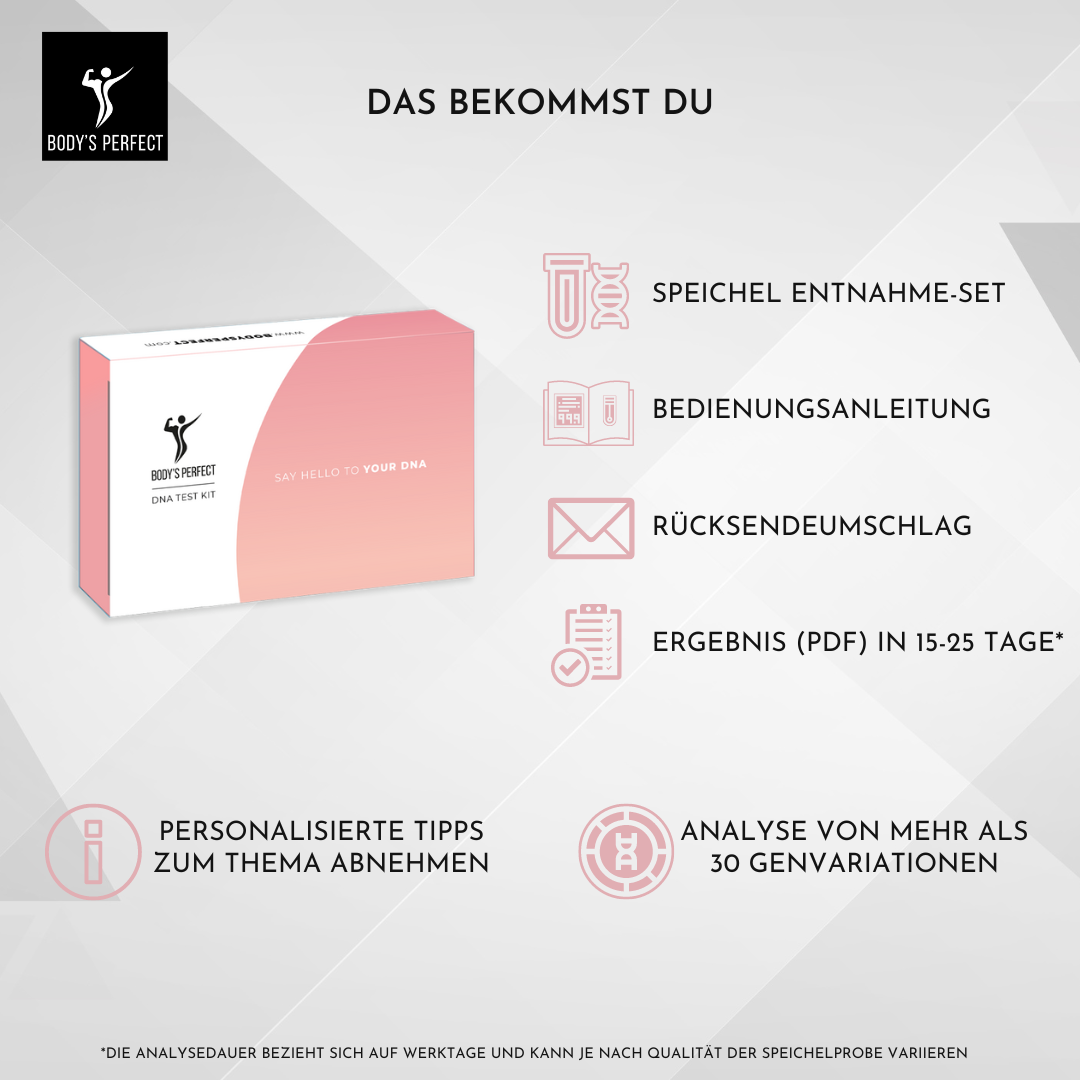
If you want to understand your body even better and take your nutrition to a new level, a deeper insight into your metabolism could be the crucial next step. BODY'S PERFECT offers individual DNA metabolic tests that help you tailor your diet even more precisely to your genetic predispositions and thus achieve your goals even more efficiently.
















Share:
How protein helps you lose weight - Things you should know
The Best Sport for Weight Loss: 7 Effective Ways for 2025