

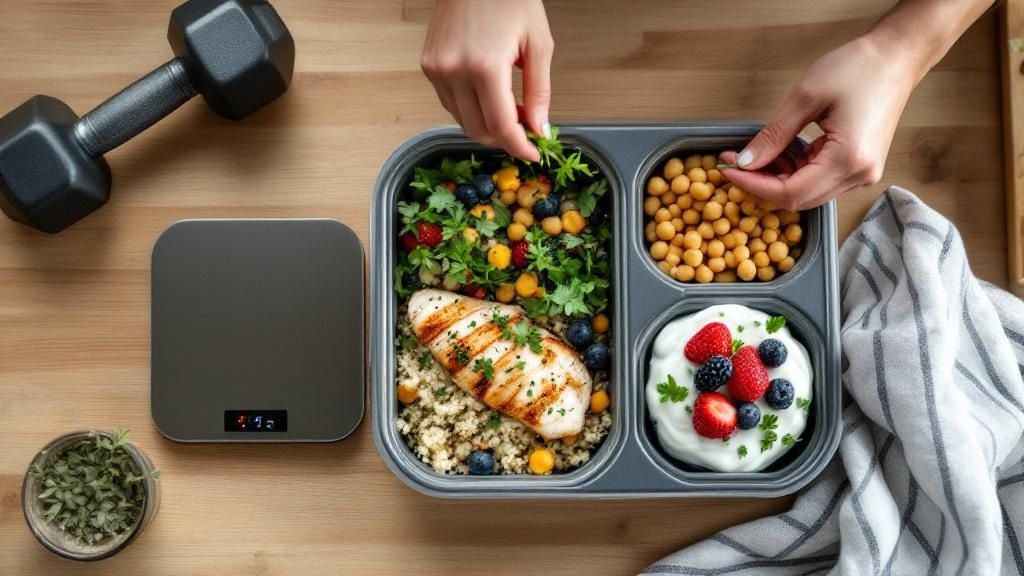
Protein-Rich Diet for Weight Loss: 5 Tips for Your Success
The constant up and down on the scale, the agonizing hunger during a diet, and the feeling of making no real progress despite all your efforts – does this sound familiar to you? Many weight loss attempts fail because they rely on short-term deprivation rather than on an intelligent, sustainable strategy. This is where the crucial factor comes into play: a targeted, protein-rich diet.
The Key to Success: How Proteins Revolutionize Your Weight Loss Goals
Proteins are much more than just building blocks for muscles. They are the key to boosting your metabolism, keeping you full for a long time, and ensuring that you lose fat instead of valuable muscle mass. A protein-rich diet for weight loss is so effective because it works on several levels simultaneously. It increases the thermic effect of food, regulates your hunger hormones, and thus ensures a stable feeling of satiety that prevents cravings.
This guide goes beyond general tips. We present 7 detailed and proven strategies that show you exactly how to successfully implement this approach. You'll learn everything essential: from choosing the right foods to calculating your optimal protein needs and smart meal prep for a stress-free everyday life. Get ready to revolutionize your weight loss journey and finally achieve sustainable results that last.
1. Prioritize Lean Protein Sources
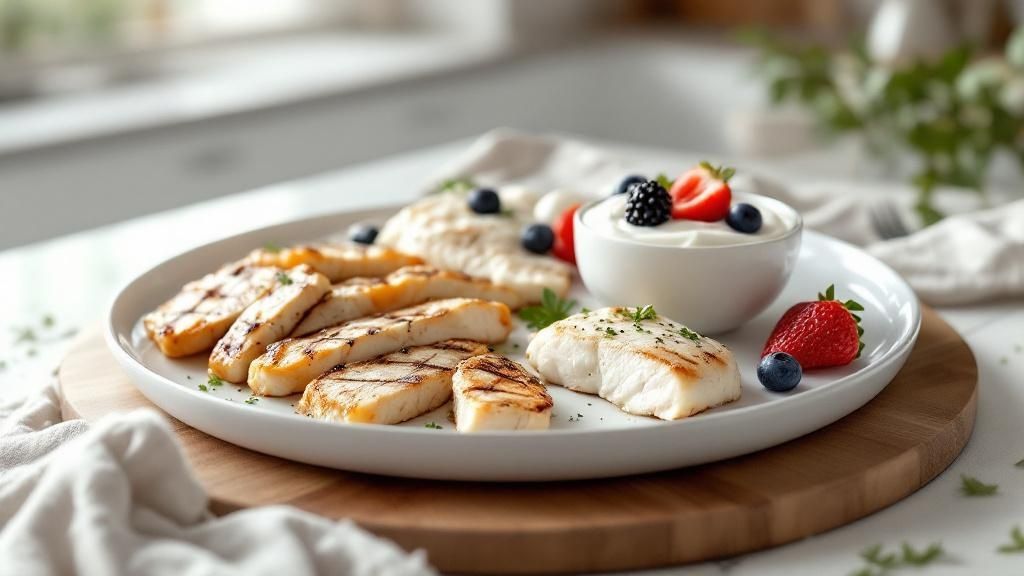
The cornerstone of a successful protein-rich diet for weight loss is the conscious selection of lean protein sources. These provide your body with essential amino acids for muscle maintenance and satiety, but contain only minimal amounts of saturated fats and calories. This maximizes nutrient intake without exceeding your calorie budget, which is crucial for fat loss.
Why Lean Proteins Are So Effective
Lean proteins have a significant advantage: the thermic effect of food (TEF). Your body expends 20-30% more energy digesting proteins than digesting carbohydrates or fats. This means your metabolism is boosted after every protein-rich meal. At the same time, protein is essential for protecting valuable muscle mass during a calorie-reduced diet. More muscles mean a higher basal metabolic rate, which makes losing weight and keeping it off easier in the long run.
Practical Examples for Your Meal Plan
Integrating lean proteins into your daily routine is easier than you think. Here are some nutrient-dense options that are excellent for a protein-rich diet:
- Chicken breast: A classic with around 31g of protein and only 165 calories per 100g.
- White fish (e.g., cod): Easily digestible and ideal for a light meal with approx. 20g of protein and 82 calories per 100g.
- Egg whites: A pure protein source with 11g of protein and only 52 calories per 100g, perfect for omelets or scrambled eggs.
- Greek yogurt (low-fat): Offers about 10g of protein per 100g at only 59 calories and also supports gut health.
- Lean beef (e.g., sirloin steak): Provides high-quality iron and zinc along with 26g of protein per 100g at 158 calories.
Direct Implementation Tips
To fully reap the benefits, you should proceed strategically.
- Plan your meals: Aim for 25-30 grams of protein per main meal to optimally stimulate muscle protein synthesis.
- Meal prep: Prepare larger quantities of chicken breast, lean ground meat, or fish at the beginning of the week. This way, you always have a quick protein source on hand.
- Season instead of saucing: Use herbs and spices to add flavor instead of high-calorie sauces or marinades.
- Vary your sources: Regularly switch between different protein sources to get a wide range of nutrients.
2. Focus on Strategic Protein Timing
Besides the sheer quantity of protein, the timing of intake is also a crucial lever for the success of your protein-rich diet for weight loss. Instead of consuming two or three large, protein-heavy meals, this strategy focuses on distributing protein intake evenly throughout the day. This approach, also known as "protein pulsing," ensures a constant supply of amino acids to your body, maximizing satiety, supporting metabolism, and optimizing muscle preservation.
Why Strategic Timing Is So Effective
The body can only use a limited amount of protein per meal for muscle protein synthesis (MPS), the process of muscle building and maintenance. If you concentrate your entire protein intake on a few meals, some of it may not be utilized efficiently. By distributing it into several smaller portions (e.g., 20-40g per meal), the body's anabolic response is maximized. This is especially important during a diet to counteract muscle breakdown and maintain a high basal metabolic rate. At the same time, a steady supply stabilizes blood sugar levels and effectively prevents cravings.
Practical Examples for Your Meal Plan
Here's what a day with strategically timed protein intake could look like to ensure a constant supply:
- Breakfast: Greek yogurt with berries and nuts (approx. 20g protein)
- Mid-morning snack: A high-quality protein shake (approx. 25g protein)
- Lunch: Large salad with grilled chicken breast (approx. 30g protein)
- After workout: A convenient protein bar (approx. 20g protein)
- Dinner: Pan-fried salmon with steamed vegetables (approx. 35g protein)
Direct Implementation Tips
Easily integrate the right timing into your daily routine to fully reap the benefits.
- Start with protein: Consume a portion of 20-30g of protein within an hour of waking up to end the overnight catabolic state.
- Every meal counts: Plan a protein source for every main meal and snack.
- Utilize the anabolic window: Consume 20-40g of protein within two hours after your workout to promote recovery and muscle building.
- Prepare snacks: Keep protein-rich snacks like hard-boiled eggs, a cup of quark, or a handful of almonds ready. Comprehensive advice on how to lose weight fast and healthy in 2020 will additionally support you in this.
- Set reminders: Use your smartphone to remind yourself of planned meals or snacks until the routine becomes a habit.
3. Calculate Your Optimal Protein Intake (1.6-2.2 g per kg body weight)
While general health recommendations often suggest moderate protein intake, a protein-rich diet for weight loss requires a more targeted approach. The scientifically recognized range of 1.6 to 2.2 grams of protein per kilogram of body weight is key to specifically losing fat while protecting valuable muscle mass during a calorie deficit. This increased intake maximizes satiety and boosts metabolism, making the weight loss process significantly more effective.
Why this amount is so effective
A higher protein intake is crucial for weight loss success for three reasons. First, it protects your muscles. In a calorie deficit, the body tends to break down not only fat but also muscle tissue. A protein-rich diet provides the necessary amino acids to counteract this process. Second, protein provides a long-lasting feeling of satiety, which reduces cravings and makes it easier to stick to your calorie plan. Third, it boosts your daily energy consumption through the thermic effect of food (TEF).
Practical calculation examples
Calculating your personal needs is straightforward. Simply multiply your current body weight in kilograms by a factor between 1.6 and 2.2.
- 70 kg person: 112–154 g protein per day
- 80 kg person: 128–176 g protein per day
- 90 kg person: 144–198 g protein per day
Choose the lower end of the range (1.6 g) if you are less active, and the upper end (2.2 g) if you exercise regularly or aim for a larger calorie deficit. To achieve this daily goal, an even distribution of protein across meals is ideal, as illustrated by the following bar chart.
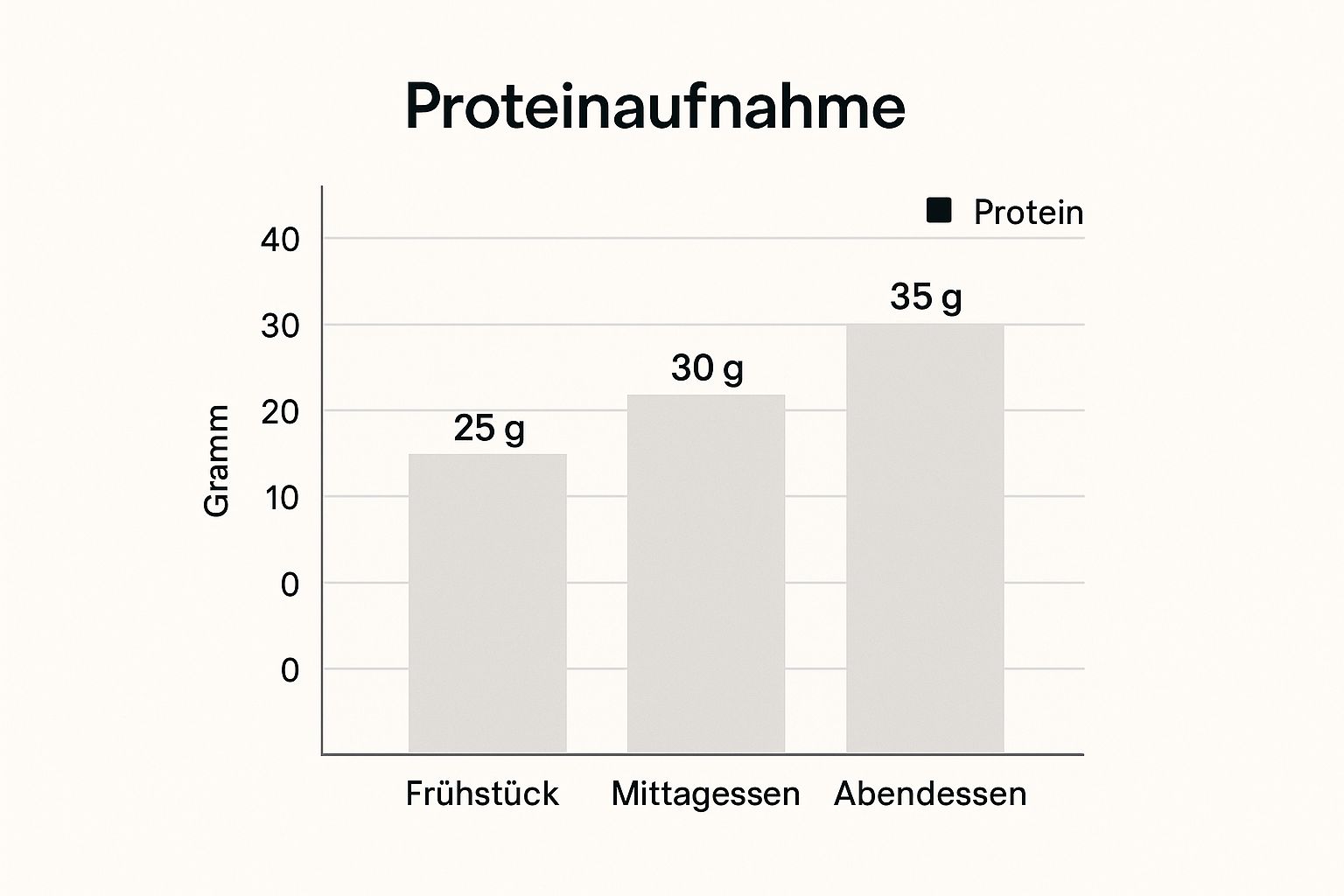
This balanced distribution ensures a constant supply of amino acids to the muscles and maintains satiety throughout the day.
Direct Implementation Tips
Systematically integrate your individual protein needs into your daily life.
- Use tracking tools: Use an app or a reliable online calculator to monitor your daily intake and ensure you reach your goal.
- Adjust accordingly: Weigh yourself weekly and adjust your calculation if your weight changes.
- Increase slowly: Gradually increase your protein intake over one to two weeks so your digestive system can adapt.
- Supplement if necessary: If it is difficult to meet your needs solely through solid food, a high-quality protein powder can be a practical supplement.
4. Incorporate Plant-Based Protein Variety
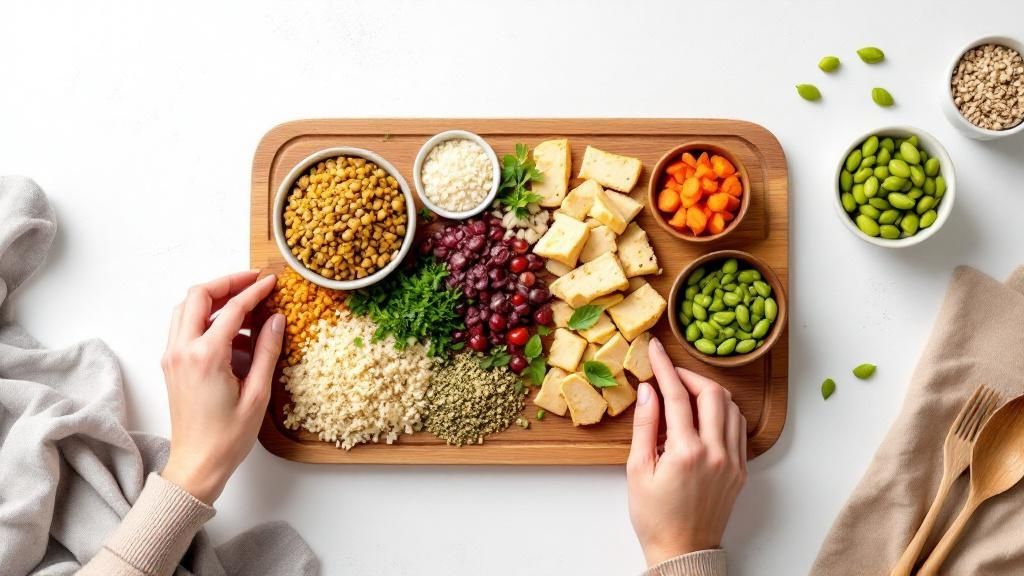
A protein-rich diet for weight loss does not have to rely exclusively on animal products. Diversifying your protein sources with plant-based options is a crucial step to ensure a comprehensive amino acid profile. At the same time, you provide your body with fiber, antioxidants, and phytonutrients that further support weight loss and general health.
Why Plant-Based Variety Is So Important
Plant-based proteins offer advantages that animal sources often do not. The high fiber content in lentils, beans, and whole grains promotes long-lasting satiety and supports healthy digestion, both of which are essential for weight loss. By combining various plant-based foods, such as legumes with grains, the biological value can be increased, and the body can be supplied with all essential amino acids. This creates a nutrient-dense base that not only ensures muscle preservation but also enhances your well-being.
Practical Examples for Your Meal Plan
The world of plant-based proteins is diverse and delicious. These options can be easily integrated into your meals:
- Lentils (cooked): A versatile all-rounder with approx. 9g protein and 116 calories per 100g.
- Quinoa (cooked): A pseudo-cereal containing all nine essential amino acids, with 4.4g protein and 120 calories per 100g.
- Hemp seeds: A true nutrient marvel with around 31g protein per 100g. Learn more about the power of hemp protein.
- Tempeh: Fermented soybeans with a firm texture and nutty flavor, providing about 19g protein per 100g.
- Edamame: Young soybeans, ideal as a snack or side dish, with 11g protein and 122 calories per 100g.
Direct Implementation Tips
Harness the potential of plant-based proteins with these simple strategies:
- Combine smartly: Pair legumes (e.g., beans) with grains (e.g., rice) to obtain a complete amino acid profile.
- Improve digestibility: Soak beans and lentils before cooking to enhance their digestibility.
- Experiment with meat alternatives: Use tofu, tempeh, or seitan as a base for curries, stir-fries, or burgers.
- Snack smart: A handful of nuts or seeds provides not only protein but also healthy fats and ensures satiety between meals.
- Boost your smoothies: Add plant-based protein powder, hemp seeds, or spirulina to easily increase the protein content.
5. Leverage the Satiating Power of Protein for Appetite Control
One of the greatest benefits of a protein-rich diet for weight loss is the superior satiating effect of protein. By utilizing the natural appetite-suppressing power of proteins, you can effortlessly reduce your overall calorie intake. Proteins promote the release of satiety hormones like GLP-1, PYY, and CCK, while simultaneously suppressing the hunger hormone ghrelin. The result is a spontaneous reduction in calorie intake and significantly better appetite control throughout your weight loss journey.
Why satiety from protein is so effective
The scientific basis for this effect is well-researched. Unlike carbohydrates and fats, the body requires more time and energy to digest proteins, leading to a longer-lasting feeling of fullness. This biochemical process relieves you of the burden of constantly fighting hunger pangs. Instead of pure willpower, you rely on the intelligent control of your body. Thus, the calorie deficit does not become a torment, but a sustainable and controllable process, which ensures long-term success.
Practical examples for your daily life
Strategically utilizing protein satiety can be easily integrated into daily life and helps avoid uncontrolled eating episodes.
- Protein-rich start: A protein-rich breakfast, e.g., scrambled eggs or Greek yogurt, can demonstrably reduce portion sizes at lunch.
- Protein as the centerpiece: Build every main meal around a protein source. This ensures that satiety is prioritized.
- The strategic shake: A protein shake before social events or restaurant visits can help prevent overeating in tempting situations.
- Snacks against the afternoon slump: A protein-rich snack in the afternoon, such as a handful of almonds or a piece of cheese, prevents evening cravings.
Direct implementation tips
To maximize the power of satiety, you can take the following concrete measures:
- Eat protein first: Start your meals by eating the protein source (meat, fish, tofu) first. This signals to your brain earlier that you are getting full.
- Plan snacks strategically: Integrate snacks with 15-20 grams of protein to bridge the gap between meals.
- Keep emergency proteins on hand: Hard-boiled eggs, Greek yogurt, or low-fat quark are perfect, quickly available options.
- Prefer solid sources: Solid protein sources generally provide better satiety than liquid ones. A piece of chicken breast often keeps you full longer than a shake with the same amount of protein. To complement these strategies, the best weight loss products for women can play a supportive role by optimizing nutrient intake.
6. Master Pre- and Post-Workout Protein Strategies
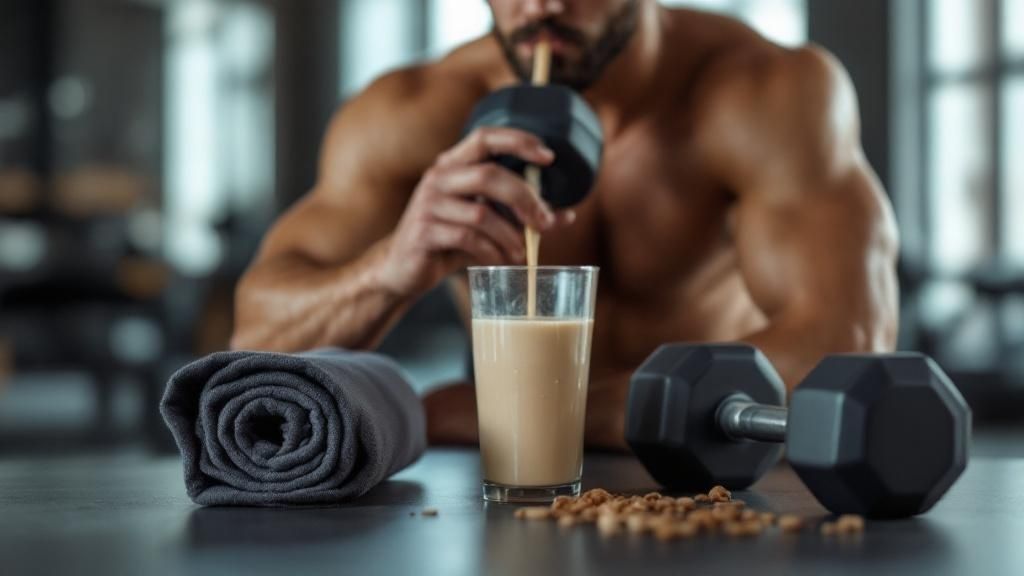
Strategic protein intake around your workout is a crucial lever to maximize the effectiveness of your protein-rich diet for weight loss. Through targeted timing, you ensure that your body receives the necessary building blocks for regeneration and muscle preservation. This helps protect valuable muscle mass during a calorie deficit, so that weight loss primarily results from fat and not muscle tissue.
Why this strategy is so crucial
During exercise, tiny tears occur in your muscle fibers. The right nutrient intake determines whether these are repaired and strengthened or whether muscle mass is broken down. Protein intake before exercise supplies the body with amino acids and reduces muscle breakdown during exertion. After exercise, an "anabolic window" opens, during which your muscles are particularly receptive to nutrients. Protein at this time boosts muscle protein synthesis, which accelerates repair and ensures the preservation of metabolically active muscle mass.
Practical examples for your timing
Implementing this strategy can be easily integrated into your daily routine. It's important to choose easily digestible proteins that don't burden the stomach.
- 1-2 hours before training: Greek yogurt with a banana provides long-lasting energy and protein.
- 30-60 minutes before training: A small protein smoothie or a handful of almonds are a quick and light option.
- Within 60 minutes after training: A fast-absorbing whey protein shake is ideal for immediate recovery.
- Post-Workout Alternative: Low-fat chocolate milk offers an excellent combination of protein and carbohydrates for replenishing glycogen stores.
Direct Implementation Tips
Optimize your results with these precise recommendations.
- Plan your intake: Consume 15-25g of protein approximately 1-2 hours before training to prepare your muscles.
- Utilize the post-workout window: Consume 20-40g of readily available protein within two hours after your workout.
- Combine with carbohydrates: A small amount of carbohydrates after your workout (e.g., from a banana) can improve protein uptake into muscle cells through a slight insulin release.
- Listen to your body: Experiment with timing and foods to find out what works best for your digestion and energy levels.
7. Implement Smart Protein Meal Prep and Planning
Consistency is key to success when it comes to losing weight with a high-protein diet. Strategic meal planning and preparation (meal prep) is your most powerful tool to ensure this consistency. Instead of constantly wondering what to eat every day, you create a system that makes healthy, high-protein choices the easiest option, even on the busiest days.
Why Meal Prep is So Effective
The biggest enemy of any diet is spontaneous, thoughtless decisions made out of hunger or lack of time. Meal prep eliminates precisely this problem. By planning and preparing your meals in advance, you have full control over portion sizes, ingredients, and macronutrients. This ensures a constant protein intake, which is crucial for muscle preservation and long-lasting satiety. This way, you avoid calorie-rich snacks and fast-food traps and effortlessly stay in a calorie deficit.
Practical Examples for Your Preparation
Meal prep doesn't have to be complicated. Focus on simple components that you can combine flexibly. Here are some proven ideas:
- Pre-cook basic components: On Sunday, prepare a large batch of chicken breast, lean ground beef, or lentils, as well as a carbohydrate source like quinoa or sweet potatoes, and steamed vegetables.
- Ready-to-eat snacks: Hard-boil eggs, portion Greek yogurt with berries, or prepare protein energy balls.
- Freezer helpers: Fill freezer bags with ingredients for smoothies, such as fruit, vegetables, and a portion of protein powder. In the morning, simply blend with liquid. For more ideas, you can find delicious shake recipes for weight loss here.
- Slow cooker dishes: Let lean beef or chicken cook in the slow cooker for several hours. The meat will be tender and can be used for salads, wraps, or bowls.
Direct Implementation Tips
To integrate meal prep sustainably into your daily routine, these strategies will help you:
- Block out time: Reserve 2-3 hours per week, for example on Sunday afternoon, specifically for your kitchen session.
- Invest in good containers: High-quality, leak-proof food storage containers are essential to keep your meals fresh and appetizing.
- Ensure variety: Marinate your protein sources differently or use various spice blends to prevent taste monotony.
- Create an emergency supply: Always have a can of tuna, protein bars, or a packet of beef jerky on hand for unforeseen situations.
- Portion immediately: Divide snacks like nuts or vegetable sticks into small, ready-to-eat portions immediately after shopping.
7-Point Comparison: High-Protein Diet for Weight Loss
| Aspect | Prioritizing Lean Protein Sources | Implementing Protein Timing Strategies | Calculating Optimal Protein Intake (1.6-2.2g/kg) | Integrating Plant-Based Protein Variety | Utilizing Protein Satiety for Appetite Control | Pre- and Post-Workout Protein Strategies | Smart Protein Meal Planning |
|---|---|---|---|---|---|---|---|
| 🔄 Implementation Complexity | Medium: Planning & Preparation Required | High: Exact Timing Needed | Medium: Tracking & Calculation Necessary | Medium: Combination & Preparation Required | Low to Medium: Consistency Important | High: Timing and Tolerance to be Considered | Medium to High: Planning and Organization |
| 📊 Resource Usage | Moderate: High-Quality Foods Often Expensive | Moderate: Regular Preparation & Snacks | High: Large Protein Quantity, Possibly Additional Food Needed | Low to Moderate: Cheaper, but Larger Quantities | Low to Moderate: Protein-Rich Snacks Needed | Moderate to High: Special Products Possible | Moderate: Storage & Kitchen Equipment Required |
| ⭐ Expected Results | Muscle Preservation, Metabolism Boost | Optimized Muscle Protein Synthesis | Minimized Muscle Loss, Satiety & Metabolism | Complete Proteins, Health, Sustainability | Appetite Control, Less Cravings | Faster Recovery, Muscle Building & Fat Loss | Consistent Protein Intake, Better Food Discipline |
| 💡 Ideal Use Cases | Muscle Building & Weight Loss | Athletes & Individuals with Fixed Daily Routines | Individual Diets with Muscle Preservation Focus | Vegetarians/Vegans, Environmentally Conscious | Daily Weight Management, Craving Reduction | Strength Training, Fitness & Active Recovery | Working Professionals, Busy Individuals |
| ⚡ Main Benefits | High Protein Quality & High Thermogenesis | Consistent Muscle Supply & Satiety | Scientifically Proven Protein Dosage | Rich in Fiber & Secondary Plant Compounds | Natural Reduction in Calorie Intake | Maximized Muscle Protein Synthesis & Recovery | Time Savings, Better Portion Control |
| 🔄 Disadvantages | More Expensive, Preparation Time, Potential Monotony | High Planning Complexity, Possibly More Effort | Time-Consuming to Track, Possibly Digestive Issues | Large Quantities Needed, Possibly Lower Bioavailability | Effect Varies, Consistency Required | Tolerance & Timing Challenging | Initially High Time Commitment, Storage Space Needed |
Your Path to Your Dream Figure: Implement These Protein Strategies Now
You've made it this far and now hold the complete blueprint to successfully and sustainably achieve weight loss with a high-protein diet. The journey to your feel-good body is no secret, but the result of consistently applied knowledge and intelligent habits. You are now equipped with seven fundamental strategies that make the difference between stagnation and real progress.
Let's summarize the key pillars of your success once more. Your path is based on these crucial principles:
- Focus on Quality: Always prioritize lean protein sources such as chicken breast, fish, quark, and legumes to optimize your calorie balance.
- Strategic Timing: Distribute your protein intake throughout the day to keep muscle protein synthesis consistently high and prevent cravings.
- Individual Calculation: Determine your personal protein needs (ideally 1.6 to 2.2 grams per kilogram of body weight) to ensure you consume neither too much nor too little.
- Plant-Based Diversity: Consciously integrate a wide range of plant-based proteins to benefit from additional nutrients and fiber.
- The Power of Satiety: Use the satiating effect of protein specifically to control your hunger and effortlessly stay in a calorie deficit.
- Optimization Around Training: Specifically provide your muscles with protein before and after exercise to promote regeneration and maximize muscle building.
- Smart Preparation: Master the art of meal prep to ensure you always have a healthy, high-protein meal ready and can resist temptations.
The key now lies in implementation. Start small. Choose one or two of these strategies that feel easiest for you and firmly integrate them into your daily routine. Perhaps you start by adding a defined protein source to each main meal, or you plan your meals for the next three days in advance. It's not about perfection from day one, but about consistency. Every small step you take today builds the foundation for impressive results tomorrow.
A high-protein diet for weight loss is far more than just a means to an end. It is an investment in your health, your strength, and your self-confidence. You not only protect your valuable muscle mass during weight loss but also boost your metabolism and create a sustainable basis to finally banish the dreaded yo-yo effect. You will feel your energy rise, your body tone up, and you will regain control over your diet.
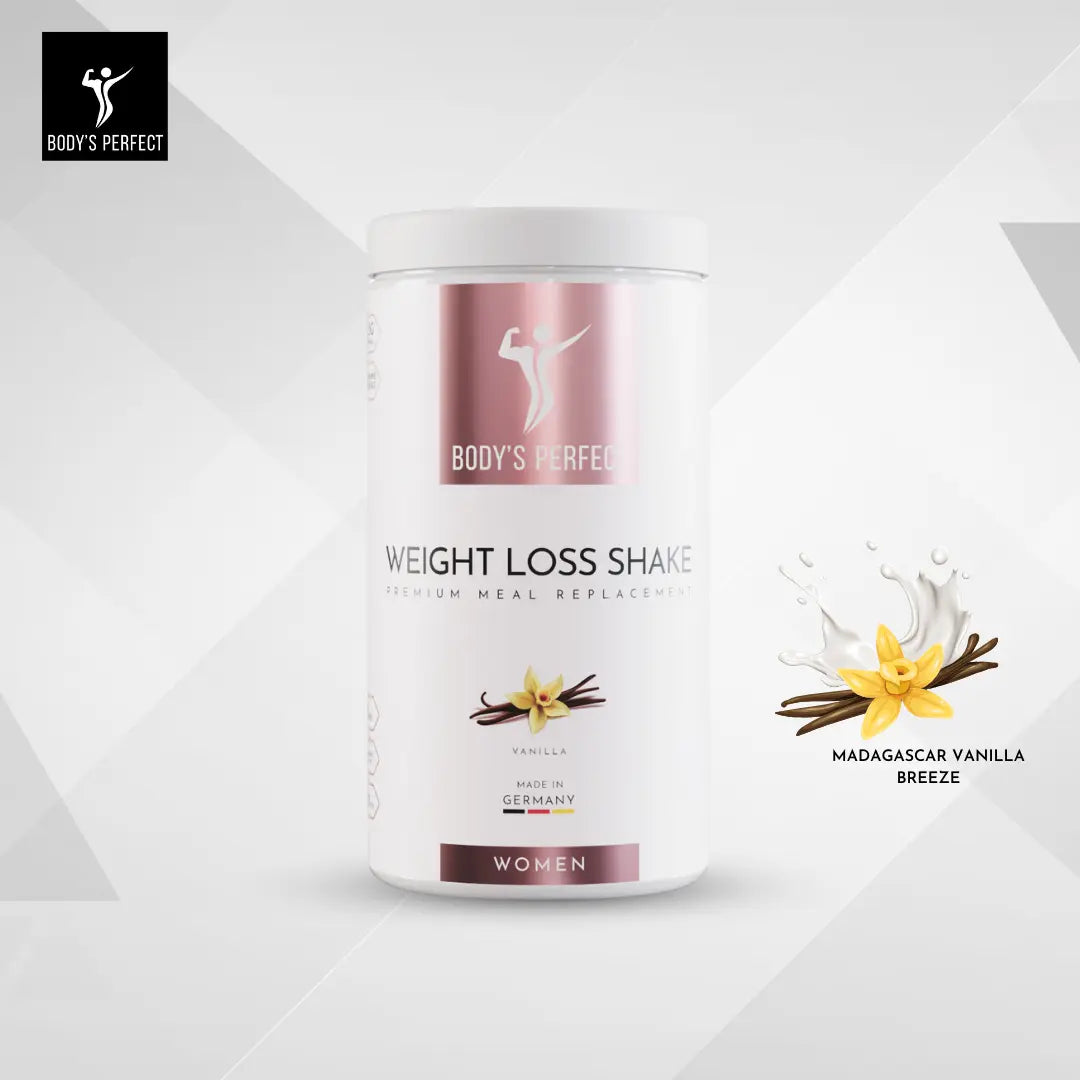
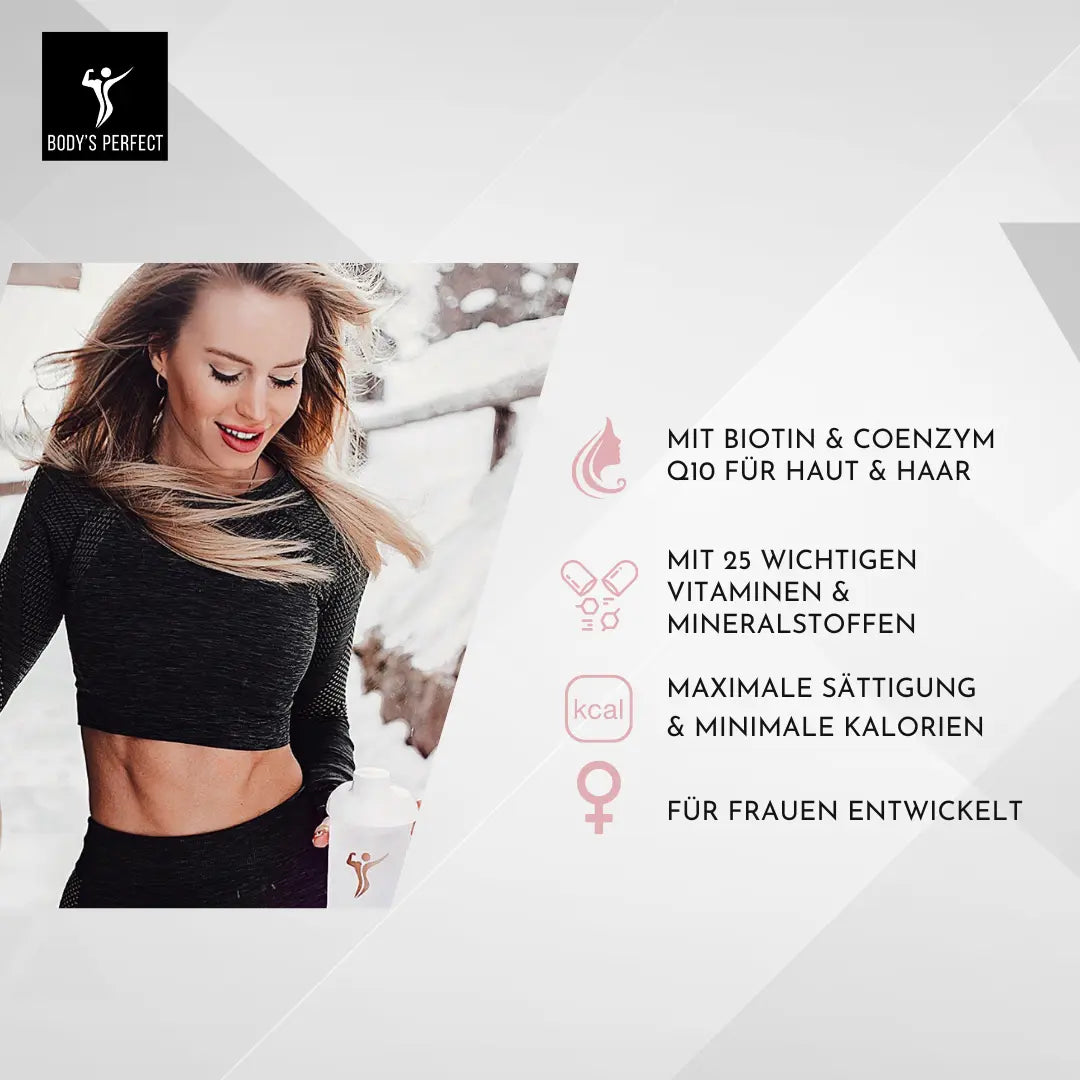
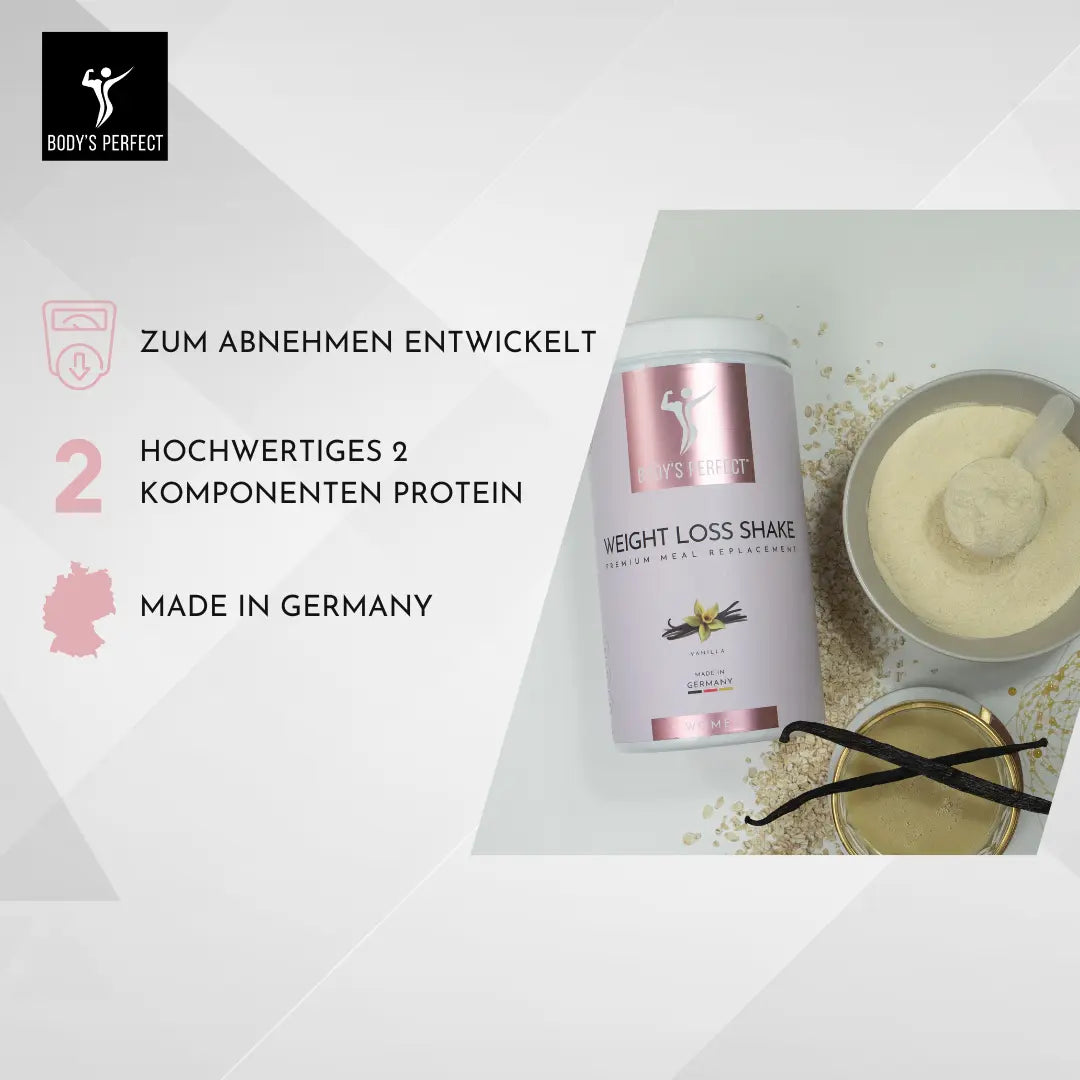
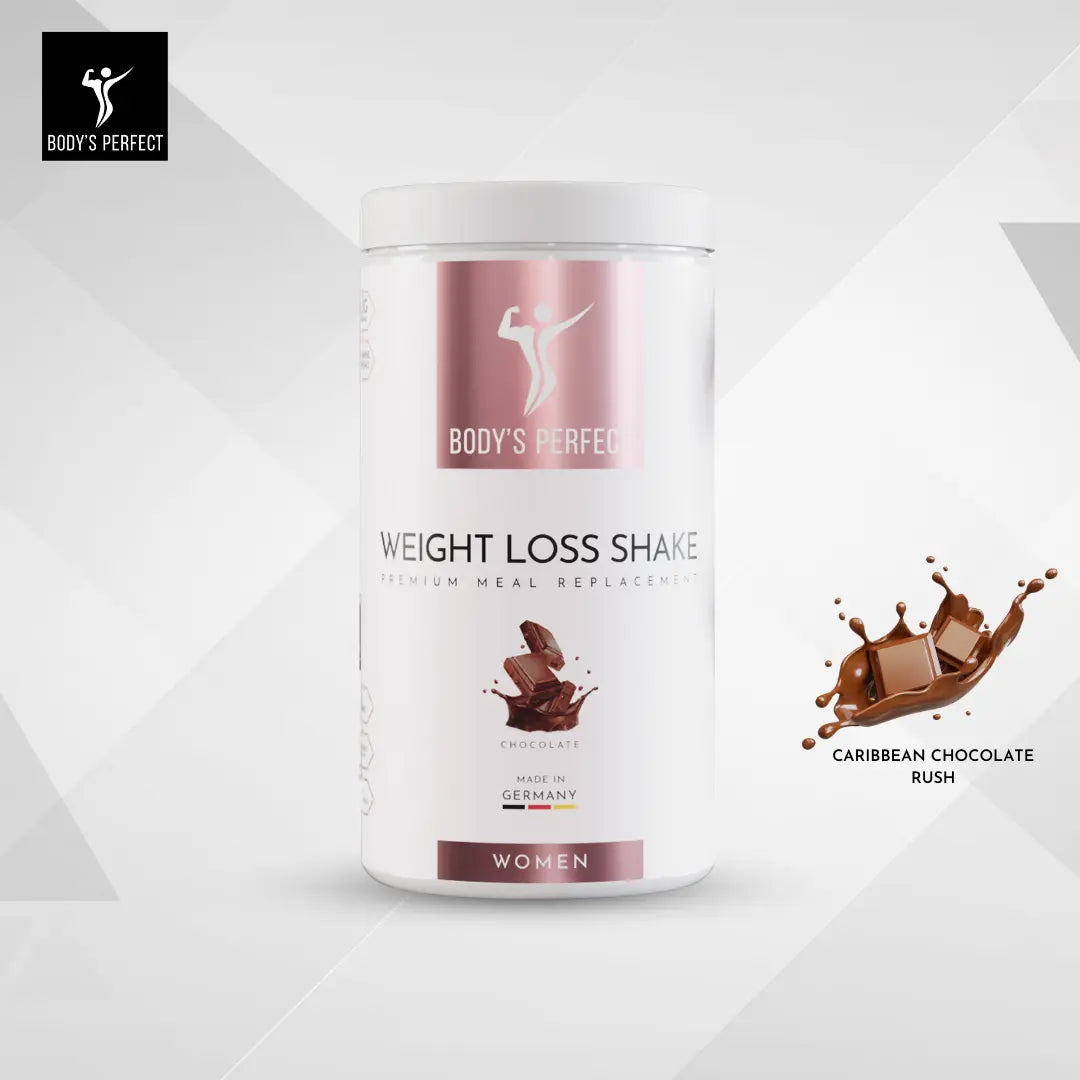
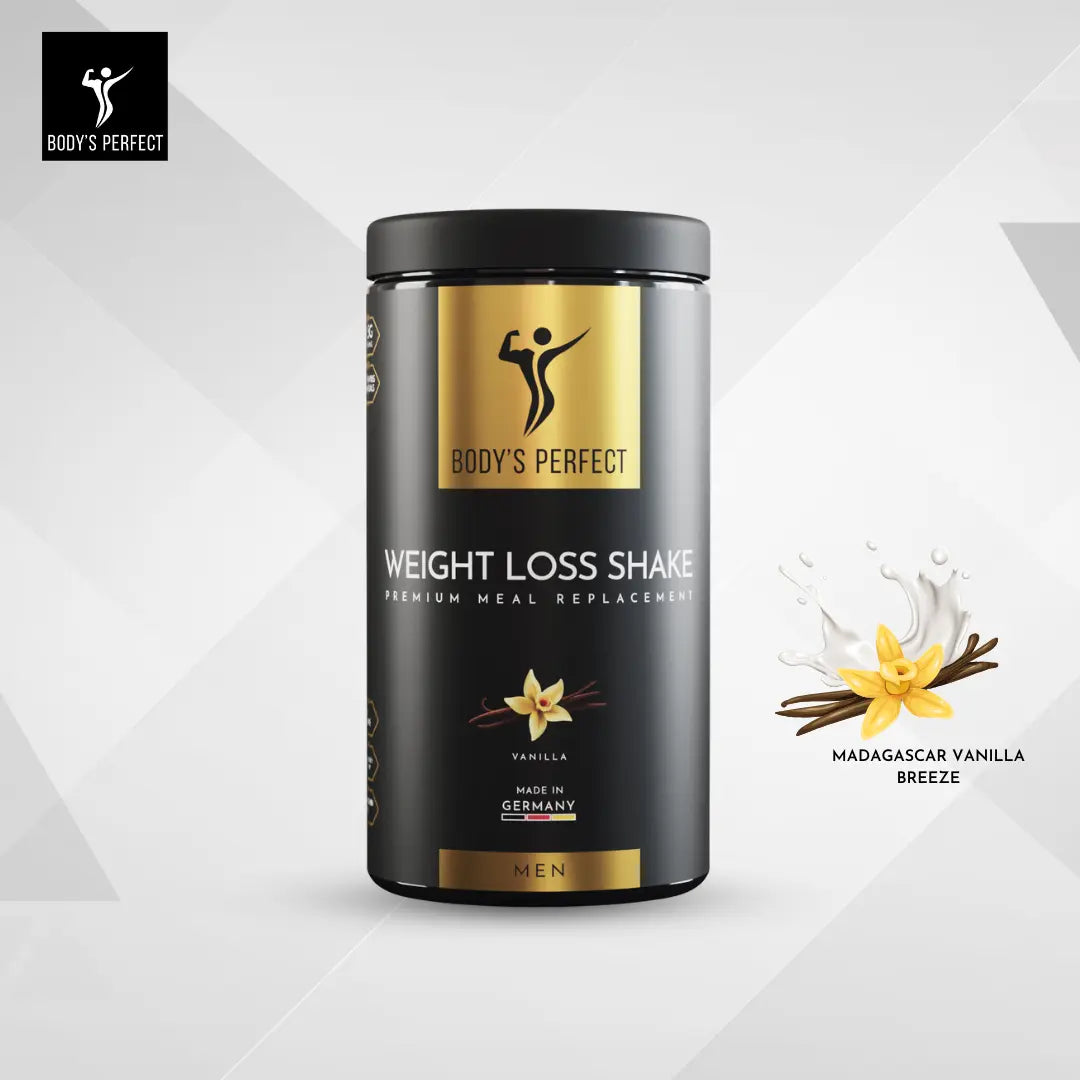
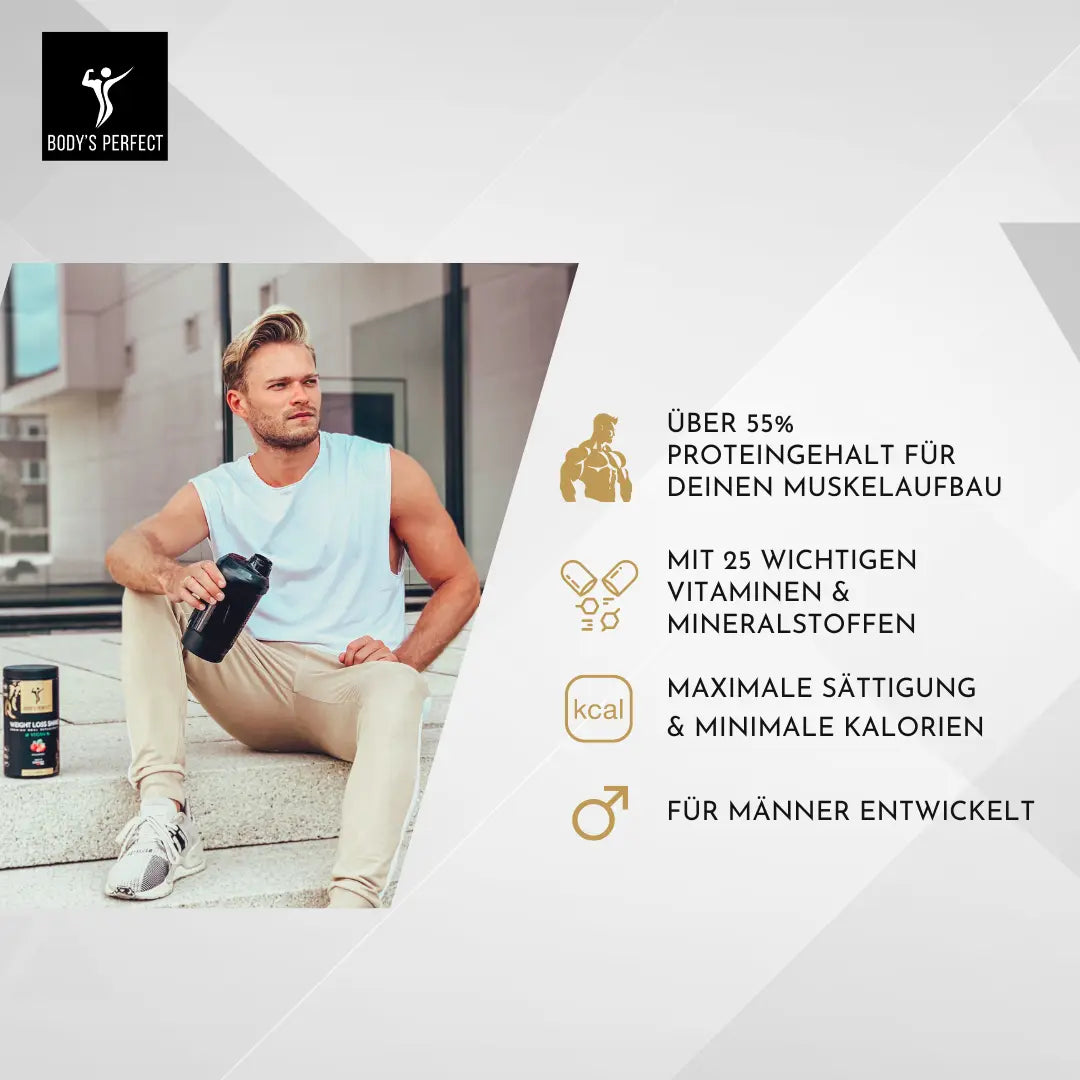
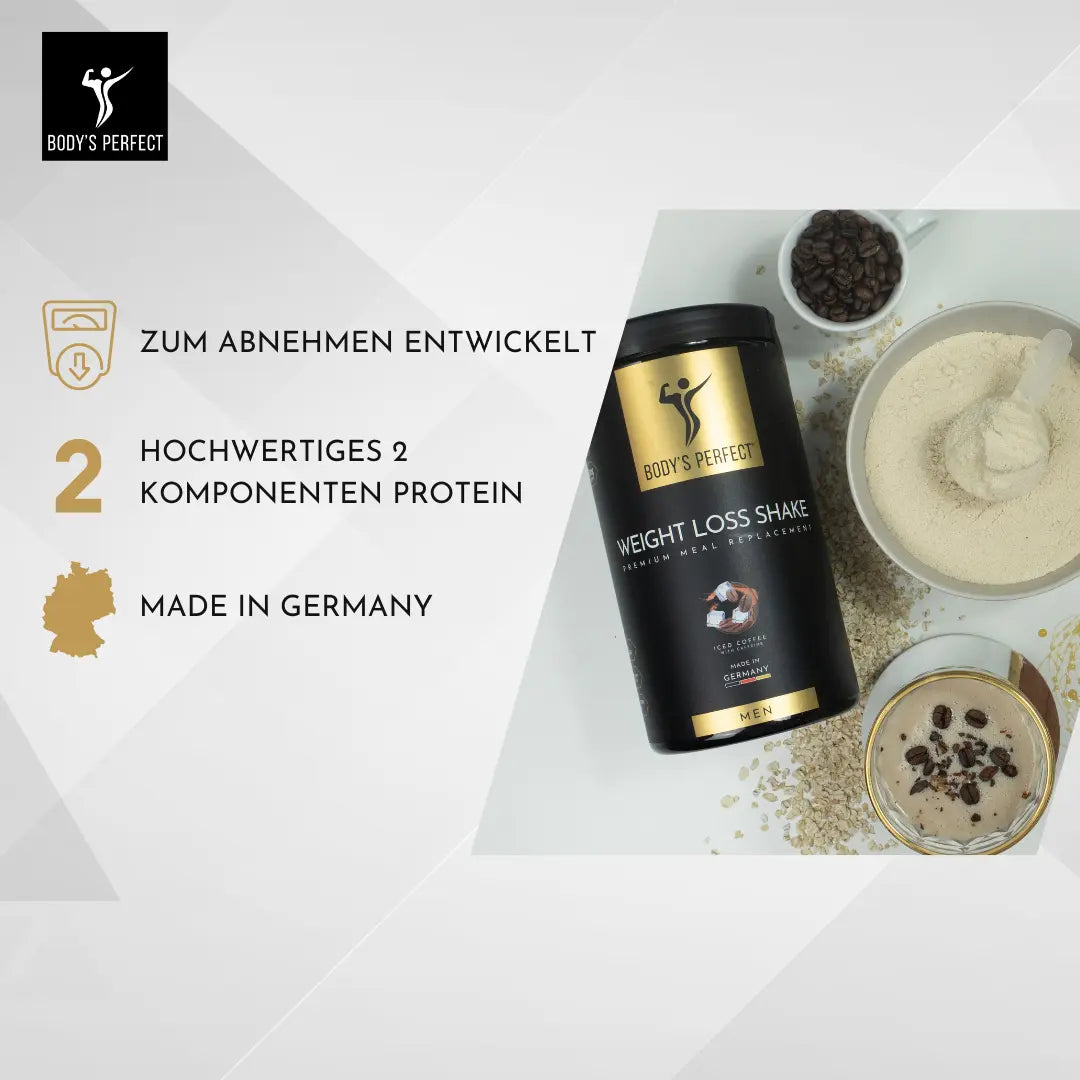
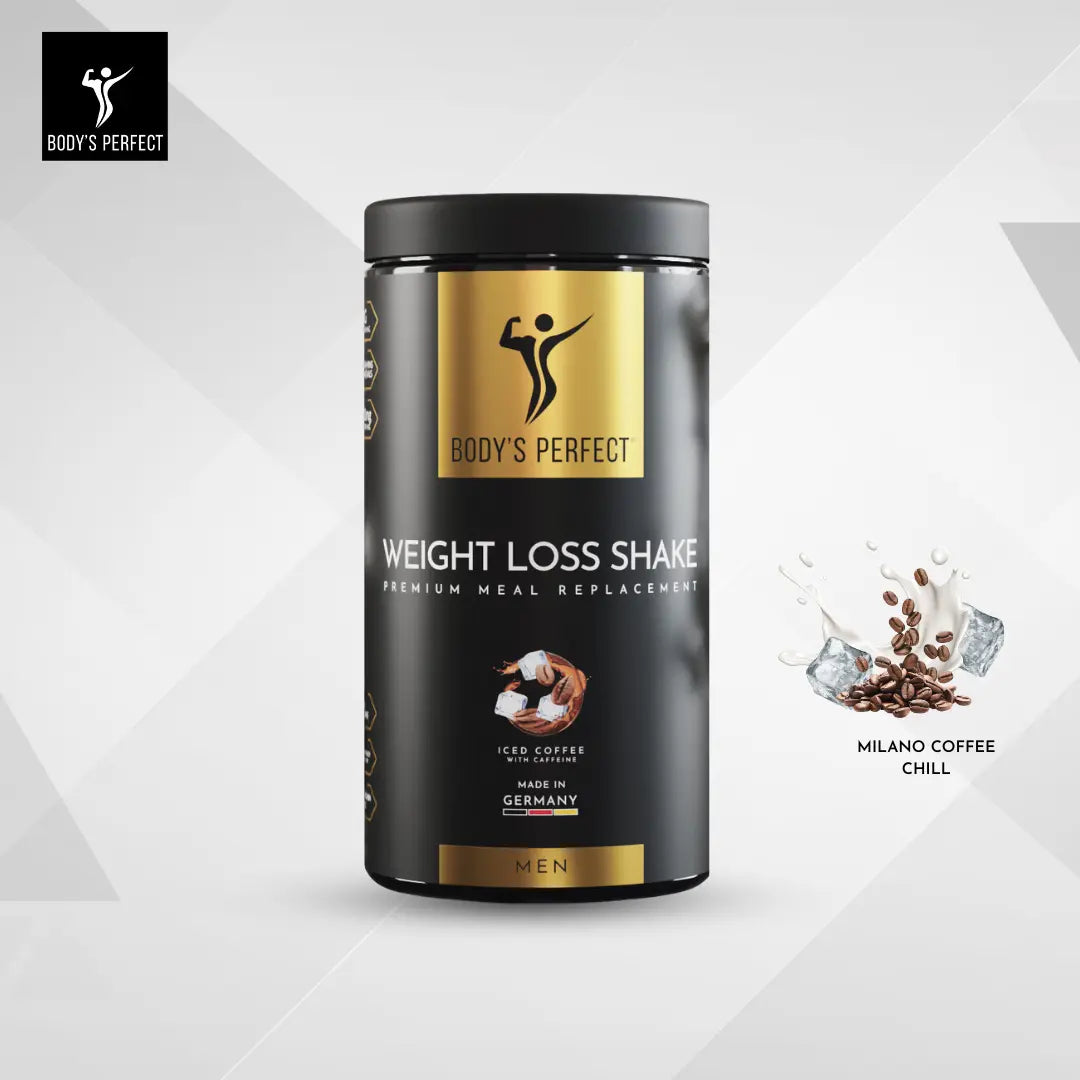
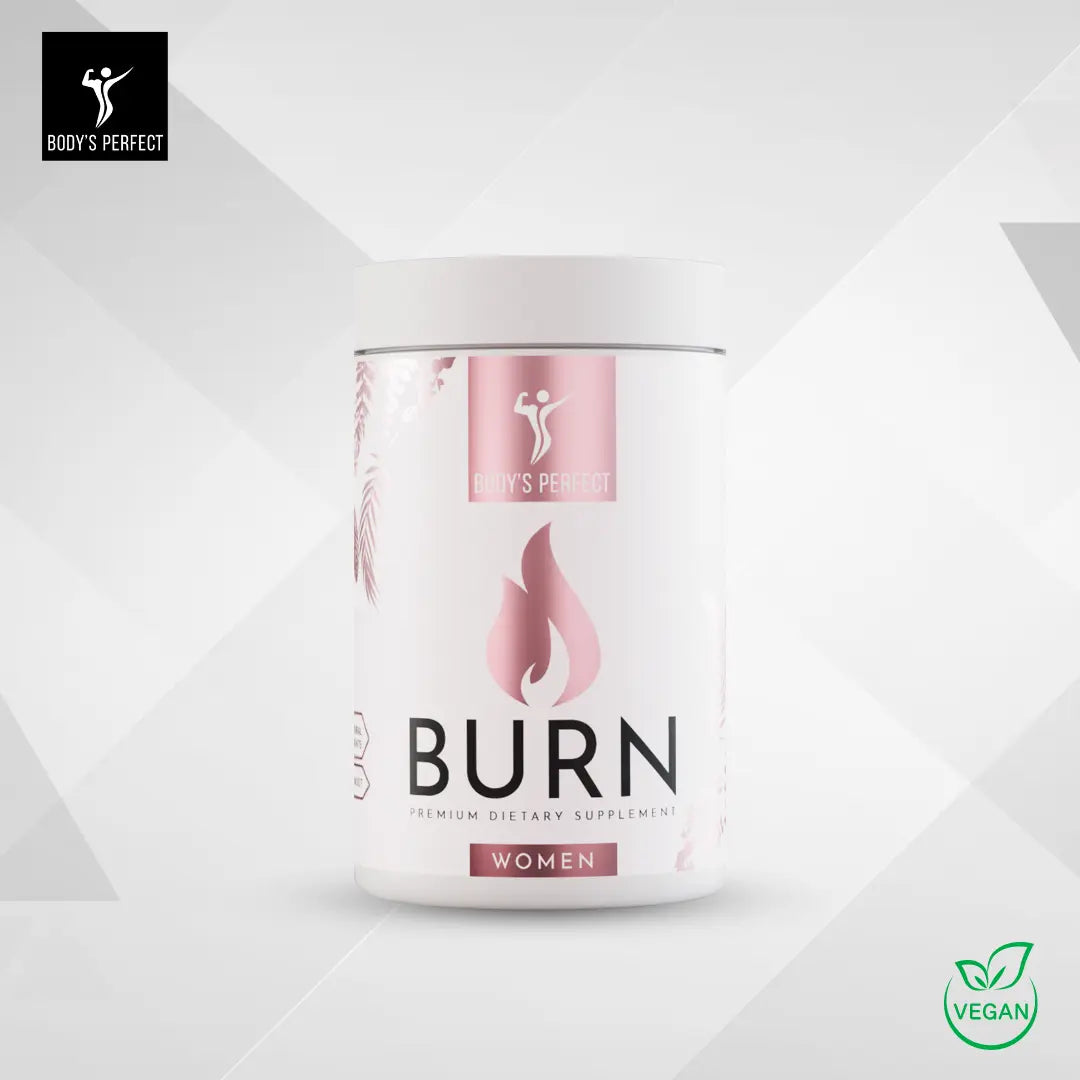
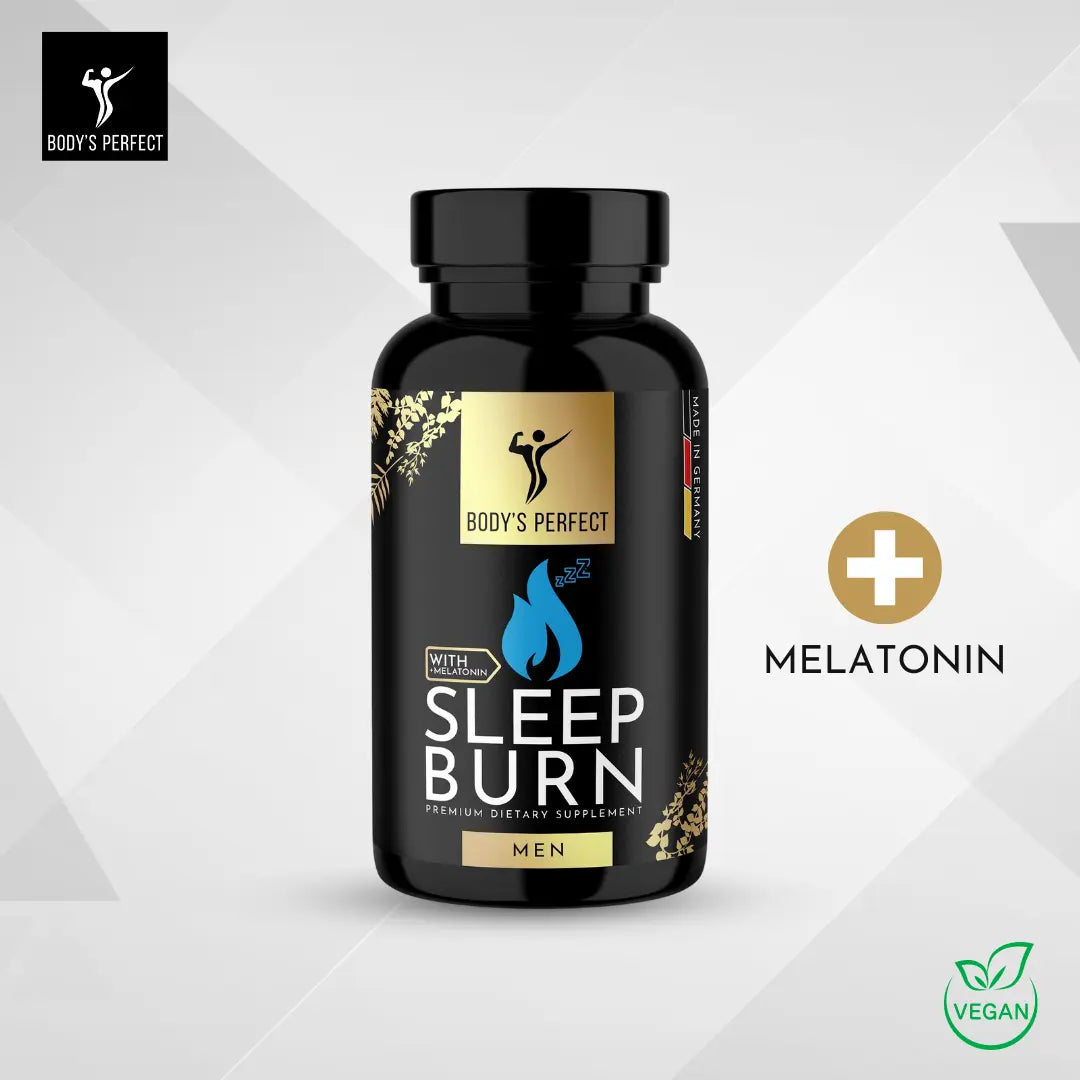
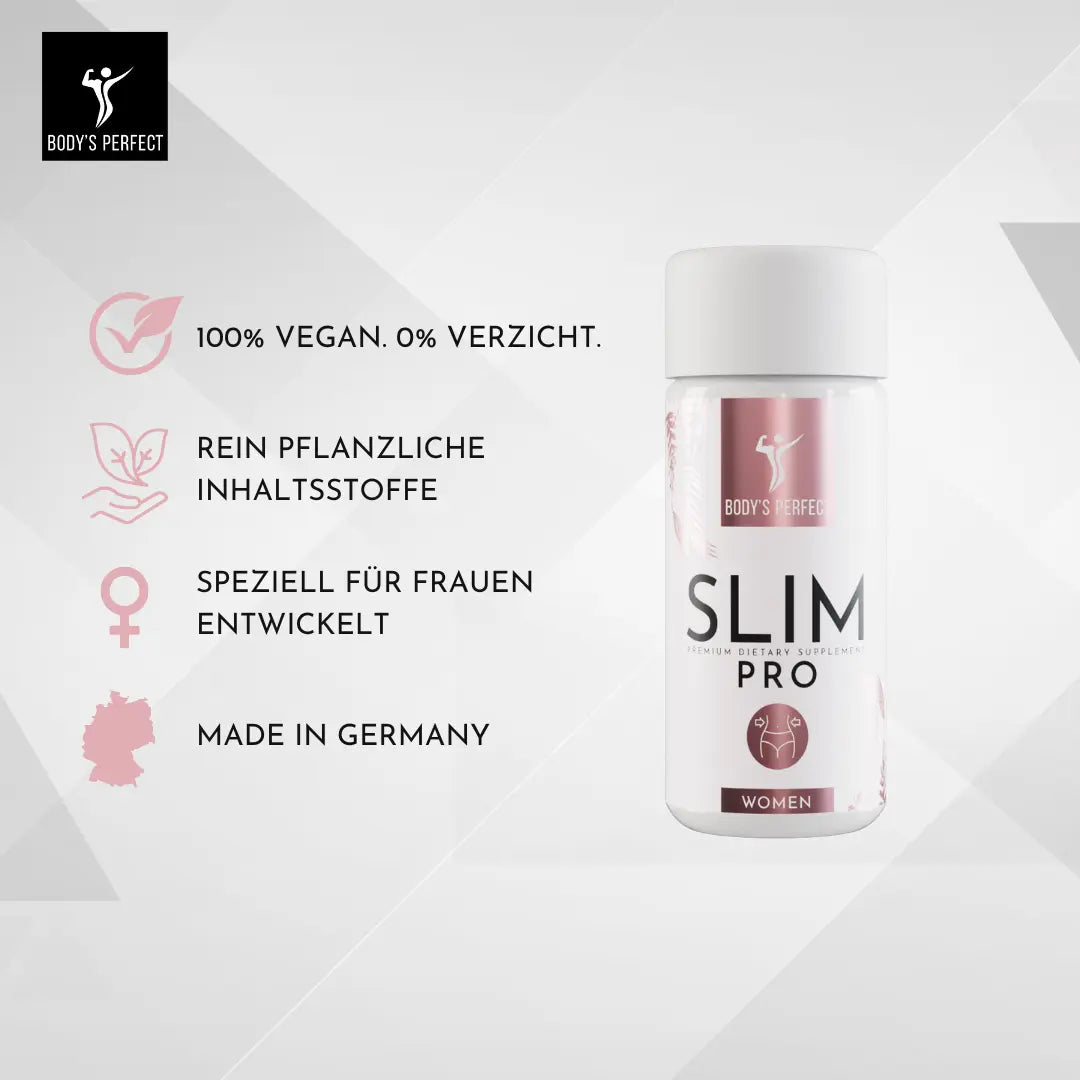
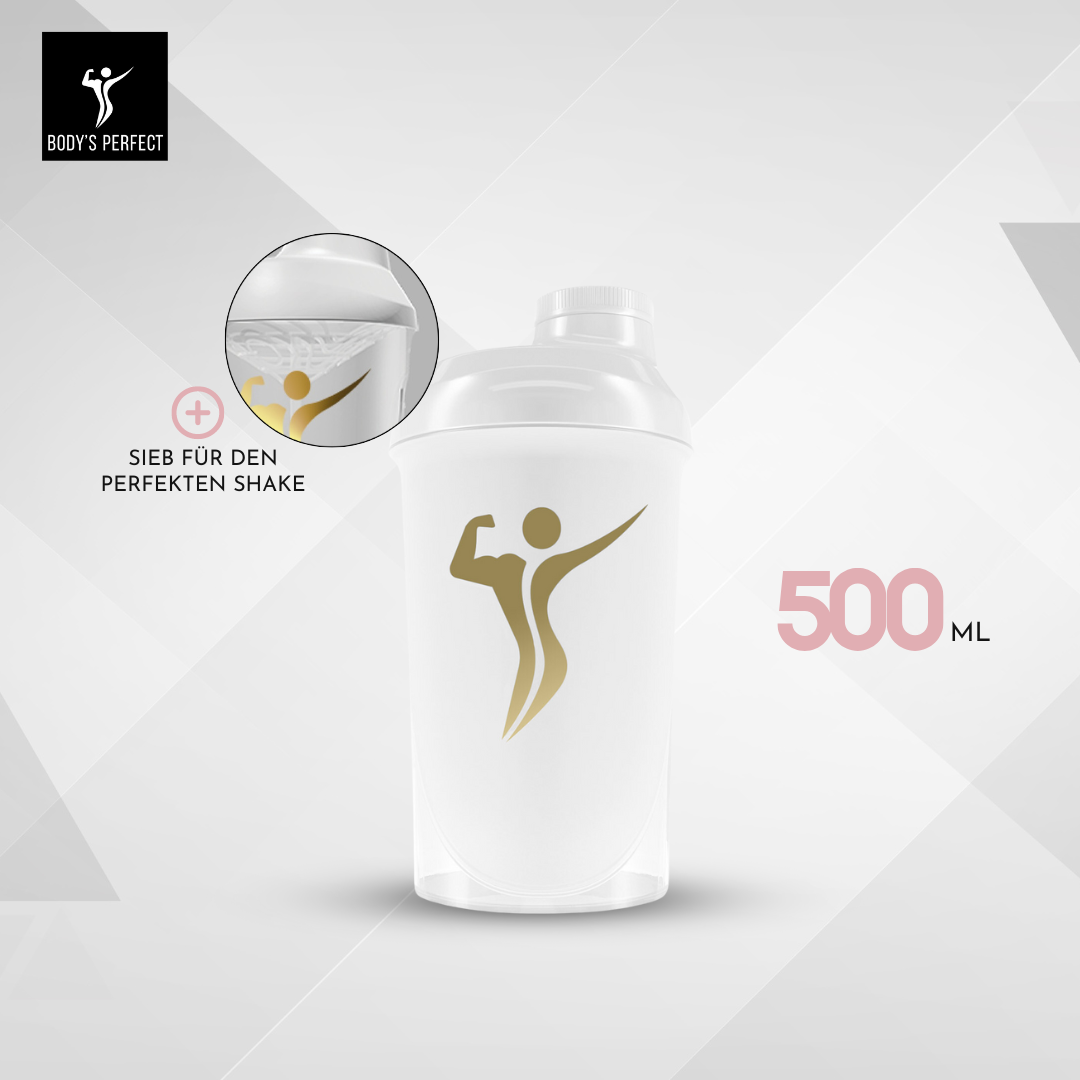
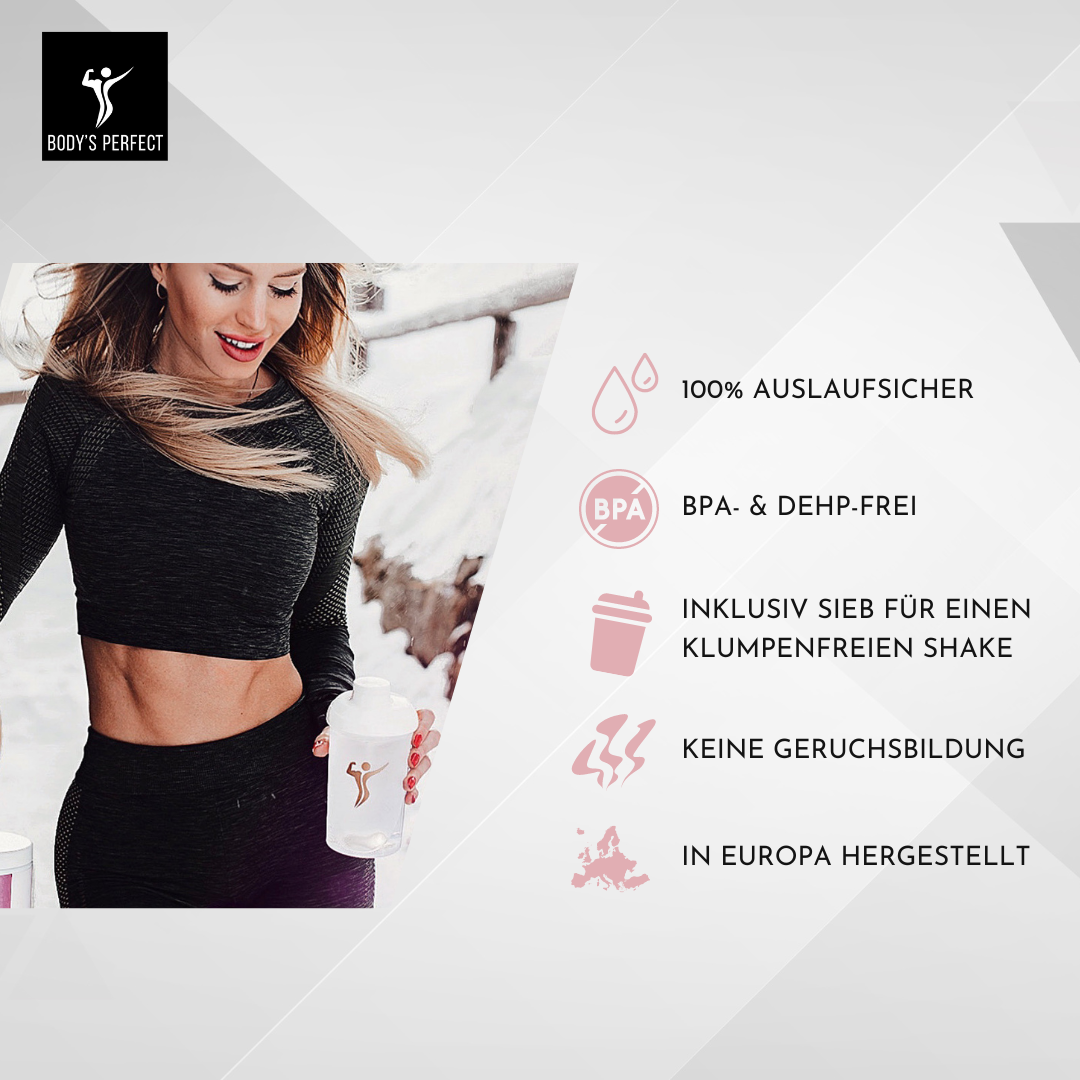
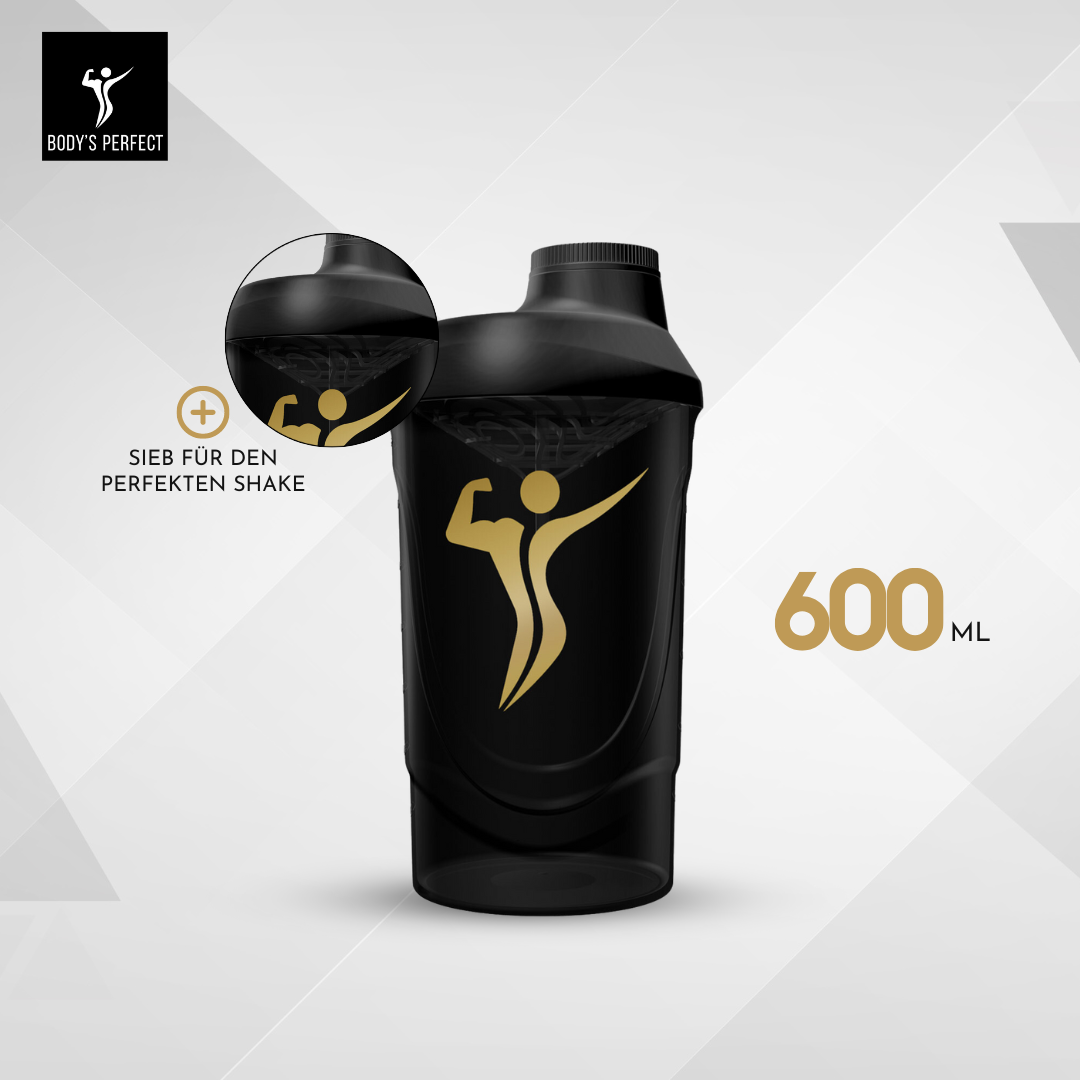
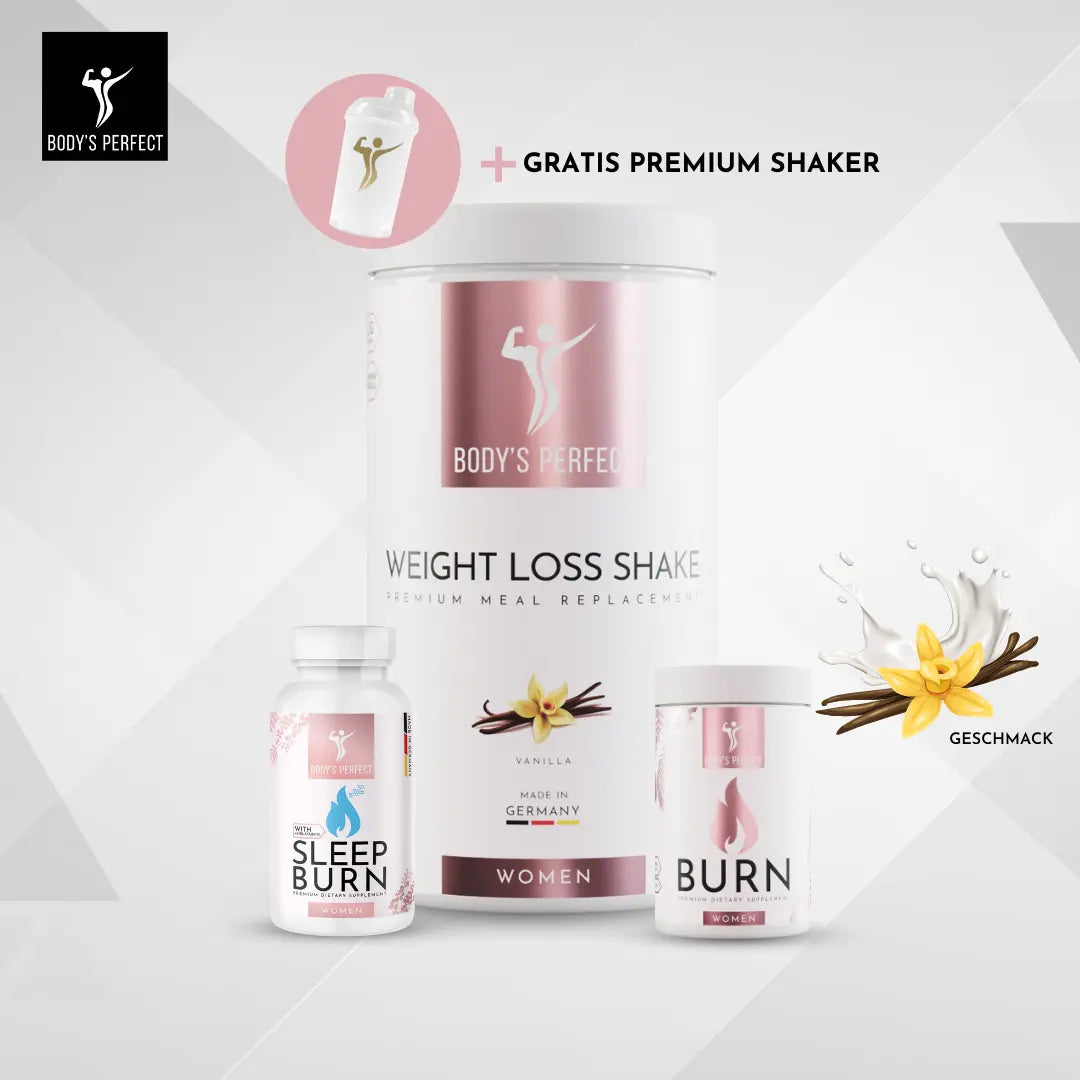
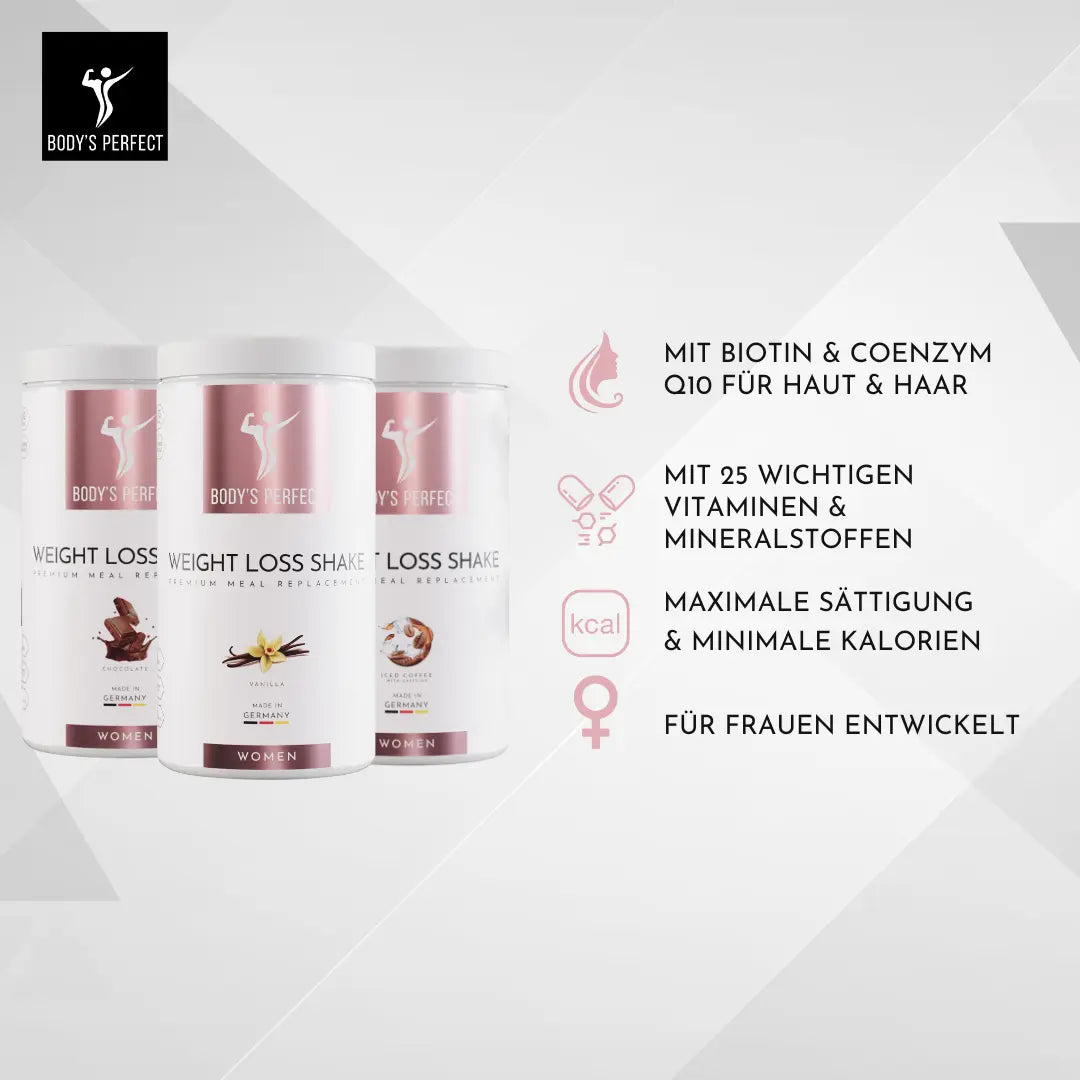
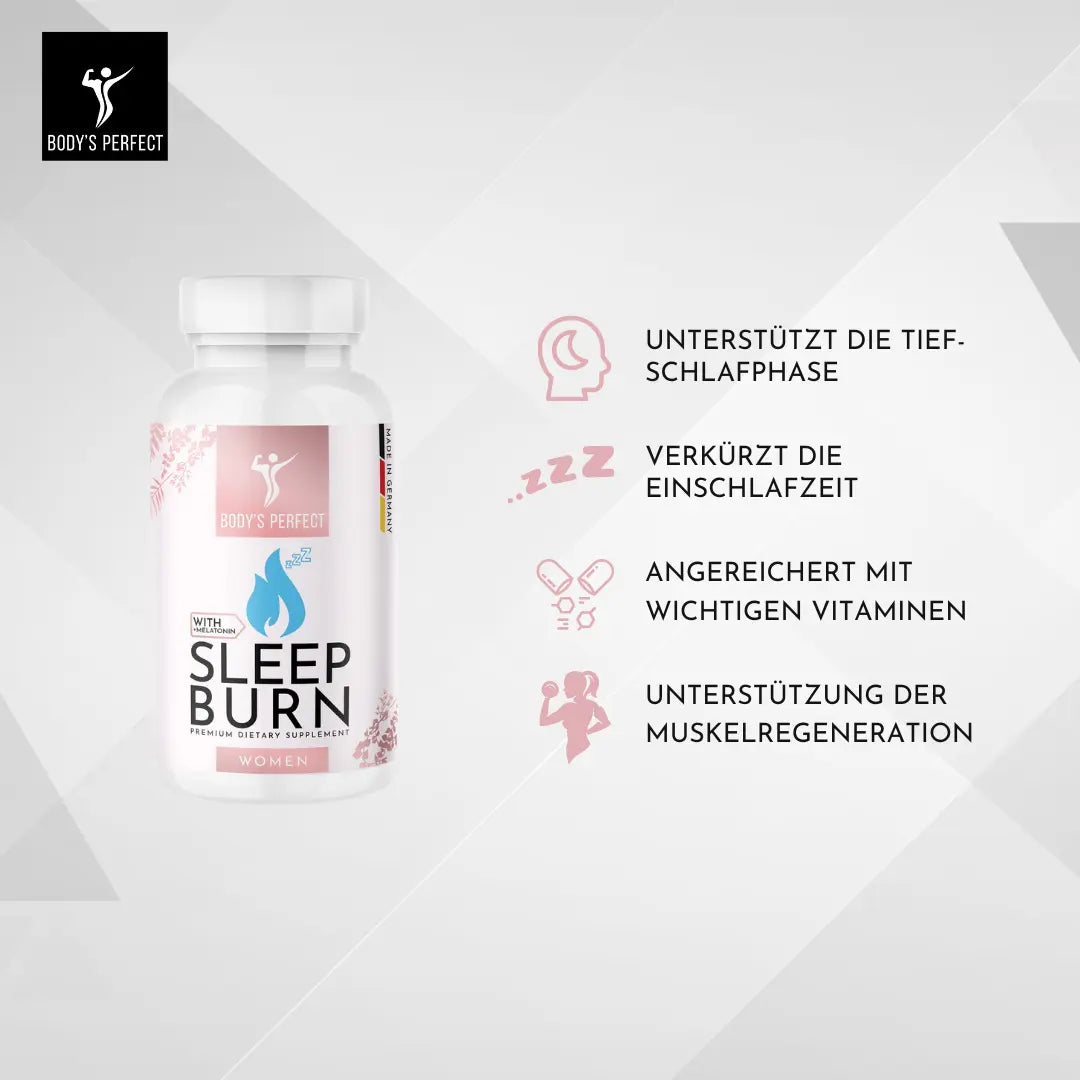
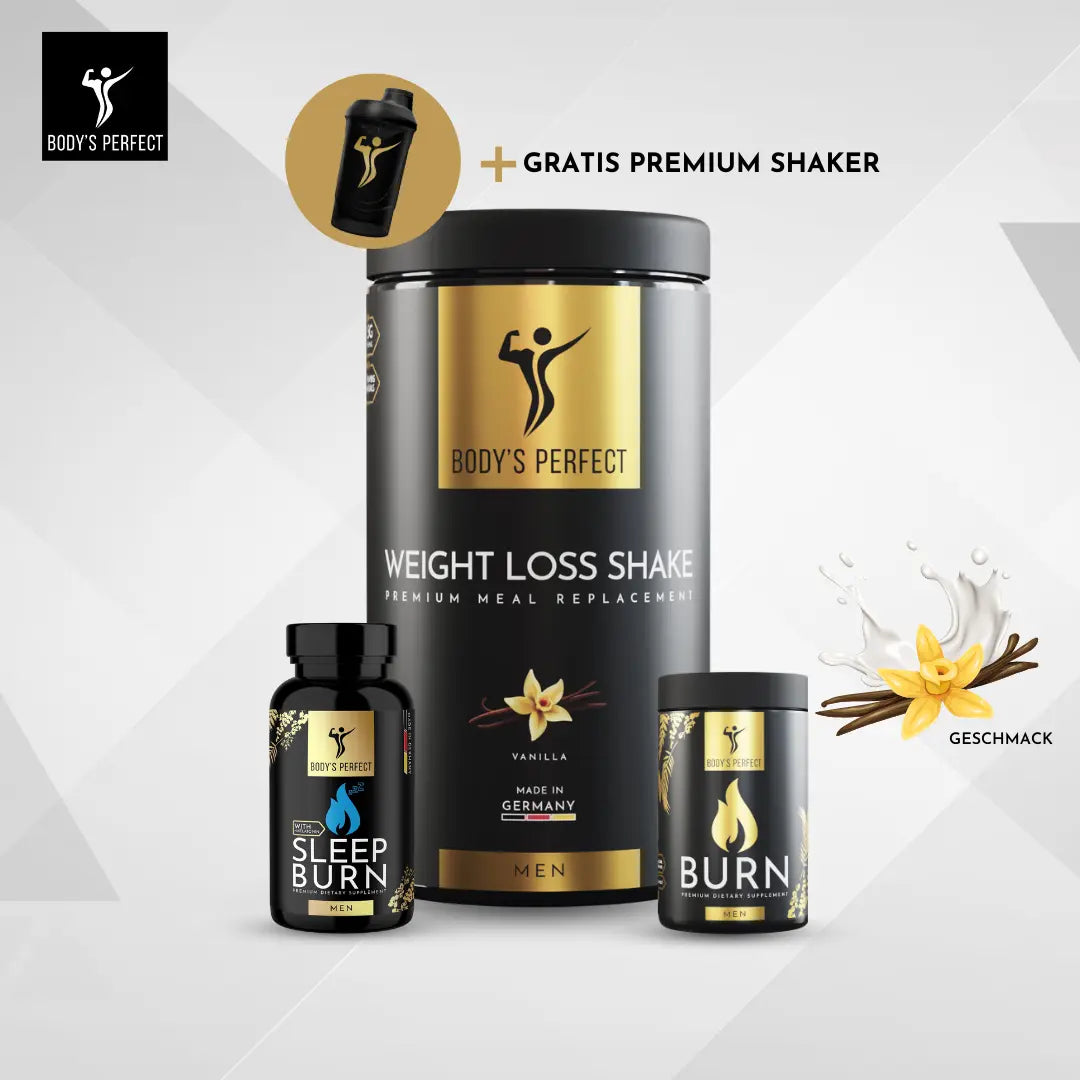
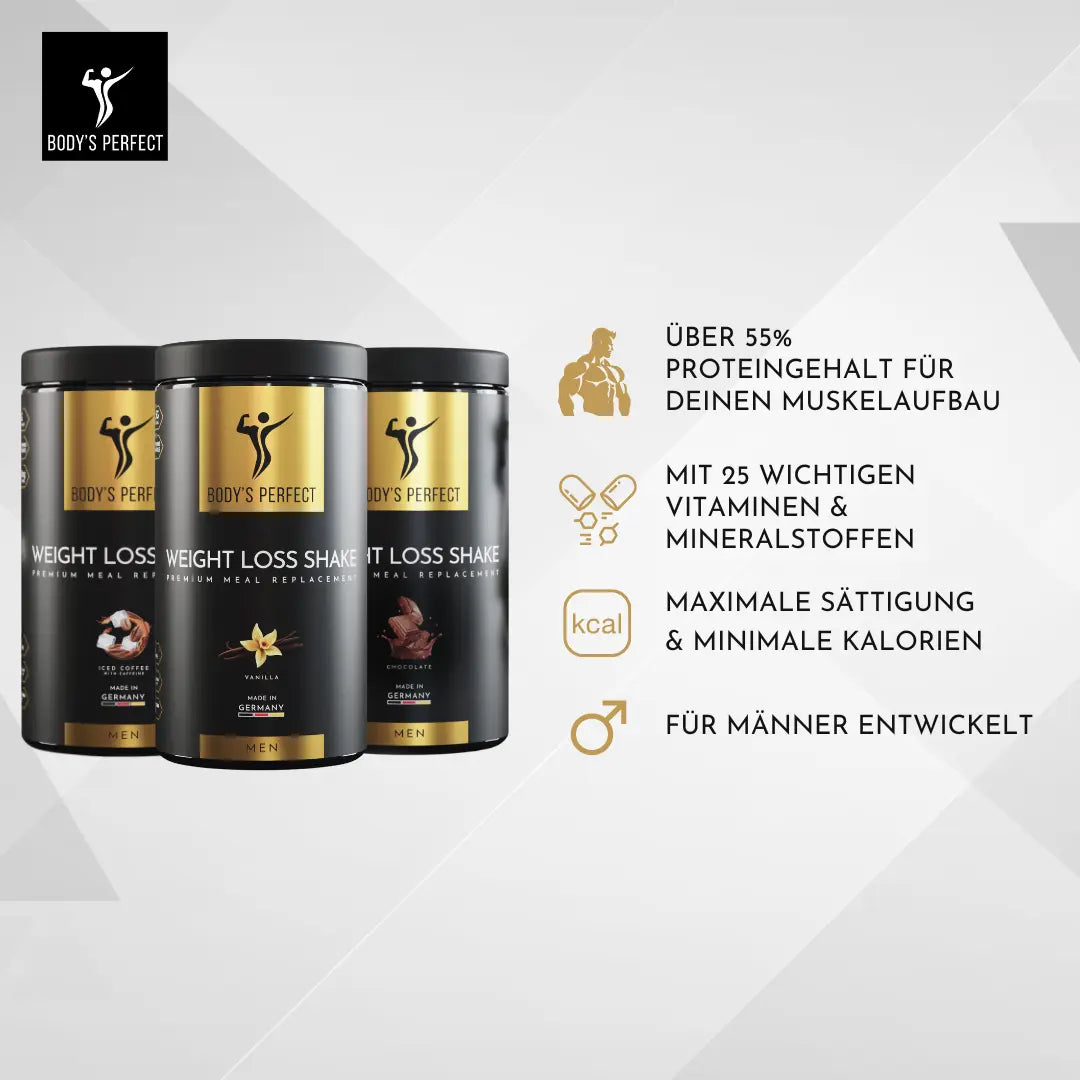
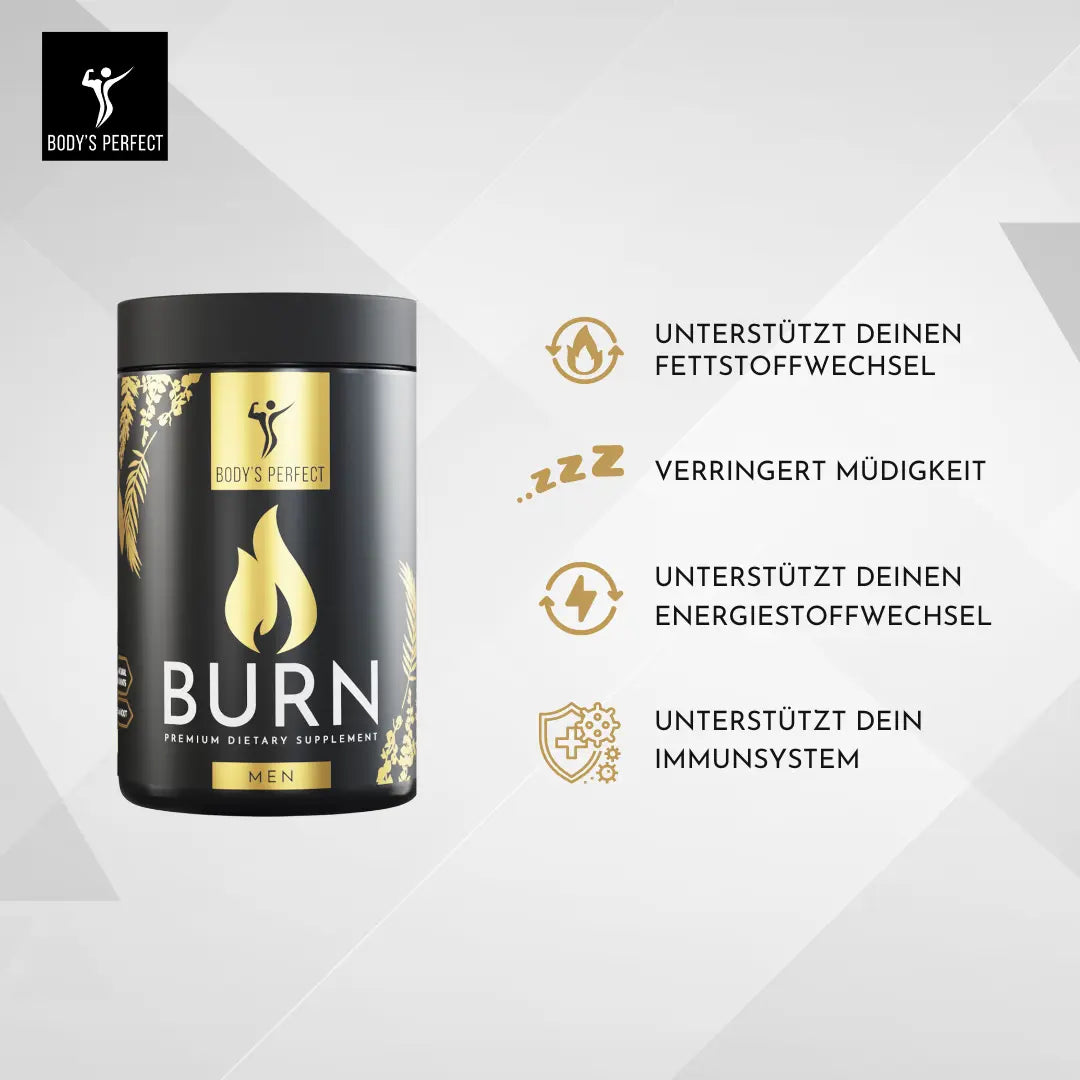
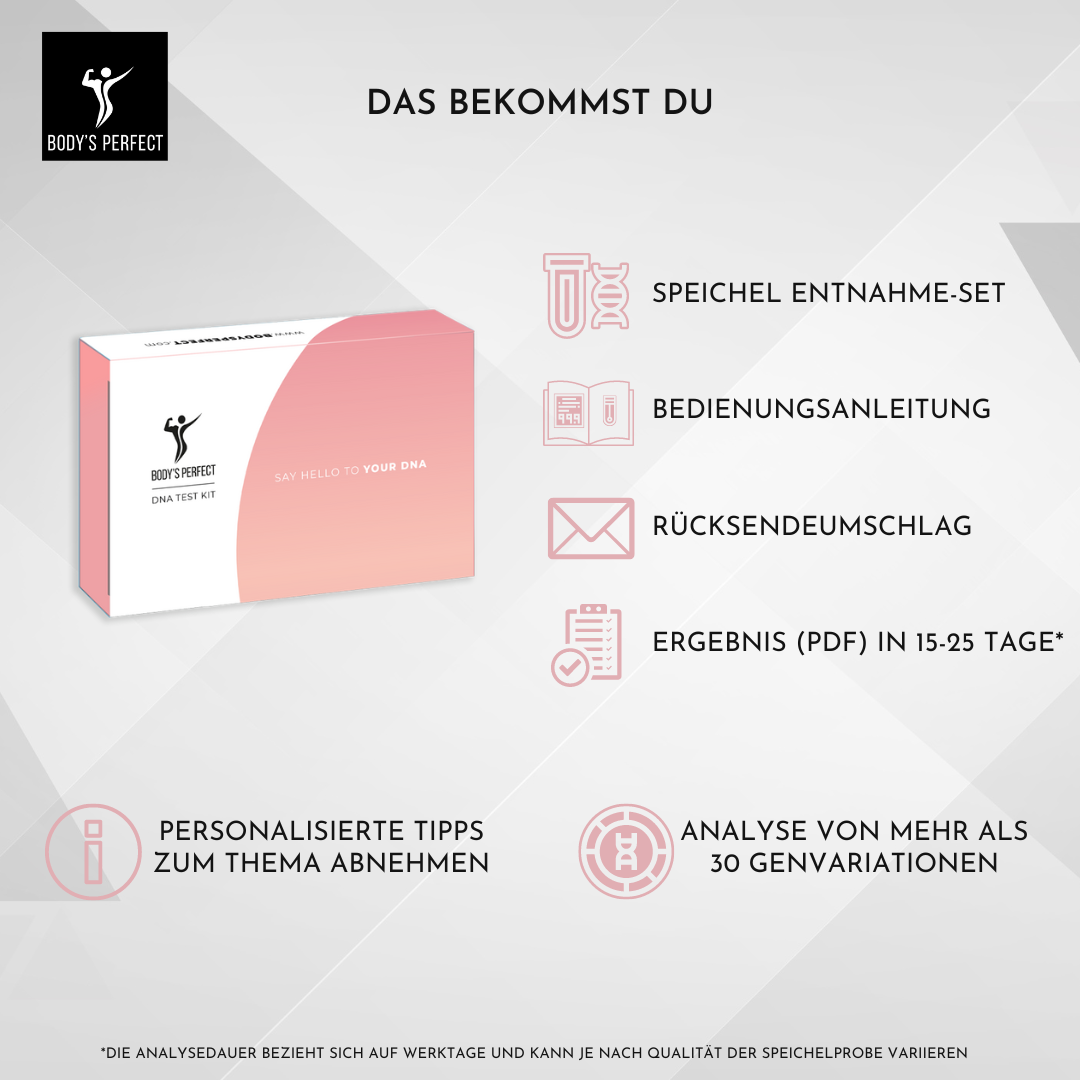
To make this path even more targeted and effective, the right tools can make all the difference. If you are looking for a simple solution to meet your daily protein needs or to perfectly tailor your plan to your body, BODY'S PERFECT products are the ideal complement. The delicious weight-loss shakes ensure your protein supply on the go, while the innovative BODYSlim DNA test gives you exact insights into your metabolism to personalize your diet.
Make your plan watertight today and turn your knowledge into visible success. Discover the tools that support and accelerate your path to your dream figure now at BODY'S PERFECT.




Share:
Make Your Own Weight Loss Shakes: The Best Recipes for Home
Muscle Building Diet: Tips for Quick Results