


The effect of vitamin B6 is absolutely fundamental for your body. As an important co-factor, it participates in over 100 enzymatic reactions and is a driving force for your energy metabolism, your nervous system, and the formation of red blood cells.
You can imagine it as a tireless helper in the background, ensuring that countless processes in your body run smoothly.
What is vitamin B6 and how does it work in your body?
Have you ever wondered what exactly is behind the term vitamin B6? It's not just a single vitamin. Rather, it is a whole group of closely related substances, including pyridoxine, pyridoxal, and pyridoxamine. Your body converts them all into the active form it needs for its various tasks.
Imagine vitamin B6 as a small spark. This spark initiates countless biochemical reactions in your body. Without it, many important processes would simply not start or would stall. A real all-rounder, pulling the strings in the background.
The engine for your metabolism
One of the most important functions of vitamin B6 takes place in metabolism. It is absolutely crucial for the synthesis and breakdown of proteins. So, whenever you eat protein-rich foods like chicken, fish, or lentils, vitamin B6 helps your body to optimally utilize the valuable amino acids from them – for example, for muscle building or tissue repair.
But your energy metabolism also directly depends on it. It helps to release the energy stored in carbohydrates and fats, so you feel fit and energetic.
So, vitamin B6 is not a direct energy source like sugar. It is rather the manager who makes energy production from your food truly efficient.
Manager for nerves and hormones
Your nervous system needs vitamin B6 to communicate properly. It is involved in the production of important neurotransmitters such as serotonin, dopamine, and GABA. These substances are the directors of your mood, your sleep, and your reaction to stress. A good vitamin B6 level therefore directly contributes to your emotional balance.
This table gives you a quick overview of the most important tasks that vitamin B6 performs in your body.
Overview of the core functions of Vitamin B6
| Functional Area | Effect of Vitamin B6 |
|---|---|
| Protein Metabolism | Essential for the synthesis and breakdown of amino acids. |
| Energy Metabolism | Helps convert nutrients into usable energy. |
| Nervous System | Involved in the production of neurotransmitters like serotonin. |
| Hormone Balance | Participates in regulating hormonal activities. |
| Immune System | Supports antibody production and immune defense. |
| Blood Formation | Necessary for the synthesis of hemoglobin in red blood cells. |
As you can see, the list of its tasks is long and impressive.
In summary, this vitamin is a silent but indispensable hero for your health. If you want to delve deeper into the chemical details and specific forms, check out our article on Pyridoxine Hydrochloride (Vitamin B6). It provides the perfect basis to better understand the connections.
How you truly feel the effects of Vitamin B6 in everyday life

Now that we've covered the theory, let's get practical. The effect of Vitamin B6 is not dry science, but something you can directly experience in your daily life. From more energy in the morning to a calmer mood – the effects are often surprisingly tangible.
Imagine your body as a huge, highly complex factory. Vitamin B6 is the crucial operations manager here, ensuring that processes run smoothly in all departments. If this manager is missing, important processes quickly stall.
Your engine for energy and fitness
One of the first areas where you might notice a difference is your energy level. Vitamin B6 plays a major role in energy metabolism and is particularly important when it comes to utilizing proteins and carbohydrates. Whether you're sweating in the gym or fighting your way through a long workday, Vitamin B6 helps your body draw the necessary energy from your food.
What does this mean for you concretely?
- More power from your food: Your body more efficiently converts the nutrients from your meals into usable energy. The result: You feel more awake and capable.
- Help with muscle building: It ensures that the amino acids from protein-rich foods truly reach where they are needed – namely, in building and repairing your muscles.
- Stable blood sugar: Vitamin B6 helps release energy from stores in the liver and muscles. This can prevent cravings and provide a more consistent feeling of energy.
Especially if you're watching your weight, a functioning metabolism is essential. Want to learn more about how to support your body naturally? Then take a look at our guide on natural weight loss.
Balm for your nerves and soul
Do you sometimes feel stressed, internally restless, or simply can't unwind in the evening? Here too, Vitamin B6 can make an important contribution. It is indispensable for the production of neurotransmitters – these are the messengers that are responsible for communication in your brain.
Vitamin B6 is directly involved in the production of serotonin, which we often know as the "happiness hormone." Equally important is its role in melatonin, our "sleep hormone." A good vitamin B6 level can therefore directly affect your mood, your stress resilience, and your sleep quality.
A balanced vitamin B6 level is therefore a crucial basis for your mental well-being and inner balance.
A strong immune system and balanced hormones
But that's not all. Vitamin B6 is also a team player for your immune defenses. It supports the production of antibodies that specifically fight pathogens. At the same time, it is needed for the formation of hemoglobin – the red blood pigment that transports oxygen throughout your body.
Especially for women, vitamin B6 plays an important role, as it contributes to the regulation of hormonal activity. This can help to support hormonal balance during the monthly cycle.
With all these positive effects, it's hardly surprising that vitamin B6 is so popular in Germany. Studies show that about 44% of people who use supplements choose products containing vitamin B6. This underscores how important this vitamin is for many health-conscious individuals. You can read more about these findings on the use of vitamin B6 if you are interested.
How do I recognize a vitamin B6 deficiency?
A vitamin B6 deficiency often creeps in quietly. The first signs are usually so subtle that you quickly dismiss them as everyday stress or simple fatigue. But your body is sending you signals – you just need to be able to interpret them.
The effect of vitamin B6 is incredibly complex. That's precisely why a deficit can manifest itself in so many different ways. If you know what to look for, you can react early and actively take charge of your well-being.
Physical and nervous warning signs
The symptoms can be truly diverse. Skin and nerves often react first, because vitamin B6 is simply indispensable for their health and regeneration.
Look out for these signs:
- Skin changes: A classic early warning sign is inflamed corners of the mouth (so-called angular cheilitis) or flaky, itchy rashes, often appearing on the face.
- Neurological problems: Since vitamin B6 is so crucial for our nerve pathways, a deficiency can lead to uncomfortable tingling, numbness, or even pain in the hands and feet.
- Persistent fatigue and weakness: Do you feel constantly exhausted and low on energy, even though you get enough sleep? A deficiency can slow down energy production in the body and even contribute to a form of anemia.
A deficiency in one B vitamin rarely comes alone. Often, the body lacks several vitamins from this important group. Interestingly, some symptoms of vitamin B6 deficiency resemble those of a thiamine deficiency. You can read more about the importance of vitamin B1 (thiamine) in our corresponding article.
Who is at risk?
Some people simply have a higher risk of developing a vitamin B6 deficiency. This is because their body either needs more of it or cannot absorb it as well from food. In these cases, it is worthwhile to keep a particularly close eye on your supply.
You may belong to one of these groups:
- Women using hormonal contraception: The pill can influence the metabolism of vitamin B6, thus increasing the daily requirement.
- Pregnant and breastfeeding women: In these special life phases, the body is working at full capacity. To optimally nourish both mother and child, nutrient requirements – and thus also for vitamin B6 – increase significantly.
- People with chronic diseases: Certain diseases affecting the kidneys or intestines can disrupt the absorption and utilization of vitamin B6.
- Elderly people: With increasing age, the ability to efficiently extract nutrients from food often diminishes. This increases the general risk of a deficiency.
- Individuals with high alcohol consumption: Alcohol is a real vitamin B6 robber. It significantly impairs the vitamin's metabolism and can lead to a considerable deficit.
If you belong to one of these groups or observe the described symptoms in yourself, it might be a good idea to specifically support your diet. A conscious intake helps you to utilize the full effect of vitamin B6 and maintain your body's balance.
Meeting your daily Vitamin B6 needs correctly
Okay, now you know how to recognize a deficiency. But the big question is: How much Vitamin B6 do you really need? There's no one-size-fits-all answer, as your personal needs depend on your age, gender, and current life stage. But don't worry, we'll clarify things a bit.
Official recommendations are a great starting point to fully utilize the powerful effects of Vitamin B6. Don't view them as rigid rules, but as a guide to help you design your diet smartly and provide your body with everything it needs.
This graphic gives you a quick overview of the most important daily doses for adults.
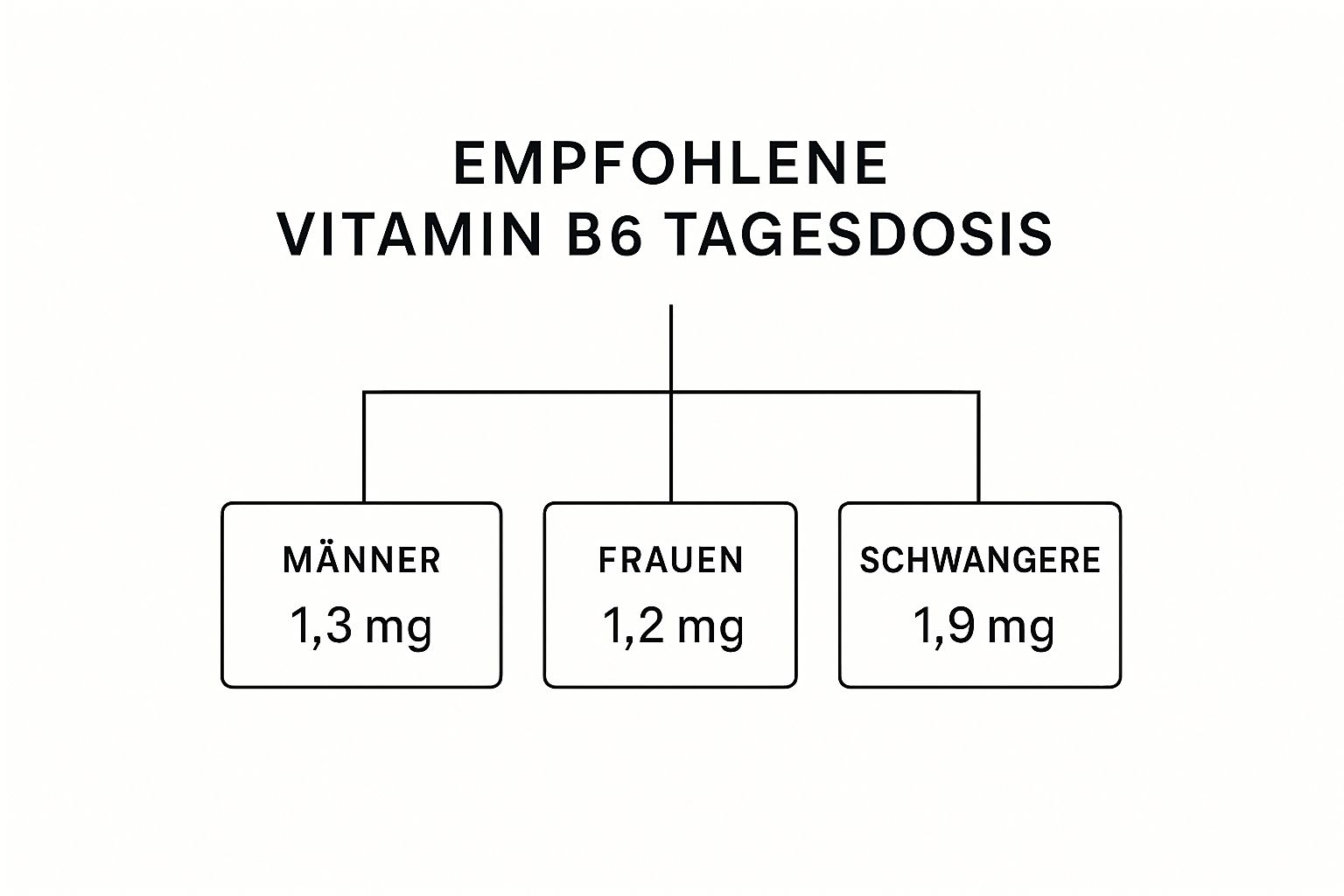
You immediately see: Pregnant women, in particular, have a higher demand. This is also logical, as they support the healthy development of their child.
Your personal needs in detail
Let's take a closer look at the numbers. The German Nutrition Society (DGE) provides clear guidelines here. Women generally do well with 1.4 mg per day, while men have a slightly higher need at 1.6 mg. During pregnancy and breastfeeding, the value climbs to 1.5 to 1.8 mg – the vitamin is simply indispensable for the developing baby during this phase.
Although most people in Germany generally consume enough Vitamin B6, there is a surprisingly high number of unreported cases. Studies show that about 12% of men and 13% of women do not meet the recommended amount. Among young women between 19 and 24 years old, it is even up to 16% who might be undersupplied.
Important to know: Your lifestyle has a huge influence. Do you exercise a lot? Do you eat a very protein-rich diet or are you often under stress? All these factors can drive up your Vitamin B6 needs because your body then needs it at full speed for energy and protein metabolism.
Supplements as targeted support
Do you belong to a risk group or simply can't meet your needs through diet? Then dietary supplements can be a really sensible addition. They help you ensure an adequate supply in a targeted way.
The correct dose is essential here:
- On the safe side: A daily intake of up to 25 mg of Vitamin B6 over a long period is considered safe for adults. Anything beyond that, however, you should definitely discuss with your doctor to avoid possible side effects.
- Smart combinations: Vitamin B6 is often combined with other nutrients to improve their effects. Together with caffeine, for example, it can further boost your energy and concentration.
Conscious supply is the key. Only then can you harness the full power of Vitamin B6 for your well-being, energy, and weight management goals.
The best Vitamin B6 sources for your diet

The best and most sustainable way to benefit from the full effect of Vitamin B6 is directly through your plate. A conscious and varied diet is key here. Fortunately, this important vitamin is found in many delicious foods that you probably already know and like.
So you don't have to turn your entire eating habits upside down. Often, it's enough to deliberately integrate a few particularly nutrient-rich ingredients into your daily routine.
Animal Vitamin B6 Powerhouses
For those who eat meat and fish, it's quite simple. Many animal products are not only excellent protein sources but also provide a good portion of Vitamin B6.
Particularly good animal sources include:
- Poultry: Chicken and turkey breast are lean, protein-rich, and real champions in Vitamin B6 content.
- Fish: Fatty varieties like salmon, tuna, and mackerel score particularly well with a high concentration.
- Beef and pork: Lean red meat also makes a valuable contribution to the supply.
A single serving of chicken breast can already cover a large part of your daily needs and thus directly supports your energy metabolism and nerve function.
Plant-based alternatives for every taste
But don't worry if you eat a vegetarian or vegan diet. The plant world offers just as many powerful B6 sources that enrich your meals.
A small tip: Vitamin B6 is water-soluble and sensitive to heat. This means that some of it can be lost during cooking. To minimize this, gentle cooking methods like steaming or braising are ideal. This way, more of the good stuff stays in the food.
Here are some of the best plant-based sources:
- Legumes: Chickpeas, lentils, and beans are true nutrient bombs. In addition to vitamin B6, they also provide plenty of fiber and plant-based protein.
- Nuts and seeds: Walnuts, sunflower seeds, or pistachios are not only a perfect snack for in-between meals but also great B6 sources.
- Vegetables and fruits: Bananas, avocados, potatoes, and green leafy vegetables like spinach also contribute to your daily intake.
- Whole grain products: Oatmeal for breakfast or a good whole grain bread form a solid base for a thoroughly good supply.
To give you an even better overview, I have compiled a small list of the top sources.
This table helps you find the best natural Vitamin B6 sources for your meal plan.
Top Foods with High Vitamin B6 Content
| Food | Vitamin B6 Content per 100g (approx.) | Category |
|---|---|---|
| Chicken Breast | 0.8 mg | Animal |
| Salmon | 0.6 mg | Animal |
| Chickpeas (cooked) | 0.5 mg | Plant-based |
| Walnuts | 0.5 mg | Plant-based |
| Bananas | 0.4 mg | Plant-based |
| Potatoes | 0.3 mg | Plant-based |
If you regularly and variedly incorporate these foods into your meals, you are on the right track. This way, you ensure that your body gets everything it needs for energy, strong nerves, and a fit metabolism.
How Vitamin B6 Supports Your Weight Management

Anyone who wants to lose weight quickly encounters the question of what role vitamins play in this endeavor. Let's be honest: Vitamin B6 is not a magic pill that makes fat deposits disappear overnight. The effect of Vitamin B6 is much more subtle but absolutely fundamental for successful and sustainable weight management.
You can think of it as the indispensable support team for your weight loss goals. It works discreetly in the background so that your body can truly implement the positive changes from diet and exercise.
Better Protein and Energy Metabolism
The crucial point where Vitamin B6 comes into play is your metabolism. As soon as you reduce your calories and perhaps exercise more, your body has to adapt. It needs to release energy more efficiently from stores while protecting valuable muscle mass.
This is where Vitamin B6 comes in:
- Efficient Protein Metabolism: It helps your body utilize protein from food optimally. This is invaluable for maintaining muscle during a diet – and muscles are the engines of your fat burning.
- Optimized Energy Production: Vitamin B6 ensures that energy from carbohydrates and fats is released more effectively. This gives you more power for your training and daily life instead of feeling tired.
A smoothly functioning metabolism is essential for any weight loss success. If you want to find out how to lose weight fast and healthy, you'll find many valuable tips in our guide that go hand in hand with good nutrient supply.
Imagine adjusting your diet to lose weight. You often automatically eat more protein. Your body then also needs more Vitamin B6 to process this additional protein. A good supply becomes particularly important at this point.
Why a Good Supply is So Crucial
An unnoticed deficiency in Vitamin B6 can derail all your efforts. If the metabolic engine sputters, you might feel tired and lethargic. It can feel like despite all your efforts, you're just not making progress.
Therefore, consciously ensure an adequate intake of Vitamin B6. This provides your body with the tools it needs for efficient fat burning and muscle protection. It's the best possible support on your journey to a healthier and lighter you.
Finally: Your Most Frequent Questions about Vitamin B6
After all the information, a few specific questions often remain. No problem! I have compiled the answers to the most common questions I am asked about Vitamin B6. This way, you are well prepared for everyday life.
Can you take too much Vitamin B6?
Yes, that is indeed possible, but it takes a lot. This refers to long-term and very high overdoses. A daily dose of up to 25 mg is considered absolutely harmless. However, those who take significantly more over a long period risk nerve damage, often noticeable by tingling or numbness. Therefore, it's best to always stick to the dosage recommendations on the packaging of your supplements.
Is Vitamin B6 a good helper against fatigue?
Absolutely! Vitamin B6 is a central player in our energy metabolism. You can imagine it this way: It helps the body release and utilize energy from food – i.e., from carbohydrates, fats, and proteins. When this process runs smoothly, we feel more awake, fitter, and more energetic. A deficiency can therefore directly manifest as fatigue and exhaustion.
A good supply of B vitamins is crucial for your well-being. If you often feel sluggish, targeted support for your energy metabolism can be an important step.
Does Vitamin B6 really lift your spirits?
It certainly contributes significantly to it. Vitamin B6 is needed for the production of certain neurotransmitters in the brain, including serotonin and dopamine. These neurotransmitters are often referred to as our "happiness hormones" because they significantly influence our mood and mental balance. A stable supply of Vitamin B6 therefore supports normal psychological function and can help find inner balance.
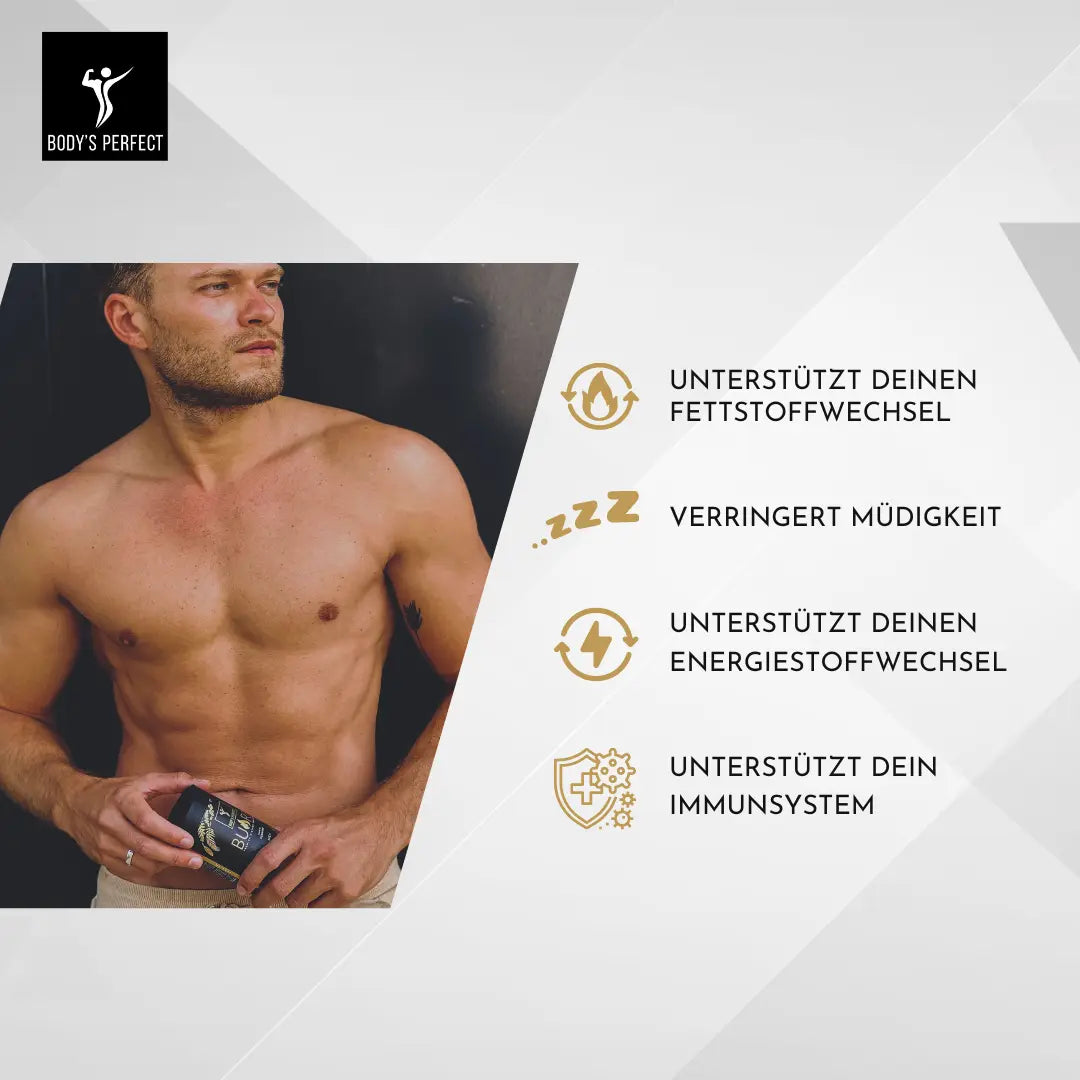
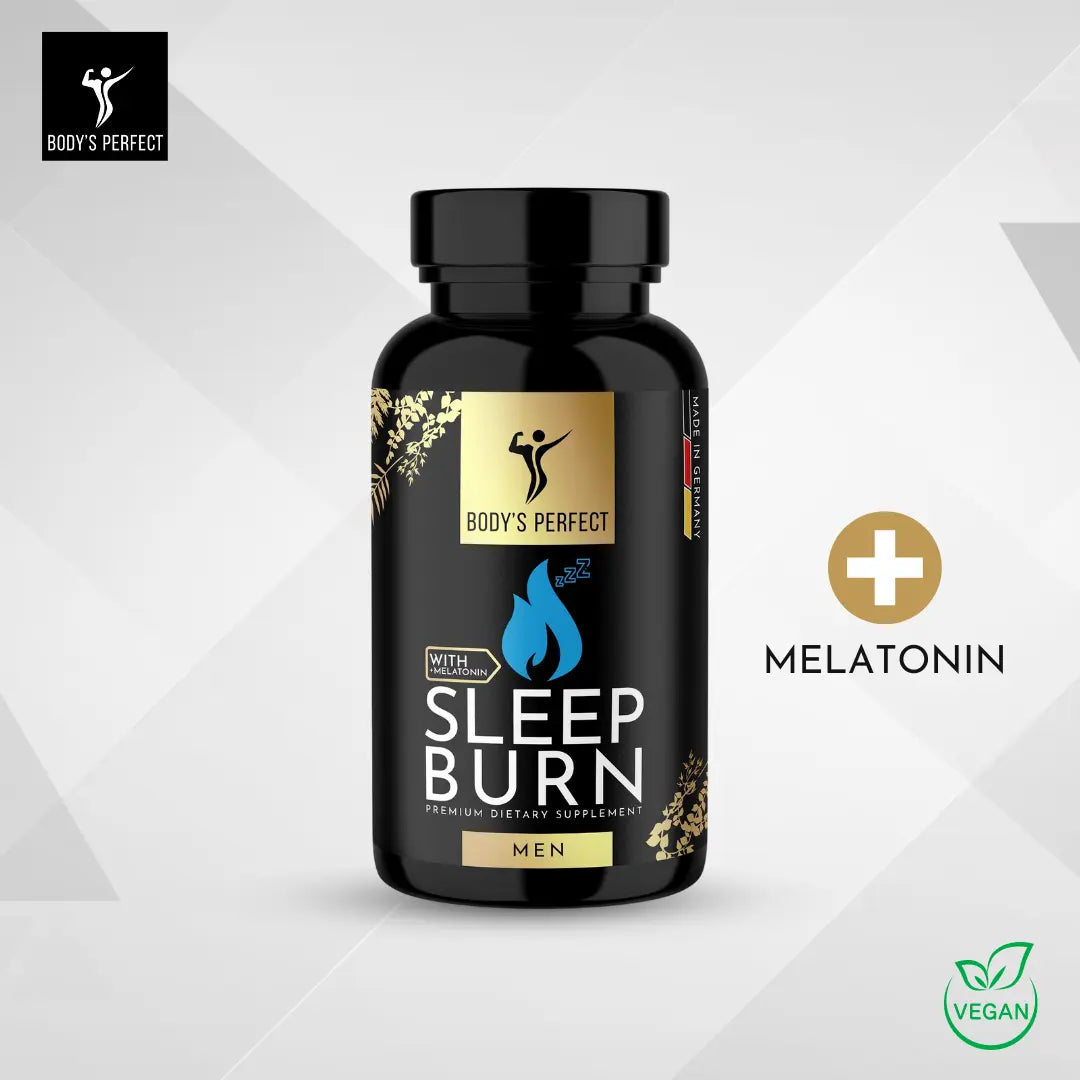
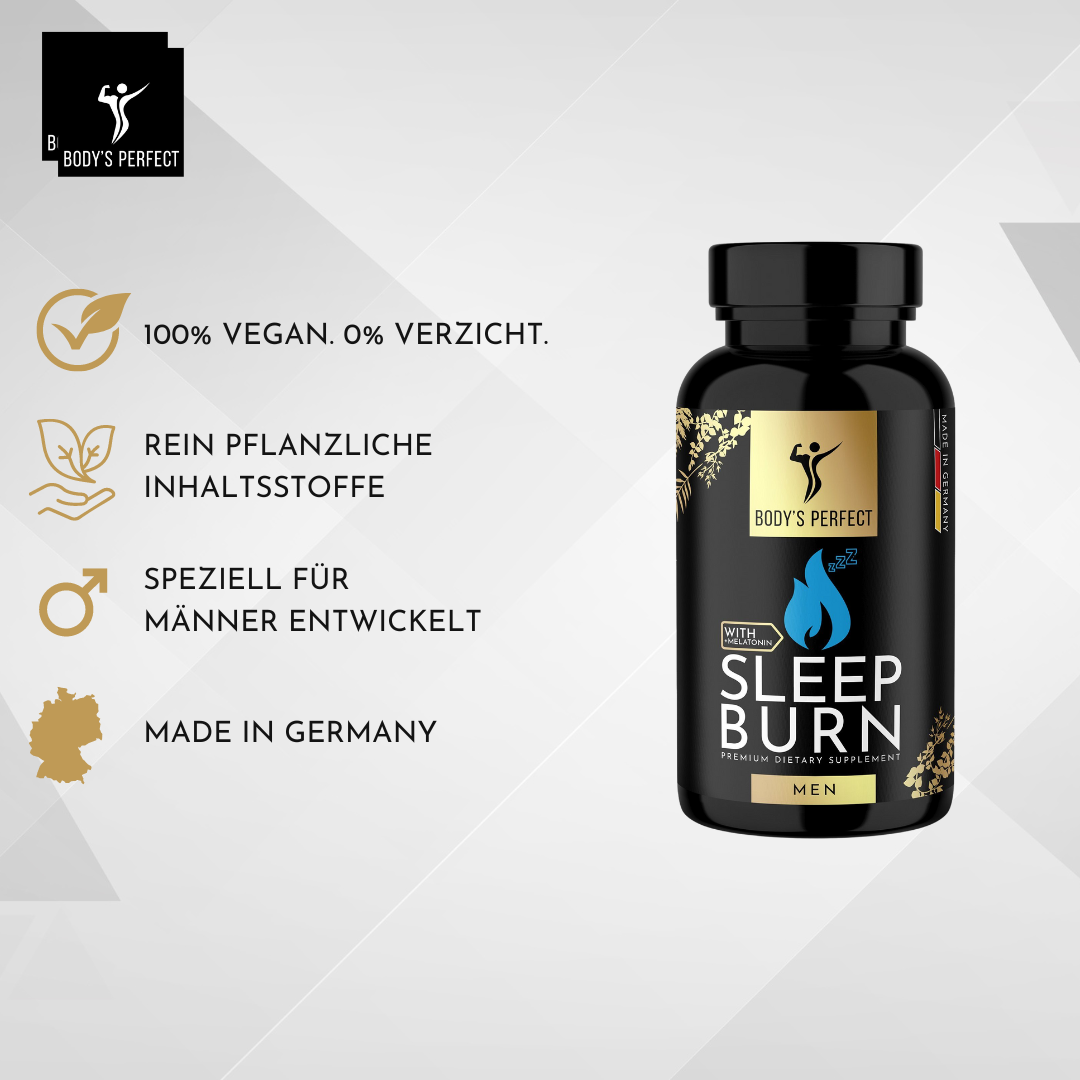
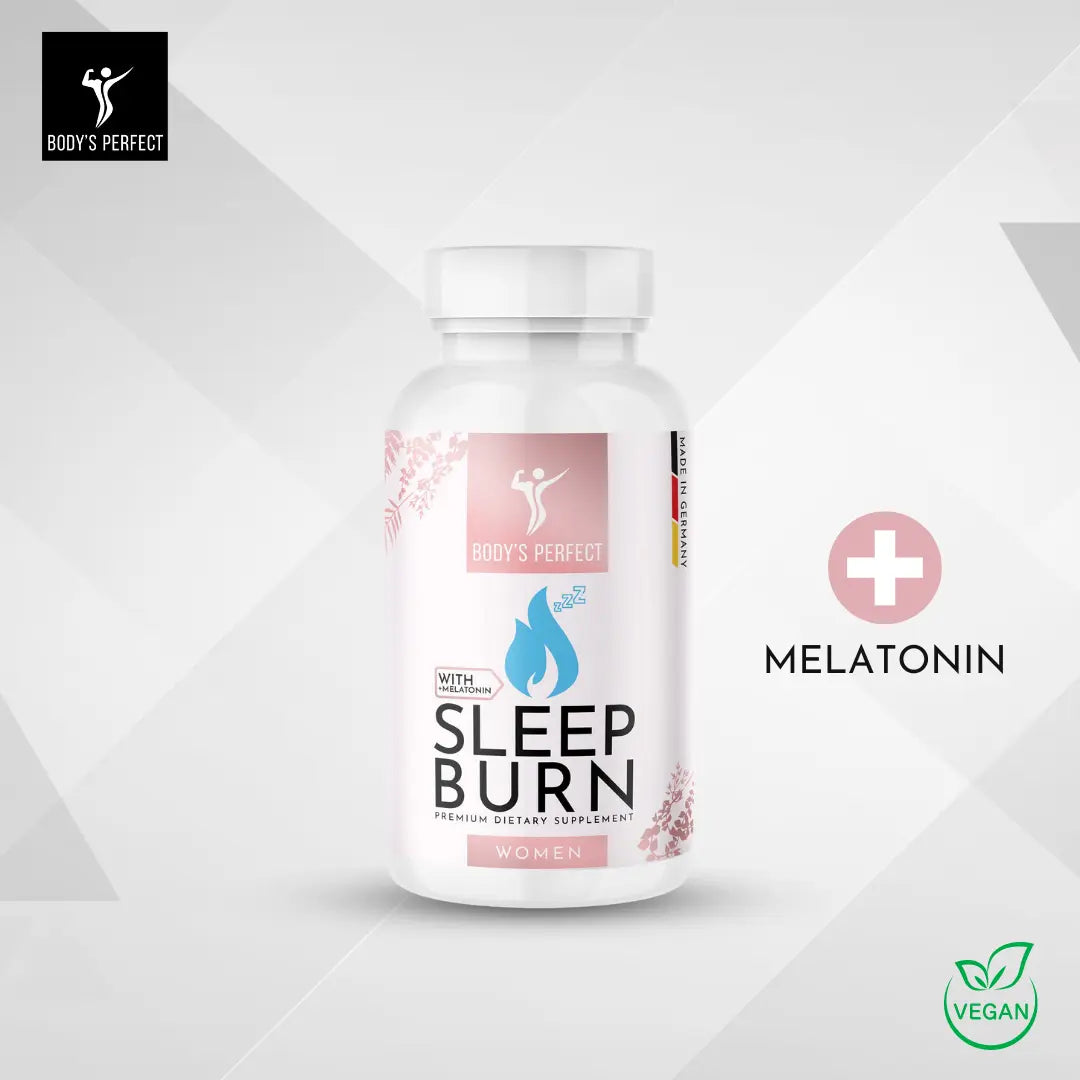
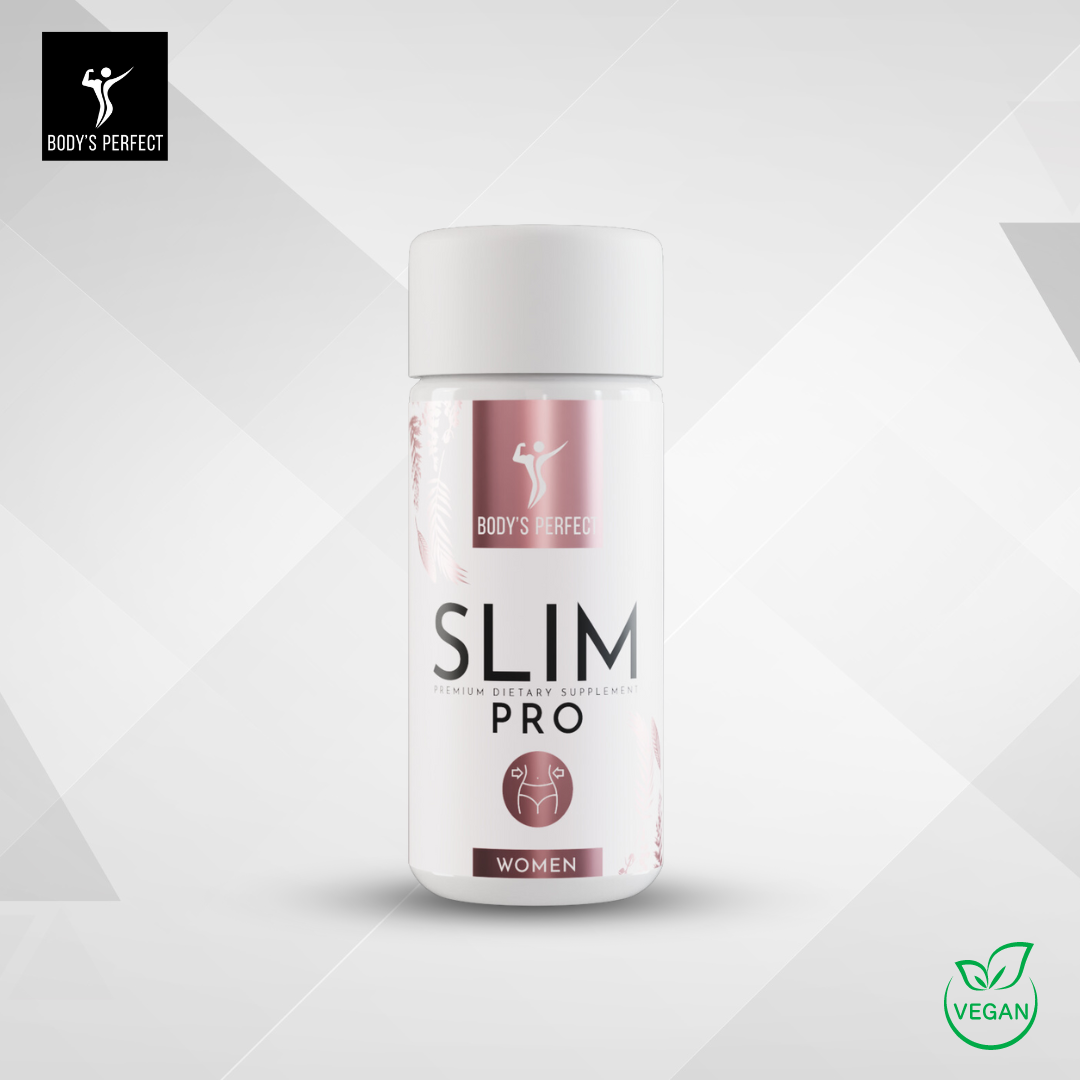
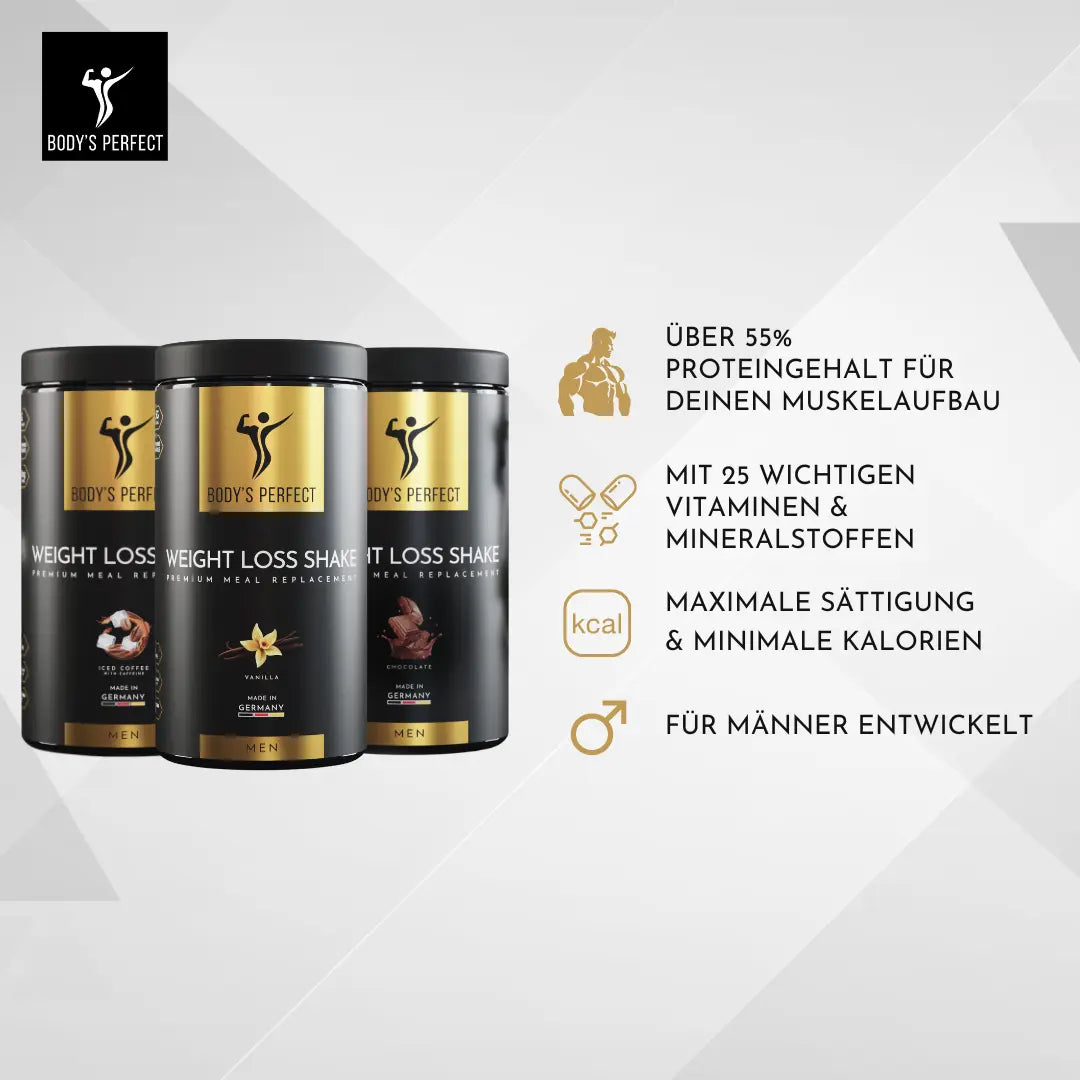
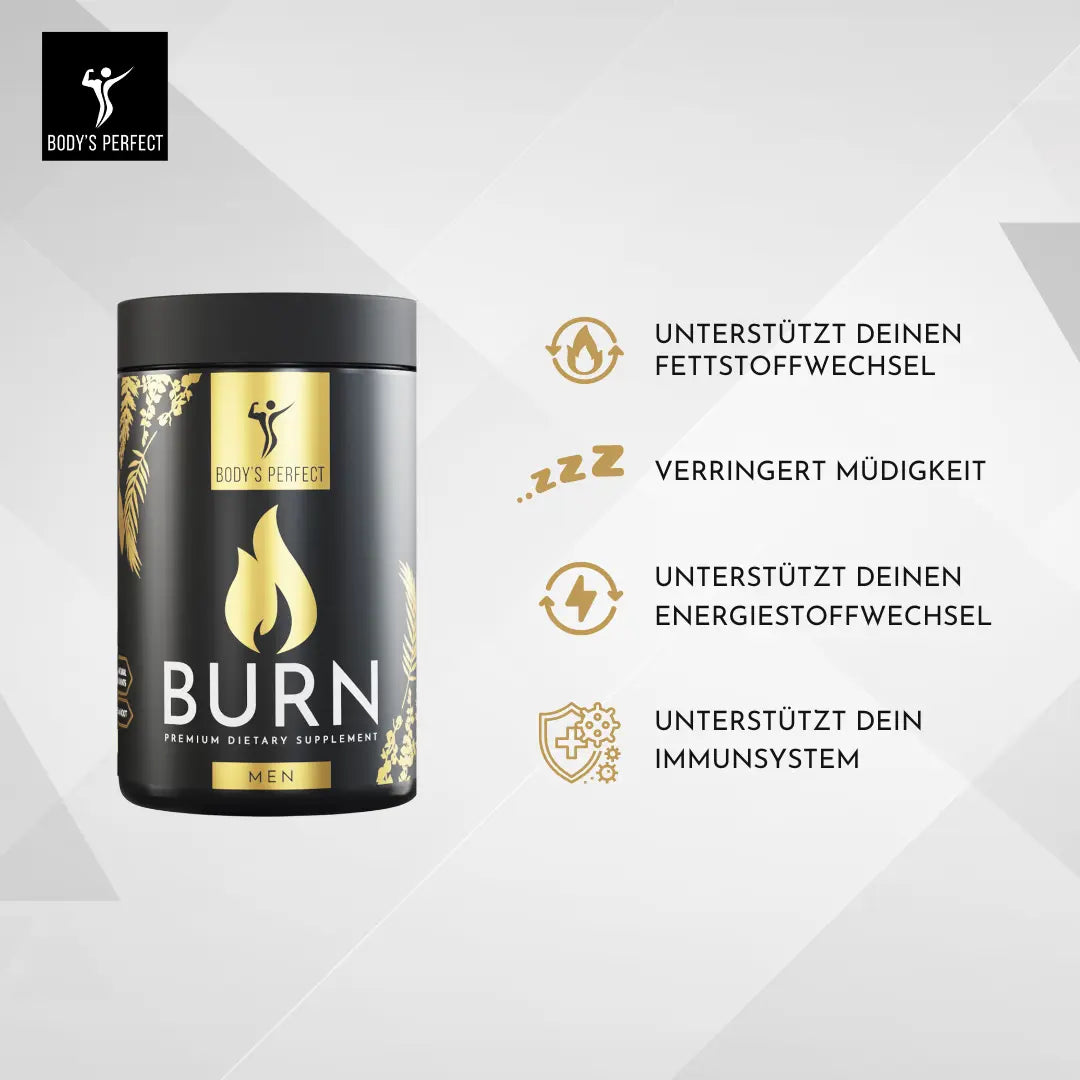
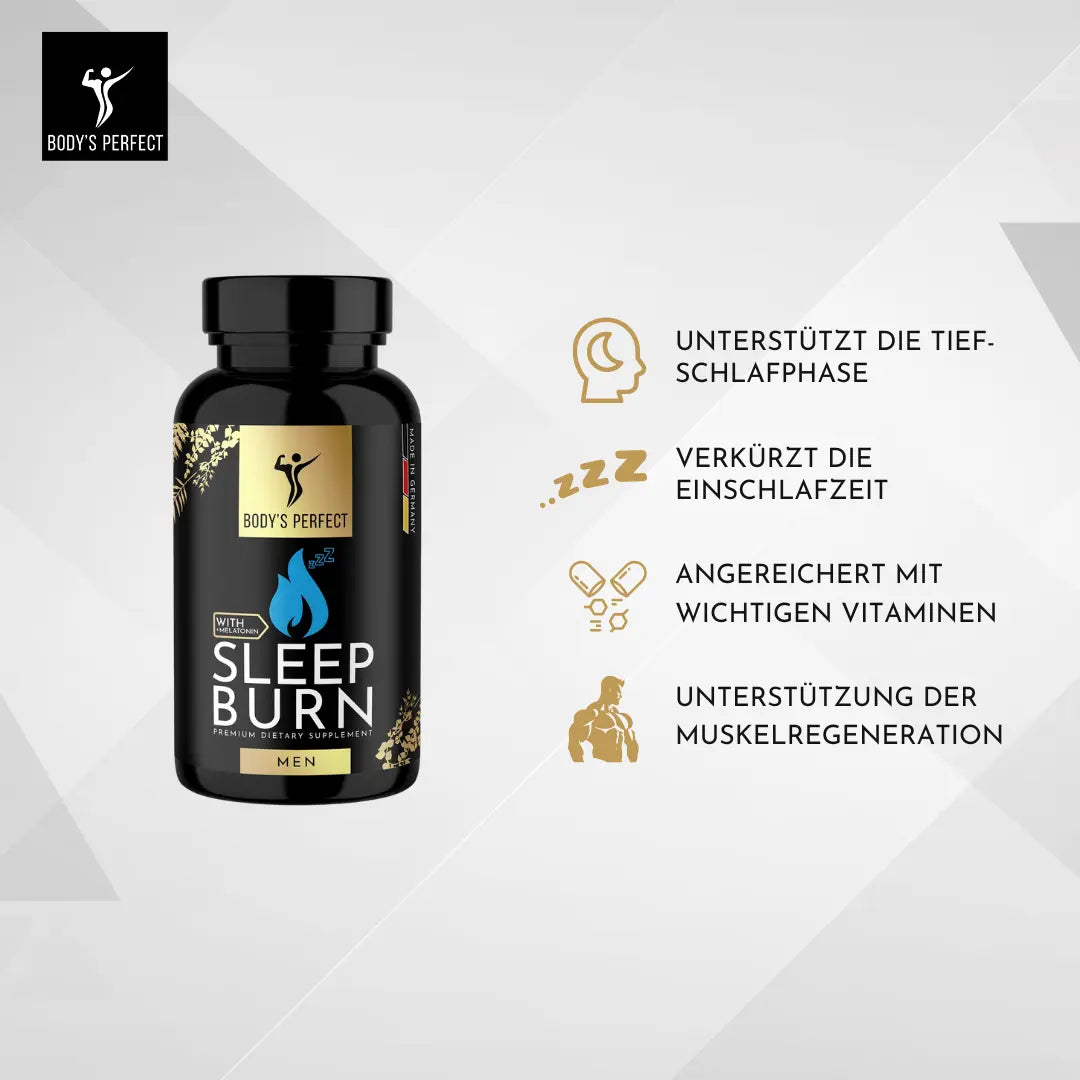
Are you ready to take your well-being into your own hands and actively pursue your weight management goals? At BODY'S PERFECT, we develop high-quality products directly in Germany that support you precisely in this. Find the right solution for your journey at https://bodysperfect.com.























Share:
When should you drink protein shakes for the best results?
Calorie Needs for Women Table for Weight Loss – Your Guide to Success