


Hello and welcome! If you're reading this, you're probably also asking yourself: "How many calories can I, as a woman, actually eat to finally lose weight?" The short answer: there's no magic number for everyone. Your individual calorie needs are the key, and general figures from the internet often lead you astray. Your age, weight, height, and especially how active you are in everyday life – all of these play a crucial role.
What your calorie needs for weight loss really mean
The desire to lose a few pounds usually starts with this one question. But the answer is much more personal than you might think. Try to forget rigid diet rules and any universal numbers. Your body is unique, and its energy requirements are just as unique. Understanding this is the very first and most important step on the way to your feel-good weight.
It's best to think of your calorie needs as a personal energy budget. Every day, your body uses energy just to exist – for breathing, heartbeat, and all the invisible processes. That's your basal metabolic rate. Every movement you make, from climbing stairs to exercising, is added on top. That's your active metabolic rate. To lose weight healthily, you simply need to create a small, controlled deficit in this budget.
Find your personal guideline
A calorie chart, specifically for women, can be a great starting point to get an initial feel for your numbers. It provides reliable guidelines based on average values. This way, you don't start from scratch, but have a solid foundation to build on.
Current data shows that the daily energy requirements of women in Germany vary greatly depending on age and activity. For example, a woman between 25 and 50 with a moderately active daily routine needs around 1,900 kilocalories per day to maintain her weight. If she wants to lose weight sustainably, a reduction of about 500 calories is a good and healthy approach. You can find more about these guidelines at Techniker Krankenkasse.
The key to success is not to starve yourself, but to create a moderate calorie deficit. A good goal is about 0.5 to 1 kg of weight loss per week. This is a pace that your body can handle well and that prevents the dreaded yo-yo effect.
It's about making conscious decisions and finding a healthy balance that suits you. With the right knowledge, you can confidently implement your plan and achieve your goals without torturing yourself. A crucial factor is learning to lose weight sustainably without starving. In the next sections, I'll show you how to precisely calculate your individual needs and how you can practically use the values from our table in your daily life.
Understanding your personal energy budget
Before we take a closer look at the numbers in a calorie chart for weight loss for women, let's first decipher your very personal energy budget. Imagine it as your monthly bank account: you have fixed costs and variable expenses. Your body works in a very similar way.
Your energy budget is made up of two main components: your basal metabolic rate and your active metabolic rate.
Your Basal Metabolic Rate: Your "Fixed Costs"
Your Basal Metabolic Rate (BMR) is, so to speak, the rent for your body. This is the amount of energy you consume when you do absolutely nothing – meaning just lying on the sofa and breathing. Your body needs this energy for all the vital background functions, such as heartbeat, brain activity, or cell repair.
This base is non-negotiable; your body depends on it. Studies show that middle-aged women in Germany have an average basal metabolic rate of approximately 1,430 kcal per day. This is truly just the pure energy your body needs to survive, without any movement.
This image helps you better understand the calculation of your daily calorie needs.

The infographic shows you the path from your personal data to a concrete calorie target. This is a crucial step for your weight loss success.
Your Activity Metabolic Rate: Your "Variable Costs"
The activity metabolic rate covers all additional calories you burn beyond your basal metabolic rate. This basically means all the movement you incorporate into your day:
- The walk to the supermarket
- Climbing stairs instead of taking the elevator at the office
- Your evening jog
- Even cleaning the apartment
The more active you are, the higher your activity metabolic rate will naturally be. And the more you "may" eat to maintain your weight.
Important note: To lose weight healthily, you should never permanently eat fewer calories than your basal metabolic rate. Otherwise, your body would switch into a kind of emergency mode, slow down your metabolism, and break down valuable muscles – exactly the opposite of what you want to achieve.
Your total metabolic rate is simply the sum of your basal metabolic rate and your active metabolic rate. To lose weight, you subtract a moderate deficit from this total value. Finding a healthy calorie deficit is the key to sustainable success. In our guide, you will learn in detail how to calculate your optimal calorie deficit for weight loss without unnecessarily stressing your body. This knowledge protects you from the dreaded yo-yo effect and helps you not only achieve your goals but also maintain them.
Applying the calorie chart practically in everyday life
A table with numbers is a great start, but the magic only happens when you bring this theory into your daily life. Let's look at the values from the calorie needs for women weight loss table in a practical way. See the numbers as your personal starting point, not as a rigid rule.
Your life is unique – and your diet should be just as individual. Whether you spend the day at a desk or are constantly on your feet, adapting calories to your lifestyle is essential.
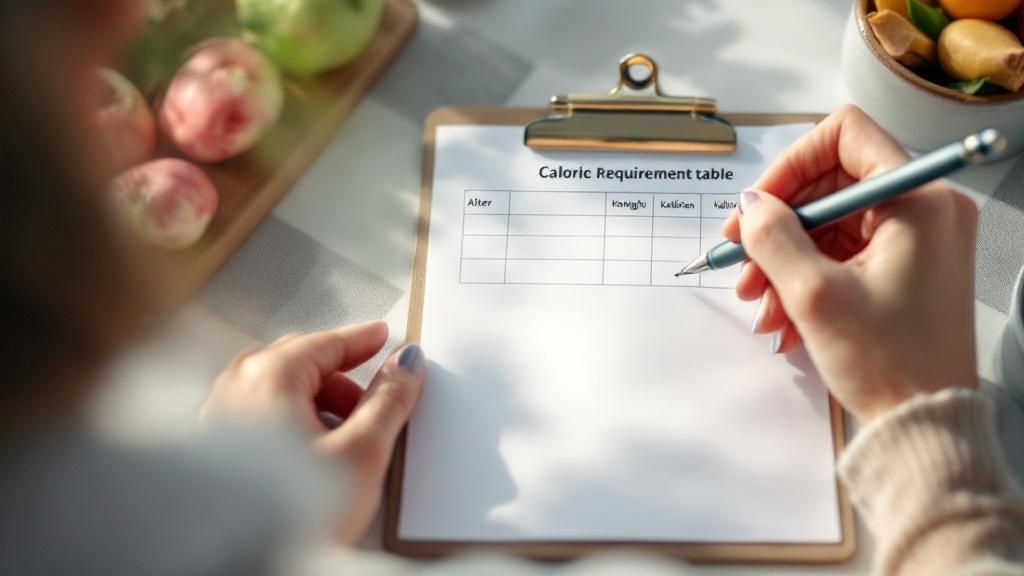
Real-life case studies
To make this a bit more tangible, let's look at two typical examples:
-
Example 1: Lena, 35, marketing manager. Lena works in an office and moves little in her daily life. Her total daily requirement is approximately 2,000 kcal. To lose weight, she aims for a moderate deficit of 400 kcal, which corresponds to a daily target of 1,600 kcal. Her trick: plan meals in advance to avoid unhealthy office snacks.
-
Example 2: Sabine, 50, active. Sabine works out three times a week and is very active otherwise. Her body therefore consumes around 2,400 kcal per day. With a calorie deficit of 500 kcal, she ends up with a daily budget of 1,900 kcal. For her, it is particularly important to focus on protein-rich meals to protect her muscles and stay full for a long time.
Common pitfalls and how to avoid them
On the way to your feel-good weight, small but nasty stumbling blocks often lurk. A classic: you drastically overestimate how many calories you actually burn during exercise. Half an hour of jogging sounds like a lot, but the 300 kcal burned are unfortunately gone in a flash with a large latte and a croissant.
Equally tricky: underestimating the calories in supposedly "healthy" snacks. Nuts, avocados, or smoothies are super nutritious, but they are truly packed with calories. Conscious consumption is crucial here, not complete abstinence.
The key lies in a sustainable calorie deficit. The trick is to eat about 500 kcal less than your body consumes daily. This way, you boost fat burning without your body starting to break down valuable muscle mass.
To prevent cravings from arising in the first place, satiating foods are worth their weight in gold. Proteins and fiber are your best friends here. A large plate of vegetables with lean chicken, for example, will keep you full much longer than a portion of pasta with the same calorie count. You can find additional weight loss tips that will make your daily life easier in our guide. This way, the calorie chart goes from mere information to your very own success plan.
Why the quality of your calories makes all the difference
Imagine this: 400 calories from a bag of chips or 400 calories from a colorful bowl with chicken, sweet potatoes, and vegetables. Mathematically, it's the same for your calorie account. But for your body? There's a world of difference.
Sticking rigidly to the numbers from a calorie needs for women weight loss table without paying attention to quality is a common mistake. You're just making life unnecessarily difficult for yourself.
Of course, a calorie is physically always a calorie. But how your body processes it is a completely different story. Nutrient-rich foods provide you with important vitamins, minerals, and fiber in addition to pure energy. These "high-quality" calories keep you full longer, stabilize your blood sugar, and prevent the dreaded cravings. Chips, on the other hand? They primarily provide "empty" calories – a lot of energy, but hardly any real added value for your body.

The main characters on your plate: macronutrients
To truly get a handle on the quality of your diet, you need to know the three main actors in your meals: proteins, fats, and carbohydrates. Each of these macronutrients plays a very special role, especially if you want to lose weight.
- Proteins: Your strongest team member. Proteins are incredibly satiating. Furthermore, your body uses more energy for their digestion than for fats or carbohydrates. But most importantly: they protect your muscles when you are in a calorie deficit.
- Fats: Don't be afraid of fat! Healthy fats from avocados, nuts, or good olive oil are essential for your hormone balance and the absorption of fat-soluble vitamins. Yes, they are calorie-dense, but they also satiate extremely well and for a long time.
- Carbohydrates: The fuel for your body. The right choice is crucial here. Opt for complex carbohydrates like whole grain products, oatmeal, or legumes. They provide you with long-lasting energy and valuable fiber, which keeps your digestion active and makes you feel satisfied.
Protecting muscles? Absolutely – with protein!
Probably the biggest mistake when losing weight? Only staring at the number on the scale and losing valuable muscle mass in the process. Your muscles are your body's own power plant; they burn calories even when you're just sitting on the couch. If you lose muscle, your basal metabolic rate drops. The result: losing weight becomes increasingly difficult, and the yo-yo effect looms.
A protein-rich diet is the key to preventing exactly that. While in a calorie deficit, you should aim for about 1.5 to 2.0 grams of protein per kilogram of body weight.
With this simple rule, you ensure that your body primarily gets its energy from fat reserves and leaves your hard-earned muscles alone. This way, your success will not only be visible on the scale but will also be sustainable and healthy. It's not just about deprivation, but about smart choices.
Keeping your metabolism active and breaking through plateaus
Every woman who has ever wanted to lose weight knows this moment: at first, everything went smoothly, the pounds just melted away – and then, suddenly, nothing happens on the scale anymore. You're on a plateau. This is not only frustrating, but often feels like a personal failure. But it's not! It's a completely normal and even rather clever move by your body.
Your body simply adapts to the new situation, i.e., to the lower energy intake and the new, lighter weight. It switches into a kind of energy-saving mode. But don't worry, you don't have to simply accept that. With the right tricks, you can get your metabolism out of hibernation and rev it up again.
Build your biggest calorie burners
Your muscles are the engine of your metabolism. Think about it: the more muscle mass you have, the more calories your body burns. And the best part? This happens even when you're just lying on the couch. In a calorie deficit, however, there's a danger: the body tends to break down not only fat but also valuable muscle mass.
Targeted strength training is your secret weapon here. If you regularly challenge your muscles, you clearly show your body: "Hey, I still need these!" This not only helps to maintain them, but ideally even to build them up.
- Twice a week: Schedule two to three fixed strength training sessions. That's enough.
- Focus on large muscle groups: Exercises like squats, deadlifts, or push-ups are super effective. They burn a lot of calories and train many muscles at once.
- Progressive overload: Try to increase your efforts little by little. Whether by using more weight, doing a few more repetitions, or trying a new exercise.
A plateau is not a failure, but a sign that your body has adapted. See it as an invitation to change your strategy and set new impulses to take the next step.
The hidden power of everyday movement
Besides gym workouts, there's an often underestimated calorie burner: NEAT. This stands for "Non-Exercise Activity Thermogenesis" and sounds more complicated than it is. It simply means any movement that isn't "proper" exercise. The walk to the supermarket, taking the stairs instead of the elevator, cleaning the house on Saturday, or even fidgeting your feet under the desk.
All these small activities add up quite a bit throughout the day and can make a huge difference to your total calorie expenditure. So, if you're stuck on a plateau, ask yourself honestly: Have I perhaps unconsciously become a little more comfortable since I lost weight? That happens more often than you think.
Surprise your metabolism
Another truly effective method is targeted refeed days. What are these? On such a day, you consciously eat more, especially more carbohydrates, and bring your calories back to your maintenance level or even slightly above it. This is like a reset button for your metabolism. You signal to your body: "The famine is over, you can go full throttle again!"
With these strategies, you constantly challenge your body anew. If you want to dive deeper and understand how your body works, you'll find more valuable tips in our article on how to sustainably naturally boost your metabolism. This way, you learn to see plateaus not as insurmountable obstacles, but simply as another step on the way to your goal.
Smart helpers for your journey to your desired weight
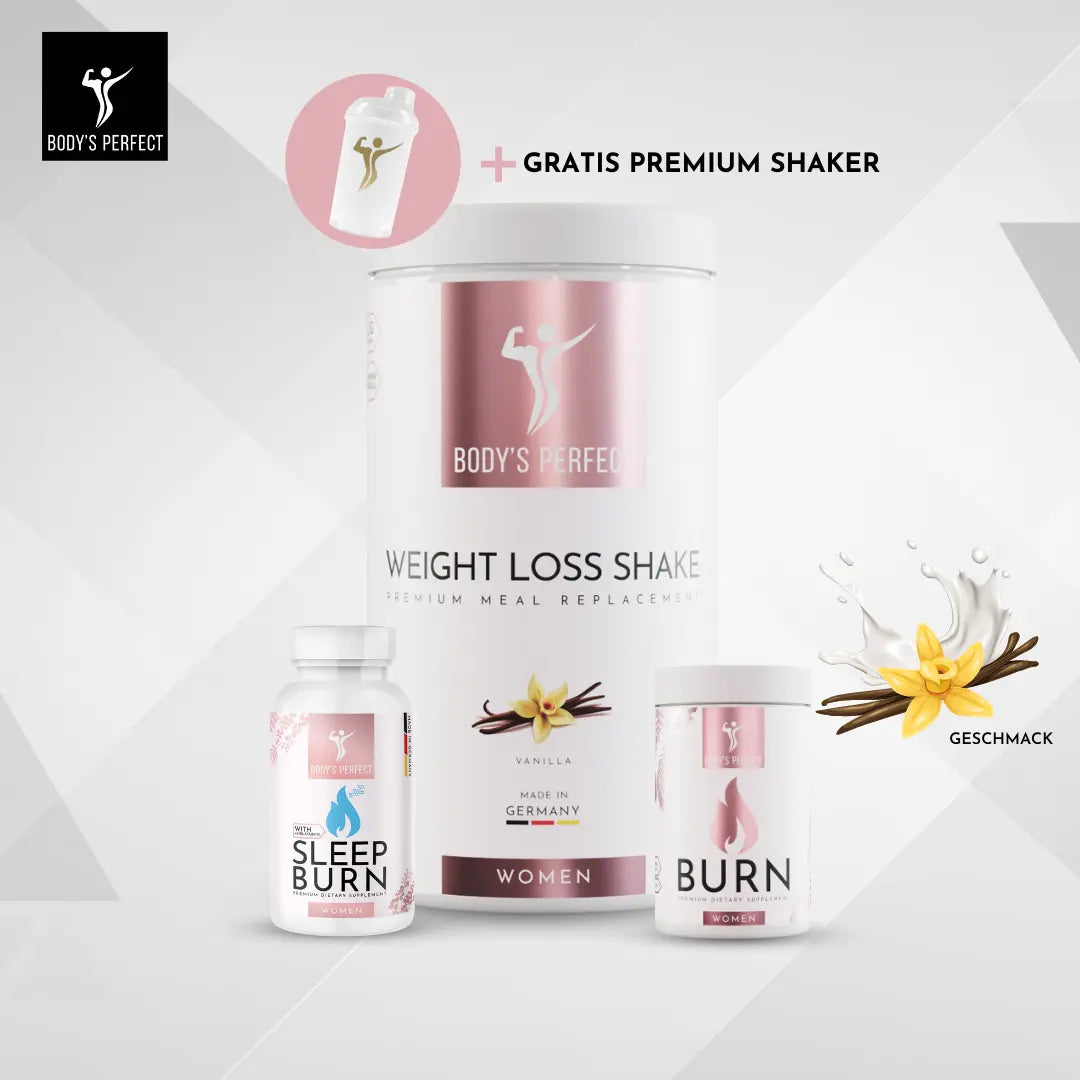
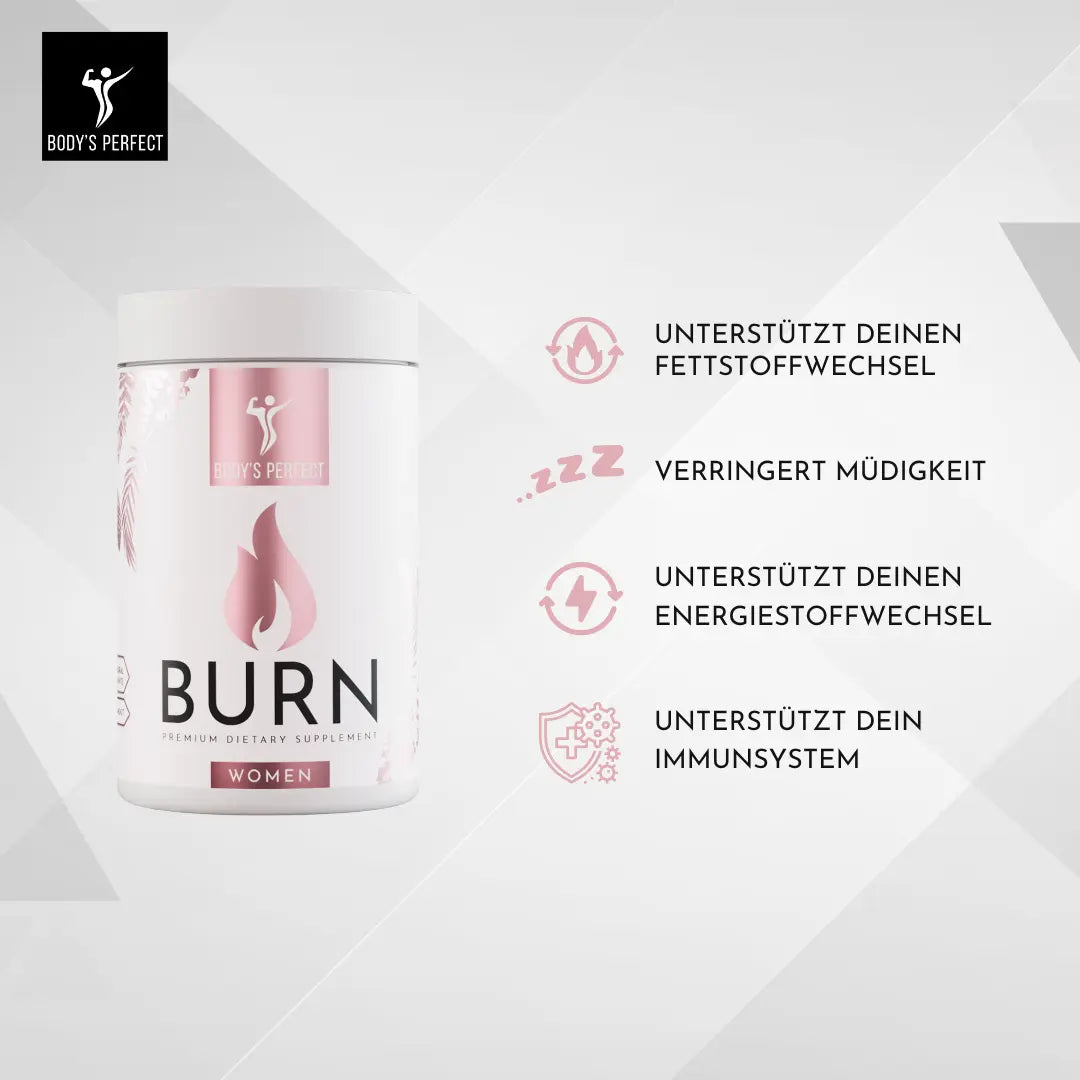
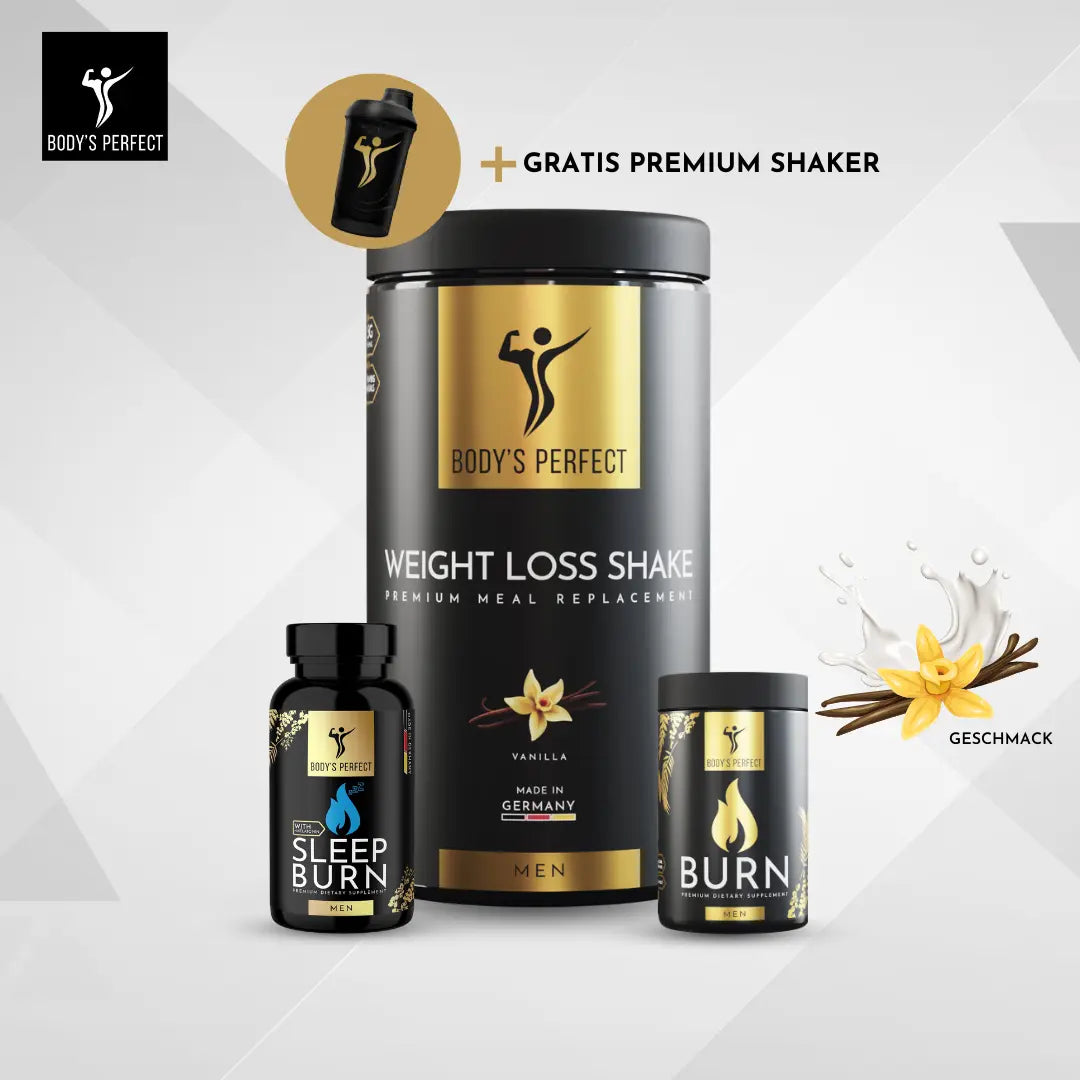
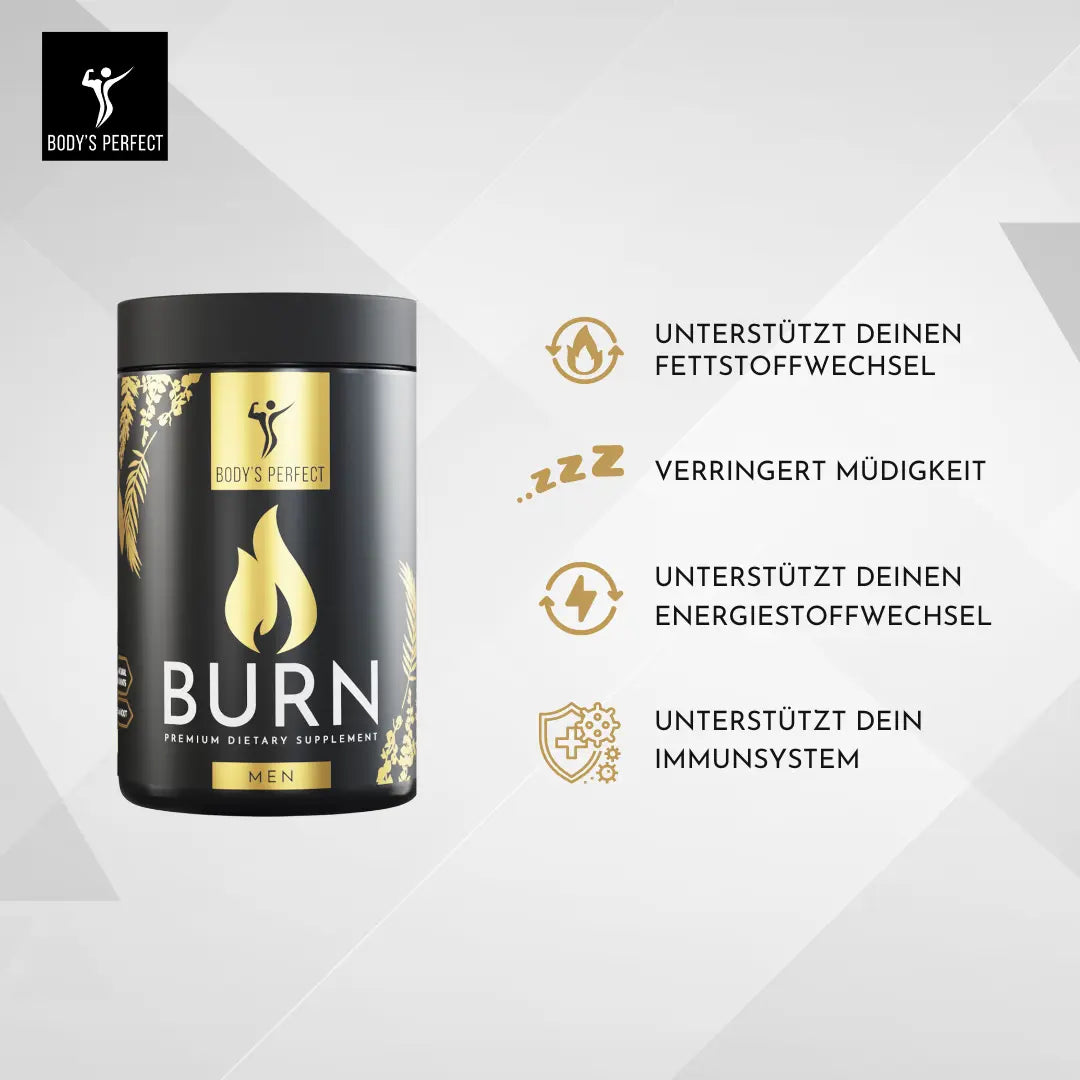
You now know how to specifically control your diet and have the calorie needs for women weight loss chart as a guide. But honestly, in everyday life, it can be quite difficult to implement everything perfectly. This is where a few clever helpers can make all the difference – such as the well-thought-out products from bodysperfect.com.
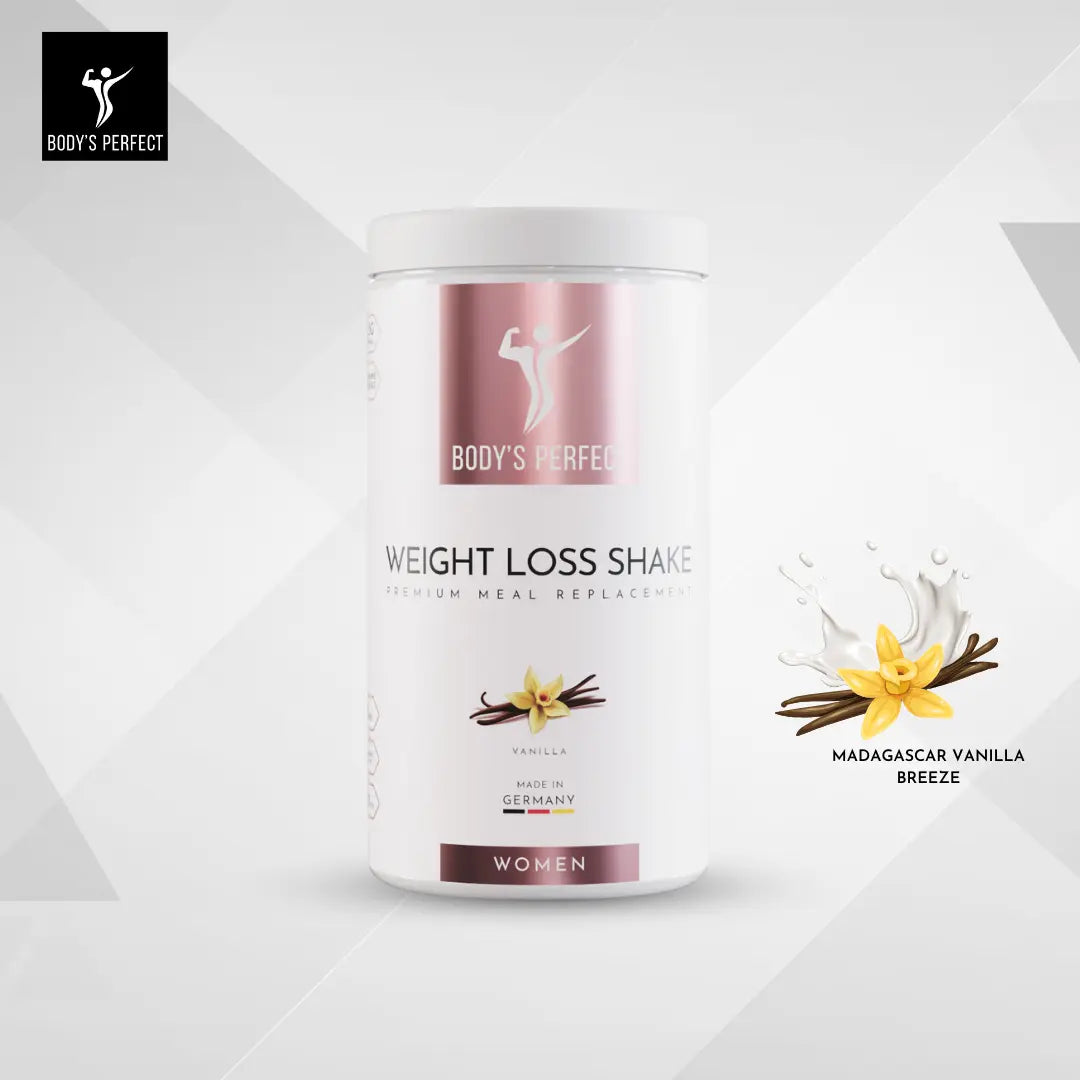
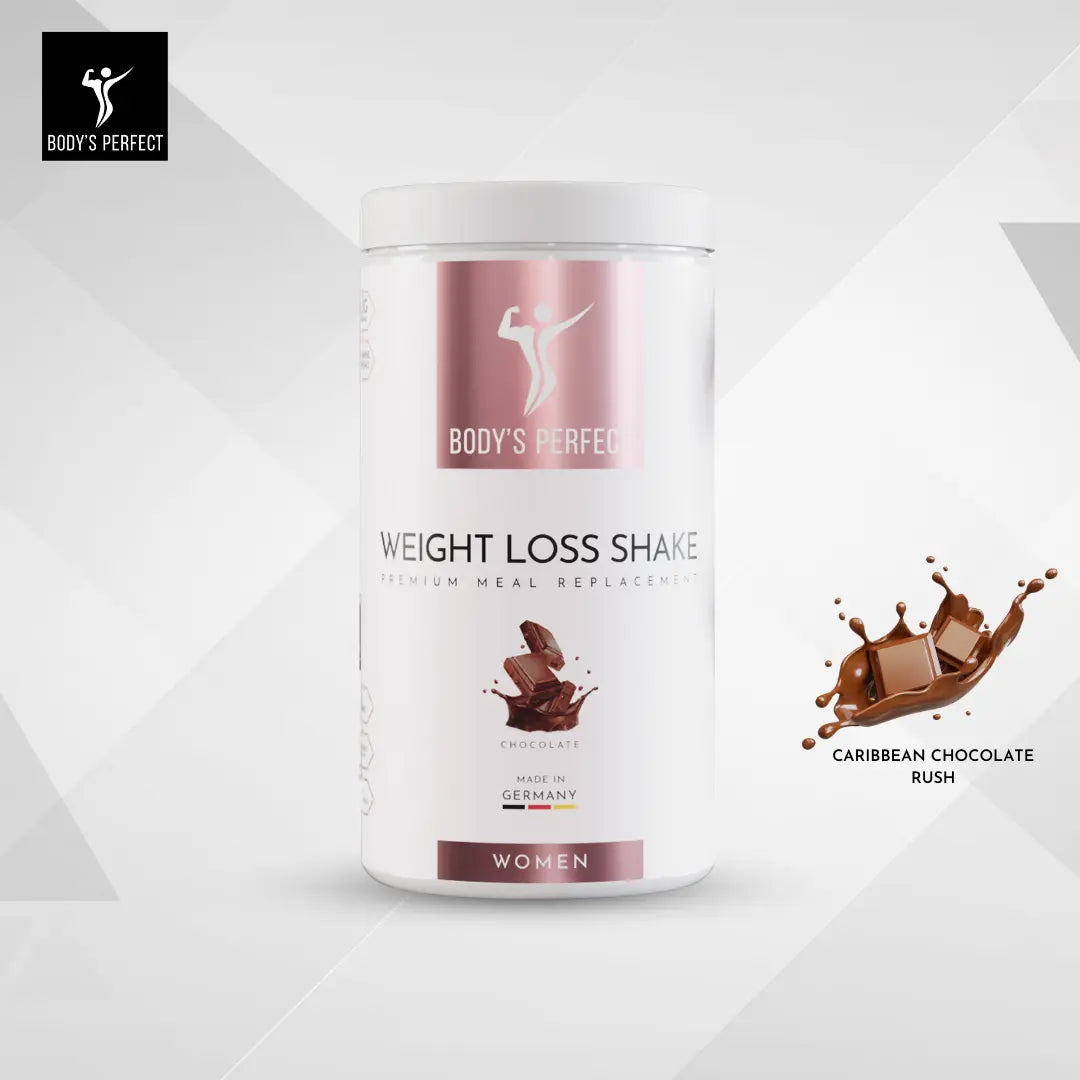
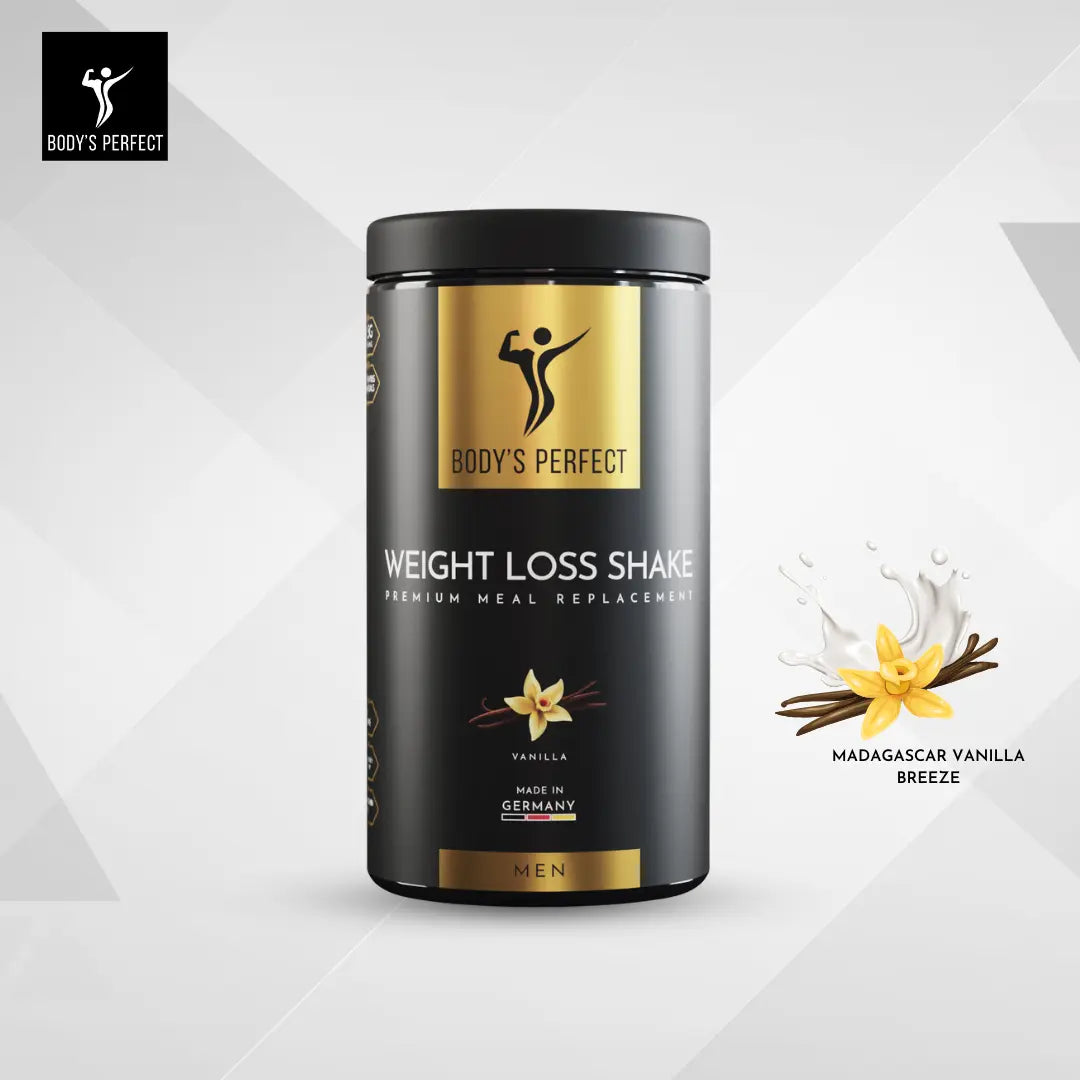
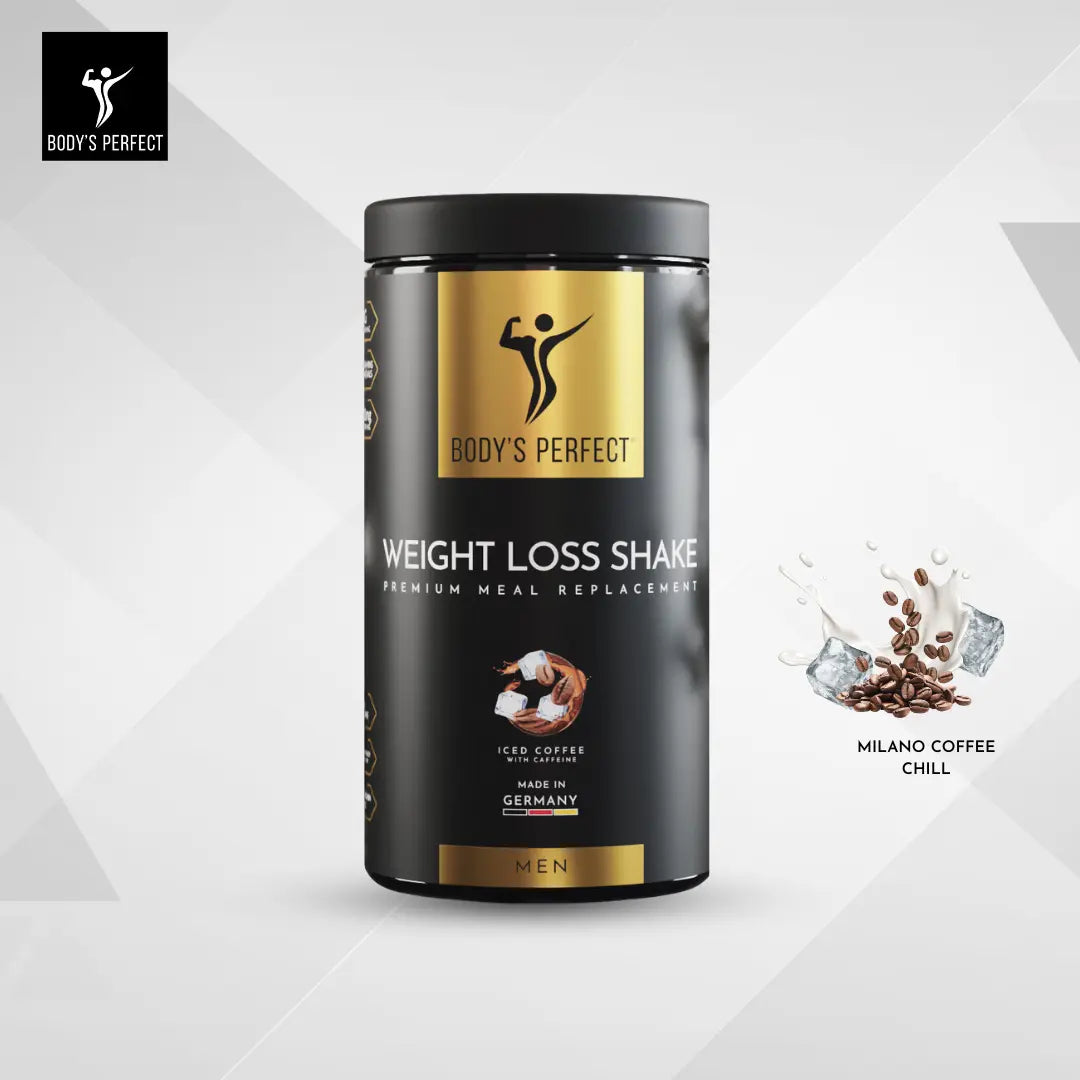
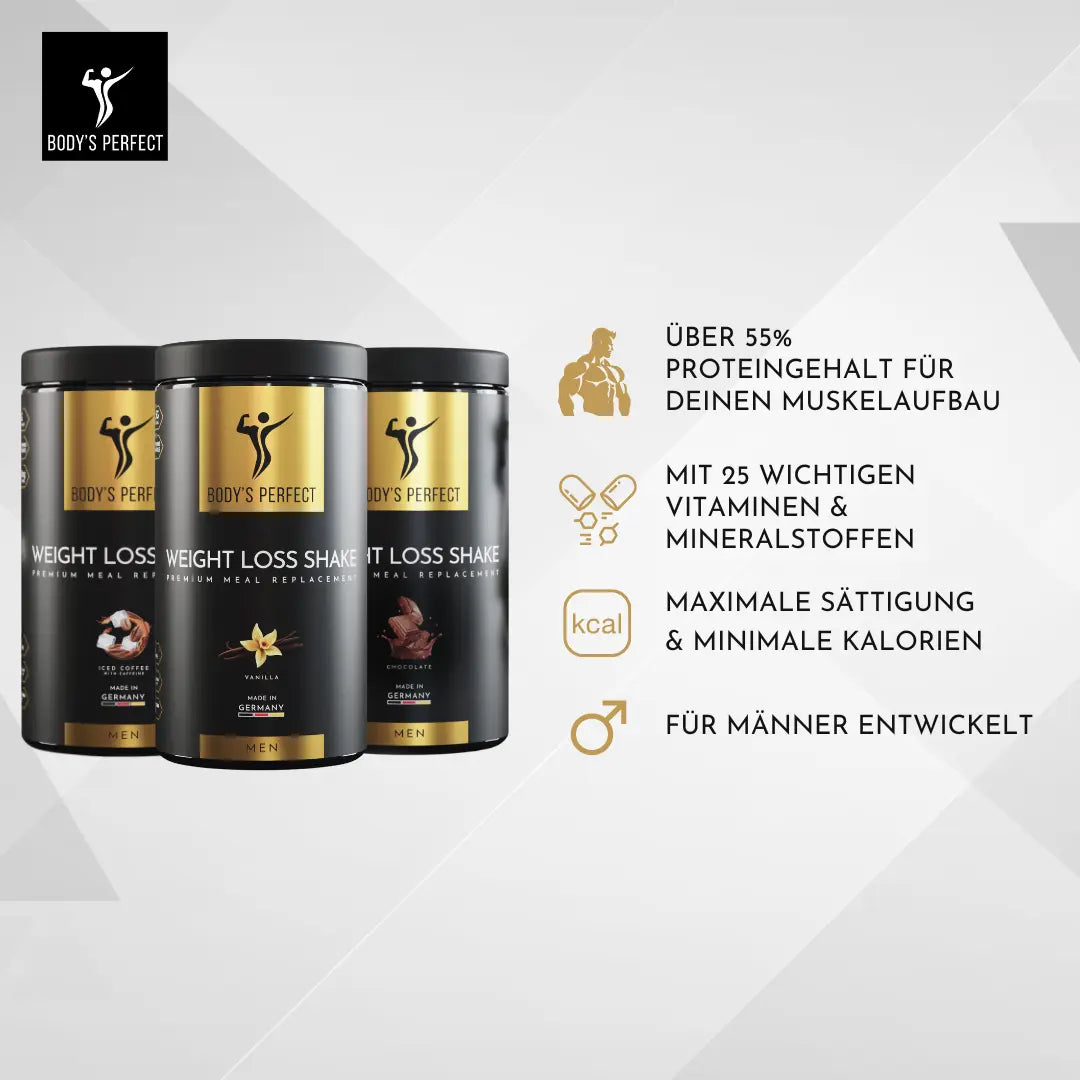
Imagine this: the alarm rings, time is short, and there's simply no time for a big breakfast. Nevertheless, you don't want to start the day without a protein-rich, satisfying meal. A Shape Shake is the perfect solution here. It's quick to make, calorie-controlled, and fits perfectly into your plan from the calorie chart.
The right support for your goals
Such a shake not only provides you with high-quality protein quickly, which is super important to protect your muscles during a calorie deficit. It also keeps you feeling full for a long time. The result? You won't even be tempted to reach for unhealthy snacks in the morning.
Or do you recognize the classic afternoon slump, when the craving for something sweet becomes overwhelming?
Before you reach for chocolate or cookies and thus throw your entire weekly plan overboard, why not try a delicious protein bar? It's the clever and enjoyable alternative that satisfies your sweet tooth while also providing valuable protein.
Such helpers are simply designed to accompany you on your journey. They make it much easier for you to maintain your calorie deficit without constantly feeling like you have to give up everything.
Thus, the theory of the calorie chart for women to lose weight easily becomes lived practice:
- Morning: Instead of a quick, unhealthy breakfast, there's a satisfying Shape Shake.
- Afternoon: You combat cravings with a delicious protein bar instead of sweets.
Of course, these products are not miracle cures. Rather, they are intelligent tools that can be perfectly integrated into your conscious diet plan. On the BODY'S PERFECT website, you will find exactly the support that fits your everyday life and helps you achieve your goals more easily and, most importantly, with more enjoyment.
Frequently asked questions about calorie needs and weight loss
Finally, we'll answer a few frequently asked questions about calories, tables, and weight loss. These should help you clear up any remaining uncertainties and get started with confidence.
Do I have to eat exactly the same amount of calories every day?
No, absolutely not! That would be almost impossible in everyday life and would quickly take away the joy of eating. Much more important than the daily calorie count is your weekly balance.
It's perfectly okay if you eat a little more one day and a little less another. As long as you maintain your planned calorie deficit on a weekly average, you're doing everything right. This flexibility is invaluable, as it allows you to enjoy birthdays or meals with friends without feeling guilty.
How accurate are online calorie calculators really?
Online calculators are a great tool for getting started. They use proven formulas, such as the Harris-Benedict formula, and provide a really good guideline to begin with.
But of course, they are not perfect. A calculator can't know your exact muscle mass or how fast your individual metabolism works.
View the calculator's result as your personal starting point. Then, for two or three weeks, observe how your weight develops and adjust your calorie intake a little up or down as needed.
Will I lose muscle if I reduce calories?
A very valid concern! But the good news is: you can actively do something about it. The two most important levers are sufficient protein intake (aim for about 1.5 to 2.0 grams per kilogram of body weight) and regular strength training.
Proteins are essentially the building blocks for your muscles and protect them. The training simultaneously signals to your body that muscle mass is absolutely necessary. This way, it prefers to draw on fat reserves for the missing energy. If you want to lose weight sustainably, it is crucial to understand and implement strategies for weight loss without the yo-yo effect.
With the right knowledge and support, your journey to your feel-good weight will not only be easier but also more fun. The smart products from BODY'S PERFECT have been developed precisely for this purpose. Take a look at https://bodysperfect.com and discover the perfect helpers for your everyday life.























Share:
Vitamin B6 Benefits: Discover More Energy & Well-being
L-Carnitine Benefits for Women: How You Can Profit From It