

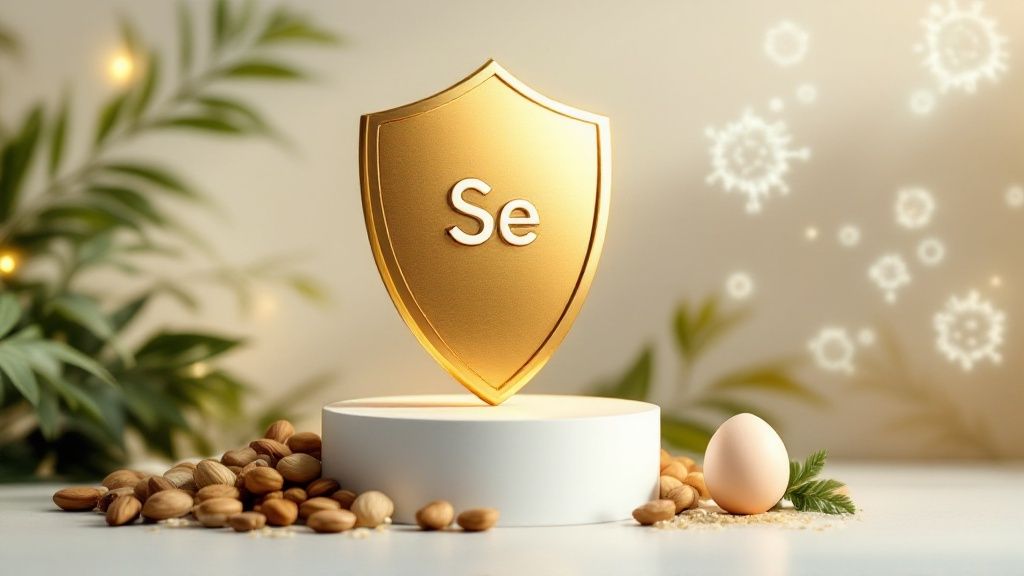
Selenium is a true all-rounder for your health: This vital trace element protects your cells from oxidative stress, is indispensable for a healthy thyroid function, and strengthens your immune system. Without selenium, many processes in the body simply don't run smoothly.
What is Selenium and Why Does Your Body Really Need It?
Have you ever wondered what your body actually does in the background all day to make you feel fit and energetic? This is where selenium comes in. You could call it the silent but incredibly important bodyguard for every single one of your cells. Selenium is an essential trace element that your body cannot produce itself. So, you must consume it daily through your diet.
Selenium unleashes its superpower as a central component of very special proteins, the so-called selenoproteins. These proteins are essentially the managers in your body that monitor and control countless critical processes.
One of selenium's core tasks is to protect your cells. Imagine its antioxidant effect like a vigilant bouncer who immediately intercepts harmful attackers – the so-called free radicals. These aggressive molecules are constantly formed, for example, due to stress, environmental pollution, or normal metabolic processes. Without protection, they can damage your cells, contributing to premature aging and diseases. Selenium renders them harmless before they can cause any damage.
Selenium is much more than just a trace element – it is a fundamental guardian of your cell health, keeping your immune system powerful and your thyroid in balance.
But the effect of selenium goes much deeper. It is an indispensable helper for:
- Your immune system: With sufficient selenium, your defenses can respond much better to pathogens such as viruses and bacteria.
- Your thyroid: This small organ is the control center for your metabolism. Without selenium, it cannot properly activate its important hormones.
- Your fertility: Especially in men, selenium plays a crucial role in the production of healthy sperm.
So, you see: a good selenium level is an important basis for your general well-being. This knowledge will help you better understand the further benefits of selenium. If you want to learn more about the different forms and their absorption in the body, check out our article on reading about sodium selenite.
How Selenium Keeps Your Thyroid Running at Full Speed
The thyroid, that small, butterfly-shaped organ in your neck, has a massive task: it's essentially the powerhouse of your entire metabolism. You can imagine your body as a car. The thyroid would then be the engine, and selenium is the experienced mechanic who ensures that this engine runs smoothly and efficiently.
The connection between selenium and thyroid health is so close that the thyroid, second only to the brain, has the highest concentration of selenium in the entire body. This is no coincidence, because selenium performs two absolutely crucial jobs here.
The Ignition Key for Your Metabolic Hormones
Your thyroid primarily produces the hormone thyroxine (T4). Think of it as a "storage hormone" – in this form, it is still inactive and cannot really boost your metabolism. However, for your body to produce energy, burn calories, and keep your mood balanced, this T4 must be converted into its active form, triiodothyronine (T3).
This is precisely where selenium comes in. The enzymes responsible for this vital conversion are selenium-dependent. Without enough selenium, the entire process stalls.
Selenium is like the ignition key for your thyroid hormones. You can have a full tank (T4), but without the right key (selenium), the engine (T3) simply won't start. Your metabolism remains idle.
A deficiency can therefore lead to you constantly feeling tired, sluggish, and cold despite normal T4 levels, and perhaps even gaining weight.
The Bodyguard for Your Thyroid Tissue
During the production of thyroid hormones, free radicals are formed as a byproduct. These are aggressive molecules that can attack and damage the delicate thyroid tissue. Selenium is a central component of antioxidant enzymes, such as glutathione peroxidase, which neutralize precisely these free radicals. It therefore acts as a natural protective shield for your thyroid.
This protection is particularly important in autoimmune diseases such as Hashimoto's thyroiditis. Here, the immune system mistakenly attacks its own thyroid tissue. A good supply of selenium can help to dampen inflammatory processes and protect the tissue.
Unfortunately, the supply situation in Germany is not always ideal. Studies show that adults in Germany typically consume only about 30 to 50 µg of selenium per day. However, the European Food Safety Authority (EFSA) recommends 70 µg daily. You can find more information in the study results on selenium supply.
Incidentally, thyroid hormones work closely with other vitamins. B vitamins, in particular, are essential for a functioning energy metabolism. If you want to delve deeper, read more about the effects of vitamin B6 here. An adequate selenium supply is therefore a crucial building block for an active metabolism and your general well-being.
Selenium: A True Bodyguard for the Immune System and Cells
Imagine your immune system as a highly specialized security force working day and night to protect you from intruders. But even the best force needs the right equipment to be effective. This is where selenium comes in – it is an absolutely crucial tool for your defenses.

When viruses or bacteria attack, every second counts. Selenium ensures that your most important immune cells – the T-cells and natural killer cells – are quickly and sufficiently present. They are your first line of defense, recognizing and neutralizing infected cells before the pathogen can spread throughout the body.
If there is a lack of selenium, this entire machinery becomes sluggish. Your immune system reacts more slowly and is less powerful. You probably know the result: you become more susceptible to infections, and the cold that others get rid of in three days stubbornly lingers with you.
How Selenium Acts as a Kind of Rust Protection for Your Cells
In addition to its role as a driver for immune cells, selenium has a second, at least equally important task: it protects your cells from oxidative stress. What is that? Imagine free radicals as tiny sparks in your body. They are constantly created, for example, by stress, environmental toxins, or normal metabolic processes. If these sparks remain uncontrolled, they can attack cell walls and even your DNA. This leads to premature aging and can promote chronic diseases in the long term.
At this point, selenium unfolds its antioxidant effect. It is a core component of the super-strong enzyme glutathione peroxidase.
Glutathione peroxidase could be called the body's own rust protection. Selenium is the active ingredient in this protective coating, which prevents your cells from "rusting" from the inside out.
This protective mechanism is invaluable for your long-term health. By helping to neutralize free radicals, selenium also curbs inflammation in the body. And as we know today, chronic inflammation is often the root of many lifestyle diseases, from cardiovascular problems to autoimmune diseases.
The Art of Balance in the Immune System
A strong immune system is good, but an overreacting one is not. Selenium helps to find just the right balance. It not only ensures a powerful immune response when needed but also helps to shut down this response once the danger is averted.
A good selenium level is therefore a real investment in your resilience. It not only makes you less susceptible to infections but also supports your overall vitality and helps to slow down aging at the cellular level.
This effect is even stronger when selenium works together with other important nutrients. Zinc, for example, is another indispensable partner for a strong immune defense. If you want to know more about this, check out our guide to the importance of zinc oxide for your health.
In short: Selenium performs a dual protective function. It actively strengthens your defense against pathogens and at the same time passively protects your cells from the daily attacks of everyday life.
How to Recognize a Selenium Deficiency and Properly Cover Your Needs
Now that we've looked at how important selenium is for your thyroid and immune system, the question naturally arises: "Am I getting enough?" A selenium deficiency is often a gradual process. Its signs are so non-specific that they can easily be confused with normal everyday stress.
Do you often feel inexplicably tired? One cold after another? Or do your hair and nails seem to lose strength? Individually, these are minor issues. But taken together, they can be a clear signal from your body that something is missing.
Typical Signs of Selenium Deficiency
Pay close attention to yourself. A combination of the following symptoms could indicate a deficiency:
- Constant tiredness and fatigue: You often feel listless, even though you get enough sleep.
- High susceptibility to infection: You get sick more often than before and also take longer to recover.
- Hair loss or thinning hair: A deficiency can directly affect the health of your hair follicles.
- Brittle nails or white spots: Your nails are often a reflection of your nutrient balance.
- Muscle weakness or pain: Selenium also plays an important role in normal muscle function.
- Thyroid problems: As we have already discussed, the thyroid depends on a good selenium supply.
This graphic clearly shows how closely selenium supply is linked to the strength of our immune defense.
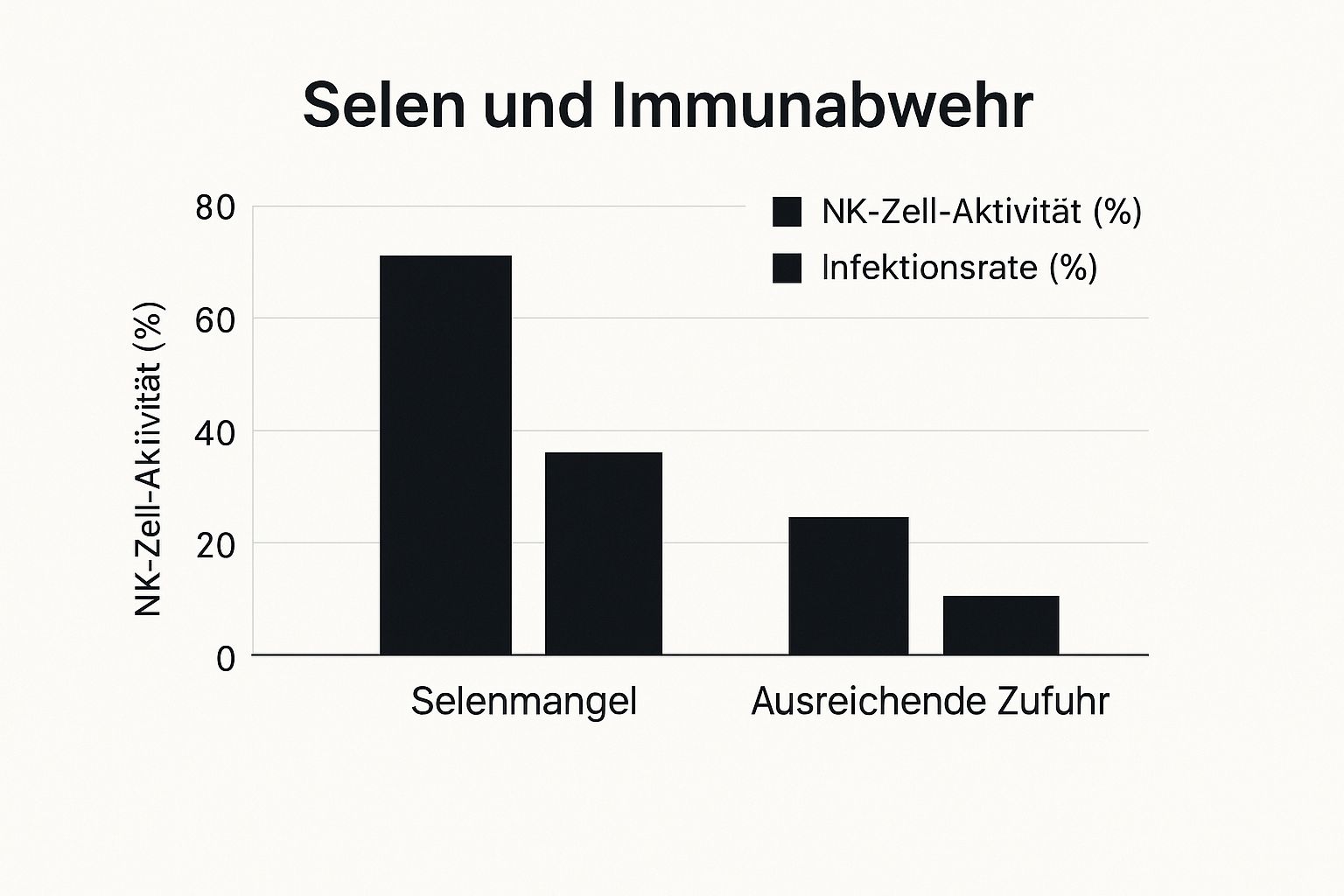
It is clear: an adequate intake boosts the activity of important immune cells and at the same time reduces the infection rate.
Why the Supply in Germany is Often Insufficient
A main reason for the often insufficient selenium supply in this country literally lies beneath our feet. The soils in many parts of Europe, including Germany, are naturally selenium-poor. This simply means that plant-based foods grown here often contain only small amounts of the trace element.
In fact, the selenium supply in Germany has been critically viewed for decades. Estimates suggest that up to 70% of the German population consumes less than 40 µg of selenium daily – yet the official recommendations are between 60 µg for women and 70 µg for men. Learn more about the background of selenium deficiency in Germany.
A selenium deficiency is therefore usually not a consequence of a poor diet, but often a geographical given. Even those who eat a very healthy and balanced diet can find it difficult to meet their daily needs solely through local foods.
Targeted Selenium Intake to Meet Your Needs
So, what to do? To ensure your supply, you can specifically focus on selenium-rich foods. Brazil nuts, fish, eggs, and certain types of meat are particularly excellent sources.
The following table gives you a quick overview of where most selenium is found. This way, you can better estimate how you can meet your daily needs through your diet.
Top Selenium Sources in Foods
| Food | Average Selenium Content (µg per 100g) |
|---|---|
| Brazil nuts | 1917 µg |
| Tuna | 82 µg |
| Herring | 45 µg |
| Chicken egg | 32 µg |
| Lentils | 25 µg |
| Sunflower seeds | 20 µg |
| Beef | 18 µg |
| Rice (whole grain) | 15 µg |
Just one Brazil nut can cover the daily requirement, but in everyday life, it's not always easy to consistently incorporate these foods into your diet. It's especially difficult with a vegan diet or certain intolerances. Incidentally, an iron deficiency can also impair the absorption of other important nutrients, as you can read in our article on the importance of iron for the body.
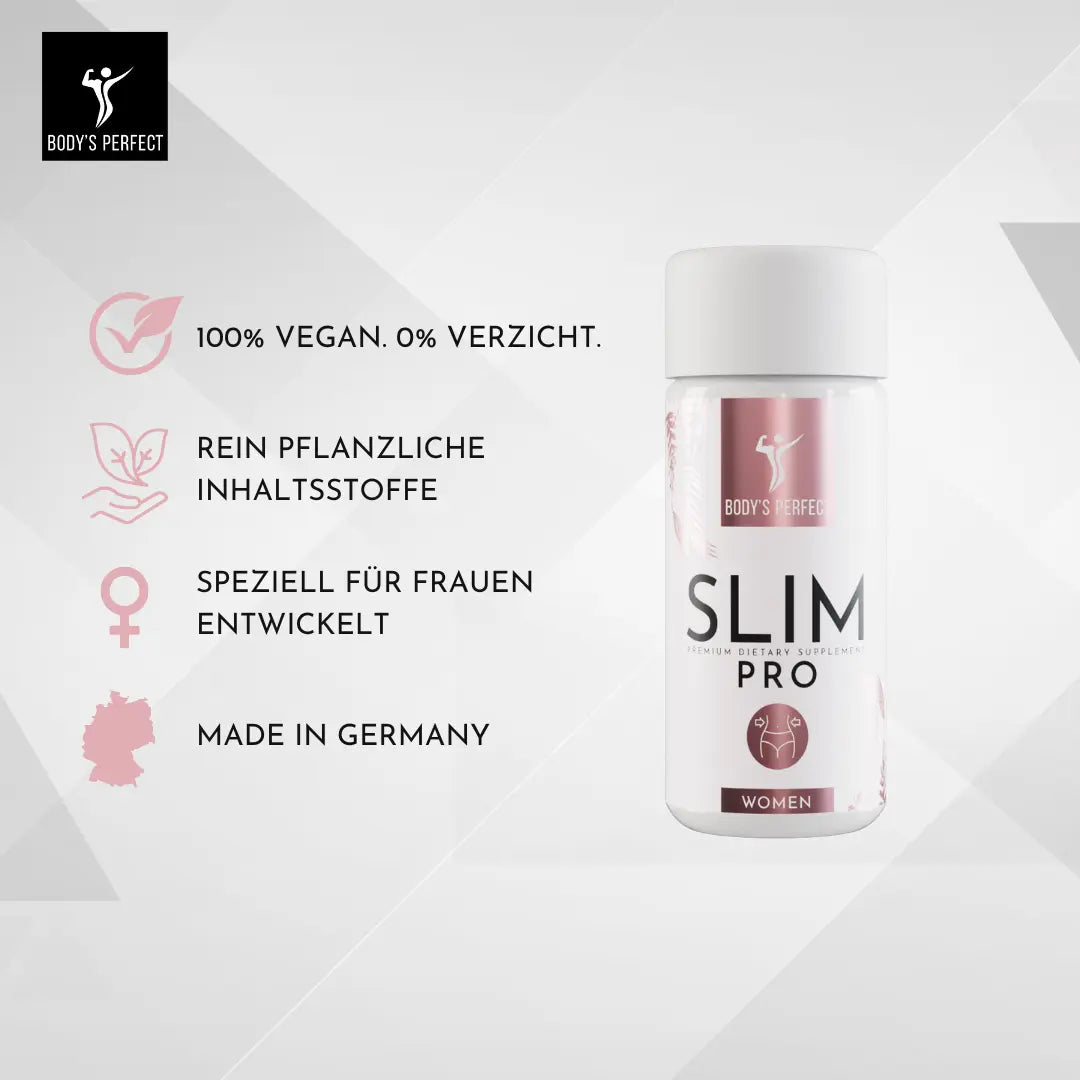
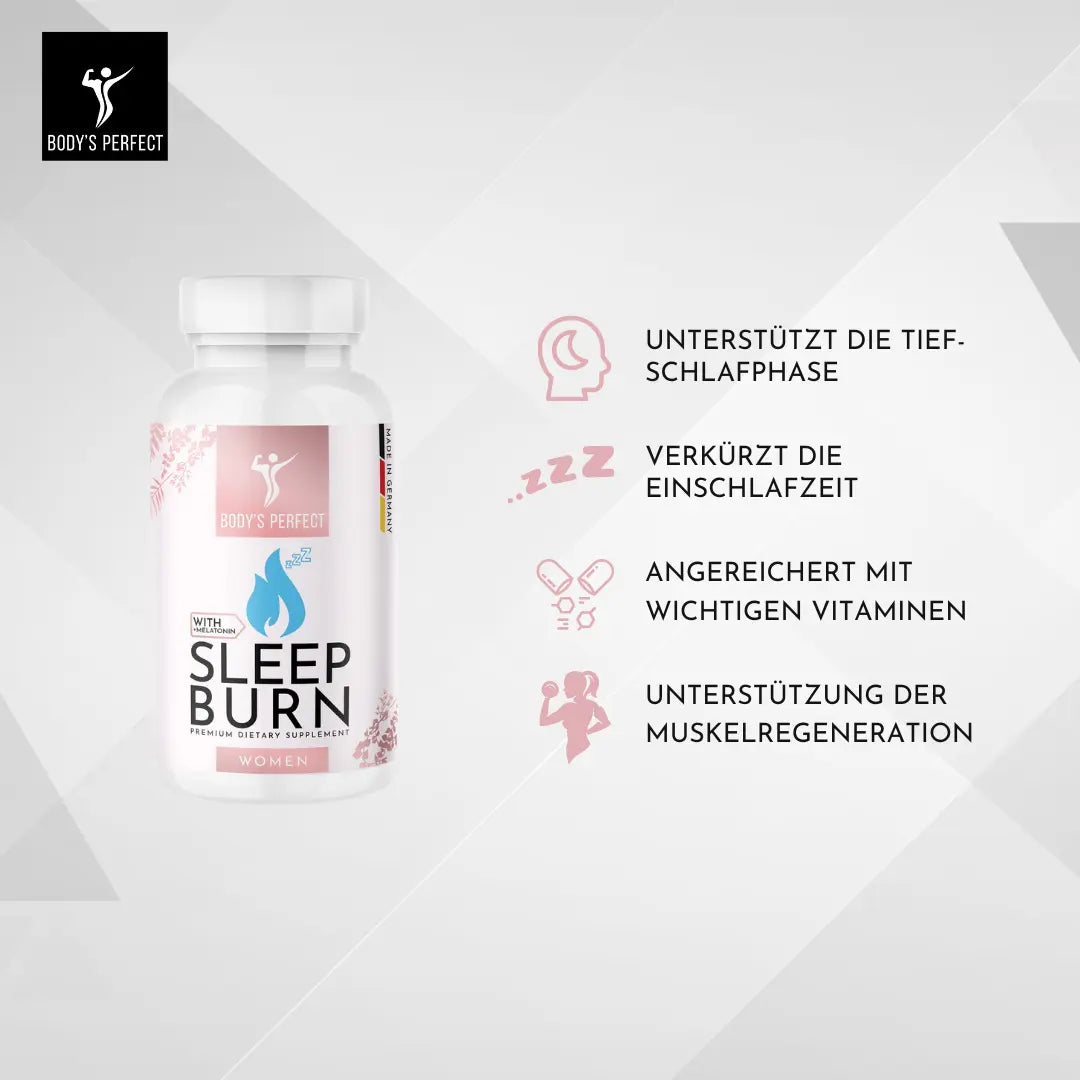
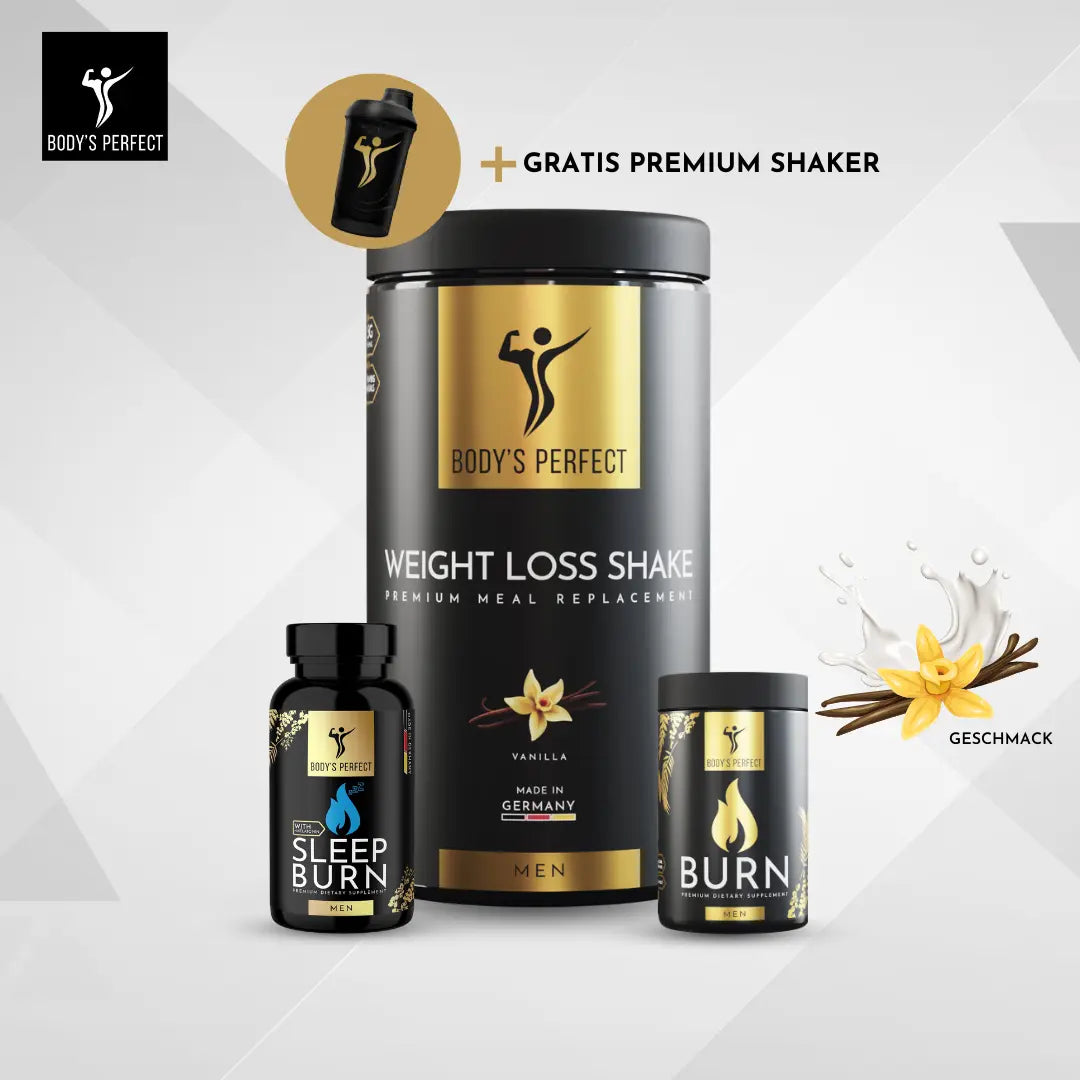
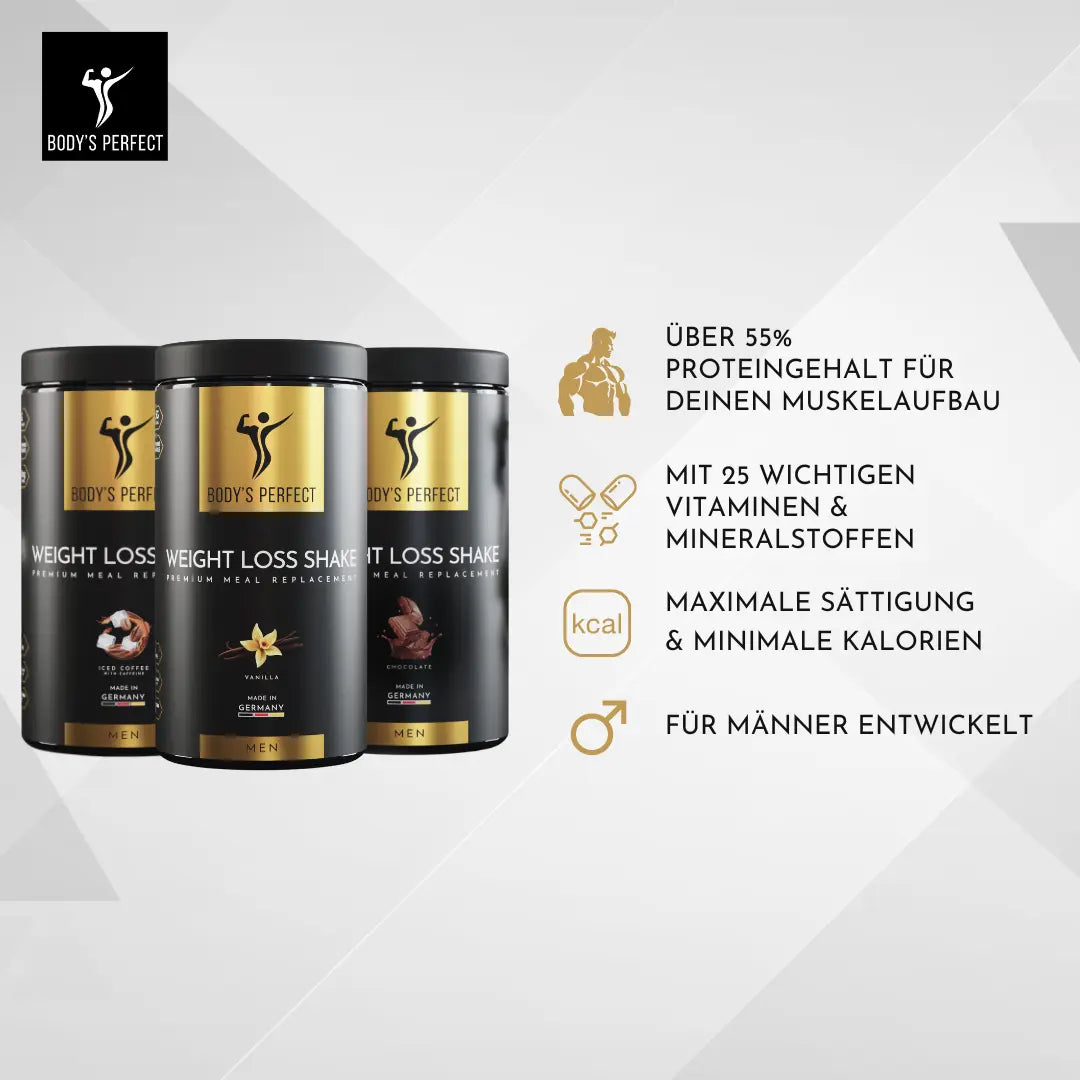
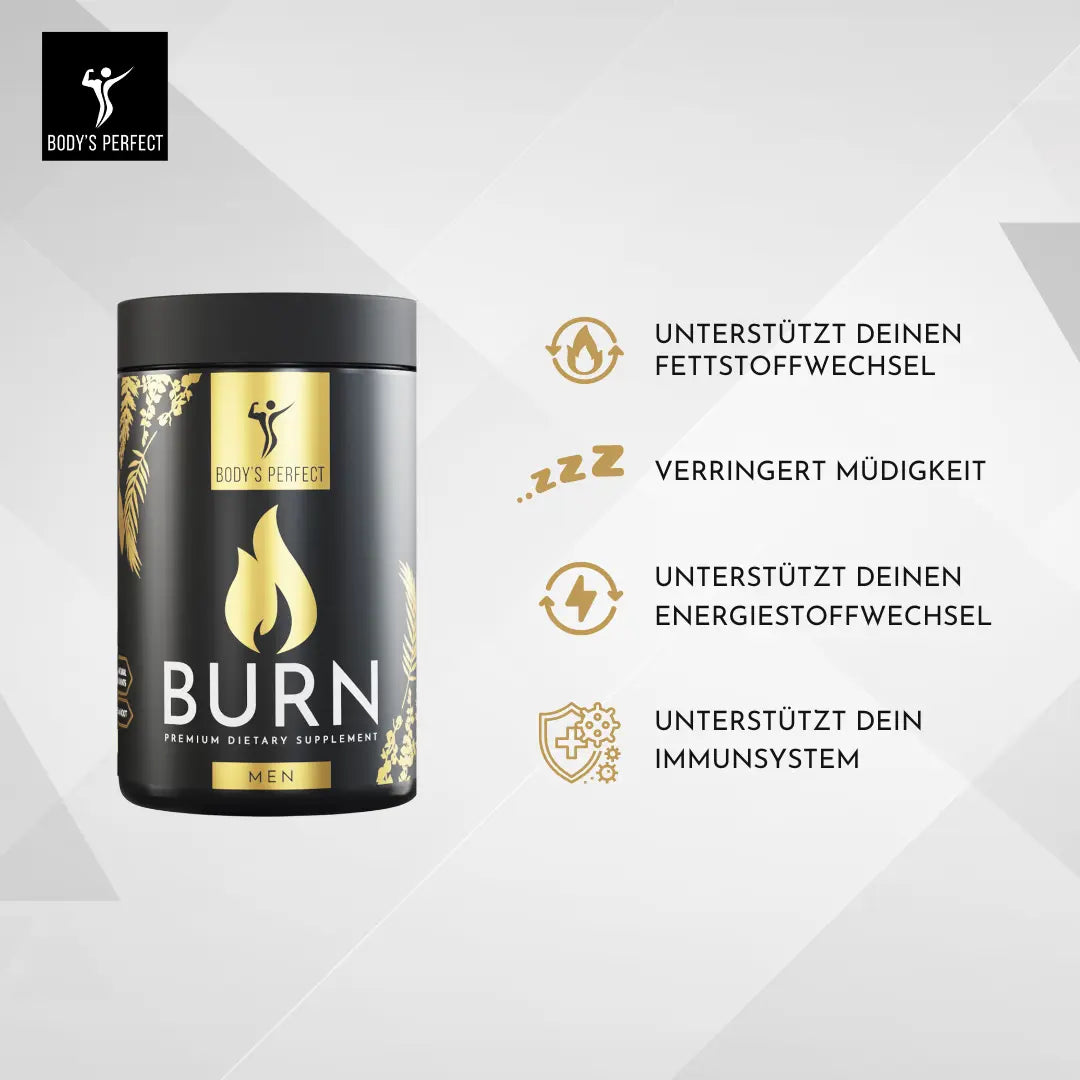
So, if you want to be sure or even have a medically diagnosed deficiency, targeted nutritional supplementation can be a really sensible and simple solution. A high-quality preparation, such as the products from BODY'S PERFECT, provides you with a precisely dosed amount of selenium in a form that your body can absorb well. This ensures that your body gets exactly the support it needs for a strong immune system, an active metabolism, and healthy cells.
The Right Dosage of Selenium – and What You Should Avoid
For trace elements like selenium, a very simple rule applies: it's all about the right balance. More does not necessarily mean better here. With a smart dosage, you can ensure that your body benefits optimally without taking any risks.

For healthy adults, the German Nutrition Society (DGE) recommends a daily intake of 60 µg for women and 70 µg for men. This amount is sufficient to keep all normal bodily functions running.
However, there are life stages in which the need can increase. During pregnancy and breastfeeding, for example, the body needs more selenium to provide optimal care for mother and child. The need can also be higher in certain diseases that interfere with nutrient absorption.
Prevention or Therapy – an Important Distinction
One must clearly distinguish between everyday preventive intake and a therapeutic dose. The recommendations mentioned above are intended to prevent a deficiency. However, if a doctor diagnoses a clear selenium deficiency, they may prescribe a significantly higher dose for a certain period. The goal then is to specifically replenish depleted stores.
Such a thing should always happen in consultation with a doctor. Taking high doses on your own is not a good idea, as an overdose can have quite unpleasant consequences.
The Danger of Overdosing: Selenosis
Those who consume too much selenium over a long period risk a so-called selenosis – a severe selenium poisoning. The first signs are often non-specific but get worse if the high intake is maintained.
Typical symptoms of selenosis include:
- Gastrointestinal problems such as nausea and diarrhea
- Hair loss and brittle nails
- A strange, garlicky odor from breath and skin
- Nerve disorders or severe fatigue
To prevent exactly that, the European Food Safety Authority (EFSA) has set a safe upper limit: 300 µg per day for adults. You should absolutely not exceed this amount in the long term.
A good dietary supplement provides you with a safe and effective dose that covers your daily needs but never brings you close to an overdose. It's about smart support, not maximum intake.
Data shows that the supply in Germany is often not optimal, especially among younger people. A study found that the average selenium intake in children and adolescents, depending on age, was only between 17.2 and 42.2 µg per day. You can find more details in this study on selenium intake in Germany.
When choosing a supplement, quality is paramount. BODY'S PERFECT products are formulated to provide an optimal and safe dose for daily supplementation. This way, you can specifically replenish your selenium stores and enjoy the benefits of selenium – without any risk.
Still Have Questions About the Effects of Selenium? Here Are the Answers!
Finally, we want to clarify some typical questions that we frequently receive about selenium. This way, you'll be well-prepared and can directly use the most important information for yourself.
When is the best time to take selenium?
There's no hard and fast rule here, but many people find taking it in the morning most practical. If you take your selenium with breakfast, it's often better tolerated and becomes a routine more easily.
However, much more crucial than the time of day is regularity. Your body needs a constant supply to build up a stable selenium level. Only then can the trace element unleash its full effect.
Can I boost the effect of selenium with other nutrients?
Yes, absolutely! In our body, nutrients work together like a well-coordinated team. Selenium is no exception and has a few favorite partners.
- Vitamin E: Imagine selenium and vitamin E as a powerful duo. Together, they form an even more effective team in the fight against oxidative stress, thereby protecting your cells twice as well.
- Iodine: For a healthy thyroid, iodine and selenium are inseparable. Iodine provides the building blocks for thyroid hormones, but only selenium helps activate and "switch on" these hormones.
A balanced diet is therefore always the best way to ensure that all important nutrients can work hand in hand.
How quickly will I notice the effects of selenium?
This varies greatly and depends on how well your stores were filled beforehand. If a doctor has diagnosed you with a significant deficiency, you might feel the first positive changes after just a few weeks – for example, more energy or healthier skin.
If you're taking selenium as a preventative measure, the effect is more subtle and a long-term project. Your body needs time to replenish its stores. It usually takes at least two to three months until an optimal and stable selenium level is reached.
Remember: Selenium is not a quick fix, but a long-term investment in your health. The positive effects occur at a cellular level and require some patience.
Does selenium help me lose weight?
Selenium is not a miracle cure that makes the pounds melt away. But it can be a crucial helper behind the scenes. Its most important role here is played through the thyroid gland.
A healthy thyroid is essentially the engine of your metabolism. By ensuring it gets enough selenium, you help your body keep its metabolism in balance. This creates a solid foundation for healthy and sustainable weight management.
Do you have more questions about nutrients and how they can support you? Then take a look at our large FAQ section from BODY'S PERFECT, where you'll find many more answers.
So that your body is always optimally supplied with selenium and other important building blocks, we at BODY'S PERFECT have developed specially tailored products. Discover our high-quality, German-made supplements that support you on your way to more well-being and your personal goal. At https://bodysperfect.com you will find the perfect addition to your health routine.











Share:
L-Arginine: How it really boosts your fitness & health
Selenium-Rich Foods: The Top 8 for Your Metabolism and Health