

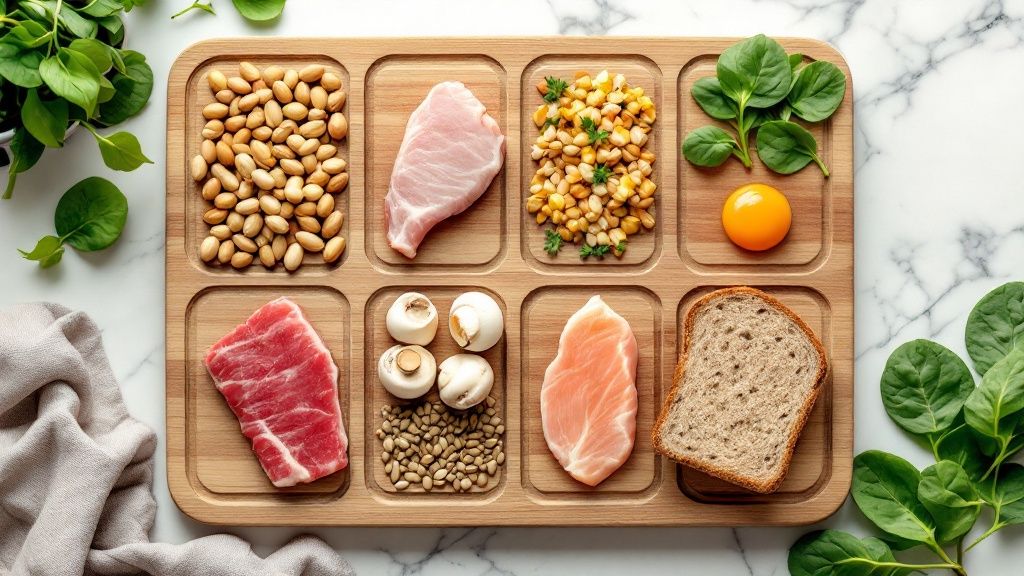
You pay attention to your diet, exercise, and want to manage your weight healthily? Great! But have you ever thought about selenium? This often-overlooked trace element is a silent hero for your metabolism, immune system, and cell protection. A deficiency can sabotage your weight loss efforts without you even realizing it. Your body needs selenium, among other things, for healthy thyroid function, which in turn regulates your entire metabolism. Without enough selenium, this process can stall, making weight loss difficult and leading to fatigue.
In this article, we'll show you how to get your selenium levels up to par with the right foods. We'll dive deep and not only tell you which foods are the best sources but also how much you should eat and how to cleverly integrate them into your daily life. You'll get a practical list of eight top sources, from Brazil nuts to beef, including concrete preparation tips. This way, you'll ensure that you effectively support your health and fitness goals. Ready to give your body what it truly needs?
1. Brazil Nuts
Brazil nuts, the seeds of the South American Brazil nut tree (Bertholletia excelsa), are the undisputed champion among selenium-rich foods. They are considered the richest natural source of this essential trace element. Just one nut can provide enough selenium to meet your entire daily requirement, making them an extremely efficient option for your nutrient supply.
The selenium content in Brazil nuts can vary greatly depending on their origin and soil conditions, but it typically ranges between 68 and 91 micrograms (µg) per nut. This significantly exceeds the daily requirement of 60 µg for women and 70 µg for men recommended by the German Nutrition Society (DGE).
How to best use Brazil nuts
Due to their extremely high selenium content, you should enjoy Brazil nuts consciously and in moderation.
- Dosage: One to a maximum of two nuts per day is perfectly sufficient. A persistently high intake of selenium can lead to selenosis (selenium poisoning), which can manifest itself through symptoms such as gastrointestinal discomfort or hair loss.
- Quality control: When buying, look for fresh nuts. Check them for signs of mold before consumption, as mold can contain harmful aflatoxins. Store them in a cool, dry place away from light.
- Applications: Brazil nuts are particularly popular in orthomolecular medicine and are often recommended for thyroid disorders such as Hashimoto's thyroiditis, as selenium is essential for the conversion of thyroid hormones. However, medical consultation is absolutely necessary before consumption here.
The following bar chart impressively illustrates how a single Brazil nut exceeds the daily selenium requirement.
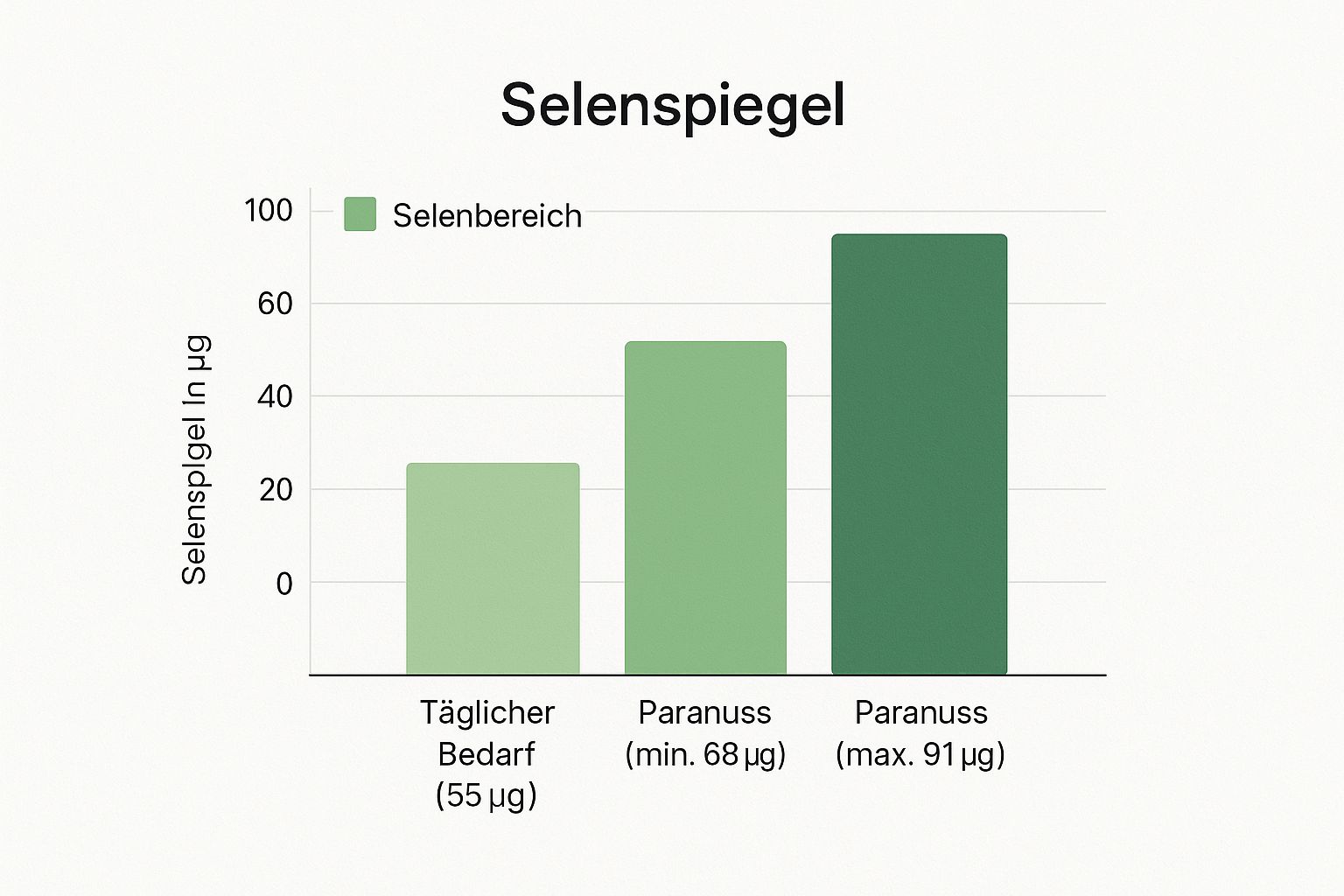
As the graph shows, even the minimum selenium content of one nut covers the daily requirement, while the maximum content even significantly exceeds it.
Brazil nuts are a fantastic example of how nature provides us with concentrated nutrients. In the world of supplements, stabilized forms such as sodium selenite are often used to ensure precise and safe dosing. Learn more about the different forms of selenium on bodysperfect.com.
2. Tuna
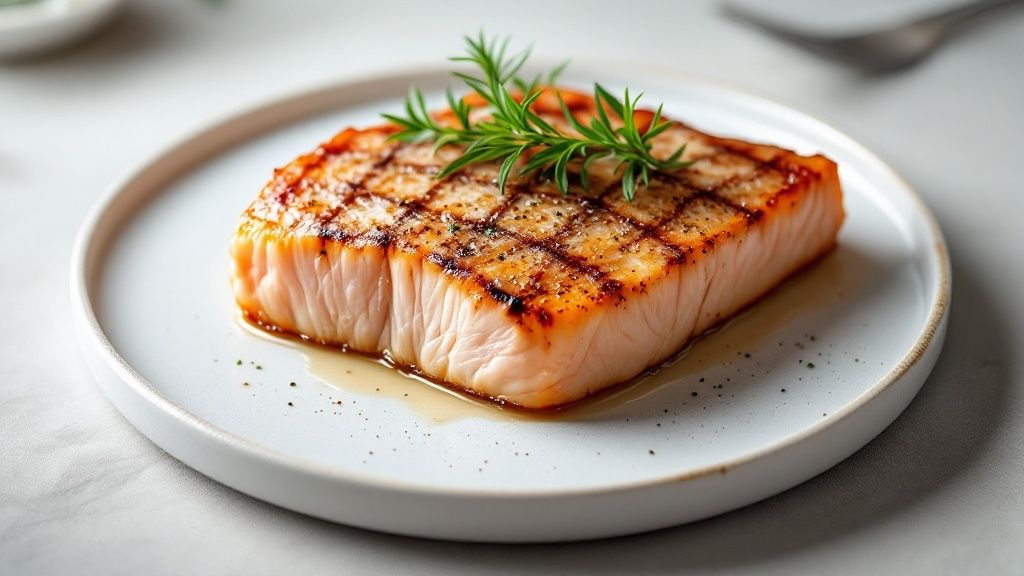
Tuna, a widespread marine fish, is one of the best animal-based selenium-rich foods. Larger species, such as yellowfin or albacore tuna, accumulate the trace element in their tissues through the marine food chain. A serving of tuna can cover a significant portion of your daily selenium needs and also provides high-quality protein and valuable omega-3 fatty acids.
The selenium content varies depending on the species and preparation, but as a guideline, a 100-gram portion of cooked yellowfin tuna contains about 92 micrograms (µg) of selenium. This significantly exceeds the daily dose of 60 µg for women and 70 µg for men recommended by the German Nutrition Society (DGE), making tuna a potent source of selenium for your diet.
How to best use tuna
To fully benefit from tuna while minimizing potential drawbacks, you should consider a few points.
- Prioritize quality: If possible, opt for fresh, sushi-grade tuna or high-quality steaks. Canned tuna (in its own juice) is also a practical and good source of selenium, but make sure to choose products without unnecessary additives.
- Mindful consumption: Large predatory fish like tuna can accumulate heavy metals, especially mercury. Pregnant women, nursing mothers, and young children should therefore limit their consumption. One to two servings per week are considered safe for most healthy adults.
- Sustainability in mind: When buying, look for labels for sustainable fishing (e.g., MSC) to protect marine ecosystems.
- Versatile preparation: Whether as a juicy grilled steak, raw as sushi and sashimi, or conveniently from a can in salads and wraps – tuna can be versatilely integrated into a balanced diet.
Selenium plays a central role in immune system function, cell protection against oxidative stress, and thyroid health. It supports your body in important metabolic processes that are also relevant for weight management and muscle building.
For targeted support of your metabolism and nutrient supply, specialized dietary supplements can be a useful addition. Products like Metabolic Burn from bodysperfect.com are designed to naturally activate your metabolism and support you in achieving your goals.
3. Sardines
Sardines, the small, oily fish from the sea, are an excellent and often underestimated source of selenium-rich foods. As they are relatively low in the marine food chain, they accumulate significantly fewer heavy metals compared to large predatory fish like tuna. This makes them not only a nutrient-rich but also a particularly safe and sustainable choice for your diet.
A typical portion of 100 grams of canned sardines (in oil, drained) provides about 50 to 60 micrograms (µg) of selenium. With such an amount, you can already cover a large part of your daily requirement, which, according to the DGE, is 60 µg for women and 70 µg for men. In addition to selenium, sardines also provide you with valuable omega-3 fatty acids, vitamin D, and calcium, especially if you eat the small bones.
How to best use sardines
Sardines are more versatile than many people think. Whether fresh from the grill or conveniently from the can, they can be easily integrated into your diet.
- Choose quality: For canned sardines, you should prefer varieties in high-quality olive oil. Look for origin labels that guarantee sustainable fishing. You can recognize fresh sardines by their clear eyes and a fresh, marine smell.
- Preparation tips: Fresh sardines taste wonderful grilled or fried, seasoned with lemon, garlic, and fresh herbs like parsley or rosemary. Canned sardines are a perfect ingredient for salads, pasta sauces, or as a simple, protein-rich topping on wholemeal bread.
- Holistic nutrient boost: Eat the fish as a whole as much as possible, including the soft bones and skin. This way, you absorb a maximum amount of calcium and other nutrients. This is particularly easy to do with small canned sardines.
Sardines are a prime example of the Mediterranean diet and show how delicious and simple a selenium-rich diet can be. They prove that high-quality nutrients don't have to be complicated. If you value a simple and controlled intake of micronutrients, you can also specifically use food supplements. You can learn more about the importance of selenium for your body on our overview page on minerals at bodysperfect.com.
4. Oysters
Oysters, which belong to the marine bivalves, are not only a delicacy but also an impressive source of selenium-rich foods. As filter feeders, they accumulate nutrients directly from the seawater, resulting in a high concentration of selenium and other valuable minerals such as zinc and copper. This makes them an excellent choice for anyone looking to ensure their selenium supply in a natural and tasteful way.
The selenium content in oysters can vary depending on the species and fishing area, but on average, it is a remarkable 60 to 80 micrograms (µg) per 100 grams. Even a medium-sized portion can thus meet or even exceed the daily requirement of 60 µg for women and 70 µg for men recommended by the German Nutrition Society (DGE).
How to best use oysters
To safely and enjoyably integrate oysters into your diet, you should consider a few important points.
- Quality and freshness: Freshness is crucial for oysters. They should smell of the sea and not fishy. The shell must be tightly closed or close immediately when lightly tapped. Trust reputable dealers and pay attention to the origin information, such as with the well-known French oyster farms in Brittany.
- Preparation: Traditionally, oysters are served raw and freshly opened with a splash of lemon or a light vinaigrette. However, you can also grill them, gratinate them, or use them in soups to enjoy their unique taste.
- Consumption recommendation: The old rule of eating oysters only in months with an "R" (September to April) dates from before modern refrigeration technology. Today, they are available year-round, but the quality is often best in the cooler months.
Oysters are a prime example of how the sea provides us with concentrated nutrients. For a controlled and consistent selenium intake, especially if seafood is not regularly on your menu, food supplements with clearly defined dosages can be a sensible alternative.
5. Sunflower Seeds
Sunflower seeds, the seeds of the bright yellow sunflower (Helianthus annuus), are an excellent and widely used plant-based source of selenium. They offer a crunchy and nutty addition to numerous dishes and are a valuable option, especially for vegetarians and vegans, to meet their selenium needs. As one of the best selenium-rich foods, they can be easily integrated into daily life.
A 30-gram serving (about a small handful) of hulled sunflower seeds provides an average of 23 to 25 micrograms (µg) of selenium. This already covers over a third of the daily requirement recommended by the DGE for adults. In addition to selenium, they are also rich in vitamin E, magnesium, and healthy unsaturated fatty acids.

How to best use sunflower seeds
Sunflower seeds are versatile and easy to use, but a few tips will help you get the most out of them.
- Usage: Sprinkle them over salads, muesli, or yogurts for a crunchy texture and a nutrient boost. They are also excellent as an ingredient in homemade bread, in pestos, or simply as a healthy snack.
- Selection and storage: Prefer unsalted and unroasted seeds to avoid unnecessary sodium and the loss of heat-sensitive nutrients. Store them in an airtight container in a cool, dark place to protect them from going rancid.
- Combination: Combine sunflower seeds with other selenium-rich foods such as lentils or whole grains to ensure a varied and comprehensive supply of this important trace element.
Sunflower seeds are proof that a healthy diet can be simple and delicious. They offer a reliable plant-based selenium source that enriches your diet.
However, for targeted support of your metabolism and thyroid function, a constant and precisely dosed selenium intake is essential. High-quality food supplements such as the BURN-FAT capsule complex from bodysperfect.com contain selenium as well as other micronutrients such as iodine to optimally support these important bodily functions.
6. Shiitake Mushrooms
Shiitake mushrooms (Lentinula edodes), originally from Asia and now cultivated worldwide, are an excellent plant-based addition to your list of selenium-rich foods. They are not only known for their rich, savory umami flavor but also one of the few significant fungal sources of this important trace element.
The selenium content in shiitake mushrooms is about 11.5 micrograms (µg) per 100 grams. While this is less than in animal sources, they offer a fantastic option for vegetarians, vegans, and anyone who wants to diversify their diet. In addition to selenium, they provide bioactive compounds such as lentinan, which is valued for its immune-boosting properties, making them a true health booster.
How to best use shiitake mushrooms
Shiitake mushrooms are incredibly versatile and add a deep, hearty note to numerous dishes.
- Preparation: Dried shiitake mushrooms have an even more intense aroma than fresh ones. Soak them in warm water for about 30 minutes before use. You should not throw away the resulting broth, as it is full of flavor and is excellent as a base for sauces or soups.
- Cooking tips: Do not cook the mushrooms for too long so that they retain their pleasant, firm texture. They fit perfectly into Asian miso soups, stir-fries, vegan burger patties, or as a side dish to meat and fish. Combine them with other mushroom varieties to create a more complex flavor profile.
- Applications: In traditional Chinese medicine, shiitake have been used for centuries to strengthen the immune system. Their combination of nutrients makes them a valuable part of a balanced diet that focuses not only on individual vitamins but on the interaction of many components.
Shiitake mushrooms are rich in B vitamins, which are important for energy metabolism. Learn more about the effects of B vitamins like D-biotin on bodysperfect.com to holistically optimize your nutrient intake.
7. Beef (especially Liver)
Beef, and especially organ meats such as liver and kidneys, is among the animal-based selenium-rich foods that can make a significant contribution to your daily intake. Unlike plant-based sources, selenium in animal products is often present in the form of selenocysteine and selenomethionine, which your body can absorb and utilize particularly well.
The selenium concentration in meat largely depends on the feeding and origin of the animals. Cattle grazing on selenium-rich soils accumulate the trace element in their muscle tissue and organs. For example, a 100-gram serving of beef liver provides an average of about 35-40 micrograms (µg) of selenium, while lean muscle meat can still contain a respectable 20-25 µg. This covers a significant portion of your daily requirement.
How to best use beef
To get the most benefit from beef as a selenium source, you can pay attention to a few aspects.
- Prefer organ meats: Beef liver is a true powerhouse of nutrients. If you like the taste, it's an excellent choice to specifically increase your selenium intake. A small portion once a week or every two weeks can already make a big difference.
- Choose quality: Meat from pasture-raised animals (e.g., organic grass-fed beef) is often more nutrient-rich because the animals consume a more diverse diet. The quality of the feed is directly reflected in the selenium content of the meat.
- Lean cuts for everyday: For regular consumption, lean cuts such as fillet, sirloin, or top round are suitable. They are rich in protein, provide a good dose of selenium, and are also lower in fat.
- Combine cleverly: Supplement your beef meal with other selenium-rich side dishes such as lentils, mushrooms, or whole grain rice to maximize your total intake of this important trace element.
Beef is thus an excellent and readily available source to provide your body with high-quality selenium. This trace element plays a central role in a functioning immune system and protecting your cells from oxidative stress. Learn more about the comprehensive effects of selenium on bodysperfect.com and how it can support your health.
8. Eggs (especially Egg Yolk)
Eggs are a common and versatile powerhouse in the kitchen and represent an excellent and readily available source of selenium-rich foods. The majority of this important trace element is concentrated in the egg yolk. A large chicken egg (approx. 50 g) provides an average of about 15 to 20 micrograms (µg) of selenium, already covering a significant portion of your daily requirement.
The exact selenium content in eggs depends heavily on the chickens' feed and housing conditions. Animals fed selenium-rich feed lay eggs with a correspondingly higher nutrient content. For this reason, organic or free-range eggs are often a better choice, as the housing conditions and feed are usually of higher quality.
How to make the most of eggs
Eggs are not only rich in selenium, but also in high-quality protein, vitamins, and minerals. To get the maximum benefit, you should keep a few things in mind.
- Use the yolk: Most of the selenium is in the egg yolk. So don't separate it; enjoy the whole egg to benefit from all the nutrients.
- Prefer quality: If possible, choose organic free-range eggs. These often offer a better nutrient profile and come from more animal-friendly farming. Omega-3-enriched eggs are also a good option.
- Versatile preparation: Whether as scrambled eggs, fried eggs, boiled eggs in a salad, or an omelet – eggs can be easily integrated into any meal and make it simple to support your selenium balance.
- Combination with other nutrients: In addition to selenium, eggs also provide vitamin B6. This nutrient is essential for protein metabolism and the nervous system. Learn more about the importance of Pyridoxine Hydrochloride (Vitamin B6) on bodysperfect.com.
Eggs are a simple and inexpensive way to improve daily selenium intake. They are an excellent example of how everyday foods can make a valuable contribution to a balanced and health-promoting diet.
Comparison of Selenium Content in 8 Foods
| Food | Implementation 🔄 | Resource Requirements 💡 | Expected Effect 📊 | Ideal Use Cases 💡 | Main Benefits ⭐ |
|---|---|---|---|---|---|
| Brazil Nuts | Low – readily available | Natural wild harvesting, expensive | Very high selenium coverage, risk of overdose | Orthomolecular medicine, vegan diet | Highest selenium content, practically portioned |
| Tuna | Medium – Catch & Purchase | Sustainable fishing recommended | Good selenium supply + Omega-3 effects | Sushi, Mediterranean cuisine, canned goods | Rich in protein and Omega-3 |
| Sardines | Low – readily available | Sustainable fishing | Moderate selenium intake, low contaminants | Mediterranean and preserved diet | Environmentally friendly, inexpensive |
| Oysters | High – require specialized trade | Seasonal, expensive | Very high selenium and zinc content | Delicacy, gourmet cuisine | Highest zinc content, low-calorie |
| Sunflower Seeds | Low – readily available | Inexpensive, plant-based | Good plant-based selenium source | Snacks, baked goods, vegan diet | Vegan, long shelf life, versatile |
| Shiitake Mushrooms | Medium – special cultivation | Relatively expensive, limited availability | Moderate selenium intake + immune-boosting | Asian cuisine, food supplements | Immune-boosting, versatile |
| Beef (Liver) | Medium – rearing & preparation | Environmental impact, ethical aspects | Good selenium supply, high-quality nutrients | Traditional diet, offal consumption | High bioavailability, rich in iron |
| Eggs (Yolk) | Low – everyday product | Variable selenium content depending on keeping | Moderate selenium intake, versatile | Everyday, baking, Vitamin D source | Inexpensive, versatile, long shelf life |
Your Next Step: Cleverly Utilize Selenium and Achieve Your Goals
You now have a comprehensive overview of the best foods with selenium at hand. From crunchy Brazil nuts to protein-rich tuna and hearty shiitake mushrooms – nature offers an impressive variety to supply your body with this essential trace element. As you have seen, selenium is much more than just a nutrient. It is a fundamental building block for a functioning thyroid, a strong immune system, and an active metabolism.
Integrating these foods into your daily routine is the first and most important step. A few Brazil nuts as a snack, a delicious tuna salad for lunch, or an omelet for breakfast are simple but effective measures. This conscious diet not only helps you optimize your selenium intake but also supports your goals in weight management, muscle definition, and general well-being.
Key Takeaways at a Glance
Let's remember the central points of this article:
- Variety is crucial: Don't rely on just one source. A colorful mix of animal and plant-based foods with selenium ensures a balanced nutrient intake and prevents a one-sided diet.
- Metabolism loves selenium: A well-functioning thyroid is the engine for your metabolism. Selenium is the fuel it needs to produce hormones that are crucial for fat burning and your energy level.
- Quality over quantity: When it comes to foods like fish and meat, pay attention to high quality from sustainable sources. This not only ensures a better nutrient content but is also better for you and the environment.
- Preparation makes the difference: Gentle cooking methods such as steaming or quick searing help preserve the selenium content in foods as much as possible.
Your Path to Optimal Supply
The theory is clear, but everyday life can be challenging. Stressful days, little time for cooking, or special dietary habits can make it difficult to consistently meet daily selenium requirements. This is where the path to smart supplementation begins. A high-quality food supplement is not a substitute for a healthy diet, but it can build a valuable bridge to specifically close supply gaps.
If you want to ensure that your body gets everything it needs for your fitness and weight loss goals, it is wise to strategically support your diet. Give your body the tools it needs to unleash your full potential – whether in the gym, when reaching your target weight, or simply for more energy and joy in everyday life.
Are you ready to take your nutrient supply to the next level and effectively support your goals? The products from BODY'S PERFECT have been specially developed to accompany you on your journey – with pure ingredients manufactured in Germany, tailored specifically to your needs. Discover now at BODY'S PERFECT how you can optimally support your metabolism and maximize your results.

































Share:
The Essential Impact of Selenium on Your Health
Boost Fat Burning: Your Path to an Active Metabolism