

L-Arginine is a so-called semi-essential amino acid, which sounds complicated at first, but is actually quite simple. Your body can produce it itself, but sometimes—for example, during periods of high stress, intense training, or in old age—it just can't keep up with production. In such cases, the amount produced by your body is no longer sufficient to meet your needs.
What L-Arginine really means for your body
Imagine L-Arginine as a diligent builder in the foundation of your body. It is one of the basic building blocks for proteins and ensures that many important processes run smoothly. If this building block is missing, things can get bogged down.
Perhaps its most important task, however, is another: L-Arginine is the direct precursor to a crucial neurotransmitter—nitric oxide, or NO for short. This tiny molecule is a true all-rounder. It signals the small muscles in the walls of your blood vessels to relax.
The key to better blood circulation
What happens when blood vessels relax? They expand. Imagine it like a narrow country road suddenly becoming a multi-lane highway. Traffic can flow freely again. In your body, this specifically means:
- Better nutrient supply: Oxygen and important nutrients reach where they are needed—in your muscles and organs—much faster and easier.
- Faster removal of waste products: Metabolic waste products, such as lactate, are removed from the muscles more quickly. This can significantly improve your recovery after exercise.
- Blood pressure support: The widening of blood vessels helps to maintain blood pressure at a healthy level.
Thus, L-Arginine is no longer just an insider tip for athletes looking to boost their performance. It is a fundamentally important building block for a healthy cardiovascular system and your general well-being.
To give you a quick overview, we have summarized the most important facts about L-Arginine in a table.
L-Arginine at a glance
| Property | Description |
|---|---|
| Type | Semi-essential amino acid |
| Main function | Precursor to nitric oxide (NO) |
| Effect in the body | Dilates blood vessels (vasodilation) |
| Benefits | Promotes blood circulation, supports nutrient transport |
| Areas of application | Sports, cardiovascular health, general well-being |
| Natural sources | Meat, fish, nuts, seeds, legumes |
This table shows at a glance how versatile L-Arginine is and why it plays a role in so many bodily functions.
L-Arginine is thus much more than just a protein building block. It is the ignition key for a whole chain of processes that directly influence your blood circulation, performance, and regeneration.
With a normal diet, we consume an average of about 1 to 5 grams of L-Arginine per day, depending on how protein-rich our diet is. However, if you exercise a lot, want to lose weight, or simply live a very health-conscious life, your personal needs can be significantly higher. You can find more about the scientific background of Arginine on Wikipedia. If you understand these connections, it quickly becomes clear why targeted supplementation with L-Arginine can be a clever move for your health and fitness goals.
How L-Arginine improves your blood circulation
The secret behind the effect of L-Arginine is a tiny, but incredibly powerful molecule: nitric oxide, or NO for short. To understand exactly what happens, simply imagine your circulatory system as a huge network of roads. Your blood vessels are the roads, and your blood is the traffic.
In this analogy, nitric oxide is like the chief traffic planner. It signals the muscle cells in the walls of your blood vessels to relax. What's the result? The roads get wider. Experts call this process vasodilation.
This dilation of blood vessels has direct benefits for your body. If traffic can flow better, every single cell is better supplied.
The direct path to more vitality
When blood vessels are wider, oxygen and important nutrients can reach your muscles, organs, and even your brain much more easily. At the same time, waste products, which are produced during exercise, for example, are transported away faster. This is precisely what makes L-Arginine so valuable for your health and fitness.
It can actually be said quite simply: good blood circulation is the basis for almost everything in our body. It affects your daily energy, your performance during training, and, of course, the health of your heart.
This graphic clearly illustrates the process from L-Arginine intake to improved blood circulation.
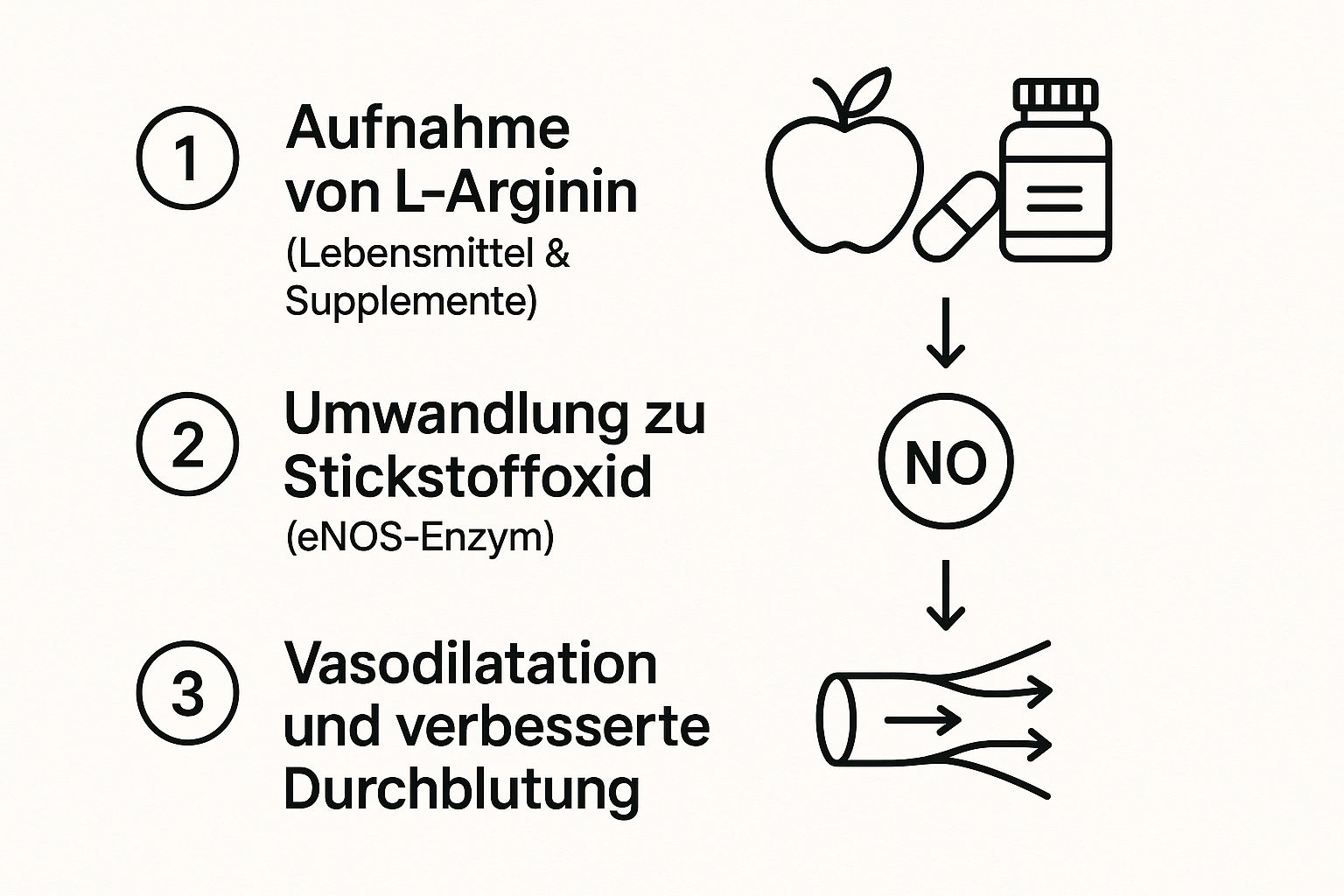
So you see, L-Arginine is essentially the fuel your body needs to produce nitric oxide and thus boost blood flow.
Your shield against narrowed vessels
Unfortunately, there are also antagonists in the body. A substance called ADMA (asymmetric dimethylarginine) inhibits the production of nitric oxide. This leads to the blood vessels narrowing again. High ADMA levels are therefore often associated with cardiovascular diseases.
This is precisely where L-Arginine can intervene as a natural helper. If you are well supplied with L-Arginine, you can compensate for the negative effects of ADMA and ensure healthy vascular function.
Especially in Germany, millions of people are affected by cardiovascular problems, which is why this preventive idea is becoming increasingly important. L-Arginine can protect the vessel walls and naturally contribute to blood pressure regulation – a valuable contribution to a healthy heart.
Targeted support of blood circulation is therefore a clever approach. This way, you not only achieve your athletic goals but also do something good for your well-being in the long term. If you want to delve deeper into the topic, you can read more about the comprehensive effects of L-Arginine in our detailed article.
More performance and pump for your training
Anyone who really pushes themselves at the gym knows and loves that feeling: the "pump." That's the moment your muscles feel full and engorged with blood after a few hard sets. But it's much more than just a motivating feeling—it's the visible sign that your muscles are optimally supplied with everything they need.
And this is where L-Arginine truly shines. As you've already read, L-Arginine is the direct precursor to nitric oxide (NO). This small molecule causes your blood vessels to dilate. The result? Significantly more blood can flow through your veins—and with it, more oxygen and nutrients directly to the muscle cells that are working hard.
Simply imagine it like a wider highway for your nutrients. L-Arginine ensures that a narrow country road becomes a multi-lane highway, where everything arrives without traffic jams. Your muscles get exactly what they need for peak performance—and precisely when the demand is greatest.
What does this mean specifically for your training?
Better blood flow is not just theory, but has very practical benefits that you can feel with every repetition. It's about getting the most out of your effort and reaching your goals a little faster.
Here are the most important effects at a glance:
- Delayed fatigue: When your muscles get more oxygen, they simply work longer and more efficiently. At the same time, waste products like lactate, which are responsible for the familiar muscle burn, are transported away faster. So you can last longer.
- More strength and endurance: Thanks to optimal supply, you might be able to do one or two more repetitions or even increase the weight a little before your strength gives out.
- Faster regeneration: The improved nutrient transport doesn't stop with the last set. Afterwards, important building blocks like amino acids also reach where they are needed for muscle repair and building more quickly.
This whole chain of positive effects makes L-Arginine a truly useful helper for anyone who takes their training seriously. It not only helps you train more intensely but also actively supports your body in recovering afterwards.
L-Arginine is essentially like your personal logistics manager, ensuring that the valuable cargo of oxygen and nutrients is delivered directly to the "muscle construction site" without detours.
By using L-Arginine specifically, you create the perfect conditions for muscle growth and increased performance. The "pump" is merely the cool visible byproduct of a highly efficient process in your body. You give it the tool it needs to exceed its limits.
Of course, a proper diet is always the absolute foundation for any athletic success. L-Arginine can wonderfully support this process, but it never replaces a solid intake of proteins and other essential nutrients. For those who truly want to maximize their results, the clever combination of both is key. You can find more about this in our comprehensive guide to muscle building nutrition and important tips.
Ultimately, L-Arginine helps you unleash your full potential. It creates the biological prerequisites for your hard work in the gym to truly pay off.
What else L-Arginine can do for you
L-Arginine is much more than just a training aid. Think of it as a multi-talent for your body, tweaking many small adjustments to improve your overall well-being. Its most important superpower remains promoting blood circulation. But what exactly does that mean for you in everyday life?
Even if you're not lifting weights every day, your body is constantly at work. L-Arginine can lend a hand and make you feel simply better all around.
A strong immune system
Your immune system is like your body's security team—always on patrol to ward off intruders. L-Arginine plays a key role here, as it's essentially the "fitness program" for certain defense cells, the so-called T-cells.
These cells are the elite unit of your body's police force. When they are well supplied with L-Arginine, they can react more quickly and effectively to threats. This way, you help your immune system to always be in top shape.
Support for skin and wound healing
Have you ever wondered how the body magically repairs a small cut? Behind it is a protein called collagen. It is the framework that gives our skin and connective tissue firmness and elasticity.
And here's the trick: L-Arginine is an essential building block for the production of this collagen. At the same time, improved blood circulation ensures that oxygen and important nutrients reach the injured area faster. This noticeably accelerates your body's natural healing process.
A sensitive topic openly addressed
The blood circulation-promoting effect of L-Arginine also affects an area that is rarely discussed: male potency. An erection is quite simply based on strong blood flow to the erectile tissues.
L-Arginine is the precursor to nitric oxide, a molecule that widens blood vessels. This very mechanism can naturally improve blood supply throughout the body and forms the basis for its supportive effect.
So, you see, healthy blood circulation is not just for athletes, but a true all-rounder for vitality and health in everyday life. Of course, none of this replaces a balanced diet. Speaking of nutrition: many ask us when the perfect time for a protein shake is. This is an important question if you take your goals seriously. In our article, we explain exactly whether you should consume your protein shake before or after training. Because in the end, it's the interplay of training, good nutrition, and targeted supplementation that counts.
The right application and dosage for you
The many benefits of L-Arginine sound great, but how do you best incorporate it into your daily life so that it really makes a difference? The right application is key to achieving your goals safely and effectively – whether you simply want to support your health or take your athletic performance to the next level.

The question of the perfect dosage depends entirely on your personal goal. There is no one-size-fits-all solution, but there are proven guidelines you can use for orientation.
Find your optimal dose
As a simple rule of thumb: start with a lower dose and see how your body reacts. This way, you gradually work your way up to the amount that is ideal for you. It's best to take L-Arginine between meals, as your body can absorb it optimally then.
The usual recommendation is about 4.5 to 5 grams per day. This usually corresponds to six capsules or one serving of powder. Studies have shown that a daily dose of up to 6 grams is safe and well-tolerated even over a longer period. However, you should avoid more than 15 grams per day, as this can lead to side effects such as nausea.
Very important: Every person is different. If you have pre-existing conditions, especially heart or circulatory problems, or take medication regularly, please consult your doctor before taking L-Arginine. Better safe than sorry.
The right time for maximum effect
When you take your L-Arginine can make a real difference—especially if you have athletic goals. Here are some clear tips for the most common uses:
- Before training: To feel the famous "pump effect" and ensure really good blood flow to your muscles, it's best to take L-Arginine about 30 to 60 minutes before your workout. This gives your body enough time to produce the important nitric oxide.
- For general health: If you're taking L-Arginine to support your cardiovascular system or simply feel fitter, you can divide the daily dose into two or three smaller portions. Taking a dose in the morning and evening has proven effective here.
Smart supplementation of your diet is just one building block on the way to your goals. If you want to delve deeper into how to optimally nourish your body, take a look at our guide to sports supplements.
Ultimately, it's about finding a routine that fits your life and your goals. With the right dosage and timing, L-Arginine becomes a strong ally for your health and fitness.
Questions and answers about L-Arginine
Do you still have some questions about L-Arginine? Perfect! A good information base is always the best starting point for making the right decision for yourself. We have compiled the most frequently asked questions for you here and answered them in a straightforward manner.
Is it sufficient to get L-Arginine only through food?
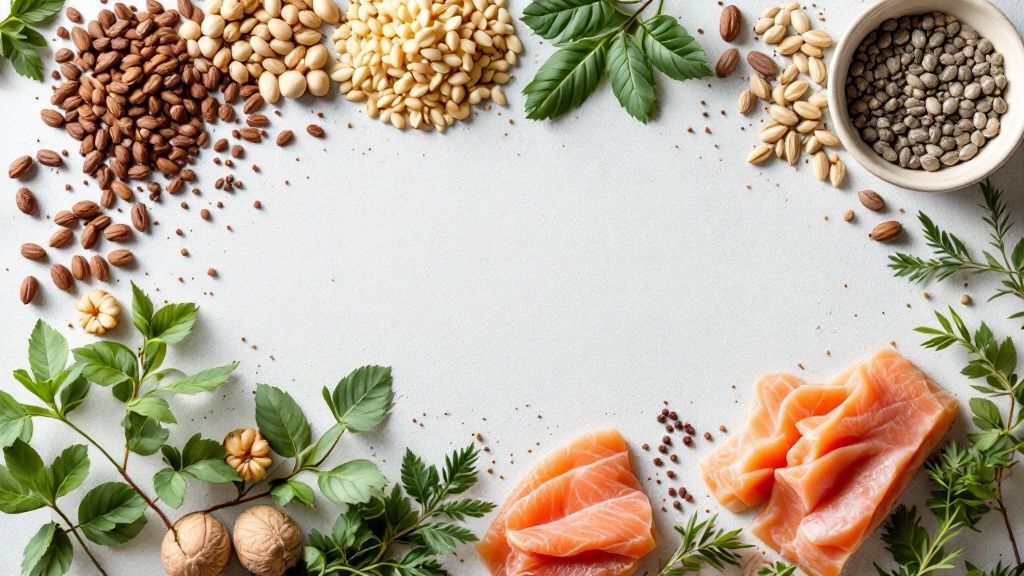
A balanced diet always forms the foundation, of course. L-Arginine is mainly found in protein-rich foods such as pumpkin seeds, peanuts, meat, fish, and lentils. For everyday life, this is usually completely sufficient.
However, if you engage in intense sports, are under a lot of stress, or want to specifically support your cardiovascular system, your personal needs can quickly skyrocket. In such phases, additional intake is a rather clever idea to ensure your body is always optimally supplied.
When can I expect to see results?
That depends entirely on what you hope to gain from L-Arginine. Here we need to distinguish between short-term and long-term goals.
- For training: Most people feel the well-known "pump effect," i.e., the feeling of fuller muscles due to improved blood circulation, as early as 30 to 60 minutes after taking it before a workout.
- For health: If you want to strengthen your cardiovascular system or positively influence your blood pressure, you need a little more patience. This is a process that can take several weeks until you notice measurable or tangible changes.
Remember: persistence is everything. Just like with a healthy diet or regular exercise, the best results come when you are consistent.
Can it interact with medications?
Yes, and this is a really important point. Since L-Arginine dilates blood vessels and can thus lower blood pressure, it could enhance the effect of blood pressure-lowering medications.
Even those taking blood thinners should be careful. Your safety is our top priority: If you regularly take medication or have pre-existing conditions, please be sure to discuss taking L-Arginine with your doctor beforehand. This is the only way to ensure your safety.
We hope these answers provide a little more clarity. If you want to delve deeper into the details, you will find many more helpful pieces of information about our products and other exciting health topics in our large FAQ section.
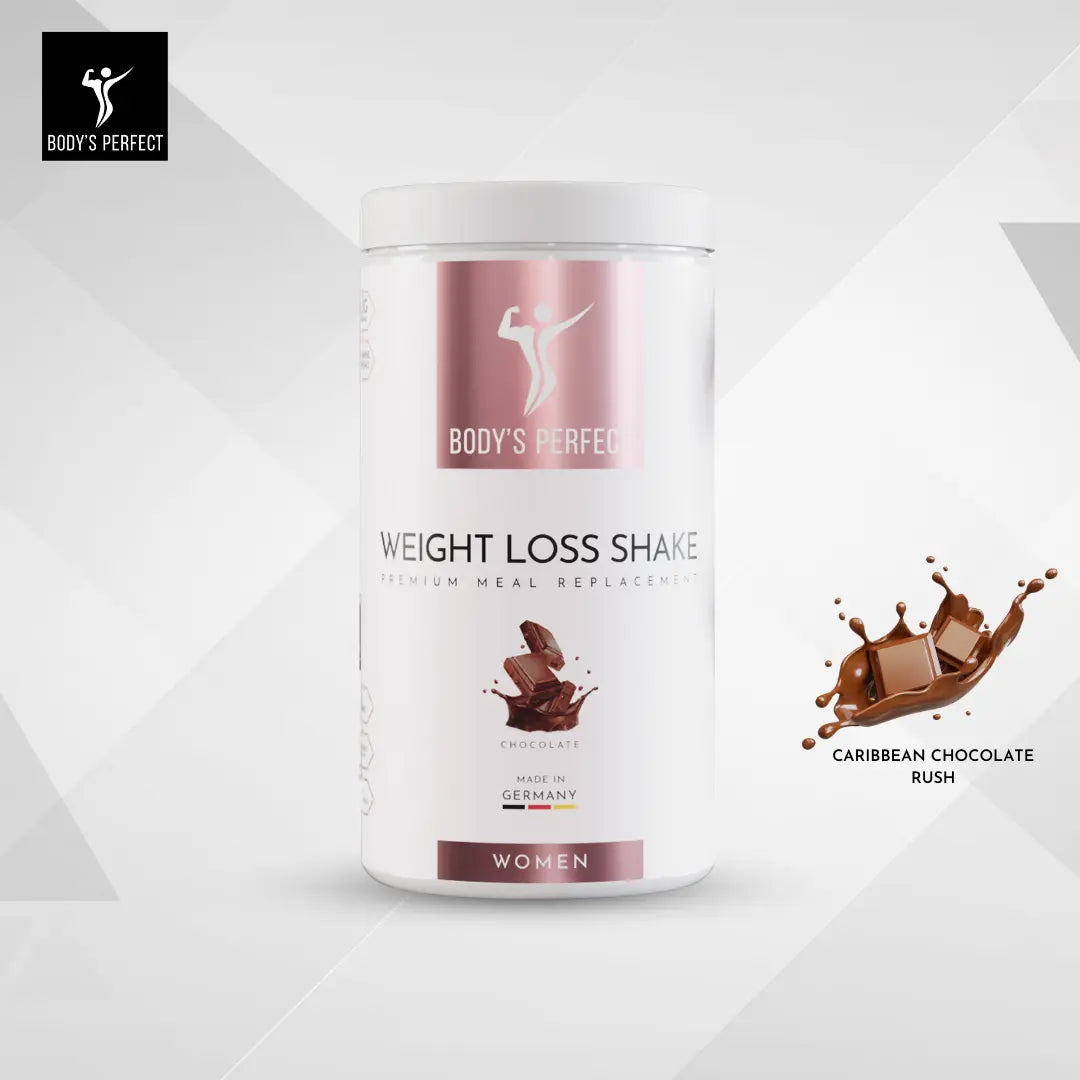
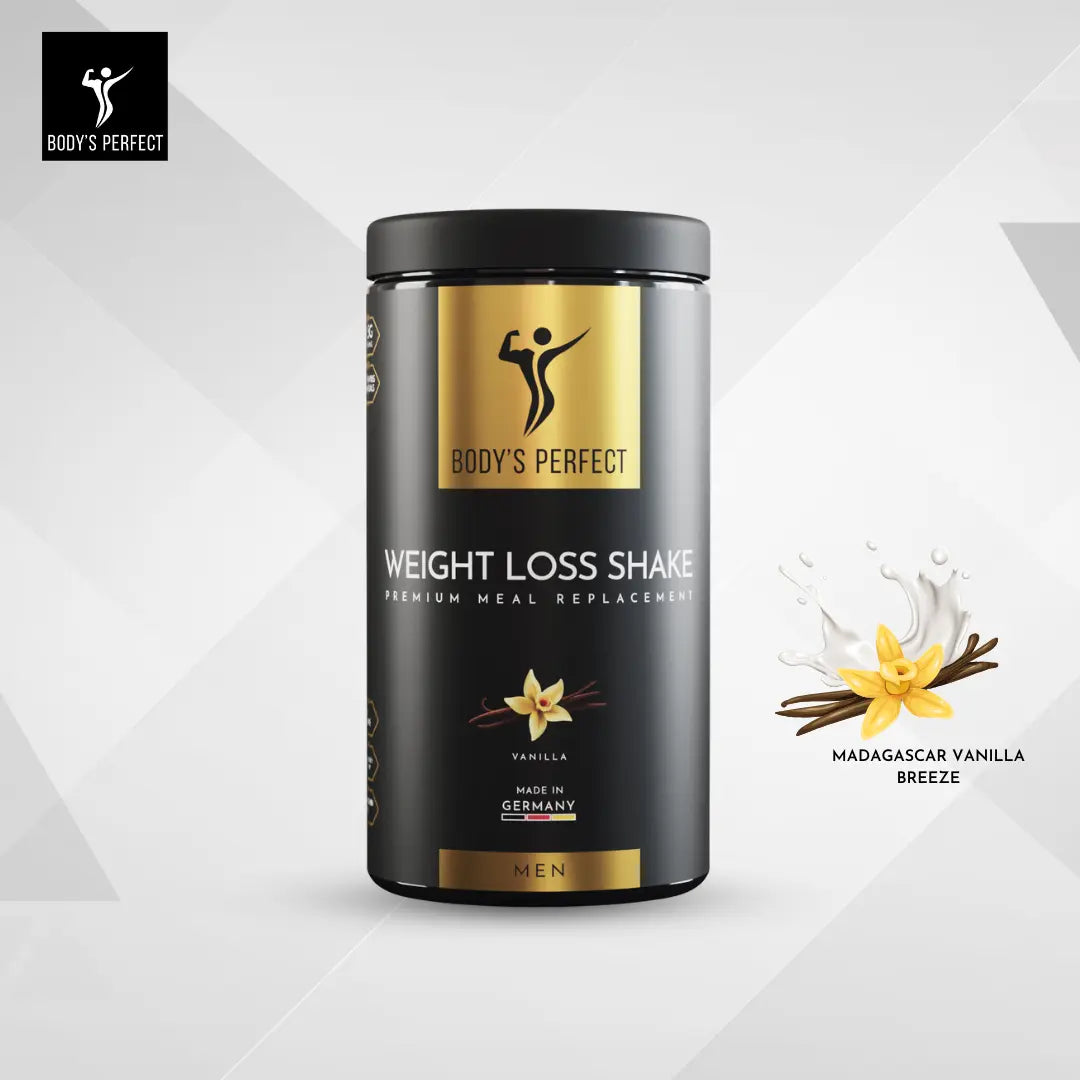
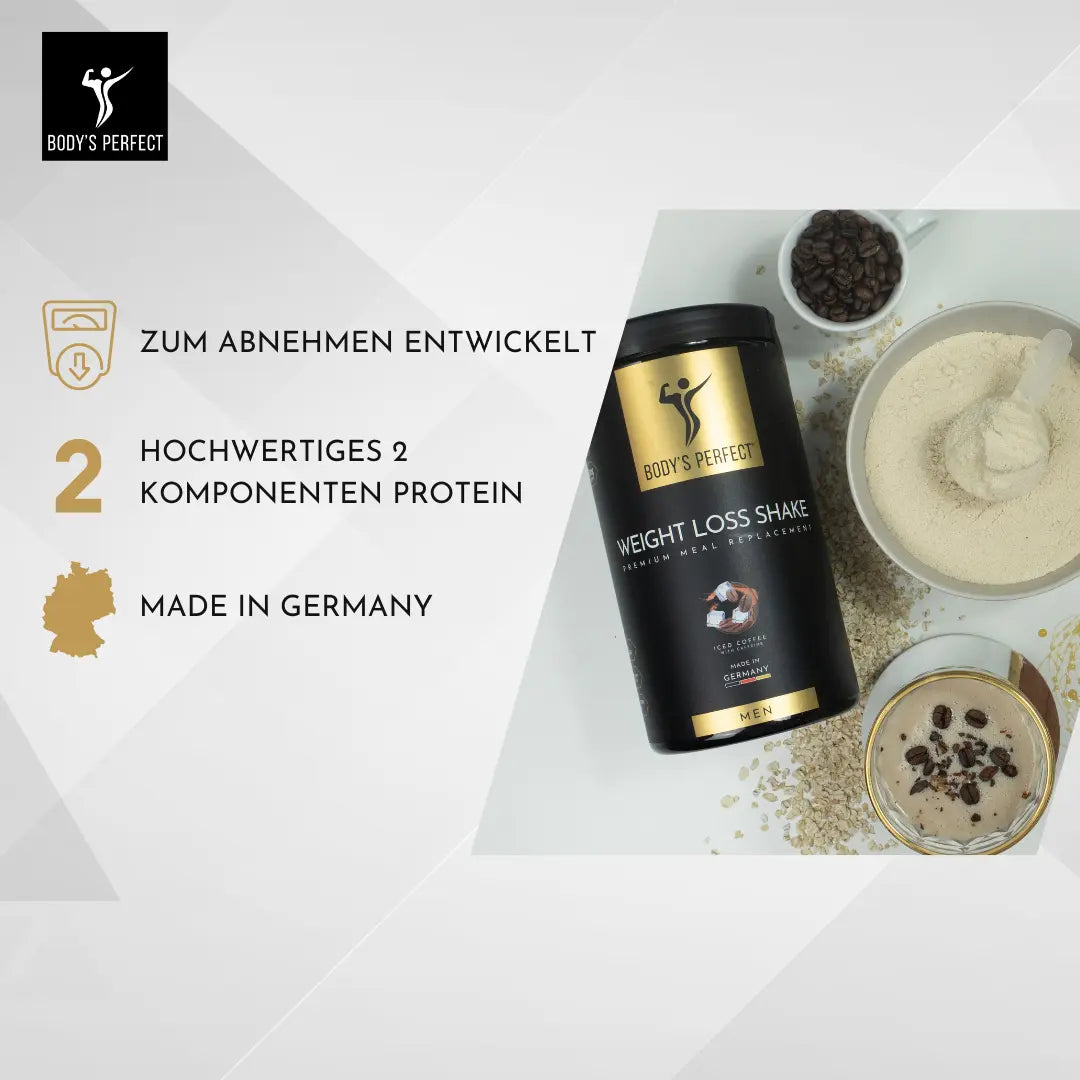
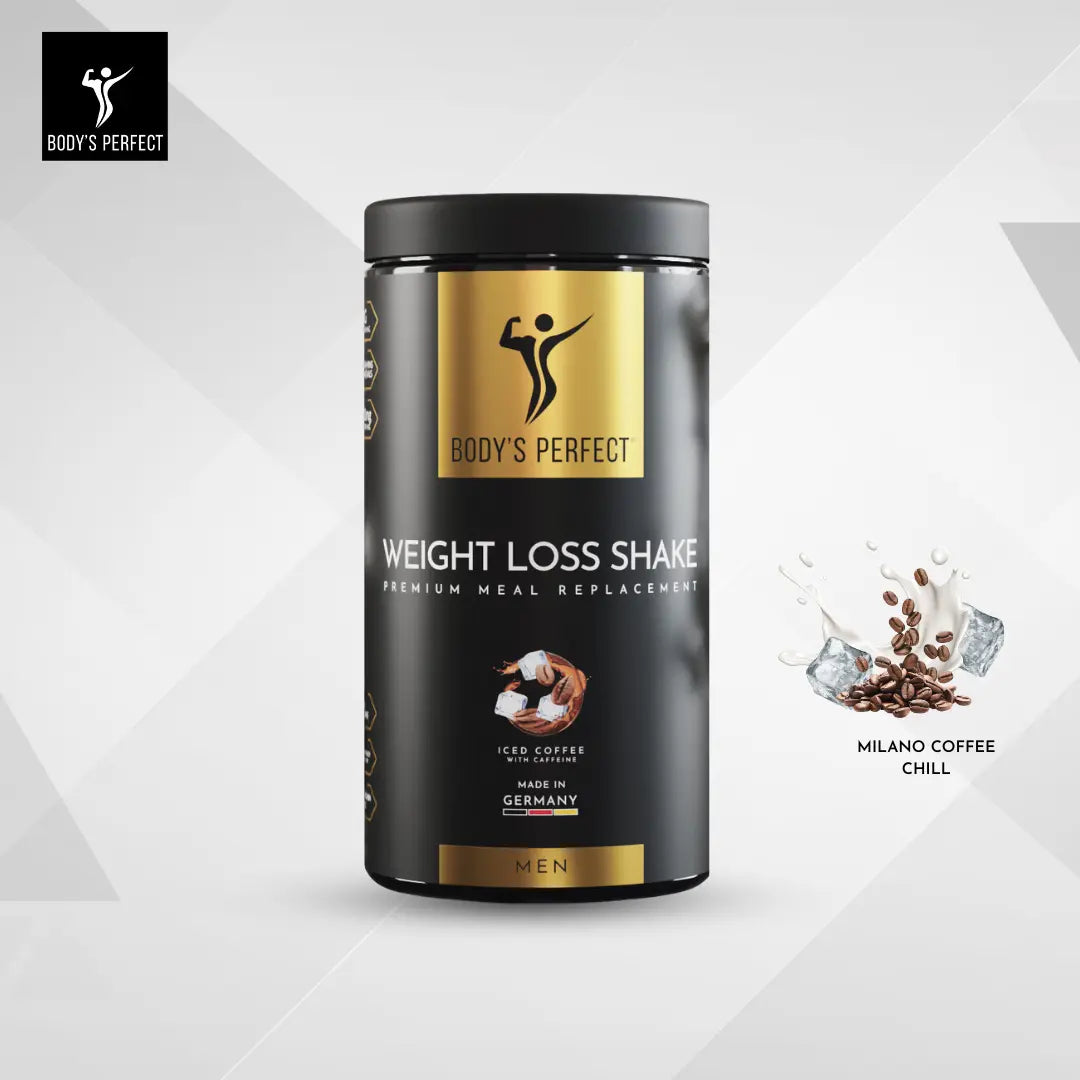
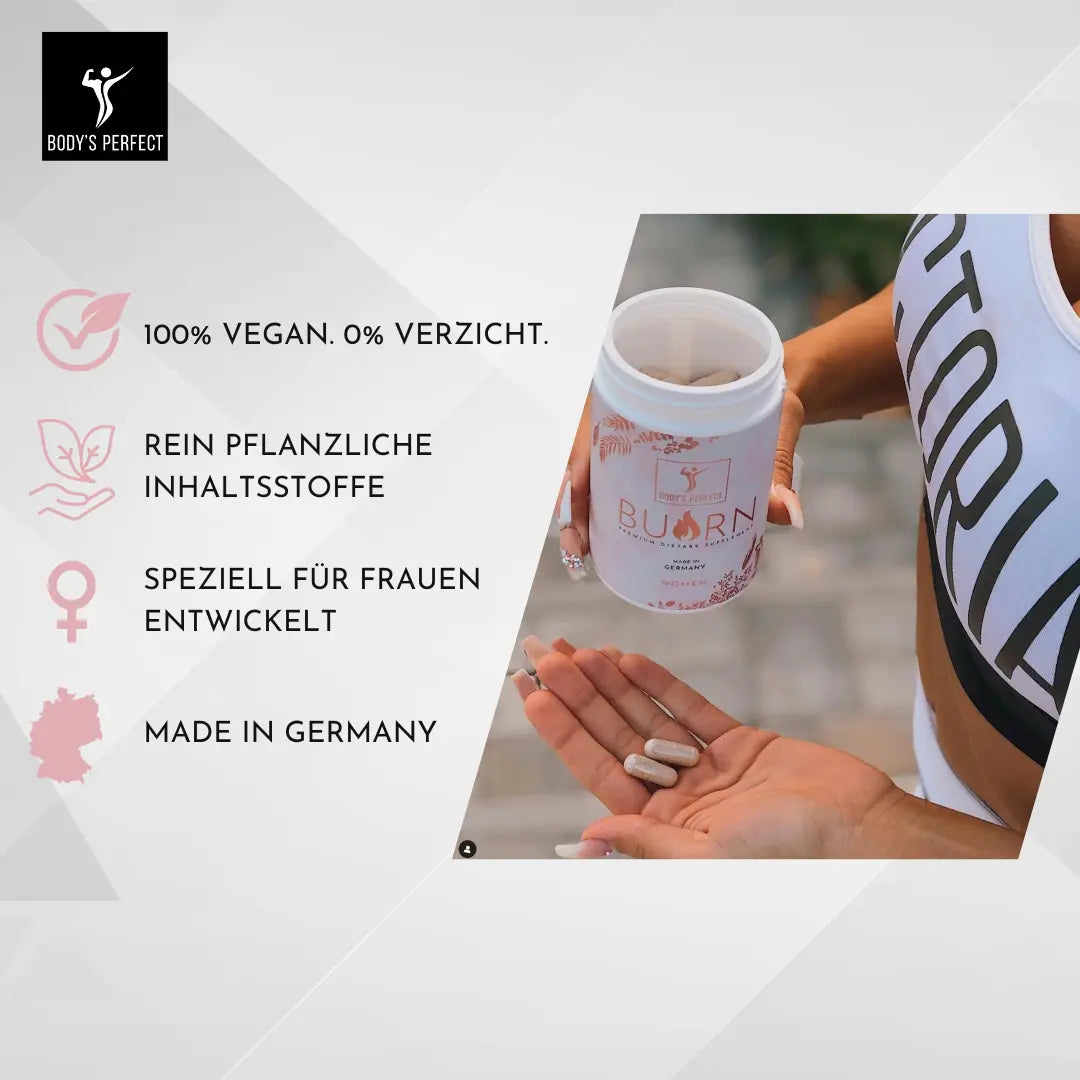
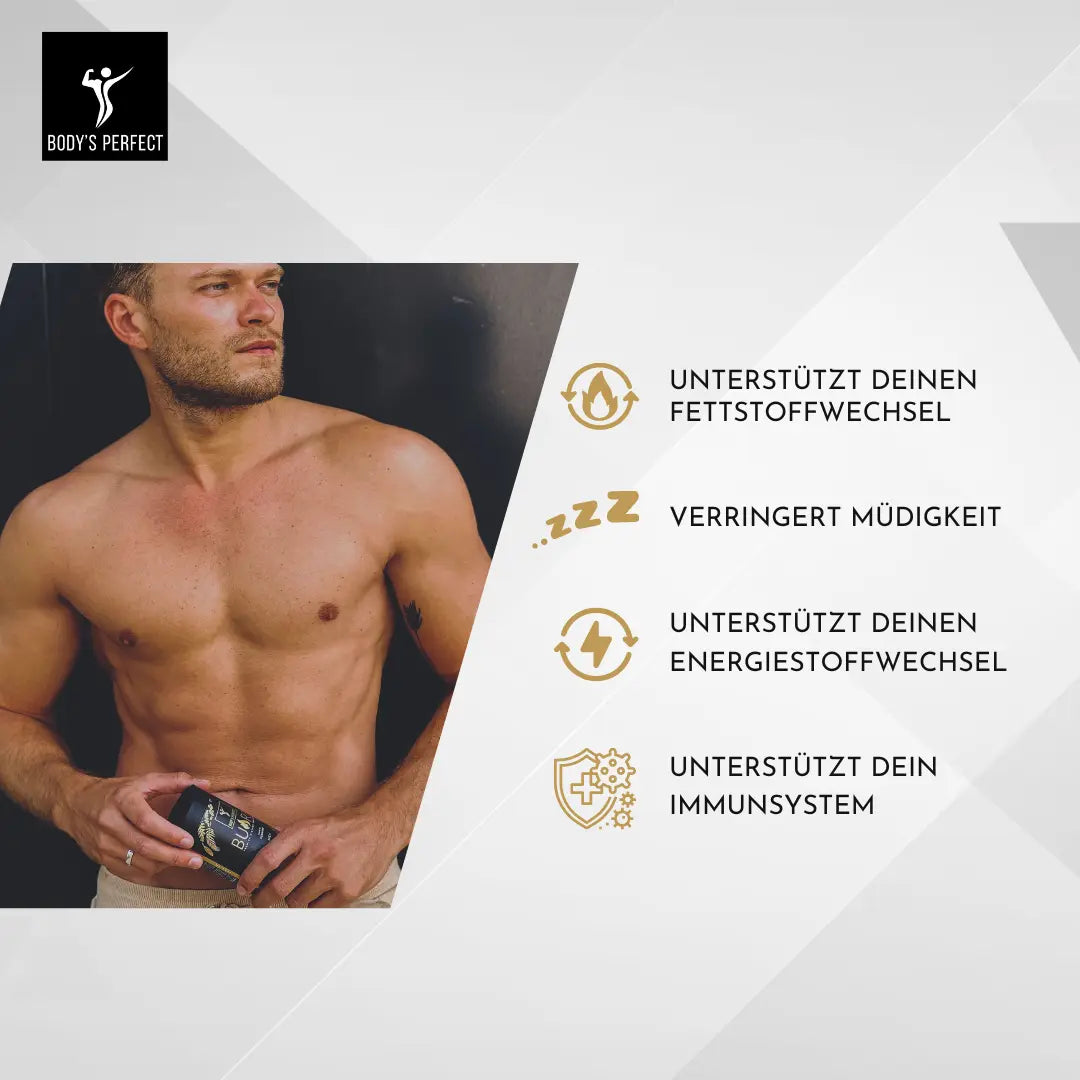
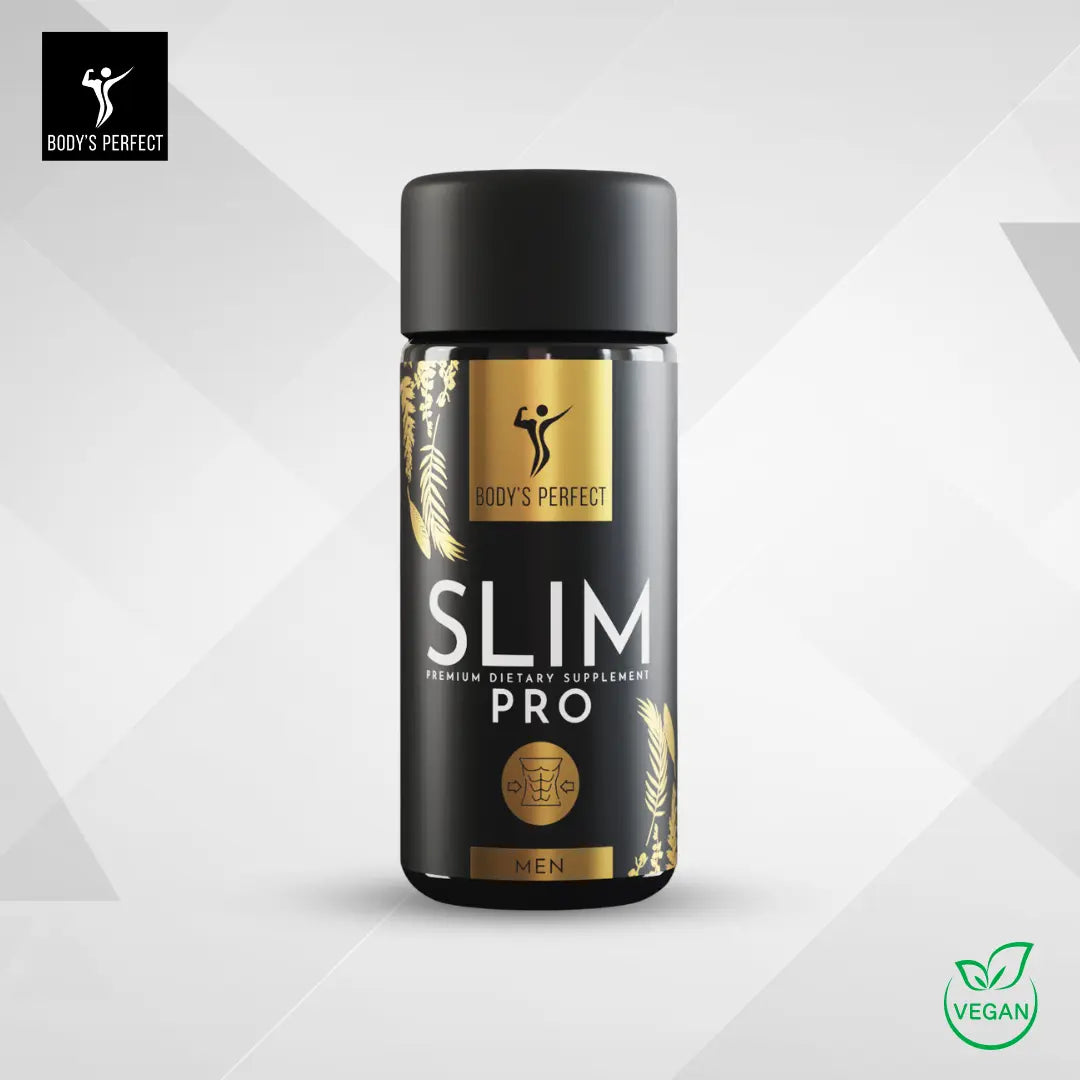
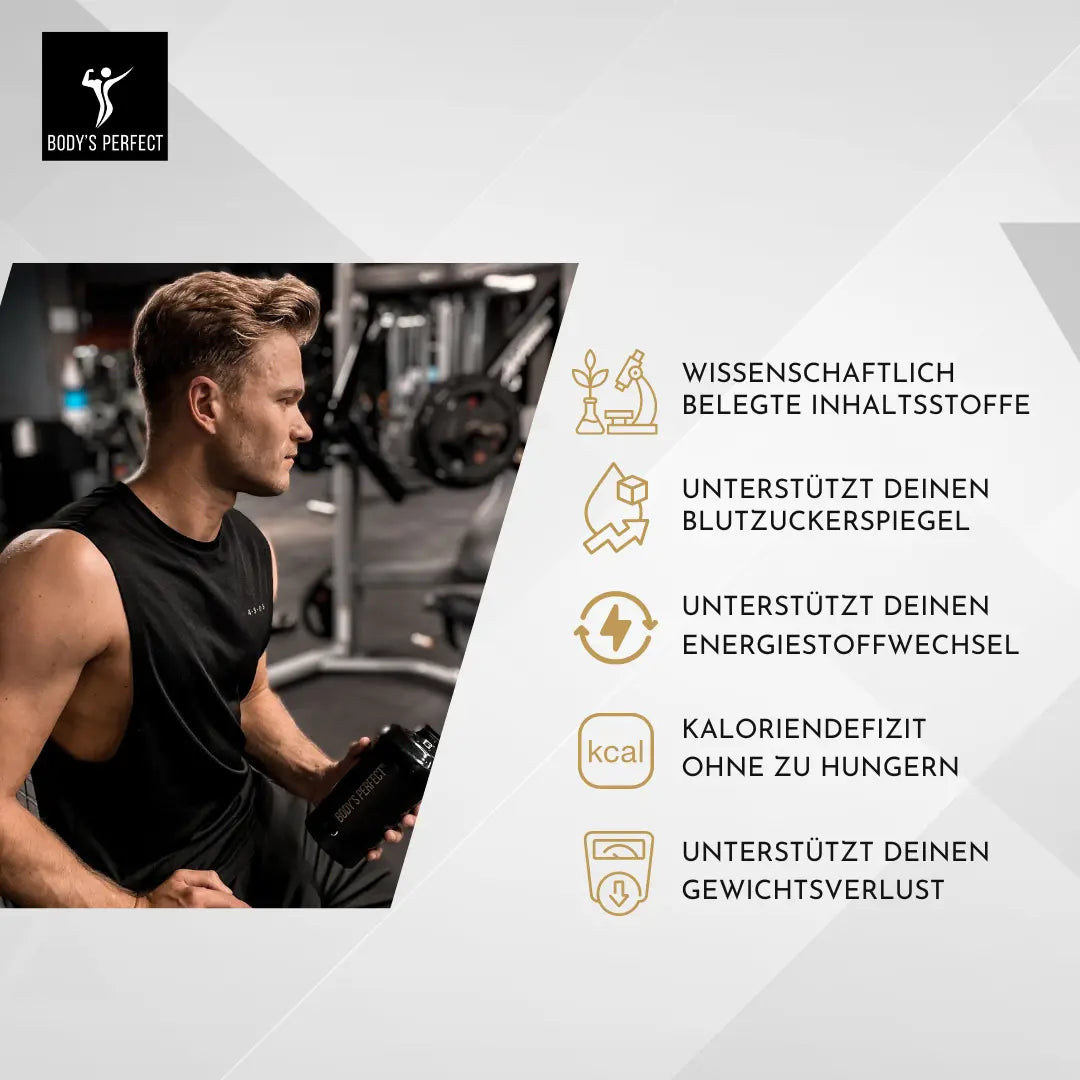
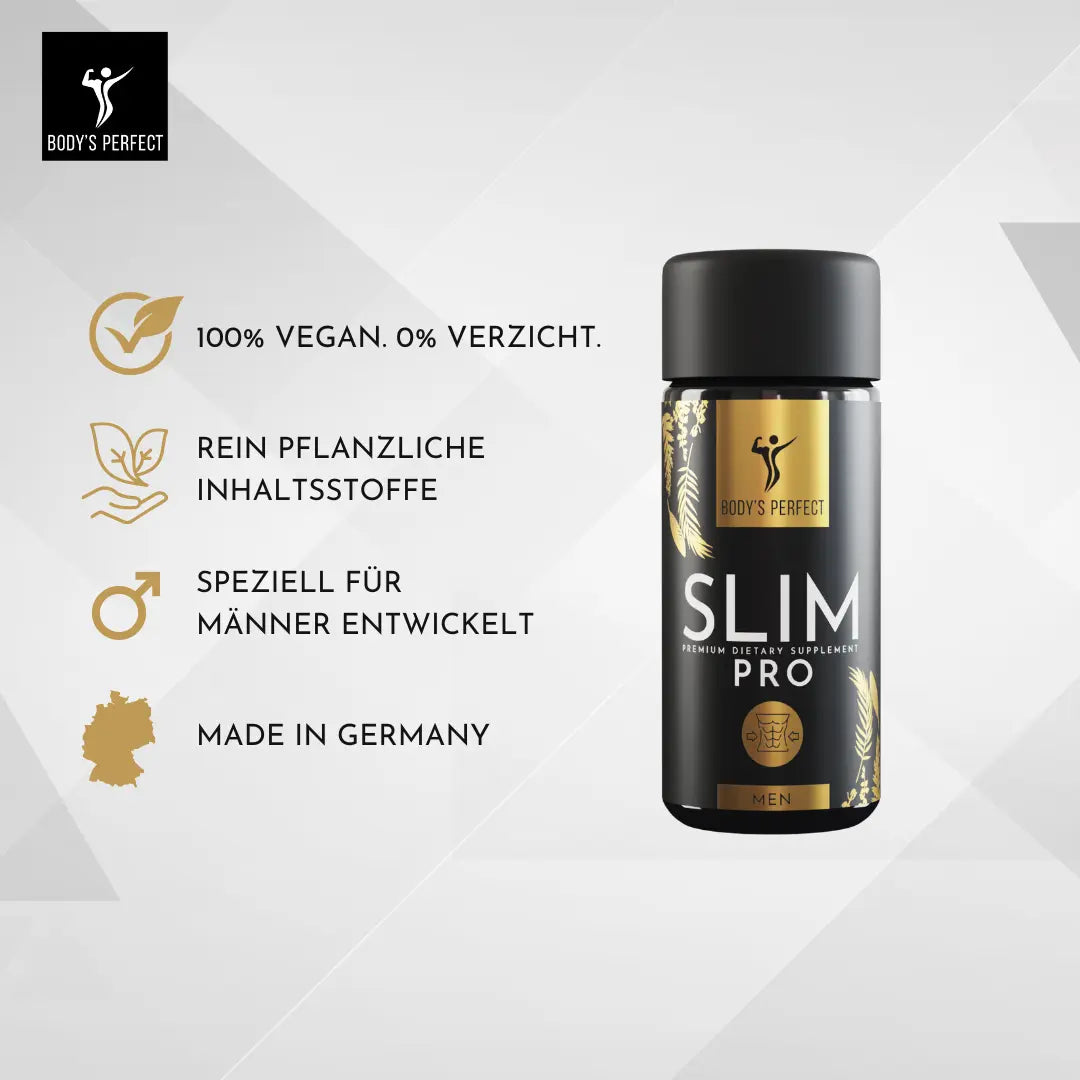
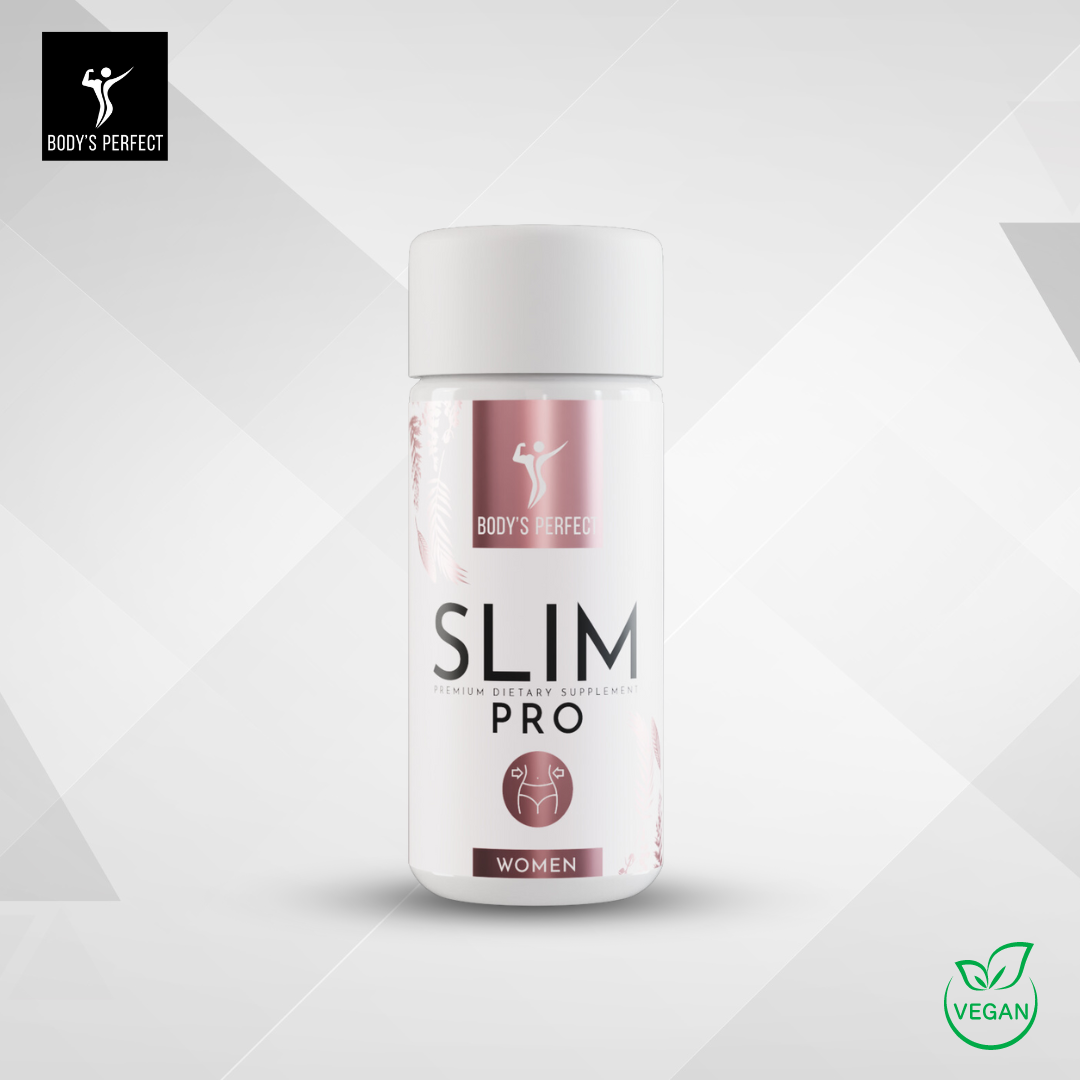
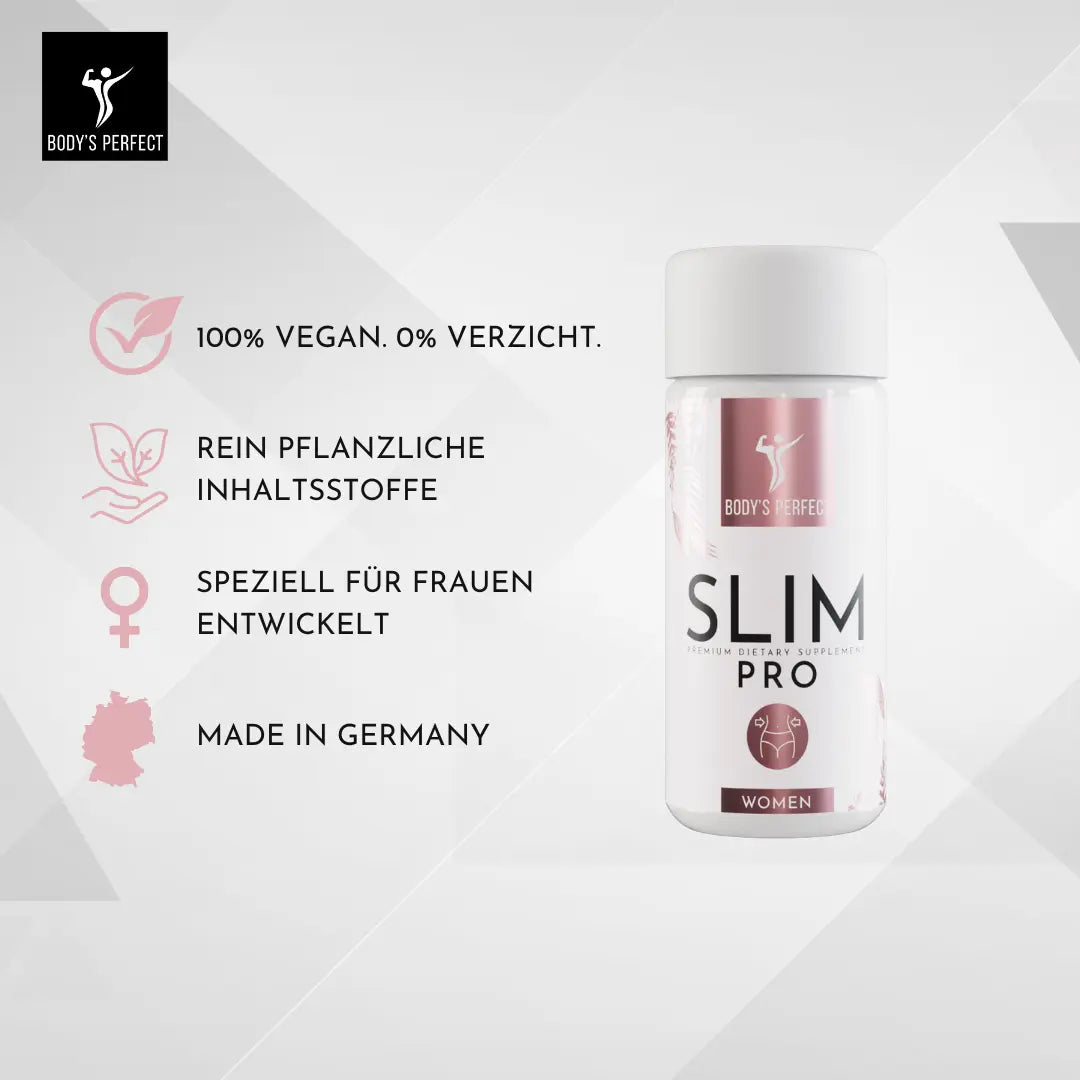
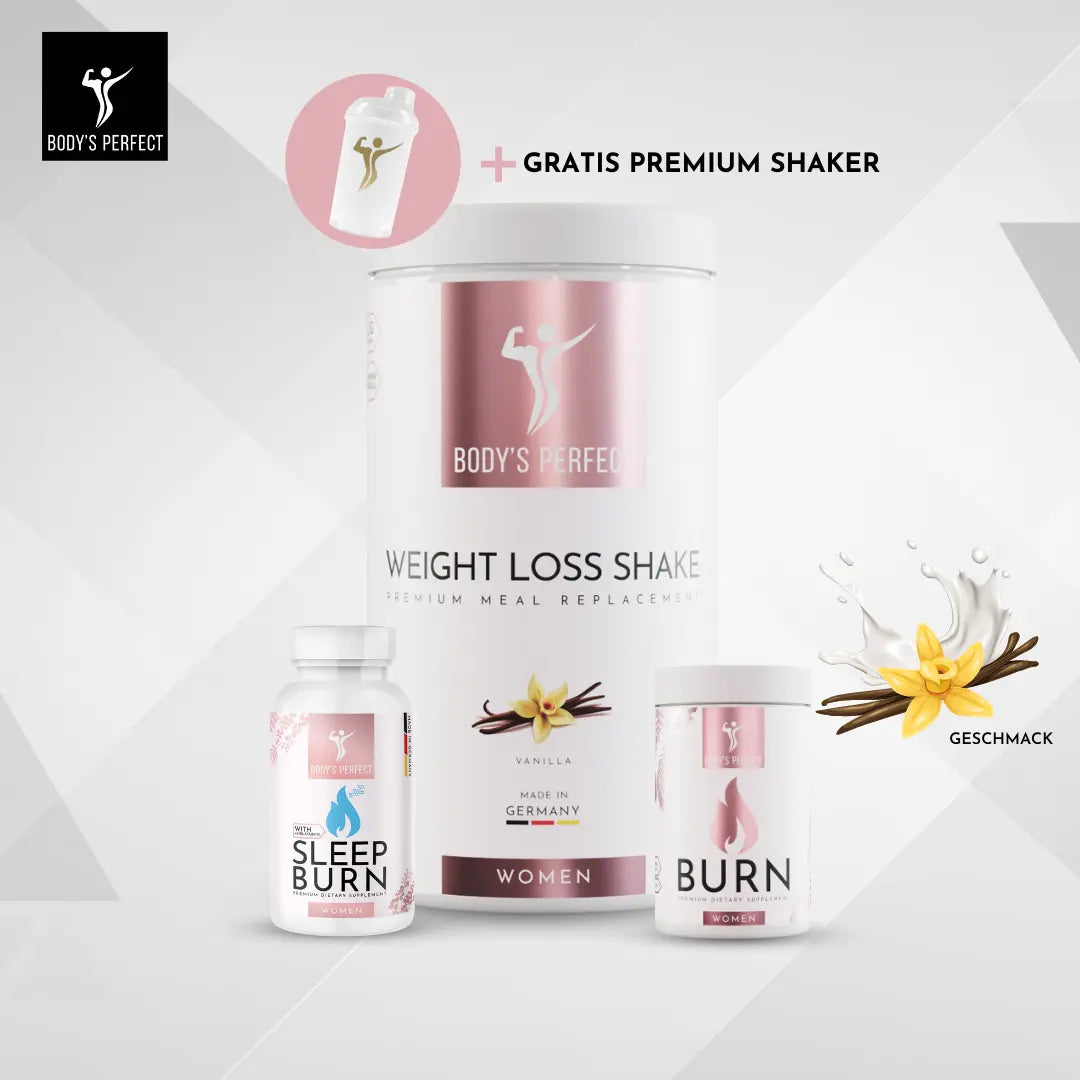
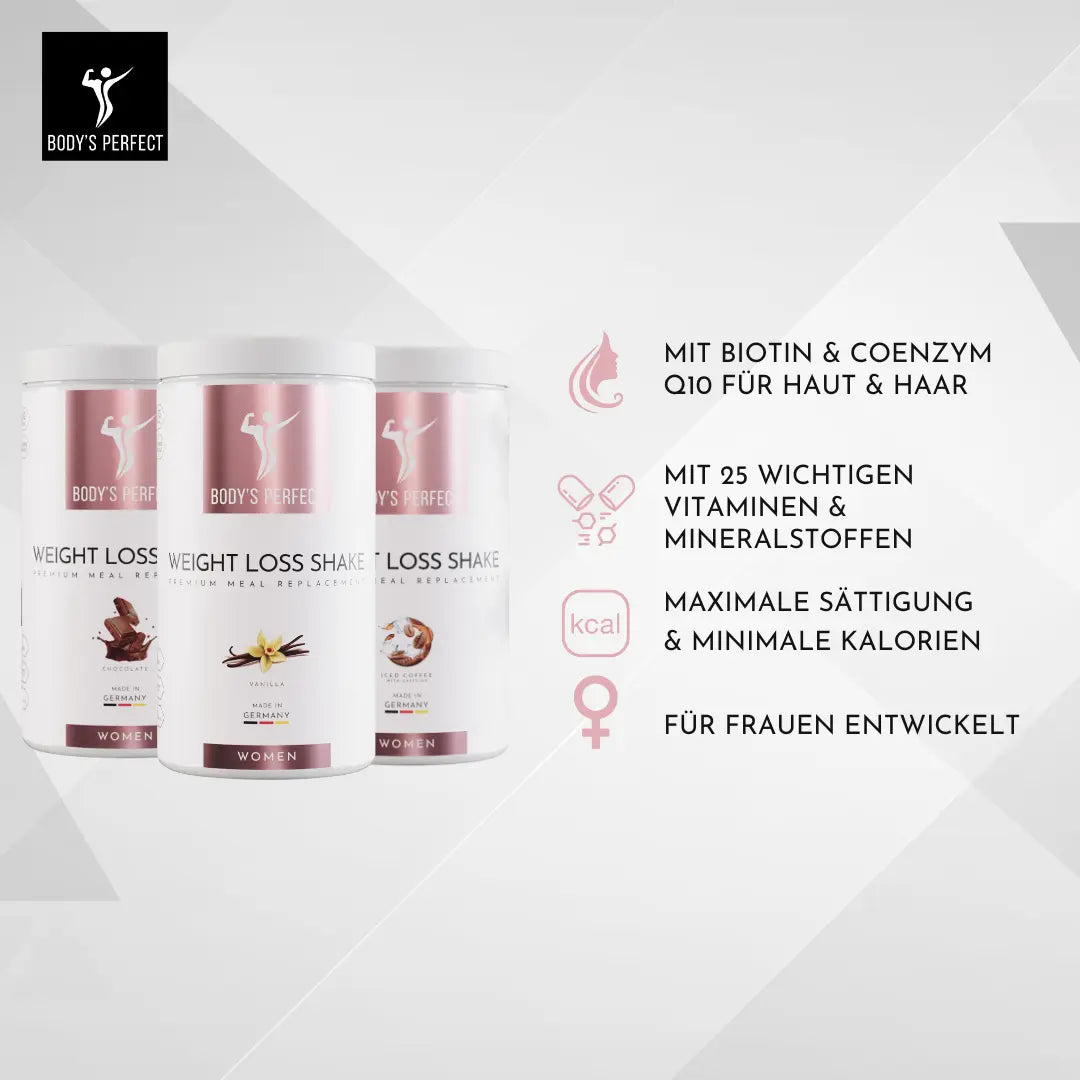
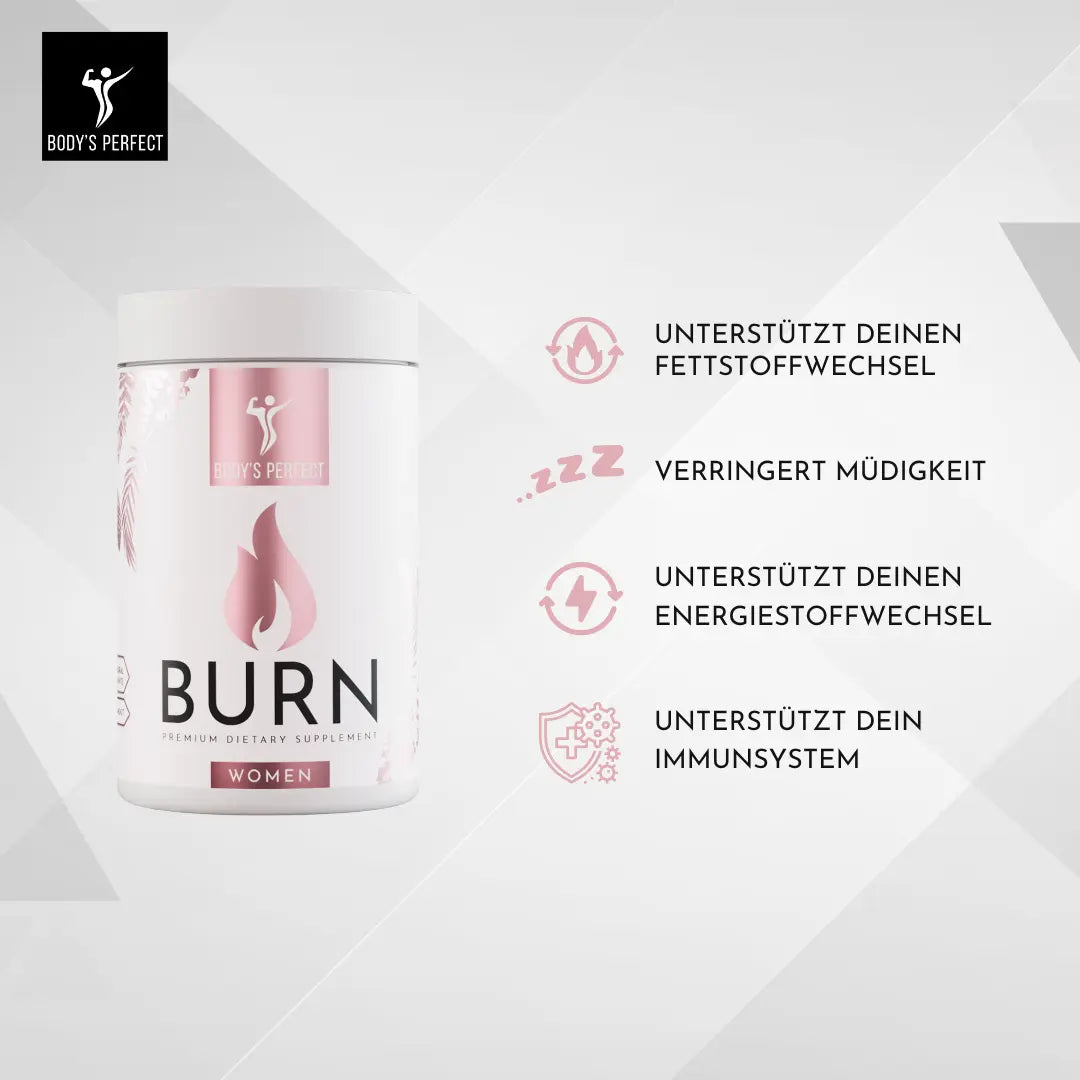
Would you like to specifically support your body with high-quality nutrients that are manufactured in Germany? At BODY'S PERFECT, we rely on products with natural ingredients that support you on your way to achieving your health and fitness goals. Discover our range now at bodysperfect.com and find the perfect supplement for your lifestyle.












Share:
Saturated vs. unsaturated fatty acids, simply explained
The Essential Impact of Selenium on Your Health