

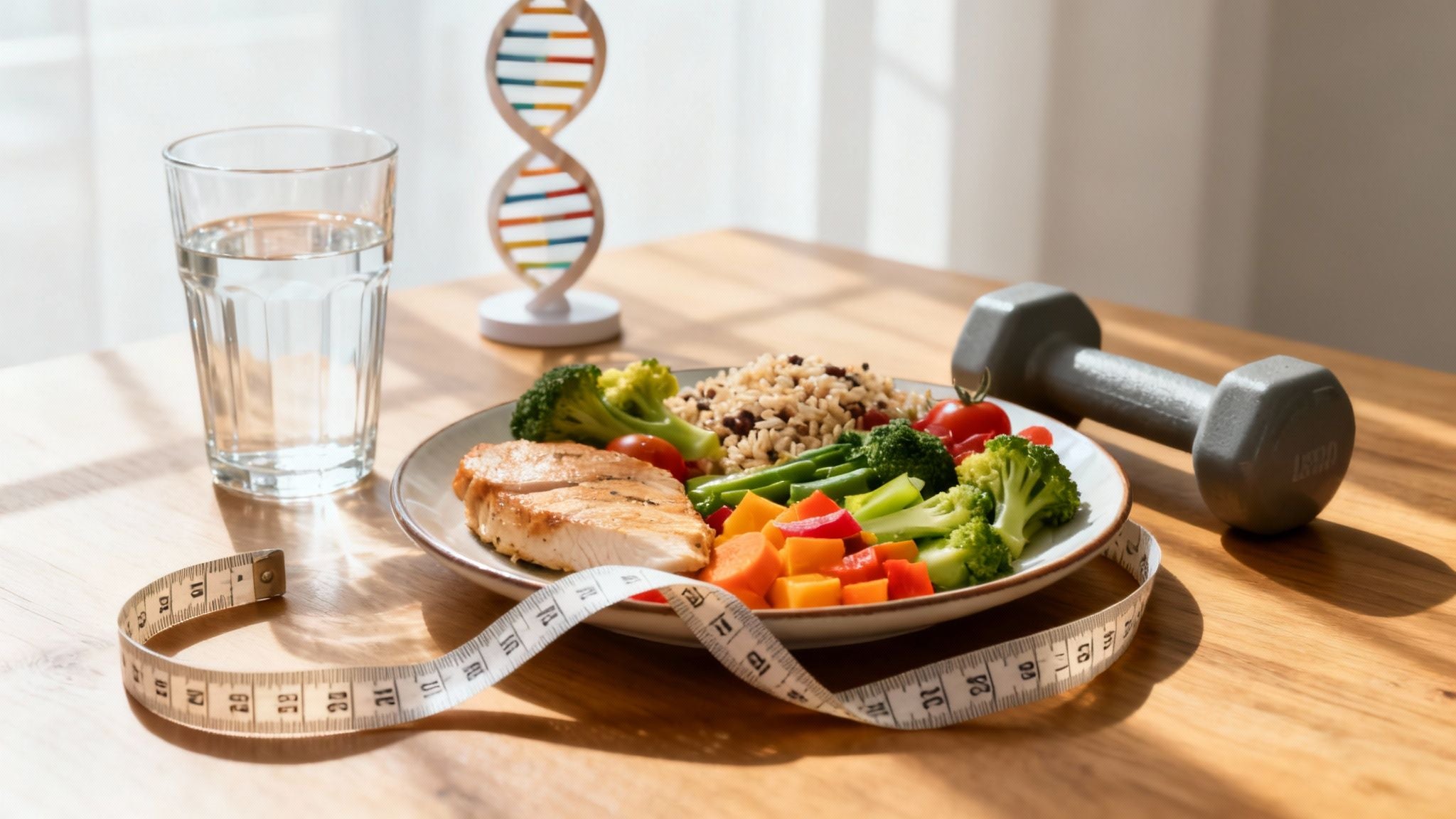
Tired of diet myths and constantly contradicting advice? The key to successful weight loss is actually quite simple and has nothing to do with magic: You need to achieve a negative energy balance. In plain terms: consistently burn more calories than you consume over a longer period.
Finally Cracking the Weight Loss Code
So, if you're wondering how weight loss really works, you've come to the right place. Forget complicated rules and prohibitions. At its core, the answer is pure physics. Your body constantly needs energy (i.e., calories) for everything – from breathing to thinking to exercising. If you provide it with less energy than it consumes, it will draw the rest from its stores. Ideally, these are your fat reserves.
But that's only half the battle. Simply counting calories without paying attention to the quality of your diet is a dead end. This often leads to cravings, nutrient deficiencies, and the dreaded yo-yo effect.
What Really Matters is a Clever Plan
Sustainable success requires a holistic approach. It's about understanding your body and giving it exactly what it needs to burn fat while preserving valuable muscle and energy.
The following four principles are the foundation upon which every successful weight loss journey is built. They help you stay focused and establish habits that truly last.
Fundamental Principles for Sustainable Weight Loss
These four pillars are the foundation for healthy and lasting weight loss.
| Principle | Why it's important | Your first step |
|---|---|---|
| Personalized Nutrition | Every body is different. What works great for your friend might be ineffective for you. | Determine your individual calorie and nutrient needs. |
| Smart Macro Distribution | Proteins, fats, and carbohydrates have different functions. Proteins satiate for a long time and protect muscles, good fats are essential for hormones. | Ensure that every meal contains a good source of protein. |
| Consistency > Perfection | Weight loss is a marathon, not a sprint. It's about new habits, not a short-term crash diet. | Find a strategy that you can imagine sticking with for 6 months. |
| Patience and Self-Care | Your body needs time to adjust. Be gentle with yourself, even if things don't go perfectly. | Celebrate small successes and set realistic interim goals. |
So, it's about developing a long-term strategy that suits you and your life.
Your Personal Path to Success
The most effective way to lose weight is always the one tailored to you. But how do you know what your body truly needs? This is where modern science comes in. Imagine having a kind of instruction manual for your own metabolism.
A DNA metabolism test from bodysperfect.com can provide exactly that. Instead of blindly experimenting, you get well-founded, personal insights. For example, you learn whether your body metabolizes carbohydrates or fats better. This knowledge is a real game-changer because you can perfectly adapt your diet to your genetic predisposition. If you want to delve deeper, read our article on how to determine your metabolic type.
The path from analysis to the right strategy to success is the key to achieving results that truly last.

With this knowledge, you build a weight loss strategy that is based not on assumptions but on facts. This lays the foundation for a path that not only works but also integrates well into your daily life – for lasting success.
Food That Fills You Up and Tastes Good
The best weight loss method is one that doesn't feel like a punishment. Forget rigid prohibitions and the idea that you have to give up everything you love. Successful weight loss starts on the plate, but it's about smart choices, not constant stomach rumbling. The key is to choose foods that nourish you, satisfy you, and most importantly, keep you full for a long time.
Hunger is the biggest enemy on the way to your goal. If you're constantly hungry, you're fighting a losing battle against cravings and bad moods. But the solution is quite simple: Focus on nutrient-dense foods. These are foods that are packed with vitamins, minerals, fiber, and protein while being relatively low in calories.

Think crisp vegetables, satisfying legumes, or lean meat – they fill your stomach without breaking your calorie budget.
The Unbeatable Advantage of Proteins
If there's a superstar among nutrients for weight loss, it's protein. A protein-rich diet is your best friend on this journey for several reasons.
Firstly, proteins have the highest satiety effect. This means that after a meal with a lot of protein, you simply feel full and satisfied for longer. This is the best weapon against the dreaded afternoon cravings.
Secondly, a good protein intake protects your valuable muscles. When you're in a calorie deficit, your body tends to break down not only fat but also muscle mass. Since your muscles are your personal "calorie-burning furnaces," this would be fatal for your metabolism.
Remember: Proteins are like insurance for your muscles. They ensure that your body primarily taps into fat as an energy source and not your hard-earned muscle mass.
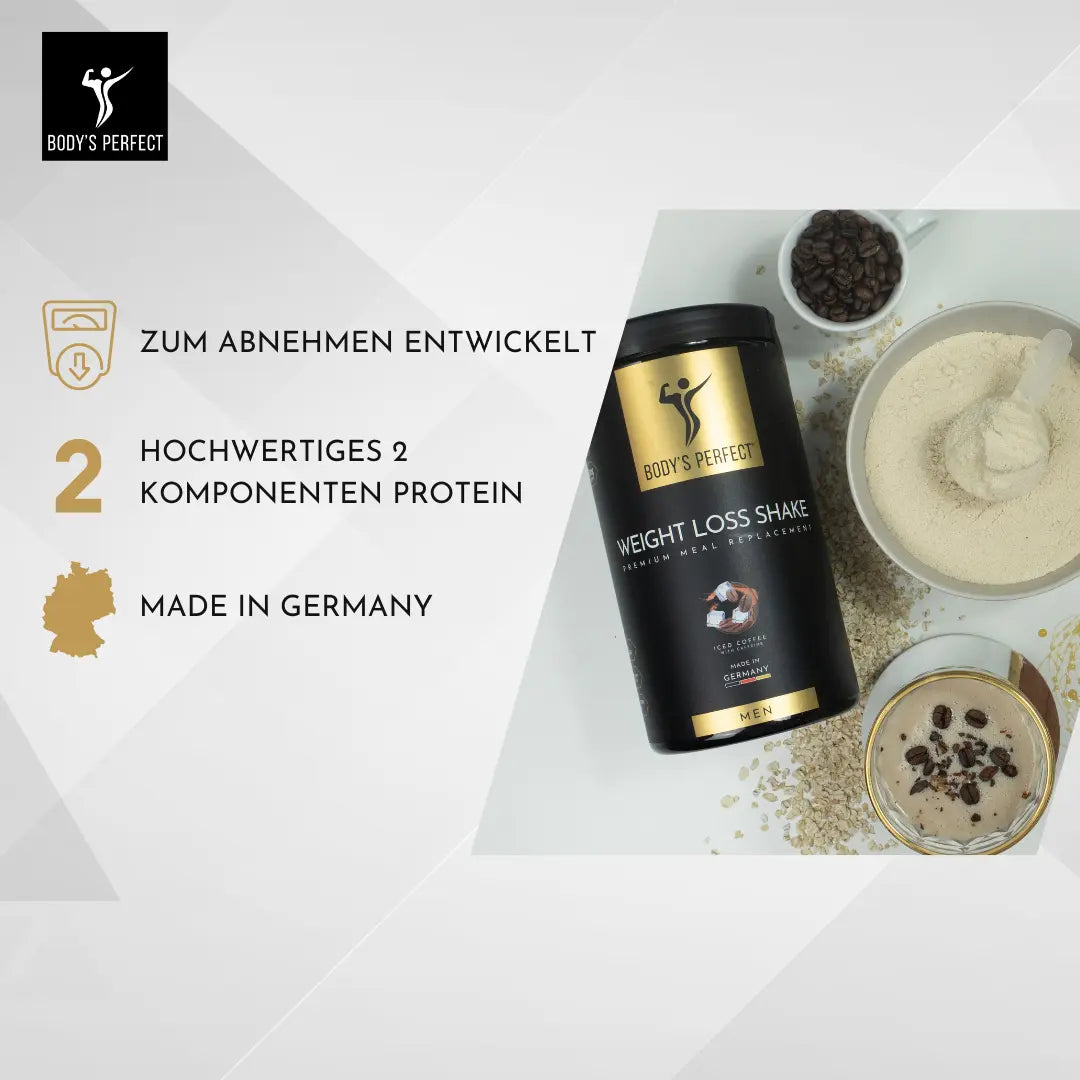
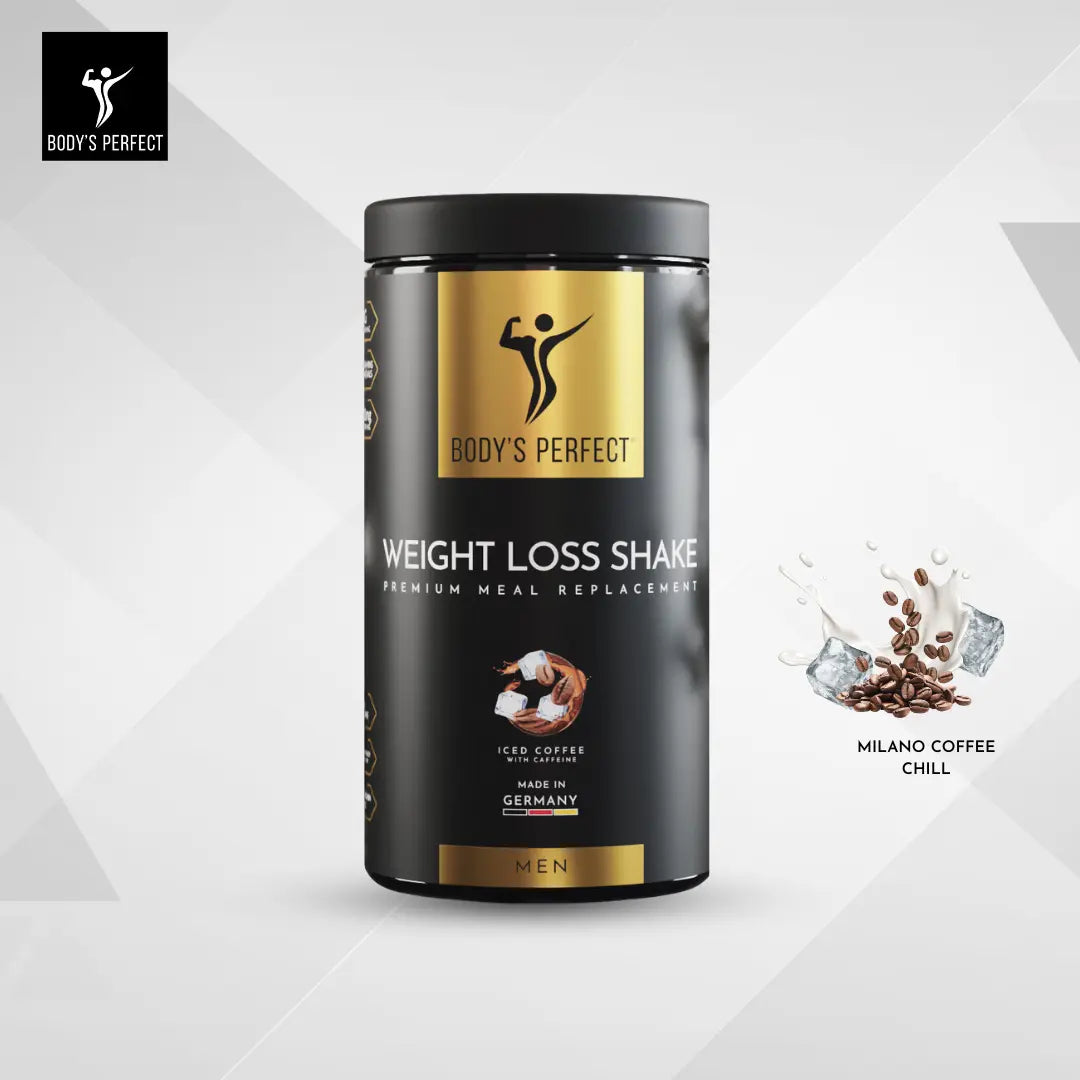
To ensure you get enough protein even on stressful days, a high-quality protein powder from bodysperfect.com can be a great supplement. It's easy to mix into a shake or yogurt and provides you with high-quality protein quickly and easily.
Cleverly Using Carbohydrates and Fats
Carbohydrates are not the enemy! It just depends on which ones you choose. Avoid simple sugars from sweets and white flour products. They send your blood sugar soaring and then plummeting shortly afterward – leading to new hunger.
Instead, focus on complex carbohydrates. They give you long-lasting and stable energy.
- Whole grain products: Oats, quinoa, whole grain rice, and good whole wheat bread.
- Legumes: Lentils, beans, and chickpeas are true powerhouses, full of carbohydrates and proteins.
- Vegetables: Especially starchy vegetables like sweet potatoes and pumpkin provide energy.
Healthy fats are also indispensable. They are crucial for your hormones, the absorption of fat-soluble vitamins, and also make you feel full. Intentionally incorporate good sources of fat into your diet.
- Avocados
- Nuts and seeds
- Olive oil
- Fatty fish like salmon
What a Delicious Weight Loss Day Can Look Like
Healthy eating doesn't have to be complicated or boring. Here's a small example of what a flexible and satisfying day could look like, providing you with energy and bringing you closer to your goal:
Breakfast (approx. 400 kcal): A large bowl of low-fat quark with a handful of fresh berries, a tablespoon of flaxseed, and a few nuts. This provides you with protein, fiber, and healthy fats for a perfect start to the day.
Lunch (approx. 500 kcal): A large colorful salad with grilled chicken breast, chickpeas, lots of fresh vegetables, and a light yogurt dressing.
Dinner (approx. 450 kcal): Pan-fried salmon fillet with a large portion of roasted vegetables (broccoli, bell peppers, zucchini) and a small portion of sweet potato wedges.
This plan is, of course, just a suggestion. Adapt it to your preferences and discover how varied and delicious healthy eating can be. If you're looking for more ideas for foods that fill you up with few calories, we have the right guide for you.
To ensure your body receives all important vitamins and minerals despite a calorie deficit, a multivitamin complex can be a sensible supplement. This way, you can be sure that you lack nothing while successfully losing weight.
Find Movement That You Truly Enjoy
Do you immediately associate the word "sport" with agony and stuffy gyms? Let's change that. The best exercise for weight loss is the one you enjoy and, most importantly, do regularly. It's not about forcing yourself to do something, but about discovering an activity that gives you energy instead of draining it.
The key to success is to view movement as a fixed, joyful part of your life – not a tiresome obligation. Whether it's a brisk walk in the woods, a dance session in the living room, or gardening on the weekend, it doesn't matter. Find something that makes your heart race, and you'll stick with it naturally.

Why Strength Training Is Your Best Friend
When it comes to losing weight, most people immediately think of hours of cardio. While that's great for your cardiovascular system, the real hero for your metabolism is strength training. Imagine your muscles as small power plants that burn energy around the clock – even when you're completely relaxed on the couch.
The more muscle mass you have, the higher your basal metabolic rate. This is the number of calories your body burns at absolute rest. With targeted strength training, you build up this valuable, metabolically active mass. So you not only burn calories during exercise, but you also sustainably increase your daily energy expenditure.
A higher basal metabolic rate through more muscle is like a compound interest effect for your metabolism. With each workout, you invest in more efficient fat burning that works for you in the long term.
Don't worry, you don't have to become a bodybuilder. Two to three sessions a week focusing on basic exercises like squats, push-ups, and rowing are enough to send the right signals to your body. These exercises engage large muscle groups and are therefore particularly effective.
A Smart Mix of Strength and Endurance
The ideal strategy is a clever combination of strength and endurance training. While strength training boosts your metabolism in the long term, endurance training is perfect for burning a lot of calories in a short time and improving your fitness.
A weekly plan could look something like this:
- Monday: Full-body strength training (approx. 45 minutes)
- Tuesday: Active recovery – a long walk or a light yoga session.
- Wednesday: Moderate endurance training (e.g., 30–40 minutes of jogging, cycling, or swimming).
- Thursday: Rest or gentle stretching exercises.
- Friday: Second full-body strength training (approx. 45 minutes).
- Saturday: A longer endurance session that you enjoy (like a hike or an extensive bike tour).
- Sunday: Rest day.
This mix ensures that you burn fat, build muscle, and your body still gets enough time for regeneration. If you're still looking for the perfect sport for you, check out our guide on the topic of best sport for weight loss.
The Underestimated Power of Everyday Movement
Planned workouts are great, but what you do the rest of the day has a huge impact on your weight loss success. This is where NEAT comes in: "Non-Exercise Activity Thermogenesis." It sounds complicated, but it simply means the calories you burn outside of exercise, sleep, and eating.
Every small movement counts and adds up significantly throughout the day.
- Consistently take the stairs instead of the elevator.
- Consciously park a few meters further away.
- Make phone calls standing or walking.
- Get off one stop earlier and walk the rest of the way.
- Take a short walk in the fresh air during your lunch break.
These small habits can make a difference of several hundred calories over the week. They are easy to implement and keep your metabolism active all day long. Make a game out of sneaking more movement into your daily life – your body will thank you.
Your Secret Saboteurs: Stress and Lack of Sleep
Do you know that feeling? You're diligently sticking to your diet, going to the gym, but nothing is happening on the scale. It's incredibly frustrating. Often, the cause isn't even with food or exercise, but with two factors we tend to sweep under the rug in everyday life: stress and lack of sleep.
These two are the real saboteurs on the path to your desired weight. They work in secret and can undermine even the best diet and hardest training. So, before you train even harder or eat even less, it's worth giving these two areas your full attention.

When Night Becomes the Enemy
Sleep is far more than just a break. It's your body's active regeneration phase, where crucial processes for your metabolism take place. If you don't get enough sleep, this delicate system gets completely out of whack – with direct consequences for your weight.
Two important hormones go haywire here:
- Ghrelin: The "hunger hormone" is ramped up. Your body literally screams for energy, even though you actually have enough.
- Leptin: The "satiety hormone" is simultaneously suppressed. You simply don't feel truly full and satisfied after eating.
This hormonal imbalance catapults you directly into a vicious cycle of cravings – mostly for high-calorie, sweet, and fatty foods – and constant dissatisfaction. So you're not just fighting your inner demons, but a tangible hormonal reaction from your body.
Good sleep is not a luxury, but a biological necessity. Those who don't get enough rest at night sabotage their own weight loss success during the day.
Practical Tips for a Better Sleep Routine
Often, small changes make a huge difference. Establish a relaxing evening routine that signals to your body that it's time to wind down.
- Fixed sleep times: Try to go to bed and wake up at the same time every day – yes, even on weekends. This stabilizes your internal clock.
- Screen-free zone: Put away your phone, tablet, etc., at least an hour before bed. The blue light inhibits the production of the sleep hormone melatonin.
- Create an oasis of calm: Your bedroom should be cool, dark, and quiet. Good blackout curtains or a sleep mask can work wonders.
- No heavy meals in the evening: Eat your last large meal two to three hours before bedtime so that your digestion isn't working overtime all night.
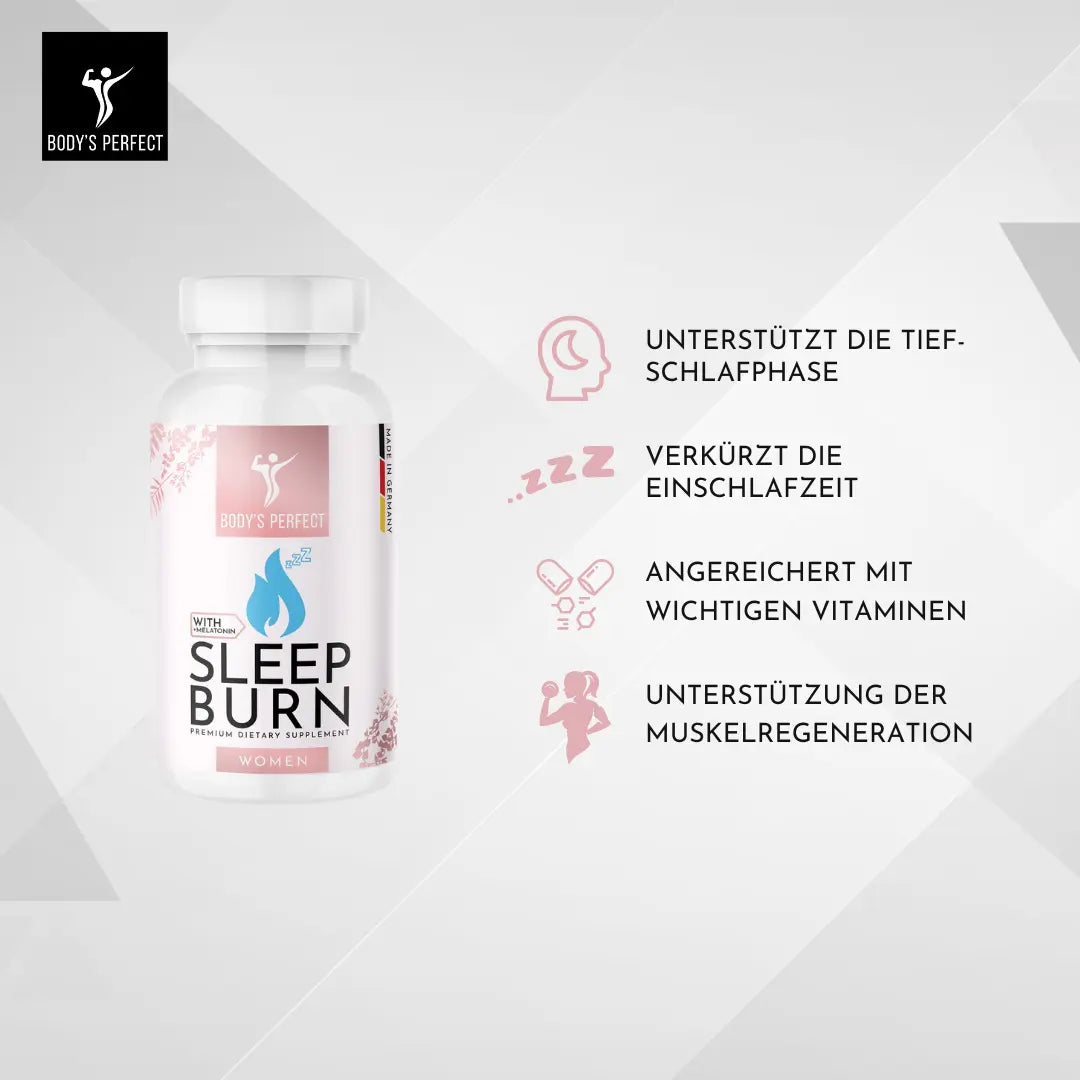
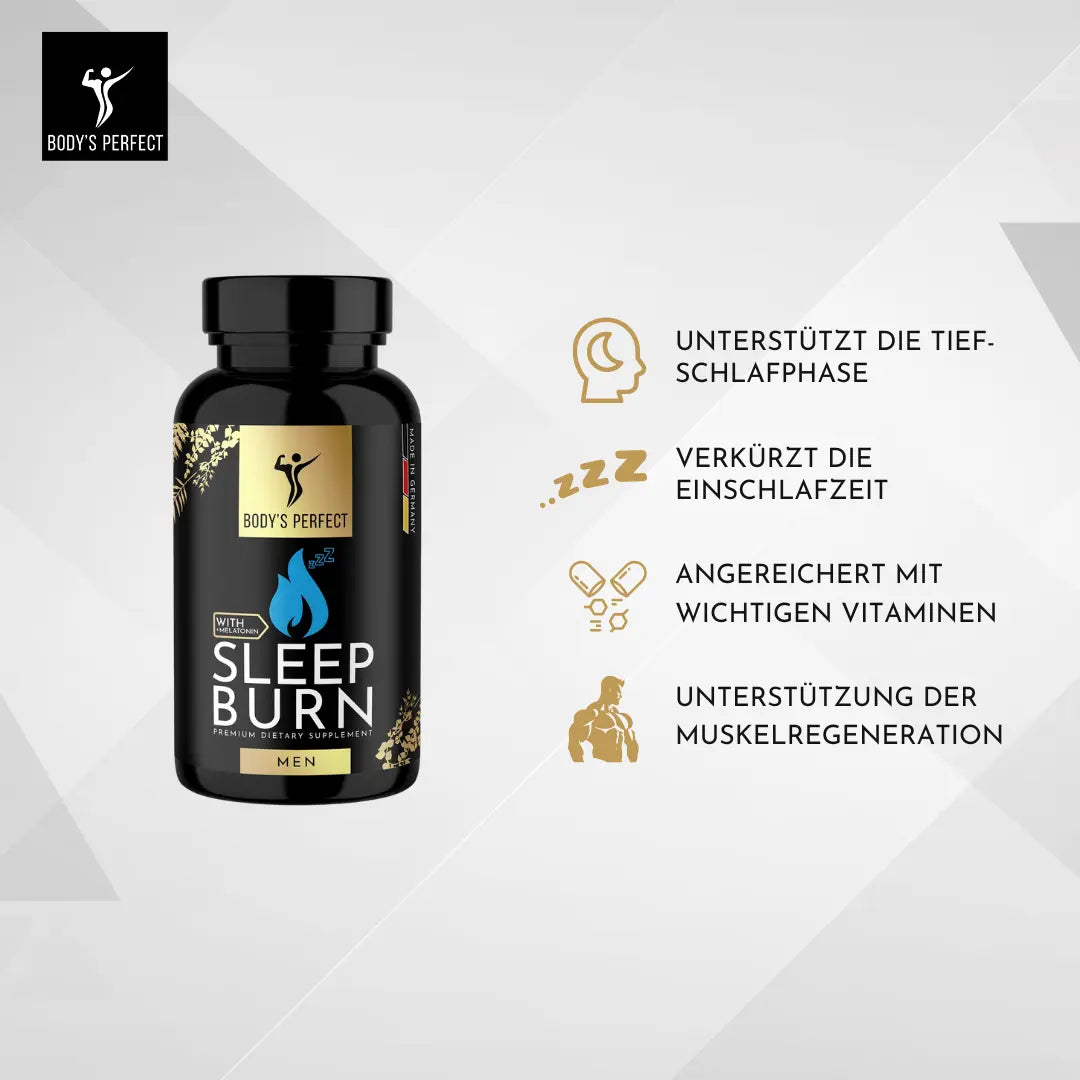
If you want to delve deeper into this topic, you'll find more valuable information and tips in our article on the importance of melatonin for sleep.
How Stress Makes Your Belly Grow
Chronic stress is the second major adversary. In stressful situations, your body releases the hormone cortisol. In the past, this was vital for preparing us for fight or flight. Today, however, constant everyday stress leads to chronically elevated cortisol levels.
This has several nasty effects on your figure. High cortisol levels promote fat storage, especially around the belly. This so-called visceral fat is not only unsightly but also particularly harmful to health.
Additionally, stress often drives us to emotional eating. You reach for chocolate, not because you're hungry, but to comfort yourself, reward yourself, or distract yourself from negative feelings. These are empty calories that undermine your progress. Especially if you constantly feel exhausted despite enough sleep, it can be a sign that stress is slowing down your metabolism. You can read more about this in this helpful article on fatigue despite sufficient sleep.
Simple Techniques for Immediate Relaxation
Don't worry, you don't have to become a meditation guru overnight. Often, small, conscious breaks in everyday life are enough to bring your system back into balance.
The 4-7-8 breathing technique:
- Breathe in calmly through your nose for 4 seconds.
- Hold your breath for 7 seconds.
- Slowly and audibly exhale through your mouth for 8 seconds.
Repeat this three to four times. You can do this simple exercise anywhere – at your desk, on the subway, or before an important appointment. It calms your nervous system almost instantly.
Small moments of mindfulness: Take just one minute several times a day. Close your eyes, concentrate solely on your breath, or consciously feel your feet touching the ground. This breaks the cycle of thoughts and noticeably lowers your stress level.
Measure progress correctly and stay motivated
Your journey to your desired weight is a marathon, not a sprint. We all know that. But to stick with it long-term and not throw in the towel at the first sign of trouble, you need to actually see and feel your successes. This is where many people make a crucial mistake: they only stare at the number on the scale.
However, this number can be a real motivation killer. It doesn't directly lie to you, but it certainly doesn't tell the whole story.
Weight fluctuations of one to two kilograms are completely normal. This can be due to water retention, stomach contents, or your hormonal cycle. Your body fat can still be melting away. That's why it's so important to broaden your perspective and also pay attention to other, often much more meaningful signs of your progress.
More than just the number on the scale
To get an honest and complete picture of your development, you should combine a few measurement methods. This way, you'll see the real changes and stay on track even when the scale takes a break.
- The good old tape measure: Every two to four weeks, take the time to measure your circumference at your waist, hips, chest, and thighs. You'll be surprised how often you lose centimeters here, even if your weight stagnates. This is a clear sign that you are losing fat and perhaps even building muscle.
- Before and after photos: Sounds cliché, but it works wonders. Take photos at the beginning of your journey – from the front, side, and back. Repeat this every four to six weeks in the same light and similar clothing. Pictures don't lie and often show you much more clearly than the mirror how your posture and overall shape are changing.
- How you feel in everyday life: How do you actually feel? Do you have more energy? Do you sleep deeper and better? Does your favorite pair of jeans fit again without pinching? These personal successes are often the most valuable. They show you that you are absolutely on the right track.
A small success diary is an incredibly powerful tool. Don't just record your weight, but also your measurements, your energy level, and small personal victories. If you ever doubt yourself, flip back and see in black and white how far you've come.
When the scale suddenly stops: The dreaded plateau
Almost everyone knows this point: for weeks, nothing seems to happen, even though you're sticking to your plan. Welcome to the plateau! This is no reason to panic, but a completely normal process. Your body has simply gotten used to the new situation – fewer calories, more movement – and has become more efficient.
Now it's time to keep calm. A plateau is not a failure, but a signal from your body that it's time for a small adjustment. Be honest with yourself: have old habits perhaps unknowingly crept back in?
Often, simply readjusting your calorie needs helps. Since you have already lost weight, your basal metabolic rate has also decreased slightly. In our guide, we show you how to calculate your basal metabolic rate and use it for weight loss. Sometimes, however, your metabolism just needs a new stimulus. Vary your training, try a new sport, or schedule a "refeed day" where you consciously eat more healthy carbohydrates to kickstart your engine again.
Setbacks are part of the journey
There will be days when you deviate from the plan. A birthday, a stressful day at the office, or just a moment of weakness – it happens to all of us. The difference between those who achieve their goal and those who give up lies solely in how they deal with it.
One slip-up doesn't undo all your hard work. Don't see it as a reason to throw everything away, but as an opportunity to learn something. Ask yourself what the trigger was and consider how you could react differently next time.
Most importantly: be kind to yourself. Perfection is not the goal, consistency is. If you ever stray from the path, just get back on track with your next meal or workout. This mindset is the true key to not only achieving your goal but also maintaining your success long-term.
Frequently Asked Questions about Weight Loss
When losing weight, questions always arise along the way. And that's a good thing! To give you a little more security and remove typical stumbling blocks, I've answered the most common questions for you here – honestly and from practice.
How quickly is healthy weight loss?
Honestly? Patience is your best friend here. Realistic and, above all, sustainable weight loss is about 0.5 to 1 kilogram per week.
This may sound slow to some at first. But this approach has crucial advantages. If you lose weight too quickly through a radical crash diet, you often only lose water and, worse yet, valuable muscle mass. This slows down your metabolism and paves the way for the notorious yo-yo effect.
A moderate pace ensures that you primarily break down body fat, develop truly healthy habits, and can ultimately maintain your new weight.
Do I have to give up carbohydrates to lose weight?
A clear and loud no! This myth persists stubbornly, but carbohydrates are not the enemy. Your body even needs them as important fuel, especially if you are physically active. The trick is not abstinence, but the right choice.
It simply comes down to choosing the right carbohydrates:
- Focus on complex carbohydrates: Whole grains, oats, quinoa, legumes, and sweet potatoes are your friends. They provide you with long-lasting energy, keep your blood sugar stable, and prevent cravings.
- Reduce simple carbohydrates: You should avoid sugar, white flour, and sugary drinks. They only give you a short sugar rush, followed by an energy dip – empty calories you don't need.
So, you see: complete abstinence is neither necessary nor particularly smart. Integrate good carbohydrates cleverly into your plan, and you'll stay energized and efficient.
Why is my weight stagnating even though I'm doing everything right?
Ah, the dreaded weight plateau. Almost everyone who has ever lost weight knows this: You stick to everything, but the scale doesn't budge an inch for weeks. This is frustrating, but actually a completely normal part of the process.
Your body is smart – it has gotten used to the lower calorie intake and training and has become more efficient.
A plateau is not a failure. It's a signal from your body that it's time for a new impulse. See it as an opportunity to adjust your strategy a little.
What you can do now:
- Check your calorie balance: Since you are already lighter, your daily energy requirement has decreased slightly. Sometimes a small adjustment to the amount of calories is enough to get things moving again.
- Set new training stimuli: Bring variety! Vary the intensity, try new exercises, or plan a completely different sport. Surprise your muscles.
- Keep an eye on sleep and stress: We've already discussed it – lack of sleep and chronic stress can completely paralyze your progress. Sometimes the solution is not on your plate, but in bed.
- Be patient: Sometimes the body just needs a short break to re-sort itself. If you stay consistent, things will continue soon.
Are fat burner capsules useful?
Smart dietary supplements can be a real support, but they are not magic bullets. Let's be honest: They never replace the basics – i.e., a calorie deficit, good nutrition, and exercise. But they can make life easier for you in some places.
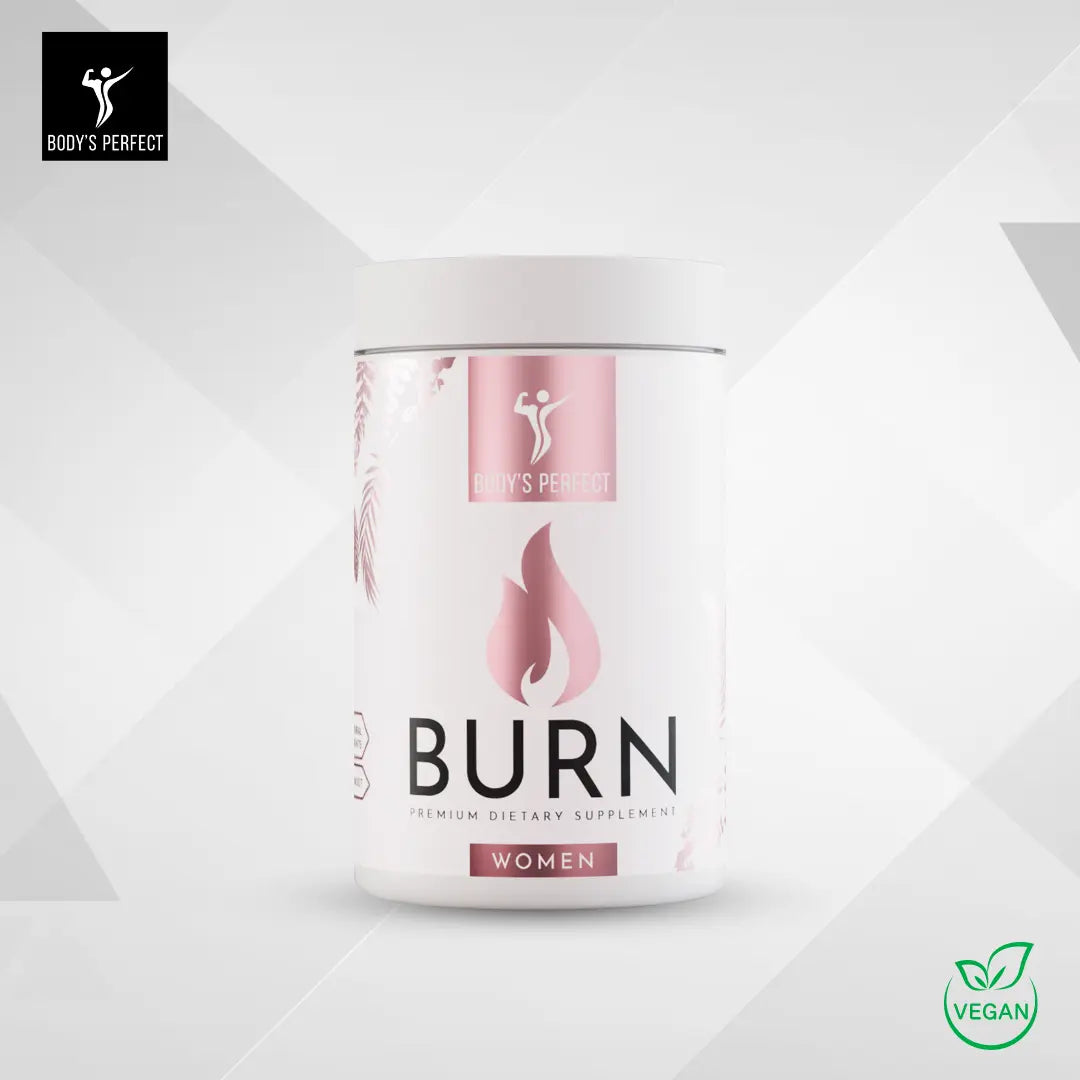
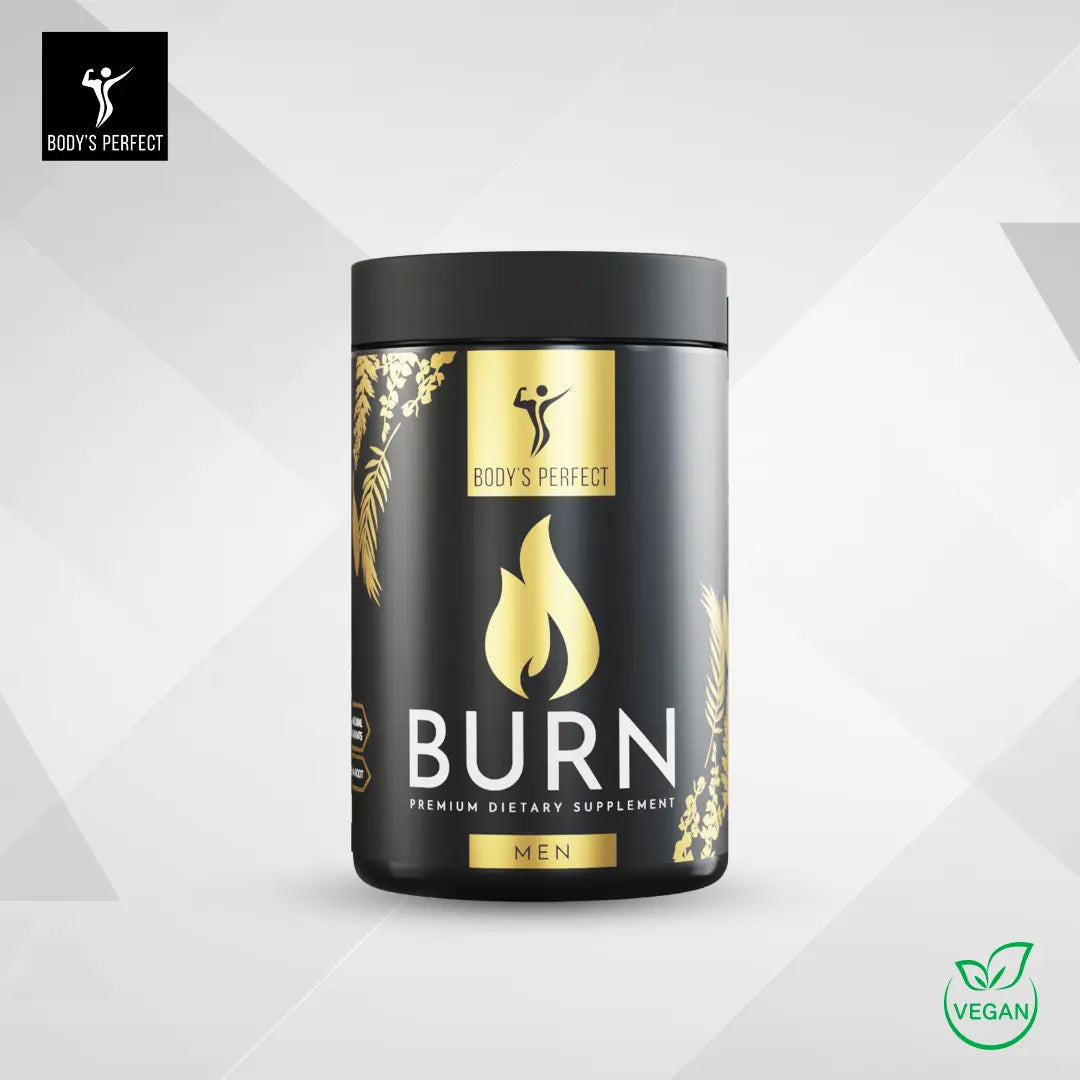
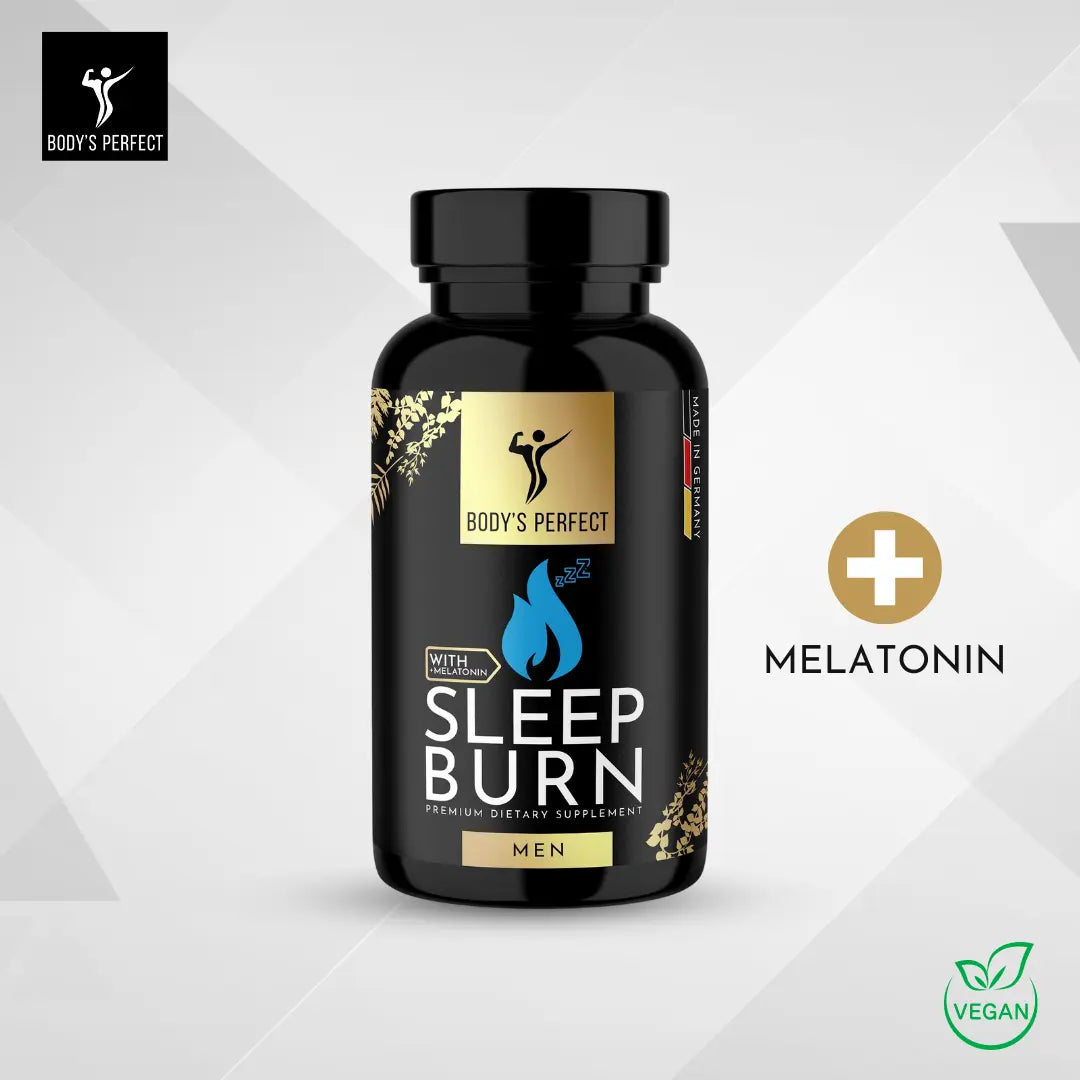
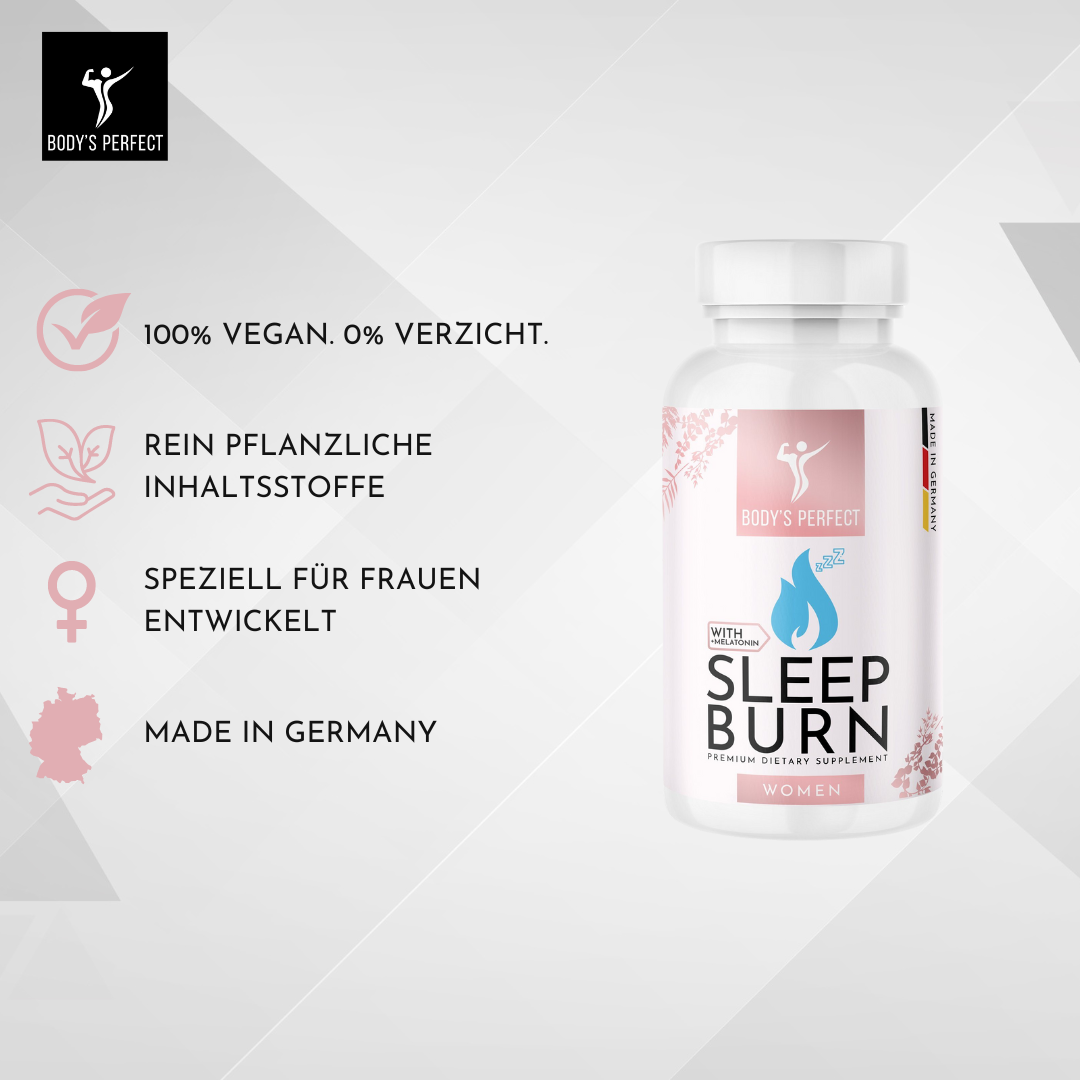
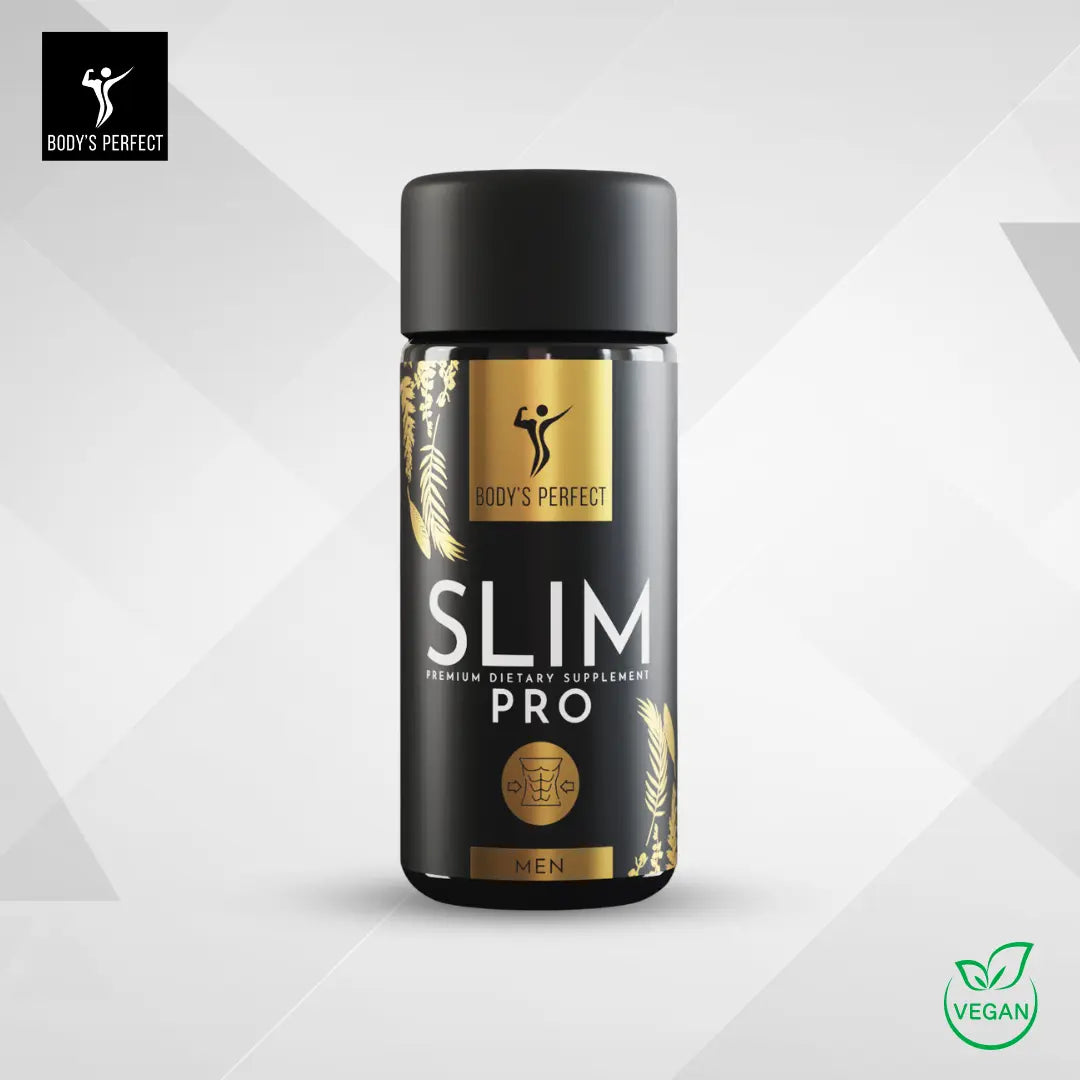
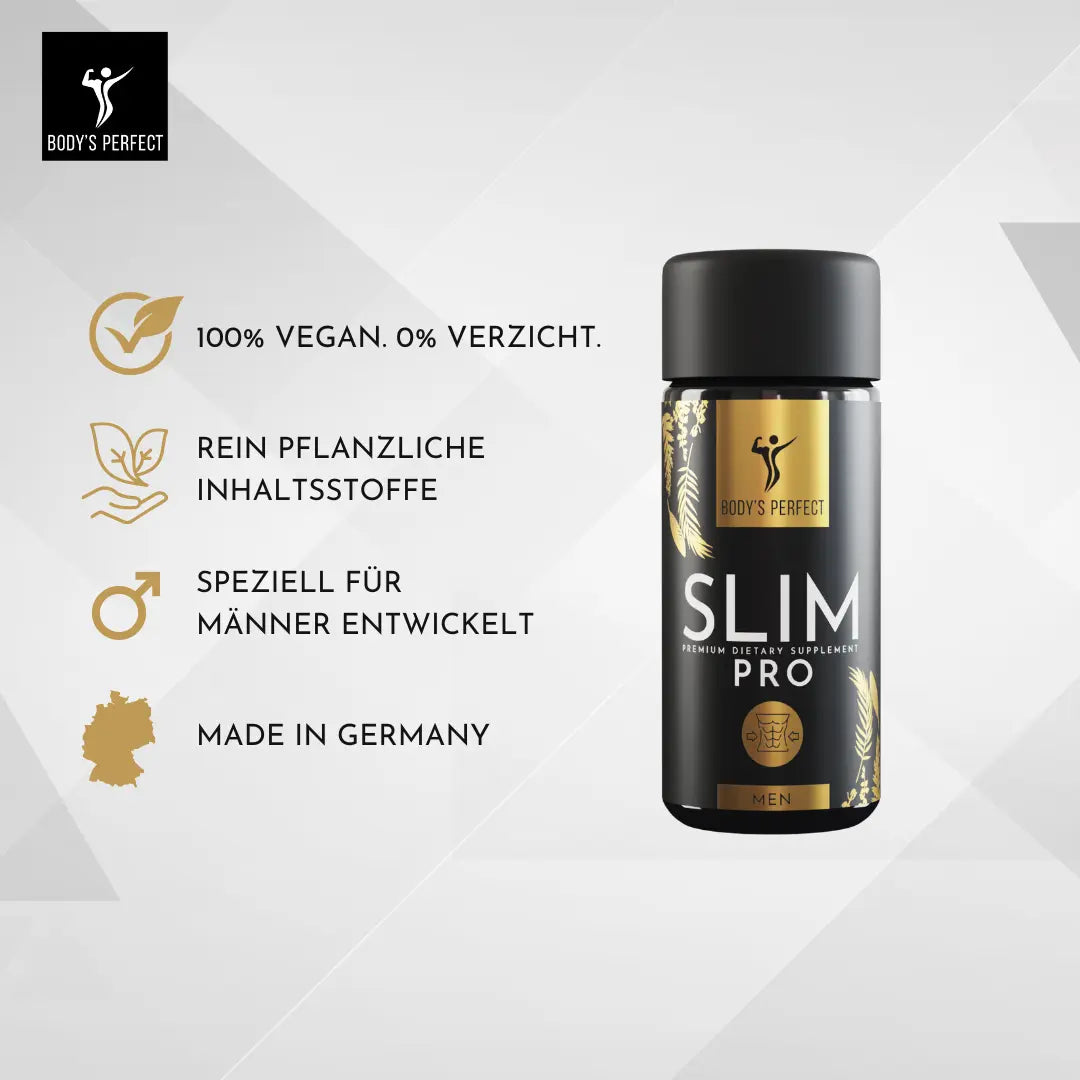
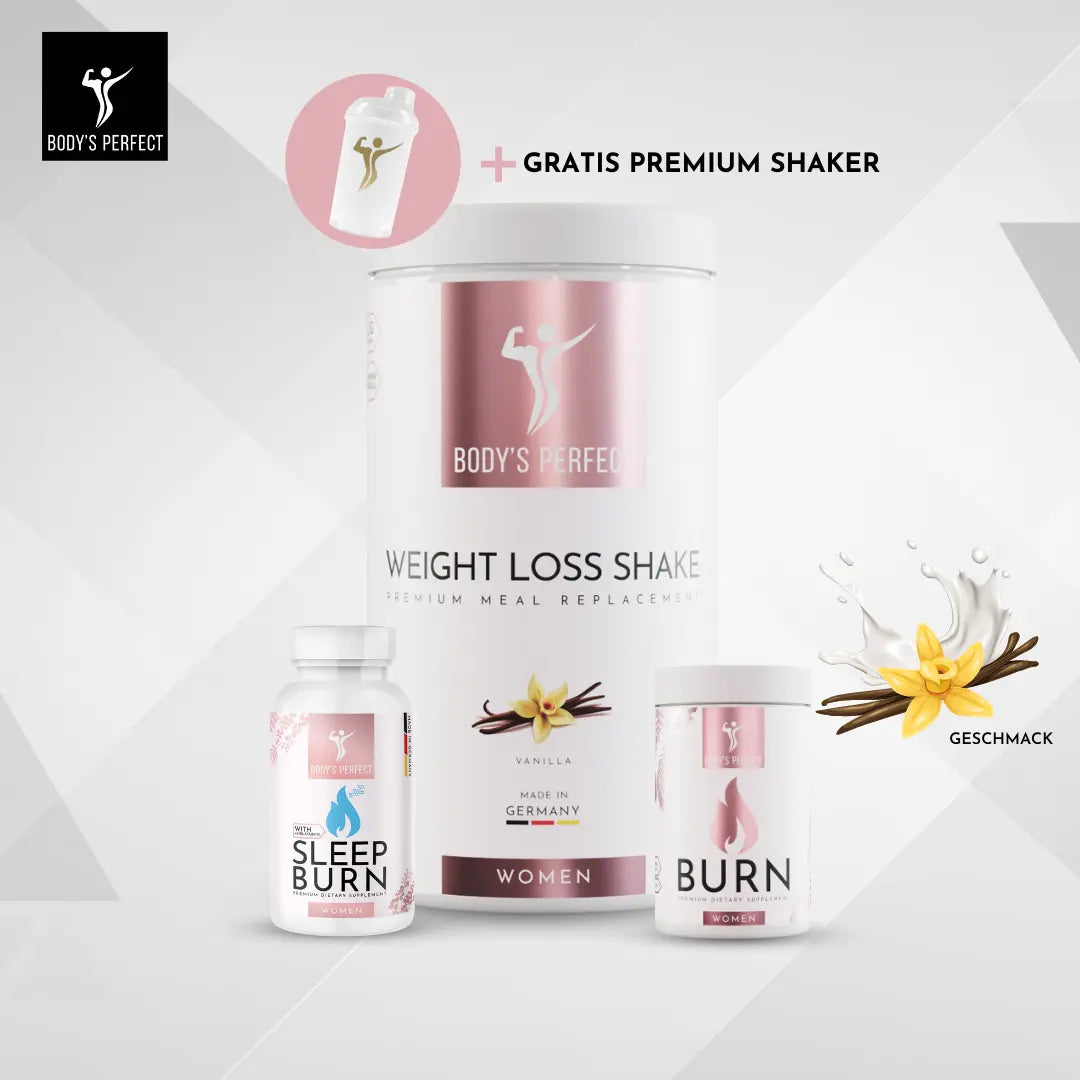
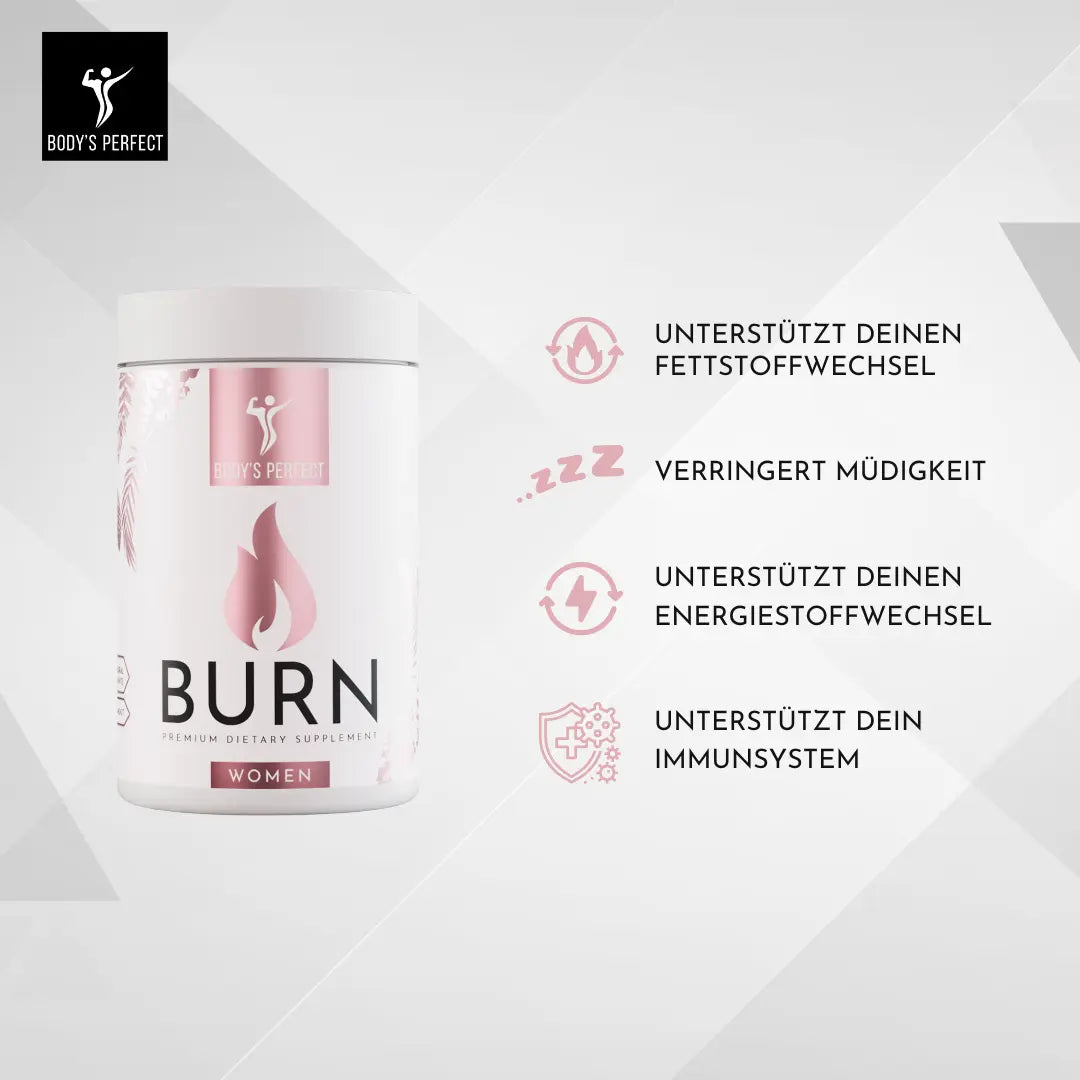
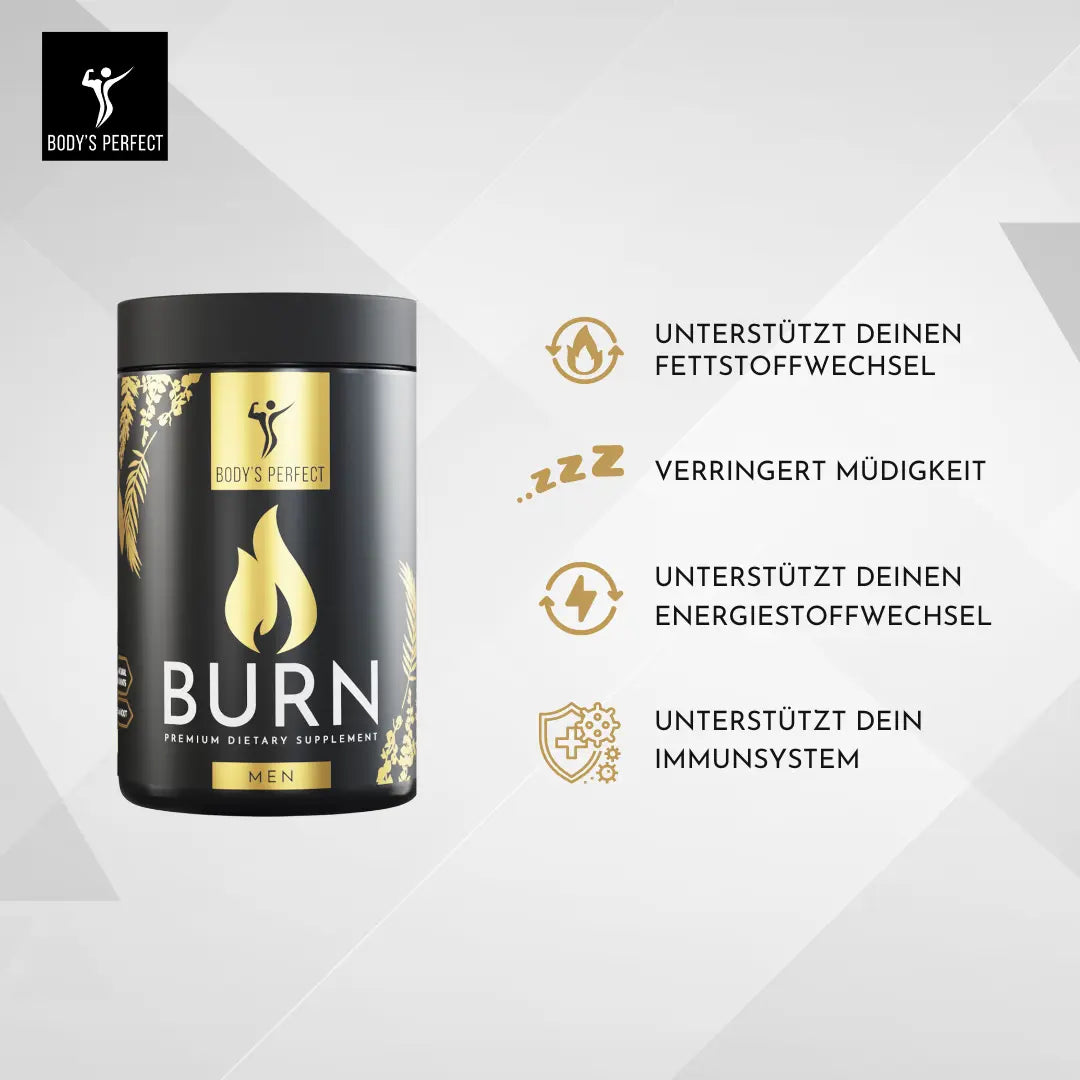
Products like the BURN capsules from bodysperfect.com, for example, are designed to specifically support your metabolism. They contain a well-thought-out blend of plant extracts, vitamins, and caffeine. Such ingredients can help combat typical diet fatigue, maintain your energy level, and boost fat metabolism.
So, they are a useful supplement to maintain motivation and optimize results. Consider them the small extra boost that can make a difference when the foundation is right.
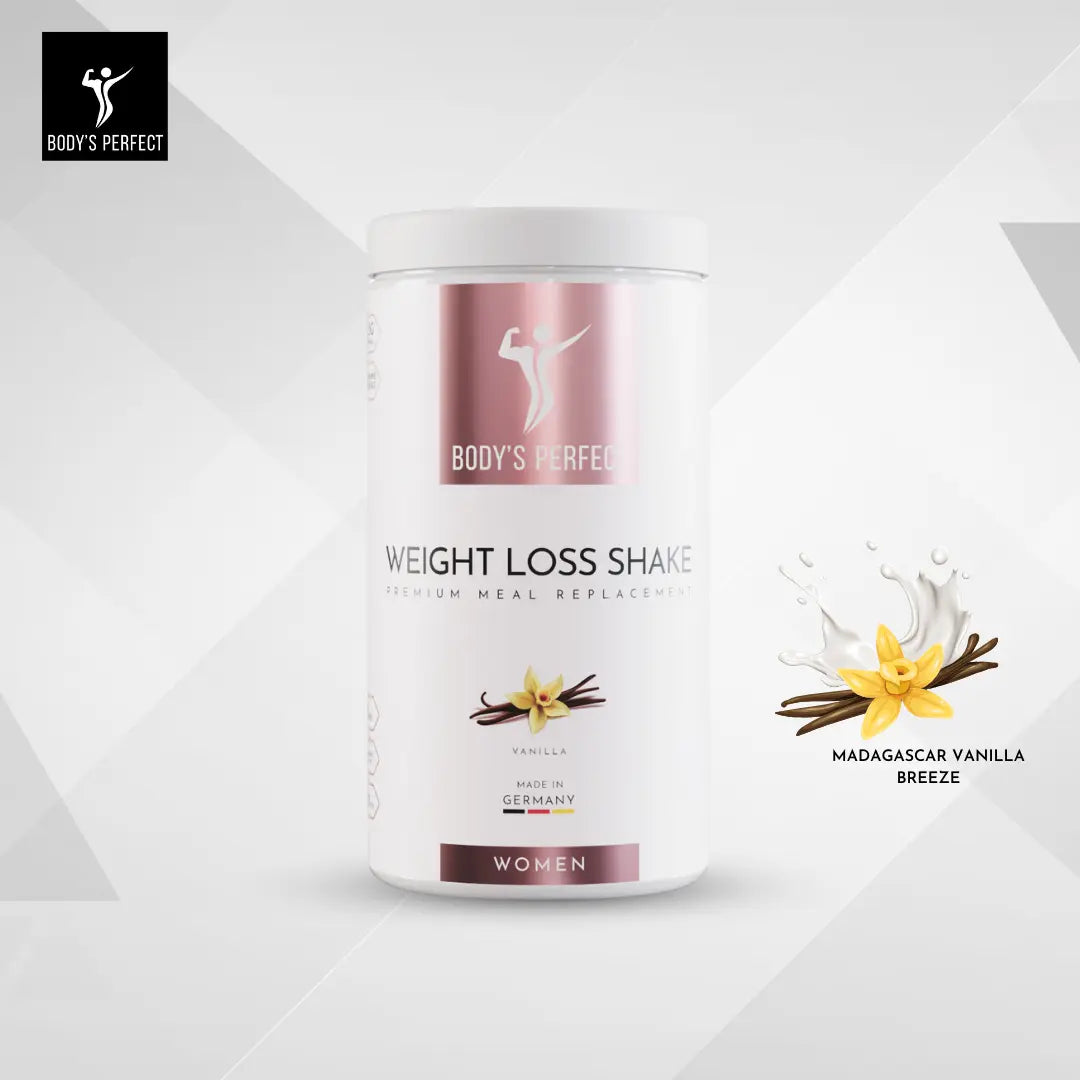
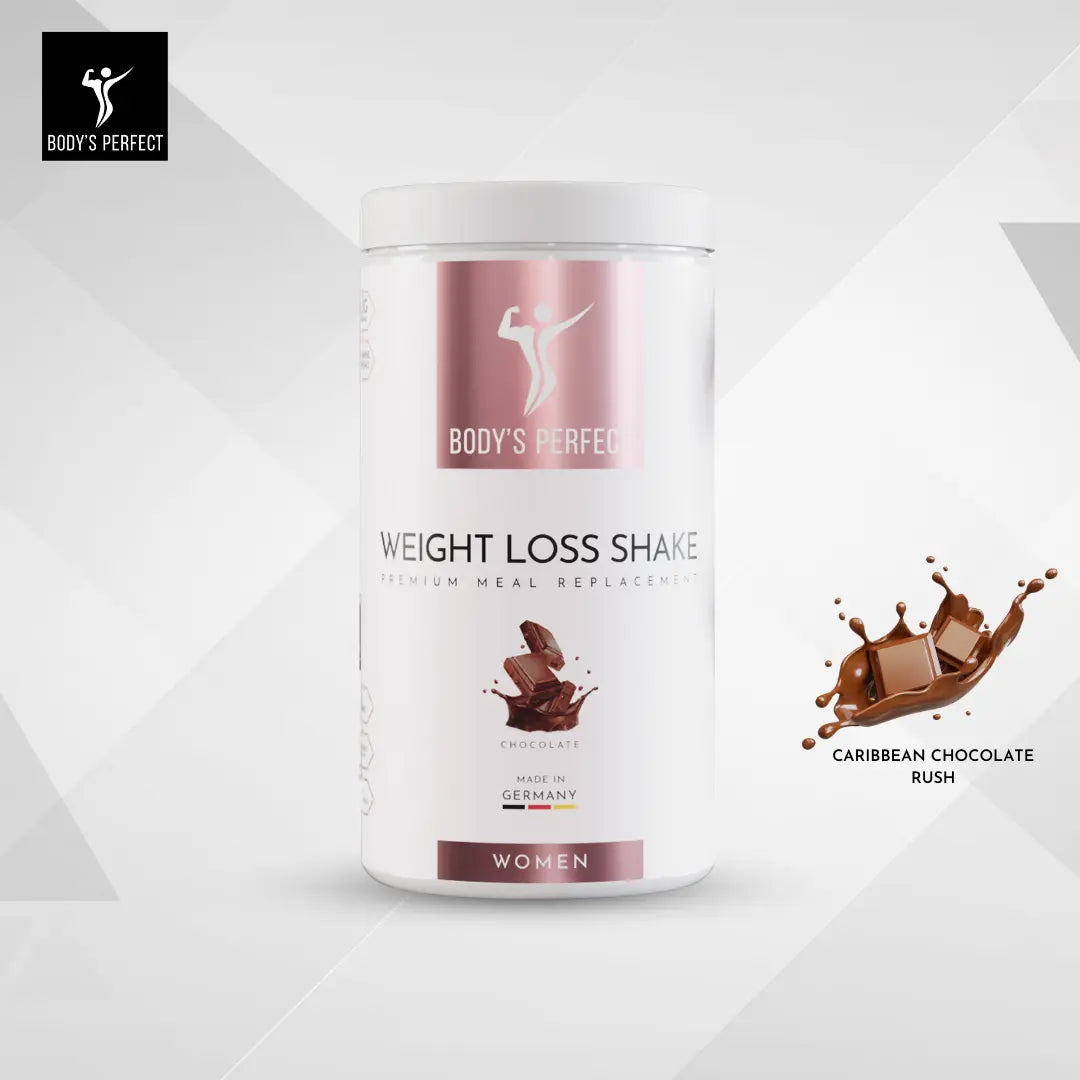
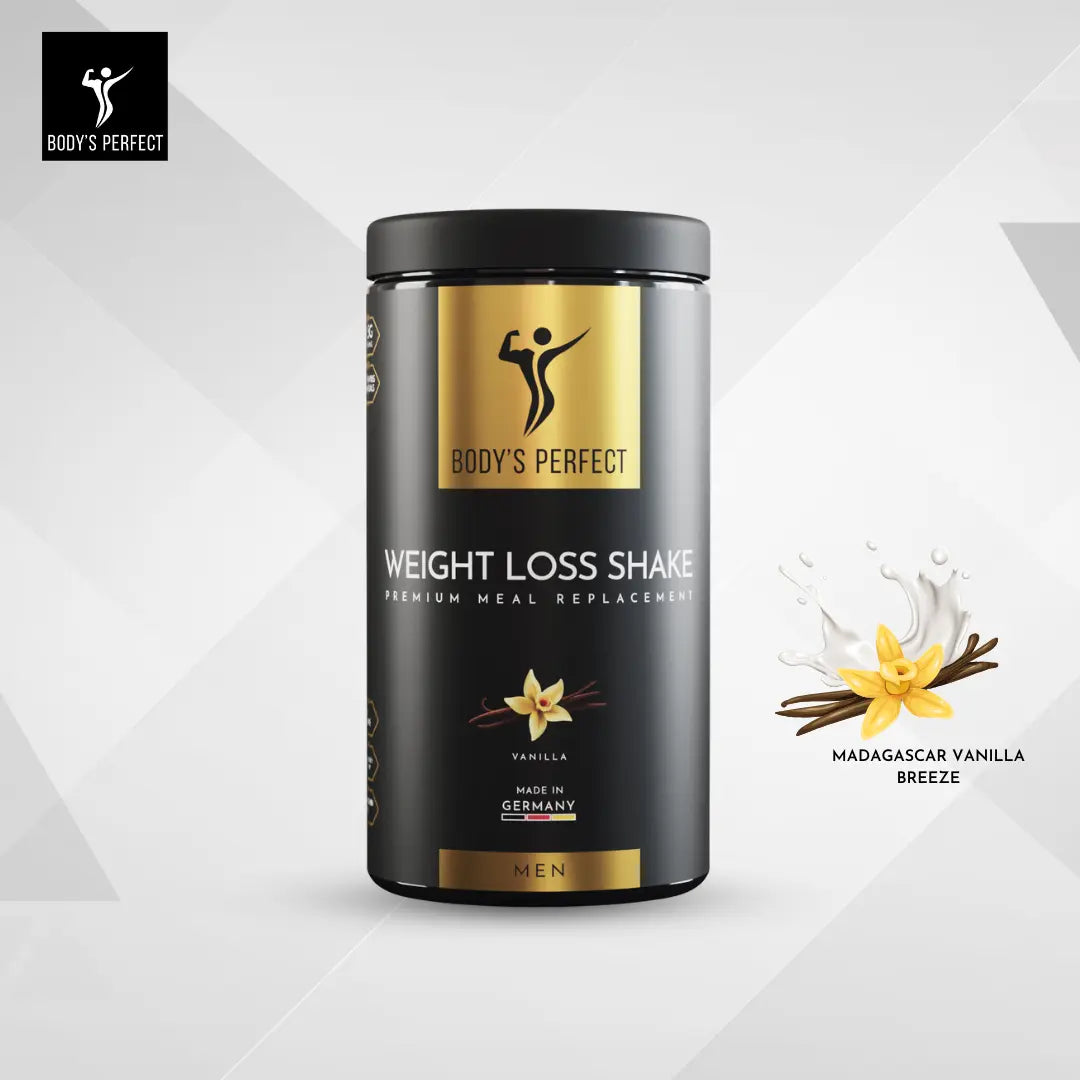
Are you ready to take your weight loss journey to the next level and specifically support your metabolism? At BODY'S PERFECT, you'll find everything you need for your success – from intelligent supplements to personalized DNA tests.
Discover the right products for your goal now on bodysperfect.com














Share:
How can you lose weight fast and stay healthy?
DNA Test for Weight Loss: Your Genetic Guide