

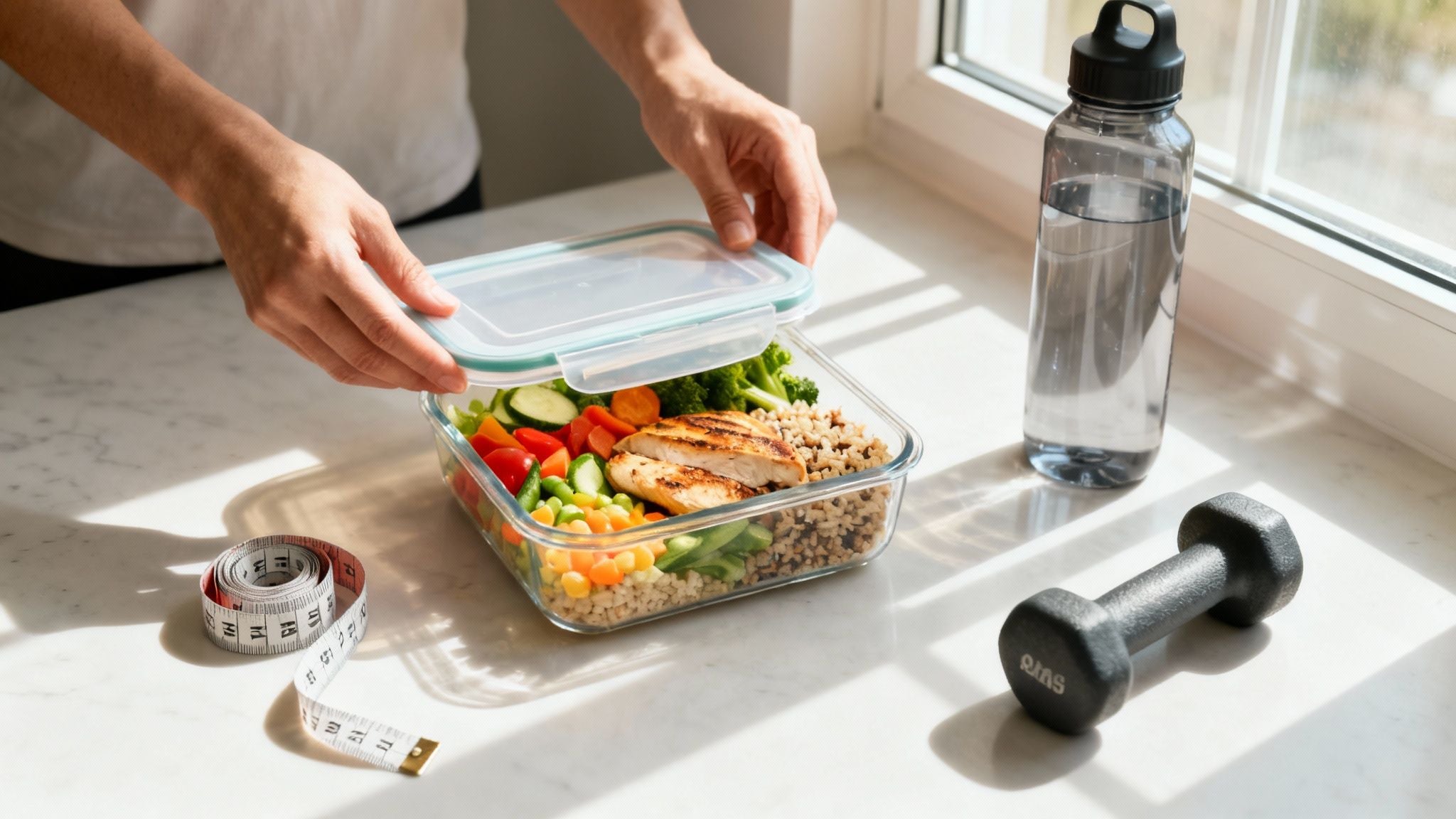
Want to lose weight fast? The best way is with a clear plan. The cornerstone for sustainable success, without overtaxing your body, is a moderate calorie deficit of 300 to 500 calories per day. Combine this with a protein-rich diet and regular exercise. This will boost your metabolism and protect your muscles.
Starting Realistically: End Frustration and Myths
The desire to shed a few pounds quickly is absolutely understandable. However, the beginning often feels like you're facing a huge mountain. Before you dive into strict diets and endless workout plans, let's establish an honest and realistic foundation.
Forget the unrealistic promises of crash diets. They usually only end in disappointment and the dreaded yo-yo effect.
The true key to success lies in separating facts from myths. It's not about forbidding everything you like, but about making smart choices. A well-thought-out yet flexible approach protects you from frustration and keeps your motivation high.
Set Clear and Achievable Goals
Instead of aiming to lose "ten kilos in two weeks," focus on smaller, measurable milestones. A healthy and realistic goal is a weight loss of approximately 0.5 to 1 kilogram per week.
This may not sound like much at first glance, but it adds up surprisingly quickly. Most importantly, it protects your body from excessive stress and the loss of valuable muscle mass. Want to know more? In our article, you can learn everything about how much weight loss per week is healthy.
Remember: long-term success is not a short sprint, but a series of consistent, small steps. Your goal is not just a number on the scale, but a healthier and more energetic lifestyle.
The Truth About Calorie Deficit
The foundation for any successful weight loss remains a calorie deficit. Simply put: you consume more calories than you take in. But "fast" here certainly doesn't mean "radical." Too high a deficit slows down your metabolism and leads to cravings and nutrient deficiencies.
The more sustainable and healthier way is a moderate, controlled deficit. This gives your body the chance to specifically tap into fat reserves while your energy remains stable in everyday life. This approach is not only physically but also mentally much easier to sustain.
So, before you really get started, here's a small checklist for your start. It will help you get the most important points right from the beginning.
Your Quick-Start Check for Sustainable Success
This table summarizes the most important first steps you should consider before starting your weight loss program.
| Action | Why it's crucial | Practical tip for today |
|---|---|---|
| Set realistic goals | Avoids frustration and the yo-yo effect. | Note a specific weekly goal (e.g., 0.5 kg) instead of an unrealistic total. |
| Determine calorie needs | Creates the basis for a healthy deficit. | Use an online calculator as a rough guide for your daily needs. |
| Seek medical advice | Ensures there are no health concerns. | Make an appointment with your GP to briefly discuss your plans. |
This first step is your compass. It helps you start the journey confidently instead of getting lost in the diet jungle. With the right attitude and sound knowledge, you lay the foundation for success that truly lasts.
Your Diet is the Most Important Lever to Lose Fat
If you want to lose weight fast, your diet is by far your strongest tool. Forget radical diets or complicated rules. The key lies in smart choices that keep you full, satisfied, and energized. It's about giving your body exactly what it needs to burn fat and still stay strong.
The idea of constantly counting calories deters many. But don't worry, the basic principle is simpler than you think: it's about the famous calorie deficit. This simply means consuming slightly less energy throughout the day than your body actually uses.
A moderate deficit of 300 to 500 calories per day is ideal. This forces your body to tap into its fat reserves as an energy source – without slowing down your metabolism or triggering nasty cravings.
This graphic perfectly summarizes the crucial first steps. It's about starting with a clear mind and a realistic plan.

As you can see, success rests on three pillars: setting clear goals, ignoring typical weight loss myths, and consciously starting with a healthy calorie deficit.
The Power of Your Macronutrients
Calories are only half the battle. What you eat is at least as important as how much you eat. This is where macronutrients come into play: proteins, carbohydrates, and fats. Their distribution determines whether you feel full and energized or constantly fighting hunger.
Proteins are your most important partner for weight loss:
- They are very filling: Protein is the most satiating and long-lasting of all nutrients. This makes it much easier to maintain your calorie deficit without suffering.
- They protect your muscles: When losing weight, you can quickly lose valuable muscle mass. A protein-rich diet protects your muscles – and they are your most important calorie burners!
- They boost metabolism: Your body uses more energy to digest protein than carbohydrates or fats. A small but significant bonus.
A good rule of thumb is about 1.5 to 2 grams of protein per kilogram of body weight. So, if you weigh 70 kg, that would be between 105 and 140 grams of protein per day.
Choose Carbohydrates Wisely, Don't Eliminate Them Completely
Carbohydrates are not your enemy! Your brain and muscles desperately need them as an energy source. The trick is to choose the right ones and avoid simple sugars.
- Focus on complex carbohydrates: Opt for whole grains, oats, quinoa, potatoes, and legumes. They keep your blood sugar stable and provide long-lasting power.
- Reduce simple carbohydrates: Foods like white bread, sweets, or sugary drinks cause your blood sugar to spike and then crash quickly. The result? Cravings.
And don't forget healthy fats! They are vital for your hormones and vitamin absorption. Avocados, nuts, seeds, and good oils like olive oil should definitely be on your menu.
How to Implement This in Everyday Life
Theory is all well and good, but what does it look like in practice? Here are a few simple examples of how you can optimize your diet.
A protein-rich sample day could look like this:
- Breakfast: Skyr or Greek yogurt with berries and a handful of nuts. This will keep you full until lunch.
- Lunch: A large mixed salad with chicken breast, chickpeas, and a light vinaigrette dressing.
- Dinner: Pan-seared salmon fillet with plenty of roasted vegetables like broccoli and bell peppers.
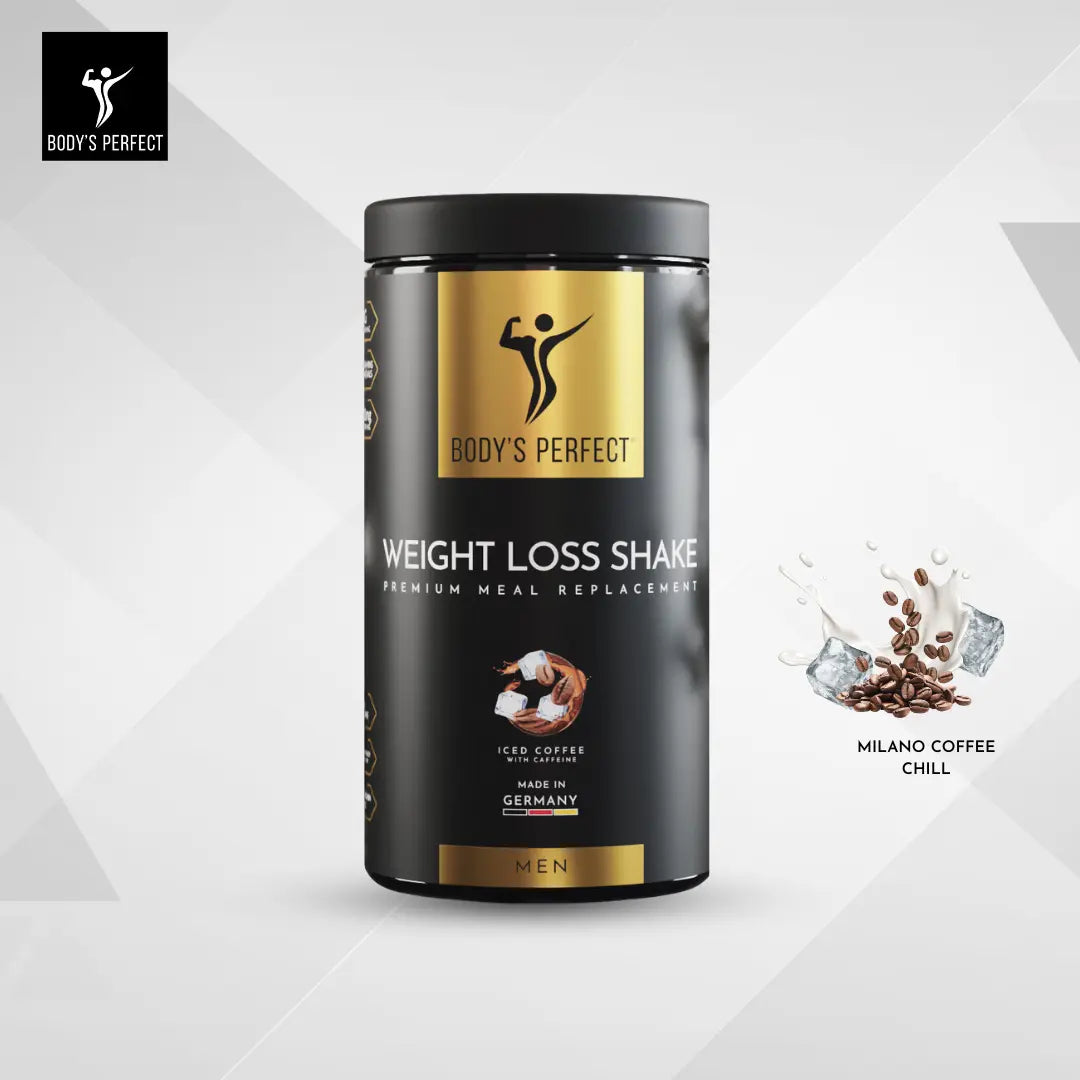
- Snack: For a small hunger pang, a protein shake or a boiled egg is perfect.
These meals are not only delicious, but they are also rich in protein and fiber, which keep you full for a long time. If you want to know more precisely how to find your personal deficit, check out our detailed guide on calculating calorie deficit for weight loss.
Uncover Hidden Calorie Traps
Often, it's the small, inconspicuous habits that sabotage success. Keep an eye out for these calorie bombs:
- Sugary drinks: Sodas, juices, and sweetened coffees deliver hundreds of empty calories without making you feel full.
- Sauces and dressings: Ready-made salad dressings, ketchup, or mayonnaise are often full of sugar and fat.
- "Healthy" snacks: Many granola bars or fruit yogurts contain more sugar than a chocolate bar.
A super simple trick with a big impact: drink enough water! Ideally, 2 to 3 liters per day. Water not only boosts your metabolism but also helps distinguish hunger from thirst. Often, a perceived hunger feeling is just your body's cry for fluids.
The relevance of a balanced diet is also evident in the broader social context. In Germany, obesity is a growing problem. According to data from the Federal Statistical Office in 2021, approximately 54% of the total population was overweight, with men being more affected at 62% than women at 43%.
Movement That Shapes Your Body and Ignites Your Metabolism
Smart nutrition is half the battle, no question. But only the right kind of exercise becomes a powerful partner that shapes your body, burns calories efficiently, and also boosts your mood. So, if you're asking yourself how to lose weight quickly, the combination of both is the unbeatable answer. It's not about tormenting yourself for hours at the gym. It's about training smartly.
Forget the old notion that you have to choose between cardio and strength training. The real magic happens when both work together. While endurance training like running or cycling burns a lot of calories during the workout, strength training provides a lasting effect.

Every gram of muscle mass you build increases your basal metabolic rate. In plain language: your body burns more calories even when you're sitting comfortably on the sofa. Muscles are basically your personal little powerhouses that work for you around the clock.
Your Workout Plan Must Fit Your Life
The best plan is always the one you actually stick to. It must be flexible and adapt to your daily routine, not the other way around. Whether you prefer to push yourself at home or in the gym – there are highly effective strategies for both.
For your home workout:
- Bodyweight exercises: Squats, push-ups, lunges, and planks are absolute classics. You don't need any equipment and still effectively strengthen your entire body.
- Dumbbells or kettlebells: A small investment that allows you countless new exercises. This way, you can adjust the intensity and set new challenges.
- Resistance bands: They are inexpensive, fit in any drawer, and are perfect for specifically challenging smaller muscle groups.
For gym training:
- Compound exercises: Focus on the "big five": barbell squats, deadlifts, bench presses, overhead presses, and rows. They engage multiple muscle groups at once, ensuring maximum calorie expenditure and muscle building.
- Guided machines: Great for beginners to get a feel for the movement and target muscles specifically.
- Use classes: Sometimes you just need a little motivation boost. A good class can push you to your limits and show you new exercises.
Consistency always beats perfection. Three to four sessions per week of 30 to 45 minutes are much more sustainable than a single, overly long workout that cripples you for days.
HIIT: The Shortcut to Maximum Results
If time is short, the answer is High-Intensity Interval Training (HIIT). This method is a real game-changer for anyone who wants to see results quickly. The principle behind it is brilliantly simple.
You alternate between short, extremely intense exertion phases and short breaks. A typical HIIT workout often lasts only 15 to 20 minutes, but it boosts your metabolism for hours. This is called the afterburn effect – your body continues to burn extra calories long after the workout.
A snappy HIIT workout (15 minutes):
- Warm-up: 3 minutes of light jumping rope or running in place.
- Interval 1: 40 seconds of jumping jacks, then 20 seconds rest.
- Interval 2: 40 seconds of squats (as many as you can), then 20 seconds rest.
- Interval 3: 40 seconds of burpees (or an easier variation), then 20 seconds rest.
- Interval 4: 40 seconds of mountain climbers, then 20 seconds rest.
Repeat this circuit a total of three times – and you have a highly effective workout that declares war on your fat deposits. If you're wondering what role classic endurance training plays alongside this, check out our guide on Cardio for Weight Loss.
More Movement in Everyday Life – The Small Things Count
It doesn't always have to be official training. Every movement counts and adds up throughout the day to a significant calorie expenditure. These small habits can make a huge difference.
- Stairs instead of the elevator: The classic that always works.
- Park further away: A few hundred extra steps a day add up.
- Walk while on the phone: Use the time for a lap around the office or block.
- Get off one stop earlier: A short walk in the morning or evening works wonders.
To keep track of your progress, tech gadgets can be a great help. Even inexpensive smartwatches can record your steps, calorie consumption, and even your sleep patterns. This creates awareness and greatly motivates you to keep going. Your body is made to move – give it what it needs, and it will thank you.
The Underestimated Success Factors: Sleep and Stress
You're sticking to your diet plan, and your workouts are going great, but the scale just isn't moving? This feeling is incredibly frustrating and unfortunately all too familiar. Often, the cause of the standstill isn't on your plate or in the gym, but in two often-overlooked factors: poor sleep and chronic stress. These two can subtly but massively sabotage your weight loss success.
It's easy to ignore them because they seem so commonplace. But behind the scenes, they affect your hormones, your appetite, and your ability to burn fat in ways you can't simply overcome with sheer willpower. So, let's take a closer look at why these two areas are absolutely crucial to your success.

Why Your Sleep Controls Cravings
Lack of sleep is so much more than just fatigue the next day. For your weight loss goals, it's a real hormonal nightmare. When you sleep too little or poorly, the delicate balance of your hunger hormones gets completely out of whack.
Your body releases more ghrelin, also known as the "hunger hormone." At the same time, levels of leptin, the hormone that tells you you're full, drop. The result is an unfair double burden: you're constantly hungrier and only much later realize you've actually eaten enough.
When you're sleep-deprived, your brain literally screams for quick energy. The craving for sugar and simple carbohydrates significantly increases as a result – a biological reaction to compensate for the lack of energy.
Additionally, too little sleep weakens your ability to make good decisions and stay disciplined. So, it becomes not only harder to resist cravings – you are also mentally much more susceptible to them.
Your New Evening Routine for Restful Sleep
Good sleep is not a luxury, but an absolute necessity. With a few simple adjustments, you can greatly improve your sleep quality.
- Screens off: The blue light from smartphones, tablets, and laptops inhibits the production of the sleep hormone melatonin. Make it a rule to turn off all screens at least an hour before bedtime.
- Consistent sleep schedule: Try to go to bed and wake up at the same time every day – yes, even on weekends. This greatly stabilizes your internal clock.
- Create a peaceful oasis: Your bedroom should be cool, dark, and quiet. It's a place for rest, not for work or watching TV.
- No heavy meals: It's best to eat your last large meal two to three hours before going to bed. This way, your body isn't busy with heavy digestion when it should be regenerating.
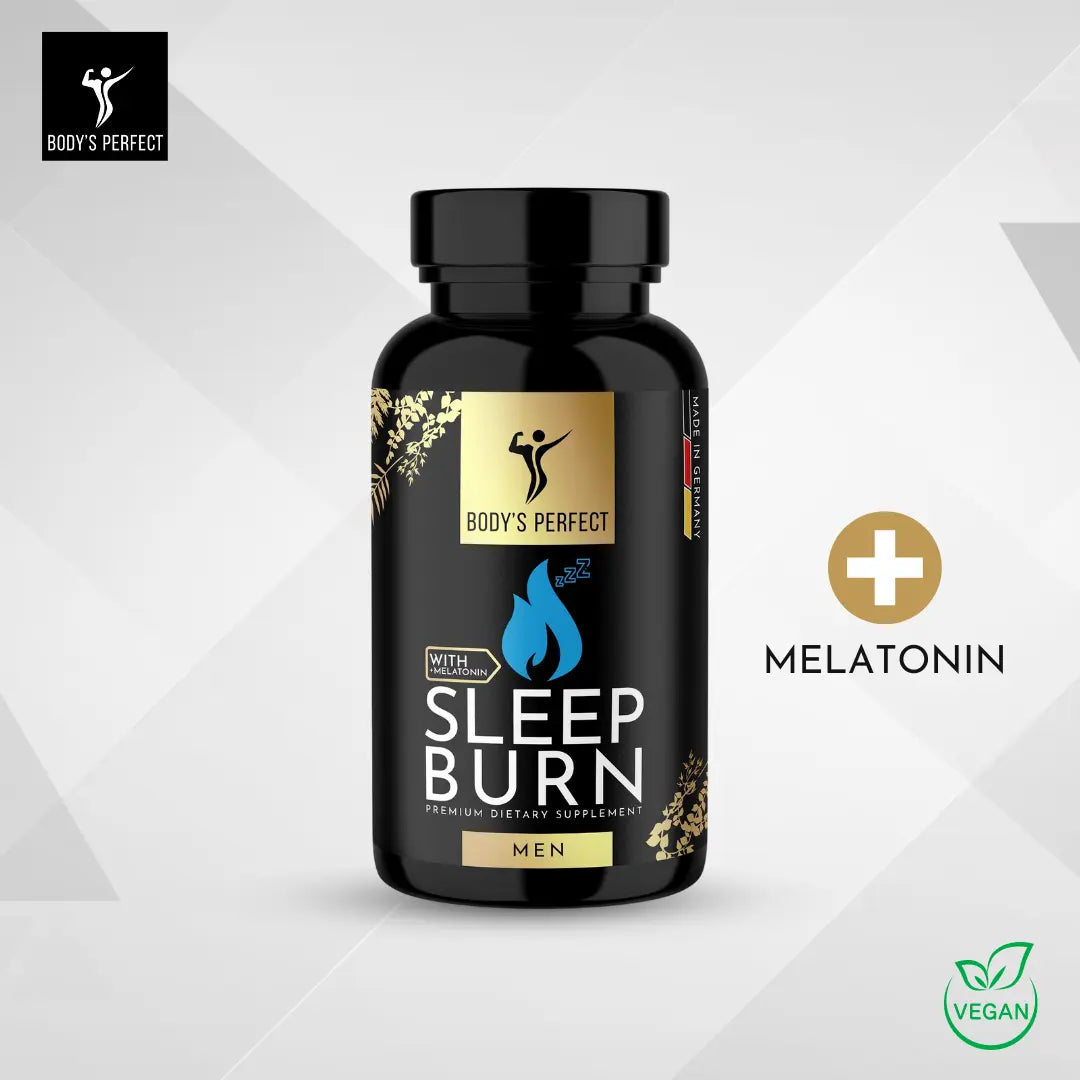
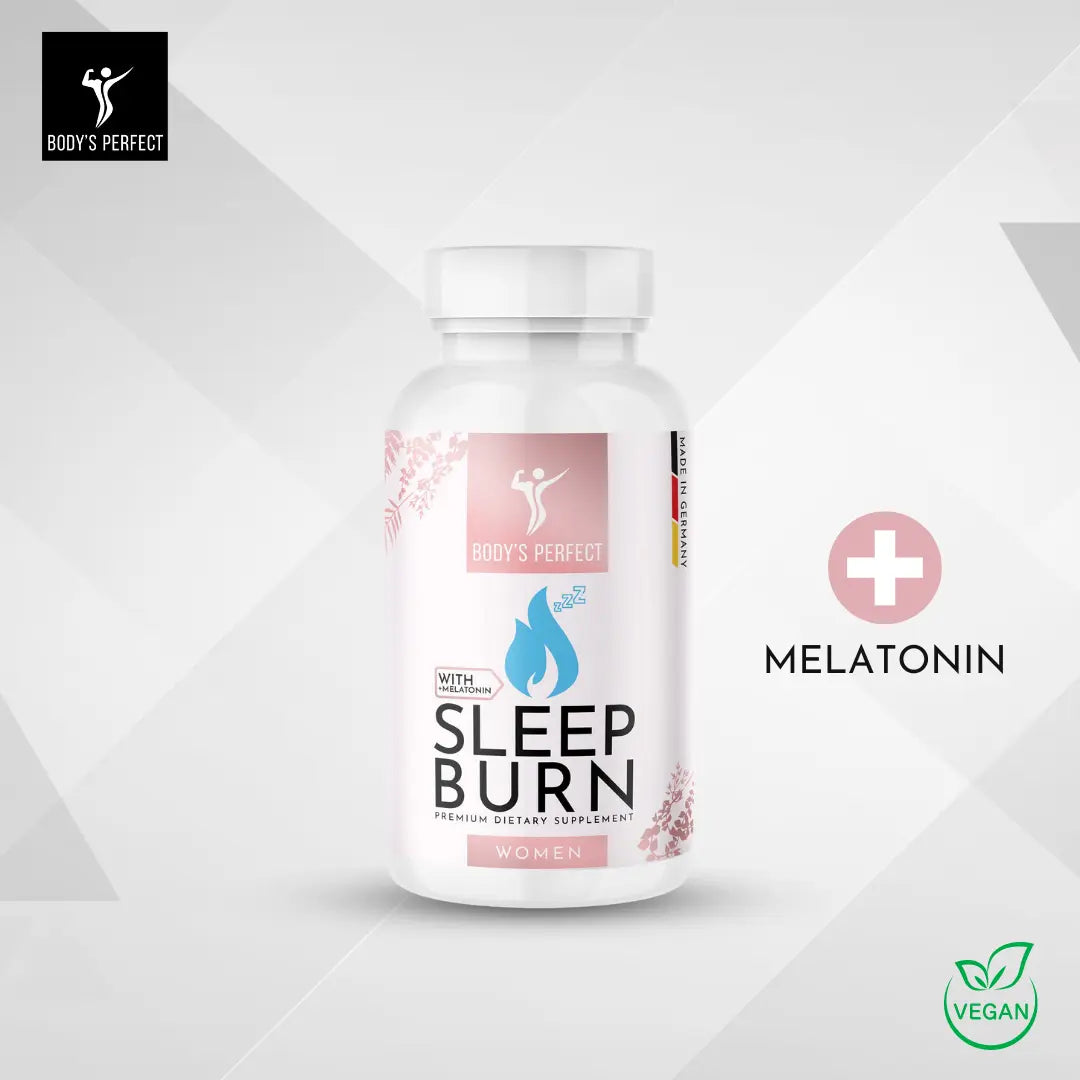
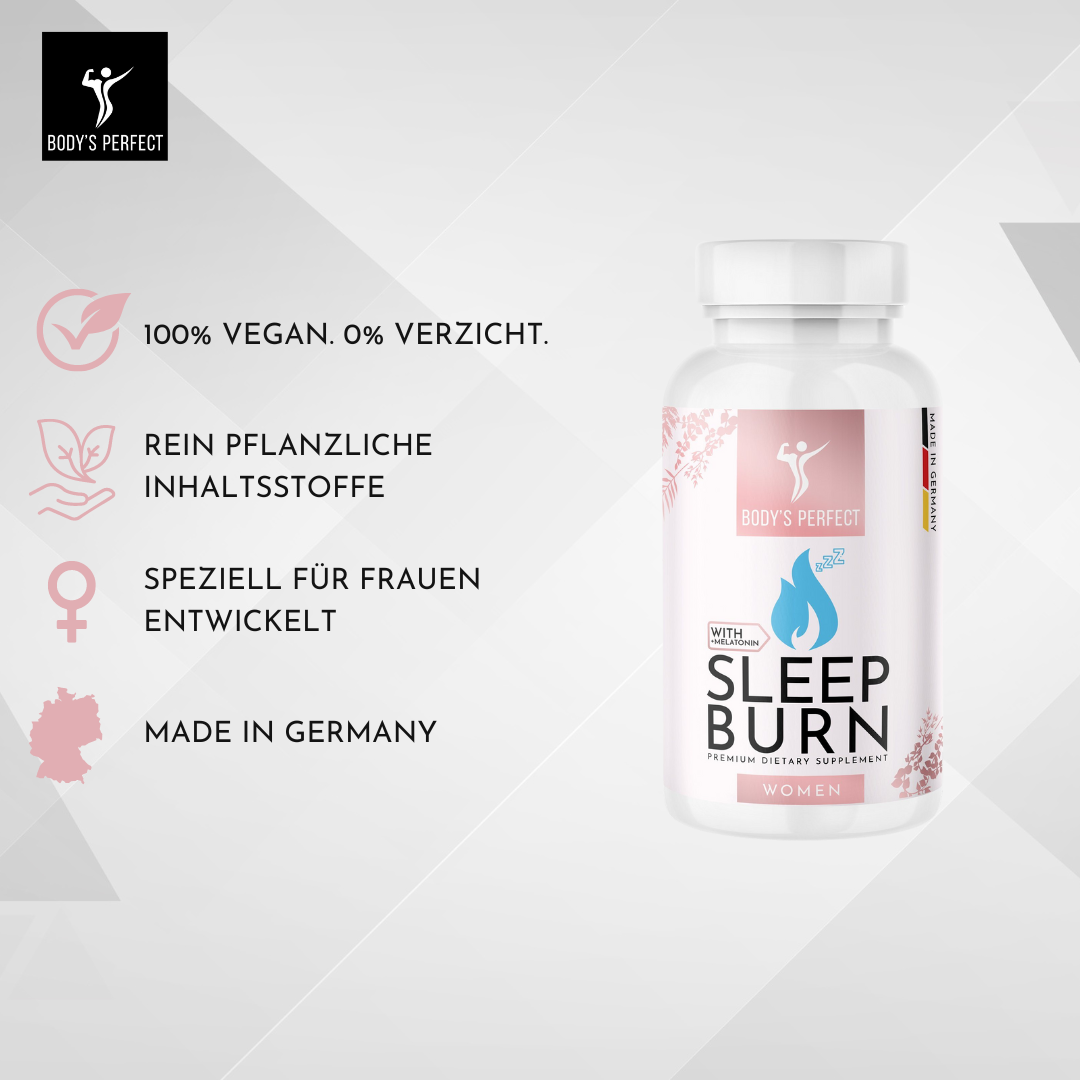
If you want to delve deeper into the topic, you'll find more valuable tips in our article on Melatonin and better sleep.
How Stress Promotes Abdominal Fat Storage
Chronic stress is the second silent enemy of your weight loss success. Whether due to work, personal worries, or constant time pressure, your body always reacts the same way: It releases the stress hormone cortisol.
A short-term elevated cortisol level is completely normal and even helpful. However, it becomes problematic if the level remains consistently high. Chronically elevated cortisol signals your body to switch into a kind of survival mode.
This has two fatal consequences for your figure:
- Promotes fat storage: Cortisol promotes the storage of visceral fat. This is precisely the dangerous belly fat that accumulates around your organs.
- Increases appetite: Similar to lack of sleep, chronic stress also leads to an increased craving for "comfort food"—sweet, fatty, and salty foods.
A Simple Breathing Exercise Against Everyday Stress
You can't always avoid stress, but you can learn how to deal with it better. One of the simplest and most effective methods to immediately lower your stress level is the 4-7-8 breathing technique.
You can do it anytime, anywhere – in the office, on the train, or at home. Here's how it works:
- Inhale: Breathe in calmly through your nose for 4 seconds.
- Hold: Hold your breath for 7 seconds.
- Exhale: Breathe out slowly and audibly through your mouth for 8 seconds.
Repeat this cycle three to four times. This simple technique activates your parasympathetic nervous system, which is responsible for rest and relaxation. It's a direct signal to your body to exit stress mode.
Understanding Metabolism and Overcoming Plateaus
Anyone who has ever tried to lose a few pounds knows this moment: You put in all the effort, eat disciplined, exercise – and suddenly nothing on the scale moves. Absolutely nothing. This stagnation is incredibly frustrating, but I can reassure you: This is completely normal and no reason to throw in the towel.
A weight loss plateau is not a failure. Rather, it's a clever move by your body, which has adapted to the new situation – less weight, fewer calories. It reduces its energy consumption to save. An ancient survival mechanism. But instead of panicking and eating even less now, we need to be smarter than our inner penny-pincher and give the body new, targeted stimuli.
Why your metabolism is as unique as your fingerprint
Have you ever wondered why your friend celebrates success almost overnight with a low-carb diet, while hardly anything happens for you? The answer lies in our genetics. Each of us has a completely individual metabolism that processes proteins, fats, and carbohydrates differently. What is the perfect fuel for one person can be a real brake for another.
A standard diet plan is often a good starting point, but sooner or later it reaches its limits. To truly break through a plateau effectively and lose weight sustainably, you need to find out how your own engine ticks. This is precisely where modern science comes in and gives us fascinating insights.
A plateau is not a dead end, but a fork in the road. It is your body's invitation to take a closer look and adjust your path, instead of giving up in frustration.
So instead of continuing to stumble in the dark and try one diet after another, today you can specifically find out what your body really needs to burn fat.
Fighting Stagnation with Knowledge
The BODYSlim DNA Metabolism Test from bodysperfect.com is exactly such a tool that helps you with this. With a simple saliva sample, your genes are analyzed, and you get clear answers to the crucial questions:
- What nutrient type am I? Do you utilize carbohydrates super efficiently, or should you focus more on fats and proteins?
- What training really gets me ahead? Are you the classic endurance type who burns the most calories during long cardio sessions? Or does your body respond better to short, intense strength workouts?
- How prone am I to the yo-yo effect? This knowledge is golden to counteract it specifically and secure your successes forever.
With this personal information in hand, you can finally tailor your diet and training precisely. You not only break through the annoying plateau but also find a much more efficient and sustainable way to your feel-good weight. If you feel like you're not making progress despite all your efforts, also read our article "Why am I not losing weight despite a calorie deficit", which sheds light on even more reasons.
Meaningful Support from Nature
Once the foundation of nutrition and training is established, selected dietary supplements can be the icing on the cake. They are not miracle cures, but in the right situation, they are a truly smart addition.
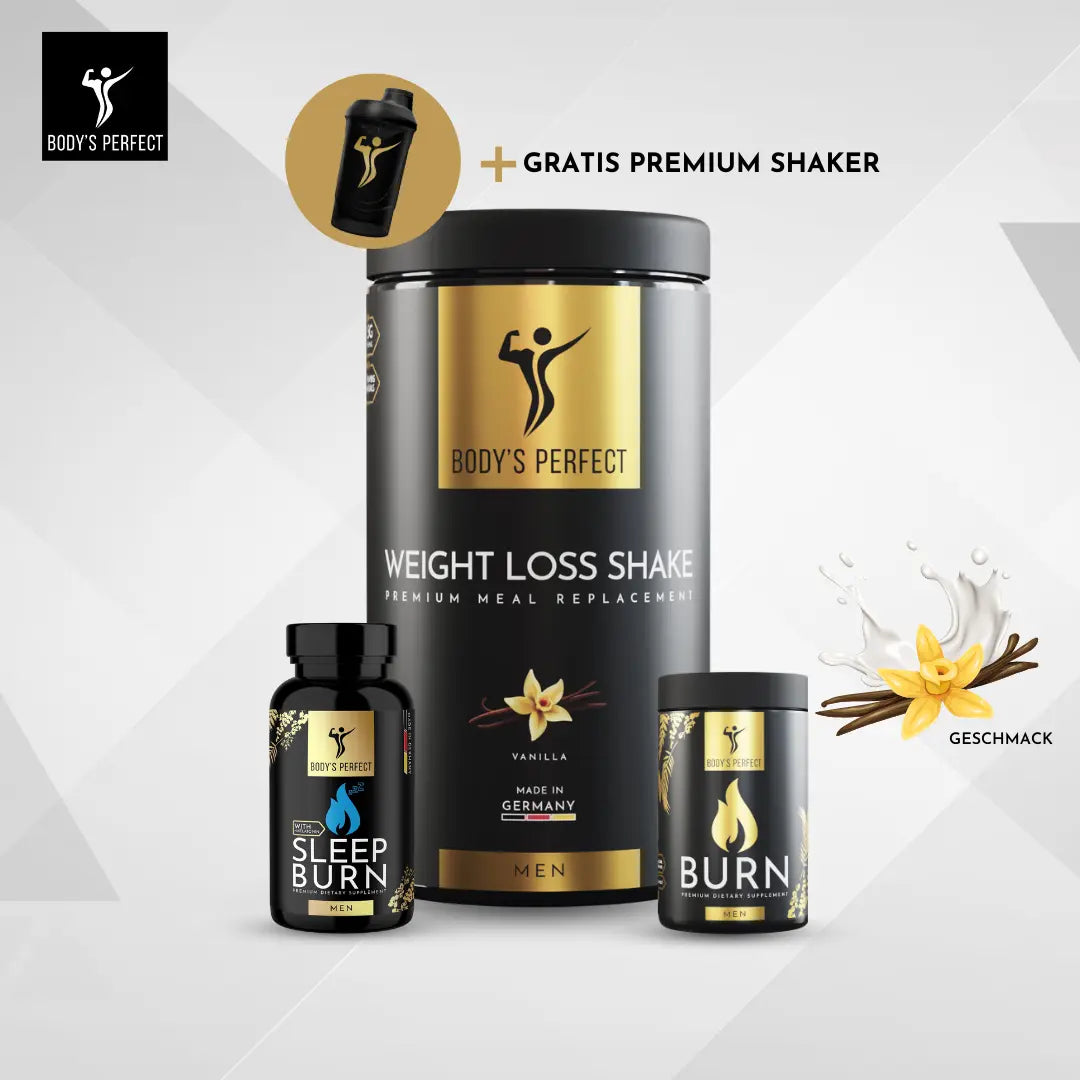
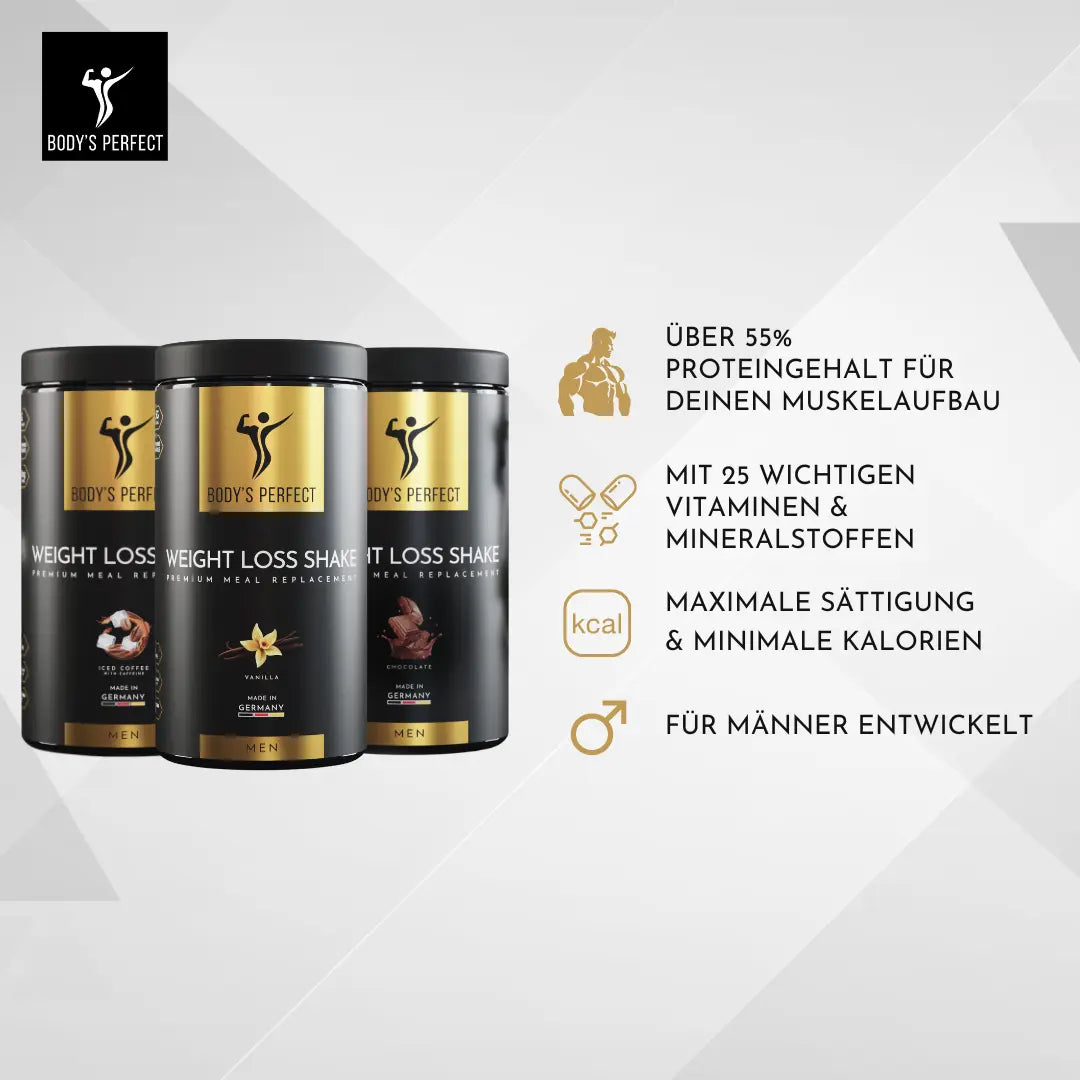
- Protein powder: A high-quality shake after exercise or as a snack in between makes it super easy to meet your protein needs. This protects your muscles from breakdown and keeps you full for a long time.
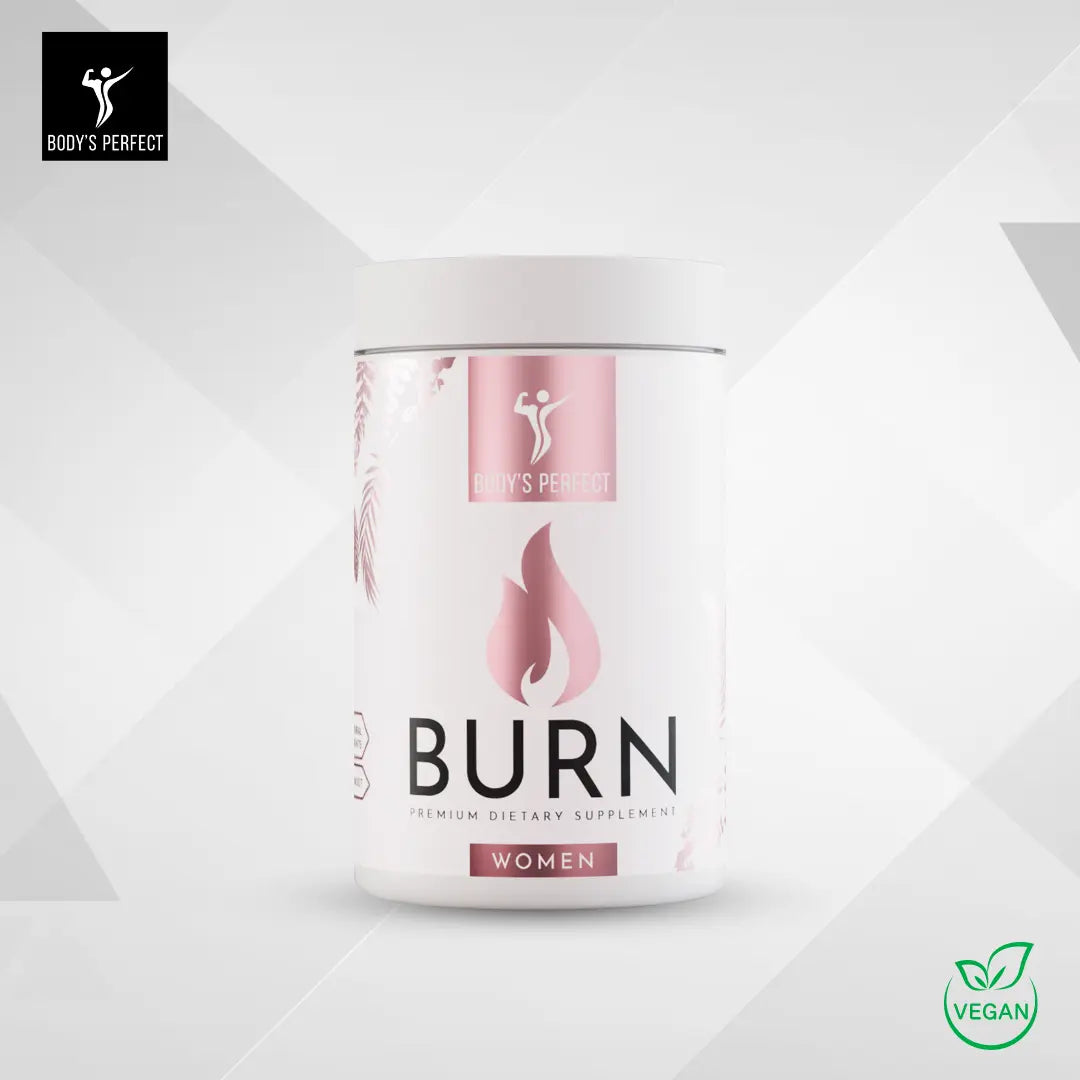
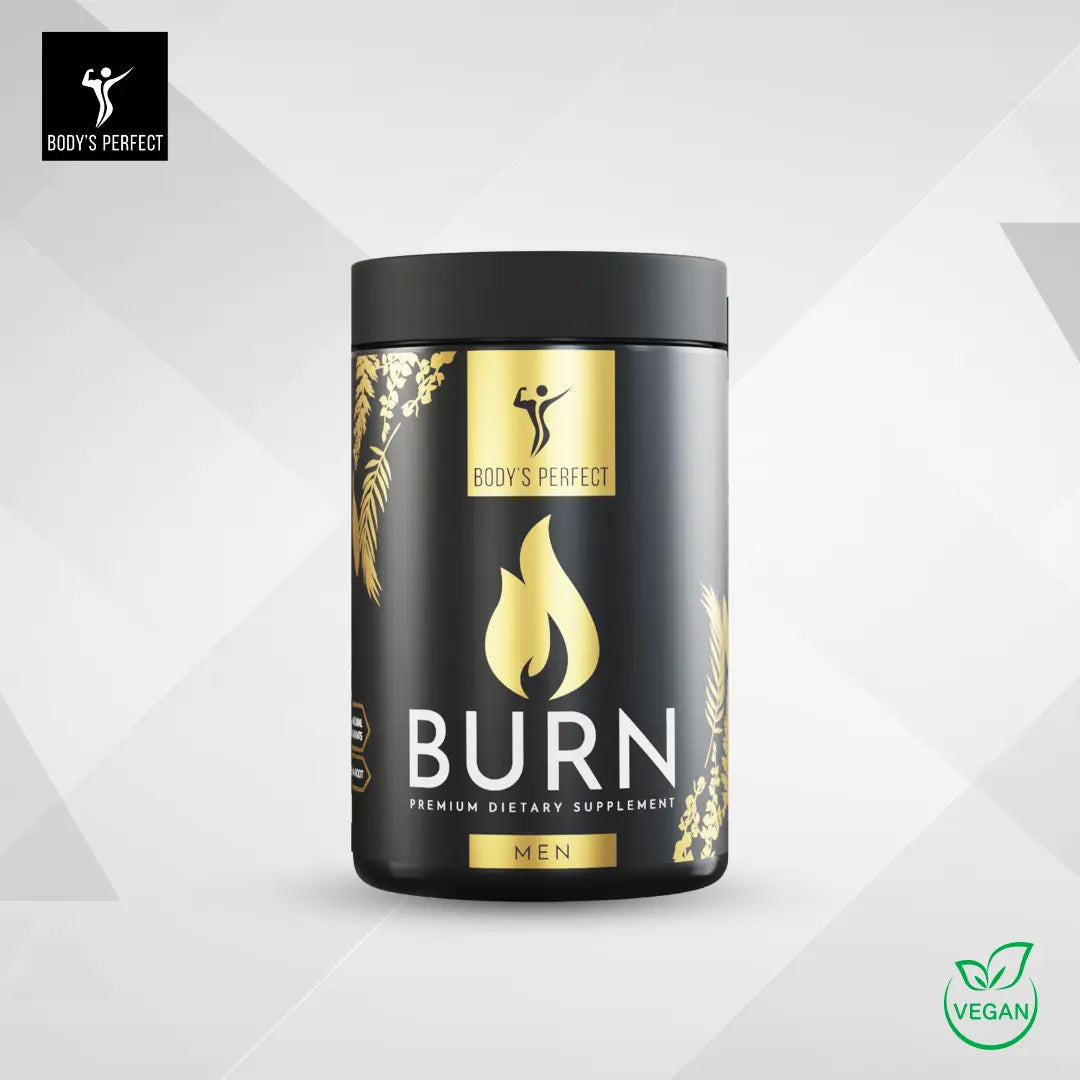
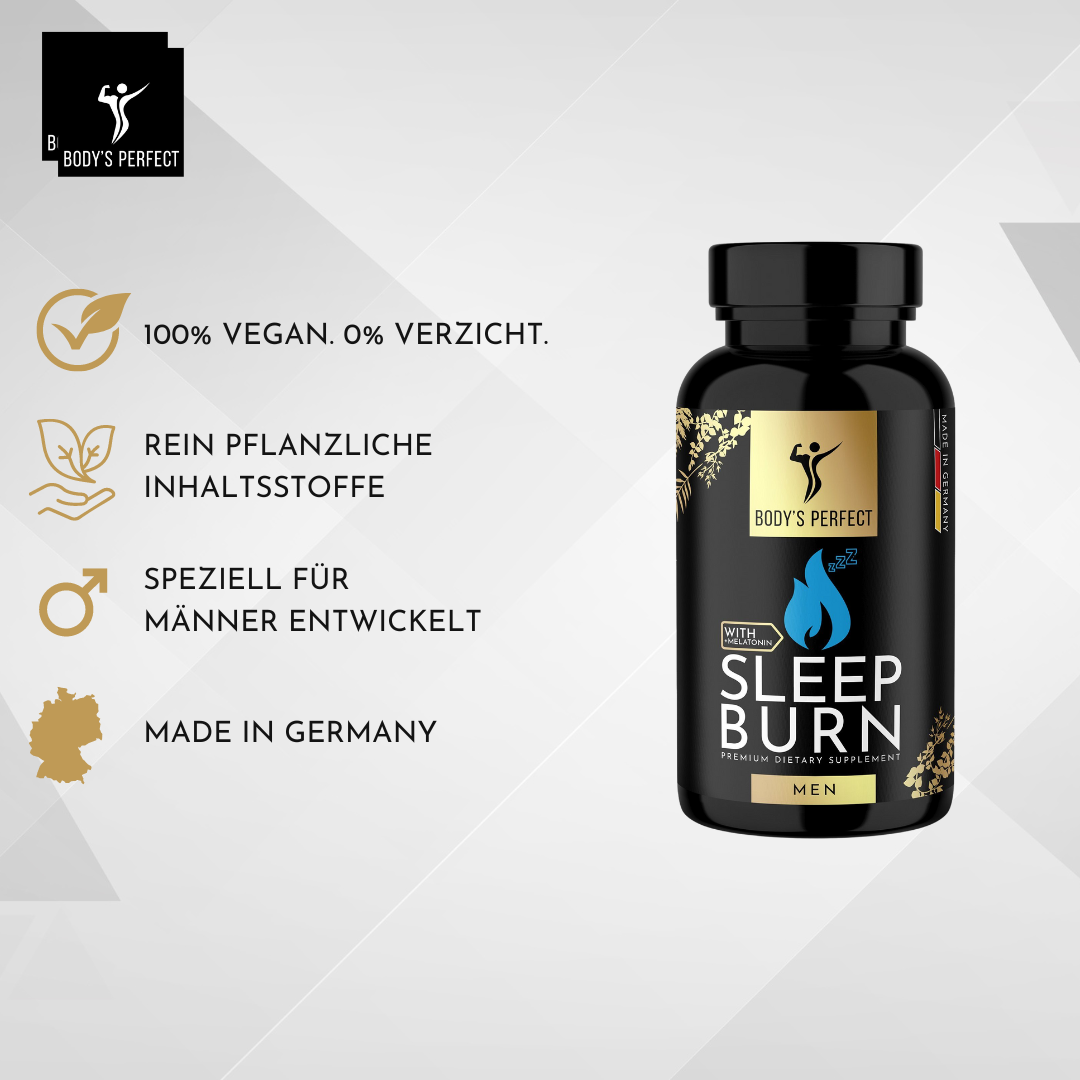
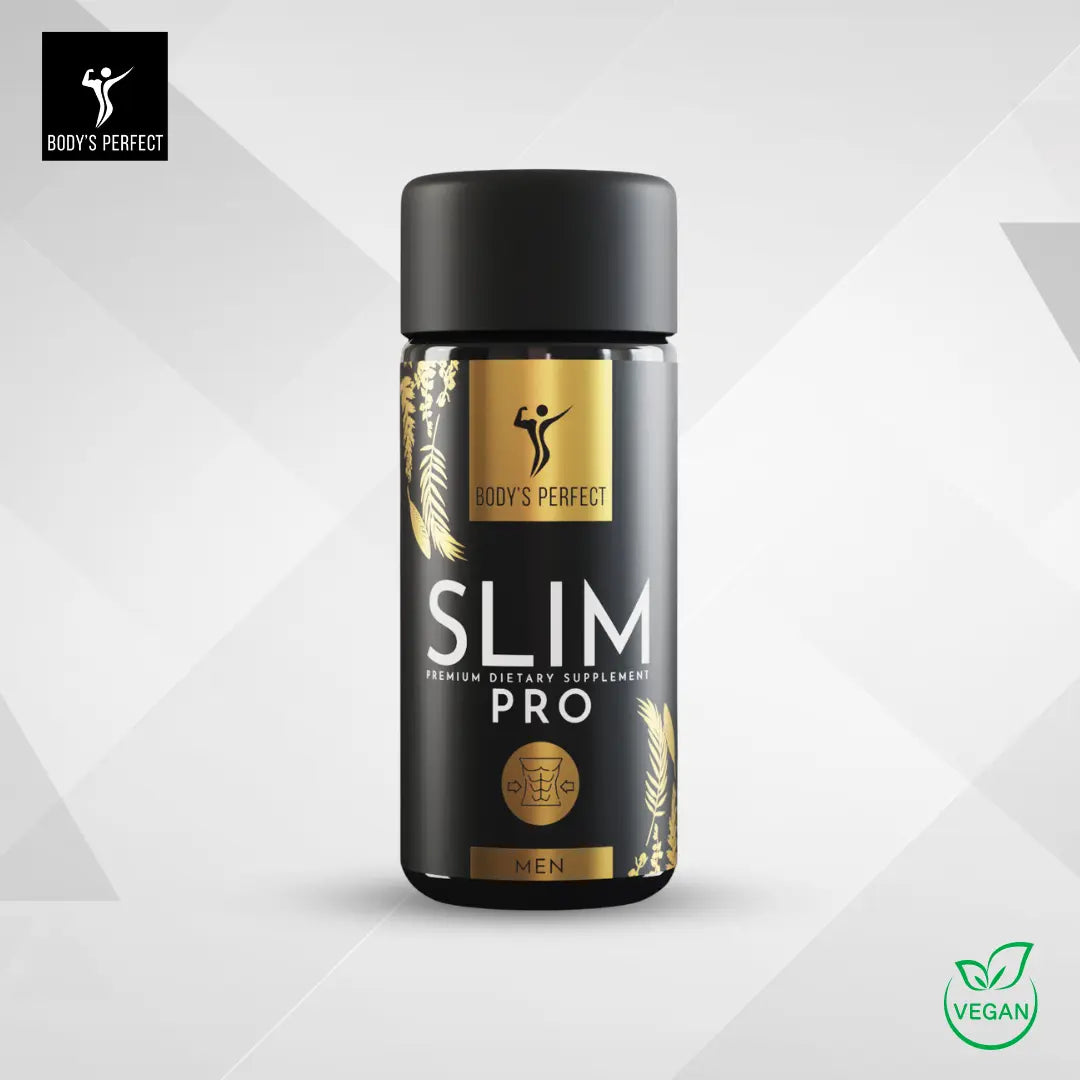
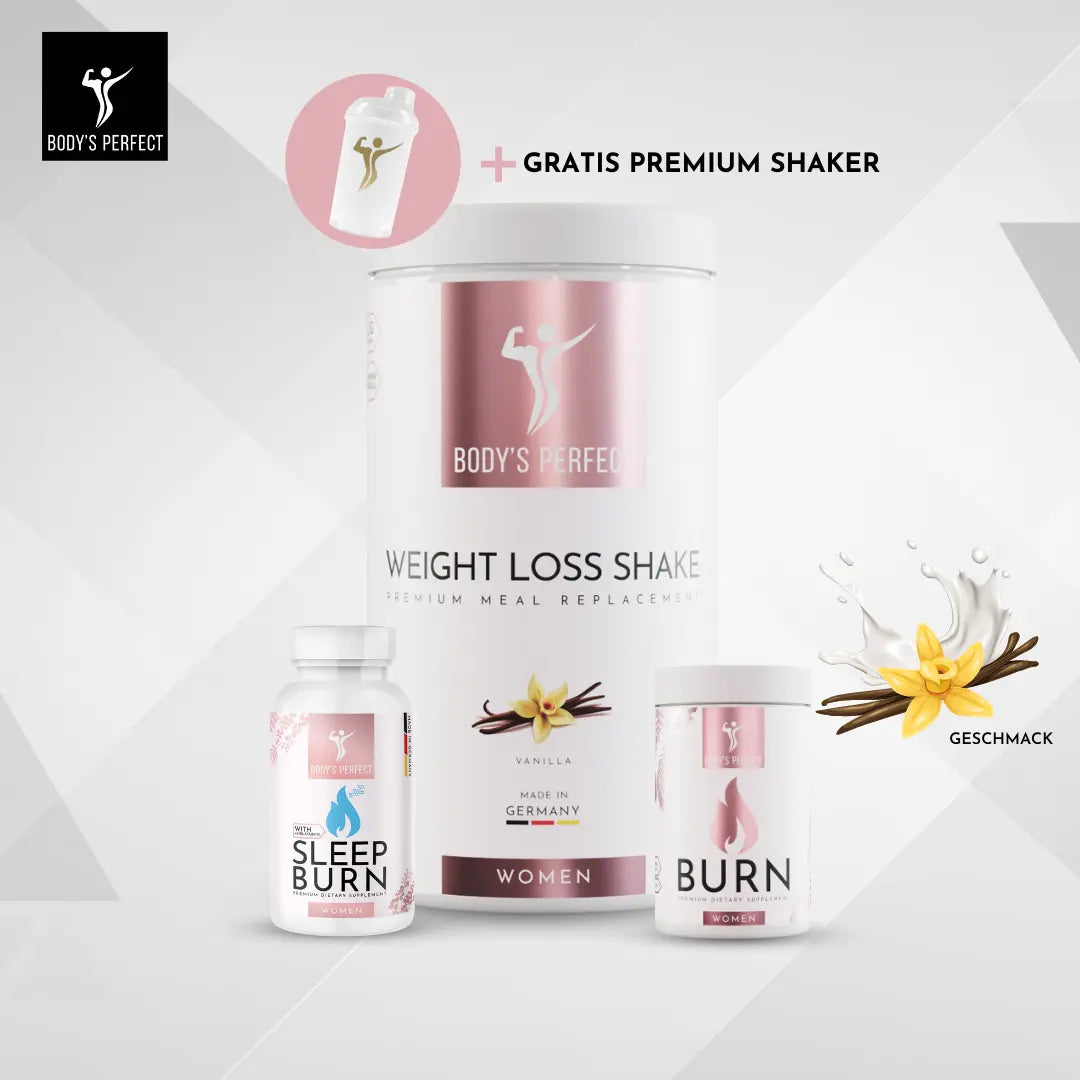
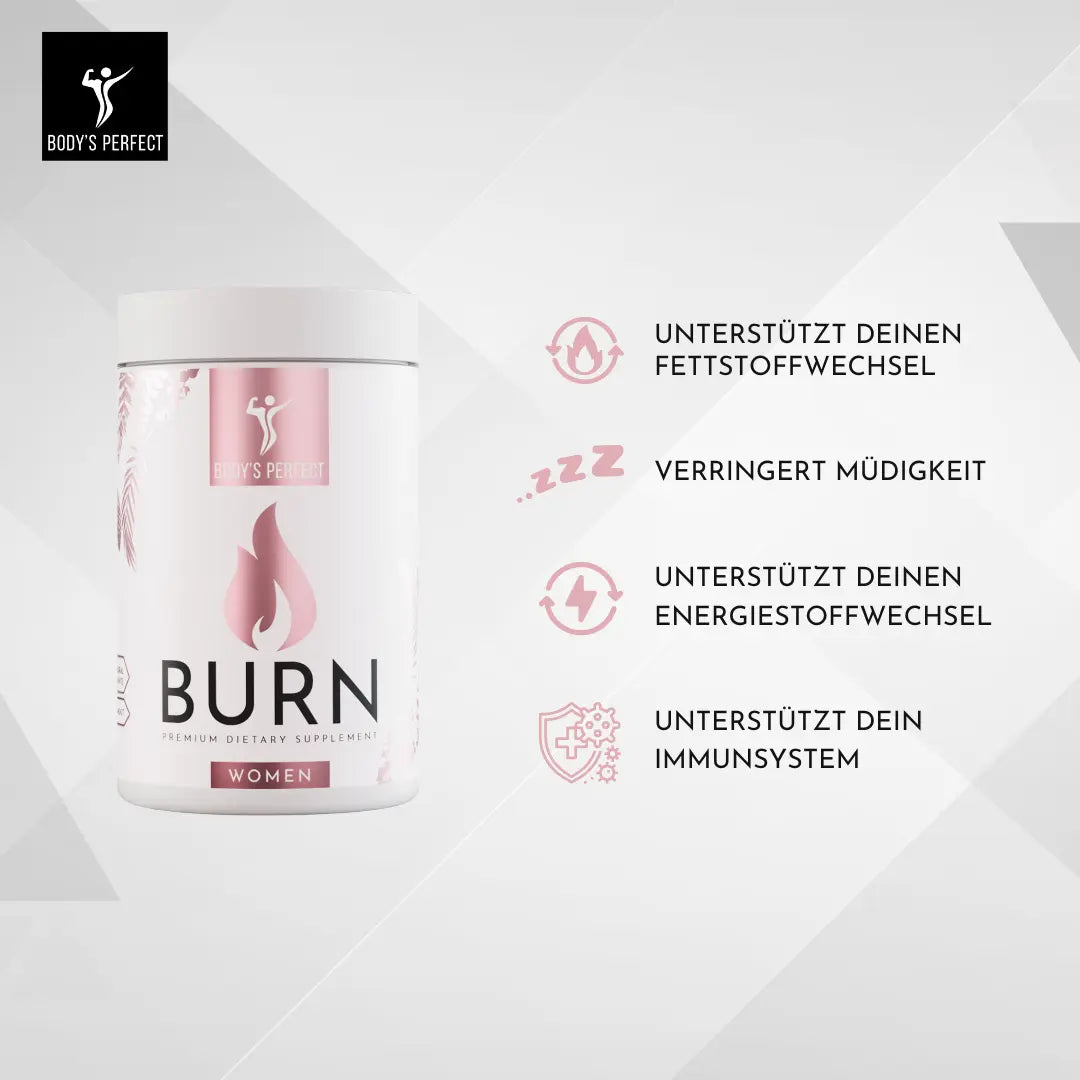
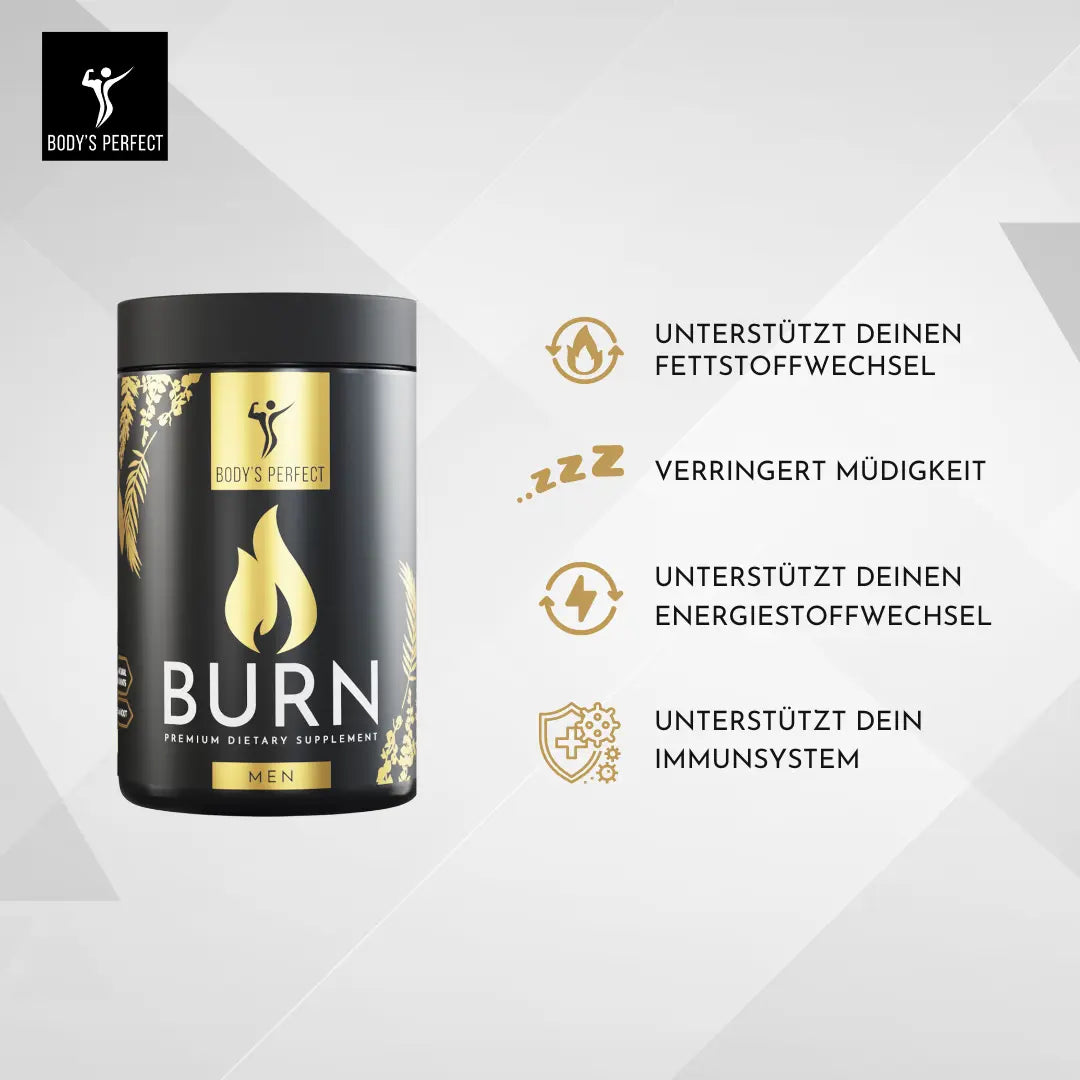
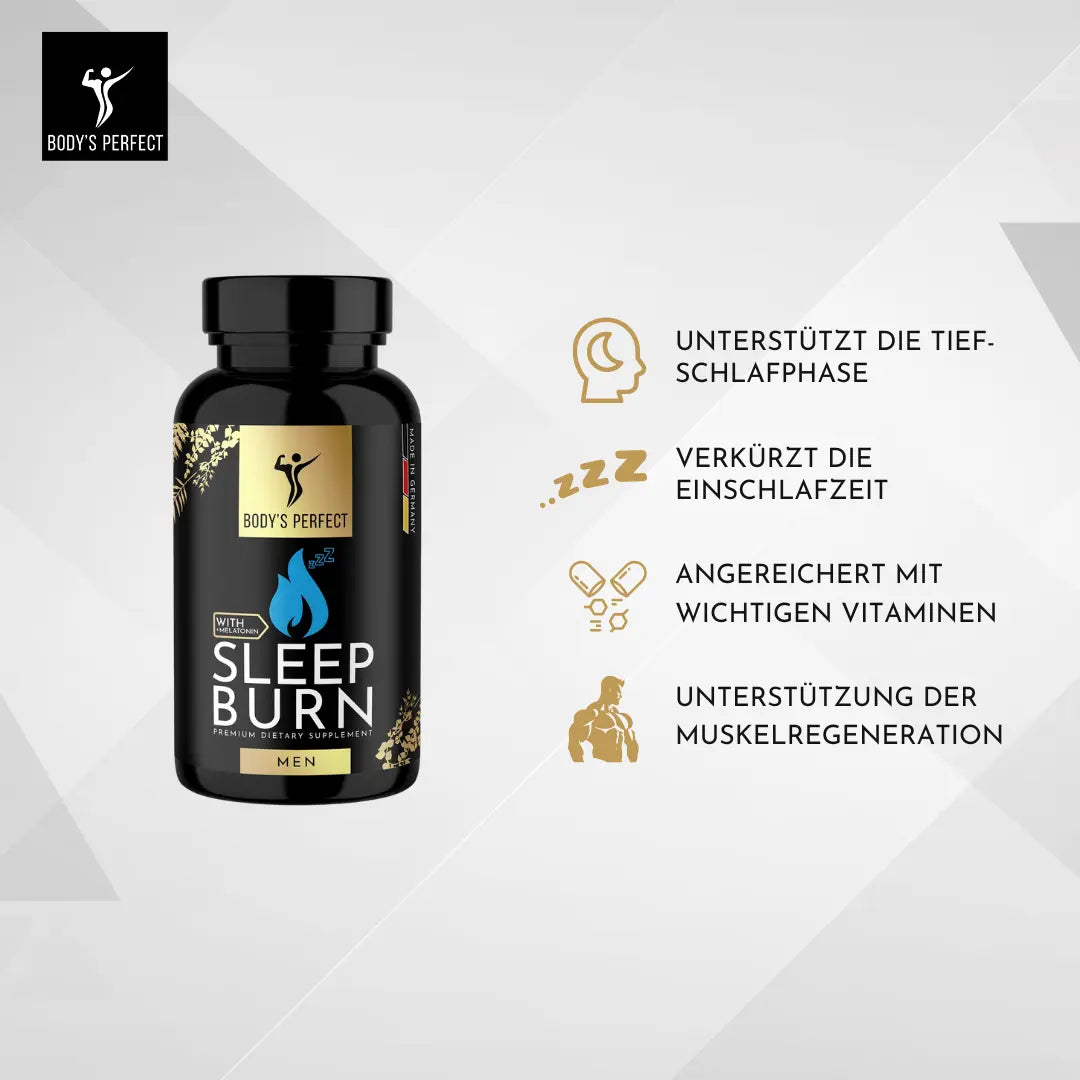
- BURN capsules: Ingredients like green tea extract or caffeine can gently boost your metabolism and support fat burning – ideal before training.
- Vitamins & Minerals: Especially during a diet, small deficiencies can quickly occur. A targeted intake of vitamin D, magnesium, or zinc ensures that your body is fully supplied and can function optimally.
With severe obesity, many people understandably look for more radical solutions. One example is bariatric surgery. According to the Hospital Report 2025, the number of such operations in Germany increased from about 5,000 in 2010 to almost 26,250 procedures in 2023. However, this step is really only an option for severe cases with serious health risks. You can read more about the background of bariatric surgery in the report. For most people, a personal, holistic approach is by far the safer and more sustainable way to their goal.
Typical Questions that Keep Coming Up
Those who want to lose weight quickly often have many questions in their heads. This is no wonder, because you constantly read contradictory things on the internet and in magazines. Let's clear up the most common myths so that you can see clearly and avoid making typical mistakes in the first place.
How much can I really lose per week?
A realistic and healthy goal is 0.5 to 1 kilogram per week. At the beginning, it often goes a little faster because your body first loses stored water – that's completely normal and quickly balances out.
Those who try to lose more weight usually lose valuable muscle mass and are heading straight for the dreaded yo-yo effect. Remember: consistency always wins against radical crash diets. Your body will thank you in the long run.
Do I have to completely cut out carbohydrates to lose weight quickly?
No, absolutely not. This is one of the most persistent myths out there. Your brain and muscles need carbohydrates as their main energy source. It's not about eliminating them, but about choosing the right ones.
Focus on complex carbohydrates that keep you full for a long time and maintain your performance.
- Whole grain products like oatmeal, quinoa, or real whole grain bread
- Legumes like lentils or chickpeas
- Starchy vegetables like potatoes and sweet potatoes
What you should reduce are sugar and white flour products. They only spike your blood sugar and provoke cravings.
Your body is not a machine with an on and off switch. It needs the right fuel. Completely depriving it of important nutrients rarely leads to success, but mostly only to frustration and deficiency symptoms.
What can I do about sudden food cravings?
Cravings are usually a clear signal from your body that something is out of balance. The most common triggers are fluctuating blood sugar levels, stress, or simply too little sleep.
A good trick is to ensure a good portion of protein and enough fiber with every meal. This combination keeps you full for a long time and stabilizes your blood sugar. If cravings still strike, first drink a large glass of water. A protein-rich snack like a handful of nuts, a piece of cheese, or some cottage cheese often helps as well.
Is it enough to just exercise to lose weight?
Exercise is a fantastic helper, no question. But nutrition plays a significantly larger role when it comes to your weight. There's a clever saying: "Abs are made in the kitchen."
You can hardly work off a bad diet, no matter how much you try. By far the best strategy is always the smart combination of a reasonable calorie deficit and regular exercise. One inspires the other, and together they are simply unbeatable.
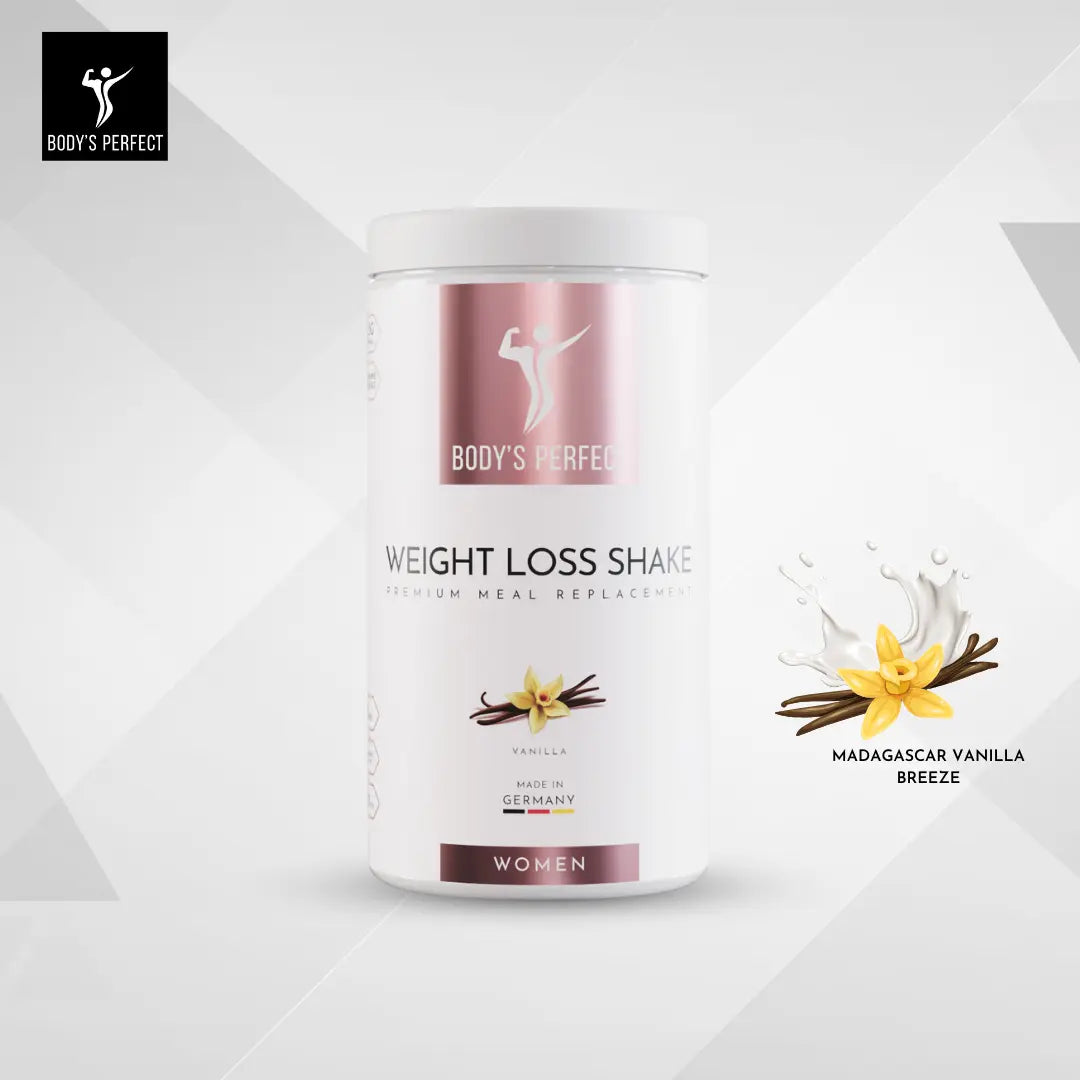
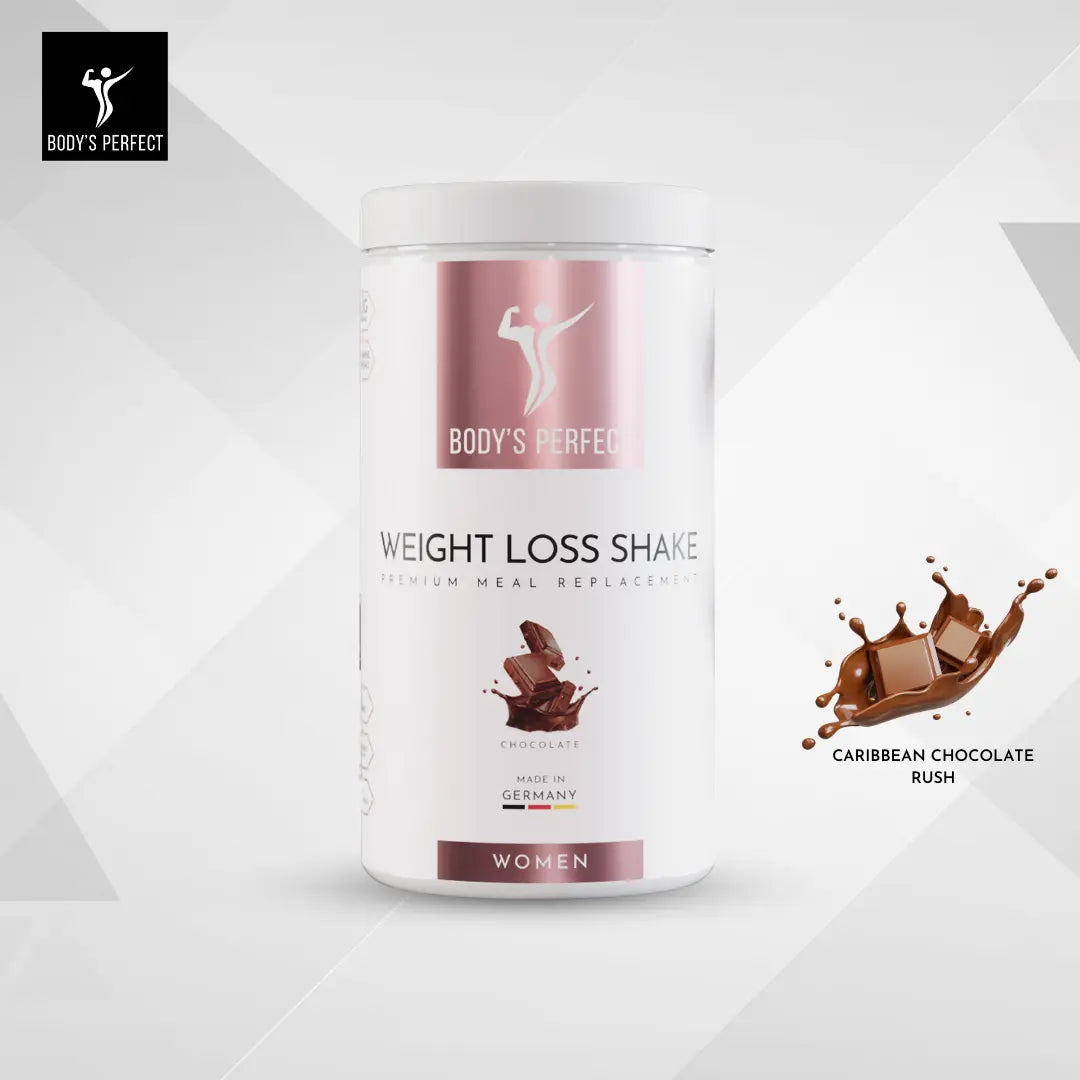
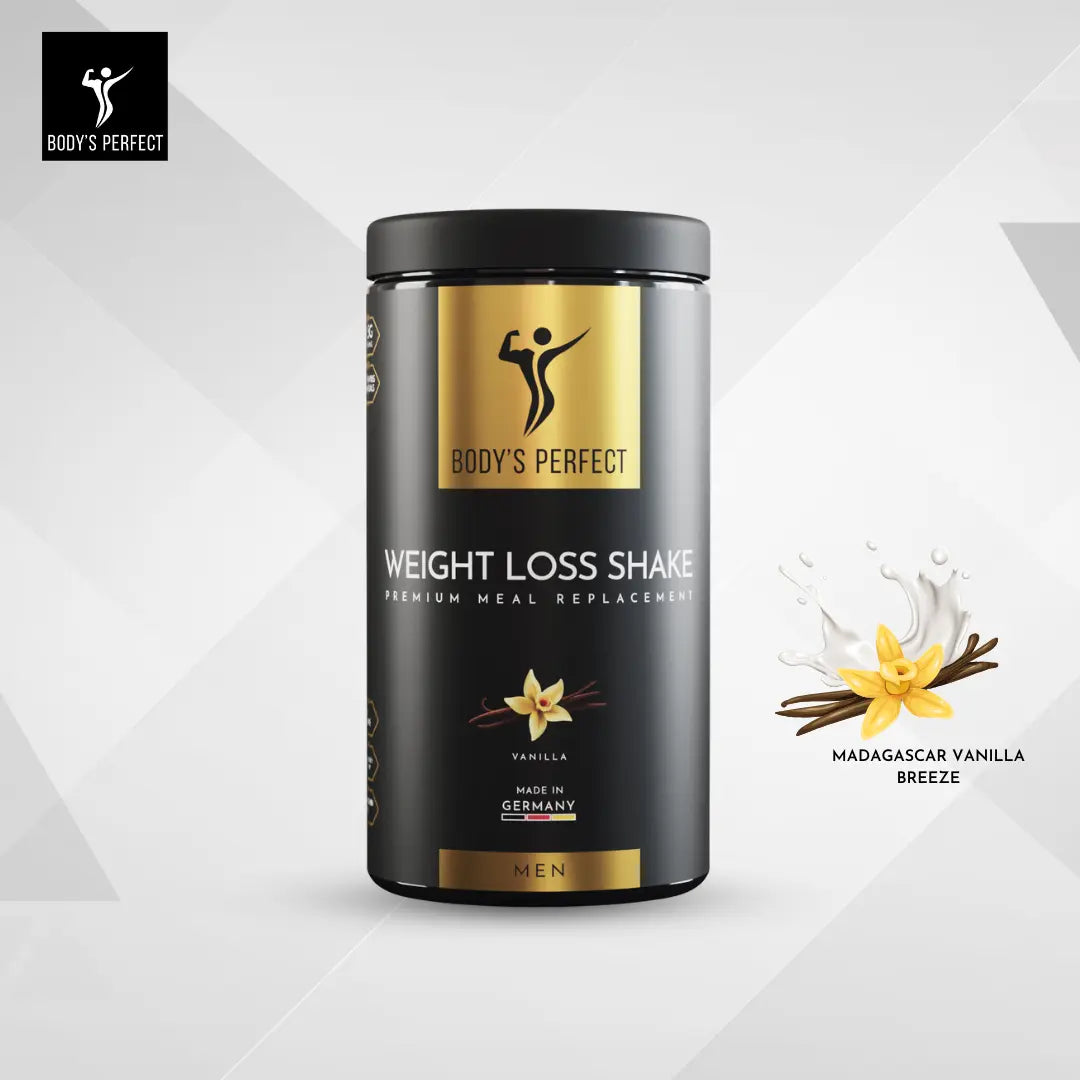
Do you want to leave your path to your feel-good weight not to chance, but to rely from the start on a strategy that really suits you? At BODY'S PERFECT you will find not only high-quality products that support you, but also innovative approaches such as the DNA metabolism test. Find out what your body really needs and reach your goals more efficiently than ever before. Visit https://bodysperfect.com and start your journey.



















Share:
Calculate your basal metabolic rate for weight loss – Step by step
How to Really Lose Weight: Your Honest Guide to Your Desired Weight