

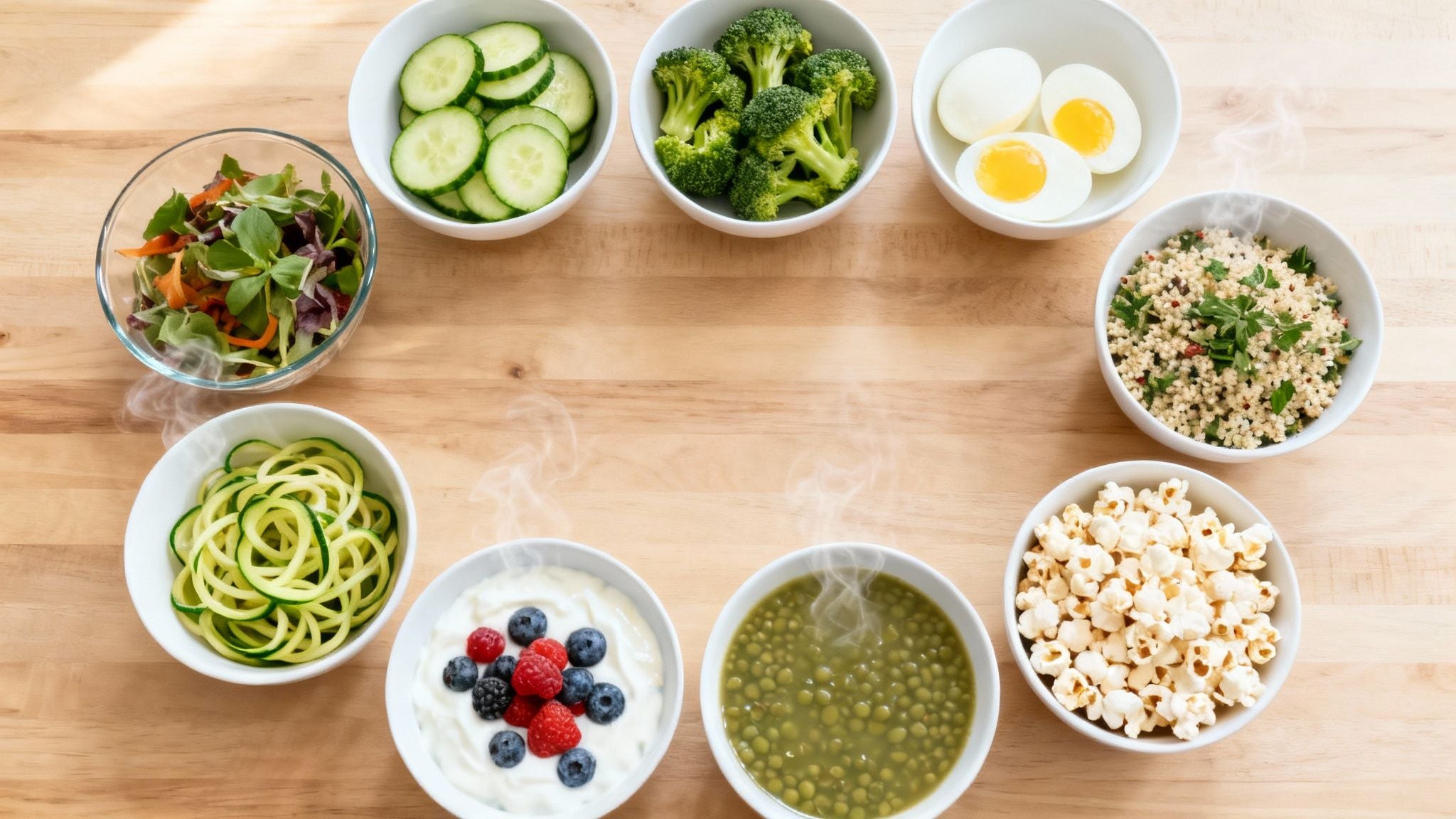
You probably know the feeling: you eat, but shortly after, hunger strikes again. This constant feeling of hunger is the biggest enemy of any diet and often leads to cravings and frustration. But what if you could eat foods that keep you full for hours without breaking your calorie bank?
This is where the stars of this article come in: low-calorie satiating foods. These are foods that have a large volume with low energy density due to a high proportion of protein, fiber, or water. They fill your stomach, stabilize your blood sugar levels, and send strong satiety signals to your brain. This way, you stay satisfied longer and avoid unnecessary snacks.
In this list, we present the 8 most effective satiating foods that you can easily integrate into your daily life to finally achieve your weight loss goals – without feeling hungry. At BODY'S PERFECT, we know that sustainable success is based on clever strategies, not deprivation. Let's discover together how you can optimally nourish your body, feel energetic, and enjoy managing your weight.
1. Low-Fat Quark
Low-fat quark is a true classic among low-calorie satiating foods and an absolute powerhouse when it comes to nutritional values. As a staple German food, especially in the fitness scene, it has rightly earned its place as a top satiating food. The reason lies in its unique composition: with only about 60-70 calories per 100 grams, it provides an impressive 12-13 grams of high-quality protein.
The satiating effect of low-fat quark is exceptional and well-explained scientifically. It consists mainly of casein, a protein that your body digests very slowly. This slow release of amino acids ensures a long-lasting feeling of fullness and supplies your muscles with building blocks for hours. This makes it an ideal low-calorie satiating food that effectively prevents cravings.
Why Low-Fat Quark is so Effective
The particular strength of low-fat quark lies in its versatility and high nutrient density. Whether as a sweet breakfast, savory dip, or protein-rich snack before bedtime to prevent muscle breakdown – low-fat quark always fits. Fitness greats like Pamela Reif or Sophia Thiel have popularized the "quark bowl" as a healthy meal, showing how delicious and simple a healthy diet can be.
The following bar chart shows you the nutritional distribution and satiety potential of low-fat quark at a glance.
As the graphic illustrates, low-fat quark offers an extremely high protein value and an outstanding satiety rating with minimal calories.
Practical Tips for Your Daily Life
To optimally integrate low-fat quark into your diet, try these simple tricks:
- Make it creamier: Stir in a splash of mineral water or low-fat milk for a smoother, yogurt-like consistency.
- Sweet breakfast dream: Mix 250 g of low-fat quark with a sweetener of your choice (e.g., stevia or erythritol), a little cinnamon, and a handful of fresh berries.
- Savory dip: Combine the quark with fresh herbs like chives and parsley, a pinch of salt, pepper, and a little garlic powder. Perfect with vegetable sticks!
- Overnight Oats: In the evening, mix quark with oats and some liquid for a satiating breakfast that's ready the next morning.
2. Oats
Oats are the undisputed champion of healthy breakfast and a true all-rounder. As a whole grain product, they provide a perfect combination of complex carbohydrates, satiating fiber, and plant-based protein. Although 100 grams of dry flakes contain about 350 calories, they swell significantly when cooked with water, resulting in a large, voluminous, and extremely satiating portion.
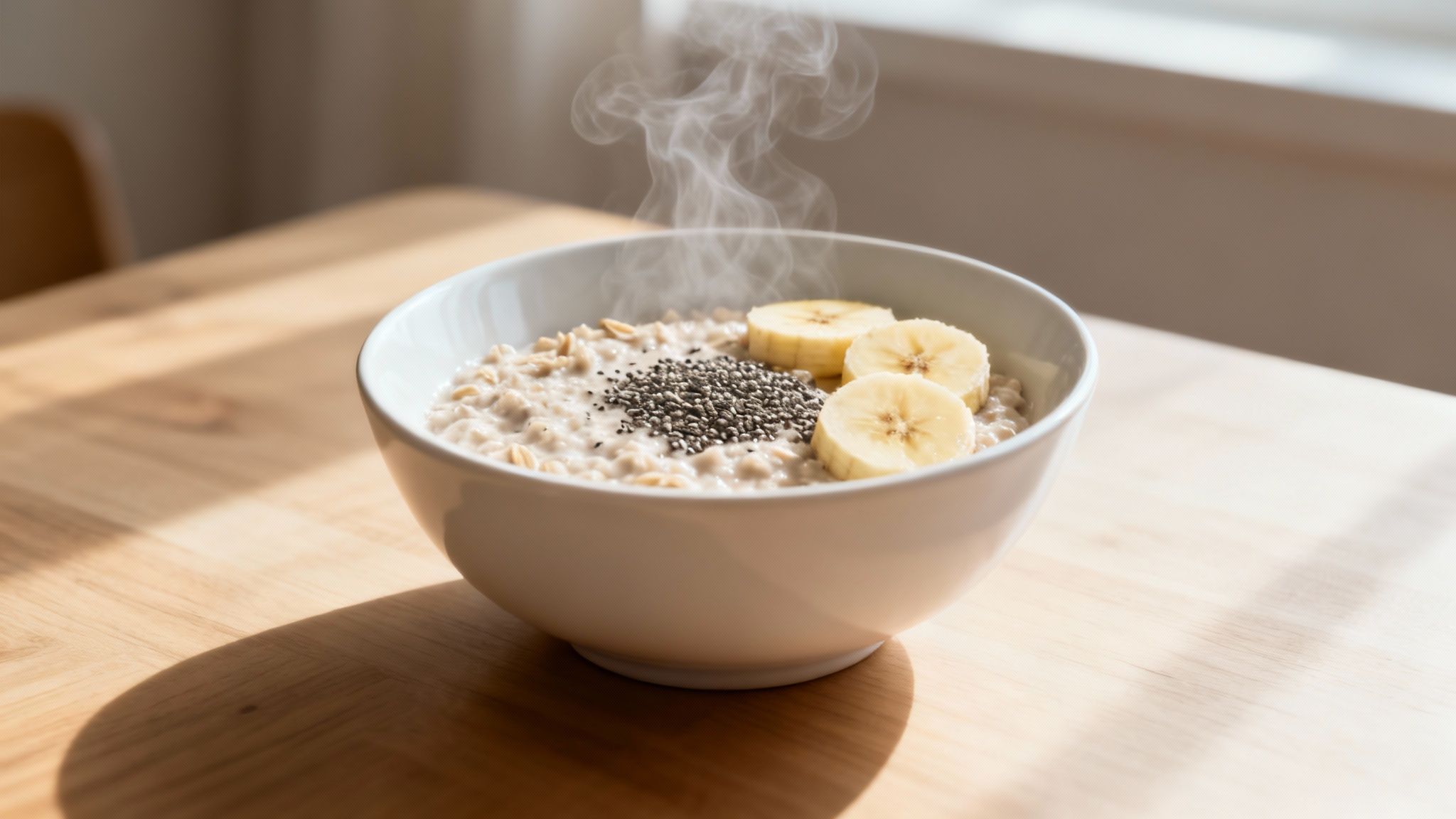
The special satiating effect of oats comes from the beta-glucans they contain. These soluble fibers slow down digestion and ensure stable blood sugar levels. The result: you stay full for hours, energized, and avoid cravings. This makes oats an ideal low-calorie satiating food for a powerful start to the day.
Why Oats are so Effective
The strength of oats lies in their ability to provide long-lasting energy while being versatile. Whether as classic porridge, in baked goods, or even in savory dishes – they are a true staple for a healthy diet. Brands like Kölln have established oats in Germany, while the clean-eating trend has given them new popularity through fitness influencers.
Athletes use them as an energy source before training, and weight loss programs like Weight Watchers recommend them as a satiating breakfast to get through the day without hunger.
Practical Tips for Your Daily Life
Easily integrate oats into your daily routine with these tips:
- Correct portioning: Use 40-50 grams of dry oats per meal. Cooked with water, this results in a large portion that keeps you full for a long time.
- Overnight Oats: Prepare your breakfast the evening before by mixing oats with liquid and other ingredients and letting it soak in the refrigerator overnight.
- Extra satiety: Add a spoon of chia seeds or psyllium husks to further increase fiber content and satiety.
- Savory variant: Try "Oat Risotto" (savory porridge) with broth, vegetables, and herbs as a healthy alternative for lunch or dinner.
- Protein boost: To maximize the satiating effect, you can enrich your oats with protein powder. Find inspiration for your own shake here: Tips for making your own protein shakes.
3. Legumes (Lentils, Chickpeas, Beans)
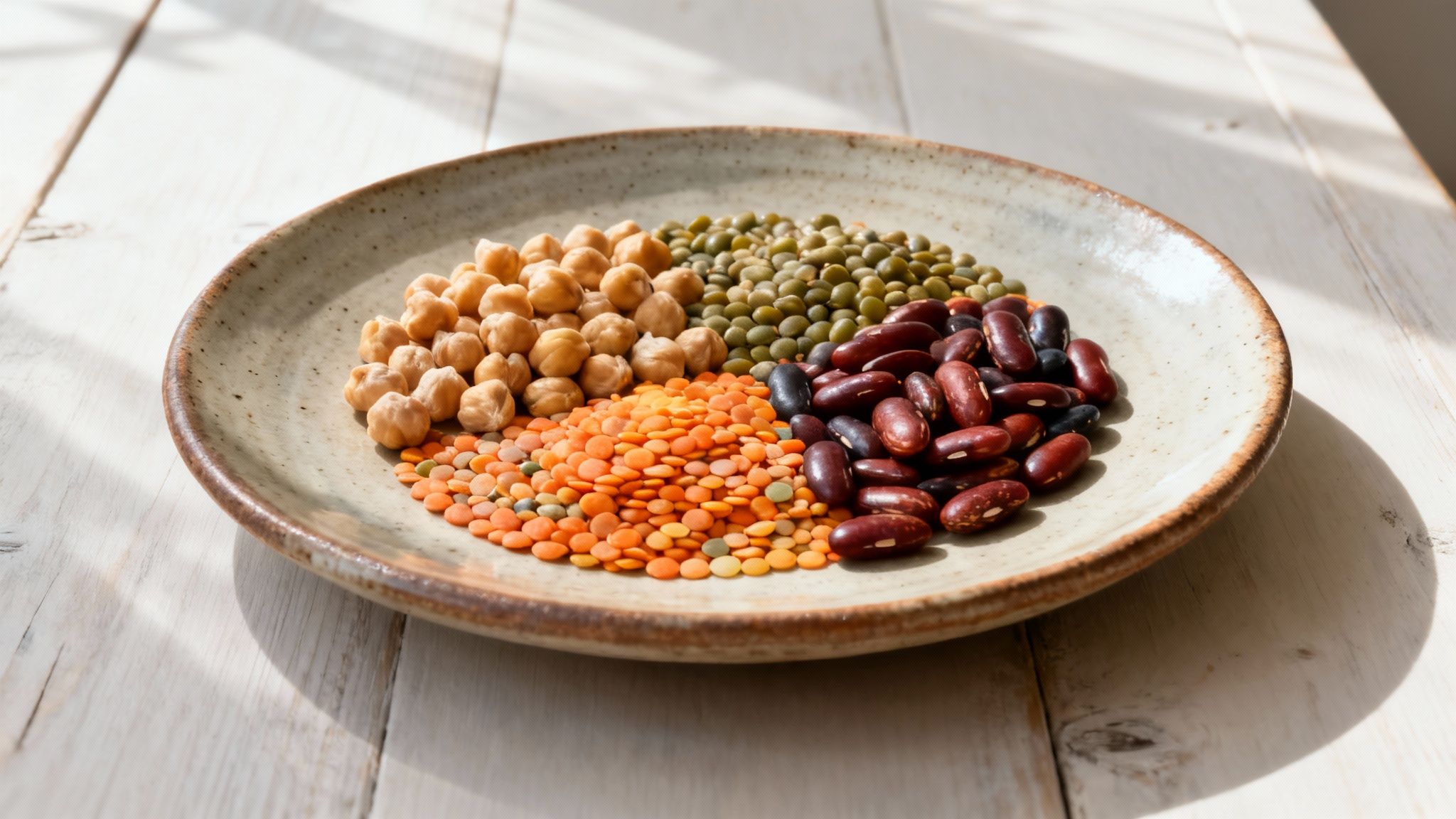
Legumes like lentils, chickpeas, and beans are true nutrient bombs and among the most effective satiating foods available. They are the basis of many healthy diets worldwide, and for good reason. With only about 120-130 calories per 100 grams (cooked), they offer an impressive combination of complex carbohydrates, plant-based protein, and, above all, fiber.
This unique blend of nutrients ensures extremely slow digestion. The protein and fiber swell in the stomach, leading to a strong and long-lasting feeling of fullness. Blood sugar levels remain stable, effectively preventing cravings. This makes legumes an ideal low-calorie satiating food that keeps you satisfied and energized for hours.
Why Legumes are so Effective
The strength of legumes lies in their perfect interplay of protein and fiber, especially so-called resistant starch. This type of starch is not fully digested but serves as food for the good bacteria in your gut. This promotes a healthy gut flora and further enhances the feeling of fullness.
From the Mediterranean diet, where studies show a lower BMI with regular consumption, to vegan food bloggers like Attila Hildmann, who popularized their power for a plant-based diet – legumes are a proven building block for a healthy figure and sustained satiety.
Practical Tips for Your Daily Life
Easily integrate legumes into your meals to stay full longer:
- Gentle start: Begin with red lentils, as they are the easiest to digest and require no long cooking time. Perfect for quick soups or curries.
- Better digestibility: Soak dried beans or chickpeas overnight and rinse them well. This significantly reduces gas-producing substances.
- Quick solution: Use canned or jarred legumes for a quick meal. Rinse them under clear water before use to remove excess salt.
- Create volume: Combine a portion of lentils or chickpeas with plenty of vegetables in a salad or bowl. This increases the volume of the meal without adding many calories.
- Season properly: Spices like cumin, ginger, or fennel not only taste good but can also aid digestion.
4. Vegetable Broth and Soups
Soups based on vegetable broth are one of the cleverest strategies when it comes to low-calorie satiating foods. The logic behind it is surprisingly simple: they fill the stomach with a lot of volume and warmth, yet provide extremely few calories. A bowl of vegetable soup before the main meal can significantly reduce hunger and ensure that you eat less overall.
The satiating effect of soups is scientifically well-proven. The high water content stretches the stomach wall, sending satiety signals to your brain. A large portion of a pure vegetable soup can contain only 50-100 calories, while simultaneously creating a full feeling of satiety. This makes it a perfect low-calorie satiating food that helps you effortlessly control your calorie intake without feeling hungry.
Why Soups are so Effective
The strength of soups lies in their ability to combine volume with minimal energy content. This principle was popularized by researcher Barbara Rolls, PhD, as part of her Volumetrics diet. Studies from Penn State University showed that consuming a low-calorie soup before a meal can reduce the total calorie intake of a meal by up to 20%. The well-known "cabbage soup diet" is also based on this principle to achieve short-term success.
Practical Tips for Your Daily Life
Easily integrate soups into your routine to benefit from their satiating effect:
- The appetizer trick: Eat a bowl of clear vegetable soup about 15 minutes before your main meal to curb initial hunger.
- Cook in advance: Prepare a large batch of your favorite vegetable soup and freeze it in individual portions. This way, you always have a quick, healthy meal ready.
- Stay low sodium: Use low-sodium broth or cook your own to control salt intake. Too much salt can promote water retention.
- Add crunch: Add coarsely chopped vegetables like carrots, celery, or broccoli. Chewing further enhances the feeling of fullness.
- Boost satiety: Enrich your soup with pureed white beans or a spoonful of unflavored protein powder to make it even more satiating for longer.
5. Lean Protein (Chicken Breast, Turkey, White Fish)
Lean protein like chicken breast, turkey, or white fish is the undisputed champion when it comes to satiety per calorie. These foods are the cornerstones of many successful nutrition plans, as they offer maximum satiety with minimum calories. The reason is the impressive nutritional composition: with only about 100-120 calories per 100 grams, they deliver a proud 20-30 grams of high-quality protein.
The satiating effect of protein is not just a feeling, but also scientifically proven. Protein has the highest thermic effect of all macronutrients. This means your body uses up to 30% of the ingested protein calories just for digestion. Lean protein is thus a highly efficient low-calorie satiating food that not only keeps you full for a long time but also boosts metabolism and preserves muscle during a diet.
Why Lean Protein is so Effective
The particular strength of lean protein lies in its ability to effectively control hunger while providing valuable building blocks for the body. It's no coincidence that bodybuilders rely on the classic "chicken and broccoli" diet to get extremely lean, or that meal delivery services like HelloFresh often build their healthy dishes around a lean protein source.
Unlike carbohydrates or fats, protein-rich meals send strong satiety signals to your brain, making you feel more satisfied and preventing cravings from even arising. If you want to replenish your protein reserves quickly and effectively after exercise, high-quality protein powders offer a practical alternative. Learn more about the best whey protein on bodysperfect.com to specifically supplement your diet.
Practical Tips for Your Daily Life
Integrate lean protein easily and deliciously into your meals with these tips:
- Optimal portion: Aim for a portion of about 25-30 grams of protein per meal to maximize satiety.
- Juicy instead of dry: Use a meat thermometer to cook chicken or turkey perfectly to the point and prevent drying out.
- Aromatic marinades: Marinate your meat or fish in yogurt, lemon juice, or vinegar. This makes it tender and adds flavor.
- Season calorie-free: Rely on herbs, spices, garlic, and onion powder to give your dishes an intense aroma without extra calories.
- Create volume: Always combine your protein source with a large portion of low-calorie vegetables like broccoli, spinach, or salad to visually and gastronomically enlarge the meal.
6. Konjac Products (Shirataki)
Konjac products, often known as Shirataki noodles or konjac rice, are a small revolution in the world of low-calorie nutrition. They are made from konjac root flour and consist almost entirely of water and the fiber glucomannan. The result is impressive: with only about 5-10 calories per 100 grams, they are practically calorie-free, yet offer enormous satiating potential.
The satiating effect of konjac products is exceptional and purely physical. The soluble fiber glucomannan can bind 50 times its own weight in water. In the stomach, it swells, fills it, and thus triggers a strong and long-lasting feeling of fullness without burdening the body with calories. This makes konjac a perfect low-calorie satiating food to increase the volume of a meal while saving on calories.
Why Konjac Products are so Effective
The strength of konjac products lies in their ability to replace classic, carbohydrate-rich side dishes like noodles or rice with virtually no calories. This has been particularly popularized by the keto and low-carb movements, as well as brands like "Skinny" that established konjac as a pasta alternative in the West. Even TV personalities like Dr. Oz have presented glucomannan as an effective weight-support tool, further increasing its recognition.
If you want to learn more about the fascinating properties of this food, you can delve deeper into the world of konjac root on bodysperfect.com here.
Practical Tips for Your Daily Life
For konjac products to taste good and be effective, proper preparation is crucial:
- Remove odor: Rinse the products thoroughly under cold water for 2-3 minutes before use to remove the slightly fishy inherent odor.
- Improve texture: Briefly fry the drained noodles or rice without oil in a hot pan until they squeak. This gives them a more pleasant, al dente consistency.
- Versatile use: Use them as a base for low-calorie versions of Pad Thai, ramen, bolognese, or Asian wok dishes. Since they are neutral in taste, they perfectly absorb the aroma of any sauce.
- Complete meal: Always combine konjac products with a protein source (chicken, tofu, shrimp) and plenty of vegetables to create a nutritious and balanced meal.
7. Voluminous Vegetables (Cucumber, Zucchini, Cauliflower)
Voluminous vegetables are one of the cleverest strategies to get full without consuming many calories. These include water-rich varieties such as cucumbers, zucchini, cauliflower, or leafy greens. Their secret lies in their extremely low energy density: with only about 15-30 calories per 100 grams, but a water content of 90-95%, they fill the stomach without burdening the calorie count.
The satiating effect of voluminous vegetables is primarily physical. Large portions stretch the stomach wall, sending the signal "I'm full" to your brain. This principle, known as "Volumetrics" and popularized by scientist Barbara Rolls, PhD, allows you to eat until you're truly full and still lose weight. These foods are therefore an ideal low-calorie satiating food, as they fill the stomach before you consume too many calories.
Why Voluminous Vegetables are so Effective
The strength of these vegetables lies in their ability to visually and physically enlarge meals. Instead of eating small, calorie-rich portions and remaining hungry, you can enjoy huge, satisfying salads or vegetable stir-fries. Fitness influencers and the keto community have perfected this trick by replacing noodles with zucchini ("zoodles") or rice with cauliflower rice. This saves hundreds of calories per meal with the same or even greater volume.
Since these vegetables are also rich in fiber, vitamins, and minerals, they not only support satiety but also your overall health. They are often a good source of low-carb foods, making them doubly valuable for a weight-conscious diet.
Practical Tips for Your Daily Life
Easily integrate voluminous vegetables into your daily meals:
- Half-plate rule: Fill half of your plate with salad or steamed vegetables at every main meal.
- Smart Rice Substitute: Grate cauliflower and sauté it briefly in a pan. This creates a fluffy, low-calorie side dish.
- "Zoodles" instead of Pasta: Use a spiralizer to turn zucchini into noodle shapes. Perfect for your favorite pasta sauce.
- Snack Prep: Cut cucumbers, bell peppers, and celery into sticks and store them in the refrigerator. Ideal for a quick snack with a protein-rich dip.
- Smoothie Booster: Add a handful of spinach or a piece of cucumber to your smoothie. You'll barely taste it, but you'll increase the volume and nutrient density.
8. Greek Yogurt
Greek yogurt is the creamy superstar among low-calorie satiating foods and has, similar to quark, secured a firm place in health-conscious nutrition. It owes its popularity to its luxurious texture and impressive nutritional profile. Through a special manufacturing process that removes most of the whey, it is thicker, creamier, and significantly richer in protein than regular yogurt.
The satiating effect of Greek yogurt is enormous. A low-fat version provides a strong 10 grams of protein for only about 60-70 calories per 100 grams. This protein, mainly slow-digesting casein, ensures a long-lasting feeling of fullness and keeps blood sugar levels stable. This makes it a perfect low-calorie satiating food that effectively prevents cravings and also supports gut health through its probiotic cultures.
Why Greek Yogurt is so Effective
The particular strength of Greek yogurt lies in its versatility, which qualifies it for both sweet and savory dishes. Its thick consistency makes it an ideal substitute for high-calorie ingredients like sour cream, crème fraîche, or mayonnaise. It became known primarily through brands like Fage and Chobani, as well as through the popularity of the Mediterranean diet, which is valued for its health benefits. Fitness influencers often use it as a base for "Protein Frozen Yogurt" - a healthy ice cream alternative.
Practical Tips for Your Daily Life
To optimally integrate Greek yogurt into your diet, try these simple ideas:
- As a base for parfaits: Layer low-fat Greek yogurt with fresh berries and a small amount of nuts or low-sugar granola for a satisfying breakfast or dessert.
- Savory Dip (Tzatziki): Mix the yogurt with grated cucumber, garlic, fresh herbs like dill, and a little lemon juice. Perfect with vegetable sticks or grilled meat.
- Healthy Ice Cream Alternative: Freeze the yogurt, sweetened with a calorie-free alternative and mixed with pureed fruit, for a protein-rich ice cream.
- Use in Baking: Partially replace butter or oil in baking recipes with Greek yogurt to save calories and ensure a moist texture.
- Extra Protein Boost: For an even more filling meal, you can enrich the yogurt with protein powder. Read more about successful weight loss with protein powder on bodysperfect.com.
Comparison: Low-Calorie Satiating Foods at a Glance
| Food | 🔄 Ease of Preparation | 💡 Cost & Availability | 📊 Satiety (out of 10) | ⚡ Ideal for... | ⭐ Main Benefit |
|---|---|---|---|---|---|
| Quark | Very easy | Inexpensive, widely available | 9/10 | Meal replacement, athletes, diets | Very high protein content |
| Oats | Easy | Very inexpensive, long shelf life | 8/10 | Breakfast, meal prep, sports nutrition | Long-lasting energy, fiber |
| Legumes | Medium (cooking time) | Very inexpensive, long shelf life | 9/10 | Vegan diet, satiety | Protein & fiber, affordable |
| Vegetable Soup | Easy | Inexpensive ingredients | 7/10 | Appetizer, low-calorie meal | Very low calorie, high volume |
| Lean Protein | Medium (cooking time) | Medium | 9/10 | Athletes, muscle maintenance, diets | Highest satiety per calorie |
| Konjac Products | Easy | Rather expensive, specialty product | 8/10 | Low-carb, diets, volume filler | Virtually calorie-free, swells strongly |
| Vegetables | Very easy | Inexpensive, versatile | 6/10 (alone) | Enlarging meals, snacks | Very low calorie, high water content |
| Greek Yogurt | Very easy | Medium | 8/10 | Snacks, dips, protein-rich meals | Protein-rich, probiotic |
Your Path to Satiety Success – Personal and Effective
You have now learned about a whole range of effective and delicious foods that will support you on your journey to your feel-good weight. From protein-rich quark to fiber-rich legumes and voluminous vegetables – these low-calorie satiating foods are much more than just fillers. They are the building blocks for a sustainable, satisfying dietary change that does without constant hunger.
The common thread running through all these foods is a clever combination of high volume, lots of fiber, and plenty of protein. Exactly these three factors are crucial to send long-lasting satiety signals to your body. So you don't have to eat less, but eat differently. By cleverly integrating these satiating foods into your daily meals, you naturally create a calorie deficit without feeling restricted or hungry. This is the key to preventing cravings and achieving your goals in the long term.
The Next Steps for Your Success
Knowledge alone, however, does not lead to the goal. Now it's time for implementation. Here are some concrete steps you can take immediately:
- Plan your week: Choose two to three of the presented foods and consciously plan meals with them. How about a lentil soup for lunch or oats with Greek yogurt for breakfast?
- Be prepared: Cook larger quantities in advance. A large portion of vegetable broth or cooked lentils in the refrigerator are the perfect protection against unhealthy spontaneous purchases when hunger strikes.
- Listen to your body: Everyone is different. Experiment to find out which of these low-calorie satiating foods work best for you personally. Does quark keep you full longer than chicken breast? Find your favorites.
The decisive advantage of this approach is that you learn to work with your body instead of fighting against it. You give it what it needs: nutrients, volume, and a satisfied feeling of fullness. This path is not only more effective, but also feels much better.
Make it Your Personal Path to Success
But what if you want to go a step further? Every metabolism is unique. To perfectly tailor your diet to you, a deeper analysis can make all the difference. This is where we at BODY'S PERFECT come in with our innovative approach.
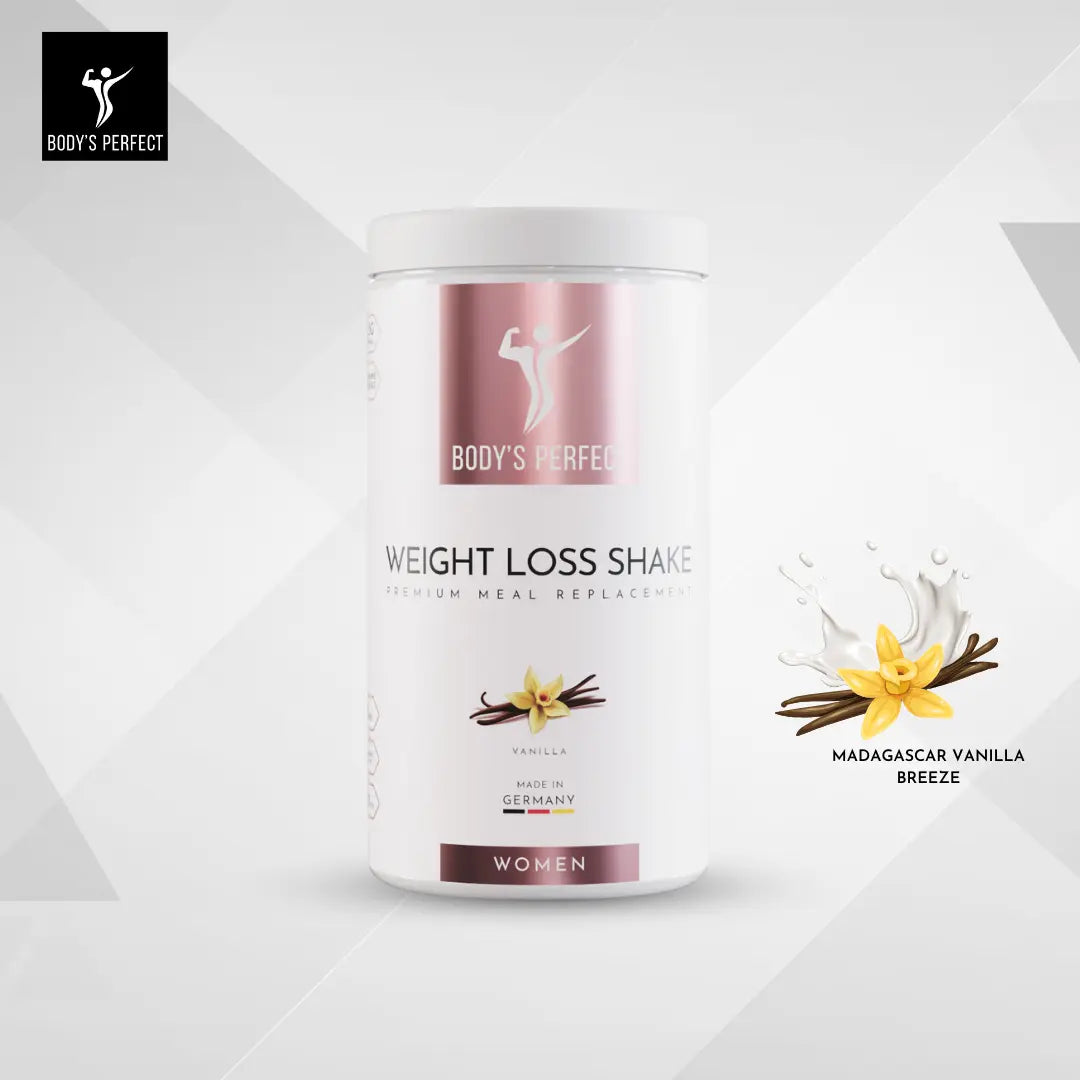
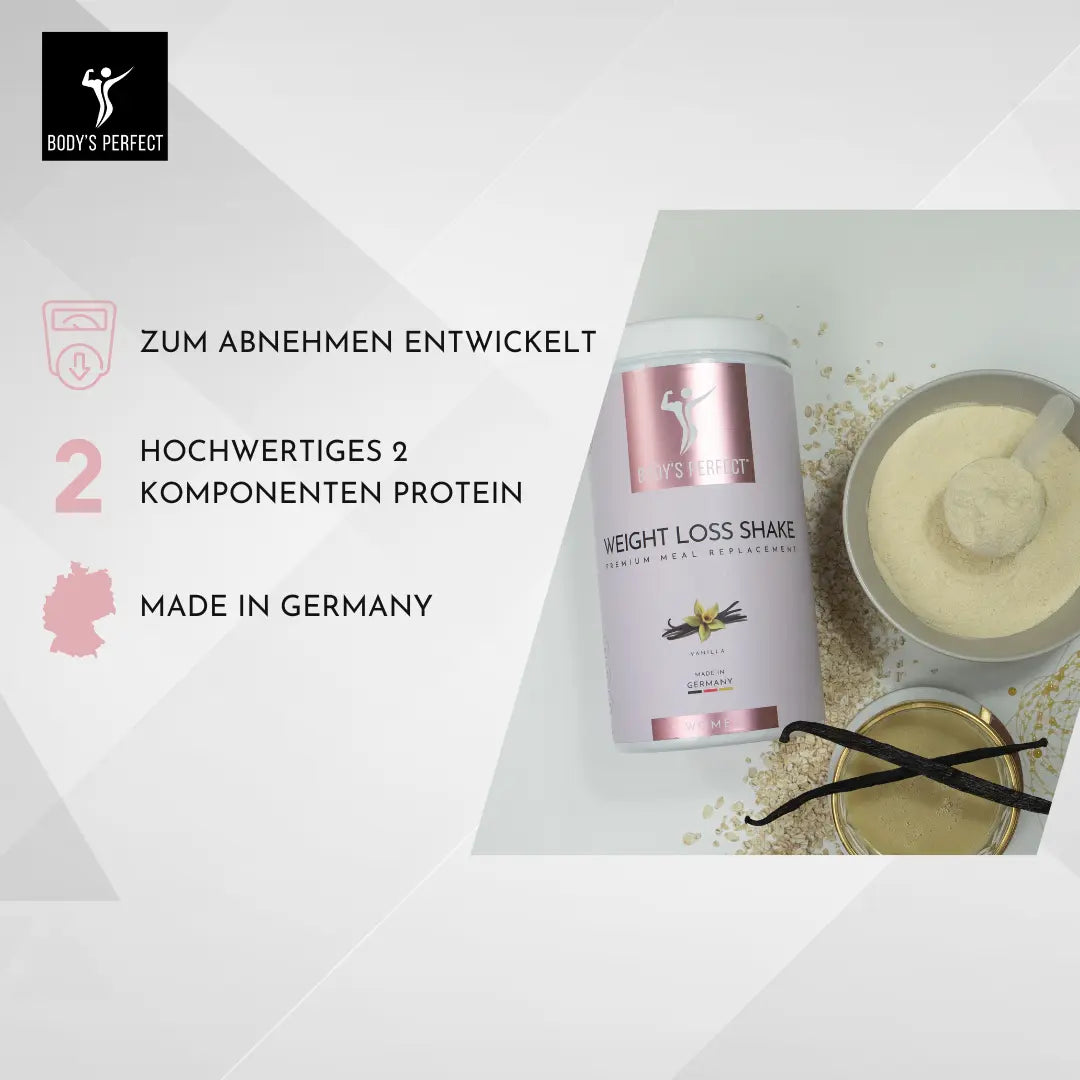
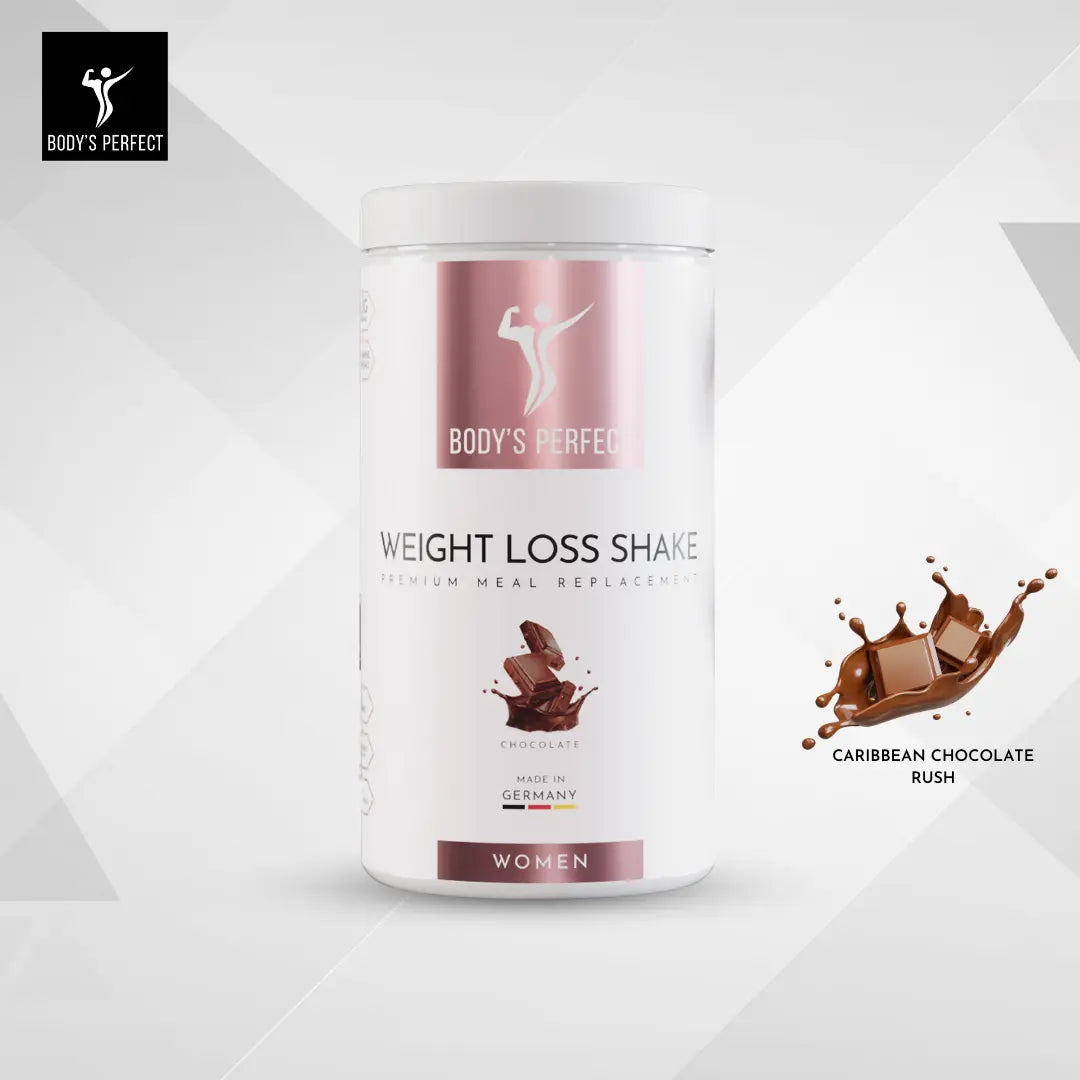
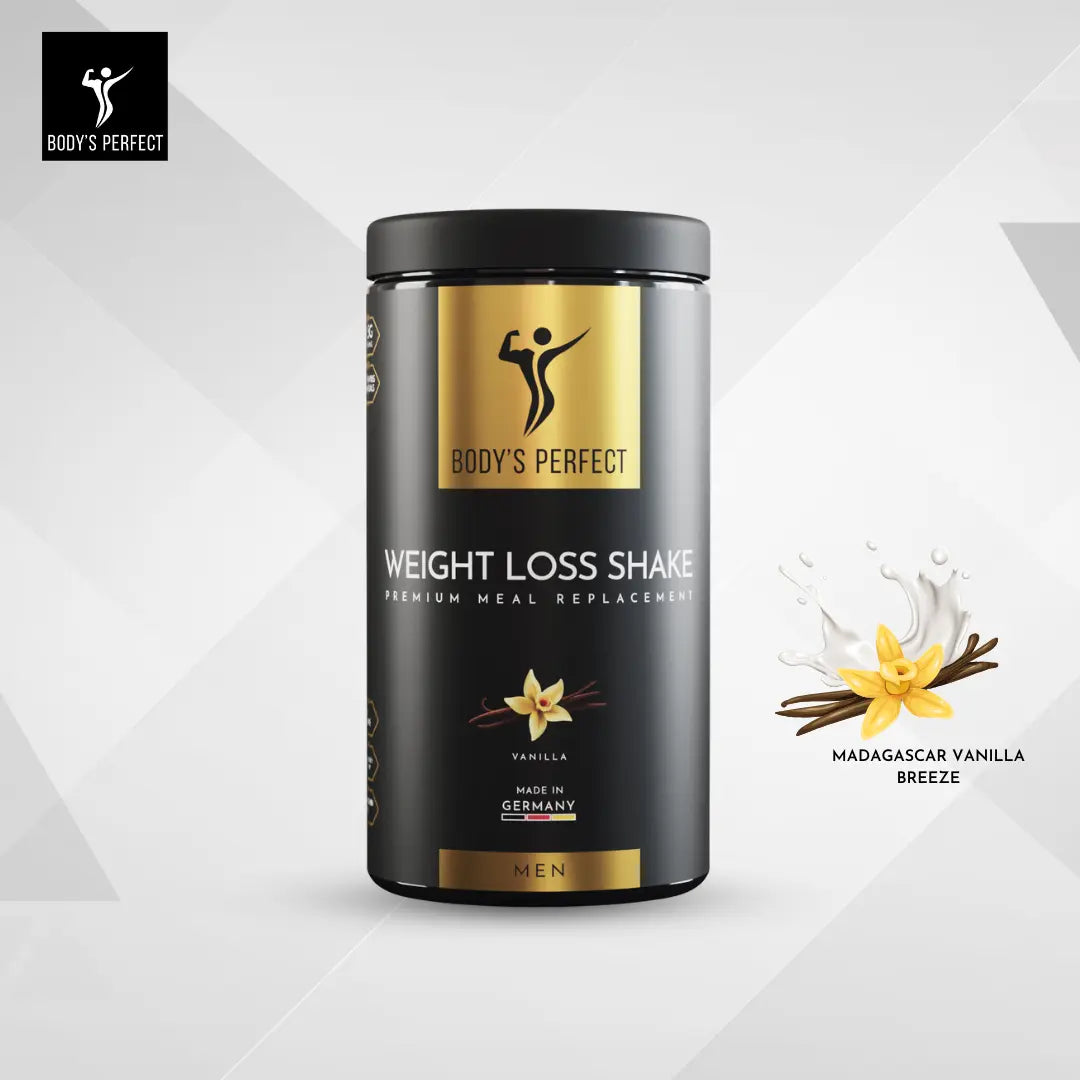
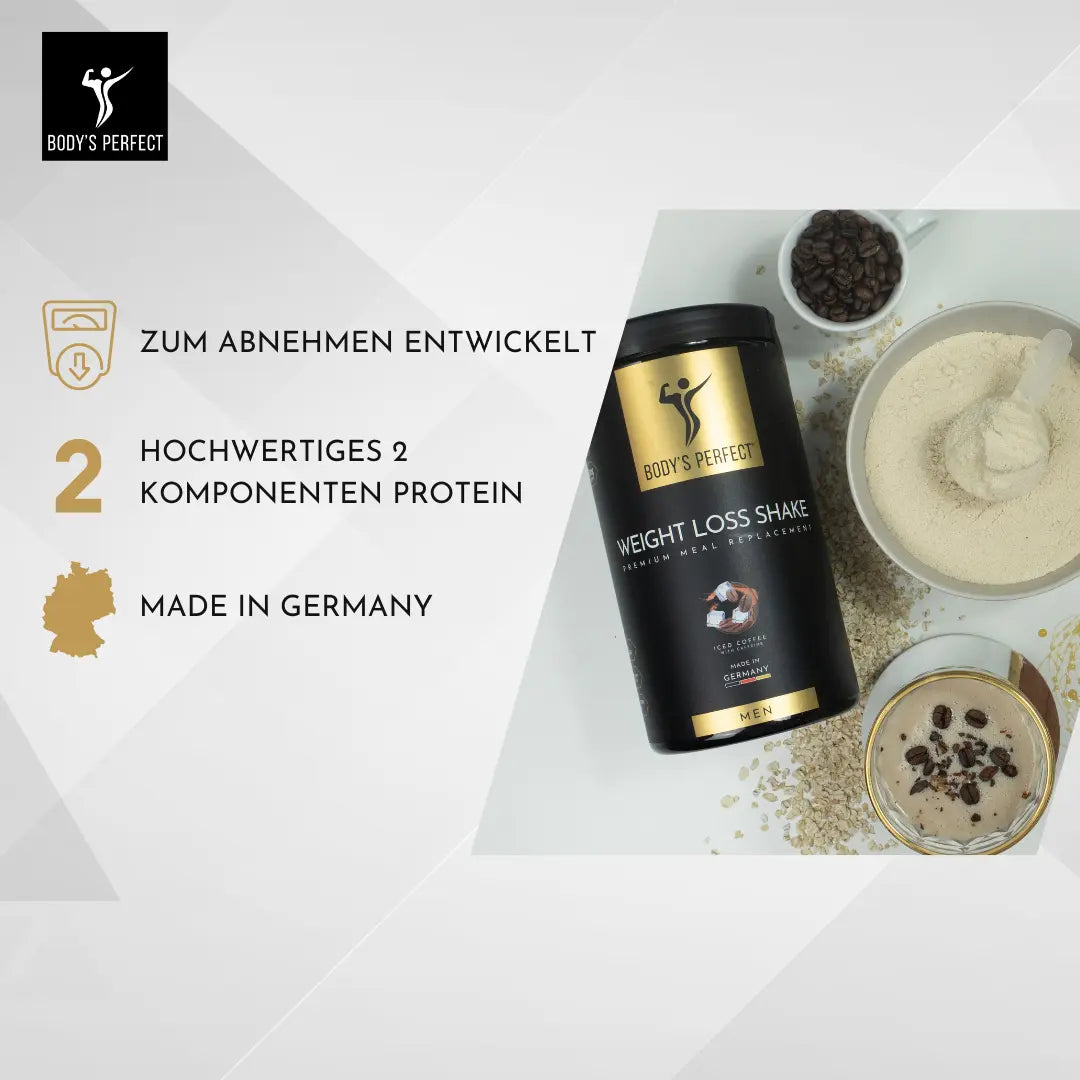
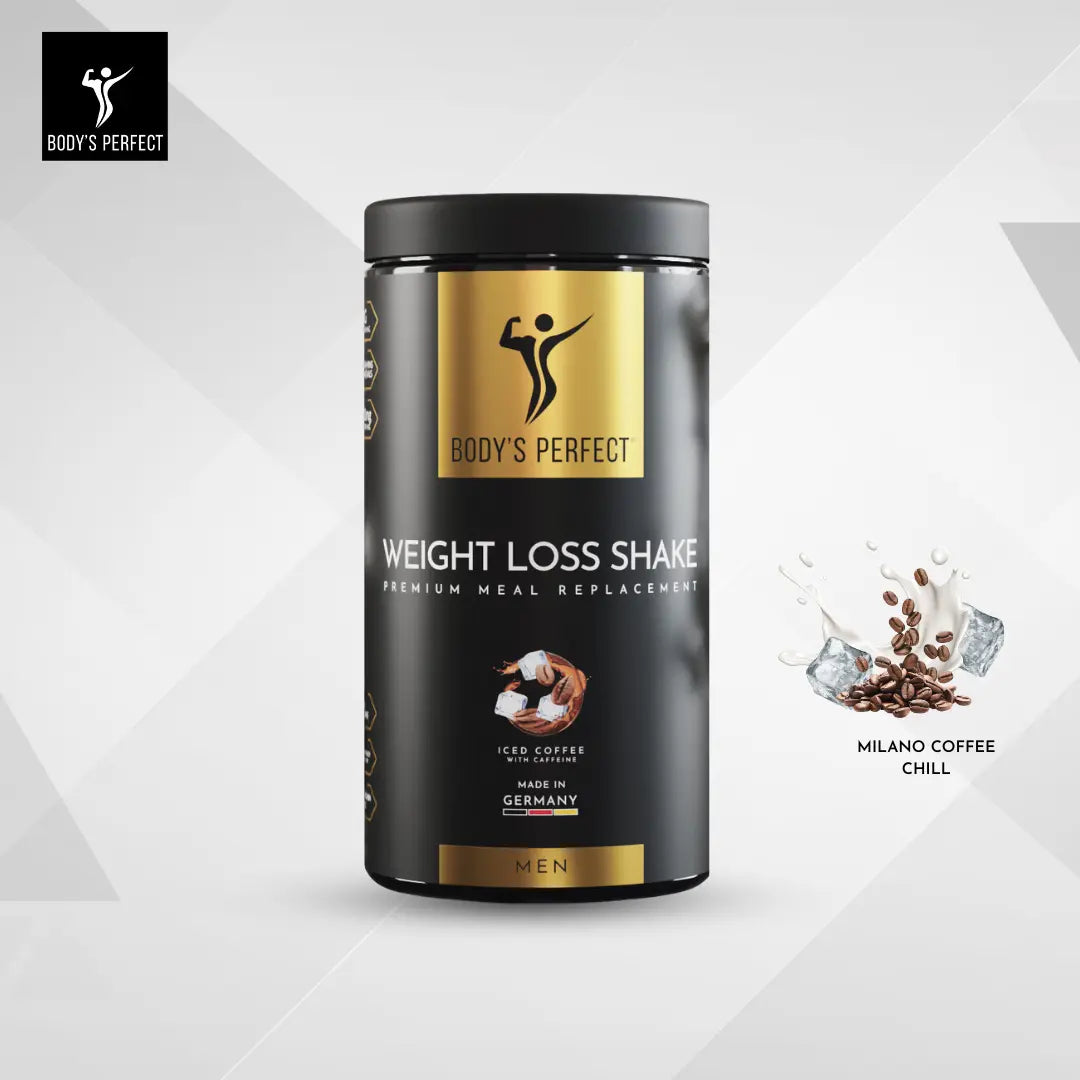
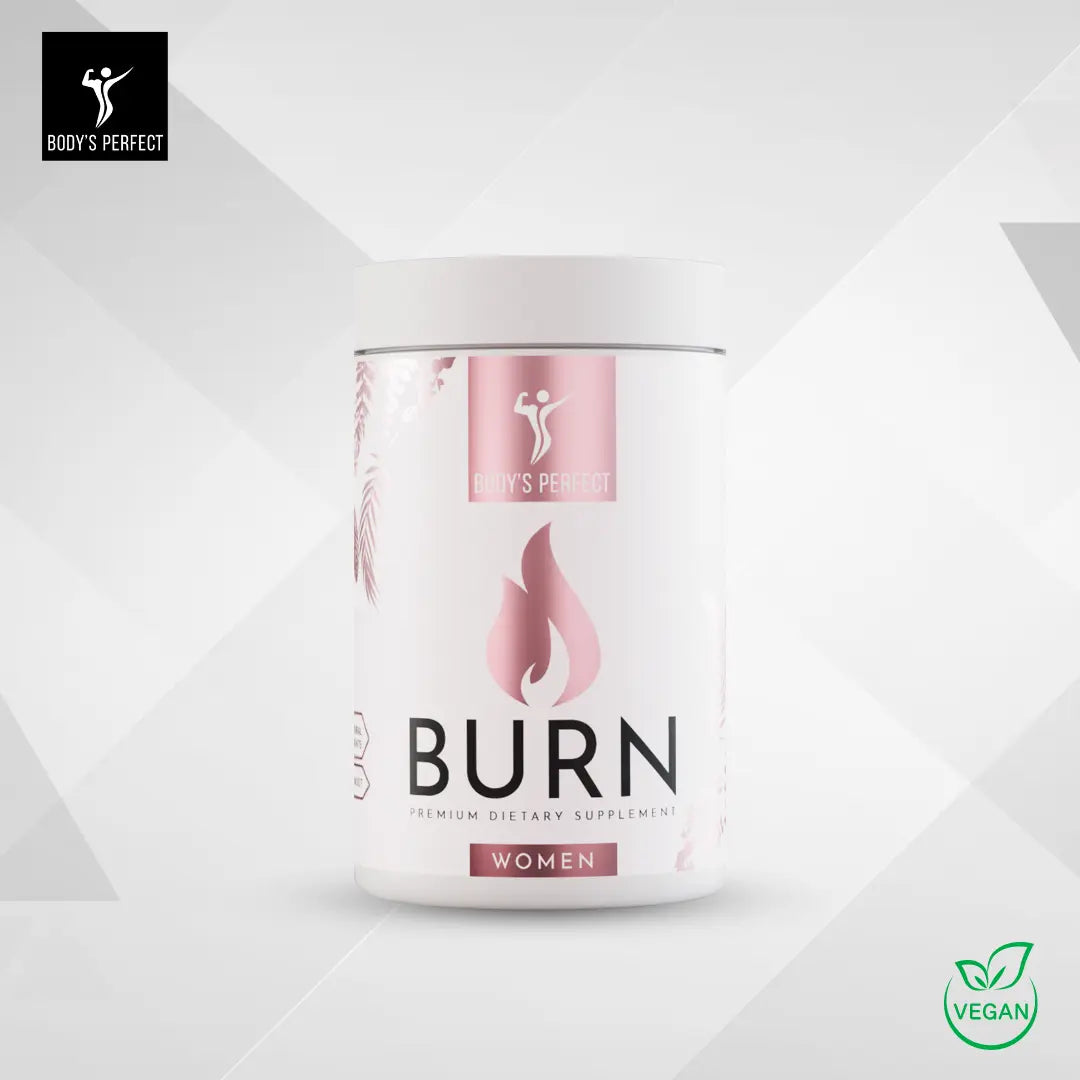
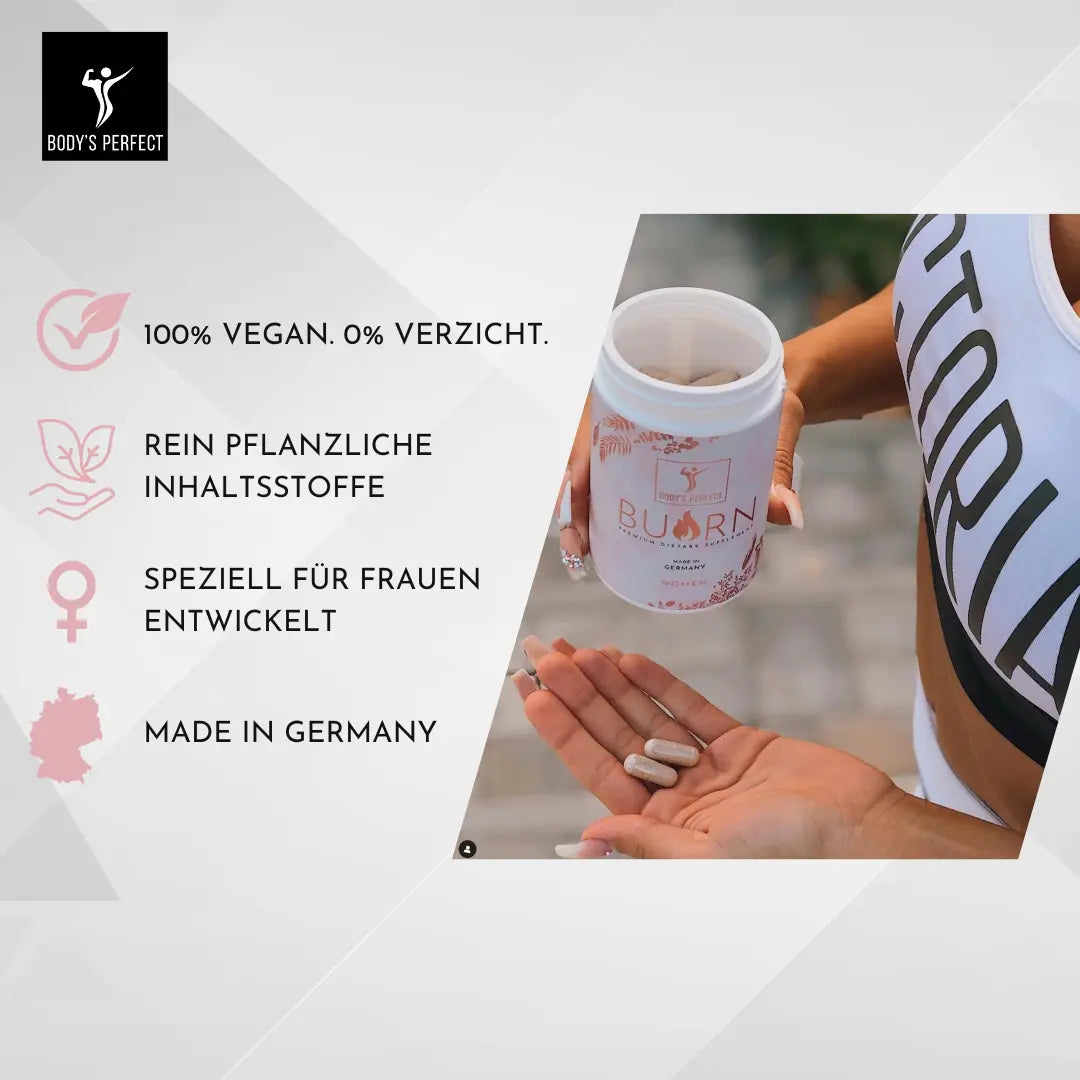
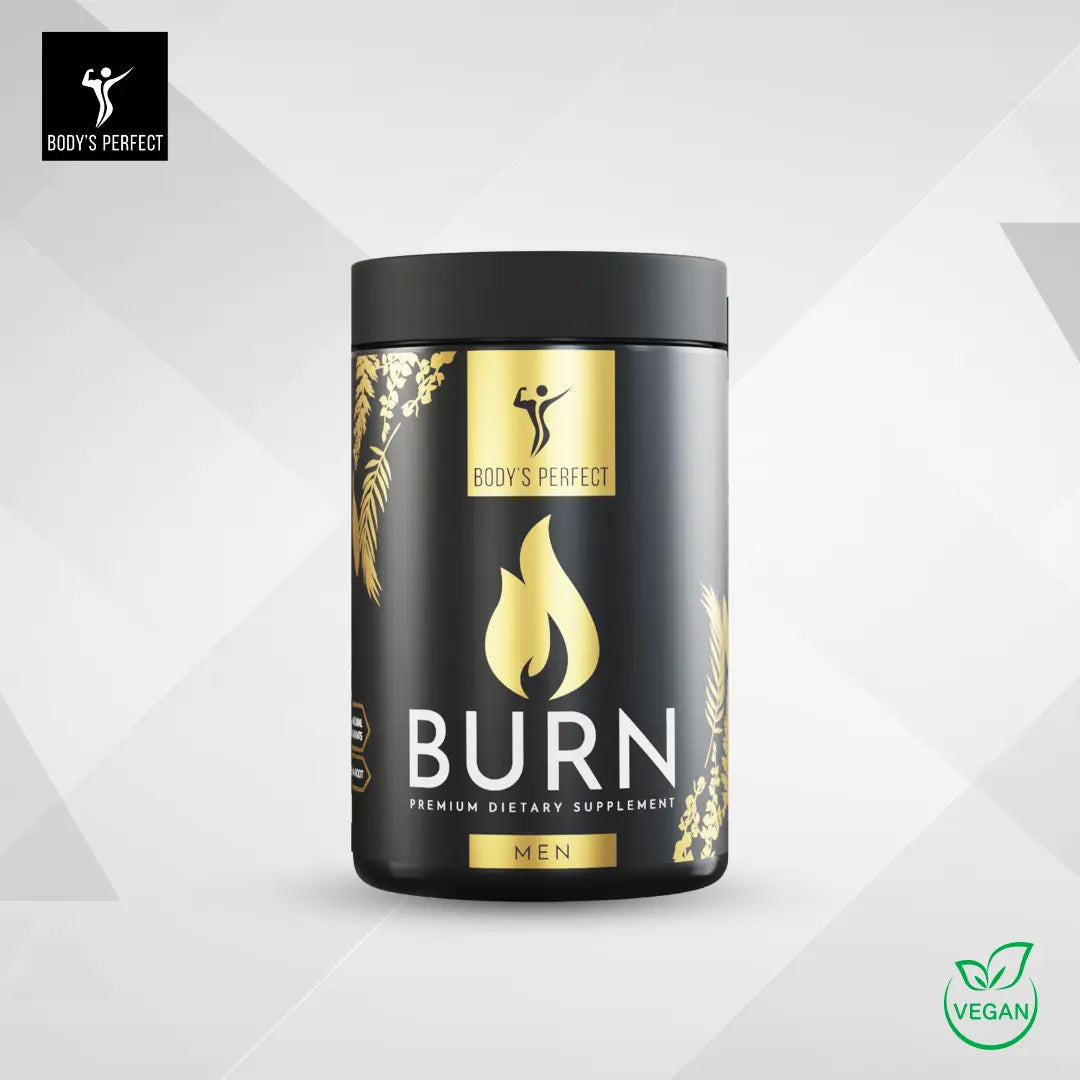
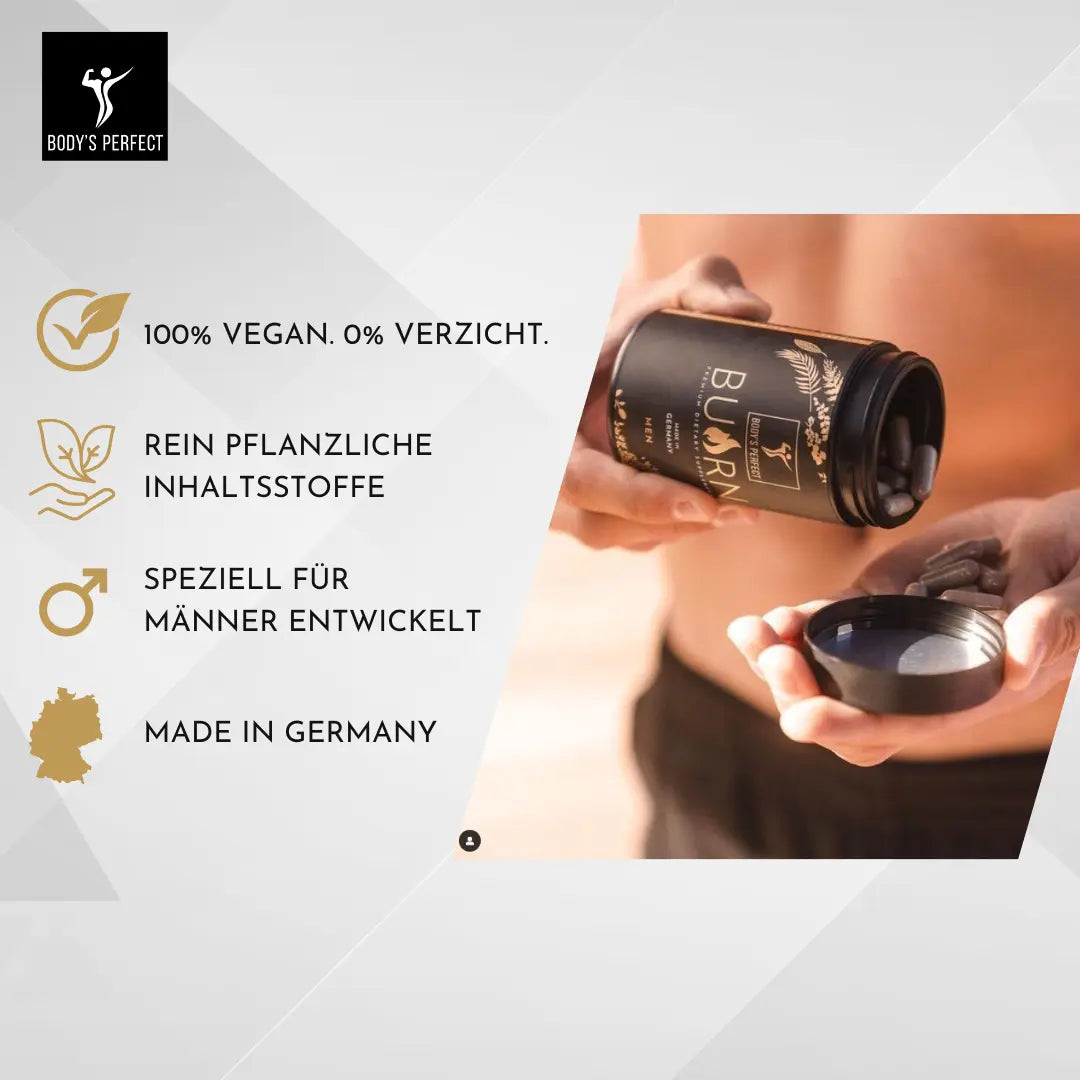
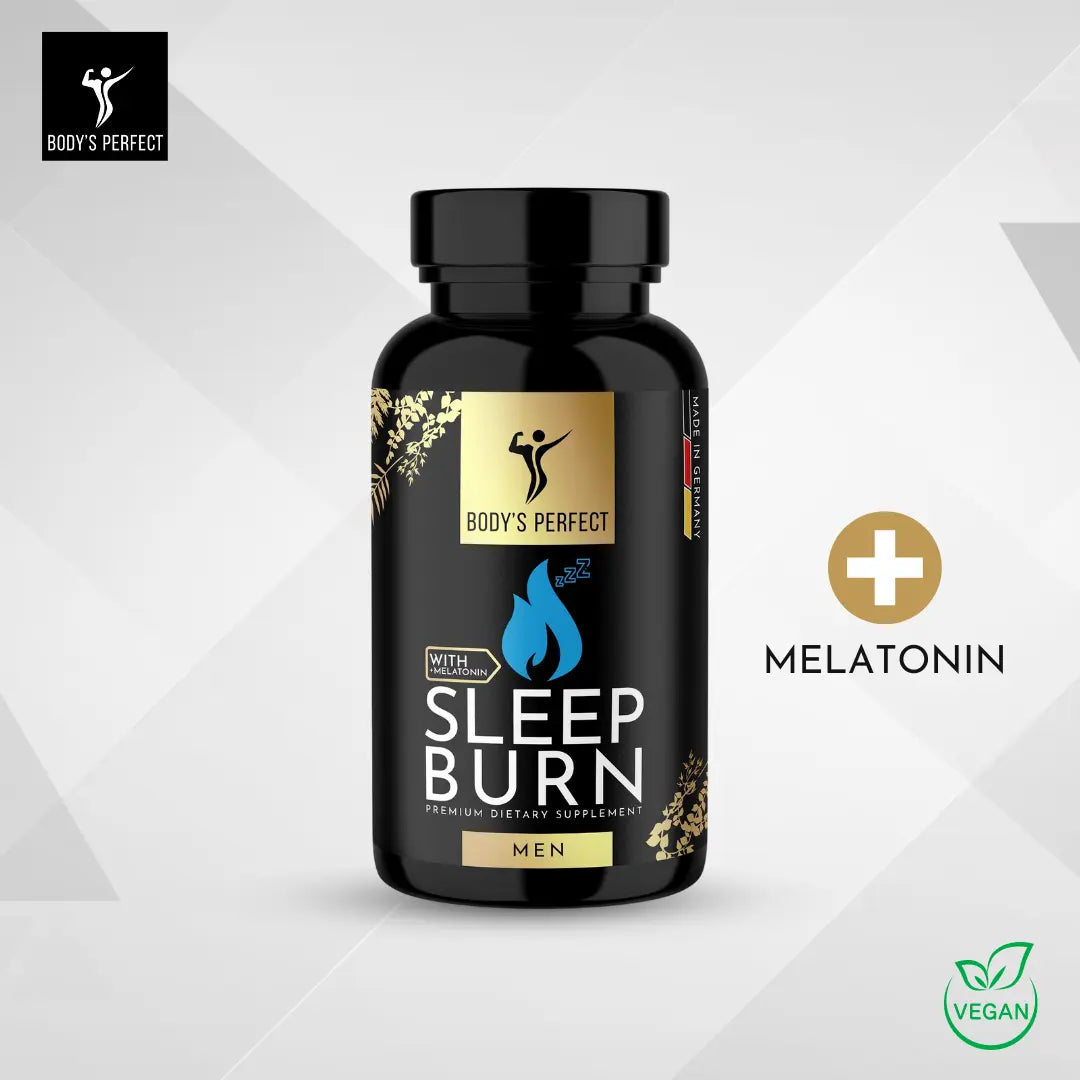
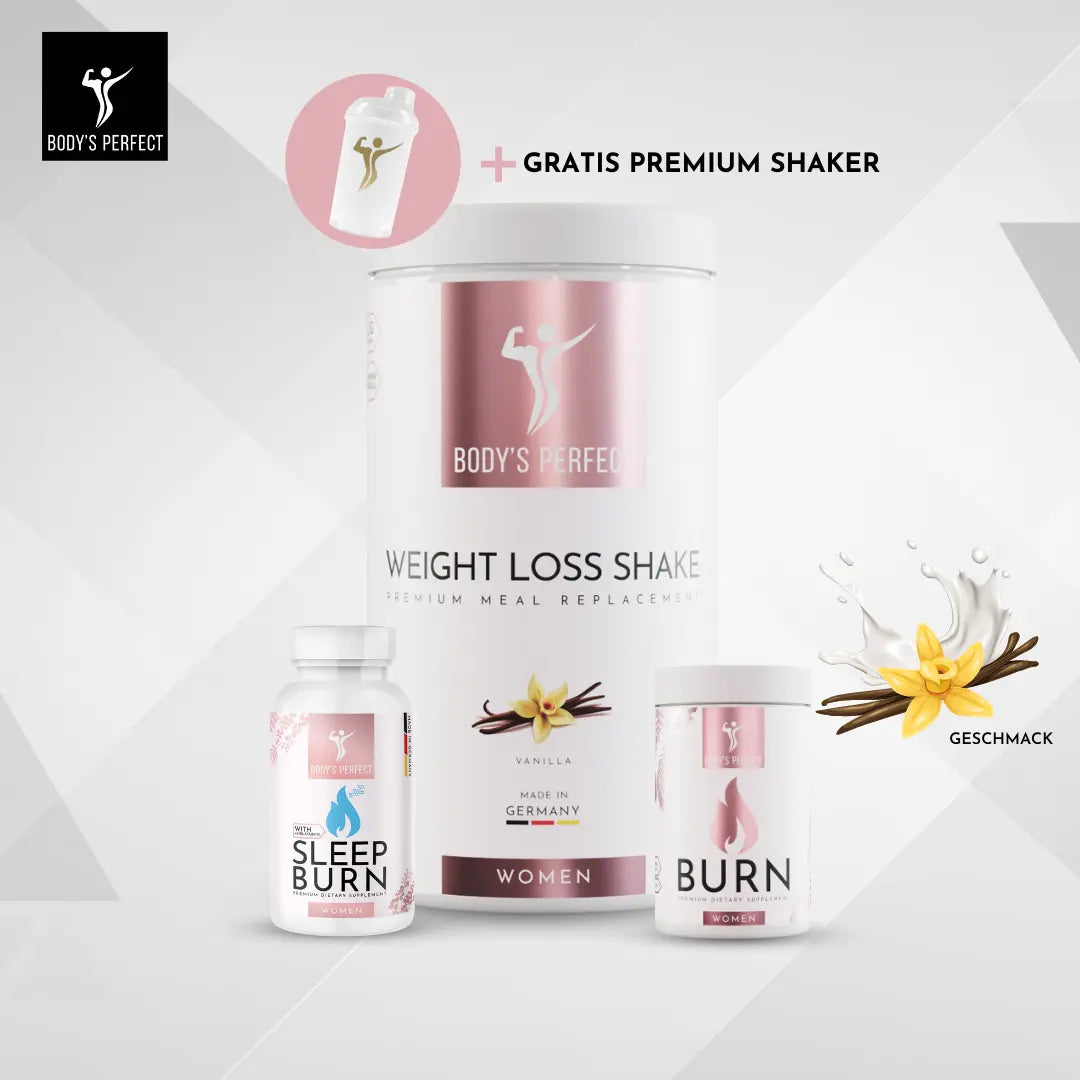
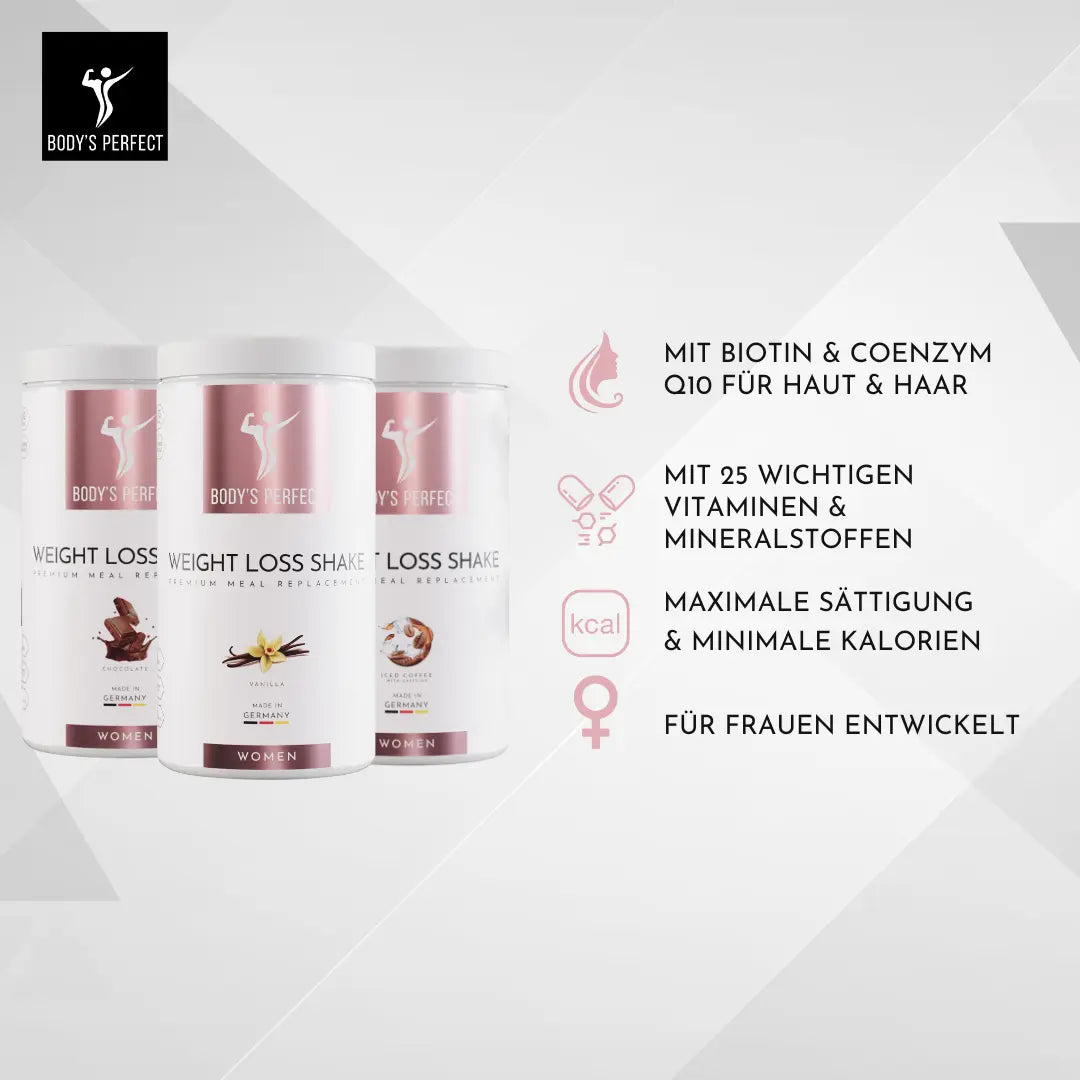
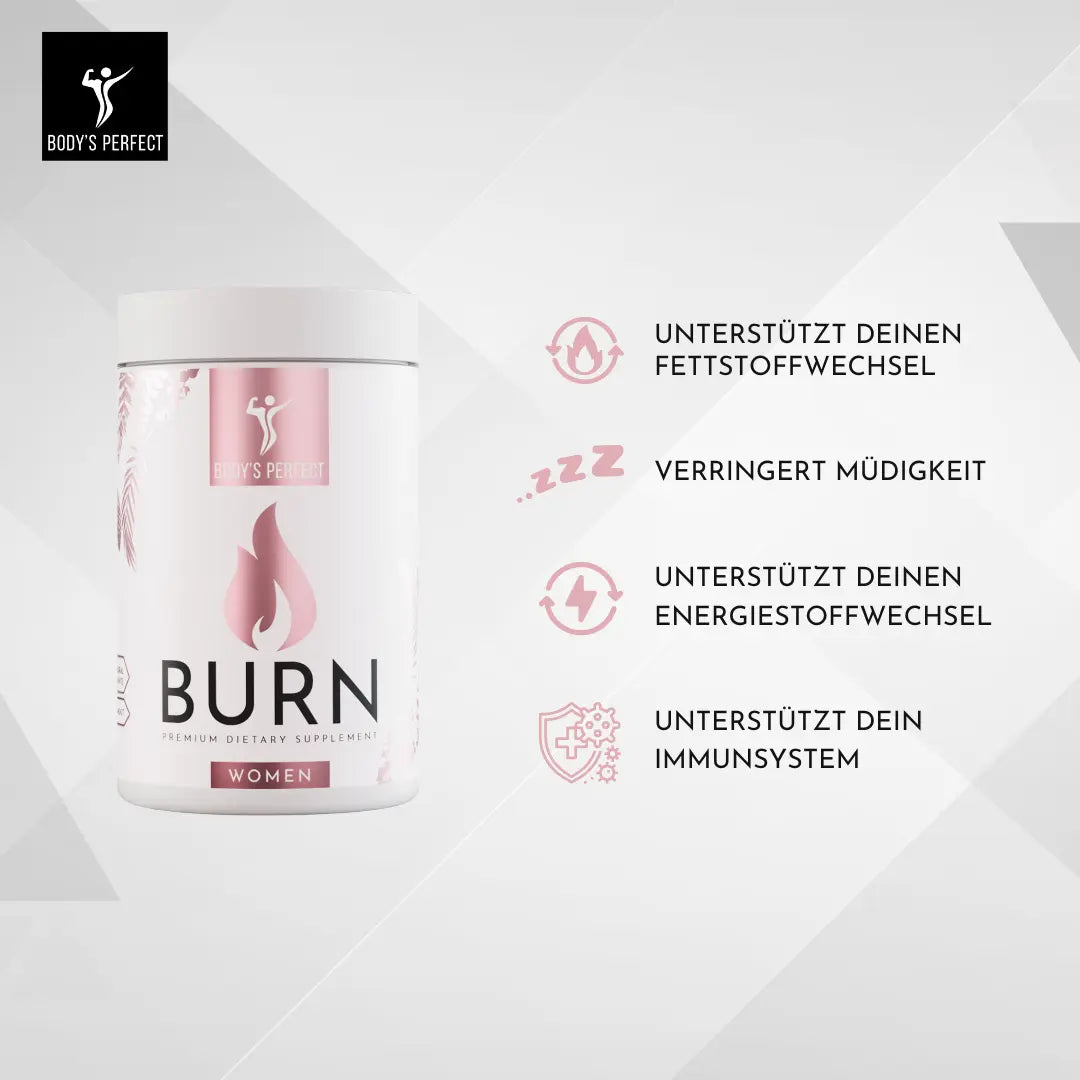
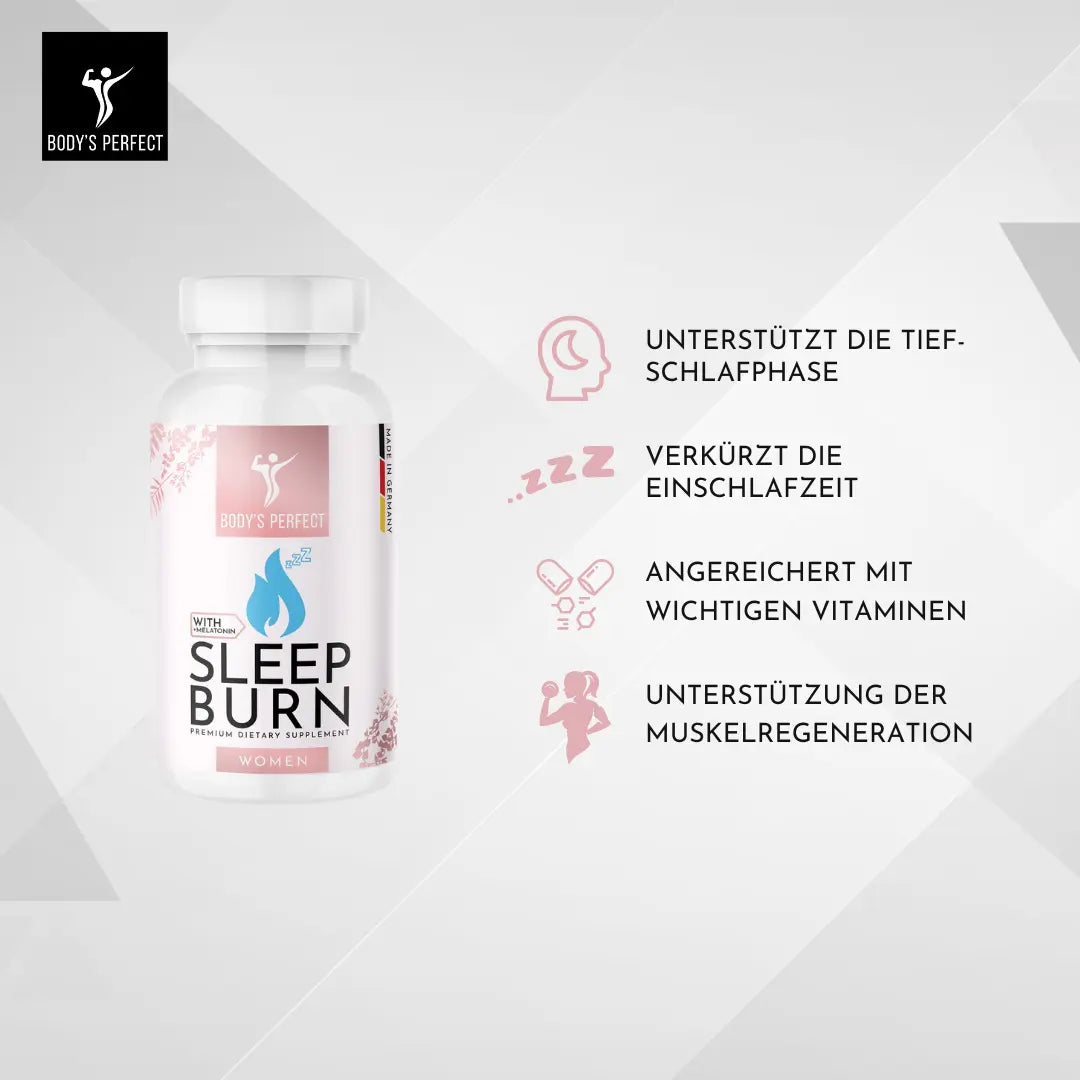
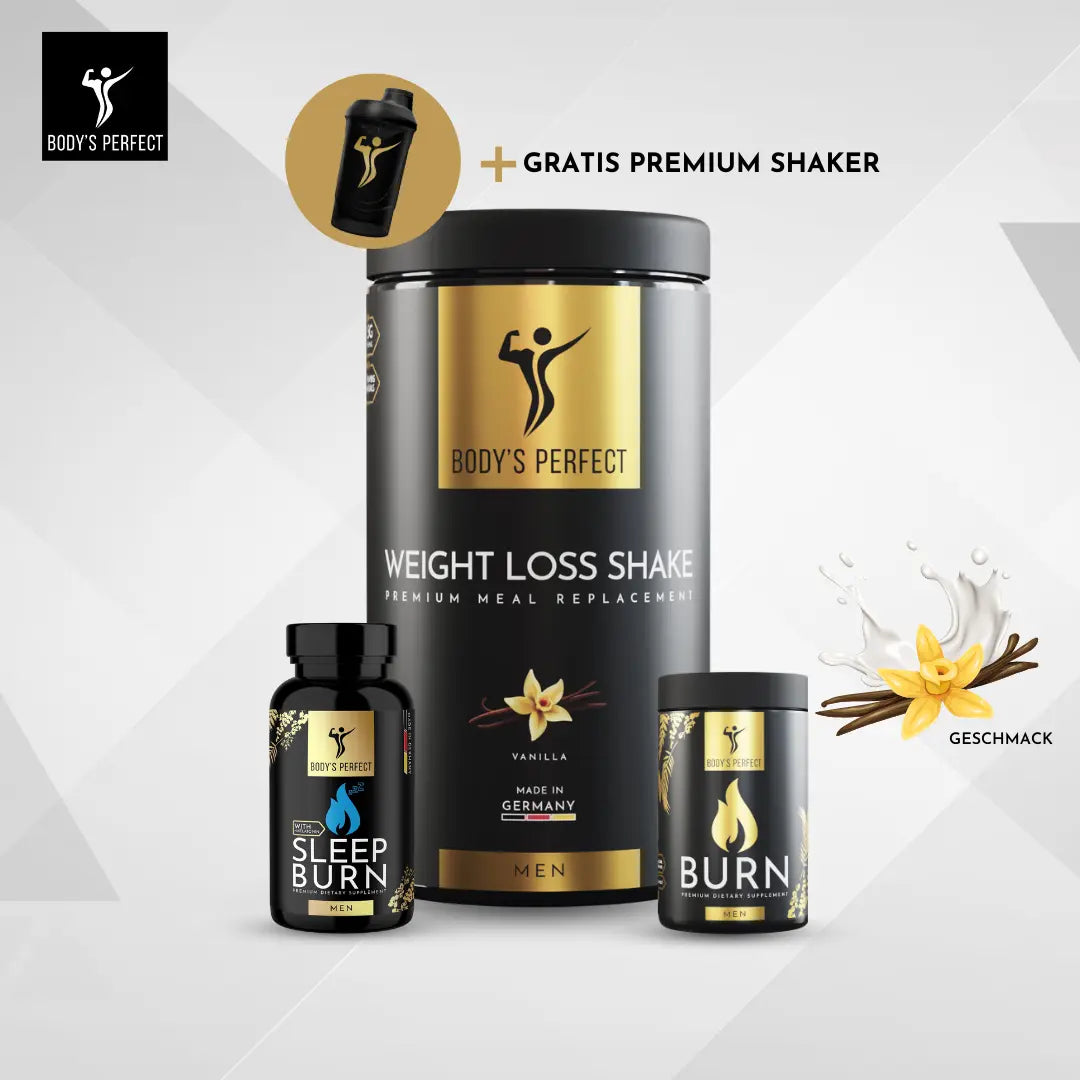
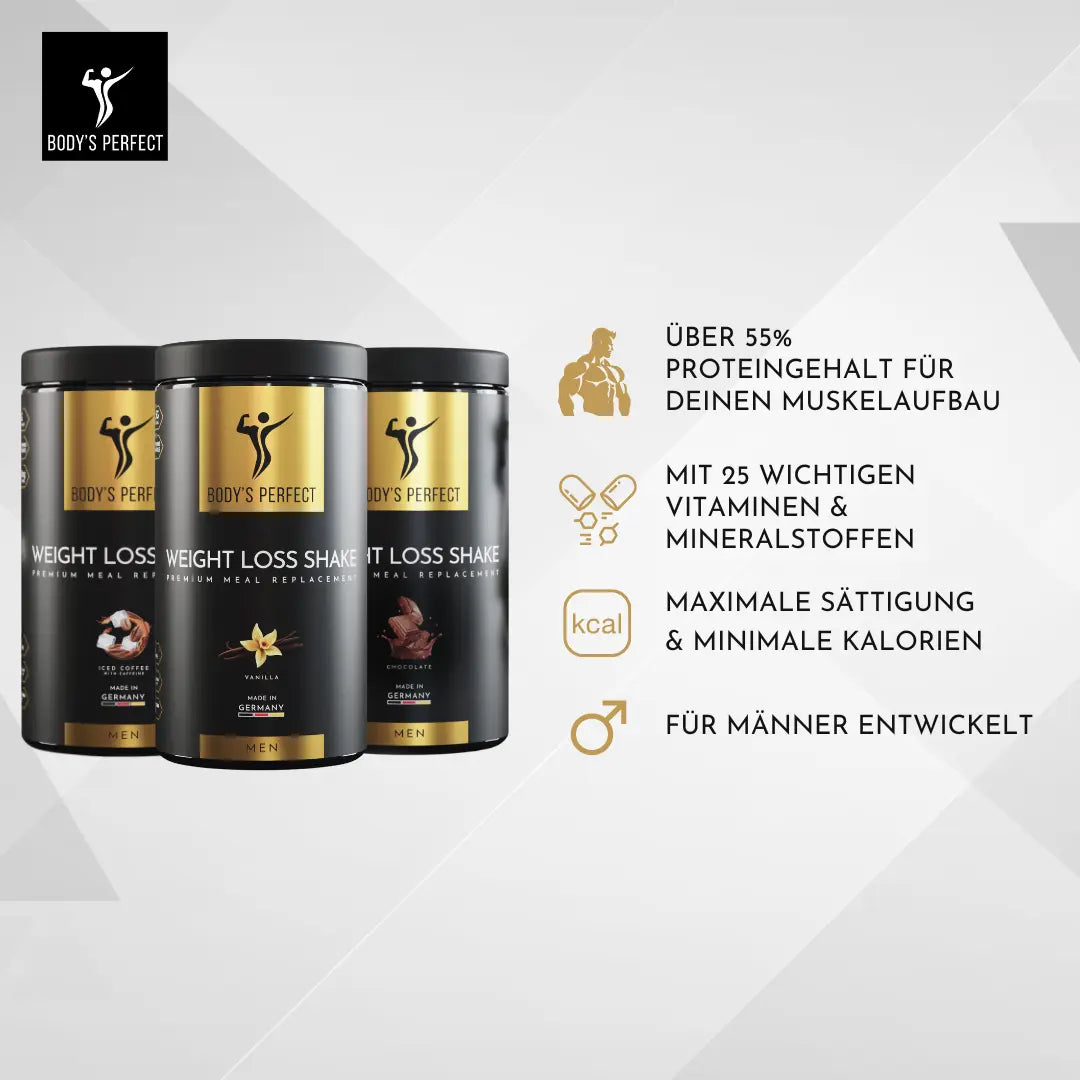
Imagine you not only knew which foods generally satisfy well, but also how your body genetically processes fats, carbohydrates, and proteins. This is exactly the information you get from the BODY'S PERFECT BODYSlim DNA Test. It is your personal nutritional compass that precisely shows you which of the satiating foods presented here are most effective for your metabolic type. Combine this knowledge with our high-quality weight loss shakes as a quick, satiating meal or the BURN capsules to support your metabolism. This turns a good strategy into your personal, highly effective master plan for weight loss success.
Are you ready to take your diet to the next level and scientifically underpin your path to your feel-good weight? Discover the BODYSlim DNA Test and perfectly tailored products at BODY'S PERFECT that will help you achieve your goals feeling full, satisfied, and successfully. Find the customized solution for your body now at BODY'S PERFECT.







Share:
Top Low-Carb Vegetables for Your Success
Blood Sugar Regulation: Your Key to More Energy & Well-being