


You really give it your all, meticulously count every calorie, and yet... nothing. The needle on the scale seems frozen. That's incredibly frustrating, no question. But the simple formula "eat less = lose weight" is often only half the truth. Behind it is almost never personal failure, but usually very logical reasons like a clever metabolism, small hormonal caprices, or calories that sneak in unnoticed.
Why the scale stalls despite a calorie deficit
Does it feel like you're hitting an invisible wall? Countless people know this feeling. You put in so much effort, and yet your weight stagnates. The first impulse is often to doubt yourself. But that's the wrong approach. Your body is an incredibly complex system and doesn't always react like a calculator.
Instead of throwing in the towel now, let's play detective. Often, it's the small, inconspicuous things that add up and slow down your progress.
The most common weight loss blocks
In my experience, there are a few classic "suspects" that keep popping up when weight loss stalls, even though you're supposedly doing everything right:
- Your metabolism switches to economy mode: Over time, your body simply becomes more efficient and consumes less energy for the same performance than at the beginning of your diet. Clever, but annoying.
- Hidden calories lurk everywhere: The splash of oil in the pan, the syrup in your coffee, or the creamy salad dressing – it adds up faster than you think.
- Your body stores water: Too much salt, stress, or even the female cycle can lead to temporary water retention and a higher reading on the scale.
- Muscles weigh more than fat: Especially if you've started strength training, you're building valuable muscle mass. This is great, but it can distort the results on the scale.
- Stress and too little sleep: Both are absolute hormone killers. They can literally block fat burning and promote cravings.
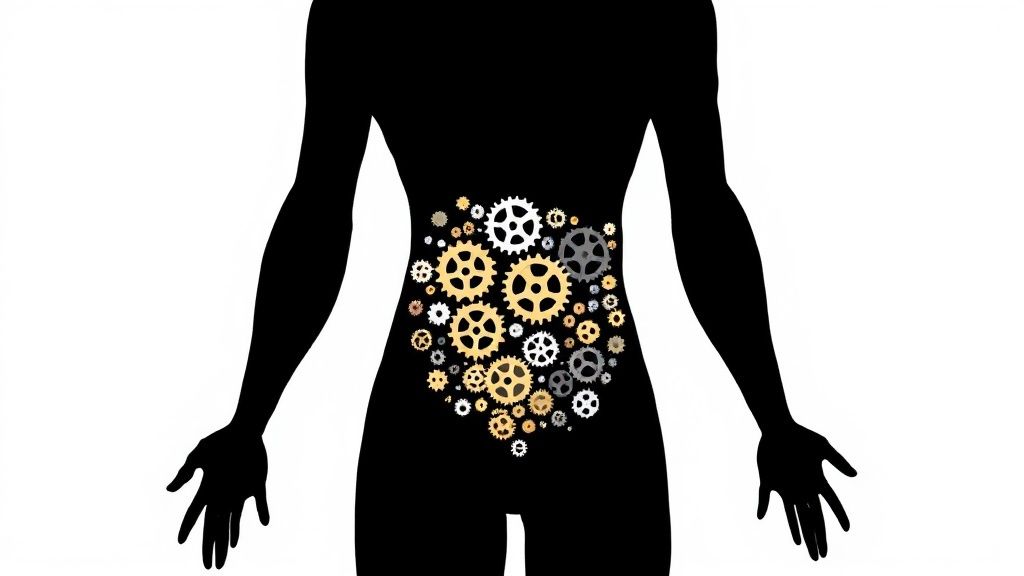
The image below summarizes the three main areas where the causes of such a plateau usually hide.
So, it almost always comes down to an interplay of metabolism, hormones, and the actual calorie balance.
Especially in Germany, this phenomenon is widespread. Many people calculate a deficit, but success eludes them. The most common reason is what's called metabolic adaptation. When you severely reduce calories, your body thinks a famine has broken out and switches into a clever "economy mode" to save energy. The result: Your basal metabolic rate decreases, and you burn fewer calories than expected. If you want to delve deeper into these fascinating connections, you can find more information from the experts at Abnehmen im Liegen Heidelberg.
To give you a quick overview, I have summarized the most common pitfalls in a table.
The 5 most common weight loss blocks at a glance
This table summarizes the most common reasons why weight loss can stall despite a calorie deficit and provides an initial solution.
| Problem | Possible Cause | First Approach to Solution |
|---|---|---|
| No weight loss | Metabolism has adapted ("economy mode") | Schedule targeted "refeed days" or temporarily adjust calorie intake |
| Scale fluctuates greatly | Water retention due to salt, hormones, stress | Increase fluid intake, reduce salt, improve stress management |
| Count doesn't match | Hidden calories in oils, drinks, sauces | Meticulously track everything (!) for a week, even the small things |
| Measurements improve, but weight doesn't | Muscle building through exercise (muscles are denser than fat) | Focus on tape measure and photos, not just the scale |
| Constant cravings | Lack of sleep, too much stress, unbalanced meals | Aim for 7-8 hours of sleep, eat protein and fiber-rich foods |
These points are often the key to breaking through the plateau.
Don't worry, you're not helplessly at the mercy of this stagnation. This article will help you recognize and understand these blockages. And even more importantly: I will give you concrete, practical strategies that you can use to successfully continue your journey to your desired weight.
Uncovering the trap of hidden calories
You're sure you're eating in a calorie deficit, but nothing's happening on the scale? Welcome to one of the most common reasons for frustration during weight loss: invisible calories. It's surprisingly easy to underestimate your own calorie intake. Our brain is a master at simply blending out small "sins."
A splash of extra virgin olive oil in your salad, the syrup in your morning coffee, or a handful of nuts as a supposedly healthy snack – all these little things add up quickly. Studies repeatedly show that most people systematically underestimate the calorie content of their meals, even if they are well-versed in nutrition.
Where calories really hide
Mostly, it's not the main meals that sabotage your deficit. It's the small extras in between that we hardly consciously perceive. They sneak into everyday life and ultimately make the difference between weight loss success and stagnation.
Here are the most common calorie traps:
- Liquid calories: Your latte macchiato, the freshly squeezed juice for breakfast, or the soda in the afternoon. They all deliver a lot of sugar and calories, but don't really fill you up.
- Oils and fats when cooking: A generous tablespoon of olive oil for sautéing easily has over 100 calories. You quickly forget that when tracking.
- Salad dressings and sauces: A creamy dressing quickly turns a light, healthy salad into a real calorie bomb.
- Healthy snacks in large quantities: Nuts, avocados, or dried fruits are full of good nutrients, but also full of energy. A handful too many can already nullify your deficit.
The key is often not to eat less, but to look more honestly and carefully. A quick reality check of your actual intake is the first and most important step to breaking a weight loss plateau.
Tips for more precise tracking without compulsion
Don't worry, you don't have to compulsively write down every single calorie. It's simply about getting a better feeling for what you're really consuming for a short period of time.
Try keeping a very precise food diary for a week. Write down everything you eat and drink – and be brutally honest with yourself. The goal is not perfection, but clarity. This way, you can uncover unconscious habits that have blocked your success so far.
If you're unsure how to determine your personal needs, you can read our guide on how to calculate your calorie deficit for weight loss. This creates a solid foundation for everything else.
When your metabolism hits the brakes
Imagine your body as an overly cautious accountant. As soon as it notices that significantly less money (i.e., calories) has been coming in over a longer period than it's used to, it sounds the alarm. Its first reaction? It immediately cuts all expenses to save the company from bankruptcy. That's exactly what happens to your metabolism.
Experts call this phenomenon adaptive thermogenesis. Basically, it just means: Your body switches to economy mode. It suddenly becomes extremely efficient and consumes less energy for everything – from breathing to thinking to moving – than before. What was an ingenious survival mechanism in the Stone Age becomes a real test of patience for you today.
The danger of too aggressive a deficit
A much too large calorie deficit is often the hidden answer to the frustrating question: "Why am I not losing weight despite a calorie deficit?" Your body is clever and simply adapts to the low energy intake. It lowers its basal metabolic rate, i.e., the energy consumption at complete rest.
The result? Your originally calculated deficit is suddenly no longer a deficit at all. You eat less, but you also burn less. In the end, the scale stalls and frustration grows.
Your body doesn't sleep, it adapts. It tries to protect you from a supposed famine by throttling energy consumption. However, this protective mechanism can sabotage your weight loss efforts.
Studies, such as those by the Robert Koch Institute, repeatedly show that many diets in Germany ultimately fail precisely at this point. A radical calorie reduction not only makes the metabolism sluggish but also causes hunger to skyrocket. You can find more about the results of such studies in this summary about calories and weight loss success.
How to boost your metabolism again
But don't worry, this is not a permanent state. You can break this vicious cycle and help your metabolism get back on track. It's about signaling to your body that the crisis is over and it can safely burn more energy again.
Three strategies have proven particularly effective:
- More protein, please: A protein-rich diet is golden. It protects your muscles, which are your most important engine. Muscles are metabolically active, meaning they burn calories even when you're sitting on the couch.
- Targeted strength training: Nothing boosts metabolism as sustainably as building muscle. Strength training not only increases your basal metabolic rate but also provides an afterburn effect that lasts for hours after your workout.
- Take conscious breaks: So-called "diet breaks" or "refeed days" are small pit stops for your metabolism. On these days, you consciously eat more calories (especially carbohydrates) and signal to your body: The famine is over!
These simple measures will help you rebalance your hormones and get your metabolism out of economy mode. If you want to delve deeper into this topic, we have more tips on how to boost your metabolism in another article.
Understanding the power of hormones and stress
Sometimes the answer to the question "Why am I not losing weight despite a calorie deficit?" isn't on the plate, but deep inside us. Your body isn't a simple calculator, but an incredibly complex system directed by hormones. These invisible messengers have the final say when it comes to fat burning, appetite, and your energy balance.

Are you constantly under pressure? Then your body releases more of the stress hormone cortisol. You can imagine it as being in a permanent state of alarm. This can literally block your fat burning and at the same time promote the storage of stubborn belly fat. Constant stress sabotages your best intentions.
The vicious cycle of stress and weight
Chronic stress messes with your weight loss goals on several levels at once. It's not just about hormonal changes – stress also directly affects our behavior.
Let's take a closer look at the crucial connections:
- Blocked fat burning: A high cortisol level signals to your body: "Attention, emergency! Save energy!" It then prefers to rely on quick carbohydrate stores rather than your fat reserves.
- Increased cravings: Stress often causes the hunger hormone ghrelin to rise, while the satiety hormone leptin plummets. The result? An uncontrollable craving for high-fat and high-sugar foods.
- Muscle breakdown: Under constant stress, the body tends to break down valuable muscle mass. However, less muscle means a lower basal metabolic rate, which makes weight loss even more difficult.
- Water retention: Cortisol can also lead to your body retaining more water. This artificially drives up the number on the scale and causes a lot of frustration.
This cycle makes it clear how important it is not only to pay attention to nutrition but also to your mental well-being.
Lack of sleep as a secret adversary
Directly linked to the topic of stress is the quality of your sleep. Too little or poor sleep is one of the biggest sabotagers of weight loss ever. While we sleep, our body regenerates and regulates vital hormones.
Lack of sleep completely throws your hormone balance out of whack. Studies show that even one night of too little sleep can significantly increase appetite the next day, while less fat is burned at the same time.
If you sleep too little, leptin levels drop and ghrelin levels rise – the perfect prerequisite for cravings. At the same time, cortisol levels remain elevated, which inhibits fat burning. Sufficient restorative sleep is therefore not an option, but an absolute necessity for your success.
A good sleep routine can work wonders here. Fixed bedtimes and avoiding blue light before bed are a great start. If you want to delve deeper into this topic, you can learn more about the function of melatonin for healthy sleep and how you can optimize your nights in our article.
Why the scale doesn't tell the whole truth
Does this sound familiar? You've been working hard all week, eating super healthy, feeling fitter – and then this: The scale suddenly shows more. That's frustrating, no question, and for many, it's the moment they throw in the towel. But I can reassure you: In most cases, this number is absolutely no reason to panic.
Your body weight is not a fixed, stone-carved figure. It fluctuates. And daily. Imagine it like ebb and flow; a constant up and down, influenced by countless little things. A salty dinner the day before, a tough workout, or even just the female cycle can cause your body to temporarily retain more water.
What the scale doesn't reveal
A normal bathroom scale measures your total weight. This is the sum of everything: muscles, bones, organs, water, and of course fat. But it absolutely cannot distinguish what has become more or less of it.
When you start exercising, you build valuable, metabolically active muscle mass. That's great! But muscles are denser than fat and store more water. This can cause your weight to stagnate or even slightly increase, even though you are losing body fat at the same time.
That's why it's so important to detach yourself from that one number on the display. Even if your calorie deficit is working perfectly, water retention or desired muscle gain can mean the scale doesn't show a decrease.
Often, it's also water retention that leads to a temporary feeling of fullness or bloating and distorts the number on the scale. We explain how to deal with this in our article on the top tricks to get rid of bloating.
The scale doesn't lie, but it only tells a tiny part of the story. Real progress is more than just a number – it's a feeling, a reflection, and the fit of your favorite jeans.
Better methods to measure your progress
To get a truly honest picture of your success, you should rely on multiple indicators. The following methods will show you true progress much more reliably:
- The tape measure: Regularly measure your waist, hip, and thigh circumference. You'll be surprised how often you lose inches here, even if the scale doesn't move.
- Progress photos: May sound strange, but it works wonders. Take photos of yourself every few weeks, ideally in the same pose and with the same lighting. The visual changes are often astonishing and a huge motivational boost.
- Your feeling: This is perhaps the most important point. Do your clothes fit looser? Do you have more energy in everyday life? Do you simply feel better in your skin? These are the real successes that matter.
Your roadmap out of the weight loss plateau
Alright, enough theory – now let's get to work. You now know why the scale is stalled, and it's time to change that. Consider the following points your personal toolbox to get the engine running again. It's not about throwing everything overboard overnight. Rather, together we will find the small but crucial adjustments that will make the biggest difference for you.

Step 1: Scrutinize Your Diet
The most honest look is always at your own plate. Most of the time, it's tiny habits that have crept in and collectively undermine your hard-earned calorie deficit.
The first step? Optimize your macronutrients. Protein is your absolute ace in the hole here. Not only does it keep you full longer, but it also protects your muscles (which burn calories!) and even boosts your metabolism through the so-called thermic effect. A simple trick: incorporate a high-quality protein source into each of your meals.
Have you ever considered a refeed day? This isn't cheating; it's a clever strategy. One day a week, you intentionally eat more, especially carbohydrates. This signals to your body: "Don't panic, there's enough energy!" and can pull your metabolism out of "frugal mode."
Step 2: Smartly Adjust Your Training
If you always do the same rounds in the park, your body will eventually yawn in boredom and adapt. Efficiency is key. It's time for new stimuli!
- Focus on strength training: Your muscles are the best fat-burning furnaces you have. Concentrate on compound exercises like squats, deadlifts, or bench presses. They challenge the entire body and create a significant afterburn effect – meaning you continue to burn calories even after your workout.
- Increase the intensity: Instead of training longer, just train harder. Short, intense HIIT (High-Intensity Interval Training) sessions are a true wonder weapon. They kick your metabolism into high gear and maximize fat burning in the shortest amount of time.
Step 3: Don't Forget Your Lifestyle
Your success isn't just determined in the gym or the kitchen. The question "Why am I not losing weight despite a calorie deficit?" is often answered by our daily lives.
Your body is not a machine. Give it the breaks it needs. Sufficient sleep and good stress management are not optional extras, but the foundation for a functioning metabolism and hormonal balance.
Try to get 7-8 hours of good sleep per night. Also, consciously incorporate relaxation into your day. A walk in nature, a few minutes of meditation, or a yoga session can work wonders and lower stress levels (and thus cortisol). You can find many more practical ideas on this in our general weight loss tips.
To make it even easier for you to break through the plateau, we have put together a small checklist.
Checklist for Overcoming a Weight Loss Plateau
Use this checklist to identify and address potential pitfalls in your diet and lifestyle.
| Area | Question for Self-Reflection | Action |
|---|---|---|
| Nutrition | Am I still accurately tracking my calories, or am I just estimating? | Log everything precisely again for one week. |
| Protein | Does every meal really contain a good protein source? | Intentionally incorporate protein shakes, quark, or legumes. |
| Training | Have I been doing the exact same workout for weeks? | Introduce new exercises, more weight, or a HIIT workout. |
| Sleep | Do I regularly sleep less than 7 hours? | Establish a fixed bedtime and avoid screens. |
| Stress | Do I often feel rushed and overwhelmed? | Schedule active relaxation breaks like walks or breathing exercises. |
| Movement | Do I sit most of the day? | Stand up briefly every hour, take the stairs instead of the elevator. |
This list helps you to be completely honest with yourself and find the areas where you can make improvements.
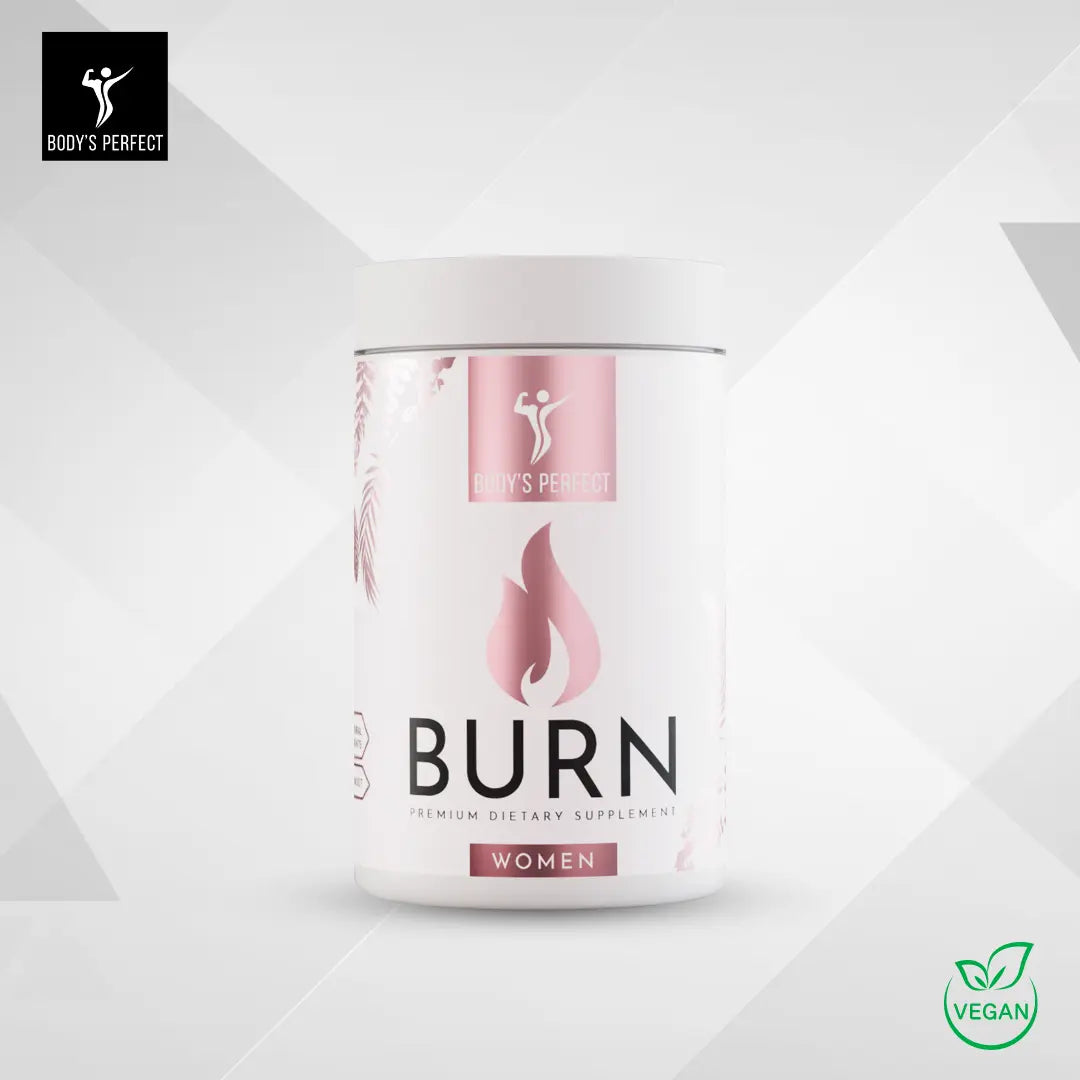
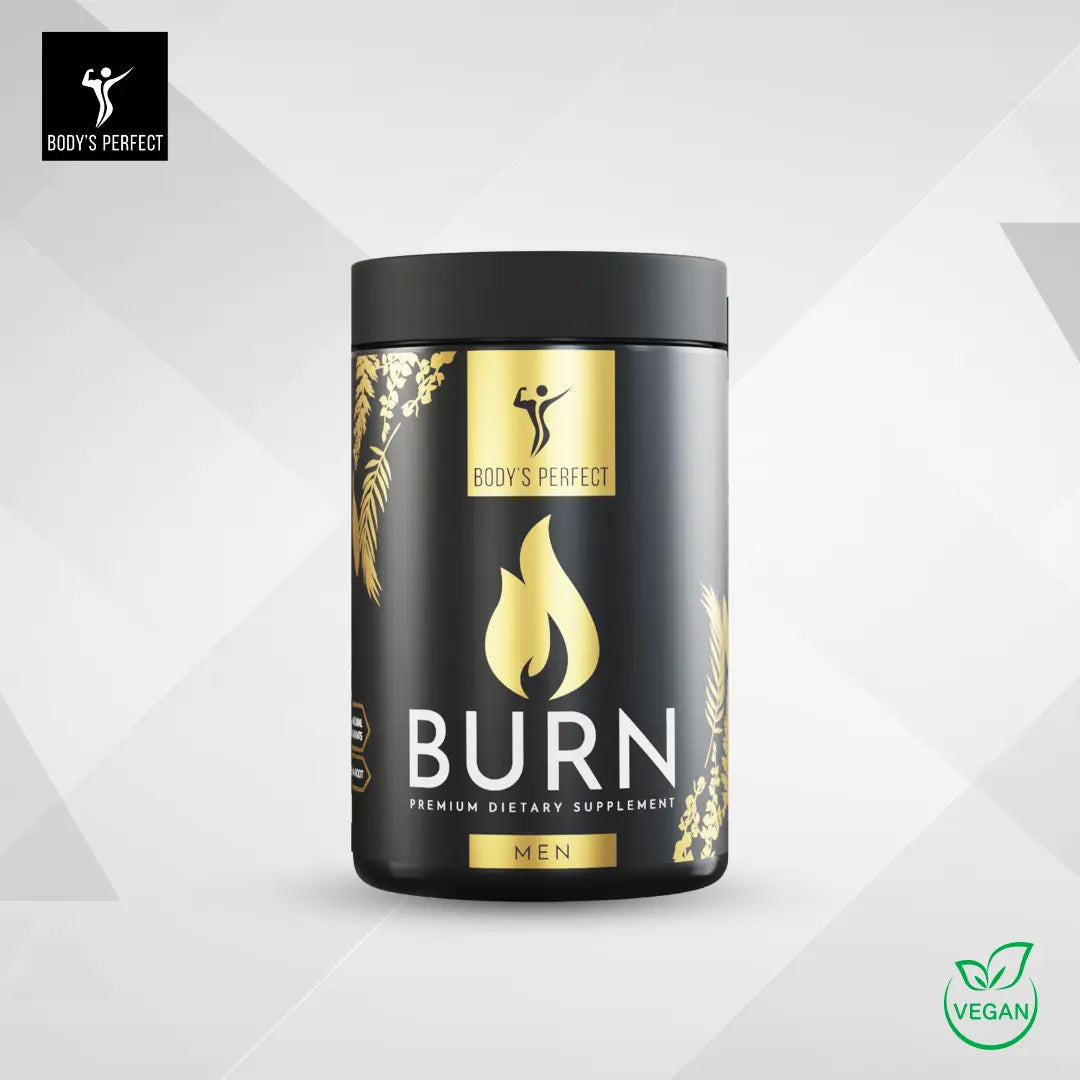
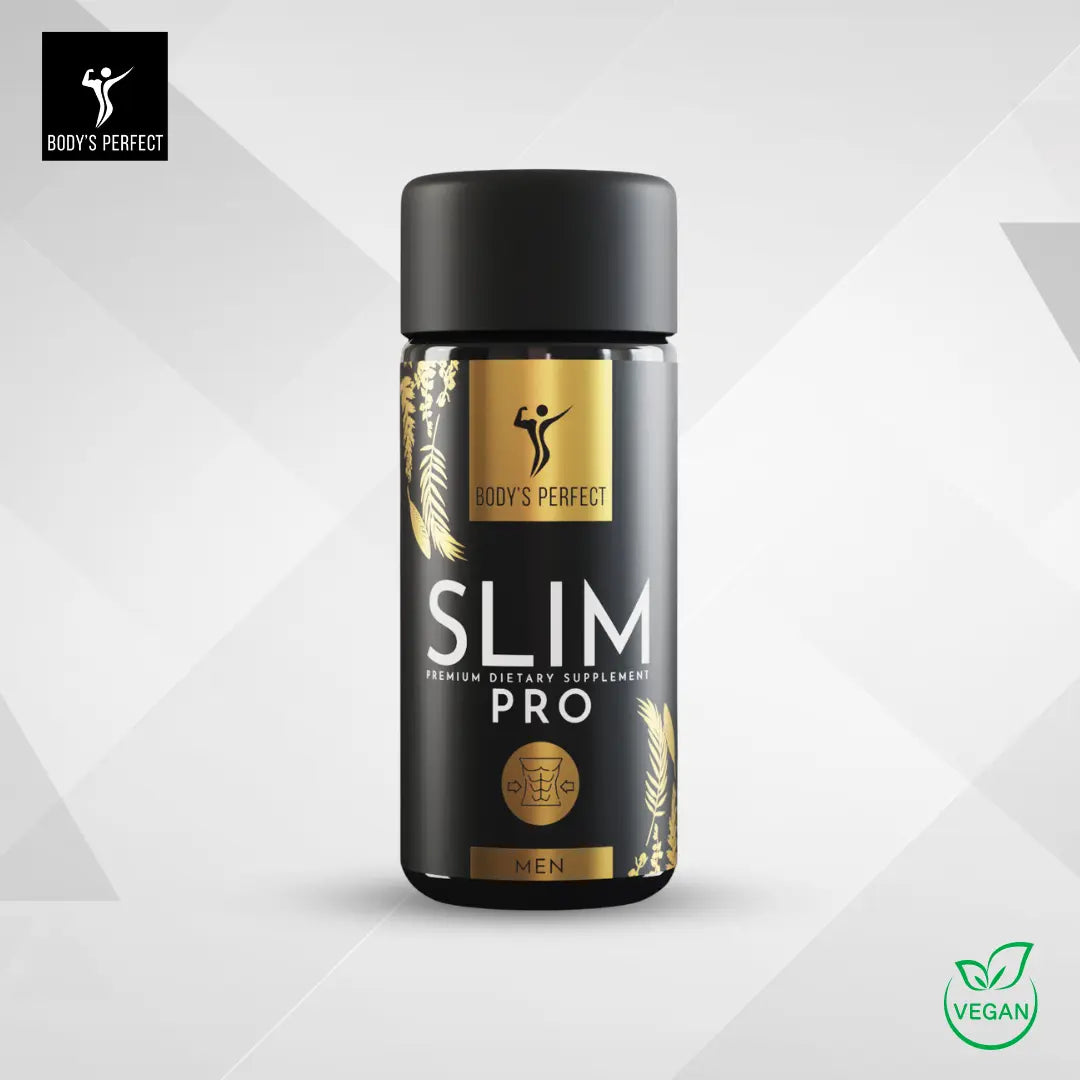
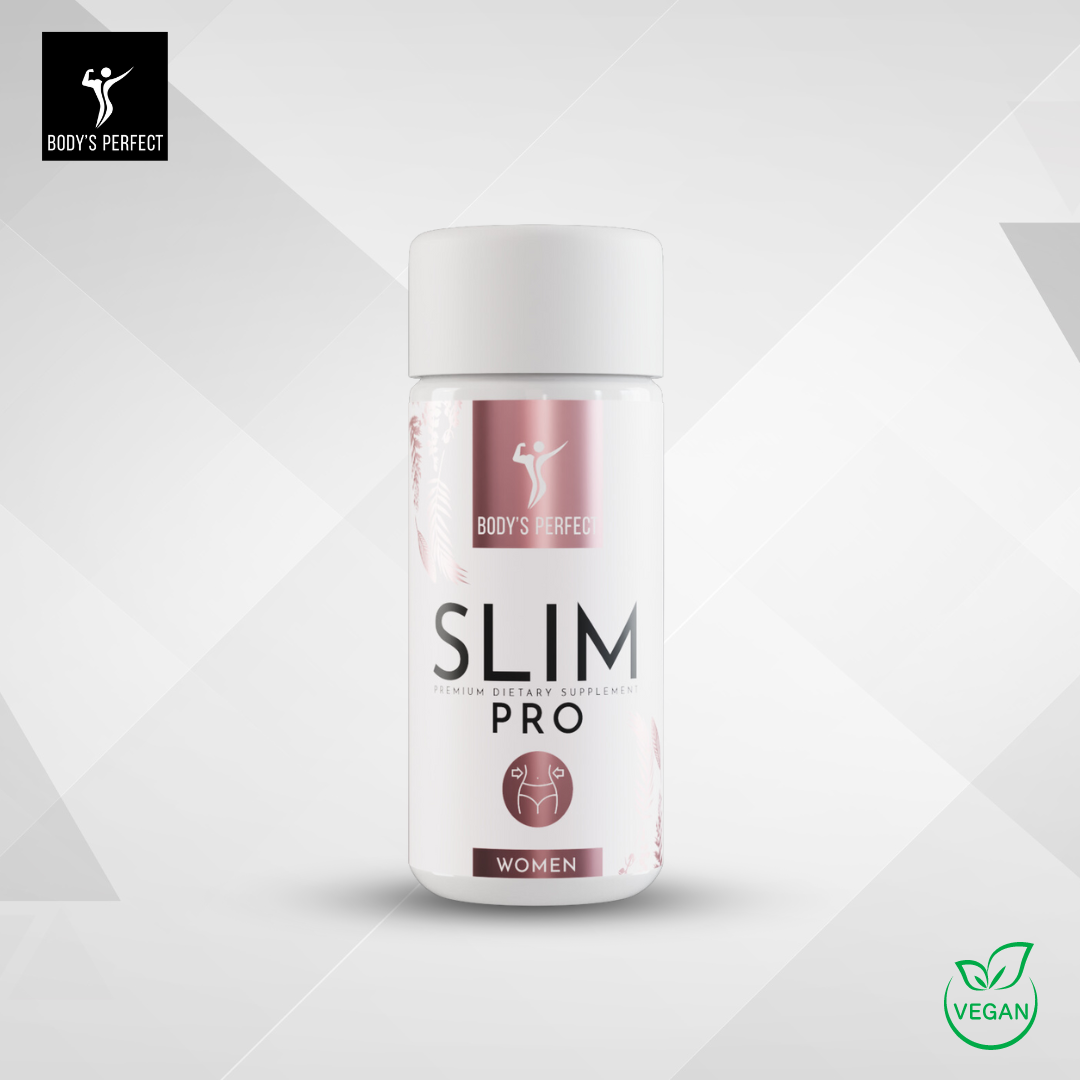
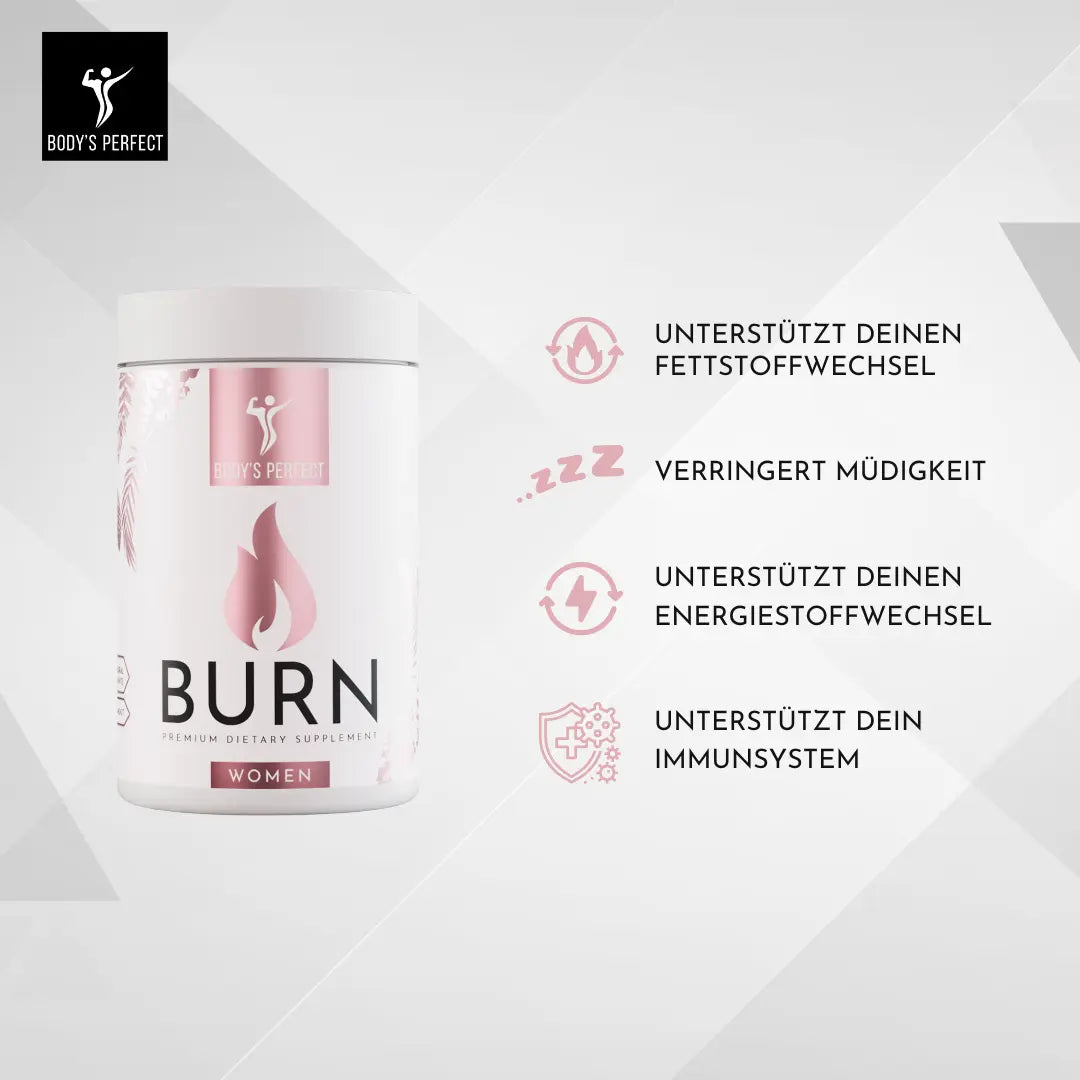
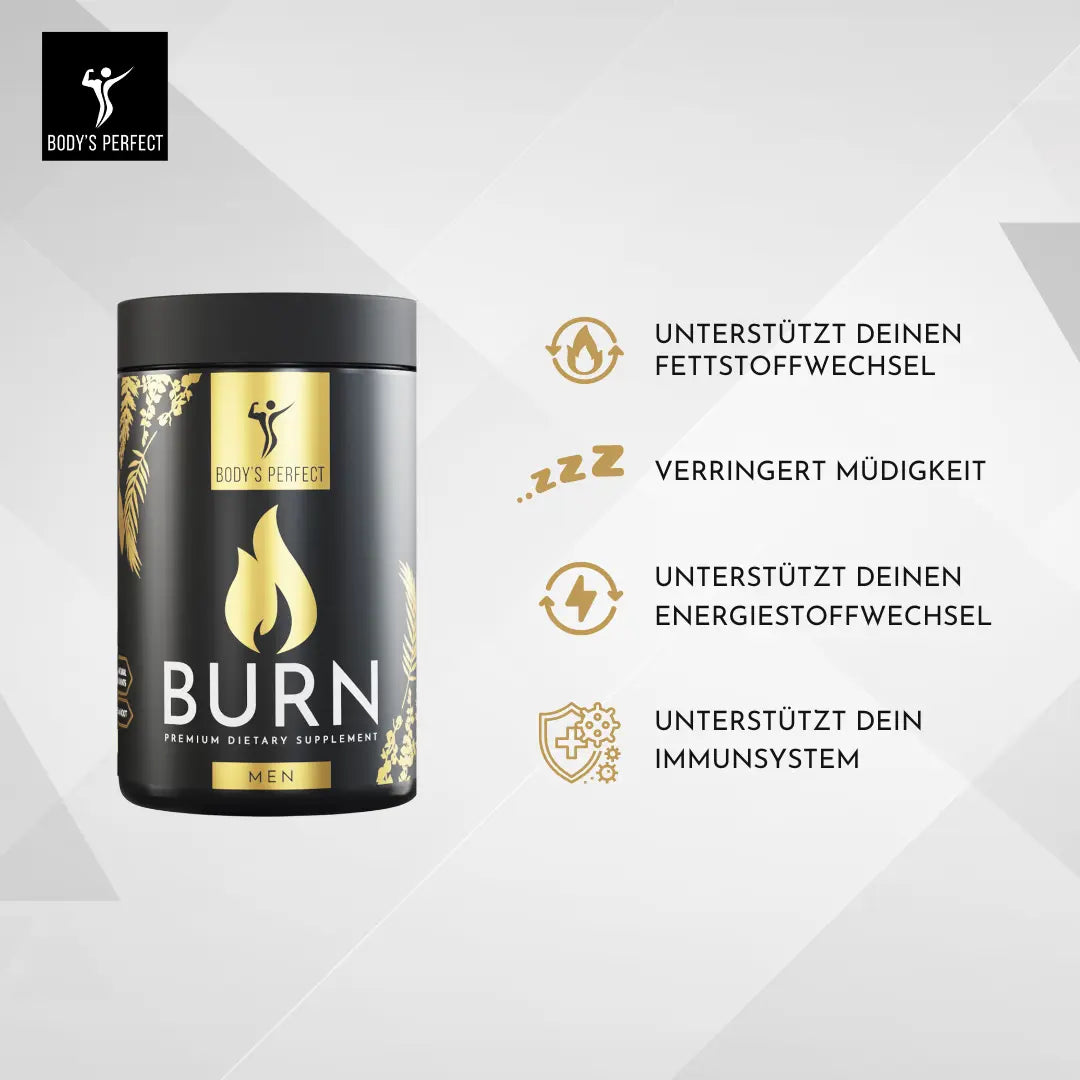
As additional support, you can aid your body with targeted nutrients. The Metabolism Complex from bodysperfect.com was developed to support your energy metabolism with natural ingredients like green tea extract and choline, which contributes to normal fat metabolism. A smart addition to get back on track.
Most Common Questions About Stalling on the Scale
While a weight plateau is normal, it often raises many questions and can be a real motivation killer. Here we address the most common questions we encounter when the weight simply won't budge anymore. These answers should help you eliminate any remaining uncertainties and stay on track.
What typical mistakes hinder weight loss?
Most of the time, it's the small, inconspicuous habits that unknowingly sabotage success. These include, for example, hidden calories in drinks or snacks that are easily underestimated. Too little daily movement – apart from planned exercise – and overly high expectations that quickly turn into frustration are also classic stumbling blocks.
An often overlooked point is poor sleep. Those who sleep too little or poorly disrupt their hormone balance, which in turn can promote cravings.
Impatience is the greatest enemy of progress. Your body is not a machine and needs time for sustainable changes. Give it that time and be gentle with yourself.
Another crucial mistake is an overly extreme calorie deficit. Those who supply their body with far too little energy essentially force it into "energy-saving mode." It slows down its metabolism to protect itself – and paradoxically, this makes weight loss even more difficult.
Is it normal for weight to stagnate?
Yes, absolutely! A plateau on the scale is a completely normal and even expected part of any weight loss journey. Your body is smart and adapts to the reduced calorie intake and your new, lighter weight. It simply becomes more efficient over time and consumes less energy than it did at the beginning of your diet.
In addition, there are short-term fluctuations that can distort the result on the scale. These can be water retention after a salty meal, hormonal cycles, or even muscle building from your strength training.
So, don't view stagnation as failure, but as a signal from your body that it's adapting. It's the perfect moment to re-evaluate your strategy and perhaps adjust a few small things. Stay patient, review your habits, and don't measure your success solely in pounds – your tape measure or how your favorite jeans fit are also great indicators of progress. With the right attitude and small adjustments, you will overcome this plateau.
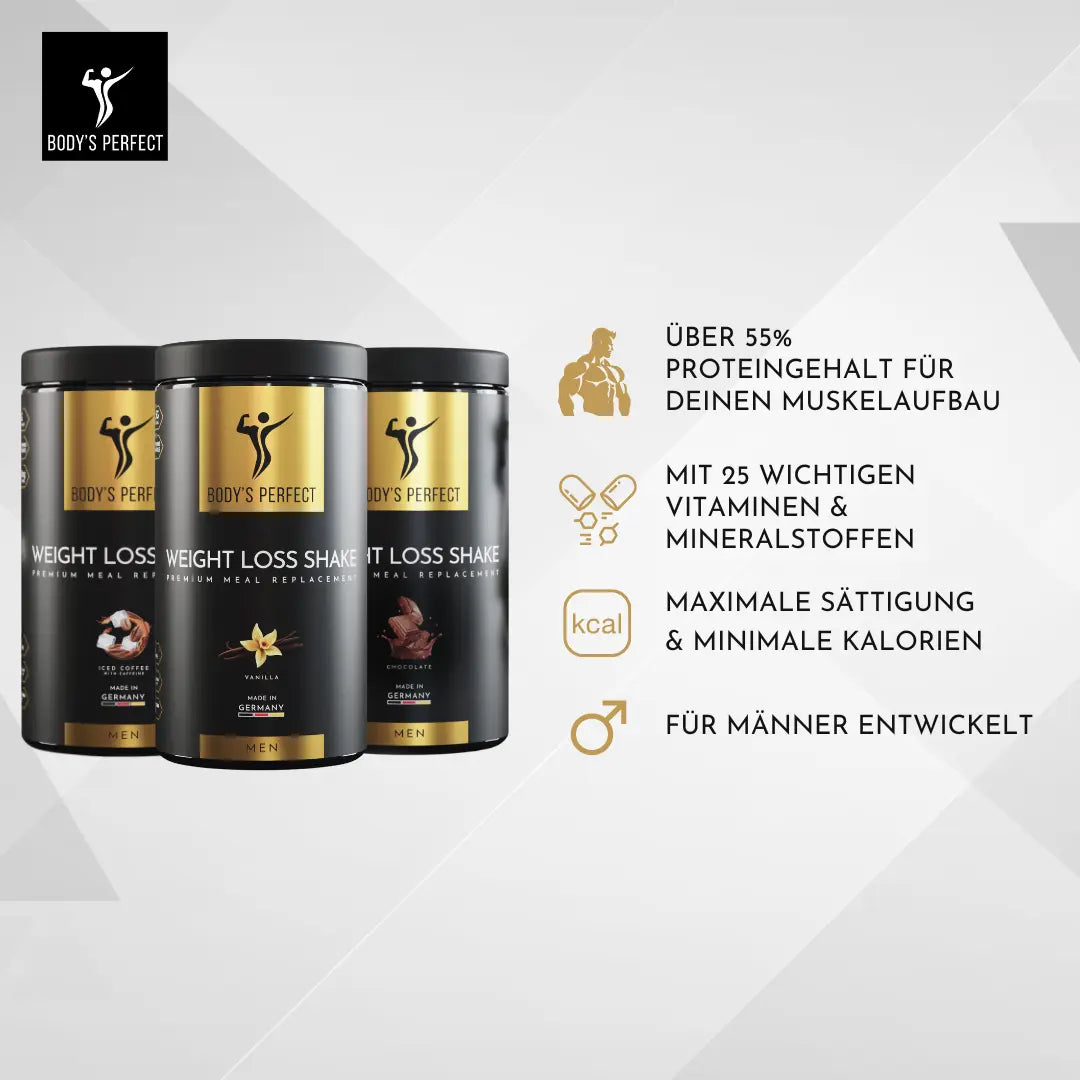
Are you ready to give your metabolism the best possible support and finally break through the plateau? At BODY'S PERFECT, you'll find natural products made in Germany that will accompany you on your journey. Discover our targeted solutions for an active metabolism now. Learn more at bodysperfect.com.

































Share:
How many carbs for weight loss: Your personal roadmap
Calculating your total energy expenditure: How to find your personal calorie count