

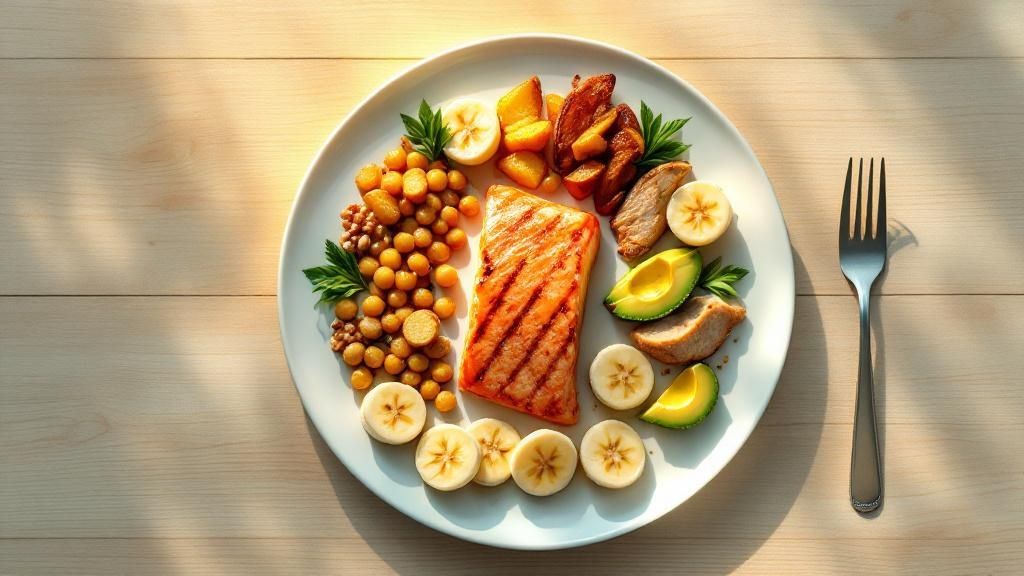
If you specifically look for foods rich in Vitamin B6, you'll quickly find them – in both animal and plant-based options. Particularly good sources include chicken, salmon, walnuts, chickpeas, and bananas. These can be easily incorporated into your daily meal plan.
What Vitamin B6 Really Does for Your Body

Imagine Vitamin B6 (also called pyridoxine) as a diligent manager working behind the scenes in your body. It belongs to the water-soluble vitamins that your body cannot produce on its own. This means you need to consume it daily through food to keep everything running smoothly internally.
Without enough Vitamin B6, your metabolism quickly slows down. It is involved in more than 100 different enzyme-controlled processes. One of its main tasks is to make energy from proteins and carbohydrates available to you. In short: it ensures you feel energized and fit.
The Engine for Energy and Nerves
One of the most important roles of Vitamin B6 plays out in energy metabolism. It helps your body release stored energy from the liver and muscles when you need it. Whether you're exercising or tackling a tricky task at work – Vitamin B6 is there. If it's missing, your body quickly feels like a car with an empty tank, even though you've eaten enough.
At the same time, it is absolutely indispensable for a healthy nervous system. Vitamin B6 is involved in the formation of myelin, which is a protective sheath around your nerve fibers. You can imagine this layer like the insulation of a cable – it ensures that all signals in the brain arrive quickly and without interference.
Building Block for Good Mood and Strong Defenses
Your mood is also more closely linked to Vitamin B6 than you might think. The vitamin is a crucial helper in the production of important messenger substances in the brain, known as neurotransmitters.
- Serotonin: Often called the "happiness hormone" and important for mood, appetite, and sleep.
- Dopamine: This is the messenger substance for motivation, reward, and concentration.
- GABA: Has a calming effect on the nervous system and helps you cope better with stress and tension.
A deficiency here can quickly lead to an imbalance, which can manifest as mood swings or lack of drive. But that's not all: Vitamin B6 is also needed for the formation of antibodies and red blood cells. In our advanced article, you can learn more about the effects of Vitamin B-6 on your well-being.
So, Vitamin B6 is much more than just one nutrient among many. It's a real all-rounder that directly influences your energy levels, mental clarity, and emotional balance.
Additionally, Vitamin B6 helps break down homocysteine. This is an amino acid that, in high concentrations, can increase the risk of cardiovascular disease. A good supply of B6 therefore also helps to keep your blood vessels healthy.
How to Recognize a Vitamin B6 Deficiency
A Vitamin B6 deficiency usually creeps up quietly. The symptoms are often so non-specific that you might quickly overlook them in a hectic daily routine or attribute them to another cause. However, your body does send you signals – you just need to learn to interpret them.
The first signs are often very subtle. Perhaps you just feel constantly exhausted, even though you get enough sleep, or your mood fluctuates for no reason. Precisely these small changes can be the first clues.
Typical Signs of a Vitamin B6 Deficiency
Pay close attention to the following symptoms, especially if they recur over a longer period. It could be that your body is trying to tell you it's lacking this important vitamin.
- Skin and Lips: Cracked corners of the mouth or flaky, inflamed skin, especially on the face, are classic early warning signs.
- Mood and Nerves: Are you often irritable, have difficulty concentrating, or feel down? This can indicate an imbalance of neurotransmitters in the brain. Tingling or numbness in the hands and feet (neuropathy) is also a possible symptom.
- Energy and Immune System: If you constantly feel run down and seem to catch every infection, it could be because your energy metabolism and immune defenses aren't running at full speed.
A Vitamin B6 deficiency is like a silent energy thief. It gnaws not only at your physical fitness but also at your emotional balance – often long before you even realize what's going on.
Who Belongs to the Risk Groups?
Normally, a deficiency can be easily avoided with a balanced diet. However, there are certain life situations and groups of people who have a higher risk. Of course, a one-sided diet without enough Vitamin B6 foods is the most common reason.
But there's more to consider:
- Older people: With age, the body often doesn't absorb nutrients from food as efficiently.
- Chronic diseases: Certain diseases of the gastrointestinal tract or kidneys can interfere with the processing of Vitamin B6.
- Medication intake: Certain medications, including some hormonal contraceptives, can also increase the need for Vitamin B6.
Do you find yourself in one of these groups? Then it's even more important to keep an eye on your supply. If you want to delve deeper into the matter, you can find more details about the chemical properties and absorption of Pyridoxine Hydrochloride (Vitamin B6) in our detailed article. This way, you are well informed and can act in time before more serious problems develop.
How Much Vitamin B6 You Really Need Daily

The question of how much Vitamin B6 you need is not so easy to answer. Too little is bad, but too much is also. The good news first: most of us easily meet our needs through a varied diet with the right Vitamin B6 foods.
But what exactly does "enough" mean? Fortunately, we don't have to grope in the dark. There are clear recommendations that offer you excellent guidance and help you better assess your own needs.
Recommendations for Adults and Special Life Stages
The German Nutrition Society (DGE) provides us with concrete figures that vary according to age and gender.
- For women aged 19 and over, 1.4 mg are recommended daily.
- For men aged 19 and over, it's slightly more at 1.6 mg per day.
This might not sound like much, but these tiny amounts are crucial for your metabolism to run smoothly, your nerves to stay strong, and your immune system to protect you. However, there are life stages where your body demands more of this all-rounder.
Your personal Vitamin B6 requirement is not a fixed number but adapts to your life circumstances. Especially during periods of high physical exertion or change, it is important to ensure an adequate intake.
During pregnancy and lactation, for example, the need increases noticeably. No wonder, as the vitamin is enormously important for the healthy development of the baby. Pregnant women should increase their intake to 1.5 mg to 1.8 mg daily. Breastfeeding mothers need about 1.6 mg. But other things like intense sports or certain medications can also drive up the demand.
How Well Is Germany Really Supplied?
Looking at the situation in Germany, the supply of Vitamin B6 is generally quite good. But not perfect. There are certainly groups who should pay a little closer attention to their plates.
Official data show that about 12% of men and 13% of women do not quite meet the recommended amounts. Interestingly, young women between 19 and 24 years old are somewhat more frequently undersupplied at 16%. These figures clearly show how important it is to consciously incorporate Vitamin B6 foods into daily life. You can find more details on these surveys at LGL Bayern.
A solid Vitamin B6 supply is therefore crucial for many bodily functions. Just as important, however, is the interaction with other nutrients. In our article, for example, you will learn why potassium iodide also plays an important role for thyroid function. As soon as you know your personal needs, you can act specifically and give your body exactly what it needs.
The Top Vitamin B6 Suppliers for Your Diet
Now that you know how much Vitamin B6 your body needs daily, we come to the best part: How do you get it deliciously onto your plate? Fortunately, nature is very generous here and offers us a huge selection of Vitamin B6 foods. There truly is something for every taste.
The key, as often, lies in a balanced diet. It's not about rushing to a single "superfood." It's much cleverer to cleverly combine various nutrient-rich ingredients. This way, you give your body everything it needs for energy and well-being.
This diagram gives you a quick overview of how the average daily requirement of Vitamin B6 changes during different life stages.
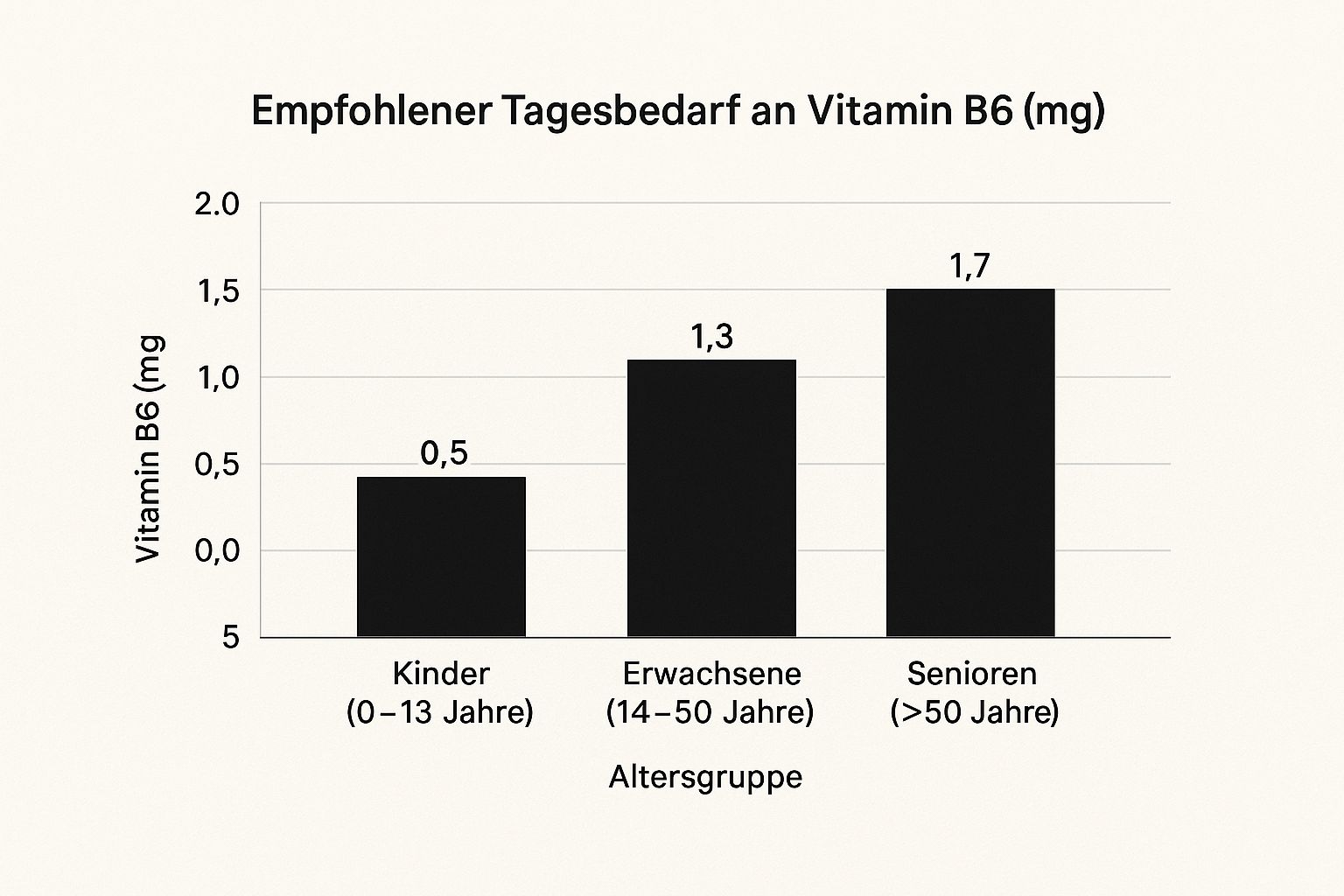
It is clear: the need increases with age. This means that a conscious choice of food becomes increasingly important throughout life.
Animal Powerhouses Full of Vitamin B6
When it comes to Vitamin B6, animal products are at the forefront. They not only provide plenty of the vitamin but also high-quality protein. This is especially practical if you're trying to lose weight or build muscle.
Here are some of the top contenders from the animal kingdom:
- Fish: Fatty fish like salmon (0.98 mg/100 g) or mackerel are real B6 bombs. As a bonus, you also get a portion of valuable omega-3 fatty acids.
- Poultry: Lean chicken or turkey meat (approx. 0.50 mg/100 g) is a fantastic source and can be prepared in many versatile ways – whether roasted, steamed, or in a salad.
- Liver: Although not everyone's cup of tea, beef liver (0.70 mg/100 g) is an extreme nutrient powerhouse.
With these foods, you create a solid foundation to easily meet your daily needs while keeping your metabolism revved up.
Plant-Based Stars for Your Diet
But don't worry, the plant world also has a lot to offer! For a comprehensively good supply of Vitamin B6, plant-based sources are even indispensable. They often also bring fiber and secondary plant compounds that further benefit your health.
In Germany, the most important sources of Vitamin B6 come from both animal and plant-based foods. High on the list, besides meat and fish, are walnuts (0.87 mg/100 g), avocados (0.53 mg/100 g), and whole wheat flour (0.46 mg/100 g). Carrots, lamb's lettuce, and potatoes also make an important contribution. If you want to know all the details, you can find more information in this overview of Vitamin B6.
Here are more top plant-based suppliers:
- Legumes: Chickpeas, lentils, and soybeans are not only great sources of protein but also packed with Vitamin B6. A delicious hummus dip or a warming lentil soup are therefore perfect meals.
- Nuts and Seeds: A handful of walnuts or sunflower seeds as a snack? That's a quick B6 boost for on the go.
- Fruits and Vegetables: Bananas and avocados are particularly noteworthy here. But also potatoes, carrots, and green leafy vegetables like lamb's lettuce help you reach your daily goal.
Top 15 Vitamin B6 Foods Compared
To make your selection even easier, I have compiled a practical table with the best Vitamin B6 sources.
This table shows a selection of animal and plant-based foods with their respective Vitamin B6 content per 100 grams, to facilitate a conscious choice.
| Food | Vitamin B6 Content (mg/100g) | Category |
|---|---|---|
| Salmon | 0.98 | Animal |
| Walnuts | 0.87 | Plant-based |
| Beef Liver | 0.70 | Animal |
| Sardines | 0.68 | Animal |
| Sunflower Seeds | 0.60 | Plant-based |
| Chickpeas (dried) | 0.54 | Plant-based |
| Avocado | 0.53 | Plant-based |
| Chicken Breast | 0.50 | Animal |
| Whole Wheat Flour | 0.46 | Plant-based |
| Bananas | 0.37 | Plant-based |
| Potatoes | 0.30 | Plant-based |
| Lentils (dried) | 0.28 | Plant-based |
| Spinach | 0.24 | Plant-based |
| Lamb's Lettuce | 0.20 | Plant-based |
| Carrots | 0.15 | Plant-based |
As you can see, the variety is huge. You don't have to be a fan of liver to get enough Vitamin B6 – a colorful mix of fish, nuts, legumes, and vegetables makes it very easy.
By cleverly combining animal and plant-based foods, you create the perfect foundation for an active metabolism and sustained energy – without feeling like you have to do without anything.
When Vitamin B6 as a Supplement Makes Sense
A balanced and varied diet is and remains the best foundation for your health. Normally, you get everything your body needs through it. But life doesn't always go according to plan. There are phases when your body simply needs a little more support – and that's when a targeted supplement can make all the difference.
Don't think of a dietary supplement as a substitute for a healthy meal. Think of it more as a tailored helper that intervenes exactly where a gap has arisen.
Situations Where You Might Need More
Sometimes our bodies get out of sync, whether due to stress, particular strains, or simply the current phase of life. In such moments, the need for Vitamin B6 can suddenly increase, and the intake through food might not be quite enough.
Here are a few typical cases where supplementation might be worth considering:
- If a doctor diagnoses a deficiency: A blood test doesn't lie. If it shows a clear deficiency, targeted supplementation is the fastest way to replenish stores.
- For intense sports: Those who regularly push their limits significantly boost their energy and protein metabolism. Since Vitamin B6 plays a key role here, the need often noticeably increases.
- Due to certain medications: Some medications, which may include hormonal contraceptives, interact with nutrient balance and can lower Vitamin B6 levels.
- For purely plant-based diets: While there are great plant-based B6 sources, a strict vegan diet can sometimes make it challenging to reliably meet daily needs.
A supplement is not a miracle cure, but a smart tool. It helps your body exactly where it needs support to effectively achieve your health and weight loss goals.
What to Consider When Choosing
If you decide to supplement, quality is paramount. It's not about simply taking just any product, but finding the right one for you. It's best to trust manufacturers who produce in Germany and avoid unnecessary fillers and additives.
Dosage is also very important. In Germany, a safe daily maximum amount of 3.5 mg of vitamin B6 has been established for food supplements. This eliminates health risks. Most adults already consume more than the recommended minimum amount through their diet anyway, which is completely harmless. As long as the additional supplement remains within safe limits, everything is fine. You can find more details on this in the recommendations of the Federal Institute for Risk Assessment.
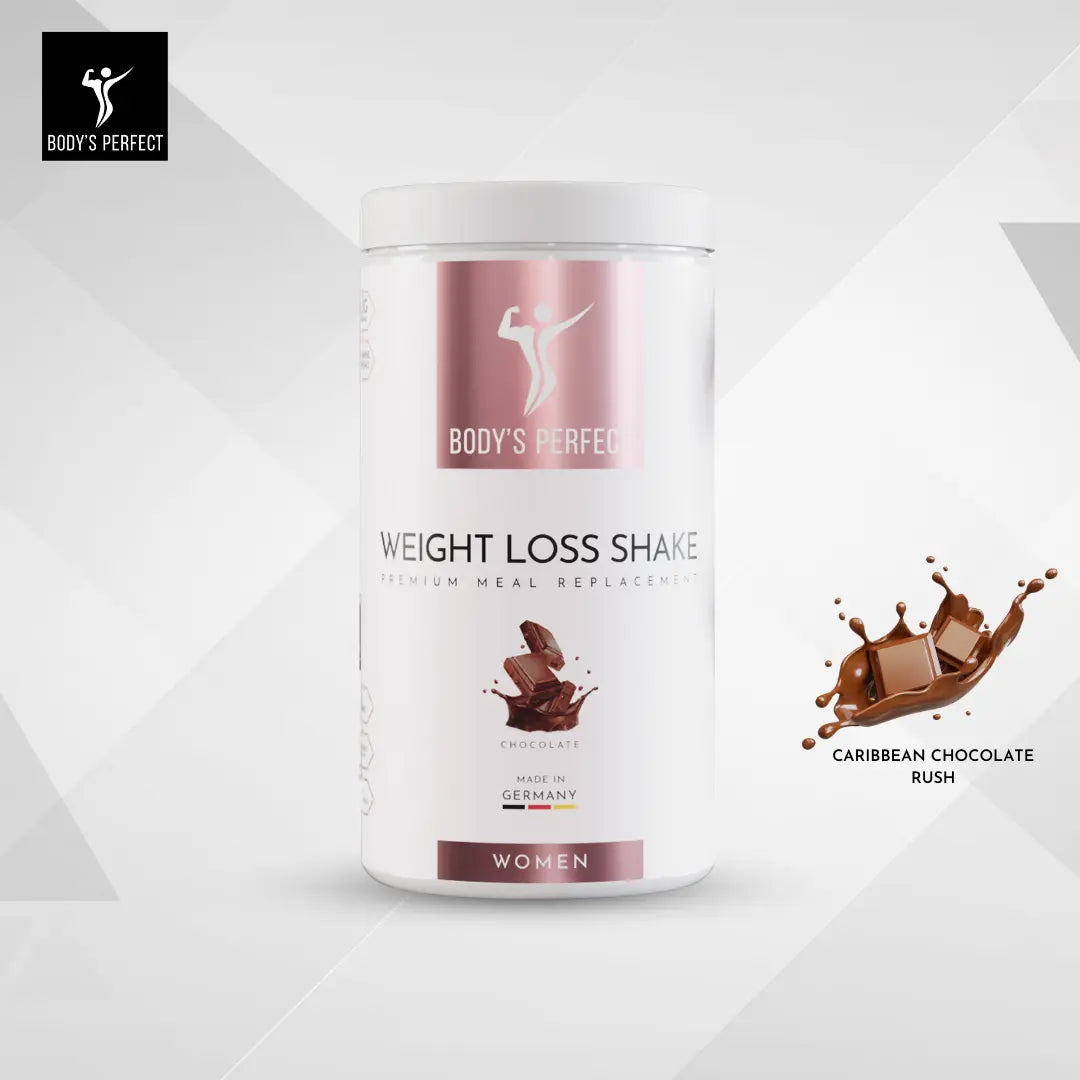
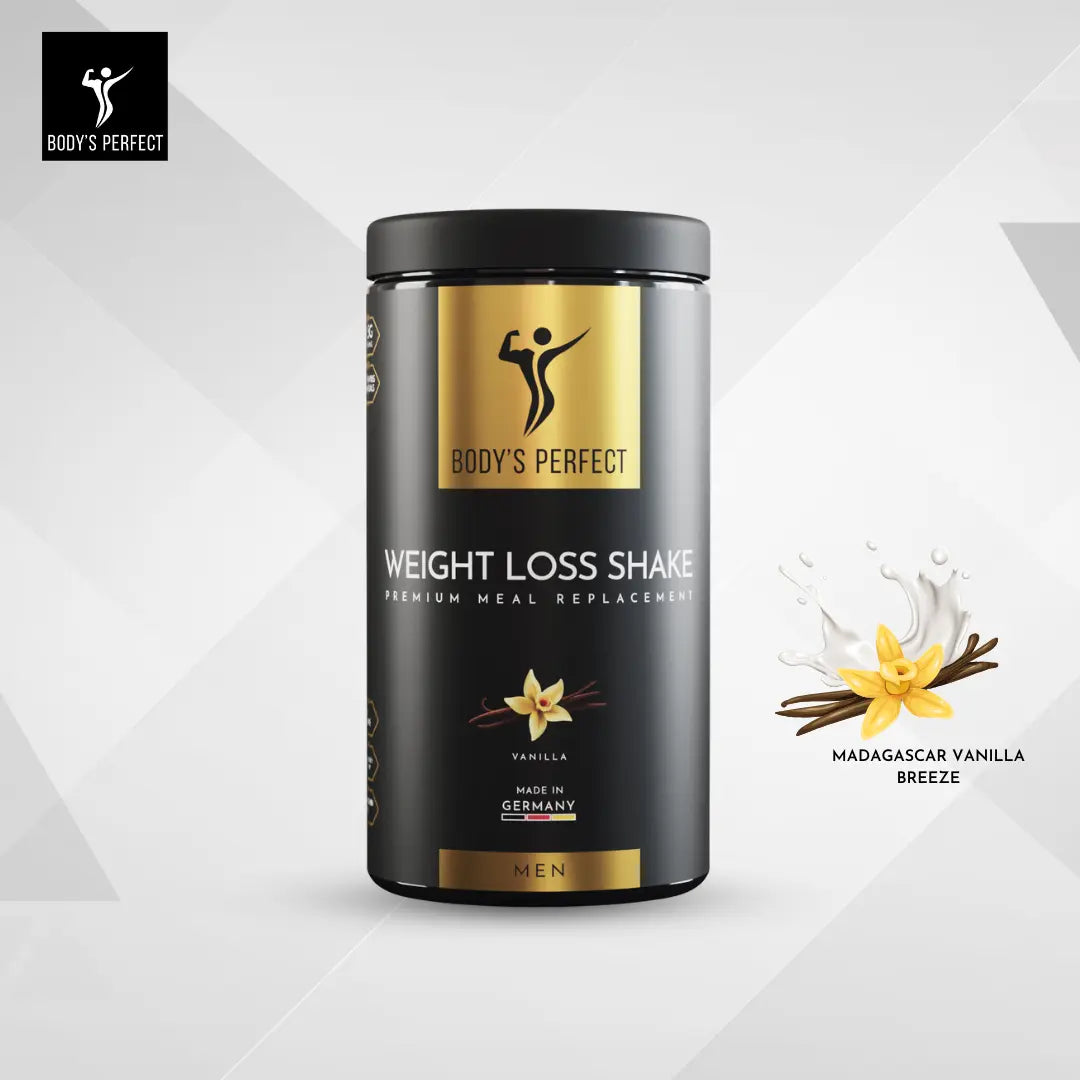
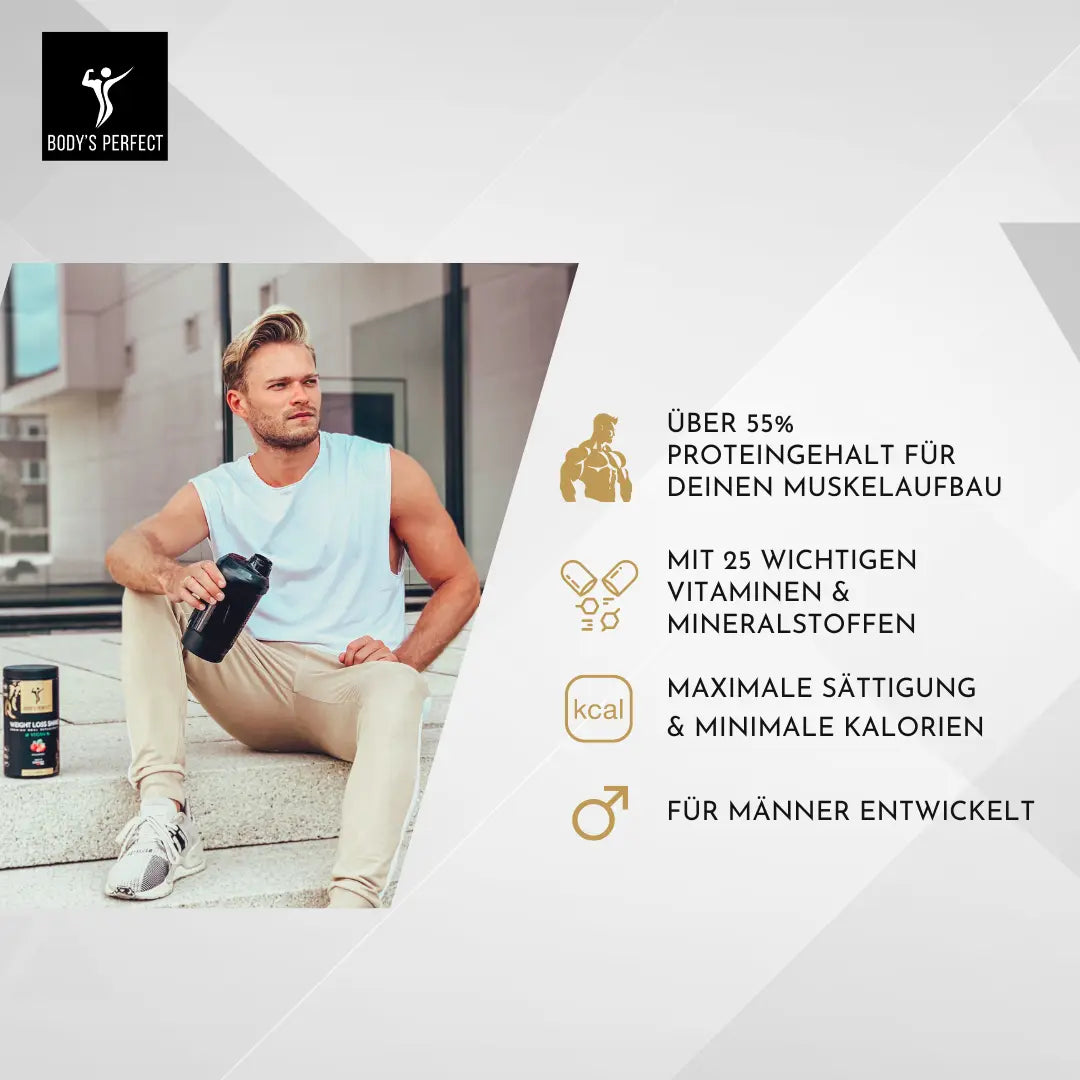
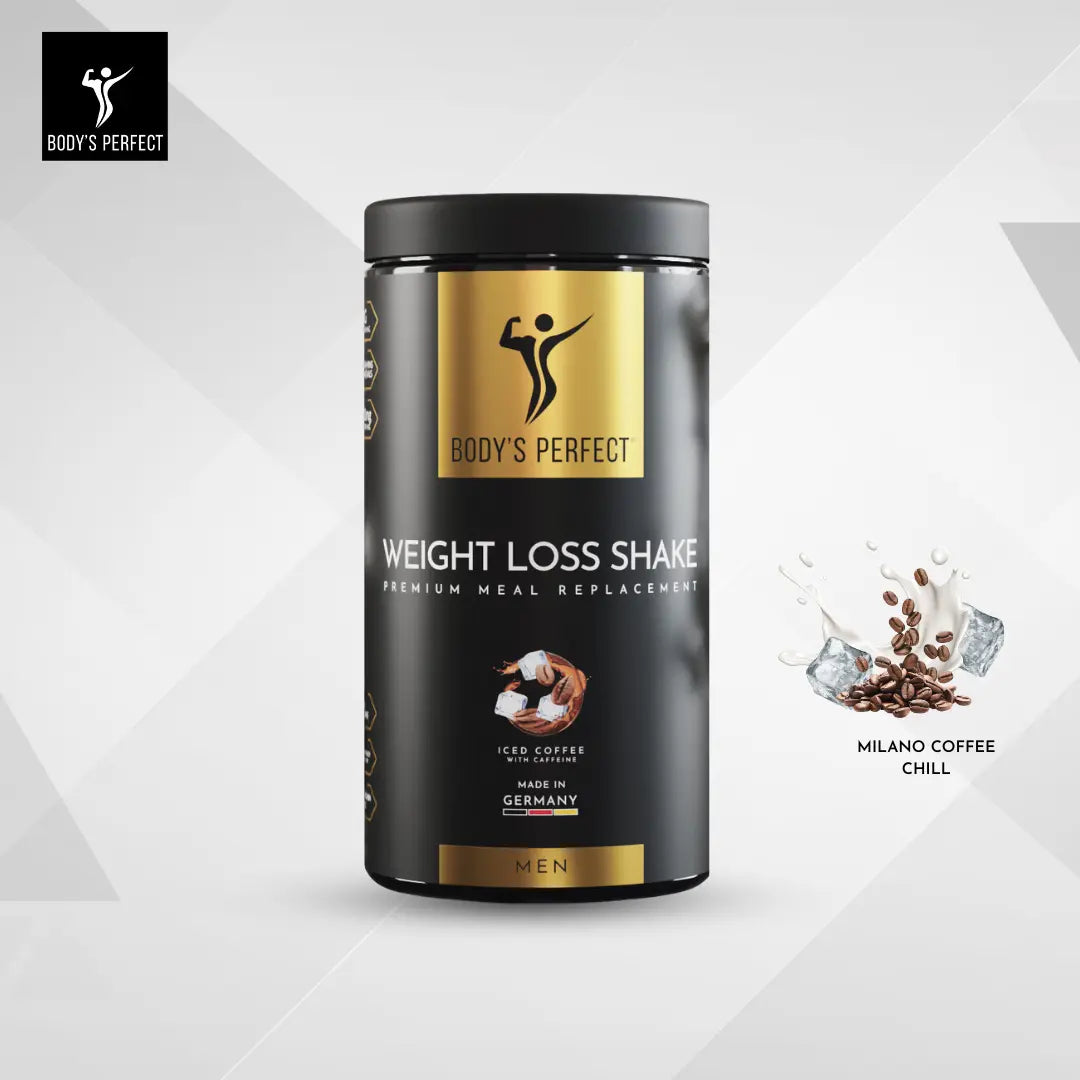
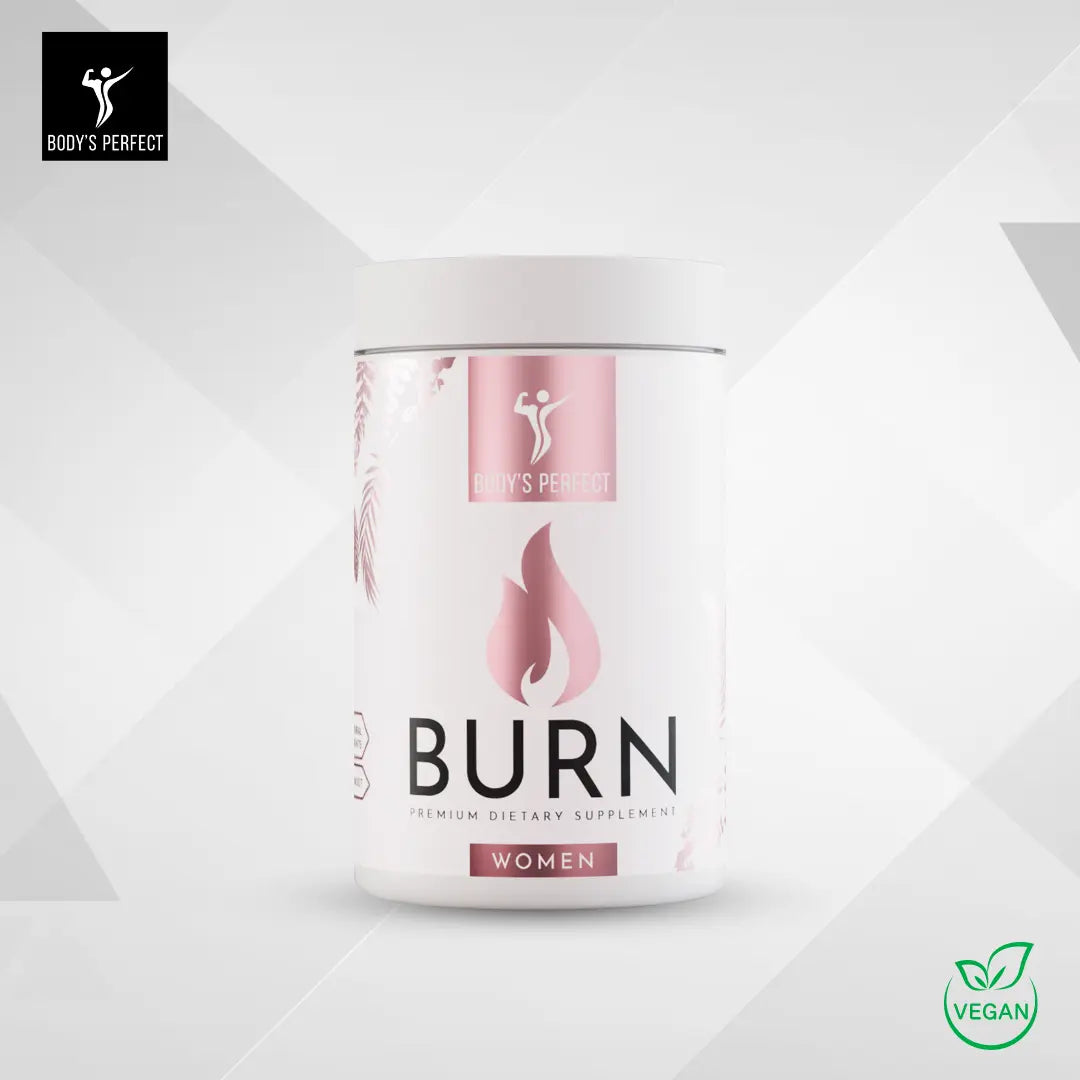
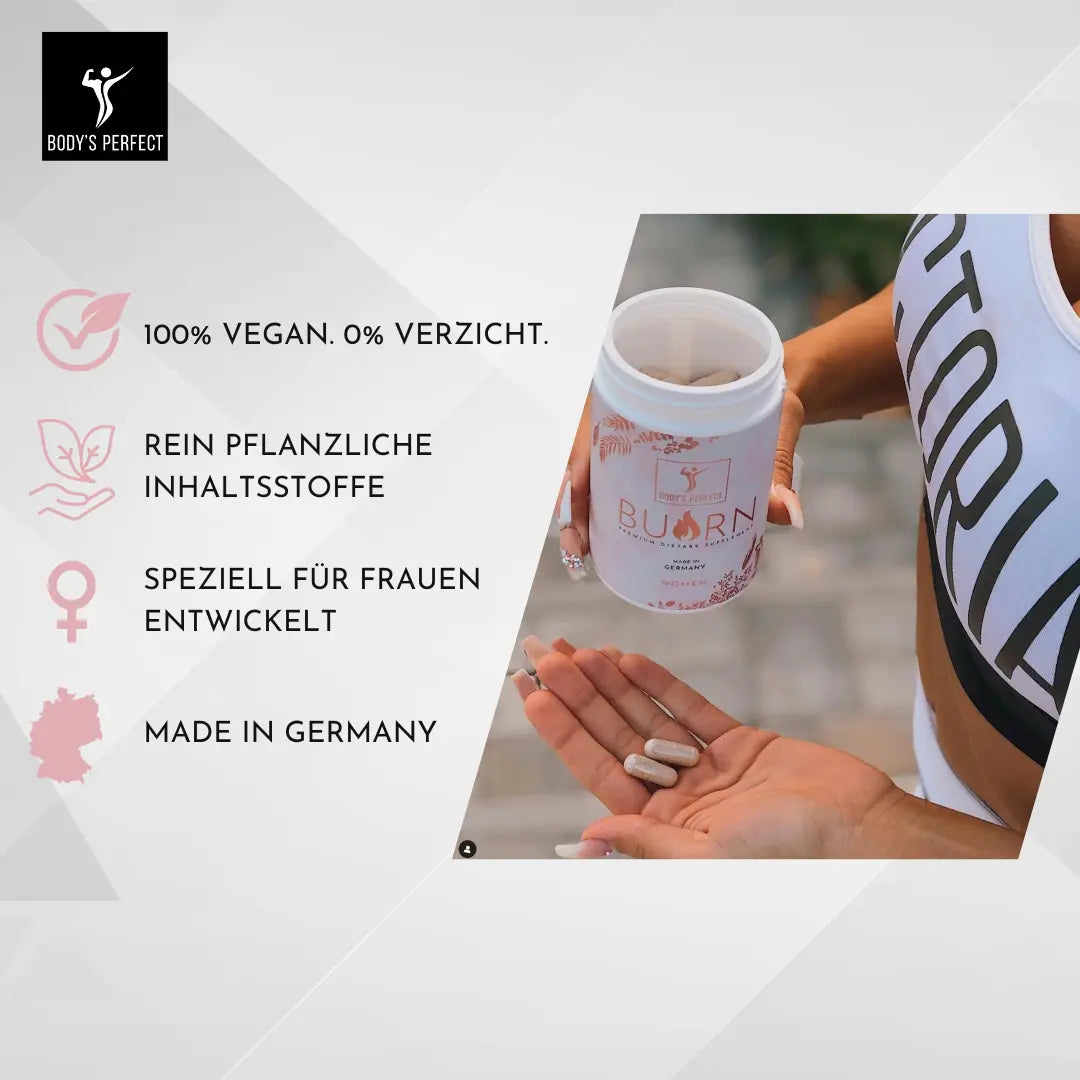
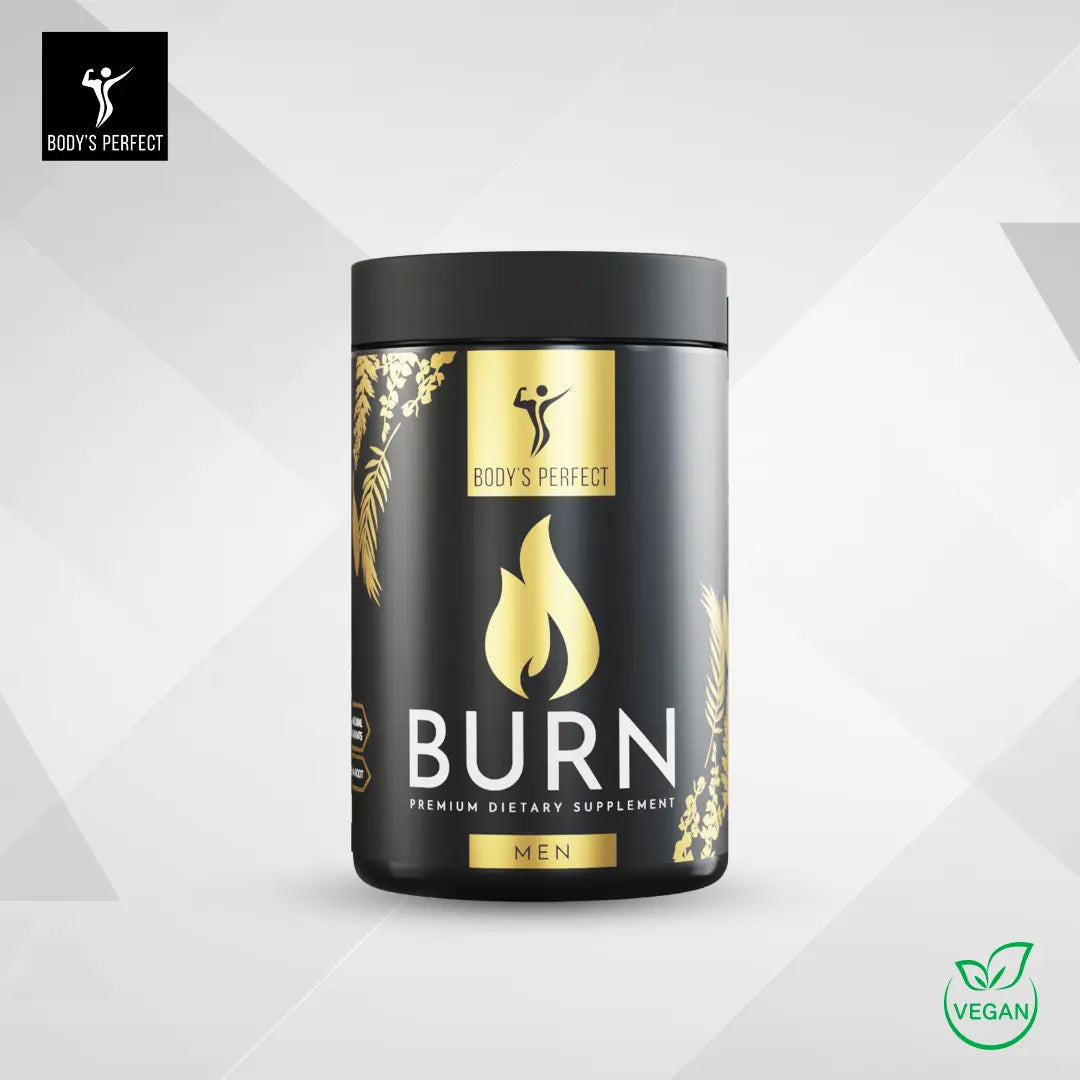
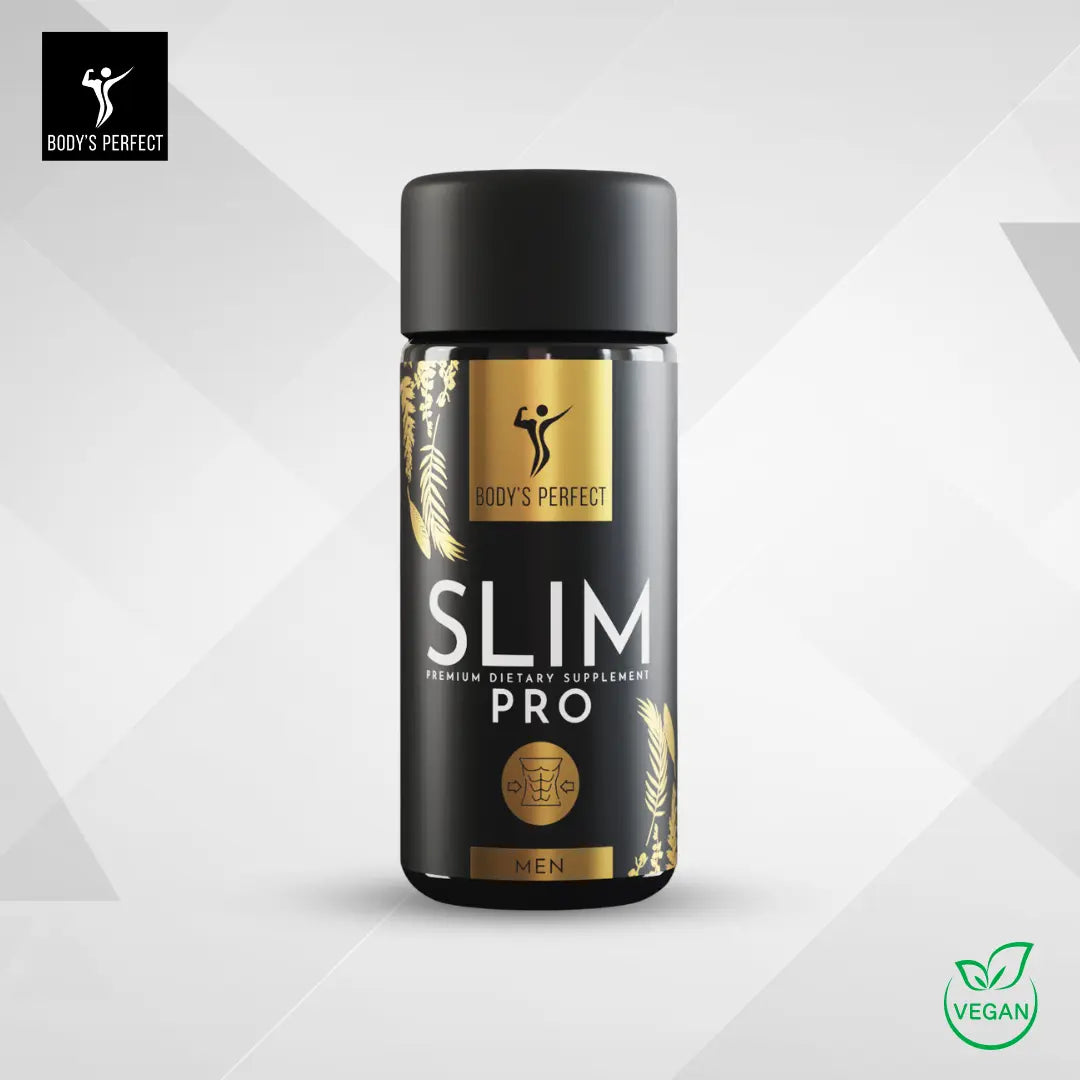
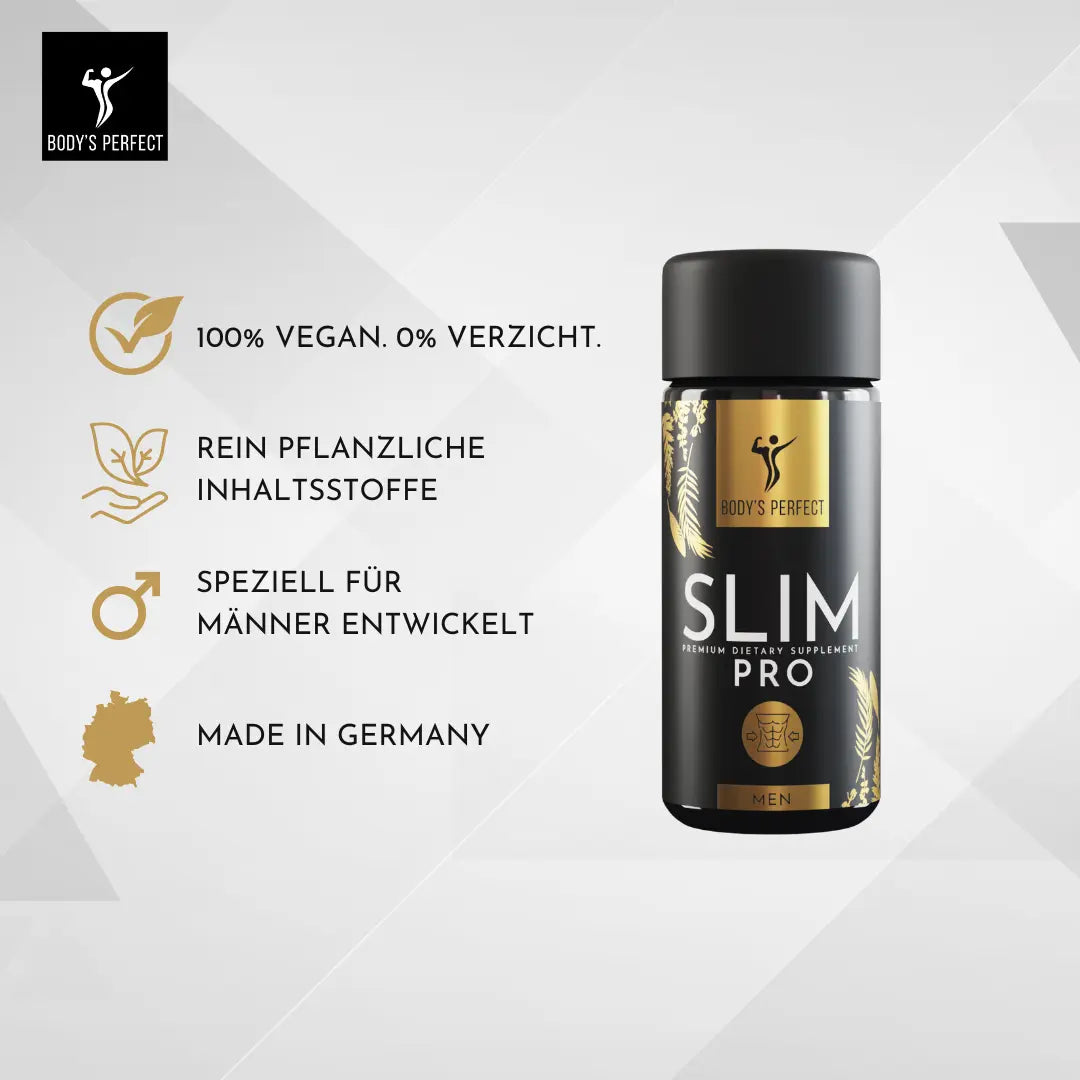
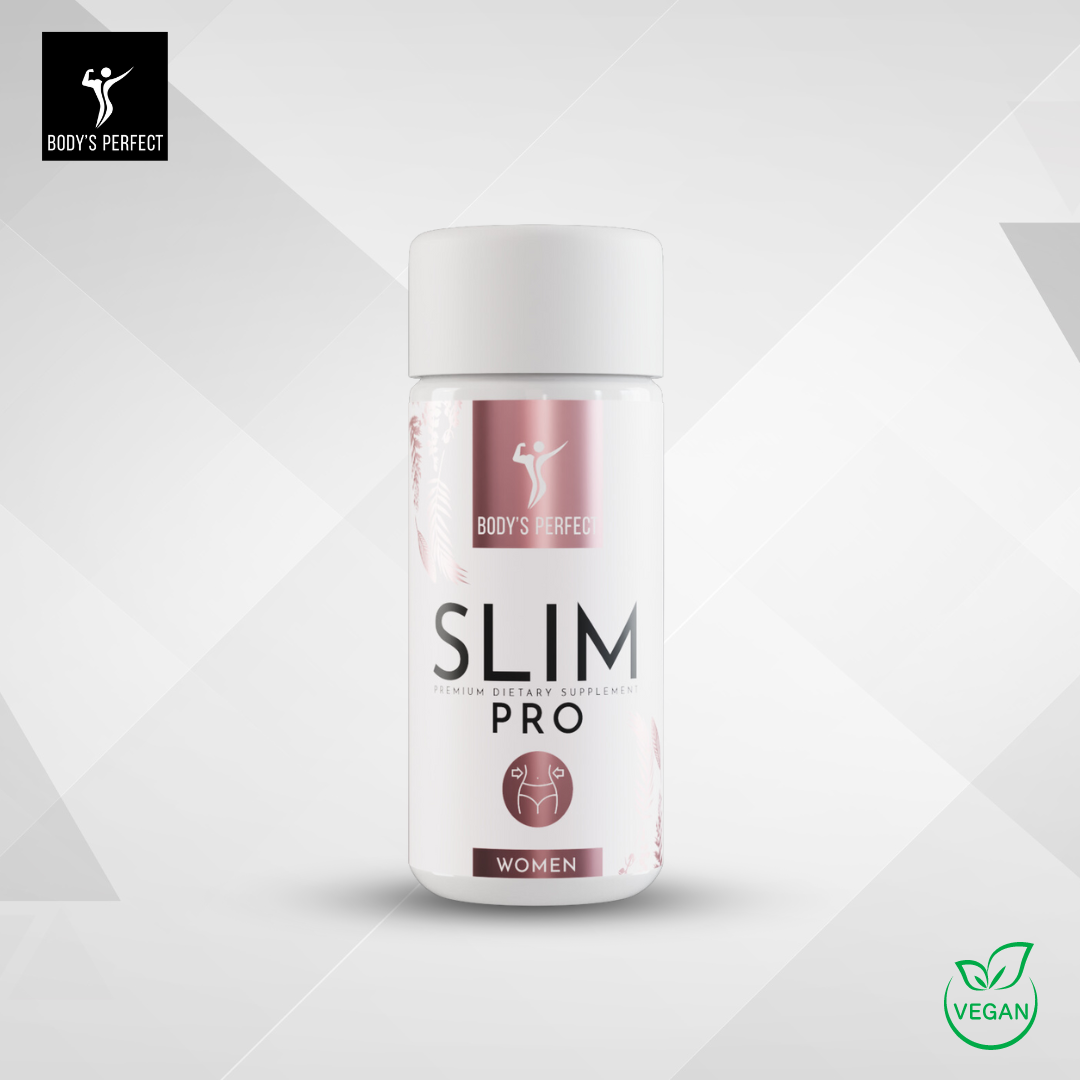
Our products at Bodysperfect are precisely tailored to this. They offer you a safe and well-thought-out dosage that optimally complements your diet without overloading it. Vitamin B6, by the way, is a real team player and often works best with other nutrients. For example, see how it interacts with Vitamin B9 (folic acid). This way, you can be sure that you are giving your body exactly the support it needs for more energy and well-being on its way to your desired weight.
Frequently asked questions about vitamin B6
Certain questions repeatedly arise in connection with vitamin B6. To give you a complete overview, we have collected the most common ones for you and answer them briefly and understandably.
Can you overdose on vitamin B6?
Theoretically yes, but practically it is almost impossible through diet alone. You would have to eat absurd amounts of vitamin B6-containing foods to even come close to a critical range.
A real risk only exists if you take very high-dose food supplements over a long period. We are talking about doses exceeding 100 mg per day. Symptoms of such an overdose can be neurological disorders, such as tingling or numbness in the arms and legs.
Precisely for this reason, there is a clearly defined, safe maximum amount of 3.5 mg per day for food supplements in Germany. So, if you stick to the recommended dosage, you are absolutely on the safe side.
Does vitamin B6 help with weight loss?
Vitamin B6 is definitely an important player when it comes to healthy weight management. You can think of it as a spark for your metabolism. It is crucially involved in converting proteins and carbohydrates into energy instead of storing them as fat deposits.
A well-functioning metabolism is the basis for effective fat burning. In addition, vitamin B6 is also involved in the production of hormones that regulate appetite. Adequate supply therefore ensures that your body gets the energy it needs for sports and an active everyday life – both key factors for successful weight loss.
While vitamin B6 is not a miracle cure that makes the pounds drop off by themselves, it creates the important biochemical conditions for your body to work optimally and burn fat.
Is there a connection between vitamin B6 and mood?
Yes, and it's quite direct! Vitamin B6 is virtually the building block for some of the most important neurotransmitters in the brain that control our emotional world. These include, above all:
- Serotonin: Often referred to as our "happiness hormone," it ensures good mood, inner peace, and restful sleep.
- Dopamine: This neurotransmitter is the engine for our motivation, drive, and feeling of reward.
If your body lacks vitamin B6, the production of these neurotransmitters can falter. This can manifest itself as mood swings, irritability, or lack of drive. An adequate supply therefore directly supports your emotional balance. If you want to know more, you can find answers to many other health topics in our comprehensive FAQ section.
How heat-sensitive is vitamin B6 during cooking?
A very good question, because a lot is often lost here. Vitamin B6 has two "weaknesses": It is water-soluble and quite heat-sensitive. During cooking, losses of up to 40% can quickly occur.
The vitamin is washed out of the food into the cooking water on the one hand and destroyed by the heat on the other. To save as much of it as possible, gentle cooking methods are required.
Here are a few simple tricks:
- Steaming or blanching: This is ideal because the vegetables hardly come into direct contact with water.
- Sautéing briefly: Quick, hot searing in a pan or wok is better for nutrients than long cooking.
- Use cooking water: If you do cook, don't throw away the water! It's a great base for soups or sauces and contains the "escaped" vitamins.
At BODY'S PERFECT, we develop products that specifically support you on your journey to more well-being and your desired weight. Our formulations are designed to sensibly supplement your diet and help you effectively achieve your goals. Discover our high-quality products now at https://bodysperfect.com.







Share:
L-Arginine Benefits: What it really does in your body | Guide
DIY weight loss shakes: Your simple path to a comfortable weight