


The effect of L-Arginine is quite fascinating and primarily revolves around the production of nitric oxide (NO). This important substance dilates your blood vessels, thereby boosting circulation throughout your body. The result? Your muscles, organs, and even your brain are better supplied with oxygen and nutrients. This can noticeably improve your performance and overall well-being, and ideally support you in your goals, such as weight management.
What is L-Arginine and how does it work in your body?
Have you ever wondered how your body actually manages to deliver nutrients exactly where they are needed? This is where L-Arginine comes into play. You can think of it as a diligent logistics manager in your organism, ensuring that everything runs smoothly.
L-Arginine is a so-called semi-essential amino acid. This means your body can produce it itself, but sometimes that's simply not enough. Especially during periods of high stress like intense training, general stress, or while dieting to lose weight, the demand often increases so much that your body's own production can no longer keep up.
L-Arginine's main task is to be the sole precursor for a crucial messenger substance: nitric oxide (NO). This small but powerful helper signals your blood vessels to relax and widen.
This process is called vasodilation. When vessels widen, blood can flow more freely. This means a better supply of oxygen and nutrients to every single cell – the absolute foundation for energy, regeneration, and health.
L-Arginine at a Glance
To help you quickly grasp the most important points, I've put together a small overview for you here.
| Property | Description |
|---|---|
| Type | Semi-essential amino acid |
| Main Function | Precursor of nitric oxide (NO) |
| Effect in the body | Dilates blood vessels (vasodilation) |
| Primary Benefit | Improved blood circulation and nutrient supply |
| Requirement | Increases with stress, intense exercise, or weight loss |
This table summarizes why L-Arginine plays a key role in so many bodily functions.
The Path from Capsule to Effect
The mechanism behind L-Arginine's effect is actually quite easy to understand. From the moment you take it, to the noticeable support of your bodily functions, it goes through clear steps.
The following graphic vividly illustrates this process, from absorption to blood vessel dilation.
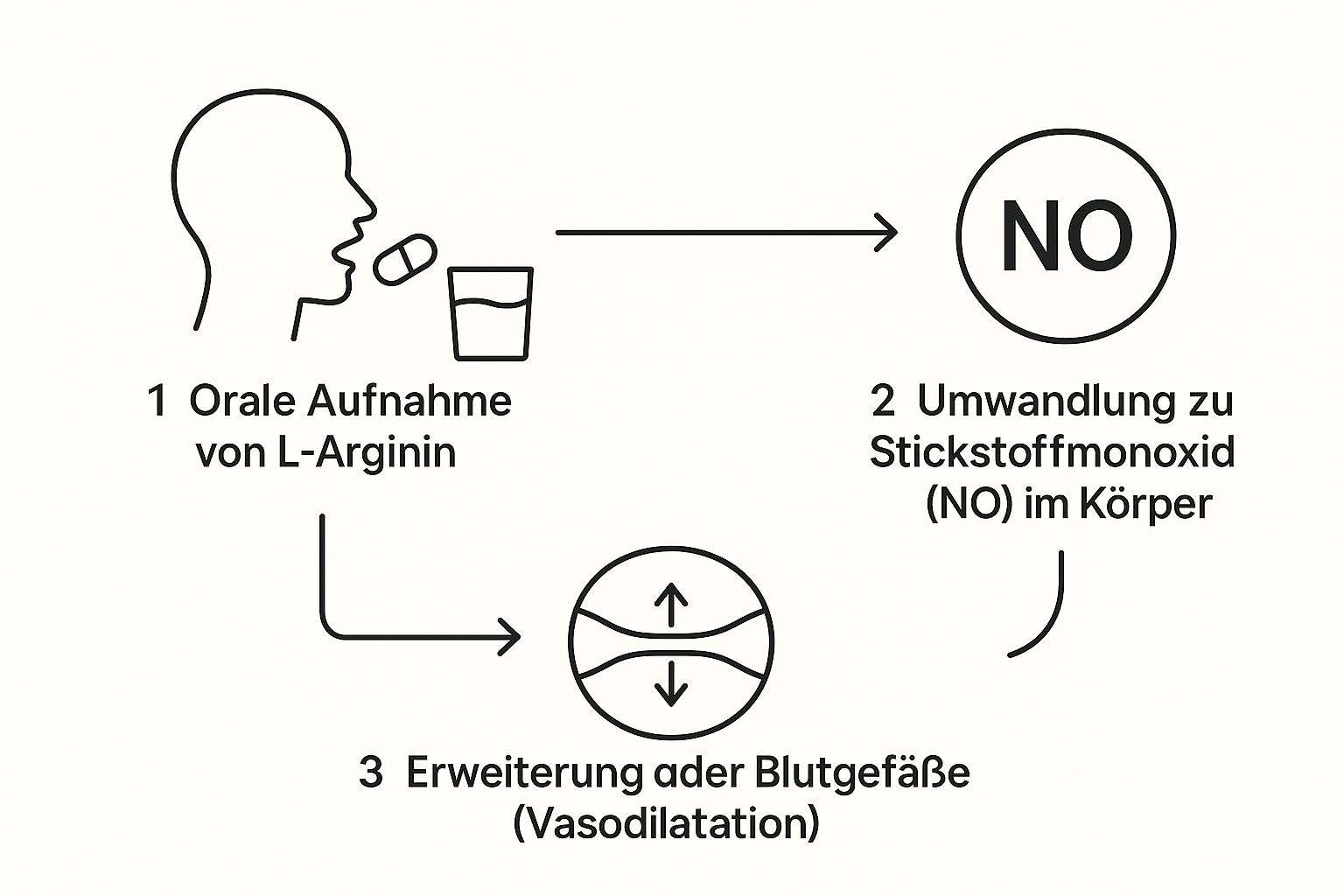
As you can see, the path from L-Arginine to its effect is very direct and efficient. This makes it a valuable helper for your personal health, fitness, and weight goals.
Your Daily Arginine Intake
Most of us unconsciously ingest L-Arginine through food, as it is found in many protein-rich foods. With an average protein intake of 70–90 grams per day, as is common in Germany, we consume about 1 to 5 grams of L-Arginine daily.
However, for athletes, people who want to manage their weight, or simply anyone who wants to boost their vitality, this value can quickly be too low. Here, targeted supplementation can make a real difference. If you want to delve deeper into the matter, you can learn more about the specific properties of L-Arginine Hydrochloride in our article.
How L-Arginine Boosts Your Sports Performance
Do you want to give your all in training and get the maximum out of every repetition? Then let's talk about how the targeted effect of L-Arginine can specifically advance your athletic performance. Many athletes and fitness enthusiasts swear by this amino acid – and for good reason.
The key to this is the famous "pump effect". Anyone who has trained intensely knows this feeling: the muscles feel full and engorged with blood. This is exactly where L-Arginine comes into play. It's essentially the engine that drives this effect by promoting the production of nitric oxide (NO).
Imagine NO as a floodgate opener for your blood vessels. Suddenly, more blood, more oxygen, and important nutrients can flow unhindered to your working muscles.
Better Supply Means More Power
What does this mean specifically for your training? Quite simply: your muscles get more "fuel" exactly when they need it most.
- More endurance: The extra oxygen noticeably slows down muscle fatigue. You might manage an extra repetition or two, or last longer on the treadmill.
- Better strength performance: When nutrients arrive faster, your body can also supply energy faster. This can directly affect your maximum strength.
- Focused training: Let's be honest, the pump just feels good. It's a strong mental motivator and makes you feel stronger and more connected to your muscles.
Especially for athletes or people who experience a lot of stress, taking it before training can significantly improve performance.
Crucial Not Only During, But Also After Training
However, the effect of L-Arginine doesn't stop when you put down the weights. The improved blood circulation is also worth its weight in gold for your regeneration. After training, your body repairs tiny tears in the muscle fibers to make them stronger for the next exertion.
Remember: muscles don't grow during training, but in the rest periods afterwards. Optimal nutrient supply is the alpha and omega for this.
Thanks to better blood flow, important building blocks like other amino acids and glycogen reach where they are needed much faster – into your exhausted muscle cells. At the same time, waste products like lactate (the culprit for muscle soreness) are transported away more efficiently. The result? You're fit again faster for the next round.
This advantage makes L-Arginine a clever companion for anyone who trains regularly and hard. Of course, proper nutrition is always the basis for success. We explain how to perfectly tailor it to your goals in our article on muscle-building nutrition tips. This way, you create the ideal conditions for your progress.
How L-Arginine Supports Your Cardiovascular System

A healthy cardiovascular system is practically the lifeline of our body. It provides us with energy and ensures that we feel fit and well. This is exactly where the L-Arginine effect comes into play and can play a really important role in promoting your health preventatively.
The crucial point is the conversion of L-Arginine into nitric oxide, or NO for short. Just imagine your blood vessels as small, flexible tubes. Over the course of life or due to certain factors, these "tubes" can become stiffer and narrower. This naturally hinders blood flow and can drive up blood pressure.
NO counteracts this. It signals the muscle cells in the vessel walls to relax. This causes the arteries to widen, become more elastic again, and blood can flow more easily. This helps to keep blood pressure at a healthy level.
More Than Just a Healthy Heart
Good circulation is not only crucial for the heart – it is a blessing for the entire body. Every corner of your organism benefits when blood can circulate unhindered.
- Better brain performance: Your brain constantly needs oxygen and nutrients. Improved blood circulation can optimize supply and thus support your concentration and mental fitness.
- Efficient nutrient transport: All the valuable vitamins and minerals from your food reach the cells via the blood. Good circulation is therefore the basis for a functioning metabolism.
- More energy in everyday life: Do you often feel tired? If your cells are better supplied with oxygen, this can directly translate into more energy and vitality.
Remember: Flexible vessels and smooth blood flow are the alpha and omega for a healthy cardiovascular system. The NO production stimulated by L-Arginine is a central building block for maintaining this fitness of your vessels.
How You Actively Promote Your Vascular Health
L-Arginine is a powerful tool, but it is only one part of the overall picture. Remember that a healthy lifestyle always consists of several building blocks. Regular exercise and a balanced diet are at least as important.
If you consciously take care of the health of your vessels, you are directly investing in your quality of life. You not only strengthen your heart but also support the function of your entire body. Here, L-Arginine can be a useful supplement, especially if you specifically want to improve your circulation and take your health into your own hands.
If you want to know more about how dietary supplements can support your athletic goals, take a look at our guide on dietary supplements in sports.
Finding the Right Dosage and Intake of L-Arginine

Okay, now you know what L-Arginine can do in the body – from improving athletic performance to supporting the cardiovascular system. But the most important question remains: How much of it should you actually take?
Unfortunately, there's no one-size-fits-all answer here, as the perfect dose depends entirely on you, your body, and your goals. But don't worry, there are proven guidelines that you can use as a great starting point. Think of it like a good recipe: you start with a solid base and then gradually adjust it until it's perfect for you.
Recommended Dosage Depending on Goal
The right amount is crucial for you to feel the positive effects without unnecessarily burdening your body. Whether you want to promote your general health, push hard in training, or support your weight management – the dose makes the difference.
The following table is intended to give you a small head start in finding your personal dosage.
Dosage Recommendations for L-Arginine
This table provides guidance for daily dosing, depending on your individual goal.
| Your Goal | Recommended Daily Dosage | Tips for Intake |
|---|---|---|
| General Health Promotion | 2,000 – 3,000 mg | Best in the morning or between meals. |
| Performance Enhancement in Sports | 3,000 – 5,000 mg | About 30–60 minutes before training for the pump. |
| Support for Weight Loss | 3,000 mg | In the morning or before exercise to support metabolism. |
| Cardiovascular Support | 3,000 – 6,000 mg | Divide into 2-3 portions throughout the day. |
Remember, these are practical recommendations. It's best to start at the lower end and see how your body reacts. If necessary, you can then slowly increase the dose.
The Best Time to Take for Maximum Effect
Almost as important as the quantity is the right timing. If you want to get the most out of your L-Arginine, you should plan your intake strategically.
Small tip: It's best to take L-Arginine on an empty stomach or with some time between it and a large, protein-rich meal. This way, it doesn't have to compete with other amino acids for absorption.
- Before training: The classic. Taken about 30 to 60 minutes before exercise, it can really boost blood flow and provide the legendary pump.
- In the morning after waking up: Your body is particularly receptive in the morning. This gives it a small vitality boost for the day.
- Before bedtime: Some swear by taking L-Arginine in the evening. There is evidence that it can support the release of growth hormones during sleep – a real plus for regeneration.
Powder or Capsules – What Suits You?
At bodysperfect.com, you'll find L-Arginine in various forms, because everyone has different preferences. Capsules are super practical for on the go and can be precisely dosed, completely without taste. Powder, on the other hand, is often absorbed a bit faster and you can easily mix it into your shake or water.
Some athletes also like to combine L-Arginine with other nutrients to enhance their effects. A popular combination, for example, is with L-Carnitine. If this makes you curious, read more about the effect of L-Carnitine L-Tartrate in our article. Ultimately, you alone decide which form best fits your everyday life and habits.
Possible Side Effects and What You Should Pay Attention To
At bodysperfect.com, we place the highest value on transparency and your safety. That's why we want to talk openly about possible side effects of L-Arginine. The good news first: L-Arginine is generally very safe and well tolerated by most people, as long as you stick to the recommended dosages.
The vast majority of users experience no negative effects whatsoever. But as with any nutrient that actively works in our body, a reaction can occur with very high doses. For example, if you take more than 10 grams at once, gastrointestinal complaints such as bloating or mild diarrhea may occur.
This is no cause for concern, but simply a natural reaction of the digestive system to a sudden, high amount of a single amino acid. Fortunately, this can be easily avoided: it's best to start with a lower dose and divide larger amounts into several smaller portions throughout the day.
When You Should Be Particularly Attentive
Although L-Arginine is considered safe, there are a few situations where you should take a closer look. One of the most well-known effects of L-Arginine is the dilation of blood vessels, which can slightly lower blood pressure.
Those who naturally tend to have low blood pressure (hypotension) should therefore start taking it slowly and pay close attention to how their body reacts. If you are already taking blood pressure-lowering medication, it is absolutely necessary to consult your doctor before taking it to avoid unwanted interactions.
Even with certain pre-existing conditions, a little caution is advised. Here is a small checklist of when you should rather play it safe and seek medical advice:
- With low blood pressure: Start with a small dose, for example 1,000–2,000 mg, and observe how you feel.
- When taking blood pressure-lowering medication: Be sure to discuss it with your doctor to prevent blood pressure from dropping too much.
- With kidney or liver diseases: Since the liver and kidneys are responsible for the breakdown of amino acids, medical consultation in advance is advisable.
- After a heart attack: In this case, intake should only be after consultation and under strict medical supervision.
We want you to feel completely safe and well-informed. For further general questions about our products, you will also find many answers in our comprehensive FAQ section. This way, you can make the best decision for yourself and your health.
Your Most Frequent Questions About the Effect of L-Arginine
Do you still have questions about the effect of L-Arginine? Perfect! Because if you're well informed, you'll make the best decisions for your health. Here I have compiled the answers to the questions we are asked most frequently – short, crisp and to the point.
How quickly do I notice something from L-Arginine?
That depends entirely on what you want to achieve. The effect that athletes know as "pump" – i.e. better blood circulation in the muscles – you can feel pretty quickly. Many report noticing this as early as 30 to 60 minutes after taking it, especially if they use Arginine specifically before training.
However, if you are working towards long-term goals, such as supporting your cardiovascular system, your body will need a little more time. A noticeable change often only occurs here after several weeks of regular intake. Patience is really key here.
Does L-Arginine also help with weight loss?
We hear this question often. To be completely honest: L-arginine is not a magic pill that will make the pounds melt away overnight. But it can support you very well if you see it as part of a healthy lifestyle with conscious nutrition and exercise.
Due to improved blood circulation, your metabolism can simply run better and nutrients can reach the muscles more efficiently. This is a real advantage, especially when dieting, to maintain your athletic performance. A fit metabolism and well-supplied muscles help you burn more calories and prevent unwanted muscle breakdown.
Think of it this way: L-arginine does not directly attack fat. However, it creates the ideal conditions in your body for your efforts – i.e., exercise and a healthy diet – to have the best possible effect.
Can I mix L-arginine with other supplements?
Yes, absolutely! A combination is not only possible, but often even very clever to get the most out of everything. One of the best-known and most effective partnerships is with L-citrulline.
Why do the two work so well together? L-citrulline is, so to speak, the precursor to L-arginine and is slowly converted into arginine in the body. If you take both together, you give your body an immediate dose of arginine and at the same time fill a depot from which new arginine is formed over a longer period. This can noticeably prolong and intensify the L-arginine effect.
Other useful partners can be:
- Vitamins and minerals: Certain B vitamins or vitamin C are like little helpers in many metabolic processes and can support the work of L-arginine.
- Antioxidants: Active ingredients such as grape seed extract (OPC) additionally protect the blood vessels and thus complement the positive effect on blood circulation.
- Other amino acids: Depending on the goal, the combination with BCAAs (for muscle protection) or L-carnitine (for energy metabolism) can also make sense.
So you see, the right combination depends entirely on your personal goals. L-arginine is a real team player that can be perfectly integrated into a well-thought-out concept.
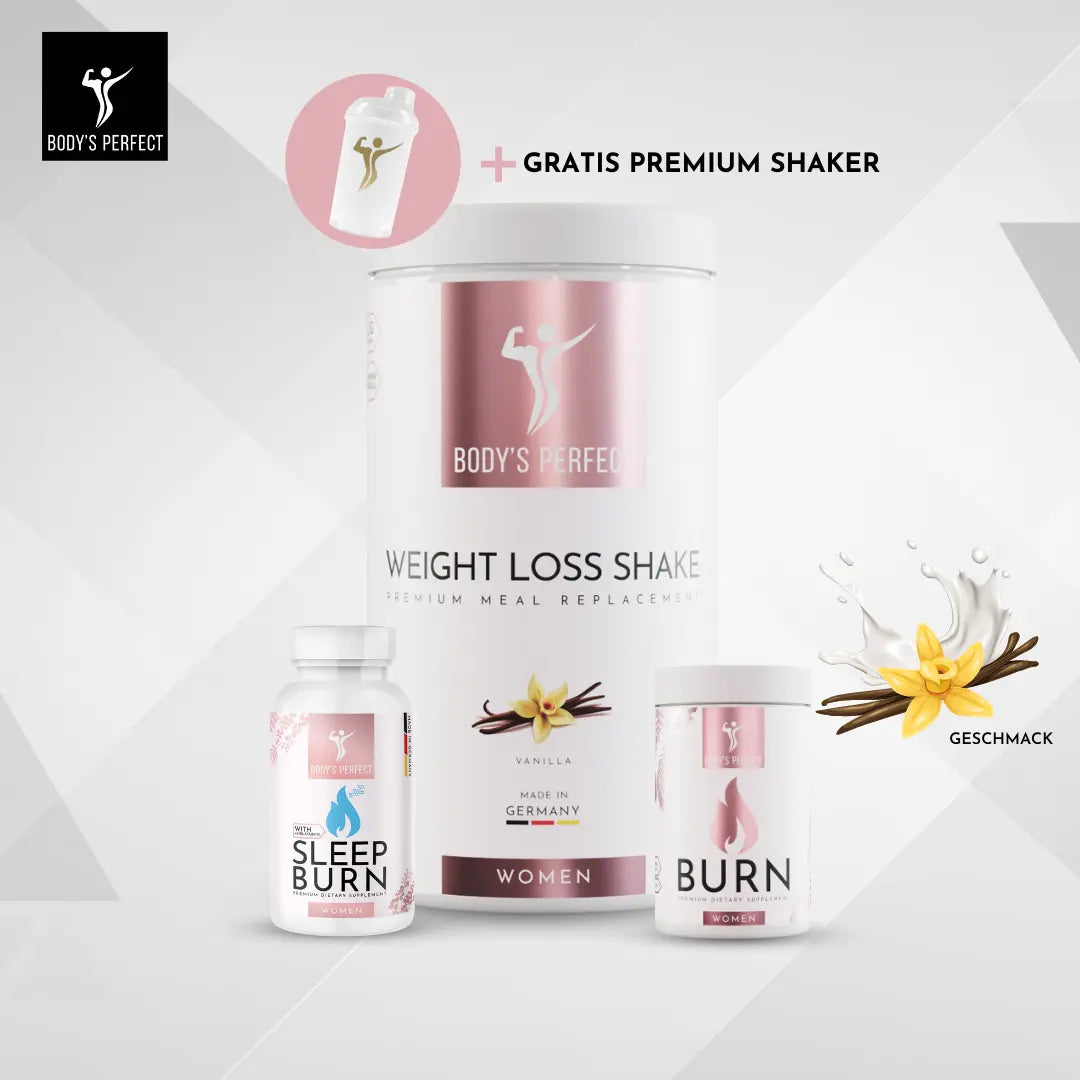
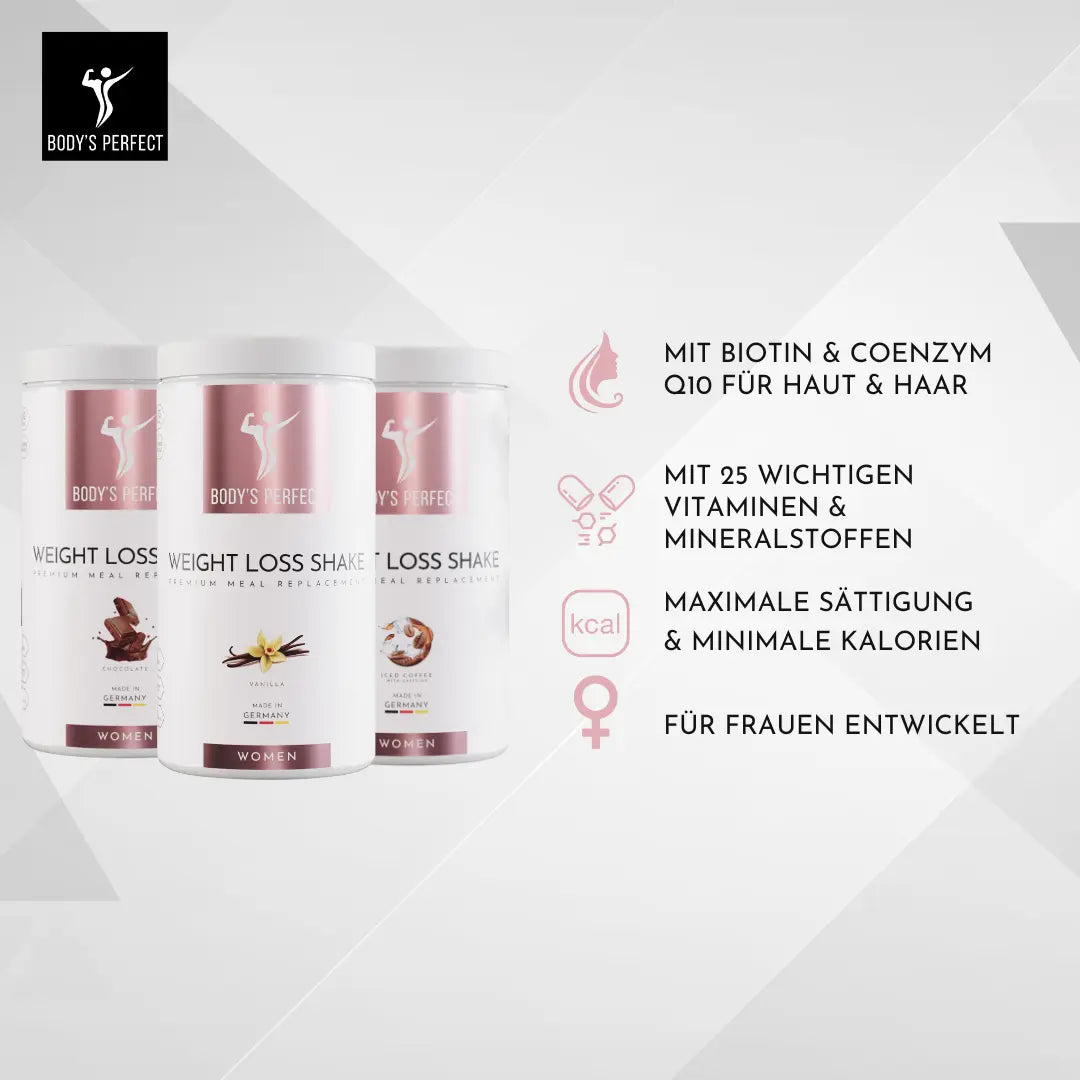
Are you ready to take your health, well-being, and fitness to the next level? Discover high-quality products at BODY'S PERFECT that support you on your way to your goals – developed in Germany, with natural ingredients and full effectiveness. Find the right helpers for your success now at https://bodysperfect.com.
















Share:
Protein Shakes for Weight Loss: How to Really Use Them Smartly
Top Vitamin B6 Foods for Your Energy and Health