


Boosting Metabolism: Natural Ways to Increase Fat Burning
A sluggish metabolism can feel like driving with the handbrake on: you're moving forward, but everything is strenuous and inefficient. Many people look for ways to naturally boost their metabolism so they can lose weight more easily, have more energy in everyday life, and simply feel more vital. But there's much more to the desire for a "faster" metabolism than just burning calories. It's about the targeted optimization of the complex biochemical processes that drive every single cell in our body and define our overall performance.
In this comprehensive guide, we present well-founded and natural methods that go far beyond well-known tips. We dive deep into the mechanisms that truly make a difference. You will learn how to leverage the thermogenic effect of foods like chili and green tea, why strength training is more effective than pure endurance training, and the crucial role that quality sleep plays for your hormones and basal metabolic rate. We explore modern approaches like intermittent fasting and cold thermogenesis and show you how to integrate them safely and effectively into your daily life. For a comprehensive approach to naturally unleashing your inner power source, the role of a healthy gut flora should not be underestimated. The right bacterial cultures are essential, because probiotics for natural digestive support can aid nutrient absorption and thus energy production.
This article provides you not only with the what, but primarily with the why and the how. Prepare to release the handbrake and give your body the energy and efficiency it deserves.
1. The Thermogenic Power from Your Cup: Green Tea and Its Allies
Green tea is much more than just a comforting hot beverage. It is a scientifically proven way to naturally boost your metabolism. Its impressive effect is based on a unique synergistic combination of bioactive plant compounds and natural caffeine.
These active ingredients stimulate thermogenesis – the body's heat production. As a result, your body consumes more energy even at rest. Unlike the often abrupt energy boost from coffee, the L-theanine contained in green tea provides a gentle but sustained stimulation without nervous jitters.
How Green Tea Boosts Your Metabolism
The main players in green tea are catechins, especially the highly potent epigallocatechin gallate (EGCG). These powerful antioxidants work hand-in-hand with the caffeine they contain to increase fat oxidation. This means your body becomes more efficient at using fat as an energy source.
The following infographic shows the key components that make a cup of green tea an effective metabolism booster:
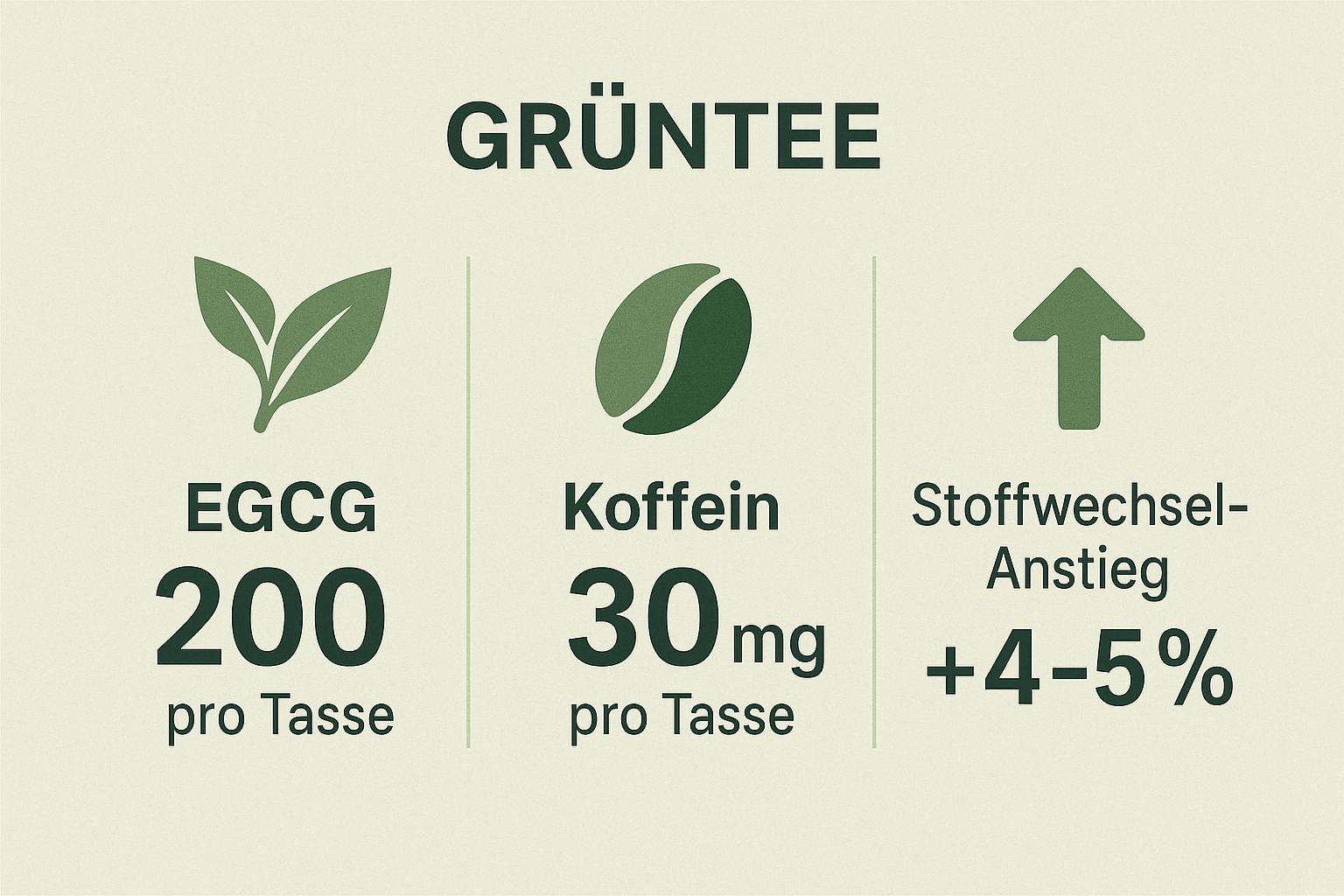
These figures illustrate how the combination of EGCG and caffeine can lead to a measurable increase in energy expenditure. Studies show that green tea extract can boost metabolism by 4 to 5%, which adds up throughout the day.
How to Optimize Green Tea Integration into Your Daily Routine
To fully reap the benefits and kickstart your metabolism, proper application is crucial.
- The right amount: Experts recommend drinking 3 to 4 cups of green tea throughout the day to achieve an effective dose of catechins.
- Optimal timing: It is best to drink tea between meals. This prevents the tannins in the tea from inhibiting the absorption of iron from food.
- A step up with Matcha: Matcha, the powder made from whole, ground tea leaves, contains an even higher concentration of EGCG, as you consume the leaf itself.
- The Vitamin C Boost: A squeeze of lemon in your tea not only tastes good, but the vitamin C also helps the body absorb the valuable catechins better.
Expert Insight: The traditionally lower rates of obesity in the Japanese population are often linked to their high consumption of green tea. This highlights the potential of this simple ritual as part of a healthy lifestyle.
By regularly incorporating green tea, oolong tea, or white tea, you utilize a simple and cost-effective lever to sustainably support your metabolism and achieve your health goals.
2. The Fiery Spice: How Chili & Co. Ignite Your Metabolism
Spicy ingredients like chili, cayenne pepper, and ginger are more than just intense flavor enhancers. They are powerful, natural tools to stimulate metabolism and support fat burning. Their effect is based on specific thermogenic compounds that literally turn up the body's internal heating system.

The main active ingredient in chilies, capsaicin, and gingerol in ginger, activate the sympathetic nervous system. This process slightly increases body temperature and forces the body to burn more calories to produce this heat. Studies suggest that a meal enriched with capsaicin can temporarily increase energy expenditure by up to 20%. This effect, known as diet-induced thermogenesis, makes spicy ingredients an effective ally for weight management.
How Spicy Foods Ignite Your Metabolism
The secret lies in activating receptors in the body that respond to heat and pain. Capsaicin binds to these receptors and sends signals to the brain, triggering a cascade of metabolic reactions. These include an increased heart rate and an increased release of adrenaline, which directly boosts energy expenditure.
Ginger works similarly through its gingerol. It not only promotes thermogenesis but also aids digestion and can help regulate appetite. The traditional use of these spices in hot climates served not only for flavor but also for the body's thermoregulation. You can learn more about the benefits of cayenne pepper here.
How to Best Integrate Spice into Your Daily Routine
To harness the metabolism-boosting effect without overwhelming your stomach, clever integration into your daily diet is crucial.
- Increase gradually: Start with a small pinch and gradually increase the amount. This allows your digestive system to get used to the spice.
- With every meal: Add a pinch of cayenne pepper or freshly grated ginger to your main meals to distribute the thermogenic effect throughout the day.
- Prefer fresh: Fresh ginger contains a higher concentration of active gingerol than dried powder.
- Smart combination: Combine spicy ingredients with healthy fats like avocado or olive oil. The fat helps absorb fat-soluble compounds like capsaicin better and mitigates the spiciness.
Expert Insight: Dr. Mehmet Oz and many nutritionists regularly highlight the benefits of capsaicin. It is valued not only for stimulating metabolism but also for its anti-inflammatory properties and its potential to suppress appetite.
By consciously seasoning your food with chili, ginger, or cayenne pepper, you can easily and tastefully stimulate your metabolism naturally and contribute to your health and fitness goals.
3. Strength Training and Muscle Building: The Body's Metabolic Factory
While cardio burns calories during activity, strength training is the key to stimulating metabolism long-term and sustainably. The reason is simple: muscle tissue is significantly more metabolically active than fat tissue. It acts like an engine that continuously consumes energy even at rest.
One kilogram of additional muscle mass burns about 13 calories per day at rest, compared to only about 4.5 calories per kilogram of fat. This "afterburn effect" (EPOC) and the increased basal metabolic rate due to more muscle mass make strength training one of the most effective strategies to permanently increase the body's energy consumption.

How Muscles Reprogram Your Metabolism
Every fiber of your musculature is a small energy furnace. When you build more muscle mass through targeted training, you increase the total number of these furnaces. This leads to a measurably higher basal metabolic rate, which is the amount of energy your body needs in complete rest.
Studies impressively support this: after just 24 weeks of regular strength training, participants showed an average increase of 7% in their basal metabolic rate. Comparing trained individuals like bodybuilders with untrained individuals often reveals a 20 to 30% higher resting metabolism. This effect is crucial for maintaining weight after successful loss and avoiding the yo-yo effect.
How to Optimally Integrate Strength Training into Your Daily Routine
Effective strength training doesn't mean spending hours at the gym. With a smart approach, you achieve maximum results.
- The right frequency: Plan 2 to 3 strength training sessions per week. This gives your muscles enough time to recover and grow.
- Focus on large muscle groups: Concentrate on compound exercises such as squats, deadlifts, bench presses, and rows. These engage multiple muscle groups simultaneously and have the greatest metabolic effect.
- Progressive overload: To stimulate muscle growth, you need to continuously increase resistance. Gradually increase the weight, repetitions, or sets.
- Nutrition as a foundation: Muscles need building blocks. An adequate protein intake of 1.6 to 2.2 grams per kilogram of body weight is crucial. Learn more about optimal nutrition for muscle building at Bodysperfect.com to maximize your training success.
Expert Insight: Pioneers like Mark Rippetoe ("Starting Strength") and Bret Contreras ("The Glute Guy") have shown that fundamental, heavy strength training is the most efficient way to a stronger and metabolically more active body. Their focus is on the perfect execution of basic exercises that provide the greatest growth stimulus.
Strength training is therefore not just a men's sport, but a universal method to shape the body, increase bone density, and elevate metabolism to a new level.
4. The Underestimated Power of Rest: Sufficient and Quality Sleep
Sleep is much more than just a passive recovery phase. It is a fundamental and active process to naturally stimulate metabolism and restore hormonal balance. While you sleep, your body regulates crucial hormones that directly control appetite, satiety, and energy expenditure.
Chronic sleep deprivation puts the body in a state of stress, which slows down metabolism and hinders fat burning. This can significantly sabotage the effectiveness of diet and exercise. A single night of insufficient sleep can already decrease insulin sensitivity, increasing the tendency for fat storage.
How Sleep Directly Impacts Your Metabolism
The most important hormonal regulators influenced by sleep are leptin and ghrelin. Leptin signals satiety to the brain, while ghrelin triggers feelings of hunger. Sleep deprivation lowers leptin levels and increases ghrelin levels, leading to cravings and an increased desire for high-calorie foods.
Additionally, sleep is crucial for the release of growth hormones, which promote muscle building and fat burning. Studies demonstrate the drastic effects:
- People who sleep less than 6 hours per night have a 55% higher risk of being overweight.
- Shift workers, whose circadian rhythm is disrupted, show a significantly higher rate of metabolic disorders.
To understand how profoundly sleep affects metabolism, it is worth learning more about the role of sleep in weight loss.
How to Optimize Your Sleep Routine for an Active Metabolism
Good sleep hygiene is key to fully harnessing the restorative powers of the night.
- The right duration: Consistently aim for 7 to 9 hours of high-quality sleep per night.
- Fixed routine: Go to bed and wake up at the same time every day, even on weekends. This stabilizes your internal rhythm.
- The perfect sleep environment: Keep your bedroom cool (approx. 18 °C), dark, and absolutely quiet.
- Timing of the last meal: Avoid large meals 2 to 3 hours before bedtime to avoid disrupting digestion.
- Screen detox: Turn off all screens (mobile phone, TV, tablet) at least one hour before sleeping. The blue light inhibits the production of the sleep hormone melatonin. Learn more about the effects of melatonin here.
Expert Insight: Leading sleep scientist Dr. Matthew Walker emphasizes that sleep is not a luxury, but a biological necessity. He describes it as the most effective means to reset the brain and body daily, which is essential for a functioning metabolism.
By prioritizing sleep as it deserves, you create the hormonal foundation for an efficient metabolism and support your health and weight goals in the most natural way.
5. Intermittent Fasting: Reprogramming Metabolism Through Targeted Breaks
Intermittent fasting, also known as "Intermittent Fasting," is not a diet in the classical sense, but a time-structured eating pattern. Instead of prescribing what you eat, it focuses on when you eat. By deliberately alternating between eating and fasting phases, the body is given the opportunity to clean up at a cellular level and flip metabolic switches.
This approach can positively influence metabolism through several mechanisms. The fasting phases improve insulin sensitivity, which helps the body process sugar more efficiently. At the same time, hormonal adaptations are triggered, such as an increased release of growth hormones that support muscle maintenance and fat burning.
How Intermittent Fasting Optimizes Your Metabolism
The decisive advantage of intermittent fasting lies in "metabolic flexibility." The body learns to switch more efficiently between energy production from carbohydrates and from fat. During eating phases, it uses the glucose consumed, while during fasting periods it is forced to draw on its fat reserves.
Scientific studies confirm these effects. Studies have shown that intermittent fasting can lead to a weight loss of 3 to 8% over a period of 3 to 24 weeks. Particularly stubborn fat reserves around the abdomen seem to respond well to this method.
How to Successfully Integrate Intermittent Fasting into Your Daily Routine
Starting intermittent fasting can be flexibly designed to suit your lifestyle. The 16:8 method, where you fast for 16 hours and eat within an 8-hour window, is particularly popular.
- Gentle start: Begin with a 12:12 rhythm (12 hours eating, 12 hours fasting) and slowly increase the fasting time to 14 or 16 hours.
- Hydration is key: Drink plenty of water, unsweetened tea, or black coffee during the fasting period. This helps suppress hunger and keeps the body hydrated.
- The first meal matters: Make your first meal after fasting rich in protein and fiber. This provides long-lasting satiety and stabilizes blood sugar levels.
- Training and fasting: It's best to plan intense training sessions within your eating window or directly before it. On training days, you can flexibly adjust the fasting window to optimize recovery.
Expert Insight: Pioneers like Dr. Jason Fung have shown that intermittent fasting can be an effective tool for reversing insulin resistance, a precursor to type 2 diabetes. It is more than just a method for weight loss; it is a way to naturally boost metabolism and promote cellular health.
By giving your digestive system regular breaks, you give your metabolism a chance to reset and work more efficiently.
6. Protein-Rich Diet: The Thermal Turbo for Your Metabolism
Not all calories are equal when it comes to how the body processes them. Protein is the undisputed champion if you want to naturally boost your metabolism. The reason for this is the so-called thermic effect of food (TEF), and for protein, this is by far the highest.
Approximately 20 to 30% of the calories you consume from protein are burned just for its digestion and metabolism. In comparison, carbohydrates are only 5 to 10%, and fats are a meager 0 to 5%. This means your body works harder and expends more energy to utilize protein, leading to a direct increase in your metabolic rate.
How Proteins Increase Your Energy Expenditure
The higher metabolic activity after a protein-rich meal is measurable. Studies show that the body burns up to 80-100 more calories after such a meal than after a fat- or carbohydrate-rich meal of the same size. This effect is not only short-term but can increase the basal metabolic rate by 15-30%.
Bodybuilders have been using this mechanism for decades to reduce body fat while preserving muscle mass. But even outside of elite sports, the effect is significant: many successful weight loss strategies are based on increased protein intake, as it not only boosts metabolism but also significantly improves satiety and prevents cravings.
How to Harness the Power of Proteins
A targeted integration of protein into your diet is uncomplicated and highly effective.
- The right amount: Aim to get 25 to 30% of your total daily calories from protein sources.
- Even distribution: Instead of eating a large portion of protein in the evening, distribute your intake evenly throughout your meals. An amount of 20 to 40 g of protein per meal is ideal for optimally stimulating muscle protein synthesis.
- Focus on quality: Choose high-quality protein sources such as lean meat, fish, eggs, Greek yogurt, legumes (lentils, chickpeas), tofu, and quinoa.
- Start your day with protein: A protein-rich breakfast, for example with eggs or a shake, kick-starts your metabolism early and keeps you feeling full longer. You can find out more about how a protein-rich diet can help with weight loss in our further article.
Expert Insight: Leading protein researcher Dr. Donald Layman has shown that the amino acid leucine, abundant in high-quality proteins, is a key signal for muscle building and metabolic regulation. A protein-rich diet therefore not only supports fat burning but also the preservation of metabolically active muscle mass.
By making protein the star of your meals, you are utilizing one of the most effective and scientifically proven levers to sustainably optimize your metabolism and positively change your body composition.
7. Cold Thermogenesis and Cold Therapy
Deliberately exposing yourself to cold may sound uncomfortable at first, but it is an extremely effective method to naturally boost your metabolism. This practice, known as cold thermogenesis, forces the body to turn up its internal heating system, leading to a significantly increased calorie expenditure.
The science behind it is fascinating: cold stimuli activate the so-called brown adipose tissue (BAT). Unlike white fat, which stores energy, brown fat is specialized in releasing energy in the form of heat. This process burns calories and, as studies suggest, can increase metabolism by up to 15% when practiced regularly.
How Cold Activates Your Metabolism
When your body perceives cold, it releases norepinephrine. This hormone signals the mitochondria in brown adipose tissue to start burning fat for heat production. Celebrities like Wim Hof, also known as "The Iceman," have popularized this method and shown the amazing effects that controlled cold exposure can have on the body.
The tradition of cold therapy is deeply rooted in cultures, for example in Scandinavian countries, where the alternation between hot sauna and cold water has been practiced for centuries to increase well-being and vitality.
How to Harness the Power of Cold for Yourself
Getting started with cold therapy doesn't have to be extreme. A gradual approach is the key to success and safe application.
- The gentle start: Begin by ending your daily shower with 30 seconds of cold water. Focus on calm, deep breathing to relax the body.
- Gradual increase: Gradually reduce the water temperature or extend the duration of the cold phase. Regularity is more important here than extreme intensity.
- Optimal timing: A cold shower directly after exercise can enhance the effect, as the metabolism is already elevated.
- Breathing as an anchor: Use breathing techniques like the Wim Hof method to better tolerate the cold stimulus and calm the nervous system.
Expert Insight: Dr. Rhonda Patrick, a well-known biochemist, regularly emphasizes the benefits of cold exposure for mitochondrial health. Healthy mitochondria are the powerhouses of your cells and essential for efficient metabolism. Activation by cold can therefore have far-reaching positive effects.
By integrating short, regular cold stimuli into your daily life, you create a powerful impulse to increase your basal metabolic rate and train your body's ability to burn fat.
8. Stress Management and Relaxation Techniques
Chronic stress is a silent saboteur of an active metabolism. It puts the body in a permanent "fight or flight" state, leading to the release of the stress hormone cortisol. Consistently high cortisol levels can naturally slow down metabolism and specifically promote fat storage, especially in the abdominal area.
Effective stress management is therefore not just a wellness measure, but a fundamental building block for hormonal balance and efficient energy metabolism. By learning to reduce stress in a targeted way, you give your body the signal to exit survival mode and optimally use its resources again for digestion and energy production.
How Relaxation Reactivates Your Metabolism
The key lies in regulating the nervous system. Relaxation techniques such as meditation, yoga, or targeted breathing exercises activate the parasympathetic nervous system, the so-called "rest and digest" nerve. This antagonist to the stress-driven sympathetic nervous system lowers cortisol levels and promotes regeneration and digestion processes.
The hormonal harmony created by stress reduction improves insulin sensitivity and supports thyroid function, two central metabolic control centers. This allows your body to efficiently process nutrients again, instead of storing them as fat reserves for tough times.
How to Optimize Stress Management in Your Daily Life
Building a resilient stress response requires regular practice. Even small, daily rituals can make a big difference.
- Daily mindfulness practice: Schedule 10 to 20 minutes daily for meditation or a guided mindfulness exercise. Apps like Headspace or Calm can facilitate getting started.
- Immediate help through breathing: Use the 4-7-8 breathing technique for acute stress: inhale for 4 seconds, hold your breath for 7 seconds, slowly exhale for 8 seconds. Repeat this 3-5 times to immediately calm the nervous system.
- Regular exercise: Integrate gentle forms of movement such as yoga or Tai-Chi into your week. These combine physical activity with meditative elements.
- Nature as a source of strength: Regular walks in nature, also known as "forest bathing," have been shown to reduce stress hormones and lower blood pressure.
- Maintain social contacts: Spending time with friends and family is a natural buffer against stress and an important factor for emotional balance.
Expert Insight: Physician Jon Kabat-Zinn, with his Mindfulness-Based Stress Reduction (MBSR) program, has scientifically proven how profoundly these techniques work. Studies show that regular meditation can lower cortisol levels by up to 23%, which has a direct impact on metabolism.
By consciously integrating relaxation techniques, you actively counteract the negative effects of chronic stress and create the hormonal basis for sustainably boosting your metabolism.
Comparison: 8 Natural Metabolism Boosters
| Method | 🔄 Implementation Complexity | 💡 Resource Investment | 📊 Expected Results | 💡 Ideal Use Cases | ⭐ Key Benefits |
|---|---|---|---|---|---|
| Green Tea and other caffeinated teas | Low - Easy to integrate into daily life | Low - Cost-effective, readily available | Moderate metabolism increase (+4-5%) | Fat burning, weight management | Scientifically proven effect, antioxidants |
| Spicy spices (Chili, Cayenne pepper, Ginger) | Low to Medium - Dosage requires acclimatization | Low - Can be used in cooking | Short-term metabolism increase up to 20% | Short-term metabolic boosts, appetite suppression | Immediate effect, versatile |
| Strength training and muscle building | Medium to High - Regular training required | Medium - Time and possibly equipment required | Long-term increase in basal metabolic rate (7-15%) | Sustainable metabolism building, body shaping | Permanent metabolism increase, muscle building |
| Sufficient and quality sleep | Low - Discipline for routine necessary | Low - No external resources needed | Metabolism optimization up to 20%, hormone regulation | General health, metabolism stabilization | Free, many health benefits |
| Intermittent Fasting | Medium - Adjustment to meal times necessary | Low - No additional costs | Improved insulin sensitivity and fat burning | Flexible eating style, weight management | Scientifically well-researched, hormonal benefits |
| Protein-rich diet | Medium - Meal planning required | Medium - Quality protein can be costly | Metabolism increase 15-30% | Muscle building, weight reduction | Highest thermic effect, increased satiety |
| Cold Thermogenesis and Cold Therapy | Medium - Acclimatization and discipline required | Low to Medium - Cold showers to special equipment | Short-term metabolism increase 15-30% | Health promotion, metabolism increase | Activates brown fat, immune system strengthening |
| Stress Management and Relaxation Techniques | Medium - Regular practice necessary | Low - Mostly practical without cost | Subtle, long-term metabolism improvement | Mental health, hormone regulation | Holistic approach, many techniques |
Your Personal Roadmap to a More Active Metabolism
We have embarked on a journey through eight effective and natural strategies to kickstart your metabolism. You've seen that there isn't one magic switch. Rather, it's an intelligent interplay of various habits that makes the difference. Naturally boosting your metabolism means sending your body the right signals on multiple levels.
Let's summarize the key insights once again. It's about more than just what you eat. It's about how you live. Each of the methods presented, from the stimulating cup of green tea in the morning to the thermogenic spice of chili and ginger to the conscious decision for a protein-rich meal, is a valuable building block for your success.
The Most Important Pillars for Lasting Success
The true power, however, only unfolds in combination. Consider these strategies not in isolation, but as a holistic system that you can adapt to your needs:
- The long-term investment: Strength training is the undisputed champion here. Every gram of muscle mass you build is like a small engine that continuously burns calories, even at rest. This is not a quick fix, but the most sustainable method to permanently increase your basal metabolic rate.
- The invisible helpers: Never underestimate the fundamental roles of sleep and stress management. Seven to eight hours of quality sleep and targeted relaxation are not luxuries, but the basis on which hormonal balance and efficient metabolism can thrive. Chronic stress and lack of sleep can sabotage even the best diet and exercise plans.
- The daily boosters: Elements like intermittent fasting, spicy spices, or a cold shower are your daily tools. They provide short-term but cumulative impulses that boost your energy consumption and challenge your body.
The key is not to implement everything perfectly at once. The key is to start and assemble the building blocks that are right for you into a stable foundation.
From General Knowledge to Personal Strategy
The decisive step to truly effectively and naturally boost your metabolism is personalization. We are all unique. What works wonders for one person may have little effect on another. Your body reacts to carbohydrates, fats, proteins, and even different types of training in a very individual way. This is where modern science comes in.
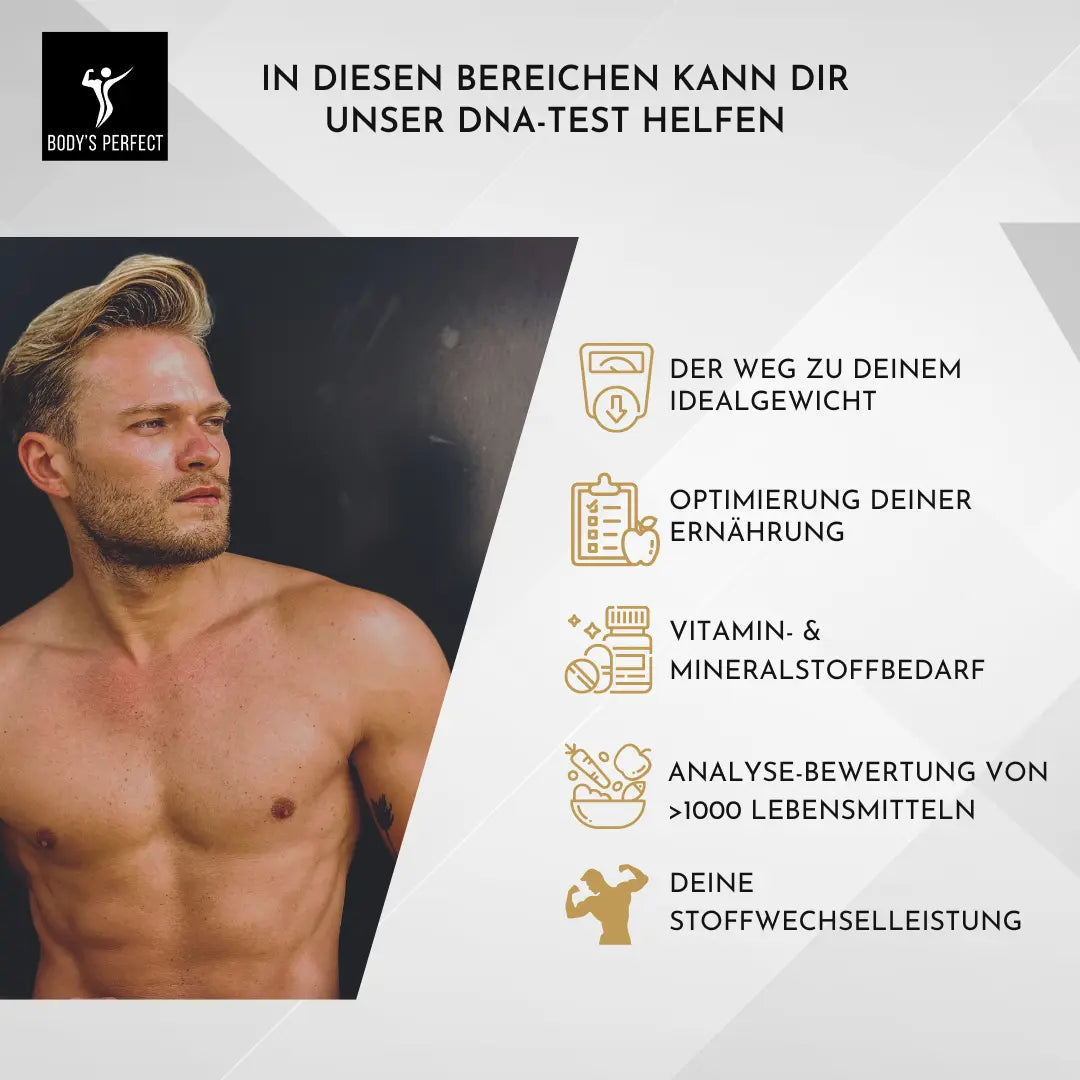
A DNA analysis, such as that offered by BODY'S PERFECT, bridges the gap between general health knowledge and your personal biological reality. Instead of guessing which diet or exercise is best for you, you receive a blueprint that is directly based on your genetic predisposition. This allows you to focus your efforts specifically on the methods that promise the greatest benefit for your body.
Your path to more energy, a healthy weight, and increased vitality begins today. Start small. Choose one or two of the strategies presented that are easiest for you to integrate into your daily life. Perhaps you replace your afternoon coffee with green tea or incorporate a short, intense strength session into your week. Observe how your body reacts. Be patient with yourself and celebrate small successes. Every step you take is an investment in your well-being and long-term health. Your body has the potential – it's time to unleash it.
Are you ready to stop guessing and develop a strategy perfectly tailored to your unique genetics? Discover with BODY'S PERFECT's DNA analysis which nutrition and training methods really work for your metabolism. Visit BODY'S PERFECT and start your personalized path to more energy and well-being.















Share:
The 12 Best Weight Loss Capsules 2025: What Really Works and How Do You Find the Right Ones for You?
What's your metabolism type? Find out now!