

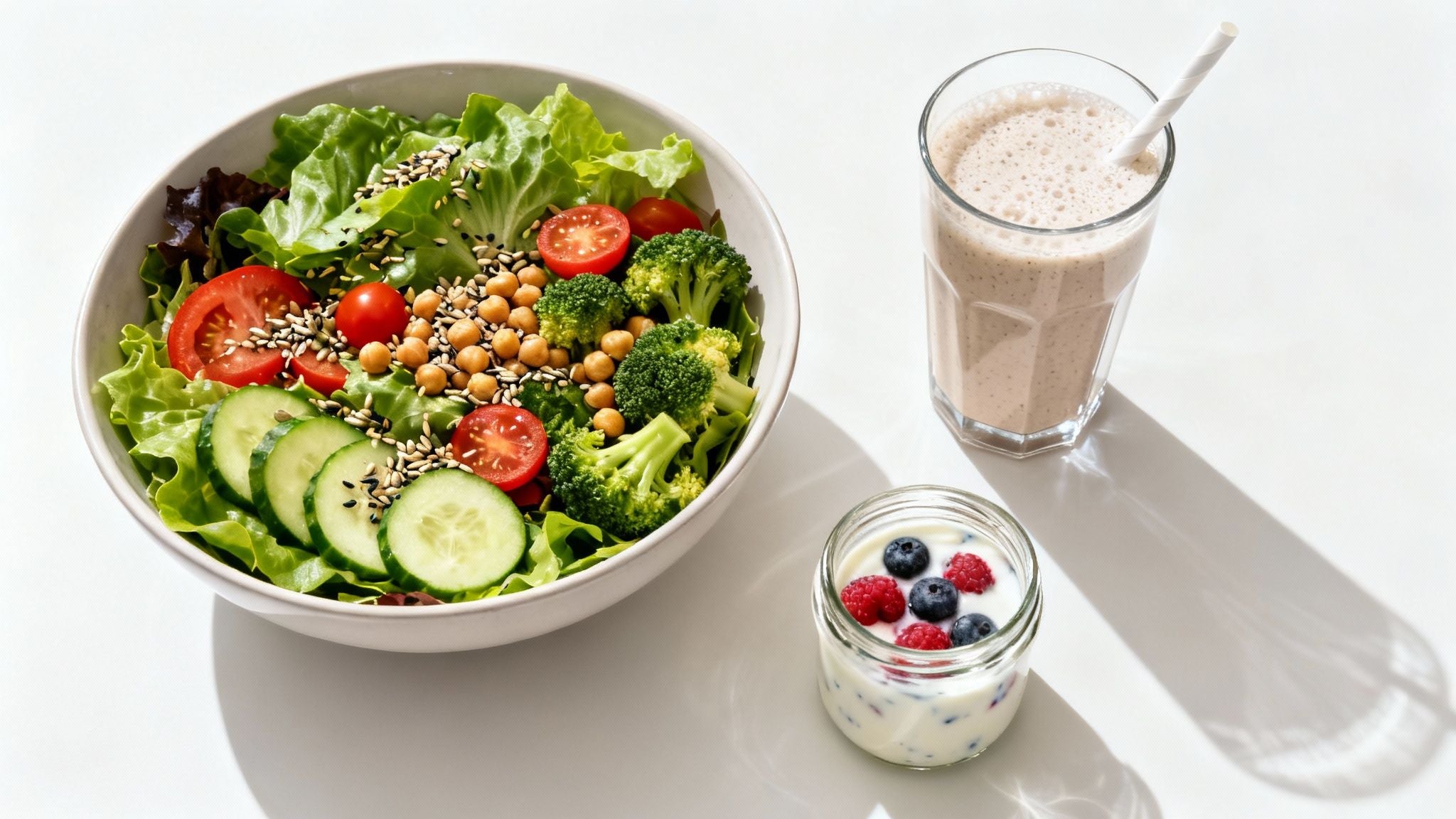
Losing weight without constantly being hungry? That's not a pipe dream, but a clever strategy. The secret lies in foods that keep you feeling full for a long time and sustainably, but have few calories. Think crisp vegetables, protein-rich low-fat quark, or fiber-rich legumes – they all ensure you feel satisfied for a long time without exceeding your calorie budget.
How to feel full and still lose weight
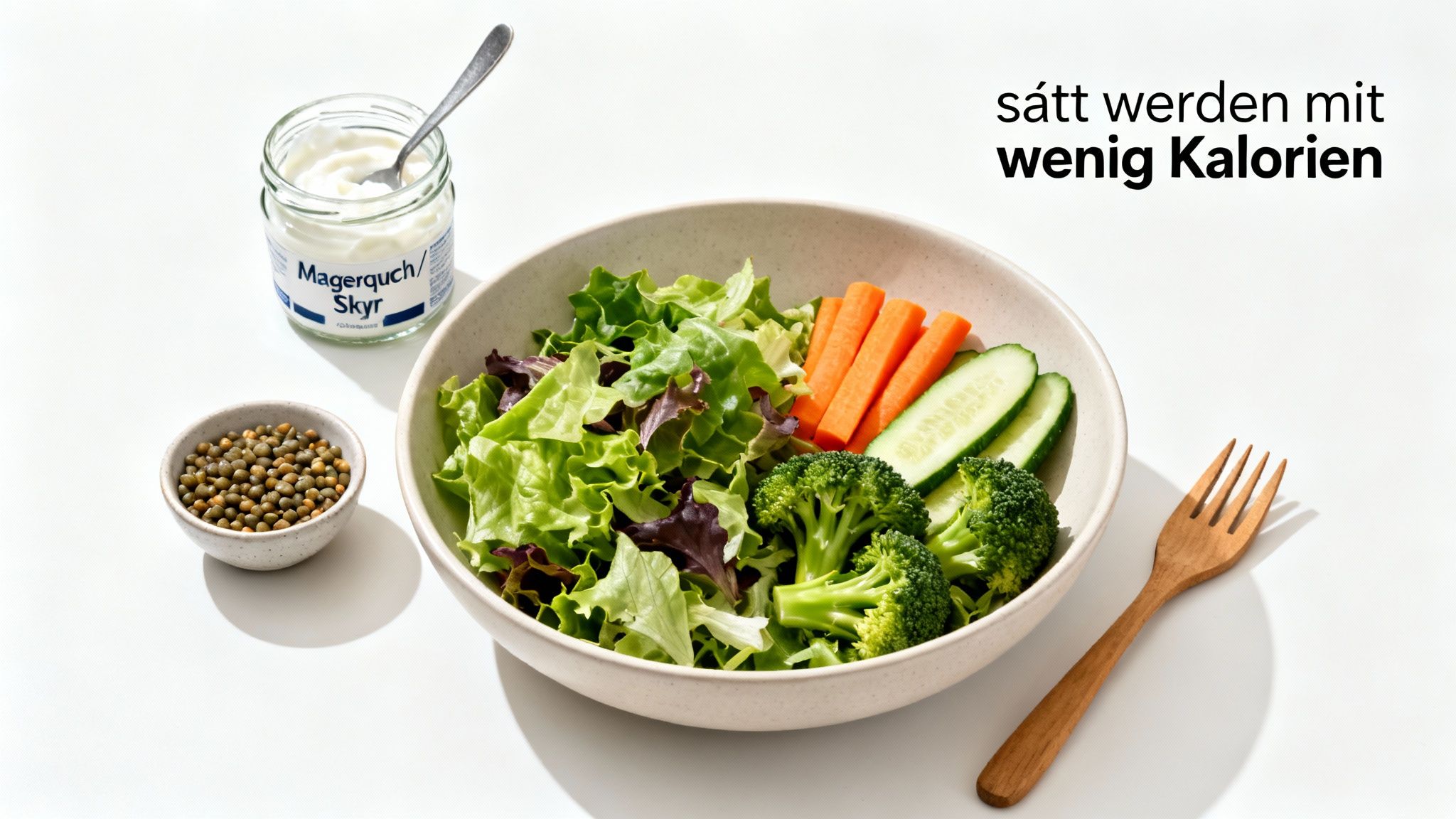
Does this sound familiar? You've just eaten, but your stomach is already growling again. This feeling is often the biggest stumbling block on the way to your ideal weight. But the key to success is not to eat less, but to eat the right things. The magic word here is: energy density.
Foods with a low energy density add plenty of volume to your plate but few calories. They fill your stomach and keep you full, but hardly impact your calorie count.
Why you feel fuller after some meals than others
Your body has clever mechanisms to signal to you that you've eaten enough. Two main players in this game are fiber and protein.
- Fiber: These indigestible plant fibers are true volume wonders. They swell in the stomach, slow down digestion, and thus provide a pleasant, long-lasting feeling of satiety. You'll find them mainly in vegetables, fruits, whole grain products, and legumes.
- Proteins: Protein is the undisputed champion when it comes to feeling full. It directly influences the hormones that tell your brain: "I'm full!" A protein-rich meal simply keeps you satisfied much longer than one consisting almost entirely of fast carbohydrates or fat.
If you combine these two building blocks cleverly, cravings hardly stand a chance. A chicken breast (protein) with a large mound of broccoli (fiber) is, for example, a perfect low-calorie satiating food.
Germans are already eating smarter than they think
The good news: Many of us are already on the right track! In Germany, eating habits have actually developed positively in recent decades. A study shows that the average German eats about 750 grams of fruits and vegetables daily – with vegetables making up the lion's share.
Especially popular are low-calorie satiating foods like potatoes, carrots, cucumbers, broccoli, and zucchini. You can read more about the crucial role of calorie density, for example, at marathonfitness.de.
A full plate doesn't have to mean a full calorie store. If you specifically focus on foods with low energy density, you can eat large, satisfying portions and still stay in a calorie deficit.
This approach not only helps you lose weight but also provides your body with essential vitamins and minerals. You build a healthy relationship with food and learn to make better choices intuitively. This is also the core principle in our comprehensive guide on losing weight without hunger, which gives you many more practical tips.
Your shopping list for lasting satiety
The foundation for a long feeling of satiety is not laid in the kitchen, but already at the supermarket. With the right foods in your shopping cart, you create the perfect basis to give hunger no chance and to maintain your calorie deficit in a relaxed way. Forget complicated lists – focus instead on real powerhouses that support you on your journey.
It's about knowing the right low-calorie satiating foods. Instead of relying on empty calories, you fill your basket with nutrient-rich and voluminous foods that truly make you happy and satisfied.
Vegetables: The basis for every meal
Honestly, vegetables are your best friend if you want to feel full without consuming a lot of calories. They are packed with important vitamins and minerals, but above all, they provide fiber and water. This fills your stomach properly without breaking your calorie budget.
These varieties should be at the top of your list:
- Broccoli, cauliflower & co.: All cabbage varieties are true lightweights in terms of calories, but heavyweights in terms of fiber. They are incredibly versatile – as a side dish, in casseroles, or even as a clever rice substitute (e.g., cauliflower rice).
- Leafy greens like spinach and kale: They shrink a lot when cooked, meaning you can eat huge amounts of them. Perfect for salads, green smoothies, or as a filling in a wrap.
- Cucumbers, tomatoes, and bell peppers: Their high water content makes them ideal snacks for in-between meals or as the base for a huge, satisfying salad.
This focus on healthy eating is actually a real trend. A 2022 survey by Techniker Krankenkasse showed that almost six out of ten women consciously pay attention to low-calorie and low-sugar foods. Particularly popular are vegetables like broccoli (approx. 31 kcal/100 g), carrots (approx. 38 kcal/100 g), and cucumbers (approx. 14 kcal/100 g). If you are interested in the exact figures, you can read the details of the TK survey here.
Protein: The fuel for your satiety
Proteins are the absolute key when it comes to long-lasting satiety. Your body simply needs more energy to digest them, and they directly affect your satiety hormones. Make it a habit to include a good protein source with every meal.
My practical tip: Always combine a protein source with a large portion of vegetables. A chicken fillet alone will make you full, of course. But a chicken fillet with a mountain of broccoli? That will keep you satisfied and happy for hours.
Here are your top picks for the shopping cart:
- Low-fat quark and Skyr: With around 12–14 g protein per 100 g, they are simply unbeatable. Perfect for breakfast with a few berries, as a base for savory dips, or as a protein-rich dessert.
- Chicken and turkey breast: Lean poultry is a fantastic, low-fat protein source that is great for meal prep.
- Eggs: Whether boiled as a snack, scrambled, or as an omelet – eggs are incredibly versatile and very filling.
Fiber-rich carbohydrates for constant energy
No, carbohydrates are not your enemy – it just depends on choosing the right ones! Complex, fiber-rich carbohydrates are digested slowly. This keeps your blood sugar levels stable and prevents nasty cravings.
Focus on these intelligent energy providers:
- Oatmeal: The absolute classic for a breakfast that will keep you going until lunch. If you cook them as porridge, they multiply their volume – more food for the eye and the stomach!
- Legumes (lentils, chickpeas, beans): They are an ingenious combination of plant-based protein and fiber. Ideal for warming soups, colorful salads, or as a base for vegetarian patties.
- Potatoes: Cooked and cooled, they develop resistant starch, which is particularly good for your gut flora and satiety. Potatoes have a bad reputation for no reason – they are an excellent low-calorie satiating food.
Would you like to know more about which foods help with weight loss? In our detailed article, you will find many more valuable tips and recommendations.
Simple recipe ideas that truly satisfy
Theory is all well and good, but what really matters is practice. Now that you know which foods belong in your shopping cart, we'll take the next step. I'll show you how to easily create delicious dishes from these powerhouses that are guaranteed to fill you up.
Forget complicated recipes that require hours in the kitchen. It's about incorporating clever meals into your daily routine that taste good, provide energy, and bring you closer to your goal – all without constant stomach rumbling.
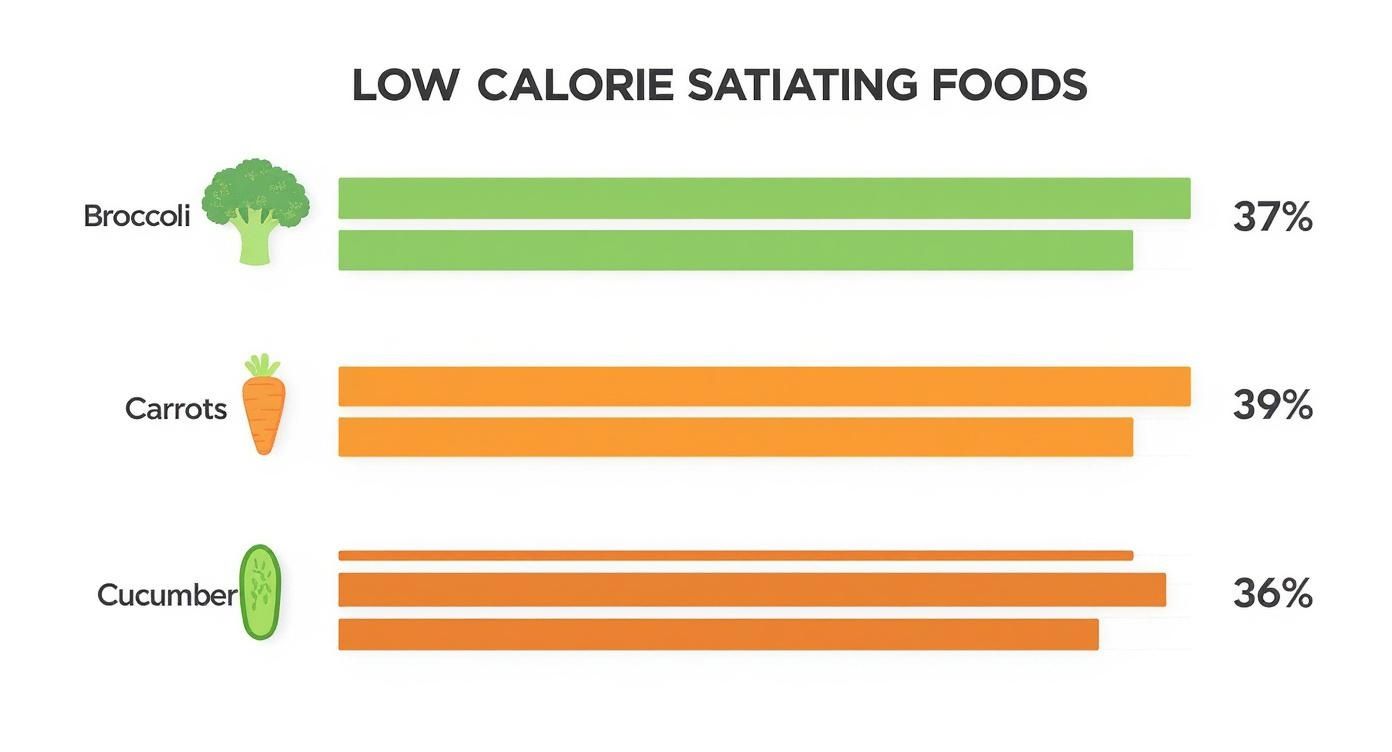
This infographic clearly shows that vegetables like broccoli, carrots, or cucumbers have extremely few calories. The trick is that you can eat huge portions of them to fill your stomach without exceeding your calorie budget.
A typical day full of satiating foods
Imagine a day when you are full and satisfied, and at the same time doing something for your figure. The following ideas are meant as inspiration – you can easily adapt them to your own taste.
Breakfast: The protein-rich start
Start the day with a large bowl of Skyr or low-fat quark. These are real protein bombs. Simply stir 250g of it until creamy and top with a handful of fresh berries and a tablespoon of oats for an extra portion of fiber.
A protein-rich breakfast keeps your blood sugar stable from the start. The result? You'll have much fewer cravings for sweets in the morning and stay focused and fit until lunch.
Lunch: A colorful and crunchy salad
For lunch, a really large portion is fine, but one that doesn't plunge you into the classic afternoon slump. A large, mixed salad is simply perfect for this.
- The base: A huge amount of leafy greens, cucumber, and tomatoes.
- The protein source: 150g grilled chicken breast strips or half a can of chickpeas (rinsed well beforehand).
- The extra crunch: A few finely sliced radishes or diced bell peppers.
- The dressing: A light yogurt-herb dressing or simply a splash of light balsamic vinegar with a little olive oil, salt, and pepper.
This way, you get a wholesome meal that provides you with everything you need and keeps you full for a long time due to its large volume.
Smart dinner and snack choices
Even evenings and the time between meals can be managed without hunger. The key is to be prepared and have the right options at hand.
Dinner: Warming and satisfying
A warming soup is ideal in the evening – it's easily digestible and fills the stomach in a very pleasant way. A lentil soup is the absolute champion here, as it combines plant-based protein with valuable fiber.
Cooked lentils, some soup vegetables, onions, and broth – often that's all it takes for a delicious low-calorie satiating food. A large plate of it provides you with important nutrients and gives you a cozy feeling before going to bed. Do you need more ideas? In our blog, you'll find many more healthy recipes for weight loss that fit perfectly into your plan.
Smart snacks for in-between meals
The little hunger in the afternoon is the biggest hurdle for many. Instead of reaching for sugary snacks, try these alternatives:
- Vegetable sticks with herb quark: Cut carrots, cucumbers, and bell peppers into handy sticks. A dip made from low-fat quark, fresh herbs, salt, and pepper provides an extra portion of protein.
- A hard-boiled egg: The perfect snack on the go. It's quickly eaten, provides high-quality protein, and keeps you happily full until the next main meal.
- A handful of almonds: They contain healthy fats and proteins that effectively combat hunger. But be careful with the quantity, as nuts have a higher calorie density.
With these simple ideas, you are well equipped to eat deliciously, get full, and reach your goals in a relaxed way.
Small habits that make a difference
The right foods are a great foundation, but if you really want to get your satiety under control, there are still a few levers you can pull. Often, it's the small, almost inconspicuous routines in everyday life that ultimately have the greatest impact. With a few simple tricks, you can re-teach your body and brain to interpret satiety signals correctly and nip cravings in the bud.
The best part? You can implement these hacks immediately without having to completely overhaul your diet. They help you get through the day more satisfied and full.
The simple water trick
Sometimes it's that simple: Our brain can't always clearly distinguish between thirst and hunger. A glass of water before each meal can work wonders. It already fills the stomach a bit, so you're satisfied with a smaller portion all by yourself.
Studies confirm this: People who regularly drink water before eating consume fewer calories on average. Try it and drink a large glass of still water about 20 minutes before lunch or dinner. You'll be surprised how much less hungry you sit down at the table.
Eat slower and with all your senses
Your brain isn't the fastest when it comes to getting full. It takes about 15-20 minutes for the signal from the stomach to reach the brain. If you wolf down your food in record time, you simply bypass this signal. The result is something we all know: You eat much more than you need, and afterwards you feel completely stuffed and uncomfortable.
A practical tip that really helps: Consciously put down your cutlery after each bite. Chew thoroughly and focus only on the taste and texture. This gives your body the time it needs, and you learn to feel exactly when you've had enough.
The clever volume trick
This trick is a real game-changer! The idea behind it is to visually enlarge your portions without compromising your calorie balance. As we all know, we eat with our eyes, and a full plate signals pure satisfaction to our brain.
Here's how it works:
- Pimp your pasta: Simply use a third less pasta and fill the plate with zucchini spirals ("zoodles") or grated carrots.
- Stretch your scrambled eggs: A large handful of fresh spinach, diced bell peppers, or mushrooms turns a small portion into a feast.
- More volume for your smoothie: Add a handful of frozen cauliflower (don't worry, you won't taste it!) or kale.
By simply mixing in more vegetables, every meal becomes a better low-calorie satiating food.
The natural power of spices
There are also little helpers lurking in the spice rack. Certain spices can naturally curb your appetite. A pinch of chili or cayenne pepper, for example, can slightly stimulate your metabolism and reduce feelings of hunger. Fresh herbs like mint or parsley not only provide flavor but also a certain freshness that often wards off cravings for sweets.
These small adjustments may not seem groundbreaking, but over the day and week, they add up significantly. If you want to delve deeper into how you can permanently incorporate healthy habits for weight loss into your daily life, you'll find many more valuable tips in our guide.
How shakes and capsules can cleverly support you
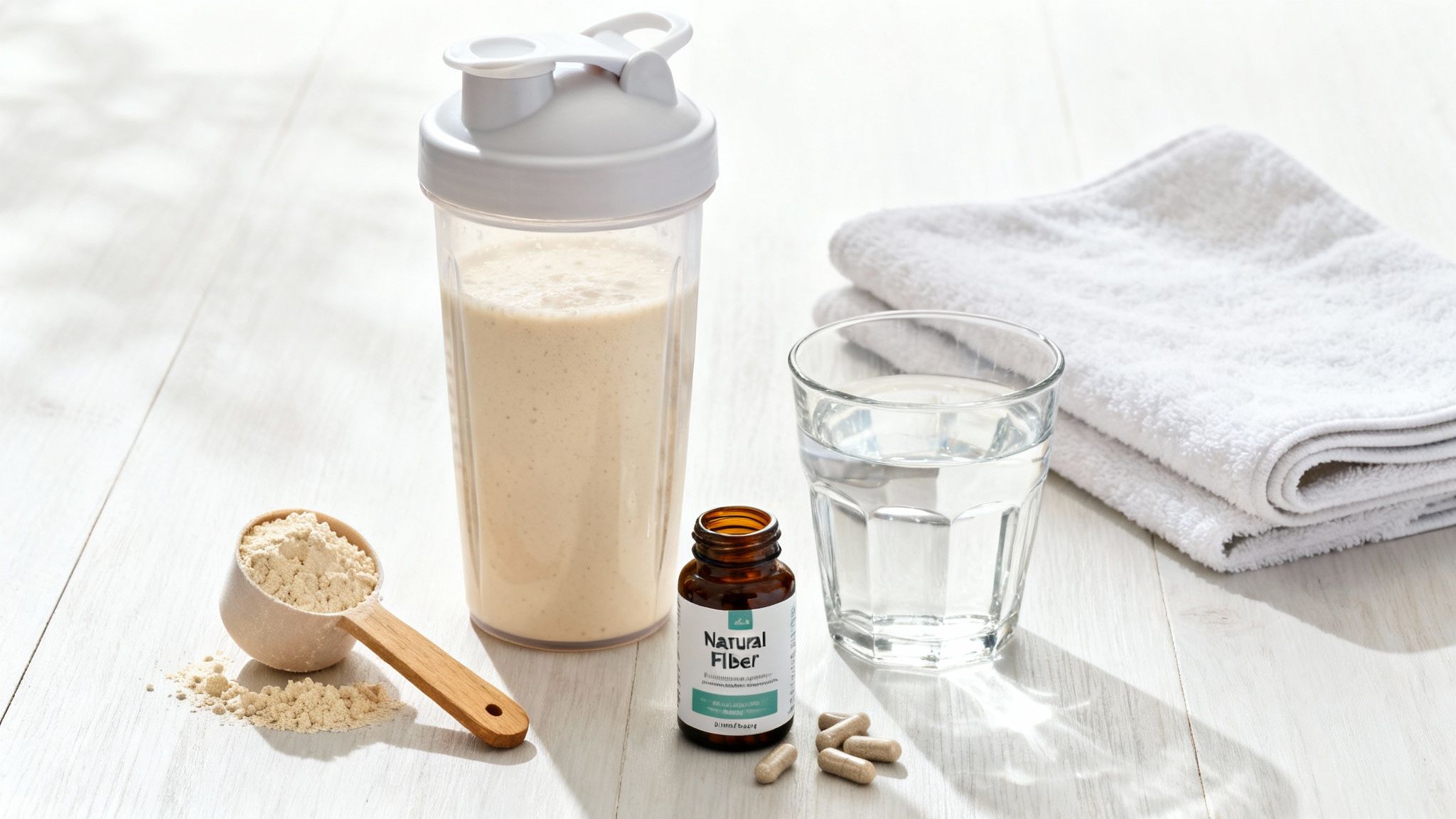
The basis for any weight loss success remains a balanced diet with fresh, wholesome foods. There's no getting around that. But let's be honest: everyday life is often hectic. Between work, family, and other obligations, there's sometimes simply not enough time or energy to always conjure up a perfect meal.
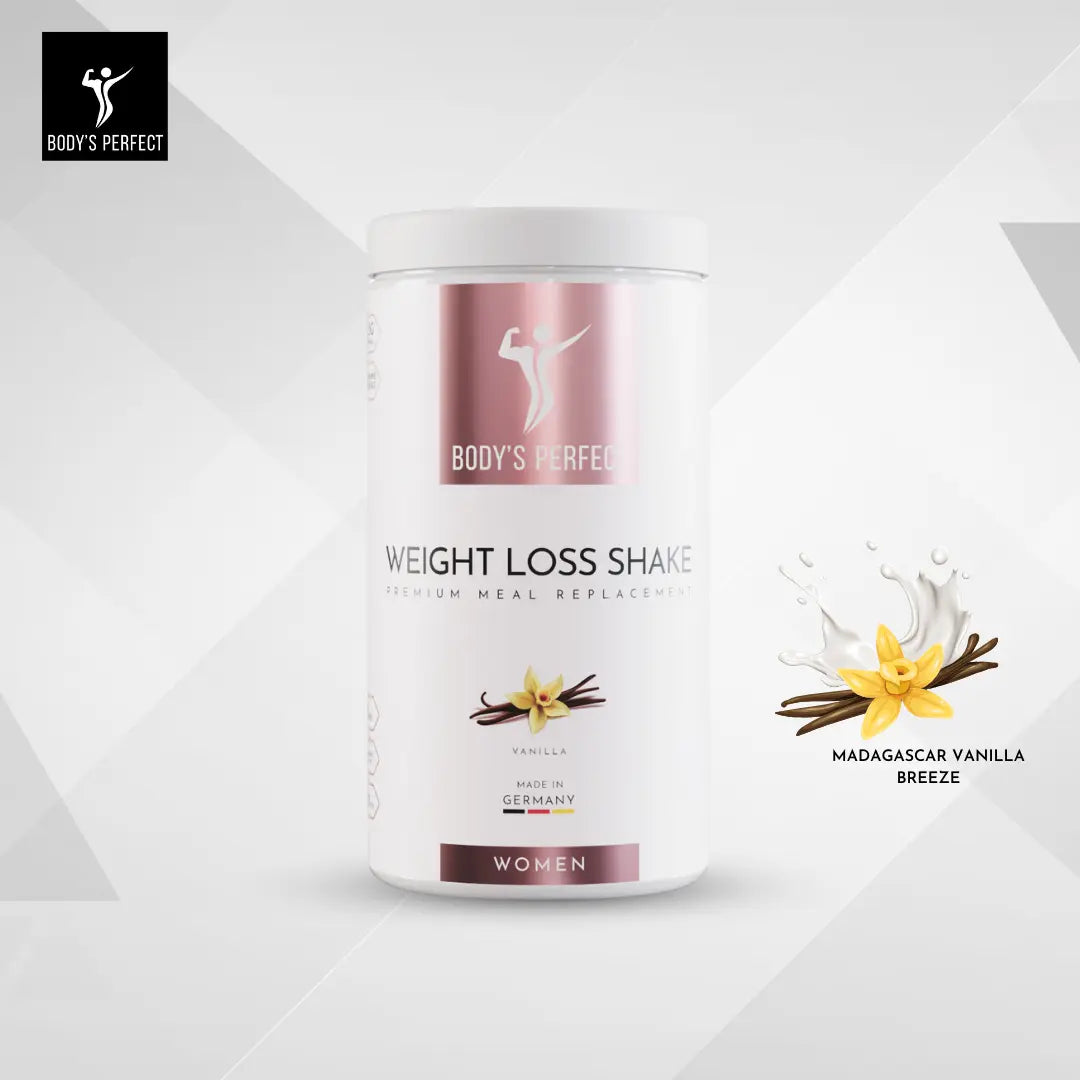
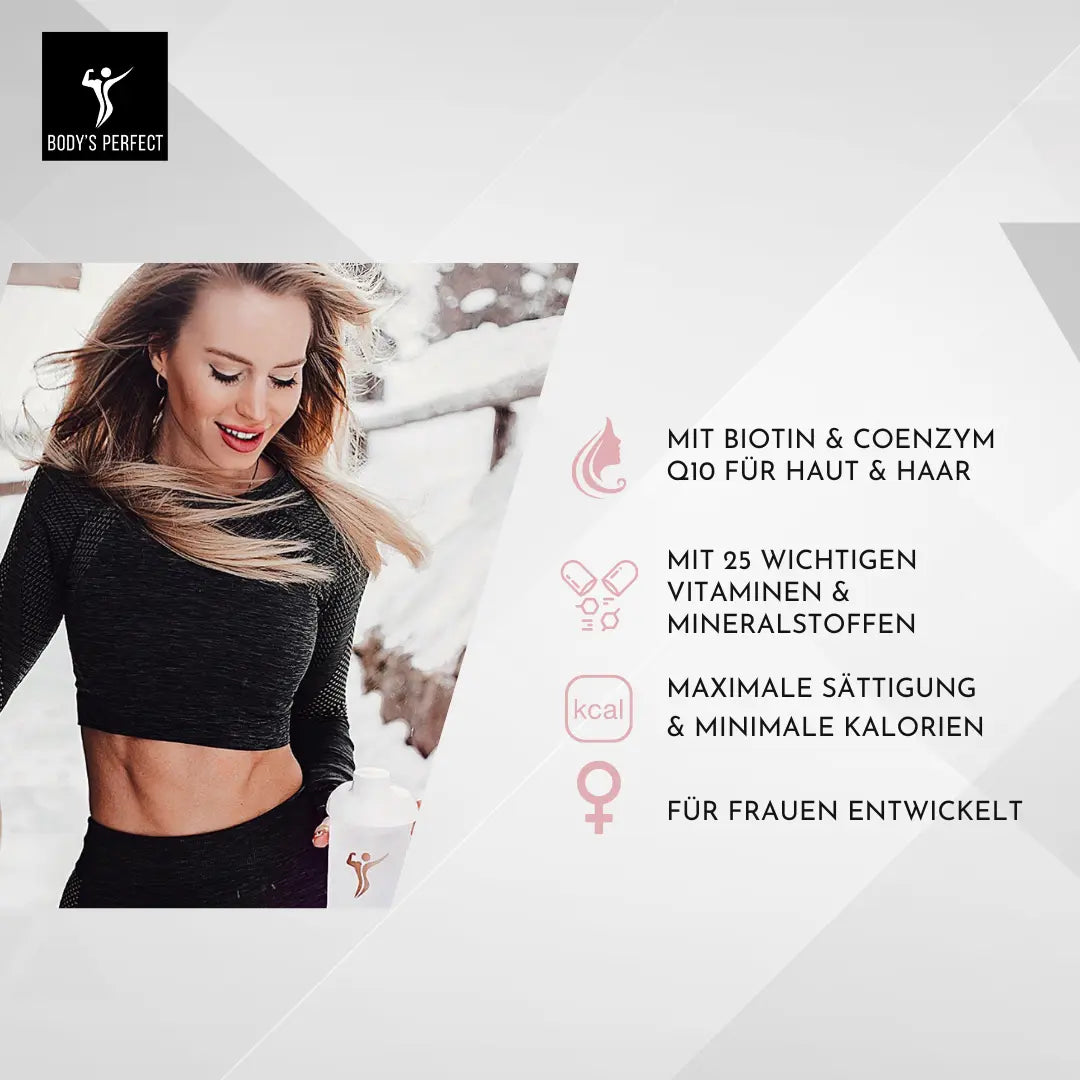
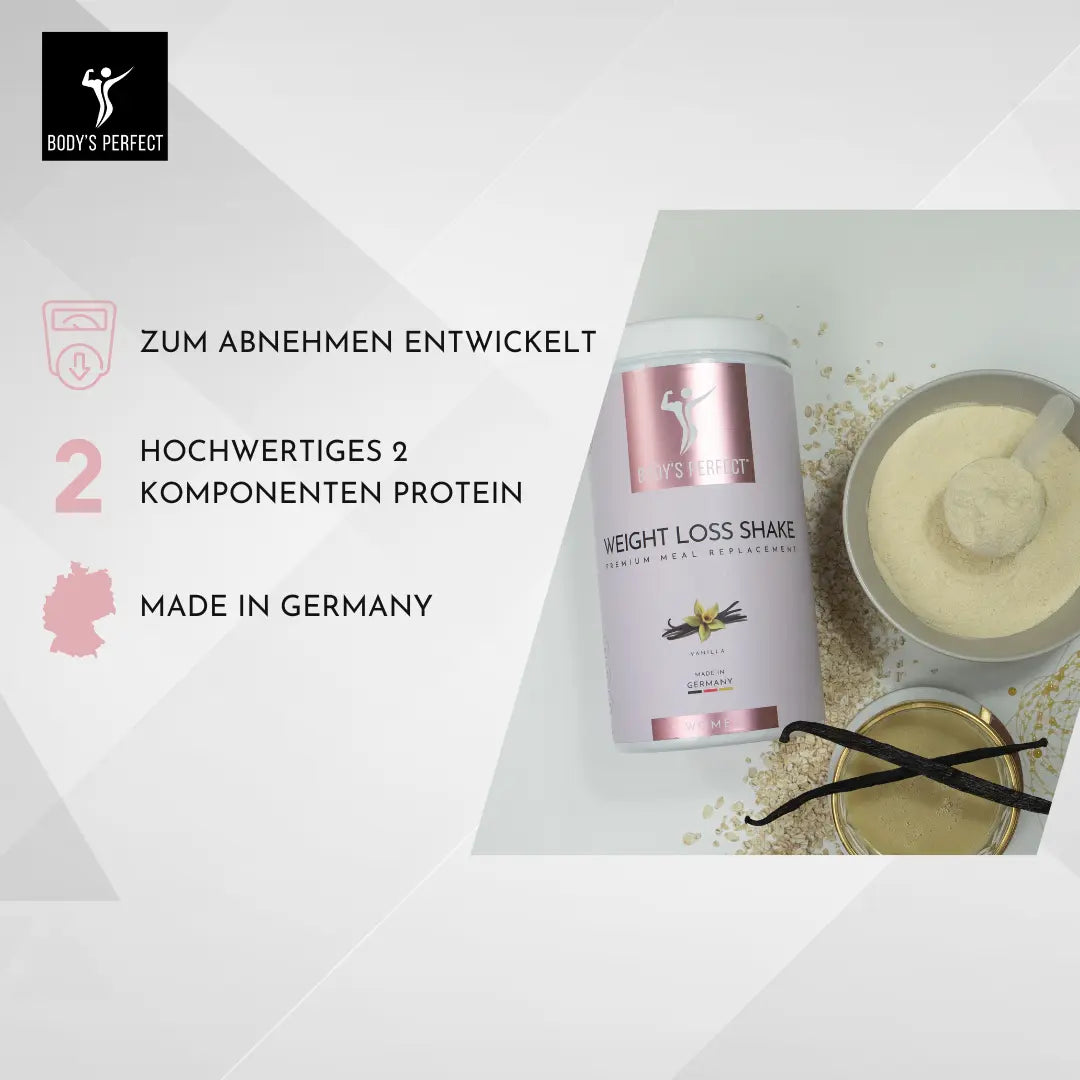
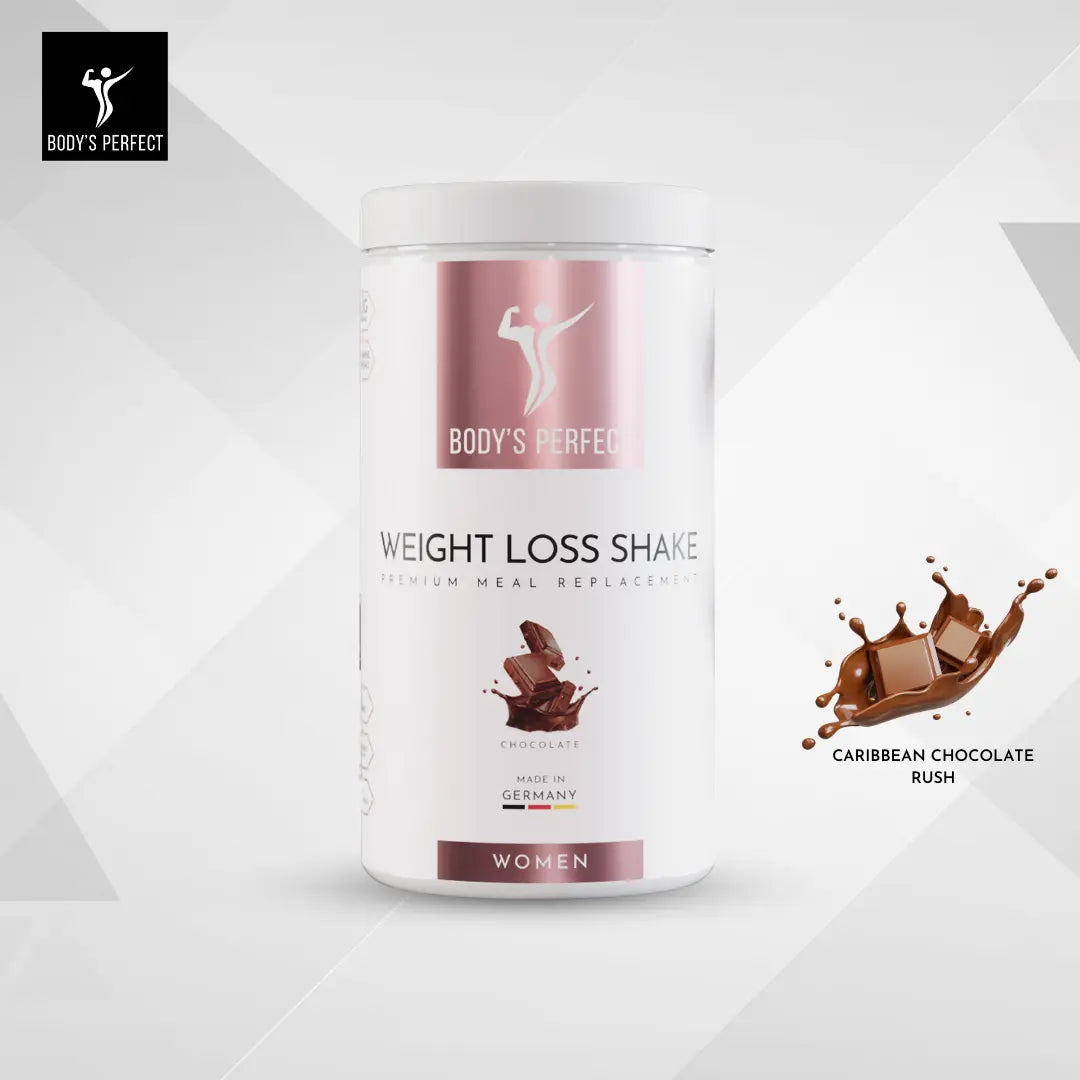
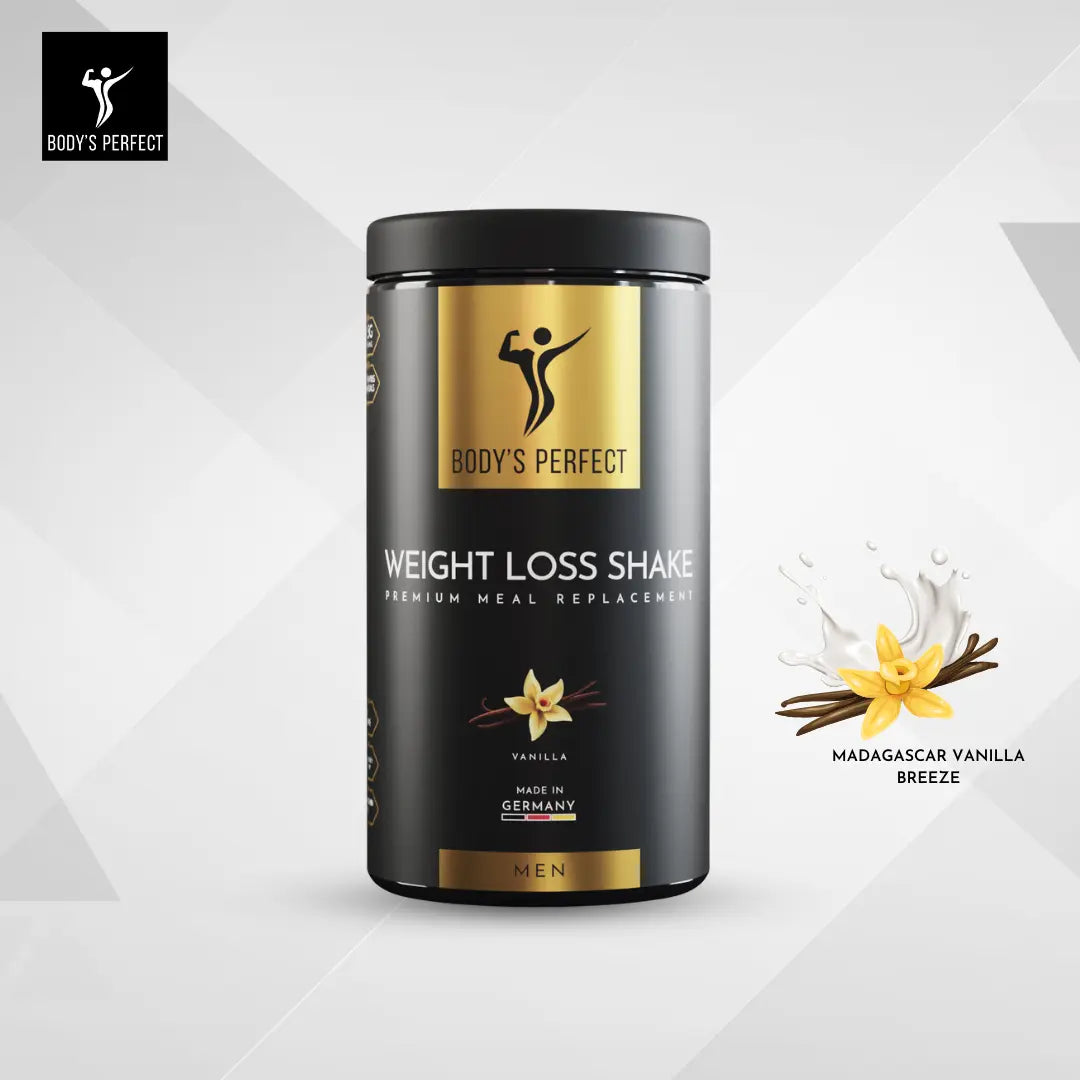
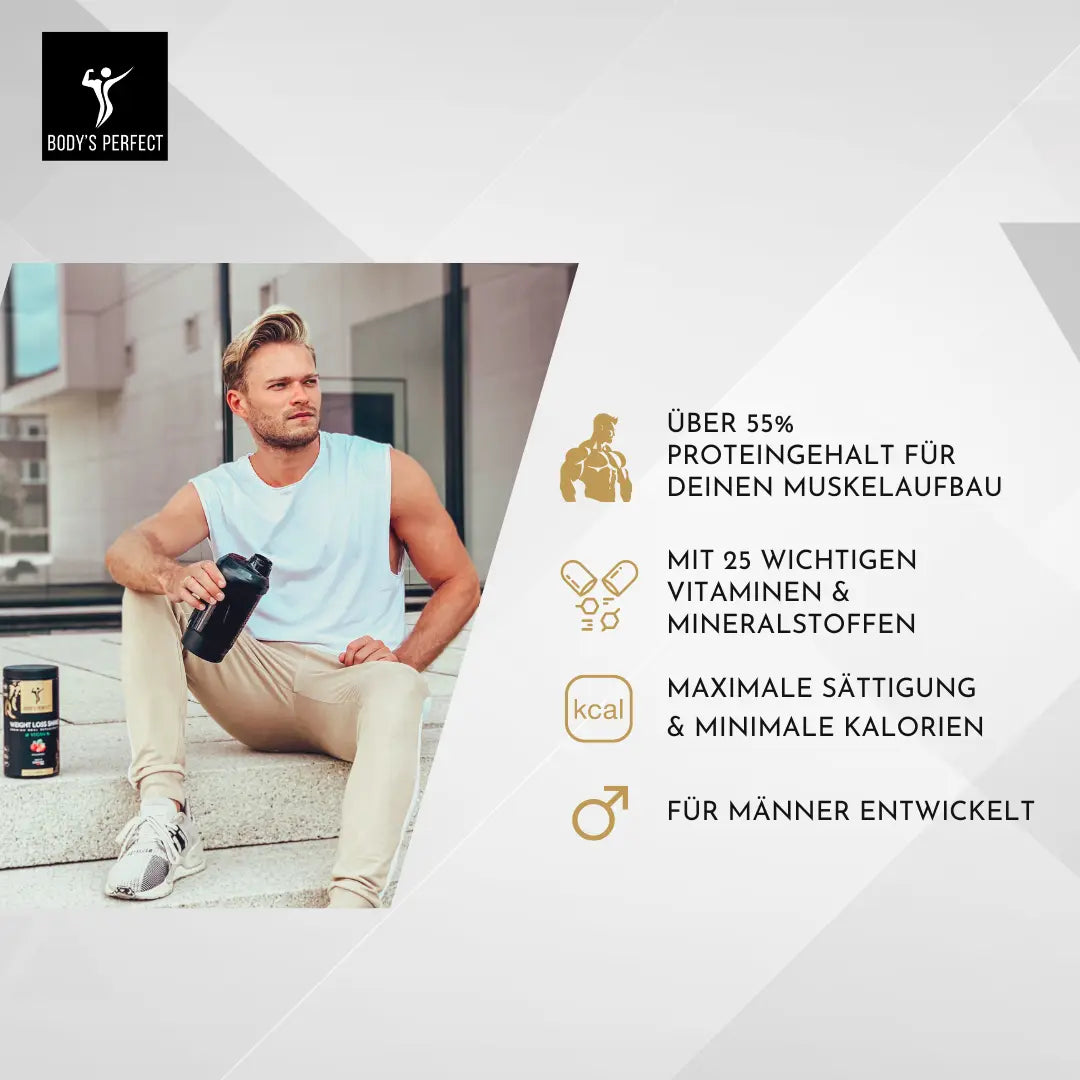
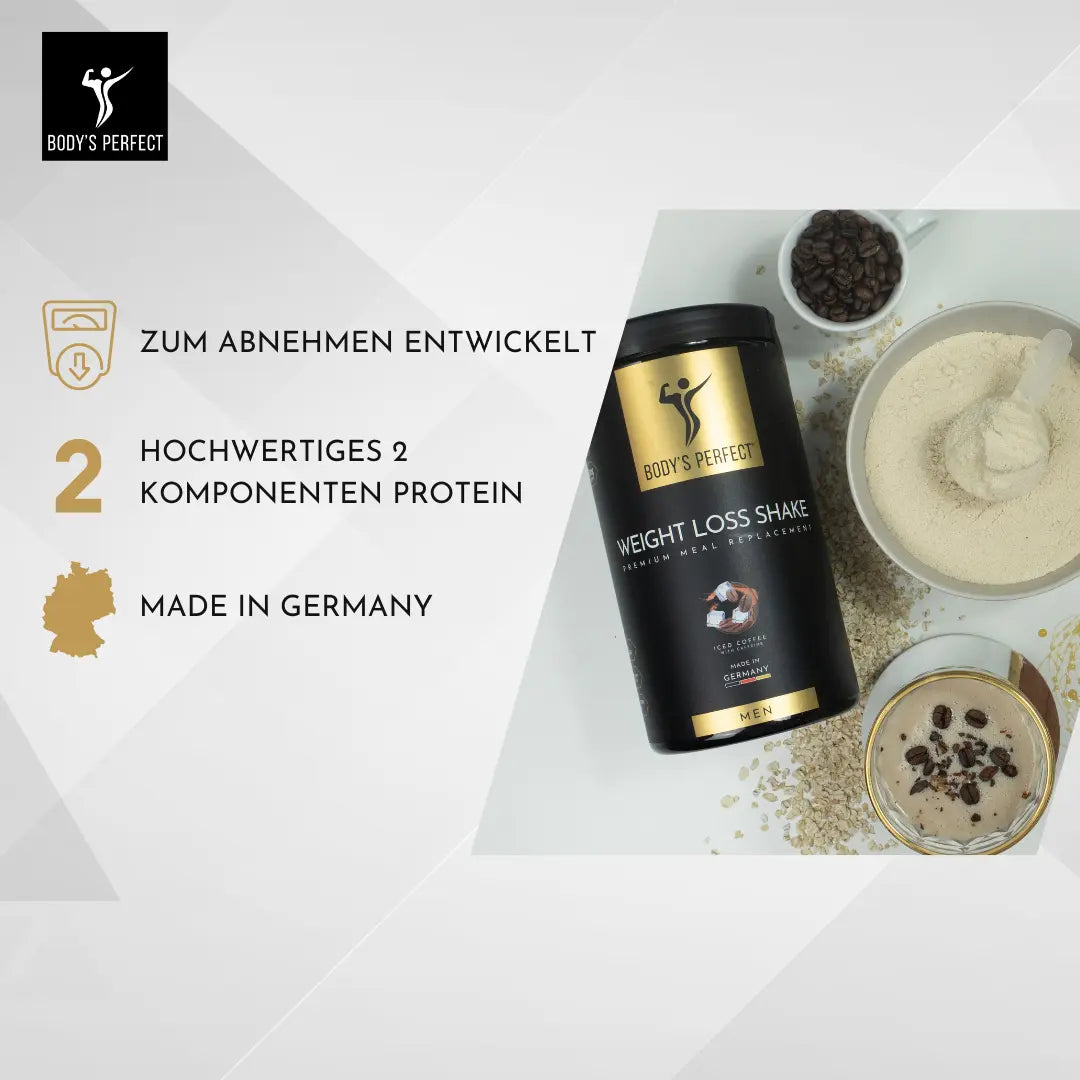
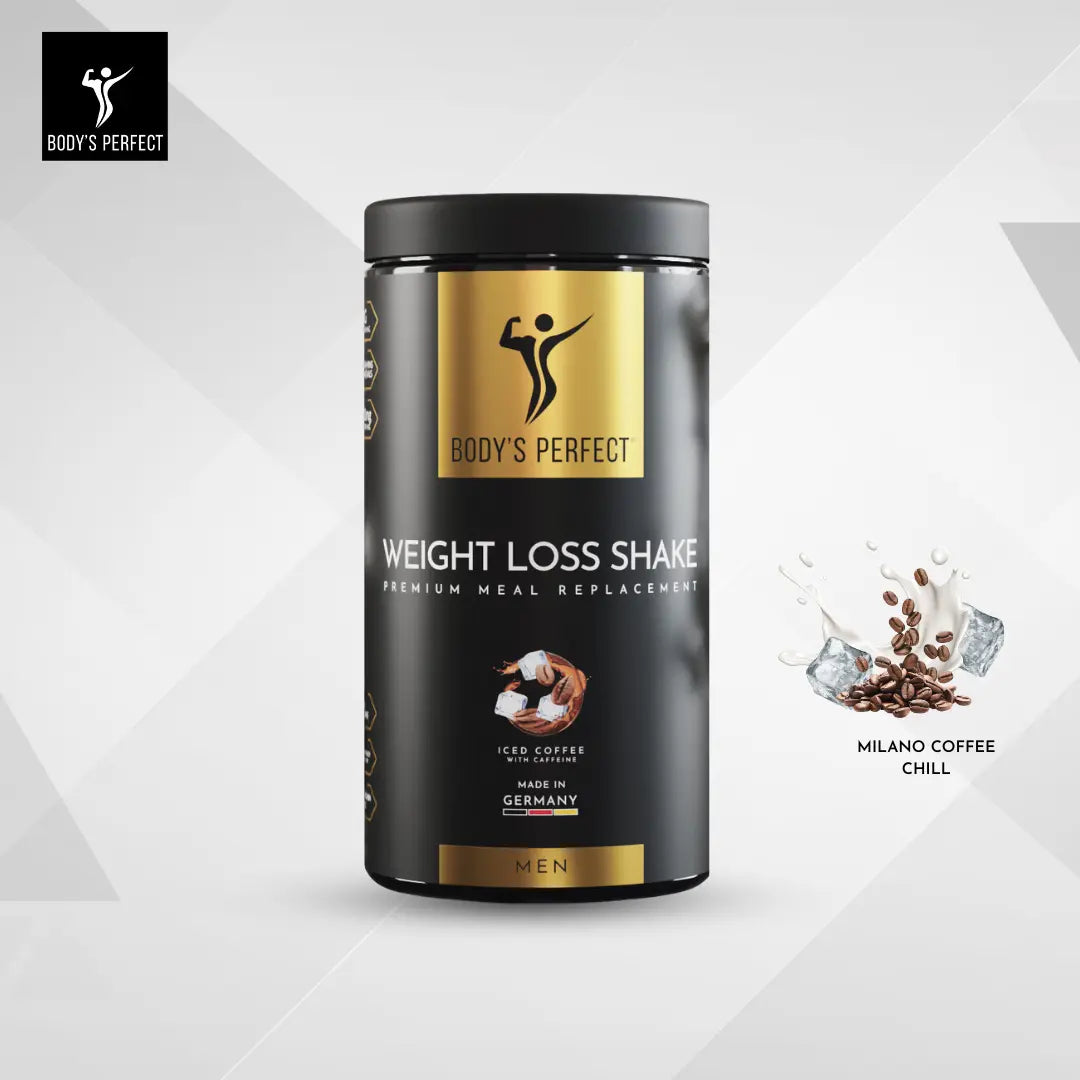
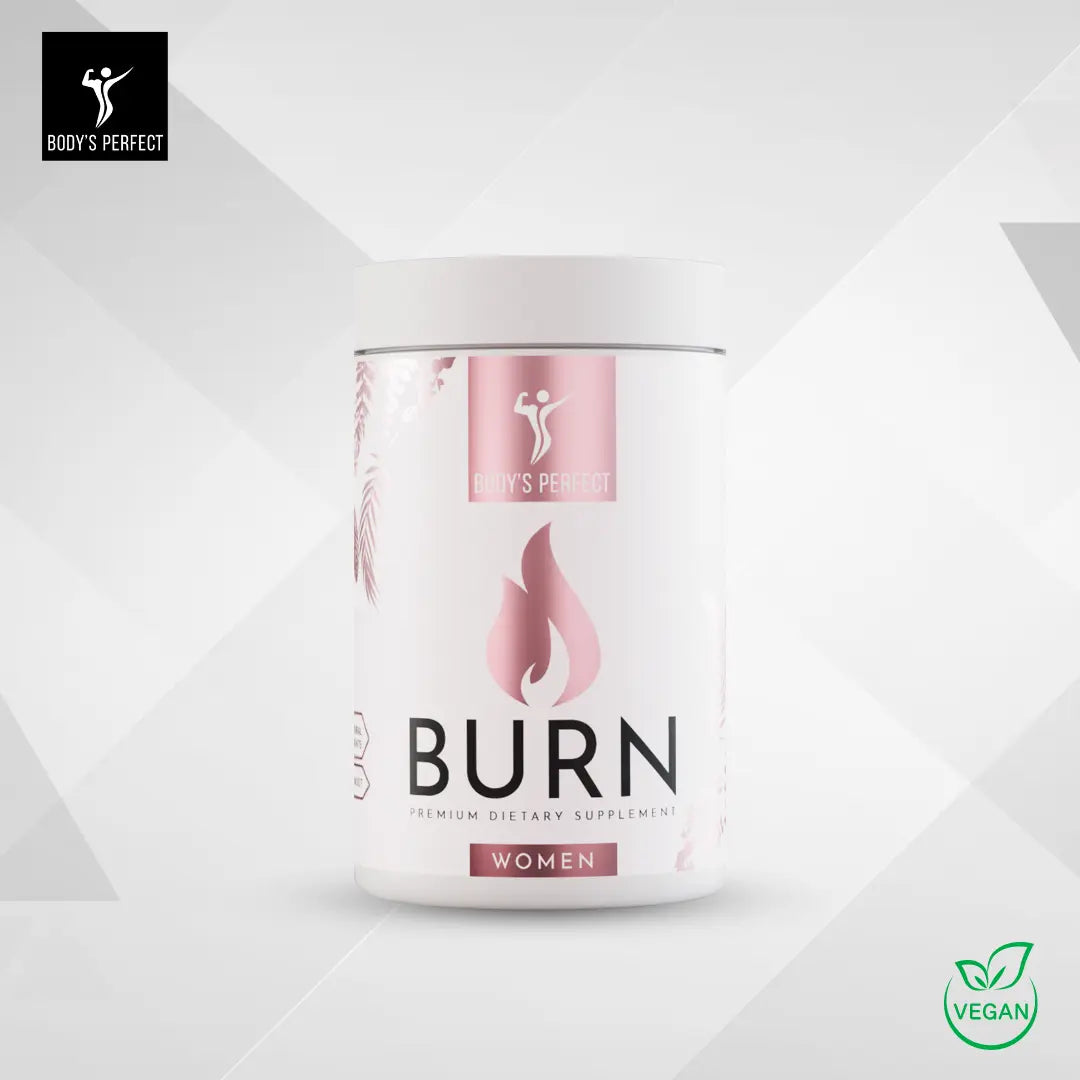
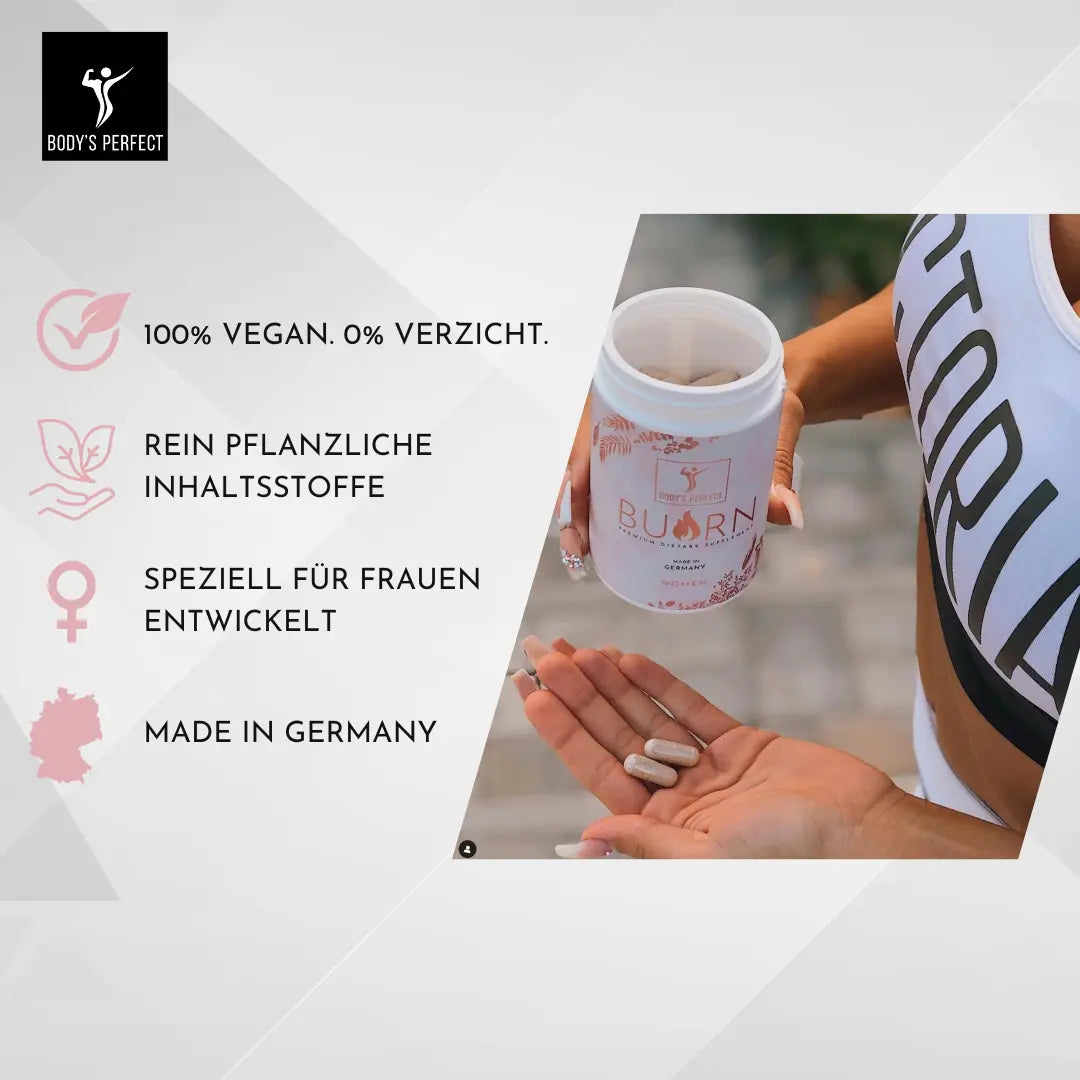
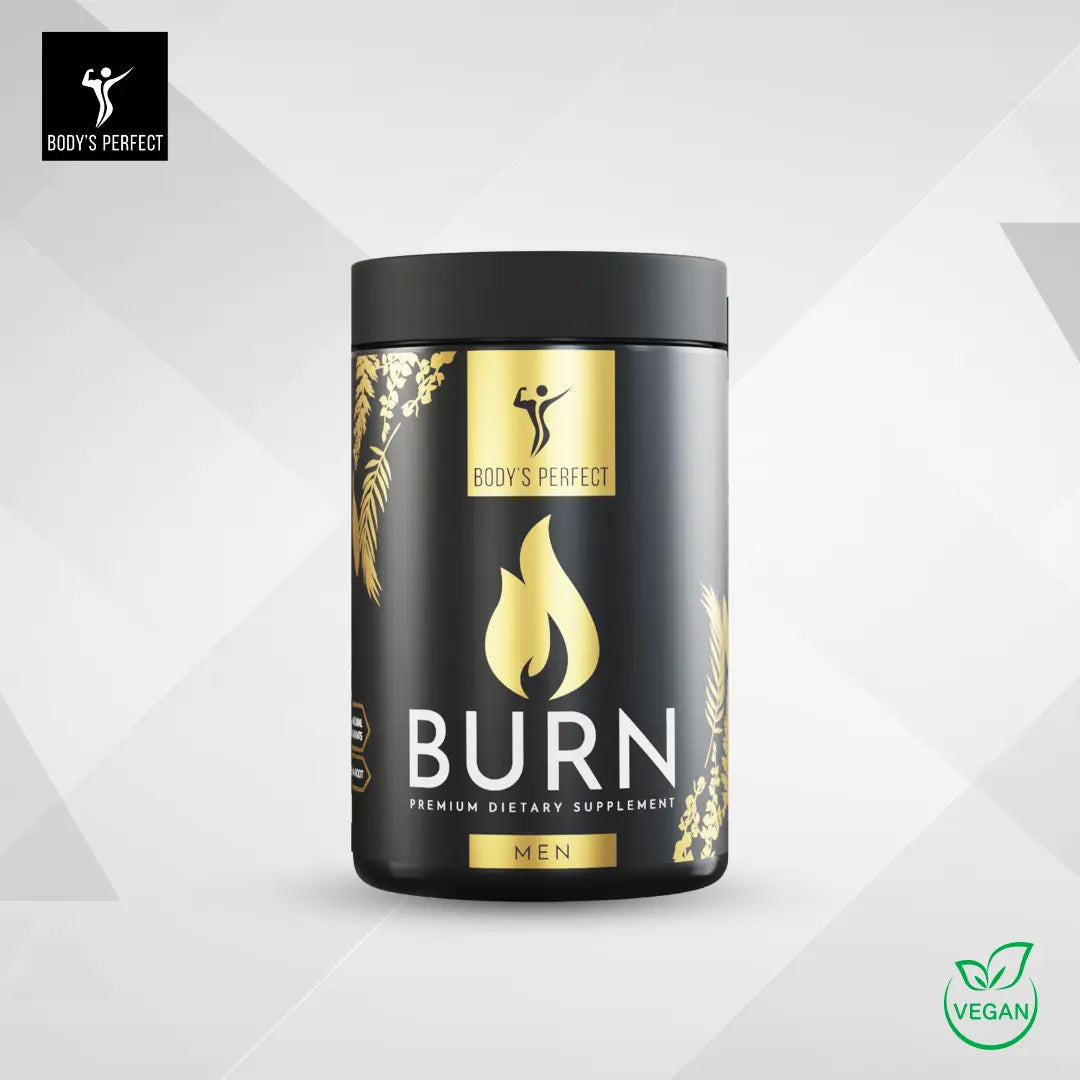
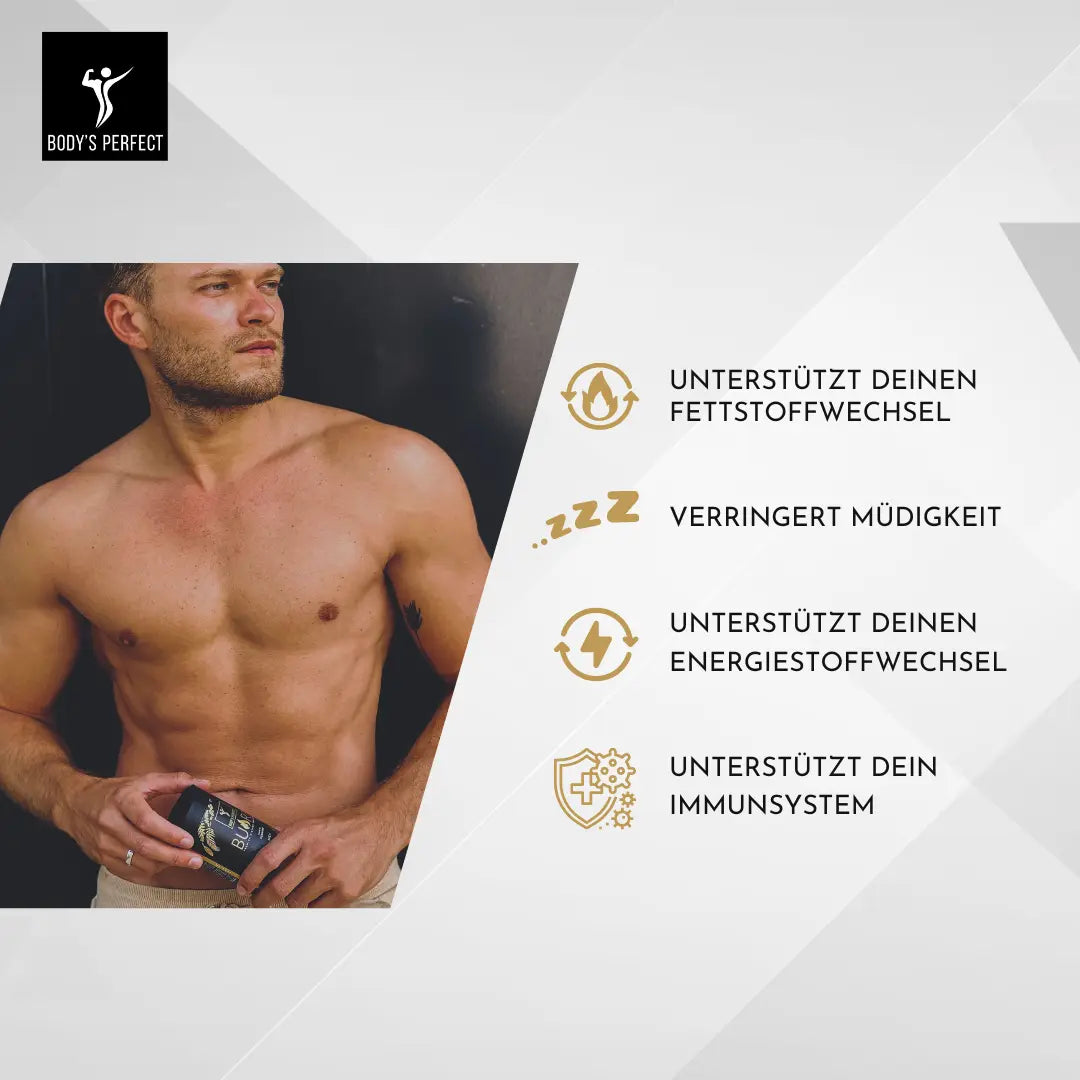
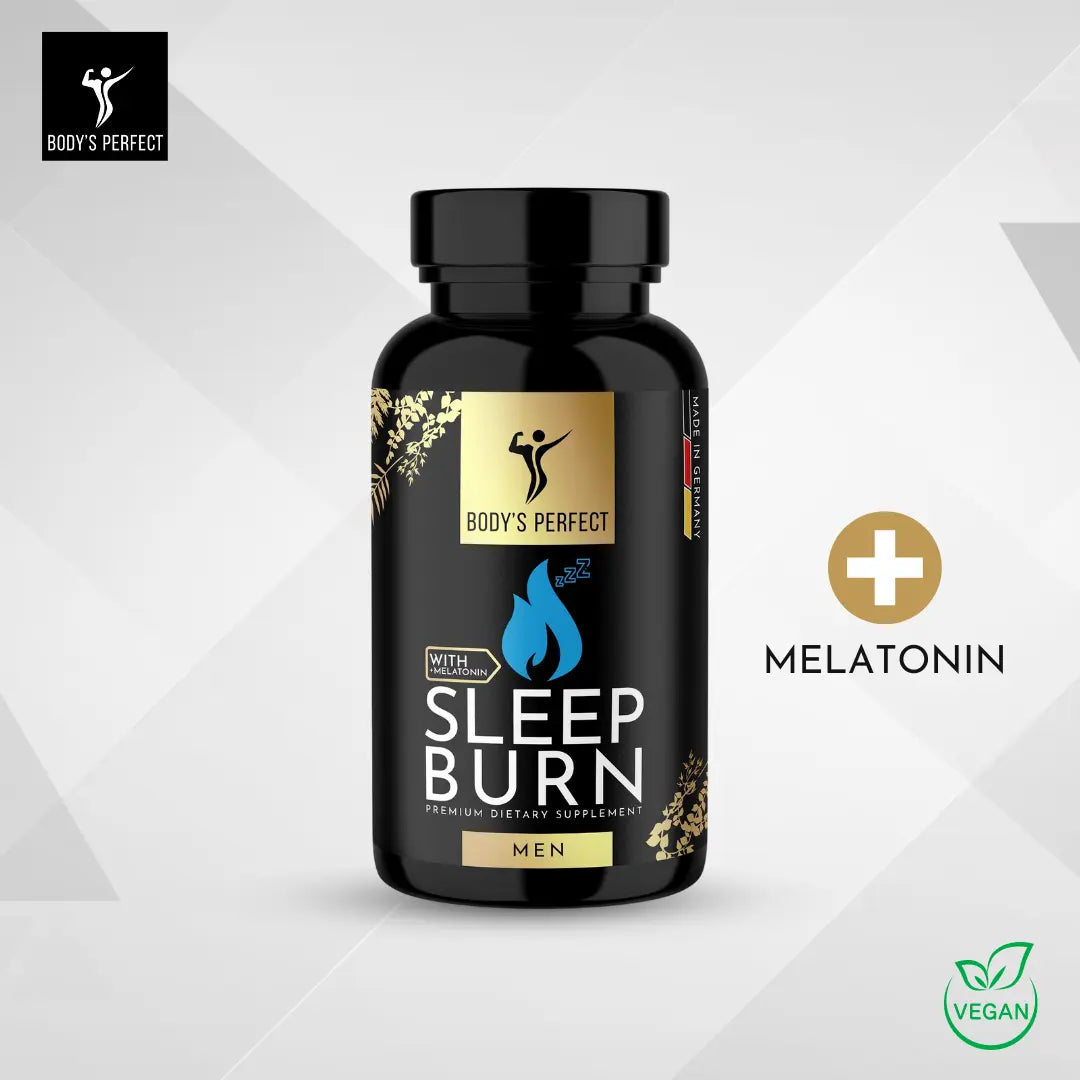
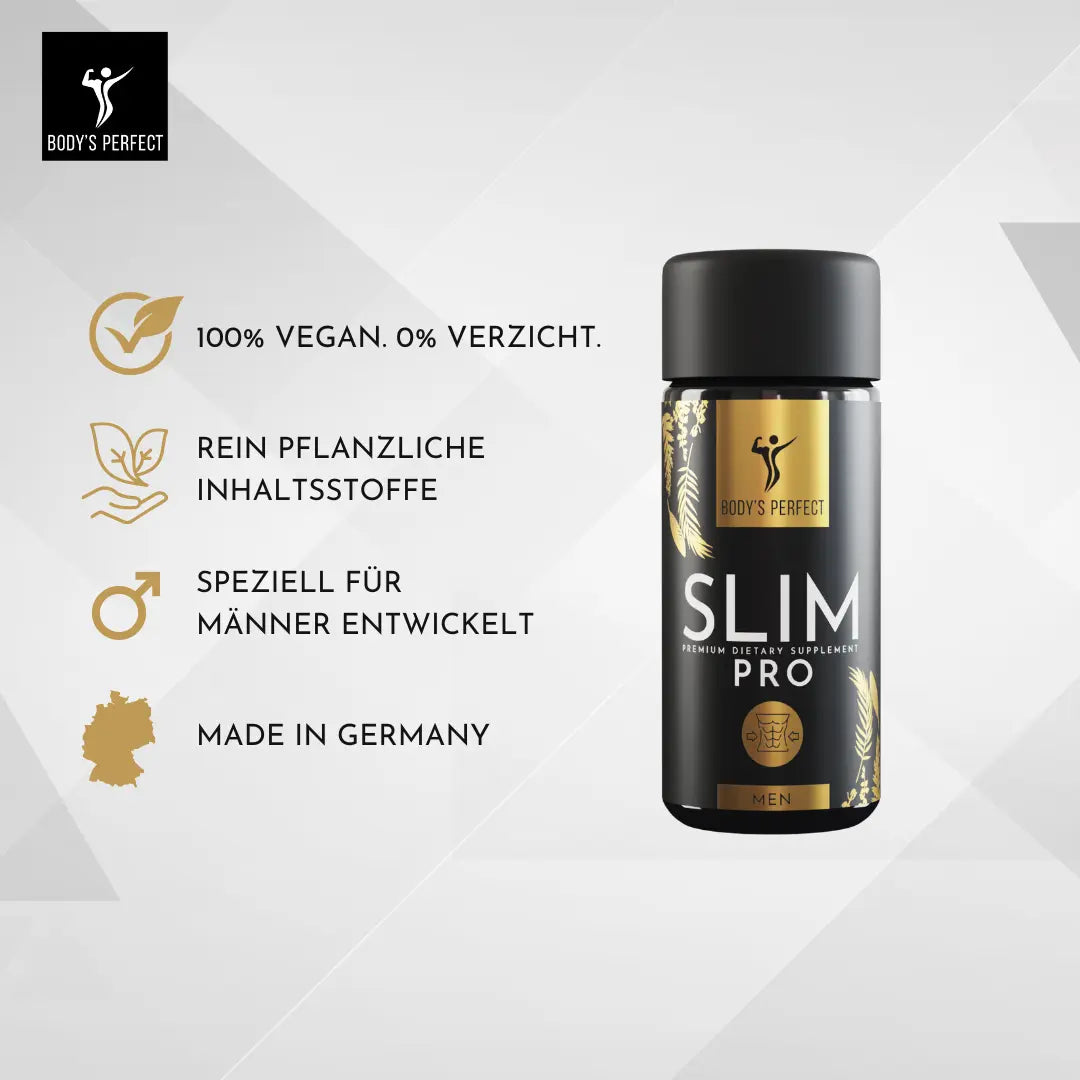
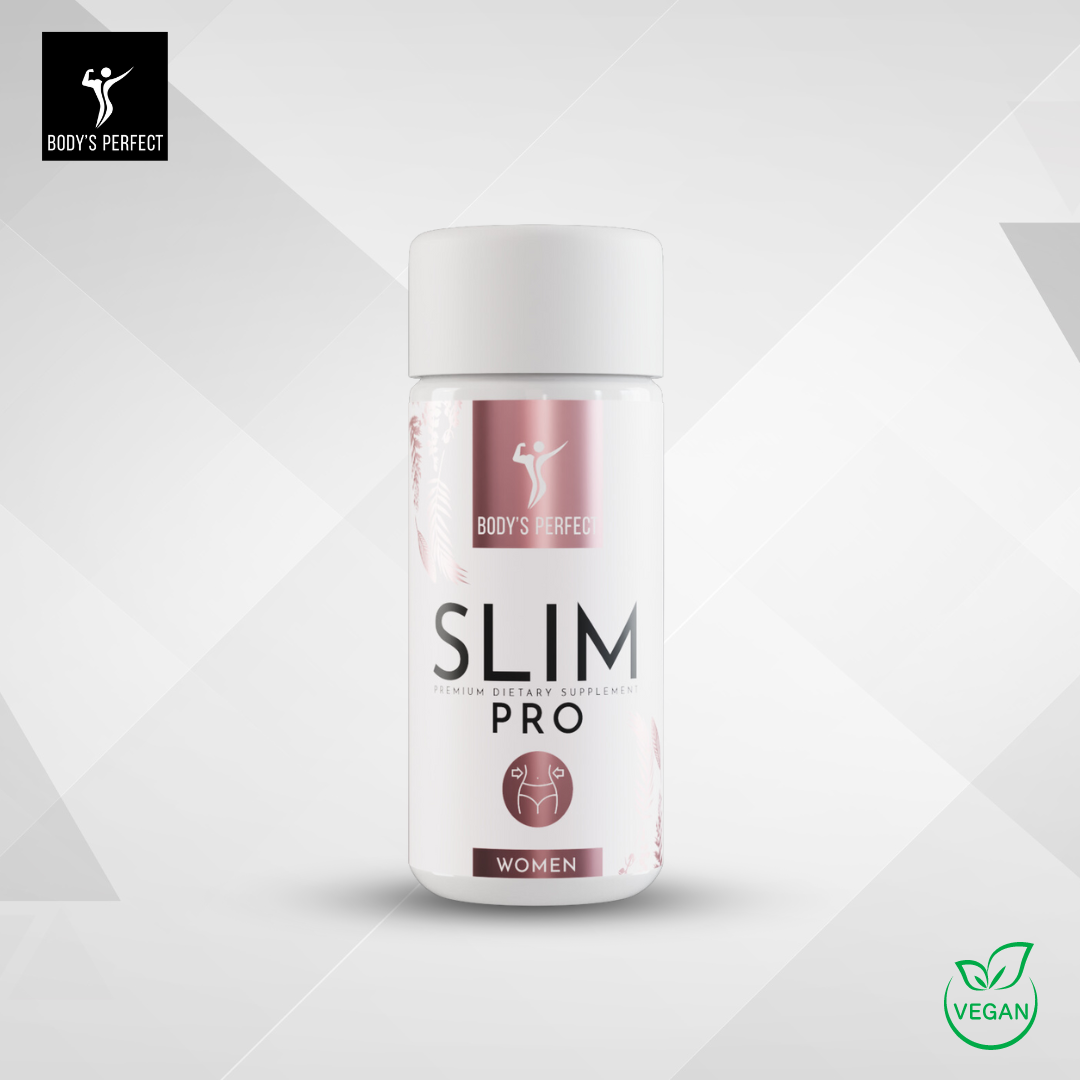
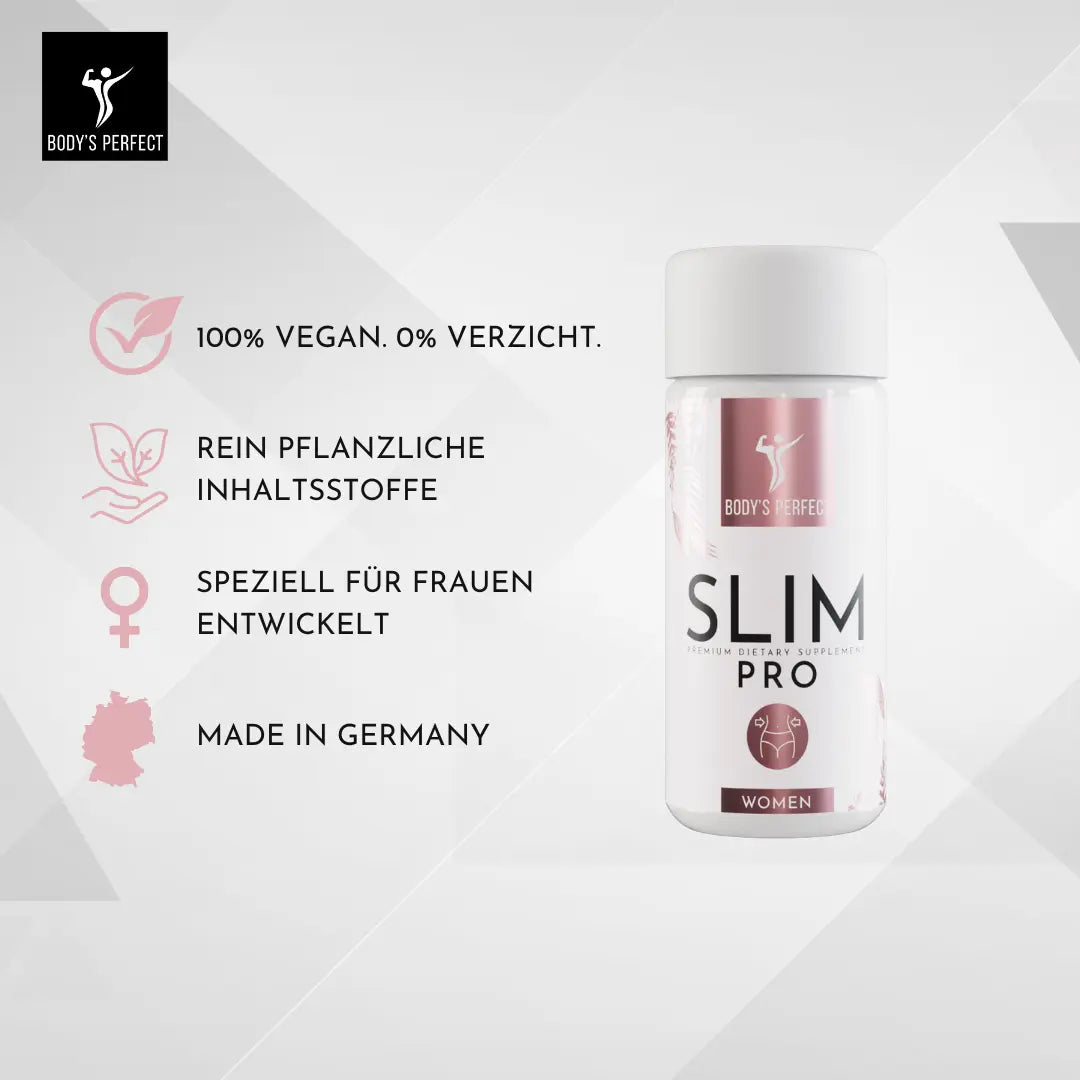
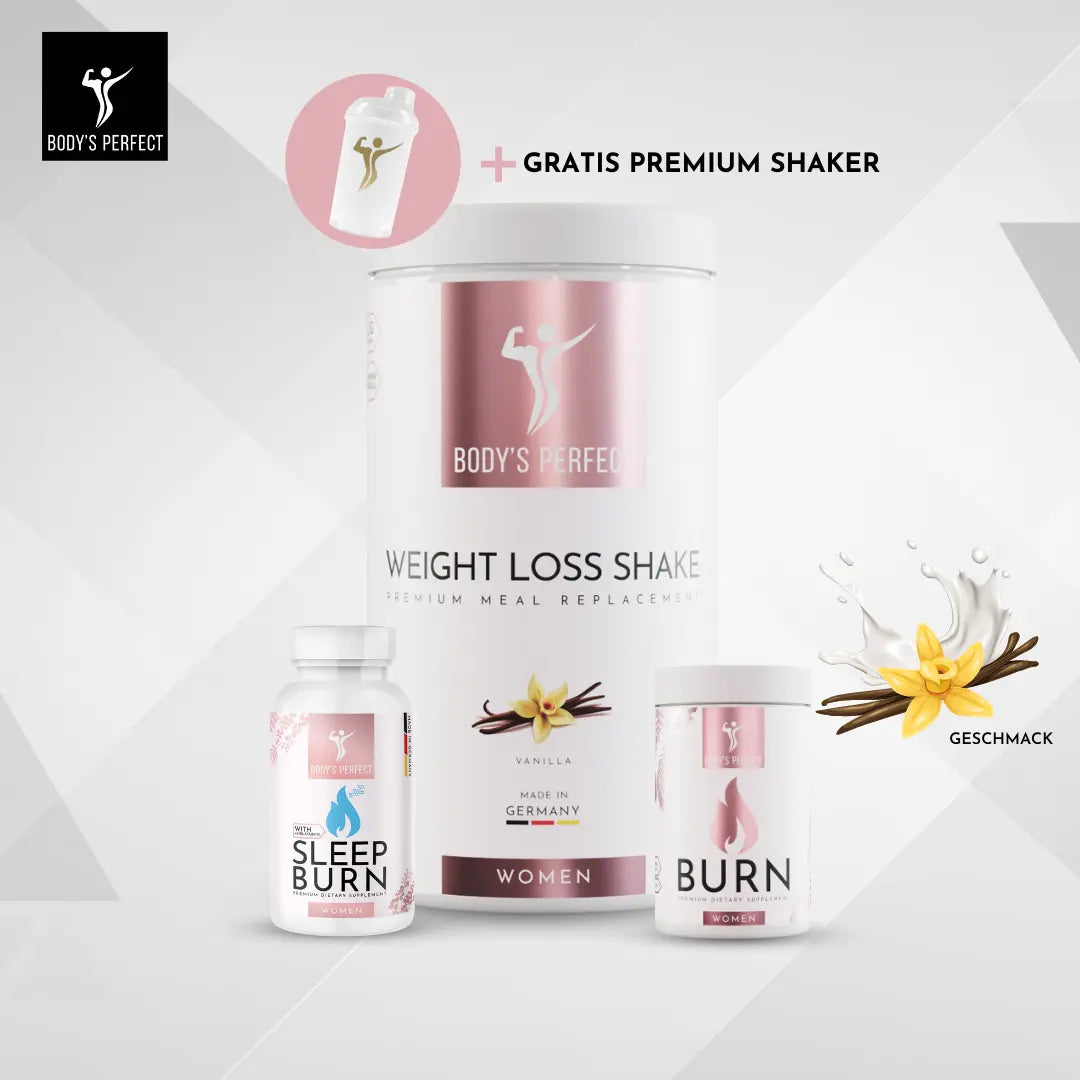
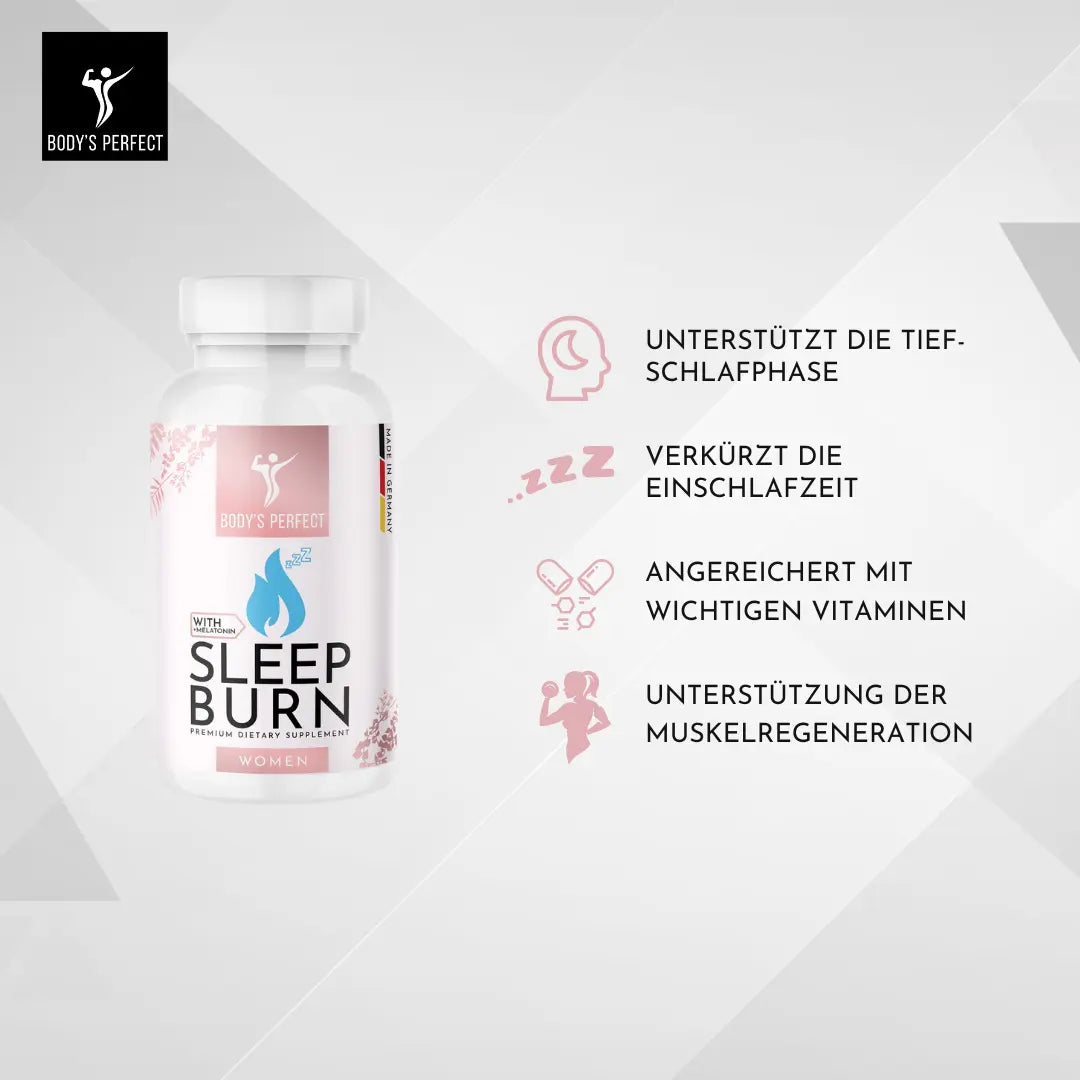
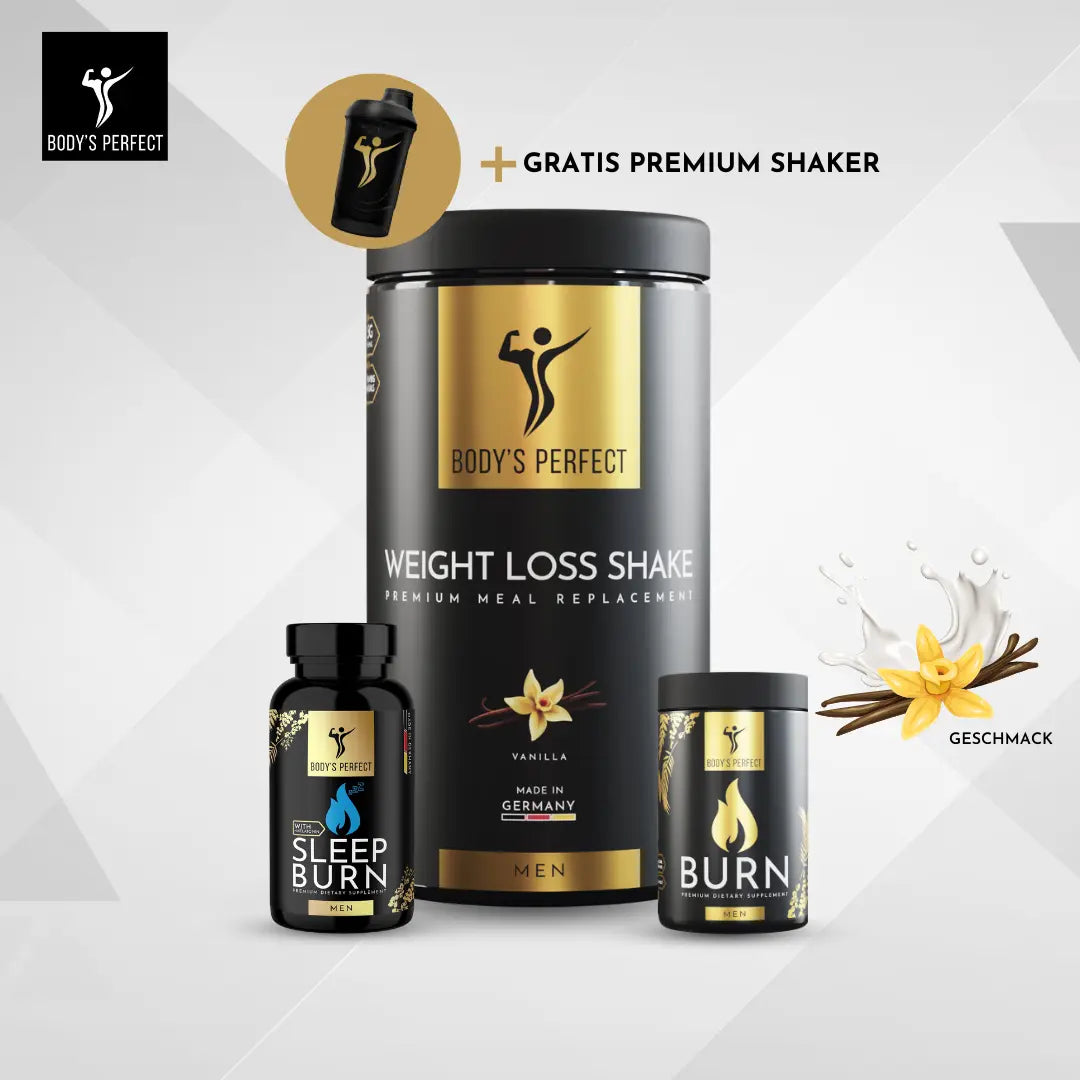
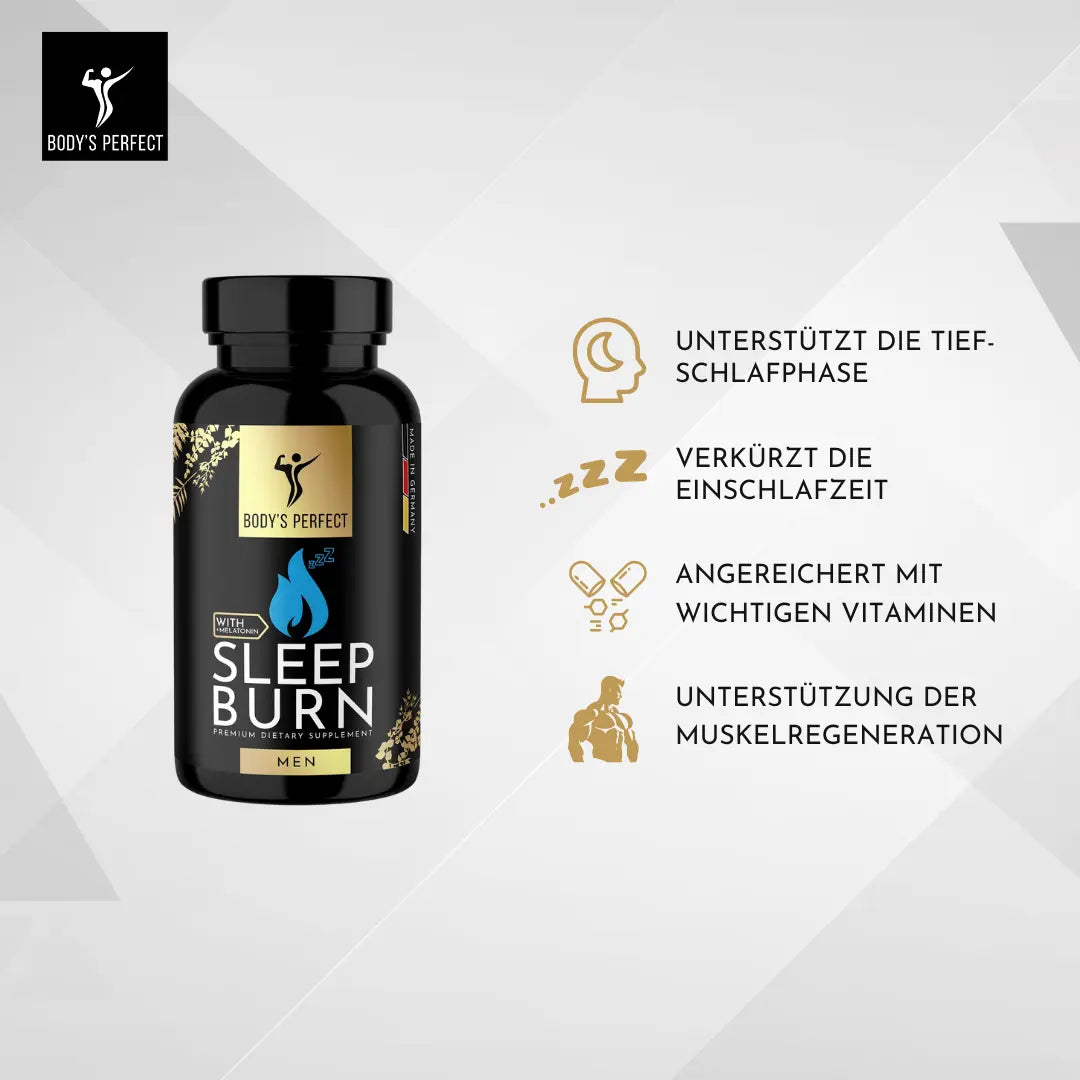
This is precisely where well-thought-out aids like BODY'S PERFECT products come into play. They are not miracle cures, but a sensible supplement that can noticeably make it easier for you to stick to your goal.
Shakes as a quick and satiating meal
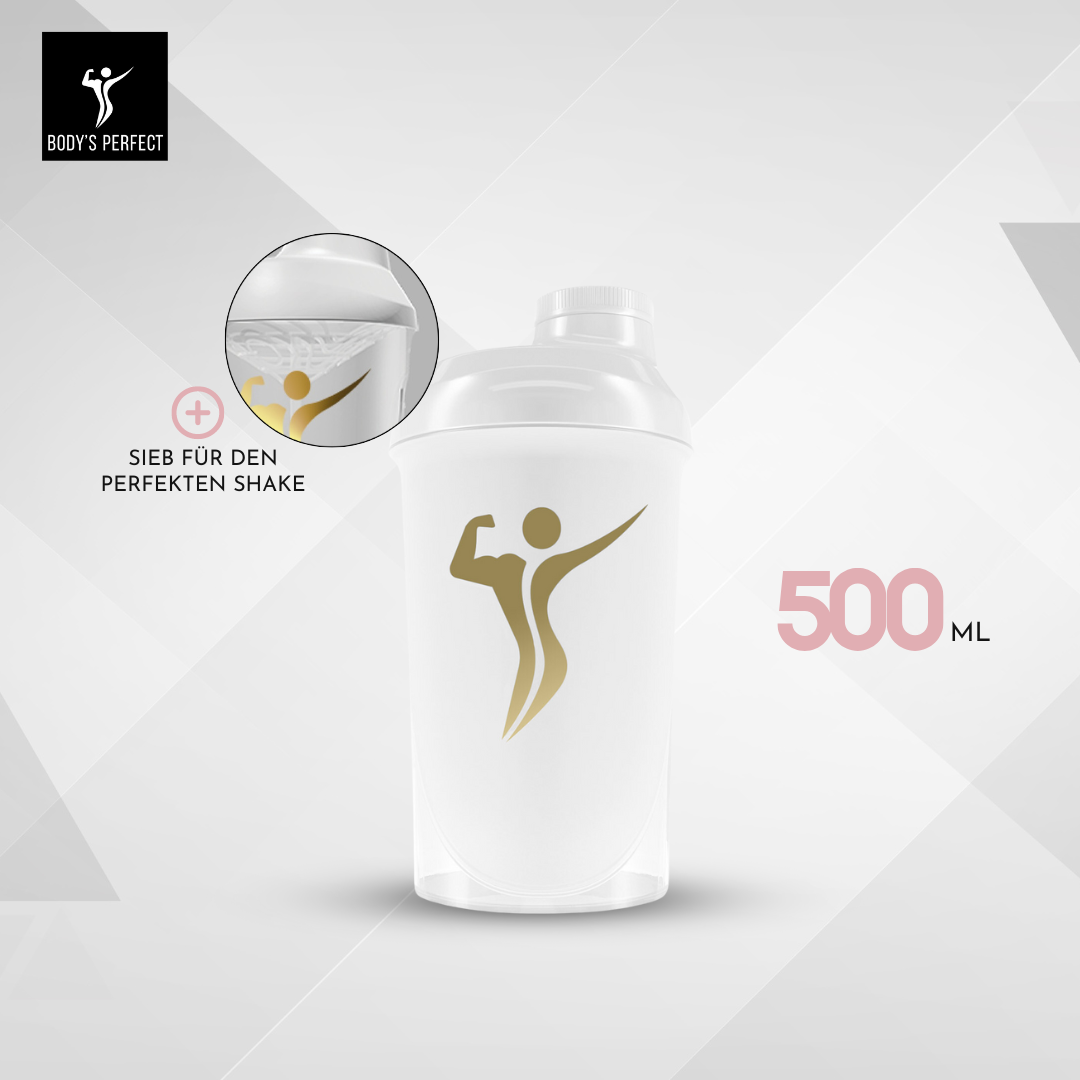
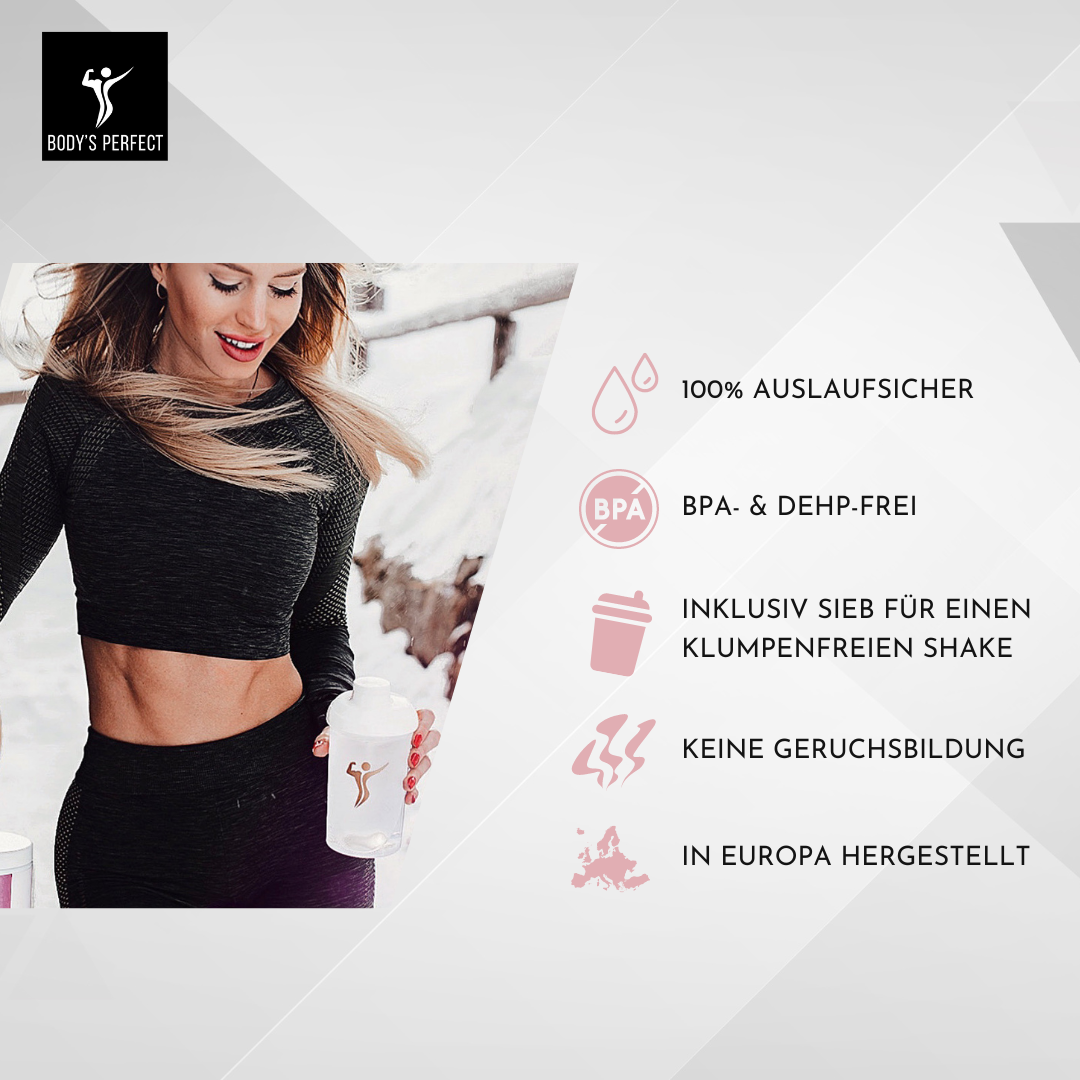
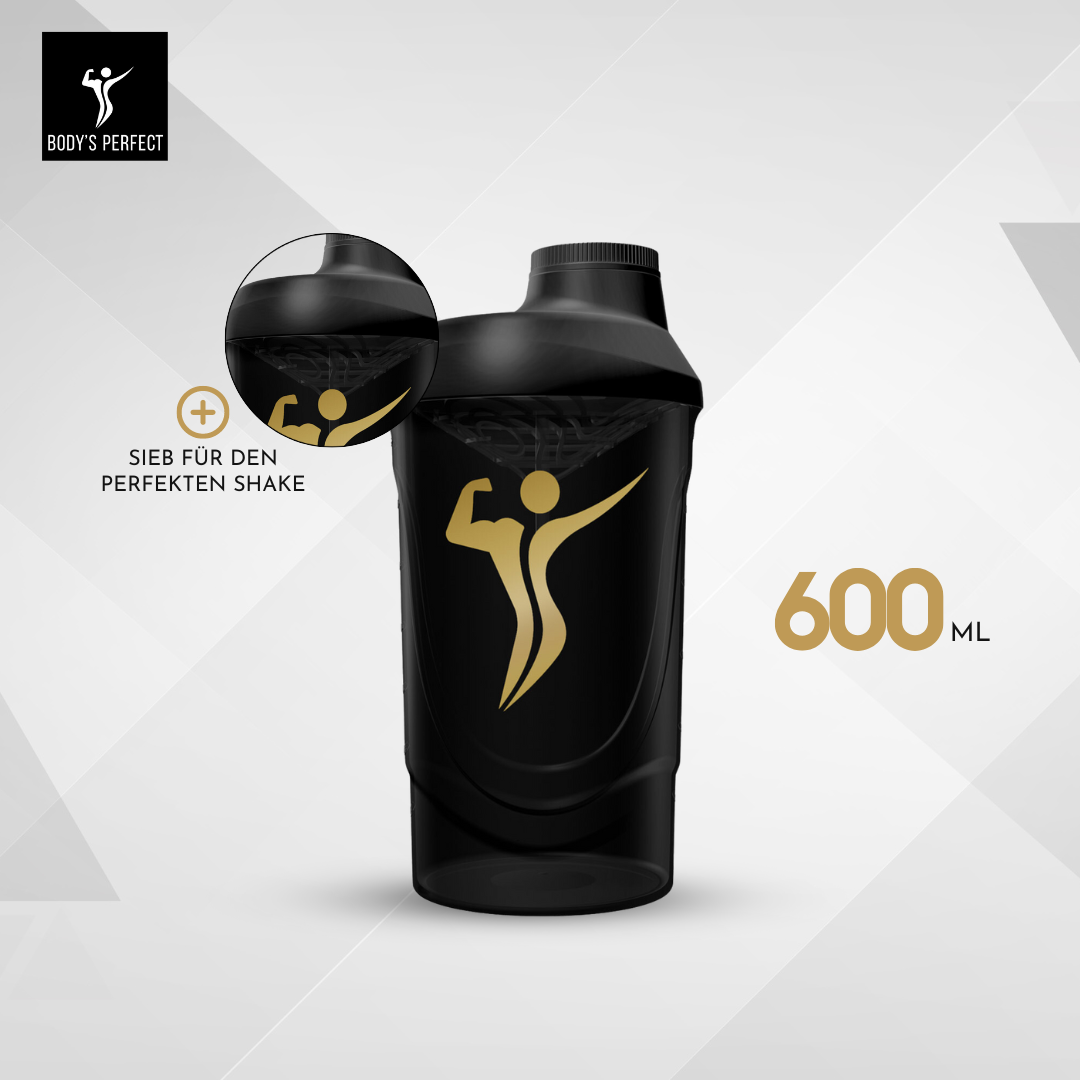
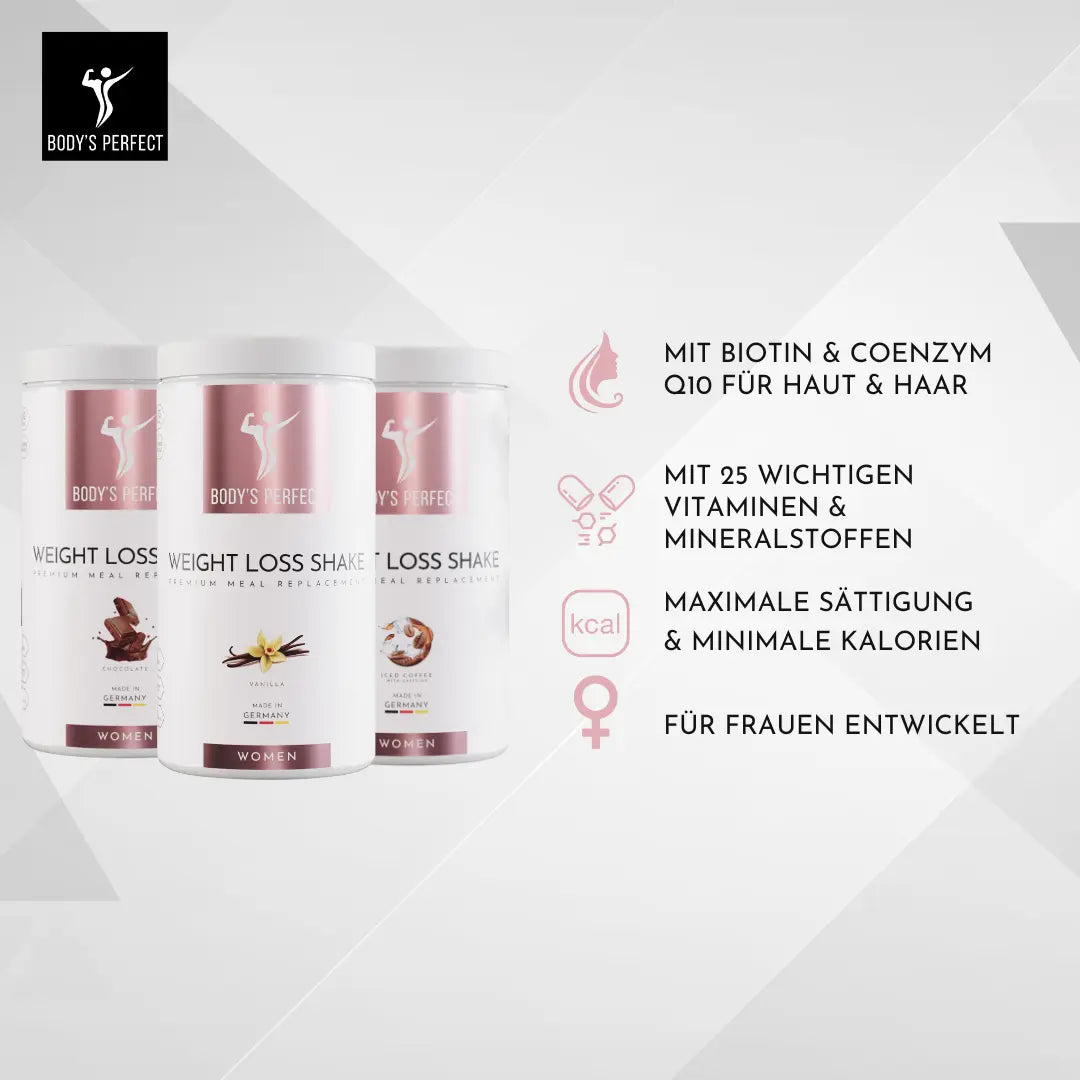
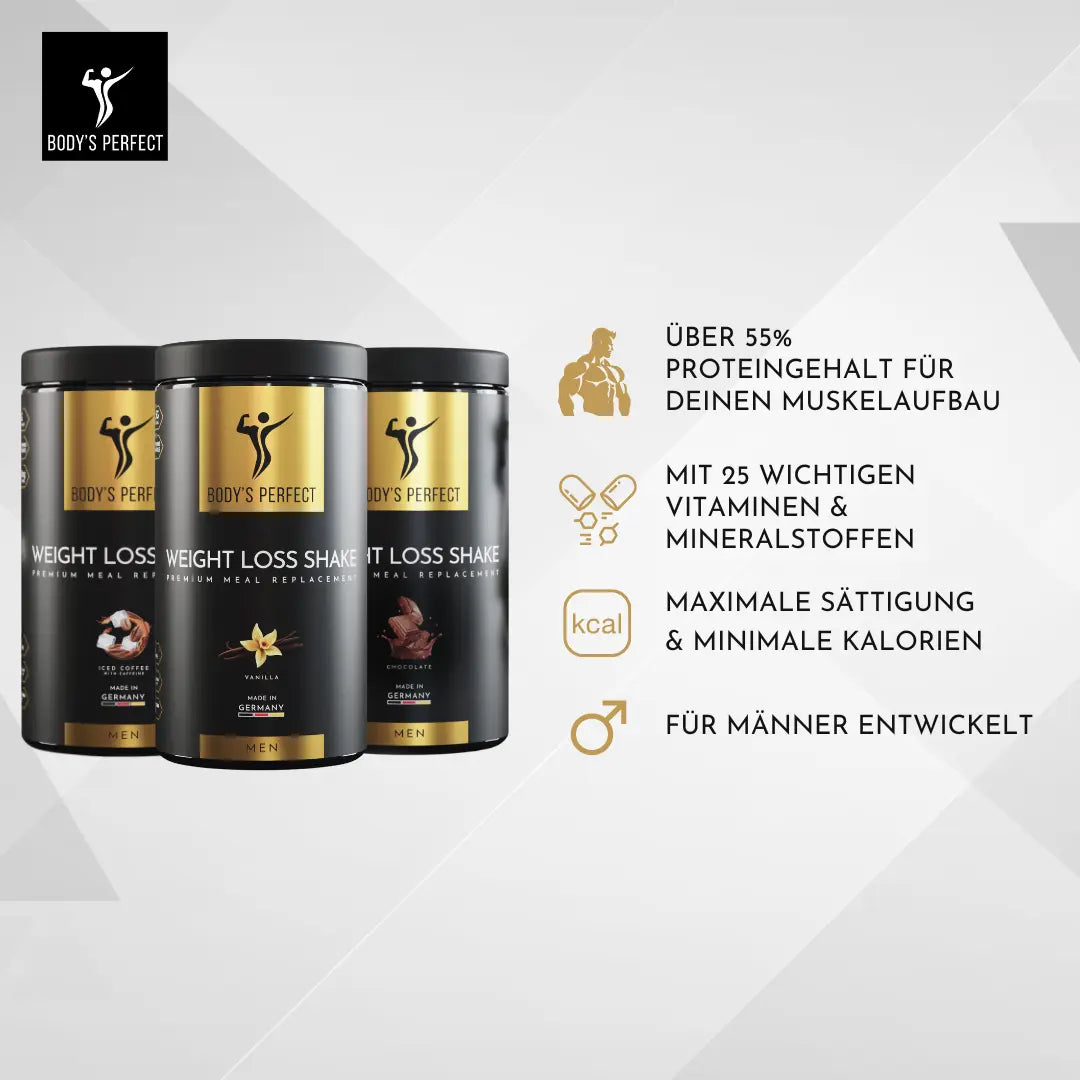
A good protein shake can be a real game-changer when you're in a hurry. Before you grab an unhealthy snack due to lack of time, a shake provides everything you need for a complete, satisfying meal. It's basically your low-calorie satiating food for on the go or stressful days.
- High-quality protein: Protein is key for long-lasting satiety. It curbs appetite, prevents cravings, and protects your valuable muscle mass while you lose weight.
- Ready in a flash: A shake is mixed in under a minute. This saves you valuable time, especially in the morning or after exercise, when your stomach is growling.
- Full calorie control: You know exactly what you're consuming down to the calorie. This makes planning your daily budget super easy and straightforward.
Don't view a shake as a substitute for a healthy diet, but rather as your clever joker. It has your back when life is faster than your cooking skills.
Capsules for targeted support
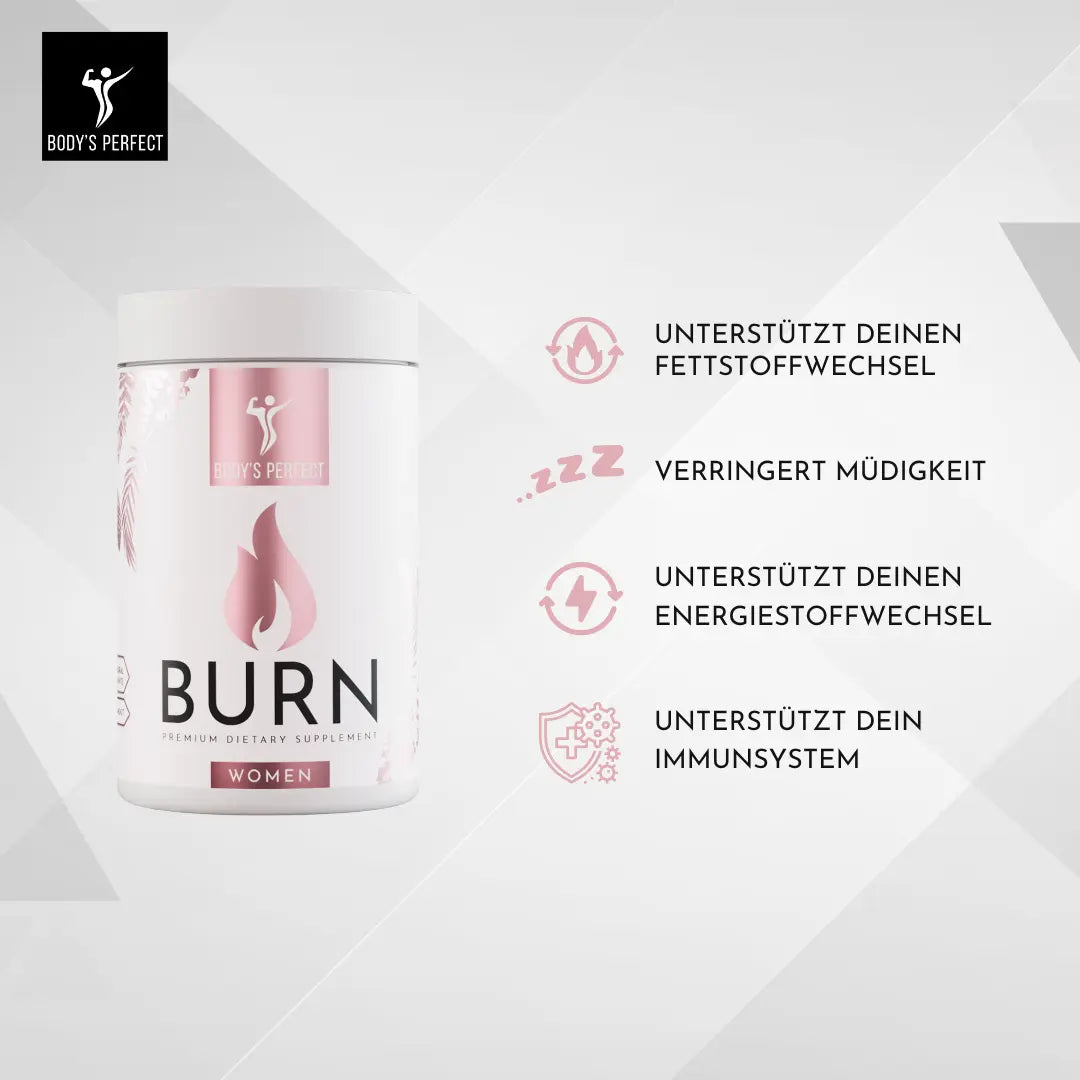
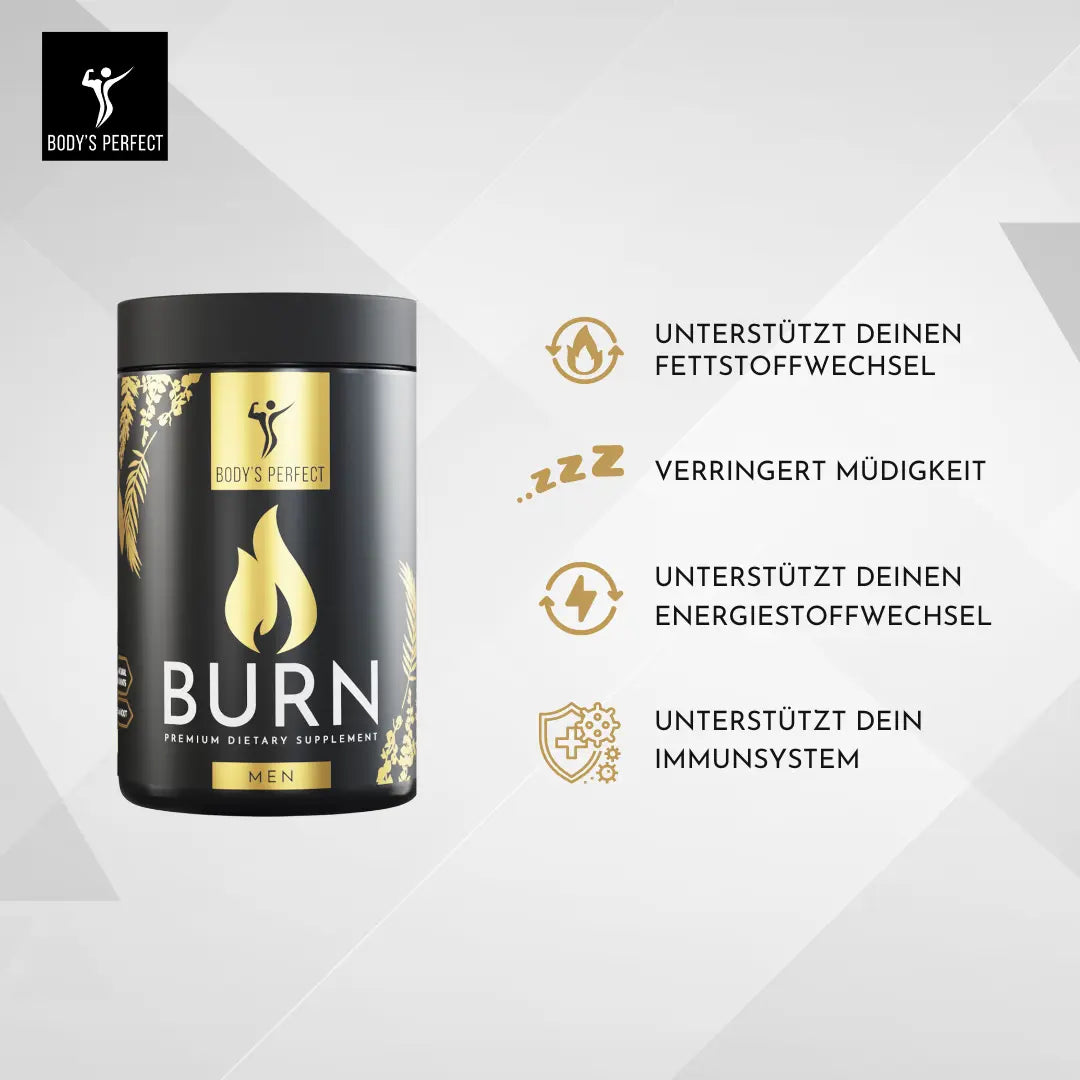
Besides shakes, there are also natural helpers in capsule form that can gently enhance your feeling of fullness. The secret often lies in special dietary fibers that swell in the stomach, thus naturally curbing hunger.
A true star among these dietary fibers is glucomannan, which is extracted from the konjac root. Its ability to bind water is enormous and can help you feel full faster and longer with smaller portions. If you want to learn more about its exact mechanism of action, check out our detailed article on glucomannan capsules. Other supportive capsules can also be a valuable addition on the way to your desired weight.
Such products are your smart allies. They don't do the work for you, but they can make the path to a healthier lifestyle much easier and more enjoyable.
Frequently Asked Questions about Satiety and Weight Loss
Finally, I would like to answer a few questions that I am repeatedly asked in practice. Perhaps you recognize yourself in one or the other. The goal is to clear up typical uncertainties so that you can confidently and motivatedly follow your path.
Does fruit really make you fat because of fructose?
This is one of the most persistent myths out there, so let's clear it up. No, fruit generally does not make you fat. Yes, it contains fructose, but that's only half the truth. Fruit also provides you with valuable fiber, vitamins, and a lot of water in the same package.
Think about it: an apple only has about 95 calories, but keeps you pleasantly full for a while due to its fiber content. That's a much smarter choice than a chocolate bar, which easily has twice as many calories but hardly provides any nutrients. Of course, like everything, it depends on the quantity, but normal fruit consumption is healthy and absolutely supports you in losing weight.
How much protein do I actually need per day?
Protein is your best friend when it comes to satiety. A good rule of thumb for anyone looking to lose weight and protect their muscles at the same time is about 1.2 to 1.6 grams of protein per kilogram of body weight.
A small example calculation: If you weigh 70 kg, you should aim for between 84 and 112 grams of protein daily. That sounds like a lot at first, but it's easily achievable in everyday life.
- A portion of low-fat quark (250 g) already gives you about 30 g of protein.
- A piece of chicken breast (150 g) provides another 35 g.
- A large protein shake, like our BODY'S PERFECT Shake, also contributes around 25-30 g.
As you can see, you can easily meet your needs without having to stuff yourself.
What do I do about evening cravings?
Ah, the classic evening craving! Most of the time, it's a mix of habit and the fact that you simply haven't eaten the right things throughout the day. Make sure your dinner is rich in protein and fiber. A large portion of vegetables with some fish or tofu is a perfect satiating meal with few calories.
If hunger still knocks, pause briefly and ask yourself: Is this real hunger or just appetite? Often, a large glass of water or a cup of warm tea helps. If you really want to eat something, choose a smart option. A few vegetable sticks with herb quark or a small bowl of Skyr are ideal.
My personal tip: Brush your teeth immediately after dinner. This is a simple but strong signal to your brain that eating time is over for today. This simple psychological trick often works wonders and can immediately stop the craving for snacks.
With the right knowledge and the right helpers, your path to your desired weight will not only be easier but also more enjoyable. We developed BODY'S PERFECT products precisely for this purpose – they are intended to support you as smart helpers in everyday life. Take a look at our shakes and capsules and take the next step.



Share:
Which Metabolic Type Am I? Your Complete Guide to Success
How many calories a day to lose weight? Your calculator for success