

Are you looking for a vegan protein powder without sweeteners? Great, because you're consciously choosing to take control of your nutrition. Such a powder provides pure protein – without artificial additives, hidden sugar traps, or unnecessary fillers. This way, you can achieve your fitness goals in the most natural way possible.
Why a natural protein powder is often the better choice
You probably know the feeling: you want to increase your protein intake, perhaps for muscle building, as a weight loss aid, or simply as part of a healthier lifestyle. But then you look at the ingredient list of many products and feel uncertain. Artificial sweeteners, flavorings, and a long list of terms you can barely pronounce quickly deter you.
This is where a vegan protein powder without sweeteners truly shines. It's a pure, honest product. Think of it as a blank canvas: you alone decide how your shake, smoothie, or meal tastes in the end. Instead of having to settle for an often artificially sweet taste, you become creative yourself. You can add natural sweetness from fruits like bananas, dates, or simply a touch of cinnamon.
You retain full control
A huge advantage: you avoid the craving trap. Artificial sweeteners can accustom your palate to extreme sweetness. The result? Your desire for sugar grows, while healthy, natural foods suddenly taste bland. A neutral-tasting powder helps you reset your taste buds and enjoy more consciously.
At the same time, you're doing your gut some good. Some artificial sweeteners are suspected of disrupting the delicate balance of the gut flora. A product without these additives is usually much better tolerated and promotes healthy digestion.
A protein powder without unnecessary additives not only gives you maximum flexibility but also the good feeling of knowing exactly what you're putting into your body. It's the foundation for clean and honest nutrition.
The trend is clearly towards more naturalness
The conscious decision for natural products is part of a larger societal shift. More and more people are eating plant-based and paying attention to unprocessed foods. In Germany, approximately 1.52 million people are already vegan, and a full 39% of the population regularly opts for plant-based alternatives. The reasons for this often include sustainability and animal welfare, but the desire for "clean" nutrition without additives also plays an increasingly important role. You can find more exciting figures on this in this analysis of vegan nutrition in Germany.
A pure vegan protein powder without sweeteners fits perfectly into this lifestyle. It provides high-quality protein that your body needs for countless important functions. If you want to know more about what protein powder actually does, take a look at our detailed article.
The difference between sweetened and unsweetened protein
If you've ever stood in front of the protein powder shelf, you know this: on one side, the plain, neutral varieties, on the other, the brightly colored tubs with names like "Vanilla Cookie Dough" or "Chocolate Fudge." But the crucial difference is not just in taste, but deeply hidden in the ingredient list.
Sweetened protein powders usually rely on a whole arsenal of artificial or highly processed sweeteners. Names like Aspartame, Sucralose, Acesulfame-K, or even extracts from the stevia plant (steviol glycosides) appear regularly here. Their purpose is clear: they are supposed to provide an intense, sugar-like taste, but without the calories. Sounds like a clever move at first, doesn't it?
Why the ingredient list makes the difference
The problem is that these substances often have an unnaturally high sweetening power – sometimes they are hundreds of times sweeter than regular sugar. This can really confuse your taste buds. Your palate gets used to this extreme sweetness level, and suddenly the natural sweetness of an apple or a banana tastes completely bland.
In addition, such sweeteners can literally trick your body. When you taste something sweet, your brain anticipates incoming energy in the form of calories. If this then fails to materialize, it can lead to cravings because your body does not see the "promise" fulfilled. This is, of course, the exact opposite of what you want to achieve, especially if your goal is weight management.
A vegan protein powder without sweeteners is refreshingly honest. It contains exactly what it says on the label: pure protein from plant sources. The ingredient list is short and easy to understand. You get full protein power without burdening your body with a chemical cocktail.
The hidden disadvantages of sweeteners
Apart from getting used to excessive sweetness and potential cravings, there are other points to consider with artificial sweeteners. Some studies suggest that they can disrupt the delicate balance of our gut flora. However, a healthy microbiome is absolutely crucial for good digestion, a strong immune system, and your general well-being.
To make your decision easier, we have directly compared the two variants.
Direct comparison of protein powder with and without sweeteners
A clear comparison of the most important features to grasp the advantages of the unsweetened variant at a glance.
| Feature | Protein powder WITHOUT sweeteners | Protein powder WITH sweeteners |
|---|---|---|
| Ingredients | Short & transparent (e.g., only pea protein isolate) | Often long & complex with many additives |
| Taste | Neutral, slightly earthy or nutty | Intensely sweet, often artificially tasting |
| Flexibility | Maximally flexible – you determine taste & sweetness | Limited to one taste |
| Cravings | Lower risk, as no sweet stimulus without calories | Can promote cravings through "taste deception" |
| Gut health | Generally very well tolerated | May disrupt gut flora in some people |
| Calorie control | Full control, as you only choose natural additives | Hidden fillers may be included |
The table clearly shows that the unsweetened option offers you full control and purity.
If you want to delve deeper into the topic, you can find more valuable information in our article on protein shakes without sugar.
Utilizing the pure power of protein
A neutral powder gives you back your freedom. It's not limited to sweet shakes. You can use it wonderfully in savory dishes like a soup or a dip, mix it into your porridge in the morning, or prepare a smoothie with exactly the fruits you have on hand. This makes it a true all-rounder in your kitchen.
The following graphic shows you how much pure protein can be found in various high-quality, unsweetened vegan sources per serving.
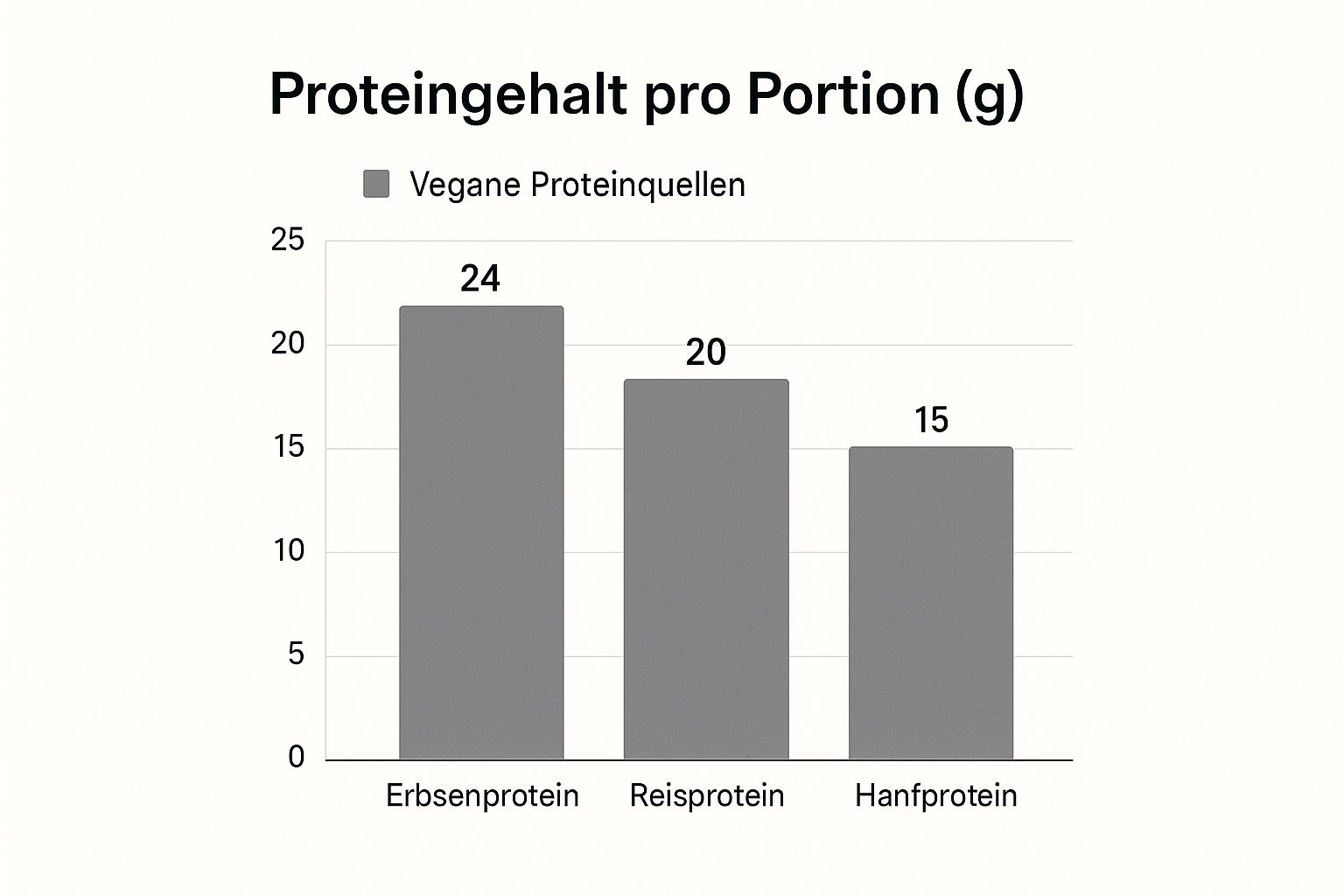
As you can see, top plant sources like pea protein provide an impressive amount of protein that effectively supports your goals – without any unnecessary ballast. Choosing a vegan protein powder without sweeteners is therefore much more than just a matter of taste. It is a conscious decision for purity, control, and the health of your body.
Overview of the best plant-based protein sources
If you choose a vegan protein powder without sweeteners, you face an exciting question: which plant should it be? Peas, rice, hemp, soy – the selection is huge, and each source has its own advantages. It's a bit like looking for the right tool for a project: each has its purpose and is simply better suited for some tasks.
To make your choice easier, let's take a closer look at the most popular candidates. We'll examine what makes them special, what their amino acid profile looks like, and who they are best suited for. This way, you are guaranteed to find the protein source that perfectly matches you and your goals.
Pea protein: The all-rounder for muscle building
Pea protein has become a real star in the protein world in recent years. It is obtained from yellow split peas and scores with a very high protein content and an excellent amino acid profile. What particularly distinguishes it is its high content of branched-chain amino acids (BCAAs) – namely leucine, isoleucine, and valine.
These amino acids are the alpha and omega for muscle building and regeneration after exercise. They essentially give your body the starting signal: "Okay, time to build new muscles!" This makes pea protein the top choice for anyone who wants to achieve athletic goals or define their muscles.
With its high BCAA content and good solubility, pea protein is a first-class plant-based alternative to classic whey protein. It simply effectively supports your muscle-building goals.
Another major advantage is that it is very well tolerated. It is naturally free of lactose, gluten, and common allergens. This also makes it ideal for people with sensitive stomachs. If you want to dive deeper, check out our article on the effects of pea protein.
Rice protein: The gentle partner for sensitive stomachs
Rice protein, mostly made from brown whole grain rice, is another fantastic option. It is considered particularly hypoallergenic, making it a safe bet for anyone struggling with allergies or intolerances.
Taken on its own, its amino acid profile is not entirely complete (it lacks a little lysine), but here's the trick: it combines perfectly with pea protein. Many high-quality vegan protein powders rely on precisely this mix to achieve optimal biological value. The two simply complement each other perfectly.
Hemp protein: The nutrient powerhouse
Hemp protein is much more than just protein – it's a real superfood. In addition to a solid protein content, it brings a wealth of valuable nutrients that you often look for in vain in other powders.
What makes it so special:
- Omega fatty acids: Hemp provides important omega-3 and omega-6 fatty acids in an ideal ratio, which is great for heart and circulation and can inhibit inflammation.
- Fiber: It contains a good portion of fiber that keeps your digestion working and keeps you feeling full longer.
- Micronutrients: On top of that, there are important minerals like magnesium, iron, and zinc.
In terms of taste, hemp protein is a bit earthier and nuttier. This makes it an exciting ingredient for smoothies, muesli, or even savory dishes. It's the perfect choice for anyone who not only wants to meet their protein needs but also improve their overall nutrient intake.
Soy protein: The classic with high quality
Soy protein is the tried-and-true classic among vegan proteins – and for good reason. It is one of the very few plant-based sources with a complete amino acid profile. This means it provides all nine essential amino acids that your body needs but cannot produce itself.
This high protein quality makes it extremely effective for building and maintaining muscles. It's no wonder that soy plays an important role in the booming market for vegan proteins. The global market was recently estimated at around 4.4 billion US dollars, and soy protein holds a share of over 27% of this.
A small catch: soy is a known allergen. So, if you know you are sensitive to it, pea or rice protein is a better choice. For everyone else, however, it is a highly efficient and often inexpensive alternative.
How to find the perfect protein powder for you
Okay, now you know the different protein sources. But how do you find exactly the right product for you in the jungle of offers? Don't worry, it's easier than you think. Think of it like a targeted shopping trip – with a few simple criteria, you can quickly separate the wheat from the chaff.
This section is your personal shopping guide. I'll give you a simple checklist that will help you read labels like a pro and know exactly what's important.
The golden rule: A short and clean ingredient list
First things first: turn the package over and carefully examine the ingredient list. For a high-quality vegan protein powder without sweeteners, it should be refreshingly short. Ideally, there should only be one ingredient, for example "pea protein isolate," or a simple mixture like "rice protein" and "pea protein." That's it.
Be skeptical if you see a long list of terms you can't pronounce. These often hide unnecessary fillers, thickeners like guar gum, artificial flavors, or anti-caking agents. A pure product doesn't need all this frills. It focuses on what matters: high-quality protein.
A clear quality feature is transparency. A short, understandable ingredient list is usually the best sign that the manufacturer has nothing to hide and you are holding an honest product in your hands.
Look for a high protein content
The next logical step is to look at the nutritional information. How much protein is really in it, per 100 grams? Good products deliver values from 75% to over 85% protein. A significantly lower value can indicate that the powder has been stretched with cheaper fillers.
Also, look at how many carbohydrates and fats are included. A good protein powder, which should support you in losing weight, for example, is usually very low in carbohydrates and fat. If you want to know more about how to find the best protein powder for weight loss, we have a suitable guide for you.
Understanding the amino acid profile
Don't worry, it sounds more complicated than it is. Amino acids are the building blocks that make up proteins. Some of them are "essential," meaning your body cannot produce them itself and relies on intake through food. A "complete amino acid profile" therefore means nothing more than that all these important building blocks are present.
Here are the key points:
- Completeness: Make sure that all nine essential amino acids are covered. Soy protein naturally achieves this on its own. Other plant sources like pea and rice protein complement each other perfectly to collectively form a complete profile.
- BCAAs: Especially for athletes, branched-chain amino acids (leucine, isoleucine, and valine) are interesting. A high proportion of these optimally helps the body with muscle building and regeneration after training.
- Transparency: Reputable manufacturers are proud of their product and often provide the amino acid profile directly on the packaging or their website.
The demand for transparent and pure vegan products is steadily increasing. Data from Google Trends shows that search queries for "vegan protein powder" in Germany rose from an index value of 39 in December 2024 to 92 in August 2025. This trend underscores the desire of many people for natural protein sources without unnecessary additives. Learn more about the development of the vegan trend in Germany.
If you keep these simple criteria in mind, the selection will be child's play. You can confidently evaluate products like those from Bodysperfect and make an informed decision for your health and your goals.
Creative recipe ideas for your neutral protein powder
Anyone who thinks a vegan protein powder without sweeteners is only good for boring shakes with water is missing out on the best part! The true superpower of a neutral powder is its incredible versatility. Think of it like a high-quality, indispensable spice in your kitchen – you can mix it into almost anything to boost the nutritional value without overpowering the actual flavor.
So, forget monotonous routines. Your protein powder can do so much more! With the following ideas, it will become your new, indispensable kitchen helper, accompanying you from breakfast to dinner and making your meals richer in protein, more satisfying, and simply better.
Start your day with a protein kick
A protein-rich breakfast is the best start to the day you could wish for. It keeps you full for a long time, your blood sugar levels remain stable, and the dreaded mid-morning slump doesn't stand a chance. Your neutral protein powder fits perfectly here.
It's that easy:
- Creamy Porridge: Simply stir a spoonful (approx. 20–30 g) of your protein powder into your finished, slightly cooled porridge. Crushed banana, a few berries, or a pinch of cinnamon provide natural sweetness.
- Fluffy Pancakes: Simply replace a small portion of the flour in your favorite pancake recipe with protein powder. The result? Incredibly fluffy and satisfying pancakes that give you an extra boost of protein.
- Green Power Smoothies: Your neutral powder is the ideal base for any smoothie. Mix it with a handful of spinach, kale, half a banana, some plant milk, and a spoonful of nut butter – and you have a nutritious drink that energizes you.
More than just shakes – enhancing lunch and snacks
Lunch or a little snack in between are perfect opportunities to increase your protein intake almost unnoticeably. Since a vegan protein powder without sweeteners does not have its own sweet taste, it also blends wonderfully into savory dishes.
Imagine being able to easily turn your favorite soup or pasta sauce into a protein-rich meal. With a neutral powder, this is possible – without distorting the taste.
Try these ideas:
- Enrich soups and stews: Towards the end of the cooking time, simply add a spoonful of protein powder to your creamy vegetable soup (pumpkin or broccoli soup are great). This not only makes the soup more nutritious but also wonderfully creamy.
- Savory dips and spreads: Mix some protein powder into your homemade hummus or a plant-based herb dip. Perfect for vegetable sticks or as a spread on fresh bread.
- Protein-rich salad dressings: For a creamy dressing, simply mix some protein powder with lemon juice, olive oil, water, and fresh herbs. This instantly turns your salad into a complete meal.
If you do fancy a classic shake and are looking for new ideas, we have a great guide here on how to conjure up the perfect homemade protein shake.
Healthier baking with an extra portion of protein
Your flavorless protein powder is also a real game-changer in baking. It helps you reduce the carbohydrate content and significantly increase the protein content of your baked goods. This way, you can snack and at the same time do something good for your goals.
Here are a few simple tips to get started:
- Replace part of the flour: As a rule of thumb, you can replace about 20–25% of the flour quantity in recipes for muffins, brownies, or bread with your protein powder.
- Pay attention to the liquid: Protein powder absorbs more liquid than flour. So, you might need to add a small dash more plant milk or water to the dough to keep everything nice and moist.
- Sweeten naturally: Use ripe bananas, applesauce, or date puree to give your baked goods a pleasant and completely natural sweetness.
With these tricks, your vegan protein powder without sweeteners transforms from a simple dietary supplement into a culinary all-rounder. You retain full control over taste and ingredients and can improve your diet in a simple but very effective way. Dare to experiment – you'll be surprised how versatile and delicious a protein-rich diet can be.
Frequently asked questions about vegan protein powder
Okay, you've already got a pretty good overview of what a vegan protein powder without sweeteners can do for you. But I bet you still have one or two questions buzzing around in your head. Don't worry, that's completely normal!
To clear up any remaining doubts, we've compiled the most frequently asked questions for you here. The answers are short, honest, and to the point, so you can feel really good about your decision in the end.
Is vegan protein as good as whey?
The question of all questions! And the answer is a clear yes – provided you pay attention to a few little things. The old myth that plant-based protein is somehow "inferior" persists, but it has long been debunked. What really matters for muscle building is not the origin of the protein, but the total amount and, above all, a complete amino acid profile.
Whey protein (i.e. whey) naturally contains all nine essential amino acids. But plant-based sources can easily do that too. The trick is:
- Clever combination: Most high-quality vegan protein powders mix different plant sources, such as pea and rice protein. The two complement each other perfectly in their amino acid profile and are in no way inferior to whey.
- Choose the right single source: Soy protein is one of the few plants that already brings a complete amino acid profile with it.
At the end of the day, your body doesn't care where the building blocks come from. It just wants the right tools for muscle growth and regeneration – and a good vegan protein powder provides them without any problems.
Does vegan protein powder help me lose weight?
Oh yes! A vegan protein powder without sweeteners can even be your best friend on the way to your feel-good weight. It supports you on several levels at once.
The biggest lever is clearly satiety. Protein is the nutrient that keeps us full the longest. A shake or a meal that you enrich with protein prevents cravings and automatically helps you eat fewer calories throughout the day.
At the same time, it protects your muscles. In a calorie deficit, the body tends to break down not only fat but also muscle mass. A high protein intake is like a stop sign: it signals the body to keep the muscles. This is extremely important, because muscles are your personal little powerhouses that burn calories even at rest and keep your metabolism going.
A powder without sweeteners is doubly clever here: you save unnecessary calories and wean your taste buds off that extreme sweetness, which often only makes you crave more sugar.
Does plant-based protein give me stomach aches?
A totally legitimate question, because every body is different. Some people initially report a feeling of fullness or bloating when they switch. However, this is often not due to the protein itself, but rather to the general change or to certain accompanying substances.
Here are a few tips to make sure everything goes smoothly:
- Choose the right variety: Rice or hemp protein are considered particularly stomach-friendly. If you know that your stomach tends to be finicky, these are great options for getting started.
- Start slowly: Give your body time to get used to it. Start with half a portion and then slowly increase over a few days.
- Drink enough: Protein needs liquid to be processed well. So make sure you drink enough water throughout the day.
- Focus on quality: High-quality protein isolates are purer. They contain fewer fiber and other substances that can cause discomfort in some people.
Mostly, any initial difficulties quickly disappear and the body is happy about the new, valuable source of nutrients.
How does protein powder without sweeteners taste?
Honestly: mixed purely with water, it doesn't taste like a vanilla milkshake. The taste is rather neutral, depending on the variety, slightly earthy, nutty, or a bit like grain. But that is precisely its absolute superpower!
Don't see the neutral taste as a drawback, but as your personal canvas. You are the artist and decide anew every day what taste experience you want to create for yourself.
Instead of being tied to an artificial taste, you have full control. The possibilities to spice up your powder are endless – and above all, natural.
Here are a few ideas to get started:
- For natural sweetness: Half a ripe banana, a few dates, a handful of berries (fresh or frozen), a small spoon of maple syrup, or some applesauce.
- For more flavor: A spoonful of pure cocoa powder, a pinch of cinnamon, some vanilla extract, or a shot of cold espresso.
- For extra creaminess: A tablespoon of nut butter (almond, cashew, peanut), chia seeds, flax seeds, or even a small piece of avocado.
With these simple ingredients, every neutral shake becomes a delicious and healthy highlight that tastes exactly how you want it. You avoid artificial additives and give your body only what truly benefits it.
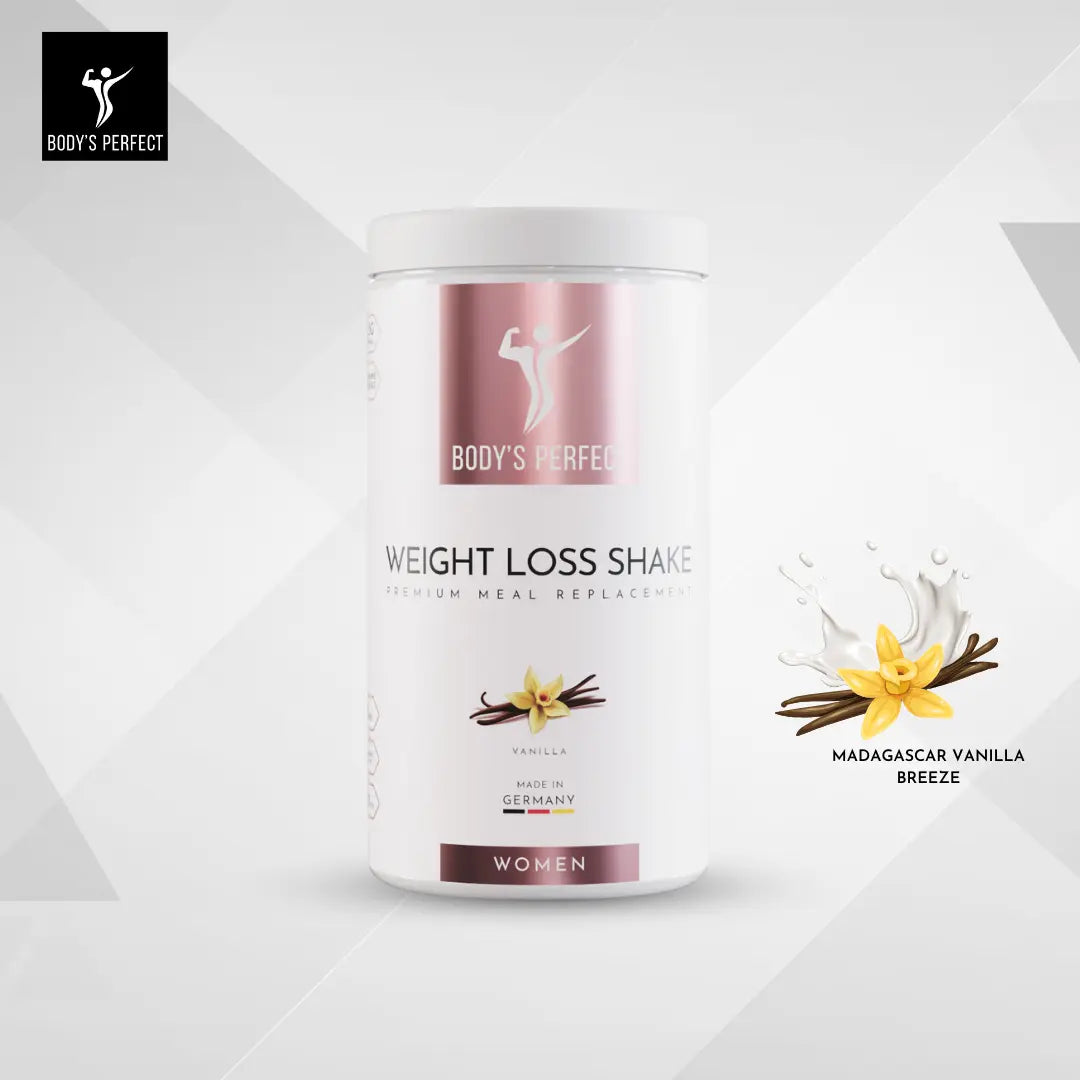
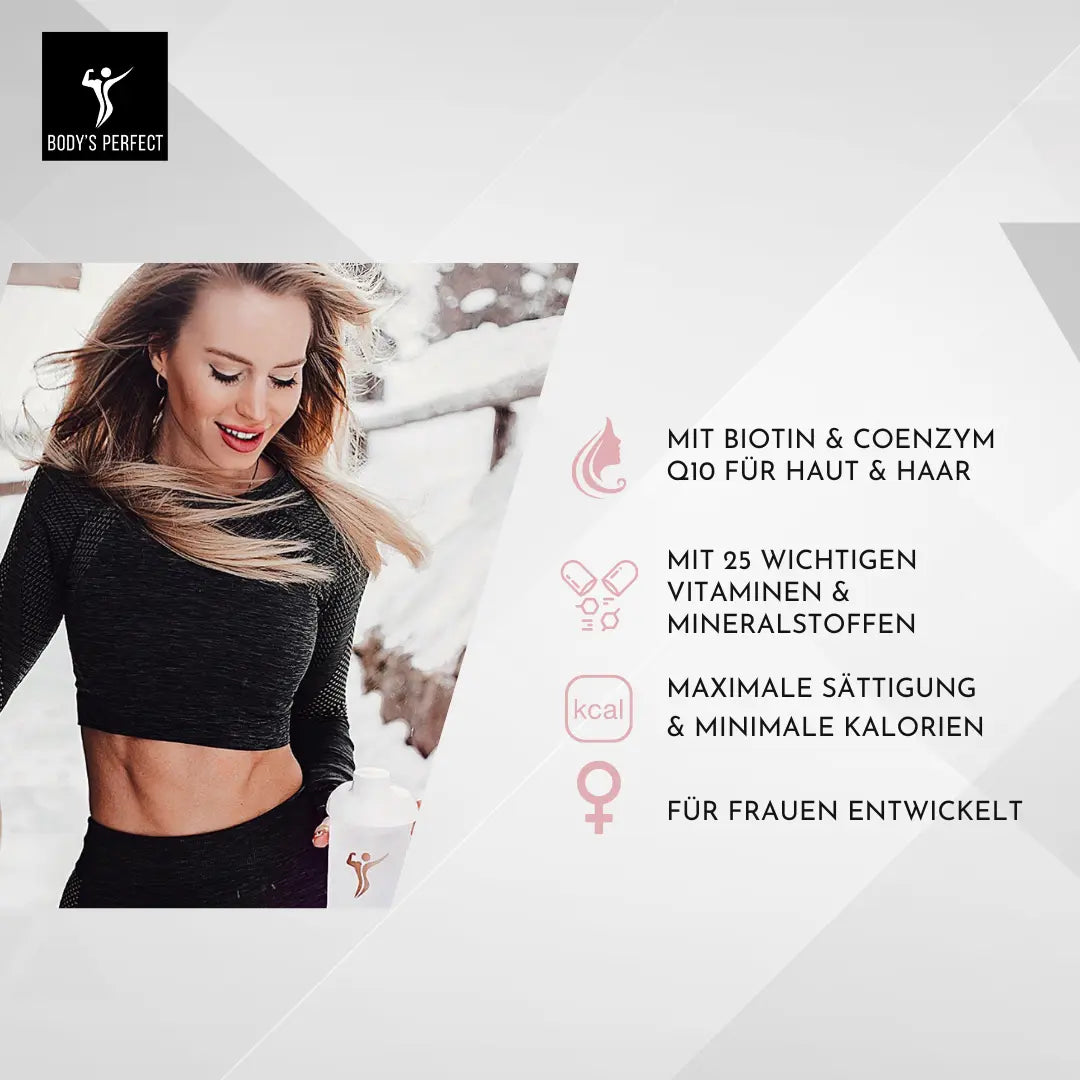
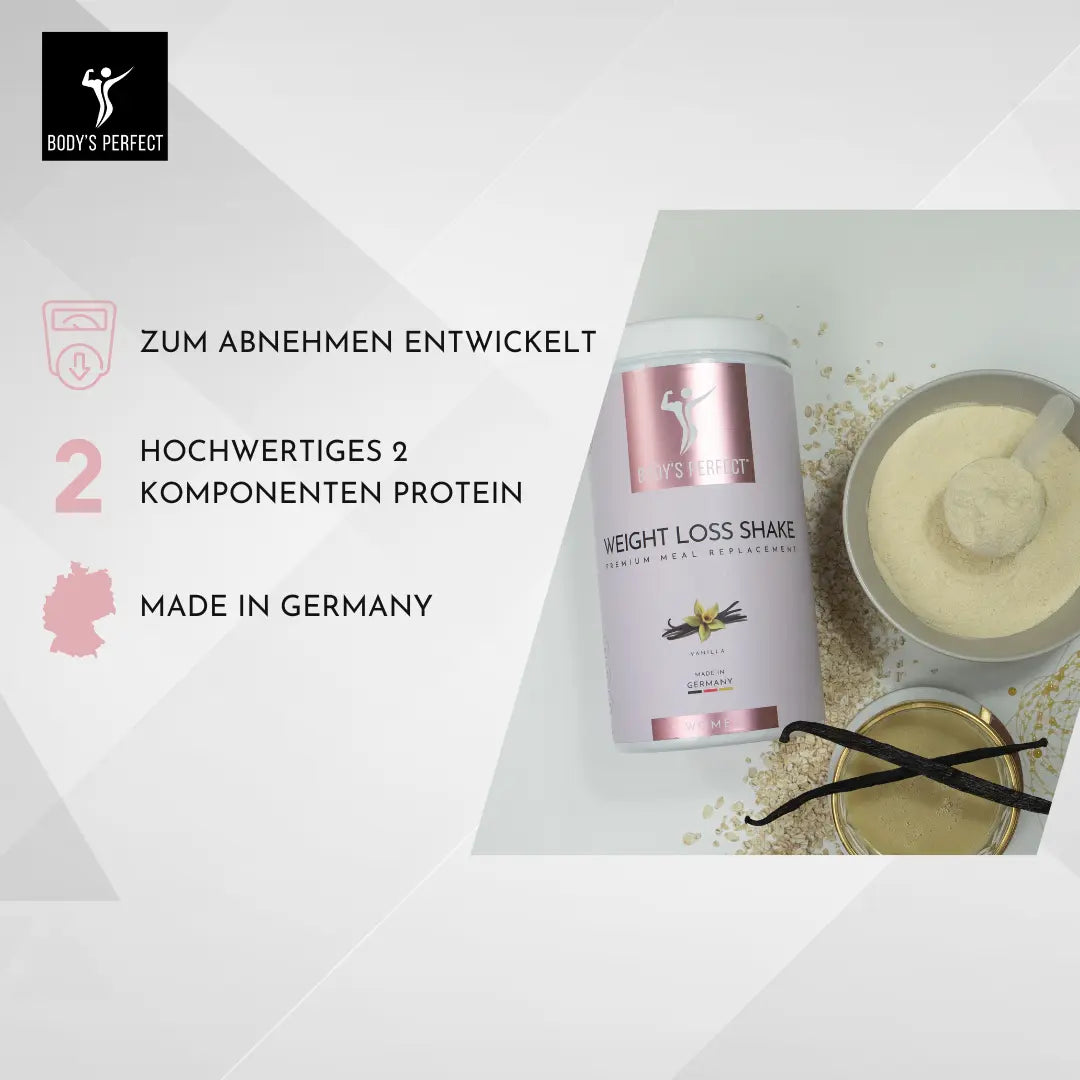
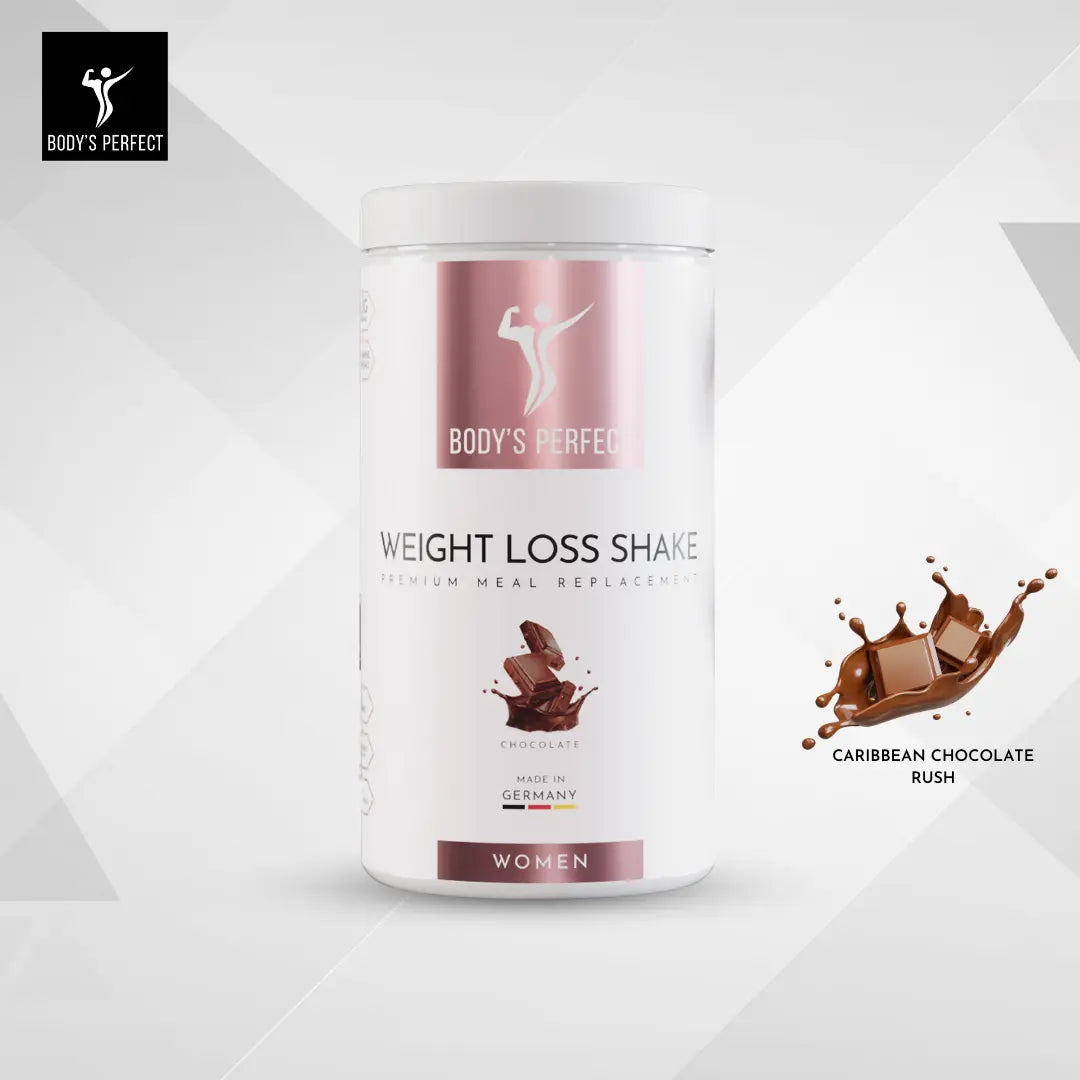
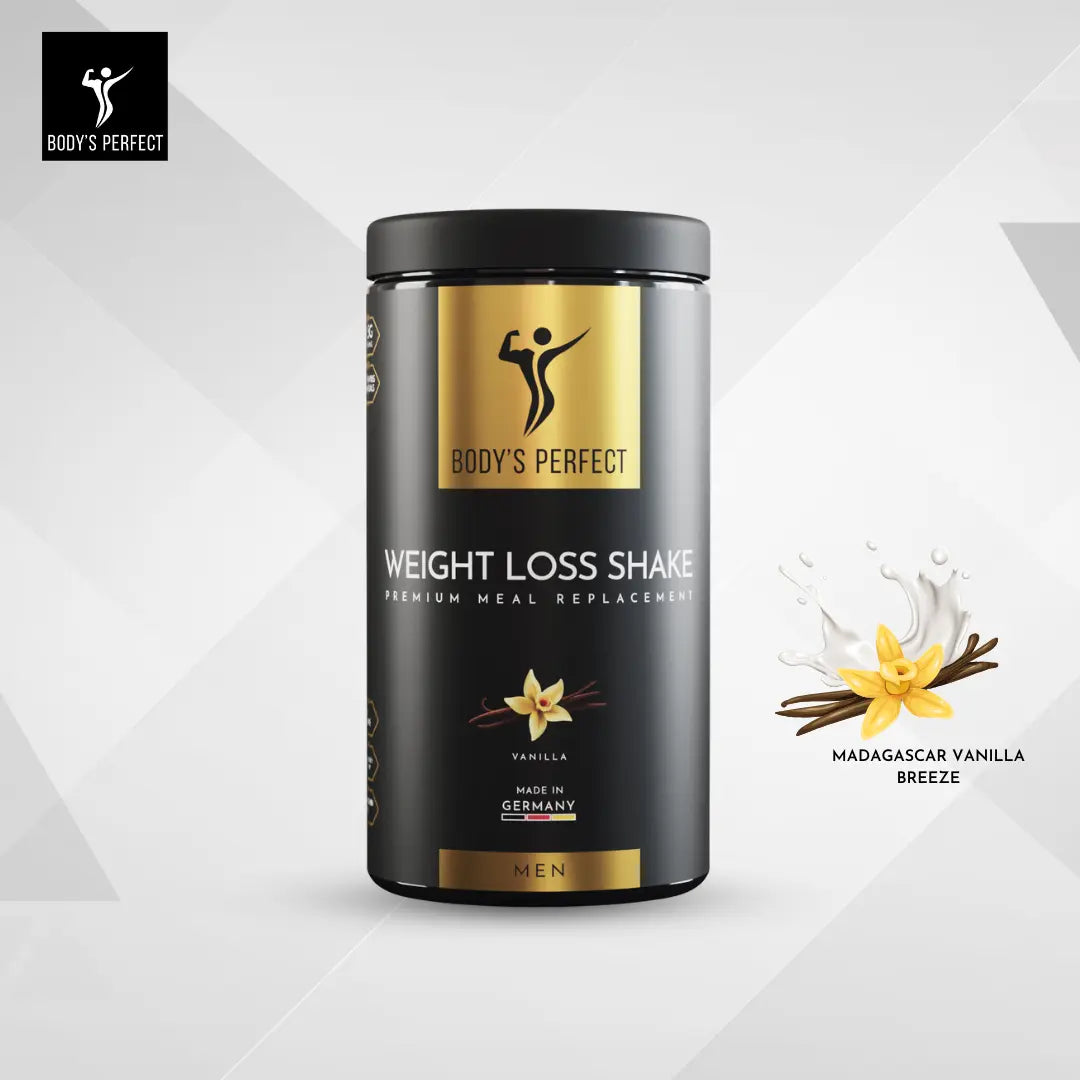
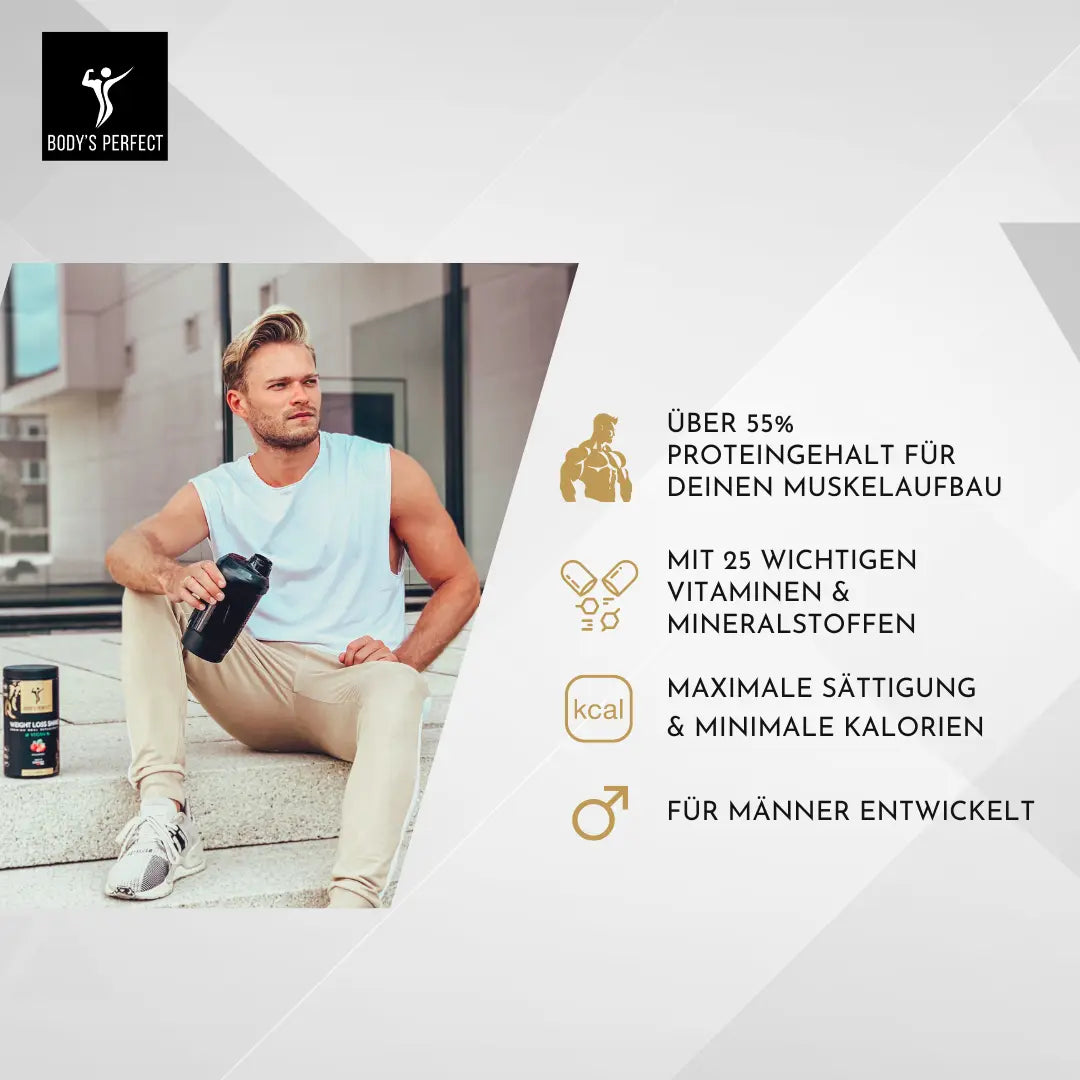
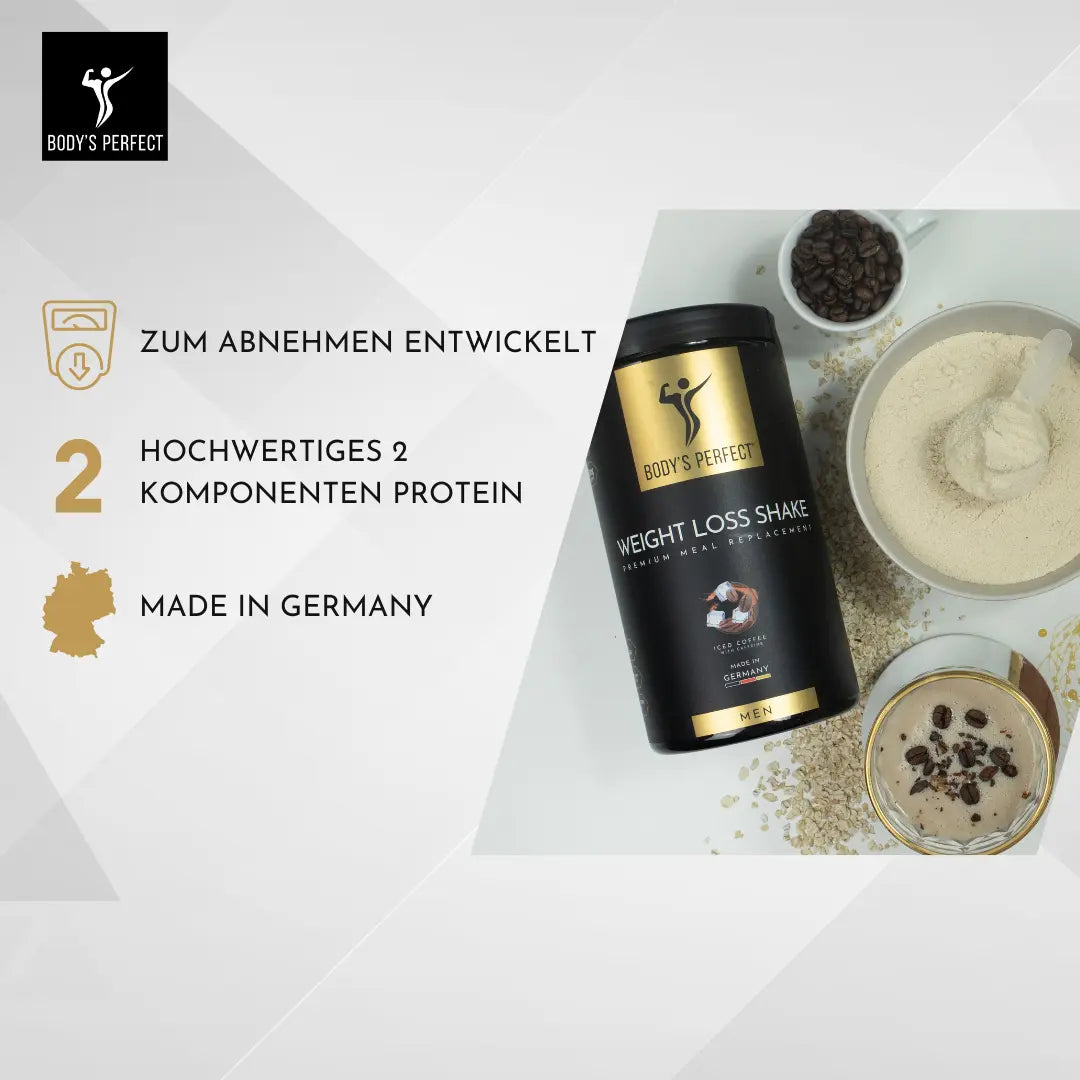
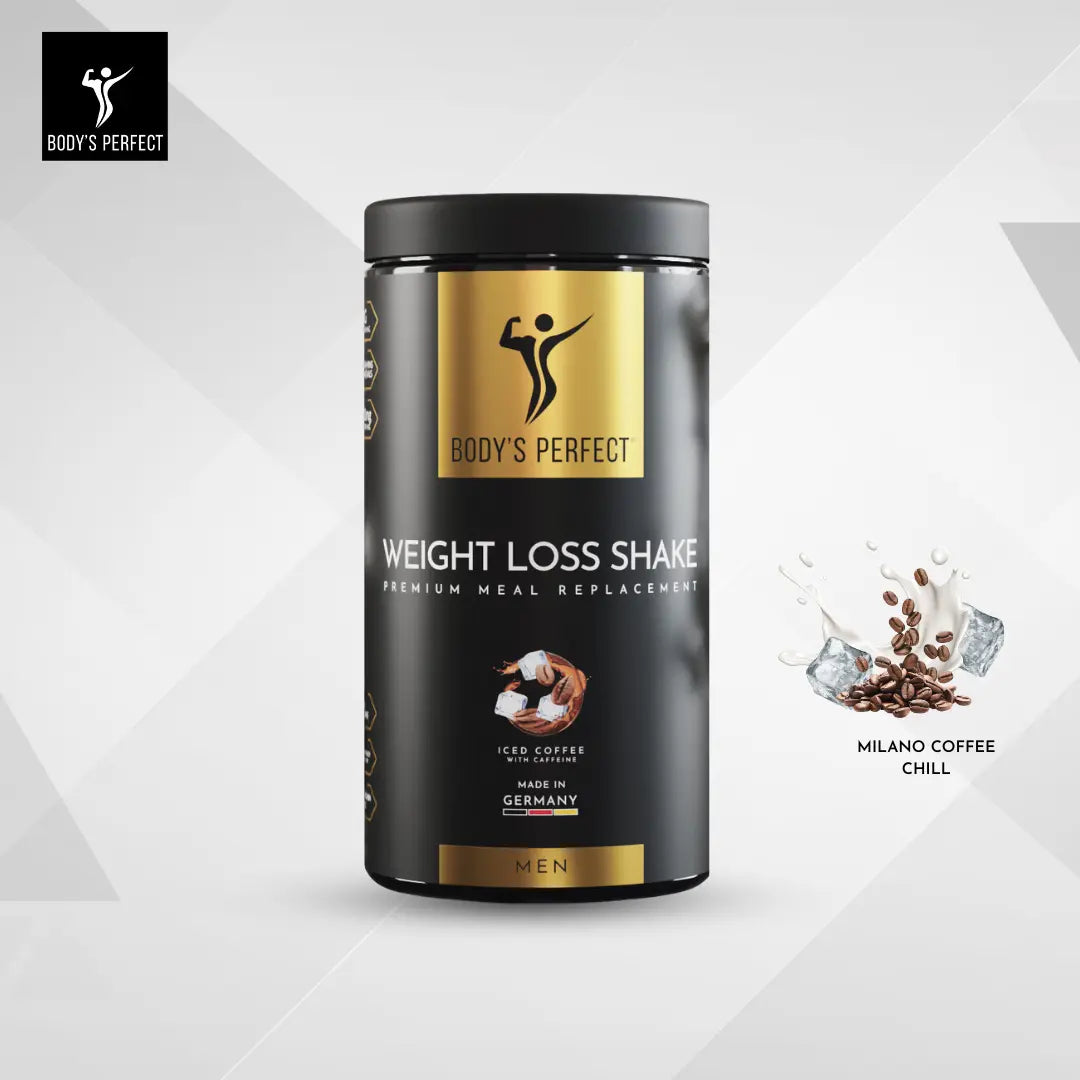
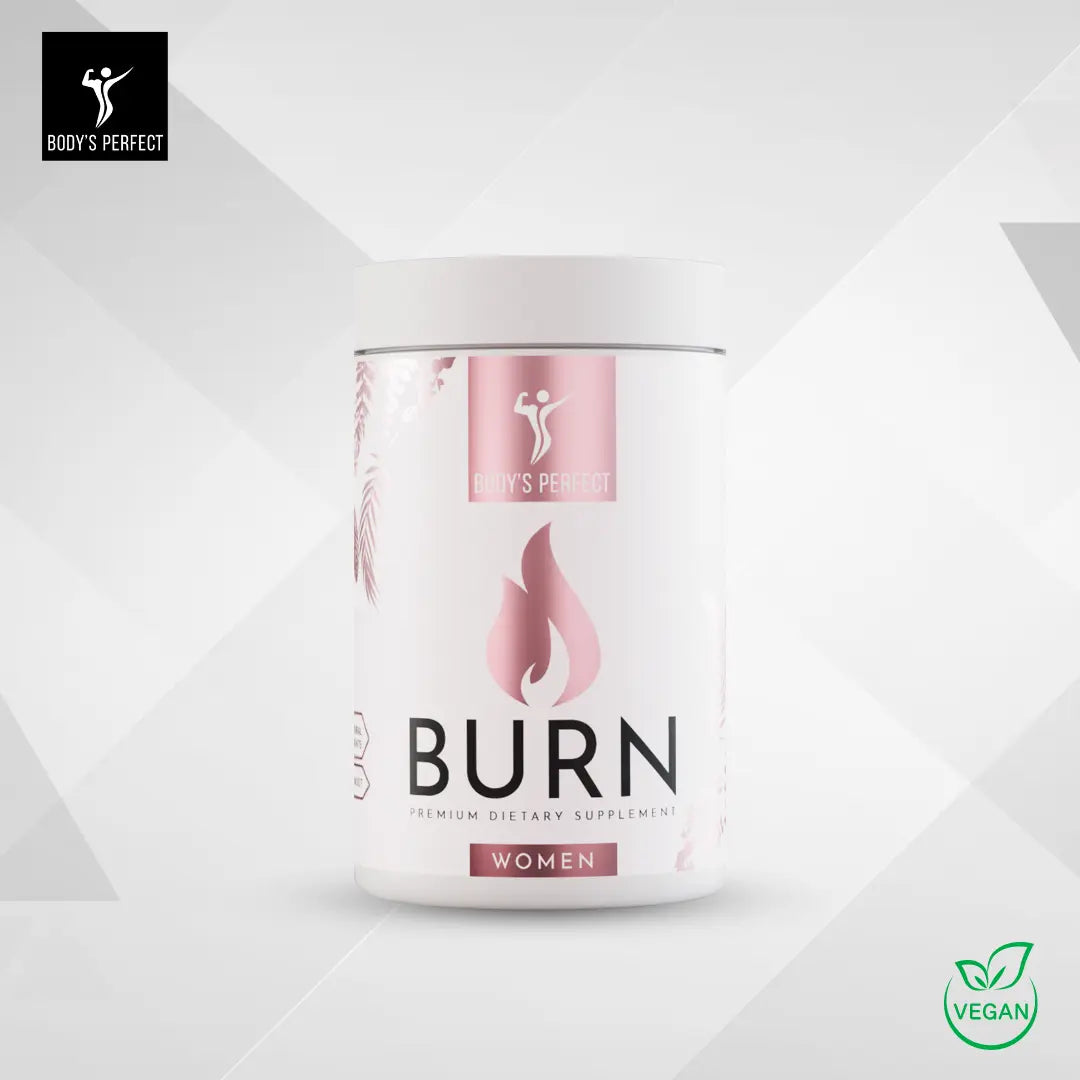
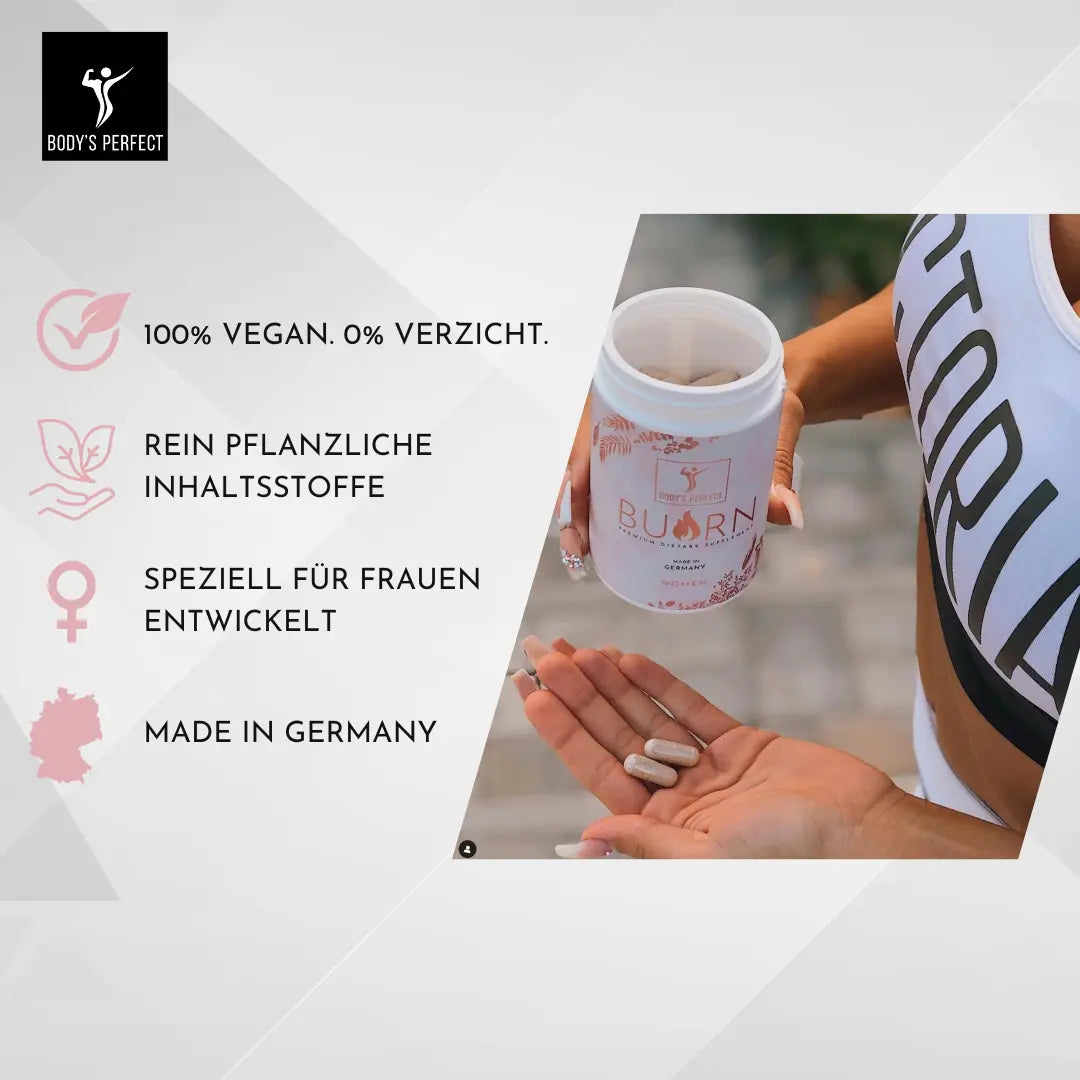
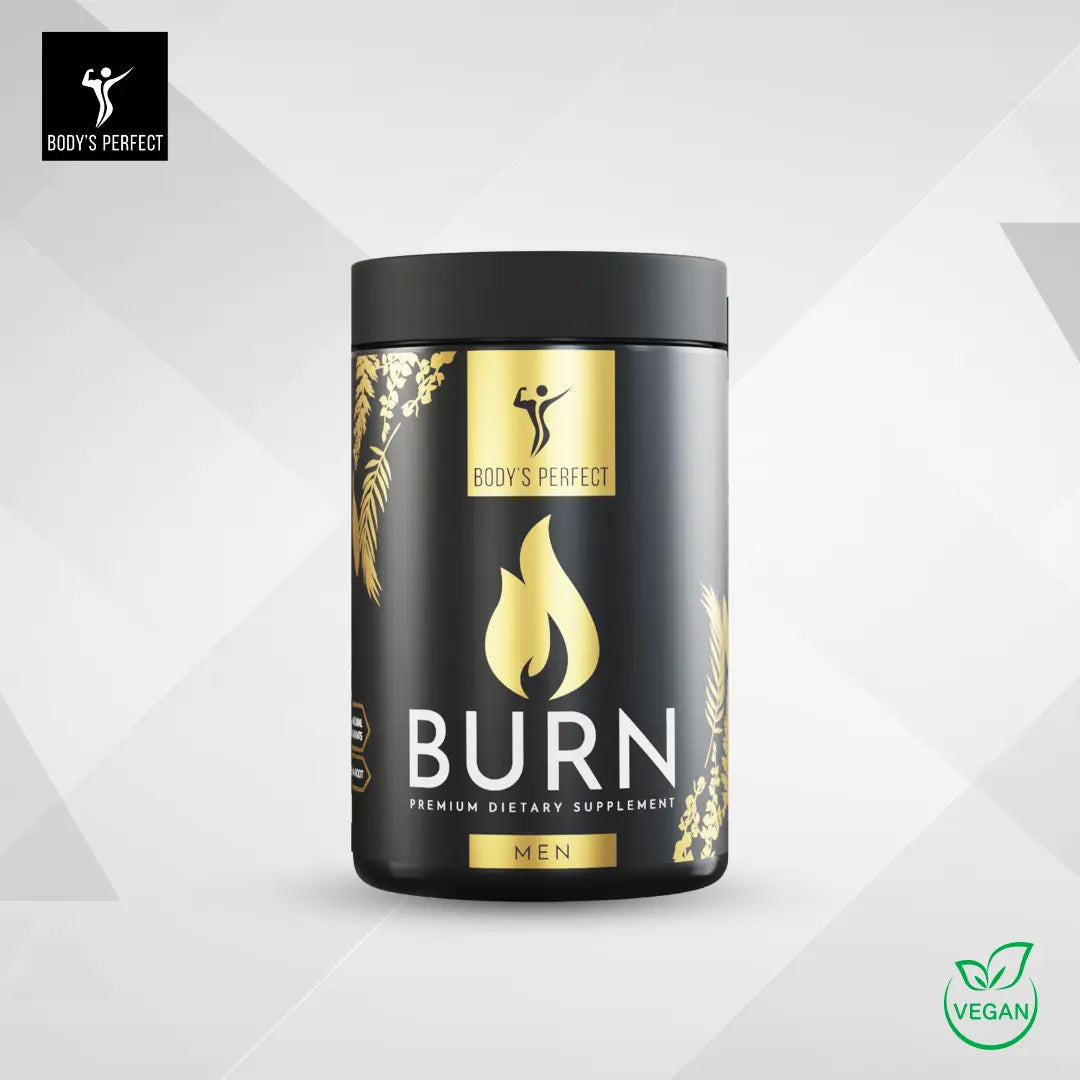
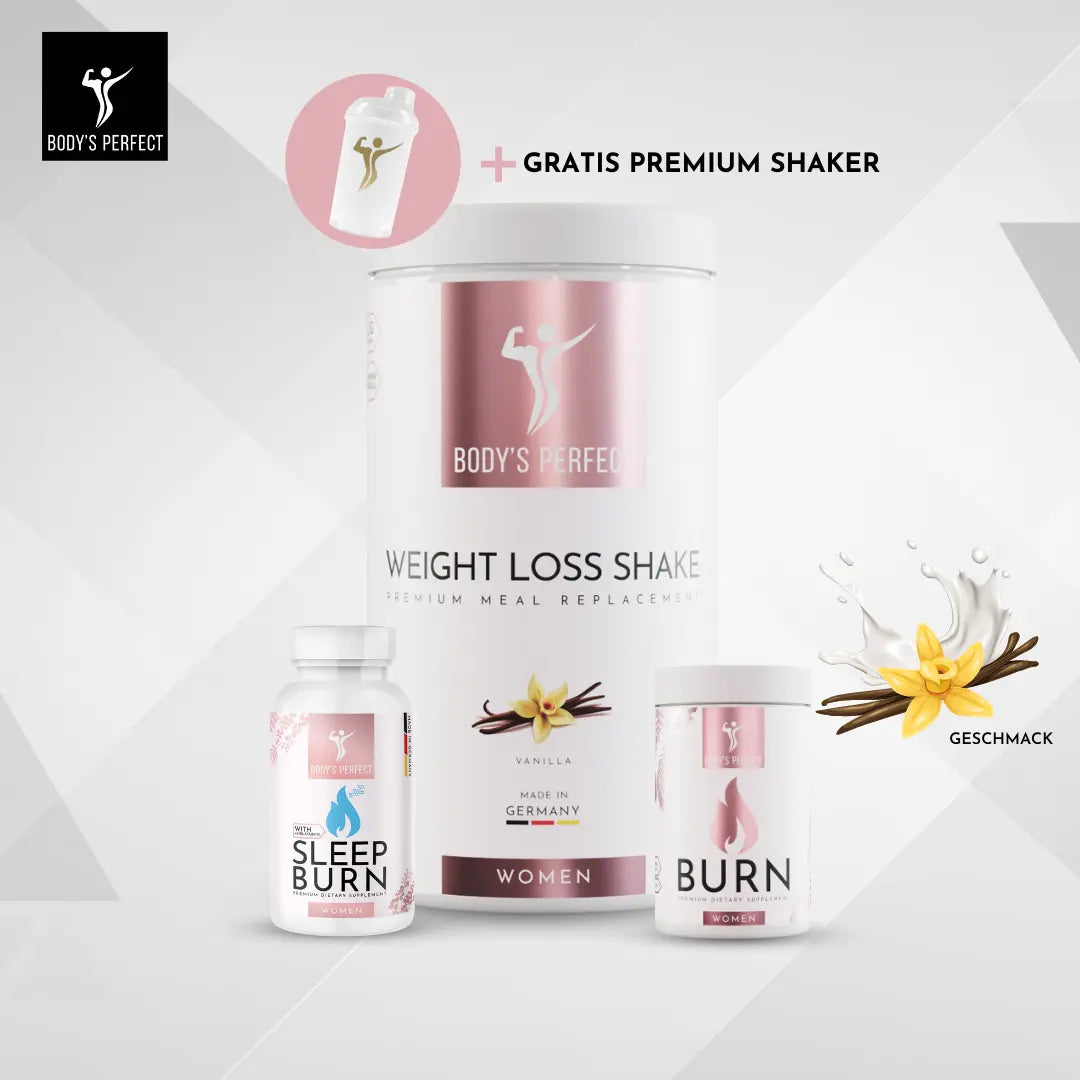
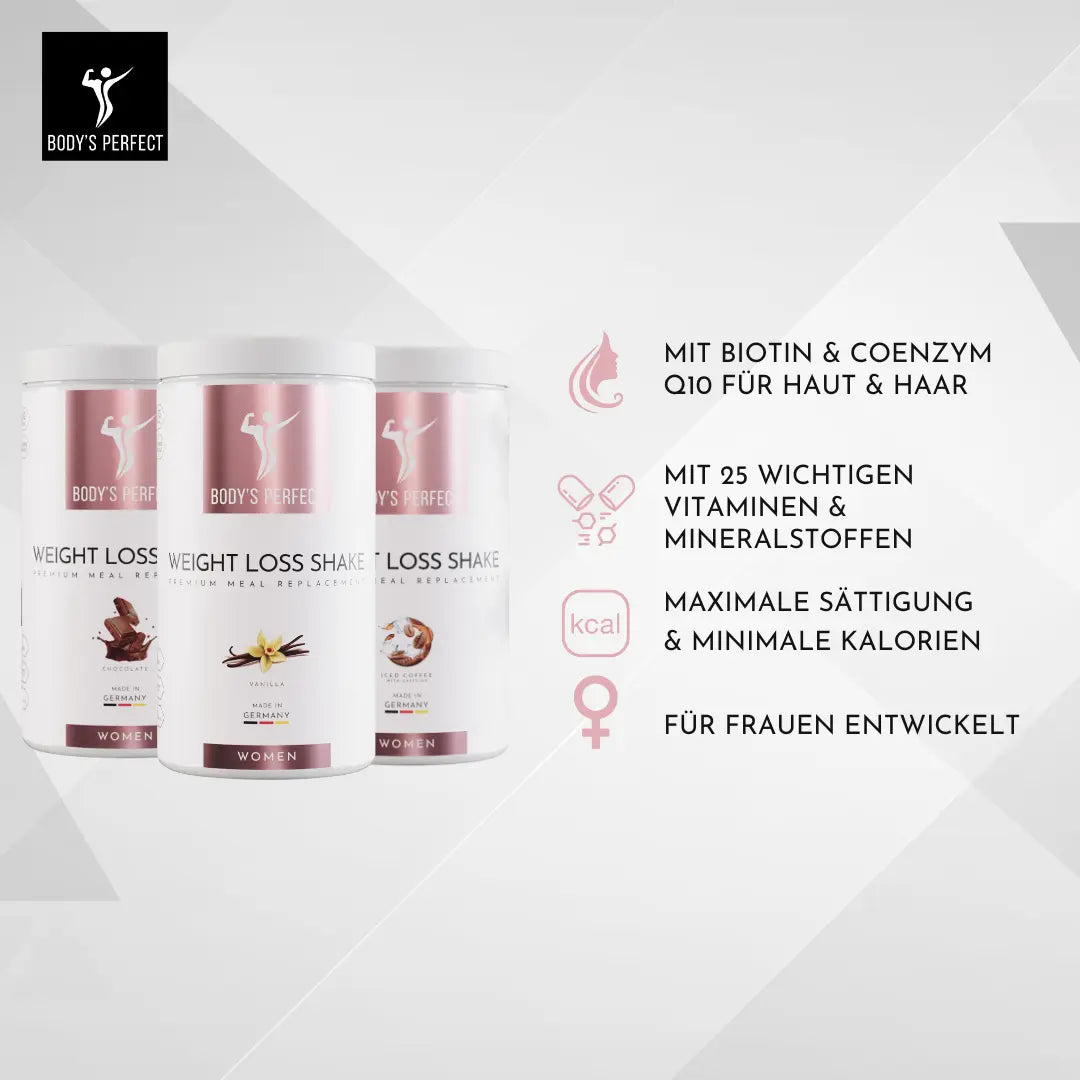
At BODY'S PERFECT, we place the highest value on natural ingredients and products that truly support you on your journey to a healthier lifestyle. Our shakes and supplements are carefully developed to combine effectiveness and enjoyment – without any unnecessary ballast. Discover now how our products can help you achieve your goals. Visit us at https://bodysperfect.com.


Share:
Cardio for Weight Loss: Your Ultimate Guide to Visible Results
Good Protein Powder for Women: Your Guide to Making the Right Choice