


Yes, cardio is a great tool for losing weight. But it's not about tormenting yourself for hours on the elliptical. The key is to find the right mix of intensity and consistency that suits you and your life. If you can do that, cardio will become your best friend on the way to your desired weight.
How Cardio Really Helps You Lose Weight

When you hear "cardio for weight loss," you probably immediately think of treadmills, bikes, or elliptical trainers. That's true, because endurance training is one of the most important pillars if you want to lose weight. But the effect goes much deeper than what the calorie display on the device reveals.
Basically, cardio is any movement that raises your heart rate for a while and challenges your cardiovascular system. This is where the first major advantage lies: a strong heart pumps blood much more efficiently through your body. This improves the oxygen supply to your muscles, and you suddenly have more energy – not just during exercise, but throughout the day.
Your Engine for Fat Burning
If you want to lose weight, you need to achieve a calorie deficit. This means you consume more energy than you take in through food and drink. Cardio is an extremely effective way to significantly increase your daily calorie expenditure. Every minute you jog or pedal actively burns calories and helps you tap into your fat reserves.
An often underestimated, but extremely cool effect is the so-called afterburn effect. After an intense cardio session, your metabolism continues to run at full speed for hours to recover. So you burn additional calories even when you're already relaxing on the couch.
In addition, regular endurance training teaches your body to use fat more effectively as an energy source. If you want to further optimize this process, check out our article with valuable tips to specifically boost your fat burning.
More Than Just Losing Pounds
Losing weight is a great goal, but the benefits of cardio don't stop there. Regular exercise is a proven stress killer. It helps you reduce the stress hormone cortisol, which not only lifts your mood but can also prevent nasty cravings.
What else cardio does for you:
- Your heart gets healthier: It gets stronger and your blood pressure can normalize.
- You have more energy: You feel more awake, fitter, and simply more capable in everyday life.
- You sleep better: Regular exercise can help you fall asleep faster and sleep more deeply.
These health benefits make cardio a sustainable building block for a healthy lifestyle. So you're not just investing in your physique, but in your entire well-being.
The Best Cardio Methods for Maximum Fat Burning
When it comes to cardio for weight loss, the selection is huge. But not every method delivers the same results. You've probably already heard of the two most common approaches: high-intensity interval training (HIIT) and more leisurely endurance training (LISS). But other activities also have their strengths.
Let's find out together what best suits you, your daily routine, and your goals. Because the most important thing is that you find something you really enjoy – that's the only way you'll stay motivated in the long term and see results.
HIIT: Your Turbo for Metabolism
High-intensity interval training, or HIIT, is a real secret weapon when time is short and you want to push yourself. The principle is very simple: you alternate between short, extremely strenuous phases and short recovery breaks.
A classic HIIT workout on a bike could look like this: 30 seconds of sprinting at full throttle, followed by 60 seconds of easy pedaling to catch your breath. You then repeat this for a total of 15 to 20 minutes. The huge advantage of HIIT is the afterburn effect. After such an intense workout, your body burns significantly more calories for hours later to recover. So you burn fat while you're already showered and sitting on the couch.
LISS: Relaxed Fat Burning
LISS stands for "Low Intensity Steady State" and is the exact opposite of HIIT. Here you train for a longer period, usually 45 to 60 minutes, at a moderate and consistent intensity. Imagine a leisurely jog in the park, an extended bike ride on the weekend, or brisk walking on the treadmill.
During LISS training, your body uses proportionally more fat than carbohydrates for energy. While the calorie consumption per minute is lower than with HIIT, a lot still adds up over the longer duration. LISS is also much gentler on the joints and less stressful for your nervous system. This makes it ideal for beginners or as active recovery on rest days.
The crucial point is not whether HIIT or LISS is generally "better". The real magic often lies in the combination! A healthy mix of both methods constantly challenges your body and prevents you from hitting a performance plateau.
HIIT vs. LISS: A Direct Comparison
To make your decision easier, we have summarized the most important differences in a table. This way, you can see at a glance which method might be right for your situation.
Comparison of Cardio Methods for Weight Loss
A direct comparison between HIIT, LISS, and classic endurance training to find the best method for individual goals.
| Method | Duration per session | Intensity | Main benefit for weight loss | Ideal for |
|---|---|---|---|---|
| HIIT | 15–25 minutes | Very high | Afterburn effect, high calorie burning in a short time | People with little time who want to see results quickly |
| LISS | 45–60 minutes | Low to moderate | Higher percentage of fat burning during training | Beginners, active recovery, joint-friendly training |
| Classic Endurance Training | 30–45 minutes | Moderate | Strengthening the cardiovascular system, stress reduction | Anyone who wants to improve their basic endurance |
So each method has its justification. It really depends on what you need and what fits into your plan.
The Best Cardio Exercises at a Glance
Of course, not only the method, but also the choice of sport is crucial. Each activity has its own advantages and burns a different number of calories.
Here's a quick overview to help you decide:
- Running/Jogging: The classic and extremely effective. You only need a good pair of shoes and can get started right away. It burns a lot of calories and even strengthens your bones.
- Cycling: Whether outdoors in the fresh air or on an exercise bike, cycling is super joint-friendly and still a real calorie killer. Perfect if you have sensitive knees.
- Swimming: A full-body workout that is second to none. It is maximally gentle on the joints, strengthens all major muscle groups, and burns a huge amount of calories.
- Rowing: Similar to swimming, rowing works the entire body, especially the back, legs, and arms. A fantastic, but often underestimated cardio exercise.
The following infographic gives you a rough idea of what calorie consumption can look like for popular cardio activities.
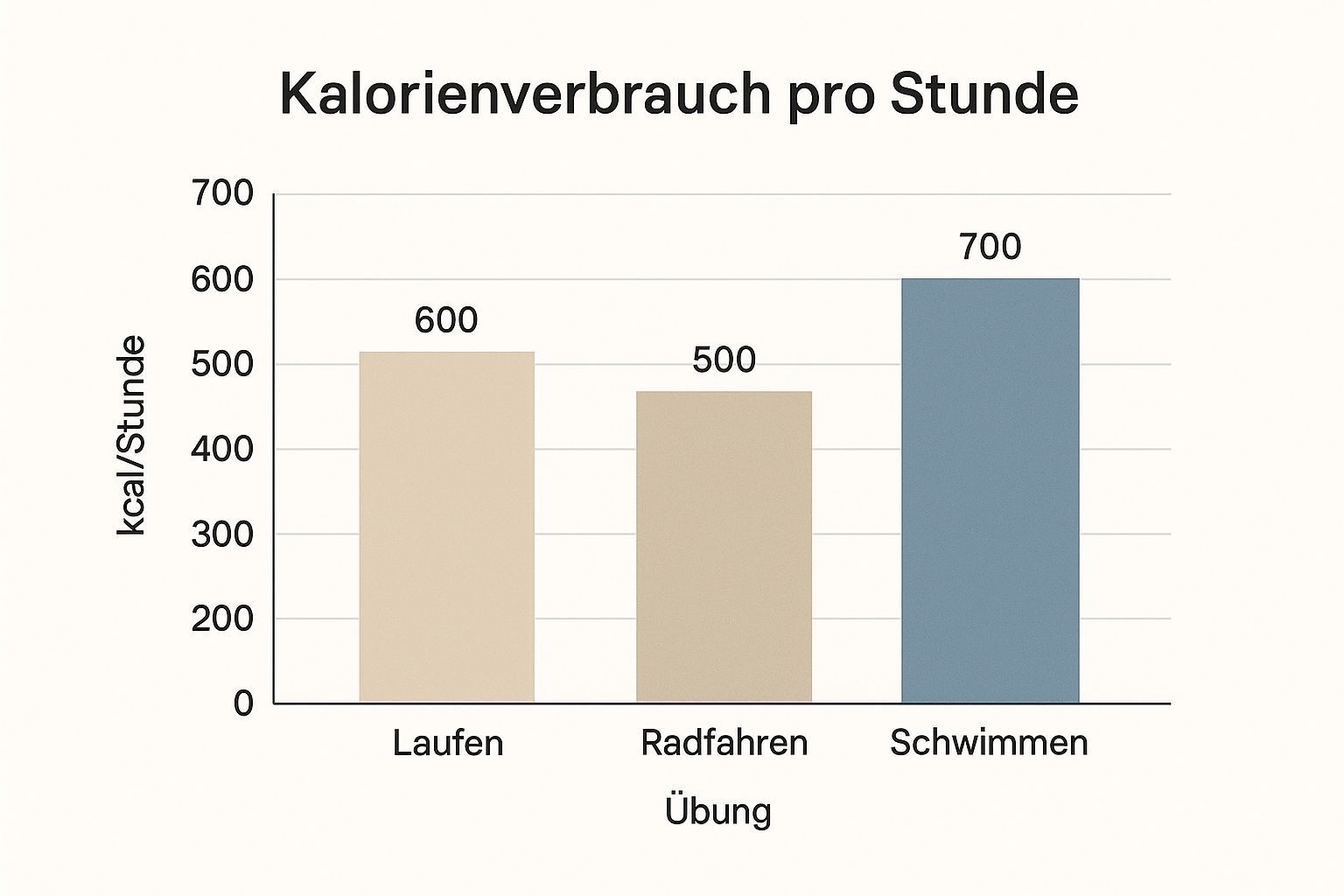
As you can see, swimming is often the leader in terms of pure calorie consumption, but running is also extremely effective.
At the end of the day, the best cardio method is the one you do regularly and with joy. Try different things! Maybe you'll discover a new passion for rowing or enjoy fast intervals on the spinning bike.
If you want to delve deeper into the topic, check out our guide on the best sport for weight loss 2025. It will give you further valuable insights to make the perfect choice for you.
Your Practical Cardio Weekly Plan for Weight Loss

Enough with the theory, now let's get down to business. A good plan is what moves you from knowledge to action and finally makes your goal of losing weight with cardio tangible. But don't worry, you don't have to become a training expert now.
We have put together a flexible weekly plan for you, which you can use as a perfect template. It is deliberately designed so that you can get started immediately – whether you are just lacing up your running shoes or have been at it for a while.
The Framework of Your Cardio Plan
A truly effective plan thrives on two things: variety and recovery. If you do the same thing every day, your body gets used to it, and progress eventually stalls. That's why we deliberately mix different intensities and methods like HIIT and LISS.
Just as important as the training itself are the breaks. On rest days, your body recovers, repairs muscles, and gathers new strength. Without this recovery, you not only risk injuries, but also slow down your weight loss success.
Our example plan assumes 3 to 4 cardio sessions per week. This is a realistic and at the same time very effective workload to really boost fat burning without completely exhausting yourself.
Listen to your body – it's your best trainer. This plan is a suggestion, not a rigid law. Feeling tired? Swap a training day for a rest day. Do you have more energy on a given day? Great, then feel free to push yourself a little harder.
An Adaptable Weekly Plan for Beginners
This plan is perfect if you are starting from scratch or getting back into it after a long break. The focus is clearly on developing a routine and building your basic endurance.
-
Monday: Moderate Endurance Training (LISS)
- What: 30-40 minutes of brisk walking, leisurely cycling, or a session on the elliptical.
- Goal: You should still be able to hold a conversation comfortably. This is the ideal start to accustom your body to the exertion and train fat burning as an energy source.
-
Tuesday: Rest Day
- What: Treat yourself to active recovery. A leisurely walk or light stretching are perfect.
- Goal: Give your body time to regenerate.
-
Wednesday: Short Interval Training (HIIT Introduction)
- What: 15 minutes on the bike or elliptical. Alternate between 30 seconds of faster exertion and 90 seconds of slow recovery.
- Goal: We'll slowly approach higher intensities. This boosts your metabolism without overtaxing you.
-
Thursday: Rest Day
- What: Pure relaxation or a leisurely stroll in the fresh air.
-
Friday: Moderate Endurance Training (LISS)
- What: 35-45 minutes of swimming, rowing, or another joint-friendly activity you enjoy.
- Goal: Another session to solidify your endurance and cement the new routine.
-
Saturday & Sunday: Active Weekend
- What: Use the weekend for movement that doesn't feel like exercise. A hike with friends, a longer bike tour, or extended walks are ideal.
Your Cardio Plan for Advanced Individuals
Do you already have a good basic fitness level? Perfect, then we can increase the intensity and volume a bit to set new stimuli and break through annoying plateaus.
-
Monday: High-Intensity Interval Training (HIIT)
- What: 20 minutes of sprints on the treadmill or spinning bike. Alternate between 30 seconds of full speed and 60 seconds of easy rest.
- Goal: Maximize the afterburn effect and really challenge your cardiovascular system.
-
Tuesday: Active Recovery
- What: 30 minutes of very light jogging, yoga, or fascia training.
- Goal: Promote blood circulation and actively accelerate regeneration.
-
Wednesday: Long Endurance Training (LISS)
- What: 50-60 minutes of running or cycling at a steady, moderate pace.
- Goal: Take your endurance performance to the next level and optimize fat metabolism.
-
Thursday: Rest Day
- What: Treat yourself to a complete break. Your body needs it to replenish energy stores.
-
Friday: Combination Training
- What: Start with 15 minutes of HIIT (e.g., on the rowing machine: 45 sec. power, 45 sec. rest) and directly follow with 25-30 minutes of moderate LISS.
- Goal: An extremely effective method: first empty the quick carbohydrate stores, then specifically attack fat reserves.
-
Saturday & Sunday: Enjoy Movement
- What: Plan a longer activity that you really enjoy – a mountain hike, a game of tennis, or an extended mountain bike route.
This mix of different training stimuli is the key to continuously challenging your body and achieving the best weight loss results. But always remember: your training is only one side of the coin. An appropriate calorie deficit is essential to truly lose weight. Are you unsure how to approach this? In our guide, you'll find a simple guide to calculating your personal calorie deficit for weight loss. This ensures that training and nutrition go perfectly hand in hand.
How to Properly Combine Cardio and Nutrition
Your training plan is set and you're motivated? Perfect! But for you to truly reach your goal of losing weight with cardio, we need to talk about the elephant in the room: your diet. You can run as many kilometers or pedal as hard as you want – if you don't give your body the right fuel, you'll only hinder yourself in the end.
Think of it this way: your training is the engine, your nutrition is the fuel. A strong engine is useless if the tank is only sloshing with low-quality fuel. It's the same with your body. Only the right combination truly moves you forward.
Fueling Up Before Training
You wouldn't start a long car trip with an almost empty tank, would you? Likewise, you shouldn't start training completely depleted of energy. A small, smart snack about 60 to 90 minutes before your cardio session can make all the difference. This refills your energy stores and prevents that dreaded mid-workout slump.
This isn't about a large meal. We're talking about a small portion of easily digestible carbohydrates for a quick energy boost.
What works well for this:
- A small banana
- A handful of dates
- A slice of whole-grain toast with a little honey
These little helpers give you exactly the boost you need to give your all in training.
Recovery and Muscle Protection After Exercise
What happens after training is almost even more important than preparation. Immediately after a strenuous session, your body is like a sponge and literally soaks up nutrients. In this so-called "anabolic window," it primarily needs two things: proteins and carbohydrates.
Carbohydrates replenish your empty glycogen stores, so you recover quickly. But proteins are the real game-changer. They repair your muscles and protect them from being broken down – especially when you're in a calorie deficit, this is absolutely crucial.
A high-quality protein shake immediately after training is often the simplest and most effective solution here. It provides quickly available protein, boosts regeneration, and protects your muscles. This is key for a toned, defined body.
The Basis: A Moderate Calorie Deficit
The most important principle for weight loss always remains the same: you must burn more calories than you consume. Cardio training is a fantastic tool to significantly increase your calorie expenditure. But without an appropriate calorie deficit, nothing will change on the scale.
"Moderation" is the magic word here. An extreme deficit only leads to cravings, frustration, and the dreaded yo-yo effect. Aim for a healthy deficit of about 300 to 500 calories per day. This way, you'll lose weight steadily and sustainably without having to torture yourself.
How BODY'S PERFECT Supports You in Everyday Life
We know from experience that healthy eating can sometimes be a real challenge in a stressful daily routine. That's where our products come in, to make things a little easier for you.
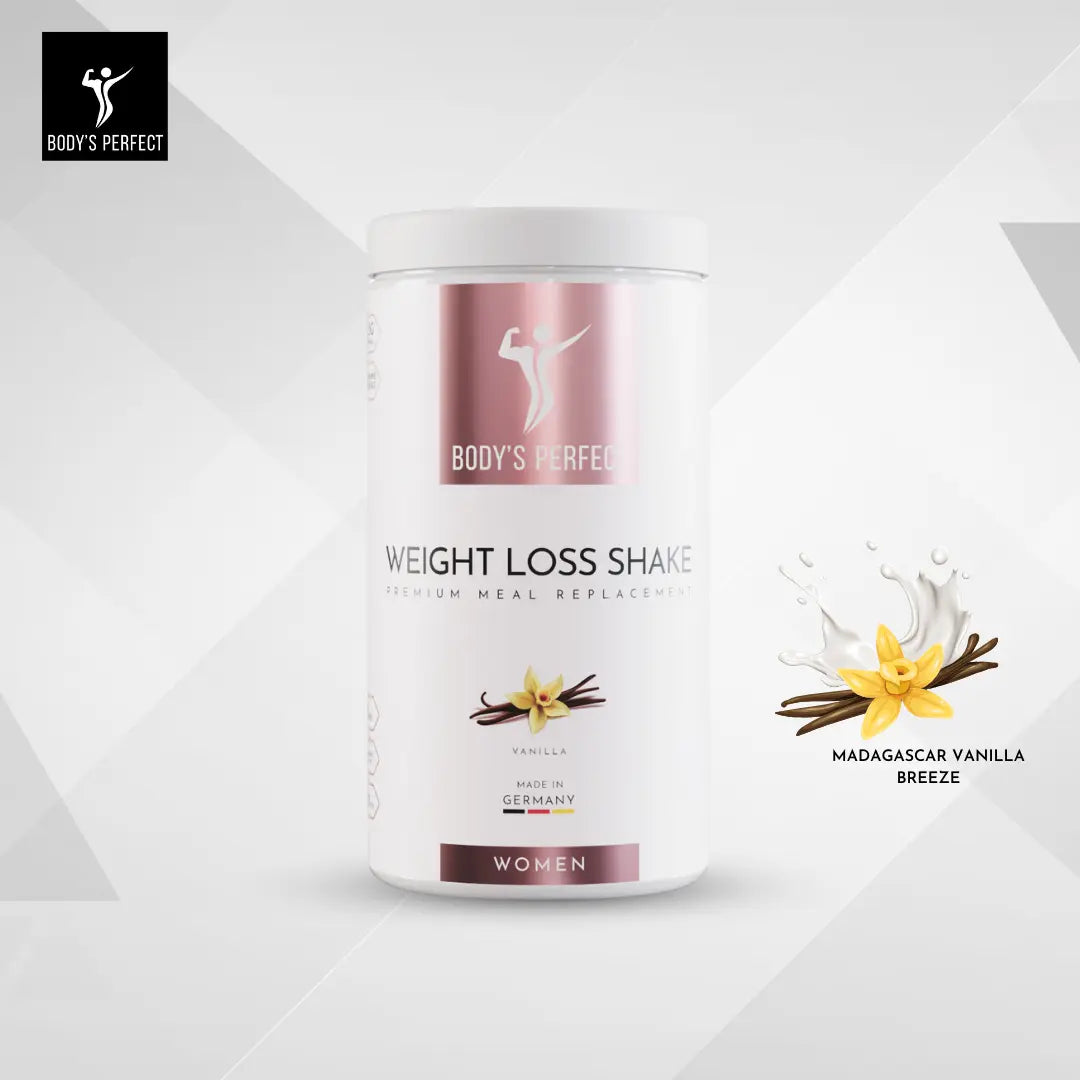
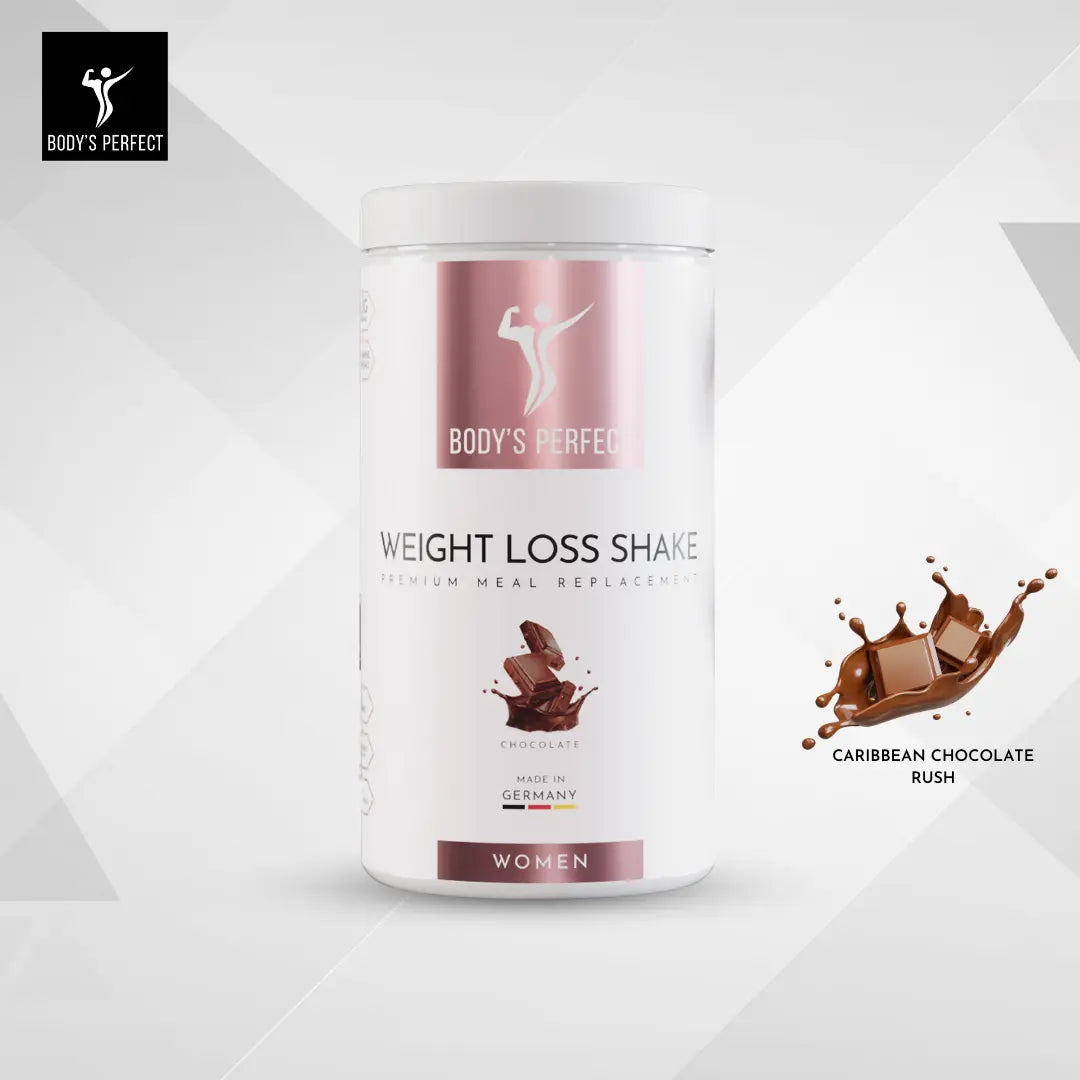
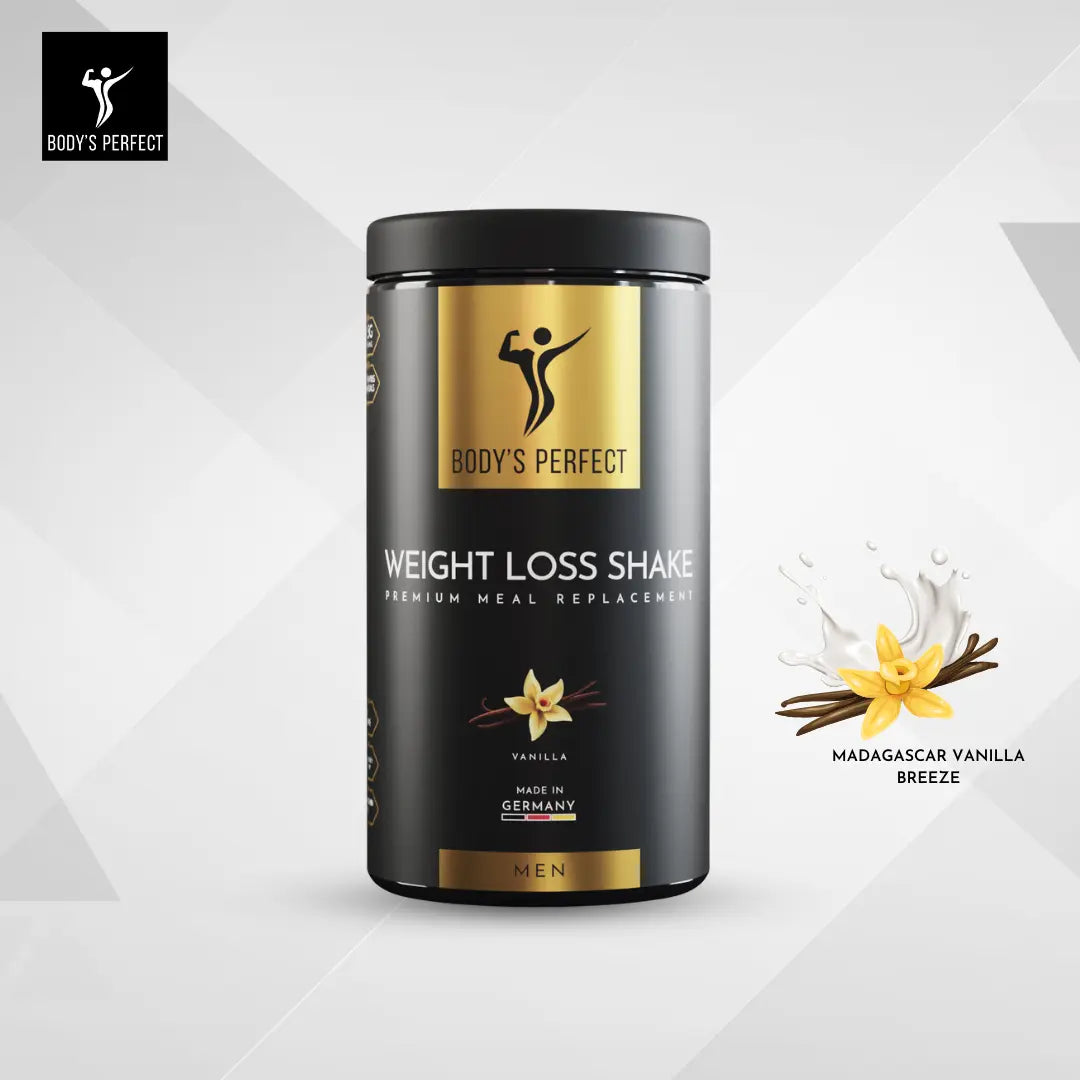
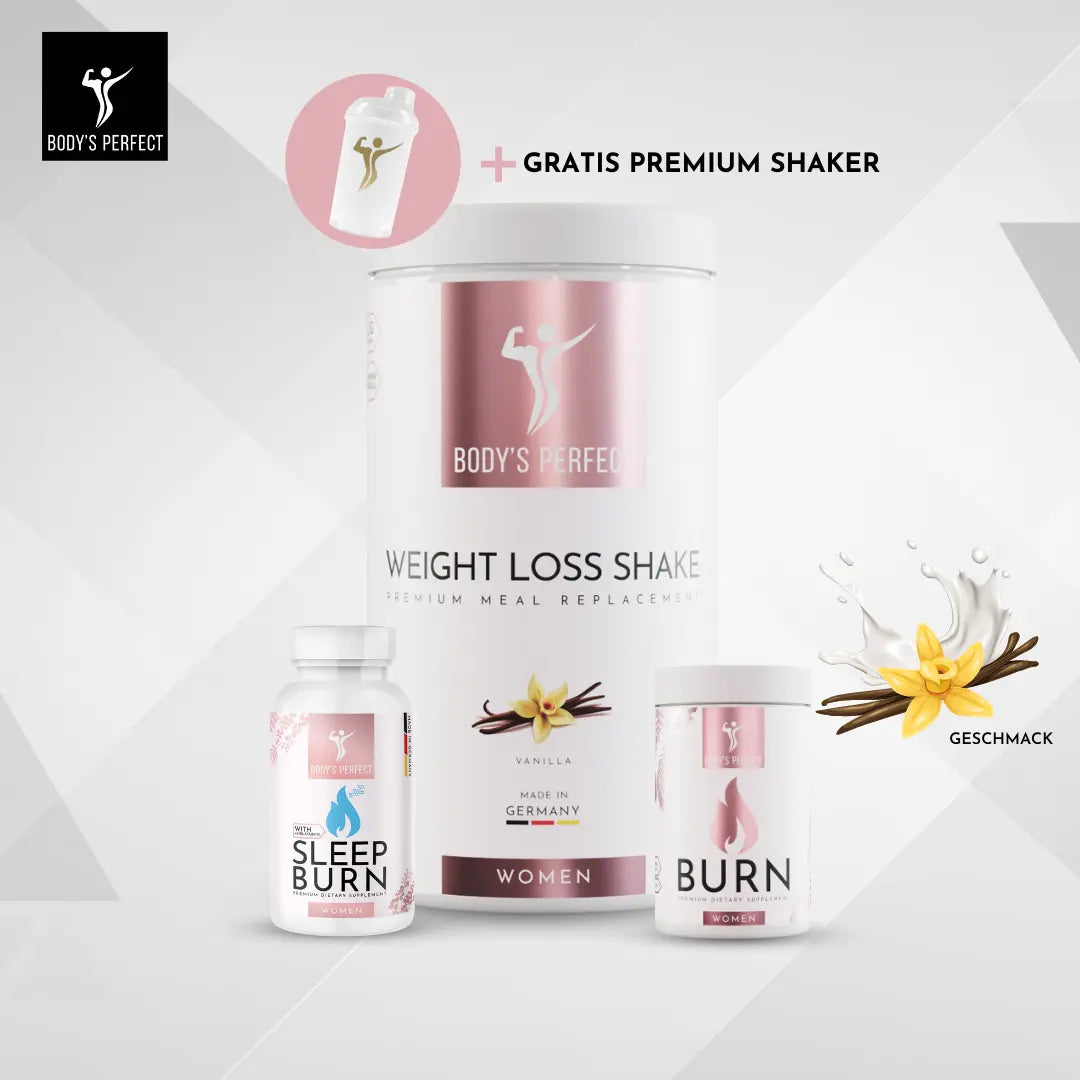
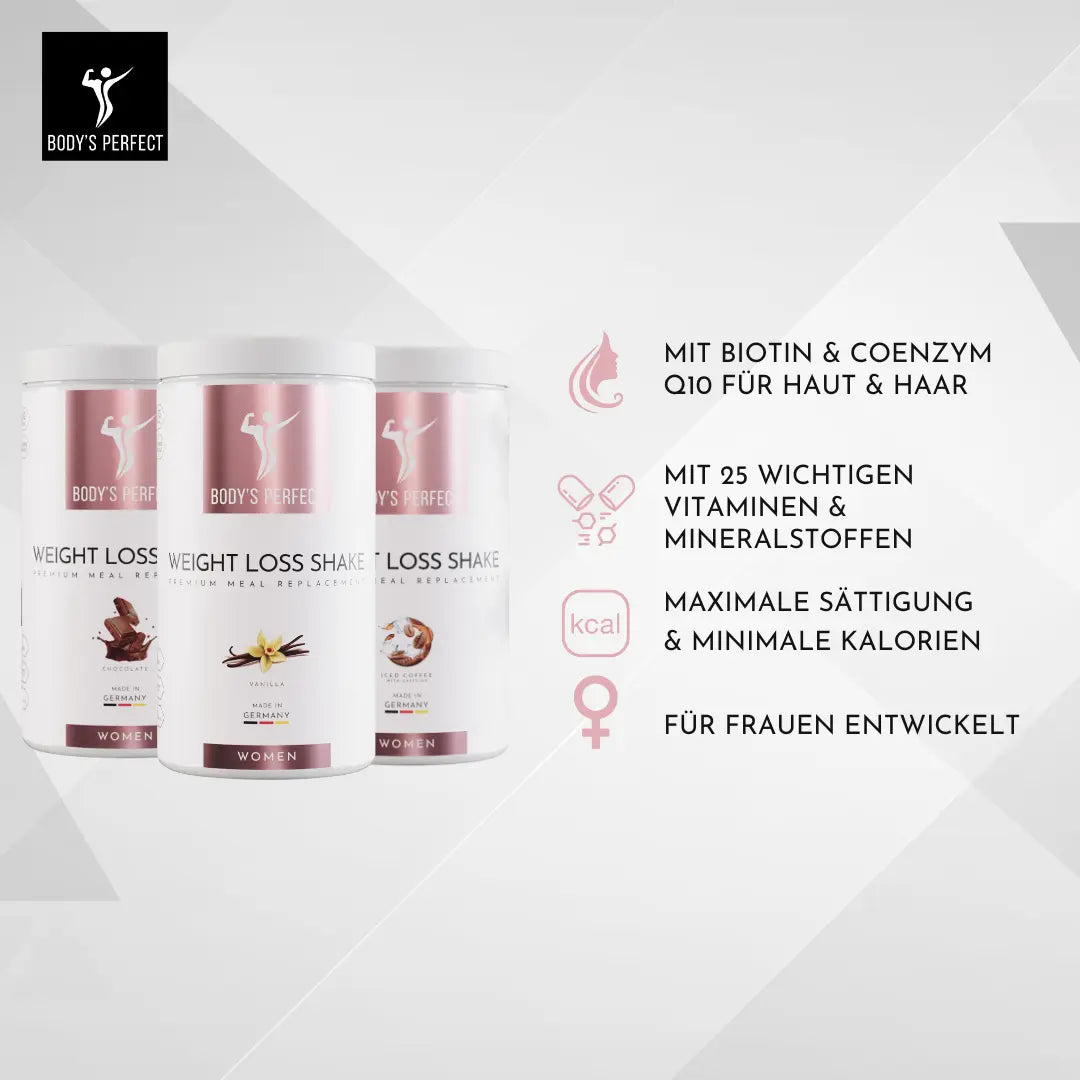
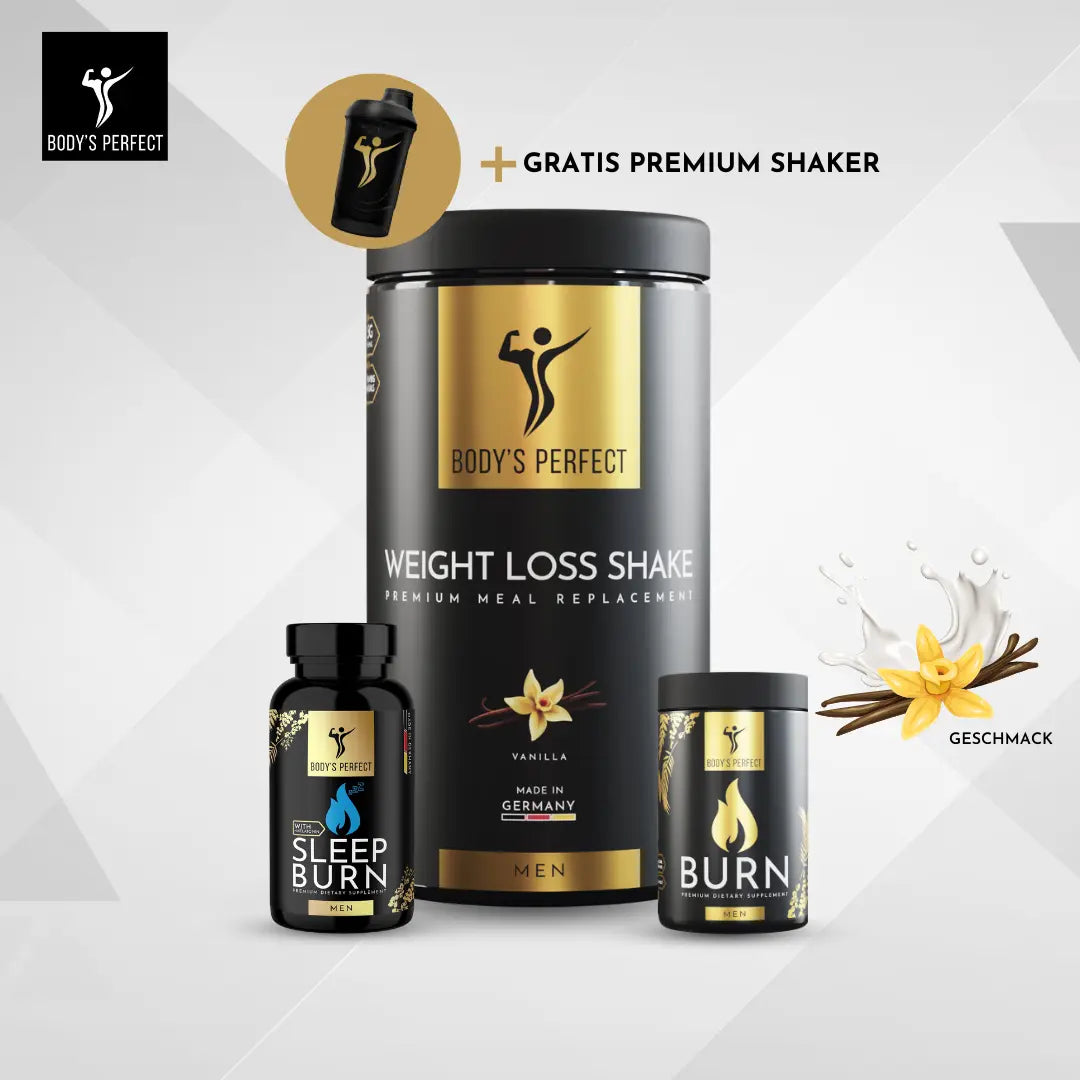
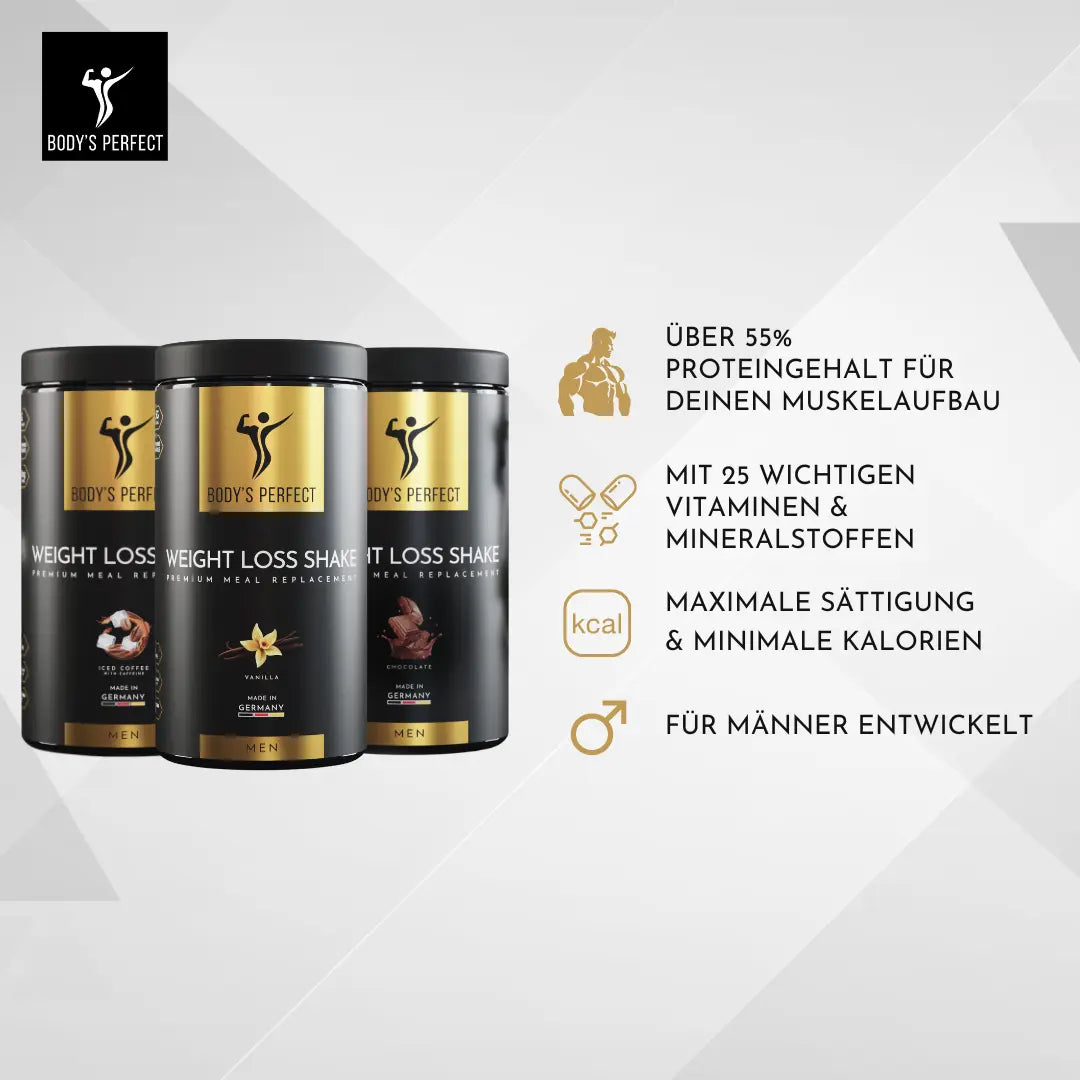
A BODY'S PERFECT Shake is much more than just a protein supplier. When time is short, it can even replace a meal. It's filling, provides you with important vitamins and minerals, and makes it incredibly easy to maintain your calorie deficit – all without sacrificing enjoyment.
This way, you create the perfect connection between your training and smart nutrition. This combination is your unbeatable duo on the way to your desired weight. If you want to delve deeper, check out our guide where we explain which foods help with weight loss.
Common Mistakes in Cardio Training and How to Avoid Them

You're giving it your all, you have a plan, and you're sticking to your workout – but after a few weeks, nothing is happening on the scale. Does that sound familiar? That moment when frustration threatens to push out motivation.
Believe me, you're not alone. Often, it's not a lack of discipline, but small, almost invisible mistakes that unknowingly slow down your weight loss success. Let's clear these typical stumbling blocks out of the way together.
Mistake 1: More is Not Always Better
The thought is tempting: If 30 minutes of cardio is good, 60 minutes must be twice as good, right? Unfortunately, that's a misconception that often backfires. Your body isn't a machine. If you constantly push it to its limits and don't allow it to rest, you're headed straight for overtraining.
And the consequences are anything but motivating:
- Performance decline: You feel tired and can't make progress in your training.
- Risk of injury: Your muscles, tendons, and joints are overloaded and screaming for a break.
- Cravings: Your body demands quick energy, which often ends in uncontrolled eating binges.
- Poor sleep: Even though you're completely exhausted, you just can't find peace at night.
Always remember: Quality beats quantity. A short, intense HIIT workout can be much more effective than an endlessly long jogging session where you're just dragging yourself to the finish line.
Mistake 2: Choosing the Wrong Intensity
Many people think they have to almost collapse during a workout to truly burn fat. Others, however, stroll so leisurely on the treadmill that their pulse barely gets going. If your goal is cardio for weight loss, neither extreme is ideal.
If you constantly train at your limit, your body primarily uses readily available carbohydrates. If the workout is too relaxed, the overall calorie consumption is simply too low. The truth – as so often – lies somewhere in between.
But you don't have to constantly train with a heart rate monitor. A simple trick that I often use myself is the talk test.
If you can still converse in short sentences during your workout without gasping for air, you are precisely in the right zone for effective fat burning.
Mistake 3: Viewing Cardio in Isolation
Cardio is great for burning calories, but it's only one piece of the puzzle. A huge mistake I see again and again is the sole focus on endurance training, while strength training is completely neglected. That's like building a car with a powerful engine but forgetting the chassis.
Muscles are your body's own fat-burning furnaces. The more muscle mass you have, the higher your basal metabolic rate – that is, the amount of energy you burn even when you're just lying on the couch. Strength training helps you build and maintain these valuable muscles, especially when you're in a calorie deficit.
Success comes from the mix:
- Cardio training burns a lot of calories during the activity.
- Strength training increases your calorie consumption around the clock – even while you sleep.
If you feel that nothing is happening despite exercise and an adjusted diet, other factors might also be playing a role. In our detailed article, we examine exactly why you're not losing weight despite a calorie deficit. There you'll find valuable solutions for these stubborn plateaus.
Your Cardio Training Questions – Short and Sweet Answers
Great, you already have a lot of information on how to use cardio specifically for weight loss. But as it often is, the deeper you go, the more detailed questions arise. That's a good sign! It shows that you're serious.
To save you the trouble of searching, we have collected the most common questions and answered them for you directly from practice. Consider it your personal FAQ, which will remove any remaining uncertainties.
When is the best time for my cardio workout?
Honestly? The best time is the one that fits into your life. Whether you train in the morning, at noon, or in the evening makes little difference for pure calories. The most important thing is that you do it regularly.
Nevertheless, each time of day has its small, subtle advantages that could be decisive for you personally:
- The early bird: A morning workout can really kick-start your metabolism for the rest of the day. Many people feel more awake, energized, and have a clear head for the day afterward.
- The evening balance: After a busy workday, a cardio session can work wonders to clear your head and reduce stress. Just be careful not to go full throttle too late – for some people, this can disrupt sleep.
Our tip: Just try both. You'll quickly notice when you feel fittest and have the most desire to move. Listen to your body.
Does fasted cardio really help more with weight loss?
The theory behind it sounds logical at first: Overnight, carbohydrate stores are emptied, so the body has to go directly to fat reserves during exercise. Sounds like a clever shortcut, right?
Unfortunately, it's not that simple in practice. The scientific evidence here is quite mixed. While the body burns a higher percentage of fat, the absolute calorie consumption over the entire day is not necessarily higher.
There's also a major disadvantage: Without "fuel" in the tank, you quickly hit your limits during intense training and can't perform at your best. In the worst case, the body even takes energy from valuable muscle mass – and that's the last thing we want.
Our practical advice: For a light morning workout, like a brisk walk (LISS), fasted cardio is totally fine. But if you're planning an intense HIIT session, eat a little something beforehand, like a banana. This protects your muscles and gives you the power you need.
How much cardio per week is optimal?
To achieve really good results and lose fat, a good guideline is at least 150 minutes of moderate cardio training per week. You can easily divide this into three to four sessions of 40 to 50 minutes.
If you're more a fan of intense training (HIIT), you can get by with 75 minutes per week, for example, spread over two to three intense sessions.
The best strategy for many is a mix of both. Maybe two HIIT sessions during the week and a longer, relaxed round on the weekend. More important than the exact number of minutes, however, is finding a routine that you can actually stick to without torturing yourself.
But what if I simply don't have time for sports?
We know that feeling all too well – this hurdle often seems huge. But usually, it's not a lack of time, but a question of priorities and proper planning. Even 15 to 20 minutes of HIIT can make a huge difference. And that time can almost always be found. Maybe just set your alarm 20 minutes earlier or use your lunch break for a short power walk?
Also, remember to sneak movement into your daily routine. Every small step helps:
- Always take the stairs instead of the elevator.
- Cycle to work.
- Get off one stop earlier and walk the rest of the way.
Be creative! Movement is not a tedious duty, but valuable time for you and your health.
Your journey to a fitter, healthier you is a voyage. And on this journey, we at BODY'S PERFECT would like to accompany you. With the right balance of training and smart nutrition, you will achieve your goals – sustainably and with joy. Our products have been developed precisely for this purpose. Visit https://bodysperfect.com and discover how we can support you on your way.











Share:
Your diet plan for weight loss that really works
Vegan Protein Powder Without Sweeteners: Your Guide