

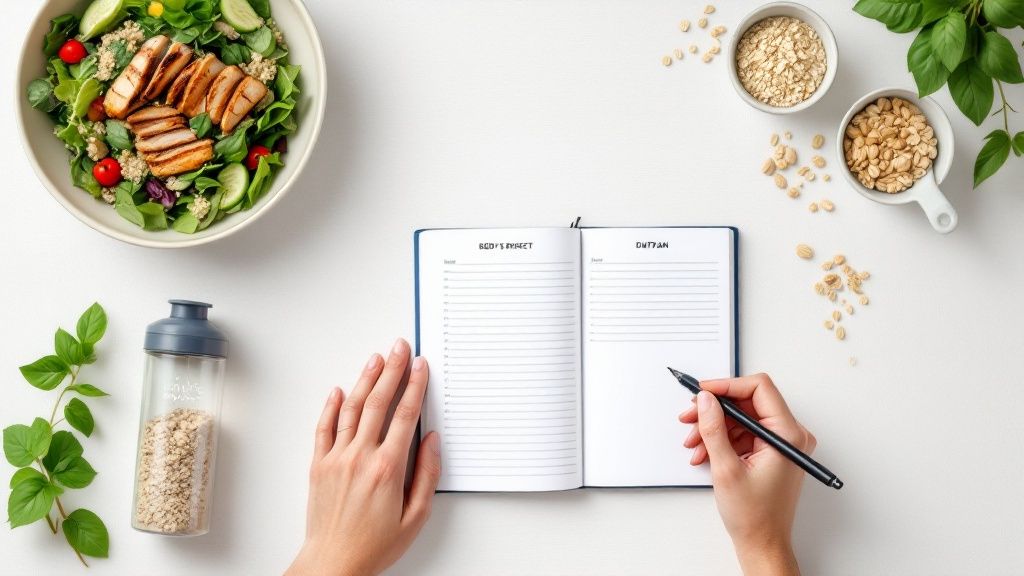
Have you tried numerous diets, but long-term success has always eluded you? This is usually not due to you, but to rigid, off-the-shelf plans that simply don't fit into your life. The real key to success is a flexible and personalized diet plan for weight loss that adapts to you – and not the other way around.
Your plan will work – unlike the others
Ever wondered why so many good intentions fall by the wayside after just a few weeks? You're definitely not alone. The truth is, most pre-made diet plans from the internet or magazines ignore the most important factor of all – you.
A plan that works wonders for someone else might be completely unsuitable for you. Your daily routine, your food preferences, your stress level, even your sleep rhythm play a huge role. A rigid plan that dictates you eat broccoli and chicken at precisely 12 noon while you're in the middle of a meeting is doomed to fail from the start.
The illusion of a quick fix
Many diets lure with the promise of quick results, but are based on extreme restrictions. They ban entire food groups or drastically reduce calories, causing your body to go into survival mode. The result? You feel sluggish, irritable, and constantly battle cravings. If you deviate even slightly from the path, frustration sets in – and with it, the notorious yo-yo effect.
The most common reason for failure is not a lack of discipline, but an unsuitable plan. Your diet plan must adapt to your life, not the other way around.
Weight loss is a huge topic in Germany. Around 8.18 million people in this country actively want to lose weight. But the reality is sobering: only about 20 to 30% manage to maintain their new weight long-term. This shows how important a realistic approach and the right mental attitude are.
What makes your new plan so different
This guide takes a different approach. Instead of imposing strict rules, I'll show you how to create a framework that works for you. It's about building a solid foundation based on knowledge and an honest look at yourself.
We rely on three crucial pillars:
- Realistic goals: We find out what is truly achievable for you without overwhelming you. Small, measurable successes are the best fuel for your motivation.
- Honest inventory: You learn to understand your current habits, without judgment. Where do the pitfalls lurk in your daily life? What do you really eat when you're stressed or tired?
- Flexible adjustments: Instead of radically changing everything, we incorporate small but effective changes. This could be clever alternatives for your favorite snacks or simply a better structure for your meals.
The goal is not a short-term diet, but a long-term dietary change that makes you feel good. It's about a positive change that gives you energy instead of draining it. In our in-depth article, we explain how you can lose weight sustainably without sacrificing enjoyment. This very approach is the cornerstone for your plan not only to work, but to become a permanent and positive part of your life.
Realistically determining your personal calorie needs
Before we get to meal planning, we need to talk about the most important number: your daily calorie needs. This might sound like complicated science, but it's not. Essentially, it's about figuring out how much energy your body actually uses on a normal day.
This number is the alpha and omega of your entire plan. Without it, you're fumbling in the dark and leaving success to chance.
Basal metabolic rate and performance metabolic rate – what's the difference?
Your total energy requirement is made up of two simple building blocks:
- The basal metabolic rate (BMR): Imagine lying comfortably in bed all day. The energy your body uses for vital functions such as breathing, heartbeat, and regulating your body temperature is the basal metabolic rate.
- The performance metabolic rate: This is the additional energy you burn through any type of activity. This really includes everything – from walking to the mailbox to working at your desk to an intense workout at the gym.
Together, these two values make up your total energy expenditure. Only when we know this number can we determine a sensible and healthy calorie deficit for you.
This infographic clearly shows how calorie calculation is the logical second step after goal setting and before actual meal planning.
One can immediately see: A successful diet plan follows a clear structure and is not based on arbitrary rules. This is particularly important when one considers that obesity is a serious issue in Germany. According to the Robert Koch Institute, around 53.5% of people in Germany are overweight.
Establishing your healthy calorie deficit
To lose weight healthily and, above all, permanently, you need a calorie deficit. This simply means: You provide your body with slightly less energy through food than it consumes. This forces it to tap into its own energy reserves – i.e., the unwelcome body fat.
But be careful: too large a deficit is the wrong approach. This only leads to cravings, nutrient deficiencies, and slows down your metabolism.
A moderate calorie deficit of 300 to 500 calories per day is ideal. This puts you on the safe side. It's effective enough to lose about half a kilo of fat per week, but gentle enough that your body doesn't go into panic mode.
So, if your total requirement is 2,200 calories, you're aiming for a daily intake of 1,700 to 1,900 calories for your diet plan. This is the key to success without the dreaded yo-yo effect.
A concrete example from practice
Let's imagine Anna: She is 30 years old, 1.70 m tall, weighs 75 kg, and works in an office. To stay fit, she exercises three times a week for an hour.
The following table shows how Anna can determine her personal needs.
Example calculation for your daily calorie needs
This table shows an exemplary calculation of the daily calorie needs for a 30-year-old woman with an office job and moderate physical activity.
| Parameter | Formula / Value | Result |
|---|---|---|
| Basal Metabolic Rate (BMR) | Harris-Benedict Formula | approx. 1,550 kcal |
| Total Energy Expenditure | BMR x Activity Factor (e.g., 1.4) | approx. 2,170 kcal |
| Target Calories | Total Energy Expenditure - Deficit (400 kcal) | approx. 1,770 kcal |
For Anna, this value of 1,770 kcal is now the personal guideline. It gives her clear orientation on how to put together her meals to achieve her goals without constantly having to starve.
For more detailed instructions and a practical calculator, you can use our further article on calculating your total energy expenditure.
Choosing the right building blocks for your meals

Okay, the calorie count is set. But what goes on the plate now? This is the really exciting part, because calorie counting alone is only half the battle. Ultimately, the quality of your food determines whether you feel full and energized or constantly struggle with cravings.
A smart diet plan always builds on the three major nutrient groups: proteins, carbohydrates, and fats. The right balance between these three is key. Only then will you not only lose weight, but also protect your muscles and provide your body with everything it needs.
Why protein is your best friend for weight loss
Honestly: Protein is the absolute superstar when you want to lose weight. It's not only a building block for your muscles, but also the nutrient that keeps you full for by far the longest. A protein-rich meal reliably prevents you from thinking about the fridge again an hour later.
In addition, proteins boost your metabolism. Your body uses more energy to digest them than it does for carbohydrates or fats. A simple, but super effective trick! Just try to include a good protein source with every main meal.
What are good protein sources? Here are some ideas:
- Lean meat: Chicken or turkey breast, lean beef.
- Fish: Salmon, tuna, and trout are great, as they also provide valuable omega-3 fats.
- Dairy products: Low-fat quark, Greek yogurt, or cottage cheese are true classics.
- Plant-based power: Lentils, chickpeas, tofu, and tempeh are great alternatives.
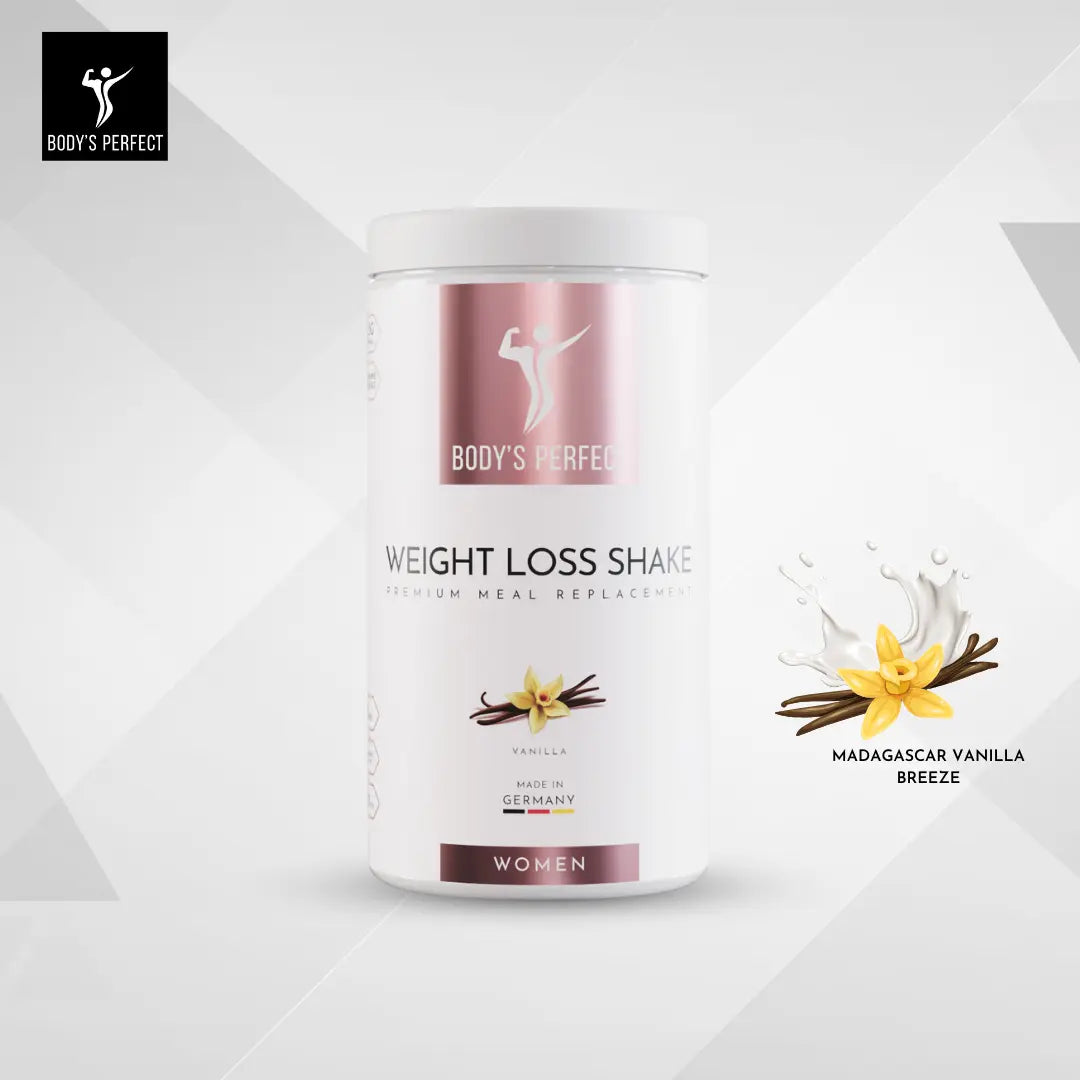
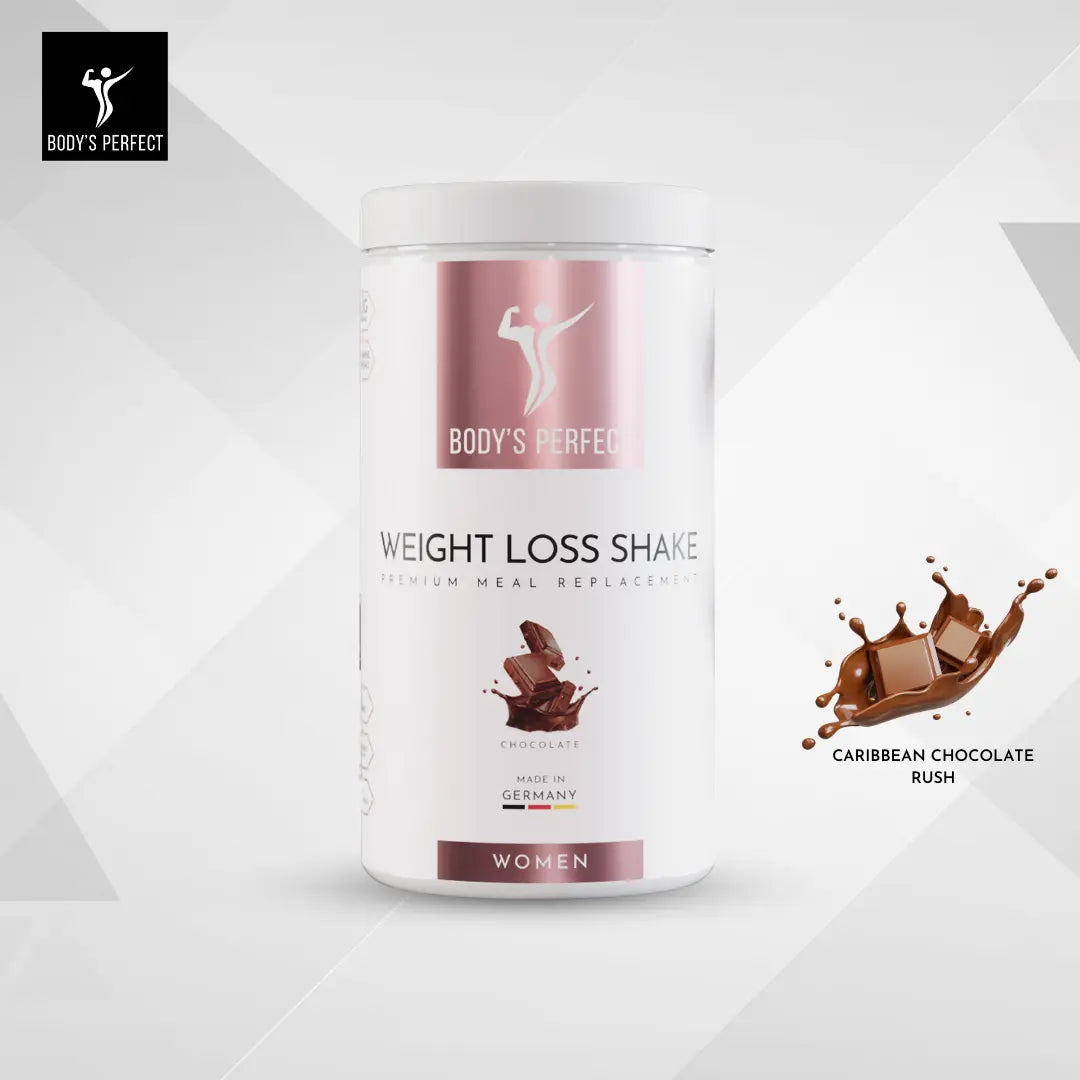
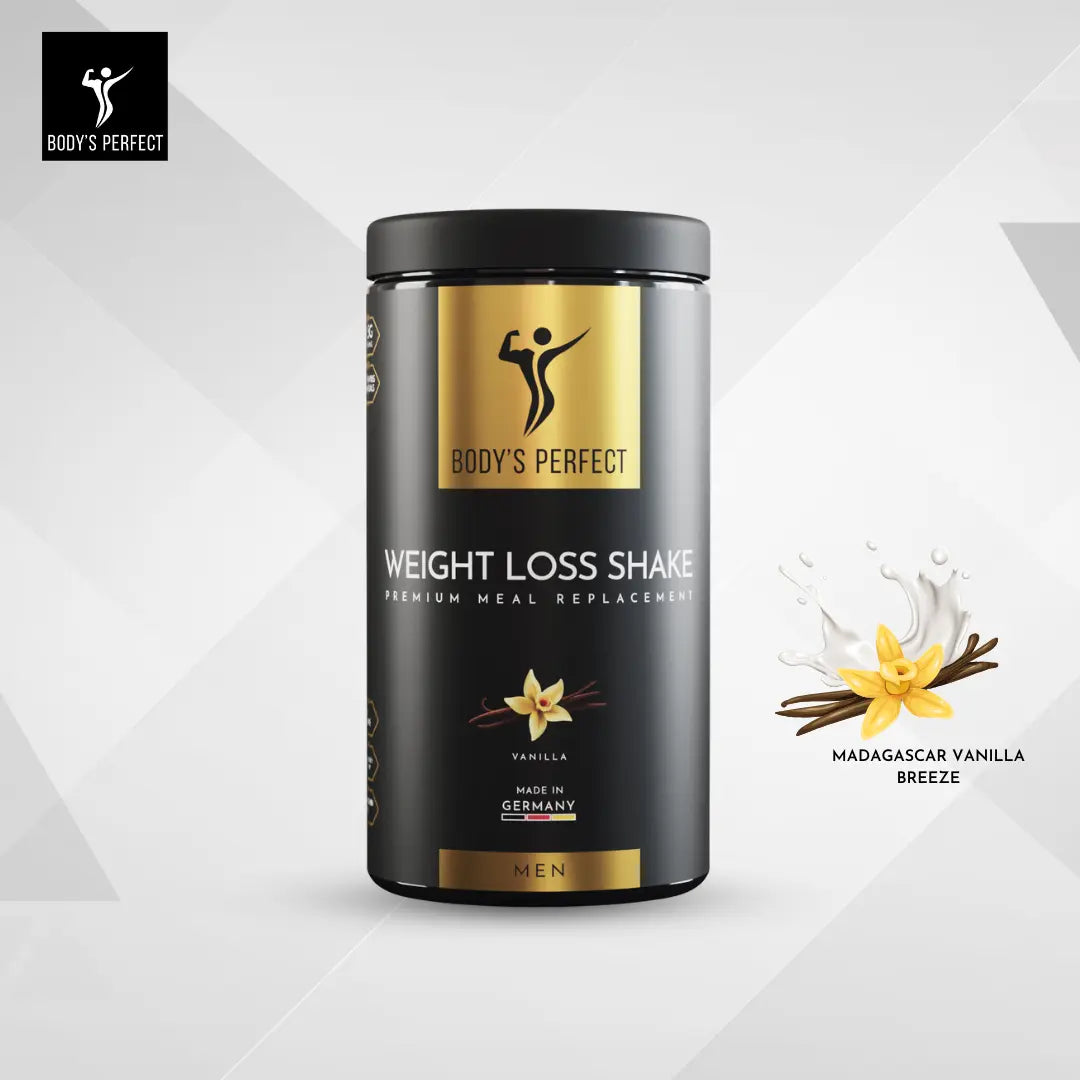
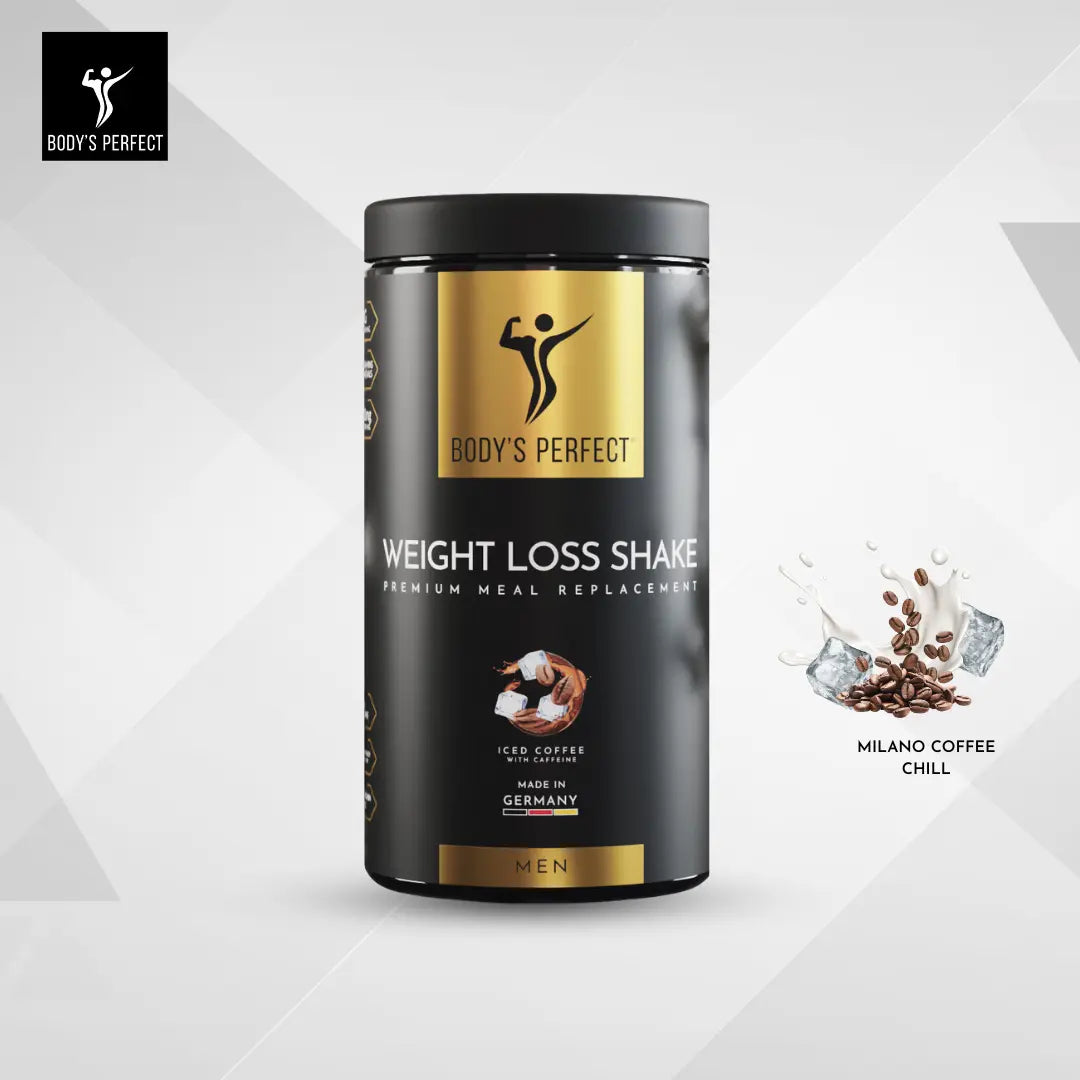
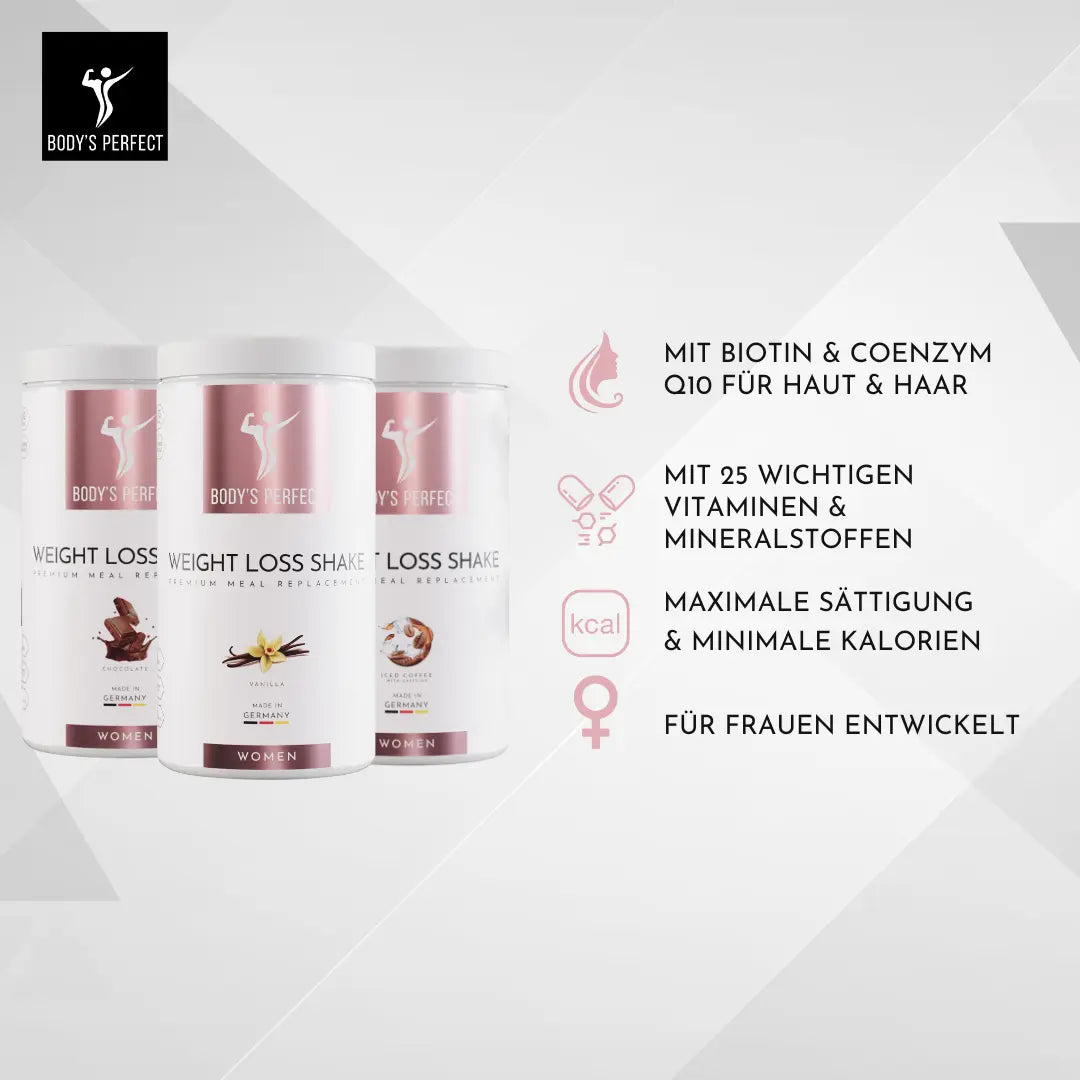
If you're in a hurry or need a simple solution after your workout, a good shake is worth its weight in gold. The BODY'S PERFECT Shape Shake is designed exactly for this: it provides you with high-quality protein, keeps you full for a long time, and fits perfectly into your calorie budget.
Carbohydrates: Choose wisely, not not at all
Let's clear up a myth: carbohydrates are not your enemy! They are your most important source of energy. It just depends on which ones you eat.
Simple carbohydrates from white bread, sweets, or sodas send your blood sugar levels soaring and then plummeting shortly thereafter. The result? A short energy high, followed by a deep crash and cravings for the next sugar fix.
Complex carbohydrates are much smarter. Your body digests them slowly, which provides you with constant energy for hours and really fills you up. So, it's better to opt for:
- Whole grain products like whole-wheat bread, oatmeal, brown rice, or quinoa.
- Legumes, such as lentils, beans, and chickpeas.
- Plenty of vegetables like broccoli, spinach, and bell peppers – they are packed with fiber and vitamins.
These foods are the stable foundation for your plan. So you don't have to abstain, just choose smarter. If you want to delve deeper, check out our article that shows you which foods help with weight loss.
The quality of your calories is just as important as the quantity. A 500-calorie meal of chicken, quinoa, and vegetables will keep you full for hours. 500 calories from chocolate will lead to cravings and energy dips.
The right fats for your hormones and well-being
Fats have long had a bad reputation – completely unfairly. Your body needs them, especially for a functioning hormonal balance. Unsaturated fatty acids, which you find in avocados, nuts, or good oils, are even essential for life.
The fats you really should avoid are the so-called trans fats. They are often found in processed foods and fried items, promote inflammation, and sabotage your weight loss goals.
Instead, focus on these healthy fat sources:
- Avocados: Perfect on whole-grain bread or as a creamy addition to salads.
- Nuts and seeds: A handful of almonds, walnuts, chia, or flax seeds makes an ideal snack.
- High-quality oils: Olive oil, flaxseed oil, or avocado oil for salads and gentle cooking.
By the way, if you want to lose weight, you're in good company. A recent study shows that over 70% of German women and around 50% of men want to reduce their weight. This shows how important health and well-being have become for us.
How to bring it all together: Macro distribution in practice
There is no perfect macro distribution for everyone. But there are proven starting points that work great for most people.
The following table gives you an overview of common approaches. This way you can better assess what might suit you.
Overview of Macronutrient Distribution
A comparison of different approaches to macronutrient distribution (as % of total calories) and for whom they are suitable.
| Approach | Protein (%) | Carbohydrates (%) | Fat (%) | Suitable for |
|---|---|---|---|---|
| Balanced | 25–30 | 40–50 | 25–30 | General weight loss, sustainable lifestyle |
| Low Carb | 30–40 | 20–30 | 40–50 | Faster initial weight loss, people with insulin resistance |
| Athlete Focus | 25–35 | 50–60 | 20–25 | Active people who need energy for workouts |
My tip: Start with the balanced approach. Observe how you feel. Do you notice that you get hungry quickly after a meal with more carbohydrates? Then try slightly increasing the protein and fat content and reducing the carbs a bit. Listen to your body – it gives you the best signals.
How your plan becomes a fixed part of your everyday life

The best diet plan is useless if it fails in real life due to small everyday hurdles. You now know what your meals should look like and what your calorie goal is. The next crucial step is to cleverly integrate this plan into your life so that you hardly perceive it as a "diet" anymore.
The key to this is not iron discipline, but a mix of smart preparation and a flexible mindset. It's about making your life easier, not more complicated.
Meal prep: Your key to stress-free eating
Does this sound familiar? You come home completely ravenous after a long day, and you only have enough energy left to shove a frozen pizza into the oven. It's precisely in these moments that the best intentions fail. The solution has a name: Meal Prep. In other words: pre-cooking meals.
Simply set aside an hour or two on the weekend. During this time, you can lay the groundwork for your meals for the coming days. This takes enormous pressure off and saves you from unhealthy spontaneous purchases.
What can be prepared well in advance?
- Pre-cook carbohydrates: Quinoa, brown rice, or potatoes are perfect. Just cook a larger quantity and put it in the fridge.
- Chop vegetables: Pre-cut bell peppers, onions, broccoli, etc. During the week, you just have to throw them into the pan.
- Prepare proteins: Fry a batch of chicken breast, cook tofu cubes, or hard-boil a few eggs.
- Make dressing: A homemade yogurt-herb dressing in a jar keeps for several days and is so much better than store-bought varieties.
With this building block system, you can conjure up a healthy and delicious meal in less than ten minutes during the week.
Socializing without regret: Restaurant visits and invitations
A good nutrition plan should never socially isolate you. You don't have to turn down every invitation just because you're watching your figure. With a few simple tricks, you can enjoy restaurant visits and meals with friends without sabotaging your goals.
Your strongest ally is flexibility. It's not about being perfect, but about making conscious choices and then simply continuing on your path.
Take a look at the menu online before you go to the restaurant. This way, you can calmly choose a suitable option and won't get overwhelmed with decisions on the spot. A simple request can often work wonders: just ask for sauces and dressings to be served separately – this way, you retain control over the quantity.
Are you invited to friends' houses? Why not offer to bring a large, colorful salad or a healthy dessert? This is not only a nice gesture but also ensures you have an option that definitely fits your plan.
What to do when weight loss stalls? Breaking through plateaus
Don't worry, this is completely normal: at some point, the scale will stop moving for a while. Your body has simply adapted to the new calorie intake and your training. This is no reason to panic, but merely a signal that it's time for a small adjustment.
Here are the levers you can pull:
- Check your diet: Keep a very precise food diary again for a few days. Often, small calorie bombs creep in unnoticed – an extra spoonful of oil here, a handful of nuts too many there.
- Vary your training: If you always do the same workout, your body becomes super efficient at it. Try a new sport, increase the intensity, or incorporate a short HIIT workout. This creates new stimuli.
- Reduce stress: Chronic stress can actually block fat loss through the hormone cortisol. Consciously ensure you get enough sleep and actively schedule relaxation, such as walks or meditation, into your day.
Sometimes, a conscious diet break of one week, during which you raise your calories to maintenance level, can also help. This can give your metabolism a real reboot. The most important thing is: stay with it and don't give up!
Ultimately, integrating your plan is an exercise in self-care. By planning well for yourself, you will achieve your goals without constantly feeling like you have to give something up. If you would like to learn more about how to lose weight feeling full and satisfied, you will find many more useful tips in our guide on Losing Weight Without Starving.
The Right Mindset: How to Stay Motivated Even When Things Get Difficult

Let's be honest: You can have the perfect diet plan in your hands, but if your mind isn't on board, it will be an unnecessarily hard fight. Losing weight isn't just about the body – it's primarily a journey for the mind.
That's exactly what this is about: the inner strength you need not only to start motivated but also to stay consistent in the long run. It's about building a positive and, above all, compassionate attitude towards yourself.
Set goals that truly motivate you
The big end goal – let's say, 10 kilos less – can sometimes seem so far away that it paralyzes rather than spurs you on. It's much cleverer to break down the path into small, tangible stages. These intermediate goals are like little milestones that constantly show you that you are making progress.
Instead of just focusing on the number on the scale, you could, for example, set yourself the following goals:
- New habits: "This week, I will eat my prepared lunch on five days." This is concrete, measurable, and 100% in your own hands.
- More fitness: "I can run two kilometers non-stop without a break."
- Better body awareness: "The pants that pinched a month ago now fit comfortably again."
Celebrate every single one of these small successes! Reward yourself for them, but not with food, but with something that does your soul good. This could be a relaxing bath, a new book, or a short excursion on the weekend. This way, your brain learns to associate positive feelings with your new lifestyle.
Escaping the Trap of Emotional Eating
A stressful day at the office, a small argument with your partner – and your hand almost automatically reaches for the chocolate. Does that sound familiar? This grabbing for sweets or salty snacks is often a learned reaction to dampen unpleasant feelings. Emotional eating has nothing to do with real hunger and can quickly undermine your progress.
The first step to improvement is to recognize these patterns in yourself. Try keeping a small diary for a week. Note not only what you eat, but also how you felt at the moment. Were you really hungry or were you rather bored, stressed, or sad?
One slip-up doesn't make you a failure. It makes you human. What matters is not the mistake itself, but how quickly and kindly you are to yourself when you get back up.
Once you know your personal triggers, you can think of alternative strategies. Instead of going directly to the fridge, you could, for example:
- Take a walk around the block to clear your head.
- Turn up your favorite music and just dance.
- Call a friend and chat for a bit.
- Consciously take five minutes to breathe deeply.
It's about finding new, healthier ways to deal with stress and emotions. Of course, this takes time and practice, but it's one of the most important steps for your long-term success.
Setbacks are Part of the Plan, Not the End
There will be days when you don't stick to your plan. Absolutely. You eat too much cake at a birthday party or skip your workout because the couch is simply calling louder. This is not the end of the world, but a completely normal part of the process.
The biggest mistake you can make now is to fall into the "all or nothing" trap. Many then think: "It doesn't matter now anyway" and throw all good intentions overboard for the rest of the day or week.
Do it differently. Accept the slip-up, completely without guilt. See it for what it is: a single decision in a long chain of many good decisions. The next meal is your chance to immediately get back on the right track.
Be kind to yourself. You wouldn't blame a good friend after a small mistake, would you? You would encourage them to just keep going. Treat yourself with the exact same kindness. This positive inner attitude is the true engine that will get you to your goal without unnecessary pressure.
Unanswered Questions About the Diet Plan? Here are the Answers.
A new plan often raises questions – that's completely normal. So that you can start with a really good feeling and full self-confidence, I have collected the answers to the most frequently asked questions about your personal diet plan for losing weight here.
How fast can I lose weight healthily?
This is probably the question that most concerns everyone at the beginning. A realistic and, above all, healthy goal is a weight loss of about 0.5 to 1 kilogram per week. Of course, faster results sound super tempting, but they are rarely lasting.
If you drastically reduce calories, you often only lose water at the beginning and, even worse, valuable muscle mass. Fat stays where it is. This slows down your metabolism and paves the way for the dreaded yo-yo effect. Your best friends on this path are patience and consistency. You can also find more details on how much weight loss per week is really healthy in our corresponding guide.
Your body is not a machine. Don't see losing weight as a sprint, but as a marathon. You learn to listen better to your body's signals and to support it sustainably.
Do I have to exercise to lose weight?
Losing weight primarily works through a calorie deficit. This means you burn more calories than you eat. Theoretically, you can achieve this deficit through diet alone. So you don't have to become a competitive athlete overnight.
But honestly: exercise is an incredibly powerful partner on your journey. Sport supports you on several levels:
- It boosts your calorie consumption: This gives you more leeway with your diet.
- It builds muscle: And more muscles mean a higher basal metabolic rate. So you burn more energy even on the sofa.
- It just feels good: Exercise reduces stress, releases happiness hormones, and helps you stay mentally engaged.
The combination of conscious eating and regular exercise simply remains the best and most effective way.
What do I do if hunger strikes?
Cravings between meals can really throw a wrench in your plans. Most of the time, it's a clear sign that your main meals weren't put together correctly. Make sure that each meal contains enough protein and fiber. These two ensure that you stay full and satisfied for a long time.
And if you do get a little hungry? Be prepared! Instead of reaching for unhealthy snacks, it's better to have some clever alternatives ready.
Here are a few practical ideas:
- A small cup of low-fat quark or Greek yogurt with a handful of berries.
- Vegetable sticks – carrots, cucumbers, bell peppers – with a light herb quark dip.
- A small handful of unsalted nuts, such as almonds.
One more little trick: we often confuse thirst with hunger. So before you grab a snack, first drink a large glass of water. Sometimes that's all it takes.
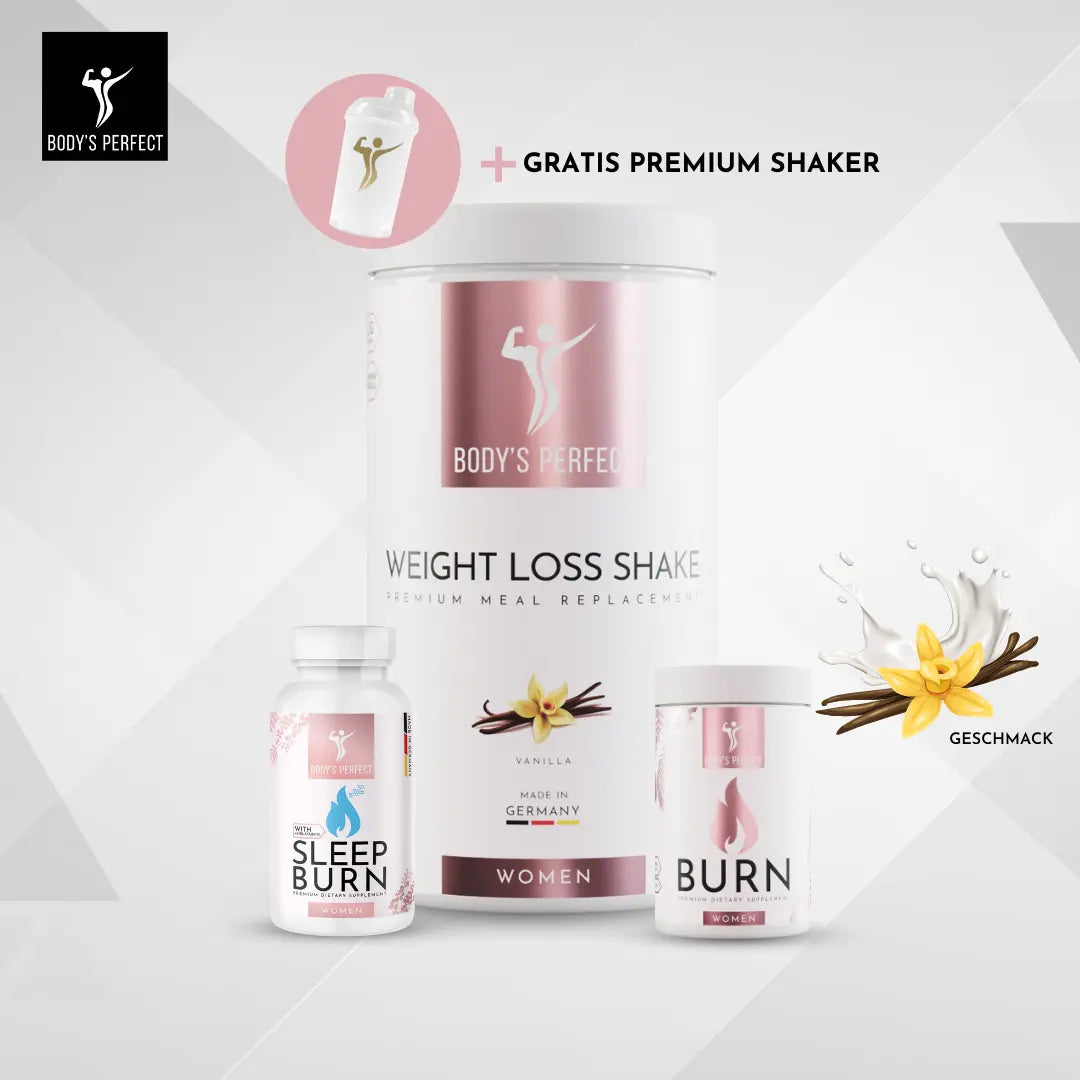
A good diet plan for losing weight is the basis, but with the right helpers, the path becomes much easier. At BODY'S PERFECT you will find high-quality products that support you in achieving your goals effectively and, above all, with enjoyment. Whether it's satisfying shape shakes for stressful days or clever food supplements – discover the right companions for your journey now at https://bodysperfect.com.


















Share:
Vitamin B12 Tablets: Your Guide to Making the Right Choice
Cardio for Weight Loss: Your Ultimate Guide to Visible Results