


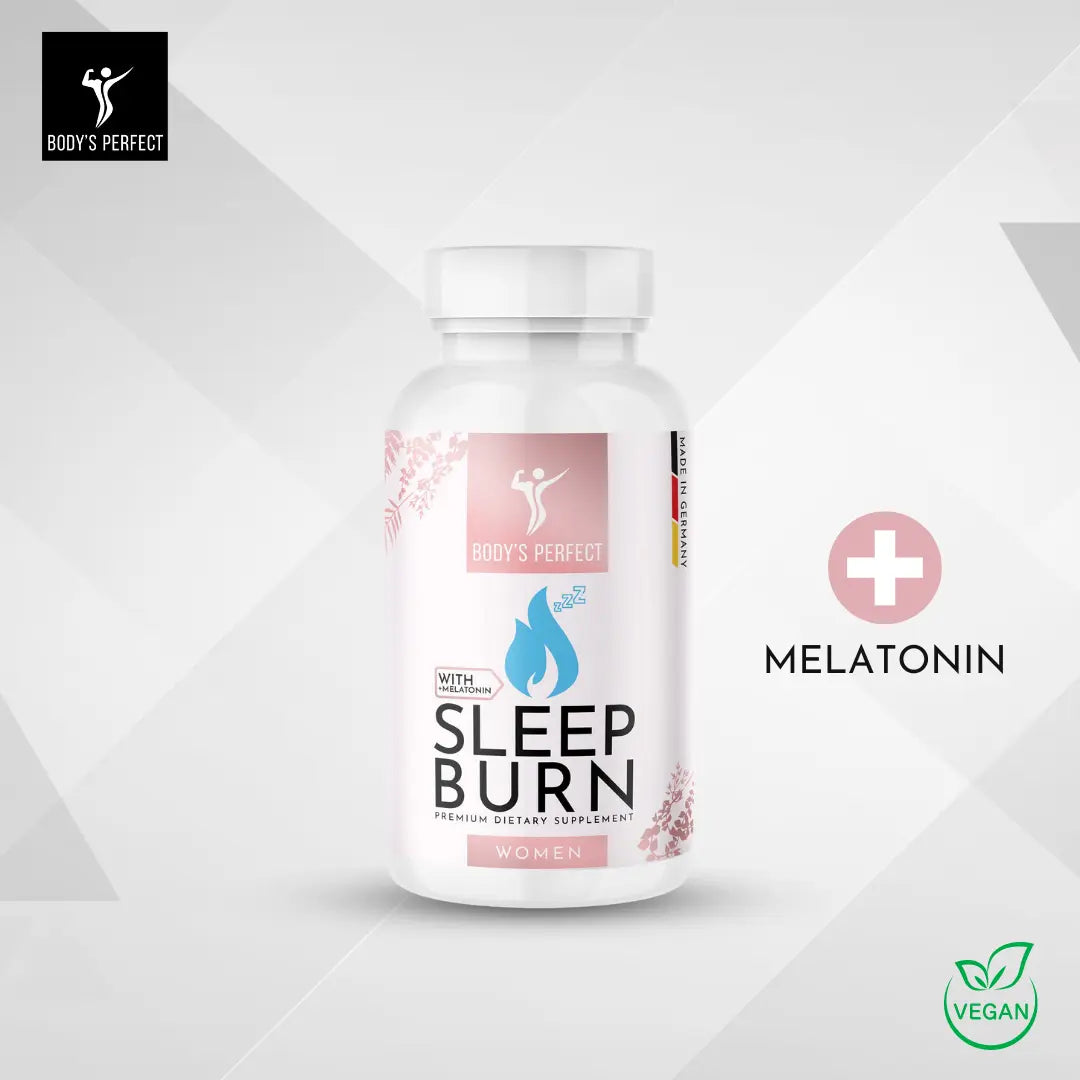
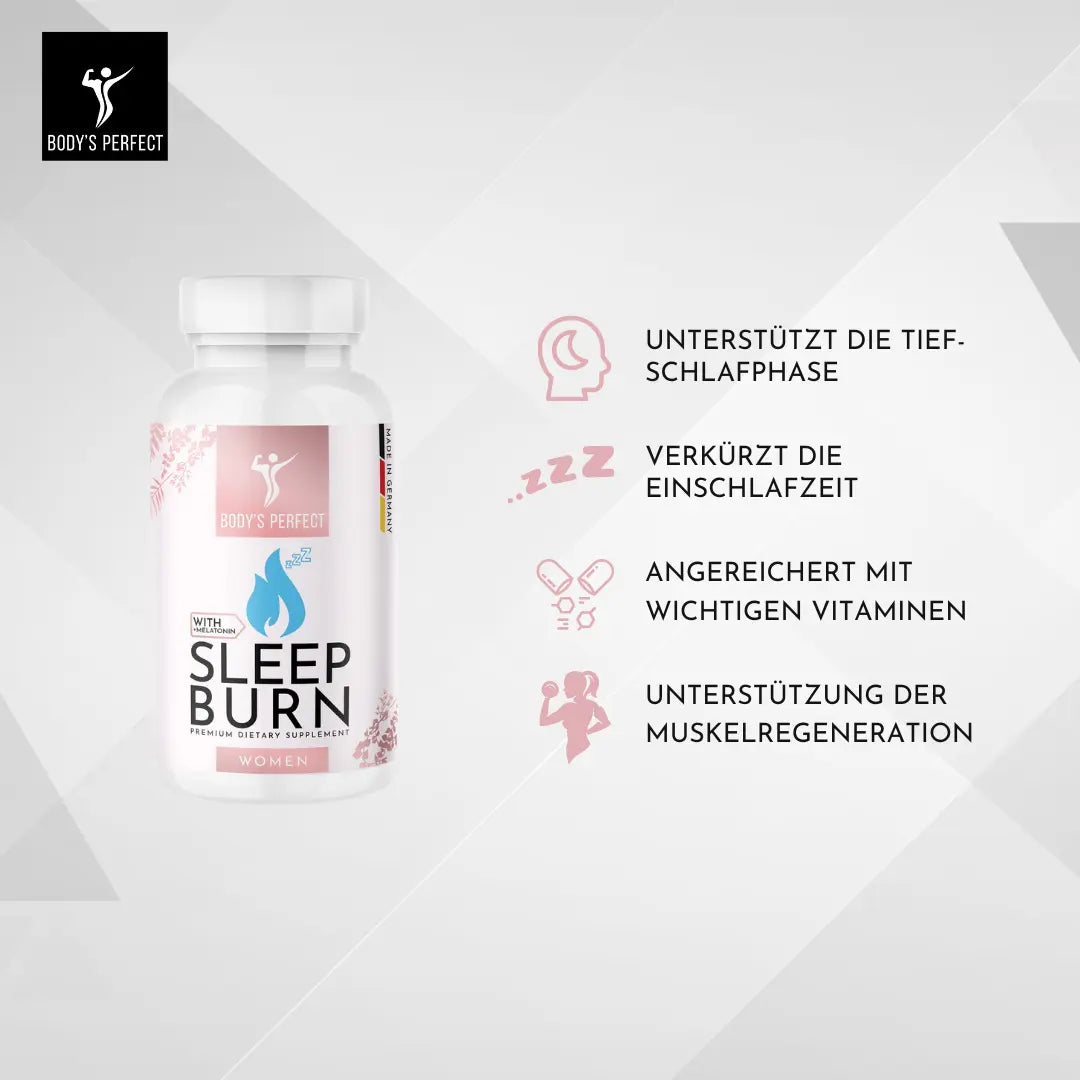
Do you often feel run-down, even though the clock shows enough hours of sleep? The problem often lies not in the duration, but in the quality of your sleep. Melatonin can help give your body that crucial signal: it's time to rest.
Why good sleep is essential for your well-being
Truly good sleep is so much more than just a break. It's the foundation for your physical and mental fitness. Imagine your body as a high-tech smartphone: overnight, it's not just the battery that gets charged. Important system updates run in the background, junk data is disposed of, and the software is optimized for the next day.
It works quite similarly in your body while you sleep. Your brain sorts the day's impressions, your immune system recharges, and your muscles recover from the strain. Without this nightly "reset," you not only feel tired, but you're also more susceptible to stress and illness.
The direct link between sleep and weight management
Did you know that poor sleep can thwart your weight loss plans? This is due to a hormonal imbalance. With sleep deprivation, your body releases more ghrelin, the hormone that stimulates appetite. At the same time, levels of leptin, the satiety hormone, decrease. The result? Cravings, mostly for unhealthy, high-calorie snacks.
In addition, the stress hormone cortisol, whose production also increases with sleep deprivation, comes into play. Permanently elevated cortisol levels can cause your body to store fat reserves – especially around the abdomen. Good sleep is therefore a true ally if you want to regulate your weight healthily.
Melatonin: The rhythm generator of your internal clock
Each of us has a built-in "internal clock," the so-called circadian rhythm. It naturally controls when we feel awake and when we feel tired. The most important conductor of this endogenous orchestra is the hormone melatonin.
As soon as it gets darker outside, your brain starts releasing melatonin. This is the unmistakable signal for your body to switch to rest mode. Your body temperature drops slightly, your metabolism slows down, and you become pleasantly sleepy. If you want to learn more about the different forms of intake, you can find useful information in our article on melatonin tablets.
Good sleep is not a luxury, but a biological necessity. It is the foundation for energy, concentration, and a healthy body weight.
In our modern world, this natural rhythm is unfortunately often disturbed. The blue light from smartphones, laptops, and televisions in the evening massively slows down melatonin production. Your brain, so to speak, gets the wrong information: "Hold on, it's still daytime, stay awake!" No wonder so many people simply can't switch off in the evening.
This problem is widespread in Germany. A study by Pronova BKK has shown that 60% of Germans sleep less during the week than they actually need. Most get about 7 hours of sleep on weekdays, although they consider 8 hours or more to be optimal. There is a clear gap here between desire and reality. If you want to delve deeper into the figures, you can find further insights into the Pronova BKK sleep study here.
How Melatonin Works as the Rhythm Generator of Your Internal Clock
Don't imagine melatonin as a sleeping pill that knocks you out. Think of it more as a conductor gently signaling to your body: "Time to wind down." It doesn't force you to sleep, but rather tells your system that night is beginning and the recovery phase is being initiated.
This process is controlled by a tiny but powerful part of your brain: the pineal gland. It's like your body's light sensor. As soon as your eyes perceive that it's getting dark outside, the pineal gland receives the message to start its work.
It then releases melatonin into the blood. This rising melatonin level is the crucial signal. Your body temperature drops slightly, your blood pressure falls, and your entire system naturally prepares for sleep.
The jammer in your pocket
In the past, this rhythm was very simple: the sun set, it got dark, the body produced melatonin, and people got tired. Today, it's completely different. We are constantly surrounded by artificial light sources – first and foremost the blue light from smartphones, tablets, and screens.
Exactly this blue light is a problem for your pineal gland. It mimics daylight so convincingly that your brain gets confused. Instead of signaling melatonin production, it thinks: "It's still daytime, stay awake!"
Blue light in the evening acts like a stop sign for natural melatonin secretion. Your body gets the signal to stay awake, even though you should actually be tired.
The result? You lie in bed in the evening, scrolling through your phone, and wonder why you just can't calm down. Often, it's because your body's own melatonin production is blocked by the screen light. That's exactly why a stable melatonin level is key if you want to sleep better thanks to melatonin.
Your natural melatonin level throughout the day
To understand how sensitive this system reacts, let's take a look at the typical melatonin level over 24 hours. In the morning, it is very low – that's why you feel awake and fit. Towards evening, it then rises significantly, reaches its peak in the middle of the night, and only drops again towards morning.
This graph perfectly illustrates how the hormone attunes your body to the night and accompanies you through the resting phase.
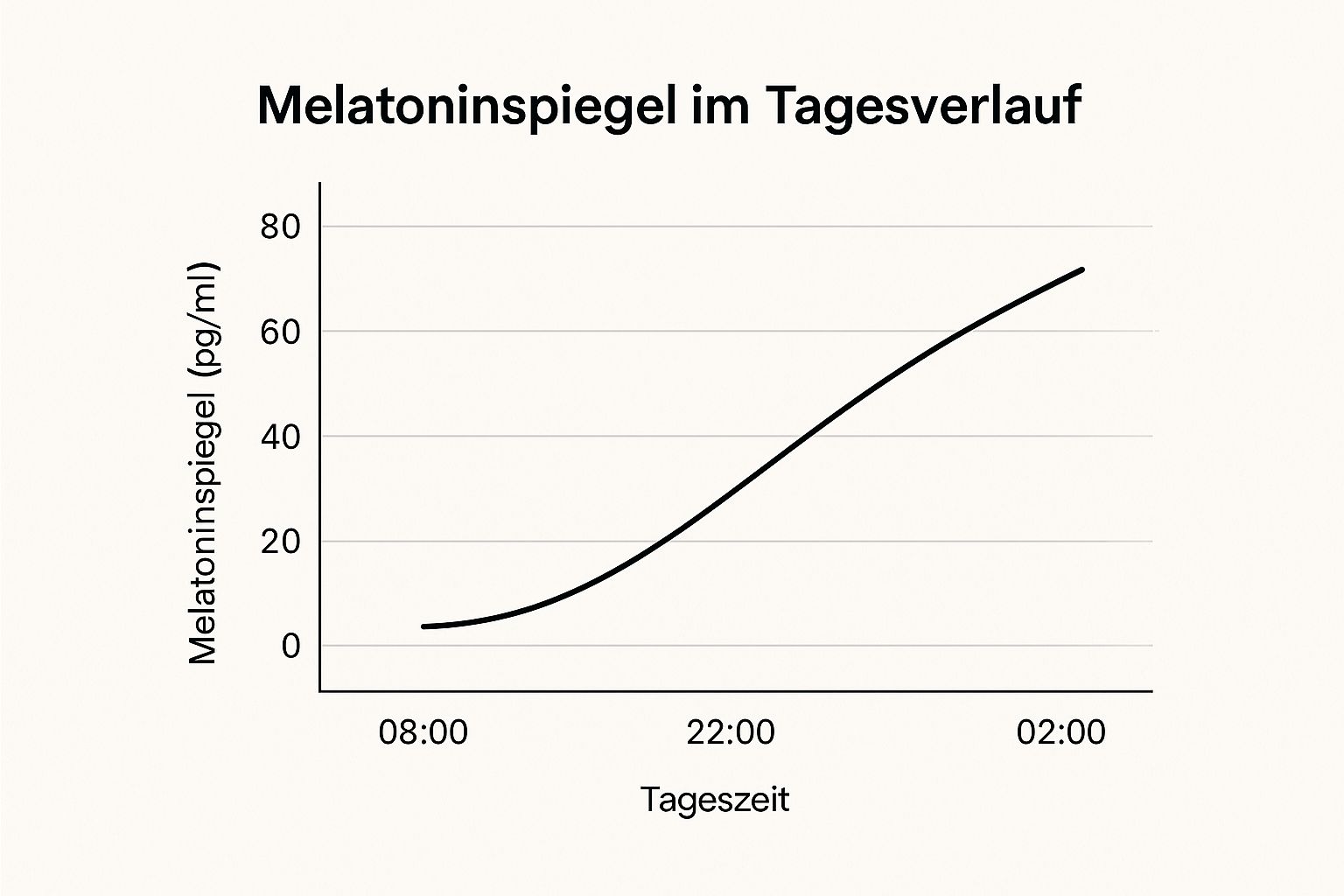
It is clear: the melatonin level reaches its peak deep in the night. This is crucial for truly restful sleep.
The following table summarizes the key functions of melatonin and the most common disruptive factors to give you a quick overview.
Overview of the effects of melatonin
| Function of Melatonin | Triggering Factor | Typical Disruptive Factor |
|---|---|---|
| Initiating sleep readiness | Onset of darkness | Blue light from screens |
| Regulation of the sleep-wake cycle | Regular day-night rhythm | Shift work, jet lag |
| Lowering body temperature & blood pressure | Rising melatonin levels | Stress, late meals |
| Antioxidant protective function | Cellular processes during sleep | Irregular sleep times |
If this natural rhythm is disrupted by stress, shift work, or artificial light, your body loses its beat. In such cases, targeted products can be a valuable support to help your body regain this important rhythm.
It's about more than just falling asleep quickly. An imbalanced melatonin level can also affect your mood, your energy level during the day, and even your immune system. If you understand how melatonin functions as your personal rhythm generator, you've taken the first and most important step towards actively taking control of your sleep quality.
The correct use of melatonin for optimal results

Okay, you understand that melatonin is the natural rhythm generator for your sleep. If you want to use it as a little jump-start, two things are important: the right timing and the appropriate dosage. It's about giving your body a gentle signal – not overwhelming it with a hormone sledgehammer.
Imagine it like an appointment. You don't show up exactly on the dot, but plan a few minutes of buffer. It's the same with melatonin. It takes a little while until it reaches the body and fully unfolds its effect.
Timing is everything: When is the best time to take it?
For melatonin to have the highest level in your blood exactly when you want to sleep, the timing of intake is crucial. The rule of thumb here is very simple: take it about 30 to 60 minutes before you go to bed.
This window gives your body enough time to absorb the hormone and send the signal "Okay, it's time to wind down." If you take it too early, you might already feel tired on the sofa. If you only take it once you're already in bed, the effect might only kick in after you've been frustratedly tossing and turning for a while.
Timing is key. Taking it 30 to 60 minutes before bed perfectly synchronizes melatonin's effect with your natural need for rest.
Less is often more: Finding the right dosage
When it comes to melatonin for sleep, the myth "more is better" stubbornly persists. However, the opposite is true. Too high a dose can disrupt your natural rhythm or make you feel run-down the next morning – sometimes referred to as a "melatonin hangover."
Studies clearly show that even small amounts are sufficient to shorten the time it takes to fall asleep. For over-the-counter dietary supplements, a dose of about 1 milligram has proven effective. This is completely sufficient to gently raise the body's own melatonin level and facilitate falling asleep, without completely turning the entire hormone balance upside down.
Important to know: Higher dosages are classified differently in Germany. While amounts between 3 and 5 milligrams are considered tolerable, they are generally prescription-only here and should only be taken after consulting a doctor. You can also find more about this in the results of the IQWiG thematic check.
Spray, capsule, or drops: What suits you?
Melatonin is available in various forms, which primarily differ in how quickly they work. What is best for you depends entirely on your personal preferences.
-
Melatonin sprays: These are particularly popular because melatonin is absorbed directly through the oral mucosa. This bypasses the stomach, which is why the effect is often perceived as particularly fast. A spray, like the one from bodysperfect.com, is also super easy to dose and practical for on the go.
-
Capsules or tablets: This is the classic variant. You swallow them and the melatonin is released in the stomach. The effect sets in a little slower, but is very even.
-
Drops or gummy bears: Similar to sprays, drops also allow for quick absorption. Gummy bears are a delicious alternative for anyone who dislikes swallowing capsules, but often contain additional sugar.
For most people looking for a simple and quick solution, a melatonin spray is the ideal choice. It combines a fast effect with incredibly easy and precise dosing. This way, you give your body exactly the signal it needs for a restful night.
Melatonin in Germany: What you really need to know
Anyone looking for melatonin in Germany often faces a tricky question: Do I need a prescription for it, or can I simply buy it at the drugstore? The answer, typically German, is a clear "yes and no." It all depends on the dosage and the purpose. But don't worry, I'll help you keep track.
The legal situation here may seem a bit confusing at first glance, but it's basically quite logical. There is a strict distinction between two types of melatonin products. And precisely this difference is crucial for what you can legally and safely obtain.
Medicine or food supplement – what's the catch?
On the one hand, there are the high-dose melatonin preparations. These are considered medicinal products and therefore require a prescription. Your doctor can prescribe them to you for the treatment of diagnosed sleep disorders, which is sometimes the case with older people, for example.
And then there are the over-the-counter products, which are classified as food supplements. The crucial point here is that they contain a much lower dose of melatonin, usually up to 1 milligram per day. Their purpose is also different. It is not about treating a disease, but simply about facilitating falling asleep. Precisely these products, like those you can find at bodysperfect.com, are intended for anyone who wants to gently support their body.
The crux is therefore the dose and the intended use. High-dose medicines for the therapy of sleep disorders are only available on prescription. Low-dose aids for faster falling asleep can be bought over-the-counter.
Keep an eye out when buying: What really matters
If you decide on an over-the-counter melatonin product, quality is paramount. After all, you want to be sure that you are doing something good for your body.
Here are a few points to look for to make a safe choice:
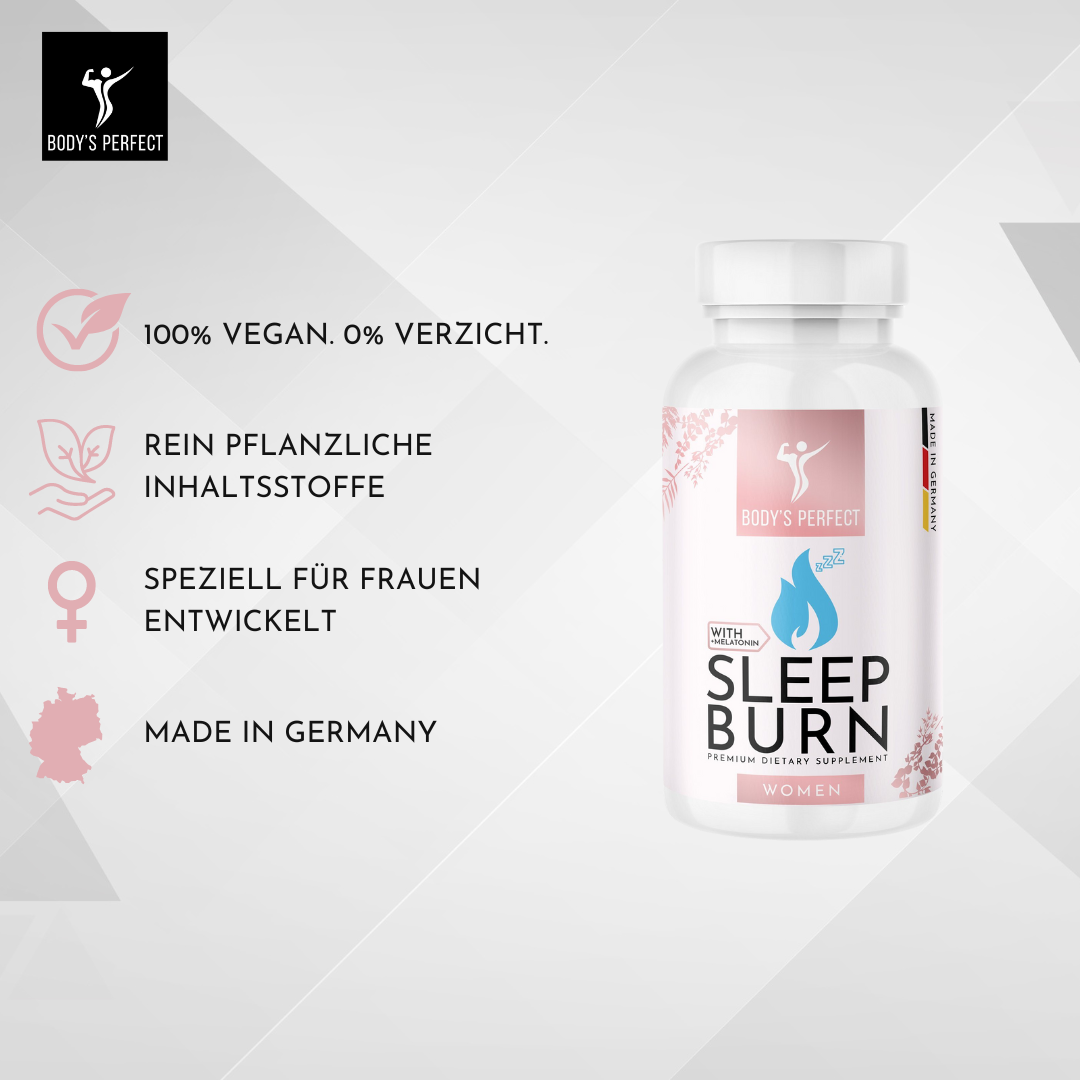
- Manufactured in Germany: Products manufactured here must meet strict quality and safety controls. The "Made in Germany" seal is therefore a real quality feature.
- Clear dosage information: The package must clearly state how much melatonin is in each dose, be it per capsule or spray. This is the only way to have full control.
- Trustworthy supplier: It is best to buy from well-known brands that openly provide information about their ingredients and manufacturing. A professional online shop and good customer service are also strong indications of seriousness.
The legal situation in Germany is actually there to protect you as a consumer. While high-dose melatonin requires a prescription, there is an exception for low-dose food supplements. These can be found legally in pharmacies, drugstores, or specialized shops. For comparison: an approved melatonin medication often contains two milligrams per tablet – a clear distinction. If you want to delve deeper into the matter, you can read more about the effectiveness of melatonin in sleep disorders here.
With this knowledge, you can now make an informed decision. You know that you don't need a prescription for a gentle sleep aid and can rely on safe, legal products like those from bodysperfect.com.
Myths and facts about the side effects of melatonin
Is melatonin addictive? Does it knock you out artificially like a sleeping pill? When it comes to melatonin for sleep, many rumors circulate. High time to clear up the myths and put the facts on the table.
The most important thing upfront: Melatonin is not a classic sleeping aid. Prescription sleeping pills often massively interfere with brain chemistry and literally force the body to sleep. Melatonin takes a completely different approach. It is an endogenous hormone that functions like a gentle impulse generator. It practically whispers to your body: "Hey, it's getting dark, time to wind down."
Not a sleep hammer, but a gentle nudge
Exactly this subtle way of working is the reason why you don't just collapse after taking melatonin. Imagine it as a gentle nudge in the right direction. It helps your natural sleep rhythm get back on track when it has fallen out of sync.
And precisely for this reason, melatonin – if you use it correctly and only when needed – also has no addictive potential. Your body does not become "addicted" to it, as can happen with some chemical sleeping pills. You are merely giving it from outside what it would normally produce itself.
What side effects are actually possible?
Even though melatonin is considered very safe and well-tolerated, we want to be honest and not gloss over potential side effects. The good news: they are rare and usually mild.
If they do occur, they often take one of these forms:
- Morning drowsiness: Some people feel a bit sluggish or sleepy the next day. This is often a clear sign that the dose was too high or that it was taken too late in the evening.
- Mild headaches: In rare cases, mild headaches may occur after ingestion. Here too, adjusting the dose often helps.
- Dizziness: Slight dizziness is also a rare but possible side effect.
- Vivid dreams: Some users report more intense or colorful dreams. This is generally harmless and more of an interesting observation than a bothersome side effect.
These effects are usually temporary and can be easily managed. A closer look at the topic can give you additional security. If you want to understand the background more precisely, you can find more details in our article on possible melatonin side effects.
Most side effects of melatonin are dose-dependent. This means you are in control: Start with a low dose and find out what works best for you.
Tips to avoid side effects
The beauty of melatonin is that you remain in control. If you notice any of the mentioned effects, there are a few simple adjustments you can make.
1. Adjust the dose: Often, too high a dosage is the simple reason for next-morning grogginess. Just try reducing the dose. With products like sprays, this is particularly easy because you can dose the amount very precisely.
2. Optimize the timing: Take melatonin a little earlier, for example, 60 minutes before bedtime instead of just 30. This gives your body more time to break down the hormone before your alarm clock rings.
3. Pay attention to your lifestyle: It's best to combine taking it with good sleep hygiene. You should avoid heavy meals or alcohol in the evening, as such factors can also affect your sleep and the tolerability of melatonin.
By paying attention to these simple points, you ensure that melatonin does exactly what it's supposed to: gently help you fall into a restful sleep faster – without any unpleasant surprises the next day.
How to naturally boost your melatonin production
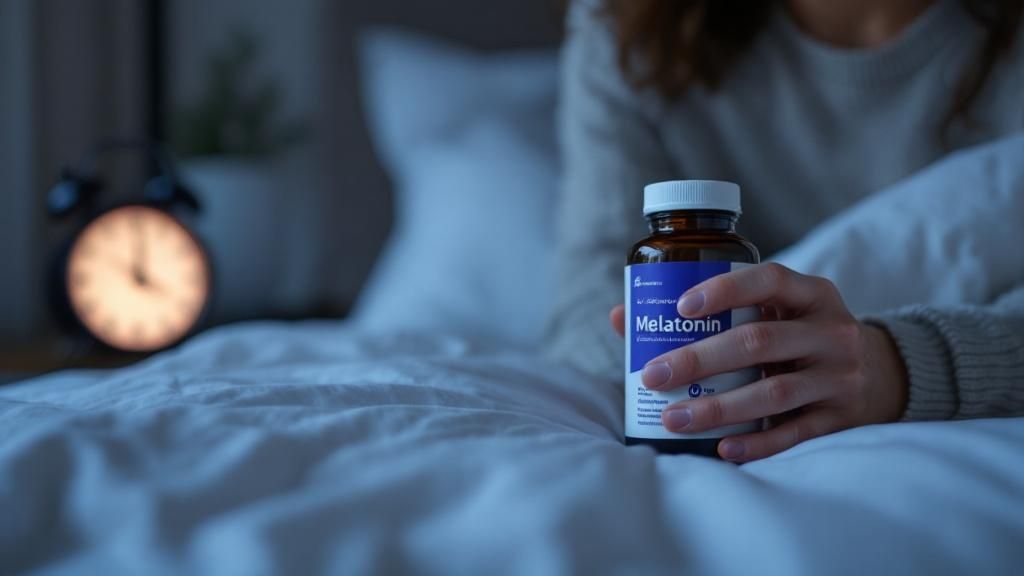
Melatonin products can be a great kick-start to getting back into a healthy sleep rhythm. But the real magic for consistently good sleep lies in your daily habits. Your body is a small melatonin factory – you just need to show it how to best ramp up production.
Let's take a look at some simple but super effective tricks you can use to naturally boost your body's own melatonin production. See these tips as your personal sleep foundation.
Your evening ritual: The signal to wind down
Your body is a creature of habit. A fixed evening routine is like a gong for it, unequivocally signaling the end of the day and the start of the rest phase. Don't worry, it doesn't have to be a complicated plan. It's about small, conscious actions.
The biggest switch you can flip is the light. Start dimming the lights about one to two hours before bedtime. Get rid of bright overhead lighting and bring in cozy, warm light sources like a small table lamp or salt crystal lamp.
At the same time, it's time for a screen detox. The blue light from your phone, tablet, and TV is the natural enemy of your sleep hormone. If you absolutely can't do without them, be sure to activate night mode or a blue light filter on all your devices. That alone makes a huge difference!
The right nutrition for sweet dreams
Yes, what lands on your plate also plays a role in your sleep. Some foods are packed with tryptophan, an amino acid your body urgently needs as a building block for serotonin (the happiness hormone) and subsequently for melatonin.
Tryptophan is, so to speak, the raw material for your sleep hormone. Without this building block, your body cannot produce melatonin. A tryptophan-rich meal in the evening can therefore work wonders.
Here are some delicious ideas you can incorporate into your dinner:
- Bananas: They not only provide tryptophan but also magnesium and potassium – great for muscle relaxation.
- Oatmeal: A warm bowl of porridge not only soothes the soul but is also a great source of tryptophan.
- Nuts and seeds: Especially walnuts, almonds, and pumpkin seeds are real powerhouses when it comes to this amino acid.
- Poultry: A small piece of turkey or chicken breast for dinner provides a decent portion of tryptophan.
These foods are just a small selection of how you can support your body. If you want to delve deeper into the world of nutrients, you can find out more about how natural food supplements can specifically promote your health.
We have summarized the most important natural helpers in a table for you, so you can integrate them directly into your daily life.
Natural Melatonin Boosters for Your Daily Life
A practical overview of foods and habits that can promote the body's own melatonin production.
| Measure | Mechanism of Action | Practical Tip |
|---|---|---|
| Dimmed, warm light | Signals to the brain that the day is ending and melatonin production can begin. | Turn off ceiling lights and only use small table lamps 1–2 hours before going to sleep. |
| Screen break | Reduces exposure to blue light, which inhibits melatonin production. | Activate night mode on your devices or put them away 60 minutes before going to sleep. |
| Tryptophan-rich snacks | Provides the essential building block for serotonin and melatonin production. | A handful of walnuts or a banana as a small evening snack. |
| Warm bath | The subsequent drop in body temperature stimulates melatonin release. | Take a relaxing bath approx. 90 minutes before you go to bed. |
| Relaxation exercises | Lowers the stress hormone cortisol, the direct antagonist of melatonin. | 10 minutes of gentle stretching or a guided meditation right before falling asleep. |
These small adjustments can have a huge impact and are the key to sustainably better sleep.
Relaxation as the last step to bed
Stress is the number one melatonin killer. The stress hormone cortisol is the direct antagonist of your sleep hormone. So if you go to bed with the worries of the day on your mind, your cortisol levels are high and your melatonin production is low.
Therefore, conscious relaxation is the last and perhaps most important step in your evening routine. A warm bath is brilliant, because when you get out of the tub, your body temperature drops slightly – a strong signal for your body to release melatonin.
Even light stretching exercises, gentle yoga, or a short meditation help your nervous system switch from "on" to "off" mode. Just find out what feels good for you. These holistic approaches are the perfect complement to cultivating healthy sleep in the long term.
Frequently Asked Questions about Melatonin
Here I have summarized the answers to the most burning questions about melatonin and sleep for you. Short, crisp and to the point.
How quickly does melatonin work?
When you take melatonin, you don't have to wait long. Generally, you'll feel the first effects after about 30 to 60 minutes.
That's why it's a good rule of thumb to take it shortly before you go to bed. This way you give your body the signal to relax exactly when you need it most.
Can I take melatonin every night?
Clearly: Melatonin is intended as a short-term kick-start. It's great for getting your rhythm back on track, for example, after a long journey with jet lag or when stress just won't let you sleep.
However, if you are considering taking it permanently, you should definitely discuss this with a doctor beforehand. Better safe than sorry, because that's how you'll find out what's really best for you and your body.
Does melatonin also help with sleeping through the night?
Melatonin's strength clearly lies in shortening the time it takes to fall asleep. It's like the starting signal for your body's night's rest.
It plays a smaller role in sleeping through the night itself. But honestly: Those who fall asleep faster and more relaxed often also have a better overall sleep quality. This can, of course, indirectly have a positive effect on sleeping through the night.
What is the difference between melatonin spray and tablets?
The crucial difference lies in how your body absorbs the melatonin – and how quickly it can therefore take effect.
- Melatonin Spray: The spray gets directly into your body via your oral mucosa. This path bypasses the stomach, which is why many find that the effect sets in faster.
- Melatonin Tablets: The classic way. The tablet is swallowed and processed in the gastrointestinal tract, which naturally takes a little longer.
Ultimately, it's a matter of taste what you choose. It all depends on what feels best for you and how quickly you want support.
If you have more questions that are not only related to the topic of melatonin sleep, please check out our general FAQ.
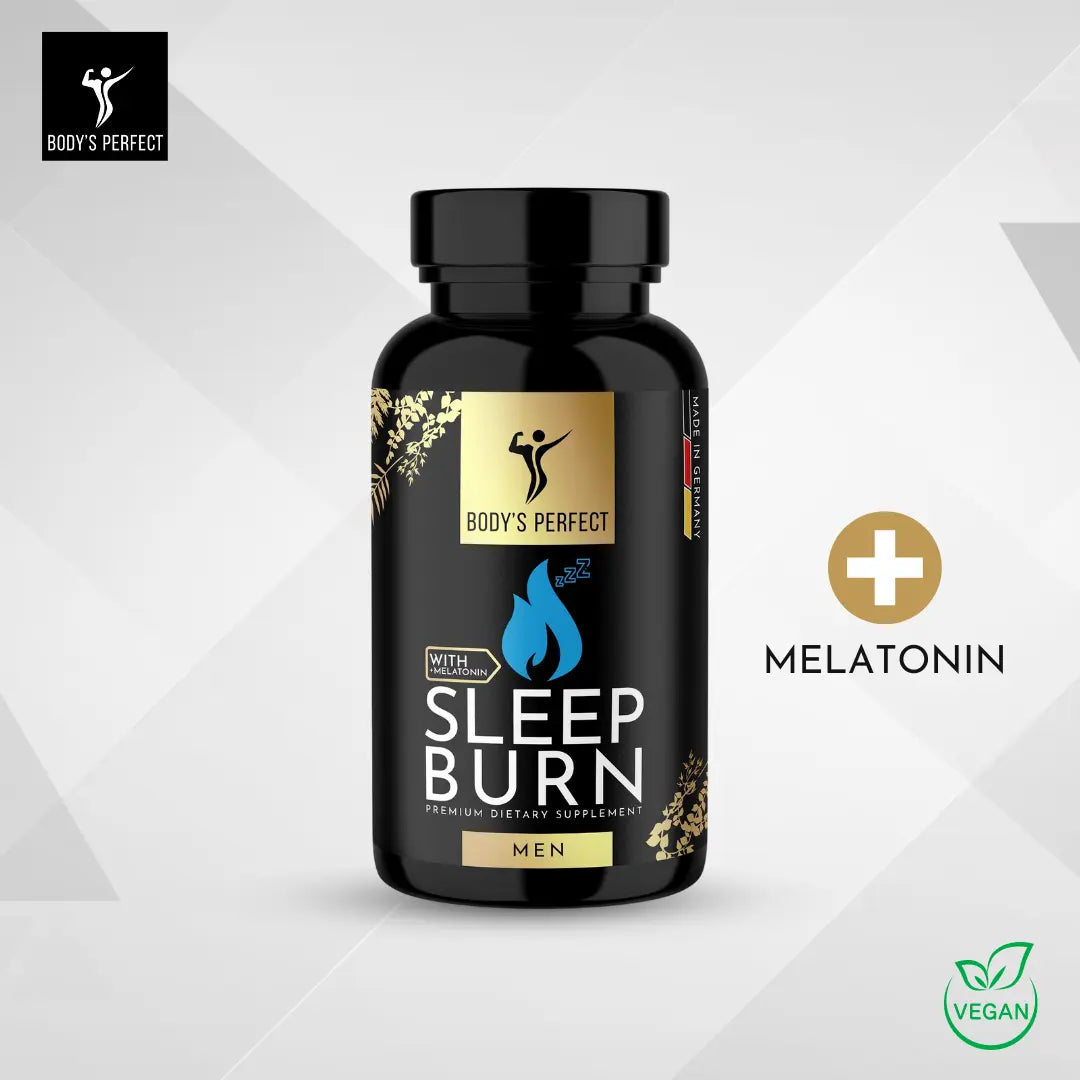
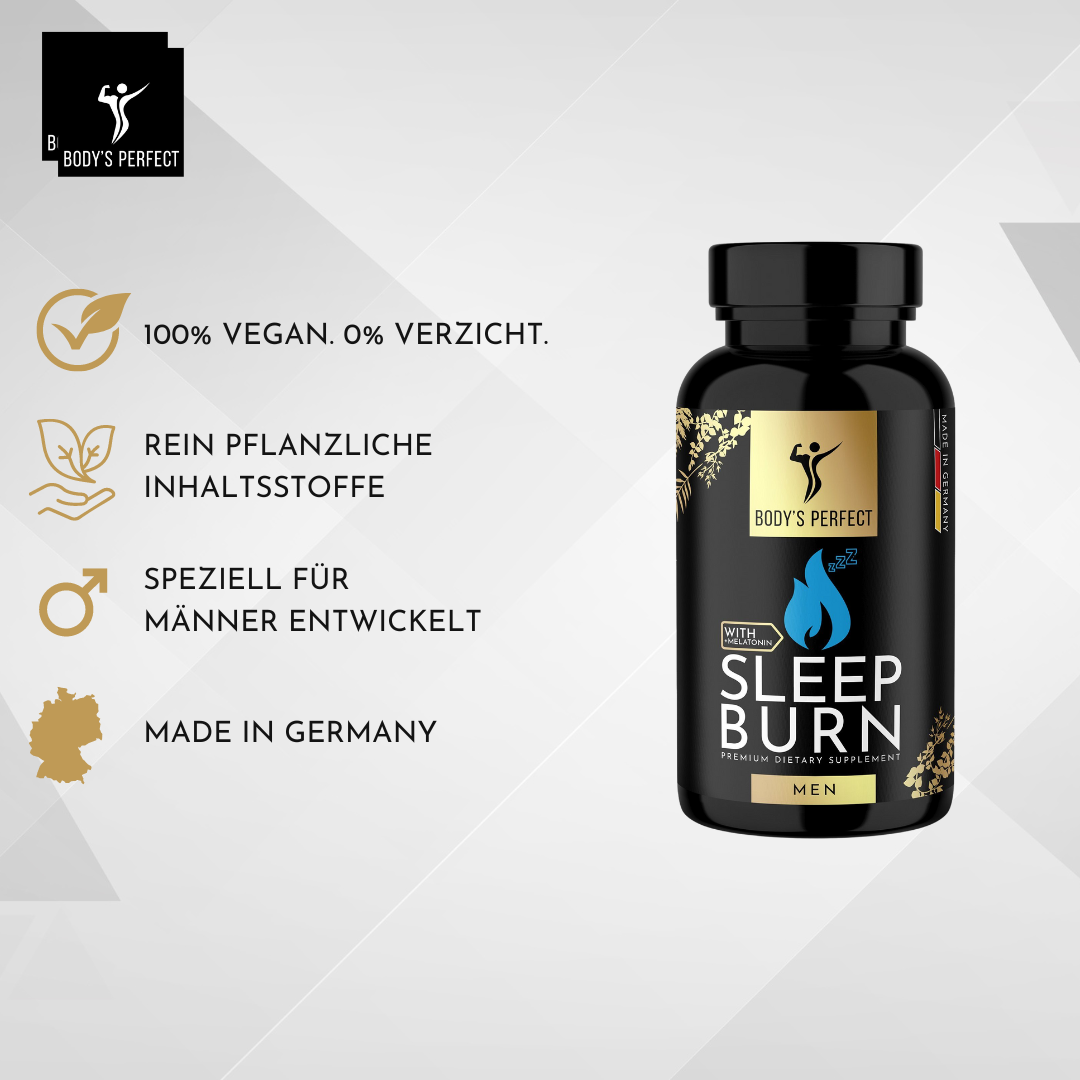
Would you like to support your sleep naturally and gently? At BODY'S PERFECT you will find high-quality products that help you to relax better in the evening and start the day refreshed. Discover the right solutions for your needs now at https://bodysperfect.com.






































Share:
Biotin for Hair: How to Truly Support Your Hair Growth
Your successful nutrition plan: Lose 10 kg without going hungry