

Welcome to our guide on biotin for hair. You've probably heard it called the "beauty vitamin" and the key to strong, healthy hair. But how much truth is there to that? In short: Yes, biotin is essential for healthy hair, but it's not a miracle cure for everyone.
What biotin can really do for your hair
You're probably familiar with the name biotin from advertisements for shiny hair and strong nails. But to truly understand what it can do, we need to look at what biotin actually is and what role it plays in your body.
Biotin is also known as Vitamin B7 or Vitamin H and is one of the essential nutrients. This simply means that your body cannot produce it itself. It relies on you to supply it through food or supplements.
Imagine your body as a large, busy factory. Biotin is an important worker here, especially in the department responsible for cell building and energy production. One of its main tasks is to support enzymes in their work – specifically those that metabolize fats, carbohydrates, and proteins.
The connection between biotin and keratin
This is where it gets interesting for your hair. Biotin plays a crucial role in the production of keratin. This is the protein that makes up most of your hair, skin, and nails.
Imagine keratin as the bricks your hair is built from. Biotin is then the skilled worker who ensures these bricks are properly manufactured and installed.
If this important helper is missing from the body, the entire keratin production can falter. This can then manifest as thinning hair, hair loss, or brittle nails.
This fundamental function explains why a healthy biotin level is so important. It's not about magically accelerating hair growth. It's about giving the body the building blocks it needs for strong, healthy hair.
In this article, we debunk myths and give you an honest assessment of what you can expect from biotin. You'll learn how it all connects and how you can use this knowledge to your advantage. If you want to dive deeper into the world of vitamins, you'll find more exciting details in our guide to D-Biotin (Vitamin B7).
How biotin scientifically supports hair growth
To understand what biotin does for your hair at a cellular level, simply imagine your body as a huge, complex construction site. Biotin isn't just any worker here – it's the specialized construction manager for a very specific project: the production of keratin.
Keratin is the stable protein that primarily makes up your hair, skin, and nails. For your body to produce this robust material, it needs various "workers" (enzymes) and the right "building materials" (amino acids). This is where biotin comes in: it acts as a co-factor. This means it activates certain enzymes that are absolutely indispensable for the metabolism of amino acids – the building blocks of proteins.
Without the "construction manager" biotin, these enzymes cannot do their job properly. The entire process grinds to a halt, and not enough high-quality keratin is produced. The result? Potentially weaker, brittle hair or slowed growth. Biotin therefore ensures that everything runs smoothly in your body's "hair factory."
What science says about biotin
When we talk about the effects of biotin, it's important to distinguish between two situations: a real biotin deficiency and additional intake when your body is already well-supplied.
A genuine biotin deficiency is fortunately very rare in Germany. However, its effects show how important this vitamin truly is. Biotin plays a central biological role for healthy hair and nails. There are even medically known genetic defects in biotin metabolism, such as biotinidase deficiency, which can lead to skin problems and hair growth disorders in affected individuals. Such rare cases highlight how essential biotin is for hair. Nevertheless, large, controlled studies conclusively proving a general health-promoting effect of biotin in hair loss are still lacking in Germany. However, there are clinical observations, for example from the 1980s, that report improvements in hair quality after biotin administration, especially in children with abnormal hair structures. You can find more about these connections in scientific publications on nutritional medicine.
Science agrees: In the case of a proven biotin deficiency, the additional intake of biotin can noticeably improve hair loss and hair problems. The hair roots then finally get the nutrient they so urgently need for keratin production.
For people without a deficiency, the evidence is less clear. Here, biotin serves more as a kind of safeguard to ensure that the "hair construction site" is always optimally supplied and that bottlenecks do not arise in the first place. It is part of a team of nutrients that work together for healthy hair. Learn more in our article about how Calcium D-Pantothenate (Vitamin B5) can also support your hair.
The building block effect for your hair
Biotin is therefore not a miracle cure that makes hair sprout overnight. Rather, it secures the fundamental processes that are simply necessary for strong and healthy hair.
This graphic shows you some of the best natural sources you can use to ensure your biotin supply, including eggs, almonds, and oats.
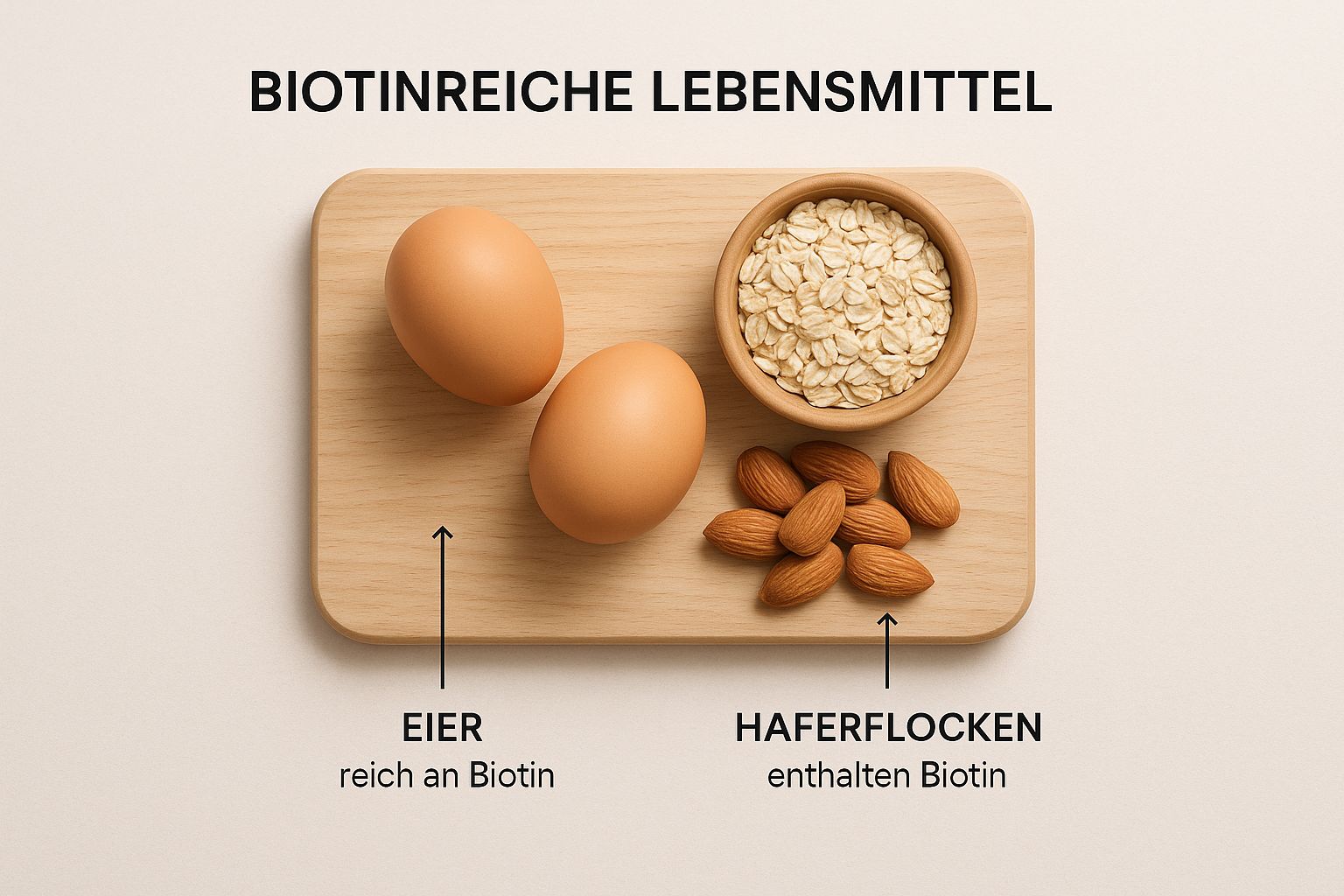
Incorporating these foods into your diet lays a strong foundation for healthy hair growth from the inside out.
You can imagine the role of biotin as the foundation of a house: you don't see it directly, but without a stable foundation, the entire building can never be strong and resilient. Biotin strengthens the basis of your hair health in the same way.
How to recognize a biotin deficiency
A true biotin deficiency is thankfully rare in countries like Germany. Nevertheless, it's good to know the warning signs your body sends you. Biotin is involved in so many important processes that a deficiency can quickly become noticeable – often first in the skin and hair.
Your body is talking to you. If you learn to interpret its signals correctly, you can counteract problems early on and actively do something for your health. The symptoms of a biotin deficiency are not always clear, but if several occur together, they often paint a clear picture.
Typical signs of a deficiency
We often see the most well-known symptoms in the mirror, because biotin is a key building block for our keratin. But there are also other, less visible clues.
Pay attention to these changes:
- Hair: Your hair becomes thinner, loses its shine, or falls out more frequently. This is a classic sign because the hair follicles no longer receive the necessary power, and the hair structure suffers.
- Skin: Dry, flaky skin is typical. Sometimes even red rashes appear, especially on the face – around the eyes, nose, and mouth.
- Nails: Brittle or splitting fingernails that simply won't grow properly can also indicate a lack of nutrients like biotin.
- Nervous system: A deficiency can also affect your mood. Do you often feel extremely tired, listless, or even depressed? These can also be signs, in severe cases even hallucinations.
Of course, these symptoms can also have other causes. But if you notice several of them in yourself, it's worth taking a closer look at your nutrient intake.
Who actually belongs to the risk groups?
Most of us get enough biotin through food. But there are life circumstances in which the need increases or absorption in the body does not work optimally. If you know whether you belong to one of these groups, you can assess your situation much better.
In Germany, the estimated daily requirement for a healthy adult is approximately 30 to 60 micrograms of biotin. For breastfeeding mothers, it is slightly more at 45 micrograms. These values are intended to cover the basic needs. If you want to delve deeper into the scientific matter, you can find the maximum level recommendations for biotin in foods from the Federal Institute for Risk Assessment here.
A biotin deficiency is not a switch that is simply flipped. It usually develops gradually when the supply is not sufficient over a long period or when certain risk factors are added.
The following table gives you a quick overview of who should pay particular attention to their biotin supply.
Overview of risk factors for biotin deficiency
This table summarizes the most important risk groups and the reasons for their potentially increased biotin requirement.
| Risk Group | Reason for increased risk | Typical signs |
|---|---|---|
| Pregnant & Breastfeeding Women | Increased demand for fetal development | General deficiency symptoms, fatigue |
| People with intestinal diseases | Nutrient absorption in the intestine is impaired (e.g., with Crohn's disease) | Skin problems, hair loss, digestive complaints |
| Smokers & Alcohol Consumers | Alcohol and nicotine can interfere with biotin metabolism and accelerate its breakdown | Skin changes, brittle nails |
| People on long-term antibiotics | Antibiotics can damage the gut flora, which is involved in biotin production | Digestive problems, skin rashes |
It quickly becomes clear: various lifestyles and health conditions can influence biotin balance.
It is also important to understand that biotin alone is not responsible for beautiful skin and hair. It is always a team effort of various nutrients. A very important player, for example, is zinc. Take a look at our article on how zinc oxide contributes to skin health – another important building block for our energy and vitality.
If you find yourself in one of the risk groups or notice several symptoms, it's best to talk to your doctor about it. They can determine through a targeted questionnaire and perhaps a blood analysis whether there is actually a deficiency and then give you appropriate advice.
Finding the right biotin dosage for healthy hair
So you've decided to do something good for your hair with biotin. Great! But now the crucial question arises: How much biotin is optimal? The answer is not set in stone, but don't worry – with a few simple clues, you'll quickly find the dose that really suits you. It's about giving your body exactly what it needs without overdoing it.
The jungle of dietary supplements can be quite confusing. On the one hand, there are official recommendations, on the other hand, products that contain many times this amount. Let's shed some light on the matter together.
What experts recommend
In Germany, the German Nutrition Society (DGE) sets the tone. Their guidelines are based on what a healthy person needs on average to avoid a deficiency.
Since 2020, the recommended daily dose of biotin for adults has been 40 micrograms (µg). For breastfeeding mothers, it is slightly more at 45 micrograms. These values are intended to cover basic needs. If you want to delve deeper into the scientific matter, you can find the maximum level recommendations for biotin in foods from the Federal Institute for Risk Assessment here.
Now you're probably wondering why so many biotin products for hair are much higher dosed – often with several thousand micrograms. The reason is simple: it's no longer just about avoiding a deficiency. Rather, the body is offered a targeted excess to specifically stimulate certain processes such as keratin production.
Can you overdose on biotin?
Here's the all-clear: Biotin is a water-soluble vitamin. You can imagine it this way: everything your body doesn't currently need isn't painstakingly stored, but simply excreted through the kidneys. A harmful overdose is therefore practically impossible for healthy people.
Biotin is considered very safe even in high doses. The body takes what it needs for its "hair construction site," and the rest simply leaves the organism.
However, there is one important point to consider: extremely high doses of biotin can falsify the results of blood tests, especially for thyroid or heart values. So always inform your doctor before a blood draw if you are taking high-dose biotin supplements.
The right dose for your personal goal
What the right dosage is depends on what you want to achieve. Let's look at the common ranges:
- General support: You already eat a balanced diet and just want to make sure your hair roots are always optimally supplied? Then doses in the range of 300 to 1,000 µg per day are a solid basis.
- Targeted promotion: If you want to actively combat thinning hair or brittle nails, higher dosages of 2,500 to 10,000 µg (i.e., 2.5 to 10 milligrams) are often useful. Such amounts are intended to boost keratin production.
But remember that hair problems can have many causes. Sometimes a deficiency of other nutrients is also behind it. For example, read our article on what functions ferrous sulfate has in the body – another important building block for our energy and vitality.
More is not automatically better. Start with a moderate dose and observe how your hair and nails change over three to six months. In case of severe hair loss or uncertainties, talking to a doctor is always the safest way.
Incorporating natural biotin sources into your diet
The best and most sustainable way to give your body everything it needs is always through a balanced diet. So before you even consider dietary supplements, let's look at how you can easily and deliciously increase your biotin intake through your daily meals.
Your body can best utilize nutrients from real foods. The good news is that biotin is found in many everyday items. So you don't have to completely overturn your habits, just tweak a few small things.
The top foods for your hair
Some foods are real powerhouses when it comes to biotin. They not only provide you with this one important vitamin but also a whole cocktail of nutrients that your hair and your entire body will love.
Here are the best natural biotin sources at a glance:
- Egg yolk: An egg for breakfast is a fantastic start to the day. The egg yolk, in particular, is packed with biotin.
- Liver and offal: Admittedly, not everyone's cup of tea. But beef or chicken liver are absolute biotin bombs. Even a tiny portion can cover your daily requirement several times over.
- Nuts and seeds: Almonds, walnuts, or sunflower seeds are the perfect snack for in-between meals. In addition to healthy fats, they also provide a good dose of biotin.
- Legumes: Lentils, peas, and beans are not only great plant-based protein sources but also rich in B vitamins, including biotin.
- Whole grain products: Warm porridge made from oats in the morning? Not only tastes good but also reliably supplies you with biotin.
If you regularly include these foods in your diet, you lay the perfect foundation for strong and healthy hair – from the inside out.
How much biotin is really in it
A list is good, but concrete numbers often help to get a better feeling for it. Here is a small overview that shows you which foods are the true champions.
Top Foods and their Biotin Content
A practical overview of the best natural biotin sources to specifically optimize your diet.
| Food | Biotin Content (µg per 100g) | Simple Tip for Everyday Life |
|---|---|---|
| Beef Liver (cooked) | approx. 100 µg | Even a small piece in Bolognese sauce makes a huge difference. |
| Egg Yolk | approx. 50 µg | Scrambled eggs made from two eggs for breakfast – couldn't be simpler. |
| Almonds | approx. 49 µg | A handful as an afternoon snack satisfies a small hunger. |
| Oats | approx. 20 µg | Start the day with warm porridge, refined with nuts. |
| Salmon | approx. 6 µg | A delicious salmon fillet for dinner with vegetables – healthy and tasty. |
You see, it's not that hard to reach the recommended amounts if you know where to look.
Practical Meal Ideas for Your Daily Life
Theory is all well and good, but in the end, it's about implementation in the daily hustle and bustle. That's why we have a few simple ideas here on how you can effortlessly manage your biotin intake.
Your plate is the foundation of your hair health. Every biotin-rich meal is like a small building block you lay for strong and resilient hair.
Here are a few concrete examples for the whole day:
- Breakfast: How about scrambled eggs made from two eggs, over which you sprinkle a handful of sunflower seeds? Or oatmeal porridge, refined with a few almonds and fresh berries.
- Lunch: A large mixed salad becomes a real nutrient bomb with roasted walnuts and a lentil salad as a side dish, which will keep you energized through the afternoon.
- Dinner: A salmon fillet (also a good source of biotin) with sweet potatoes and broccoli. Tastes fantastic, is healthy, and is quickly on the table.
Such small adjustments make it child's play to optimally nourish your body. A healthy diet is, of course, also crucial if you want to achieve your fitness goals or lose weight. Learn in our article how, for example, green coffee bean extract can support you on this journey. The right mix of nutrition and exercise gives your body exactly what it needs for strong hair growth and your overall well-being.
Your Personal Roadmap for Healthy Hair
So, now you know a lot about the fascinating world of biotin for hair. We've looked at how it boosts keratin production, why a deficiency – even if rare – can lead to problems, and how you can easily supply your body through diet. But knowledge alone won't make your hair sprout. Now it's time to act.
That's why we're now putting the most important information into a clear, personal roadmap for you. Consider it your very own strategy. With it, you'll not only have new knowledge in your head but also concrete steps at hand to achieve your goal: strong, healthy, and resilient hair.
Step 1: Where Are You Now? An Honest Assessment
Before you change anything, it's important to take a close look. This is the basis for every good decision. This first step helps you recognize your personal needs and understand if you even need to take action.
Take a moment and answer these questions honestly:
- Do you perhaps belong to a risk group? Are you pregnant or breastfeeding? Do you smoke or live with a chronic bowel disease?
- What does your typical diet look like? Do oats, nuts, and eggs often end up on your plate, or is it more processed foods?
- What is your body telling you? Do you notice that your hair is thinning, your nails break easily, or your skin is dry?
Be honest with yourself. This small analysis is your starting point for everything that follows.
Step 2: Upgrade Your Diet
The most natural and best way to healthy hair always leads through the kitchen. So before you reach for pills and powders, make your diet a real power source for your hair. This is not only effective but also the smarter long-term approach.
Consciously incorporate the best biotin suppliers into your daily life. Why not start the day with porridge made from oats and a few almonds? Treat yourself to a handful of nuts as a snack in between meals or make yourself some delicious scrambled eggs. Each of these small habits is another building block for your hair health.
Step 3: Supplement Specifically When It Makes Sense
Dietary supplements are exactly what the name says: a supplement, not a replacement for good food. However, they can be a really valuable support if your diet is not sufficient or if you belong to one of the risk groups mentioned.
A good supplement can fill the gap and ensure that your hair follicles truly get everything they need for strong growth.
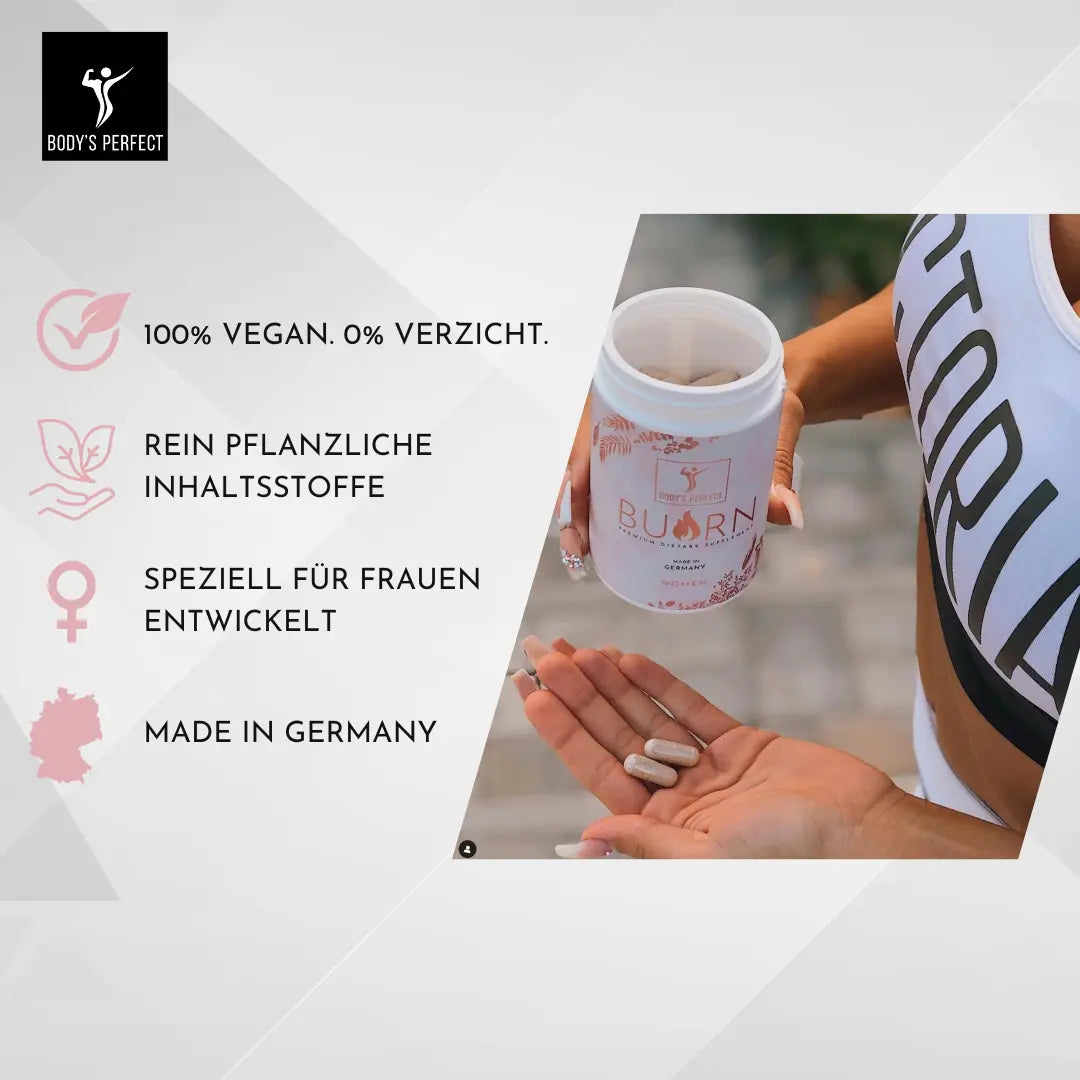
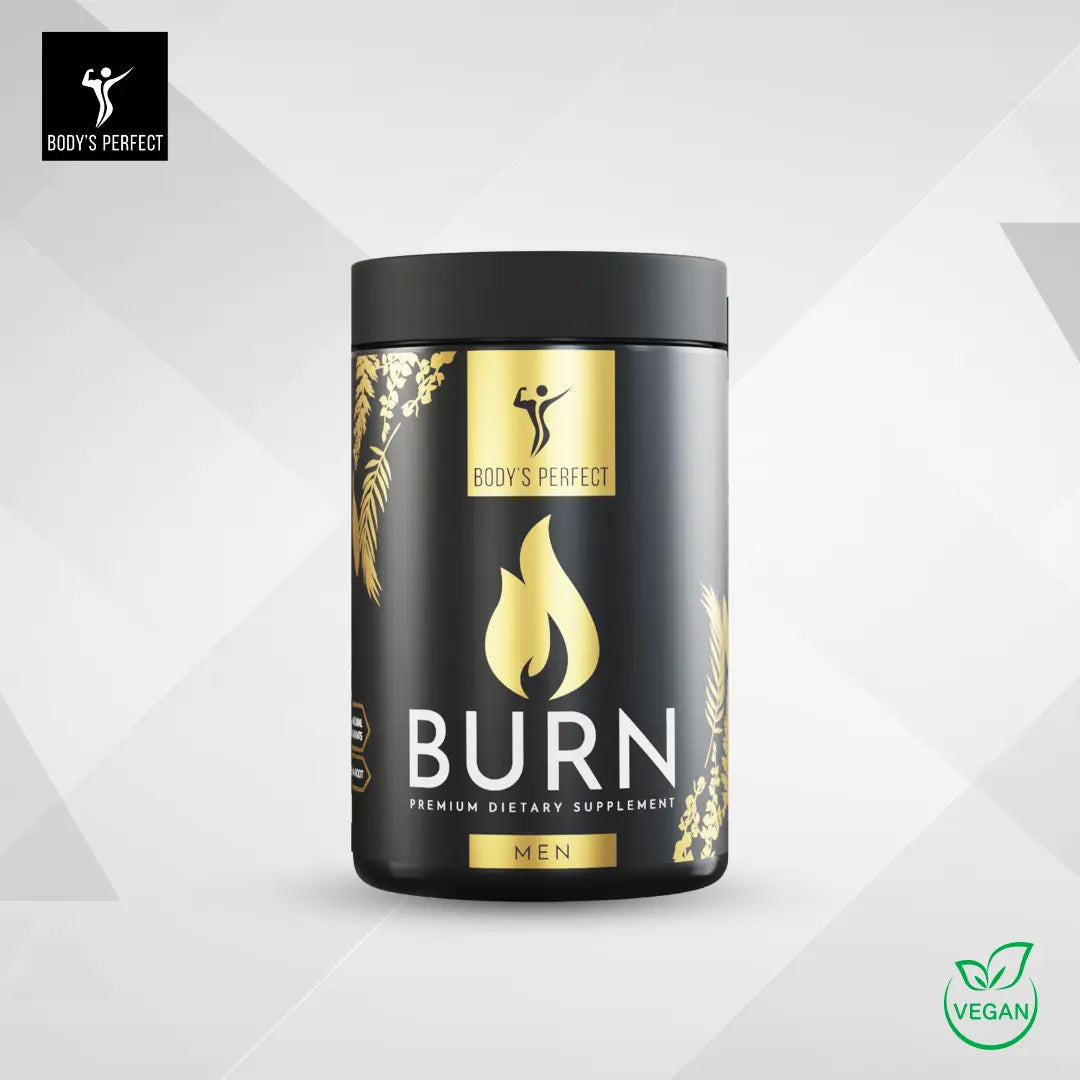
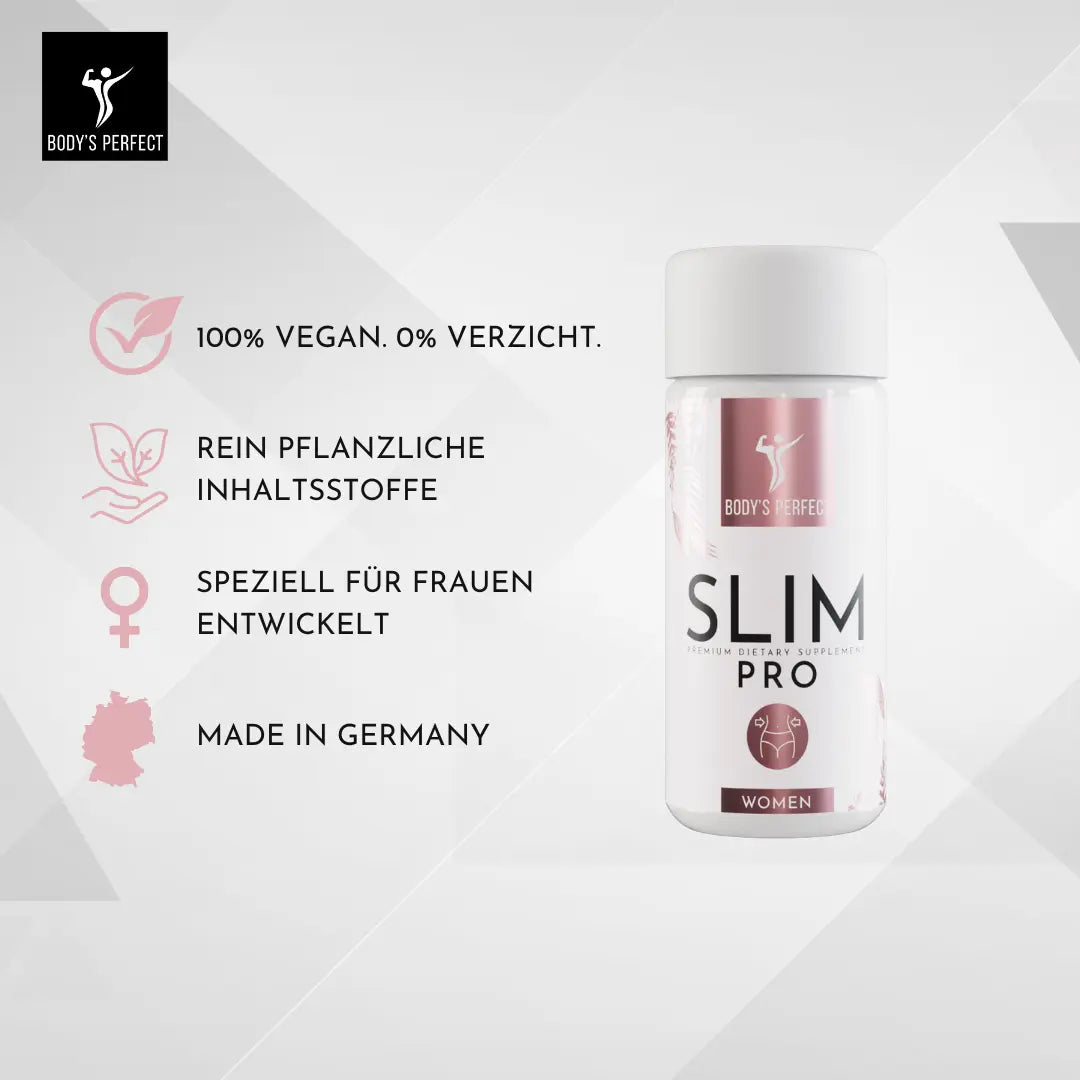
If you choose this path, for example, with BODY'S PERFECT capsules, which have been specially developed for the needs of health-conscious people, you have reliable help at your side. They support you in achieving your goals as part of a healthy lifestyle.
With this roadmap, you take control and become the manager of your own hair health.
Frequently Asked Questions About Biotin for Hair
 After all this information, you might still have a few questions in your head. That's completely normal! That's why we've collected the most common questions about biotin for hair here and provide clear, understandable answers.
How quickly does biotin work for hair loss?
A little patience is required here. Think of a seed you plant – it also takes its time to grow into a strong seedling. The same applies to your hair, which only grows about one centimeter per month.
Therefore, it usually takes three to six months before you can notice the first visible improvements. This is especially true if a biotin deficiency was actually the cause of your hair loss. Biotin is not a miracle cure that works overnight. Rather, it supports your body long-term in forming healthy and strong hair from the root.
Can you take too much biotin?
We can reassure you here: Biotin is a very safe vitamin. Since it is water-soluble, the body does not store an excess but simply excretes it through the kidneys. A harmful overdose is therefore practically impossible in healthy people.
But beware: Extremely high doses of biotin can falsify certain laboratory values, for example, those of thyroid or heart hormones.
Therefore, always speak to your doctor before having a blood test if you are taking high-dose biotin supplements. This way, false diagnoses can be avoided from the outset.
Does biotin also help with hereditary hair loss?
Hereditary hair loss (androgenetic alopecia) has deeper roots – it lies in our genes and is controlled by hormones. Unfortunately, biotin can neither stop nor reverse this innate process.
What biotin can do, however, is support the overall health and strength of the hair that is still present. It helps to ensure that the hair follicles are optimally supplied to allow the hair to grow as strong as possible. So, consider it a valuable support for your general hair health, not a direct treatment for the genetic cause. It strengthens the foundation on which your hair grows, so to speak.
Would you like to specifically support your body and actively shape your journey to more well-being? BODY'S PERFECT products are designed to accompany you as part of a healthy lifestyle. Discover high-quality, German-made supplements tailored to your needs. Find the perfect support for your goals now at bodysperfect.com.


Share:
Understanding and Avoiding Melatonin Side Effects
Melatonin and Good Sleep: Your Guide to Restful Nights