

You've probably heard of L-Carnitine. It's often touted as a kind of miracle cure for fat burning or the ultimate energy booster for training. But what's really behind it? Let's take an honest look at the topic, without exaggerated advertising claims. In this guide, I'll explain what L-Carnitine can do, what it can't, and how you can use it to achieve your goals.
How L-Carnitine powers your body
Imagine your body as a busy factory. This factory needs energy around the clock to keep running – not just for your training, but for every single movement, every heartbeat, and even every thought. In this factory, there are small, specialized powerhouses: the mitochondria. They are essentially the engines in your cells.
The fuel for these engines includes fatty acids. The only problem is that fatty acids don't just get into the powerhouses on their own. They need a transport vehicle to safely carry them through the cell membrane.
And that's where L-Carnitine comes in.
L-Carnitine is basically a specialized taxi in your body. Its main task is to pick up long-chain fatty acids and drive them directly into the mitochondria – precisely where fat burning, also known as beta-oxidation, takes place.
Without this "taxi," fatty acids would essentially be stuck outside the gates of the cellular powerhouses. They couldn't be converted into usable energy – known as ATP (adenosine triphosphate). This mechanism is therefore absolutely fundamental to your entire energy supply.
Why this process is so crucial
This transport is not only important for elite athletes but for the fundamental function of your entire body. When you train, your energy demands naturally skyrocket. Your body then wants to increasingly access its fat reserves as an energy source.
A well-functioning L-Carnitine metabolism ensures that this process runs smoothly. Specifically, this means:
- Efficient energy production: Your muscles, heart, and brain – all organs with high energy demands – depend on a constant supply of fuel.
- Support for fat metabolism: By enabling the transport of fats for combustion, L-Carnitine plays a central role in overall fat metabolism.
This point is particularly important to me for clearing up common misconceptions. L-Carnitine is not a "fat burner" that magically melts away fat deposits. It is rather a transport manager that creates the conditions for your body to efficiently use fat as an energy source in the first place.
The Myth of the Miracle Pill
Let's be honest from the start: the idea of losing weight simply by taking L-Carnitine capsules without any other effort is a myth. From my own experience in intensive training phases, where I closely monitored my diet and supplementation, I can say: L-Carnitine works best in combination with exercise and a conscious diet.
It's not a switch you simply flip, but a small yet important cog in the complex machinery of your metabolism. However, if you understand how it works, you'll be much better able to assess if and when additional intake makes sense for you personally. That's exactly what I want to help you with in this article – honestly and without exaggerated advertising claims.
What you can and cannot expect from L-Carnitine

The promises surrounding L-Carnitine often sound too good to be true. Effortlessly burning fat, endless energy during exercise, and recovery like a superhero. But what of it is actually true and what is just clever marketing? Let's clarify honestly and straightforwardly what you can realistically expect from taking it.
First, we need to dispel the biggest myth: L-Carnitine is not a magic weight loss pill. It doesn't make the pounds fall off by themselves while you're lounging on the couch. Its job, as we've discussed, is to transport fatty acids. So it's essentially the logistics manager, not the worker doing the actual work.
This means you still have to initiate fat burning through exercise and an appropriate calorie deficit. However, L-Carnitine can support this process and make it more efficient. Think of it this way: you're trying to start a fire. L-Carnitine ensures that the wood is dry and ready for the flames, instead of you struggling with wet kindling.
The Boost for Your Training Performance
Where many – and I include myself here – notice a tangible difference is in training performance and endurance. Especially during long and intense sessions, L-Carnitine can be a real help. It helps your body access fat more effectively as an energy source. The brilliant side effect: your valuable glycogen stores in the muscles are spared.
Imagine your energy system like a hybrid car. You have a small, fast battery (glycogen) and a large fuel tank (body fat). L-Carnitine helps the engine switch to the large fuel tank earlier and more smoothly, so the battery remains full for crucial sprints and climbs.
In practice, this can feel like:
- You simply have more stamina during long cardio sessions.
- You might manage an extra repetition or two in strength training.
- The perceived exertion at the same performance level can noticeably decrease.
I myself tested L-Carnitine for several months, especially before long runs and intense HIIT workouts. My subjective impression was that I felt mentally and physically stronger, particularly in the last third of the workout. The dreaded "man with the hammer" came later or not at all.
Faster recovery and less muscle soreness
Another benefit that is often underestimated is the potential improvement in regeneration. There is evidence from studies that L-Carnitine can help reduce muscle damage and the unpleasant muscle soreness after training. It appears to promote blood circulation and alleviate minor inflammatory processes after exertion.
This doesn't mean you'll never have sore muscles again. But it can mean that the pain isn't quite as bad and you're ready for the next round faster. And for anyone who trains hard regularly, that's worth its weight in gold to stay consistent.
So, who is L-Carnitine truly beneficial for?
Looking at the facts and experiences, it quickly becomes clear that not everyone benefits equally from taking it. Supplementation can be particularly useful for:
- Ambitious athletes: If you regularly push yourself to your limits, your body may consume more L-Carnitine. Here, it can help break through plateaus and optimize recovery.
- People on a diet: In a calorie deficit, coupled with regular exercise, L-Carnitine can support fat burning as part of the overall package.
- Vegans and vegetarians: The best natural sources of L-Carnitine are meat and fish. With a purely plant-based diet, intake may be lower, which is why supplementation can help replenish stores.
However, if you only exercise occasionally and eat a balanced diet, you probably won't notice a big difference. In that case, your money is often better invested in high-quality, good food. If you want to delve deeper into the topic, you can find detailed information about the L-Carnitine effect in our further article.
In the end, L-Carnitine is a tool. And like any tool, it depends on whether you use it for the right task. It's not a miracle cure, but it can be a damn good partner on your path to more fitness and well-being.
How to meet your L-Carnitine needs naturally
Before you reach for capsules or powders, let's take an important step back. Your body is pretty clever – it can produce L-Carnitine itself from the amino acids lysine and methionine. Plus, it's found in many foods you probably already eat. A conscious diet is therefore always the first and most important step.
Many people immediately think of supplements when they hear L-Carnitine, but the true powerhouses are often already found in the refrigerated section or at the butcher's. The idea behind it is simple: if you provide your body with enough building blocks through food, its metabolism can function optimally, long before you even have to think about supplementation.
The best L-Carnitine sources in your diet
When it comes to L-Carnitine, animal products are the undisputed champions – especially red meat. This is also logical, as L-Carnitine is primarily stored in muscle tissue. So, when you eat meat, you directly absorb the carnitine it contains.
The following table gives you a quick overview of how much L-Carnitine you can find where.
| Food | Type | L-Carnitine Content (mg/100g) |
|---|---|---|
| Beef (steak) | Animal | 60 - 143 |
| Game (deer, venison) | Animal | 35 - 193 |
| Pork | Animal | 20 - 35 |
| Lamb | Animal | 60 - 78 |
| Poultry (chicken, turkey) | Animal | 4 - 13 |
| Fish (cod, salmon) | Animal | 4 - 7 |
| Dairy products (cheese, milk) | Animal | 2 - 8 |
| Avocado | Plant-based | approx. 2 |
| Asparagus | Plant-based | approx. 2 |
| Tofu | Plant-based | approx. 3 |
As you can see, the differences are enormous. Animal foods, especially red meat, are by far the richest sources.
This graph illustrates the whole thing very clearly:
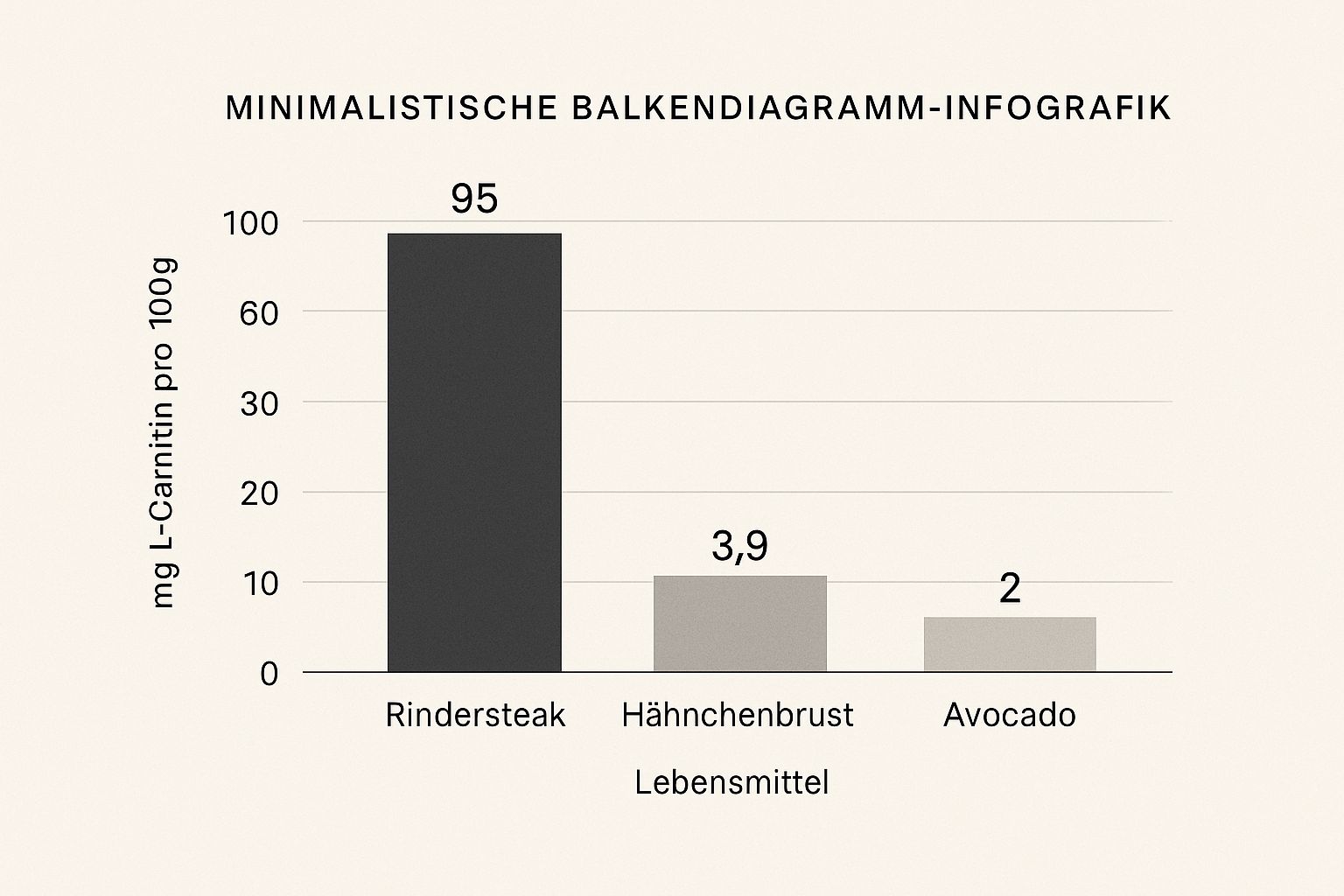
The picture makes it clear: there are worlds between a steak and an avocado in terms of L-Carnitine content.
A special challenge for vegans and vegetarians
If you eat a vegetarian or vegan diet, this knowledge is of course particularly important for you. Plant-based foods contain L-Carnitine only in very small amounts. Avocado, some mushroom varieties, or asparagus do provide some, but the amounts are hardly comparable to those from animal sources.
This does not automatically mean that you have a deficiency. Your body can produce it itself! However, with a purely plant-based diet, the body's own production may be more challenged, and the stores tend to be less full than in meat-eaters.
My tip: As a vegan or vegetarian, you should pay particular attention to a sufficient intake of the building blocks lysine (e.g., in lentils, chickpeas, quinoa) and methionine (e.g., in nuts, seeds, tofu). This way, you support your body as best as possible in its own L-Carnitine synthesis.
Practical tips for your daily life
A carnitine-rich diet can be implemented quite easily. Here are some simple ideas:
- Focus on quality: Choose high-quality meat, preferably from pasture-raised animals. Animals that move a lot generally have more carnitine in their muscle tissue.
- Include fish: Salmon or cod are also good sources and provide you with valuable omega-3 fatty acids.
- Use dairy products: Quark, yogurt, and cheese also contribute to your supply, even if they can't compete with meat.
A well-thought-out diet is the foundation for everything. Before you consider specific supplements, make sure your basics are in order. If you want to delve deeper into the different forms of L-Carnitine, you can find detailed information about L-Carnitine L-Tartrate in our blog. This way, you can make an informed decision that truly suits you and your lifestyle.
When L-Carnitine supplementation can be beneficial
Now that you know how to provide your body with L-Carnitine through diet, the big question arises: When is it actually worthwhile to take a supplement? The answer isn't the same for everyone, because your body is clever and produces L-Carnitine itself. However, there are certain situations in which targeted supplementation can make a real difference.
I don't view supplementation as a miracle cure, but rather as a targeted tool for specific phases or lifestyles. Let's look together to see if you might belong to one of the groups that could benefit most from it.
For intense training phases and ambitious goals
Do you regularly give your all in sports and push your limits? Are you perhaps even training for a competition or pursuing particularly ambitious fitness goals? This is exactly when your need for L-Carnitine can noticeably increase.
During periods of high physical exertion, your body simply consumes more energy – and thus potentially more of those small "fatty acid taxis." Additional intake can really support you here:
- Better energy efficiency: L-Carnitine helps your body optimize fat burning as an energy source. This spares your valuable glycogen stores, which gives you more stamina, especially during long or very intense sessions.
- Faster regeneration: It can also help keep minor muscle damage and unwanted muscle soreness after training at bay. This way, you'll be fit for the next round faster.
So, if your training is more than just a leisurely jog in the park, supplementation is definitely worth considering.
Support during a diet
Are you currently in the middle of a calorie-reduced diet to lose body fat? Then supplementation could be particularly interesting for you. On the one hand, you often consume less L-Carnitine due to the lower food intake, especially if you eat less red meat.
On the other hand, in a calorie deficit, you want one thing above all: that your body uses its fat reserves as efficiently as possible. L-Carnitine, as a transport aid, can precisely kickstart this process.
Very important: An L-Carnitine supplement alone will not make you shed pounds. It's a team player and only works in conjunction with a calorie deficit and regular exercise. However, it can be a valuable building block that makes your efforts within a strategy for natural weight loss even more effective.
For vegan and vegetarian diets
As you saw in the previous chapter, L-Carnitine is mainly found in animal products. So, if you eat a vegan or vegetarian diet, your intake through food is naturally very low. Your body can produce it itself, but the stores are often not as full as in meat-eaters.
Especially if you are a vegan or vegetarian who exercises a lot and intensely, targeted supplementation can be useful. This way, you compensate for possible deficiencies and ensure that your energy metabolism can still run at full speed.
Which form of L-Carnitine is right for you?
If you decide to supplement, you will come across various terms. The two most common and important forms are:
- L-Carnitine Tartrate: This is the classic in sports supplements. The body absorbs it quickly, making it ideal for supporting performance and recovery.
- Acetyl-L-Carnitine (ALCAR): This special form can more easily cross the blood-brain barrier. It is therefore often associated with supporting brain function and mental energy.
For your fitness and weight loss goals, L-Carnitine Tartrate is generally the best choice. The ideal time to take it is about 30 to 60 minutes before your workout. Studies show that the body can absorb it even better into muscle cells if you combine it with a small amount of carbohydrates – a banana or a small sip of fruit juice is enough. The small insulin spike that is triggered essentially pushes the L-Carnitine directly into the cells where it is needed.
The correct dosage and possible side effects
If you're considering taking L-Carnitine as a dietary supplement, you're probably asking yourself a crucial question: How much do I actually need? It's important to know that "more is better" is definitely the wrong approach here. The right dose is key to optimally utilizing the benefits while avoiding unwanted side effects.
I want to give you clear and honest guidance here so that you feel confident and can make a good decision for your body. It's about finding the perfect balance – for maximum effect with minimal risk.
The golden mean for L-Carnitine dosage
Both science and my personal experience show that the most effective dosages are within a very specific range. For most fitness and health goals, a daily amount of 1 to 3 grams (i.e., 1,000 to 3,000 mg) has proven to be highly effective.
This range is considered safe and effective. It helps to slowly replenish L-carnitine stores in your muscles, thus achieving the desired effects on your energy and recovery. You generally don't need more, as your body can only absorb a limited amount per intake anyway.
My practical tip: It's best to start at the lower end of the recommendation, for example, with 1 to 1.5 grams per day. See how your body reacts, and slowly increase the dose if needed. It's much better to ease into it than to start with the full amount right away.
What happens if you overdo it?
Honestly, while L-carnitine is classified as very safe, side effects can occur at excessively high doses. These are usually not dangerous but definitely unpleasant and a clear signal from your body that it was too much.
The following side effects can occur with an overdose:
- Gastrointestinal discomfort: If you take more than one gram at once, some people may experience nausea, abdominal cramps, or diarrhea. This is also the most common reason why it's often better to divide the daily dose into two smaller portions.
- A fishy body odor: This may sound strange, but it can happen. At very high doses, a breakdown product called trimethylamine (TMA) is sometimes produced, which is excreted through sweat, urine, and breath and can cause a slightly fishy odor.
- Sleep problems: Since L-carnitine significantly boosts your energy metabolism, you should not take it directly before bedtime. It can keep you awake and make falling asleep much more difficult.
A critical look at long-term high doses
Recently, the long-term consequences of very high doses have also been discussed more frequently. There are indications that a continuously high intake could alter the composition of your gut flora. Certain bacteria that could potentially increase the risk of cardiovascular diseases could be promoted. This is another good reason to handle the dosage responsibly and not simply swallow arbitrarily high amounts.
Always remember: an L-carnitine supplement is a tool to support you on your journey – it is not a miracle cure that should create new problems. A reasonable dosage is crucial to achieve your goals sustainably and healthily, in line with losing weight without the dreaded yo-yo effect.
My personal conclusion on L-carnitine
Okay, after all the facts, scientific details, and practical tips, it's time for a clear conclusion. So what do I personally think of L-carnitine? Quite simply: I see it as a specialized tool in the toolbox for anyone who takes their fitness seriously. But not as a tool for everyone and every situation.
I have tried L-carnitine myself at different stages and can tell you from experience: it's not a panacea. It's not a magic pill that melts fat overnight or turns you into a top athlete without breaking a sweat. We have to let go of that idea.
For whom is L-carnitine really worthwhile?
In my opinion, there are three groups of people for whom L-carnitine supplementation can make a real difference. If you recognize yourself here, it could be an exciting companion for you:
- Ambitious athletes: If you train hard regularly and push your body to its limits, L-carnitine can help you improve your recovery and squeeze out that last bit of energy.
- People in intense dieting phases: In a strict calorie deficit, coupled with a lot of exercise, it can help your fat metabolism work more efficiently.
- Vegans and vegetarians: Since the best natural L-carnitine sources are animal-based, a supplement can easily help replenish stores and keep energy metabolism running smoothly.
For me, L-carnitine is the perfect co-pilot, but never the pilot itself. It can wonderfully support your efforts in nutrition and training, but it can never replace them.
For most others who exercise moderately and eat a balanced diet, additional intake is probably not necessary. The foundation always remains a smart nutrition plan and regular exercise. See L-carnitine for what it is: a possible building block that can complement your personal fitness concept.
Ultimately, the decision is, of course, yours. I hope this honest assessment helps you keep a clear head and continue on your path motivated – well-informed, confident, and without falling for false promises.
Frequently asked questions about L-carnitine
Still have some burning questions? Great! Here I have collected the most common ambiguities about L-carnitine for you and answer them briefly and concisely.
Can I combine L-carnitine with other supplements?
Yes, absolutely! L-carnitine is a real team player. It combines very well with other dietary supplements without getting in each other's way.
Many athletes, for example, take it together with creatine to increase strength and endurance. The combination with BCAAs is also popular to additionally protect muscles during training and to boost recovery afterward. Always pay attention to the dosage recommendations of the individual products.
How quickly can I expect results?
A little patience is required here. L-carnitine is not a caffeine kick that you feel immediately. It works more quietly in the background.
It usually takes about two to three weeks for the stores in your muscles to be replenished enough for you to notice something. The first real effects, such as more stamina during training or faster recovery, appear for most people after about one month of regular intake. So sticking with it is worthwhile!
Does L-carnitine also help if I don't exercise?
Yes and no. It clearly unfolds its full potential only in conjunction with exercise. Imagine L-carnitine as a taxi for fatty acids. But if you never start the engine – meaning your muscles through exercise – the taxis have little to do.
While it can support general energy metabolism a little, without the stimulus of exercise and a conscious diet, its great potential for fat burning simply goes to waste.
L-carnitine is a great helper, but not a miracle cure. To lose weight really effectively, it belongs in an overall package of nutrition and exercise. Here you will find more helpful tips for losing weight that follow exactly this holistic approach.
Can an L-carnitine deficiency be detected?
Yes, it can. A doctor can determine whether a deficiency exists via a blood sample. There are clear reference values for this.
For free L-carnitine, the normal values for women are between 17.9 and 45.5 µmol/l and for men between 24.6 and 51.0 µmol/l. Such a test can be useful to decide whether a targeted intake is really necessary. You can find more about medical values, for example, at the Medizinisches Zentrum Dortmund.
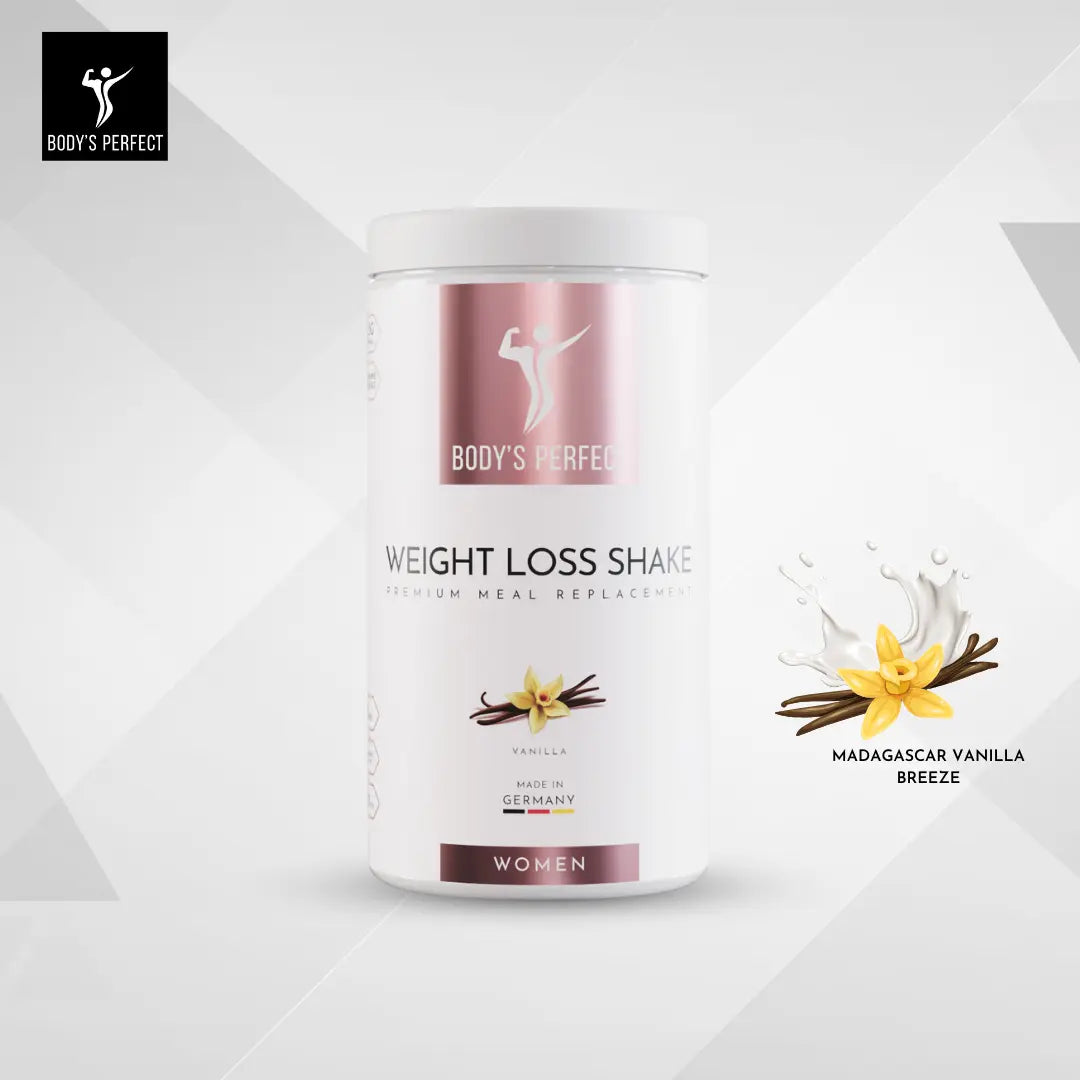
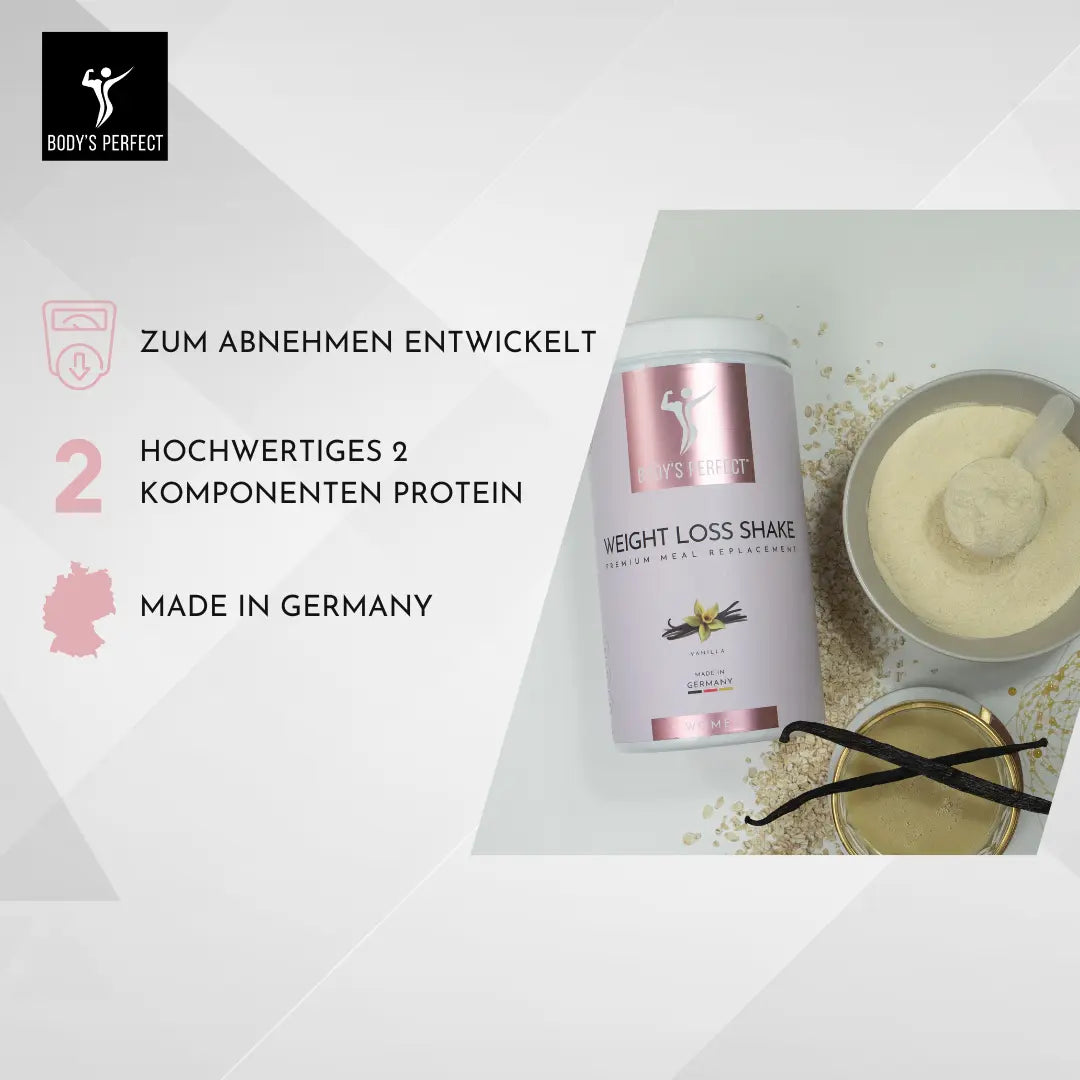
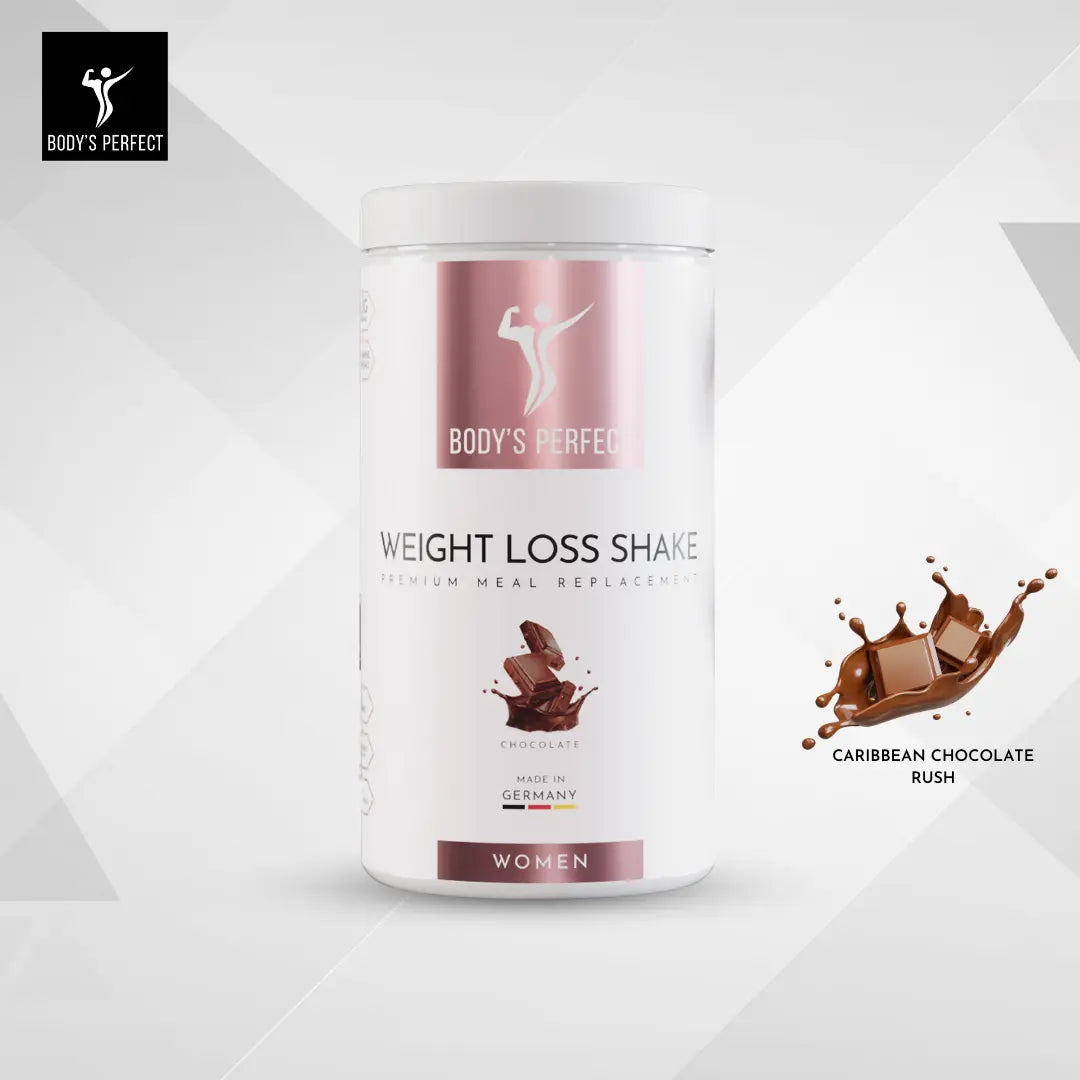
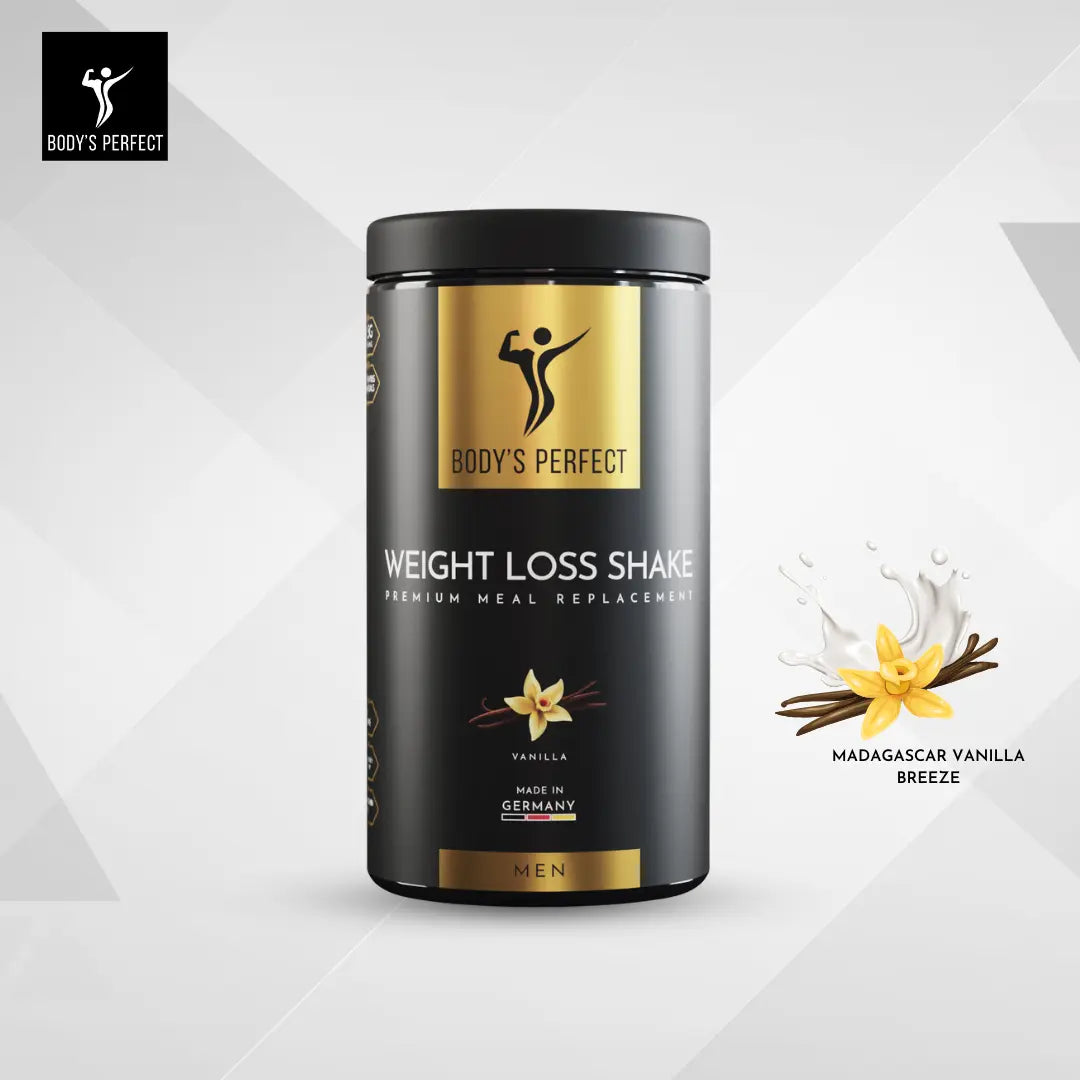
Are you ready to take your fitness to the next level? BODY'S PERFECT products are made in Germany and contain natural ingredients that optimally support you on your way. Check out our shakes and capsules now, which are perfectly tailored to your goals.













Share:
Do carbohydrate blockers really work? An honest assessment
How much weight loss per week is healthy? Tips & Facts