

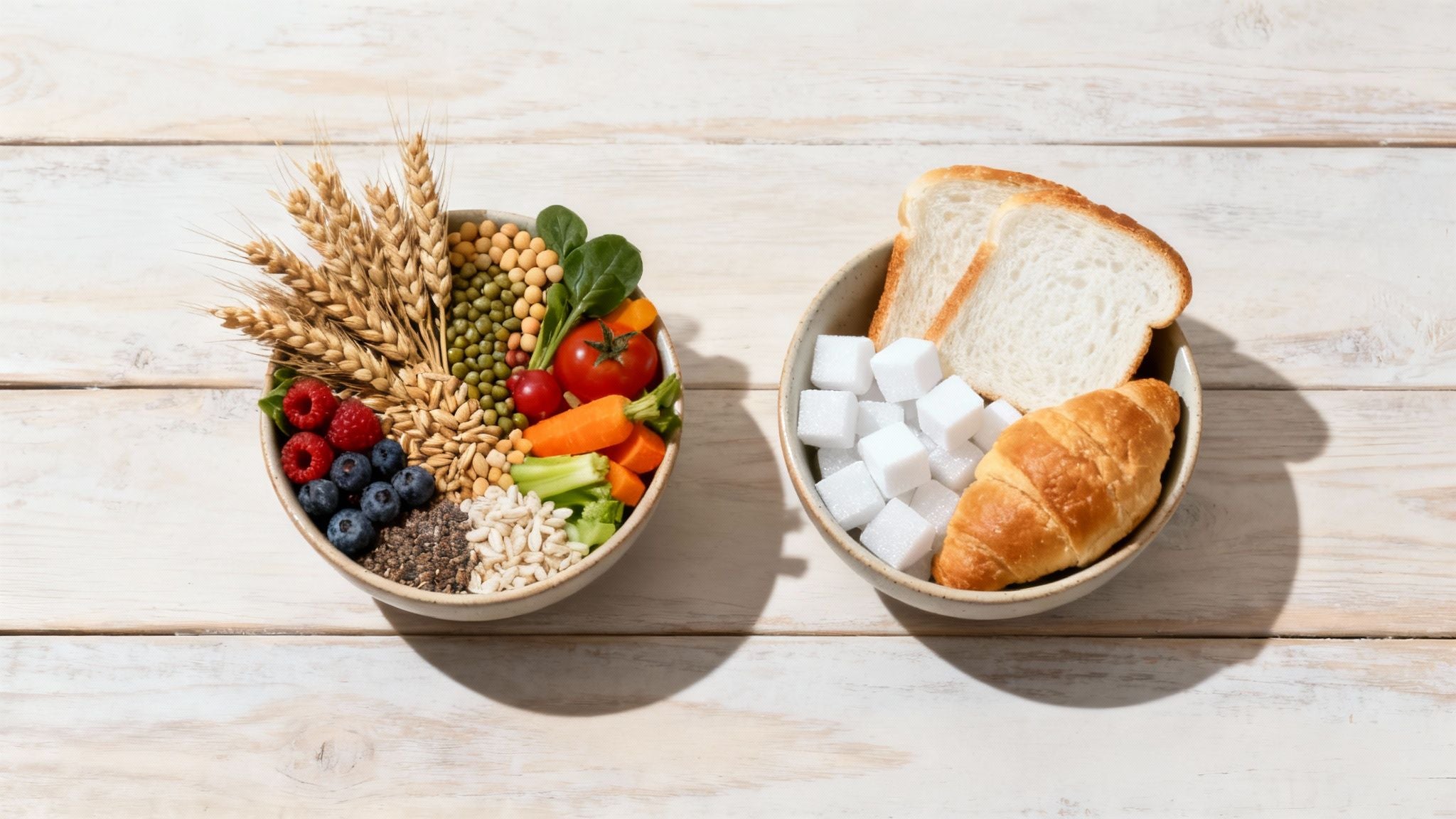
You constantly hear about "good" and "bad" carbohydrates, but you're not quite sure what that means? Don't worry, it's simpler than you think. Good carbohydrates are complex energy packages from whole grains or vegetables that keep you full and satisfied for a long time. Bad carbohydrates, on the other hand, are simple sugars and white flour products that send your blood sugar on a roller coaster ride.
What "good" and "bad" carbohydrates really mean
Do you also have the impression that carbohydrates are "fattening"? It's time to clear up that misconception. Don't think of them as an enemy, but as the most important fuel for your body. Your brain and muscles, in particular, rely on them to perform at their best.
So, it's not about cutting out carbohydrates completely. It's about consciously choosing the right kind.
The crucial difference lies in their chemical structure. This determines how quickly your body converts them into sugar (glucose) and uses them for energy.
The difference is in the details
Simple or "bad" carbohydrates consist of only one to two sugar molecules. Your body breaks them down in a flash. The result? Your blood sugar level shoots up, only to crash again shortly after. This constant up and down often leaves you tired, unfocused, and – you guessed it – hungry again quickly.
Complex or "good" carbohydrates are the exact opposite. They consist of long chains of sugar molecules. Think of them like a slow-burning log that provides you with steady warmth and energy for hours.
The result is a long-lasting feeling of fullness and stable blood sugar levels – both are invaluable for your well-being and your weight loss goals.
The graphic clearly shows: "Good" carbohydrates provide your body with sustained energy, while "bad" ones cause abrupt energy fluctuations.
This distinction, by the way, is not an invention from the fitness world. Even the German Nutrition Society (DGE) recommends that adults get more than half of their daily calories from carbohydrates – and clearly prefer the complex varieties.
Stable blood sugar is the key to more energy and less cravings. If you want to dive deeper into this topic, read our article on blood sugar regulation.
The direct comparison: Good vs. bad carbohydrates
To make things even clearer, let's look at the two types side-by-side. This table shows you the most important differences at a glance and helps you make better choices in everyday life.
| Characteristic | Good Carbohydrates (Complex) | Bad Carbohydrates (Simple) |
|---|---|---|
| Structure | Long molecular chains | Short molecular chains (1-2 sugars) |
| Digestion | Slow and controlled | Very fast and abrupt |
| Energy Release | Evenly over hours | Quick energy boost |
| Effect on Blood Sugar | Stabilizes blood sugar levels | Leads to rapid spikes and drops |
| Satiety | Keeps you full and satisfied for a long time | Makes you hungry again quickly |
| Nutrient Content | Rich in fiber, vitamins, minerals | Often poor in nutrients ("empty calories") |
| Examples | Whole-wheat bread, oatmeal, quinoa, lentils, beans, vegetables | White bread, sweets, sodas, cakes, polished rice |
As you can see, the differences are huge. Choosing the right carbohydrates has a direct impact on your energy, your mood, and not least, your health.
What happens if you eat too many "bad" carbohydrates?
Sugar and white flour products are unfortunately more than just empty calories. You can imagine them as a rollercoaster ride for your body – one that goes far beyond the brief high and the subsequent deep low. If you constantly ride this ride in the long term, you risk your health.
What exactly happens in your body? Simply put: these simple carbohydrates flood your blood with sugar very quickly. Your blood sugar level shoots up. This is the signal for your pancreas to release a large amount of insulin to move the sugar from the blood into the cells.
However, this sudden insulin surge causes your blood sugar level to plummet just as quickly. And this is where the vicious cycle begins: you feel tired, unfocused, and crave the next quick energy boost. So you reach for simple carbohydrates again, and the ride begins anew.
Chronic inflammation and metabolic diseases
These constant blood sugar spikes are pure stress for your body. A persistently elevated insulin level can lead to insulin resistance over time. This means your cells react less and less to the hormone, and the pancreas has to produce even more to get the job done.
This constant overload is a major risk factor for metabolic diseases. Current figures are alarming: In Germany, at least 9.1 million people suffer from type 2 diabetes. One of the main reasons for this is a diet rich in rapidly digestible carbohydrates such as sugar and white flour.
Furthermore, an excess of sugar and processed carbohydrates can fuel silent, chronic inflammation in the body. These unnoticed inflammatory foci are suspected of promoting many modern civilization diseases. If you want to delve deeper into this topic, our article explains exactly how harmful sugar really is.
Weight gain and stubborn weight loss plateaus
"Bad" carbohydrates make it particularly difficult for you to maintain or reach a healthy weight. There are several reasons for this:
- Empty calories: They provide a lot of energy, but practically no useful nutrients or satiating fiber.
- Cravings: The constant ups and downs of blood sugar lead to cravings, causing you to often consume more calories than you need.
- Fat storage: A high insulin level signals to the body: "Store energy!" At the same time, it blocks fat breakdown.
Imagine bad carbohydrates like an applied handbrake for your metabolism. They not only lead more easily to weight gain but also actively prevent your body from burning its fat reserves.
Knowing these risks allows you to make more conscious decisions about what you put on your plate. It's not about forbidding everything. It's about understanding the connections and paving the way for a life full of energy and well-being.
The benefits of good carbohydrates for your well-being
Now that we've shed light on the downsides of "bad" carbohydrates, it's time to put the true heroes of your diet in the spotlight. Good, complex carbohydrates are so much more than pure energy providers. They are the foundation upon which your health and vitality are built.
The crucial advantage of these powerhouses lies in their richness in fiber. These are indigestible plant fibers that work wonders for your body. Imagine them swelling in your stomach, creating a pleasant feeling of fullness that truly lasts.
Exactly this effect is your best friend if you want to lose weight. If you're full and satisfied after a meal with whole grain rice, lentils, or plenty of vegetables, you won't even be tempted to reach for unhealthy snacks. This way, the right carbohydrates help you achieve your calorie deficit all by themselves – without constant hunger.
Energy without crashes
Do you know that dreaded afternoon slump when you suddenly run out of steam? With the right carbohydrates, you can say goodbye to it. Since your body breaks them down slowly, they release their energy gradually and evenly over hours.
The result: Your blood sugar level remains stable. This helps you stay focused and productive throughout the day. No more constant craving for the next sugar rush!
Of course, your energy level doesn't just depend on carbohydrates. Sometimes there's more to constant exhaustion. Interesting insights into this are provided by the reasons for fatigue despite sufficient sleep, which can help you get to the bottom of the matter.
More than just fillers
The positive effects of good carbohydrates don't stop at satiety and energy. A fiber-rich diet benefits your health on many levels:
- Healthy digestion: Fiber keeps your digestion going and is also the favorite food for the good bacteria in your gut. A healthy gut microbiome is the key to a strong immune system and overall well-being.
- Heart health: Soluble fiber, found in oatmeal, apples, and beans, has been shown to help lower cholesterol levels. This, in turn, reduces the risk of cardiovascular disease.
- Concentrated nutrient power: Unlike "empty calories" from white flour and sugar, whole grain products, legumes, and vegetables provide you with countless important vitamins, minerals, and secondary plant compounds that your body urgently needs for all its tasks.
Good carbohydrates are therefore not opponents you should avoid, but clever allies. They actively support you in losing weight, give you sustained energy, and protect your health in the long term.
If you consciously put the right carbohydrates on your plate, you are choosing more quality of life every day.
Your shopping guide for good carbohydrates
Okay, you've got the theory of good and bad carbohydrates down. But what happens when you're standing in the supermarket and have to choose between hundreds of products? That's exactly what this section is for – as your practical cheat sheet for your next shopping trip.
The trick is to become an ingredient detective. Don't be fooled by the marketing on the front. Turn the package over! Often, the "bad" varieties are hidden behind names like glucose syrup, fructose, dextrose, or simply sugar. A simple rule of thumb: the shorter the ingredient list and the further up whole grain or vegetables are listed, the better it is for you.
What goes into your shopping cart now
To make it easier for you to get started, here's a list of real powerhouses. These foods give you long-lasting energy, make you feel full, and bring a host of important nutrients with them.
- Whole grain products: You can really stock up here! Think oatmeal, quinoa, millet, brown rice, whole-wheat pasta, and real whole-wheat bread. Make sure it actually says "whole grain" on the label.
- Legumes: Lentils, chickpeas, black beans, or kidney beans are absolute all-rounders. They not only provide complex carbohydrates but also a good portion of plant-based protein.
- Vegetables: Sweet potatoes, pumpkin, and potatoes are fantastic energy sources. But other vegetables are also super important, of course. If you're looking for inspiration, check out our guide to low-carb vegetables.
- Fruit: Yes, fruit contains fructose. But berries, apples, or pears bring so much fiber that the sugar enters the bloodstream much more slowly. A win-win situation.
Healthy eating doesn't have to be expensive, by the way. There are great guides on how to get by on a small budget and still live well – that fits perfectly together.
Your shopping list: Good vs. bad carbohydrates
A simple overview can be golden in the supermarket. Here's a little help that shows you which shelf to reach for and which to avoid.
| Food Group | Prefer these (Good Carbohydrates) | Avoid these (Bad Carbohydrates) |
|---|---|---|
| Grains & Bread | Whole-wheat bread, oatmeal, whole-wheat pasta, brown rice, quinoa | White bread, toast, cornflakes, instant noodles, white rice, cookies |
| Vegetables & Fruit | Sweet potatoes, pumpkin, lentils, beans, chickpeas, berries, apples | Fries, potato chips, sweetened canned fruit, fruit juices |
| Snacks & Sweets | Nuts, carrots with hummus, Greek yogurt, a piece of fruit | Chocolate bars, gummy bears, chips, pastries, cakes, sweetened muesli bars |
| Drinks | Water, unsweetened tea | Sodas, energy drinks, sweetened juices, iced tea |
With this list in mind, shopping will be a breeze. You don't have to be perfect, but every good decision counts.
Your goal shouldn't be perfection, but progress. Start small. Just swap white bread for whole-wheat bread. These small steps make a huge difference to your well-being in the long run.
See this guide as your tool. Over time, the healthy choice will become a habit, without even having to think about it. Promise!
How to make the change step by step
Anyone who wants to completely overhaul their diet overnight usually fails. That's perfectly normal, because expectations are often simply too high. The real key to success is to be patient and gradually build new, healthy habits. It's not about doing everything perfectly right away, but about making steady progress that fits well into your everyday life.
This section is designed to help you with that – like a little coach on your journey. I'll show you how to incorporate more good carbohydrates into your life with joy and without pressure, and slowly but surely leave the bad ones behind.
Your 7-day challenge for an easy start
Forget strict prohibitions and radical diets. Instead, let's start with a simple challenge. The idea: You change only one small thing each day. This is super doable and gives you the motivation you need to stick with it.
- Day 1: Swap your usual white bread or light rolls for a true whole-grain variety.
- Day 2: Consistently replace all sugary drinks like soda, iced tea, or juices with water or unsweetened tea.
- Day 3: Incorporate a portion of legumes into your lunch. How about lentils in a salad or chickpeas as a side dish?
- Day 4: Instead of pastries or chocolate bars, grab a handful of nuts and an apple in the afternoon.
- Day 5: Cook with sweet potatoes or pumpkin tonight instead of white pasta or rice.
- Day 6: Try a breakfast without added sugar, for example, natural yogurt with fresh berries and oatmeal.
- Day 7: Take a look at the ingredient list of a convenience product in your fridge. Do you discover any hidden sugar?
Always remember: every single one of these steps is a huge gain for your health. Celebrate these small successes, because they form the foundation for lasting change.
How to overcome common hurdles
Even the best plan doesn't always work out. Life happens. Sudden cravings or a dinner invitation can easily throw you off track. The important thing is to be prepared for it.
When cravings strike, it's best to drink a large glass of water first. Often, it's just thirst. If the appetite persists, reach for a healthy alternative – a banana or a small cup of Greek yogurt can work wonders.
And if you're invited to dinner? Just focus on the side dishes. Vegetables and a salad are almost always an option and a much better choice than fries or white bread.
It's also perfectly okay to treat yourself sometimes. The key is that you simply return to your new, healthy habits afterwards. If you're wondering how to best tailor the amount of carbohydrates to your personal goals, take a look at our article that shows you how many carbohydrates are truly ideal for weight loss.
Finally: Your most frequently asked questions about carbohydrates
Now that you know the difference between "good" and "bad" carbohydrates, the same questions often arise in everyday life. Let's clarify the most important ones so you can shape your diet confidently and without myths.
Are carbohydrates in the evening really taboo if I want to lose weight?
No, that's one of the most persistent myths out there. What really matters for your weight loss success at the end of the day is your overall calorie balance – meaning how many calories you consumed and how many you burned. The timing plays a subordinate role.
A moderate portion of good carbohydrates in the evening, such as some quinoa or a small sweet potato, can even help you sleep better. The key is quality and quantity. A balanced meal is always better than a huge portion of fries right before bedtime.
Are fruit sugars from fruit also "bad" carbohydrates?
Not at all. The fructose in a whole fruit is completely different from the isolated sugar in sweets or sodas. An apple or a banana provides you with a valuable complete package of vitamins, minerals, and especially fiber.
You can imagine the fiber in fruit as a natural brake. It ensures that sugar enters the bloodstream slowly. This keeps your blood sugar level stable and helps you avoid cravings.
However, the situation is different with fruit juices. Here, this "brake" is missing, and you absorb the sugar in a highly concentrated form. That's why a whole fruit is always the better choice.
How many carbohydrates per day are ideal for weight loss?
A blanket gram-based recommendation would not be serious here, as your personal needs depend on many factors – your age, your weight, your activity level, and your goals. A much smarter approach is to consciously reduce bad carbohydrates and replace them with good ones.
Try to include a good protein source, plenty of vegetables, and a fist-sized portion of good carbohydrates (like whole grain rice or potatoes) in every meal. This combination keeps you full for a long time, provides you with all essential nutrients, and makes it easier for you to achieve a calorie deficit.
Sometimes it can also be helpful to specifically influence carbohydrate intake. If you're looking for support, our information on carb blockers might be of interest to you.
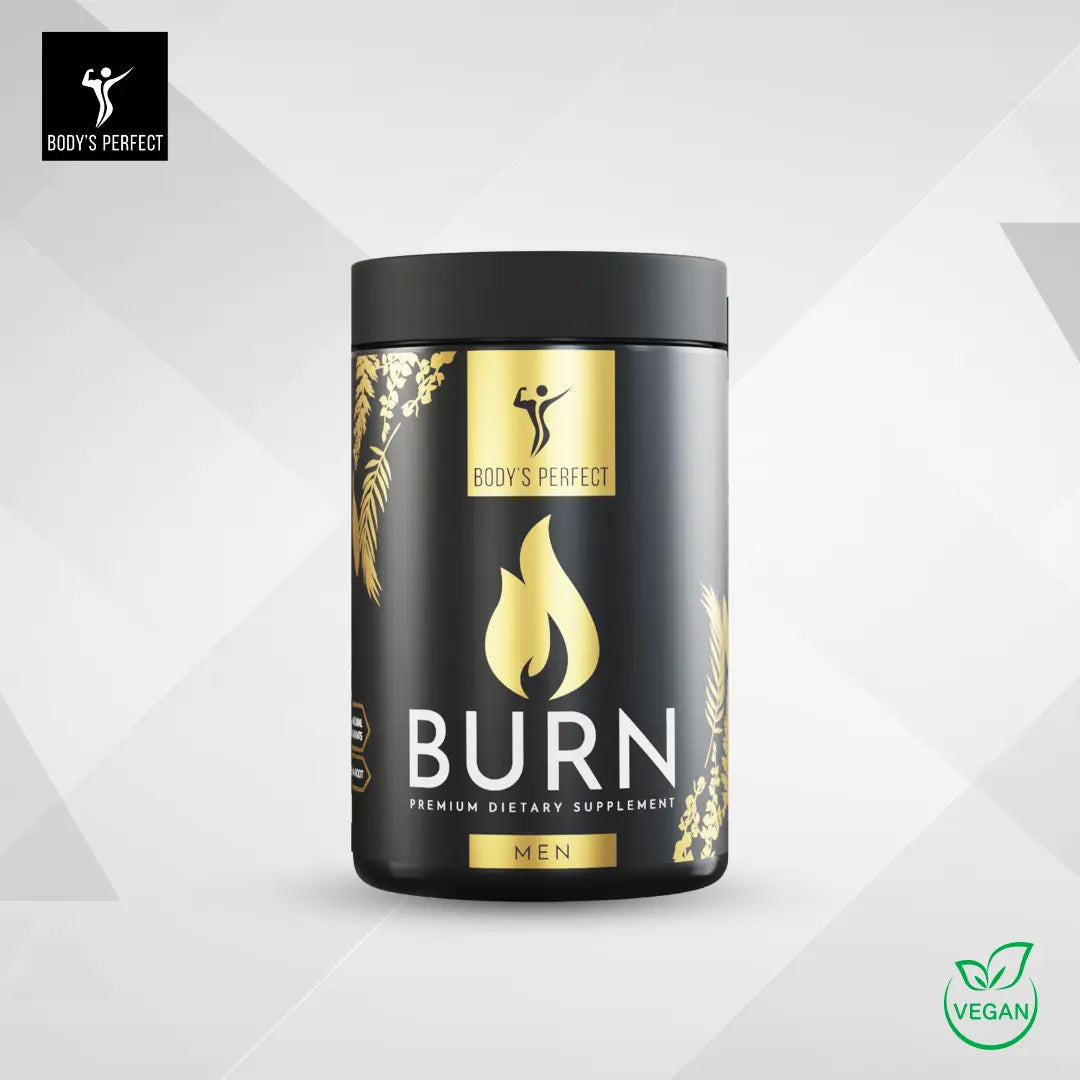
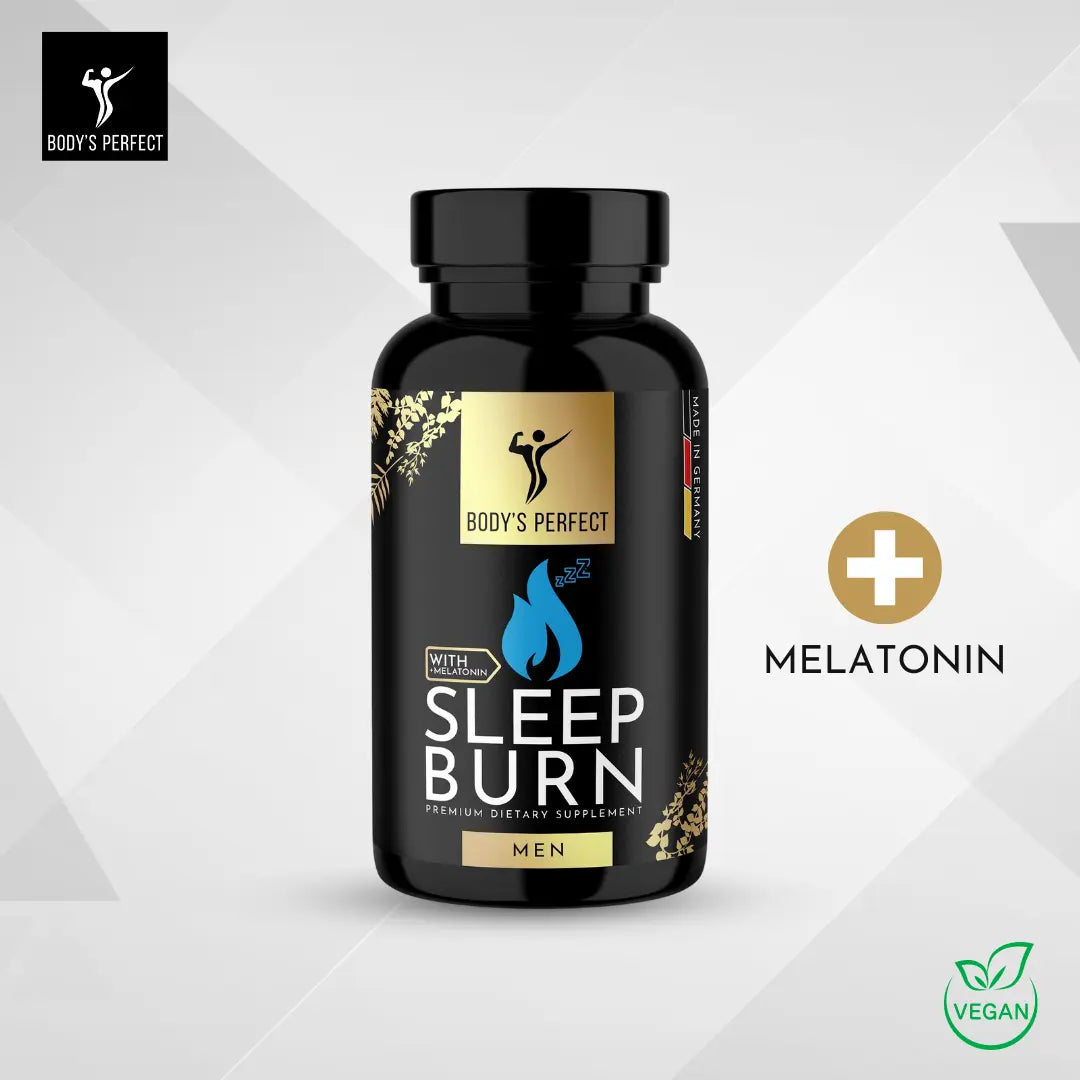
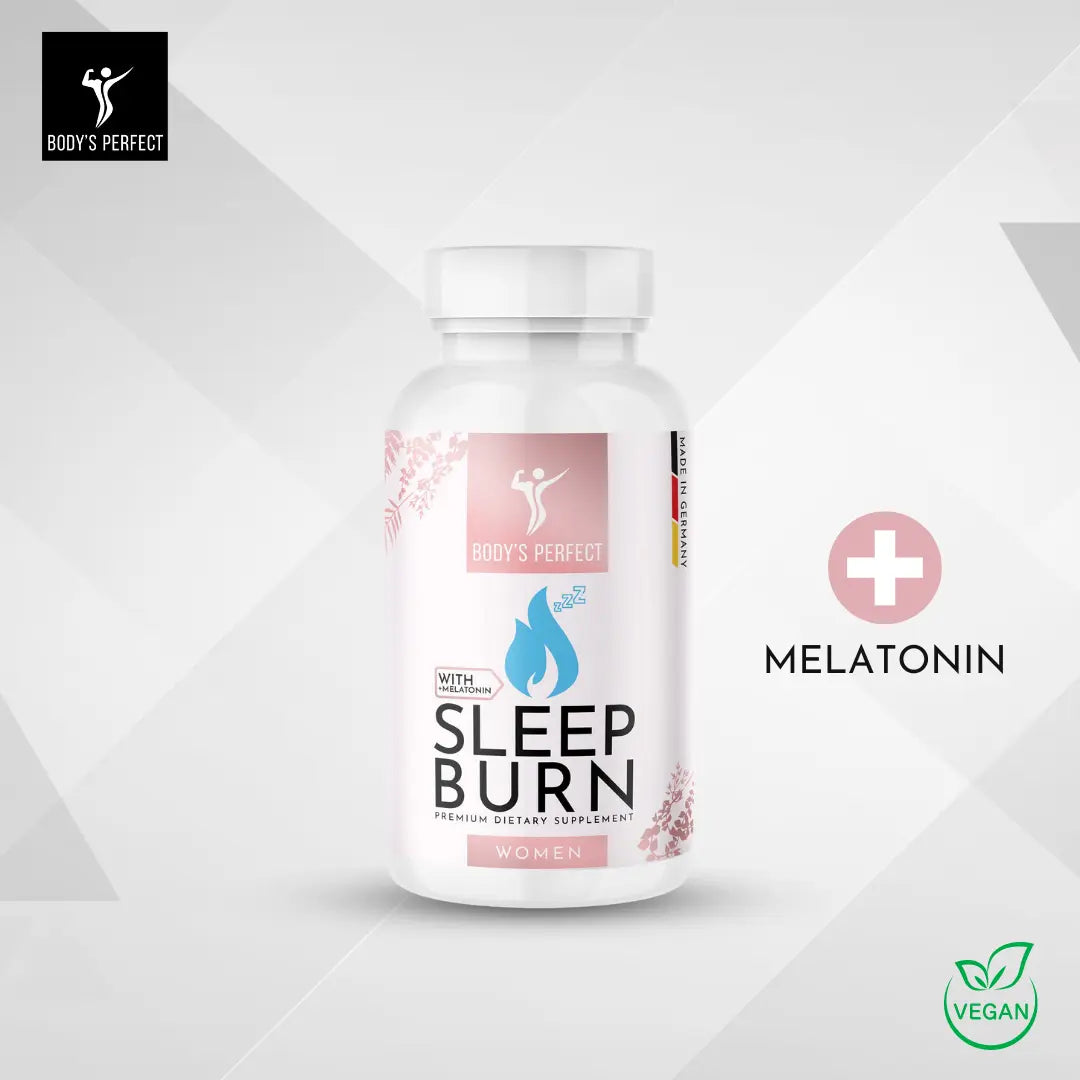
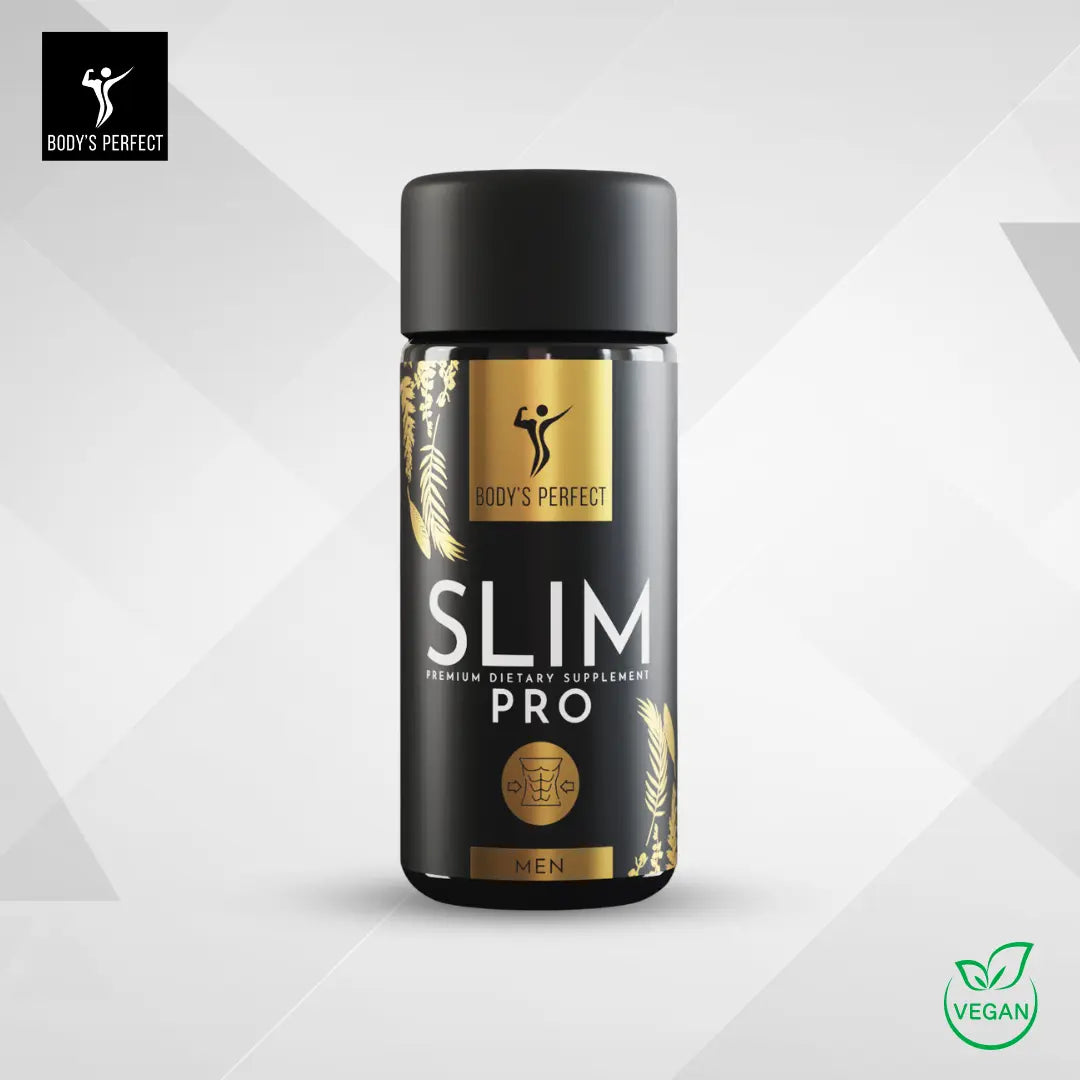
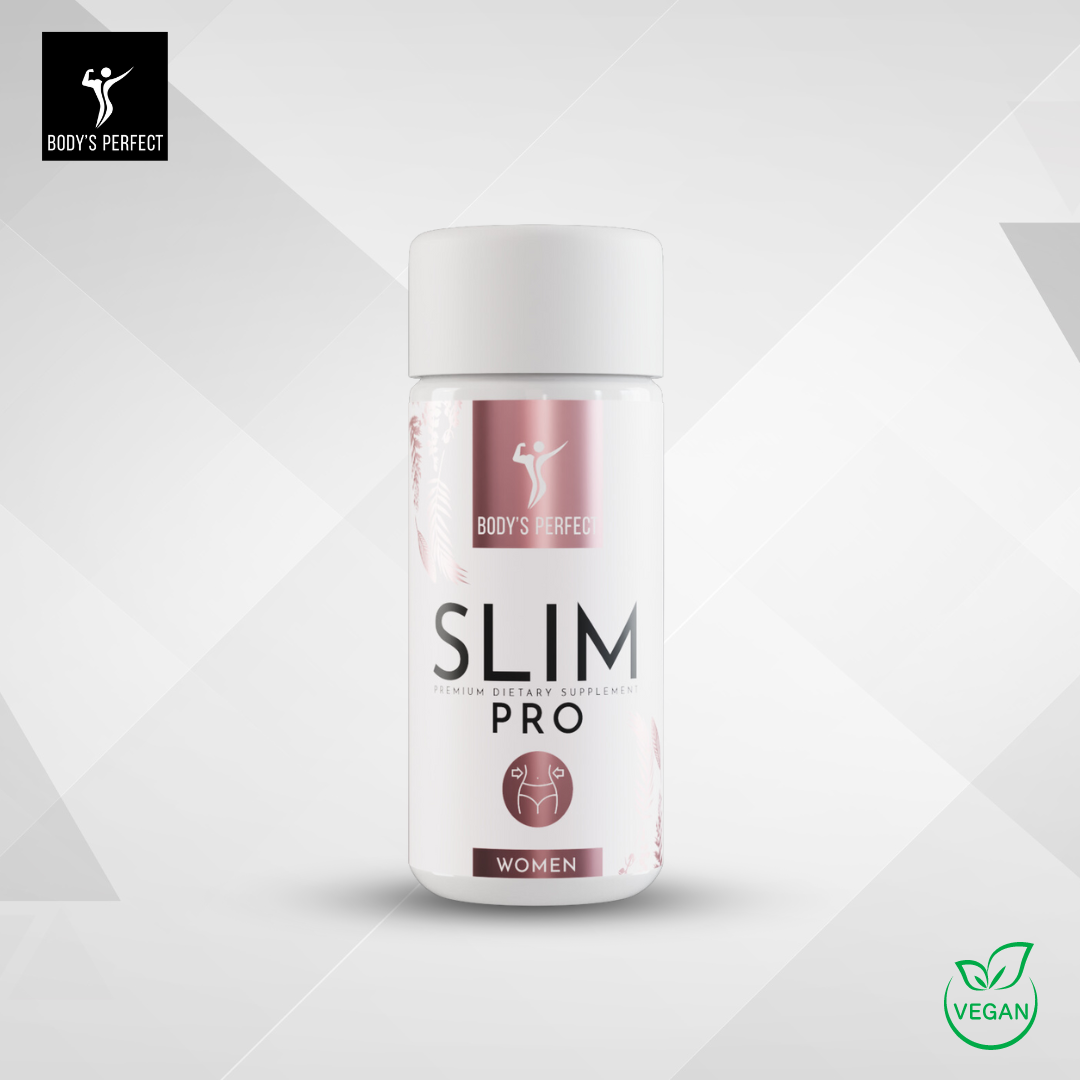
Are you ready to take your nutrition to the next level and get a decisive step closer to your goals? BODY'S PERFECT products are designed to support you precisely in this endeavor. Our BURN and SLIM capsules can help you boost your metabolism and better control cravings.
Discover the right products for your goals now at bodysperfect.com



































Share:
Creatine Effects: How to Effectively Boost Your Performance
Creatine Side Effects: Are the Myths True?