

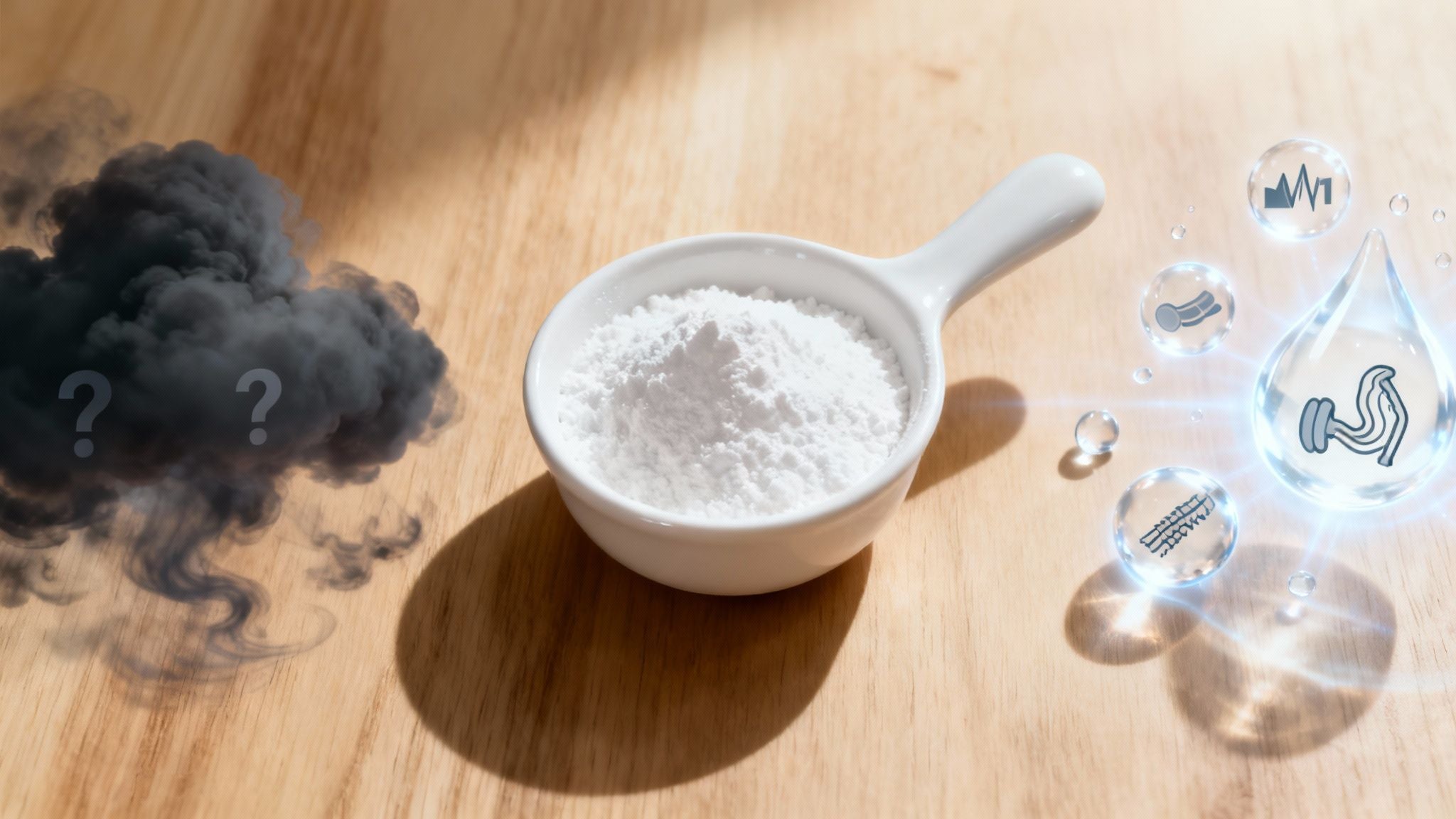
Are you considering taking creatine but are still unsure about the possible side effects? Then I have good news for you: creatine is one of the most researched dietary supplements available and is absolutely safe for healthy people, provided you use it correctly. Most concerns you might hear are more myths than facts.
Mild accompanying symptoms are often even a sign that the creatine is starting to work.
What you really need to know about creatine side effects
Creatine can be a real game-changer for your training, but the word "side effect" often puts many people off. Let's take an open and clear look at the whole thing.
By far the most common "side effect" people report is a slight weight gain in the first few weeks. However, this is absolutely no cause for concern! This is not fat, but water that creatine specifically draws into your muscle cells. Just imagine your muscles as sponges soaking up water. The result? More volume and a fuller appearance. This effect is therefore actually a good sign – it shows that your creatine stores are full and the supplement is doing its job.

Myths and facts at a glance
Some people also experience mild gastrointestinal discomfort at first. However, this is almost always due to an excessively high dosage or not drinking enough. Studies show that about 5% to 15% of users experience something like mild nausea or stomach cramps, especially when starting with a high loading dose.
Many of the more serious concerns sometimes read – such as kidney damage or hair loss – have been scientifically disproven and clearly belong to the realm of myths.
To shed light on the matter, we have contrasted the most common rumors with the facts.
Common myths about creatine side effects debunked
This table contrasts the most common myths about creatine with scientific facts, so you can quickly get clarity.
| Myth | Scientific Fact |
|---|---|
| Creatine damages the kidneys. | In healthy people, there is no evidence of kidney damage. Hundreds of studies confirm its safety when taken at the recommended dose. |
| Creatine causes hair loss. | There is no direct scientific evidence that creatine causes hair loss. This myth is based on a single, often misinterpreted study. |
| Creatine leads to dehydration and cramps. | The opposite is true: creatine draws water into muscle cells and can even improve hydration. It's important to generally drink enough. |
| Creatine is a steroid. | False. Creatine is a natural substance also found in the body (e.g., in meat and fish) and has no hormonal effect. |
As you can see, the real side effects are manageable, and the worst fears are unfounded.
Creatine is not a miracle cure, but an extremely effective and safe tool for your athletic goals. The most common side effects are harmless and even show you that it works.
It is important that you stick to the recommended dosage and choose a high-quality product.
If you want to delve deeper into how to strategically use dietary supplements in sports, you will find even more valuable information with us.
Easily avoid gastrointestinal discomfort from creatine
A slight rumble in your stomach after taking creatine? Some people know that. This is actually one of the most common side effects. The good news: This creatine side effect is almost always avoidable and rarely due to the active ingredient itself. Most of the time, the cause is very simple – it depends on how you take it.
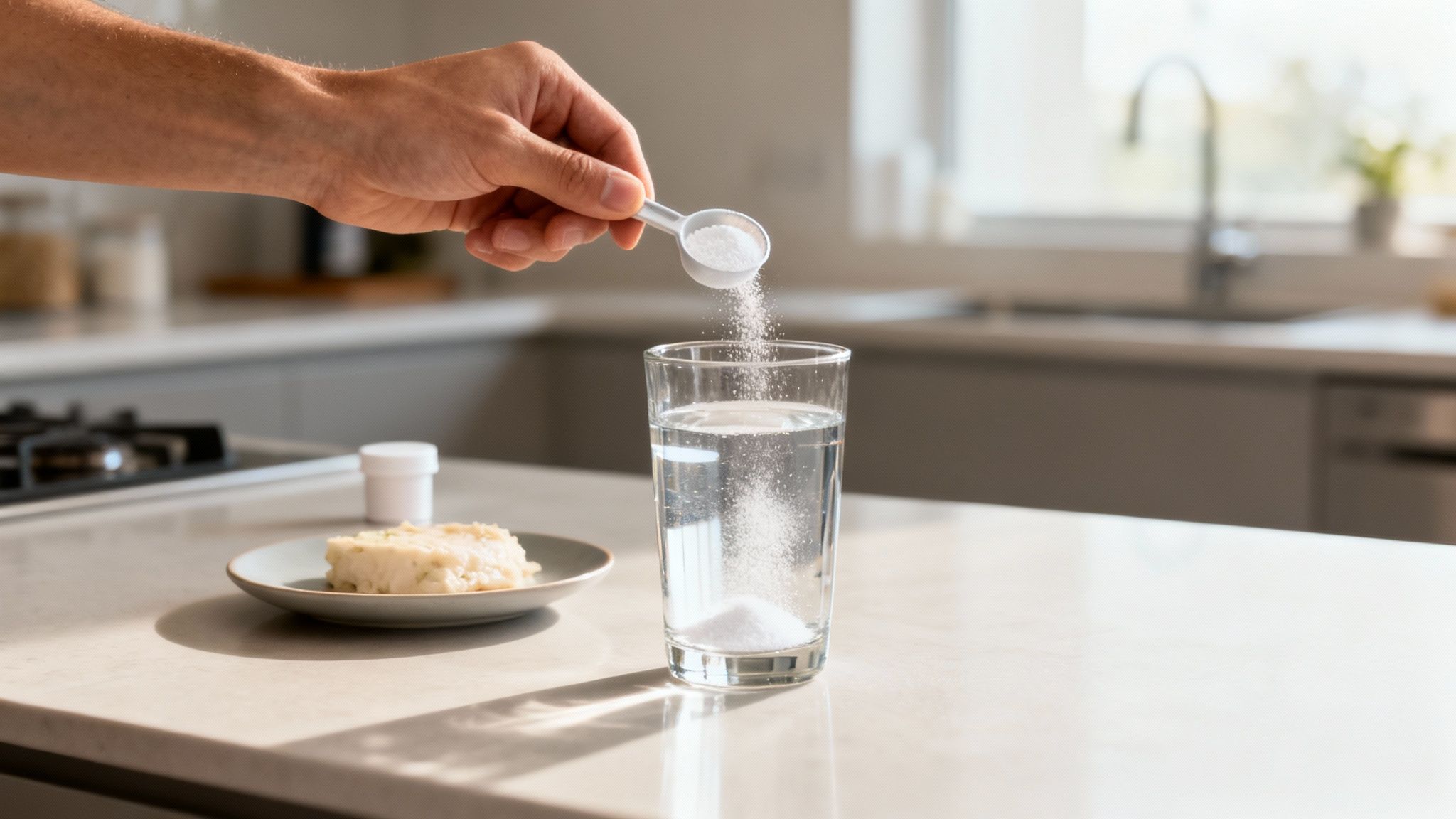
Imagine this: If you put a spoonful of sand in a glass of water, it doesn't dissolve but sinks to the bottom. Something similar can happen with creatine. If you take too much at once, your body cannot fully absorb it. The rest ends up in the intestine, where it draws water, leading to typical symptoms such as bloating or mild diarrhea.
How to soothe your stomach
Fortunately, you can quickly get this under control with a few simple tricks. It's basically about making it as easy as possible for your body to absorb the creatine.
These three tips will help you immediately:
- Divide the dose: Instead of taking the full 3-5 grams at once, try dividing the amount into two smaller portions throughout the day. This way, you won't overwhelm your digestive system.
- Sufficient fluid: This is crucial. Always dissolve your creatine powder in at least 250-300 ml of water or juice. Stir until everything is completely dissolved.
- Take with a meal: Taking your creatine with food, preferably with a carbohydrate-rich meal, improves tolerability and further supports absorption.
Quality makes the difference. A high-quality, very fine creatine powder (micronized) dissolves much better in liquid. This alone can make a huge difference and prevent stomach problems from the outset.
If you already have a sensitive stomach, these points are particularly important for you. If you want to learn more about the general causes of a bloated stomach, check out our article on the subject.
With correct intake and a good product, nothing stands in the way of your goals.
Does creatine really harm the kidneys?
The concern that creatine attacks the kidneys is probably the most persistent of all creatine side effects. It persists stubbornly, although science has long had a clear answer. Let's dispel this myth once and for all: For healthy people, creatine is absolutely safe, as long as you stick to the recommended dose.
Where does this uncertainty actually come from? The culprit is usually a certain blood value: creatinine.
Creatinine is naturally produced when your body breaks down creatine. Your kidneys then filter it out of the blood. If you now take additional creatine, more creatinine will logically be produced – the value in the blood increases. However, this is a completely normal and expected reaction and not a sign of a kidney problem. It only shows that the creatine is doing its job.

What science says about it
Countless studies have examined this very question and always come to the same conclusion: responsible creatine intake does not harm healthy kidneys.
Studies on kidney health carried out in Germany also confirm this. One study accompanied recreational and competitive athletes for up to five years. Even at doses of up to 30 grams of creatine daily – much more than usual – no negative effects on the kidneys were found. If you want to delve deeper, you can view the study results on creatine here in detail.
The most important thing to understand is: Your kidneys are robust filter systems. A slightly elevated creatinine level caused by supplementation is not an overload for a healthy organ, but simply a little more work.
The choice of the right supplements naturally plays a big role in your health. Also check out our guide on natural dietary supplements to safely support your goals.
However, there is one important exception: If you already have kidney disease or know that your kidney function is impaired, you must consult your doctor before taking it. In such a case, caution is advised.
For everyone else, however, there is no need to worry: With healthy kidneys, you can incorporate creatine into your routine without hesitation.
Properly classifying weight gain from creatine
You've started taking creatine and the scale suddenly shows one or two kilos more? Don't worry, that's completely normal and even a good sign! It tells you that the creatine is reaching its intended destination and getting to work.
This rapid increase on the scale is not fat. It is almost exclusively water. Imagine creatine as a small magnet that draws water directly into your muscle cells. Your muscles become plumper and fuller as a result – almost pumped up from the inside.
In technical terms, this is called intracellular water retention. This means that the water accumulates in the muscles, not unsightly under the skin. And that is precisely the desired effect, because plump muscle cells are more powerful.
More muscle volume, no bloated appearance
The myth that creatine makes you look "bloated" or "watery" persists stubbornly, but is simply false. A bloated appearance is usually due to a high-salt or unhealthy diet, not a sensible dietary supplement.
What actually happens is exactly the opposite:
- Your muscles appear fuller: They look plumper and more defined, not spongy.
- You get stronger: Better water supply in the cell optimizes leverage and energy provision. The result: more power during training.
- It's not fat: The kilos on the scale have nothing to do with body fat. It's a purely mechanical effect due to the stored water.
So don't see the number on the scale as a setback, but as proof. Your stores are filling up, your muscles are optimally supplied and ready for new peak performances.
This form of weight gain is a completely normal side effect and a clear signal that creatine is working. After the first few weeks, the weight usually stabilizes, but the strength benefits remain. This way, you can take advantage of the effect and get a lot closer to your goals – whether muscle building or weight management.
How to get the most out of your creatine intake
The key to fully benefiting from the advantages of creatine and avoiding possible side effects lies in correct dosage. It's not about taking as much as possible, but about incorporating it smartly and, above all, consistently into your daily routine.
One well-known method is the loading phase: Here, you take about 20 grams daily for 5–7 days to quickly fill your creatine stores. However, the modern and, for most of us, much better way is the continuous intake of 3–5 grams per day. This method is just as effective – it just takes a few weeks longer for your stores to be completely full. The huge advantage: It's much gentler on your stomach.
Loading phase or rather a constant dose?
Which strategy you choose depends entirely on you. The loading phase brings faster visible results, but the constant, lower dose is easier to maintain and minimizes the risk of gastrointestinal discomfort.
To make your decision easier, here's a direct comparison:
Comparison of Loading Phase vs. Continuous Intake
A direct comparison of the two most common intake strategies, so you can decide which approach best suits your goals.
| Feature | Loading Phase (20g/day for 5-7 days) | Continuous Intake (3-5g/day) |
|---|---|---|
| Speed | Very fast (stores full in ~1 week) | Slower (stores full in ~3-4 weeks) |
| Tolerability | Higher risk of stomach problems & bloating | Very well tolerated, ideal for sensitive stomachs |
| Effort | More cumbersome as dose needs to be divided | Super easy: One scoop per day |
| Effectiveness | No long-term difference compared to the other approach | Just as effective, but without haste |
| Our Recommendation | Only if it absolutely has to be fast | The gold standard for almost all users |
Our recommendation is clear: simply start with 3–5 grams of creatine per day. This method is uncomplicated, safe, and will ultimately lead you to the exact same goal – without the risk of digestive problems.
Much more important than the exact time of intake is regularity. Make it a daily habit, like brushing your teeth.
This graphic clearly illustrates how creatine draws water directly into your muscle cells, thus creating more volume and plumper muscles.

It clearly shows why initial weight gain is no cause for concern – it is directly related to the desired muscle growth and performance enhancement.
Ultimately, the quality of the product also matters. A pure, high-quality creatine monohydrate ensures you get a tested, effective supplement without unnecessary fillers. If you want to delve deeper, our article explains everything about the exact effect of creatine and how it takes your training performance to the next level.
Cramps and dehydration? Creatine is usually not to blame
The rumor persists: creatine is said to cause cramps and dehydrate the body. But if you look closely, you quickly realize that this is a myth. In reality, the opposite happens.
Creatine is a real water magnet. It specifically draws fluid to where your body most urgently needs it during exercise: directly into your muscle cells. This even improves the fluid supply (hydration) of your muscles.
Imagine giving a plant water directly to its roots instead of just spraying the leaves. That's how creatine works. A well-hydrated muscle cell is not only more powerful but also less prone to cramps. The fear of dehydration is therefore unfounded.
What really causes muscle cramps
So if a cramp suddenly bothers you during exercise, it's almost never due to creatine. The real reasons are usually much simpler to find – and fortunately, also easy to remedy.
The most common causes of cramps are:
- Not drinking enough: Simply put – you haven't consumed enough fluids throughout the day. Your body needs water for countless processes.
- Electrolyte deficiency: Those who sweat heavily lose important minerals like magnesium, potassium, and sodium. Without these electrolytes, signal transmission between nerves and muscles no longer functions smoothly.
- Overtraining: Sometimes a cramp is also just a clear sign that you have pushed your muscles to their absolute limit.
A cramp is usually a warning sign from your body. Most of the time, it lacks fluids or important minerals – it is almost never a creatine problem.
So before you suspect creatine, take a critical look at your fluid intake and mineral supply. Magnesium, in particular, is extremely important for relaxed muscle function. If you want to learn more, check out our article on the effect of magnesium for athletes.
The most burning questions about creatine – answered briefly & concisely
Finally, we'll clear up a few myths and uncertainties that keep cropping up around the topic of creatine. Here are clear and honest answers, so you know exactly where you stand.
Does creatine cause hair loss?
This concern is probably the most persistent myth of all. It is based on a single, small study from 2009, which is often taken out of context.
To date, there is no solid scientific evidence linking creatine directly to hair loss. So for most people, there's no need to worry.
Do I need to take breaks when taking creatine?
Clear answer: No. If you stick to the recommended dose of 3-5 grams per day, you don't need to take breaks from a health perspective. Numerous long-term studies confirm this.
The so-called "cycling," i.e., alternating intake and discontinuation, is an old myth that has long been scientifically debunked and offers no advantages.
Continuous intake is key. This ensures that your creatine stores are always well filled and that you can consistently perform at your best during training.
Is creatine suitable if I want to lose weight?
Yes, absolutely! That's actually a really good idea. During a diet, creatine helps you maintain your strength during training. This is extremely important to protect your hard-earned muscles from degradation.
More muscle means a higher basal metabolic rate, which in turn helps you lose weight. As mentioned, the slight weight gain at the beginning is just water in the muscles – not an ounce of fat. So don't let that discourage you. In the long run, creatine is a great partner for your weight management.
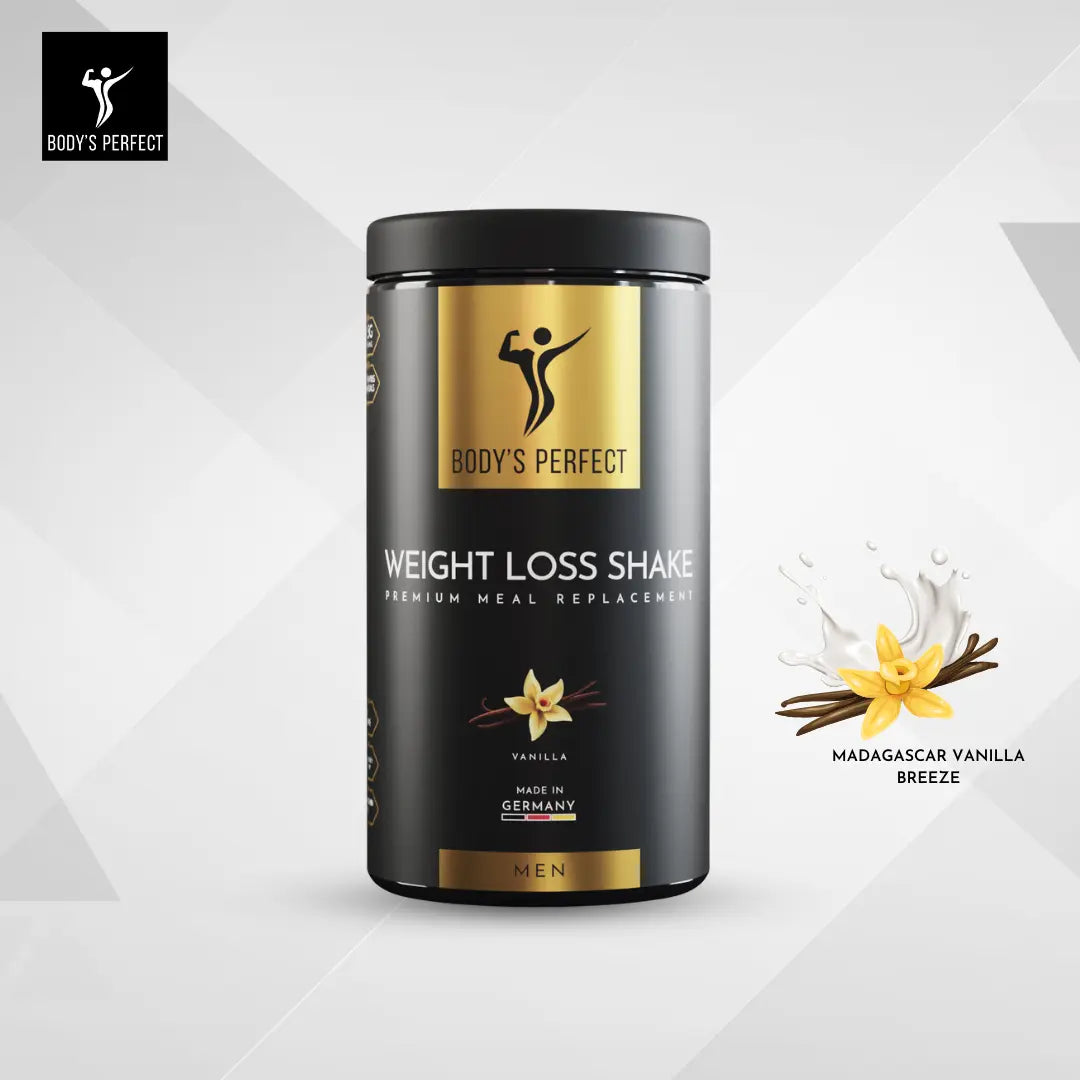
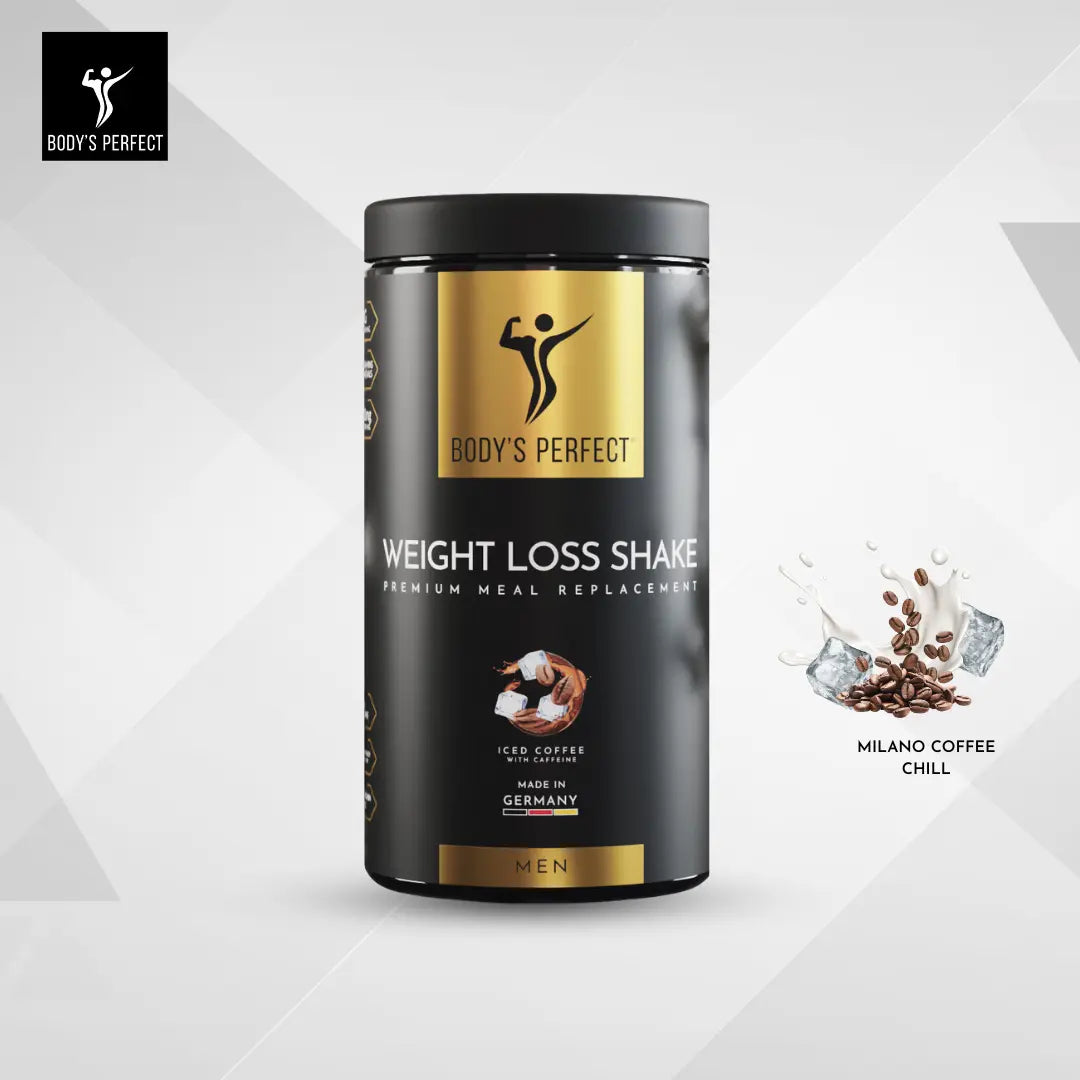
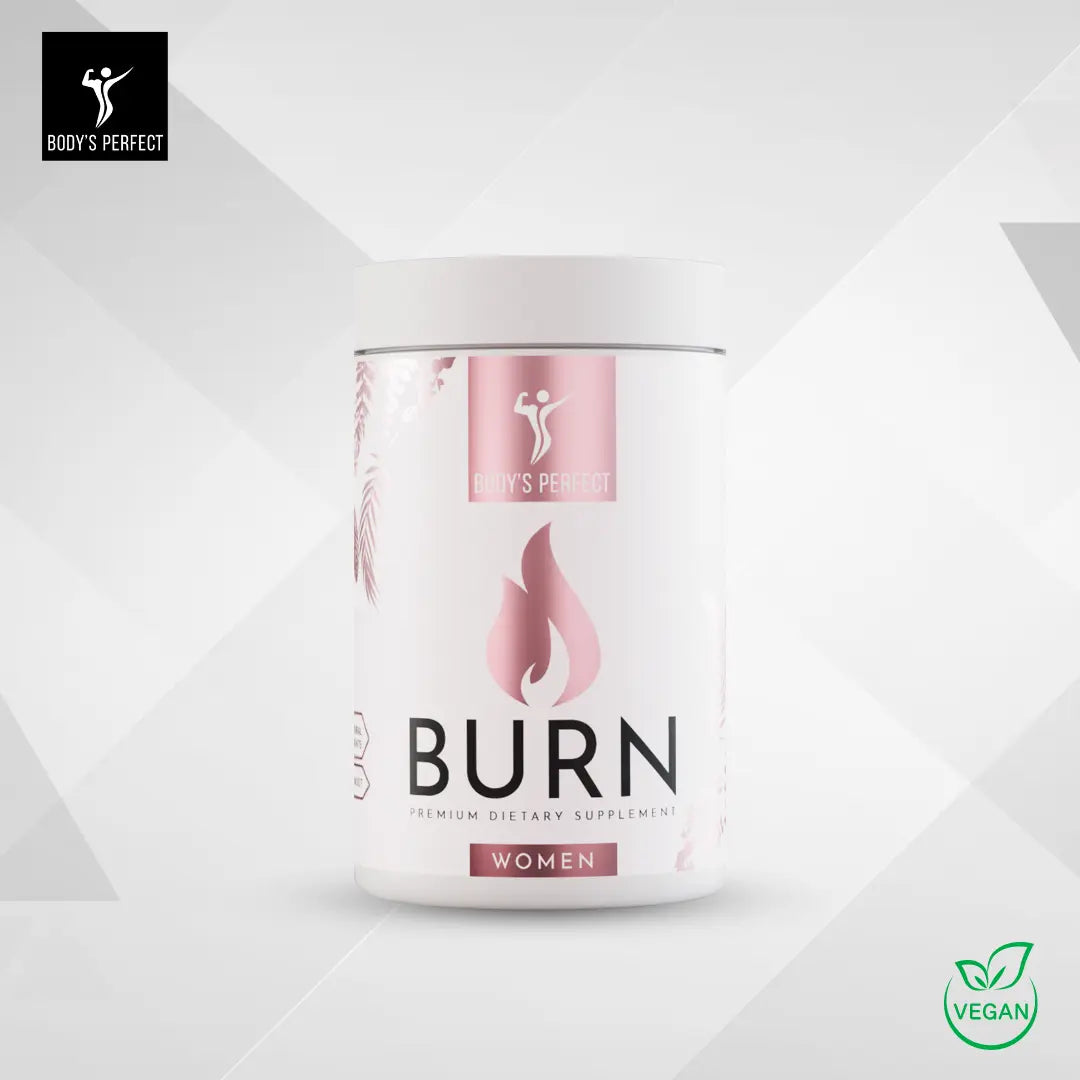
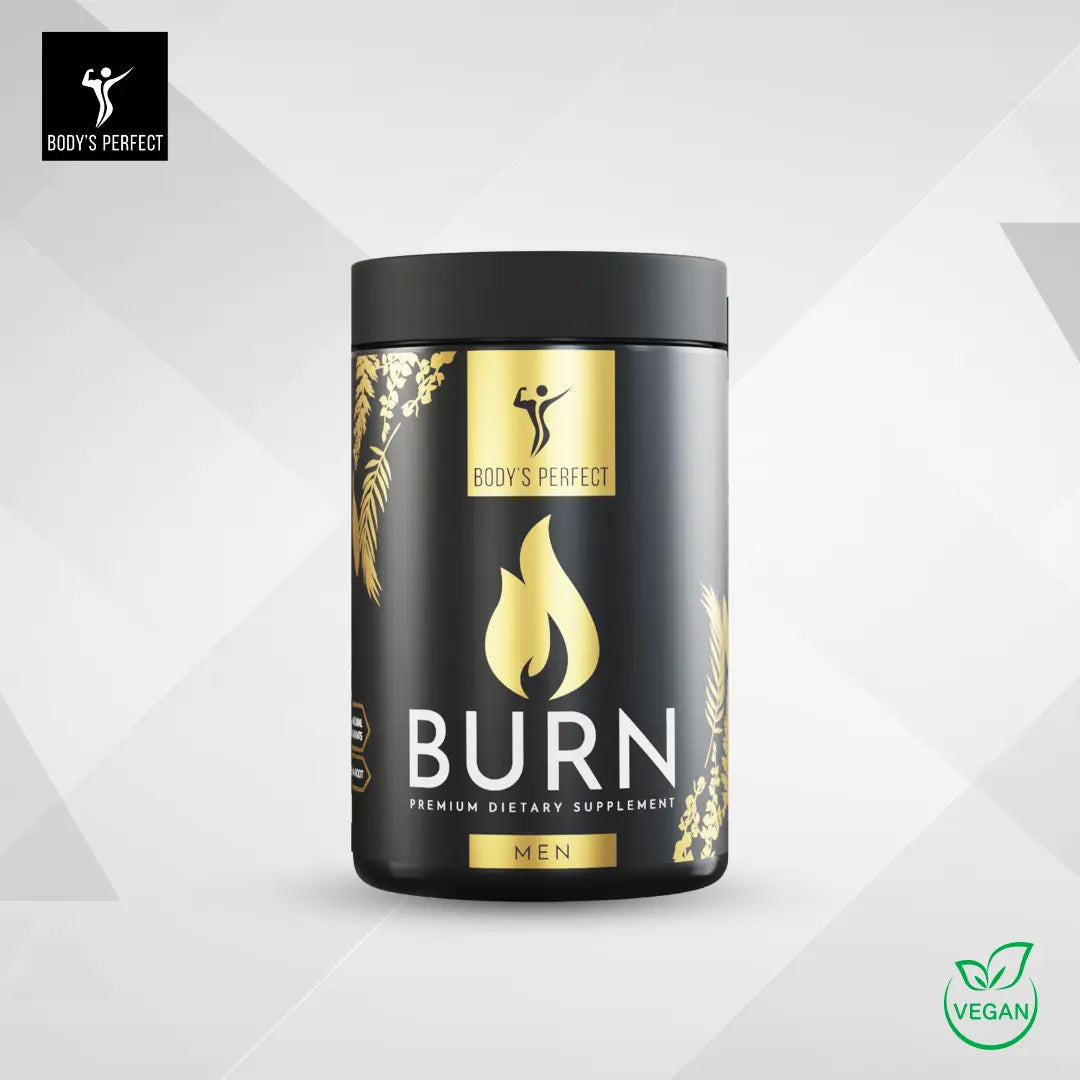
To best achieve your goals, the right products are essential. At BODY'S PERFECT, you'll find high-quality, German-made supplements that effectively support you in losing weight and improving your health. Find the right products for your journey now at https://bodysperfect.com.



















Share:
Carbohydrates: Good and Bad – How to Choose Smartly for Your Goals
Healthy Weight Loss with Fruit: The Top 8 Fruits for Your Feel-Good Weight