

Imagine a calorie chart for weight loss like a nutritional map. It's basically a simple list that tells you the energy value of foods in kilocalories (kcal). With this map, you can keep track and purposefully choose foods that bring you closer to your daily calorie goal – and thus effectively help you lose weight.
How calorie charts really help you lose weight
You might be wondering now how such a simple chart can make such a big difference. The principle behind it is as simple as it is effective: it's all about the calorie deficit. To lose weight, you simply need to provide your body with a little less energy than it consumes day by day.
Imagine a calorie as a tiny drop of fuel for your body. A calorie chart is then your personal cockpit, showing you exactly how much fuel you're taking in. It suddenly makes the abstract visible and tangible.
From unconscious eating to conscious decisions
Honestly, many of us often eat without thinking much about it. A small snack here, a sweetened coffee there – it adds up faster than you think. A calorie chart for weight loss is the perfect tool to recognize and break these patterns.
It's absolutely not about starving or giving up all delicious foods. Rather, you develop a real awareness of your diet. You learn which foods truly keep you full for a long time and which only provide empty calories. This knowledge empowers you to make smarter choices that bring you closer to your goal every day.
A little thought experiment: Imagine comparing 100 grams of almonds (approx. 575 kcal) with 100 grams of strawberries (approx. 32 kcal). Both are healthy, no question. But strawberries fill your stomach with a fraction of the calories. That's the power of energy density.
Unmasking hidden calorie bombs
Another invaluable advantage of calorie charts: they uncover the small, inconspicuous calorie traps. Often, it's not the big main meals that thwart our plans, but their accompaniments.
- Drinks: A large latte macchiato can easily have over 200 kcal.
- Sauces and dressings: A single tablespoon of oil already contains around 120 kcal.
- "Healthy" snacks: Nuts and dried fruits are super nutritious, but also extremely calorie-dense.
With a calorie chart, you immediately have these "calorie traps" on your radar and can purposefully replace them with lighter alternatives or simply use them more sparingly.
Did you know that in Germany, the average daily food intake is about 3,600 kilocalories (kcal) per person? At the same time, 67% of men and 53% of women are considered overweight. A truly effective approach is to specifically favor foods with low calorie density using calorie charts. This can often reduce energy intake to around 2,100 kcal, which, combined with some exercise, wonderfully supports healthy weight loss. You can read more about this topic, for example, on Fit for Fun.
Calorie charts are therefore much more than just dry lists of numbers. They are a powerful tool for self-reflection and your personal compass on the way to a more conscious diet and your feel-good weight.
Understanding and calculating your personal calorie needs
Before you start with a calorie chart, you need a clear goal. Each of us is different, and that's precisely why your calorie needs are individual. But don't worry, it's not rocket science. We'll go through this step by step together.
Imagine your daily energy consumption as two engines working together. If you know both, you'll understand how much fuel your body truly needs.
The first engine is your basal metabolic rate. This is the energy your body consumes when you are doing absolutely nothing – essentially idling. It keeps all your vital functions running: breathing, heartbeat, metabolism. Even if you were to lie on the couch all day, your body would burn these calories.
The two pillars of your energy consumption
This basal metabolic rate is the absolute foundation and already accounts for the lion's share of your daily consumption. How high it is depends on your age, gender, height, and weight. Men, for example, often have a slightly higher basal metabolic rate because they have more muscle mass – and muscles are real little energy furnaces compared to fat tissue.
The second engine is your activity metabolic rate. This is where everything you do in terms of movement throughout the day comes into play. This starts with walking to the mailbox, continues through your work, and ends with an intense sports session. Every single movement counts here!
Your total daily calorie requirement is simply the sum of these two values: Basal Metabolic Rate + Activity Metabolic Rate = Total Daily Requirement. This number is your personal starting line. To lose weight healthily, you subtract a small, reasonable deficit from this.
This graphic clearly shows you the path from "idle" to your actual energy needs.
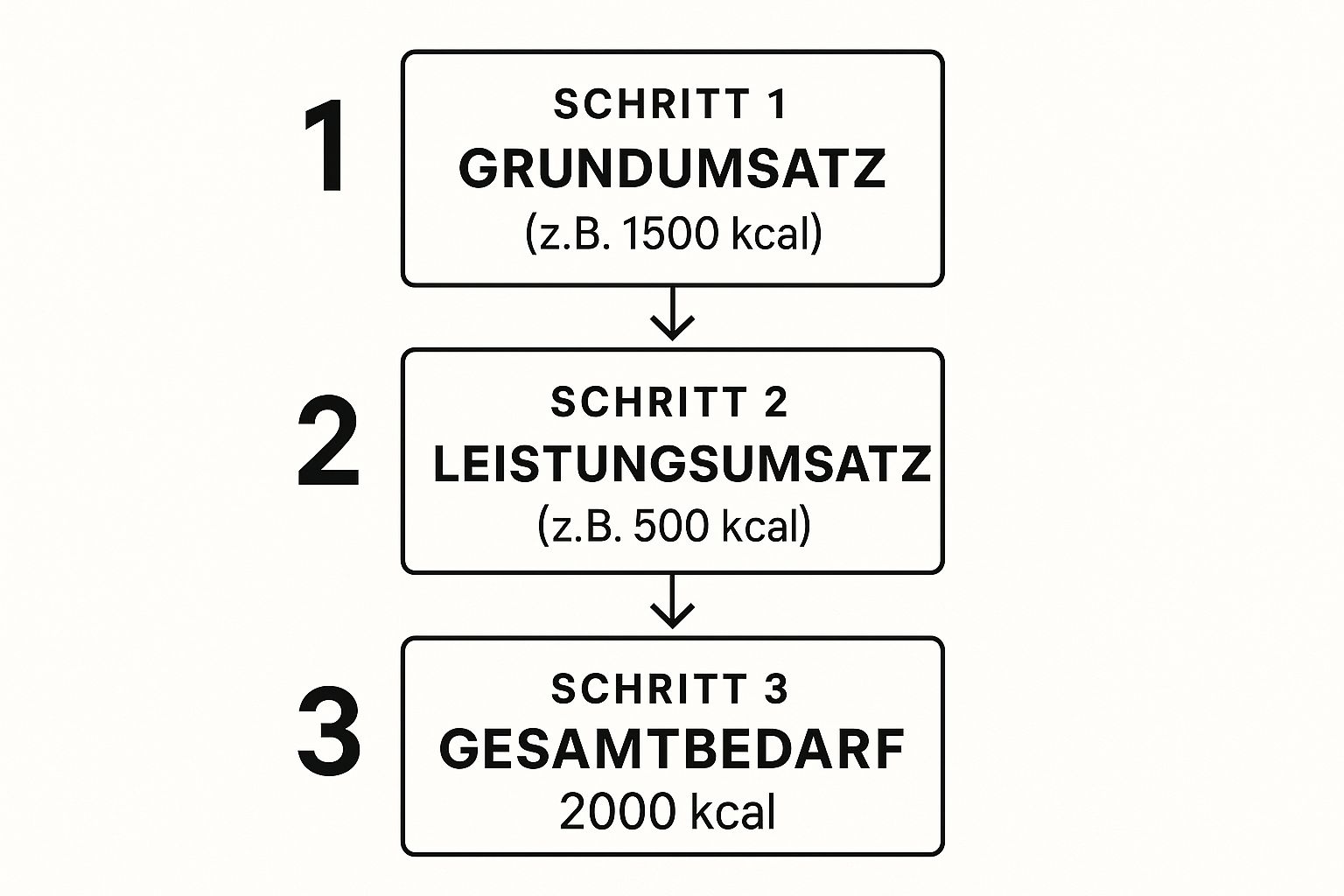
Here you can clearly see how your basal needs are supplemented by your daily activities, resulting in your total energy consumption.
Calculating your total needs concretely
Okay, how do you get your personal number? First, you calculate your basal metabolic rate and then multiply it by a value that describes your daily activity – the so-called PAL factor (Physical Activity Level).
It's that simple:
- Determine Basal Metabolic Rate: A proven method is the Harris-Benedict formula. It's even easier with the numerous online calculators that do the work for you.
- Determine PAL Factor: Be honest with yourself: how active is your daily life? The factor ranges from 1.2 (if you mainly sit, e.g., in an office) to 2.4 (for physically extremely demanding work or as a competitive athlete).
- Calculate Total Needs: Now simply calculate: Basal Metabolic Rate x PAL Factor. The result is the amount of calories you would need to maintain your current weight. If you want to delve deeper into the calculation of total energy requirements, you'll find more valuable information here.
The German Nutrition Society (DGE) provides a rough guideline for adults of a daily intake between 1,800 and 2,500 kcal, depending on how active one is. To lose weight successfully, a moderate calorie deficit of about 500 kcal per day has proven effective in practice. This usually leads to a healthy and, above all, sustainable weight loss of around half a kilogram per week.
Once you have your personal number, that's the perfect foundation. Starting from this value, you can strategically plan a healthy deficit with your calorie chart and finally reach your goals.
Successfully integrating calorie charts into your daily life
The theory is clear, you know your calorie needs. But how do you manage to incorporate this knowledge into your hectic daily life without it turning into pure stress? That's what this is about now. Here you'll get practical tips on how calorie counting can become a simple habit that doesn't burden you.
The very first step: get the right tools. Don't worry, it doesn't have to be complicated or expensive. Often, it's the simple aids that make the biggest difference and give you accuracy from the start.
Your practical helpers for getting started
Especially at the beginning, precision is your best friend. Just estimating portion sizes is one of the biggest sources of error and can ruin all your progress. That's why these two things are indispensable at the beginning:
- A digital kitchen scale: It's your most important instrument. With a simple digital model, you can accurately weigh foods like pasta, rice, meat, or cheese. This is the only way to get truly reliable values for your logbook.
- Measuring cups and spoons: Perfect for anything liquid like milk, oil, or juices. A single tablespoon of oil can quickly have over 100 kcal – a small difference with a big impact.
With these two things, you lay the foundation for accurate results. You'll see how quickly you develop a better feel for the right quantities.
Find the tracking method that suits you
How you record your calories is entirely up to you. There isn't one right way – only the one that best fits your life.
There are several ways to keep track. To make your decision easier, we have summarized the most common methods and their advantages and disadvantages in a table.
Comparison of tracking methods for your calories
This table shows the pros and cons of different methods for keeping a calorie chart to help you choose the right approach.
| Method | Advantages | Disadvantages | Ideal for |
|---|---|---|---|
| Notebook & Pen | Conscious engagement with food, no technology needed, inexpensive. | Time-consuming, manual calculation, prone to errors. | People who want to consciously slow down and manage without digital helpers. |
| Excel Spreadsheet | Digitally archived, automatic calculations possible, customizable. | Requires computer access, setup can be tedious. | Individuals who enjoy working on a PC and want to manage their own data. |
| Tracking Apps (e.g., YAZIO) | Huge database, barcode scanner, automatic calculations, very fast. | Can lead to excessive control, premium features often cost money. | Most people looking for a fast, convenient, and uncomplicated solution. |
No matter which method you choose: feel free to experiment a bit until you find what's right for you. The most important thing is that you stick with it and develop a routine.
Remember: The goal is not to count every single calorie for the rest of your life. It's about developing a deep understanding of foods and portion sizes for a certain period. Eventually, you'll internalize it so much that you make the right decisions intuitively.
Reading nutrition labels and mastering restaurant visits
But what if there's no nutrition label available? This happens more often than you think, but with a little practice, it's not a problem.
In the supermarket, it's easy: turn the package over and look at the nutrition label. The values usually refer to 100 grams or 100 milliliters. With this, you can easily calculate the calorie content for your weighed portion. An accurate calorie calculator helps you add everything up and keep track.
In a restaurant or when eating at friends' houses, it gets a bit trickier. Here, a realistic estimation is required. Mentally break down the meal into its individual components (e.g., chicken breast, potatoes, vegetables, sauce) and estimate the approximate quantities. With your app or an online database, you'll quickly find average values for these ingredients. The result may not be 100% accurate, but it's much better than being completely in the dark.
One last tip that can change everything is preparation. Meal prepping – cooking for several days in advance – is a real game-changer. If you have ready-made, healthy, and pre-weighed meals in the fridge, you won't be tempted to grab unhealthy snacks in stressful moments. This way, calorie tracking becomes a stress-free routine that fits perfectly into your life.
Examples of foods with high and low calorie density
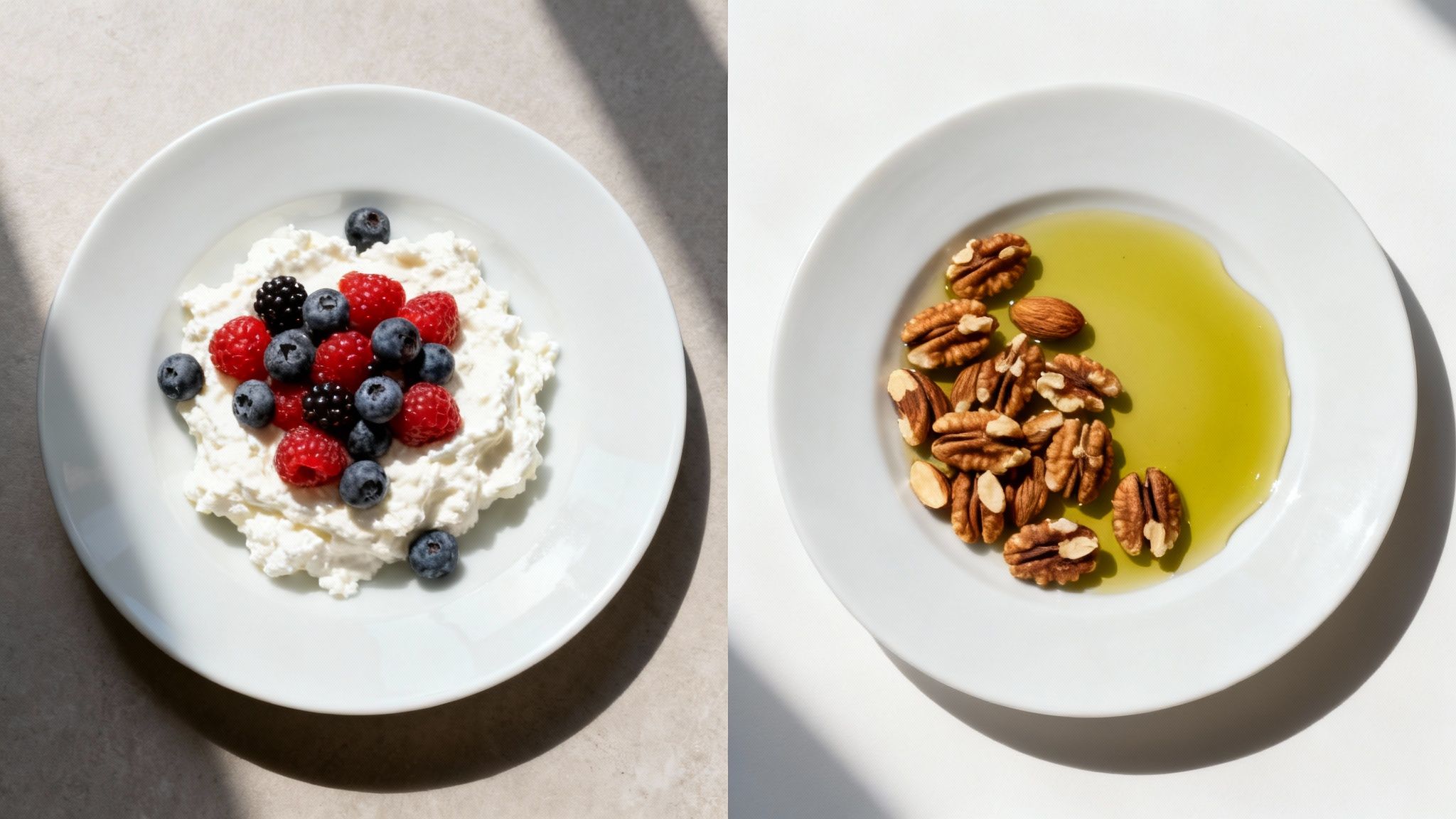
To put all the theory into practice, you need to develop a good feel for which foods truly satisfy you and which tend to fill up your calorie account unnoticed. Because not every calorie is the same – at least not in terms of satiety.
This is where calorie density comes into play. That might sound complicated at first, but it's a very simple and incredibly effective concept. It simply refers to how many calories are in one gram of a food.
Low-density foods, like vegetables or fruits, often have a lot of water and fiber. The great thing about it? You can eat huge portions of them, feel absolutely full, and still have consumed very few calories.
On the other hand, there are high-calorie-density foods. Think of oils, nuts, or even sweets. They pack a lot of energy into a small space. That doesn't make them bad, but here it's even more important to pay attention to portion size.
Foods with low calorie density: Your satiating heroes
These foods are the true heroes if you want to lose weight. They give you volume on your plate and in your stomach, provide important nutrients, and make it easy for you to stay in a calorie deficit without constantly being hungry.
- Vegetables: Cucumbers, tomatoes, broccoli, or spinach are the absolute top performers. You can really load up your plate with these.
- Fruits: Berries, watermelon, and apples are perfect for satisfying a sweet tooth without busting your calorie budget.
- Lean protein: Chicken breast, low-fat quark, and cottage cheese are incredibly satiating and great for your muscles.
Make these foods the basis of your meals. If you want to learn more, check out our guide on how to cleverly use low-calorie foods as satiators.
High-calorie-density foods: Enjoy consciously
These foods are often very healthy and provide important nutrients, but they also contain a lot of energy in a concentrated form. This is not about prohibitions, but about conscious moderation.
- Nuts and seeds: Almonds, walnuts, etc., are full of healthy fats, but a small handful already packs a punch.
- Oils and fats: Good olive oil is fantastic, but a tablespoon can quickly have over 100 kcal. So, be sparing when cooking and for dressings.
- High-fat dairy products: A delicious Gouda or a creamy yogurt are great, but compared to their low-fat relatives, they have significantly more calories.
Imagine this visually: 20 grams of olive oil has about 180 kcal. That's a small splash of oil that barely registers in the pan. For the same amount of calories, you could eat over 500 grams of cucumber – a huge bowl full! This clearly illustrates the difference in calorie density for your satiety.
Practical calorie charts for your shopping
So you can get started right away, we've created a small overview of typical everyday foods. This will quickly give you a feel for where the differences lie. All figures are, of course, approximate values per 100 grams.
Sample calorie chart for common foods (per 100g) An exemplary overview with calorie information for everyday foods to get a better feel for energy densities.
| Food Group | Example | Calories (approx. per 100g) |
|---|---|---|
| Vegetables | Cucumber | 16 kcal |
| Avocado | 160 kcal | |
| Fruit | Strawberries | 32 kcal |
| Banana | 93 kcal | |
| Protein | Low-fat quark | 71 kcal |
| Salami | 336 kcal | |
| Dairy products | Buttermilk | 36 kcal |
| Gouda (48% fat) | 356 kcal | |
| Carbohydrates | Potatoes (boiled) | 70 kcal |
| Croissant | 406 kcal | |
| Snacks | Rice cake | 38 kcal |
| Cashews | 553 kcal |
Think of this table as a cheat sheet for the supermarket. It helps you shop more consciously and understand why some meals make you feel fuller and more satisfied for longer. Over time, you'll internalize this knowledge and instinctively make better choices for yourself and your goals.
Common Calorie Counting Mistakes and How to Avoid Them
Calorie counting with a table is a fantastic tool for weight loss. But sometimes, small, inconspicuous mistakes creep in that hinder your progress without you even noticing. The good news is: if you know these typical pitfalls, you can easily avoid them.
It's about uncovering hidden calories and debunking some persistent myths. So, don't view the following points as strict rules, but rather as friendly tips to help you achieve your goals without unnecessary frustration.
The Blind Spot: Liquid Calories
One of the most common mistakes almost everyone makes at the beginning? Beverages are simply ignored. The latte macchiato with syrup in the morning, the freshly squeezed orange juice for breakfast, or the soda in the evening – all of this provides a lot of energy but hardly fills you up. These liquid calories add up surprisingly quickly throughout the day.
For example, a large glass of cola (0.5 l) contains around 210 kcal. That's as much as a small snack, but unfortunately without any satiating effect. Make it a habit to also enter your drinks into the calorie table. You'll be amazed at how much you can save just here.
Estimating Portion Sizes Instead of Weighing
"A handful of nuts" or "a dash of oil" – sounds harmless, but it's one of the biggest sources of error. Especially when you're starting out, you often don't have a feel for the right quantities yet. Estimating is then extremely inaccurate and almost always leads to you significantly underestimating your calorie intake.
- The Oil Trap: A single tablespoon of olive oil already has over 120 kcal. A generous splash of it into the pan quickly turns your healthy vegetable dish into a small calorie bomb.
- The Nut Trap: Nuts are super healthy, no question. But 100 g of almonds contain almost 600 kcal. What you consider a small handful can quickly be much more than you thought.
- The Pasta Trap: 100 g of dry pasta doesn't look like much but has around 350 kcal. Cooked, they triple their volume – an estimated portion by eye is therefore often far too large.
Get a digital kitchen scale. Yes, weighing might be a bit annoying at first, but it's the only honest and accurate way to ensure your calorie table is truly correct. After a few weeks, you'll develop a much better feel for the right amounts.
Tunnel Vision: Staring Only at Calories
While calories are the key to weight loss, they are not the whole truth. If you only focus on the pure number and completely ignore the quality of nutrients, you're not doing yourself any favors in the long run. 200 kcal from chicken breast with broccoli have a completely different effect on your body than 200 kcal from gummy bears.
For example, proteins and fiber keep you full for a long time and prevent cravings. Vitamins and minerals are essential for your health and energy levels. A diet that is low in calories but also low in nutrients will only make you tired, hungry, and dissatisfied. This is often when people ask themselves why they are not losing weight despite a calorie deficit – the answer often lies in the quality of the food.
Forgetting the Little Extras
Another classic: simply letting the small "incidentals" fall by the wayside. The spoon of sugar in your coffee, the dollop of ketchup with your fries, the salad dressing, or the butter on your bread – these things are often forgotten but can really add to your calorie count.
Be truly honest with yourself here and meticulously record these small additions. Only then will you get a complete and realistic picture of your daily energy intake. If you avoid these typical mistakes, your calorie table will become an even stronger ally on your journey.
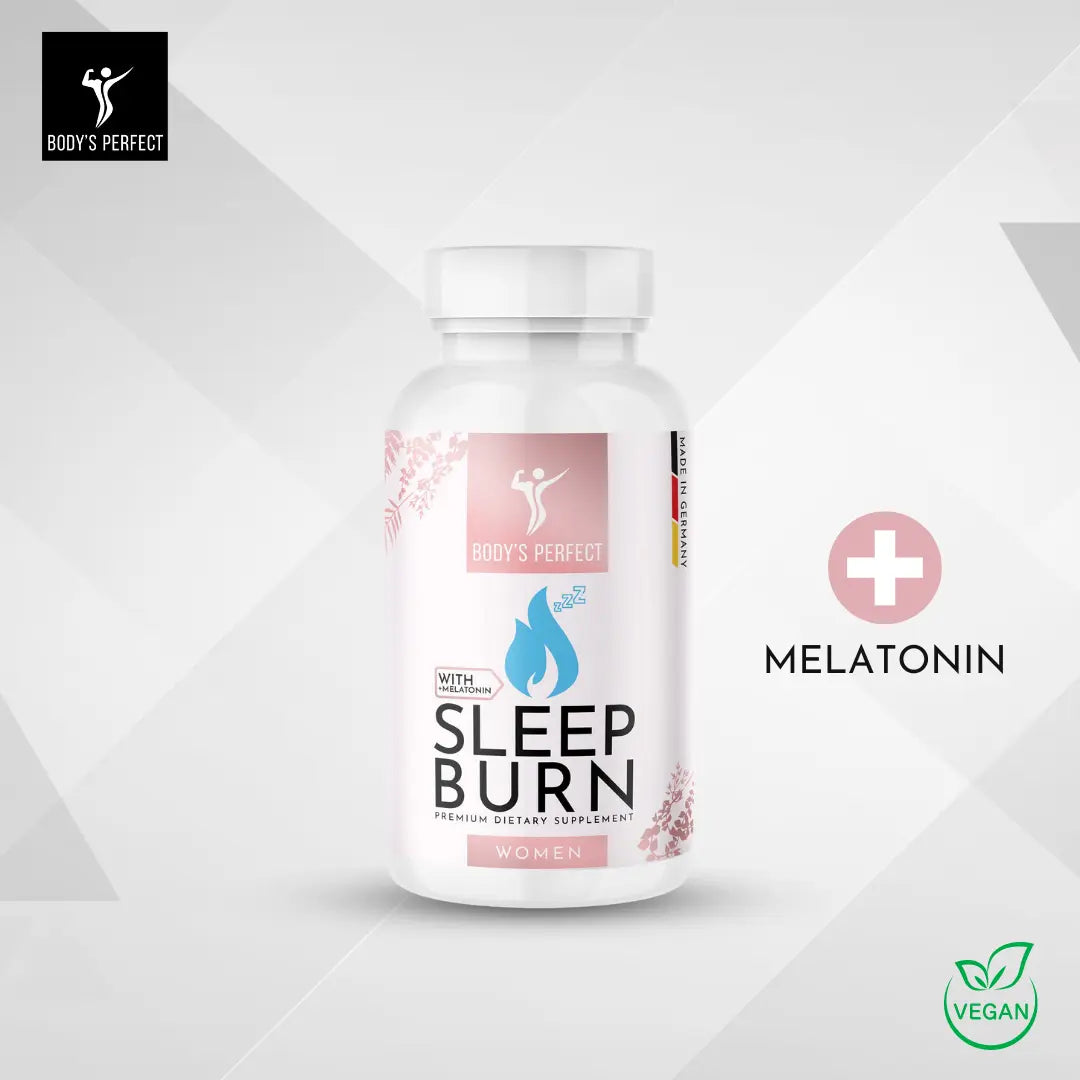
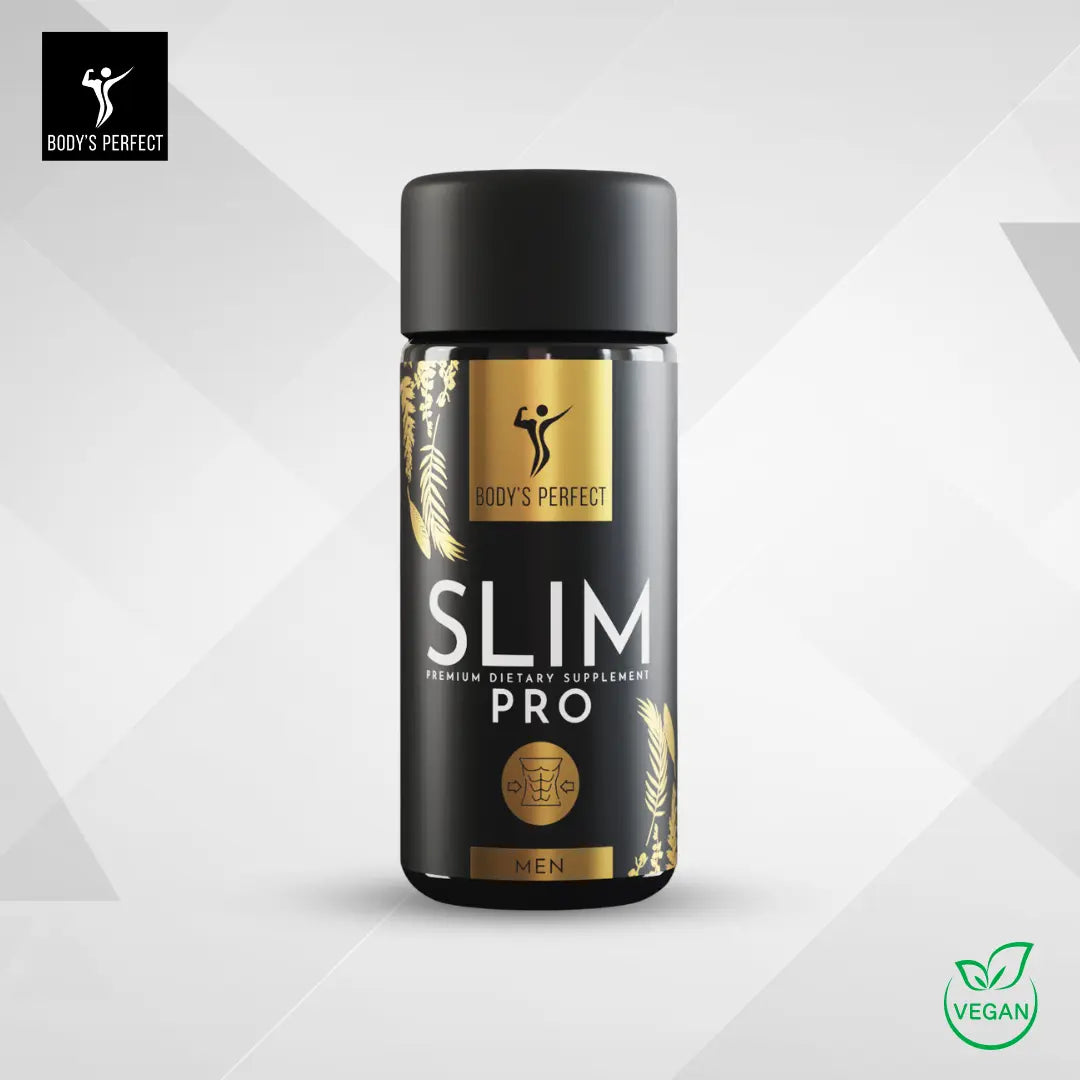
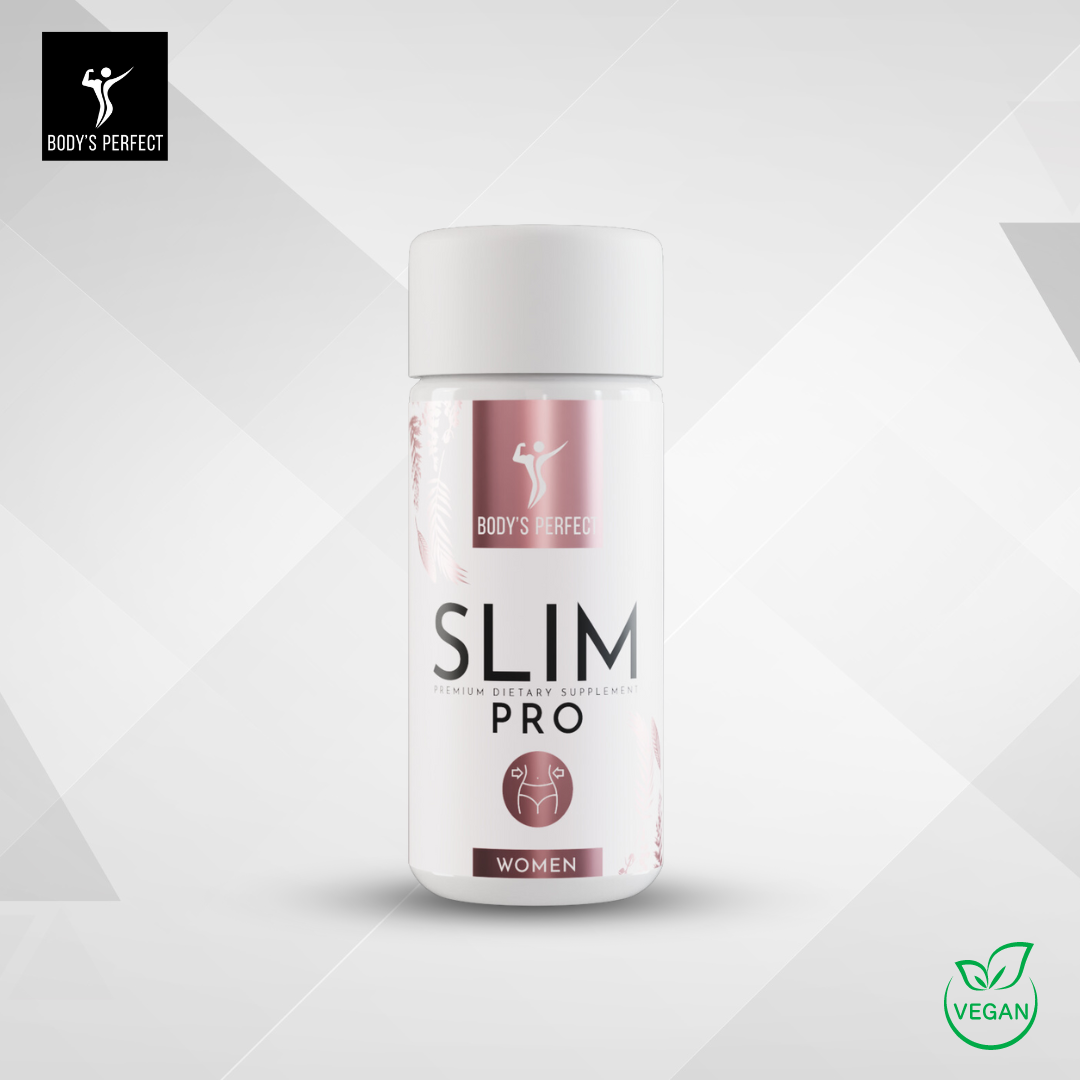
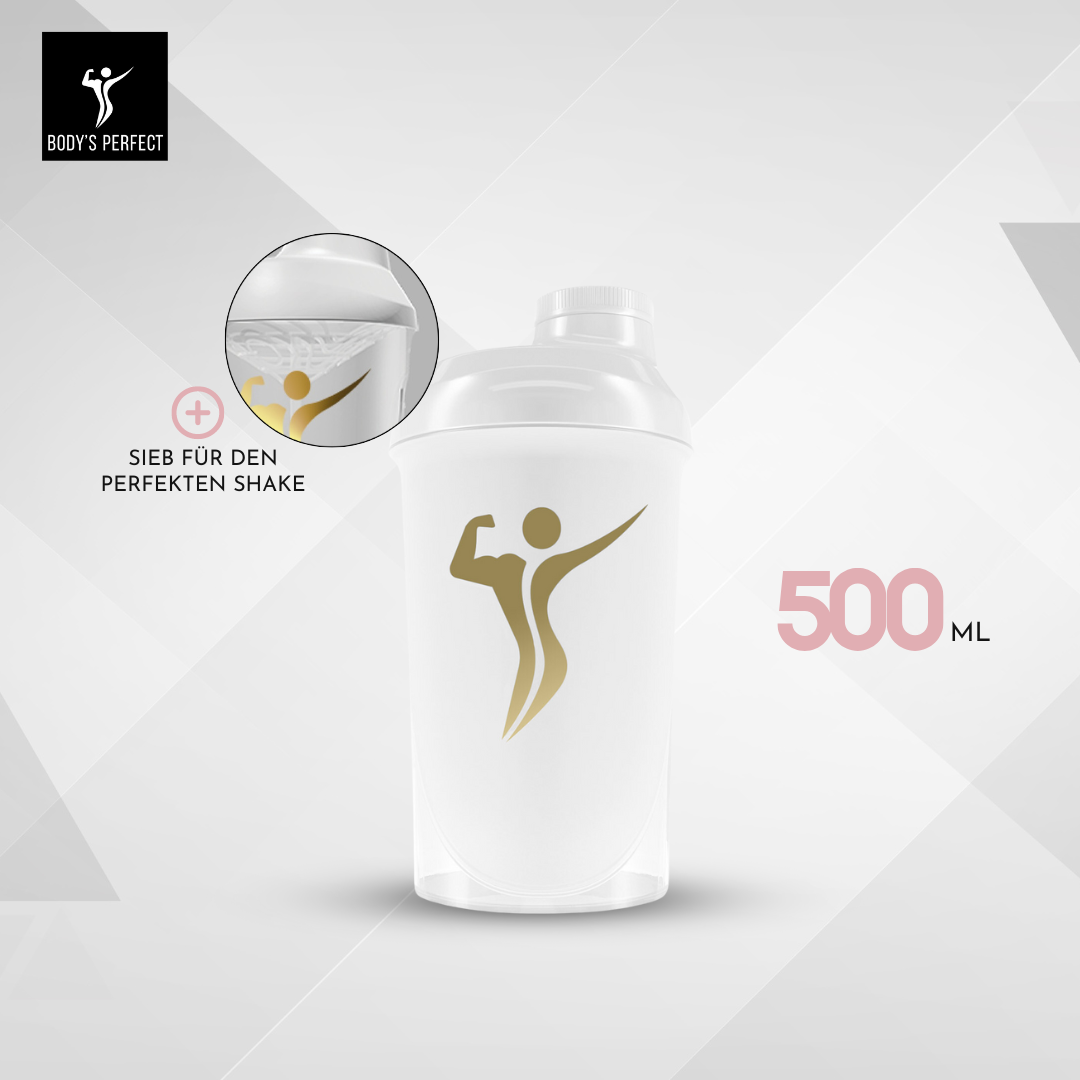
How Bodysperfect Products Can Make Your Journey Easier
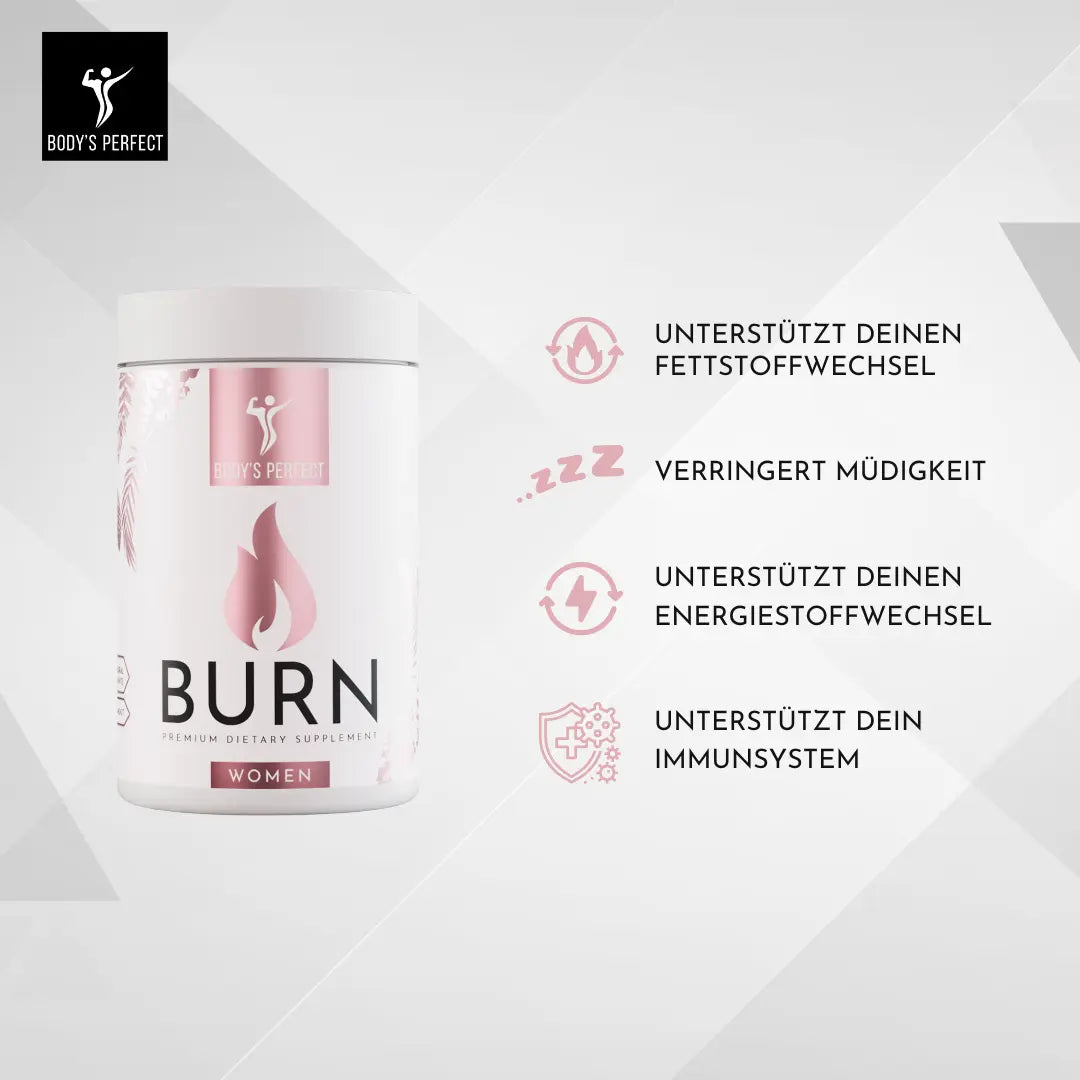
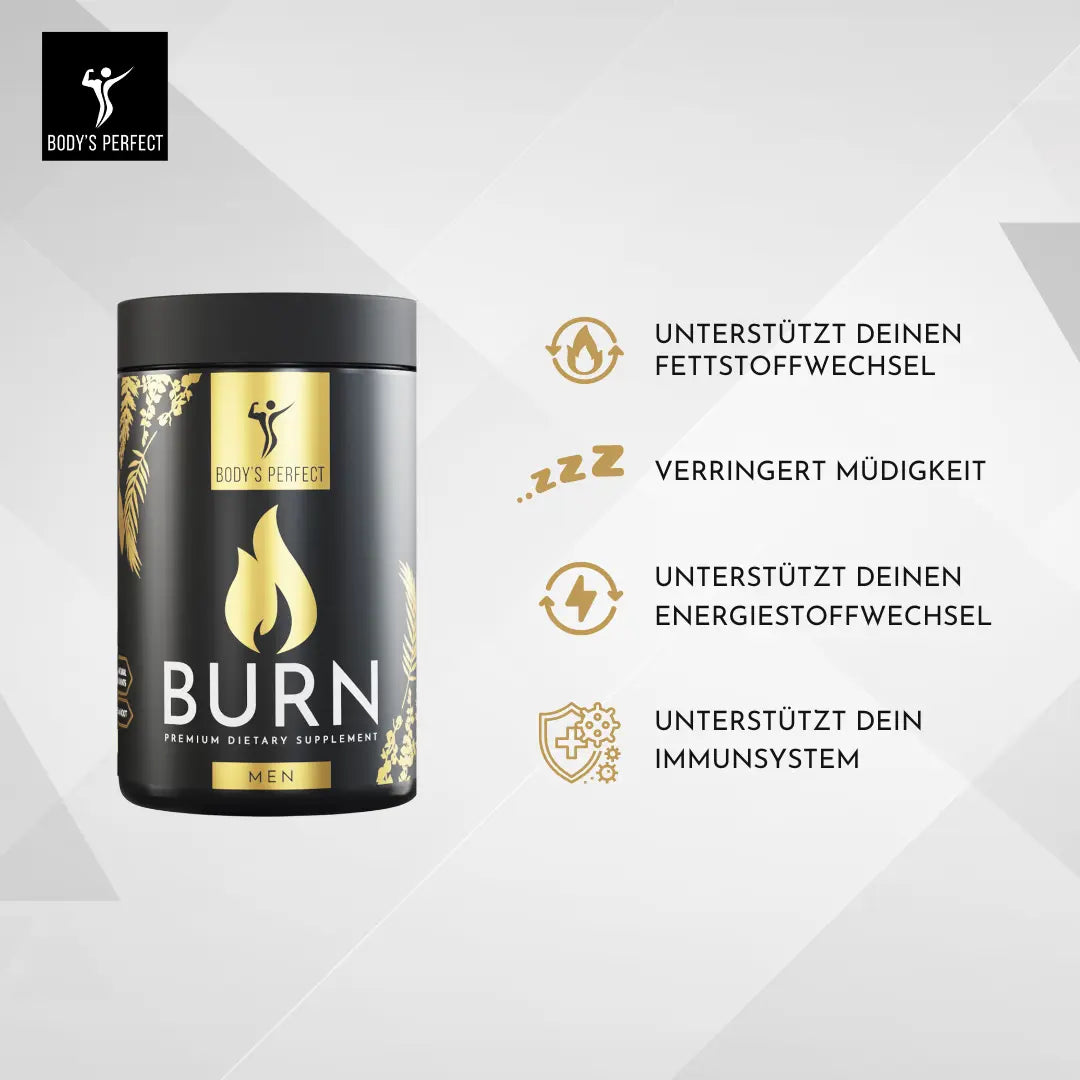
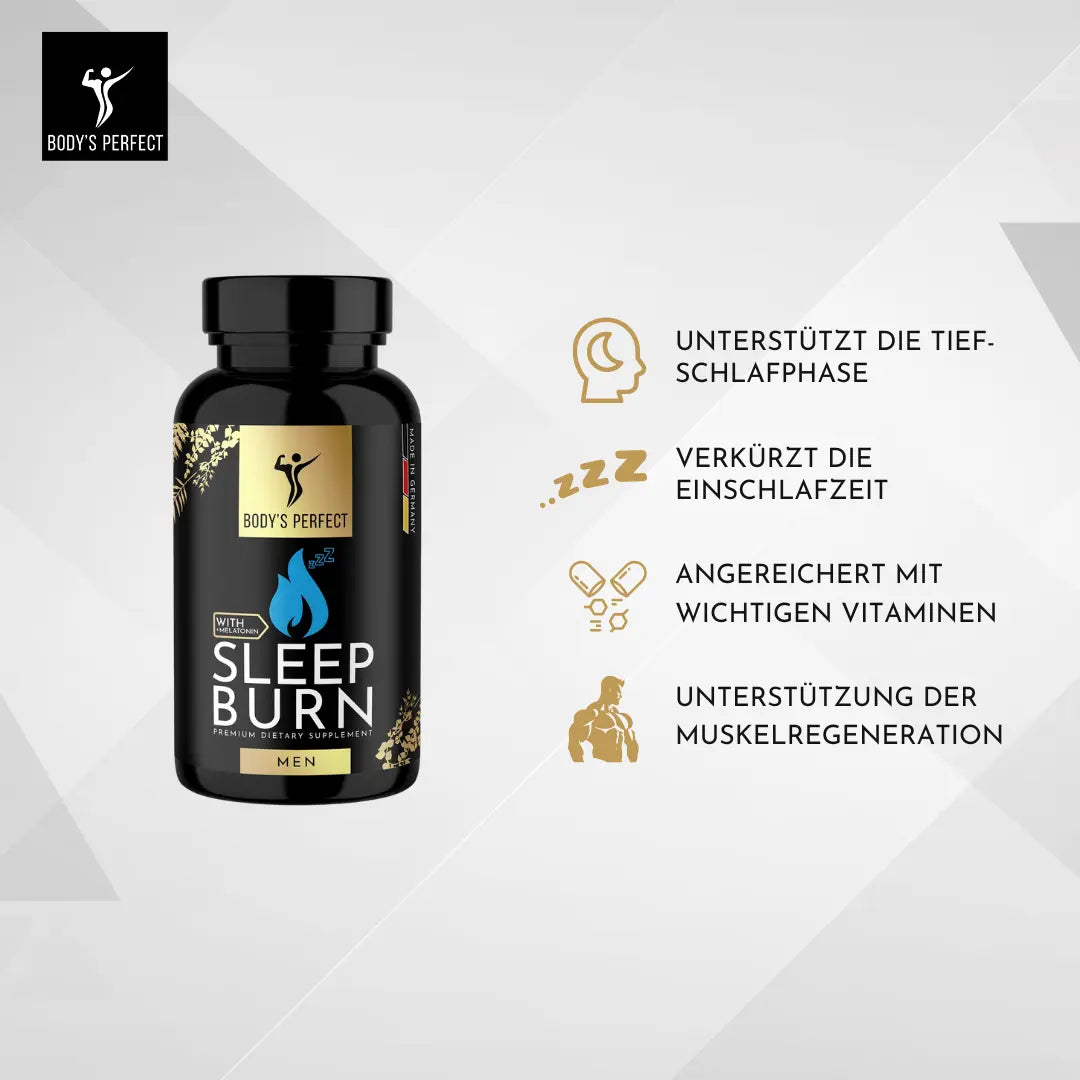
A calorie table is a powerful tool. It gives you the knowledge and control you need for a calorie deficit. But honestly? Sometimes the journey still feels like an uphill battle. This is exactly where Bodysperfect products can provide sensible support.
Simply view them as your smart helpers. They are there to make sticking to your calorie deficit easier and more pleasant – so you don't have to rely solely on iron willpower.
Targeted Support Where You Need It
Imagine being able to naturally strengthen your feeling of satiety and resist annoying cravings. Or how about keeping your metabolism going even with fewer calories, so you continue to feel energetic and fit?
Our products have been developed precisely for this purpose. They are the perfect complement to your conscious diet and target crucial areas:
- Promoting Satiety: Some of our formulations help you feel full for longer. This makes it so much easier to stick to your calorie goal.
- Supporting Metabolism: Selected ingredients can boost your energy metabolism, which is a real advantage during a diet.
- Ensuring Nutrients: When you eat less, it's even more important that your body still receives all the essential nutrients it needs.
We only offer transparent and effective formulas. You should know exactly what you are supporting your body with. This is not about miracle cures, but about a well-thought-out supplement for your plan.
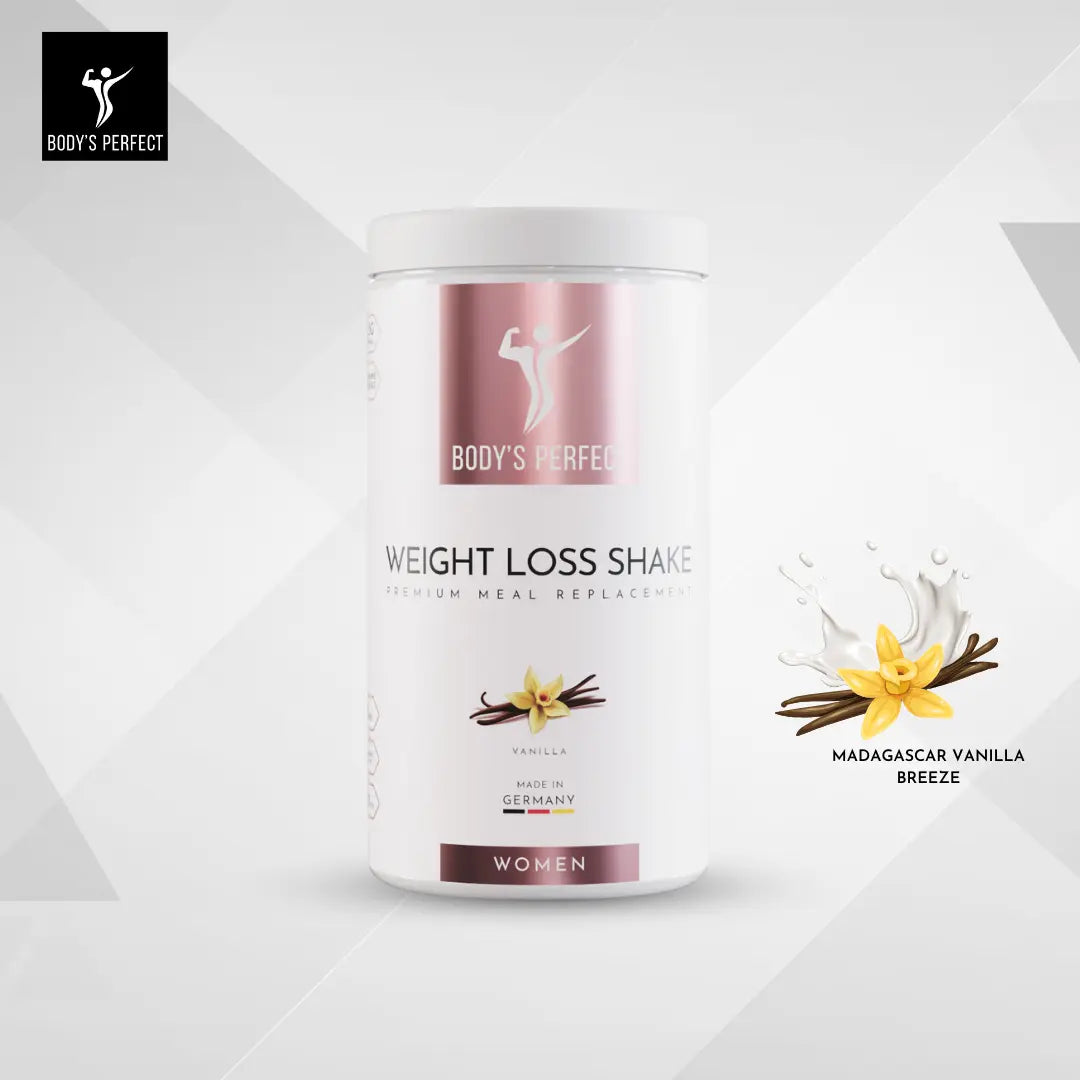
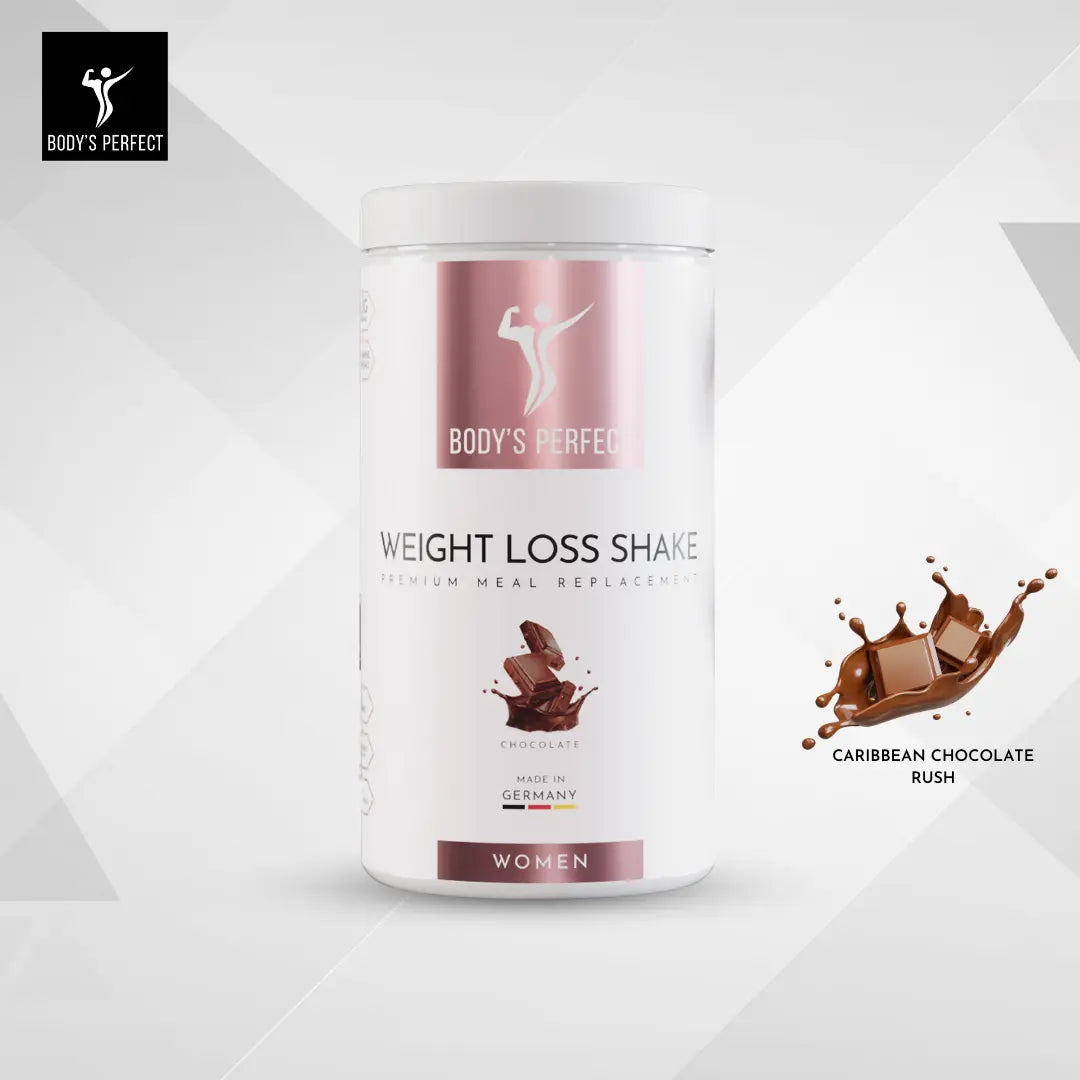
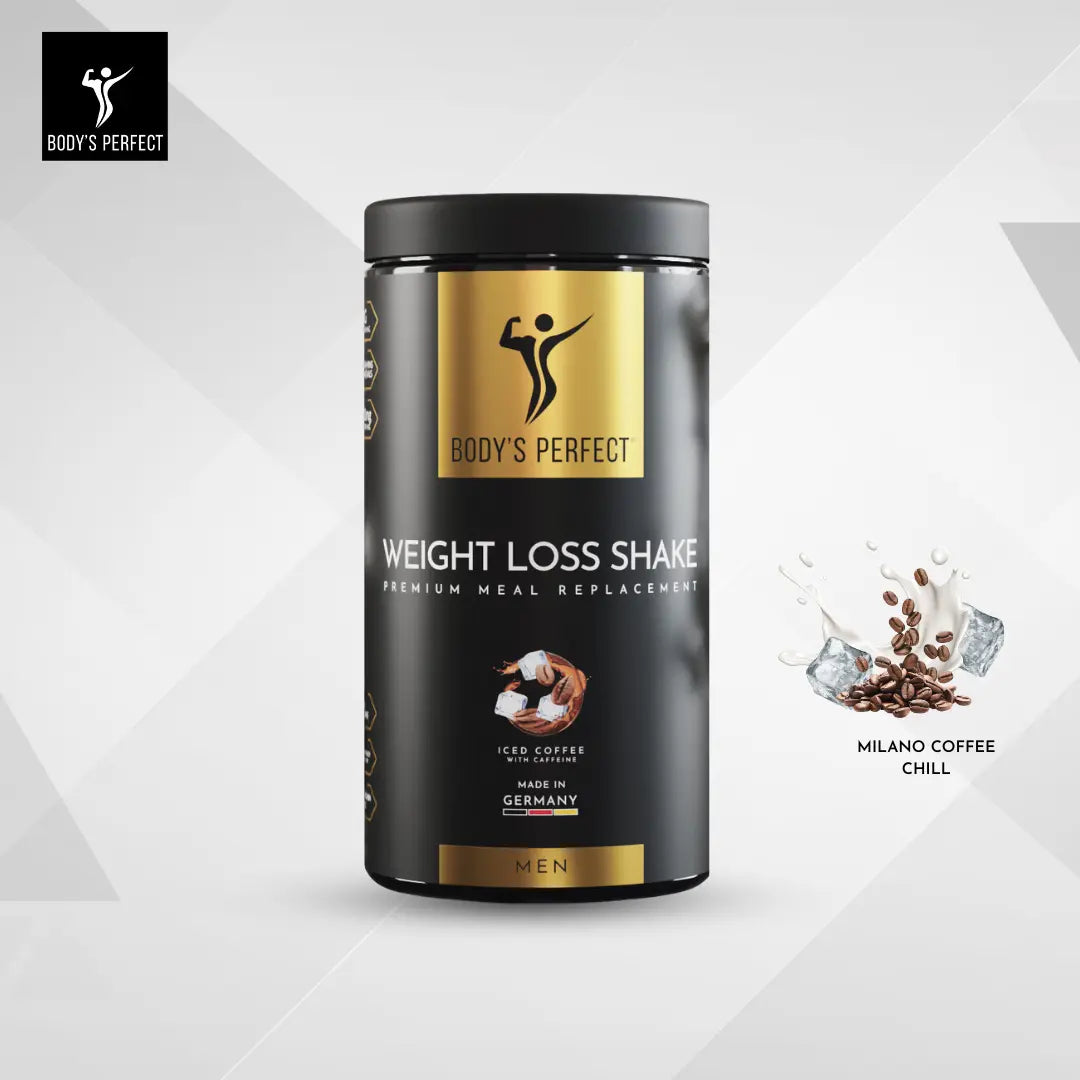
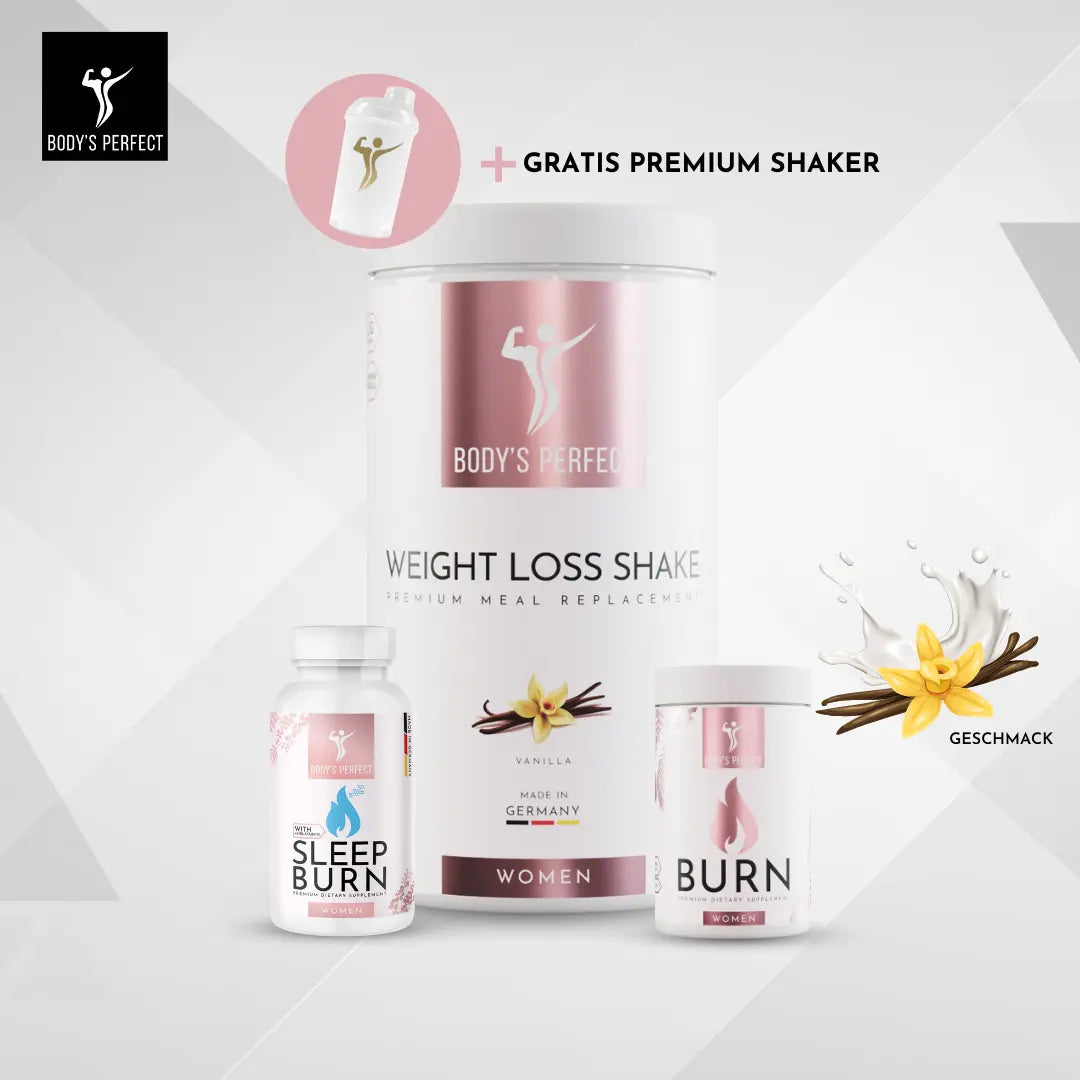
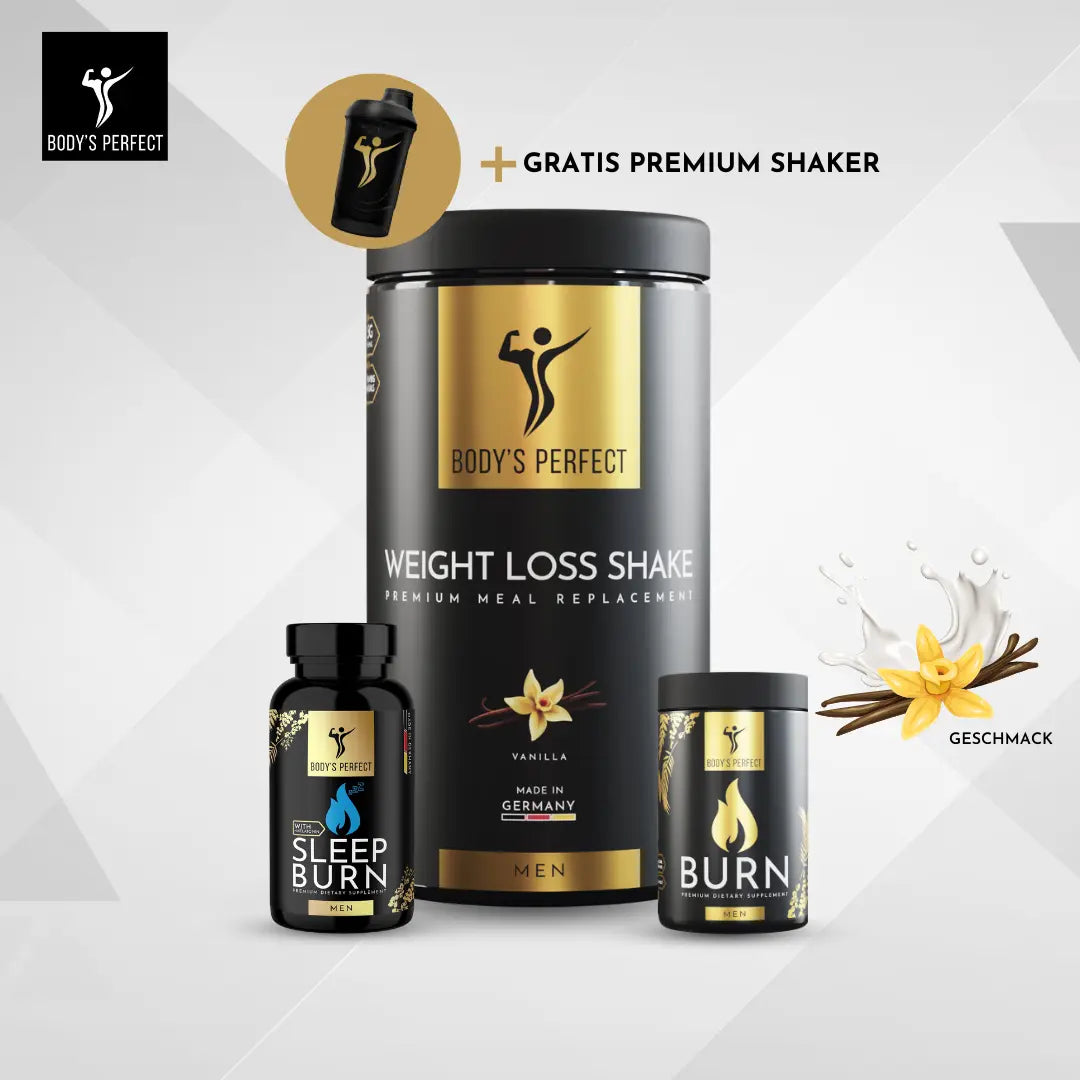
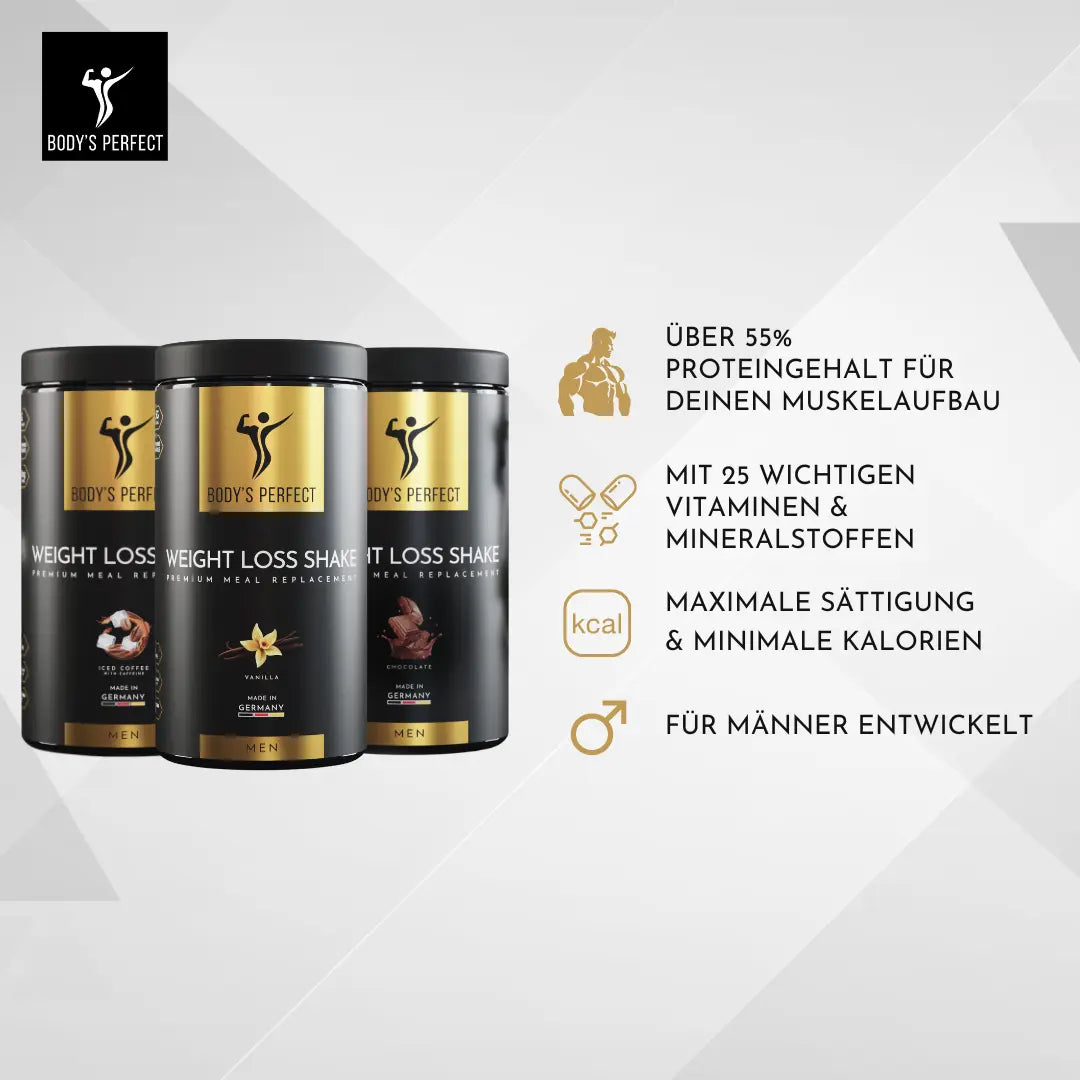
A really clever trick to save calories and still be well-nourished are specially developed shakes. They replace a complete meal and provide you with valuable vitamins and proteins. If you are looking for a delicious and uncomplicated solution, our Weight Loss Shake for Women is a fantastic option.
This way, you can achieve your goals with more ease and a better feeling. Bodysperfect is your reliable partner, helping you get the most out of your work with calorie tables for weight loss.
Your Most Frequent Questions About Calorie Tables
When you start dealing with calorie tables, the same questions often arise. This is completely normal – every beginning is associated with some uncertainties. Here you will find honest and practical answers to the typical questions you will surely encounter on your journey.
Do I have to count calories forever now?
No, absolutely not! And that shouldn't even be your goal. It's best to think of calorie counting as a learning phase for your nutritional awareness. At the beginning, i.e., in the first few weeks and months, it's a great tool. It helps you enormously to get a real feel for how many calories are in certain foods and what a normal portion size is.
You discover how much energy is really in your favorite dishes. Over time, you'll get so good at it that you'll have an intuitive sense of your daily calorie intake without constantly having to look it up in a table. The calorie table will then become something you only consult occasionally.
What happens if I exceed my calorie goal on one day?
In short: absolutely nothing! A single day where you eat a little more – be it a birthday party or simply because you had a big appetite – will not undo your progress. It's not the end of the world. The only important thing is: don't let the thought "Now everything is ruined anyway" get you down.
Just continue normally the next day as before. When losing weight, it's about the average energy balance over the entire week, not about perfection every single day.
Remember: A slip-up is just a small detour on your journey, not the end of the road. Don't be too hard on yourself and just keep going.
Are all calories created equal?
Purely physically speaking, yes. Every calorie provides the same amount of energy. However, for your body, your feeling of fullness, and your well-being, there are huge differences. 100 calories from broccoli provide you with vitamins, minerals, and lots of fiber, which keeps you full for a long time.
In contrast, 100 calories from chocolate primarily provide sugar, hardly any valuable nutrients, and will likely make you hungry again quickly. For pure weight loss, the overall balance counts in the end, but for your health and how well you get through the day, the quality of the calories is at least as important.
Can I eat whatever I want despite calorie counting?
Theoretically, yes. As long as you end the day within your calorie deficit, you will lose weight. This principle is also known as "If It Fits Your Macros" (IIFYM).
Practically, however, you will quickly notice that you simply don't feel good eating only junk food. You are constantly hungry and dissatisfied. A balanced diet with plenty of vegetables, lean protein, and good carbohydrates makes it much easier to maintain your deficit. And incidentally, you give your body everything it needs to be healthy and fit.
Do you want to make your journey to your feel-good weight even smarter? Bodysperfect products are the ideal complement to your conscious diet. Discover how they can help you achieve your goals with more ease. Learn more about our products here.
























Share:
Blood Sugar Regulation: Your Key to More Energy & Well-being
Calculate Basal Metabolic Rate & Lose Weight Successfully: Your Ultimate Guide