


Stress, boredom, sadness – do you know that feeling when your hand almost automatically reaches for chocolate? Overcoming emotional eating means understanding the deeper causes and learning when your body is truly hungry and when your soul is craving something else. It's not about iron discipline, but about recognizing the connection between your feelings and your eating behavior and finding new, healthier ways for yourself.
Understanding the vicious cycle of emotion and food
A really stressful day at the office, an argument with your partner, or just that heavy emptiness in the evening – and suddenly the only solution seems to be a bag of chips or a tub of ice cream. You're not alone. Emotional eating is a completely normal mechanism where we use food as a quick, but unfortunately only temporary, comfort for emotional imbalances.
It's rarely about real, physical hunger. Your stomach isn't rumbling; your blood sugar level might even be perfectly stable. Instead, your brain sends a clear signal: "I feel bad, so I immediately need something that will make me feel good."
Why your brain craves food
Our brain is programmed to seek rewards. Especially sugary and fatty foods activate our reward system and trigger a short-term release of happiness hormones like dopamine. That feels good for a moment, but unfortunately, it doesn't solve the actual problem.
Instead, a fixed pattern quickly emerges:
- The feeling: You are stressed, lonely, or simply bored.
- The craving: Your brain remembers the quick reward from food and triggers hunger pangs.
- The action: You eat, often without truly enjoying it or being consciously aware.
- Short-term relief: The unpleasant feeling is numbed for a moment.
- Long-term consequences: Afterwards, guilt and frustration often follow, restarting the vicious cycle.
This pattern can become deeply ingrained in our psyche. The following graphic summarizes the core elements that interact in emotional eating.
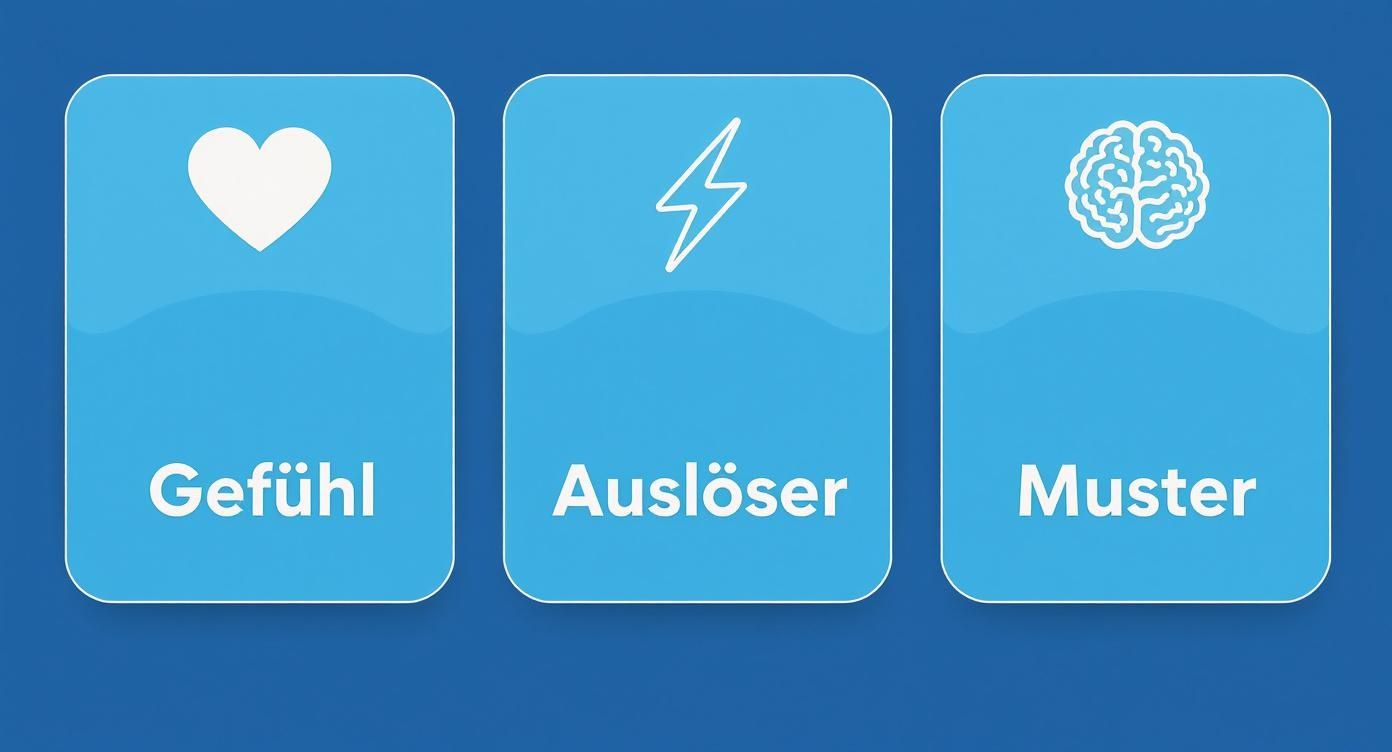
The visualization clearly shows how an emotion activates a specific trigger, which in turn sets in motion a learned eating pattern.
Real hunger or just a feeling?
The very first step to overcoming emotional eating is to learn to distinguish between physical and emotional hunger. This is not so difficult if you know what to look for.
Here's how to tell if your body truly needs nourishment or if your soul is craving something else.
True hunger vs. emotional hunger
| Characteristic | True Hunger (Physical) | Emotional Hunger (Emotional) |
|---|---|---|
| Onset | Comes on slowly and gradually | Comes on suddenly and intensely |
| Feeling in the stomach | Stomach rumbling, empty feeling | No physical hunger, more in the head |
| Craving | Open to various foods | Fixed on a specific "comfort food" (e.g., chocolate, chips) |
| Feeling while eating | Conscious eating until satisfied | Often mindless, hasty, beyond satiety |
| Feeling after eating | Satisfaction, energy | Guilt, shame, frustration |
Physical hunger comes on slowly and patiently. Emotional hunger, on the other hand, comes on suddenly and feels urgent. It often demands very specific foods – pizza, gummy bears, chips. After eating, with emotional hunger, you often feel guilty, whereas with physical hunger, you are simply satisfied.
Practical tip: A stable blood sugar level helps immensely in preventing cravings from occurring in the first place. In our article, you can learn more about blood sugar regulation and how to keep it balanced.
The increasing emotional stress in our society is an important factor. A study conducted as part of the SKL Glücksatlas shows that emotional fluctuations are increasing in Germany. For example, 30 percent of respondents report feeling "often" or "very often" annoyed – a significant increase. Parallel to this, anxiety and sadness have also increased, which can naturally strongly influence eating behavior.
Find out what truly motivates you
Okay, you now know how real hunger differs from emotional hunger. That's the foundation. Now let's go a step deeper – to where it really counts. To get a grip on emotional eating, you need to know what triggers you personally. Think of it this way: You become a detective in your own case, finding out what lures you to the fridge, even though your stomach doesn't actually need anything.
This isn't about counting calories or strict rules. It's about honest self-observation. It's about unmasking the moments, thoughts, and feelings that trigger the craving for food. Without this crucial step, every diet and every strategy remains just a bandage on a wound whose cause you never truly addressed.
Observe your feelings, not just your fork
The best way to uncover your personal triggers? A food diary – but probably not as you know it. Leave the calories completely out of it. Instead, focus entirely on how you feel.
At every meal and every snack, just honestly ask yourself:
- Before you eat: What's going on inside me right now? Am I stressed, bored, lonely, or angry? Maybe even excited and euphoric?
- While you eat: Are you wolfing it down without thinking, or are you consciously taking your time?
- After you've eaten: Do you feel better, energized, and satisfied now? Or do feelings of guilt, shame, and an uncomfortable fullness arise?
Even this simple ritual can open your eyes and reveal clear patterns. The focus shifts from "what" to "why."
Typical triggers – does this sound familiar?
Emotional eating triggers are often deeply rooted in our daily lives, sometimes even from childhood. Were you comforted with a cookie as a child or rewarded with chocolate for a good grade? Such old patterns often continue to operate unconsciously to this day and have developed into fixed habits.
Be honest with yourself, but without judging yourself. Just ask yourself a few questions:
- Situations: Are there certain times of day that are particularly critical? The stressful Monday morning at the office? The lonely evening at home on the couch? Or the moment you open the kitchen door after a long day?
- Feelings: Which emotions usually precede the craving? Is it anger after an argument, nervousness before a presentation, or an inner emptiness when you're alone?
- Thoughts: What does the little voice in your head say? Perhaps phrases like "I deserve this now!" or "Oh well, it's all over anyway." Such inner monologues are incredibly powerful triggers.
Getting to the bottom of these patterns is the first and most important step. You bring them from the subconscious into the light and make them tangible. This requires a good deal of self-compassion. It's not about criticizing yourself, but simply about understanding yourself better.
Healthy self-confidence is your best friend here. If you learn to treat yourself with more kindness, it will be much easier for you to analyze these patterns without blame. In our article how to strengthen your self-confidence you'll find practical tips to build a better relationship with yourself.
Stress in particular is a real classic among triggers. A study, which can be easily applied to German conditions, shows that stress significantly contributes to emotional eating. The study makes it clear: a high-stress level leads us to eat more often without real hunger, especially when emotions are running high. Most of the time, we then resort to foods with a lot of sugar and fat. Psychosomatic theories see this as an unconscious strategy to relieve emotional pressure. You can read more about the connections between stress and eating behavior in this source.
By identifying your personal triggers, you take away their power. You are no longer just a passenger of your habits, but finally take control again.
An emergency plan for acute cravings
The urge to eat emotionally often overwhelms you like a wave. Suddenly it's there – intense and seemingly unstoppable. In these moments, our brain switches to autopilot. But this is exactly where you can start to regain control. What you need is a concrete emergency plan. A kind of toolbox that you have immediately at hand when cravings strike.
It's about consciously creating a gap between the impulse ("I need chocolate now!") and the action (reaching for the bar). This small pause is your chance to break out of the automated pattern. One of the most effective methods for this is the simple yet brilliant "15-minute rule."

The 15-minute rule as immediate help
The idea is incredibly simple, but incredibly powerful. As soon as you feel this intense urge to eat out of an emotion, you make yourself a promise: "Okay, I can eat that, but not for 15 minutes." This delay is the crucial first step.
During these 15 minutes, you do everything except eat. The goal is to get yourself out of the acute stress or emotional spiral and give your rational side a voice again. You'll be surprised how often the craving is significantly weaker or even completely gone after this short time.
The most important thing here: It's not a ban! You're not telling yourself "I can't eat that," but "I'll wait a moment." This takes the pressure off and reduces the internal struggle, which makes overcoming emotional eating so much easier.
But what exactly do you do in that quarter of an hour? You fill it with a conscious, alternative action that is precisely tailored to your feeling.
Find your personal alternatives to eating
Eating is often just a quick, but rather inappropriate, answer to a deep emotional need. The key is to find better answers. Create a very personal "emergency list" of activities that truly do you good and have nothing to do with food.
Here are some ideas, sorted by the most common emotional triggers:
-
For stress and overwhelm:
- 5 minutes of deep breathing: Sit down, close your eyes, and focus only on your breath. Count to four while inhaling, hold your breath briefly, and slowly exhale to six.
- A short walk: Leave the situation, go around the block. Fresh air and movement often work wonders to clear your head.
- Listen to music: Put on headphones and a song that relaxes you or gives you energy.
-
For loneliness or a feeling of emptiness:
- Call someone: Talk to a friend or family member. It doesn't even have to be about your problem; the connection alone matters.
- Cuddle with your pet: The physical closeness to an animal can be incredibly calming and fill the feeling of emptiness.
- Write in a community: Sometimes it helps to exchange ideas with others who are going through similar things.
-
For boredom or lack of drive:
- Complete a mini-task: Tidy a drawer, water the flowers. Accomplishing something productive immediately gives you a better feeling.
- Pursue a hobby: Read a few pages of a book, draw something, or play a few chords on the guitar.
- Turn on a podcast: Direct your thoughts to a topic that truly captivates you.
This list is just a beginning. Find out what works for you. What truly gives you what you crave in that moment? Comfort, distraction, energy, or just peace?
When hunger is physical after all
Sometimes the line between emotional and physical hunger blurs, especially when you're stressed. If after 15 minutes you still feel the need to eat, then do so – but consciously choose a snack that truly nourishes and satisfies you.
Instead of sweets or chips, opt for a handful of nuts, an apple with nut butter, or Greek yogurt. These options not only satisfy hunger but also provide your body with valuable nutrients and stabilize blood sugar. If you're looking for more ideas, check out our article on low-calorie satiating foods. There you'll find plenty of suggestions for healthy and filling snacks.
With your emergency plan, you are well-equipped to outsmart the autopilot and make decisions that will benefit you in the long run.
Developing long-term routines for more stability
Quick fixes are great for the moment, but to truly get a handle on emotional eating, you need a stable foundation. It's about building long-term habits that strengthen you from within. Because real change doesn't happen overnight. It arises from small, consistent steps that give your body and soul support.
This way, you learn to weather emotional storms without your first thought going to the refrigerator. Let's build this foundation together.

Stabilize your blood sugar with the right diet
A constant up and down of your blood sugar is one of the biggest physical triggers for cravings. This roller coaster feeling sends emergency signals to the brain that often feel like emotional hunger, but are actually purely physical. A balanced blood sugar level is therefore your best friend in the fight against binge eating.
How do you achieve this? Focus on meals rich in two important building blocks:
- Proteins: They keep you full for a long time and slow down sugar absorption into the blood. Think chicken, fish, eggs, legumes, or even tofu.
- Fiber: They fill the stomach, aid digestion, and provide a steady supply of energy. You can find them in whole grains, vegetables, fruits, and nuts.
This combination not only keeps you full but also helps you to feel what real hunger is again and what is just an emotional craving.
A good protein shake can be a clever addition, especially when time is short. It quickly provides you with high-quality protein, reliably satisfies, and can thus nip cravings in the bud.
The underestimated power of sleep
Lack of sleep is like adding fuel to the fire for emotional eating. When you're tired, your body produces more of the hunger hormone ghrelin and at the same time less of the satiety hormone leptin. The result: You're constantly hungry, especially for sweet and fatty foods.
On top of that, your willpower is at rock bottom. Making decisions and resisting impulses becomes incredibly difficult. A regular sleep routine with seven to nine hours per night is not a luxury, but the basis for your emotional and physical balance.
Movement as a natural mood enhancer
Exercise is one of the best ways to reduce stress and lift your mood. It releases endorphins in your body – happiness hormones that can give you exactly the feeling you otherwise hope to get from food: comfort and satisfaction.
You don't have to run a marathon for this. A 20-minute walk in the fresh air, a short yoga session in the morning, or simply dancing through your home to your favorite song – all of this makes a huge difference. The important thing is that you find something you enjoy. That's the only way you'll stick with it.
Small habits, big impact
The key to success is small, achievable steps. Don't try to change your whole life at once; that only leads to frustration. Instead, pick one or two things to start with.
Here are a few ideas to get started:
- Establish a morning routine: Start the day consciously with a glass of water and a protein-rich breakfast, instead of rushing off stressed.
- Prepare meals: Plan your meals for two or three days. This way, you won't be tempted to grab unhealthy snacks in stressful moments.
- Schedule movement breaks: Set an alarm every hour to get up briefly, stretch, or take a quick walk around the office.
These small but consistent adjustments build a strong routine over time that makes you more resilient. You learn to give yourself what you need – in a healthy way. You can also find many more valuable tips in our guide on sustainable weight loss.
Science confirms this holistic approach. A study by the University Hospital of Geneva clearly shows the connection between emotional eating and weight gain. People who resort to high-energy snacks when frustrated or anxious have a significantly higher risk of obesity – and too little sleep further exacerbates this problem. You can read more about these findings on food and emotions here.
Setbacks? No problem – here's how to get back up
Let's be honest: On the path to leaving emotional eating behind, you will stumble. There will be days when you fall back into old patterns. And you know what? That's absolutely human and no reason to doubt yourself.
A setback is not a failure. It's simply part of the process, a kind of feedback that shows you where you need to look more closely.
The real trap is that nasty "all-or-nothing" thinking. Do you know it? One slip-up with chocolate, and the thought creeps in: "Oh, it doesn't matter anymore!" This thought is the real enemy, not the chocolate itself. It quickly turns a small slip-up into an entire day or even a week where everything goes awry.
Use the setback as an opportunity
Instead of beating yourself up, try changing your perspective. See this moment as a valuable lesson. Every relapse is like a puzzle piece that helps you better understand the big picture. Play detective in your own case.
After such an incident – without blame – ask yourself these questions:
- What actually happened? Go through the situation again. Was it the stressful meeting in the afternoon? The lonely evening on the sofa? A stupid argument?
- What feeling overwhelmed me? Try to identify the emotion behind it. Was it anger? Boredom? Loneliness? Perhaps even exuberant joy that you couldn't channel otherwise?
- What did I really need at that moment? Food was just the quick fix. What did your soul actually long for? Peace? Comfort? A hug? Just a distraction?
- What do I learn from this for next time? How could you react differently in a similar situation? Perhaps a short walk, a call to a friend, or five minutes of deep breathing is enough.
This small reflection helps you immensely to uncover your personal triggers and refine your plan for the future.
A setback doesn't prove you've failed. It just shows you where you can still grow a little. Be patient and loving with yourself – change is a marathon, not a sprint.
The day after: A fresh start without guilt
It is crucial how you continue the next day. Let go of guilt and self-reproach. They only drain your energy unnecessarily and keep you trapped in the old vicious circle.
Here are a few simple tips for the "day after":
- Press the reset button: Consciously start the day with a healthy, nourishing breakfast. This is a clear signal to your body and mind: "New game, new luck!"
- Move gently: A walk in the fresh air works wonders to clear your head and reduce stress. No high-performance sports, just move.
- Drink plenty of water: This helps your body regenerate and simply does you good.
- Be extra nice to yourself: Do something good for yourself that has absolutely nothing to do with food. Take a hot bath, grab a good book, or turn on your favorite music.
Incidentally, fatigue is one of the biggest triggers for emotional eating, as it immensely weakens your willpower. So pay close attention to your sleep to remain emotionally stable. If you notice that you are often exhausted, take a look at our guide. There you will find practical tips on what helps with fatigue.
Breaking such entrenched patterns is a challenge we know from many areas of life. There are helpful techniques for overcoming blockages that can open up new perspectives for you here too.
Typical questions about emotional eating
When you start to deal with your eating habits, the same questions and uncertainties often arise. Here I have collected the most common ones to give you clarity and encourage you on your way.
How long does it take until I have emotional eating under control?
This is one of the most common questions, and the honest answer is: It's different for everyone. There is no magical endpoint where you are suddenly "cured." See it more as a learning process in which you get to know yourself better and better.
Many people notice the first successes after just a few weeks, simply because they look more consciously. Much more important than the duration, however, is that you stick with it and are patient with yourself. Every little bit of progress is a victory, and setbacks are simply part of it – they are not a failure, but an opportunity to learn.
Does that mean I can never eat chocolate again?
Yes, of course you can! A radical ban is usually the quickest way to the next craving. If we strictly forbid ourselves something, we often want it all the more.
The actual goal is different: It's about re-learning enjoyment. There's a huge difference between consciously treating yourself to a piece of cake because you feel like it and enjoy every bite, or mindlessly eating a whole packet of biscuits out of frustration. The key is conscious enjoyment, not total abstinence.
But what if stress is my biggest problem and I can't get rid of it?
For most of us, stress is part of life; we often can't simply switch it off. So the trick is not to avoid stress – which is usually impossible – but to learn to deal with it differently. Instead of reacting with food, you need new, healthier outlets for the pressure.
Try the strategies we talked about: Go outside for a short while, open the window and take five deep breaths, or call a friend. Often it's these small breaks that break the cycle. Find out what does you good in these moments.
When is the point where I should seek professional help?
This guide gives you a lot of tools. But sometimes that's not enough. If you notice that food completely dominates your everyday life, you feel really bad because of it, or you suspect that there might be more to it, for example an eating disorder, then please don't hesitate.
Seeking professional help from a therapist, doctor, or specialized nutritional counselor is not a sign of weakness, but an incredibly courageous and strong step.
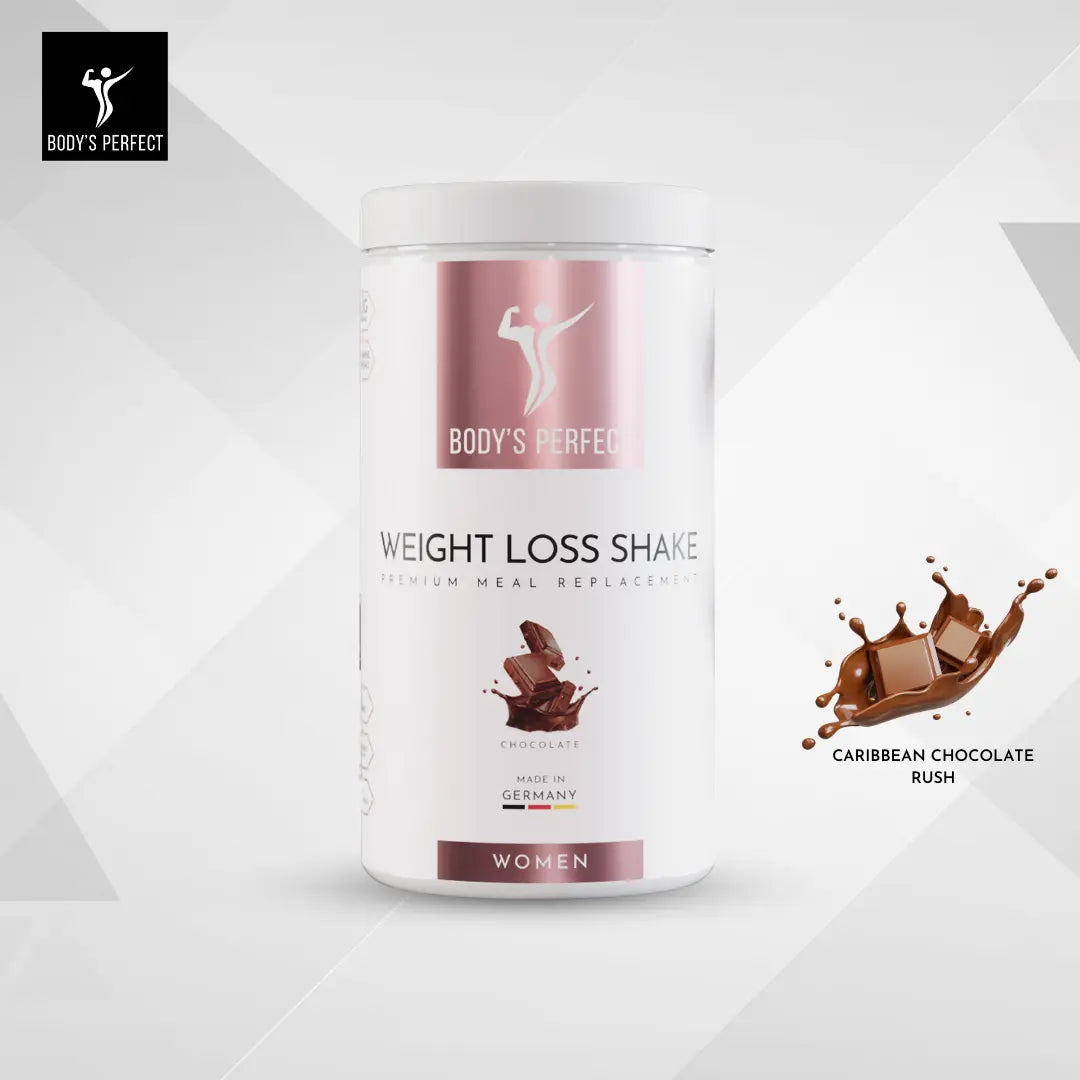
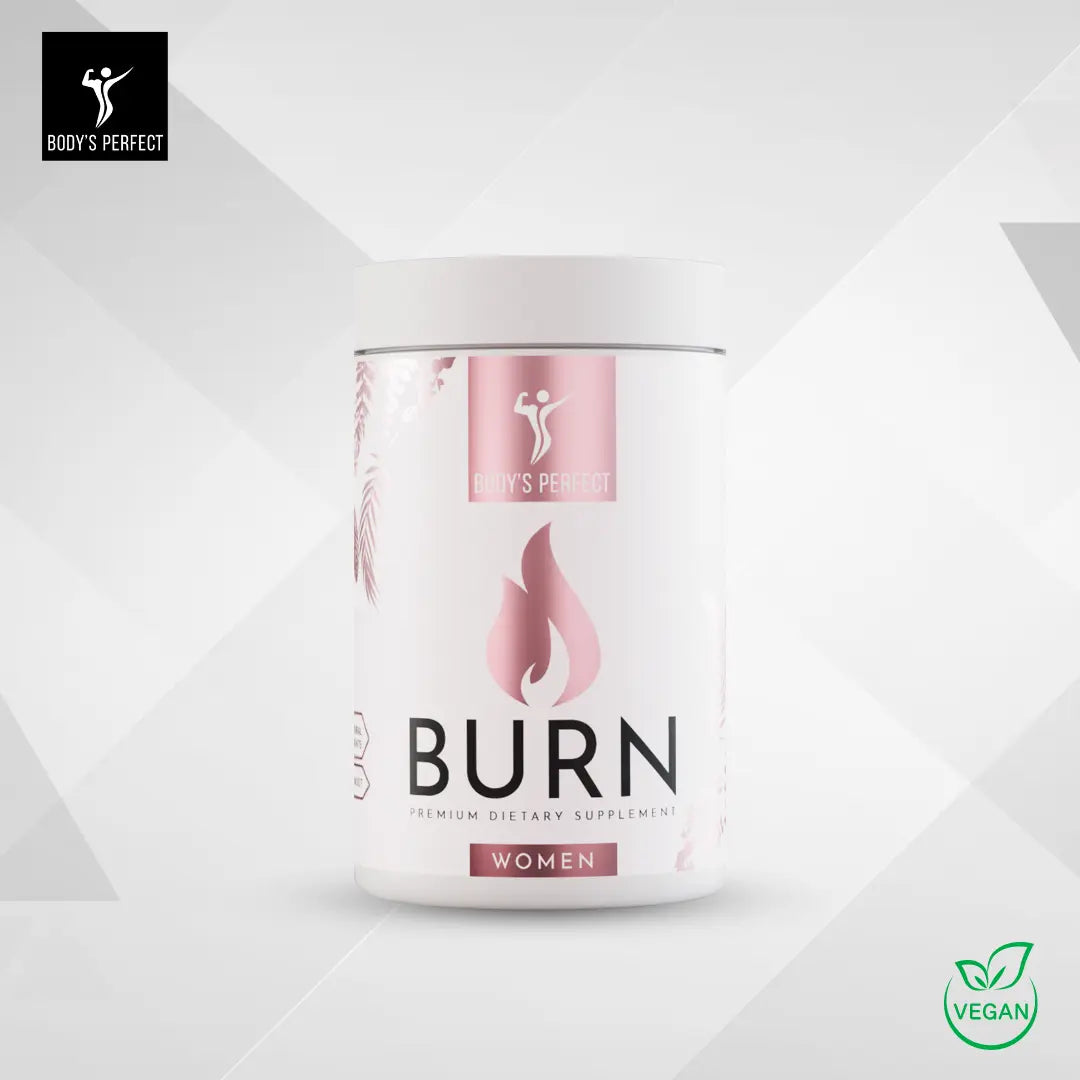
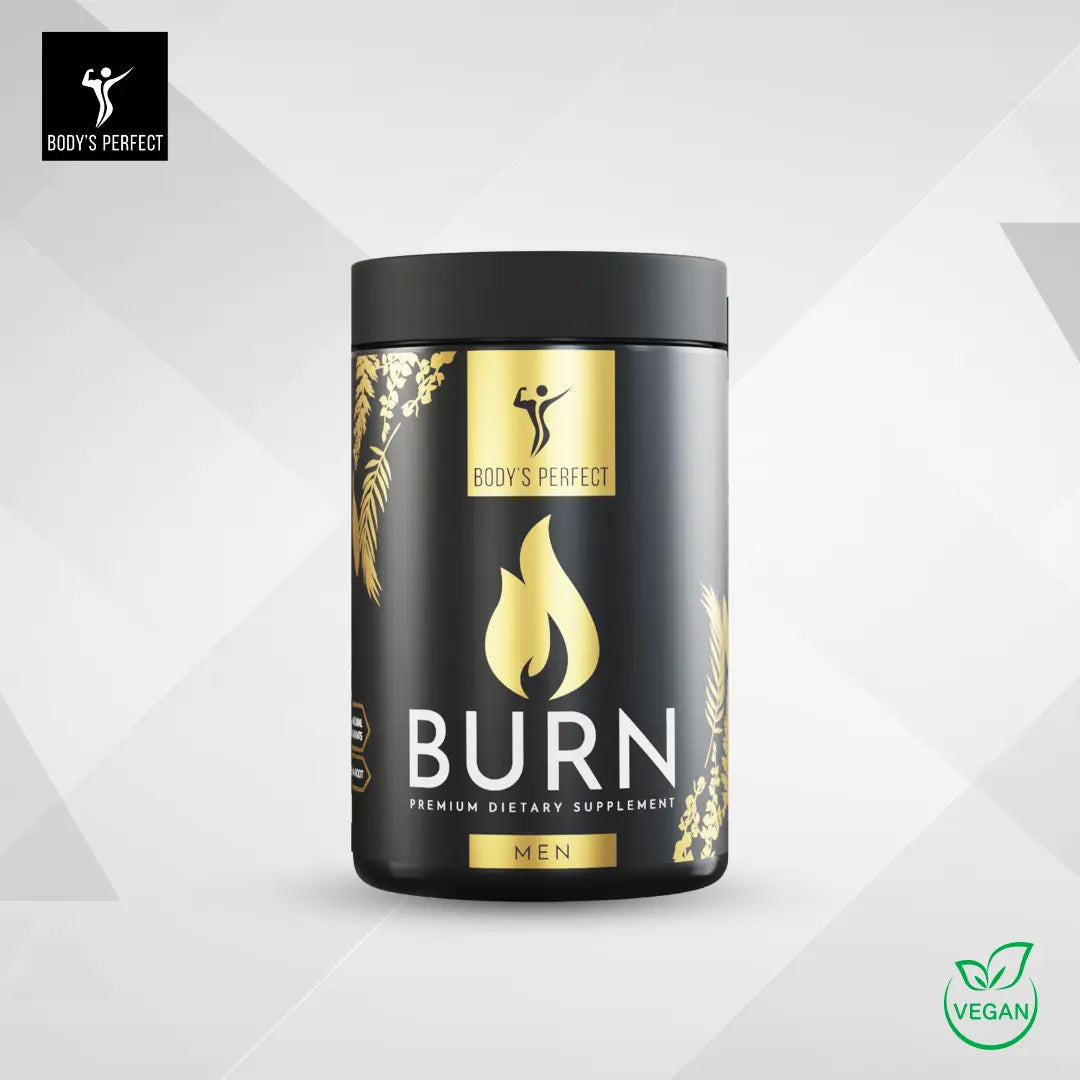
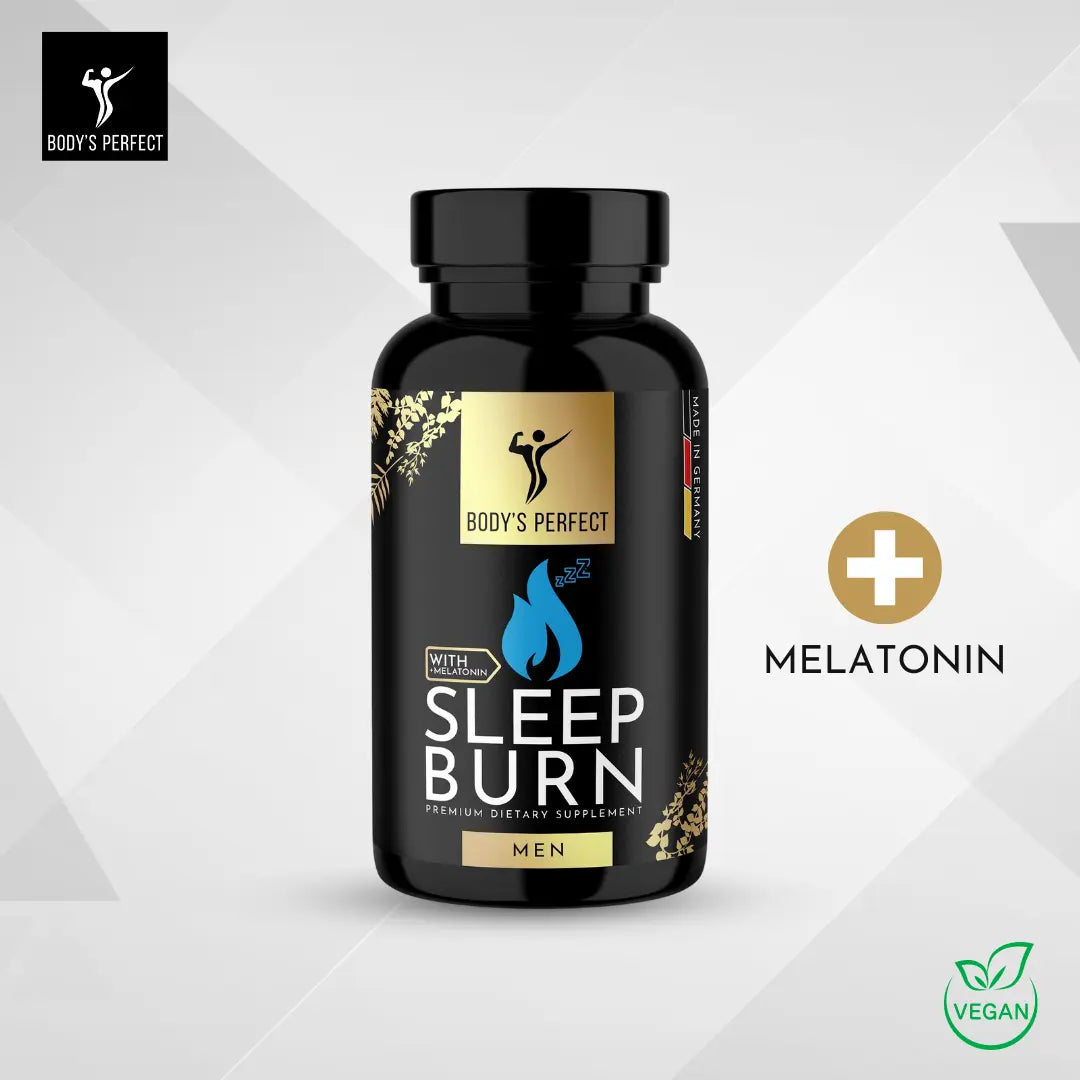
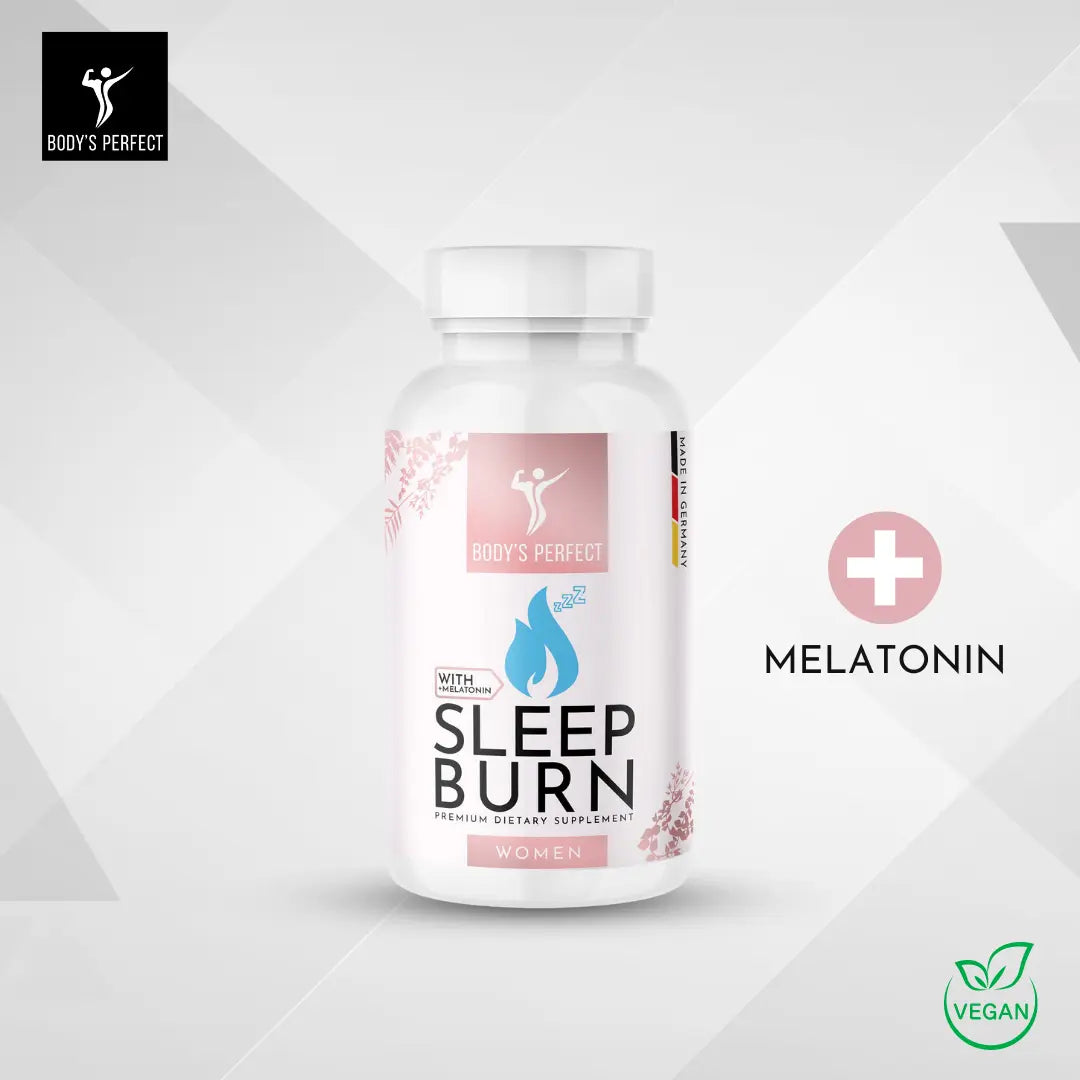
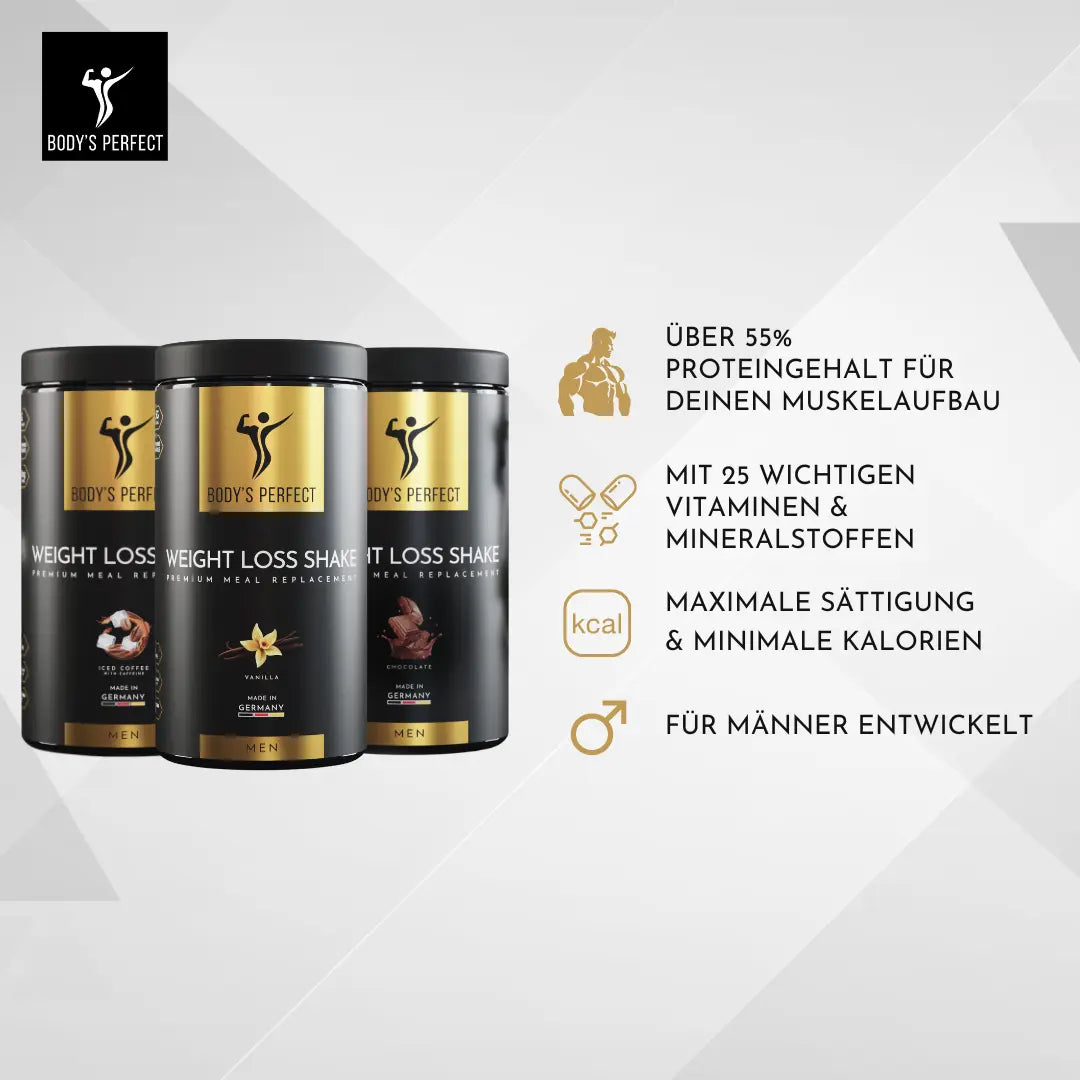
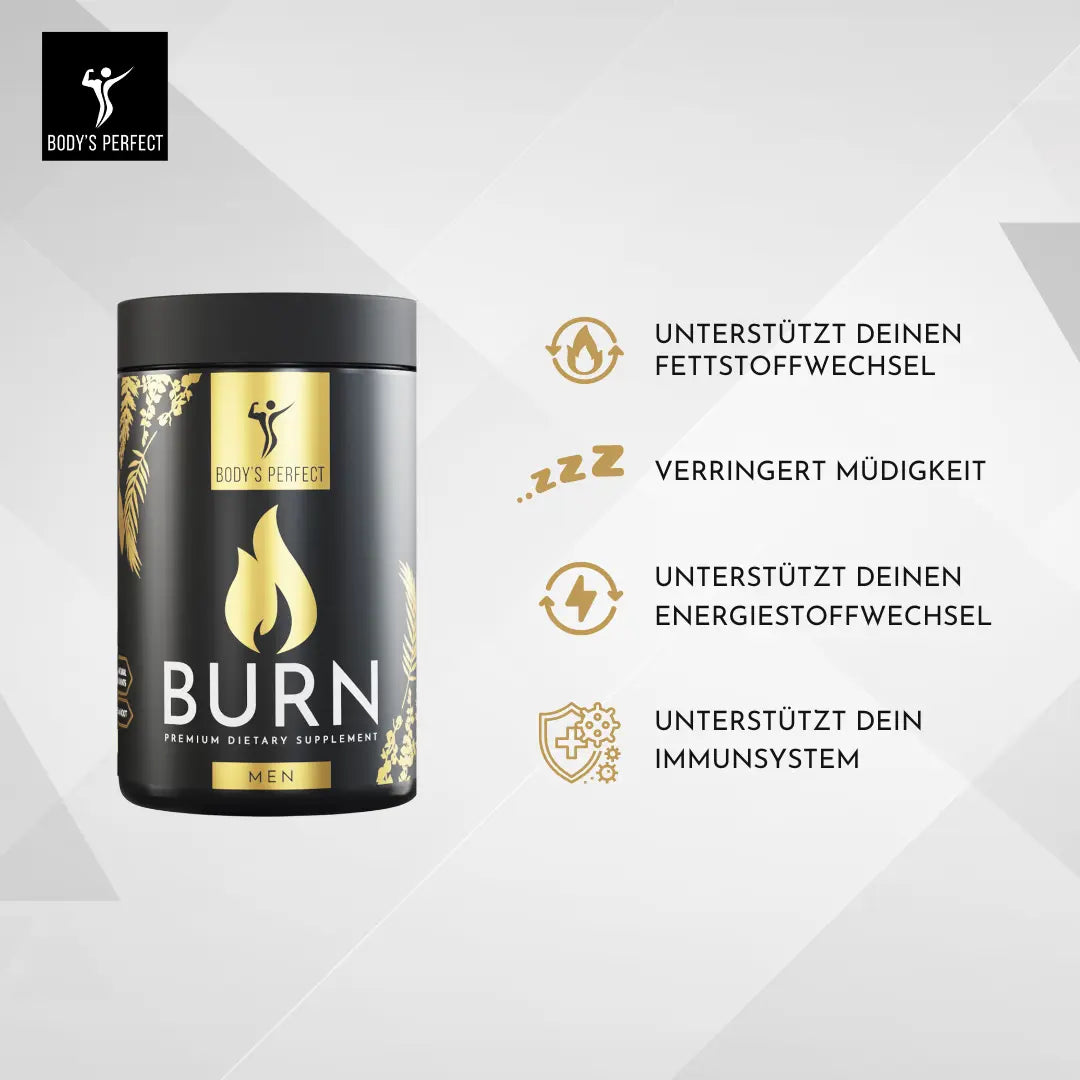
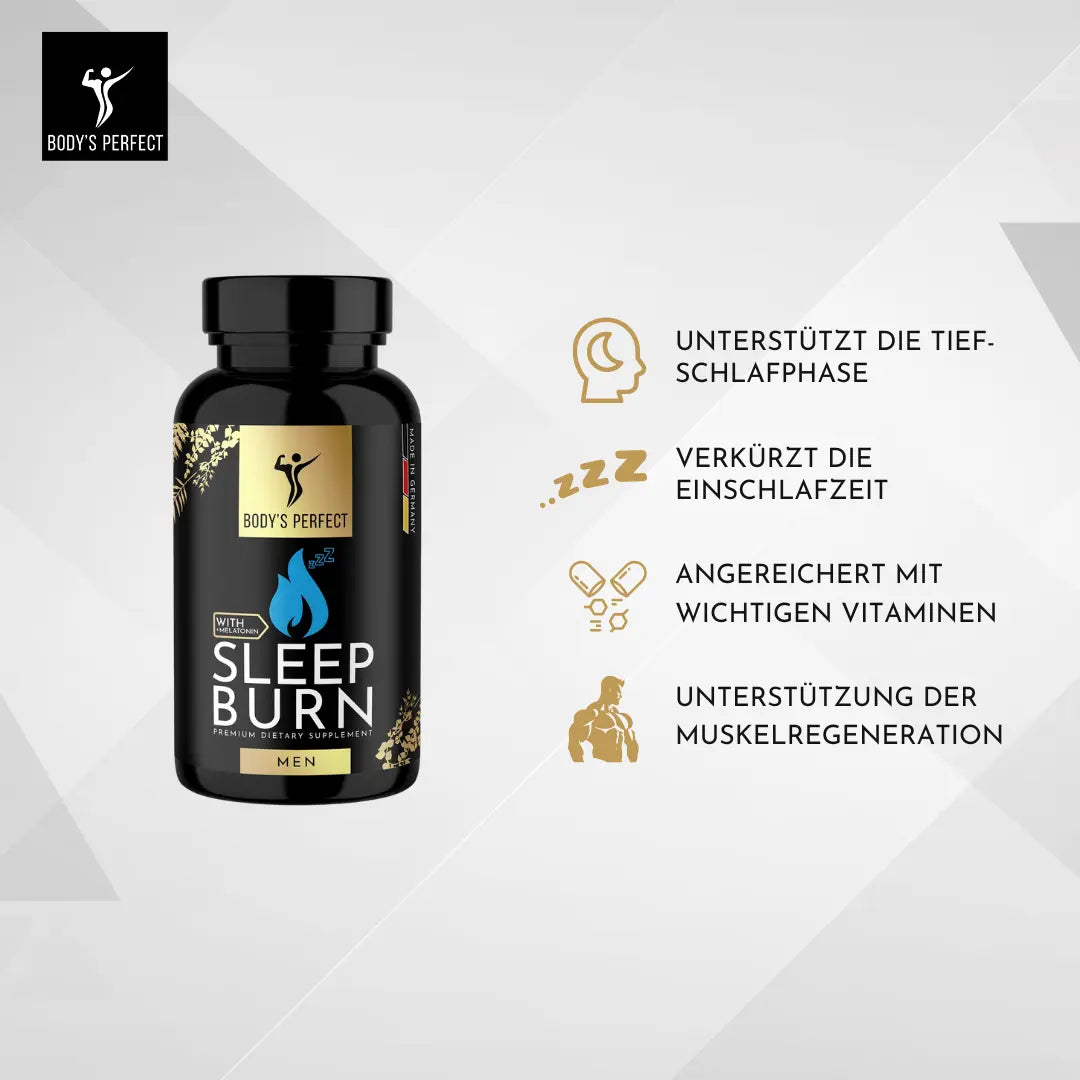
Are you ready to actively tackle emotional eating and give your body the best possible support? BODY'S PERFECT products are designed to accompany you on this journey, to get cravings under control and to promote your general well-being. Our shakes and capsules can be a useful addition.
Check out our products now and discover what can support you.



























Share:
Healthy weight loss without dieting for lasting success
Calorie Chart for Weight Loss: Your Guide to Lasting Success