


Men's Weight Loss: Effective Strategies for Lasting Success
Forget the general diet tips you find everywhere. The real key to successful weight loss for men lies in understanding and utilizing your biological advantages. Your body functions fundamentally differently from a woman's – and that's precisely your strength. Imagine your metabolism as a car engine: while many women are more like an economical hybrid, you have a powerful V8 engine under the hood. It naturally consumes more energy and has enormous potential if you fuel it with the right "gas."
Why Your Male Body Ticks Differently When It Comes to Weight Loss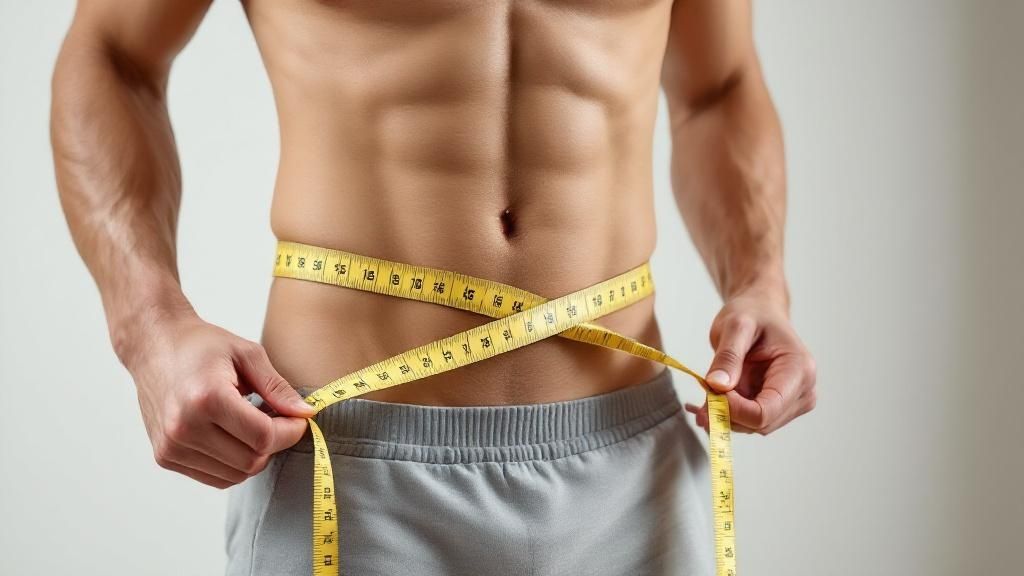
This difference is no coincidence but firmly rooted in your biology. The topic is more important than ever, as awareness of a healthy weight is growing. A 2024 survey shows that around 11.31 million people in Germany actively want to lose weight, a large proportion of whom are men. On Statista's website, you can find out more about the prevalence of weight problems in Germany. This knowledge is the first step to setting the course for your success.
The Muscular Advantage: Your Calorie Powerhouse
One of the biggest differences between men and women is body composition. Naturally, men have a higher proportion of muscle mass and a lower body fat percentage. This is not only good for aesthetics but a real game-changer for your metabolism.
- Muscles are active burners: Every kilogram of muscle burns calories just to maintain itself – even at rest.
- Higher basal metabolic rate: Your "engine" also runs at higher RPMs even when idling. You burn more calories daily than a woman of the same weight, without having to do extra exercise.
This biological advantage is a crucial lever in men's weight loss. While others laboriously count calories to create a deficit, your body already helps you. Your goal should therefore not just be pure weight loss, but above all the preservation and building of your muscles.
The graphic illustrates the complex metabolic processes. In men, these anabolic and catabolic processes often run more efficiently due to higher muscle mass and hormonal status.
Testosterone: Your Internal Fat Burner
The second crucial factor is your hormone balance, led by testosterone. This male sex hormone can do much more than just cause beard growth and a deep voice. It is a strong partner on your journey to your desired weight.
A healthy testosterone level supports muscle building and at the same time counteracts fat storage, especially in the abdominal area. Studies show that men with good testosterone levels lose body fat more easily and build muscle. This also explains why men often achieve visible results faster when they adjust their diet and training. They simply respond more directly to the right signals. So, if you choose strategies tailored to your male physiology, you create the perfect conditions for sustainable weight loss.
The Uncomfortable Truth About Men's Weight in Germany

If you are unhappy with your weight, you are far from alone. This realization can be both reassuring and alarming. The current figures on men's weight in Germany paint a clear picture: what used to be the exception has now become a reality for the majority. But these statistics also hold an opportunity, because they show that the topic of weight loss for men is becoming increasingly important.
The Bare Figures Under Scrutiny
Statistics can be dry, but these speak volumes: a large proportion of men in Germany weigh more than would be advisable from a health perspective. Specifically, around 67% of men are overweight, which corresponds to a Body Mass Index (BMI) of 25 or higher. Of these, almost a quarter (23%) even fall into the category of obesity, i.e., severe overweight with a BMI over 30.
Behind these percentages are millions of personal stories, worries, and the quiet desire for change. The German Obesity Society offers deeper insights into the prevalence of overweight, if you would like to find out more.
The following table shows how overweight is distributed across different age groups and clarifies that the issue gains relevance with age.
Overweight in Men by Age Group in Germany
| Age Group | Normal Weight (%) | Overweight (%) | Obesity (%) |
|---|---|---|---|
| 18-29 Years | 57.0 | 22.7 | 9.8 |
| 30-44 Years | 37.9 | 42.9 | 16.9 |
| 45-64 Years | 26.4 | 46.6 | 25.6 |
| 65+ Years | 24.1 | 48.1 | 25.1 |
Data based on surveys by the Robert Koch Institute. Overweight (BMI 25-29.9), Obesity (BMI ≥ 30).
The numbers confirm: with increasing age, the risk of overweight significantly increases. But that doesn't mean you are helplessly at the mercy of this trend.
Why Certain Life Stages Are Critical
Weight gain is rarely a sudden event, but rather a creeping process favored by typical life stages. Professional and family obligations change our daily lives and thus our habits.
- The transition to working life: The active everyday life as a student or apprentice often gives way to a sedentary office job. Less movement with the same eating habits almost automatically leads to the first kilos.
- Starting a family (approx. 30–45 years): Priorities shift. Time for sports becomes scarce, meals are oriented towards the family table and no longer towards one's own goals.
- Midlife (from 45 years): Metabolism naturally slows down, while habits established over years have solidified. Now it is particularly important to actively counteract this.
The good news is: in each of these phases, you can regain control. It's about making conscious decisions and finding strategies that fit your current life. The best results are often achieved with an approach based on natural methods. In our article on natural ways to lose weight, we show you how you can gently but effectively support your body. Instead of radical prohibitions, it's about using the right tools, rather than relying solely on willpower. Statistics are not fate, but your personal starting point.
How the German Male Landscape Has Changed in 20 Years

The figures on the weight of German men are far more than just statistics – they paint a picture of a profound societal change. It is a development that has taken place over the last two decades and may also touch your own story. Imagine a brief journey back to the early 2000s. Everyday life often looked different: less desk work, different eating habits, and often more unconscious movement spread throughout the day. What exactly has changed since then?
The development is clear and measurable. According to surveys by the Robert Koch Institute, around 12% of adult men in Germany were affected by obesity in 2003. Today, some two decades later, this figure is almost 20%. This is not a minor fluctuation, but a clear signal of major changes in our lifestyle. Those who want to delve deeper into the numbers can read the detailed statistics on overweight. But what invisible forces are behind this increase?
The Creeping Changes in Everyday Life
The transformation of our working world has not only reshaped offices but also our metabolism. One of the main reasons is the shift from physically demanding professions to sedentary activities in the office or home office. Less movement logically leads to lower daily calorie consumption.
At the same time, our eating habits have adapted:
- Constant availability of food: Delivery services make it easy to order high-calorie meals with just one click. This favors spontaneous and often less healthy choices.
- More flexible working hours: Long working days and shift work can disrupt our natural biorhythm, which can affect hormone balance and fat storage.
- Stress as a trigger: Increased pressure at work and in private life leads many men to so-called "stress eating," often opting for high-fat and high-sugar foods.
The graphic above from Wikipedia illustrates the global distribution of obesity. Such representations help to put the situation in Germany into a global context and to understand that this is not a purely German phenomenon.
The map shows that Germany ranks in the upper middle range in international comparison. This underscores how important effective strategies for men's weight loss have become.
Success Stories as Role Models
However, this development is not a fate to which one must surrender. The most important message is: You are in control and can consciously counteract it. There are countless success stories of men who have successfully reduced their weight despite modern challenges. They prove that you are not powerless against societal trends.
These men have learned to use the new circumstances to their advantage, rather than letting themselves be controlled by them. Their success is not based on radical renunciation, but on intelligent adjustments and the knowledge of which small levers in their everyday lives have the greatest impact.
Nutrition Strategies That Really Work for Men
No more rigid calorie counting and tiny portions that leave you hungry and unsatisfied. Successful weight loss for men is not an act of deprivation, but a clever strategy that plays to your biological advantages. Imagine your diet as a strategic game: you know the rules of your body and use them to win.
Intermittent Fasting: A Tailored Approach for Men
One approach that has proven particularly effective is intermittent fasting. This is not a diet in the classic sense, but an eating rhythm. You alternate between periods of eating and voluntary fasting. The 16:8 method has proven particularly effective for men: you fast for 16 hours a day and consume all your meals within an 8-hour window.
Why does this often work so well for men? Their hormone system, especially testosterone and insulin levels, tends to be less sensitive to short fasting periods than women's. This can stimulate fat burning without jeopardizing muscle building, which is important for men. Many men simply integrate this rhythm by skipping breakfast, eating their first meal at noon, and finishing dinner before 8 p.m.
The Right Macro Mix: More Than Just Protein
During the 8-hour eating window, not only the timing but especially the quality of your food is crucial. It's about giving your body the right building blocks. The three macronutrients – proteins, fats, and carbohydrates – play the main roles.
- Proteins: They are essential for muscle maintenance and provide a long-lasting feeling of fullness. Good sources include lean meat, fish, eggs, quark, and legumes.
- Healthy fats: They are important for hormone production, including testosterone, and for the absorption of fat-soluble vitamins. Avocados, nuts, seeds, and high-quality oils should be an integral part of your plan.
- Complex carbohydrates: Give your body energy with whole grains, oatmeal, potatoes, and vegetables. They prevent cravings by stabilizing blood sugar levels.
The following table shows how you can adjust the distribution of macronutrients to your personal goals.
| Strategy | Carbohydrates (%) | Protein (%) | Fat (%) | Target Group |
|---|---|---|---|---|
| Moderate Fat Loss | 40 | 30 | 30 | Men with mild to moderate overweight who exercise regularly. |
| Aggressive Fat Loss | 25 | 40 | 35 | Men aiming to rapidly reduce body fat, often in combination with strength training. |
| Muscle Preservation (Diet) | 30 | 40 | 30 | Athletic men who want to lose fat while protecting their muscle mass. |
| Beginners Without Exercise | 45 | 25 | 30 | Beginners who are changing their diet but do not yet have a regular exercise plan. |
These figures are guidelines that should be adjusted according to individual metabolism and activity level. They serve as a solid starting point for planning your meals.
Practical Implementation in Everyday Life
A good strategy is useless if it cannot be implemented in a busy schedule. Here are proven tactics that work even with a 50-hour week:
- Sunday Meal Prep: Take an hour to prepare meals for the coming days. Cook a large batch of quinoa or rice, roast chicken breast, and chop vegetables in advance. This way, you always have a healthy base ready.
- Smart Choices: Consistently replace sugary drinks with water or unsweetened tea. Choose a large salad with turkey strips instead of a sandwich for lunch. These small changes have an enormous impact.
- Dealing with Pitfalls: Stress at work? Instead of grabbing chocolate, take a short walk. Late evening? Have a healthy meal prepared so you don't end up ordering takeout.
This infographic compares the starting point with the result after three months of consistent implementation.
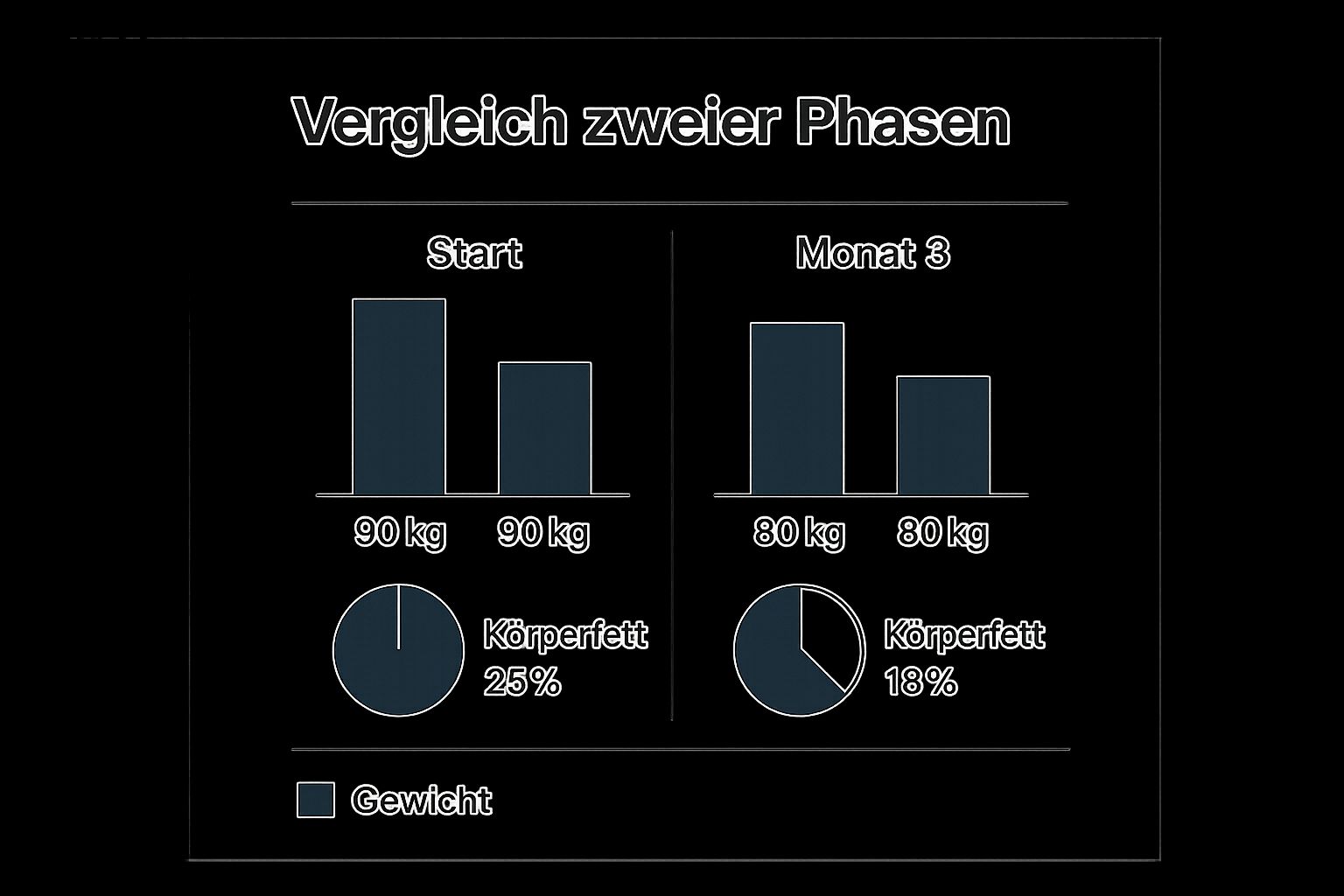
Visible success is the direct result of a well-thought-out nutrition strategy that specifically supports male metabolism.
By combining these methods, you develop a sustainable rhythm that brings you closer to your goal without completely turning your life upside down. If you want to learn more, you can find further valuable information in our guide the best weight loss tips for men.
Training That Suits Your Male Body
Forget the idea that you have to sweat for hours on the treadmill to see results. Your body naturally has different strengths that you should use for effective weight loss. Imagine your body like a smartphone: long, monotonous cardio is like constantly clearing the cache – it helps in the short term, but doesn't change the fundamental performance of the system. Strength training, on the other hand, is like a comprehensive software update. It makes the entire system faster, more efficient, and more powerful.
Your naturally higher testosterone level acts as a personal turbo. This hormone is crucial for muscle building and ensures that you burn calories not only during your workout but also hours afterward. This afterburn effect is one of the biggest advantages of strength training. It turns your body into a 24/7 calorie-burning machine and is one reason why three intense strength training sessions per week often achieve significantly more than daily cardio.
Maximum Results in Limited Time
Most men have busy schedules. Therefore, it is crucial to focus on exercises that provide the greatest benefit. These are complex compound exercises that activate multiple muscle groups simultaneously.
- Squats: Train legs, glutes, and core. They are considered the king of lower body exercises.
- Deadlifts: Engage almost the entire body, especially the back, legs, and grip strength.
- Bench Press: The classic for a strong chest, shoulders, and triceps.
- Pull-ups: Build a broad back and strong arms.
- Shoulder Press: Develop strong, round shoulders.
Correct execution of these exercises is paramount to avoid injuries and reap the full benefits of training.
The following illustration exemplifies the importance of correct posture and muscle activation during a strength exercise.
As shown in the picture, strength training requires precise technique. This demands overall body stability, which in turn increases calorie consumption.
The Right Workout Plan for Your Daily Life
A training plan is only as good as its ability to integrate into your daily life. Here are three proven approaches for different life situations:
| Life Situation | Training Approach | Focus |
|---|---|---|
| The Home Office Hero | Bodyweight Exercises | 3–4 times a week, 30–45 minutes each; push-ups, squats, lunges, planks. |
| The Gym-Goer | 3-split or full-body training | 3 times a week, 60 minutes each; focus on compound exercises with progressive weight increase. |
| The Frequent Traveler | Minimal-Equipment Workout | Training with resistance bands and bodyweight in the hotel room; flexible and location-independent. |
In addition to targeted training, increasing everyday movement is a valuable lever. Take the stairs instead of the elevator, walk or cycle short distances, and get off one stop earlier. These small activities add up and increase your daily calorie consumption without feeling like an additional burden. If you are looking for the perfect mix for you, you will find more helpful approaches in our guide on the best sport for weight loss 2025.
For men returning after a longer break, a slow start is important. Begin with two sessions per week and focus on clean technique with light weights or your own body weight. Listen to your body's signals and increase gradually. This way, you avoid typical beginner mistakes like overtraining and injuries and build a sustainable routine that will lead you to your goal in the long run.
The Mental Aspect: How Men Successfully Stay the Course
The visible successes in weight loss for men – i.e., diet change and training – are only half the battle. The real challenge, which often decides between victory and defeat, takes place in the mind. The good news is that men often have a natural advantage here if they treat weight loss like a project – goal-oriented, analytical, and focused on solutions. Instead of relying on vague wishes, they need clear goals, measurable progress, and a Plan B for the inevitable setbacks.
This approach turns the often emotional process of weight loss into a task that can be managed. Don't rely solely on your willpower, because it's like a battery that can quickly run out. Instead, use proven mental techniques to specifically change your habits and lay a strong foundation for lasting success.
The Power of Habit: Reprogramming the Autopilot
Your daily life is shaped by countless unconscious habits – from reaching for the coffee cup in the morning to the evening snack in front of the TV. Successful weight loss doesn't mean constantly fighting against these habits, but cleverly reprogramming them. Simple principles from behavioral psychology help us to replace old patterns with new, better ones.
Imagine this process in three steps:
- Recognize triggers: When exactly do you reach for unhealthy snacks? Is it stress after a long workday? Boredom on the weekend? Or peer pressure when meeting friends? Be honest with yourself.
- Change routine: Once you know the trigger, you can change your reaction to it. Instead of a bag of chips after work, take a walk around the block. Instead of a beer after work on the couch, try herbal tea.
- Maintain reward: The new routine must satisfy a similar need as the old one. The walk also reduces stress, just as emotional eating did. The goal is to establish new, healthier automatisms that trigger the same positive feeling.
This gradual adjustment is much more effective than radical abstinence. If you are looking for inspiration, you will find more healthy habits for weight loss that can be easily integrated into everyday life here.
The following graphic from Wikipedia provides an overview of behavioral therapy methods.
The graphic shows: Behavior change is a structured process based on analysis, goal setting, and the application of targeted techniques – an approach that perfectly suits the male mindset.
Dealing with Plateaus and the Social Environment
Anyone who has ever tried to lose weight knows them: the dreaded plateaus where the scale simply stops moving. Many men make the mistake of throwing in the towel in frustration. Instead, view a plateau for what it really is: a valuable data source. Your body has adapted to the new circumstances – this is not a failure, but a sign that it's time for a strategic adjustment. Perhaps you need to intensify your training, slightly change your calorie intake, or pay more attention to your sleep.
Your social environment also plays a crucial role. Family and friends can be your biggest supporters, but also unconsciously become obstacles. Talk openly about your goals and ask for support. Explain to your partner why healthy meals are important to you, or suggest to your friends that you plan a sports activity instead of the usual bar visit at your next meeting. Make them allies in your mission.
By approaching your weight loss project mentally like a strategic task, you develop the resilience you need to master even difficult phases with confidence.
Personalization: How to Find Your Individual Path
The strategies for nutrition and training presented so far are powerful tools. However, they only unleash their full potential when they are tailored to your unique biology. Forget the "one-size-fits-all" diets that promise a solution for everyone. Successful weight loss for men today is as individual as your fingerprint.
Imagine you could look under the hood of your body: Which "fuel" does it process best? How does your engine react to different loads? This is exactly where modern, personalized approaches come in. They go beyond general advice and answer the crucial question: What works best for you? The idea of designing your weight loss plan based on your own genes is fascinating and is becoming increasingly tangible with new technologies.
What Your DNA Reveals About Your Metabolism
The field that investigates the interaction between genes and nutrition is called nutrigenomics. It is a young but promising scientific field. The basic assumption is that our genes influence how we process nutrients. Some people, for example, can convert carbohydrates into energy very efficiently, while others respond better to a higher-fat diet.
The idea is tempting: A simple test could tell you whether you are more of a "low-carb type" or a "low-fat type." These tests analyze specific gene variants associated with metabolic processes.
This diagram illustrates how science views the connections between genes, nutrition, and health.
The diagram shows a cycle: Our diet (nutrients) can influence the activity of our genes, which in turn shapes our health and disease risk.
DNA-based analyses can provide insights into:
- Your metabolic type: Do you tend to process fats or carbohydrates more efficiently?
- Your sensitivity to saturated fatty acids: Do you have a genetic predisposition to gain more weight with high consumption?
- Your individual vitamin requirements: Do you possibly need more of certain micronutrients?
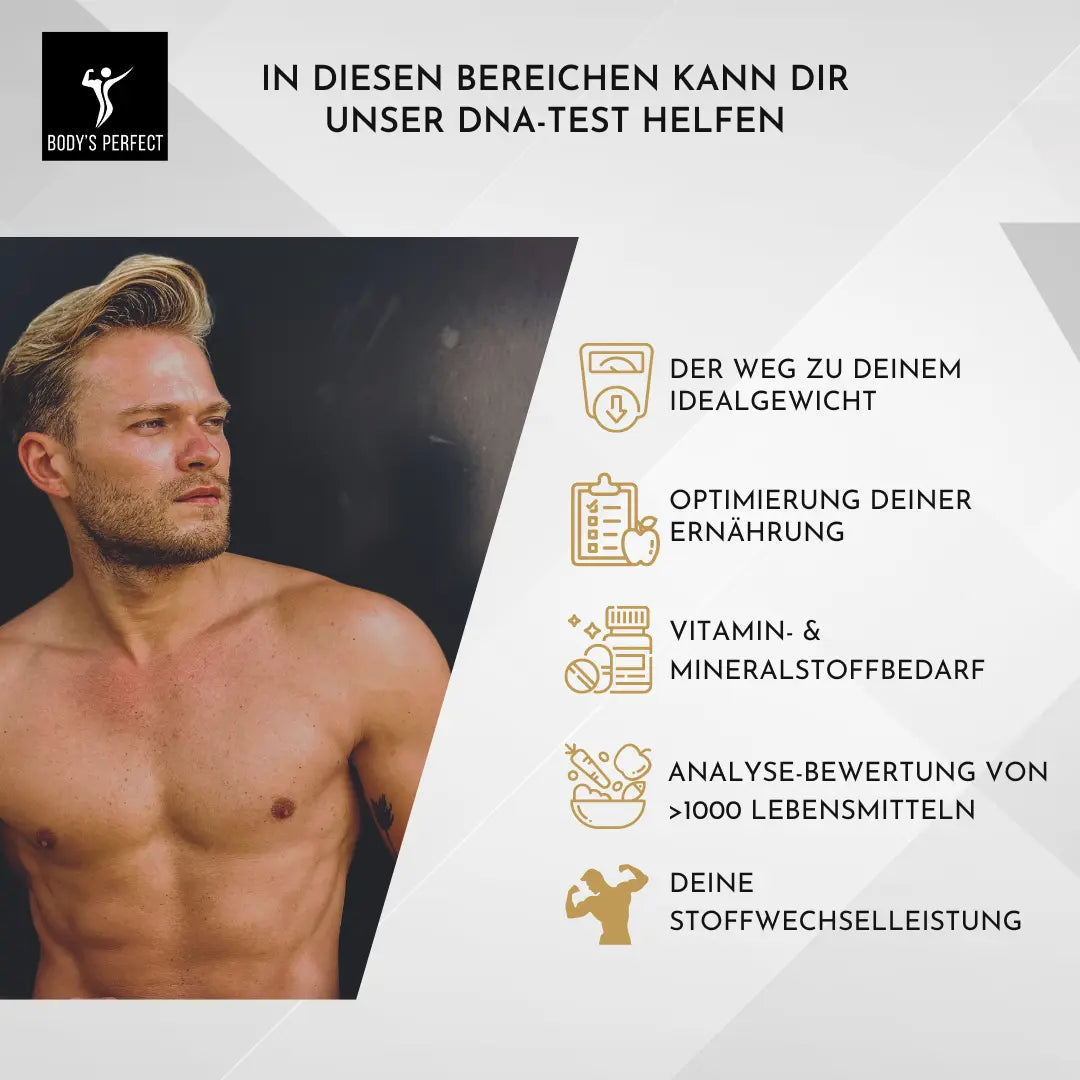
However, it is important to view the results realistically. Your genetics are only one piece of the puzzle. Your lifestyle, sleep, stress levels, and previous eating habits play an equally large, if not larger, role. DNA suggests a tendency; it is not unchangeable fate. For men looking for a data-driven starting point, such an analysis can provide valuable impulses. You can learn more about such approaches, for example, in our weight loss package specially developed for men.
Find Your Way: From Self-Observation to Analysis
You don't have to get a genetic test immediately to adjust your plan. The first and most important step is systematic self-observation. Keep a simple food and exercise diary for two weeks. Note not only what you eat and how you exercise, but also how you feel.
- Energy level: When do you feel fit and when do you feel sluggish? After a high-carb meal or more after a high-protein one?
- Cravings: When do cravings hit you? Are there specific triggers for them?
- Training performance: On which days do you have the most strength in training? Is that related to your diet from the day before?
This simple method already provides you with valuable, individual data. If you then want to proceed more specifically, you can systematically try different approaches. Test a low-carb diet for two to three weeks each and compare the results with a phase in which you focus on low-fat. Your body will give you the answer – through your well-being, your performance, and the numbers on the scale.
Your Action Plan: From Knowledge to Implementation
All the knowledge about nutrition, training, and mental strength is valuable, but it remains mere theory without the decisive step: implementation. Here, we transform the collected information into your personal roadmap to success. View weight loss for men not as a short-term diet, but as a project: It requires clear priorities, realistic timelines, and measurable milestones.
Instead of getting lost in countless small tasks, the goal is to combine the presented strategies into a system that works for you. The aim is to establish sustainable habits that fit your lifestyle – without turning your daily routine completely upside down.
Step 1: Set Priorities and Get Started
The most common mistake is trying to change everything at once. Instead, in the first week, focus on just three small but effective habits. Your brain likes manageable tasks, because this way it can celebrate small successes, which further motivates you.
Your starting checklist could look like this:
- Nutrition: Replace all sugary drinks with water or unsweetened tea. This one adjustment alone can save several hundred calories per day.
- Movement: Take a brisk 15-minute walk every day after lunch. This stimulates digestion and increases your calorie consumption without much effort.
- Habit: Lay out your workout clothes the evening before. This simple trick significantly lowers the barrier to your next workout.
It's about initiating a positive cycle. Every successfully implemented small thing strengthens your self-confidence and paves the way for the next challenge.
Step 2: Make Progress Visible
What is not measured cannot be improved. Make your successes visible to keep motivation high. However, this does not mean weighing yourself daily. Focus on metrics that truly make a difference.
- Helpful tools: Use a simple note-taking app to write down and check off your three weekly goals. Photograph your meals to develop a better awareness of what you eat.
- Redefine progress: Note how your clothes are getting looser, how much more energy you have in everyday life, or how you manage one more repetition in training. These are the true victories.
The following graphic shows how a habit is built: It consists of a trigger, a routine, and a reward.
This illustration explains the habit loop: A trigger (e.g., stress) leads to a routine (e.g., reaching for a bag of chips), which results in a reward (e.g., temporary relief). Your action plan aims to replace the harmful routine with a healthier alternative that provides a similar reward.
Step 3: Dealing with Setbacks Correctly
Setbacks are not failures; they are a normal part of the journey. The difference between success and failure lies in how you react to them. Be prepared and have a plan. If you had a bad day, don't throw away the whole week. Briefly analyze what went wrong and simply start fresh the next morning.
Your path to your goal is not a sprint, but a marathon. It is the small, consistent steps that will ultimately get you to your destination.
Are you ready not just to accumulate knowledge, but to put it to work for you purposefully? With the right tools and a clear strategy, your goal is more than achievable. Discover tailored products and DNA analyses at BODY'S PERFECT that can optimally support you on your individual path.










Share:
The Best Sport for Weight Loss: 7 Effective Ways for 2025
Lose Belly Fat Men: The Best Tips for Quick Results