

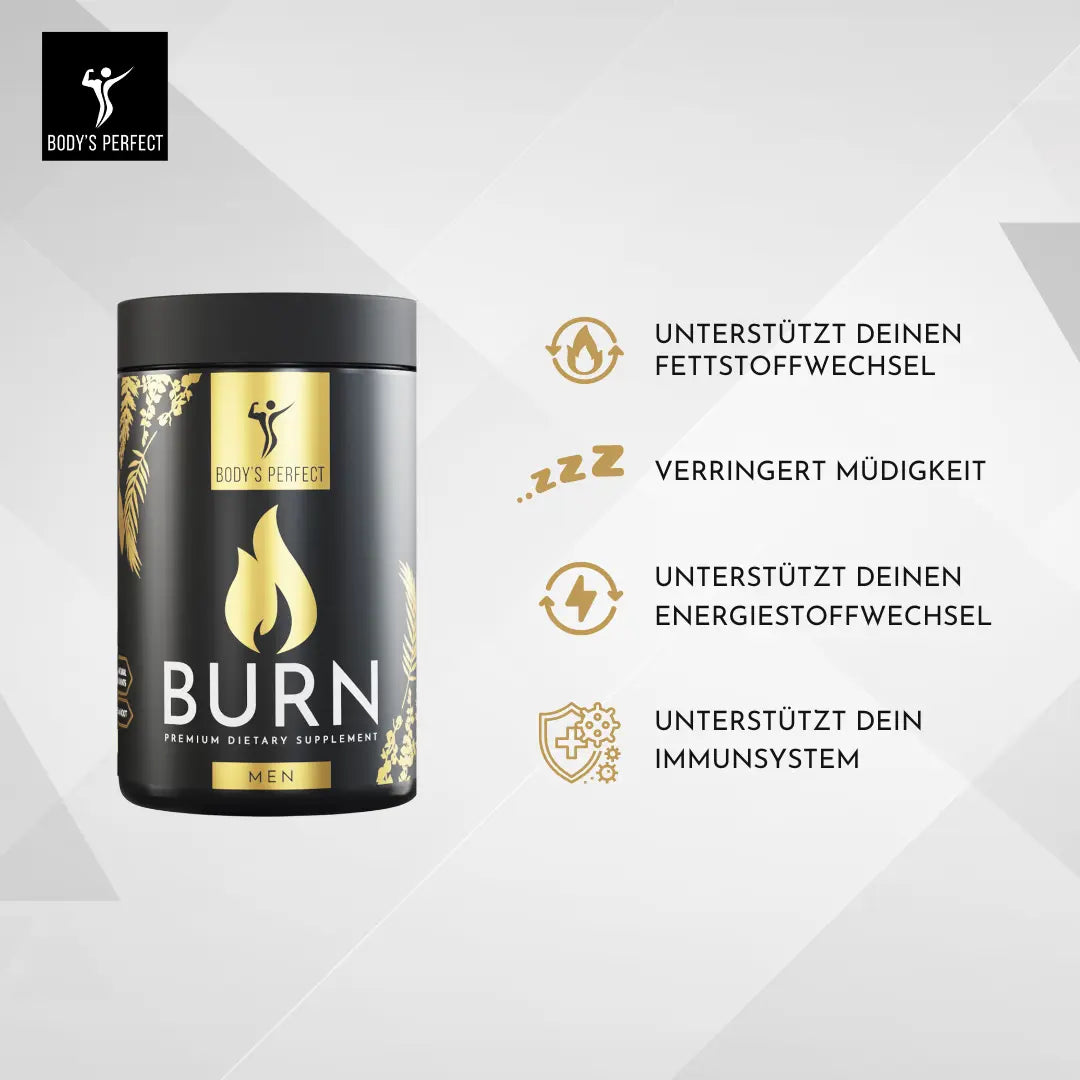
Zinc plays an important role in carbohydrate, fat, and protein metabolism, and is thus a central factor in food intake, transformation, and the utilization of food into energy. If the body is provided with insufficient energy due to a lack of zinc, the organism slows down its metabolism, leading to symptoms such as susceptibility to stress and fatigue. A throttled metabolism consequently consumes less energy, meaning the body will also metabolize fewer calories, which can lead to weight gain. The limited protein synthesis caused by zinc deficiency results in poor wound healing and the inability to build muscle.
Zinc is particularly important for the male body because it promotes sperm production. Furthermore, it can optimize the efficiency of sperm, increasing their motility and mobility.
- Regulation of carbohydrate, fat, and protein metabolism
- Support for muscle growth
- Sperm production/quality



Share:
Prickly Pear Cactus
Pyridoxine Hydrochloride (Vitamin B6)