


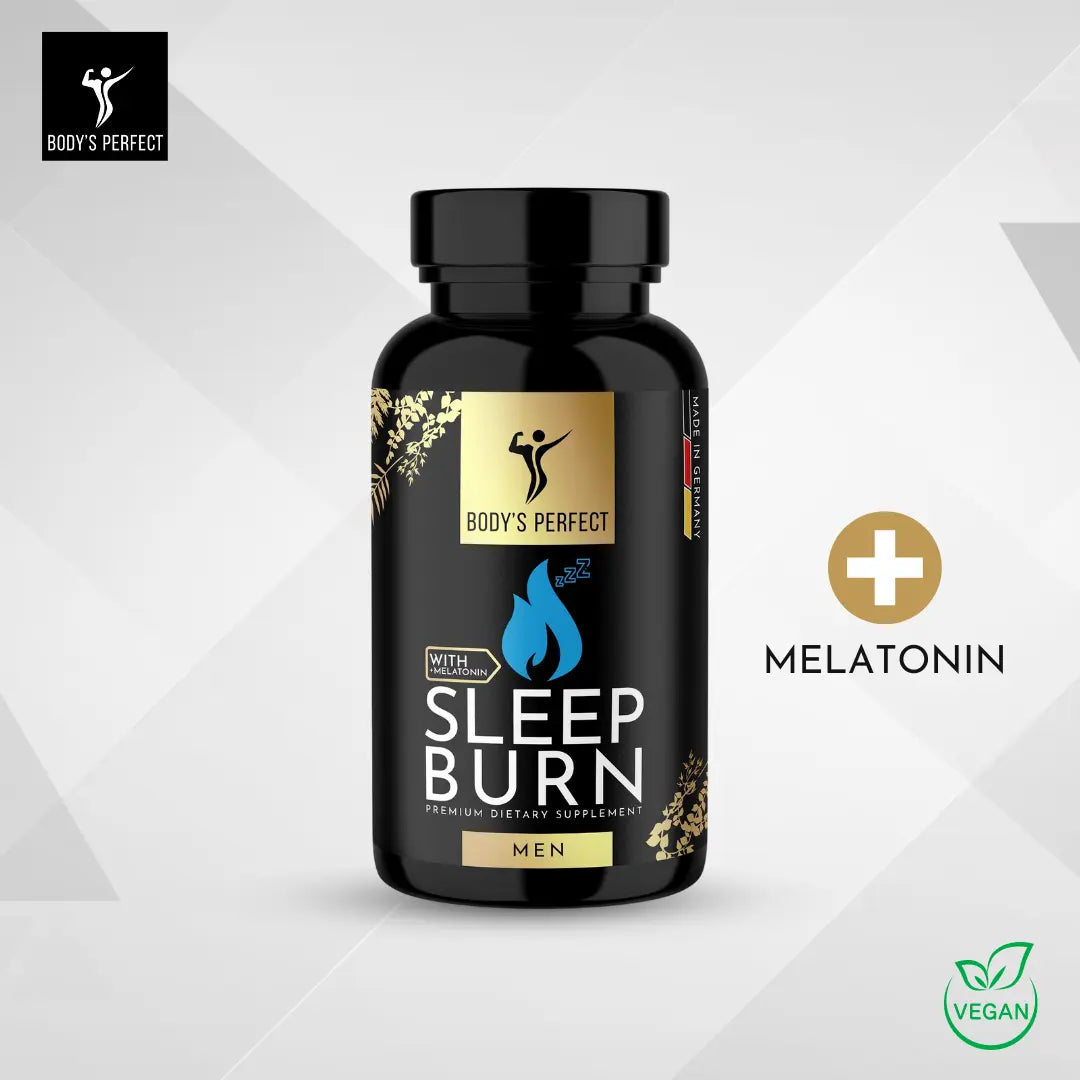
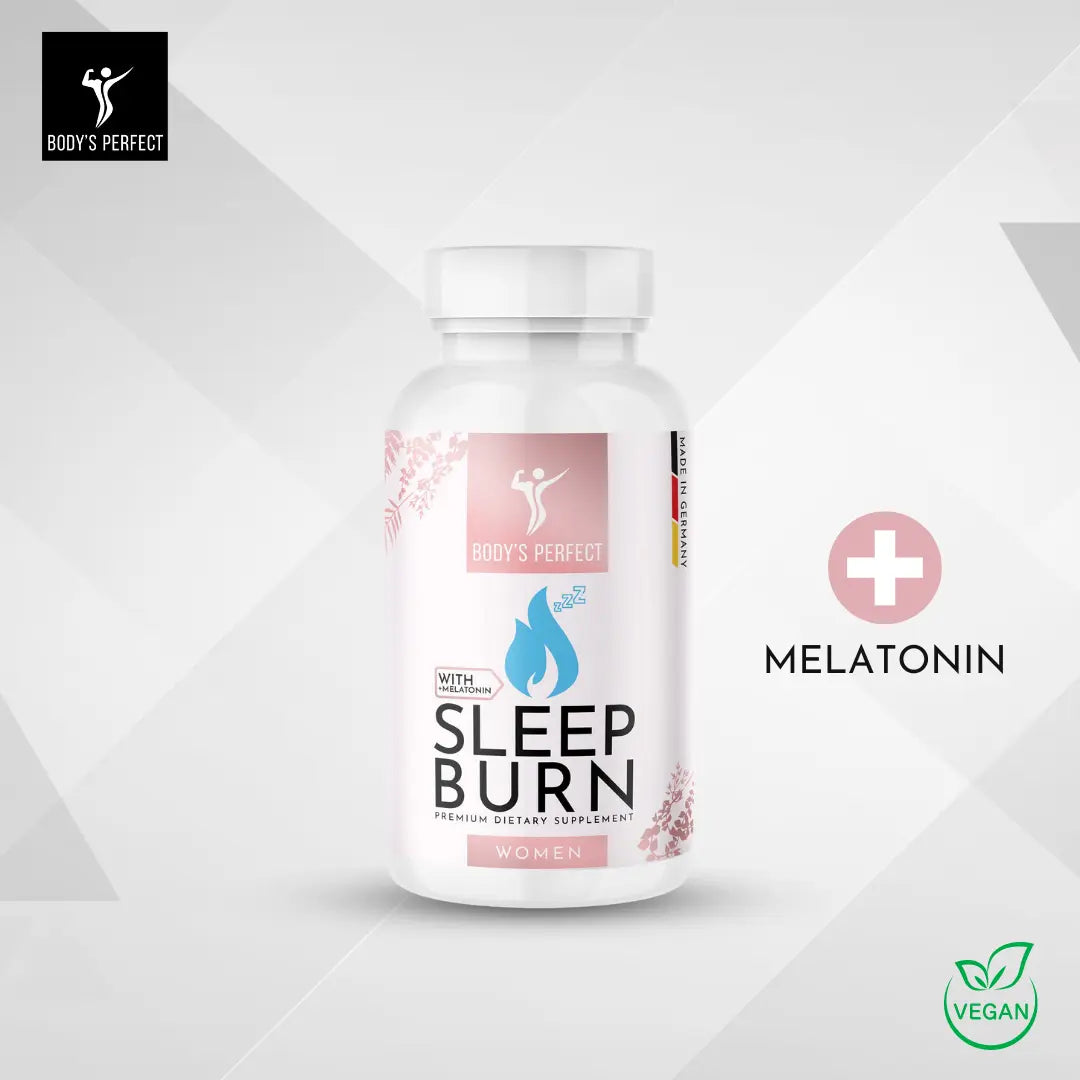
Melatonin is a messenger substance that improves sleep and ensures a longer deep sleep phase.
It is mainly synthesized in the pineal gland (epiphysis) in the brain. Small amounts are also produced in the retina of the eye and in the intestine. The amount of the messenger substance secreted depends on the eye. When daylight hits the retina, melatonin production is inhibited. In the dark, production is stimulated.
The released messenger substance can dock to specific binding sites, for example on the blood vessels in the brain and some cells of the immune system. This is how the body reacts in the dark and realizes that it is now time to rest and, for example, that energy requirements must be reduced and blood pressure lowered. Furthermore, the messenger substance lowers body temperature, boosts the immune system, and influences learning and memory. During the day, the melatonin level is only one third to one tenth of that at night.
The older you get, the lower the body's own melatonin production.











































Share:
Bamboo shoots
Bamboo shoots