

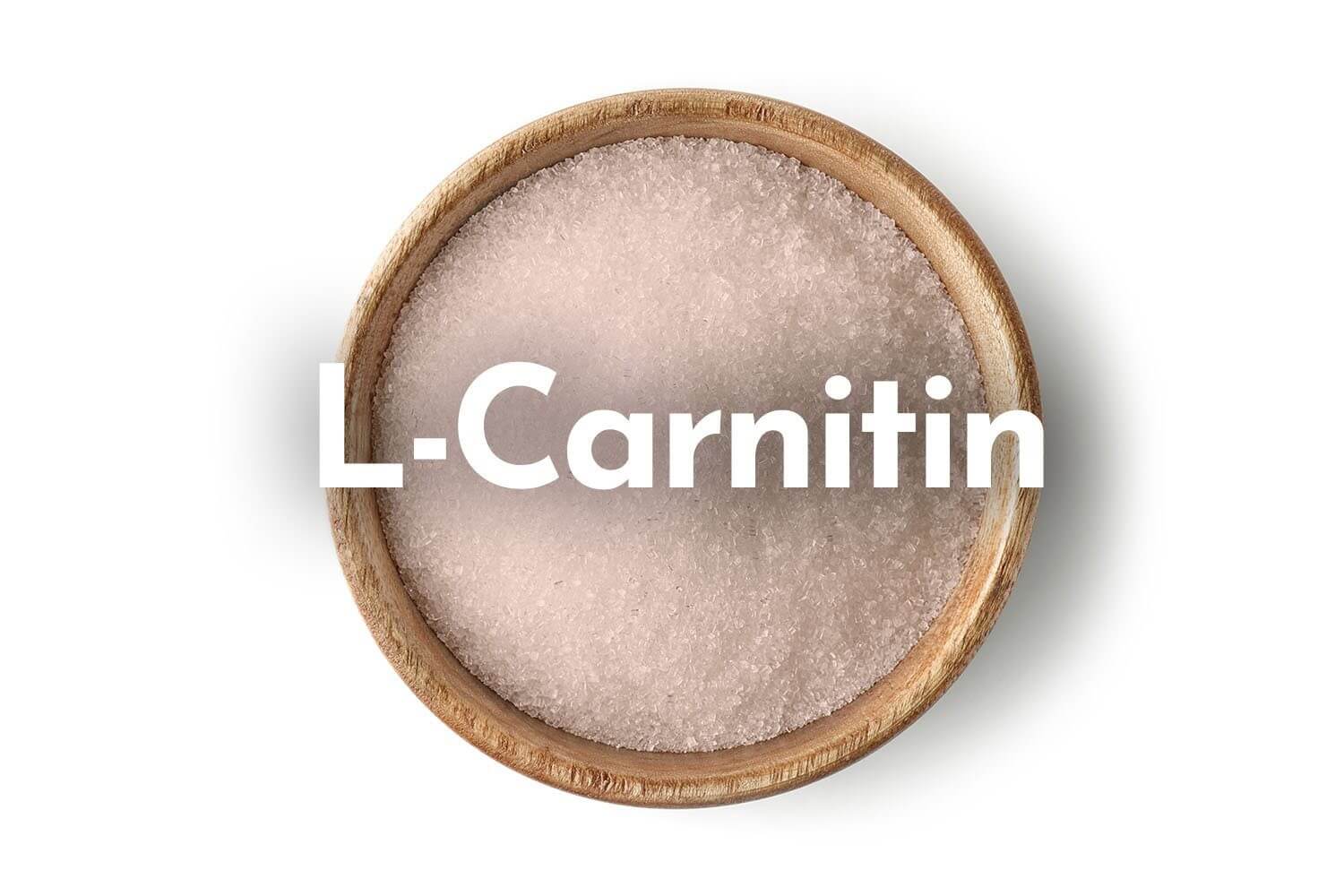
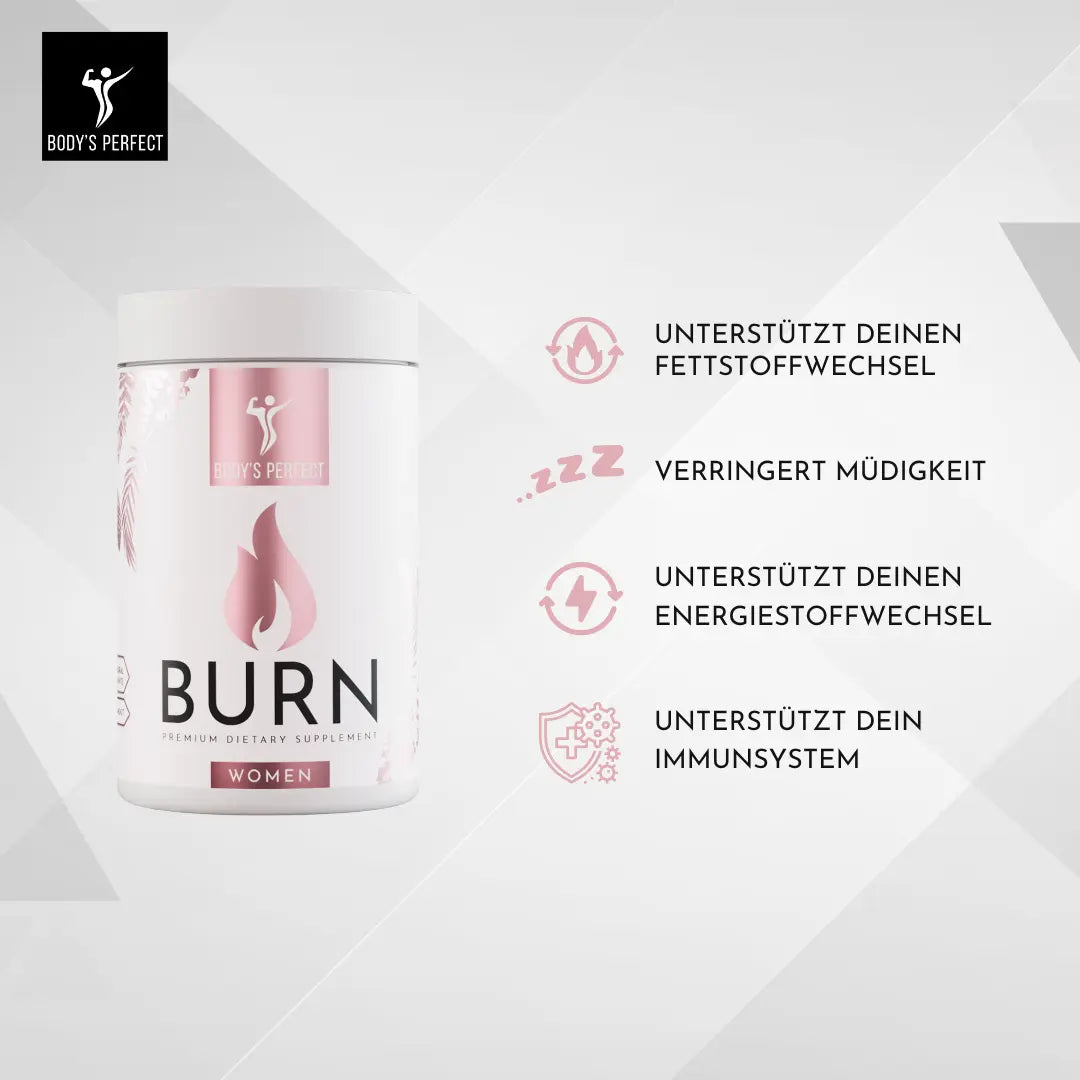
L-carnitine is particularly important for the body's fat metabolism. To produce energy, the body needs certain substances, including L-carnitine, which is formed from the two essential amino acids methionine and lysine. Without L-carnitine, fats cannot be broken down. This applies especially to strength athletes, as they ultimately want to gain fat-free muscle mass and therefore need a significantly higher fat metabolism. The most important effect of L-carnitine is related to energy production in the body's cells. In the cells, L-carnitine promotes the transport of fatty acids into the mitochondria. Mitochondria are like engines that convert the fatty acids introduced by L-carnitine into usable energy.
Meat is the main source of L-carnitine, especially red meat. Poultry contains very little L-carnitine, and even with a vegetarian diet, adequate L-carnitine supply should be ensured. Therefore, it is particularly important for women who avoid red meat in their diet to have a sufficient supply of L-carnitine.
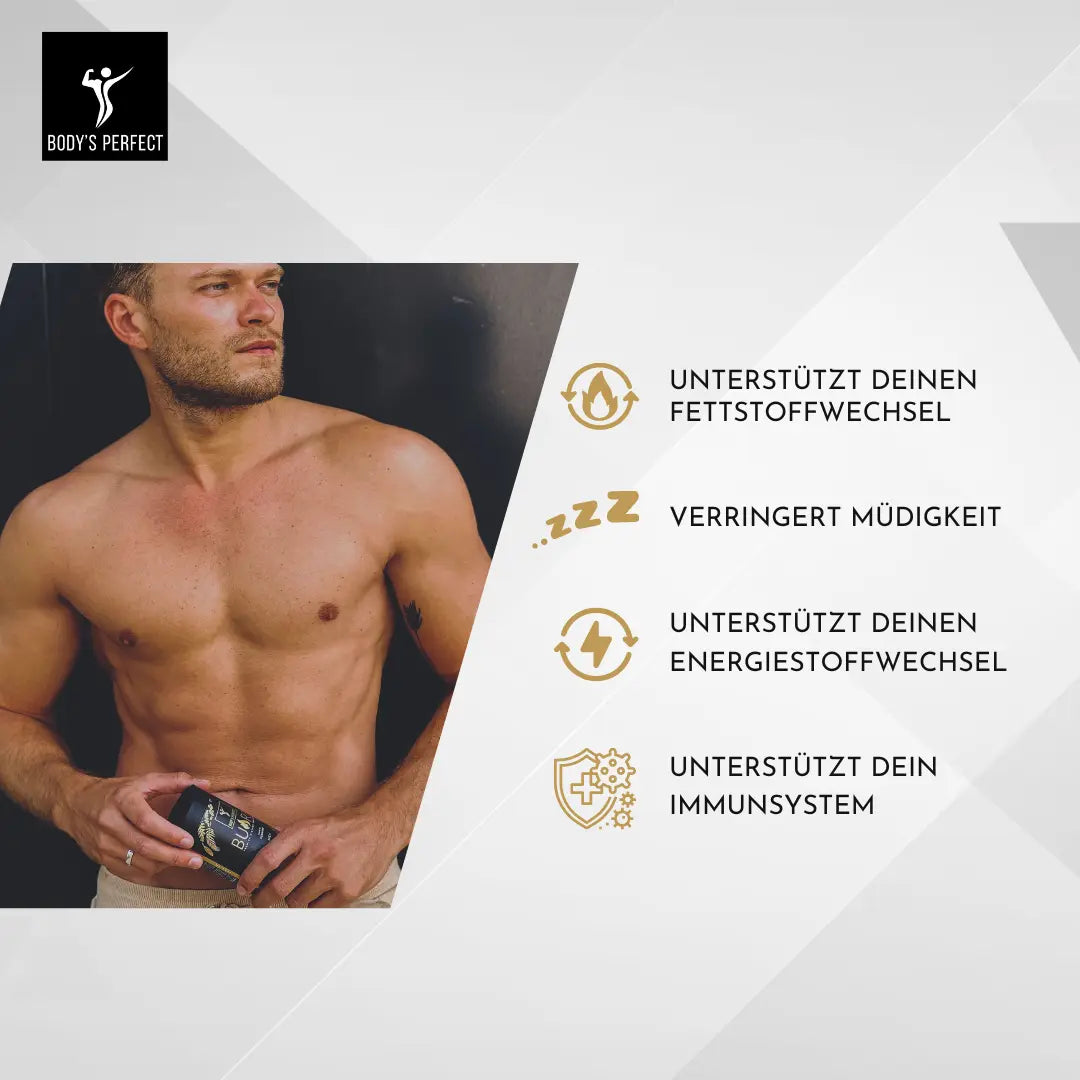
- Regulation of fat metabolism
- Energy production
























Share:
Table salt
Magnesium oxide