

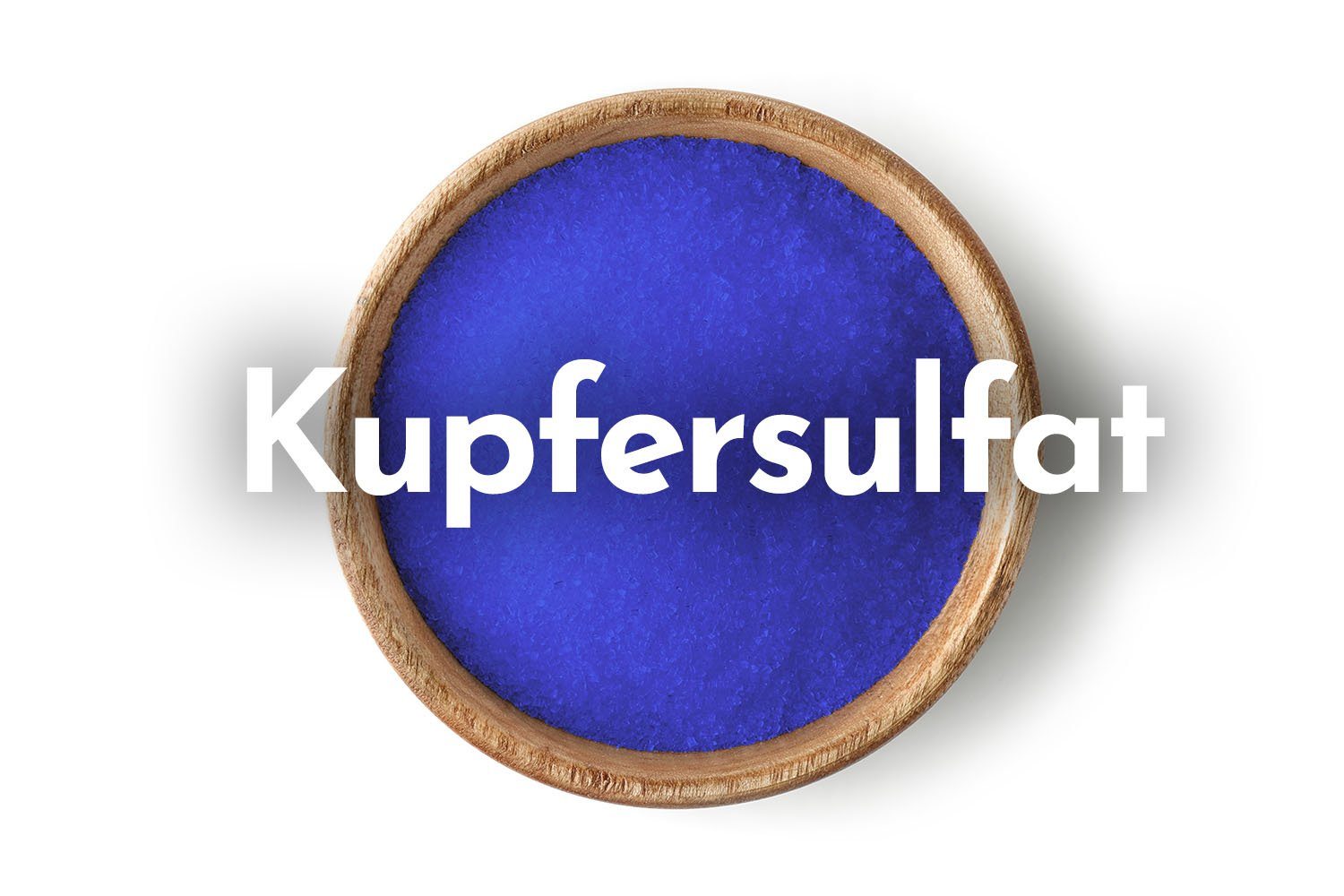
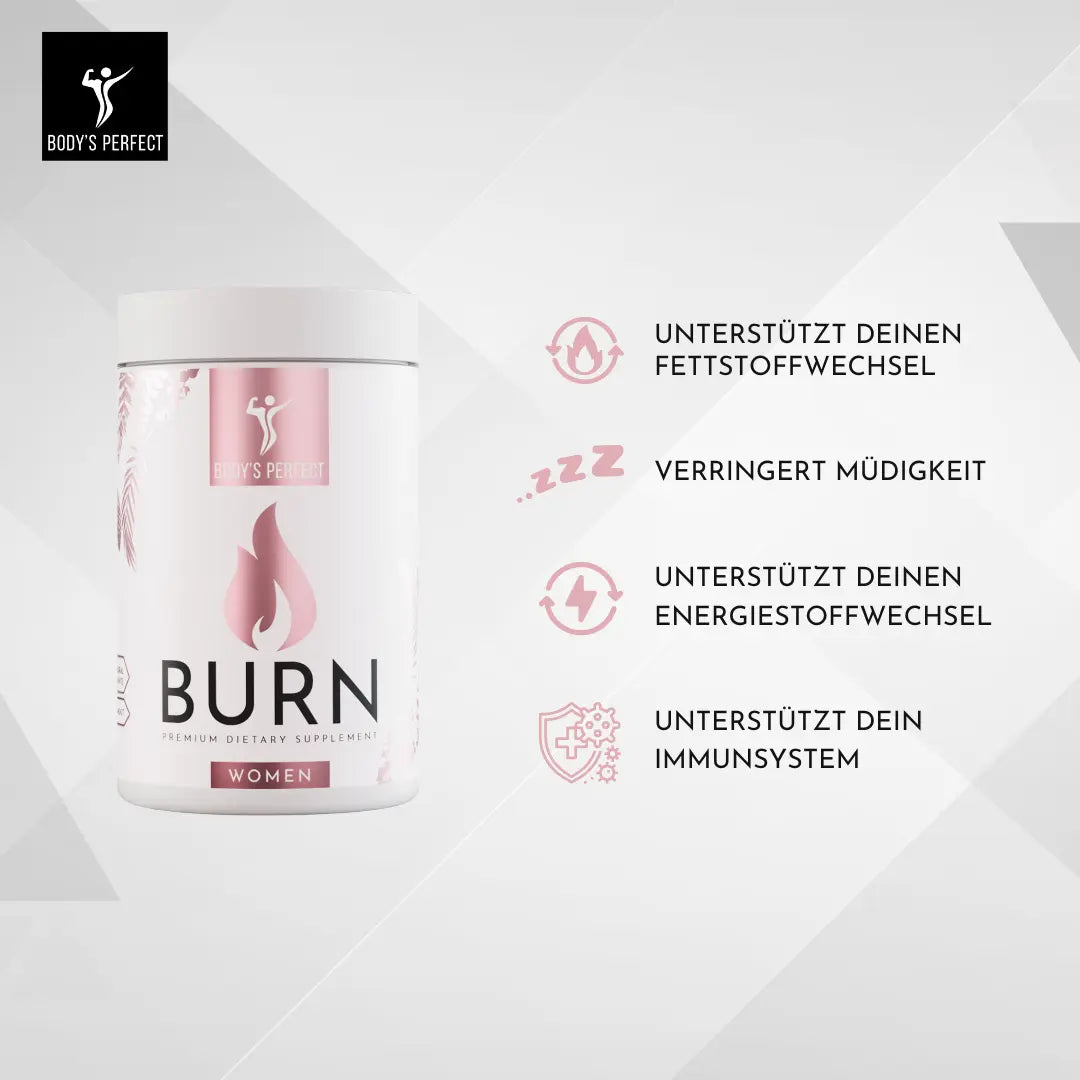
Copper is a vital trace element. It particularly ensures that certain enzymes in the body can function properly and thus metabolism can work smoothly. Researchers found that increased copper accumulation primarily stimulates fat metabolism. Copper performs other functions in the body. It is part of several enzymes and also contributes to electron transport and thus to energy production. Copper is also required for blood formation, specifically for the formation of hemoglobin. Through its involvement in iron metabolism, copper is also involved in the formation of red blood cells. Copper is also involved in the formation of collagen and elastin in connective tissue. Copper is also needed for the formation of melanin in the skin. This element also has immune-stimulating and anti-inflammatory effects.
- Support for fat metabolism
- Energy supply
- Formation of red blood cells










Share:
Table salt
L-Carnitine L-Tartrate