


Does it sometimes feel like your body is running on low power, especially when you're trying to lose weight? The good news is: boosting your metabolism isn't rocket science. It's a combination of the right nutrition, targeted exercise, and a few clever daily habits. Your metabolism is not an unchangeable fact, but a dynamic system that you can actively influence.
What your metabolism really is and how to get it going

Many people imagine metabolism, also known as metabolization, as a simple on-off switch. In reality, it's an incredibly complex network of biochemical processes that work around the clock in every single cell of your body. Its main task? To convert the food you eat into pure life energy.
You need this energy for everything – from breathing and thinking to your next workout. Even while you sleep, your metabolism is working hard to keep your basic bodily functions running.
What makes up your energy consumption
Your daily calorie consumption isn't a single number, but the result of several puzzle pieces that you can influence to varying degrees.
- Basal Metabolic Rate (BMR): This is the energy your body uses at complete rest – essentially lying on the couch. It accounts for the lion's share, about 60–75% of your total calorie consumption. Age, gender, and especially your muscle mass are the decisive factors here.
- Thermic Effect of Food (TEF): Yes, you read that right: your body uses energy to digest food and absorb nutrients. This process accounts for about 10% of your daily consumption.
- Conscious Movement (TEA): This includes all calories you burn specifically through sports and training.
- Non-Exercise Activity Thermogenesis (NEAT): This is the secret star! NEAT encompasses all unconscious daily movements, from taking the stairs instead of the elevator, to fidgeting your feet, to gesticulating while talking.
The most important lever to boost your metabolism is your lifestyle. You can't change your genes, but your diet, exercise, and daily routines are in your own hands.
Why a sluggish metabolism is more than just a weight problem
A slow metabolism is not only noticeable on the scale. Do you often feel tired, unfocused, and sluggish? These could also be signs. This topic is more relevant than ever: In Germany, approximately 54% of adults are currently overweight, which often goes hand in hand with a less efficient metabolism. The main reasons are usually altered eating habits and too little exercise, which can long-term increase the risk of metabolic diseases like type 2 diabetes.
Every body is a little different. That's why it's worth getting to know your own metabolic type better. In our article, you'll learn how to determine your personal metabolic type to better tailor your measures to you.
The right nutrition as fuel for your body
Your diet is probably the strongest lever when it comes to getting your metabolism going. Forget strict diets and prohibitions. Instead, imagine your body as an engine that needs the right fuel to develop its full power. It's about making smart choices about what goes on your plate.
Protein as your metabolism booster
Proteins are truly the undisputed champions for an active metabolism. The reason for this is their high thermic effect of food (TEF). This sounds complicated, but it just means that your body has to expend significantly more energy to digest protein than it does for fats or carbohydrates.
In fact, up to 30% of the calories from protein are burned just for digestion. You could almost say you burn calories while you eat!
Every protein-rich meal is like a small workout for your digestive system. It not only boosts your metabolism and keeps you feeling full longer, but it also protects your valuable muscles – and they burn calories diligently even at rest.
Smart carbohydrates instead of empty calories
Carbohydrates are not the enemy – it just depends on choosing the right ones. Simple carbohydrates, such as those found in sugar or white flour products, send your blood sugar levels on a roller coaster ride. We all know the result: cravings and a rather sluggish metabolism.
The smart alternative is complex carbohydrates. You can find them, for example, in:
- Whole grain products (oats, quinoa, whole grain bread)
- Legumes (lentils, chickpeas)
- Vegetables (especially starchy varieties like sweet potatoes)
They provide you with long-lasting energy, keep your blood sugar stable, and thus help you avoid those dreaded cravings.
Healthy fats and spicy seasonings
Fats also play an important role for a healthy metabolism and a balanced hormone balance. Unsaturated fatty acids, which you find in avocados, nuts and high-quality oils like olive oil, are particularly valuable.
A small but effective trick from practice: spices! Spicy foods like chili contain capsaicin. This substance briefly boosts heat production in the body and thus slightly increases calorie consumption. Ginger and cinnamon can also have similar positive effects.
To give you a quick overview, I have compiled a table with some foods that can give your metabolism a little boost.
Foods that stimulate your metabolism
| Nutrient/Category | Examples | Effect on metabolism |
|---|---|---|
| Proteins | Lean meat, fish, eggs, legumes, low-fat quark | High thermic effect (TEF), satiety, muscle maintenance |
| Spicy Spices | Chili, cayenne pepper, ginger | Capsaicin/gingerol stimulates thermogenesis (heat production) |
| Green Tea | Matcha, Sencha | Catechins (especially EGCG) can slightly increase energy expenditure |
| Caffeine | Coffee, black tea | Stimulates the central nervous system and can temporarily increase basal metabolic rate |
| Water | Tap water, mineral water, unsweetened tea | Essential for all metabolic processes; dehydration slows down metabolism |
| Complex Carbohydrates | Oatmeal, quinoa, sweet potatoes | Provide long-lasting energy and keep blood sugar stable |
This table is intended as inspiration to help you design a varied and metabolism-boosting diet.
The be-all and end-all: water
Almost all metabolic processes in your body rely on water to function smoothly. If you drink too little, everything will only run on low power. So make sure you drink enough water or unsweetened tea throughout the day to keep your engine running.
Would you like to delve deeper into the topic? In our article, we show you the best foods that boost your metabolism and how you can easily incorporate them into your daily life.
Exercise as a turbo for your fat burning

When it comes to really boosting your metabolism, exercise is your strongest lever, alongside nutrition. Exercise not only burns calories while you're active, but can also turn your body into a real burning machine in the long run.
It's not about torturing yourself for hours in the gym every day. It's much more important to set the right impulses. Many people make the mistake of focusing only on endurance training like jogging or cycling. While that's great for burning calories directly, it's only half the battle.
Strength training: The silent engine of your metabolism
Your secret ally for a continuously high basal metabolic rate is your musculature. You can imagine muscles as small power plants that consume energy around the clock – even when you're relaxing on the couch. More muscle mass therefore means a higher energy demand, quite automatically.
This is where strength training comes in. It not only helps you build muscles, but also to maintain existing musculature. The result: You not only burn calories during training, but also sustainably increase your daily basal metabolic rate.
The afterburn effect: your bonus after the workout
Have you ever heard of the afterburn effect? In technical jargon, it's called EPOC (Excess Post-exercise Oxygen Consumption). After a really intense workout, your body goes into overdrive to return to normal. It has to balance oxygen levels, replenish energy reserves, and repair small cell damage.
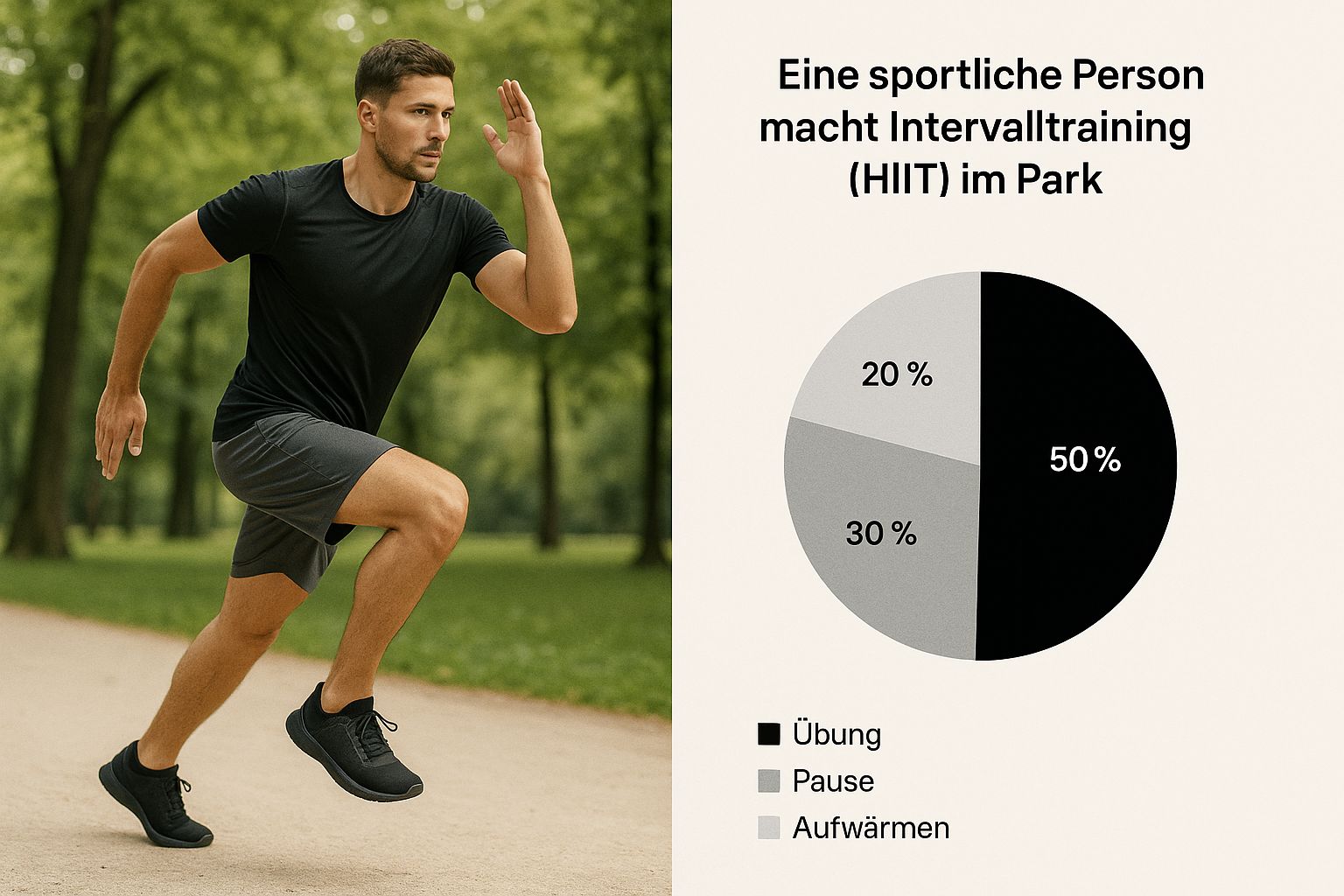
This entire process costs extra energy – and for hours after the actual workout! High-intensity interval training, or HIIT for short, is particularly good for fully utilizing this effect.
With HIIT, short, extremely strenuous phases alternate with short recovery breaks. A crisp 20-minute HIIT workout can often boost your metabolism more strongly and for longer than a whole hour of leisurely jogging.
Sneaking more movement into everyday life
You don't have to be a top athlete to benefit from exercise. Often, it's the small habits that make a big difference in the sum. Our modern lifestyle unfortunately tempts us to move less and less.
There's a rather alarming trend: The distance people in Germany walk daily has decreased by 300 to 500 meters per decade in recent decades. This creeping inactivity noticeably slows down our metabolism.
Here are a few simple ideas to instantly add more activity to your day:
- Stairs instead of elevator: The absolute classic that still works.
- Walk during your lunch break: Even 15 minutes in the fresh air make a huge difference for body and mind.
- Movement breaks at work: Every hour, get up briefly, stretch, or do a few squats.
- Consciously park the car further away: This way, you accumulate extra steps almost incidentally.
In the end, the most important thing is: Find an activity that you really enjoy. Whether it's dancing, hiking, or swimming – if you enjoy it, you'll stick with it.
Do you want to delve deeper and learn how movement and the right strategies work together perfectly? In our further article, we show you how to specifically boost your fat burning.
Daily habits that slow down your metabolism
You pay attention to your diet and are physically active, but somehow you're stuck? Often, it's not the big decisions that stand in our way. Rather, it's small, inconspicuous habits that secretly sabotage our metabolism. They creep into our daily lives and throttle our internal engine without us even noticing.
Stress as a secret saboteur
One of the biggest enemies of an active metabolism is and remains chronic stress. If you are constantly under pressure, your body releases increased amounts of the stress hormone cortisol. Evolutionarily, this was a good thing to quickly provide energy in dangerous situations. However, in a permanent state, it achieves exactly the opposite.
A permanently elevated cortisol level can promote fat storage – especially the undesirable belly fat. At the same time, it promotes the breakdown of muscle mass, which further lowers your basal metabolic rate.
Chronic stress puts your body in a permanent state of alarm. It signals it to conserve energy and build up reserves for bad times, instead of burning them.
Try to integrate small relaxation islands into your daily life. It doesn't have to be an hour-long meditation. Often, five minutes of deep breathing at an open window, a short walk during your lunch break, or consciously listening to music are enough to noticeably reduce your stress level.
Sleep deprivation – the invisible brake
Your sleep is the most important regeneration phase for your body and thus also for your metabolism. If you sleep too little or poorly, your entire hormonal system gets out of balance.
Two hormones in particular play a crucial role here:
- Ghrelin: This hunger hormone increases with sleep deprivation and triggers cravings for high-calorie, unhealthy snacks.
- Leptin: The satiety hormone, on the other hand, drops, so you simply don't feel properly full after eating.
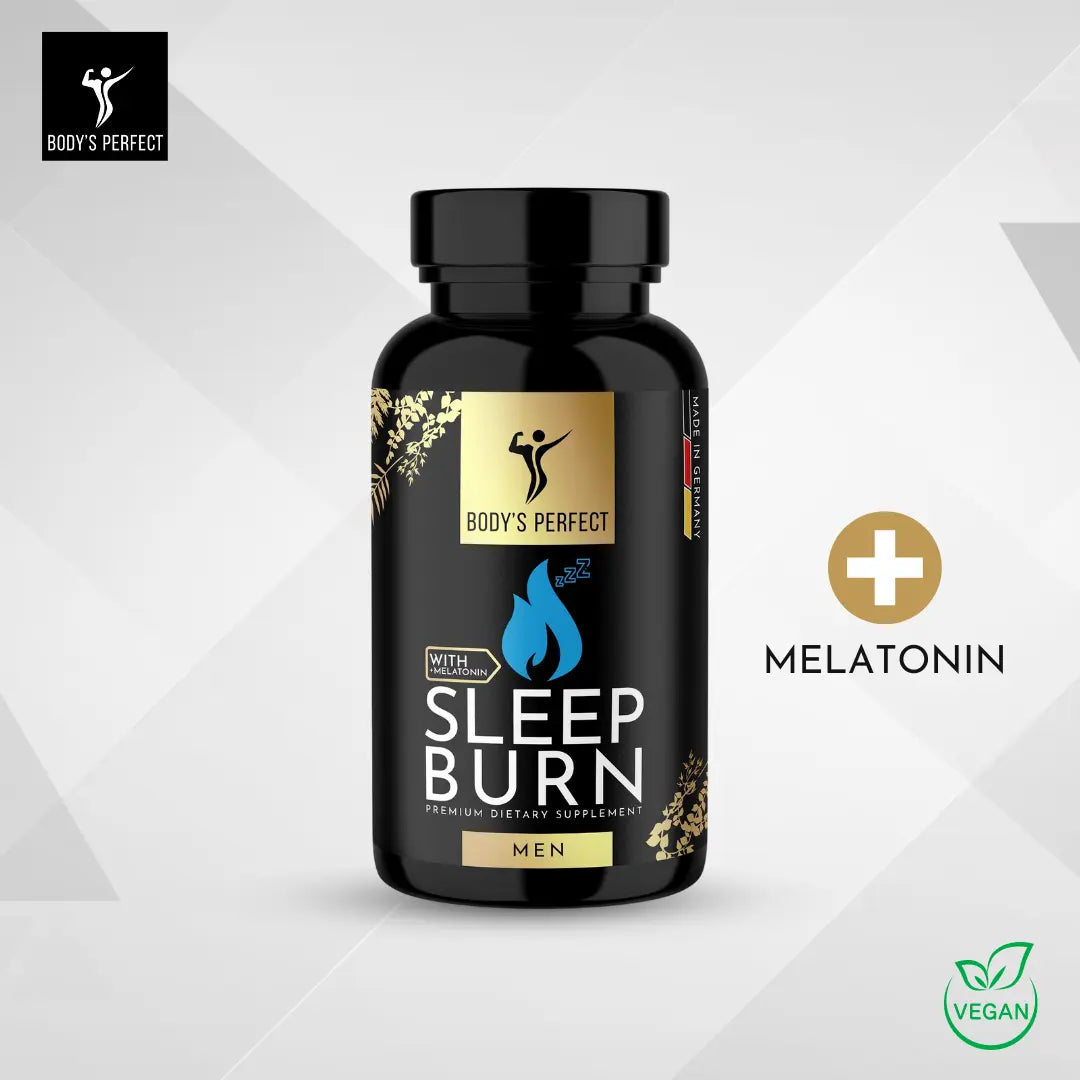
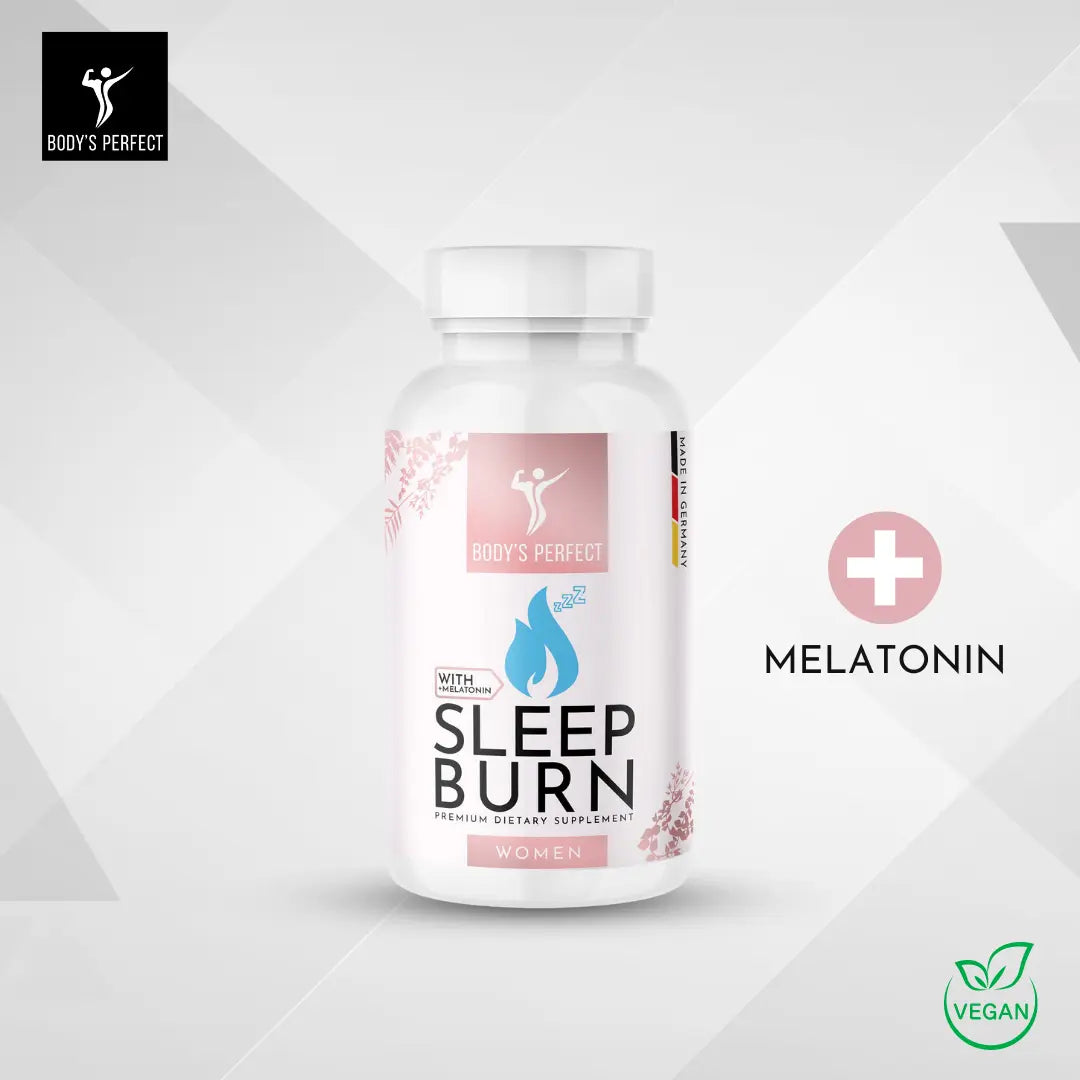
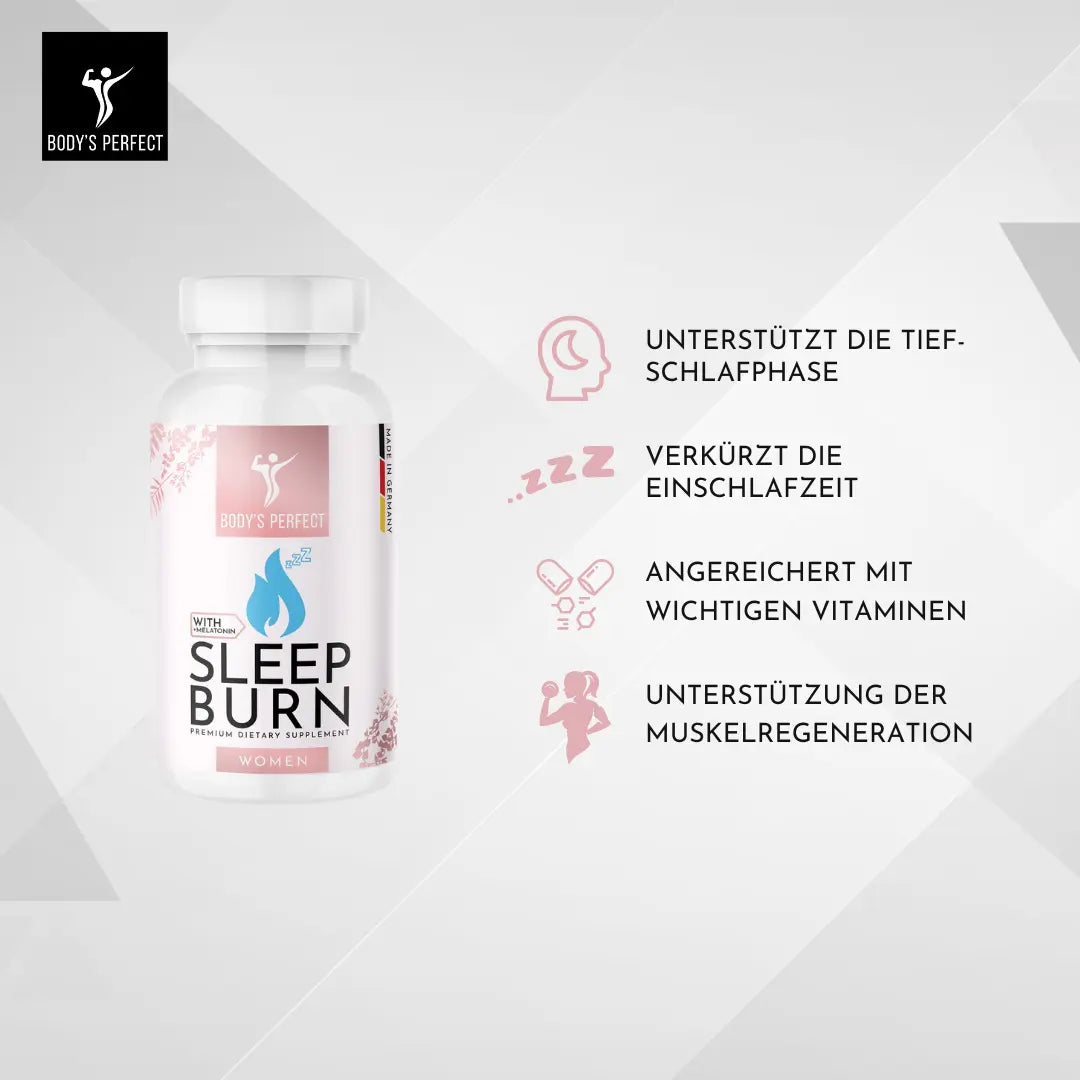
This hormonal shift is fatal: you eat more, while your body simultaneously consumes less energy. Sometimes, symptoms such as constant fatigue despite sufficient sleep can also be an indication of a sluggish metabolism. If you want to specifically improve your sleep quality, you will find useful information on natural sleep aids in our article on melatonin tablets.
Irregular meals and their consequences
Your body is a creature of habit. If you eat at irregular times or even skip meals entirely, it never knows when the next energy supply will come. From this uncertainty, it switches to an energy-saving mode. Every calorie is then stored for bad times instead of being burned.
Fixed meal times help your metabolism work much more efficiently. It learns when it can expect new energy and keeps the burning processes running constantly. A regular rhythm is therefore a simple but incredibly effective trick to boost your metabolism. The consequences of a disturbed metabolism are far-reaching, by the way: Currently, over 9.1 million people in Germany live with type 2 diabetes, a disease that is closely related to this topic. You can read more about the connections in the complete health report of the DDG.
Targeted support through natural active ingredients
Nutrition and exercise are the be-all and end-all, that's clear. They form the foundation for a healthy metabolism. But sometimes your body just needs a little push from the outside to really get going. This is exactly where selected natural active ingredients can make a real difference as a supplement.
This is not about miracle cures that change everything overnight. Think of them more as clever helpers from nature that adjust the right screws and help your body burn energy more efficiently.
Natural boosters for your metabolism
Some plant extracts and nutrients have long been known to get the metabolism going. They work in different ways, but can perfectly complement each other.
- Green tea extract: The star here are the so-called catechins (especially EGCG). They have thermogenic properties, which means: they slightly stimulate heat production in the body. This in turn leads to you consuming a few more calories incidentally.
- Capsaicin: You know this substance from chilies or cayenne pepper. It is responsible for the spiciness and can also boost heat production in the body. Do you know that feeling when you get warm after a spicy meal? Exactly this effect costs the body additional energy.
- Important micronutrients: Often underestimated, but absolutely crucial. If you lack, for example, B vitamins, iron or magnesium, your energy metabolism can literally be on the brakes. Do you often feel tired and sluggish, even though you actually get enough sleep? Then a deficiency could be behind it.
One thing must be clear: supplements do not replace a healthy lifestyle. They are more like a good tailwind when cycling – you still have to pedal yourself, but you get further more easily.
What to look for when choosing
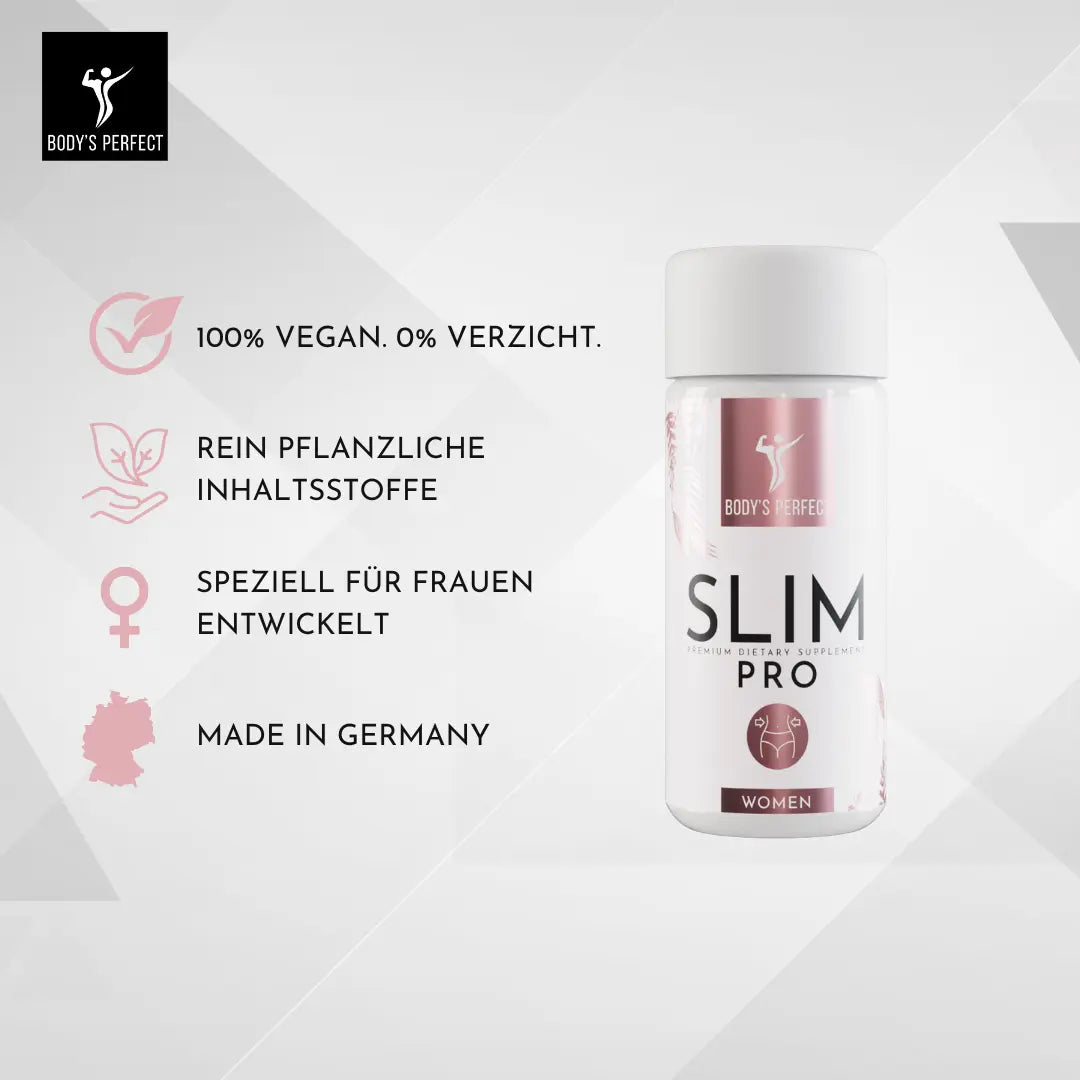
The market for dietary supplements is confusing and the quality varies enormously. My tip: Always look for products that are made in Germany and where all ingredients are listed cleanly and clearly. Transparency is the best sign of a reputable provider here.
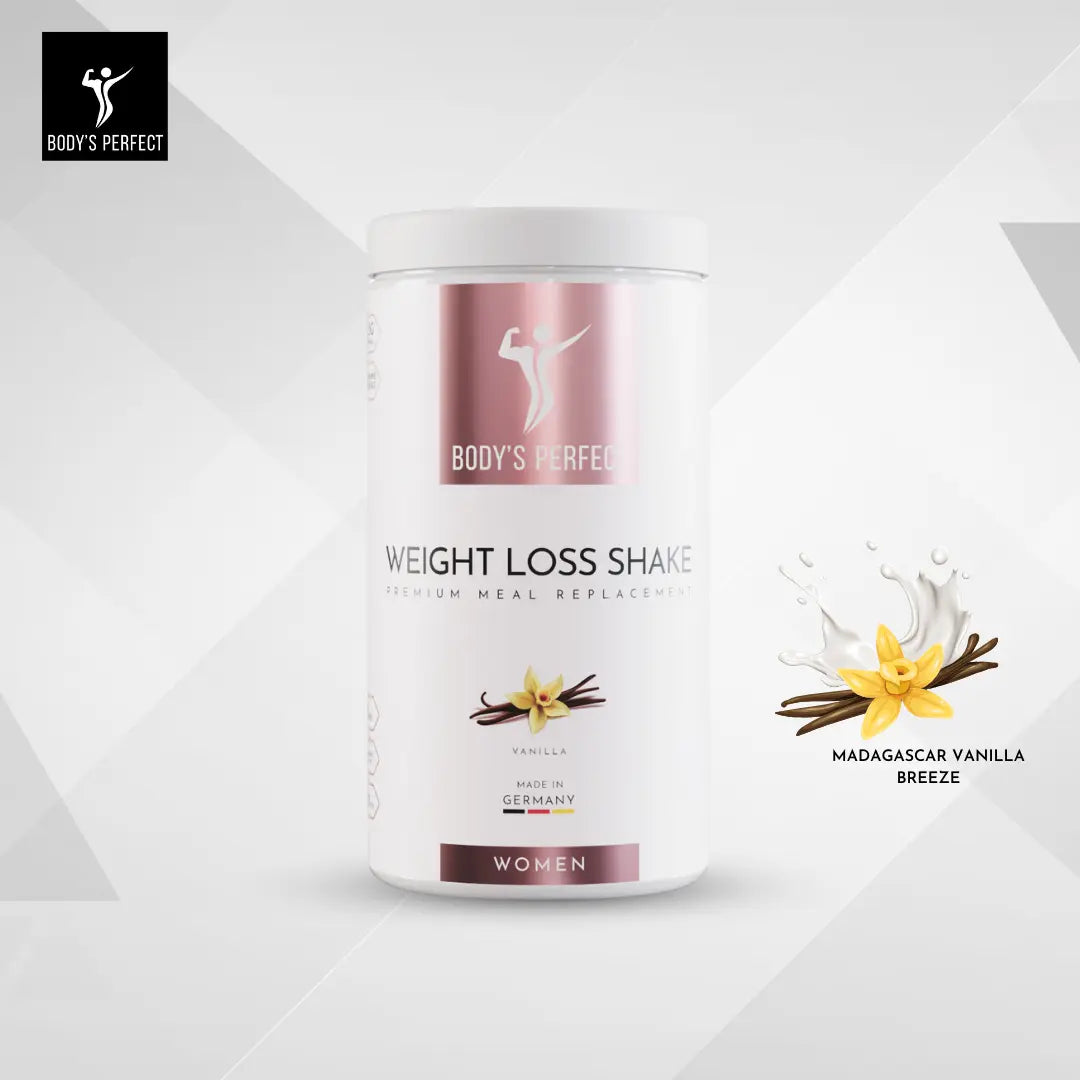
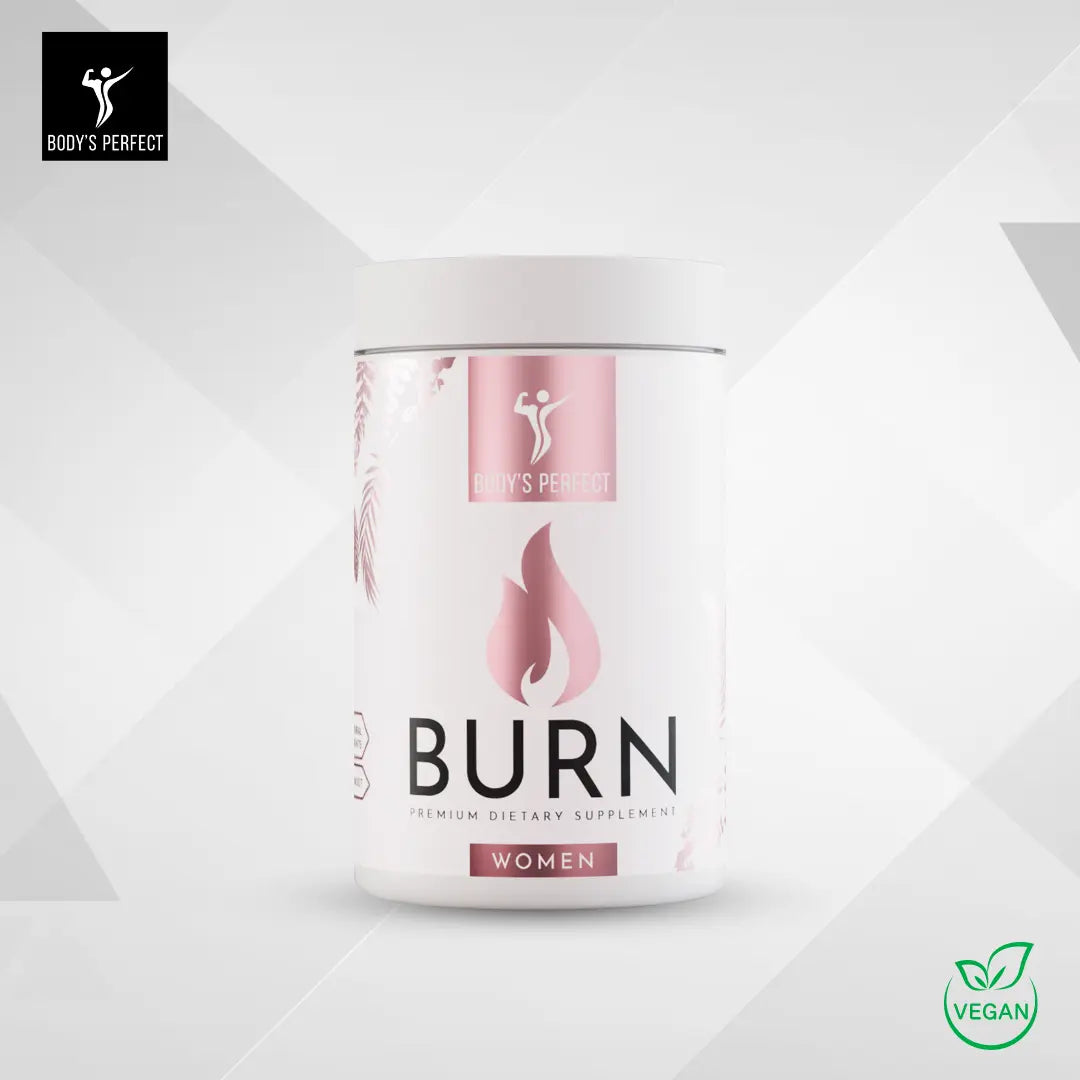
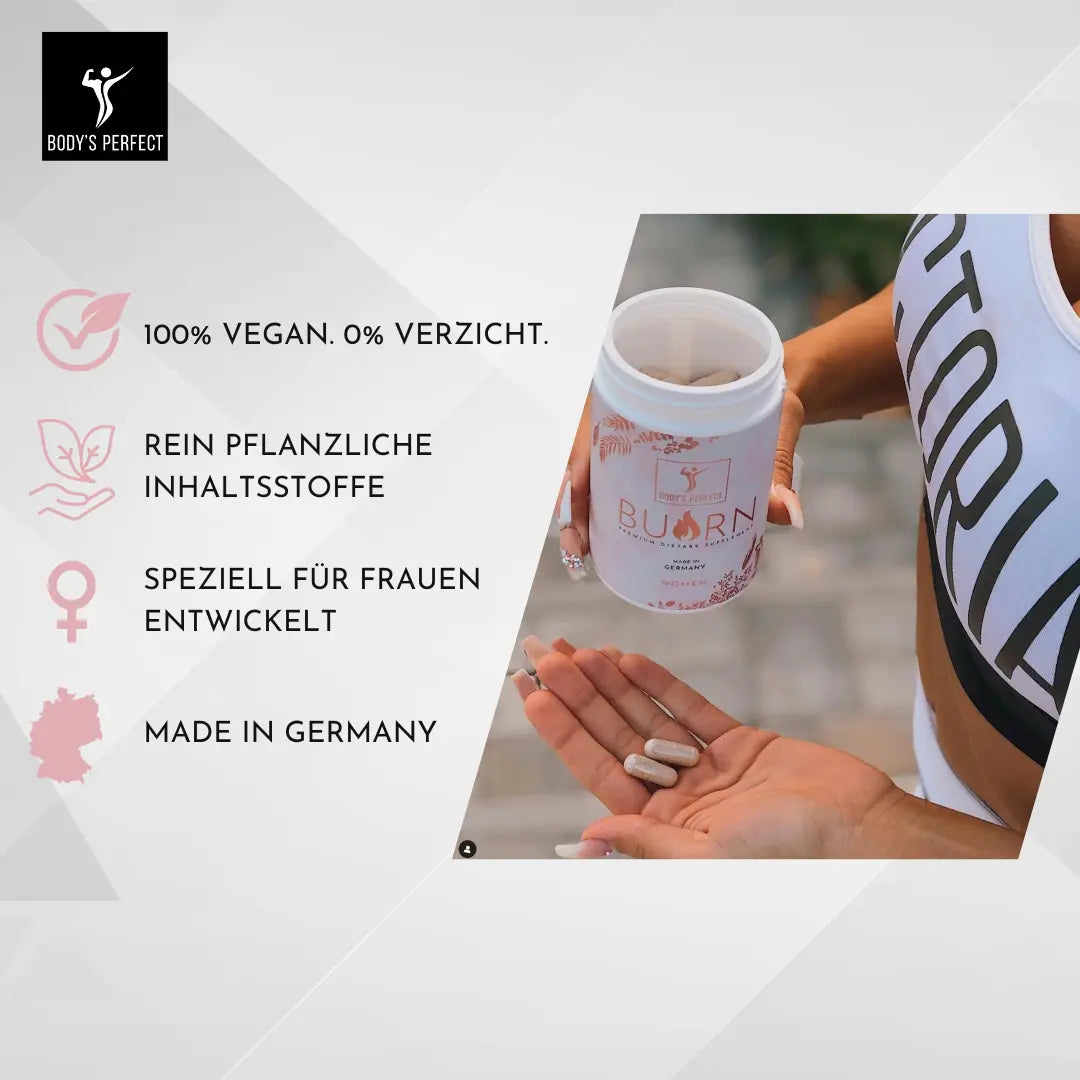
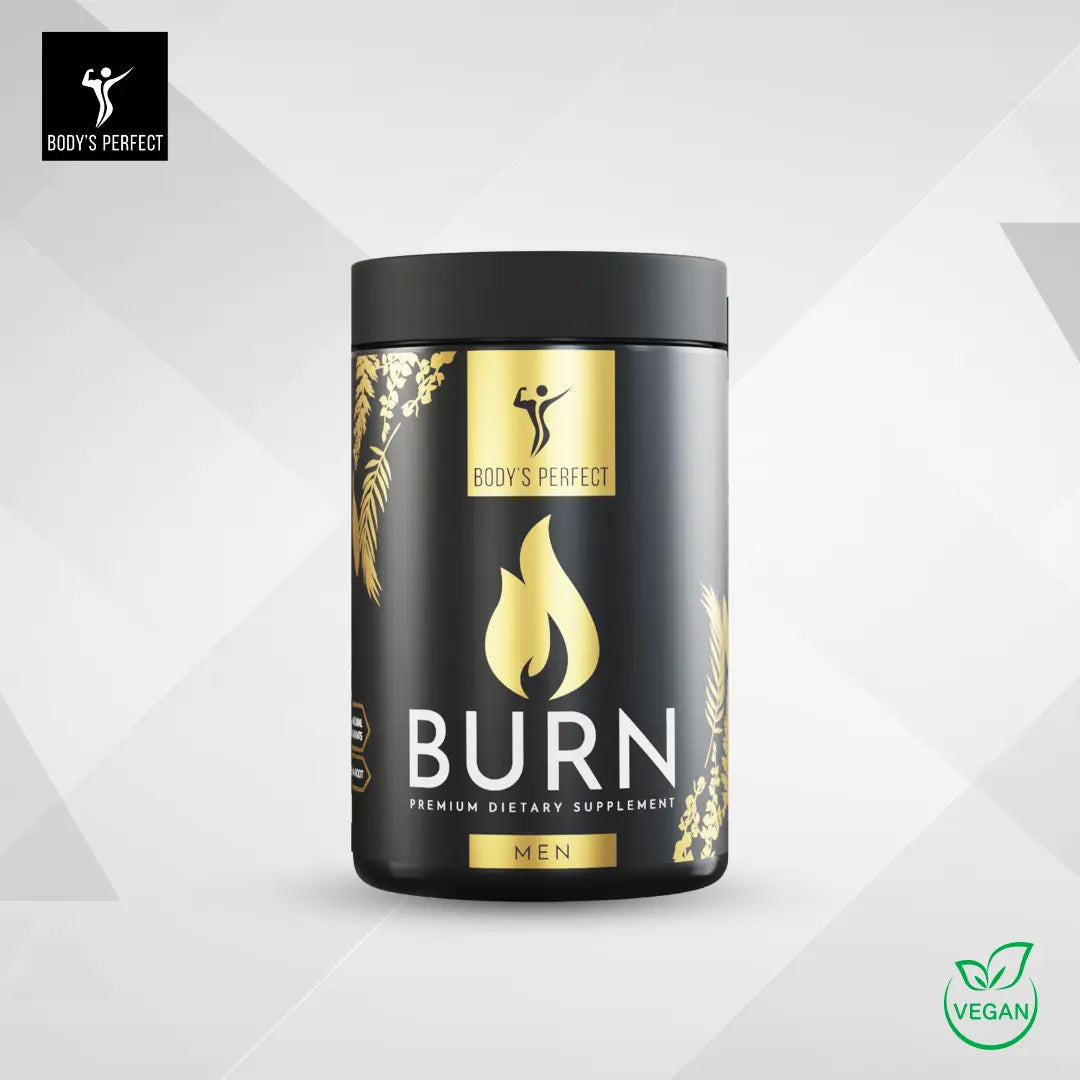
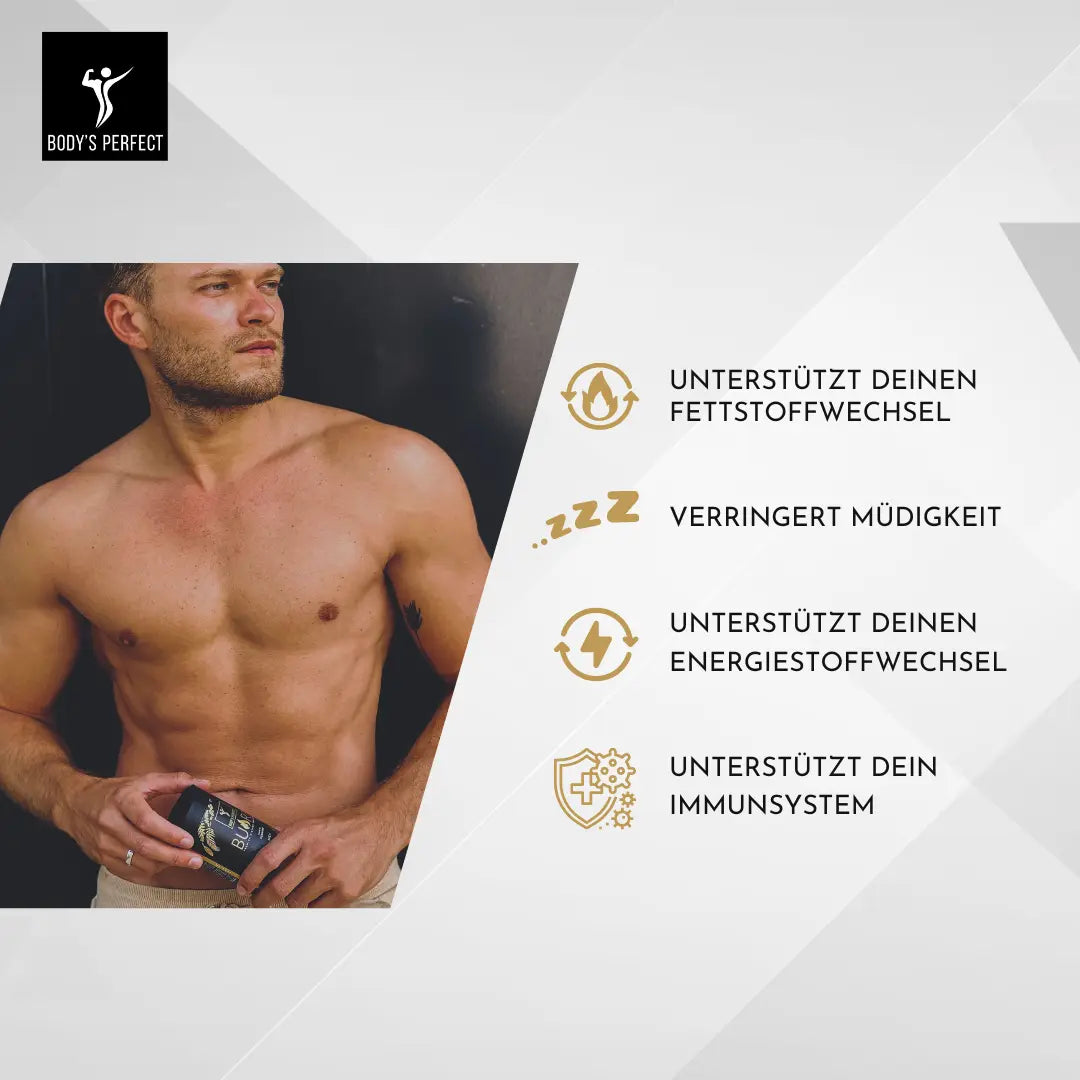
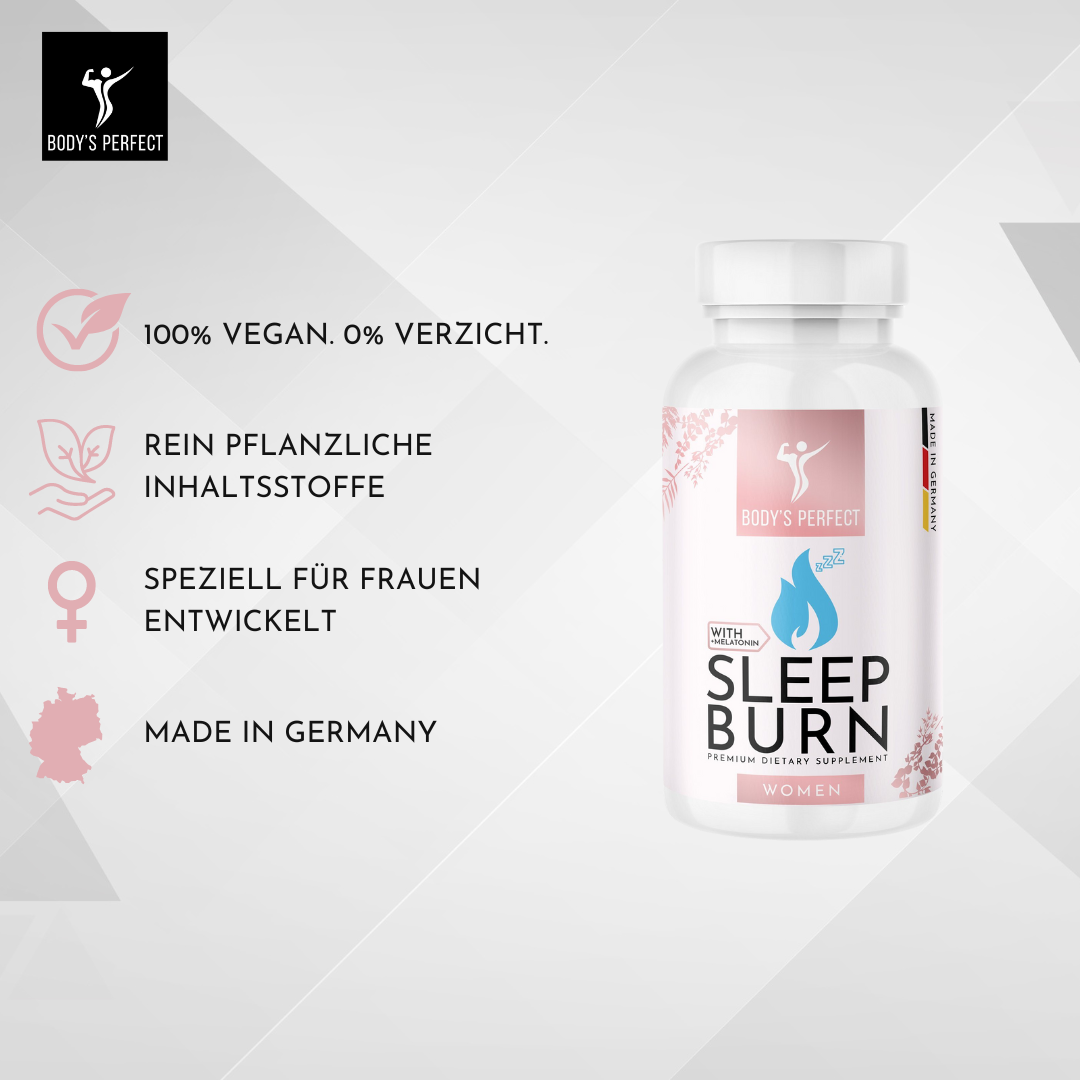
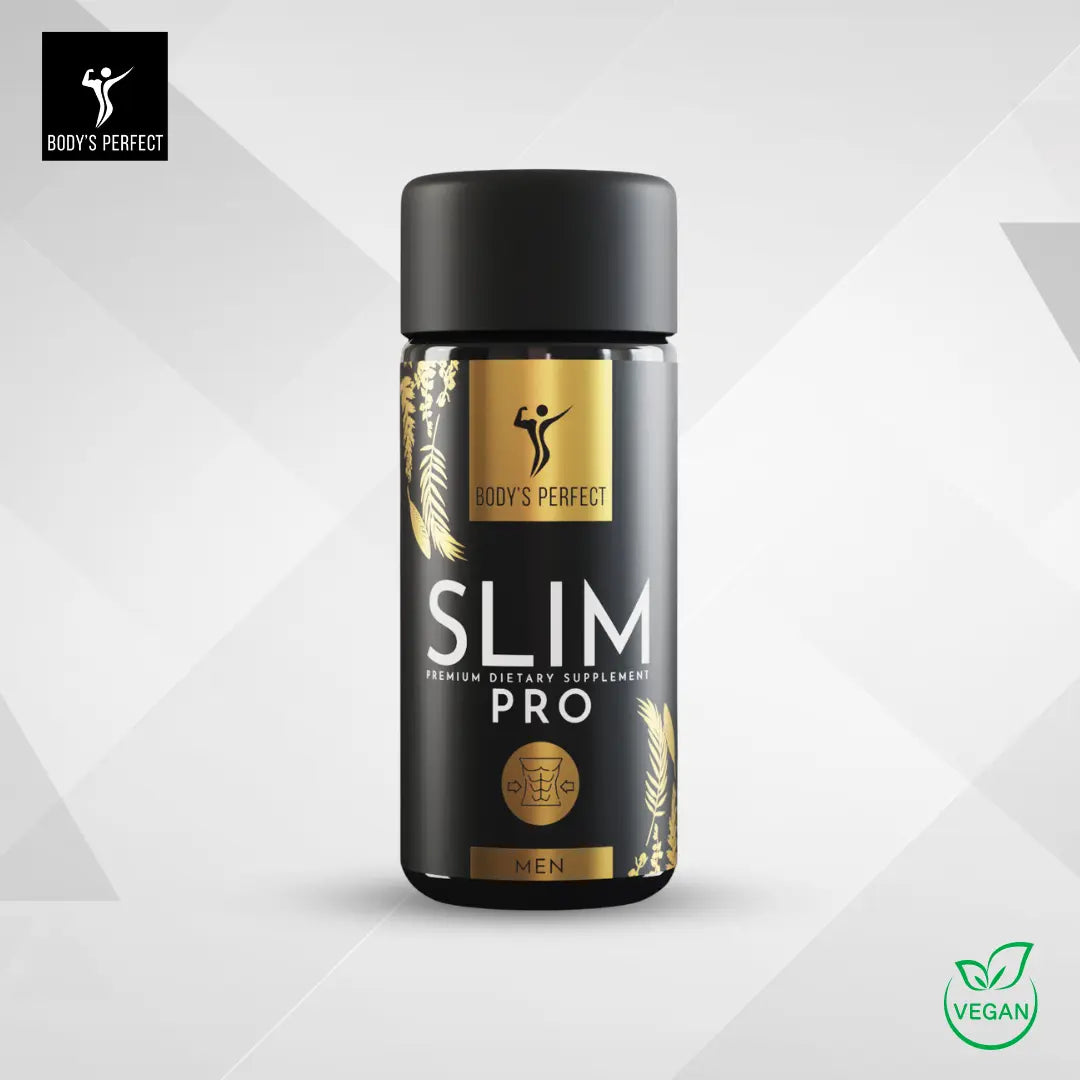
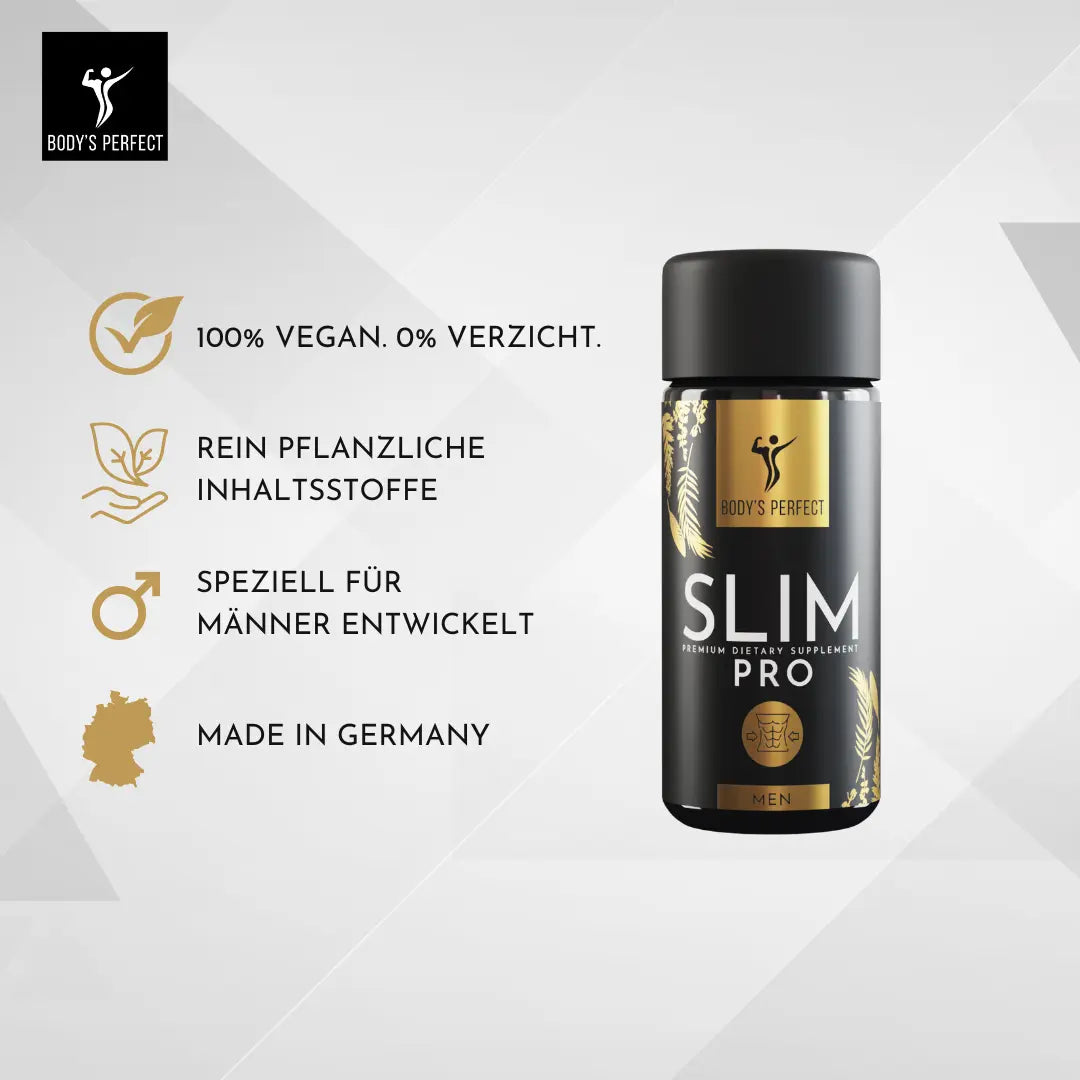
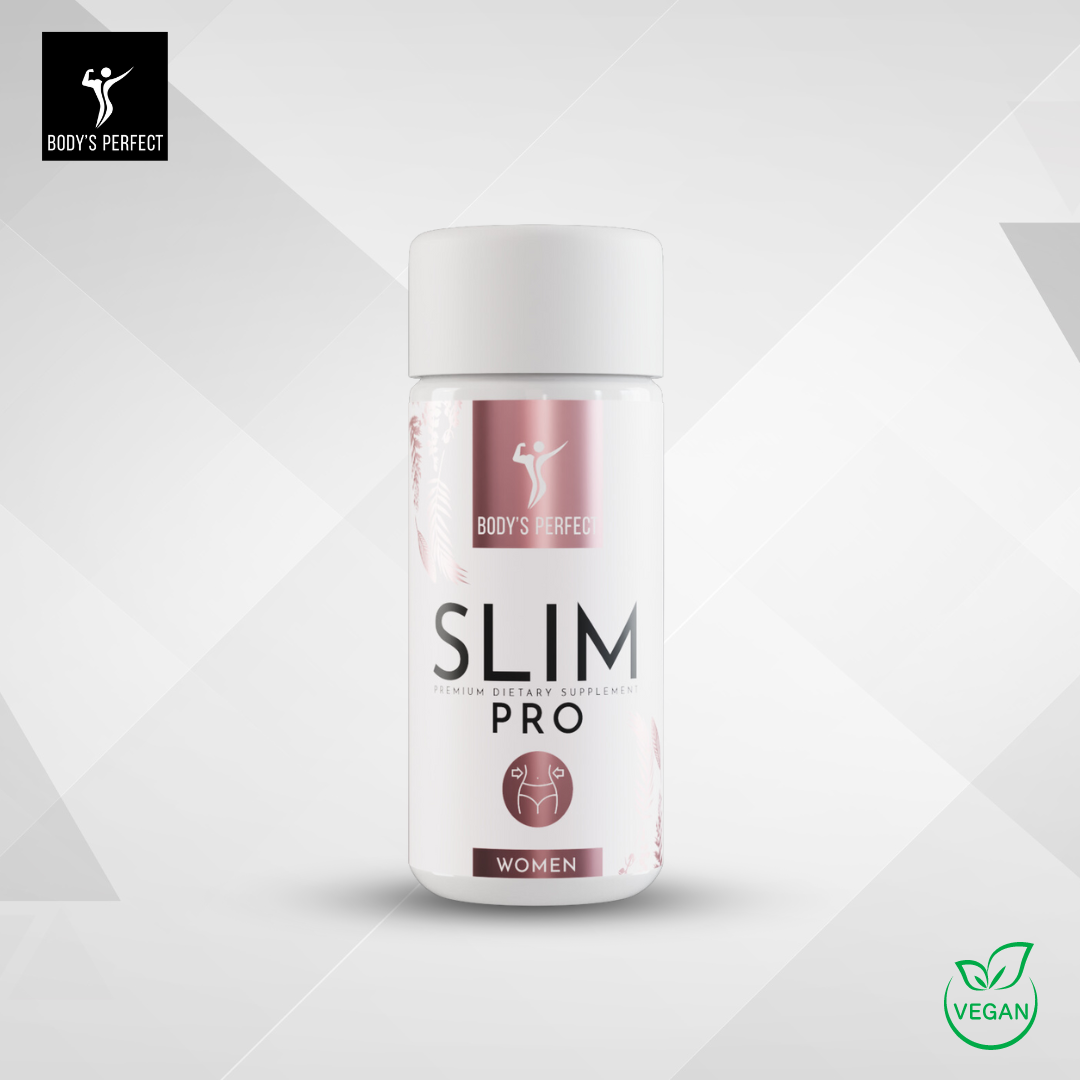
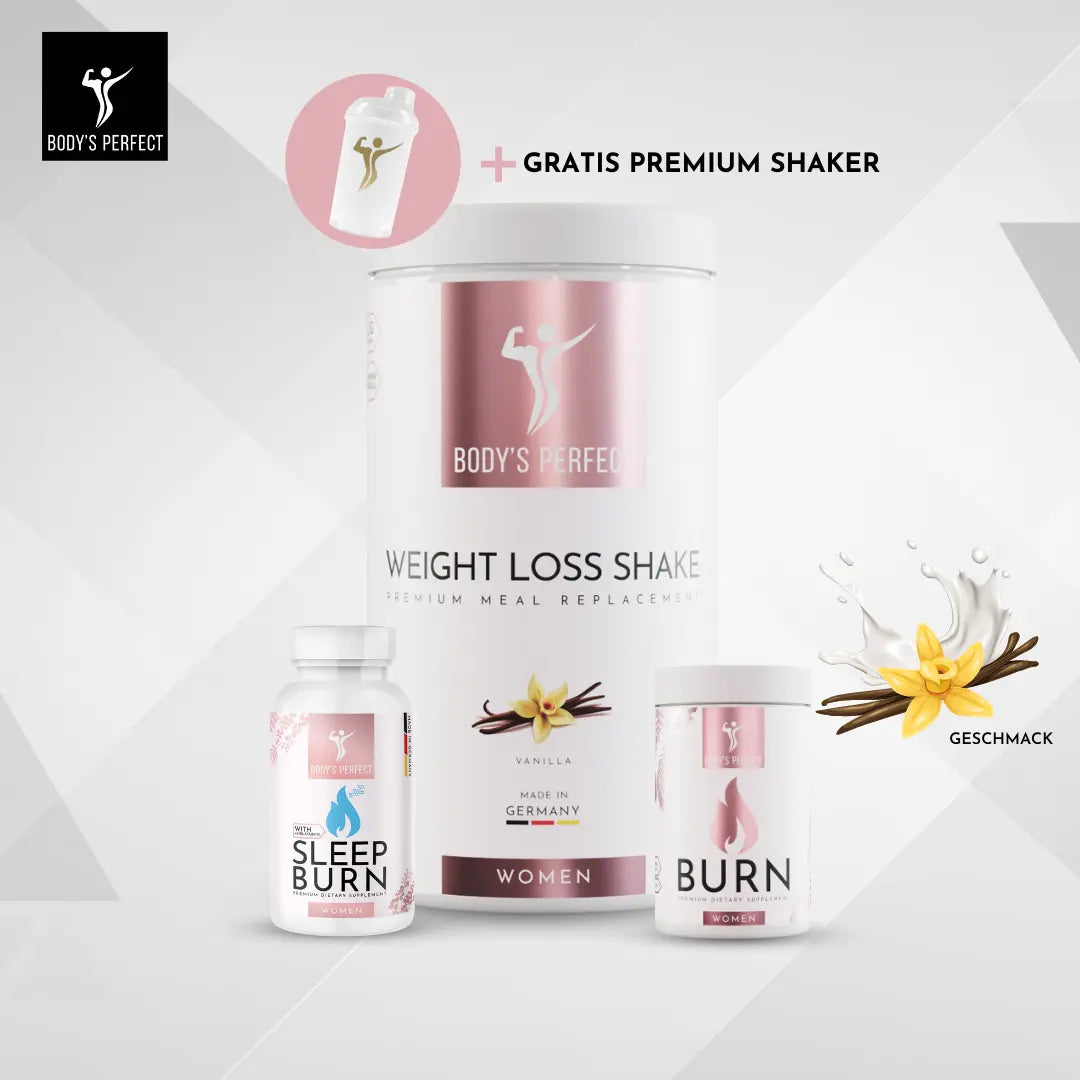
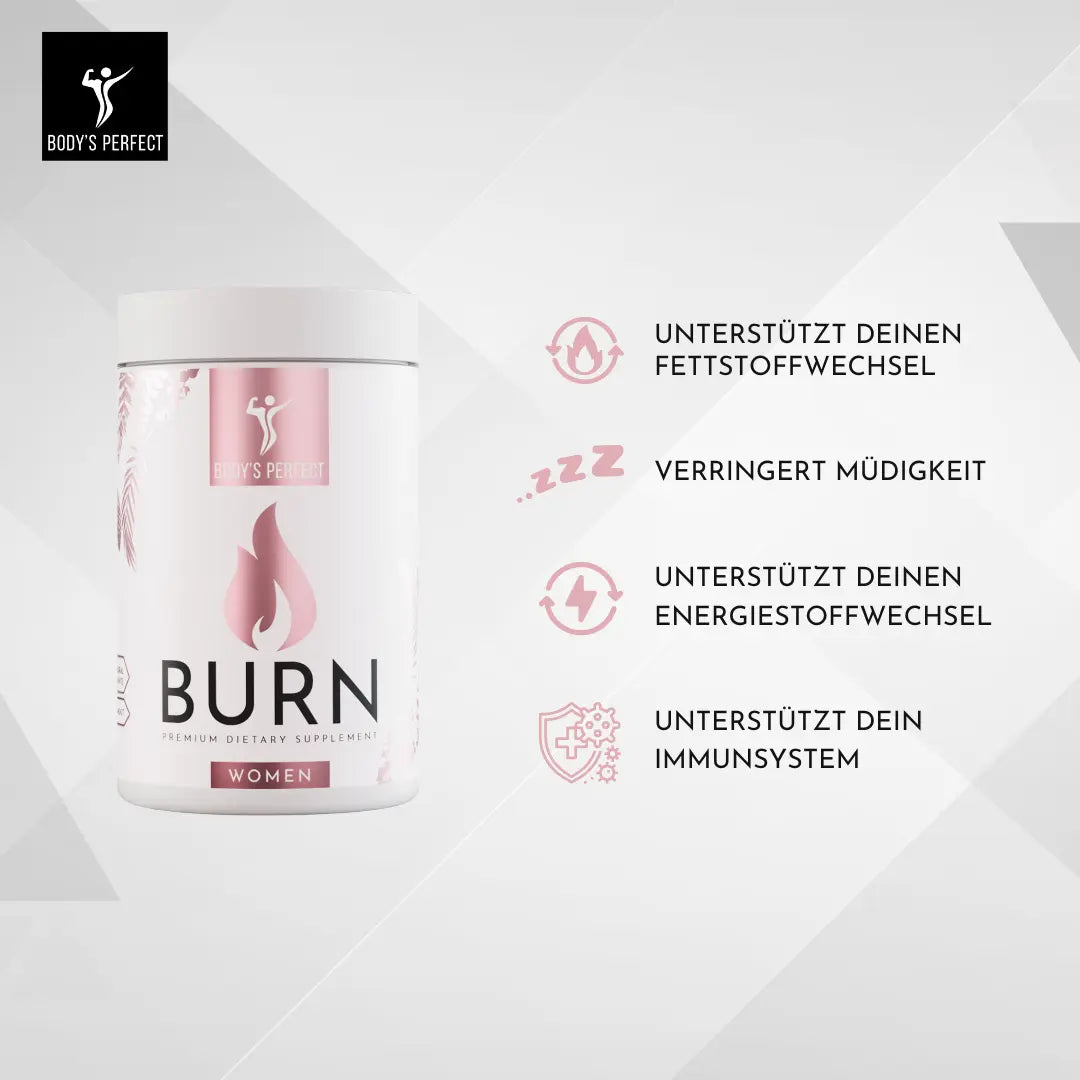
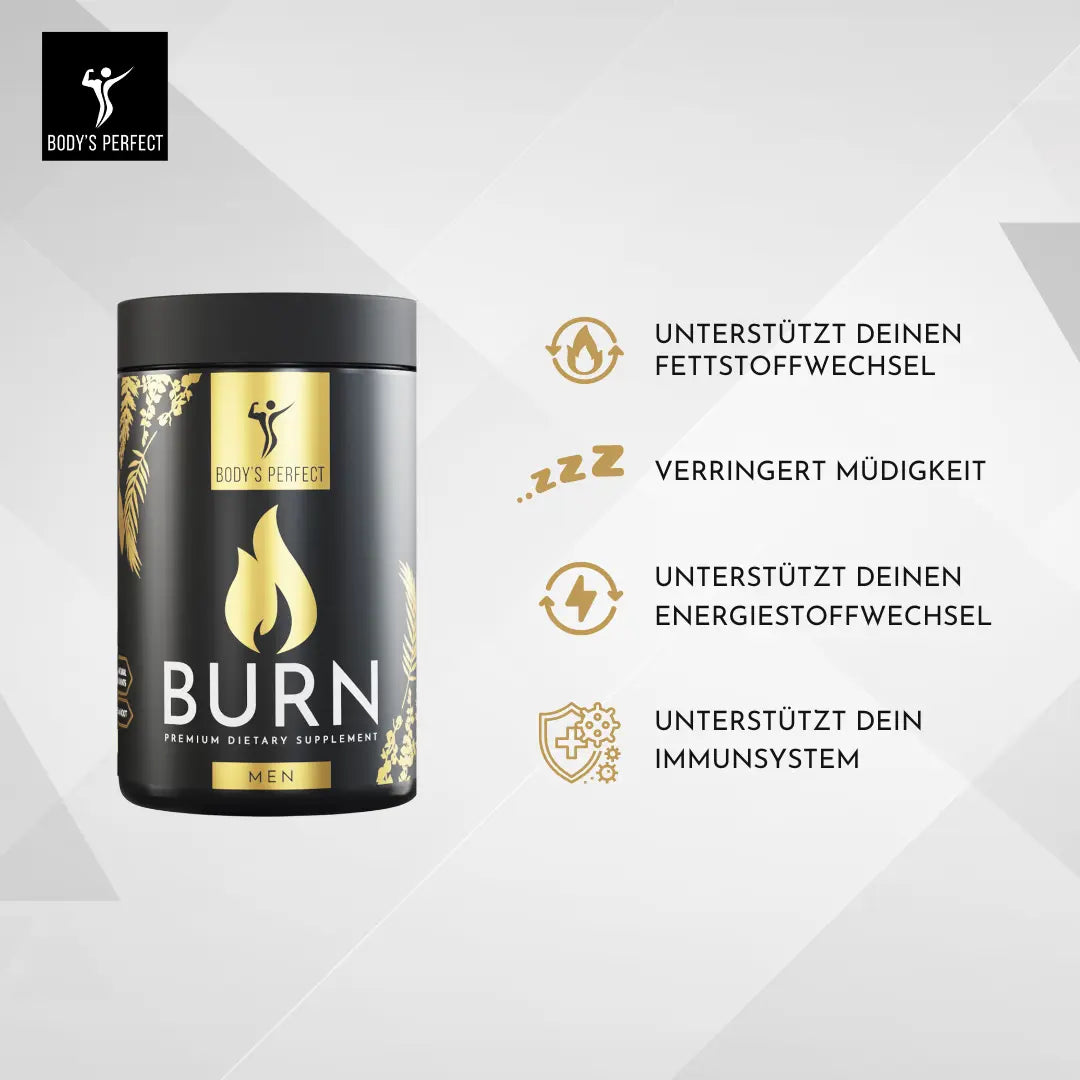
The BODY'S PERFECT BURN capsules are a good example of a well-thought-out product. Here, various natural extracts such as green tea and caffeine are combined with important B vitamins. This means your energy metabolism is addressed on several levels. Together with an active lifestyle and a conscious diet, they can help you achieve your goals faster.
Another exciting active ingredient in this context is L-carnitine, as it plays a central role in fat metabolism. If you are interested in this topic in more depth, take a look at our article on the effects of L-carnitine.
Questions we are frequently asked
After all the tips and tricks on how to boost your metabolism naturally, a few specific questions often remain. This is completely normal and only shows that you are seriously engaged with the topic. So let's clear up the most common uncertainties.
Can I speed up my metabolism overnight?
The honest answer? Unfortunately not. It would be nice if there were a magic switch, but boosting your metabolism is more of a marathon than a sprint.
Of course, an intensive workout or a spicy meal can temporarily increase calorie consumption. However, truly noticeable and, above all, lasting changes can only be achieved if you stick with it. Your body simply needs time to adjust to new routines – be it building more muscle mass or hormonal balance through better sleep. See every healthy meal and every workout as a small deposit into your long-term health account.
How significant is the influence of age and gender really?
It's true, age and gender play a role. Men naturally tend to have a higher muscle percentage and therefore a slightly higher basal metabolic rate than women. And yes, from around 30 years of age, most people's bodies begin to slowly lose muscle mass, which slows down metabolism a bit.
But don't let that discourage you! These are just two of many puzzle pieces. The truly decisive levers – diet, exercise, sleep – are in your own hands. With targeted strength training, you counteract age-related muscle loss and keep your engine running smoothly even in later years.
Do I have to completely cut out carbohydrates for a fast metabolism?
A very clear no! This is one of the most persistent myths out there. Carbohydrates are the preferred fuel for your body and especially for your brain. So it's not about banning them, but simply choosing the right ones.
Instead of reaching for sugar and white flour products, you should opt for complex carbohydrates. You can find them, for example, in:
- Oats
- Quinoa
- Wholemeal bread or pasta
- Lentils and beans
- Sweet potatoes
These filling foods keep your blood sugar levels stable, provide you with energy for hours, and help prevent the cravings that throw everything out of whack.
Do diets ruin my metabolism?
Radical crash diets can indeed do that. If you suddenly and drastically reduce your calorie intake, your body switches into a kind of "starvation mode". It thinks there's an emergency situation and lowers its energy consumption to conserve reserves.
This survival mechanism is unfortunately often what stands in our way today. As soon as you eat normally again, your body clings to every calorie and stores it as fat – hello, yo-yo effect. A moderate and long-term change in your diet is therefore always the smarter way.
Is a slow metabolism simply bad luck with genes?
Genetics does lay a kind of foundation for your metabolic rate, yes. Some people naturally have a bit more "burning power" than others. But this genetic factor is often massively overestimated.
Studies repeatedly show that lifestyle has a far greater influence. Think of it this way: Your genes might give you the foundation for a house, but you are the architect who decides what is built from it.
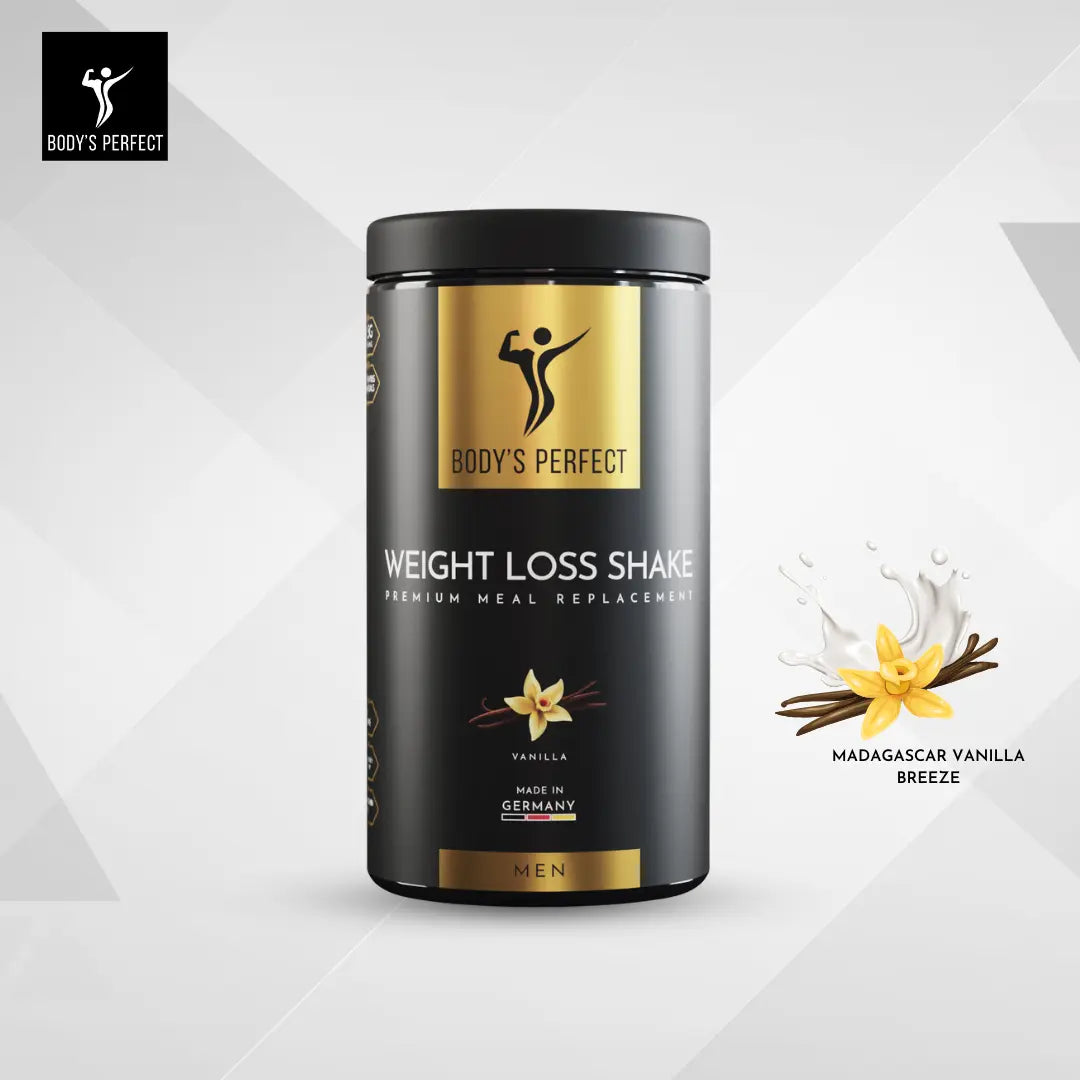
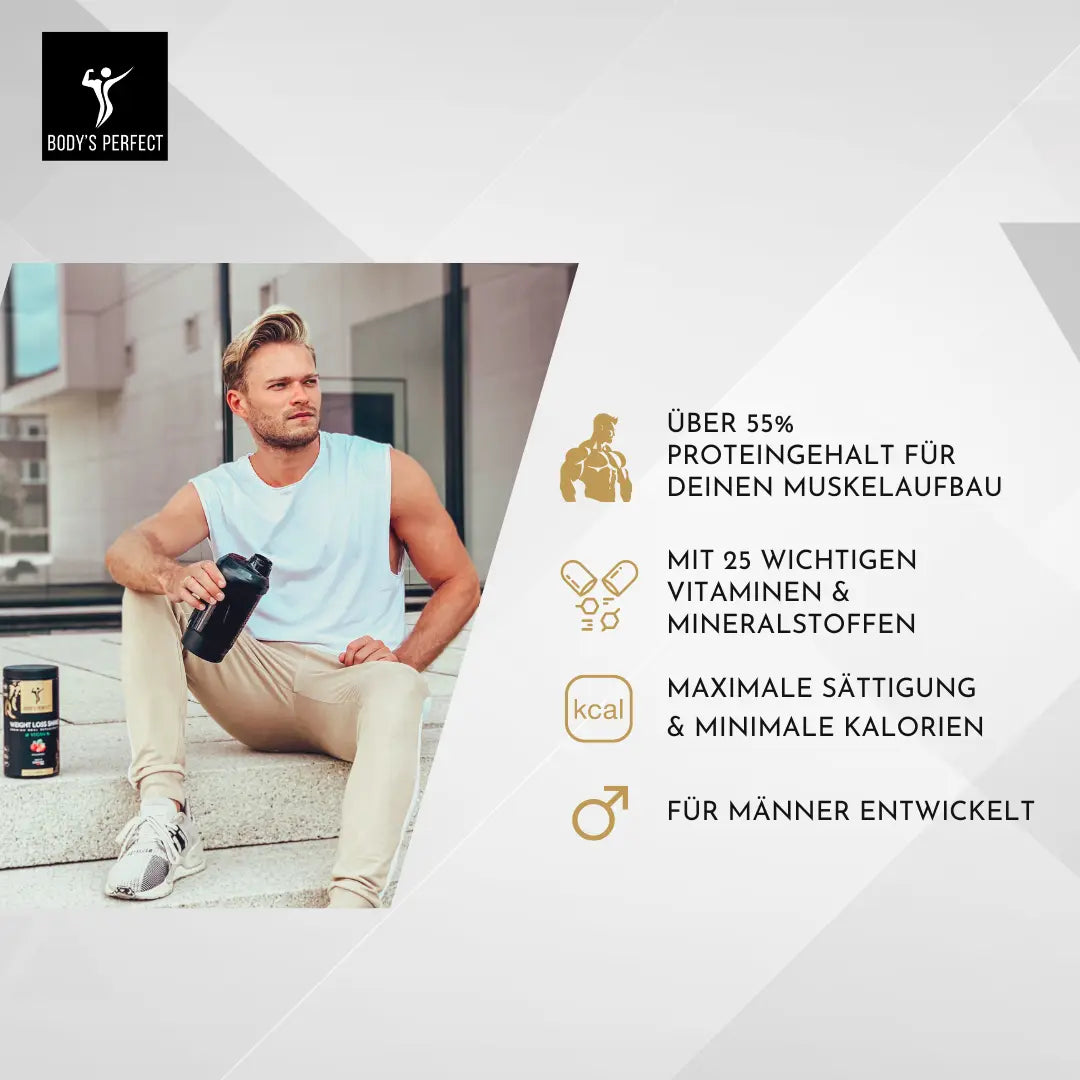
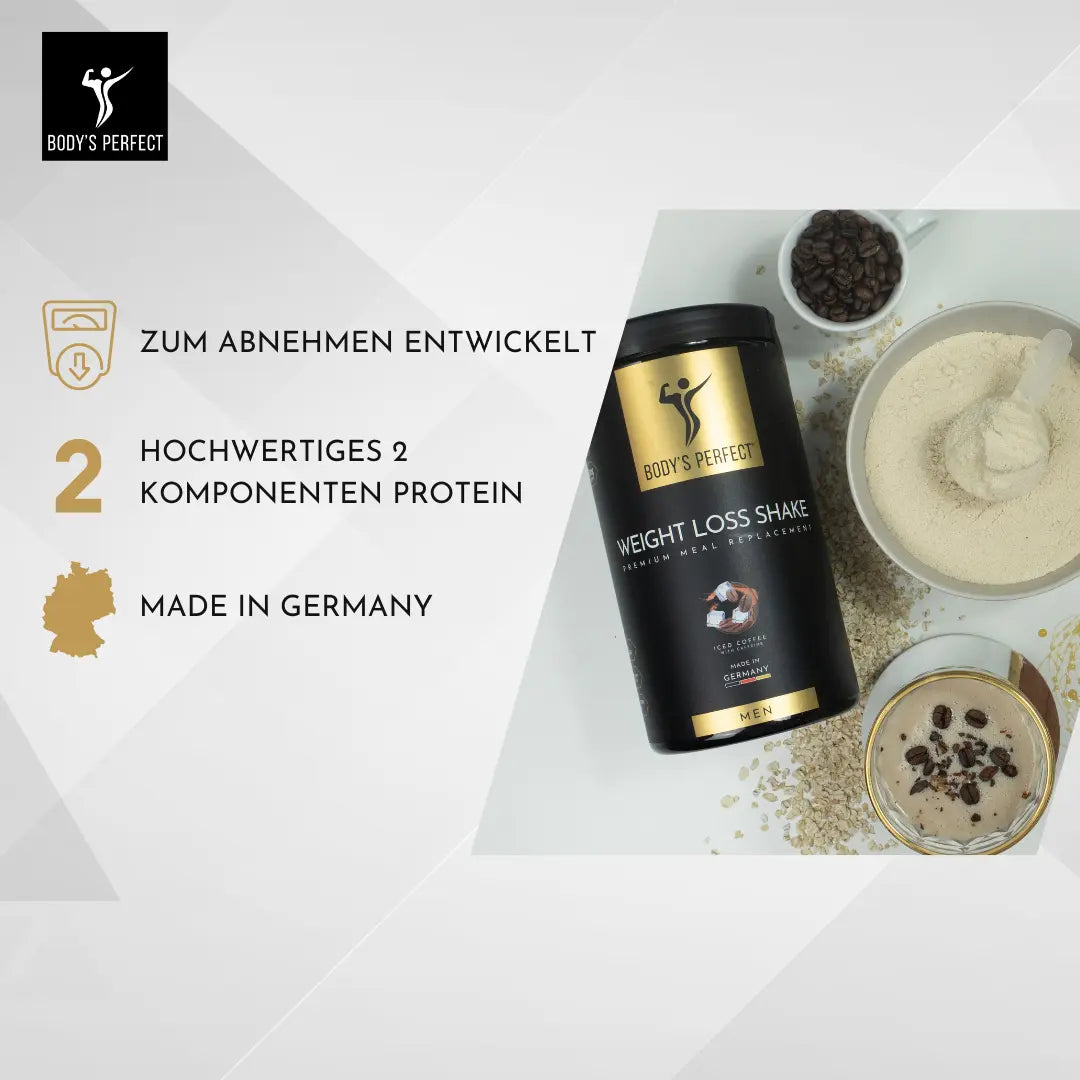
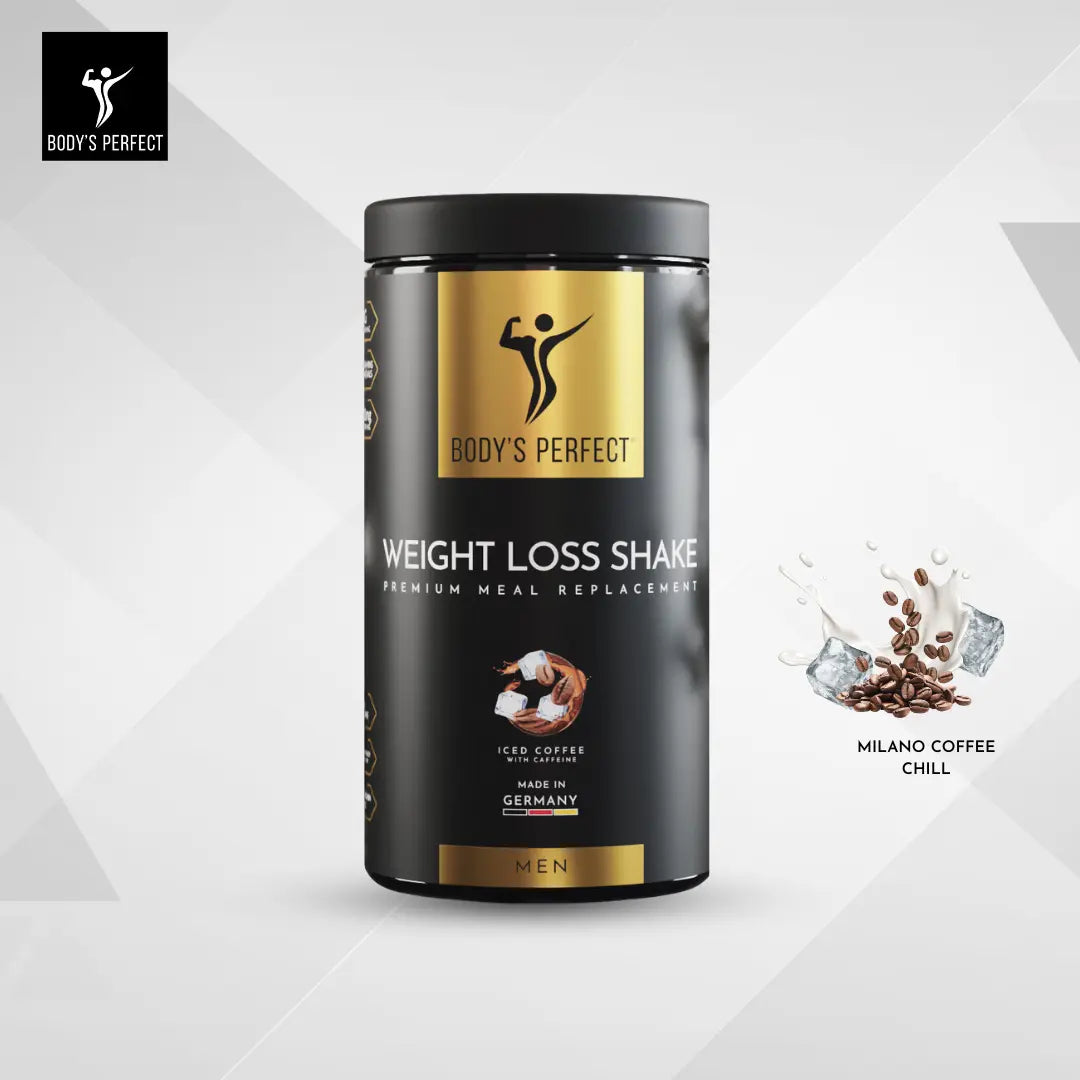
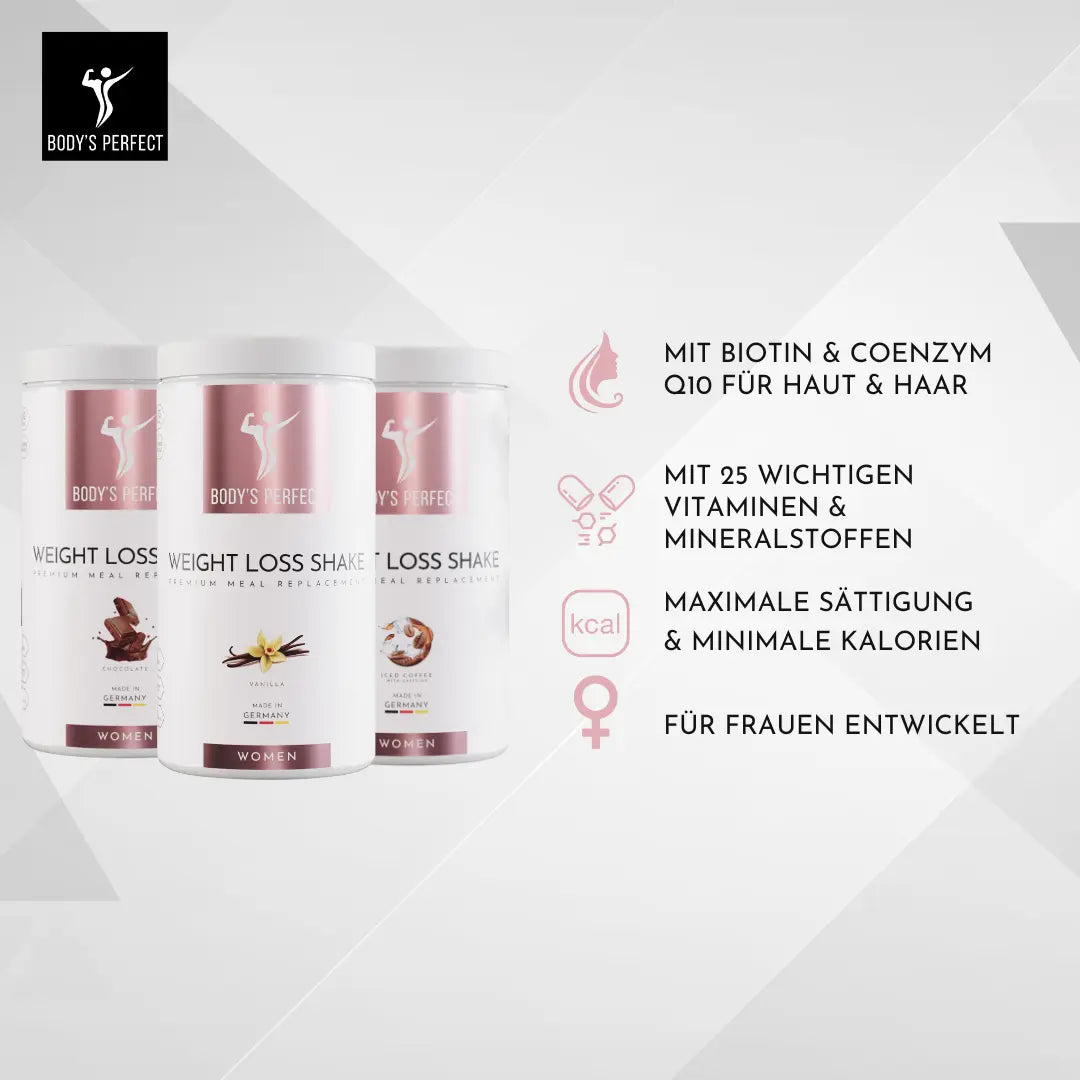
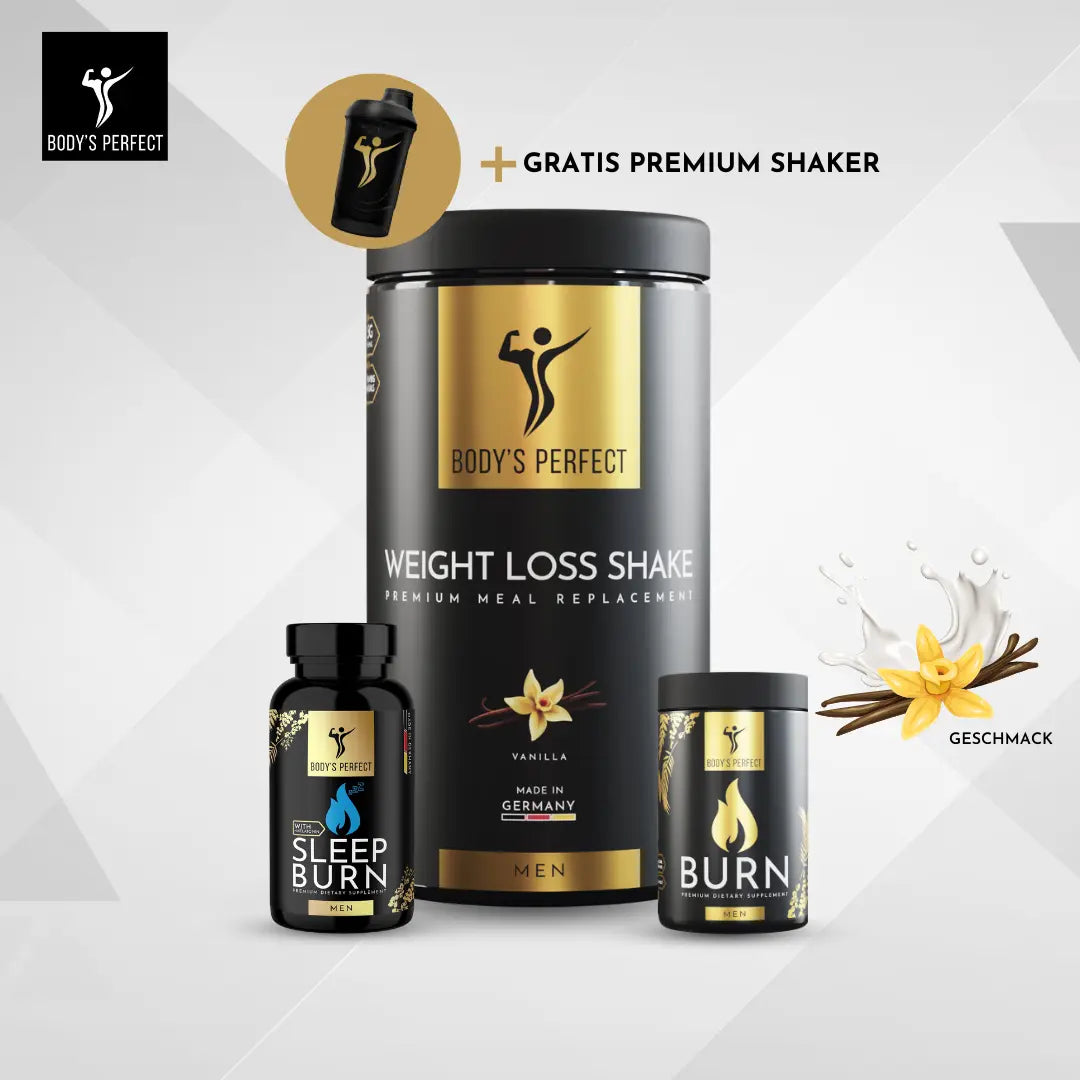
Boosting your metabolism is a journey that consists of many small, conscious decisions in everyday life. We at BODY'S PERFECT want to support you on this journey. Our products are designed to perfectly complement your healthy habits with high-quality, natural ingredients.
Find the right products for your goals now on bodysperfect.com








Share:
The Best Protein Powder for Weight Loss: Your 2024 Guide
How many carbs for weight loss: Your personal roadmap