


What truly helps against fatigue? Of course, the quick answer is usually: sleep better, eat right, and exercise more. But that's only half the truth. To tackle the problem at its root, we first need to understand why you feel so drained all the time.
Why you're constantly tired and what your body is trying to tell you

Does this sound familiar? Your alarm goes off, but you feel like you haven't slept at all. You drag yourself through the day, counting the hours until you can finally go back to bed. If so, you are far from alone. Constant fatigue is more than just the result of a short night – it's a clear signal from your body that something is out of balance.
This feeling of total exhaustion has become a real widespread ailment in Germany. A recent study shows that a staggering 55.7 percent of Germans feel exhausted. Particularly alarming: young adults between 18 and 29 years old are most affected – 58 percent complain of burnout symptoms. You can find more about these figures here on Focus.de.
The invisible energy robbers in your daily life
The causes of this collective energy slump are as diverse as our modern lifestyle itself. Most of the time, it's not just a single factor, but an unholy combination of several habits that slowly but surely drain your batteries.
Let's take a look at the usual suspects:
- Chronic stress: Pressure at work, private worries, constant availability – all of this puts your body in a permanent state of alert. And that costs an incredible amount of energy.
- Unbalanced diet: Do you often opt for meals with lots of sugar and simple carbohydrates? This causes a rollercoaster ride of your blood sugar, which gives you a short boost and then lets you fall into a deep hole. You can read more about this in our article on blood sugar regulation.
- Poor sleep: This is not just about how many hours you spend in bed, but how good those hours really are. Restless or shallow sleep robs your body of the chance to truly regenerate.
- Lack of exercise: A day spent mostly sitting slows down your metabolism and impairs the oxygen supply to your cells. The paradoxical result: you feel even more sluggish.
Don't see your fatigue as an enemy, but as important feedback. Your body is trying to tell you something. Instead of ignoring the feeling, use it as an opportunity to rethink your habits and give yourself what you really need.
This guide provides you with very specific and immediately applicable tools. With them, you can regain your energy and feel more vital in the long term.
Quick energy boosts when your eyes feel heavy
Who hasn't experienced it? The classic afternoon slump hits, concentration wanes, and all you want to do is put your head on the desk. But the day isn't over yet. Before you instinctively reach for a cup of coffee, there are a few other tricks that can quickly perk you up. So, what to do when fatigue acutely strikes?
Sometimes the best wake-up call is just a few breaths away. Sounds simple, but it's extremely effective: conscious abdominal breathing. Sit upright for a moment, place one hand on your stomach, and inhale deeply through your nose. Feel your abdomen rise. Hold briefly, then slowly exhale through your mouth. Just one to two minutes are enough to flood your brain with fresh oxygen and signal to your nervous system: "Hello, wake up!"
Movement and fresh air: The natural pick-me-ups
Especially when you're sitting at your desk, the urge to just stay seated is strong. Wrong! Get up, move around. A short walk of 5 to 10 minutes in the fresh air often works wonders. Daylight helps inhibit the production of the sleep hormone melatonin, and movement really gets your circulation going.
No opportunity for a short walk? No problem, even mini-movements at your desk help:
- Stretch and reach: Stretch out, reach your arms towards the ceiling as if you were picking apples. Gently stretch your neck from left to right.
- Stairs instead of the elevator: Walking up a few flights of stairs is a turbo boost for your circulation.
- Squats at your desk: A few quick squats next to your desk will get your blood pumping instantly.
Such small activity islands break through the sitting monotony and send a clear wake-up signal to your body.
The right snack to beat the slump
When you're tired, your body often craves sugar. But a chocolate bar only provides a short boost, followed by an even deeper energy slump. Instead, opt for snacks that give you sustained energy.
A handful of nuts, a crisp apple, or plain yogurt are much better choices. The mix of complex carbohydrates, healthy fats, and proteins keeps your blood sugar stable and prevents the next slump.
By the way, a smart helper from nature is guarana. The caffeine it contains is released more slowly by the body than that from coffee. This provides a gentler but longer-lasting stimulating effect without the dreaded caffeine crash. If you are looking for an alternative to coffee, the benefits of a drink with guarana might be interesting for you.
And last but not least: the strategic power nap. A short nap of no more than 15 to 20 minutes can work wonders for your concentration and performance. Most importantly: be sure to set an alarm! This way you avoid falling into a deep sleep phase from which you only wake up groggy. With these immediate tips, you are well equipped for any energy slump.
Long-term energy through smart daily routines
Quick energy boosts are great for bridging a slump. But the real solution to constant fatigue lies deeper – in your daily habits. If you really want to change something, smart routines are your strongest lever. It's about consistently giving your body what it needs every day, so that exhaustion doesn't become the norm.
The foundation for a high energy level rests on three well-known pillars: sleep, nutrition, and exercise. Sounds like the usual suspects? True, but the devil is in the details. It's about how you optimize these areas for yourself. Often, it's the small, conscious adjustments in everyday life that make the biggest difference and permanently stabilize your energy balance.
Sleep as the ultimate energy source
Many of us don't get enough sleep, but even more simply sleep poorly. Seven to nine hours per night is a good guideline, but quality ultimately trumps pure quantity. Your body needs deep sleep phases to clean up, repair cells, and process the impressions of the day.
A relaxed evening routine is the best way to switch from hectic everyday mode to relaxation mode.
- Turn off screens: The blue light from cell phones & co. slows down the production of the sleep hormone melatonin. It's best to put devices away at least an hour before going to bed.
- Gently wind down: Read a few pages of a book, listen to calming music, or take a warm bath. Find out what relaxes you personally best.
- Create darkness and quiet: Your bedroom should be an oasis. Ensure a cool, dark, and quiet environment – these are the best conditions for undisturbed sleep.
These small rituals clearly signal to your brain: It's time for bed. The result is not only that you fall asleep faster, but also that your sleep becomes deeper and thus much more restful.
Your diet as daily fuel
What you eat has a direct impact on how you feel. Some foods are real energy zappers that send your blood sugar on a rollercoaster ride. Others provide you with constant energy for the whole day. A good start is half the battle.
Forget the quick jam sandwich for breakfast. What you need in the morning is a balanced mix of complex carbohydrates, high-quality protein, and healthy fats.
A breakfast of oatmeal with berries and nuts, scrambled eggs with whole-grain bread, or Greek yogurt with seeds and fruits provides stable energy that lasts for hours and prevents nasty sugar cravings.
Throughout the day, you should also focus on nutrient-rich meals and, above all, drink enough water. Even slight dehydration can immediately manifest as difficulty concentrating and fatigue.
Here you can see how you can replace typical energy drainers with clever alternatives.
Energy Drainers vs. Energy Boosters in Everyday Life
This table contrasts typical habits and foods that either drain or provide energy, to facilitate conscious decisions in everyday life.
| Characteristic | Energy Drainers (avoid) | Energy Boosters (integrate) |
|---|---|---|
| Breakfast | Sweet pastries, cereals | Oatmeal, eggs, whole-grain bread |
| Drinks | Sugary sodas, energy drinks | Water, unsweetened tea |
| Snacks | Chocolate bars, chips | Nuts, fruit, Greek yogurt |
| Lunch | Large, heavy meals (e.g., pasta with cream sauce) | Light meals with plenty of vegetables, protein, and complex carbohydrates |
| Movement | Sitting at your desk all day | Regular breaks, short walk |
| Evening Routine | Scrolling on your phone for a long time | Reading a book, listening to relaxing music |
Small changes in these areas can have a huge impact on your daily energy levels.
This infographic nicely summarizes the quickest energy boosts for in between – perfect for incorporating into your new routines.
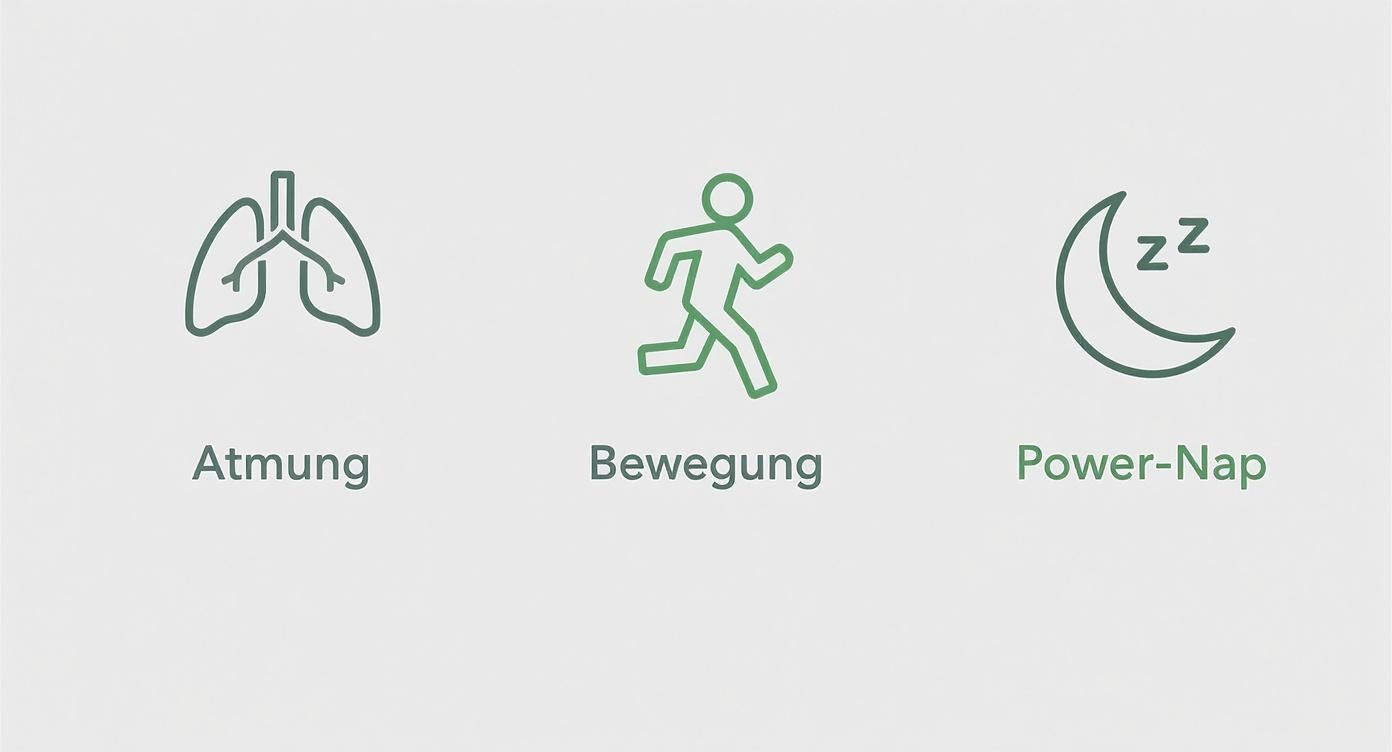
As you can see, effective methods against acute fatigue don't have to be complicated. Often, a few conscious breaths or a short, active break are enough.
Movement for an active metabolism
Movement is a fascinating paradox: it temporarily expends energy, but long-term it creates it. Regular activity improves oxygen supply to your cells, strengthens your cardiovascular system, and boosts the production of endorphins – your body's own happiness hormones.
You don't have to run a marathon for this. Even moderate, but above all regular, exercise units make a huge difference. A daily 30-minute walk, a bike ride, or a yoga session can noticeably and permanently raise your energy level. The trick is to find an activity that you genuinely enjoy so that you stick with it long-term. Exercise is one of the best ways if you're wondering how to boost my metabolism and thus ensure more vitality.
Managing stress and preventing exhaustion
Imagine chronic stress like an engine running quietly but continuously in the background. It doesn't really propel you forward, but it constantly consumes energy. When your body is perpetually stuck in "fight or flight" mode, it drains your reserves – relentlessly. The result? A deep, almost debilitating exhaustion that can't be fixed with a single night's sleep.
The connection between stress and fatigue is no coincidence, but a direct biological response. This is also confirmed by a representative survey: Of the 41 percent of people who are frequently under pressure, a full 78 percent suffer from symptoms such as fatigue, sleep disturbances, and the feeling of simply being burned out. You can find more interesting details on this directly at KKH. So, what to do when fatigue stems from this constant tension? The best strategy is to consciously create counterpoints.
Small breaks, big impact
You don't have to go to a silent monastery for a week to calm your nervous system. Often, it's the small but effective techniques that can be easily integrated into a busy daily routine. It's about sending short but clear relaxation signals to your brain.
Even five minutes of conscious breathing at your desk can make a huge difference.
- The 4-7-8 breathing technique: Inhale through your nose for 4 seconds, hold your breath for 7 seconds, and then slowly and audibly exhale through your mouth for 8 seconds. If you repeat this three or four times, you will immediately feel calmer.
This technique literally forces your body to switch from stress mode to recovery mode. Your heart rate slows down, and your nervous system receives the signal: "Everything is fine, the danger is over."
Using your thoughts as a source of energy
Stress often originates in the mind. We worry about the future or ruminate about things that are long past. Mindfulness and positive psychology are excellent tools to quiet this mental noise.
An incredibly simple but effective method is the gratitude journal. Every evening, take just three minutes and write down three things you were grateful for that day. No matter how small they seem to you.
This small exercise trains your brain to see the positive even in everyday stress. This demonstrably reduces your perception of stress and can even improve your sleep.
Another powerful method: Identify your personal stressors. Honestly ask yourself: What exactly drains my energy the most? Is it certain tasks, situations, or perhaps even people? Once you know your energy vampires, you can start to set boundaries more consciously. Sometimes a friendly but firm "no" is the best answer to the question of what helps against fatigue. This way, you protect your valuable energy for the things that truly matter to you.
The right nutrients for your energy

Do you know that feeling? You eat pretty well, exercise regularly, and try to get enough sleep – but still, your battery constantly feels empty. This can be incredibly frustrating and is often a clear sign: Your body might be lacking very specific nutrients that it urgently needs for energy production.
Even with the best diet, gaps can arise. Stressful phases, a lot of sport, or simply suboptimal nutrient absorption can lead to an increased demand. Addressing this precisely can make the decisive difference and give you back your energy.
Your most important helpers from the nutrient box
Imagine your body as a small power plant. For it to run smoothly, it needs certain vitamins and minerals as spark plugs. If these are missing, the entire engine sputters. Three of these are particularly crucial for your energy level.
-
B vitamins: They are, so to speak, the engine of your cellular energy production. Above all, vitamin B12 and B6 are essential for converting the food you eat into usable energy for your cells. A deficiency quickly manifests itself as persistent exhaustion and concentration problems. You can read more about the effects of vitamin B6 in our corresponding article.
-
Iron: No iron, no oxygen transport. As the main component of red blood pigment (hemoglobin), it ensures that oxygen actually reaches your cells. If they get too little of it, you feel tired and sluggish. Pale skin or shortness of breath with little exertion can be further indications.
-
Magnesium: This power mineral is involved in more than 300 metabolic processes – including the conversion of food into energy. At the same time, it helps your muscles relax and calms your nervous system. Typical signs of a deficiency, in addition to fatigue, are often muscle cramps or constant inner restlessness.
Your body often sends subtle signals. Pay attention to small things like constant pallor, cracked corners of the mouth, or a high susceptibility to infections. These can all be indications of nutrient deficiencies that are robbing you of energy.
When do dietary supplements make sense?
Of course, the basis is always a balanced diet with plenty of whole grains, legumes, nuts, seeds, and green vegetables. Sometimes, however, this is simply not enough to correct an existing deficiency or to meet an increased demand.
In such cases, targeted supplementation can truly be beneficial to quickly replenish your stores. This becomes especially important when it comes to your nocturnal recovery, as true energy for the day is generated during sleep.
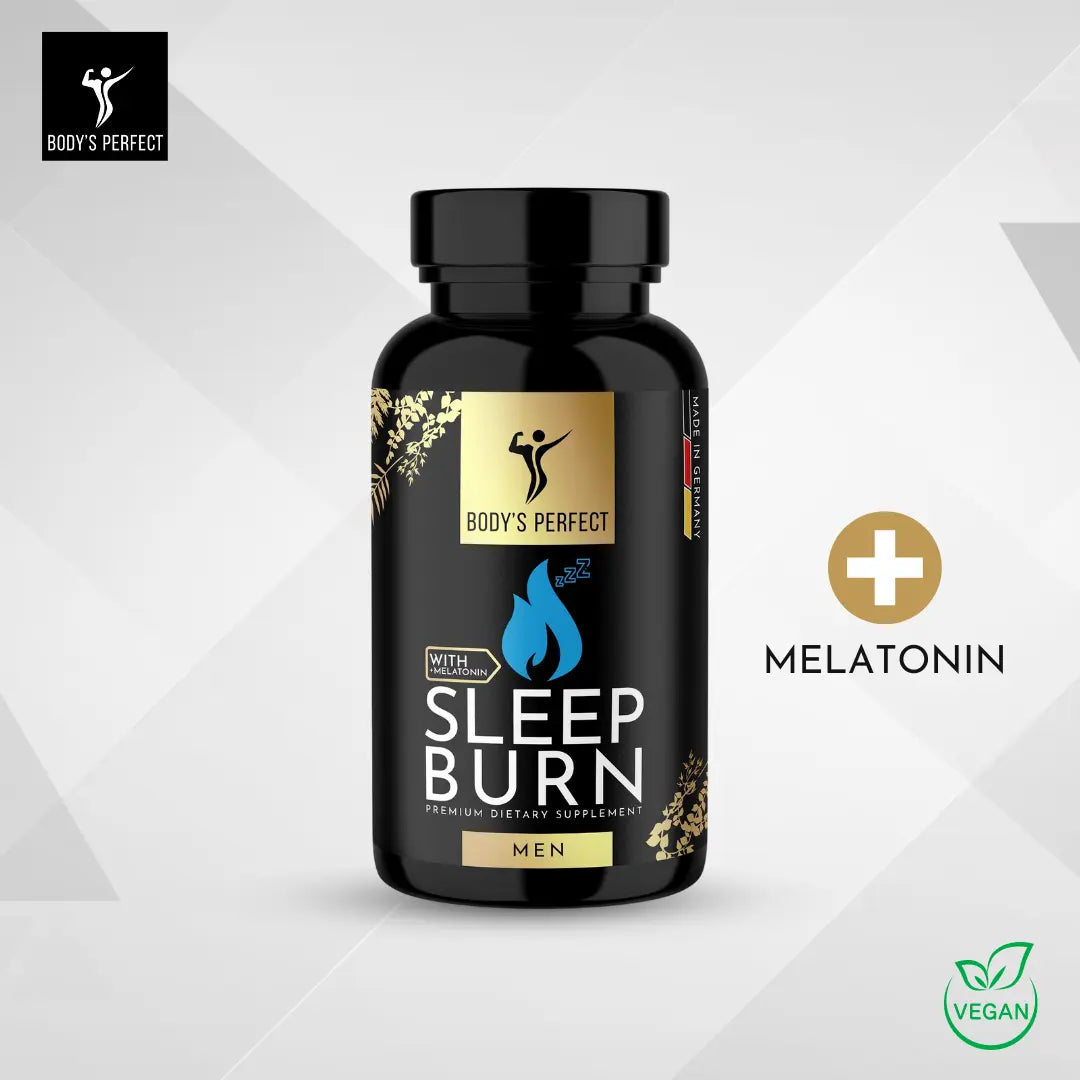
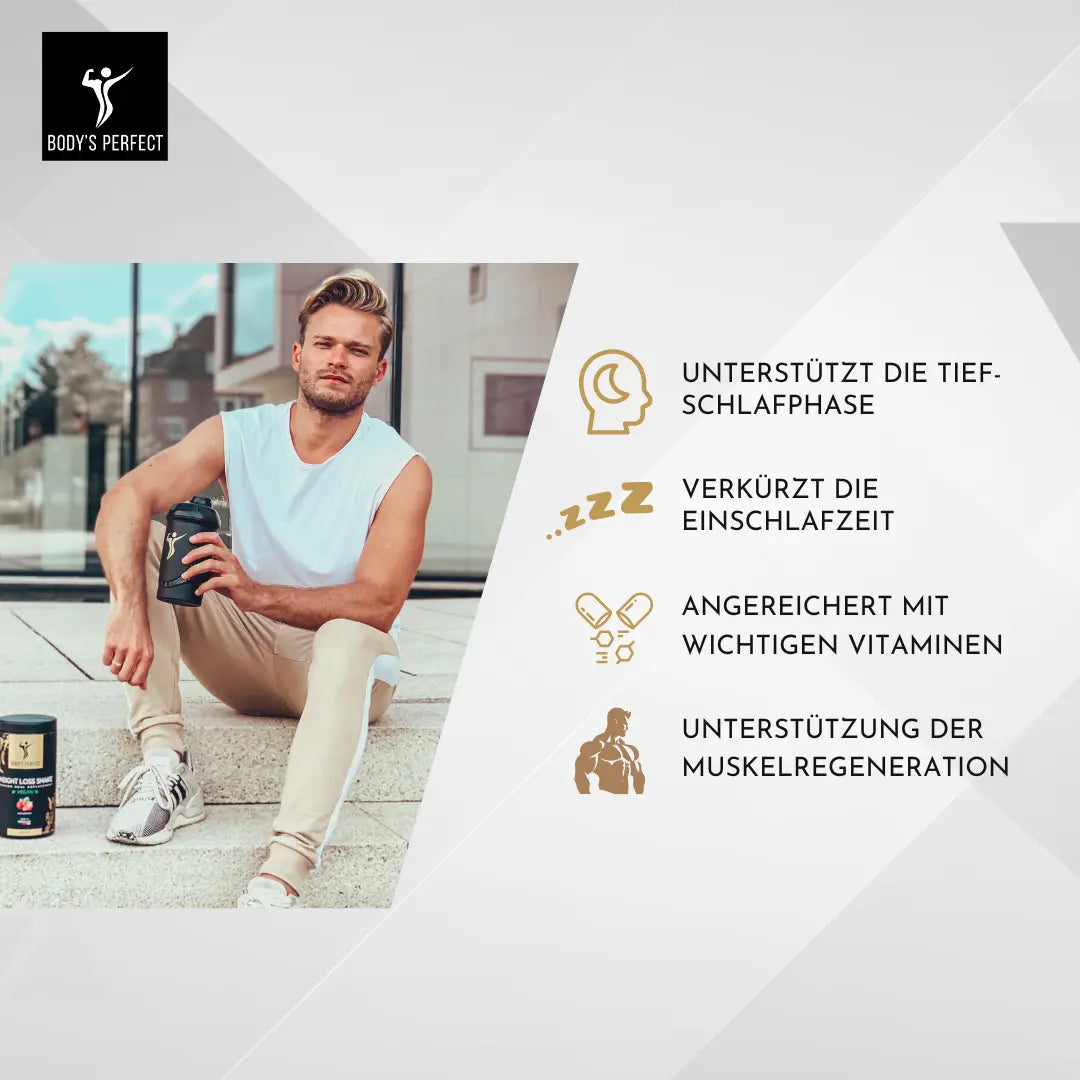
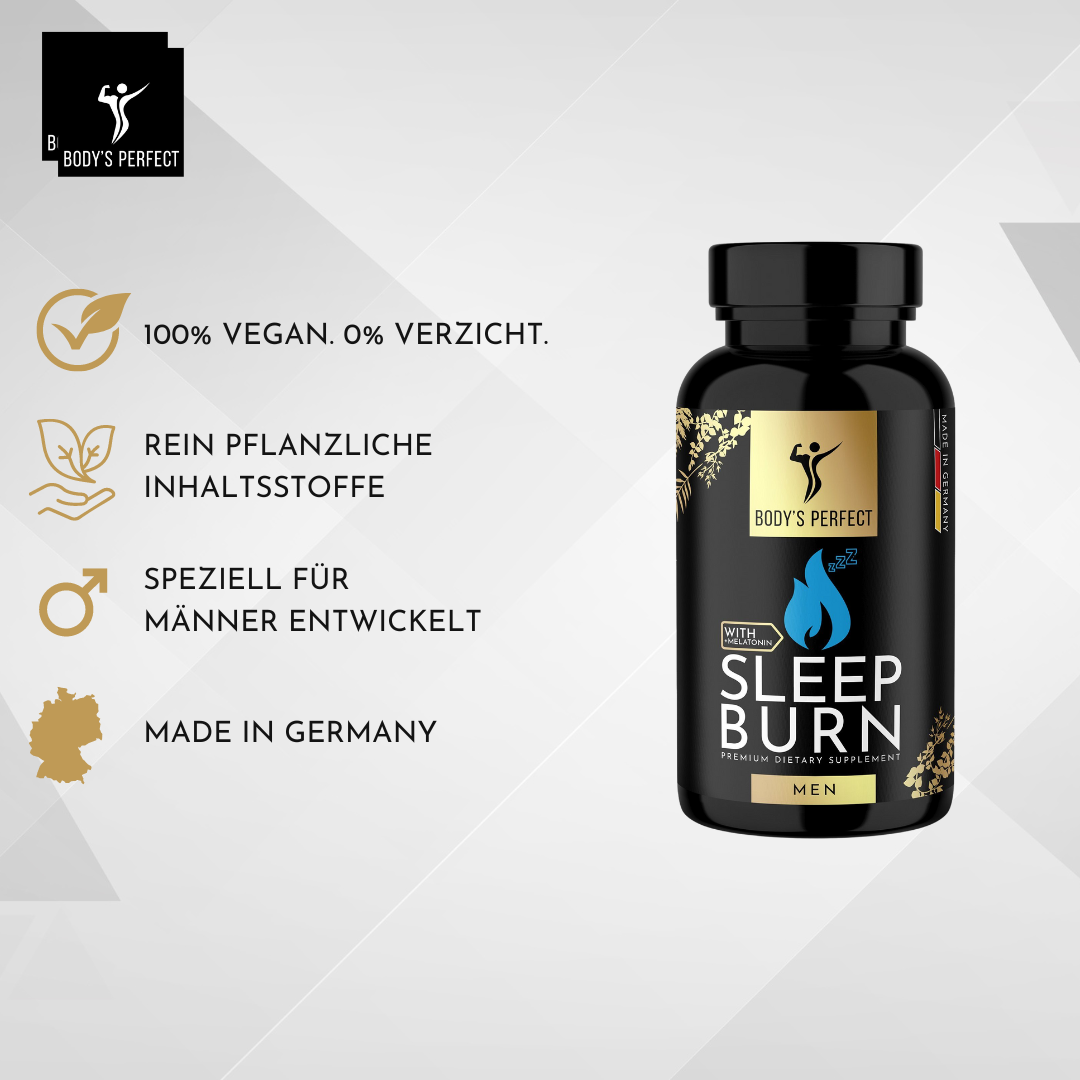
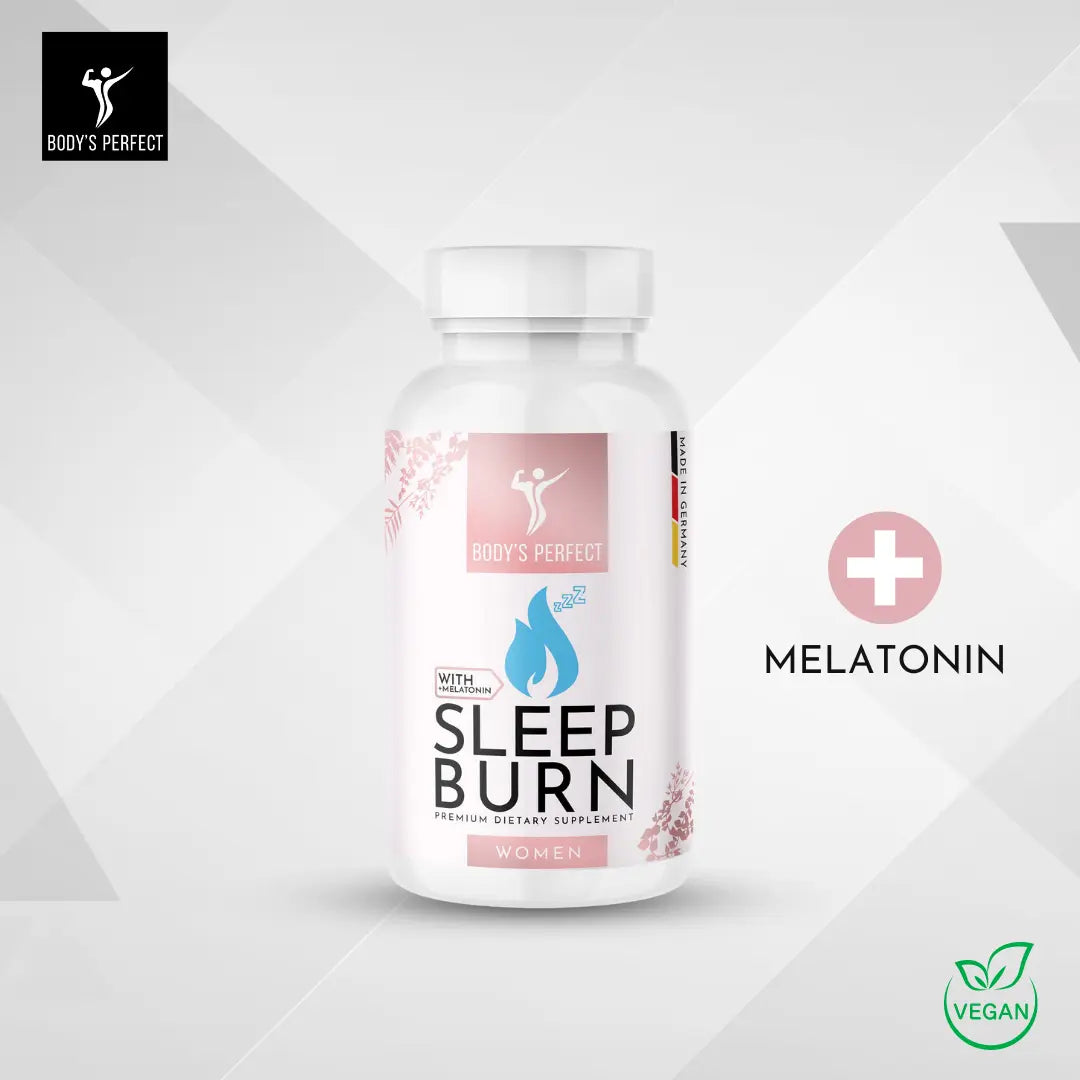
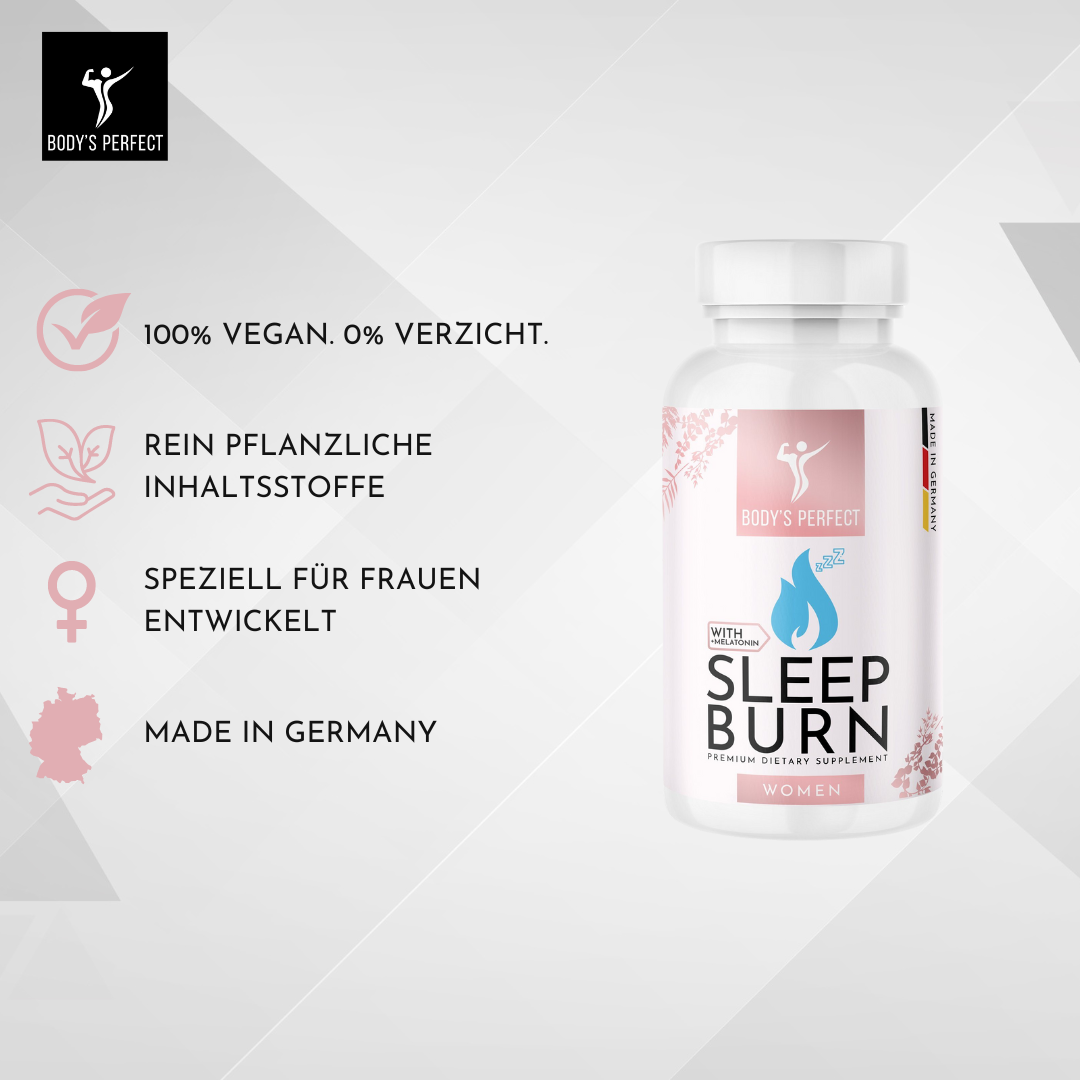
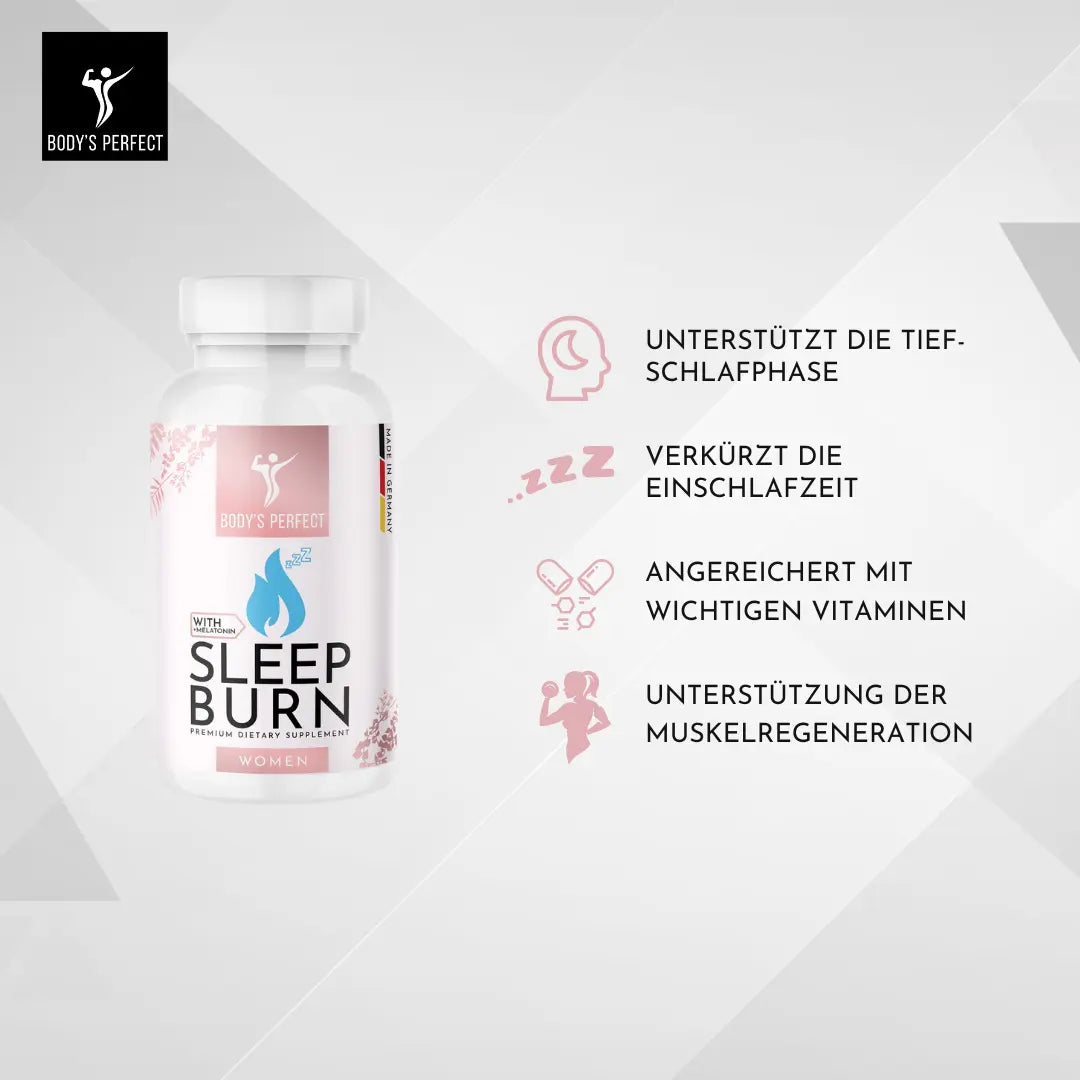
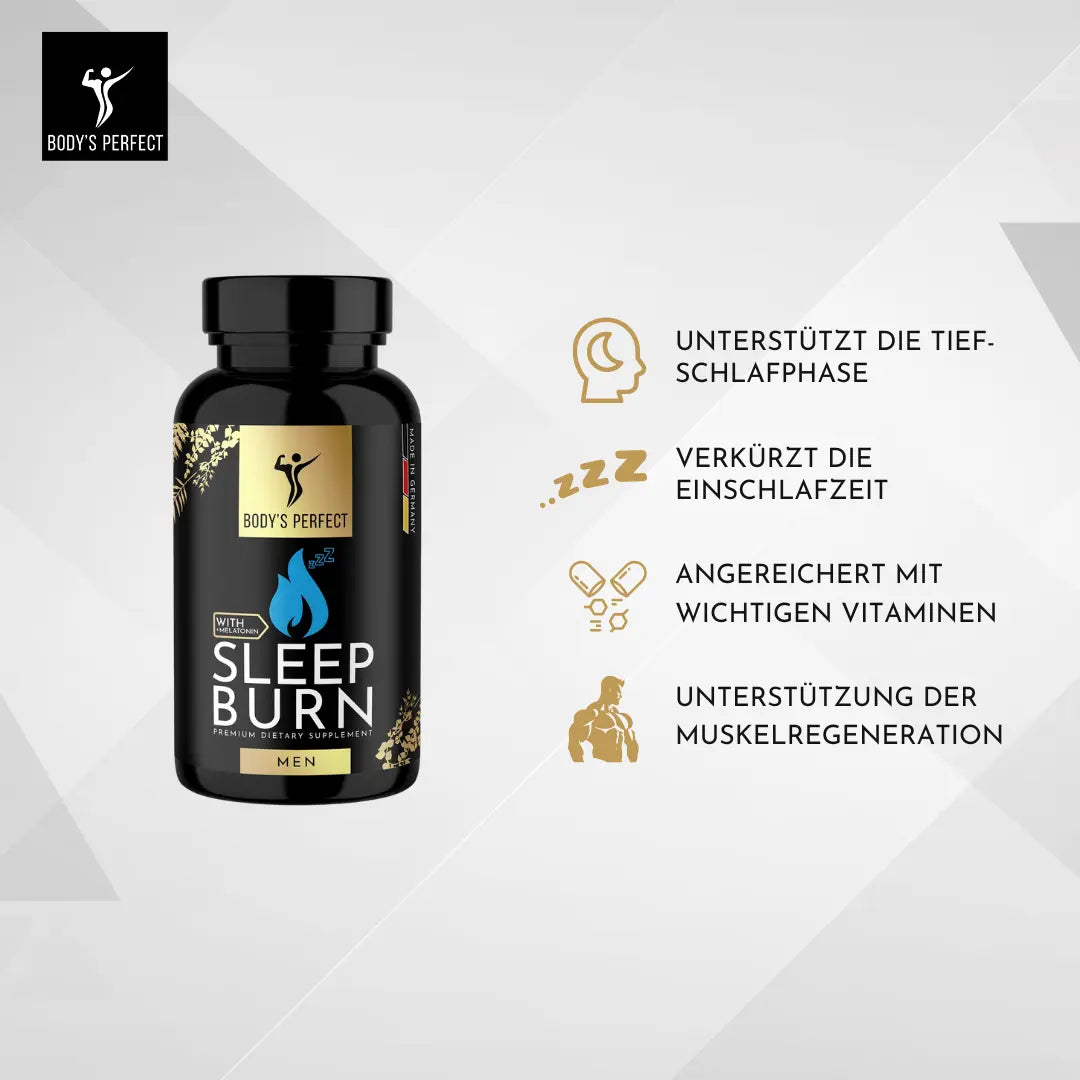
Products specifically designed to support sleep quality can make a real difference here. They supply your body with exactly the nutrients it needs for regeneration during the night. So you don't just wake up in the morning, but genuinely feel refreshed – and start the day with full energy, instead of dragging yourself tiredly out of bed.
When to see a doctor about your fatigue
Of course, most periods of fatigue can be managed quite well with a few adjustments in everyday life. Sometimes, however, exhaustion is more than just a sign of too much stress or a bad night. It can be a real warning signal from your body that something deeper is wrong.
It's not about panicking at every little yawn. Rather, you should learn to listen to your body and recognize when it's time to seek professional help. If the following points sound familiar to you, then seeing a doctor is absolutely the right next step.
You should not take these symptoms lightly
Listen closely to yourself. If your fatigue doesn't come alone, but is accompanied by certain co-symptoms, you should become alert. These are often signs that there is more to it than just short-term exhaustion.
Pay attention to these specific warning signs:
- Debilitating exhaustion: You don't just feel weak, but truly profoundly exhausted. Even after a long night, you feel completely worn out the next morning.
- Unexplained weight fluctuations: The number on the scale suddenly changes significantly – up or down – without you consciously altering your diet or training. Here, it's worth considering a possible metabolic disorder and its symptoms and getting it checked out.
- Strong mood swings: You are constantly irritable, feel persistently down, or are struggling with anxieties that you don't recognize in yourself.
- Physical complaints: In addition to fatigue, persistent pain, dizziness, shortness of breath even with slight exertion, or you constantly catch infections.
If your exhaustion is so severe that it noticeably affects your daily life, your job, or your friendships for weeks or even months, please don't wait any longer. A doctor can rule out or specifically treat organic causes such as an underactive thyroid, iron deficiency, or other illnesses.
Also, don't forget your mental health. Psychological stress is a common, but often overlooked, cause of chronic exhaustion. According to the Psychreport by DAK, depression alone led to approximately 183 days of absence per 100 insured persons, making it one of the main reasons for inability to work. This shows how important it is to take this aspect seriously and to talk openly about it with your doctor.
Your questions about fatigue and energy – answered concisely
We repeatedly receive the same important questions about fatigue. Here, I have collected the most frequent ones for you and answer them directly.
How many hours of sleep are actually optimal?
The magic number for most of us is actually between 7 and 9 hours per night. But honestly: more important than the stopwatch is how you feel when you wake up. If you feel refreshed and ready to go in the morning, you're doing everything right.
Does coffee actually make you more tired in the long run?
Yes, it really can. Too much coffee, especially in the afternoon, thoroughly disrupts your natural sleep-wake rhythm. The result is often a vicious cycle: tired during the day, restless at night. My tip: Enjoy your coffee consciously, preferably only until early afternoon.
Which deficiency in the body robs me of the most energy?
At the top of the list are iron, vitamin B12, and magnesium. If there's a lack of any of these three, many people quickly feel sluggish and drained. If you have a suspicion, a simple blood test at the doctor can quickly provide certainty.
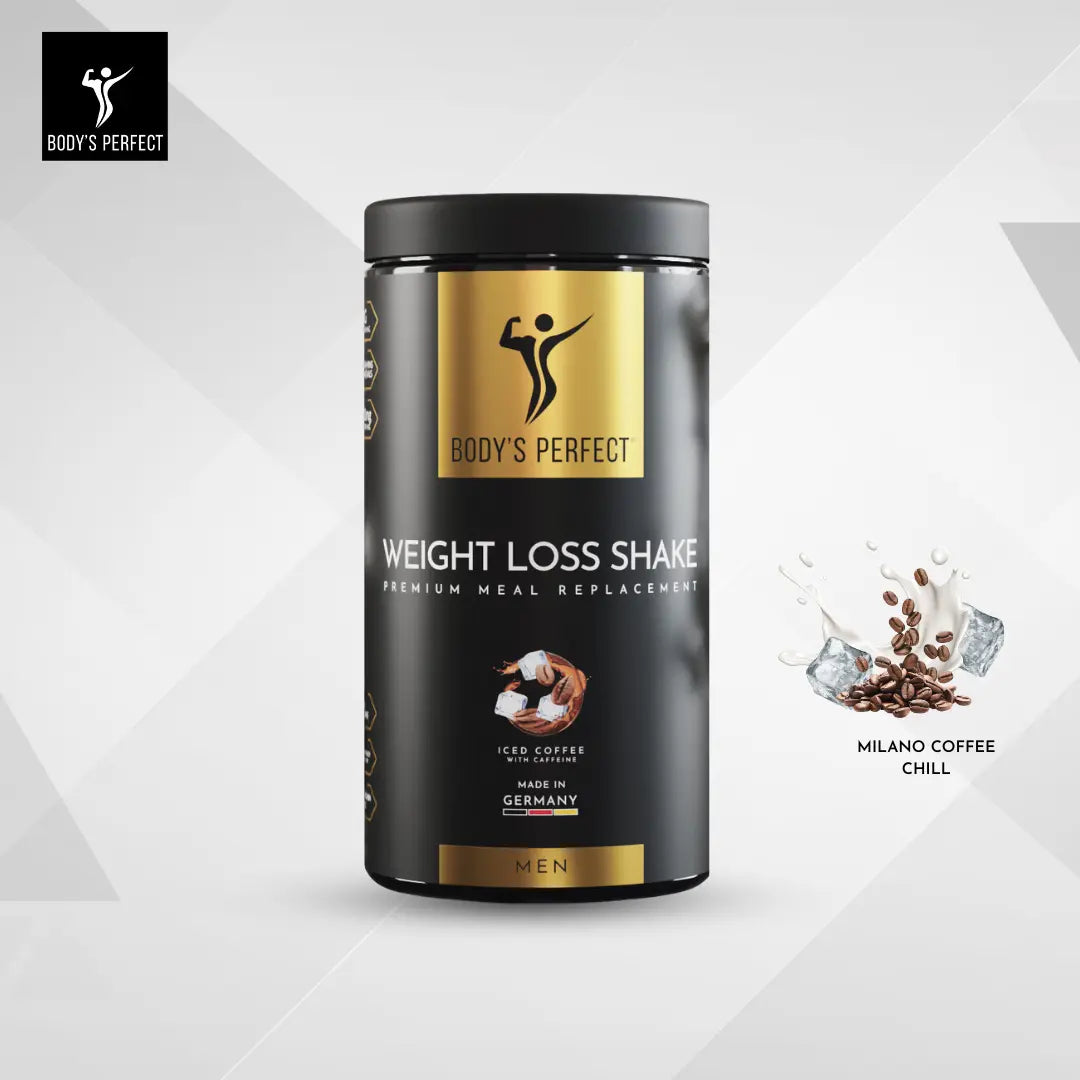
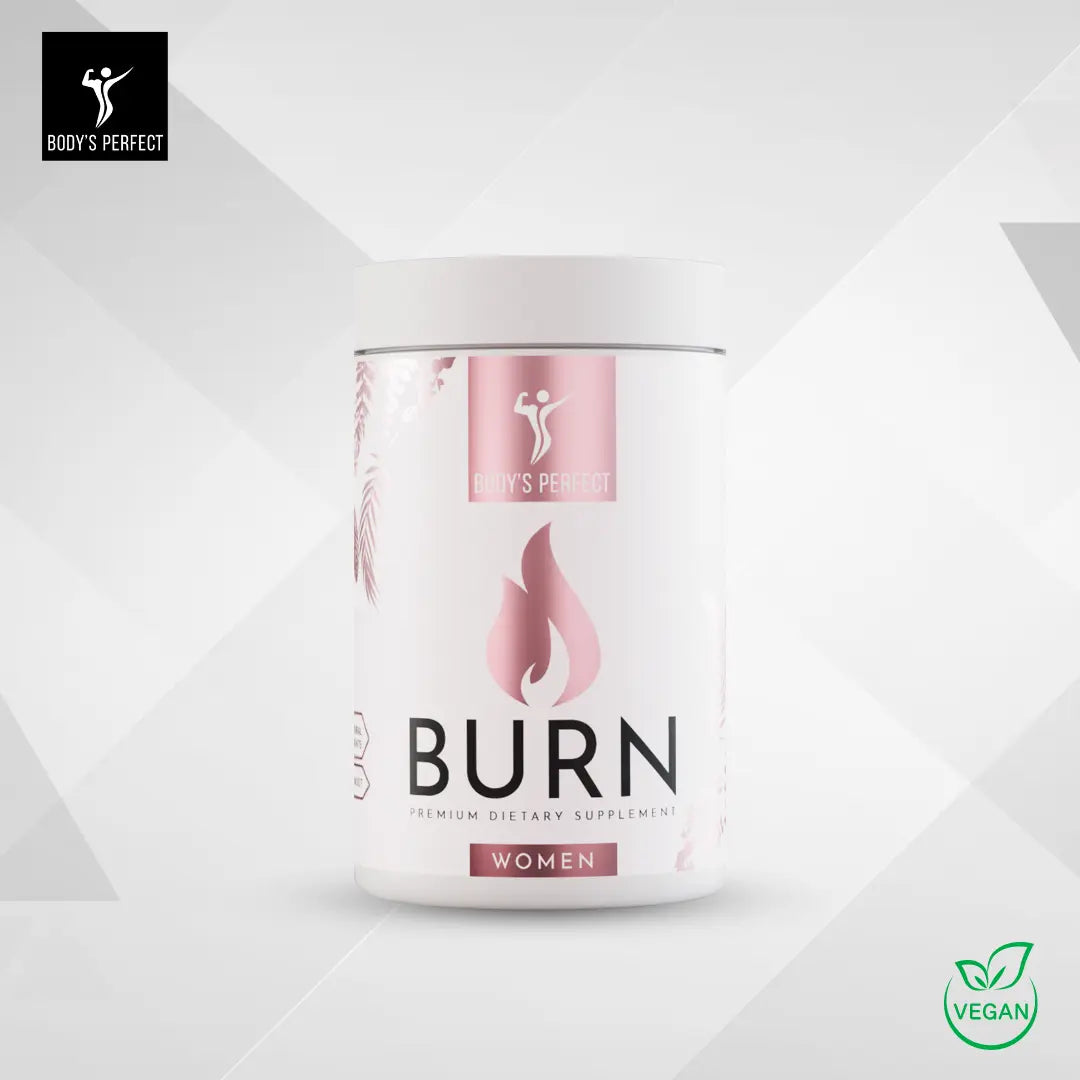
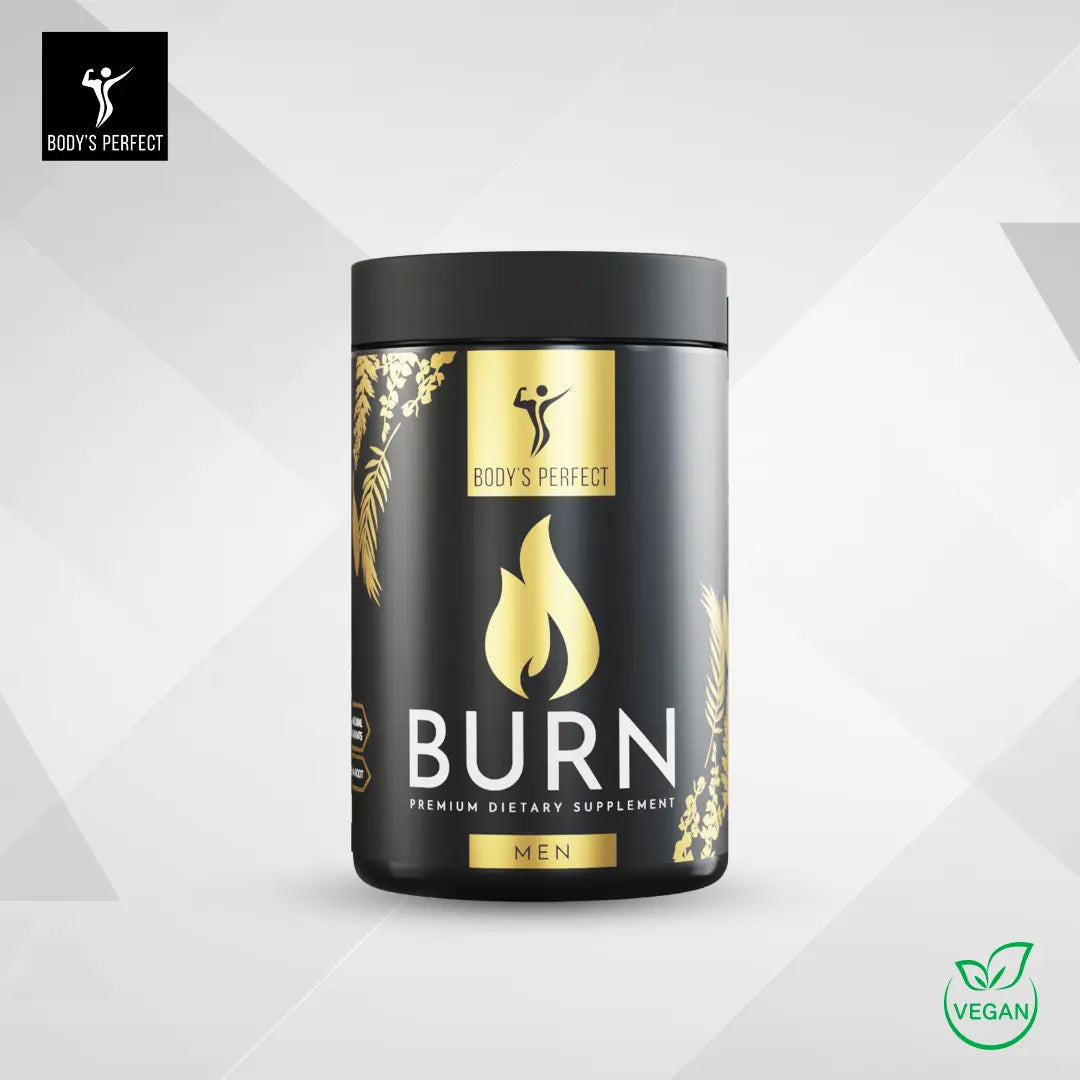
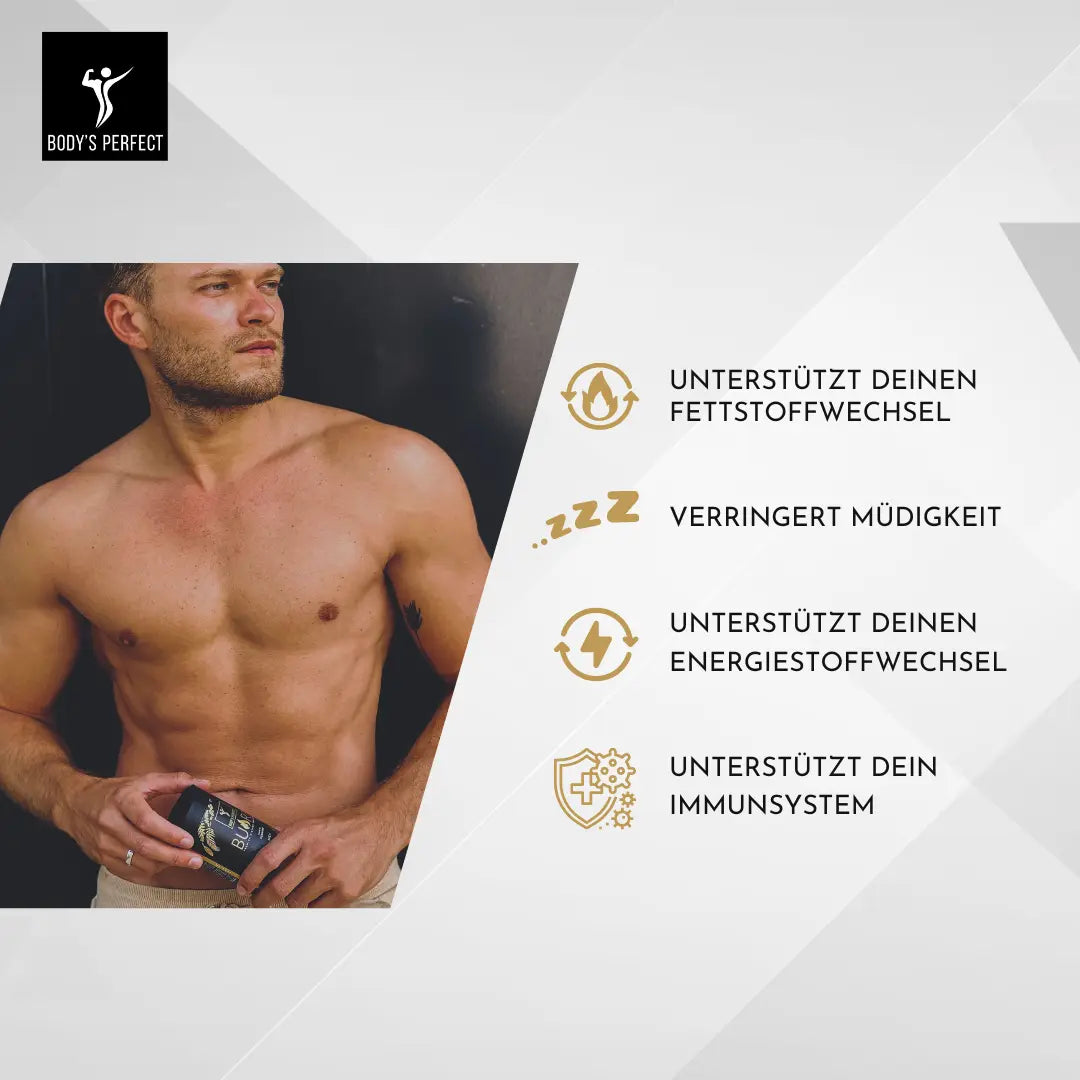
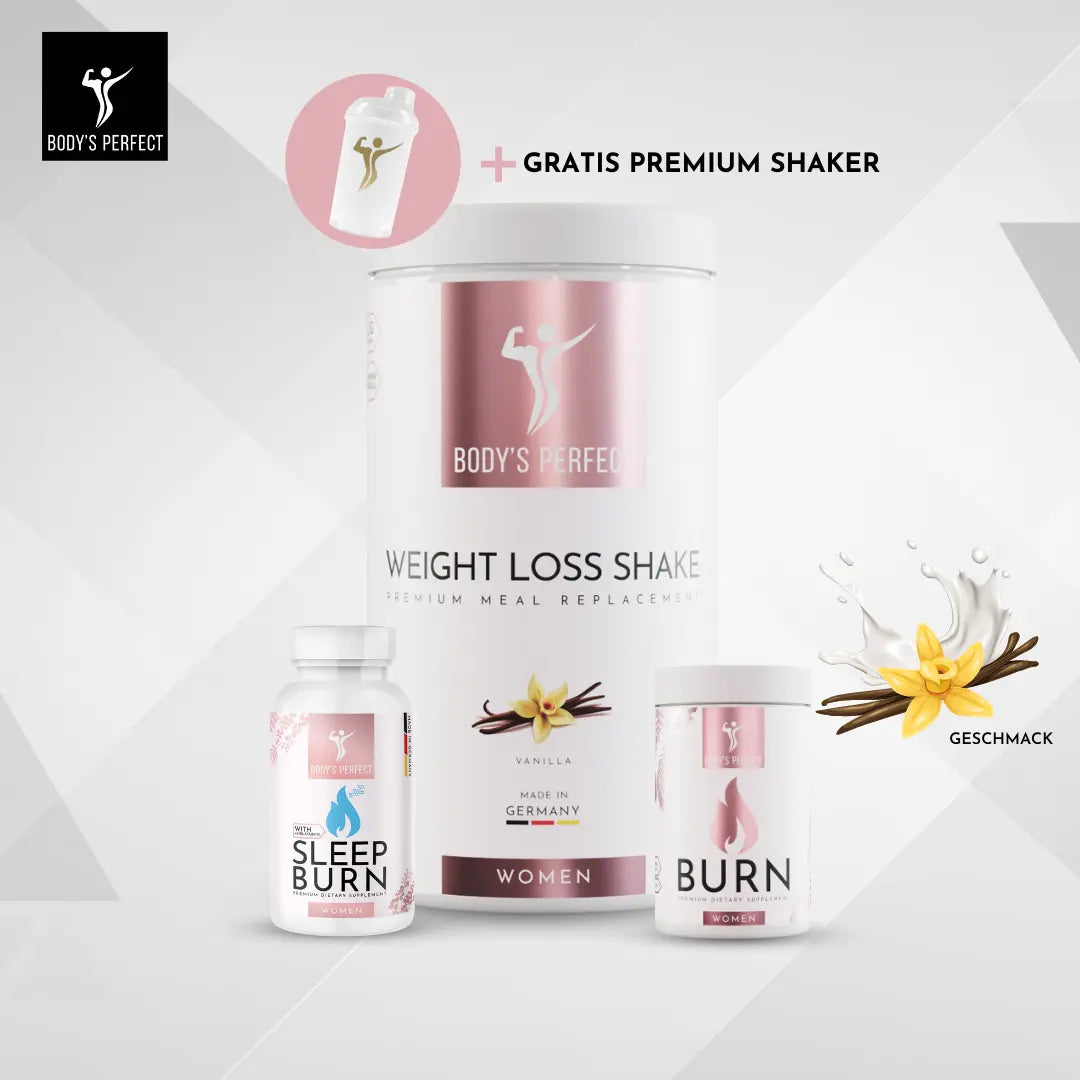
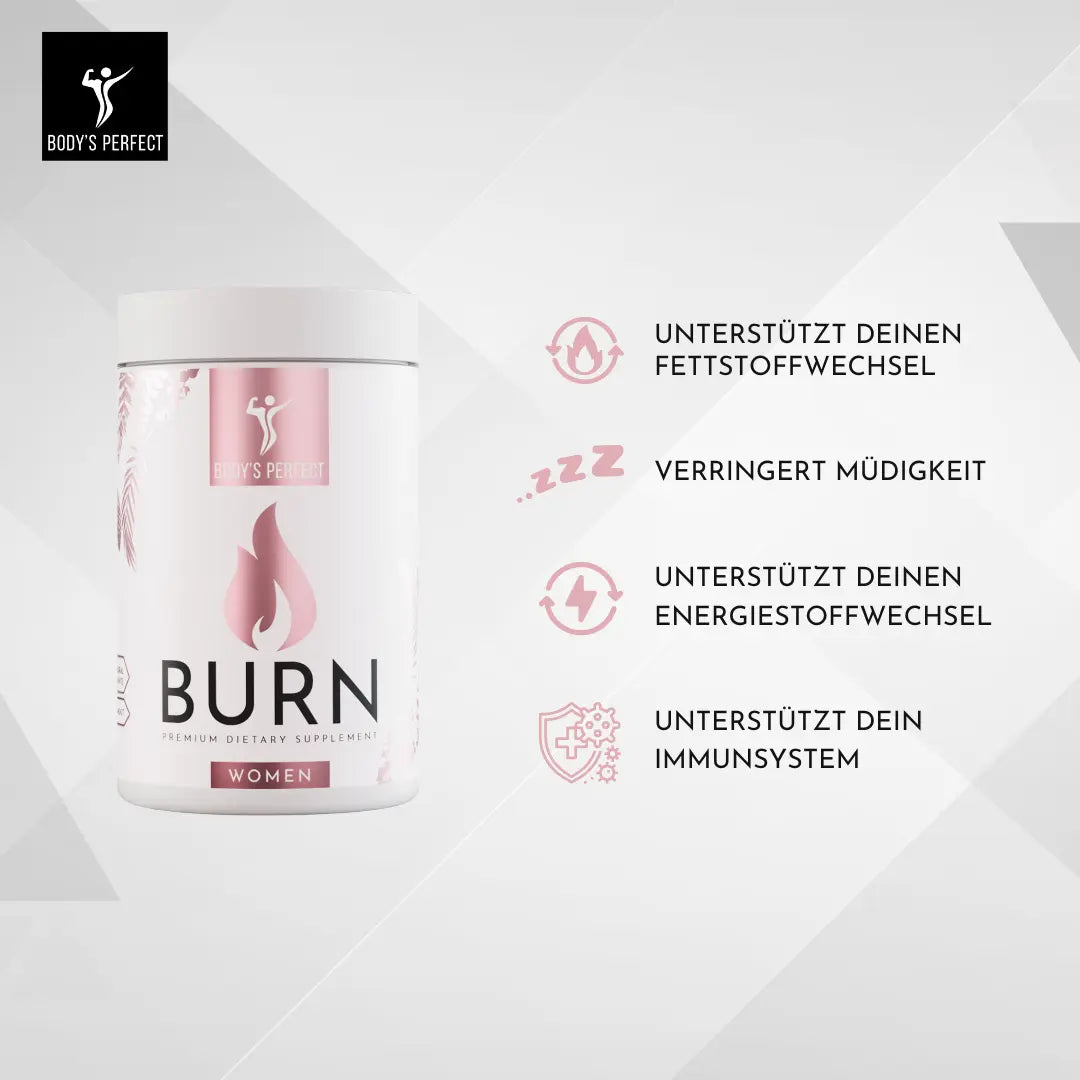
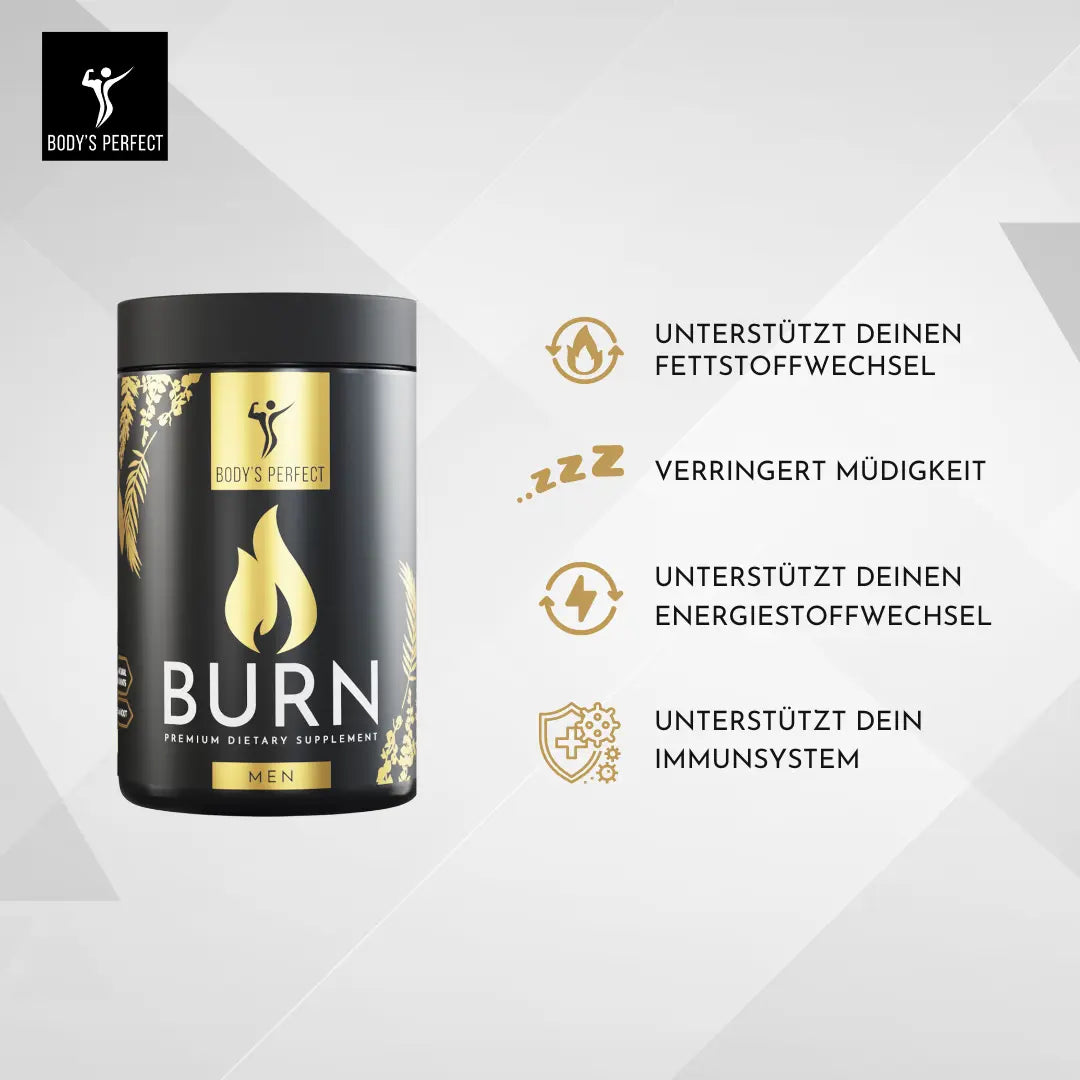
Do you want to help your body regenerate better at night so you can get back into action during the day? BODY'S PERFECT products are designed precisely for this – they can improve your sleep quality and help replenish your energy reserves naturally.
See how you can regain your energy.





















Share:
Can you take zinc and magnesium together? The answer will surprise you
The Best Recipe for Banana Protein Pancakes