


You're giving your all in training, meticulously watching your diet – yet the scale isn't budging? Almost everyone knows that feeling of frustration. But the reason usually isn't that you need to work even harder. Often, the answer lies in things we easily overlook: a misjudged calorie balance, muscle gain, hormones, or even stress and lack of sleep.
Why you're not losing weight despite exercise
If you've ever asked yourself that: You're definitely not alone. Countless people start highly motivated, only to be brought back down to earth by reality. But instead of throwing in the towel, let's take a closer look at the real causes. Most of the time, it's small, unconscious habits or biological processes that we simply aren't aware of and that subtly sabotage us.
This whole situation is so common that it even shows up in major health statistics. Although awareness of a healthy lifestyle is growing, obesity is a huge issue in Germany. Current figures show that the obesity rate has continued to rise in recent years. According to the Robert Koch Institute, the proportion of obese adults climbed from 12.2% in 2003 to 19.7% in 2023. This means that almost one in five people in Germany is considered obese – and among them are many who exercise regularly. If you want to delve deeper, read the full study on health trends in Germany here.
The real reasons for the standstill
In this article, we'll shine a light into the dark corners and examine the factors that can truly hinder your success. We'll go a step further than the usual advice and show you where the real pitfalls lie.
- The deceptive calorie balance: We tend to massively overestimate the calories burned during exercise and at the same time underestimate what we eat. A classic mistake.
- Muscles weigh more than fat: You're doing strength training? Great! But don't be surprised if the scale shows more, even though your body is getting firmer and more defined.
- Invisible weight loss inhibitors: The enormous influence of stress, poor sleep, and hormones on metabolism and hunger is often completely ignored.
- Ineffective training: More is not always better. We'll look at how to design your training to genuinely target fat burning.
Your body is not a simple calculator where "calories in, calories out" always leads to the same result. It is a complex system that responds to nutrition, exercise, regeneration, and your mental well-being.
So, instead of fumbling in the dark, you'll get a clear analysis and concrete solutions here. This way, you'll learn to correctly interpret your body's signals and finally adjust your strategy so it works.
The hard truth about your energy balance
Let's start with what really matters. The most important principle for losing weight is actually quite simple: You only lose weight if you burn more calories than you eat. This is called a negative energy balance or calorie deficit. Sounds simple, but this is where the biggest trap lies and often the honest answer to the question "Why am I not losing weight despite exercise?"
Many of us dramatically overestimate how many calories are actually burned during exercise. An intense half-hour run? Great for circulation! Calorie-wise, however, that can be completely offset by a single chocolate bar or the cozy latte macchiato afterward. The hard truth is: Your diet accounts for about 70% of your weight loss success. Exercise contributes the remaining 30%.
Why your exercise often can't compensate for calories
Our body is a master at saving energy. Even a sweaty workout often burns much less than most fitness trackers want us to believe. These devices can overestimate actual consumption by up to 40% because they can only roughly estimate your individual metabolism or how intensely you are truly training.
Exercise is fantastic for your health, muscle building, and well-being. But as a sole tool for weight loss, it's often not strong enough to offset a high-calorie diet.
This discrepancy between perceived and actual consumption is a real problem.
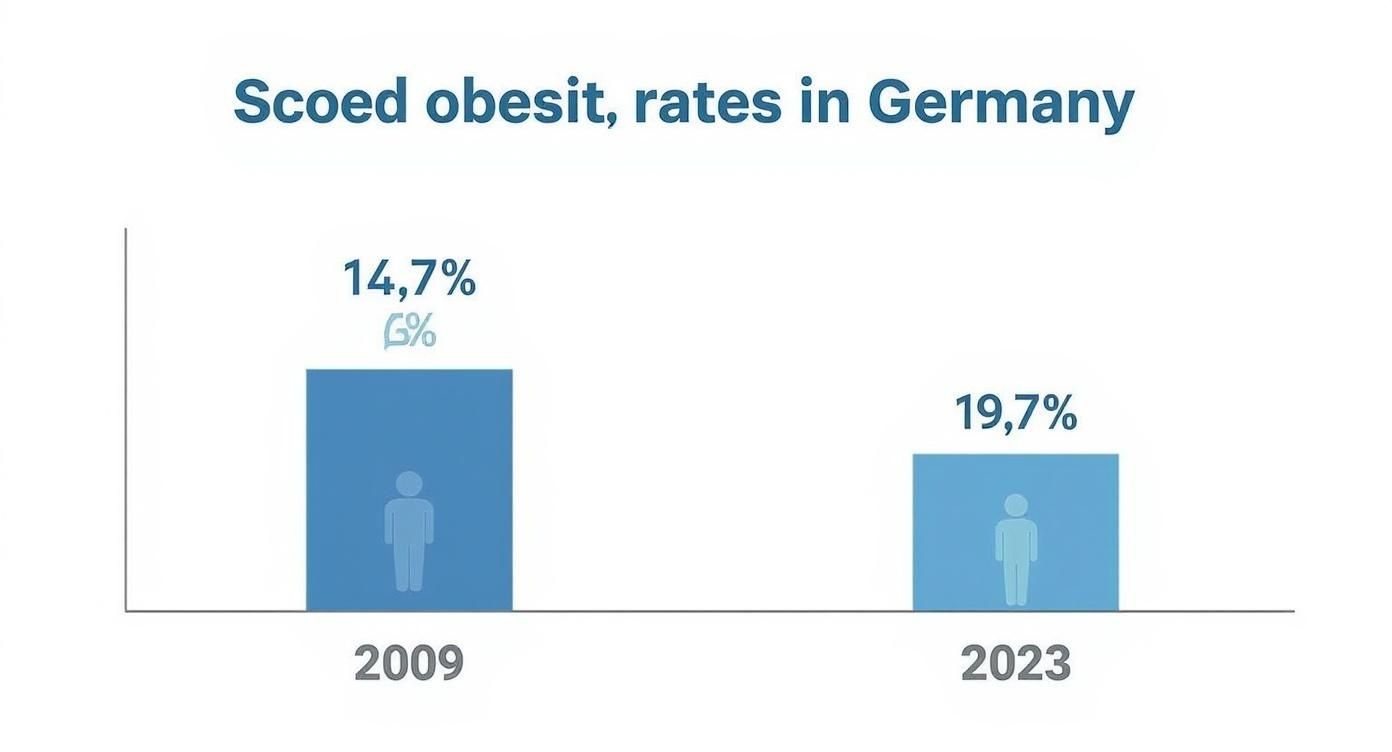
The data in the graphic makes it clear: Although more and more people are paying attention to their health, severe overweight is increasing. This only underscores how crucial diet truly is.
The math behind fat loss
Another point many people forget: To lose a single kilogram of pure body fat, you need to create a hefty deficit of around 7,000 kilocalories.
If you want to lose about half a kilo per week in a healthy and sustainable way, you need a daily deficit of approximately 500 kcal. Achieving this value solely through exercise is simply not feasible for most people in everyday life.
Calorie consumption in sport versus calorie intake in everyday life
This table shows how quickly the calorie consumption through exercise is compensated by everyday foods.
| Sporting Activity (30 minutes) | Approximate Calorie Consumption (70 kg Person) | Foods with Similar Calorie Content |
|---|---|---|
| Jogging (moderate) | approx. 300 kcal | A slice of cheesecake |
| Cycling (moderate) | approx. 250 kcal | A large portion of fries |
| Strength Training (intense) | approx. 220 kcal | A croissant with chocolate |
| Swimming (leisurely) | approx. 200 kcal | A glass (200 ml) of orange juice and a handful of nuts |
The numbers speak for themselves. A small reward after training can undo all the effort in terms of calories.
The foundation for your success is therefore to realistically estimate your calorie needs and adapt your diet accordingly. Imagine your diet is the steering wheel and exercise is the turbo.
If you want to know exactly how to find your personal deficit, check out our guide. There we explain step-by-step how to calculate your calorie deficit for weight loss.
How your diet sabotages your training success
Do you know that feeling? You come back from exercising, feel great, and think: "I've earned something now!" And suddenly an extra portion lands on your plate or the chocolate bar in your hand. Exactly this thinking is one of the biggest traps if you're not losing weight despite exercising.
We tend to want to reward ourselves for the effort and often end up eating more calories than we just painstakingly burned. This is not imagination, but a widespread pattern.
A German study with young adults between 19 and 29 years old showed this very well: After 45 minutes of exercise, participants ate on average more than after an equally long rest period. So, you often unconsciously compensate for the calorie consumption again – or even overshoot the mark. If you want to delve deeper into the matter, you can read the findings of the study here.
So, it's not just about how much you eat, but also about the unconscious decisions you make once the workout is over.
The quality of your nutrients decides
But it's not just the reward trap. What exactly ends up on your plate also plays a huge role. Imagine your body after training like a construction site. It now needs the right materials to repair and build.
If you feed it junk – i.e., fast carbohydrates and hidden sugar – you're shutting down the work on the construction site. Fat loss is stalled. But if you give it high-quality building materials like proteins and complex carbohydrates, you promote regeneration and muscle building. And more muscles, as you know, burn more calories, even when you're just sitting on the sofa.
Your body isn't just screaming for calories after exercise, but for targeted nutrients. Protein is your best friend here: it keeps you feeling full for a long time, protects your muscles, and prevents cravings.
Many fall into the trap of supposedly healthy snacks. A muesli bar here, a fruit yogurt there, or a "fitness drink" – but often these are pure sugar bombs. They send your blood sugar levels soaring and ensure that your body stores even more fat.
How to break the pattern
To break out of this vicious cycle of hard training and subsequent overcompensation, you need smart habits. It's about making conscious decisions that truly support your training success, rather than nullifying it.
Here are three simple but incredibly effective tips:
- Plan your post-workout meal: Have something prepared! A protein-rich shake or a pre-cooked meal prevents you from reaching for the wrong thing out of sheer hunger.
- Pay attention to nutrient distribution: Each of your meals should contain a good source of protein, healthy fats, and complex carbohydrates. This combination keeps you full and your blood sugar stable.
- Drink enough water: We often confuse thirst with hunger. A large glass of water before and after exercise can work wonders and save unnecessary calories.
Clever nutrient planning is the be-all and end-all. If you're unsure how to use carbohydrates specifically, check out our guide. There you'll learn how many carbohydrates are truly sensible for weight loss.
Why muscles weigh more than fat, and your body still changes for the better
The number on the scale can be a real motivation killer. You're giving your all in training, watching your diet, yet the needle barely moves – or even climbs a bit. That's frustrating and unfortunately a point where many throw in the towel. But often, this isn't a setback, but on the contrary: one of the biggest strides you can make.

When you start strength training, something fantastic happens: you build valuable muscle mass. Muscles are essentially the engine of your body – they burn calories, even at rest. The slight catch: muscle tissue has a higher density than fat tissue.
Just imagine a kilo of muscle and a kilo of fat side by side. The fat package would be much larger, fluffier, and take up significantly more space. Muscles, on the other hand, would be compact, firm, and toned.
A kilo of muscle naturally weighs exactly as much as a kilo of fat. The crucial difference is volume. Because muscles are denser, they take up much less space in your body at the same weight.
What does that mean for you? You can lose fat and build muscle at the same time. The scale might not change at all, but your body will become firmer and more defined. Your clothes will fit looser, and you'll suddenly like your reflection much more. So, if you're seemingly not losing weight despite exercise, this positive transformation process could be the reason.
How to truly measure your progress meaningfully
It's time to say goodbye to the scale as your sole measure. It tells only a tiny part of the story and ignores the truly important changes in your body composition. To stay on track and see your successes in black and white, you should rely on other, much more meaningful methods.
The following table provides an overview of alternative and more meaningful methods to track your weight loss success.
| Meaningful Methods for Progress Measurement | | :--- | :--- | :--- | :--- | | Method | What is measured? | Advantages | Frequency of Measurement | | Tape Measure | Circumference of waist, hips, chest, thighs | Shows loss of body fat (volume), even if weight remains the same. Very motivating! | Every 2-4 weeks | | Before-and-After Photos | Visual change in body shape and toning | Makes progress visible that one often doesn't notice in the mirror. A huge motivation booster. | Every 4 weeks | | Clothing Fit | How loose or tight clothes fit | A very practical everyday proof of your success, without numbers and pressure. | Regularly in everyday life | | Strength & Energy Log | Increase in training weights, endurance, general well-being | Shows functional improvements and better quality of life – what it's really all about. | Weekly/after each workout |
These methods give you a much more realistic and positive picture of what's happening in your body.
Especially for women, building muscles is crucial to shape the body and boost metabolism. Read more about how to optimize your training in our article on strength training for weight loss for women.
The hidden enemies of your success: Stress and lack of sleep
Sometimes the reason nothing is happening on the scale isn't on your plate or in the gym. Your body isn't a simple machine, but a complex system that reacts extremely sensitively to your well-being. Two of the biggest invisible enemies of your weight loss success are chronic stress and too little sleep.

You can imagine them as brakes applied: They throw your metabolism off track and can undo all your hard work.
How stress puts your body into survival mode
Are you constantly under pressure? Whether at work, in private life, or because you're putting too much pressure on yourself with your diet – your body reacts by releasing the stress hormone cortisol. Consistently high cortisol levels send a clear signal: Danger! Save energy and build up reserves!
For your figure, this unfortunately has several nasty consequences:
- Promotes fat storage: Cortisol ensures that fat is preferentially stored in the abdominal area.
- Triggers cravings: Suddenly you have an insatiable appetite for everything sweet, fatty, and high in calories.
- Slows down fat burning: Under stress, your body prefers to use quick energy from carbohydrates instead of tapping into its fat reserves.
Imagine chronic stress as a constant command to your body: "Store fat and break down muscle!" – exactly the opposite of what you actually want.
Why sleep is your secret superpower for weight loss
The combination becomes truly fatal when stress is accompanied by a lack of sleep. While you sleep, your body regulates the hormones that control your hunger and satiety. If you don't sleep enough, this delicate balance gets completely out of whack.
The hunger hormone ghrelin skyrockets, while the satiety hormone leptin plummets. The result? You wake up the next day ravenously hungry, even though your body doesn't need any additional energy. Studies have shown that even a single night of insufficient sleep is enough to trigger this mechanism and noticeably increase appetite.
Good sleep is therefore much more than just rest. It is the absolute prerequisite for a functioning metabolism. If you want to delve deeper into the topic, read our article on the important role of melatonin and good sleep. Often, precisely this holistic approach, which also includes regeneration and mental well-being, is the missing key to success.
Track down your personal weight loss blocker: Your checklist
Now we're getting to the bottom of it – specifically for you. You now know the most common stumbling blocks that can hinder weight loss despite exercise. With this checklist, it's your turn: Examine your own situation and find out what's blocking your progress.
Consider this an honest assessment. Sometimes you overlook the simplest things. So take a moment and go through the following points at your leisure.
Your personal analysis
1. Calories and Nutrition – How honest are you really?
- Are you tracking your calories? And I mean really everything? Including the dash of oil in the pan, the milk in your coffee, or the handful of nuts you grab quickly?
- What about your protein intake? Do you eat a decent portion of protein with every meal? This is crucial for staying full longer and protecting your muscles.
- Where do hidden sugar and fat traps lurk? Do you also take a look at the nutritional values of supposedly healthy snacks, convenience foods, or drinks? You might be surprised sometimes.
2. Your Training – Effective or just strenuous?
- What does your training plan look like? Have you been doing the same program for months? Your body is smart and gets used to it. So, are you introducing new stimuli through different exercises, more weight, or higher intensity?
- Do you combine strength and endurance training? Focusing only on cardio is a common mistake. Without strength training, you neglect valuable muscle mass, which is your best fat burner.
- Do you plan for breaks? Do you allow your body the necessary regeneration? Sometimes a conscious break or even an entire lighter week is exactly what you need to break through a plateau.
This self-reflection is not a judgment of you, but your most powerful tool. It shows you exactly which small adjustments you need to make to move forward again.
3. Your Lifestyle – The Invisible Opponents
- How is your sleep? Do you consistently get your 7-8 hours per night, or is your sleep often short and restless?
- How high is your stress level in everyday life? Do you often feel rushed and overwhelmed? Do you actively incorporate relaxation, for example, through a walk or conscious breathing exercises?
The answers to these questions are invaluable. Perhaps you'll realize that it's enough to increase your protein intake, incorporate more strength training, or simply go to bed an hour earlier.
If you want to dig even deeper and find out how your body individually reacts to fats, carbohydrates, and proteins, a DNA analysis can be extremely insightful. In our article, you can learn more about how to test your personal metabolism type and perfectly tailor your diet to it.
Your Questions, Our Answers: Losing Weight with Exercise
Do you still have questions? Perfect! Here we have compiled the most common concerns and ambiguities that we constantly encounter when it comes to "Why am I not losing weight despite exercise?" These answers are intended to quickly provide you with clarity and new motivation for your journey.
Is it normal for weight to plateau at the beginning?
Yes, it absolutely is! Especially when you're just starting strength training, it's totally normal for the scale to stay still or even show a small increase. This is because your body is building muscle – and muscle is simply heavier than fat at the same volume. So, don't get discouraged! Instead, grab a tape measure or pay attention to how your clothes fit. These are often better indicators of your success.
What is the most common reason for not losing weight?
The classics are usually an unconsciously high calorie intake, too little movement in everyday life (apart from the gym), and simply too high expectations at the beginning. Many of us overestimate how many calories are actually burned during exercise and then reward ourselves with something that negates the entire deficit. But poor sleep and chronic stress can also throw your hormones off balance and actively block fat loss.
If your weight stagnates, it's rarely a reason to give up. Rather, see it as a sign from your body that a small adjustment is needed – perhaps in your diet, regeneration, or simply the type of your training.
How often per week should I train to really see results?
To not only feel but also see results, three to four training sessions per week are generally a great guideline. But beware: much more important than the sheer number is the right mix. Combine targeted strength training to boost your metabolism with a few endurance sessions for your cardiovascular system. And don't forget the breaks! Your body builds muscle and burns fat during the rest phase, not while you're sweating.
When is the point at which I should see a doctor?
If, for a long time, you truly feel like you're doing everything right – you're eating at a calorie deficit, training regularly, sleeping enough, and managing your stress – and the scale stubbornly refuses to go down, then a doctor's visit may be advisable. Sometimes hormonal causes are behind it, such as an undiagnosed underactive thyroid, or certain medications are slowing you down. This should then simply be clarified by a doctor.
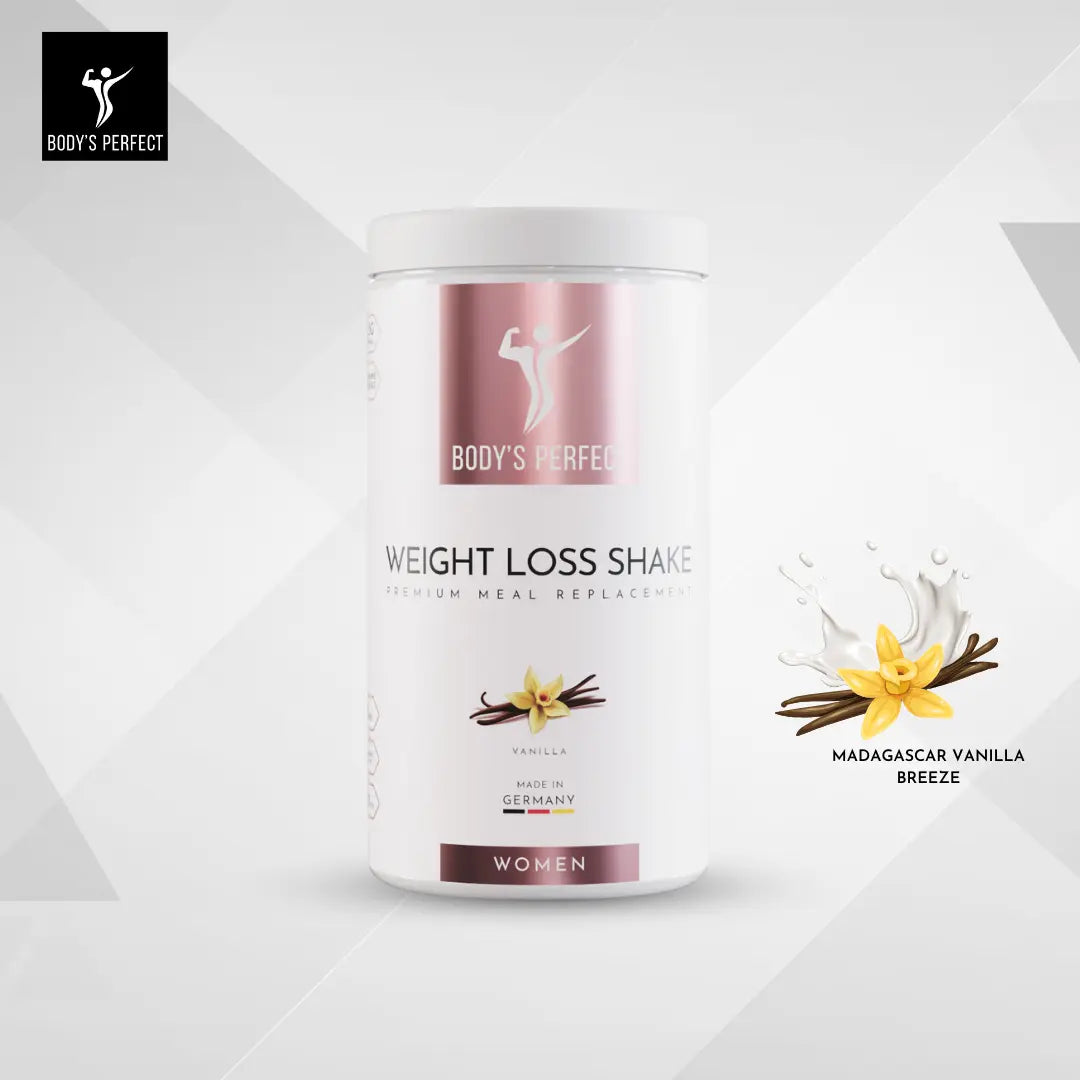
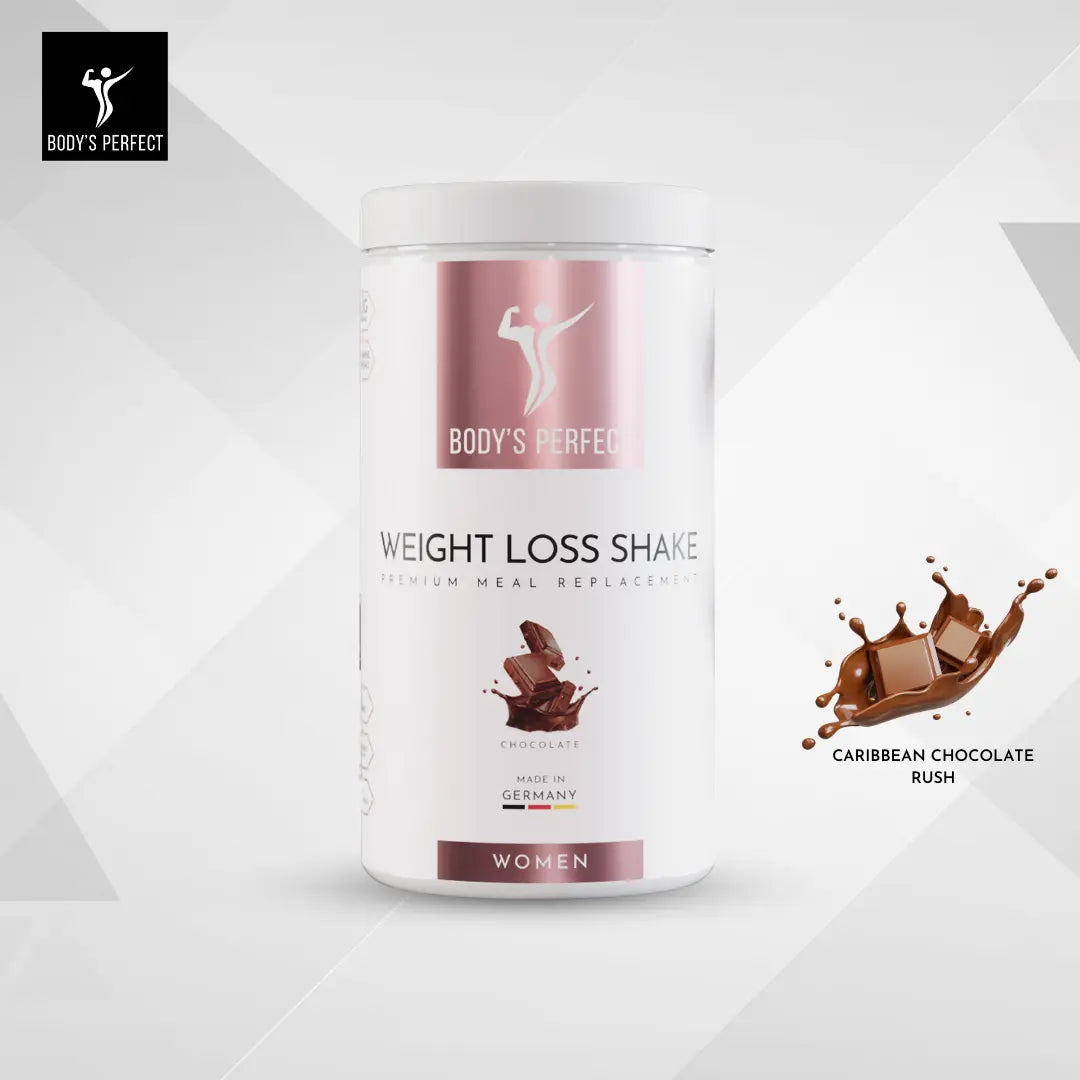
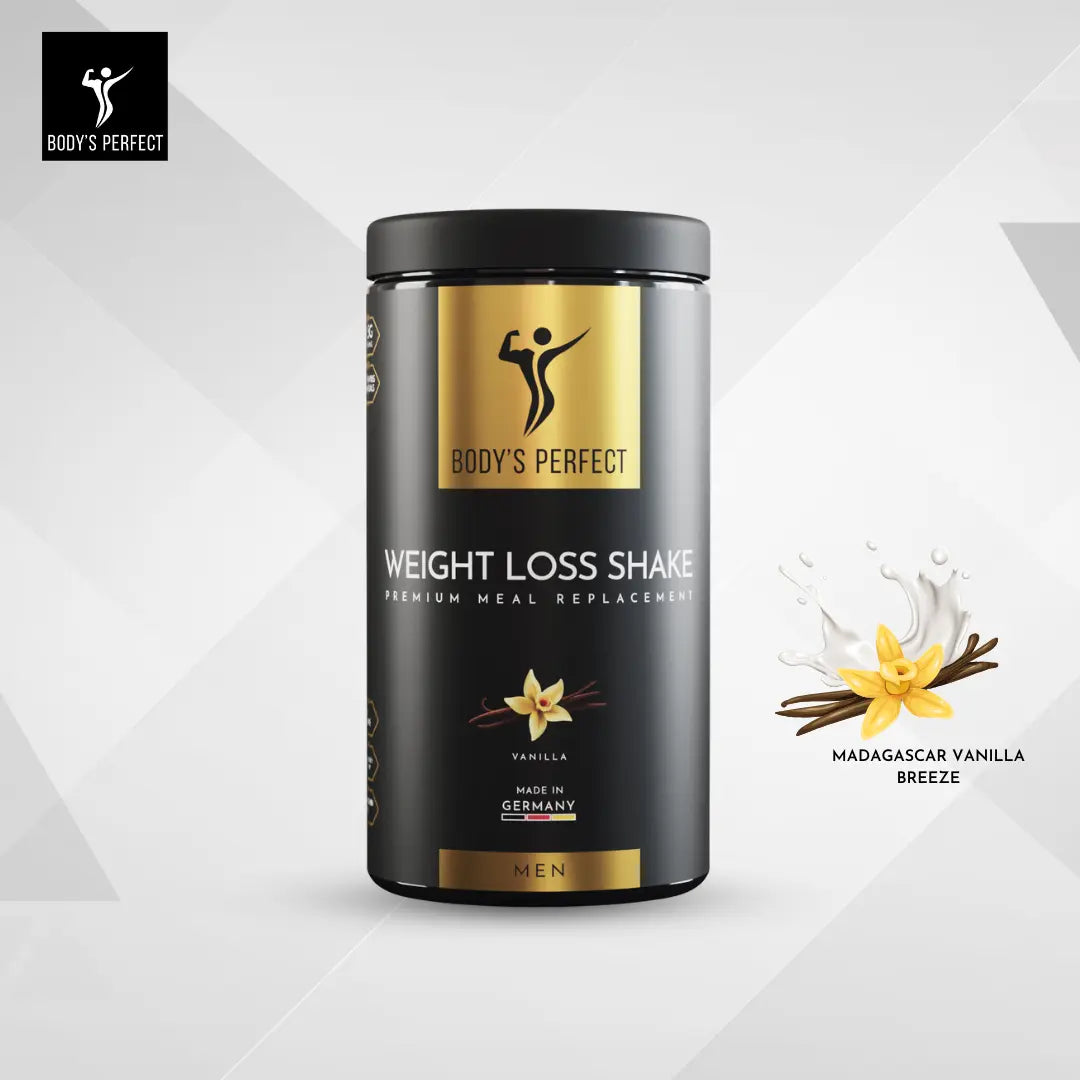
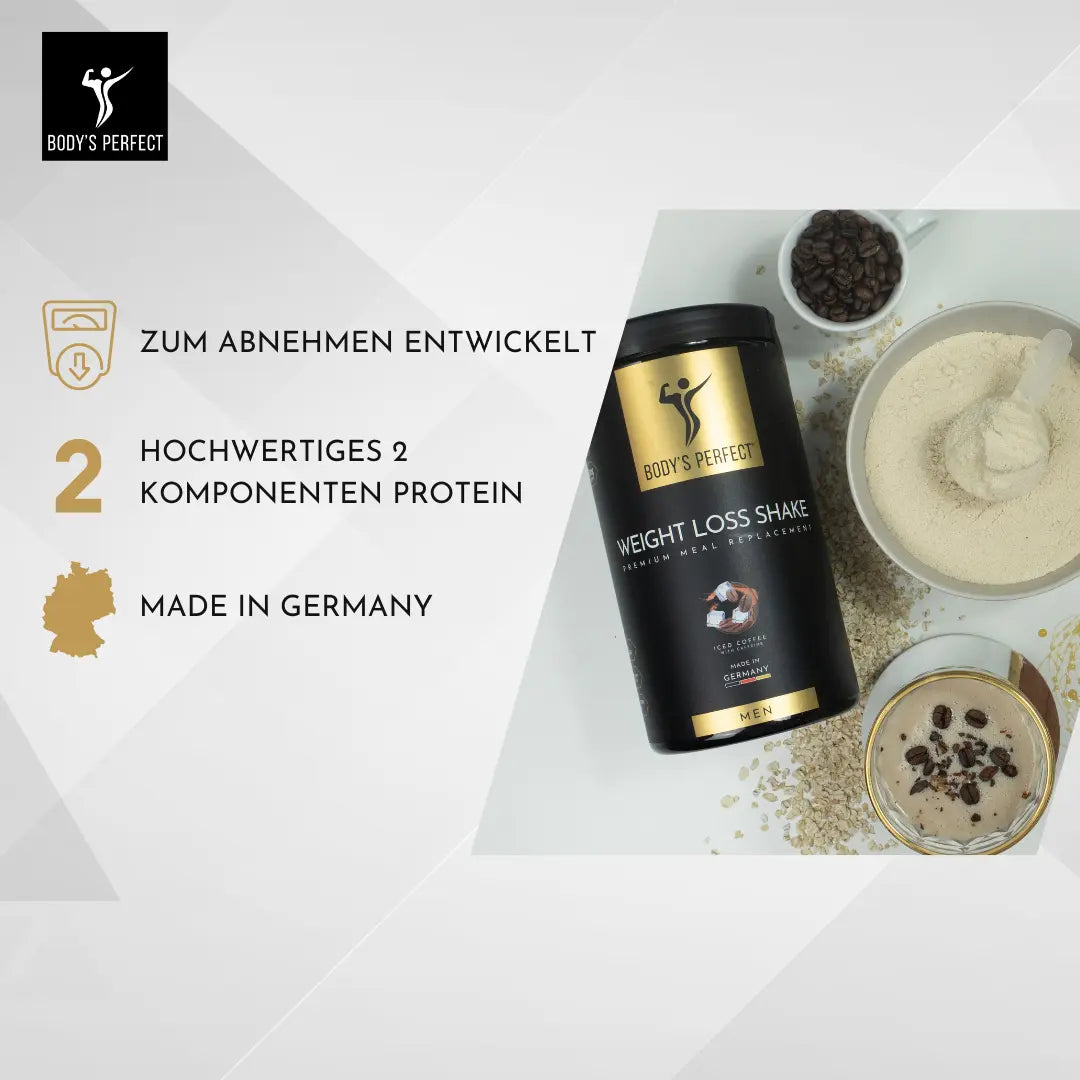
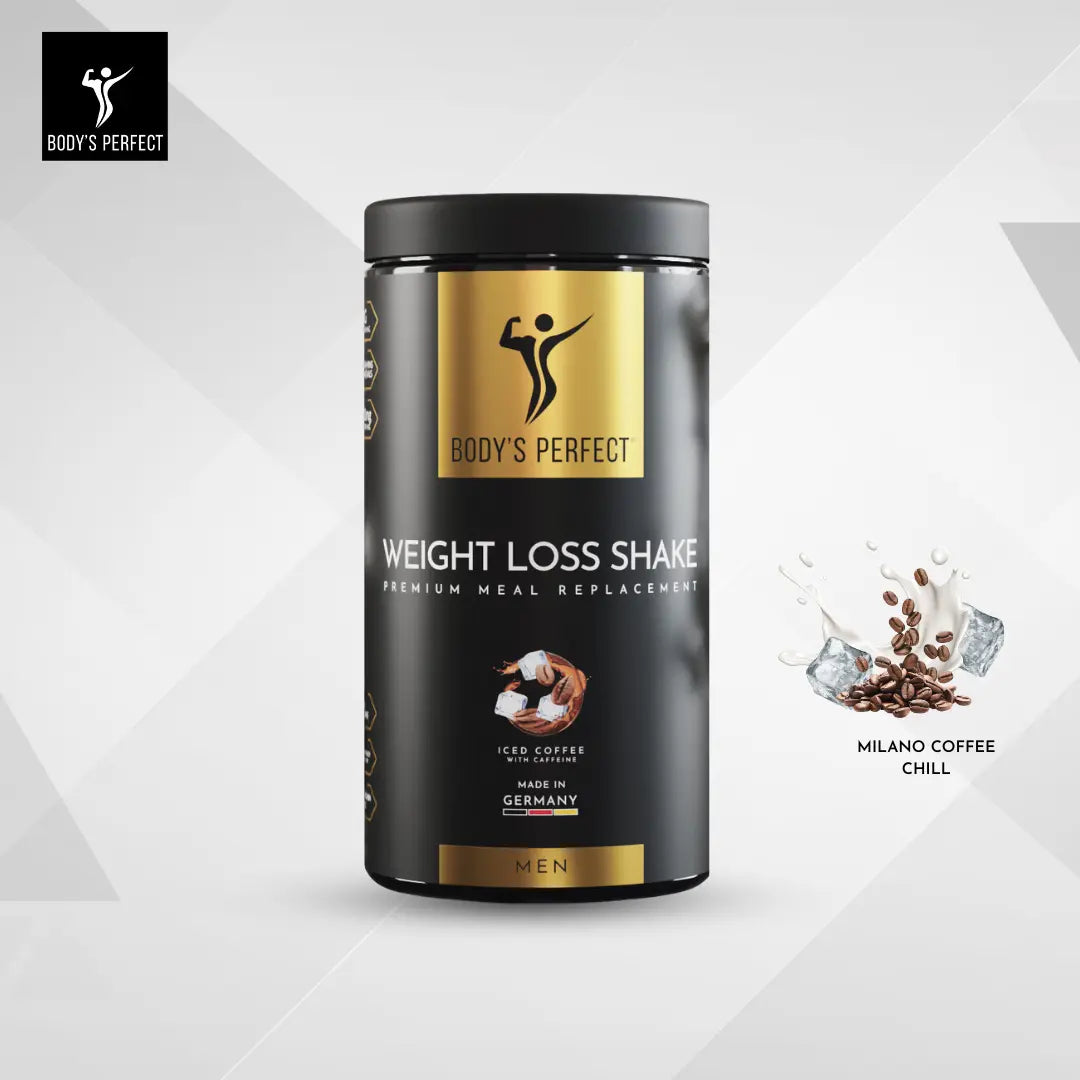
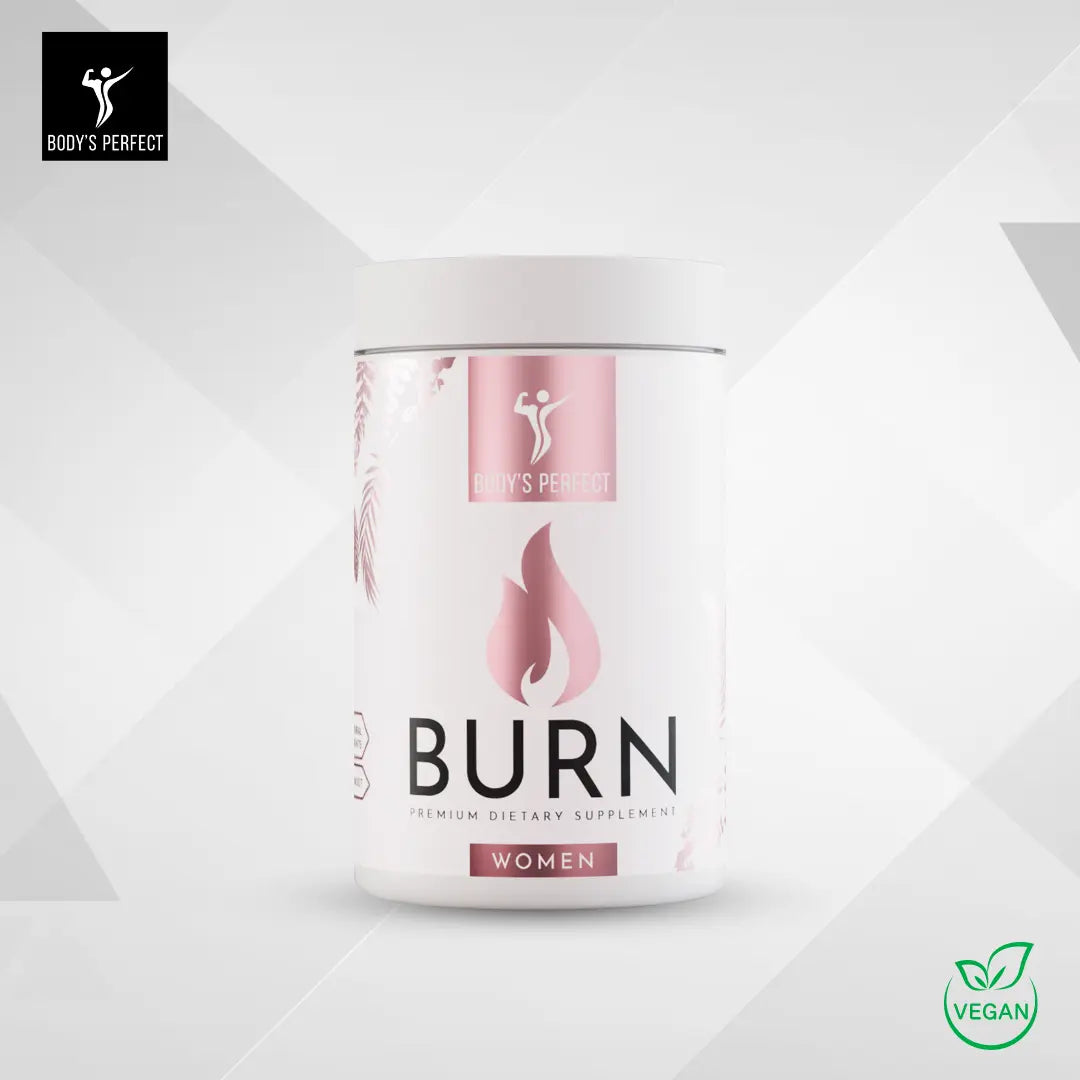
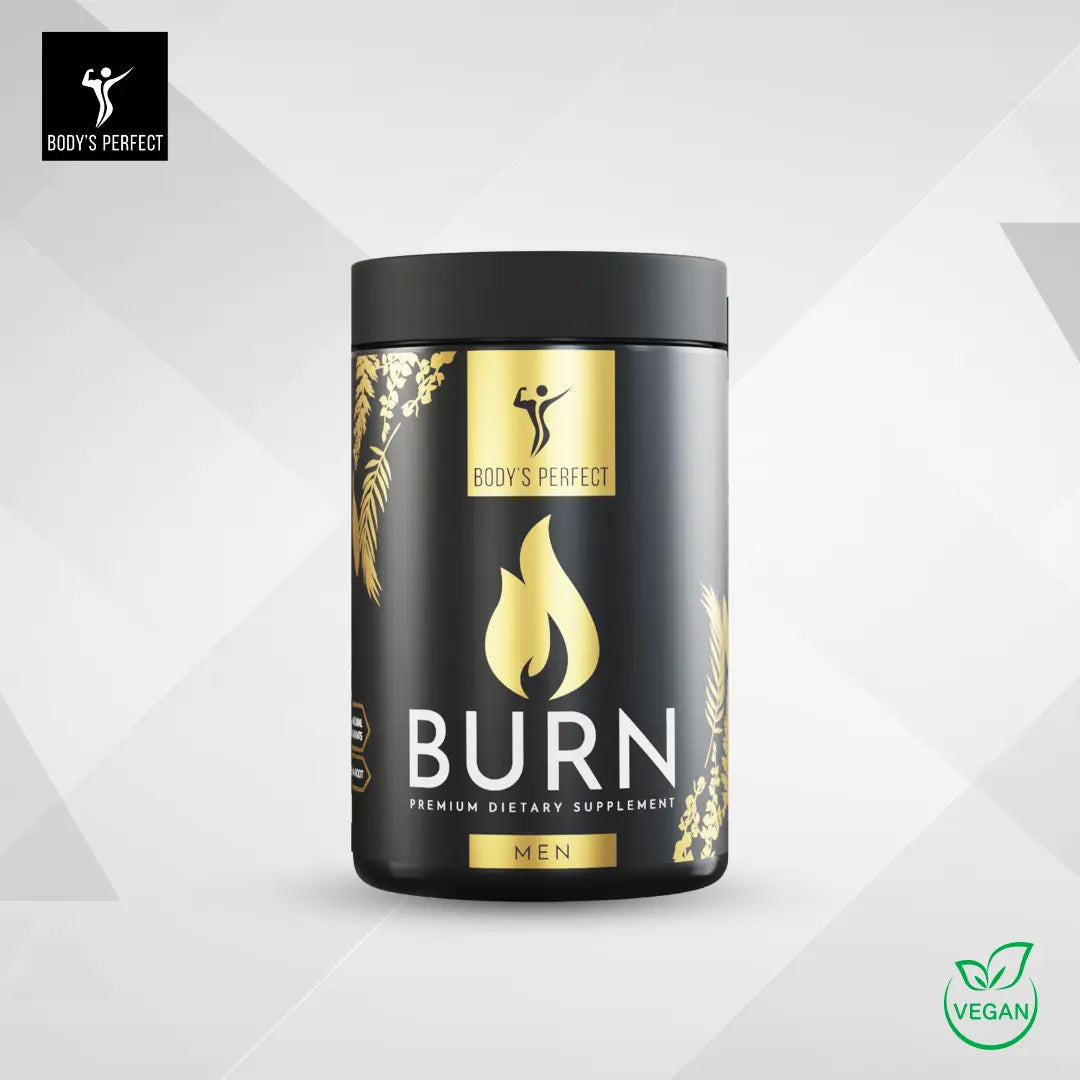
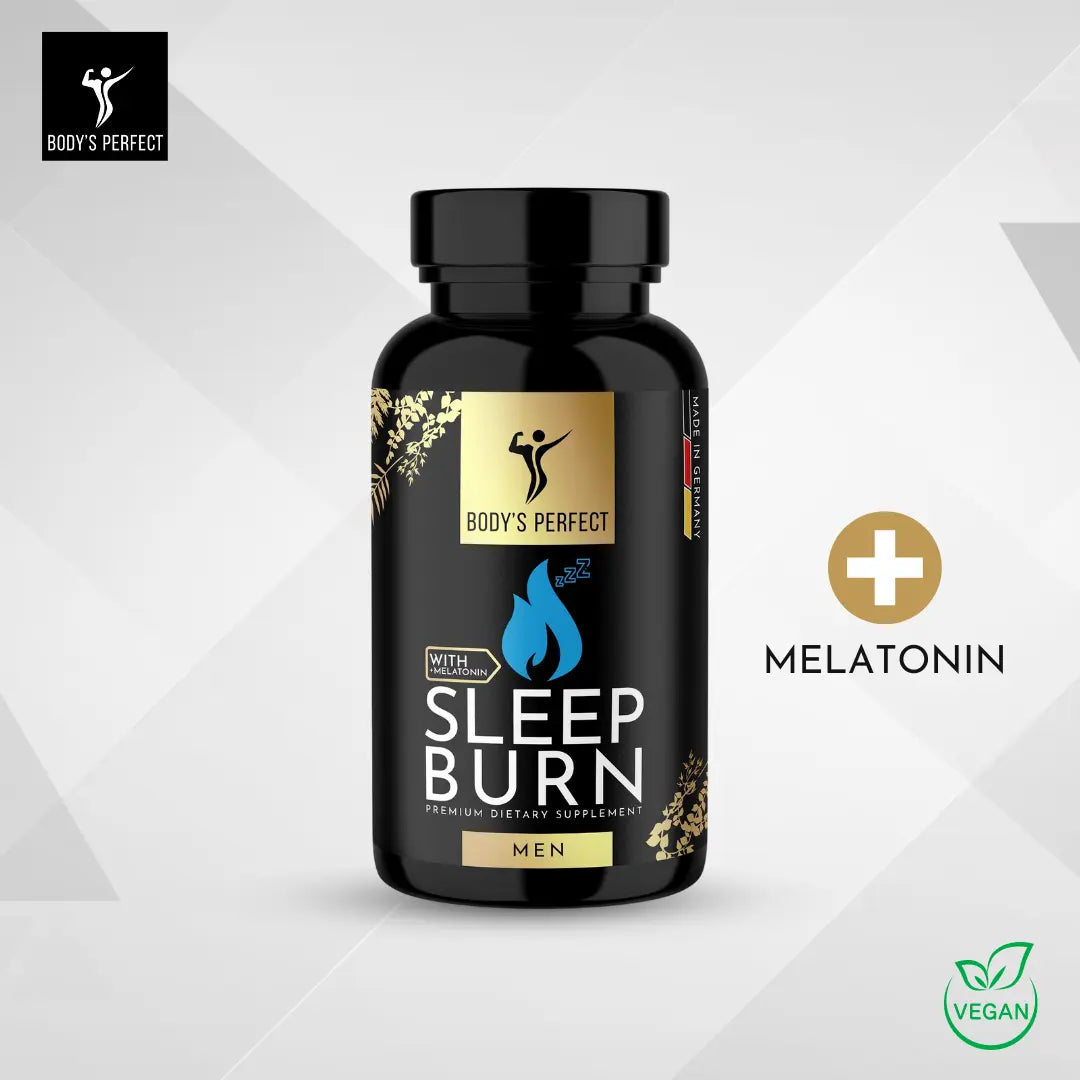
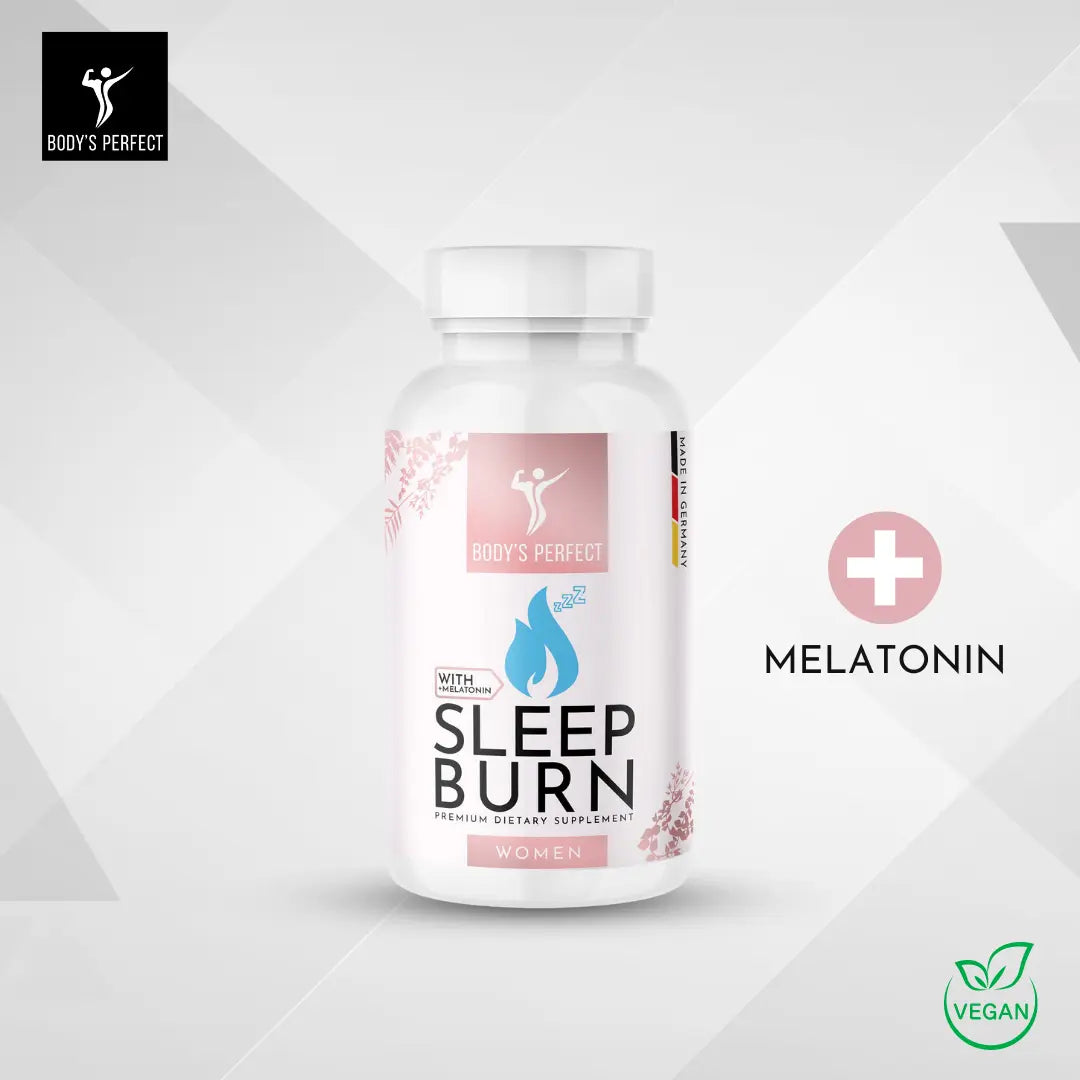
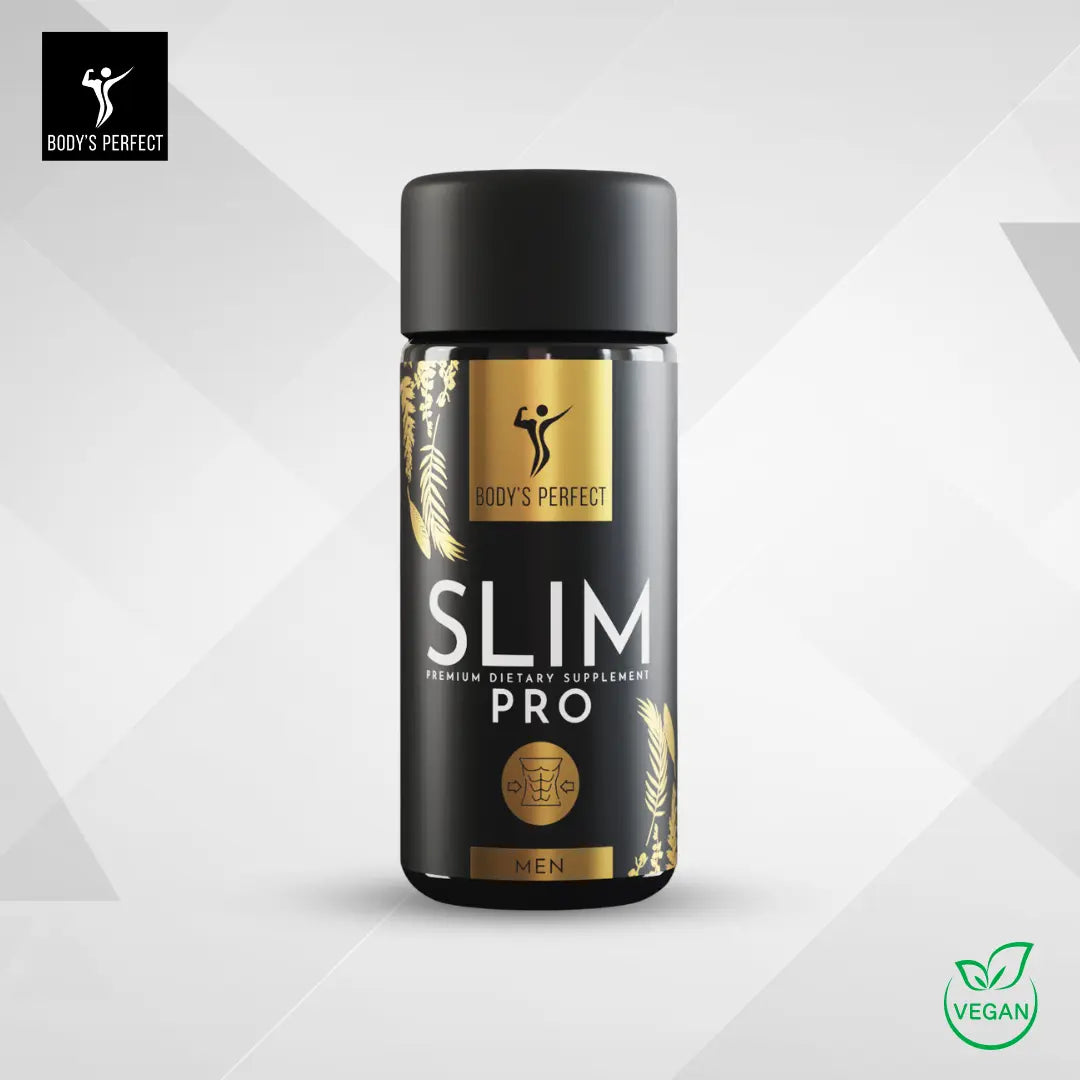
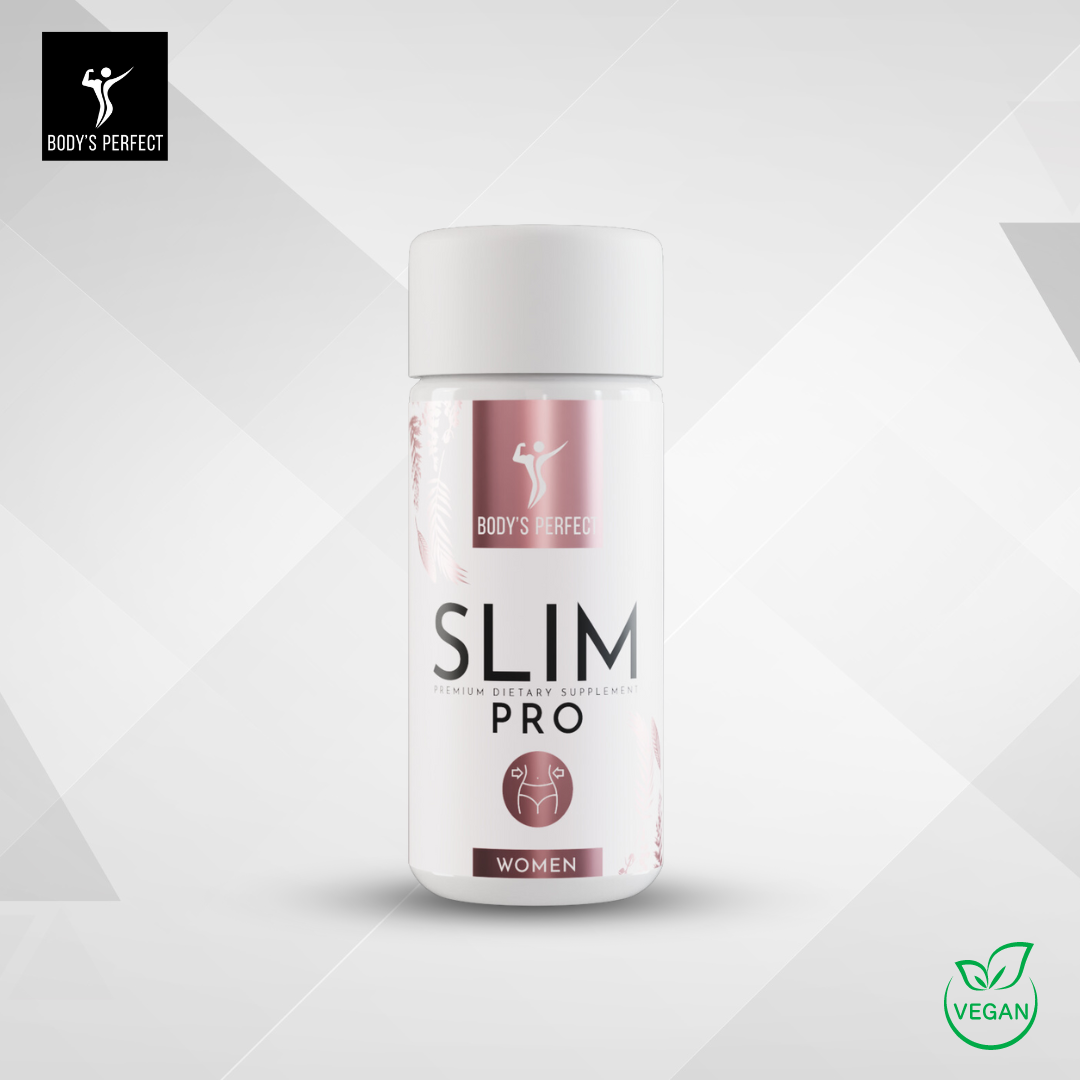
Do you finally want to understand how your body truly works and tailor your diet precisely to your metabolism? The products from BODY'S PERFECT and our individual DNA analyses provide you with exactly the personal answers you need for your breakthrough. Find the key to your feel-good weight now at https://bodysperfect.com.




















Share:
10 Healthy Weight Loss Recipes for Your Success in 2025
DNA Test for Weight Loss Reviews: How Your Genetic Code Paves the Way to Your Feel-Good Weight