

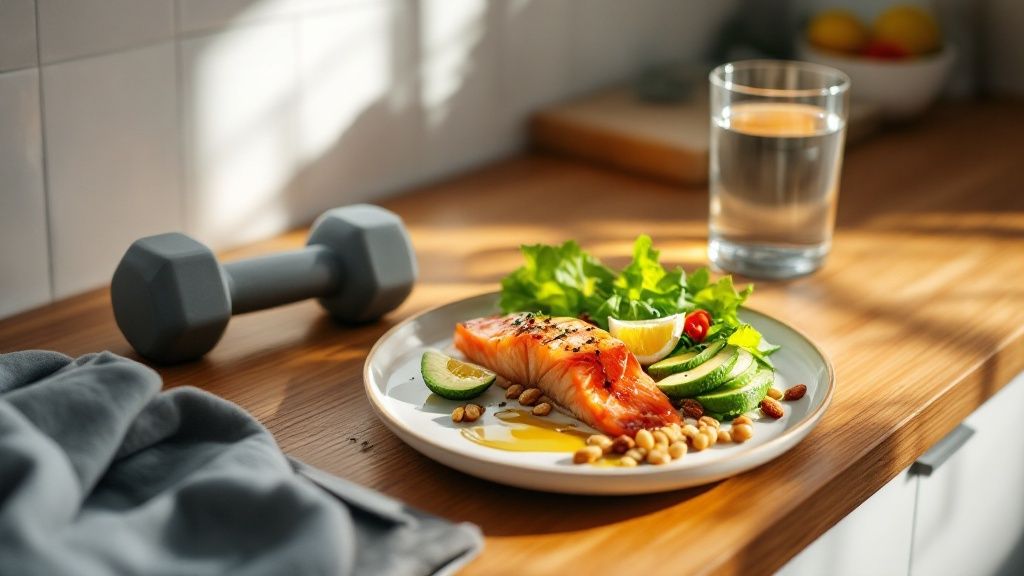
Do you want to turn your body into a true fat-burning machine? Perfect! That means we'll teach it to use fat instead of sugar as its primary energy source. This switch is the key to stable energy throughout the day – without the usual afternoon slump. It's less about calorie counting and more about sending the right hormonal signals.
How your body becomes a fat-burning machine
Imagine your body like a hybrid car. It has two different tanks: one for fast "premium fuel" (sugar from carbohydrates) and one for long-lasting, efficient "diesel" (fat).
Most of us constantly drive on premium fuel only. Every time you eat pasta, bread, or a sweet snack, your blood sugar spikes. In response, your body releases insulin. This hormone has a clear task: to quickly transport sugar from the blood into the cells, where it is immediately burned.
The problem with that? As long as insulin is in play, fat burning is completely blocked. Your body gets the signal: "Hey, there's enough fast energy, we don't need to touch the fat reserves!" Any sugar that isn't immediately used goes straight into fat deposits under the influence of insulin. A vicious cycle.
To break this cycle, we need to call upon insulin's antagonist: the hormone glucagon. Glucagon always speaks up when blood sugar levels are low – meaning when you haven't eaten for a while or are avoiding carbohydrates. Its job is to signal to the body: "Okay, the sugar tank is empty, time to mobilize fat reserves!"
So, if you want to switch your metabolism to fat burning, the goal is simple: keep your insulin levels low for longer periods of the day. This gives glucagon the chance to really stoke fat burning.
The key lies in metabolic flexibility: your body's ability to effortlessly switch between sugar and fat burning. An inflexible metabolism is like a car that can only go to one gas station – and that one is usually empty when you need it most.
Why constant snacking slows you down
One of the biggest hurdles on the way to becoming a fat burner? Constant eating. Every little snack – yes, even the supposedly healthy apple in between meals – provokes another insulin release and immediately switches off fat burning.
Think about a typical day:
- Sweet cereal for breakfast.
- A latte macchiato in the morning.
- The obligatory pasta for lunch.
- A granola bar to combat the afternoon slump.
With such a pattern, your body hardly has a chance to ever enter fat-burning mode. It's constantly busy processing new carbohydrates throughout the day.
This basic understanding is crucial. It shows you why it's not just about eating less, but above all differently and less often. Once you've internalized this principle, the practical steps in this guide will suddenly make much more sense. You'll learn how to send your body the right signals. For a deeper insight into the basics, you can also read our article explaining how to specifically boost your fat burning.
The right nutrition to stoke fat burning
Your diet is the linchpin if you really want to reprogram your metabolism for fat burning. Forget complicated diets or strict starvation. It's much simpler: we need to send our body the right signals so that it learns to use fat as its primary energy source and stops constantly craving sugar.
The most direct way to achieve this is a diet rich in nutrients and low in readily available carbohydrates. By reducing sugar, white flour, and sugary drinks, your insulin levels will remain stable and low. This is exactly the starting signal for your body to finally tap into its fat reserves.
Your allies in the supermarket
To get your metabolism revving, you need foods that truly fill you up, don't spike your blood sugar, and are packed with valuable nutrients. Just focus on these three groups:
-
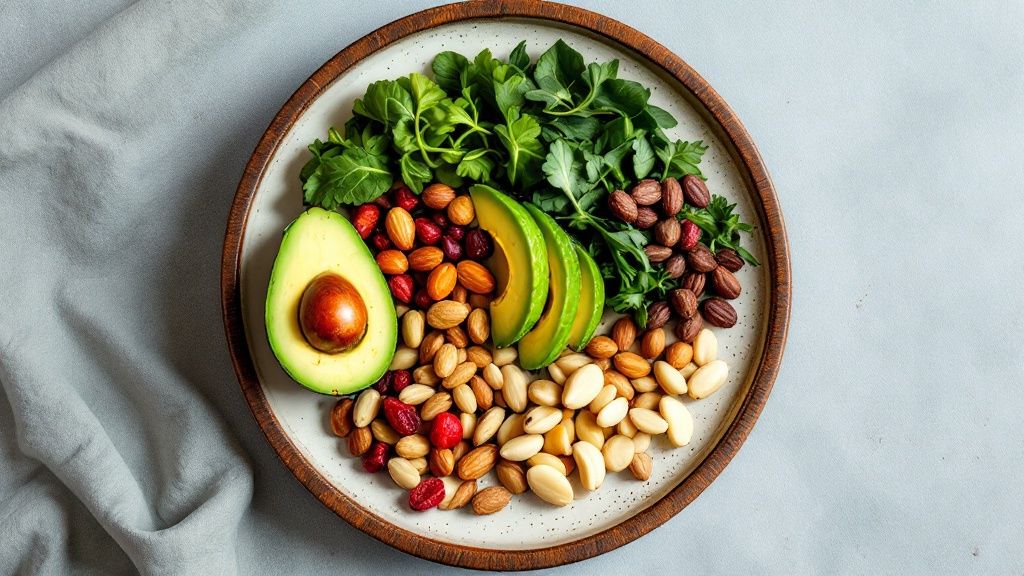
Healthy Fats: They are now your most important energy source. Reach boldly for avocados, good olive oil, nuts, seeds (like chia or flaxseed), and fatty fish like salmon. These fats are incredibly satiating and provide you with essential fatty acids.
-
High-Quality Protein: Protein is essential for protecting your muscles while losing weight and keeping you feeling full for a long time. Ideal sources include wild-caught fish, eggs from free-range chickens, pasture-raised meat, or even plant-based alternatives like lentils and chickpeas in moderation.
-
Fiber-Rich Vegetables: Eat the rainbow! Green leafy vegetables like spinach and kale, as well as broccoli, cauliflower, and bell peppers should form the basis of your meals. The fiber in them keeps your digestion healthy and provides a pleasant, long-lasting feeling of fullness.
A little background knowledge about fats can make a crucial difference here. Because not all fats are created equal. If you want to dive deeper into which fats are healthy and which you should avoid, we have compiled all the important information for you.
Always remember: it's about replacing empty calories with real nutrients. Every bite should do your body good, instead of just providing a short burst of energy that quickly dissipates.
Unmasking hidden sugar traps
Sugar is the biggest adversary when it comes to fat burning. The insidious thing: it often hides where you least expect it. Ready meals, dressings, sauces, and even supposedly healthy products like fruit yogurt or muesli are often true sugar bombs.
Make it a habit to check the ingredient list. Names like glucose syrup, fructose, dextrose, or maltodextrin are nothing more than cover names for sugar.
A simple everyday example: instead of buying a ready-made dressing, mix your own from olive oil, vinegar, mustard, and herbs. It takes less than a minute and saves you a lot of unnecessary sugar and additives.
What a typical day could look like
How do you put this into practice now? Here's a small example to inspire you:
- Morning: Three scrambled eggs, cooked in coconut oil, with half an avocado and a handful of fresh spinach.
- Lunch: A large colorful salad with grilled chicken breast, olives, cucumbers, tomatoes, and a simple olive oil dressing.
- Evening: A juicy salmon fillet from the oven, served with steamed broccoli and a generous drizzle of olive oil.
You see: no one has to starve here. These meals are filling, taste good, and give your body exactly what it needs to put fat burning into high gear.
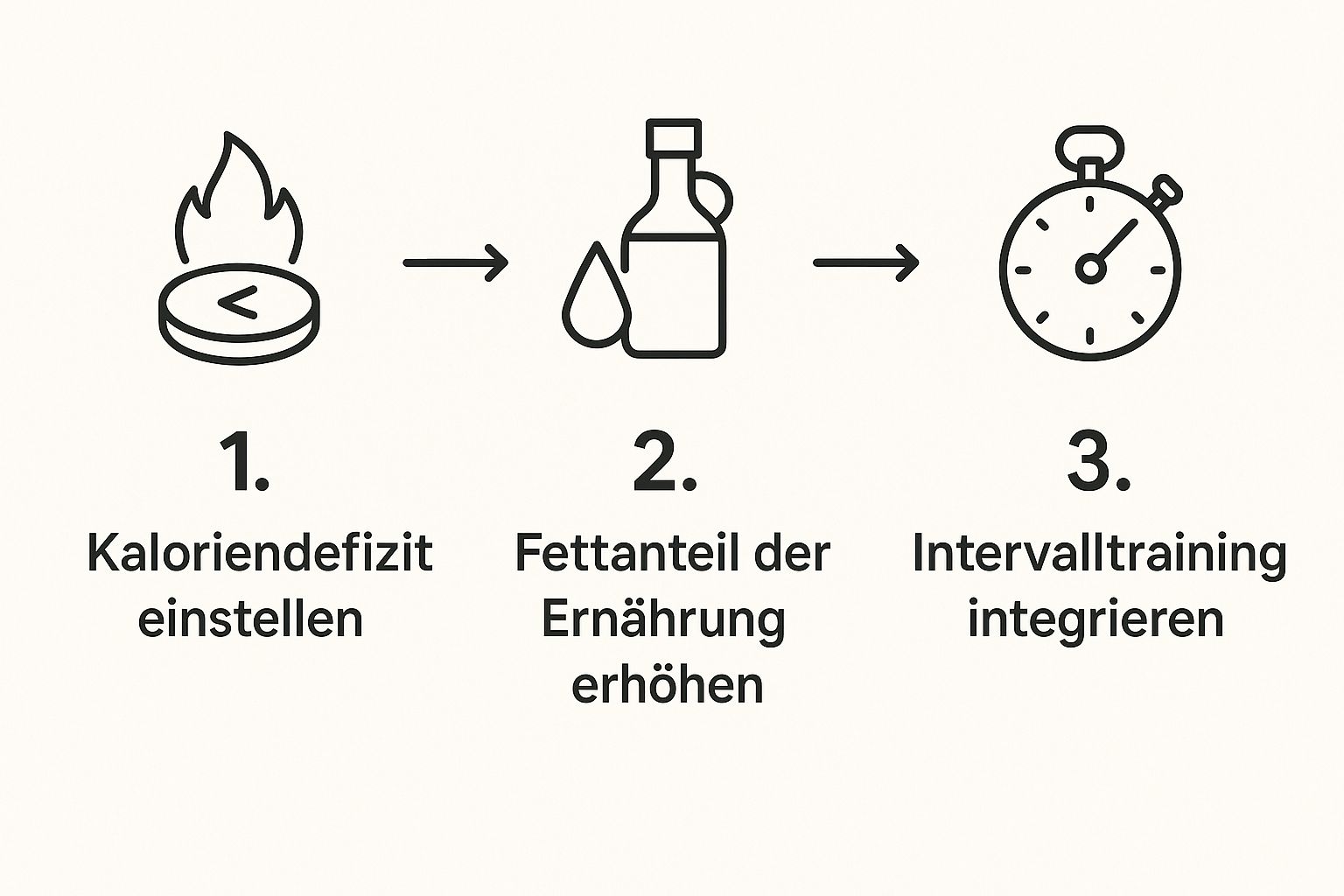
Current dietary guidelines confirm that a nutrient distribution of about 40-50% carbohydrates, 25-35% healthy fats, and 20-30% protein, combined with a slight calorie deficit, ideally supports fat loss. A moderate deficit of 300 to 500 calories per day is perfect for sustainable fat loss without slowing down your metabolism. You can find more on this, for example, at the mhplus health insurance company.
For the Advanced: Carb Cycling
If you've been at it for a while and want to break through a plateau or specifically improve your performance in training, carb cycling could be an exciting method for you. Here, you deliberately alternate between days with very few and days with more carbohydrates.
- On training days (high-carb): Around your workout, you eat a moderate portion of complex carbohydrates like sweet potatoes or quinoa. This replenishes your energy stores and gives you plenty of power for intense sessions.
- On rest days (low-carb): On these days, you deliberately keep carbohydrates low to maximize fat burning.
This strategy makes your metabolism more flexible and can help avoid hormonal adaptations that often occur during longer diet phases. It's a clever way to make carbohydrates work for you instead of completely banning them.
Your Training: How It Becomes a Fat-Burning Machine
In addition to nutrition, the right training is your strongest partner if you want to switch your metabolism to fat burning. But beware of common myths! Hours of monotonous grinding on the treadmill are not the ultimate solution. A clever combination of different types of training is much more effective.
Imagine each form of training sends a different signal to your body. If you combine them skillfully, you create the perfect conditions to tap into fat as a primary energy source, build muscle, and permanently raise your metabolism to a higher level.
The Foundation: Moderate Endurance Training
Moderate endurance training, often called Low-Intensity Steady State (LISS), is the basis for a fit fat metabolism. The principle is simple: you move for a longer period – let's say 30 to 60 minutes – at a steady, relaxed intensity. Think brisk walking, light jogging, or a bike ride where you could still comfortably hold a conversation.
The trick? At this moderate intensity, your body has enough oxygen to specifically access your fat reserves as an energy source. This training is particularly effective in the morning on an empty stomach. Because your carbohydrate stores are empty overnight, your body virtually has to go straight to the fat depots to get energy.
This is exactly what the often-quoted "fat burning heart rate" refers to. Studies show that at an exertion level of about 55 to 85 percent of maximum heart rate, the body burns the highest proportion of fat. The sweet spot often lies at about 65 percent of maximum oxygen uptake (VO2max), where around 70 percent of energy comes from fat metabolism. But remember: at the end of the day, it's the total energy consumption that counts, not just what you burn during training.
The Calorie Eater for Rest: Strength Training
While endurance training directly boosts fat burning during activity, strength training is your long-term ace up your sleeve. Every kilo of muscle mass you build is like a small power plant that burns energy around the clock – even when you're relaxing on the couch. Muscles increase your basal metabolic rate, which is the amount of calories your body needs in a complete resting state.
A higher basal metabolic rate simply means you can eat more without gaining weight, and your body burns more fat in everyday life. Strength training is therefore a direct investment in a permanently more active metabolism. It's best to focus on the big compound exercises that challenge many muscle groups at once:
- Squats: Train legs and core.
- Deadlifts: A real full-body booster.
- Bench Press: For strong chest, shoulders, and arms.
- Pull-ups or Rows: For a strong back.
Two to three intense strength training sessions per week are perfect for achieving visible results and sustainably shaping your body.
The Turbo: HIIT and the Afterburn Effect
High-Intensity Interval Training (HIIT) is the third and most intense pillar of your training plan. The principle is simple: you alternate between extremely short, strenuous phases (e.g., 20–30 seconds sprint) and short recovery phases (e.g., 60 seconds walking). A complete HIIT session often lasts only 15 to 20 minutes, but it packs a punch.
The huge advantage of HIIT is the so-called afterburn effect (EPOC – Excess Post-exercise Oxygen Consumption). After such an intense workout, your body needs significantly more energy hours later to regenerate and return to balance. So you continue to burn calories diligently even when you're already in the shower.
HIIT is like a turbo for your metabolism. It pushes your body to its limits and forces it to adapt. The result is a massively increased calorie consumption that extends far beyond the actual training time.
Your Weekly Plan for Maximum Impact
Okay, how do you put all this together? Here's an example of what a smart weekly plan could look like, focusing on synergy without burning you out:
- Monday: Strength training (full body)
- Tuesday: LISS (45 min. brisk walking or cycling)
- Wednesday: HIIT (15 min.) & then a short recovery session (e.g., stretching)
- Thursday: Active recovery (a nice walk)
- Friday: Strength training (full body)
- Saturday: LISS (60 min. light jogging) or a longer hike
- Sunday: Complete rest and recovery
This plan gives your body alternating stimuli and at the same time enough time for recovery – which is crucial for muscle building and your hormonal balance.
To support energy supply during training and subsequent regeneration, the amino acid L-carnitine can also play a role. It helps transport fatty acids into the mitochondria – the "powerhouses" of your cells. If you want to dive deeper, feel free to learn more about the effects and benefits of L-carnitine in our detailed article. This way, you'll understand how certain nutrients can optimally support your training goals.
The often underestimated role of sleep and stress
Okay, your diet is on point and your training plan is set? Perfect. But if you really want to switch your metabolism to fat burning, the crucial part often happens when you're neither eating nor training: at night in bed and in dealing with your daily stress.
Many dismiss these two factors as unimportant side issues. A huge mistake. In reality, they are the foundation on which all your success is built. Those who ignore them unwittingly sabotage all their hard work.
Why your sleep determines success or failure
Think about a single night with poor or too little sleep. What does that do to your body? It's so much more than just yawning the next day. Even a few hours of sleep deprivation throws your entire hormonal system out of whack.
Two crucial hormones immediately get out of balance:
- Ghrelin: The "hunger hormone" shoots up. Your body literally screams for quick energy, preferably in the form of sugar and empty carbohydrates.
- Leptin: At the same time, the "satiety hormone" drops. You simply don't feel truly full anymore, even after a wholesome meal.
This is a double attack on your discipline. You have more cravings and feel less satiated. In this state, it's almost impossible to make reasonable dietary choices.
As if that weren't enough, sleep deprivation also increases the stress hormone cortisol, which brings us directly to the next point. When your body is overtired, it switches into survival mode – and fat burning is certainly not on its priority list.
Good sleep is not a luxury, but a biological necessity for fat burning. During this time, your body regenerates, repairs muscles, and recalibrates your hormones for the next day.
Stress: The secret opponent of your fat burning
Stress is initially a completely normal reaction of the body. In the short term, it can even push us to peak performance. The problem begins when stress becomes chronic – the constant pressure at work, private worries, or simply the feeling of always being under tension.
This constant stress leads to a permanently increased release of cortisol. Originally, this hormone was meant to provide us with quick energy in dangerous situations by releasing sugar into the blood. However, since we rarely have to flee from a saber-toothed tiger today, this mechanism causes problems.
Consistently high cortisol levels signal to your body to conserve energy and store fat. Preferably directly on the belly. This stubborn belly fat is not only an aesthetic issue but also metabolically particularly active and harmful to health.
Research impressively confirms this. Scientists have shown that stress hormones like cortisol directly influence fat metabolism by controlling the balance between fat accumulation and breakdown in fat cells. Persistent stress thus promotes the development of overweight. If you want to delve deeper into the science behind it, you can read the findings of the University of Ulm here.
Your toolkit for better sleep and less stress
The good news is: You are not helplessly at the mercy of this cycle. Even small but consistent adjustments can make a huge difference.
For your sleep hygiene:
- Consistent Sleep Schedule: Try to go to bed and wake up at the same time each day, even on weekends. This stabilizes your internal clock.
- The Last Hour of the Day: Turn off all screens (phone, TV, laptop) at least one hour before bed. Blue light interferes with the production of the sleep hormone. Instead, read a book or listen to relaxing music.
- Dark and Cool: Your bedroom should be pitch black and rather cool. The optimal sleep temperature is around 18° C (64° F).
For Your Stress Management:
- The 4-7-8 Breathing Technique: Feeling stressed? Take a minute. Inhale through your nose for 4 seconds, hold your breath for 7 seconds, and then slowly exhale through your mouth for 8 seconds. Repeat this three times. It works wonders!
- Nature as Medicine: A 15-minute walk in nature has been shown to lower your cortisol levels. Simply use your lunch break for this.
- Digital Detox Evening: Set specific times when you consciously avoid looking at your phone or checking emails. Especially after work.
These strategies are not optional extras, but a central component to sustainably program your metabolism for success. For more tips on how to naturally support your metabolism, also check out our comprehensive guide on how to naturally boost your metabolism.
Clever Aids to Support You on Your Journey
The right nutrition, targeted exercise, and good stress management are and remain the foundation for shifting your metabolism towards fat burning. There's no getting around that. However, sometimes you can cleverly support the process with the right nutrients and optimize it even further. They are not miracle cures, but rather smart co-pilots on your journey.

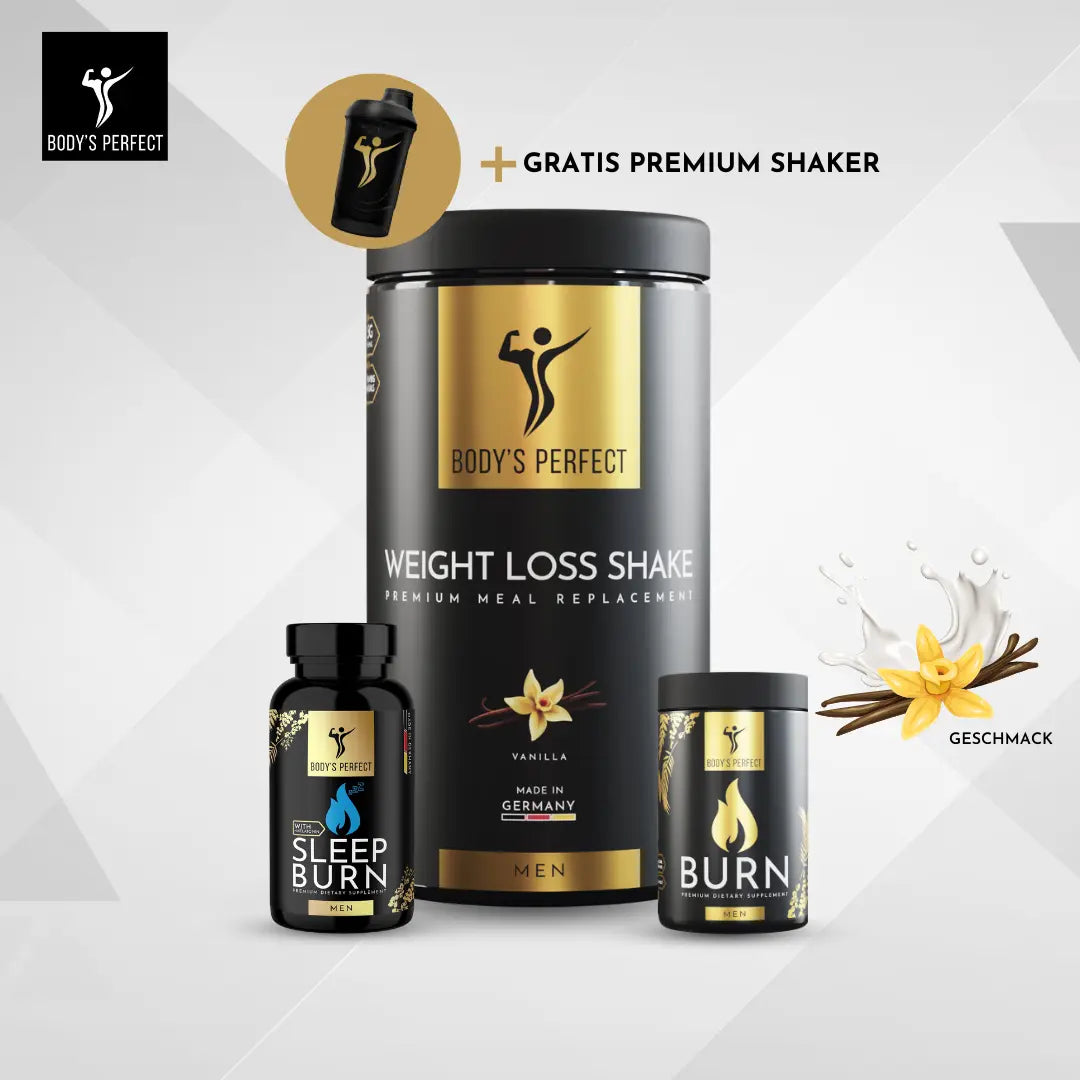
Let's take a look at a few selected aids from the bodysperfect.com range that can truly complement your efforts. I'll explain exactly what's behind them, so you can decide for yourself if it's right for you.
Targeted Boosting of Energy Metabolism
If your body is to learn to use fat as its primary energy source, your energy metabolism must run like clockwork. This is precisely where certain micronutrients play a crucial role and can noticeably facilitate the transition.
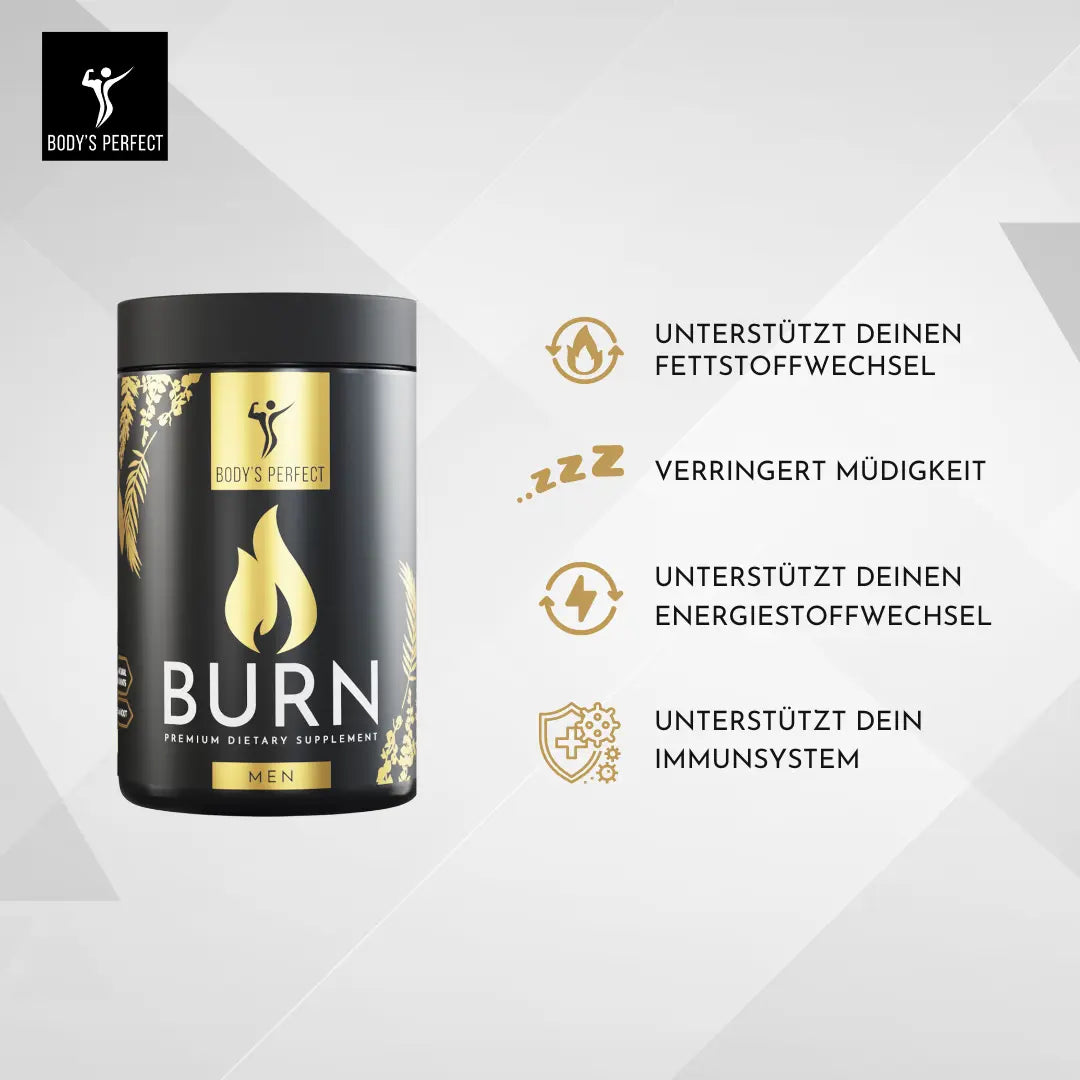
It was precisely for this phase that we developed our Metabolism Complex. It contains proven ingredients that perfectly complement each other:
- Green Tea Extract: The catechins it contains (especially the well-known EGCG) can slightly boost thermogenesis, i.e., your body's heat production. This helps to increase energy expenditure a little bit.
- Chromium: This trace element is extremely important for maintaining normal blood sugar levels. Stable blood sugar is an absolute prerequisite for controlling cravings and not constantly slowing down fat metabolism through insulin secretion.
This complex is therefore ideal for accompanying your dietary change and giving your body the tools it needs for efficient energy metabolism.
Supplements never replace a healthy diet. But they can specifically provide support where your body might need a little extra help during the transition phase. They are, so to speak, the icing on the cake of your plan.
Optimizing Muscle Protection and Regeneration
As you now know, strength training is absolutely essential to boost your basal metabolic rate. After a hard workout, however, your muscles literally cry out for the right building blocks to recover and grow. If they don't get them, you risk losing valuable muscle mass – and that's the last thing you want.
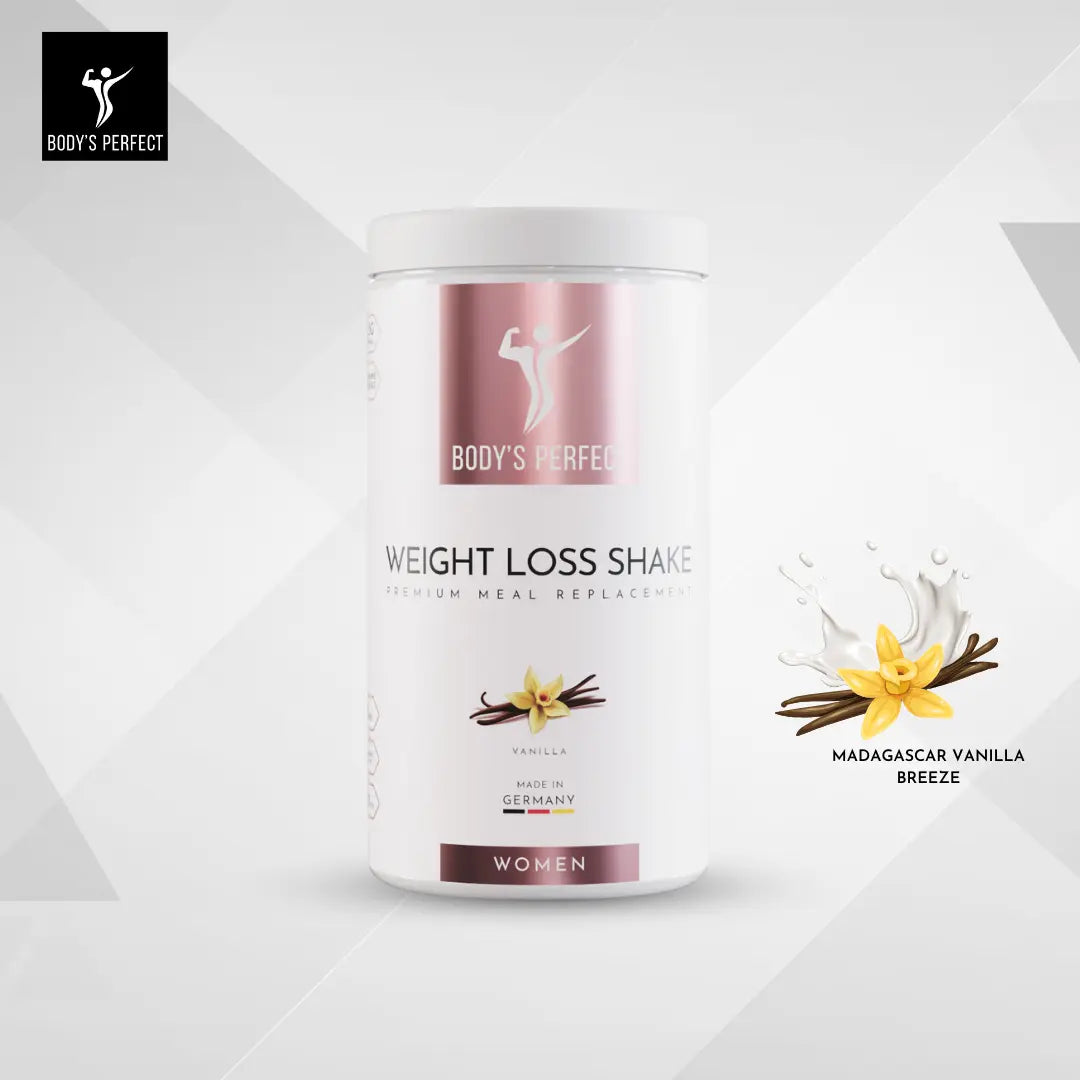
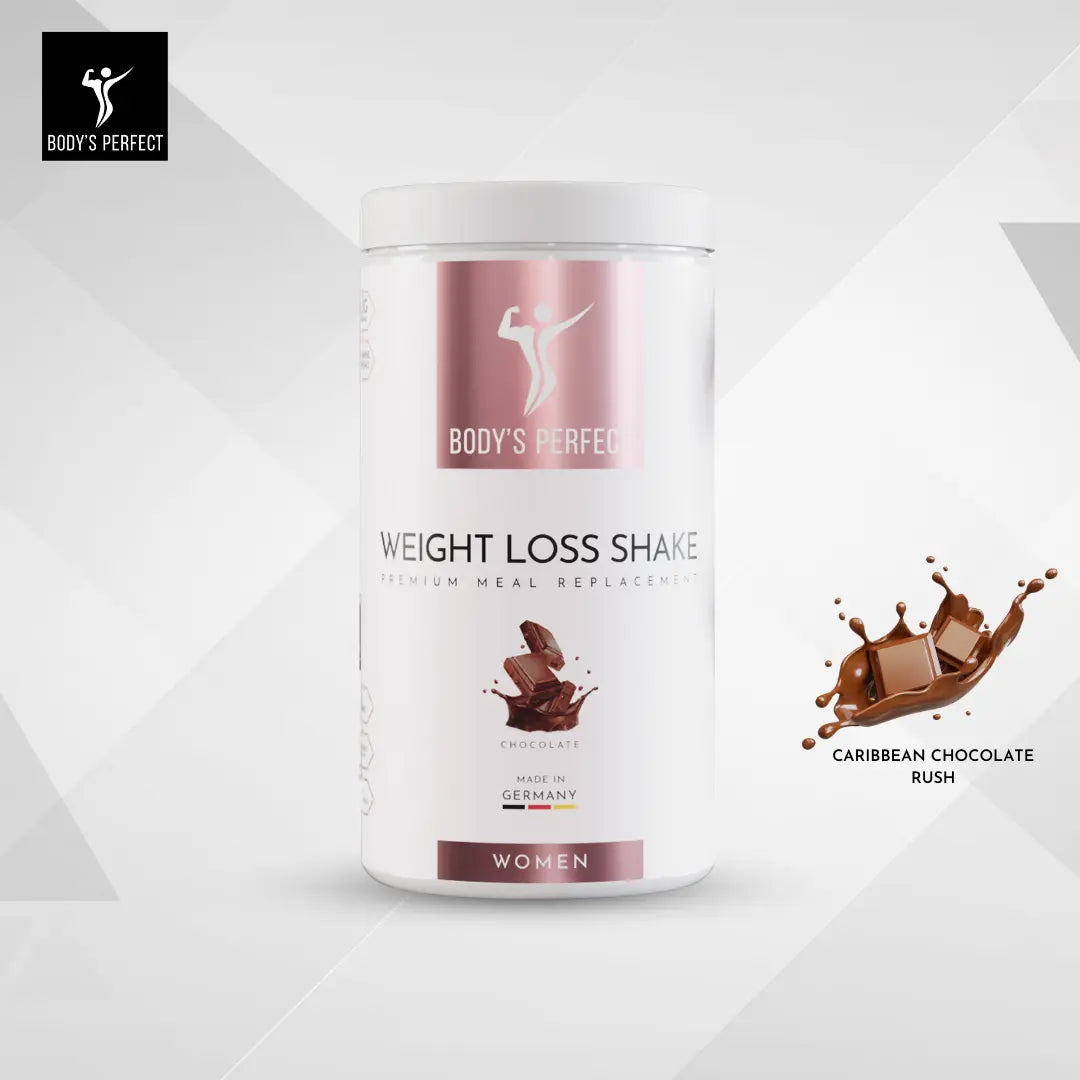
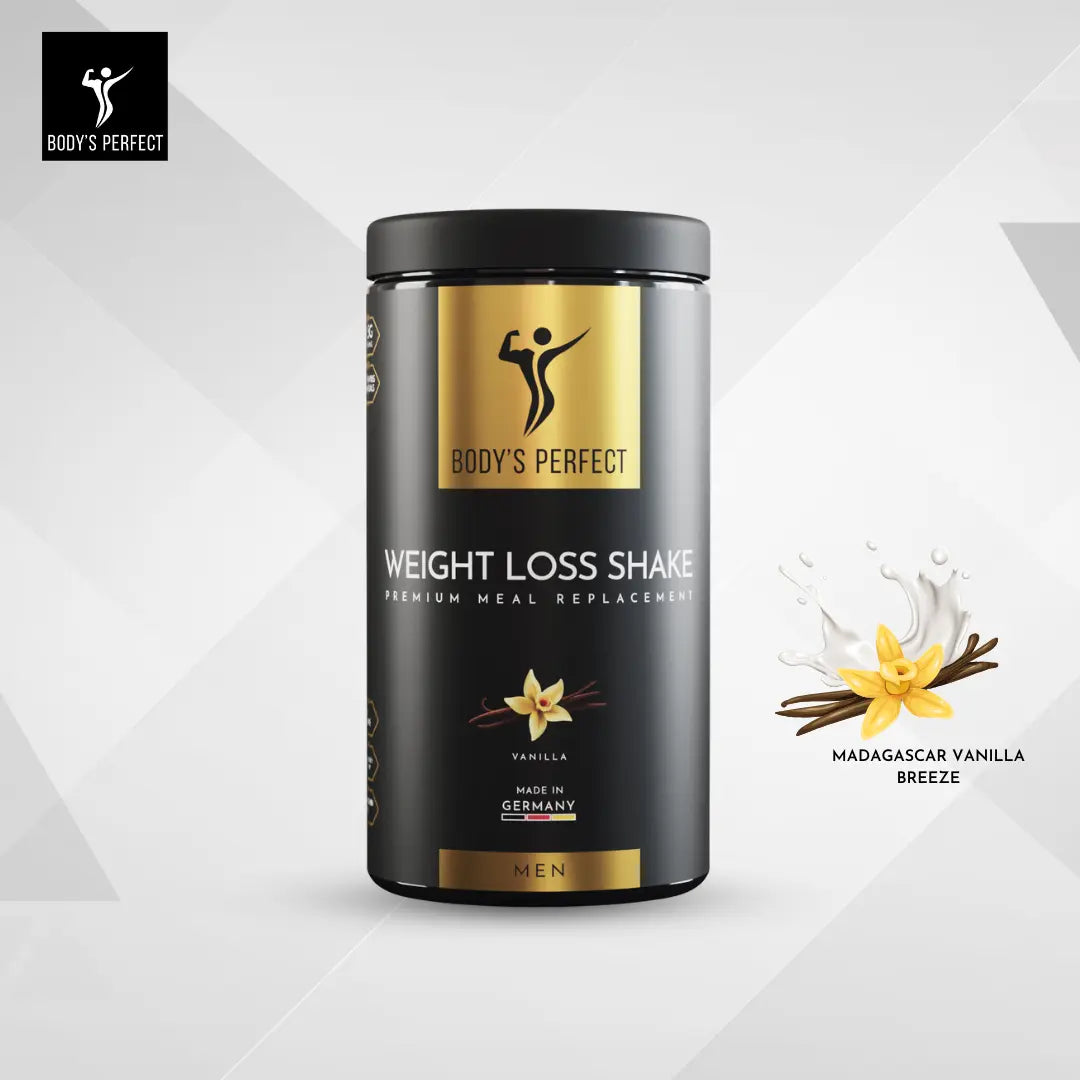
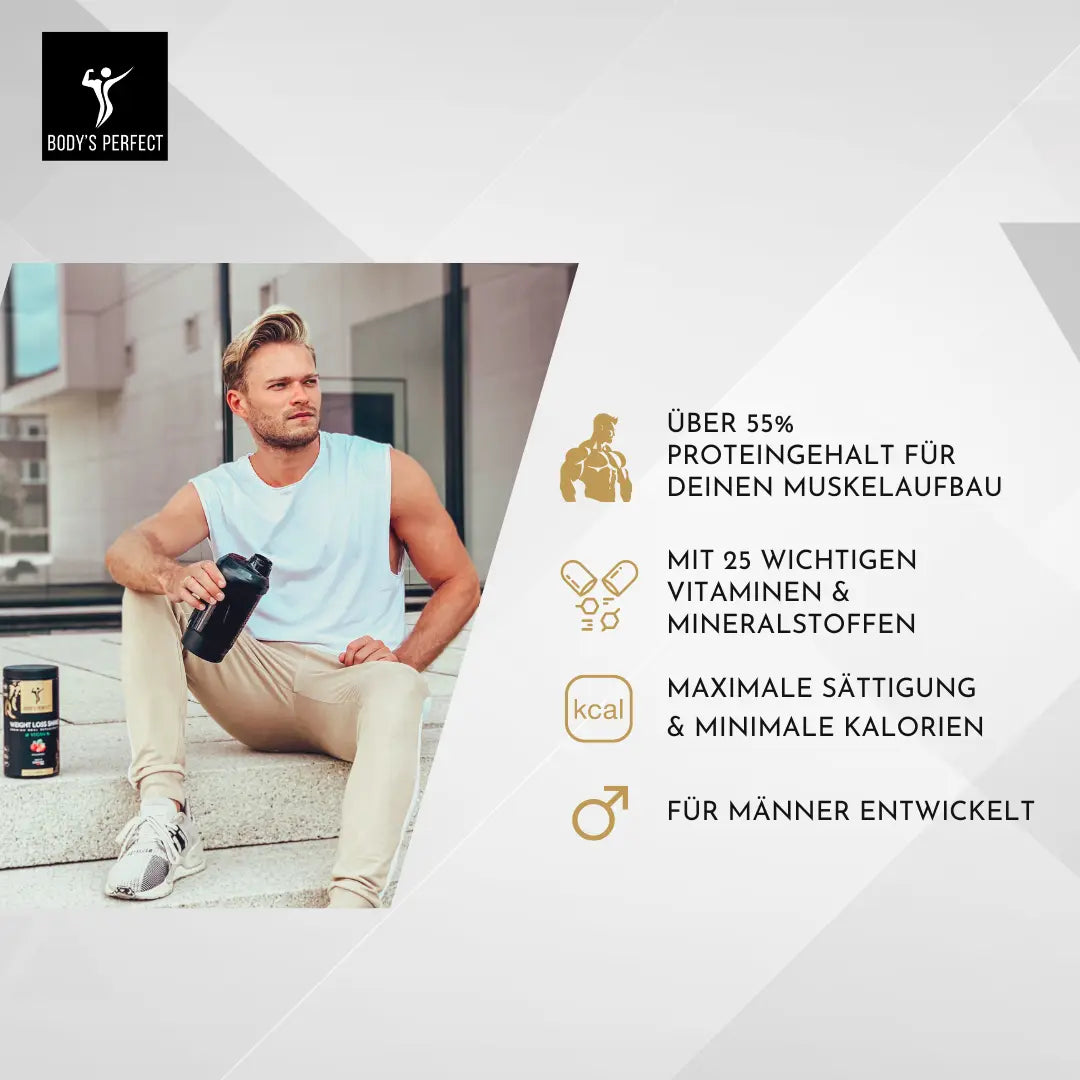
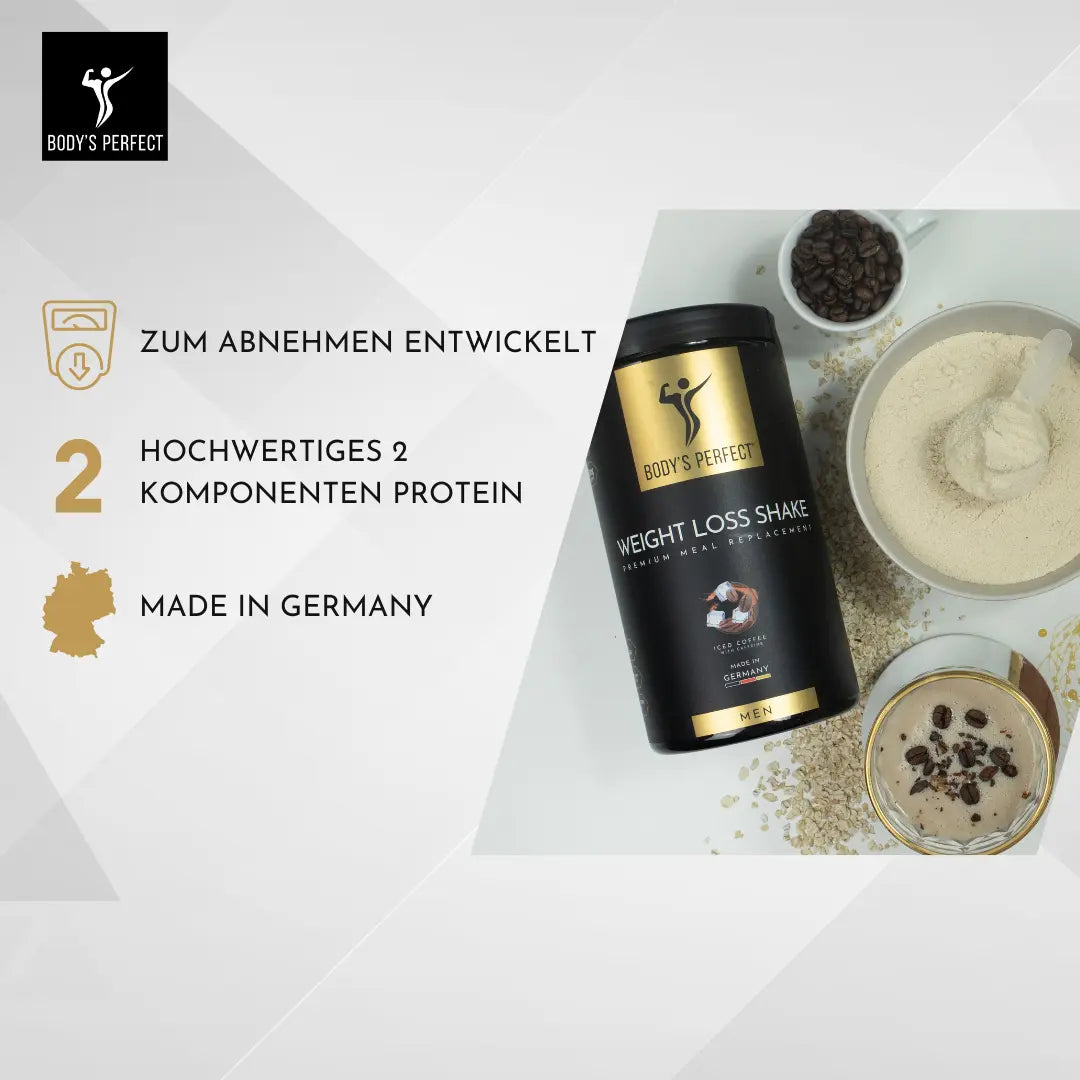
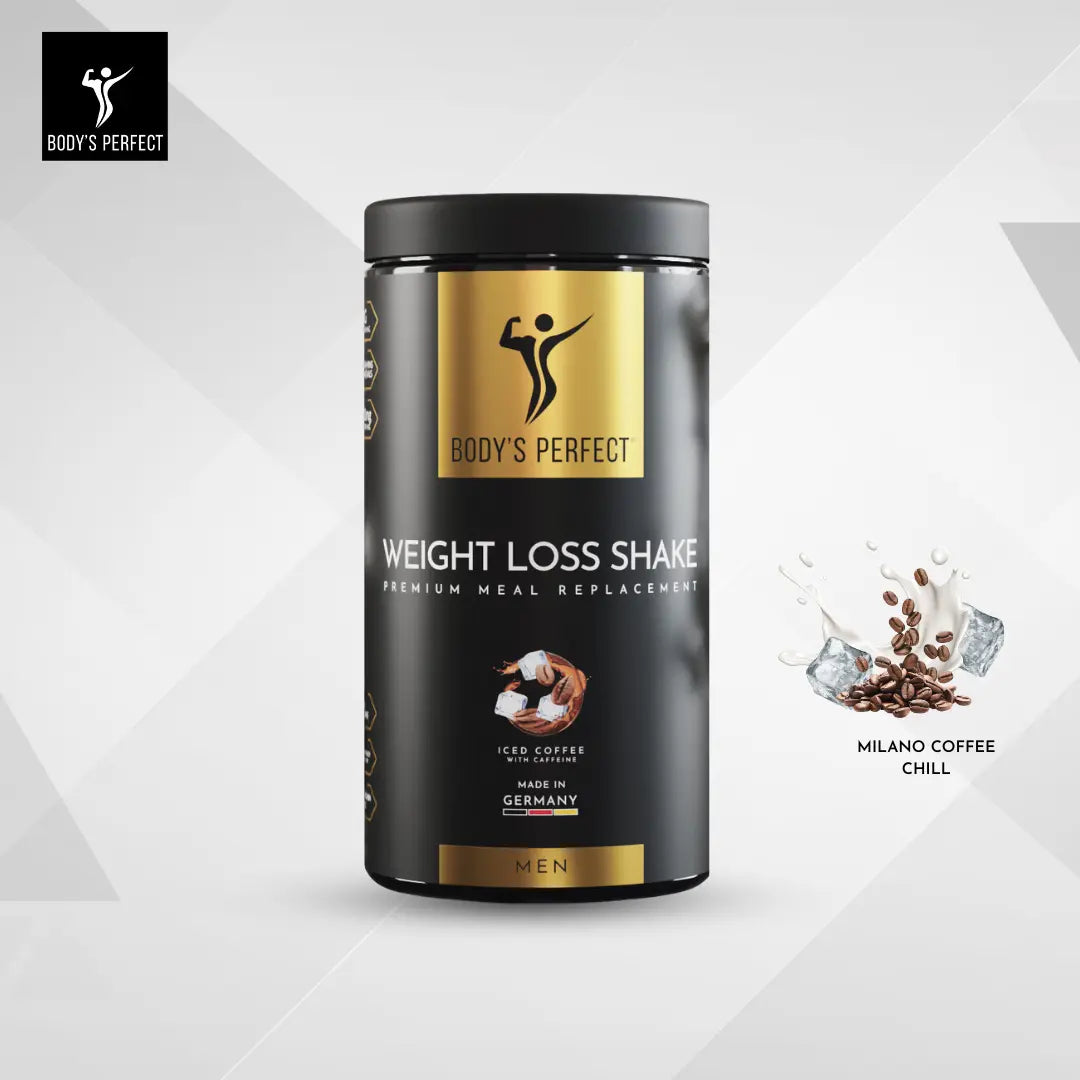
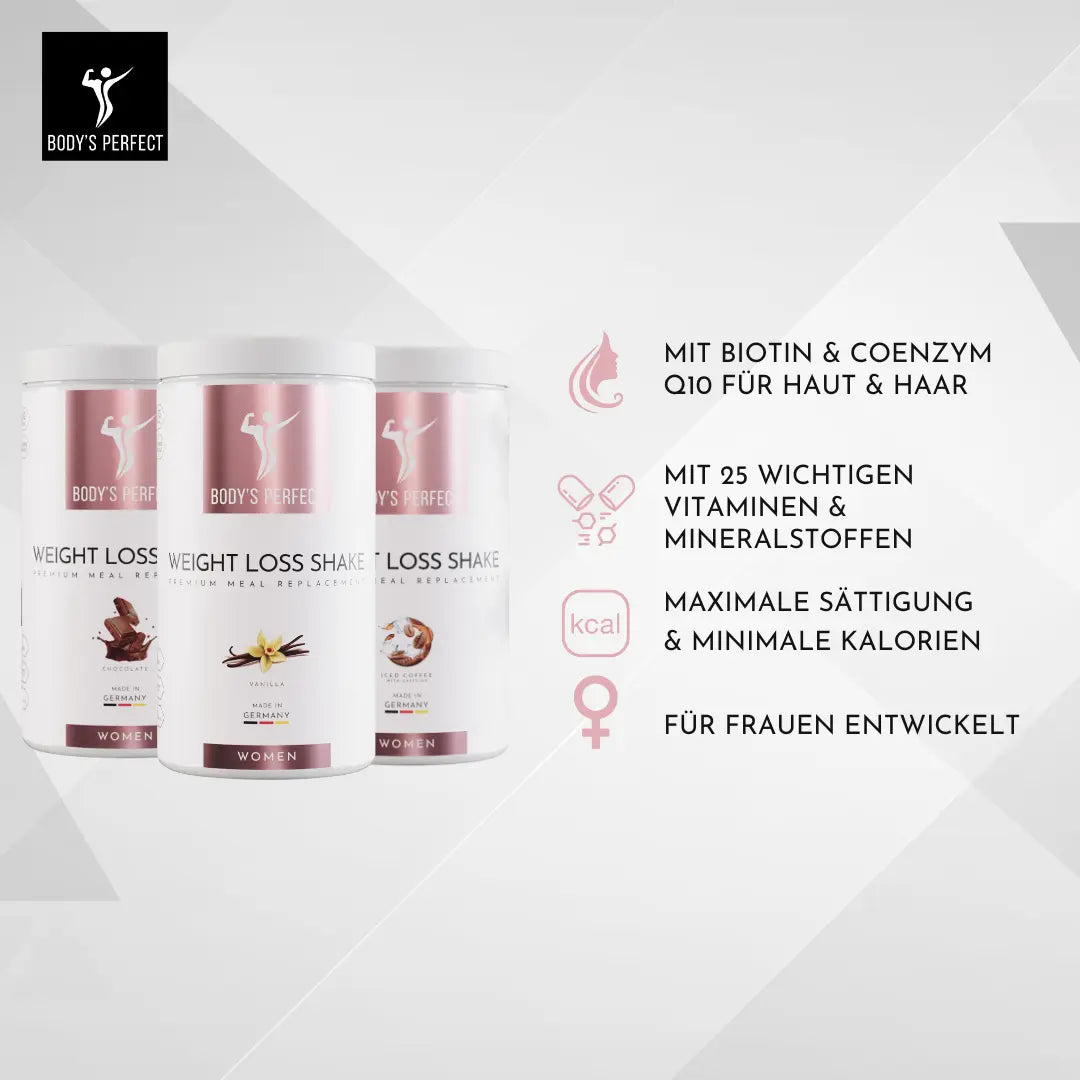
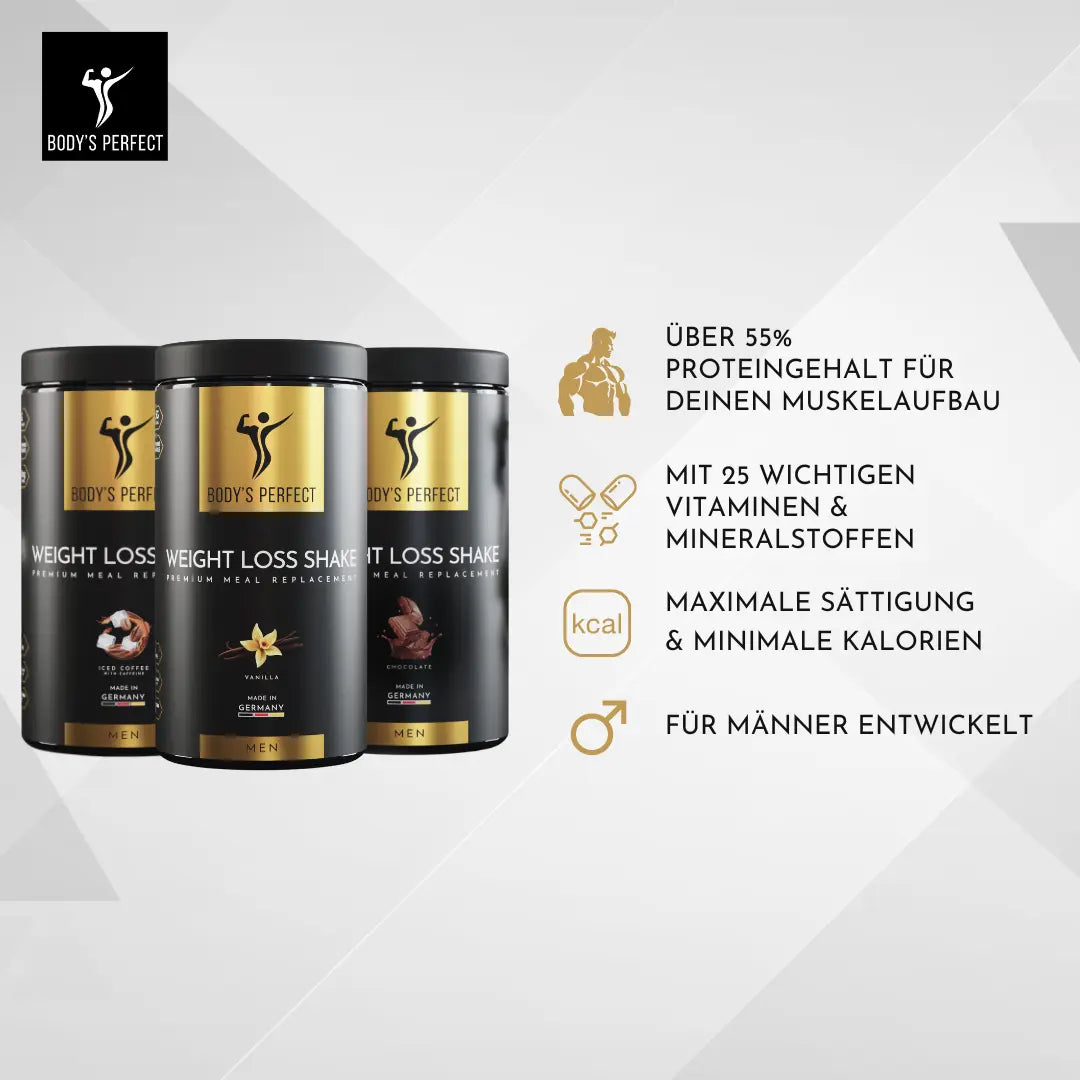
This is where our high-quality protein shakes come in. A shake immediately after training provides your body with rapidly available protein, which it needs to repair muscle fibers. This not only protects your hard-earned muscles but also keeps you feeling pleasantly full for a long time.
Another often overlooked point is silent inflammation in the body. This can be caused by stress or an unbalanced diet and can unknowingly slow down metabolism. Omega-3 fatty acids, which we offer in capsule form, are known for their anti-inflammatory properties and can thus contribute to a healthy metabolic environment.
If you use these clever aids specifically, you will perfectly complement your diet and training. You give your body exactly the support it needs to efficiently and sustainably become a real fat-burning machine.
Frequently Asked Questions About Switching to Fat Burning
When you start to specifically reprogram your metabolism for fat burning, questions almost always arise. This is completely normal, because it is a process and not a switch that you just flip. To give you certainty on this path, we have collected the most frequent questions and answer them here – without any technical jargon.
How long does it take for the metabolism to switch?
This is probably the most common question, and the only honest answer is: it depends. Every body is different. Your previous diet, lifestyle, and genetics play a big role. Don't think of it as a sprint, but rather like learning a new skill.
However, many people feel the first positive changes surprisingly quickly. Often after just one to two weeks, you'll notice that your energy is more stable and those nasty cravings become less frequent. Your body slowly learns not to constantly cry out for sugar.
For a truly profound change, where your cells efficiently use fat as their primary energy source, you should expect four to twelve weeks. Be patient with yourself and your body. It's really doing hard work during this time.
Remember: Every single day you stick to your new habits is a success. The small, consistent steps are what ultimately bring big, lasting results.
Do I have to completely cut out carbohydrates?
A clear and emphatic: No. The idea of never being allowed to eat a piece of fruit or a potato again is neither realistic nor necessary for most of us. It's not about radical abstinence, but about becoming smarter – in terms of quantity and choice.
Above all, we want to reduce simple, empty carbohydrates. That means sugar, white flour products, and sugary drinks. Complex carbohydrates from good sources can even be very useful in moderation:
- Vegetables: Broccoli, cauliflower, and green leafy vegetables are your best friends – full of fiber and nutrients.
- Legumes: Lentils and chickpeas are great protein sources that you can enjoy in moderation.
- Targeted use of whole grains: A small portion of quinoa or a sweet potato after training can even support your regeneration.
A strict ketogenic diet is just one of many ways to shift your metabolism to fat burning, but by no means the only one. Find a way that works for you in everyday life. If you want to learn more about how to maintain your weight long-term without giving up everything, read our guide on sustainable weight loss.
What is "keto flu" and how do I deal with it?
If you drastically reduce carbohydrates, your body may react in the first few days with mild symptoms such as headaches, fatigue, or irritability. This is often referred to as "keto flu," but fortunately has nothing to do with a real virus.
These symptoms usually arise because your body loses water, and with the water, important minerals (electrolytes). Carbohydrates bind water. When they are removed, this water is excreted.
To alleviate or completely avoid the keto flu, there are a few simple tricks:
- Drink more: At least 2-3 liters (0.5-0.8 gallons) of water or unsweetened tea a day should be consumed.
- Salt is your friend: A good pinch of sea salt in your water or over your food helps replenish sodium levels.
- Replenish important minerals: Magnesium (from nuts, seeds, green vegetables) and potassium (from avocados or spinach) are particularly important now.
Don't worry, these initial difficulties usually disappear on their own after a few days, once your body has adjusted to the new energy source.
Can I build muscle and burn fat at the same time?
Yes, absolutely! It's challenging, but definitely doable. This process is also called "body recomposition." It works particularly well for training beginners or when you return to training after a long break.
Three things are crucial here:
- Plenty of protein: You need the building blocks for new muscles and must protect existing ones. Aim for 1.6 to 2.2 grams of protein per kilogram of body weight.
- Hard strength training: Give your muscles a clear reason to grow. Focus on heavy compound exercises like squats, deadlifts, and bench presses.
- A moderate calorie deficit: Starving yourself is taboo! A slight deficit of 200-400 calories below your total requirement is ideal. This way, your body has enough energy for muscle building, but still taps into fat reserves.
This path may be a bit slower than a pure bulking or dieting phase, but you are working on two goals simultaneously. You are shaping your body while fat melts away – an unbeatable combination.
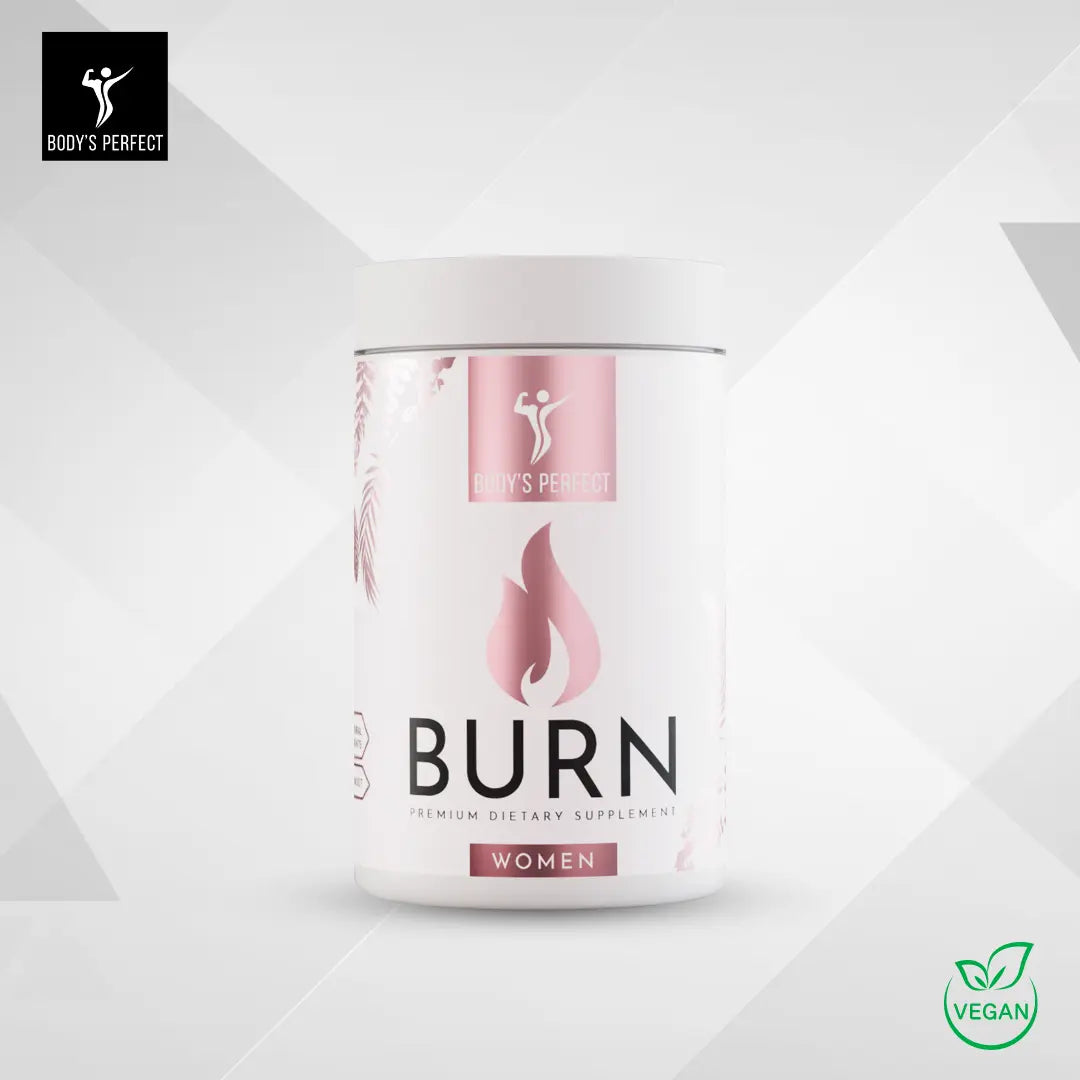
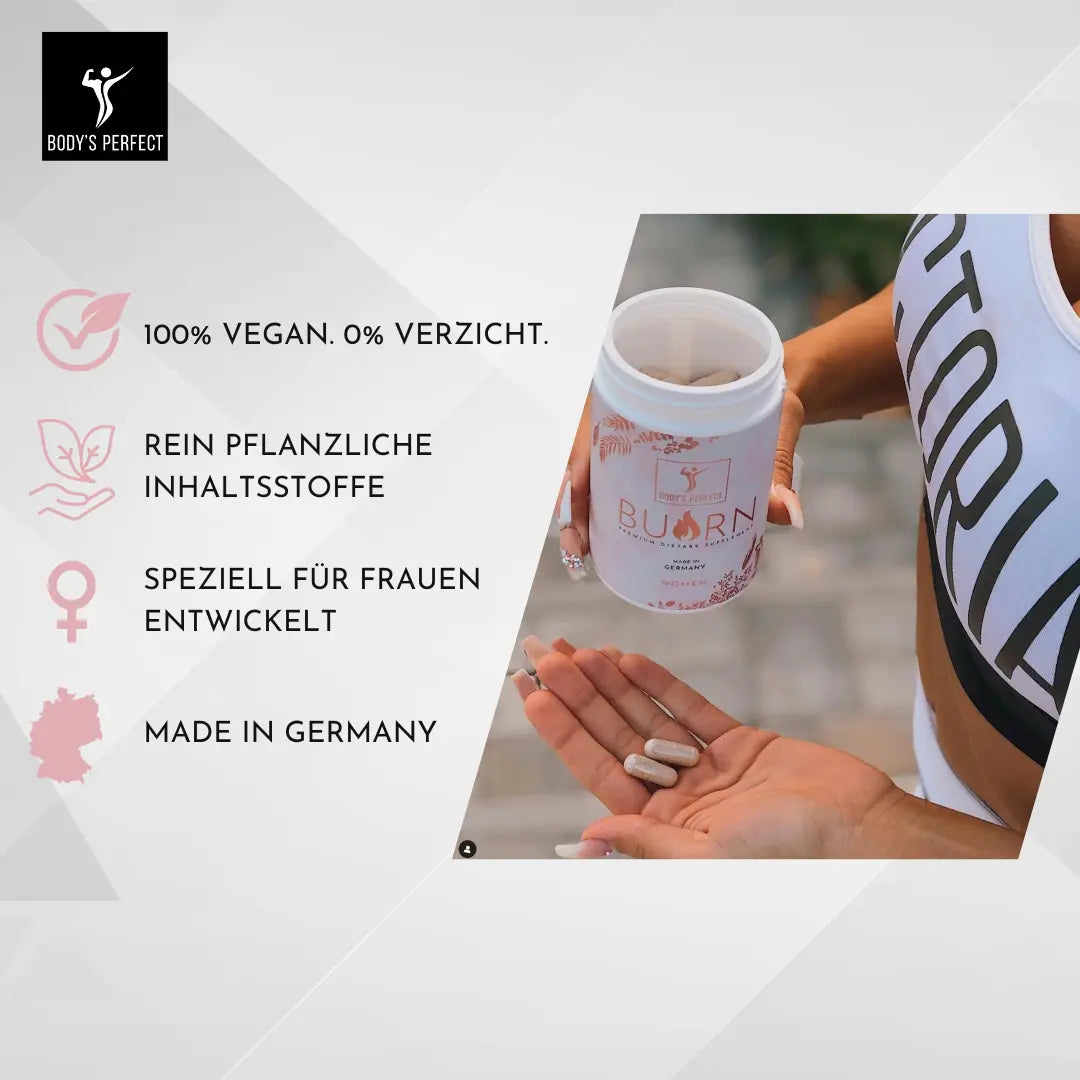
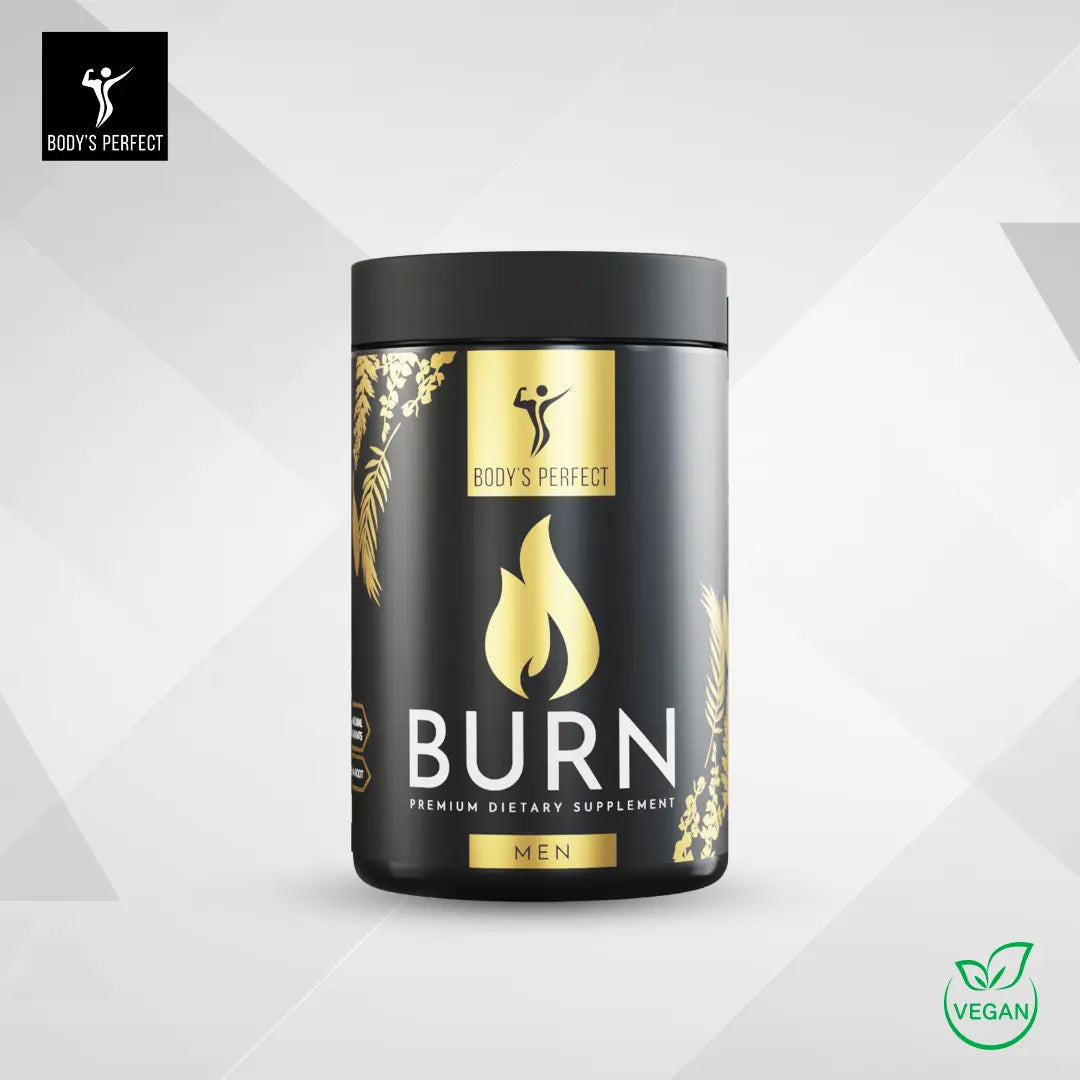
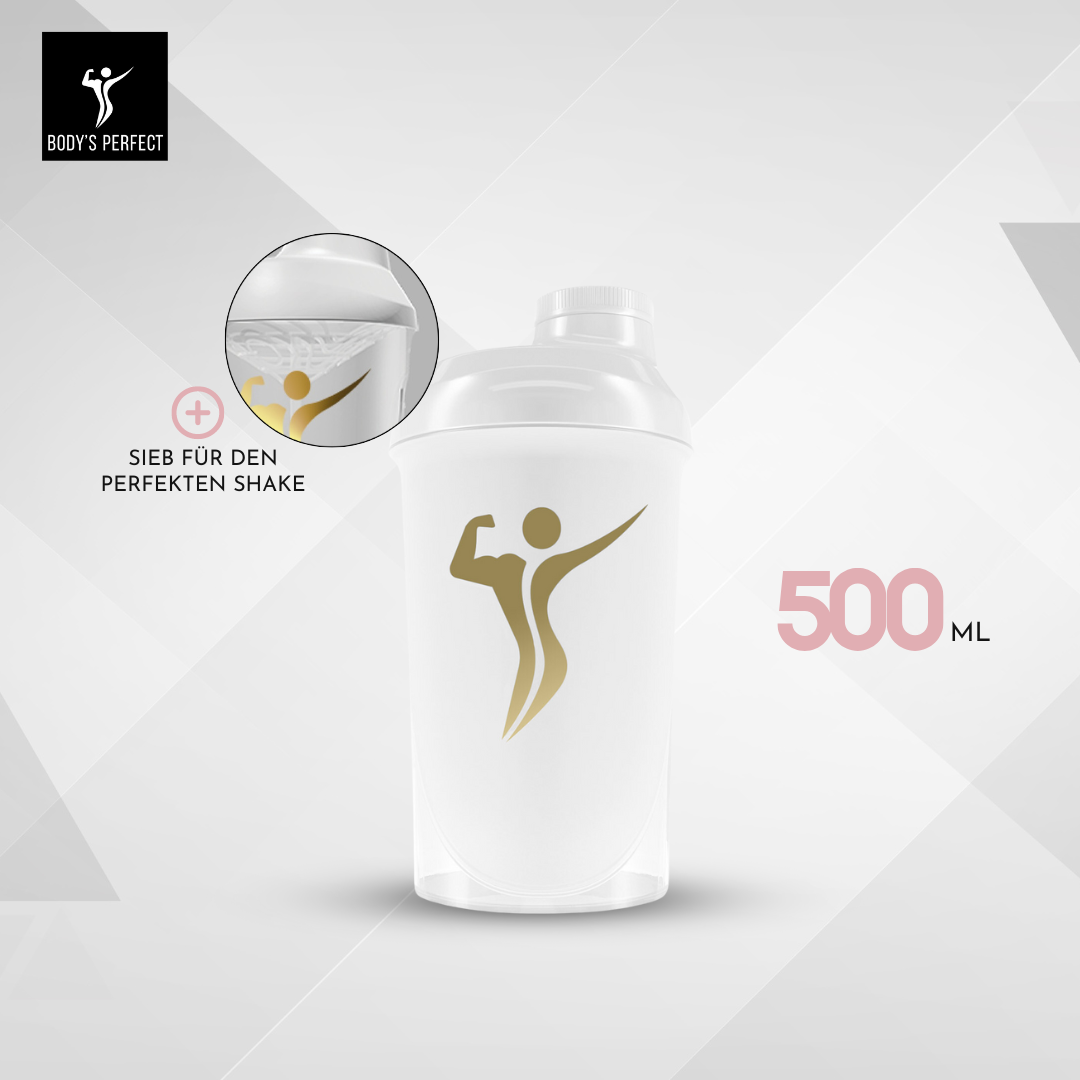
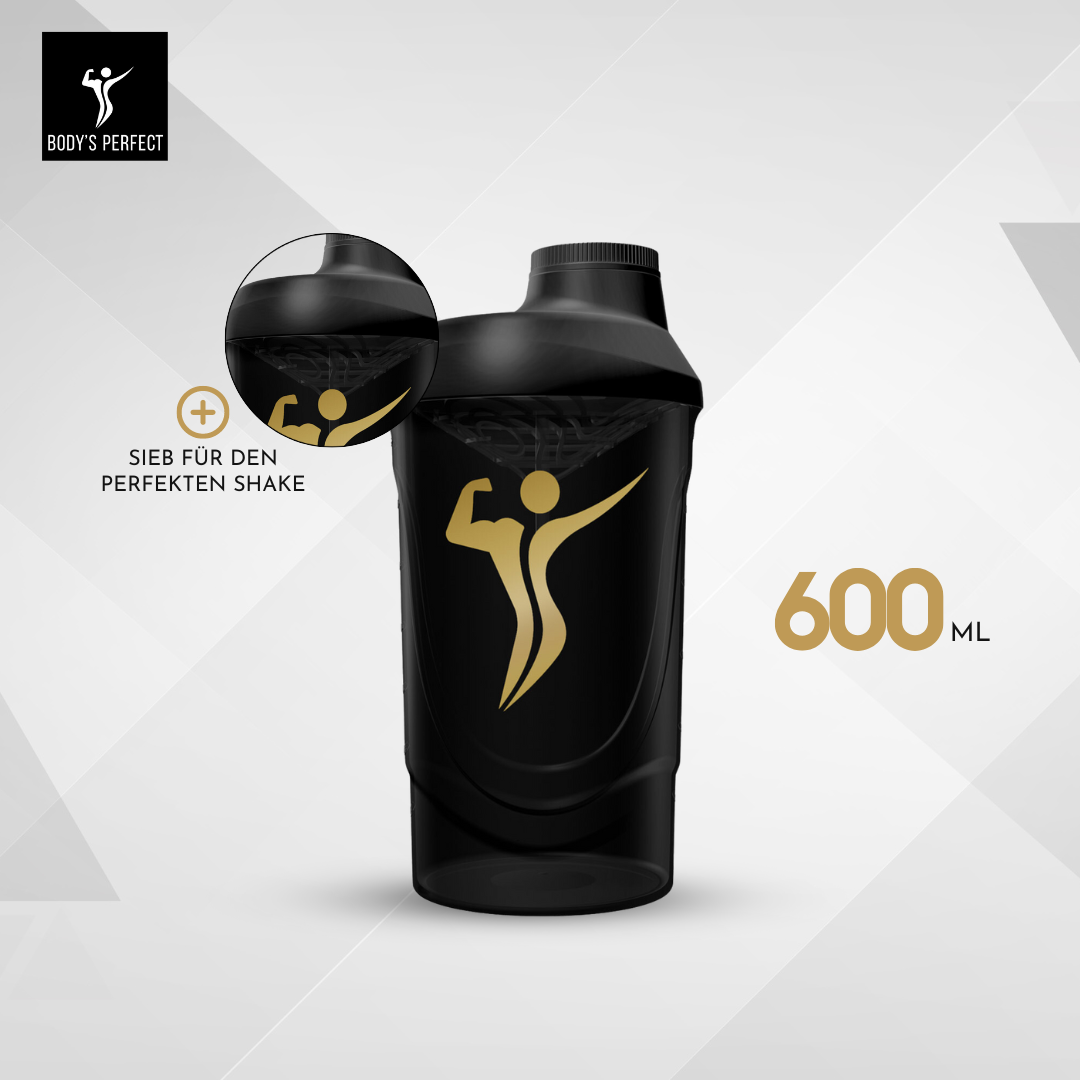
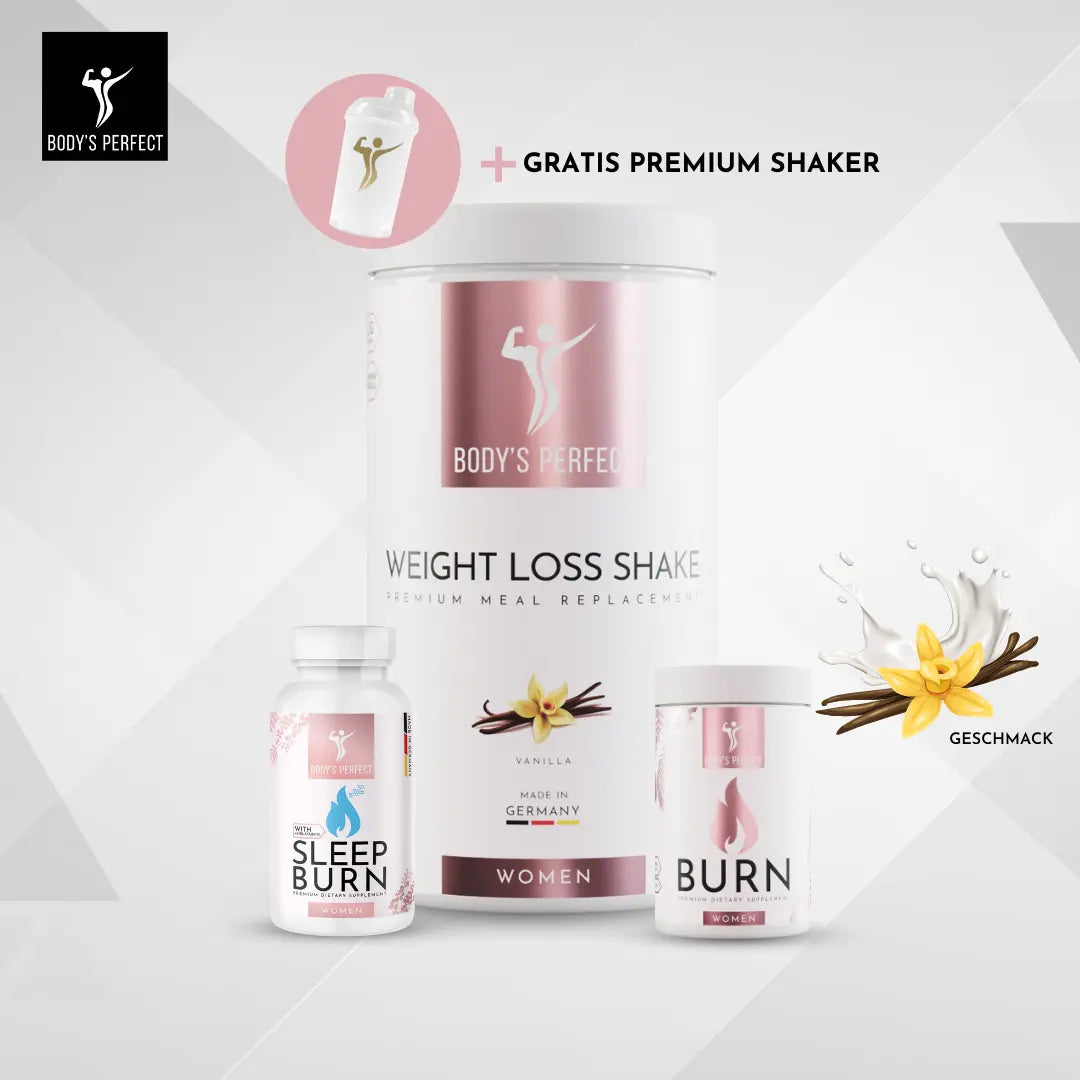
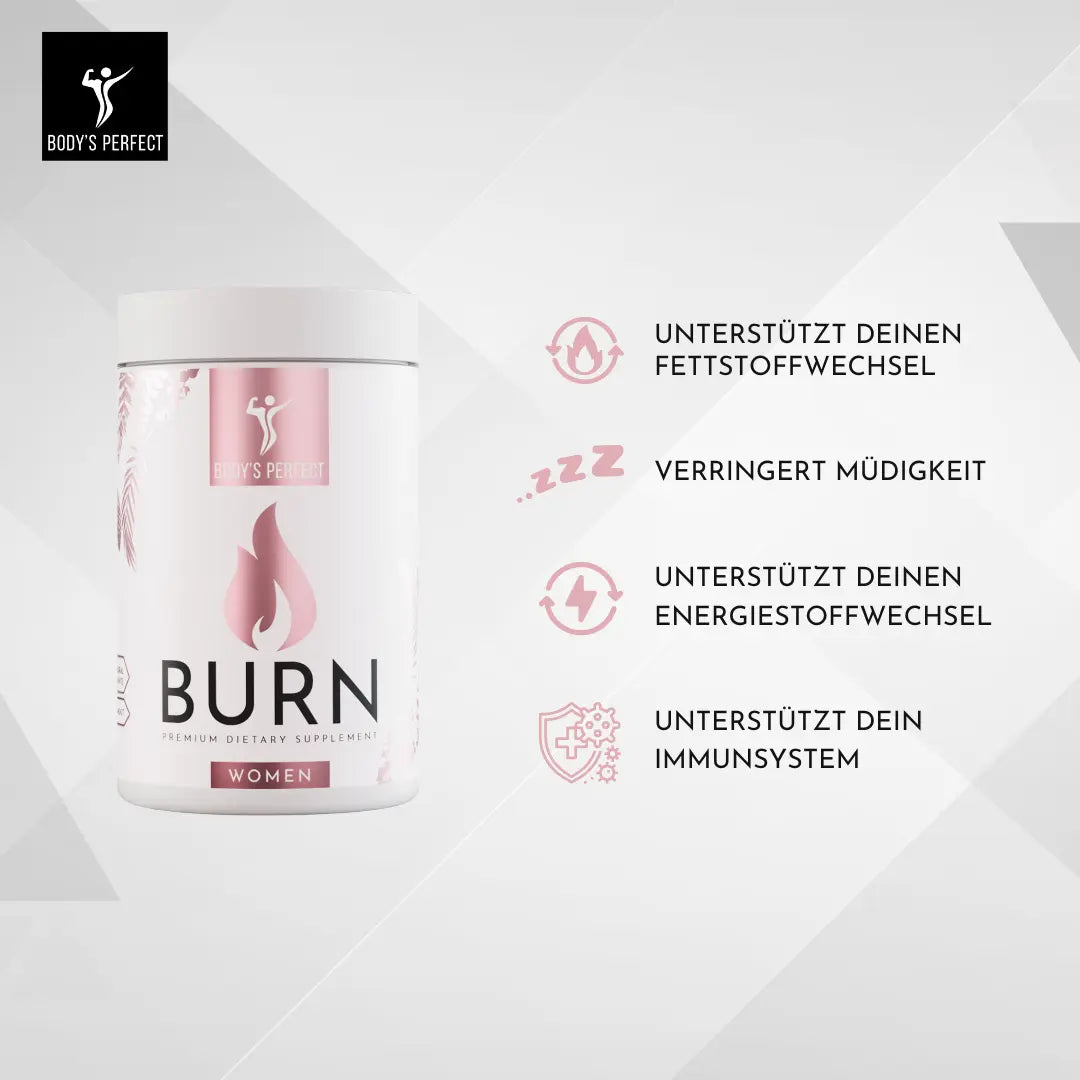
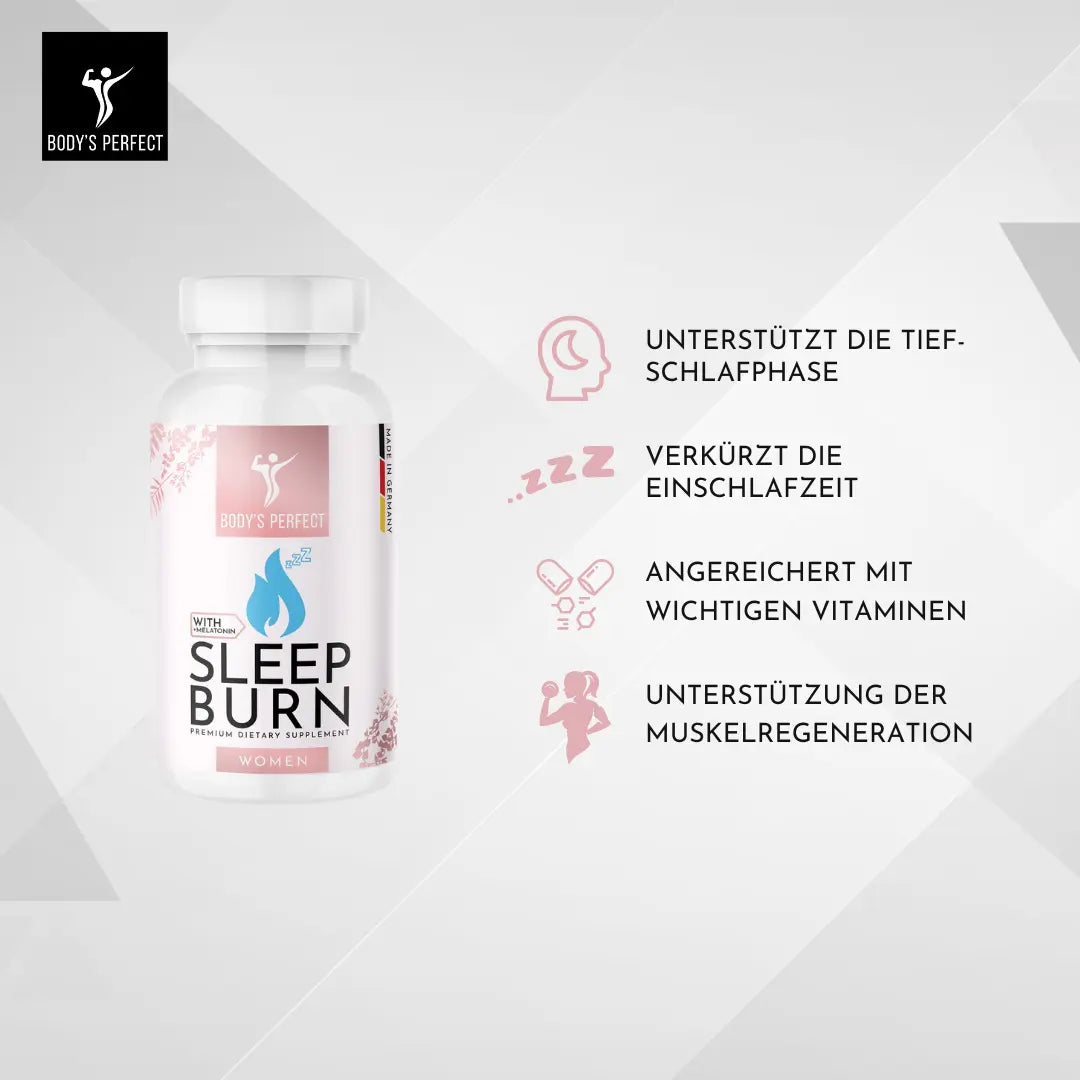
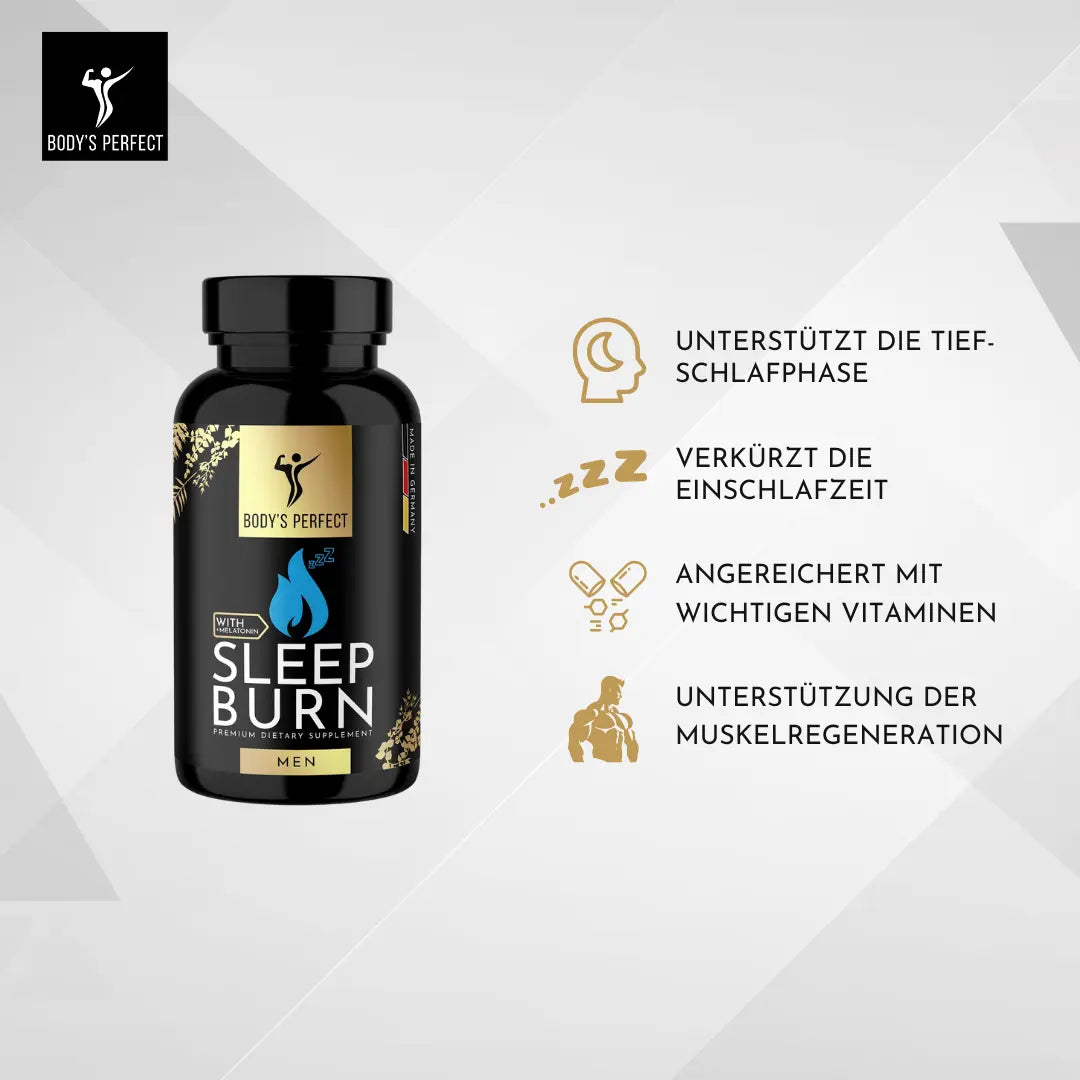
On your journey to becoming a fat-burning machine, it is important to provide your body with the right nutrients. BODY'S PERFECT supports you with high-quality products made in Germany. Discover our shakes, capsules, and individual DNA tests to achieve your goals even more effectively.









Share:
Boost Fat Burning: Your Guide to Sustainable Success
L-Arginine and its Effects in Women: What You Should Know