


Sports Supplements - Your Path to Enhanced Performance
Imagine your body as a house-building project. A balanced diet provides the foundation and the basic building materials—the bricks, mortar, and wood. With these, you can already build a stable, solid house, meaning: you maintain a healthy and fit body.
But what if you want more? Perhaps an extra floor for more muscles or a stronger foundation for more strength? Then the standard materials alone are often no longer sufficient. This is where sports supplements come into play.
They are not magic cure-alls that can compensate for poor construction management or inferior materials. Rather, they are like specialized tools and high-quality building materials for ambitious goals. A protein powder is like a fast-setting premium cement that accelerates the repair work after training—muscle building. Creatine, on the other hand, is like an additional power generator on the construction site, providing explosive energy for particularly heavy work in the short term.
Why the Sports Nutrition Market is Growing
This principle of targeted support convinces more and more people. The sports nutrition market in Germany is booming, driven by a growing awareness of health and fitness. With over 11 million members in gyms, Germany is one of the largest fitness markets in Europe. Industry revenue has long since surpassed the 5-billion-euro mark. You can find more about this development in Mordor Intelligence's market analyses.

Who can Benefit from Supplements?
However, it is very important to note: not everyone who exercises automatically needs supplements. Whether they are personally beneficial for you depends entirely on your goals, the intensity of your training, and, most importantly, your daily diet.
The name says it all: supplements are meant to supplement, not replace. They work best when the foundation of training, nutrition, and recovery is already solid.
It's not about blindly following every trend. It's about separating the hype from scientific reality and understanding how certain products—such as proteins or creatine—can meaningfully enhance your diet plan. This guide aims to help you with exactly that: we shed light on the matter, debunk myths, and provide you with the knowledge to choose the right tools for your athletic goals.
Proteins and Amino Acids: The Building Blocks of Your Success
Imagine your body after a tough workout like a construction site. Small cracks and damage have occurred everywhere - in your muscle fibers. To repair all of this and ultimately make the building even stronger, you need a well-coordinated team of workers. That's exactly what proteins and their individual components, amino acids, are.
Proteins are the absolute foundation for muscle repair and growth. Without enough of them, your body simply lacks the material to truly implement the training stimuli you've set. Muscle soreness lasts longer, recovery drags, and progress stalls.
It's no wonder, then, that protein powder is the most popular sports supplement in Germany. A survey has shown that over 65 percent of active athletes rely on protein powder to achieve their goals.
The Most Important Protein Sources at a Glance
But not all protein is created equal. The different types differ primarily in how quickly the body can absorb them and which amino acids they contain. They are like different specialists on a construction site – each has its own task and the perfect time for its deployment.
-
Whey Protein: The fast all-rounder. It is absorbed by the body in a flash and supplies the muscles almost immediately with the necessary amino acids. This makes it the ideal choice directly after training to maximize muscle building.
-
Casein Protein: The slow supplier. Casein is digested over several hours and releases its amino acids slowly and steadily. This depot effect is perfect before bedtime to protect muscles from breakdown overnight.
-
Plant-based Proteins: The strong alternatives. Proteins from peas, rice, or soy are no longer only interesting for vegans. Modern blends provide a complete amino acid profile and can easily compete with animal sources.
The following graphic provides a quick overview of the role of the most important supplements.
Here you can see at a glance how protein, creatine, and BCAAs specifically support different areas of your athletic performance.
Which Protein Powder is Right for You?
A direct comparison of the most popular protein sources helps in choosing the right product for individual goals and diets.
| Protein Type | Main Benefit | Optimal Intake Time | Suitable For |
|---|---|---|---|
| Whey Protein | Very fast absorption, ideal for muscle building | Directly after training | All athletes who want fast recovery |
| Casein Protein | Slow, steady supply (anti-catabolic) | Before bedtime or as a meal replacement | Athletes who want to prevent muscle breakdown overnight |
| Plant-based Protein | Vegan, often hypoallergenic and easily digestible | Depending on composition, after training or between meals | Vegans, vegetarians, and people with lactose intolerance |
| Soy Protein | Complete amino acid profile, plant-based | After training or for daily supplementation | Vegans and vegetarians looking for a complete protein source |
So, choosing the right powder isn't rocket science; it simply depends on what you need and when.
EAAs and BCAAs: The Craftsmen's Specialty Tools
If proteins are the team of craftsmen, then amino acids are the individual tools in the toolbox. In total, there are 20 amino acids relevant for muscle building. Nine of them cannot be produced by the body itself – these are the essential amino acids (EAAs). You must consume them through food.
EAAs are indispensable for initiating muscle protein synthesis. Without them, your body cannot build new muscle mass, even if you eat enough protein overall.
A special subgroup of EAAs are the branched-chain amino acids (BCAAs): leucine, isoleucine, and valine. They play a key role in energy supply during training and initiate repair processes.
- Leucine acts like a master switch that directly activates muscle growth (mTOR pathway).
- Isoleucine and Valine serve as an energy source during intense exertion, helping to slow down muscle protein breakdown.
If you take BCAAs strategically, for example during a long, hard workout, it can delay fatigue and reduce muscle soreness. This ensures that your team of craftsmen always has the right tools at hand.
Which protein is right for you therefore depends heavily on your goals and your timing. For a quick supply after exercise, a high-quality whey protein is usually the best choice. You can find out more in our guide on best whey protein. Ultimately, it's about intelligently supplying your body with the building blocks it needs for growth and success.
Creatine: The Scientifically Proven Performance Booster

While proteins provide the building blocks for our muscles, creatine is the spark – the explosive energy for short, intense bursts of strength. Hardly any sports supplement has been scrutinized as thoroughly as creatine. The result from thousands of studies is crystal clear: it works. That's precisely why so many strength athletes and sprinters swear by it.
Imagine the energy in your muscles like a tiny, but extremely fast-charging battery. This battery is responsible for actions like heavy squats or a 100-meter sprint. The catch? This energy source, known as ATP (adenosine triphosphate), is depleted in just a few seconds. Creatine steps in here as your personal power bank, recharging this battery in a flash.
You can feel the result directly in your training: you might manage one or two more repetitions in the crucial set. In the long run, this leads to more muscles and more strength. Or you might be those milliseconds faster in a sprint that make all the difference.
How Creatine Works in Your Body
The underlying principle is fascinatingly simple. Creatine, more precisely creatine phosphate, releases a phosphate group to convert depleted ADP (adenosine diphosphate) back into energy-rich ATP. This allows your body to perform at peak levels for a longer period before your muscles give out.
This mechanism is invaluable for all sports that require short, explosive power:
- Strength training: You can do more repetitions or lift more weight.
- Sprints: Your acceleration and performance in repeated starts improve.
- Combat sports: You have more power in punches and kicks during intense rounds.
- Ball sports: Your acceleration and jumping power are promoted.
So, it's not about enduring a marathon, but about increasing your peak performance and sustaining it for longer.
Creatine does not directly improve endurance for hours-long runs, but it has been shown to increase strength performance during short bursts of exertion by up to 15%.
Myths Debunked: The Truth About Water Retention
One of the most persistent myths about creatine revolves around water retention. Many fear looking "bloated" or "watery" as a result. However, we need to look closely here: creatine draws water into the muscle cell, not under the skin.
This intracellular water retention is even a desired effect. It increases cell volume, which not only makes the muscle look fuller but also acts as an anabolic signal for further muscle growth. So, you don't look bloated; rather, your muscles appear fuller and firmer.
The Right Intake for Maximum Effect
Fortunately, taking creatine is straightforward. By far the most researched and proven form is creatine monohydrate. It is inexpensive, safe, and extremely effective.
-
The Loading Phase (optional): Previously, a loading phase with about 20 grams daily for 5–7 days was often recommended to quickly fill the stores. Today, we know: this is not necessary.
-
Consistent Intake (recommended): A daily intake of 3–5 grams leads to the exact same result after 3–4 weeks. This method is much gentler on the stomach and can be easily integrated into daily life.
The timing of intake plays a minor role. Whether in the morning, before or after training – the crucial factor is consistent daily intake, so your muscle stores are always well filled. A small tip: taking it with carbohydrates, for example in a juice, can slightly improve absorption due to insulin release.
Creatine is a powerful tool, but it doesn't replace a solid foundation. To get the most out of your supplementation, a balanced diet is crucial. You can find additional information in our comprehensive guide on nutrition for muscle building.
In summary: Creatine is one of the most effective and safest supplements if you want to specifically advance your speed strength and muscle building.
Vitamins and Minerals: The Silent Helpers in the Background
While proteins and creatine often take center stage, vitamins and minerals work like an invisible crew behind the scenes. They are the silent helpers without whom the entire show – meaning your training and recovery – would never run smoothly. Without them, nothing works, neither in energy metabolism nor in immune defense or muscle contraction.
Imagine these micronutrients as the oil in your body's engine. You don't see it directly, and it doesn't provide the propulsion. But without this oil, the engine would quickly overheat, parts would wear out, and eventually everything would come to a standstill. This is precisely the crucial, supportive role that vitamins and minerals play as sports supplements.
Intense training increases your need for these important substances. You lose minerals through sweat, your metabolism runs at full speed, and your immune system is particularly challenged after tough sessions. A solid basic supply is therefore the key to long-term success and consistent performance.
The Most Important Micronutrients for Athletes
Of course, not every micronutrient is equally important for athletes. However, three candidates repeatedly come into focus because they are of particular importance for ambitious athletes, and a deficiency can directly affect training.
-
Magnesium: This mineral is your muscles' best friend. It is involved in over 300 enzymatic reactions, including energy production and protein synthesis. However, magnesium is best known for its role in muscle relaxation. A deficiency can lead to dreaded muscle cramps that abruptly end a workout. It helps regulate the nervous system and thus ensures smooth muscle function.
-
Vitamin D: The so-called "sun vitamin" is much more than just a bone strengthener. It is crucial for a functioning immune system, which protects you from infection-related training failures. It also plays an important role in muscle function. Studies even suggest that a good vitamin D status can improve muscle strength.
-
Zinc: This trace element is an often underestimated player in hormone balance. It is important for the production of testosterone, a key hormone for muscle growth. At the same time, zinc supports the immune system and is involved in wound healing – crucial for repairing tiny muscle damage after training.
A deficiency in just one of these micronutrients can act like a handbrake on your performance. Supplying the right vitamins and minerals is therefore not a luxury, but an absolute necessity for ambitious athletes.
Market Trends Show Growing Awareness
Awareness of the importance of these little helpers is constantly growing. While vitamin C and magnesium remain traditionally popular supplements, sales figures show an interesting shift. For example, demand for vitamin D has risen considerably in recent years. This reflects not only increased health awareness but also targeted use by athletes, as current market figures show. It simply shows that athletes are increasingly looking for specific and effective solutions.
Bone Health as Your Foundation
Amidst all these helpers, we must not forget calcium. Every muscle contraction, every jump, strains not only the muscles but also your skeleton. Calcium is the most important building block for strong, resilient bones. Without sufficient intake, you risk stress fractures and other injuries in the long term, which can set you back.
Especially in combination with vitamin D, which enables calcium absorption, it forms an unbeatable duo for the stability of your musculoskeletal system. You can learn more about the specific role of this mineral in our article on the importance of calcium carbonate for the body. Good provision is therefore a clever precaution to stay in the game long-term and injury-free.
How to Find the Right Timing and Dosage
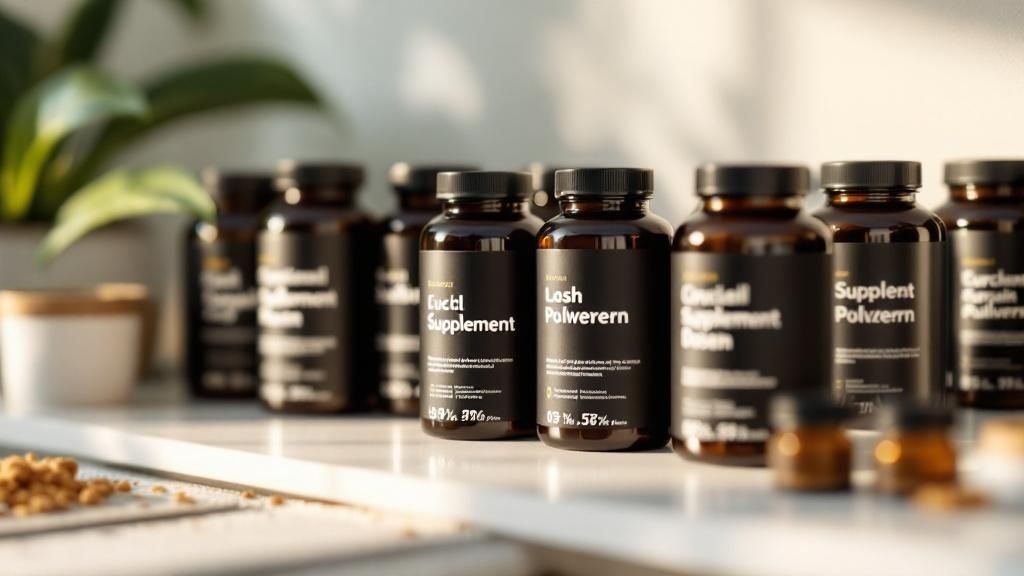
Even the best sports supplements are of little use if they are not used intelligently. It's like fueling a race car: the best fuel is useless if it's only put in the tank after the race. Timing and dosage are therefore not minor details, but crucial for your success.
For a long time, the myth of the "anabolic window" circulated through all gyms. The idea was that the body could only truly use nutrients like protein for muscle building 30 to 60 minutes after training. Fortunately, science now sees this somewhat more relaxed.
The good news: you don't have to frantically grab your shaker as soon as you put down the weights. This time window is much larger than we thought. It's less about minute-by-minute intake and more about consistently supplying the body with the right building blocks throughout the day. Nevertheless, there are of course times when targeted nutrient intake makes particular sense.
The Right Time for Maximum Effect
The question of "when" depends heavily on the specific supplement and your training routine. A protein shake immediately after strength training is a classic because it quickly signals to the body: "Okay, time for repair!" An endurance athlete, on the other hand, often benefits more from a combination of carbohydrates and some protein to replenish depleted energy stores.
A few rules of thumb have proven effective in practice:
- Proteins: Here, the total amount throughout the day is most important. However, a portion of 20–30 grams of high-quality protein after training gives muscles an ideal kick-start for regeneration.
- Creatine: With creatine, regularity is everything. Whether you take your 3–5 grams in the morning, before, or after training is almost irrelevant. The main thing is that you take them daily so that your stores remain full.
- Amino acids (BCAAs/EAAs): These are particularly useful if you train for long periods or start your workout on an empty stomach. They protect muscles from breakdown and can serve as a quick energy source.
The goal is to give the body exactly what it needs, and when it can utilize it best. Don't view it as a rigid rule, but as a smart tool that you adapt to your goals.
Timing and Dosage for Top Supplements
To make it easier for you to get started, we have summarized the most important information in a clear table.
Timing and Dosage for Top Supplements This table provides a quick overview of recommended amounts and optimal intake times for the most common sports supplements.
| Supplement | Recommended Daily Dose | Best Time to Take | Notes |
|---|---|---|---|
| Whey Protein | 20–40 g per serving | Within 2 hours after training | Ideal for quickly initiating muscle repair. |
| Creatine Monohydrate | 3–5 g daily | Daily at the same time, e.g., in the morning or after training | Consistency is more important than exact timing. |
| BCAAs/EAAs | 5–10 g | Before, during, or after training | Especially useful for long sessions or training on an empty stomach. |
| L-Carnitine | 1–3 g daily | Before training to support energy metabolism | Comprehensive information on L-carnitine's effect can be found in our detailed article. |
| Magnesium | 200–400 mg daily | In the evening before bedtime | Supports muscle relaxation and can improve sleep quality. |
These figures are a great starting point, but remember to see them as recommendations.
Adjusting Dosage Individually
The dosage recommendations on the packaging are good guidelines, but they are not set in stone. Your personal needs depend on many things: your body weight, how hard and often you train, and what else you eat.
A 100 kg strength athlete naturally needs more protein than a 60 kg runner. The most important advice is therefore: listen to your body! For example, if you often have cramps despite taking magnesium, a slight increase in dosage can already help.
Ultimately, the best strategy is always a mixture of scientific principles and your own experience. Use these tips as a starting point and find out what works best for you personally. This is the only way to ensure that your sports supplements don't just cost money, but also really deliver results.
Quality and Safety: What to Look for When Buying
The market for sports supplements can be a real jungle. Colorful cans and big promises beckon everywhere, but how do you separate the wheat from the chaff? Since this directly concerns your body and your performance, quality and safety are paramount.
Imagine it like a farmer's market: you want to buy fresh, inspected vegetables, not wilted leftovers from the day before. It's the same with supplements – only you can't recognize the quality at first glance.
How to Read Labels Like a Pro
The first and most important step is always to look at the label. A good manufacturer has nothing to hide and lists everything clearly and explicitly. Your job is to correctly interpret this information.
A clean ingredient list is worth its weight in gold. Make sure that the main active ingredients – such as creatine monohydrate or whey protein isolate – are clearly named. Be skeptical of so-called "proprietary blends." These are often just fancy names for secret mixtures where you never find out how much of which substance is actually in them.
Here is your checklist for the label:
- Clear dosage: The exact amount of each ingredient per serving must be stated.
- No unnecessary fillers: Too much sugar or artificial fillers are often a sign of an inferior product.
- Allergen information: Lifesaving for allergy sufferers and a sign of diligence for everyone else.
Quality has its price, but your health is priceless. Cheap products often contain not only less of the actual active ingredient but can, in the worst case, even be contaminated.
Seals of Approval and Independent Tests as Your Compass
In the jungle of offers, seals of approval are like a reliable compass. They signal that a manufacturer voluntarily has its products tested by independent bodies to prove purity and safety. A crucial seal, especially for competitive athletes, is the Cologne List®.
The Cologne List® only includes products that have been tested for doping substances such as anabolic steroids and stimulants. This ensures that you don't inadvertently consume anything prohibited.
Certificates like GMP (Good Manufacturing Practice) are also a strong sign. They confirm that manufacturing takes place under strictly controlled and clean conditions. The "Made in Germany" label can also be a plus, as stricter regulations often apply here.
Ultimately, a manufacturer's transparency also matters. Reputable brands often provide lab analyses upon request, which confirm the active ingredient content and purity of their products. Don't be afraid to ask questions! A supplier who has nothing to hide will be happy to provide you with this information. With this knowledge, you can confidently make the right choice for your body.
Still have questions? Let's clarify the last uncertainties.
In the world of supplements, there are many questions and myths. We have collected the answers to the most common uncertainties here so that you are well informed.
Do I even need supplements as a recreational athlete?
Honestly: for most people who exercise for fun, a balanced diet is absolutely sufficient. However, if you want more – whether it's building muscle or significantly improving regeneration after training – then sports supplements can be a really useful addition. See it as support, not a necessity.
Does too much protein harm my kidneys?
We often hear this concern, but for healthy people, it is unfounded. Science is quite clear today: amounts of up to 2.2 grams of protein per kilogram of body weight are not a problem for healthy kidneys. Anything your body cannot utilize, it simply excretes.
An important tip from us: always drink enough, especially if you consume a lot of protein. This helps the kidneys do their job easily.
Do I need to do a loading phase with creatine?
Short answer: No, you don't. A loading phase fills muscle stores faster, but the same effect is achieved with consistent daily intake. With 3–5 grams per day, you will reach the exact same goal after a few weeks – often even more tolerable for the stomach.
Are supplements only for strength athletes?
Absolutely not! Endurance athletes can also benefit enormously. After a long run, proteins help with muscle repair, while carbohydrate gels provide quick energy during competition. And let's not forget electrolytes, which compensate for sweat loss. It always depends on your personal goal.
Do you have further questions? We have compiled many answers for you in our detailed FAQs about our products.
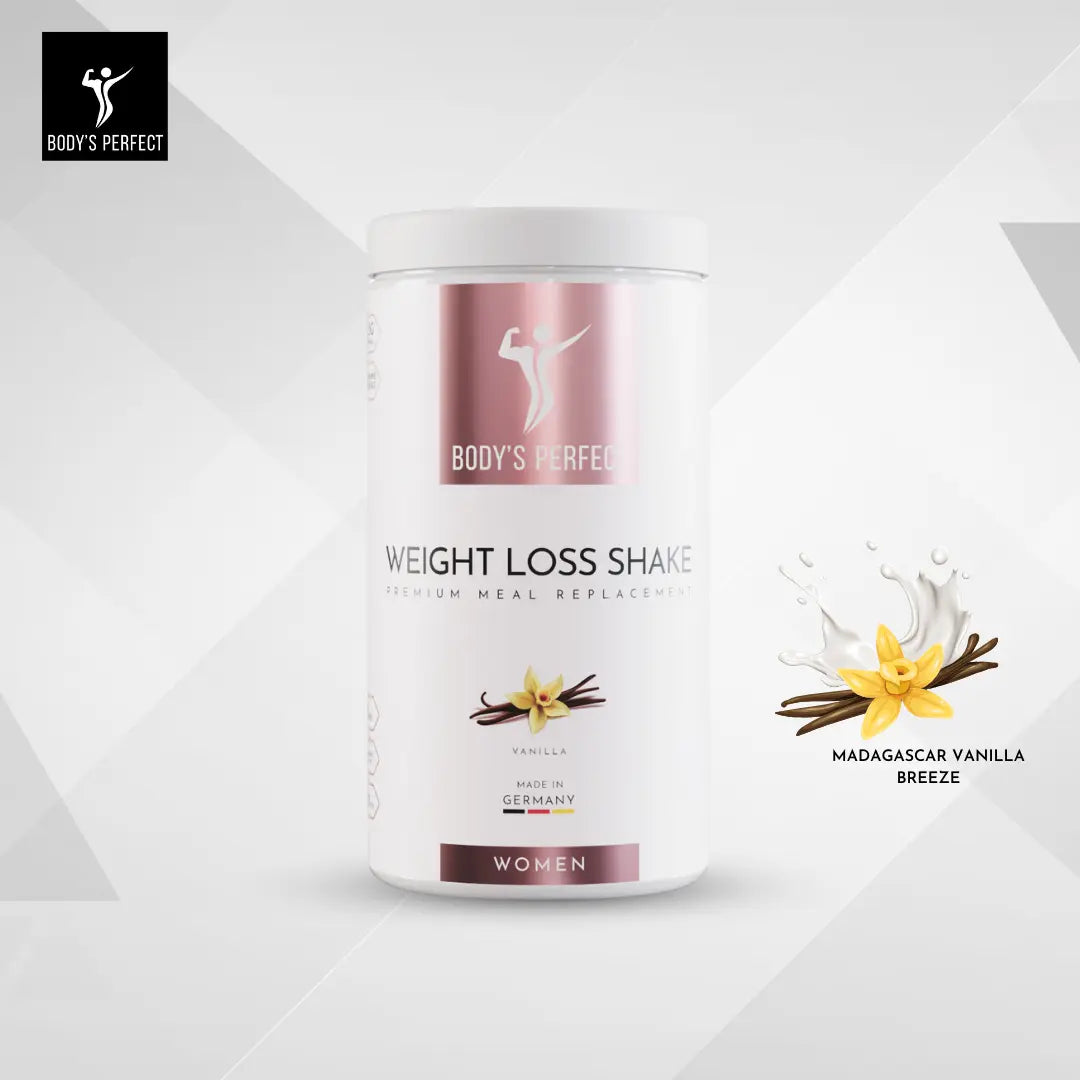
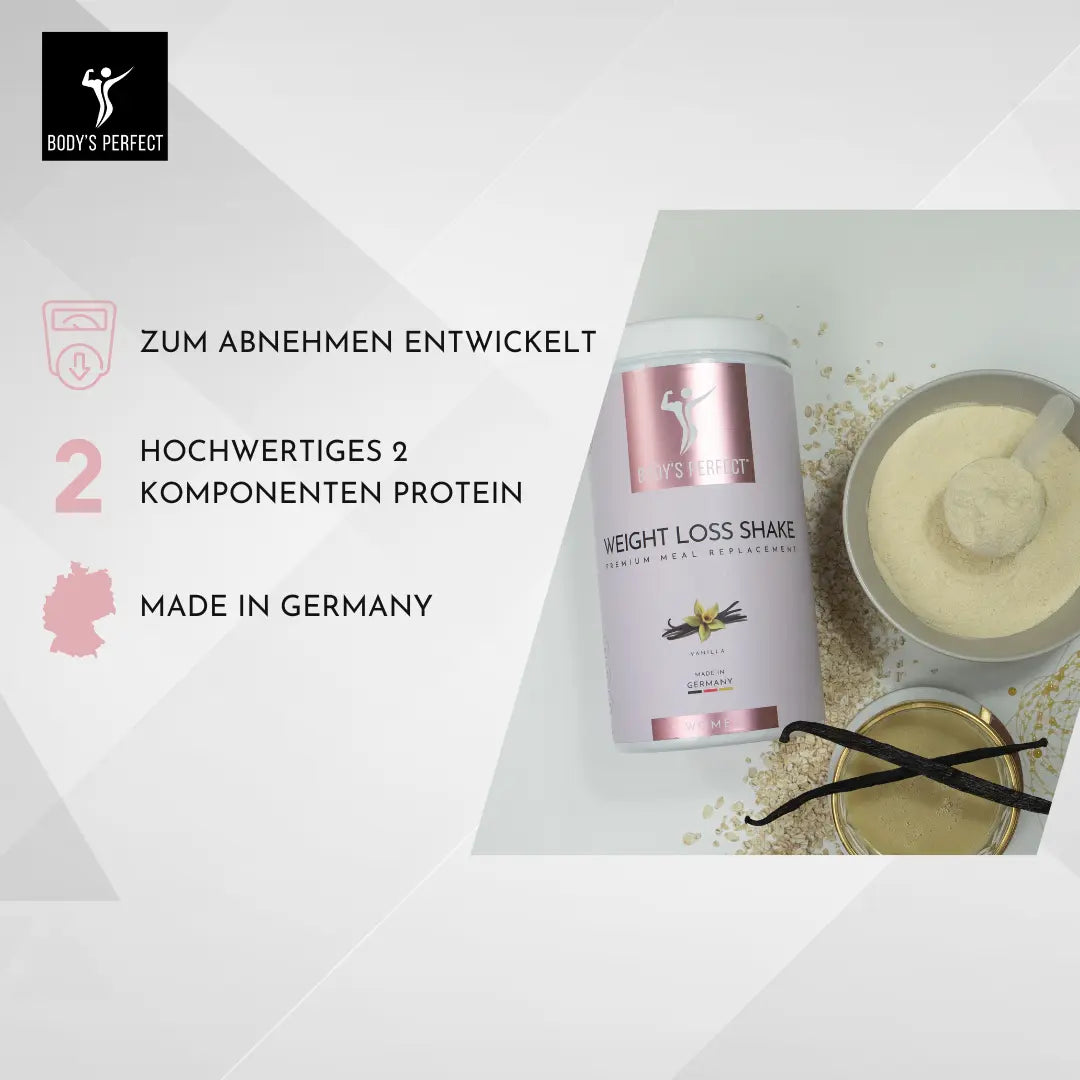
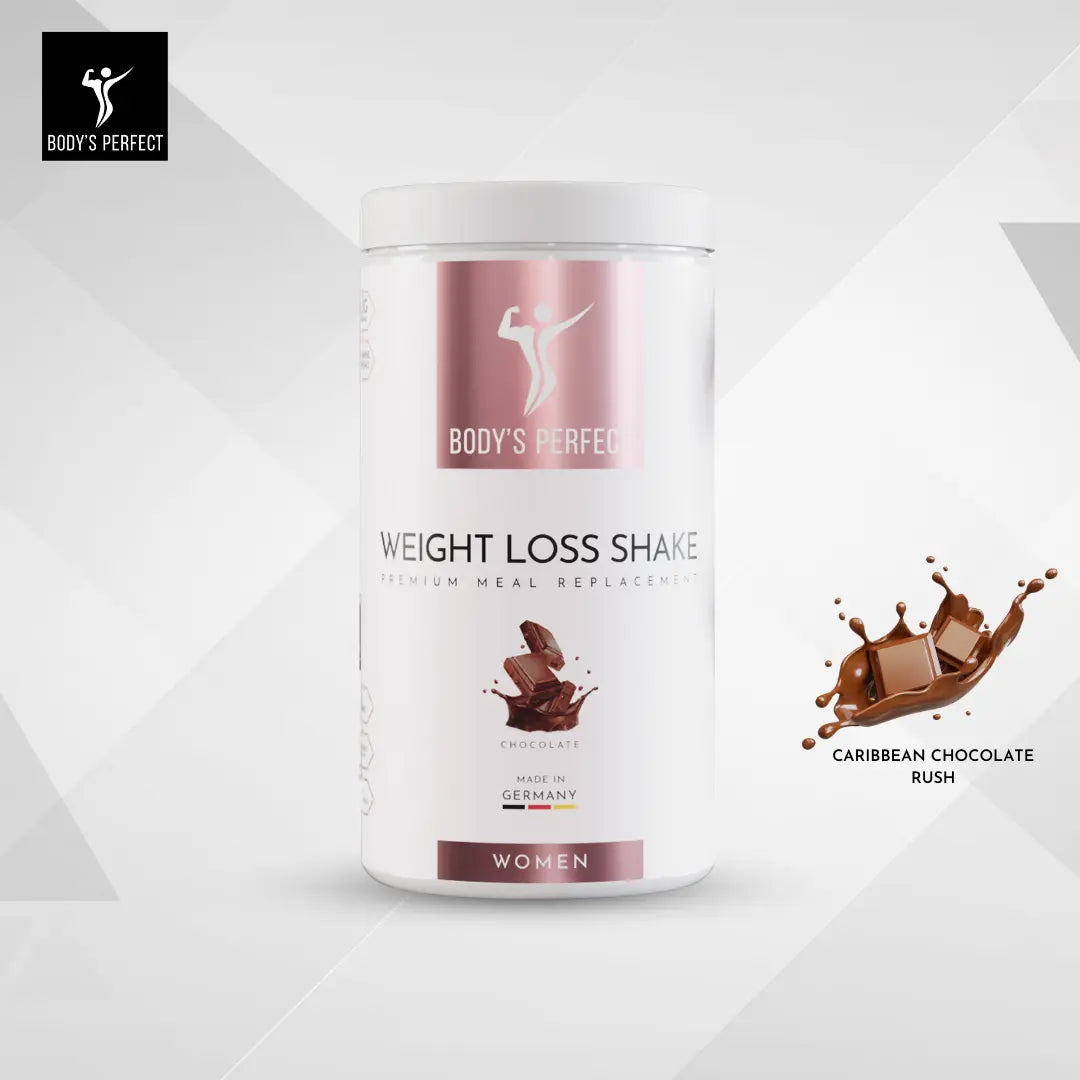
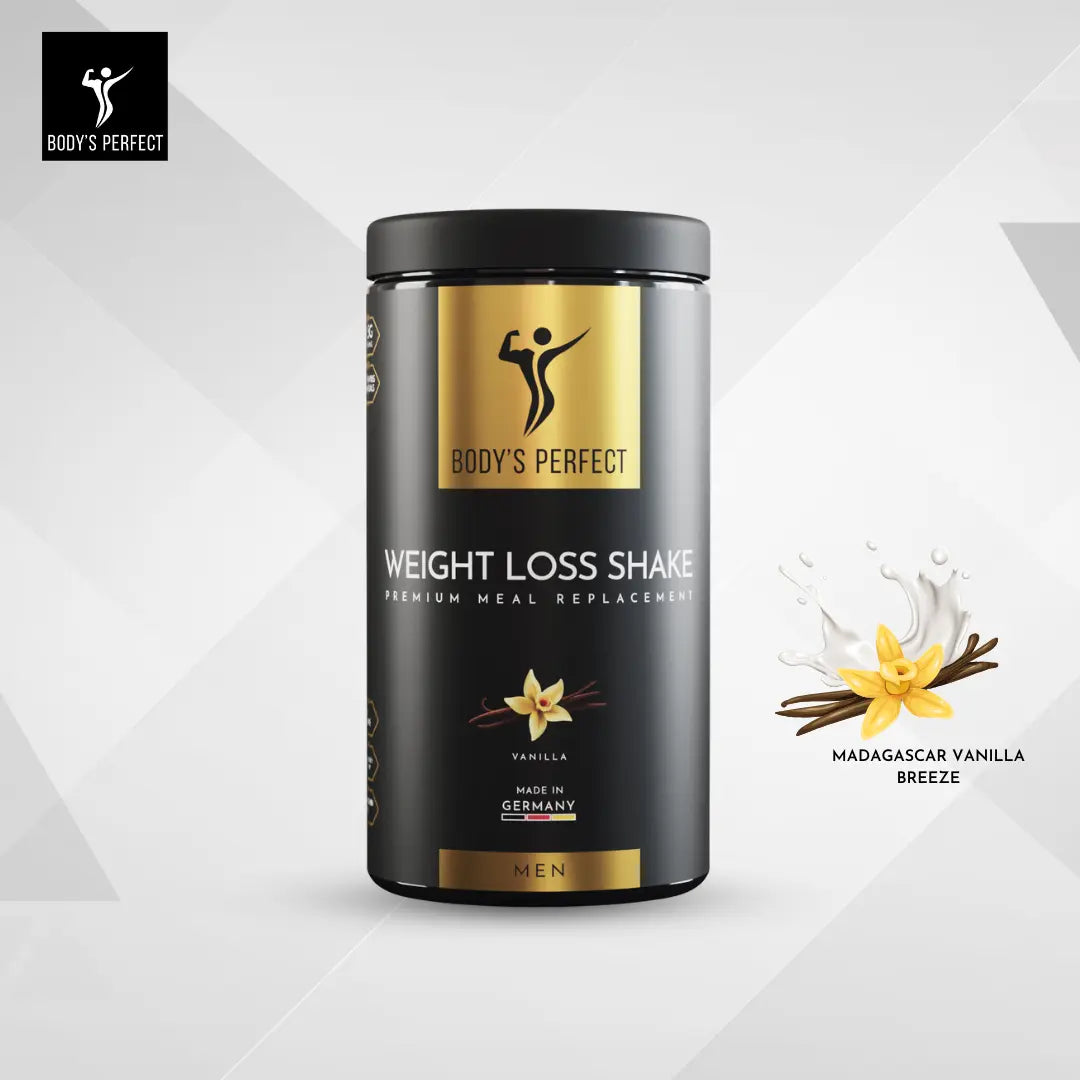
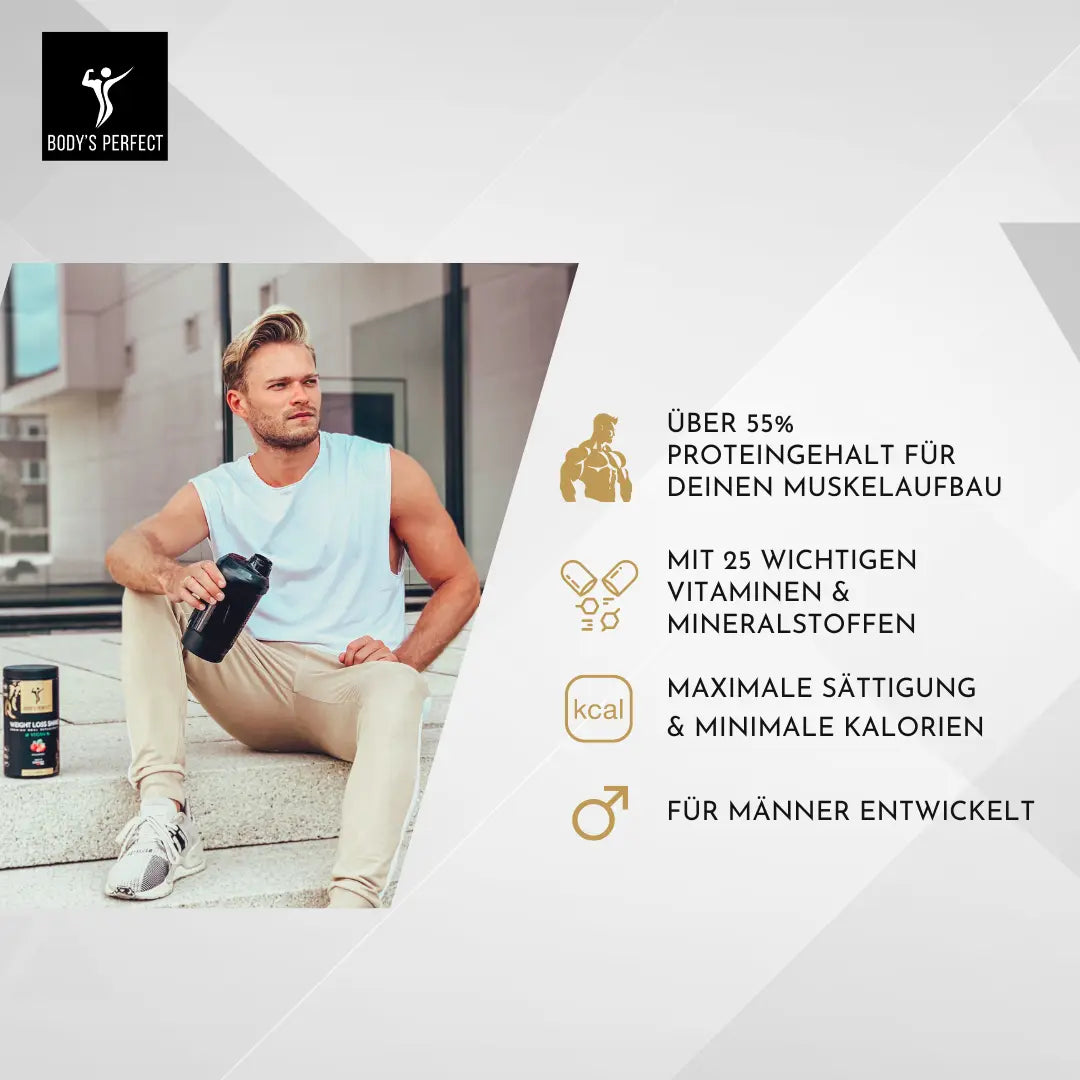
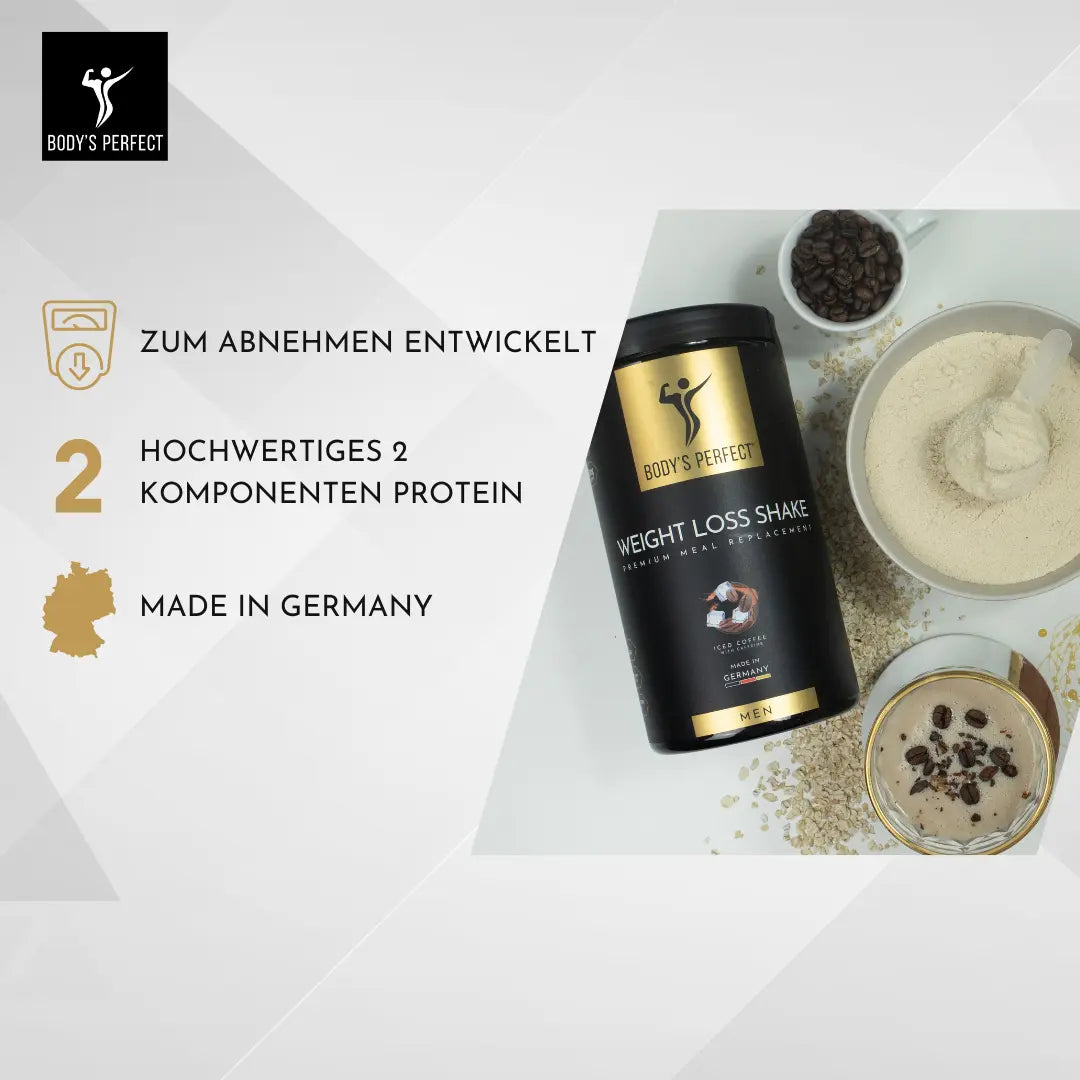
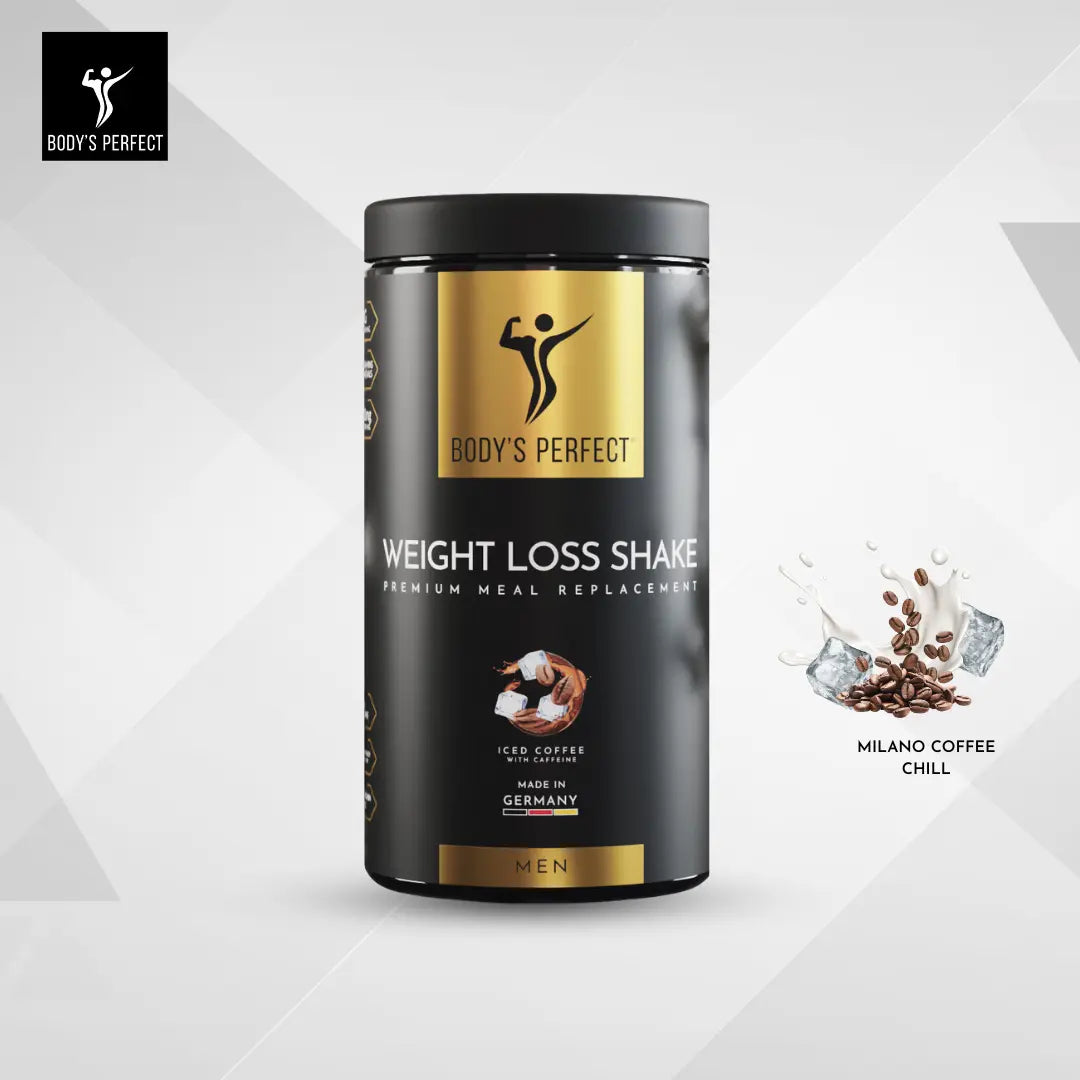
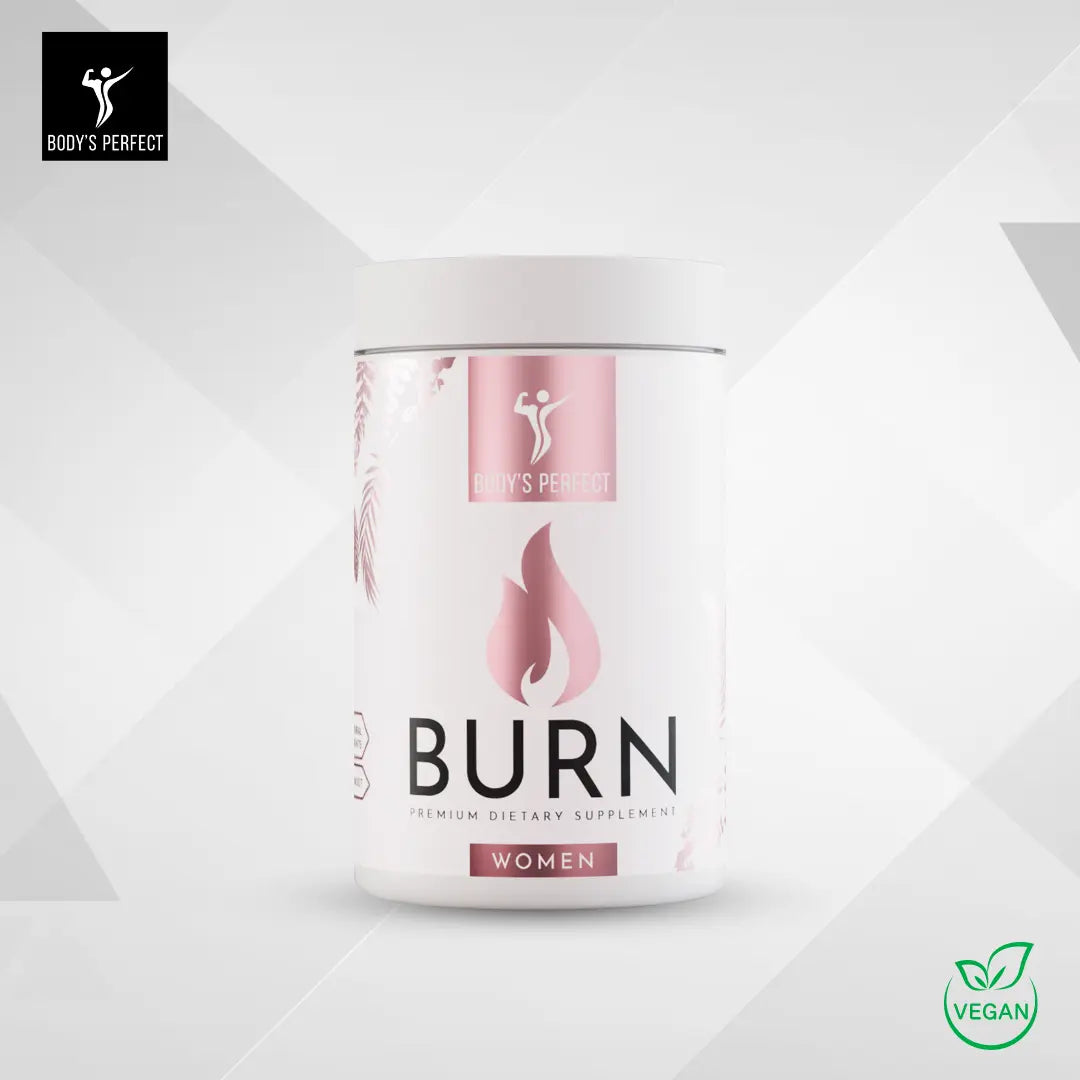
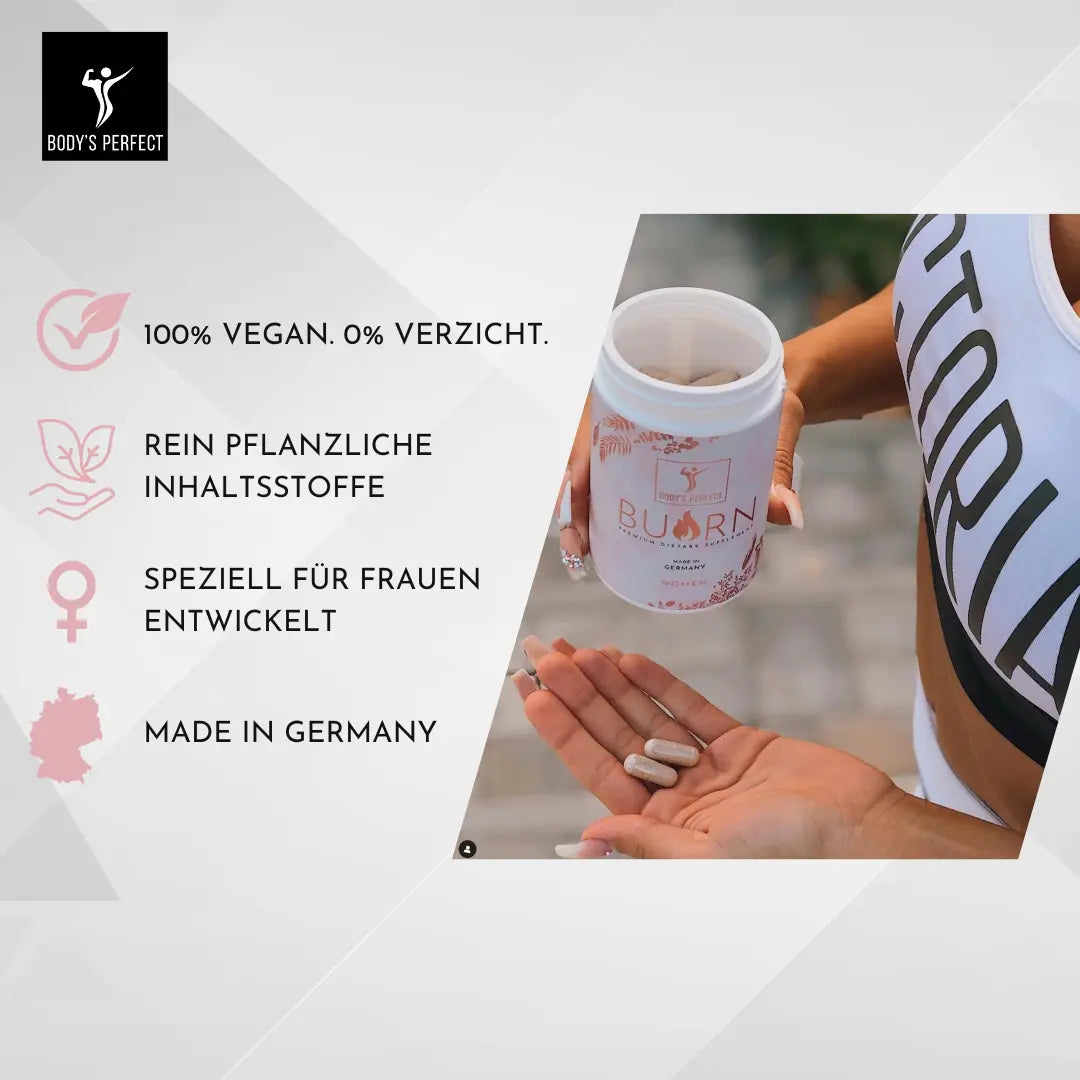
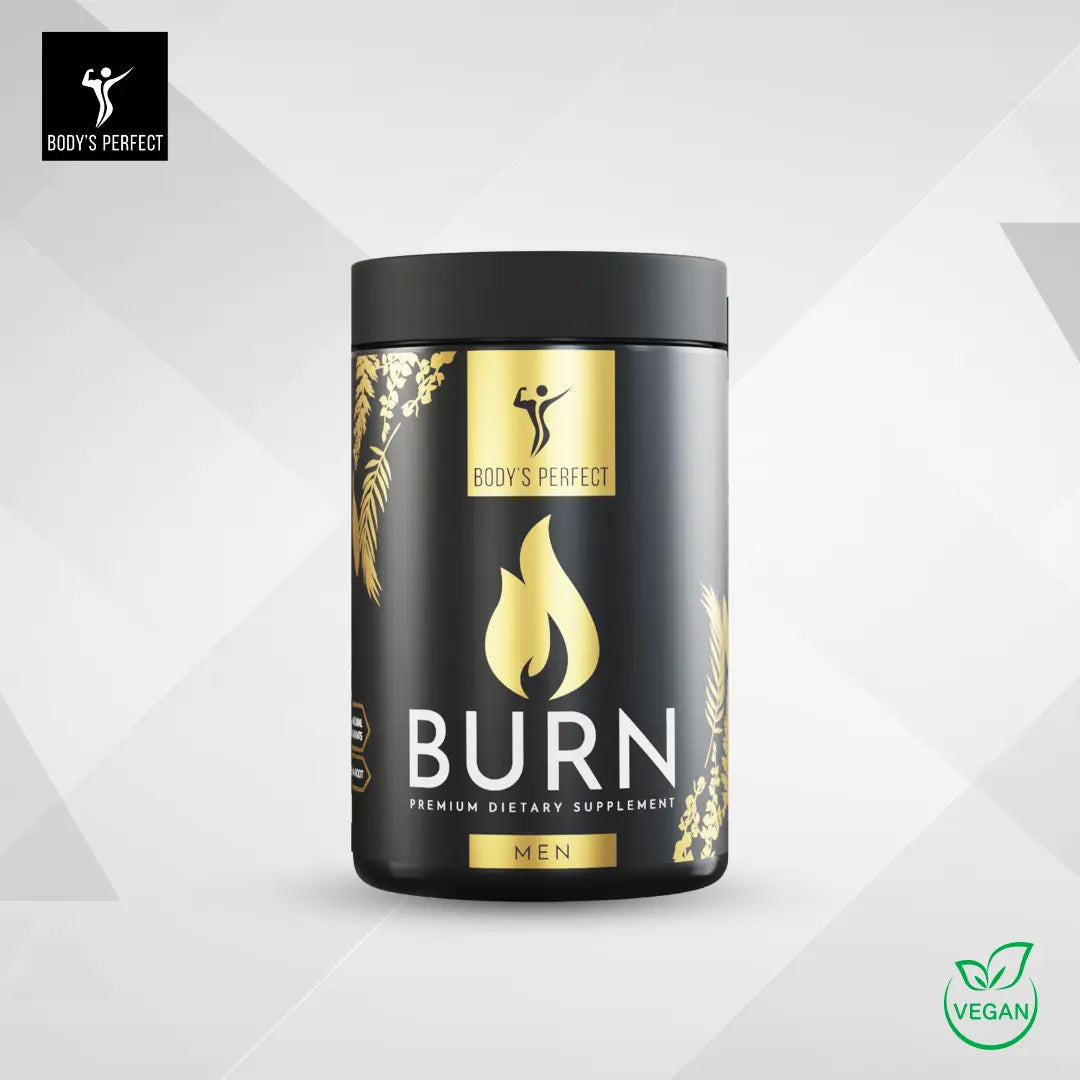
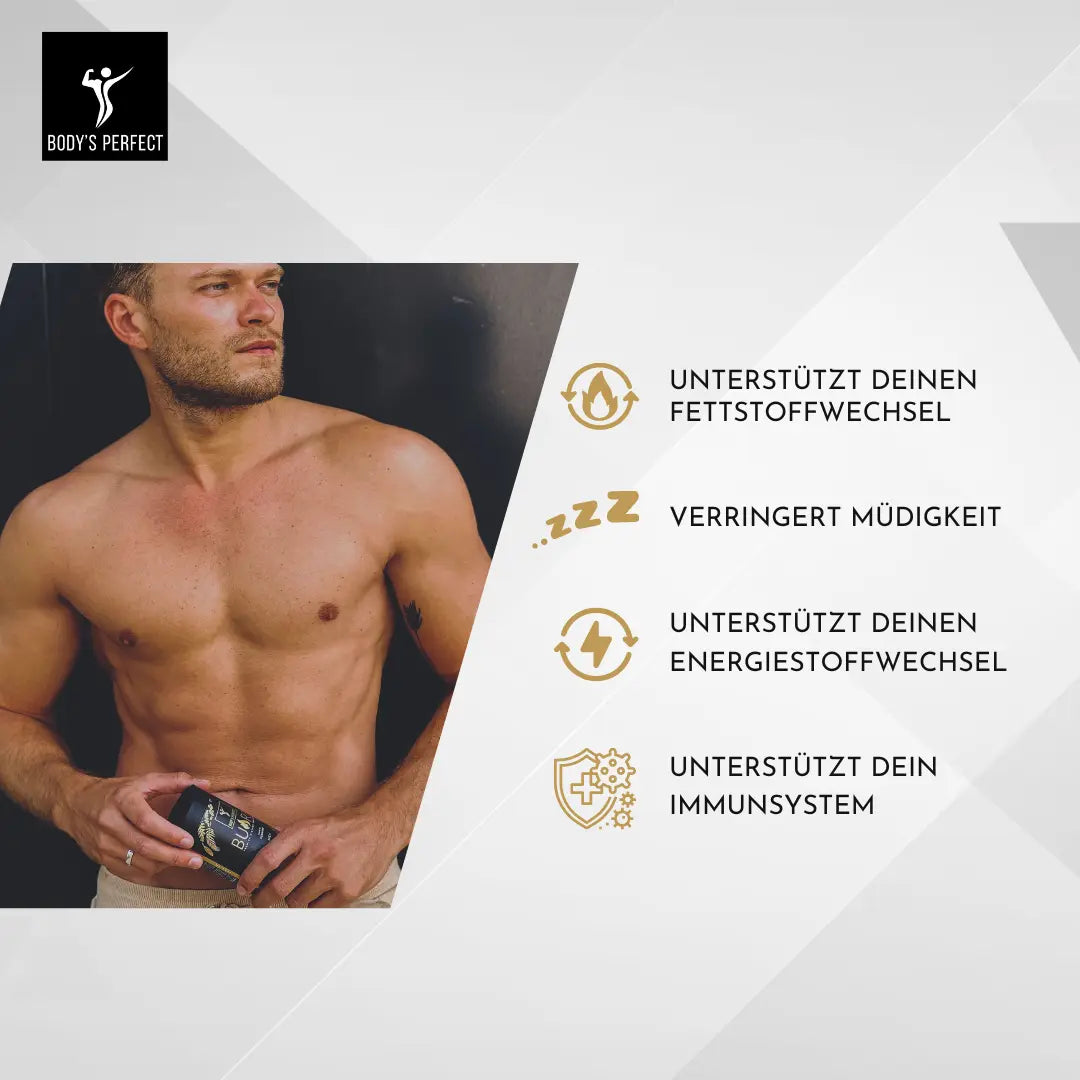
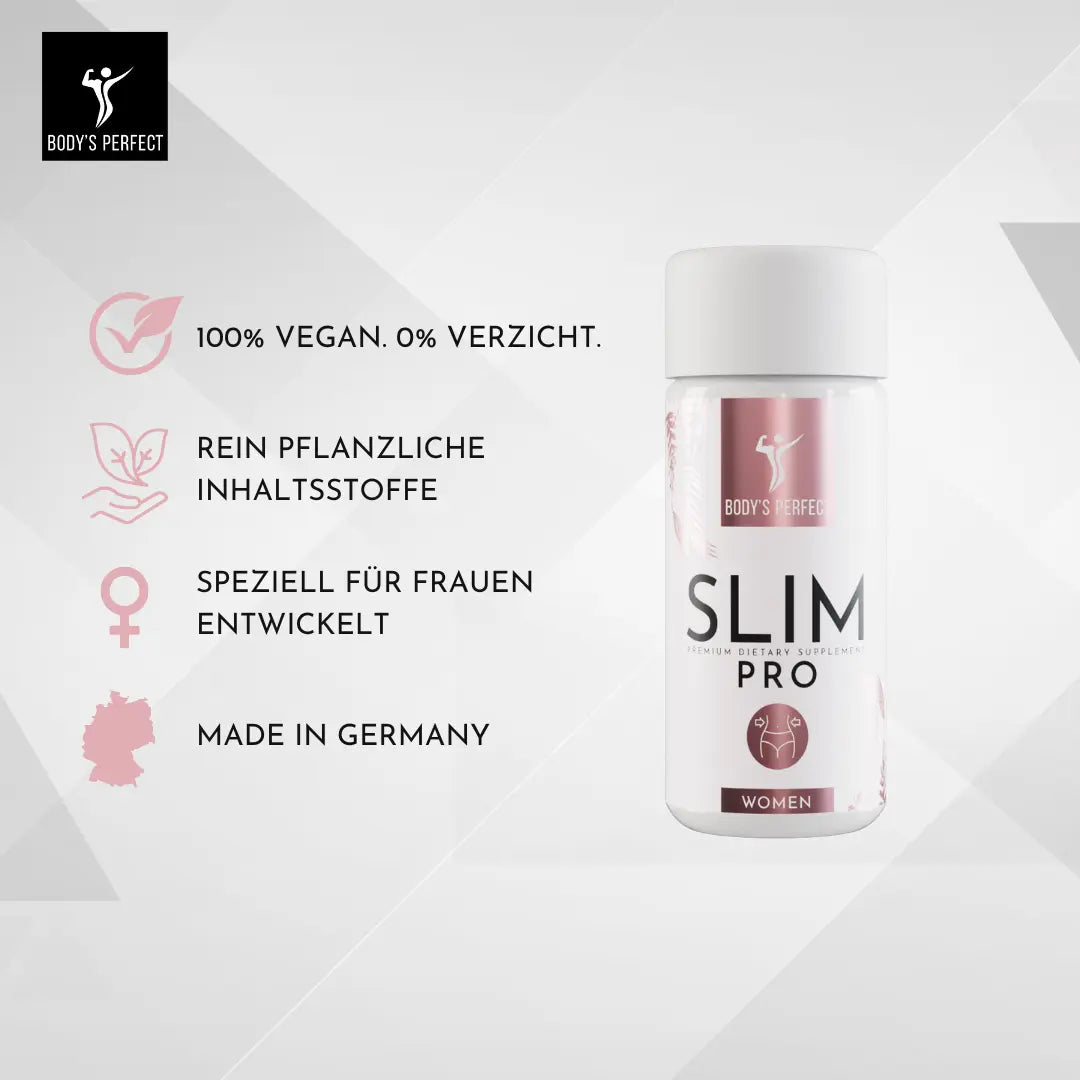
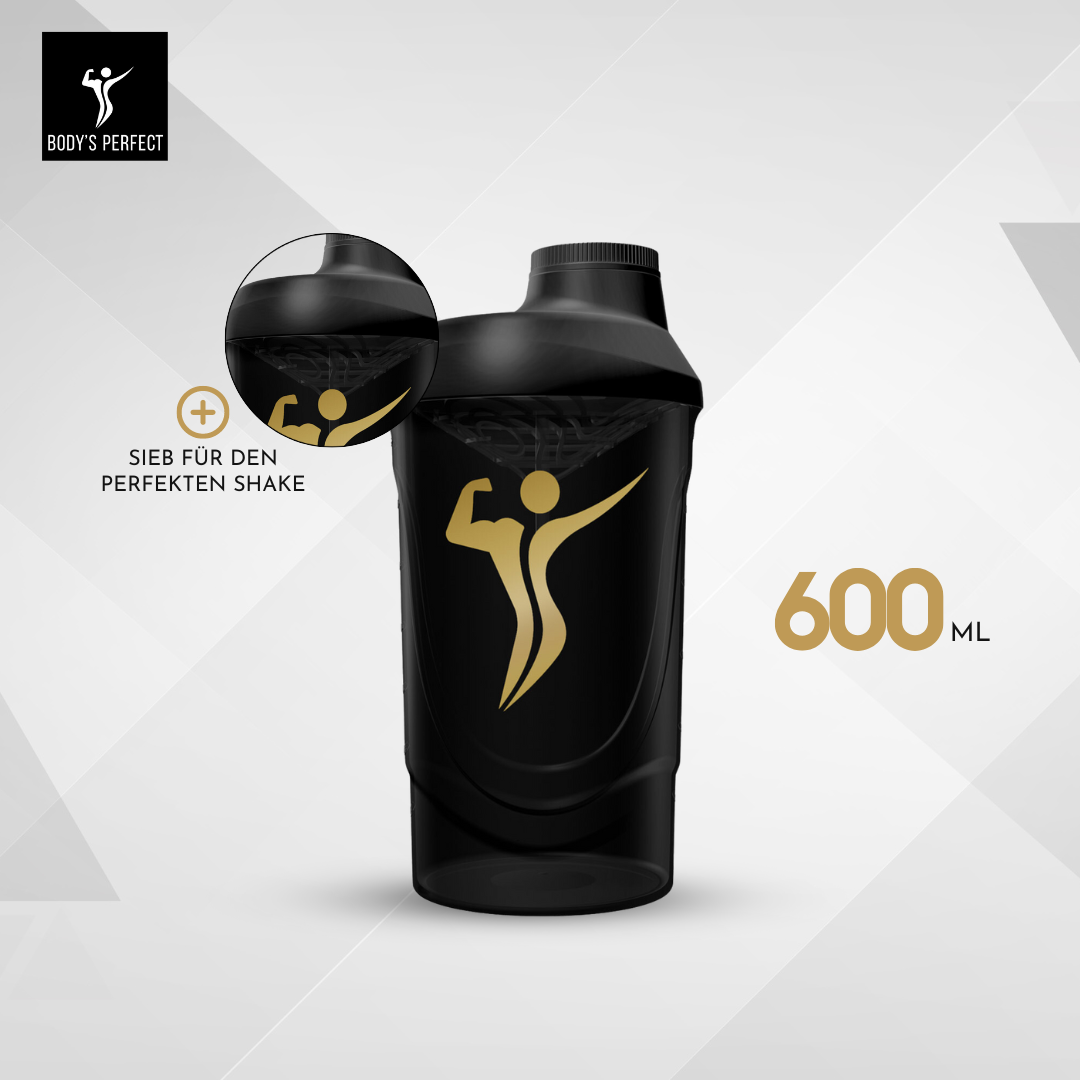
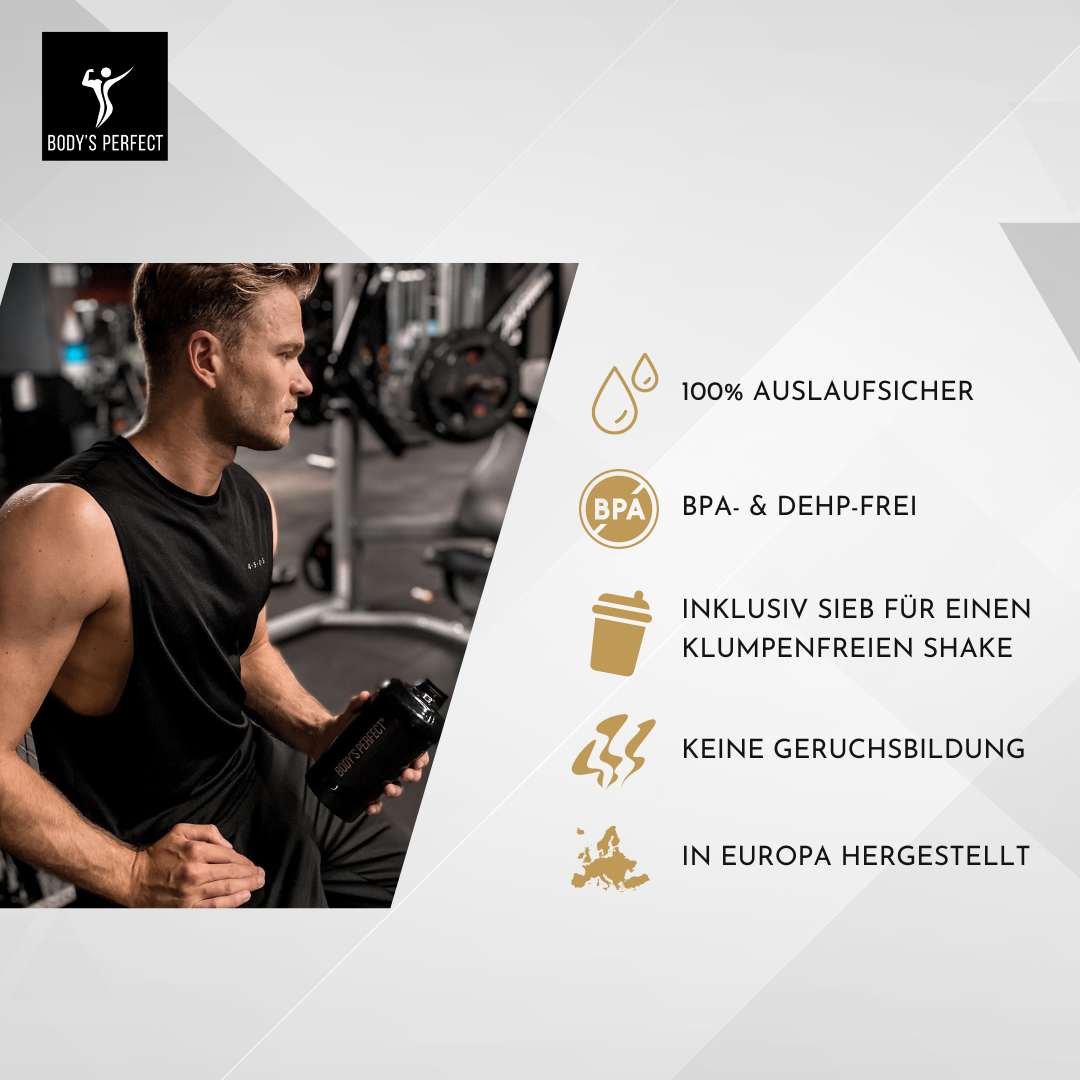
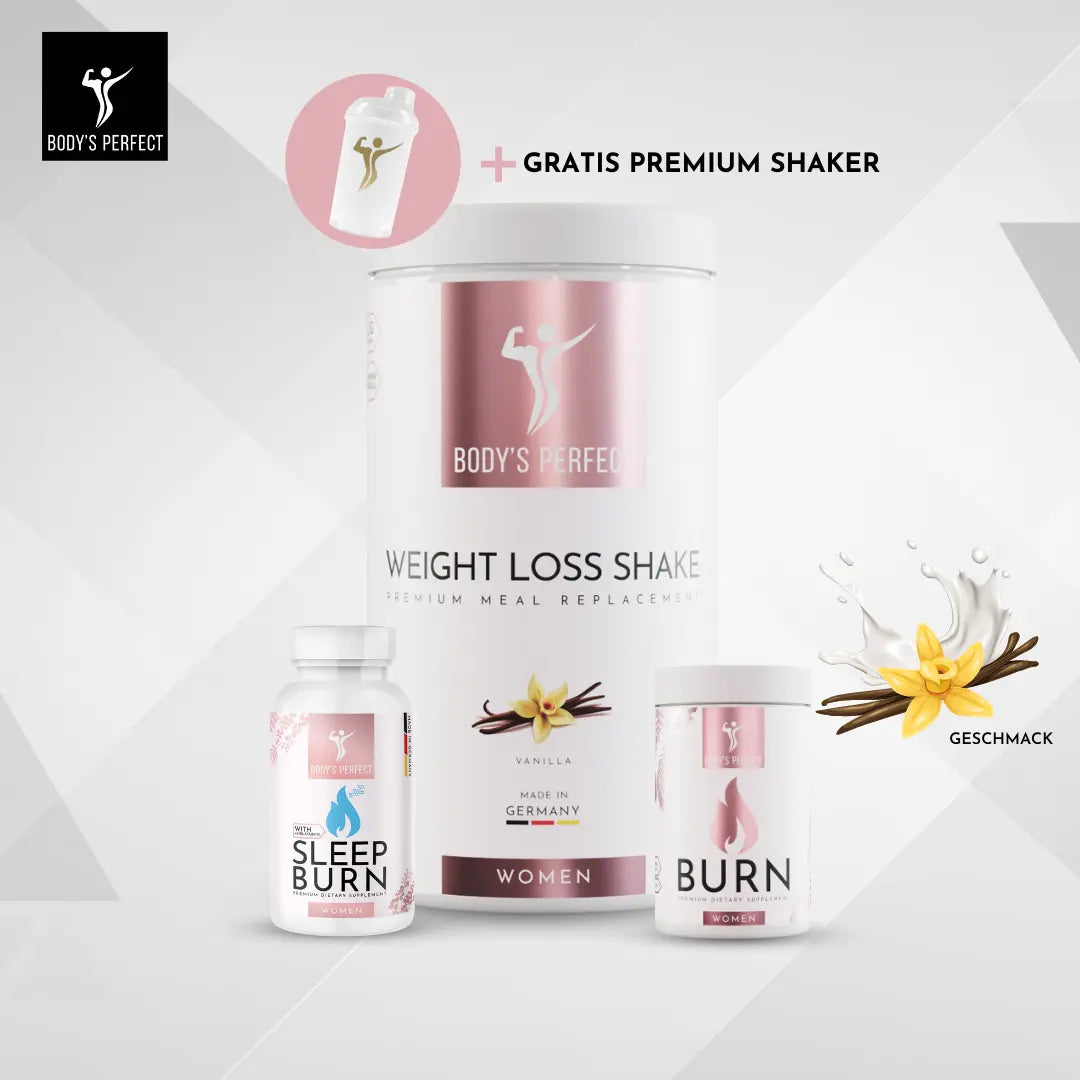
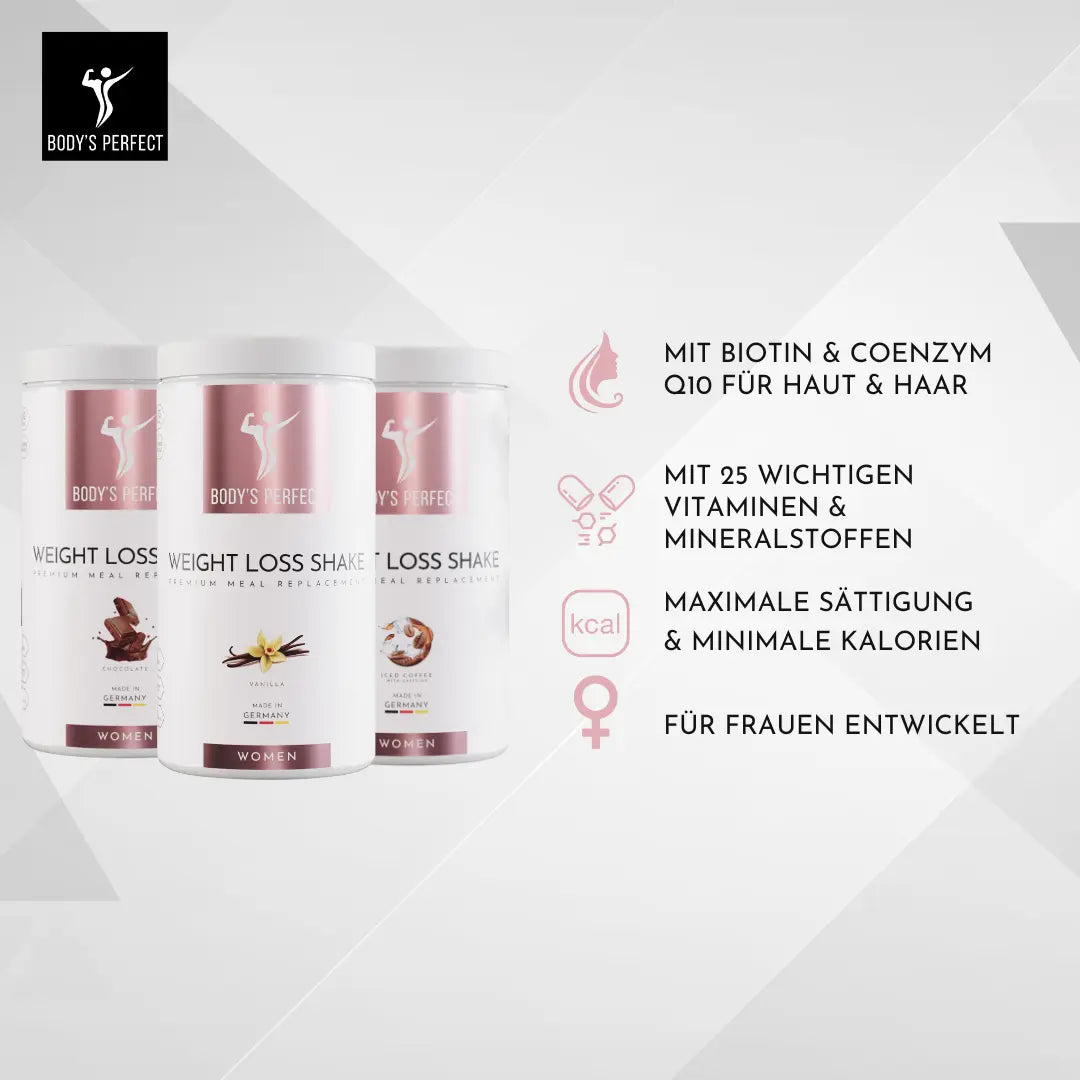
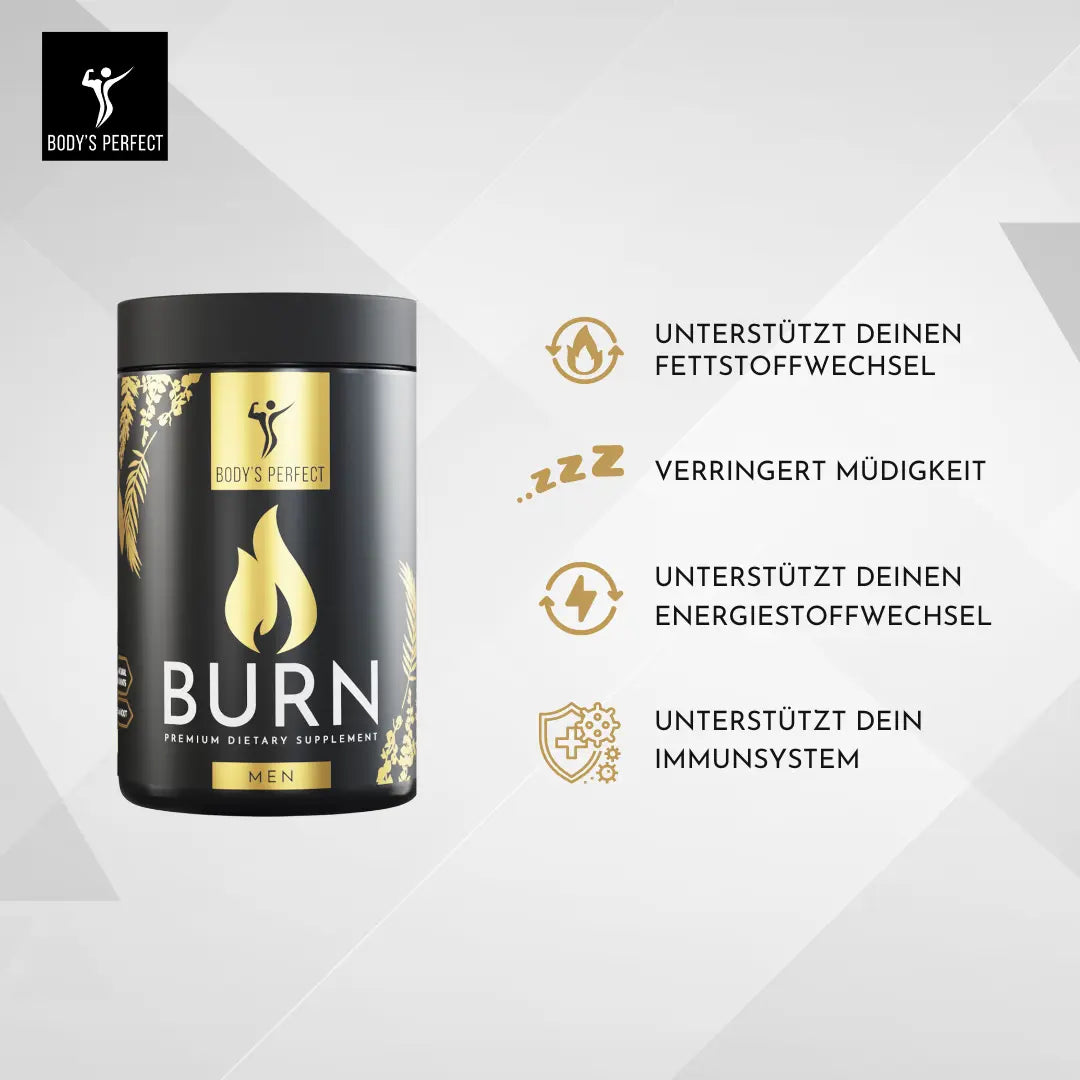
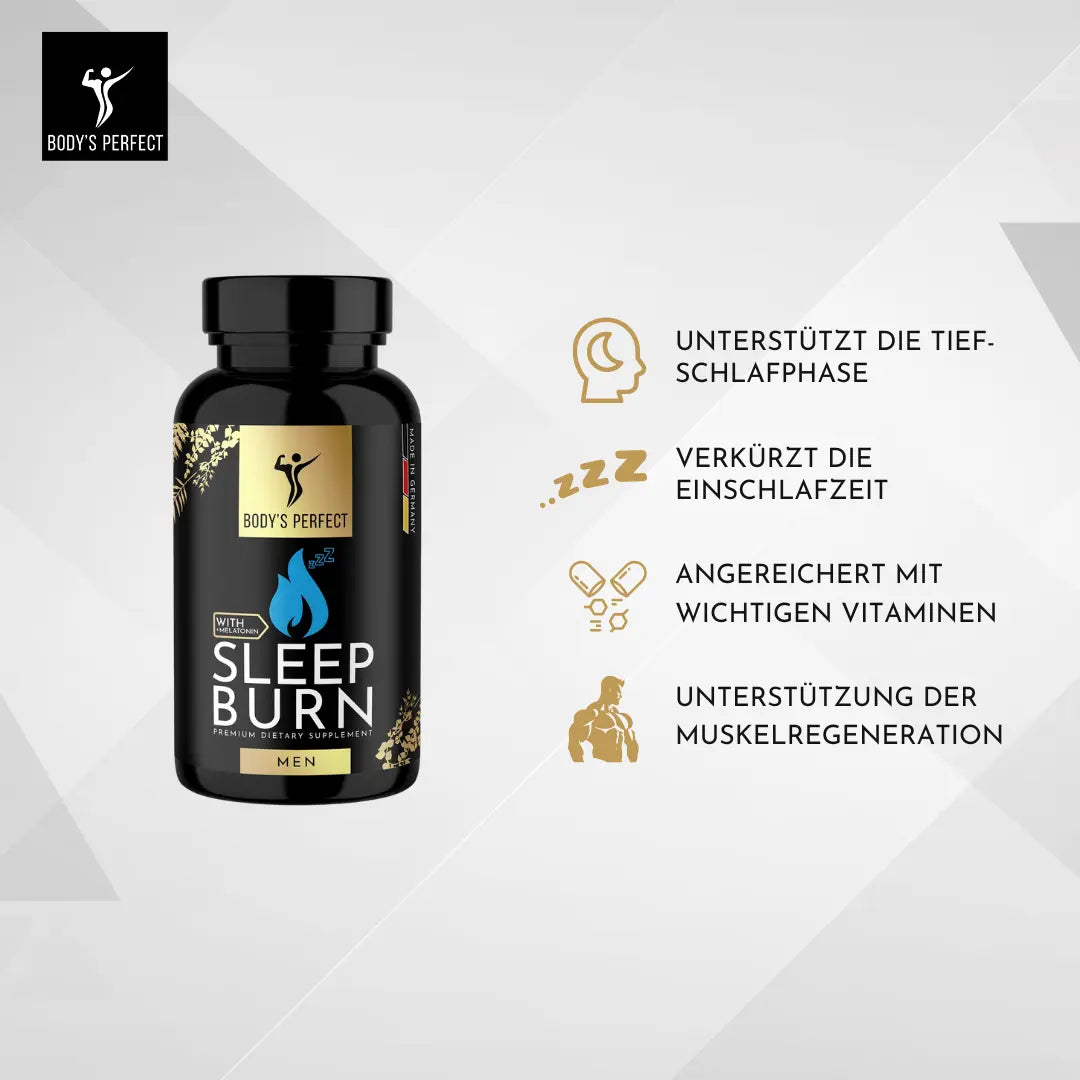
At BODY'S PERFECT, you will find high-quality products that support you on your journey. Discover our "Made in Germany" shakes and capsules at https://bodysperfect.com.









Share:
Strength Training for Weight Loss for Women: Effective Tips & Exercises
Do carbohydrate blockers really work? An honest assessment