

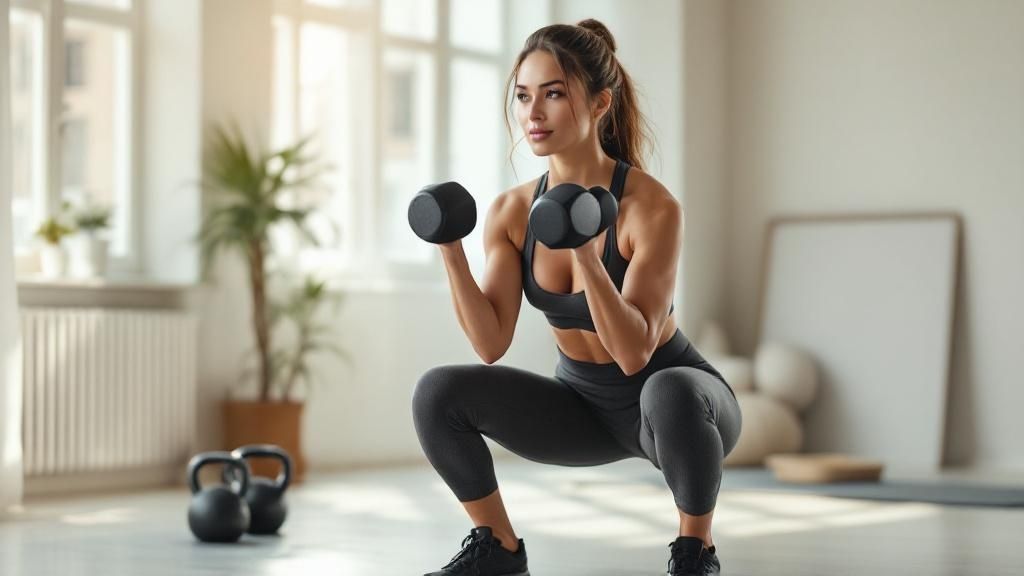
Weight Training for Women's Weight Loss: Effective Tips & Exercises
Yes, absolutely. Weight training is an extremely effective method for you to lose weight. But it's about so much more than just burning calories. You build muscle, which boosts your metabolism, and simultaneously sculpt your body in a way that goes far beyond the mere number on the scale.
Why Weight Training Is Your Key to Weight Loss

When you think about losing weight, hour-long cardio and strict diets probably come to mind first, right? But what if I told you from experience that your strongest partner in the fight against the pounds is waiting for you in the weight room? Exactly. For women, weight training isn't just an option – it's the key to a sustainably fit, strong body.
Let's immediately debunk a persistent myth: The fear of suddenly looking "bulky" or "massive" from dumbbells is completely unfounded. Your female hormonal balance ensures that you build muscle much slower and that these muscles take on a defined, lean shape. The result is not broad shoulders, but toned arms, firm glutes, and a beautifully sculpted waist.
Your Muscles: The Secret Fat Burners
Probably the biggest advantage of weight training for weight loss is the building of valuable muscle mass. Muscles are metabolically active. This means they consume energy even when you're doing absolutely nothing.
Just imagine your muscles as small power plants that work tirelessly for you – 24/7.
The more muscle mass you have, the higher your basal metabolic rate. This means you burn more calories just by existing – even when you're lying on the couch or sleeping.
This exact effect is crucial if you want to be successful long-term. While a pure diet often leads to the body losing not only fat but also valuable muscle, the exact opposite happens with weight training: You protect your muscles and ensure that only fat truly melts away.
Muscles vs. Fat: What You Need to Know
This table shows you at a glance the most important differences between muscle and fat tissue and why building muscle is crucial for your weight loss success.
| Characteristic | Muscle Tissue | Fat Tissue |
|---|---|---|
| Density | Dense & compact | Voluminous & soft |
| Metabolism | Very active (burns calories) | Less active (stores energy) |
| Volume | Takes up less space | Takes up more space |
| Appearance | Provides toning & shape | Makes the body appear "softer" |
| Function | Strength, stability, movement | Energy storage, insulation |
As you can see, a kilo of muscle mass is much more compact than a kilo of fat. That's why you can look leaner and more defined, even if the scale shows the same weight. So, don't just focus on the number, but on how your body feels and changes!
The Afterburn Effect: Your Bonus After Training
Ever heard of the afterburn effect? Technically, it's called EPOC (Excess Post-exercise Oxygen Consumption). After an intense weight training session, your body needs a lot of energy to recover and repair the stressed muscle fibers.
This process keeps your metabolism running at full speed for up to 48 hours after your workout. So, you continue to burn calories diligently long after you've put down the weights.
- Intense Training: The harder you train, the stronger the afterburn effect.
- Recovery: Your body works at full throttle to recover – and that costs energy.
- Long-term Benefit: Every single workout thus contributes sustainably to your calorie deficit.
As a side note: Many people in Germany struggle with their weight. About 53 percent of women have a Body Mass Index (BMI) over 25. When trying to lose weight, the body often makes a fatal mistake without targeted muscle stimulation: it first breaks down metabolically active muscle. Weight training specifically counteracts this, strengthens your most important fat burners, and ensures that you truly lose fat. You can learn more about these correlations in an insightful article on weight loss through exercise on stern.de.
Your Start to Weight Training – Without Being Overwhelmed
Is every beginning hard? It doesn't have to be. Especially when it comes to weight training, many women quickly feel overwhelmed. But don't worry, you don't have to become an expert overnight. The key is to start simply and structurally.
The good news is: You don't need an expensive gym membership or fancy equipment for this. Many of the most effective exercises can be done wonderfully with your own body weight or a few simple aids like resistance bands or dumbbells. The most important thing is to build a routine that works for you – not to get lost in the jungle of countless possibilities.
Proper Preparation is Half the Battle
Before you even touch a single weight, one thing comes first: warming up. A good warm-up is not a nice extra, but absolutely crucial. It prepares your muscles, tendons, and joints for what's to come, boosts circulation, and helps you mentally get into the workout.
A solid warm-up program could look something like this:
- 5-10 minutes of light cardio: A little something for your cardiovascular system. Whether it's running in place, a few rounds on the stationary bike, or jumping rope – the main thing is that you lightly break a sweat.
- Dynamic stretching: Forget static holding. We want movement! Think arm circles, leg swings, or gentle torso twists to lubricate the joints.
- Activation exercises: Specifically awaken the muscles that are about to work. A few bodyweight squats (Air Squats) or Glute Bridges are perfect for preparing your glutes and legs.
A little practical tip: See the warm-up as your personal time to switch off from everyday life. Leave the stress behind and focus entirely on yourself and your workout.
Learning the Basics Cleanly
Instead of getting bogged down with countless complicated exercises, focus on the big, fundamental movements at the beginning. These so-called compound exercises – like squats, deadlifts, or rows – are incredibly efficient. Why? Because they challenge multiple muscle groups simultaneously, which really boosts calorie consumption and lays the foundation for a strong body.
Here, clean technique is key. Quality always beats quantity. It's better to do five perfect repetitions than fifteen sloppy ones, where you might even injure yourself in the worst case. Watch the execution closely, film yourself, or train in front of a mirror.
To burn fat effectively, the intensity of your training is also important. Studies suggest that women who train at about 70 to 80 percent of their maximum weight achieve significant success in reducing body fat. This demanding training challenges your muscles, boosts your metabolism, and provides the famous afterburn effect, which continues to burn calories hours after your workout.
But don't forget: Your body is made in the kitchen. Training is only one half of the equation. Adequate protein intake, for example, is essential to protect and nourish your hard-earned muscles. To truly maximize your results, check out our guide to proper nutrition for muscle building. With this smart combination of training and nutrition, you'll build the foundation for your sustainable weight loss success.
Your Concrete Training Plan for the First 12 Weeks
Enough with the theory! Now it's time for the real deal. We're putting the power on the road – or rather, the strength into the gym or your living room. A well-thought-out plan is worth its weight in gold. It ensures that you don't wander aimlessly from machine to machine, but truly get closer to your goal with every single training session.
This 12-week plan is designed as a full-body workout. This means you train the large and important muscle groups in each session. For beginners, two to three training days per week are absolutely ideal. This gives your body the necessary time to recover and get stronger. This is exactly the basis for sustainable success.
The following graphic shows you the correct execution for deadlifts. This is one of the king exercises for a strong body and a crucial building block if you want to lose weight effectively as a woman.
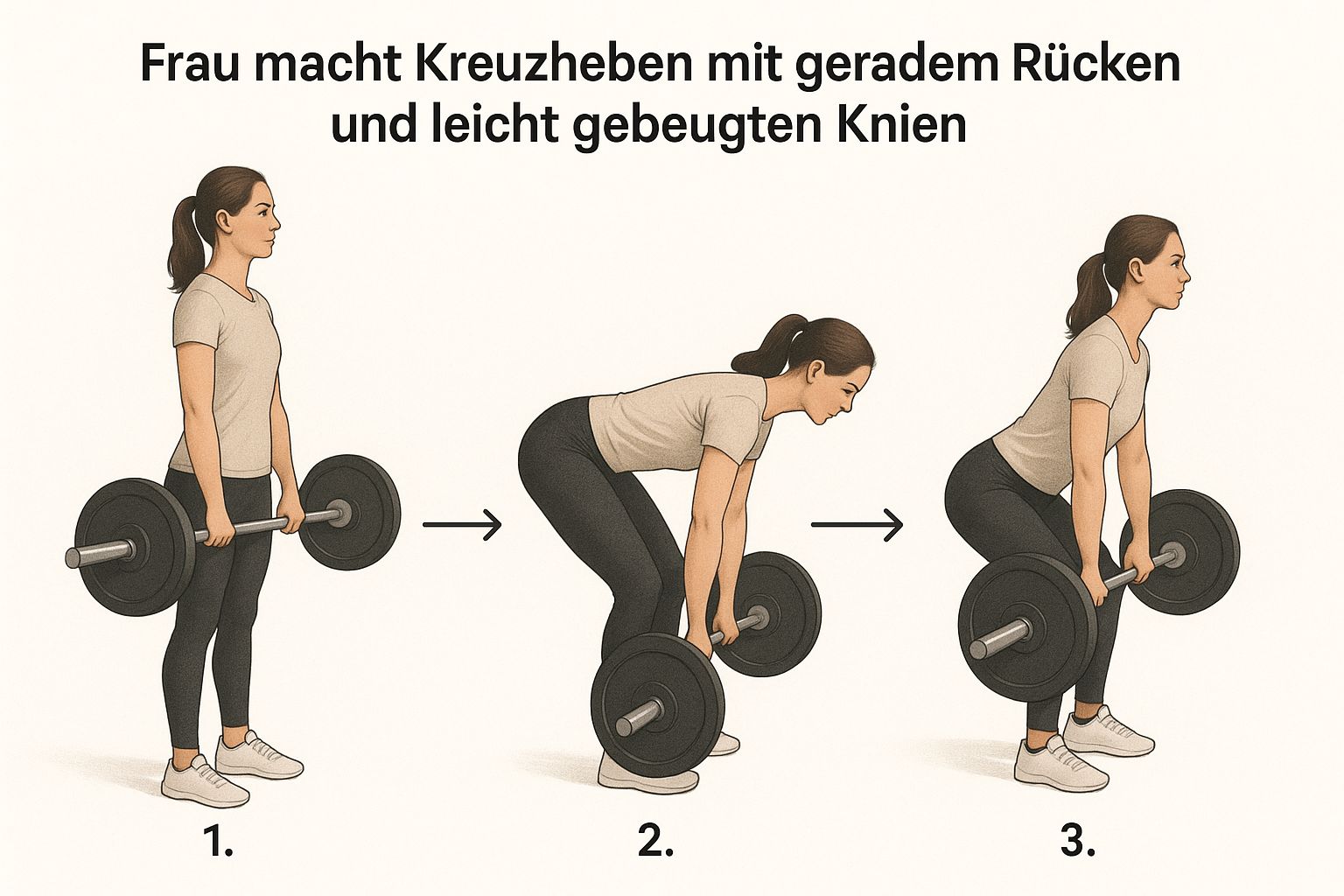
Look closely: a straight back and engaged core muscles are essential. Only then will you avoid injuries and ensure that the strength reaches exactly where it should – in your muscles.
The Cornerstones of Your Training
Your plan is based on the most effective basic exercises available. I rely on them because they challenge several joints and muscle groups at once. The advantage for you? You burn significantly more calories and build functional strength that truly helps you in everyday life.
Focus entirely on clean execution. It is so much more important to do an exercise slowly and controlled than to simply lift a lot of weight. Quality over quantity – that should be your mantra.
For starters, let's set the following key figures:
- Sets: 3 per exercise
- Repetitions: 8-12 per set
- Rest: 60-90 seconds between sets
This repetition range is perfect for muscle building (hypertrophy). Choose your weight so that the last two repetitions are a real challenge, but you can still complete them with clean technique.
Example Full-Body Training Day
A clearly structured example training day that shows you how to combine exercises, sets, and repetitions for an effective session.
You can complete this plan two to three days a week, not on consecutive days (for example, Monday and Thursday). This gives your muscles time to grow.
| Exercise | Sets | Repetitions | Rest |
|---|---|---|---|
| Goblet Squats | 3 | 8-12 | 90 sec. |
| Romanian Deadlifts | 3 | 8-12 | 90 sec. |
| Barbell Row / Cable Row | 3 | 8-12 | 60 sec. |
| Bench Press (Dumbbell or Barbell) | 3 | 8-12 | 60 sec. |
| Shoulder Press (standing with dumbbells) | 3 | 8-12 | 60 sec. |
| Plank (Forearm Plank) | 3 | Hold until muscle failure | 60 sec. |
As you can see, this plan covers all fundamental movement patterns: pushing, pulling, squatting, and hip extension. Your core works diligently in all exercises and gets an extra dose of attention with the plank at the end.
How to Get Stronger Step by Step
The engine for long-term success is called progressive overload. Sounds complicated, but it's not. It simply means that you constantly challenge your body with new, small challenges. Only then does it have a reason to adapt and get stronger.
Without regular increases, your body will stagnate. Your goal is to improve in small but steady steps. This is the engine that drives your transformation.
You have several options to increase the intensity:
- More repetitions: Can you barely manage 8 repetitions with a certain weight in the first week? Great! In the next sessions, work your way up to 12 clean repetitions with the same weight.
- More weight: Once you can comfortably do 12 repetitions in all three sets, it's time for the next heavier dumbbell. Then you might start again with 8 repetitions, but with more resistance.
- Shorter rests: To further increase the intensity, you can gradually shorten your rest time from 90 to 60 seconds. This really fires up your metabolism.
But don't forget: This plan is a tool, not a rigid law. Always listen to your body and adjust it if necessary. Training is only one side of the coin – nutrition and recovery also play a huge role. If you want to learn more about how to optimally fuel your body, check out our guide on how to lose weight sustainably.
The Right Nutrition for Your Training Success
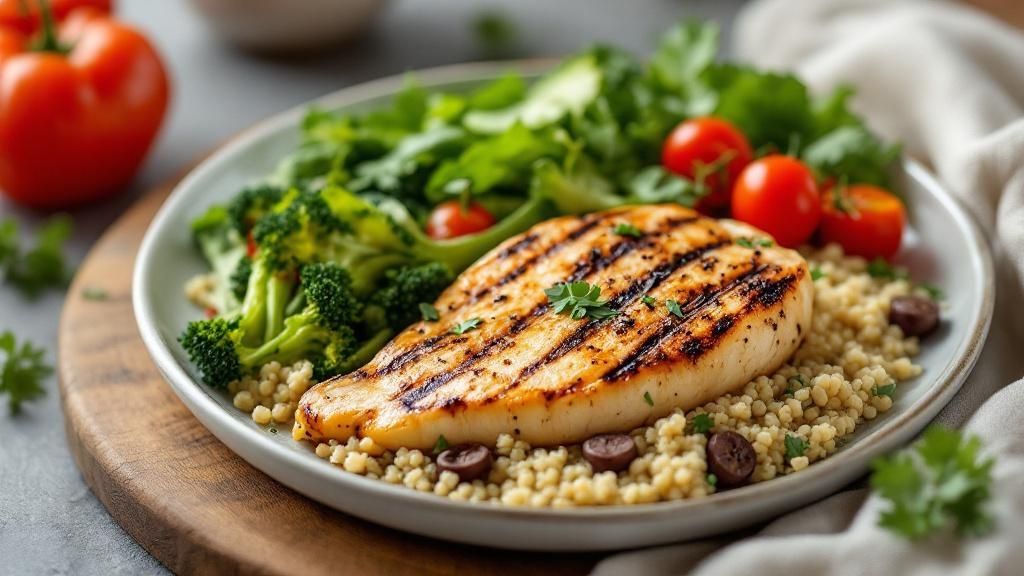
Your effort in training is one half of the equation, but to truly make your progress visible, we need to talk about the second big piece of the puzzle: nutrition. Think of it this way: Your training is the engine of your success, but your nutrition is the high-quality fuel that gets it running at full throttle. Without the right nutrients, an incredible amount of potential goes to waste.
I'm not talking about strict prohibitions or complicated diet rules here. Instead, I want to show you how, with a few clever adjustments, you can find a way of eating that truly satisfies you, gives you energy, and optimally supports your body during weight loss.
Why Protein is Your Best Friend
When you eat fewer calories than you burn – meaning you're in a calorie deficit – there's always a risk that your body will break down not only fat but also valuable muscle mass. And this is exactly where proteins come in. They are the building blocks of your muscles and protect them from being burned as a quick energy source.
What many underestimate: A protein-rich meal also keeps you feeling full much longer than one that consists mainly of simple carbohydrates. This is your secret weapon against cravings and makes it so much easier to maintain your calorie deficit.
As a rule of thumb, in my experience, a value of 1.5 to 2.0 grams of protein per kilogram of body weight per day has proven effective. This ensures that your muscles are well supplied and you benefit from this great satiating effect.
Great protein sources include:
- Animal: Lean meats like chicken or turkey, fish, eggs, and quark.
- Plant-based: Lentils, chickpeas, tofu, tempeh, and beans are at the forefront here.
If you're in a hurry or realize you simply can't meet your protein needs, high-quality shakes are a really sensible addition. Curious? Here you'll find some great ideas on how to make delicious shakes for weight loss yourself.
Using Carbohydrates and Fats Cleverly
Carbohydrates are not the enemy! Quite the opposite, you need them as your most important energy source for your intense workouts. The trick is to eat the right carbohydrates at the right time.
Focus on complex carbohydrates like whole grains, oats, potatoes, or quinoa. They provide you with long-lasting energy and valuable fiber. Ideally, plan your most carbohydrate-rich meal around your training – about one to two hours before or immediately after. This replenishes your energy stores and gets you ready for the next session.
Healthy fats are also absolutely vital. They are central to your hormone production and help with the absorption of fat-soluble vitamins. Good sources include avocados, nuts, seeds, and high-quality oils like olive or flaxseed oil.
Weight training for women is so effective because it not only burns fat but also builds muscle that sculpts your body beautifully. This process can lead to you looking leaner, even if the scale stays still for a while – muscles are denser and heavier than fat. The targeted combination of weight training and nutrient-rich nutrition is therefore the key to sustainable success. You can learn more about the interplay of exercise and nutrition for weight loss on tum.de.
Overcoming Typical Hurdles and Staying Motivated Long-Term
 Your path to a fitter and more defined body is a marathon, not a sprint. On this journey, there will certainly be days when you doubt yourself or feel like you're treading water. This is completely normal and part of the process – the real art lies in recognizing these hurdles and cleverly overcoming them.
Especially at the beginning, motivation is often huge, but after a few weeks, everyday life creeps back in. Going to the gym then suddenly no longer feels like an exciting project, but like a tedious chore. This is precisely where you need to focus.
Dealing with a motivation dip
Consciously remind yourself why you started this journey. What was your original goal? Write it down on a piece of paper and stick it on the fridge or bathroom mirror. But even more important is learning to celebrate the small successes beyond the scale.
- Are you suddenly doing one more repetition than last week? Great!
- Does the execution of an exercise feel much cleaner and more secure? Perfect!
- Did you drag yourself to the gym even though you were totally tired? You can be really proud of that!
These small victories are the fuel that keeps you going long-term. They are the best proof that you are getting stronger – not just physically, but mentally too. A strong body also shapes a strong self-image, and you will feel how this new strength changes your entire demeanor. If you would also like to work on your inner foundation, check out our article on how to specifically strengthen your self-confidence.
Don't view your training as a punishment for what you've eaten, but as a celebration of what your body can do. This change in perspective is incredibly powerful.
What to do about a training plateau?
Eventually, a point almost always comes when seemingly nothing more is happening. Neither with the weight you are lifting nor on the scale. This is a classic plateau, and it only means one thing: your body has adapted to the previous training stimuli.
Now is the time to consciously change something. Vary your training plan, try new exercises, or simply play with the number of sets and repetitions. Sometimes, however, a plateau is also a clear sign that you are not giving your body enough rest.
Regeneration is not a luxury, but an absolutely crucial factor for your progress, especially for strength training for weight loss as a woman. Good sleep and consciously scheduled rest days are essential so that your muscles can grow and your metabolism can run at full speed. Learn to listen to your body's signals – it usually tells you exactly what it needs.
Frequent questions about strength training for women
If you're thinking about losing weight through strength training, you probably have a few questions. That's a good thing! Let's clear up the most common ambiguities so you can get started with a good feeling and the right knowledge.
One of the first questions I'm always asked is: How often a week do I even have to train to see results? As a beginner, you'll do best with two to three fixed training days per week. This gives your body the necessary time to recover and adapt – and it's precisely during these breaks that the magic happens: Your muscles grow and your metabolism really gets going.
Won't strength training make me too muscular?
Don't worry, this myth is really just a myth. The fear of suddenly looking like a bodybuilder from lifting weights is completely unfounded for women.
The reason for this lies in our biology. Your female hormone balance, especially the much lower testosterone level compared to men, prevents you from building huge muscles. Instead, you develop a firm, defined, and yes, absolutely feminine figure. You will become strong and shapely, not bulky.
What's more important for weight loss: cardio or strength training?
Both have their place, but when it comes to sustainable weight loss, strength training has a decisive advantage. With cardio, you burn calories as long as you're moving. Strength training, on the other hand, has a much longer-lasting effect.
When you build muscle, you increase your basal metabolic rate. This means your body constantly uses more energy – even when you're lying on the sofa. This combination of direct calorie consumption during exercise and increased metabolism at rest (the so-called afterburn effect) is what makes strength training so incredibly effective.
The best strategy is a clever mix. See strength training as your foundation and occasionally sprinkle in cardio units to keep your cardiovascular system fit. To accelerate the whole process even further, check out our additional tips for losing weight, which perfectly complement your training program.
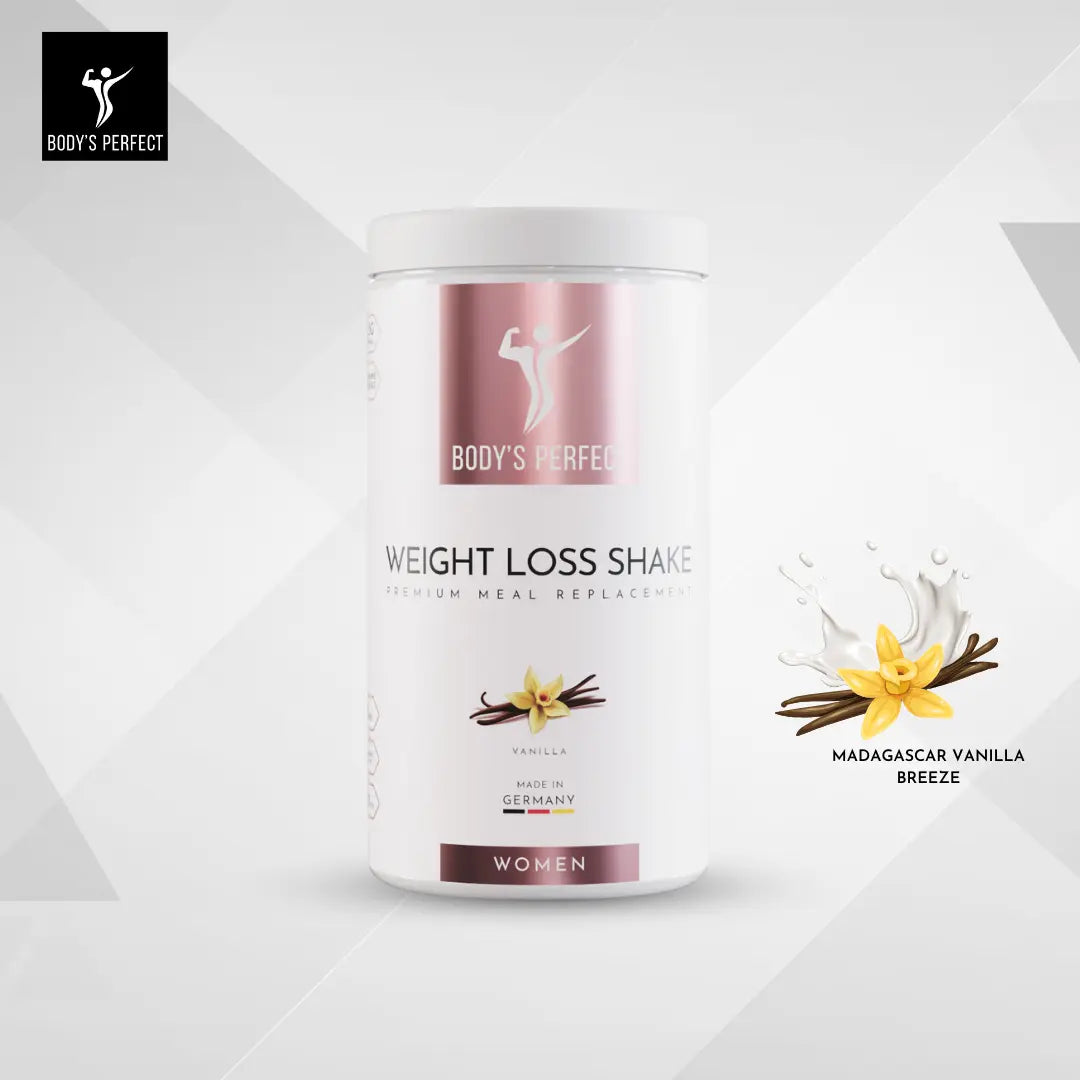
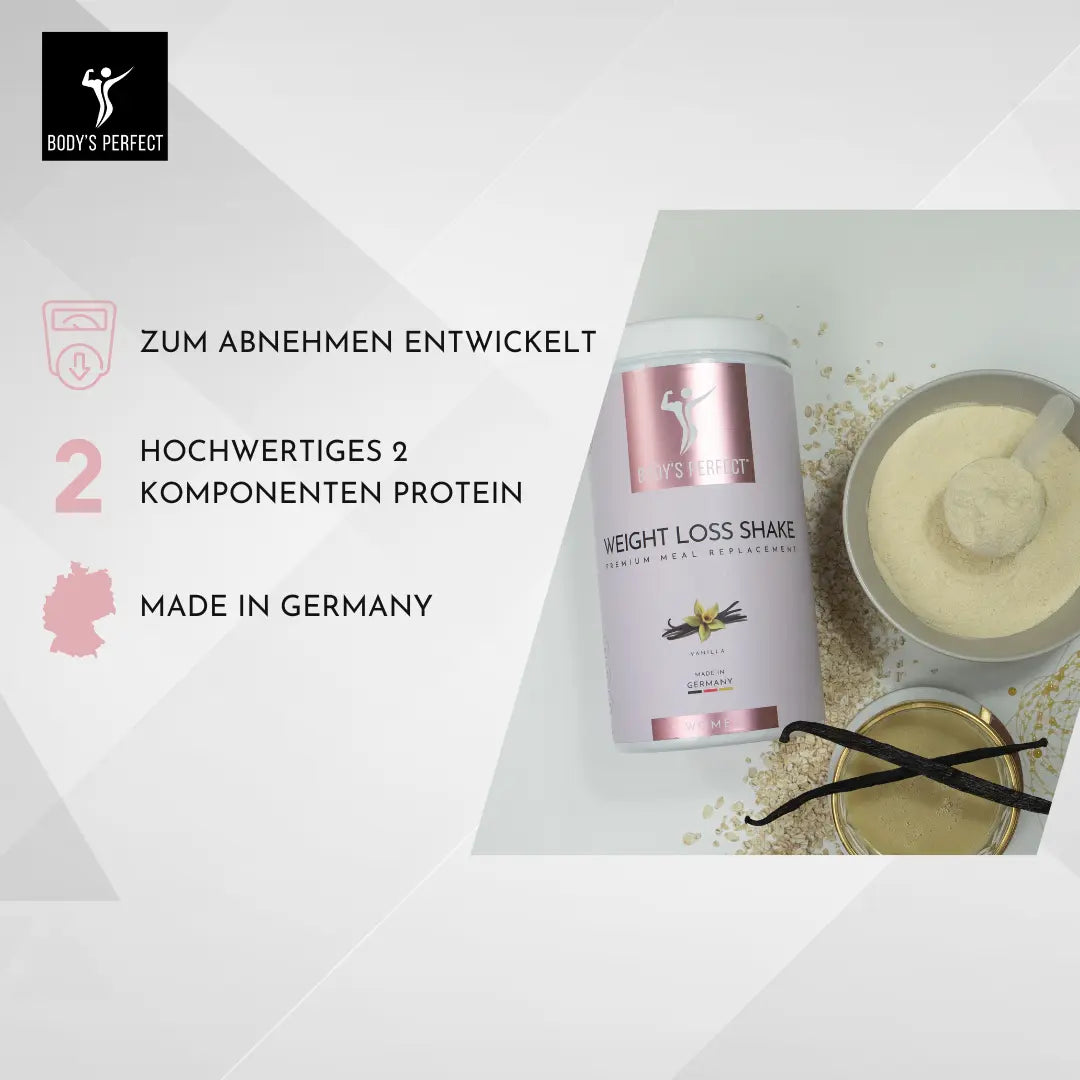
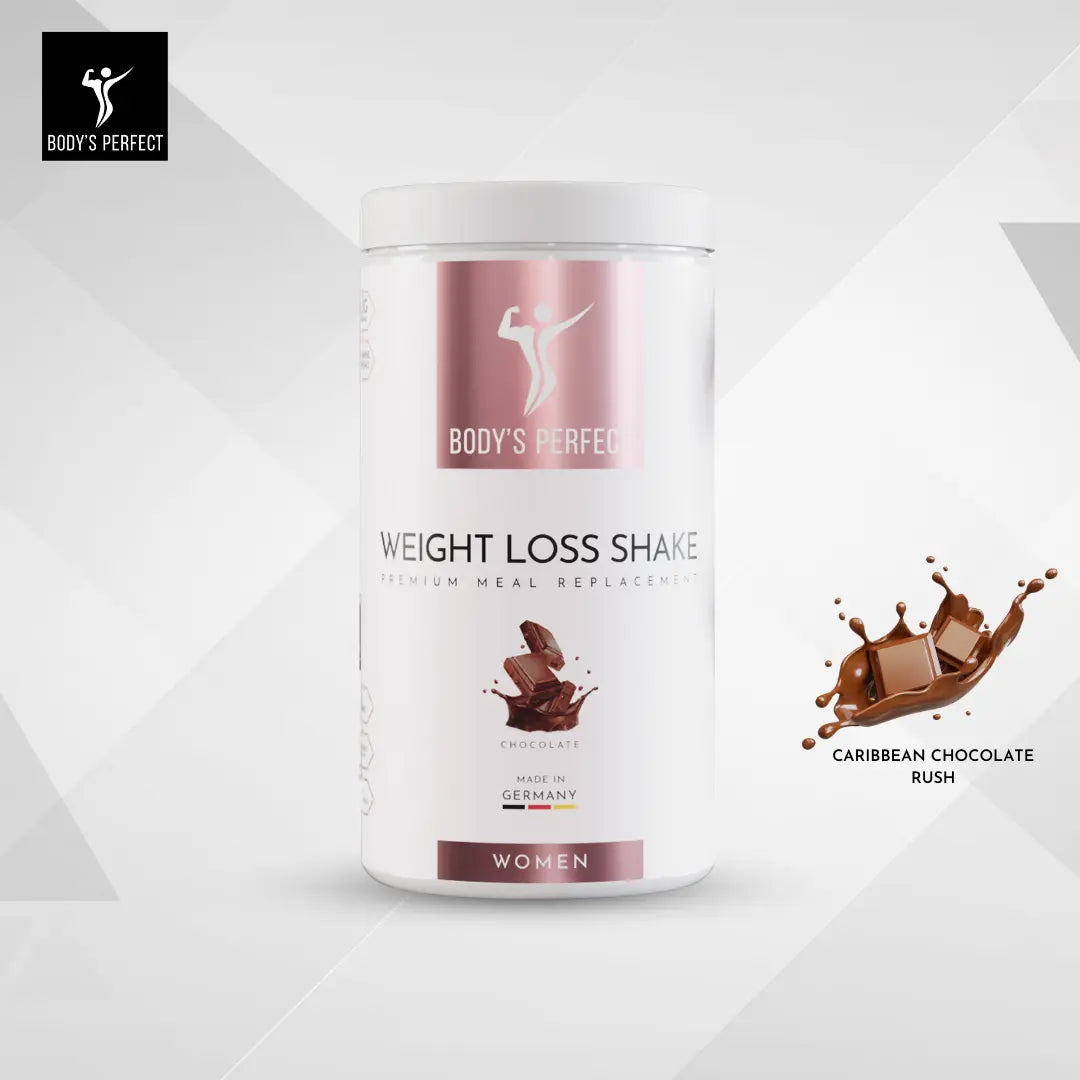
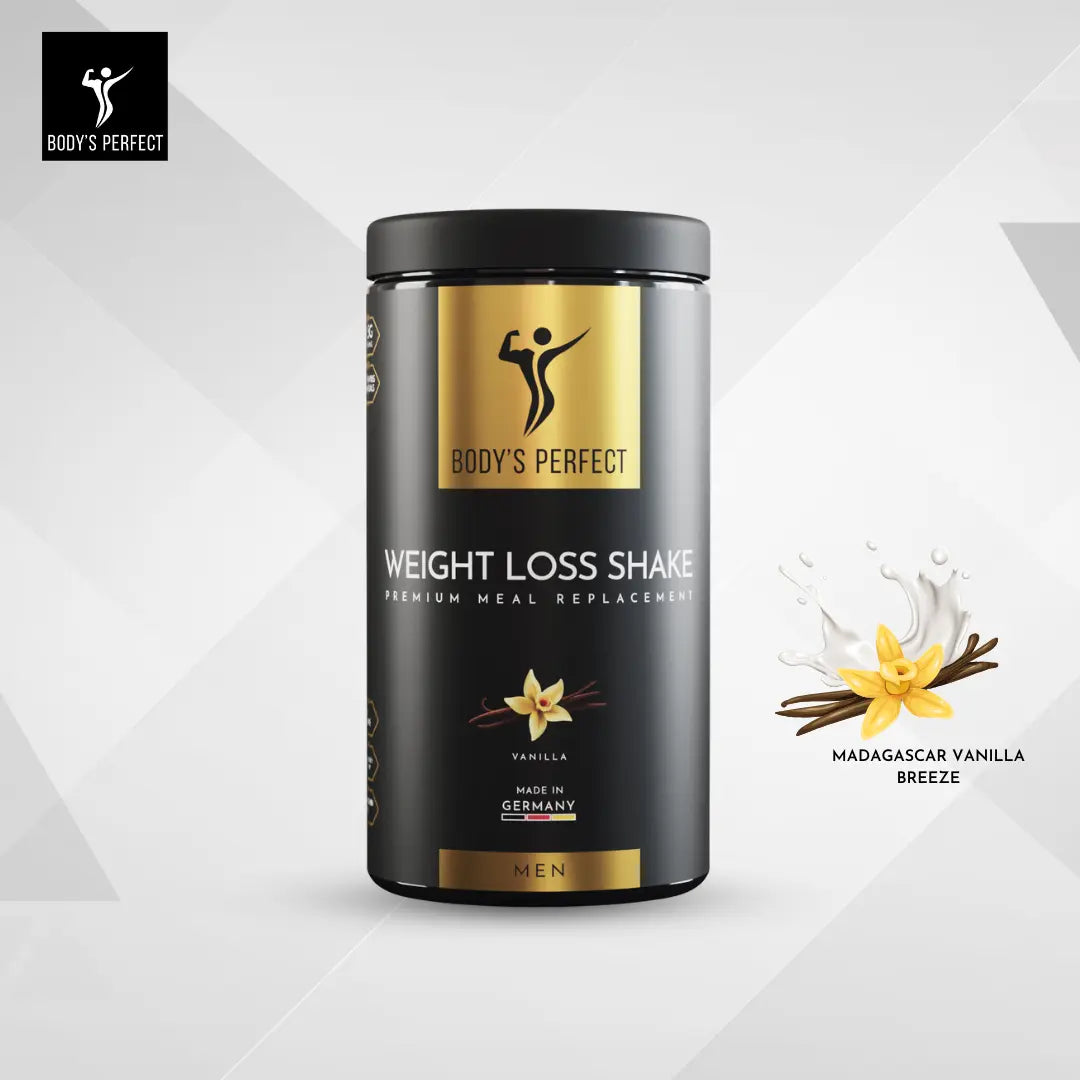
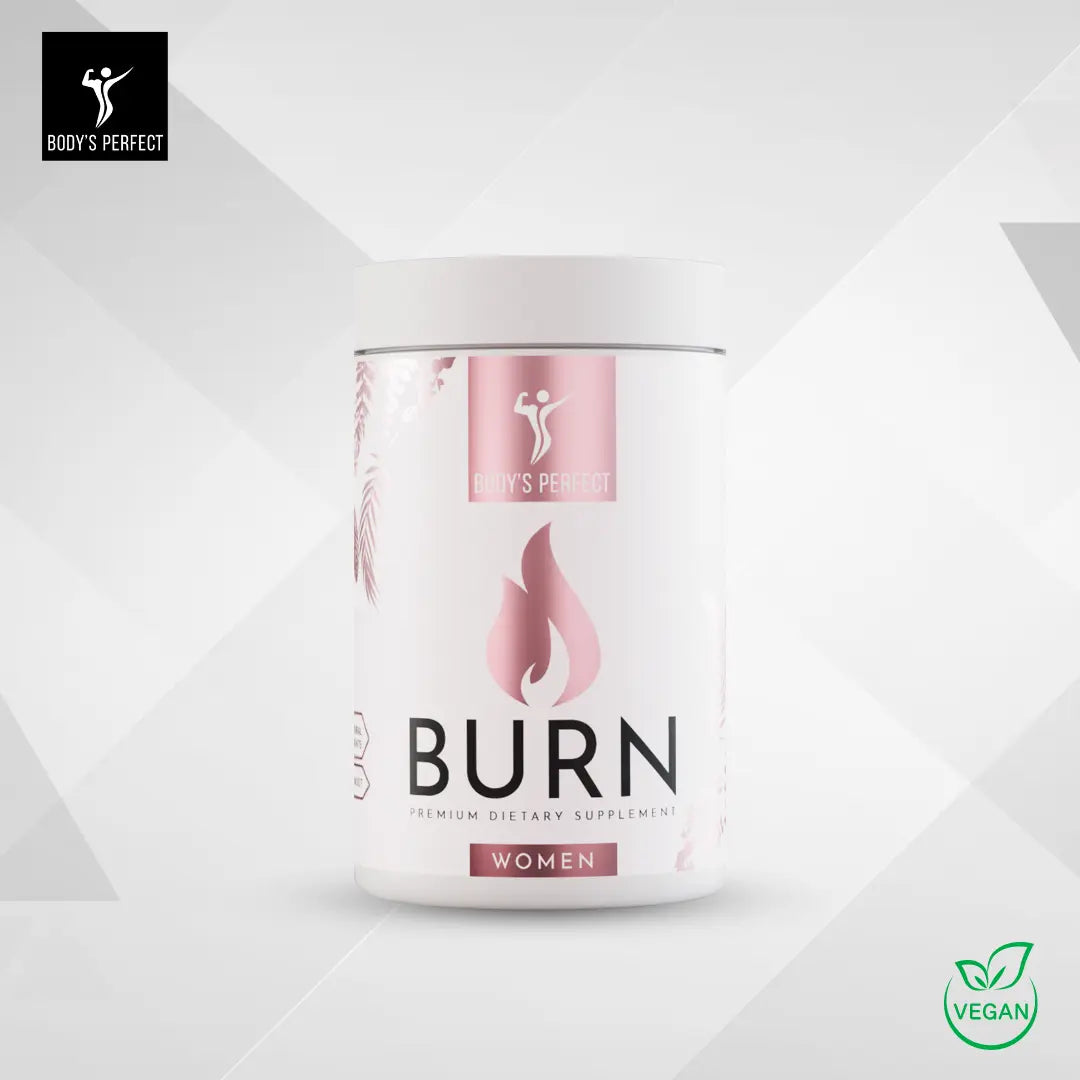
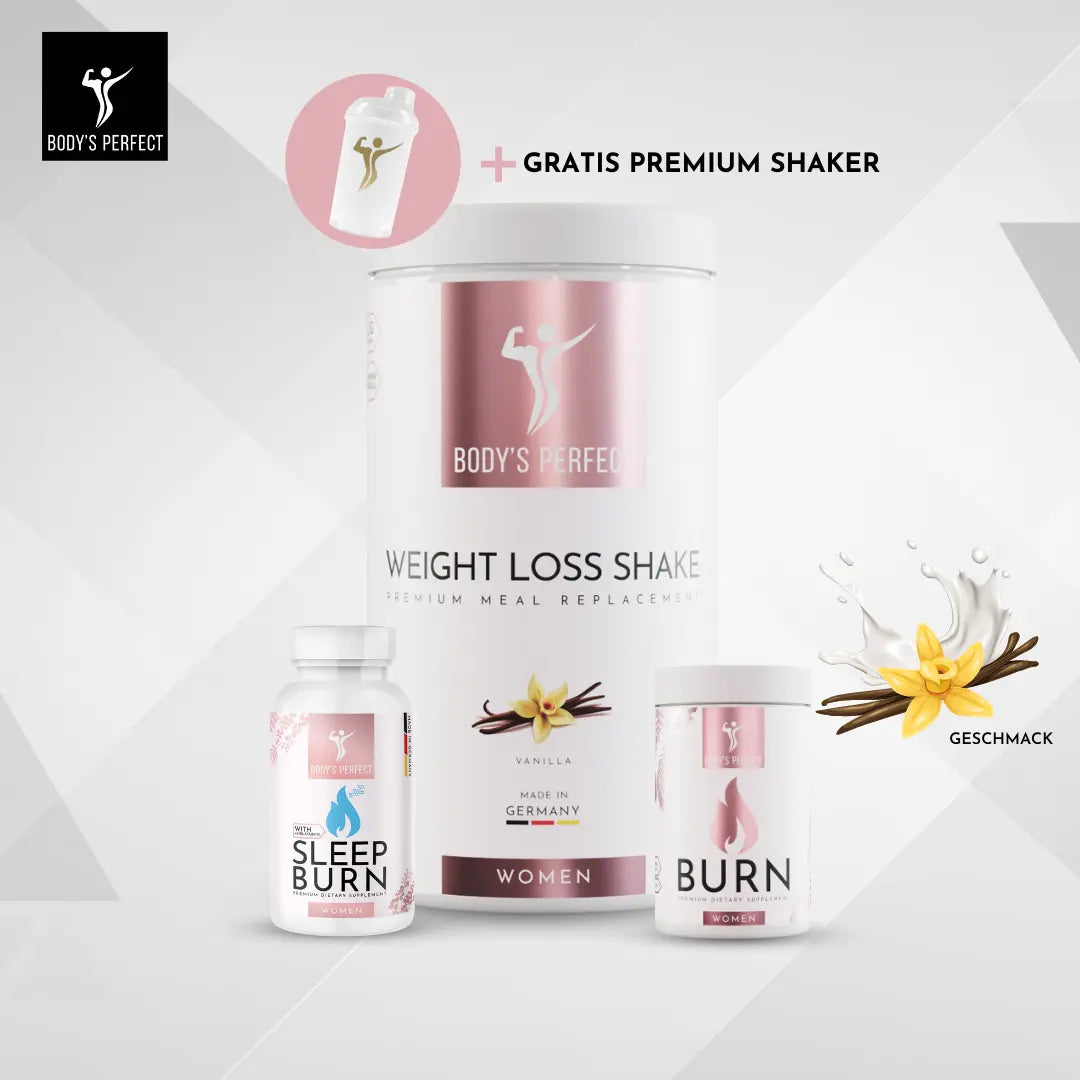
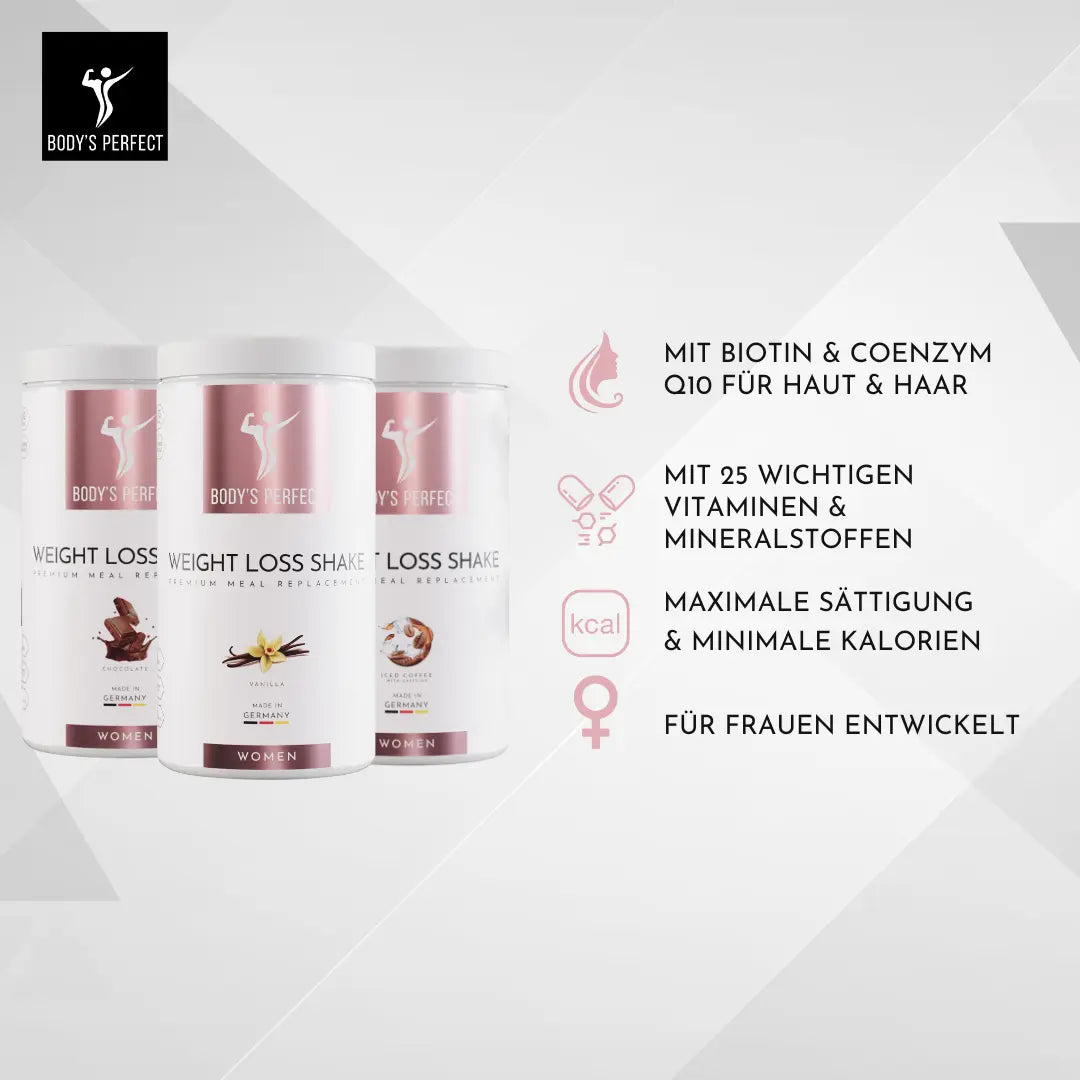
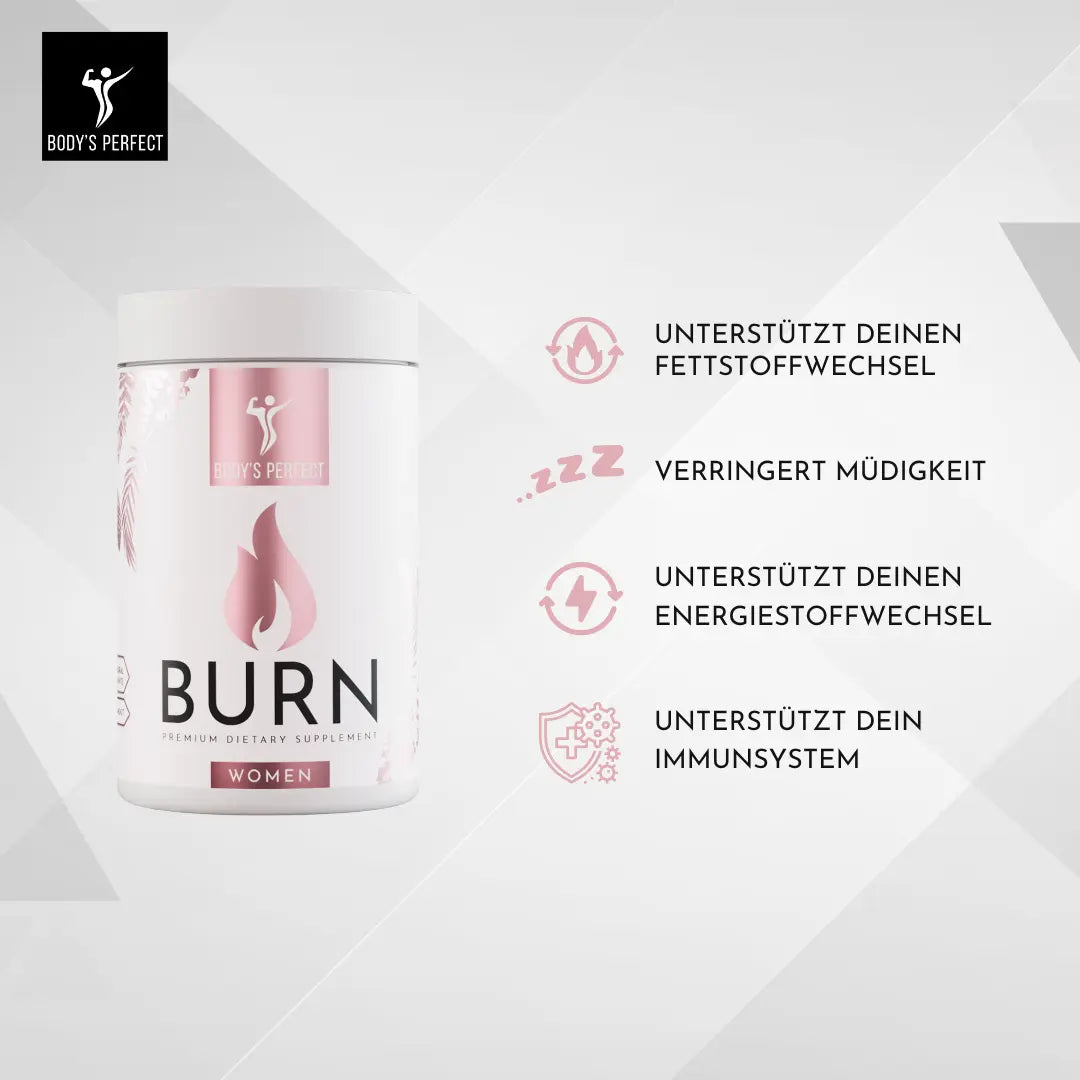
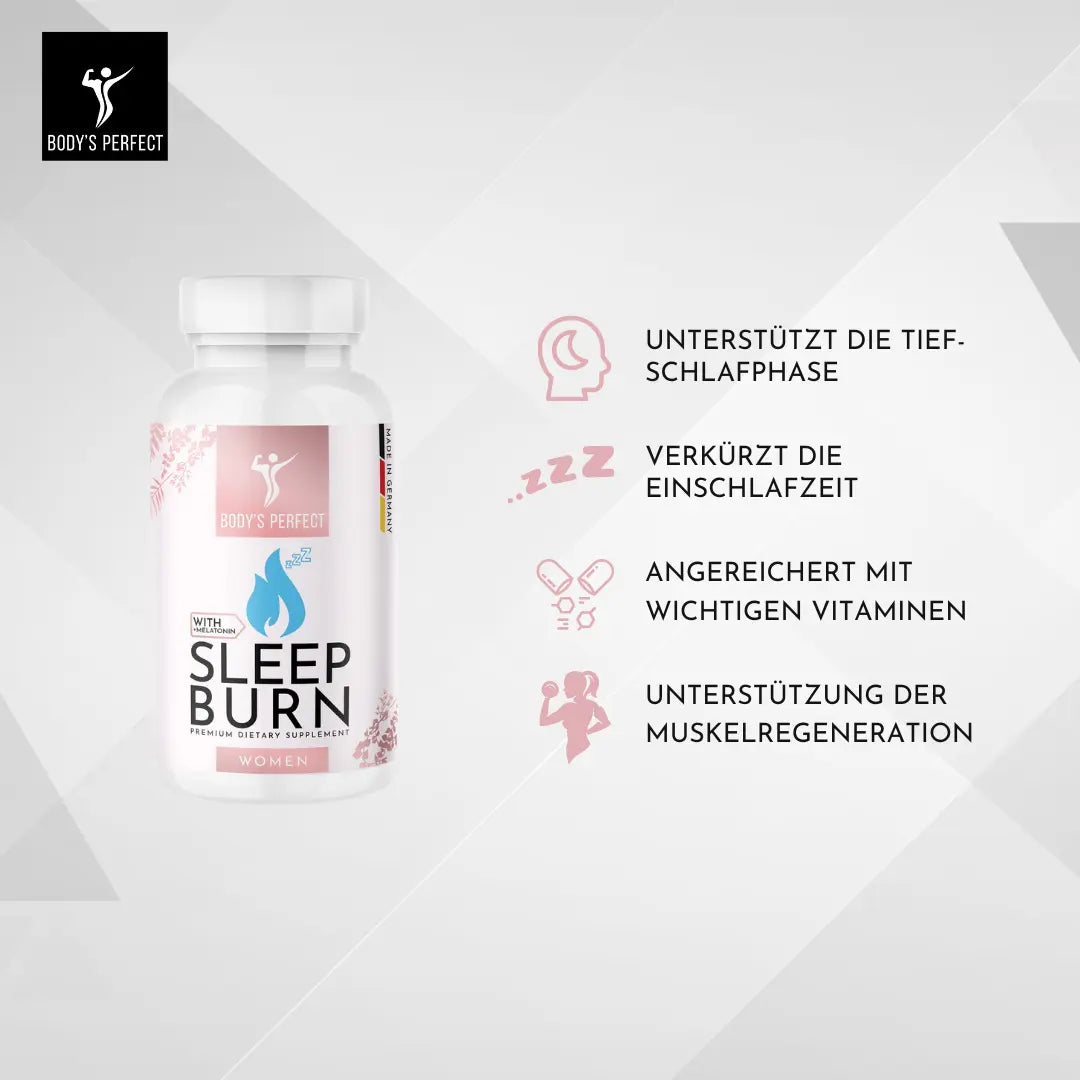
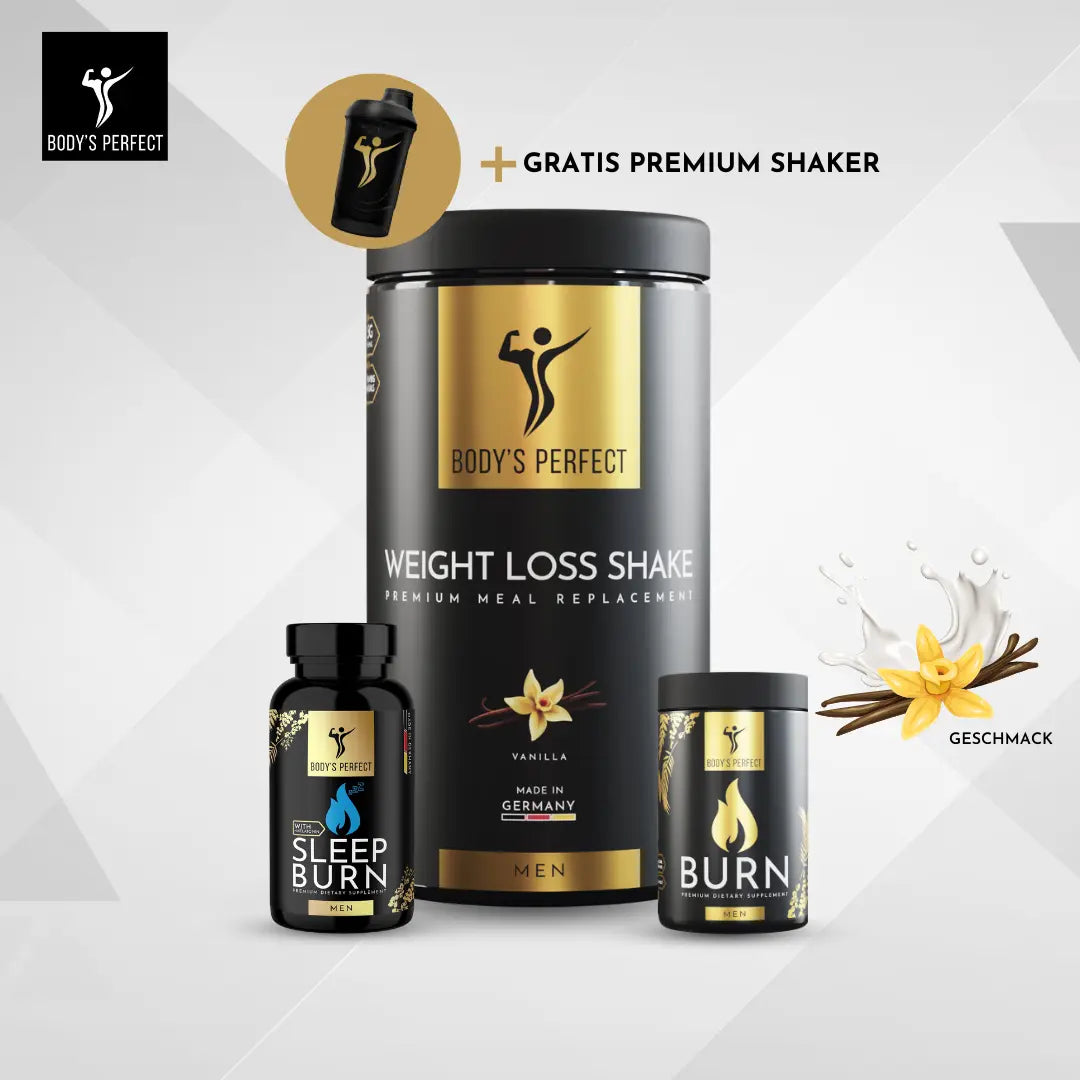
Would you like to support your journey to your feel-good weight with high-quality, natural products? At BODY'S PERFECT, you'll find shakes and supplements specifically developed for women that will optimally accompany you in achieving your goals. Discover now how we can support you on your journey: https://bodysperfect.com





Share:
Speed up metabolism at home: 7 natural tips for 2025
Sports Nutrition Supplements - Your Path to Enhanced Performance