

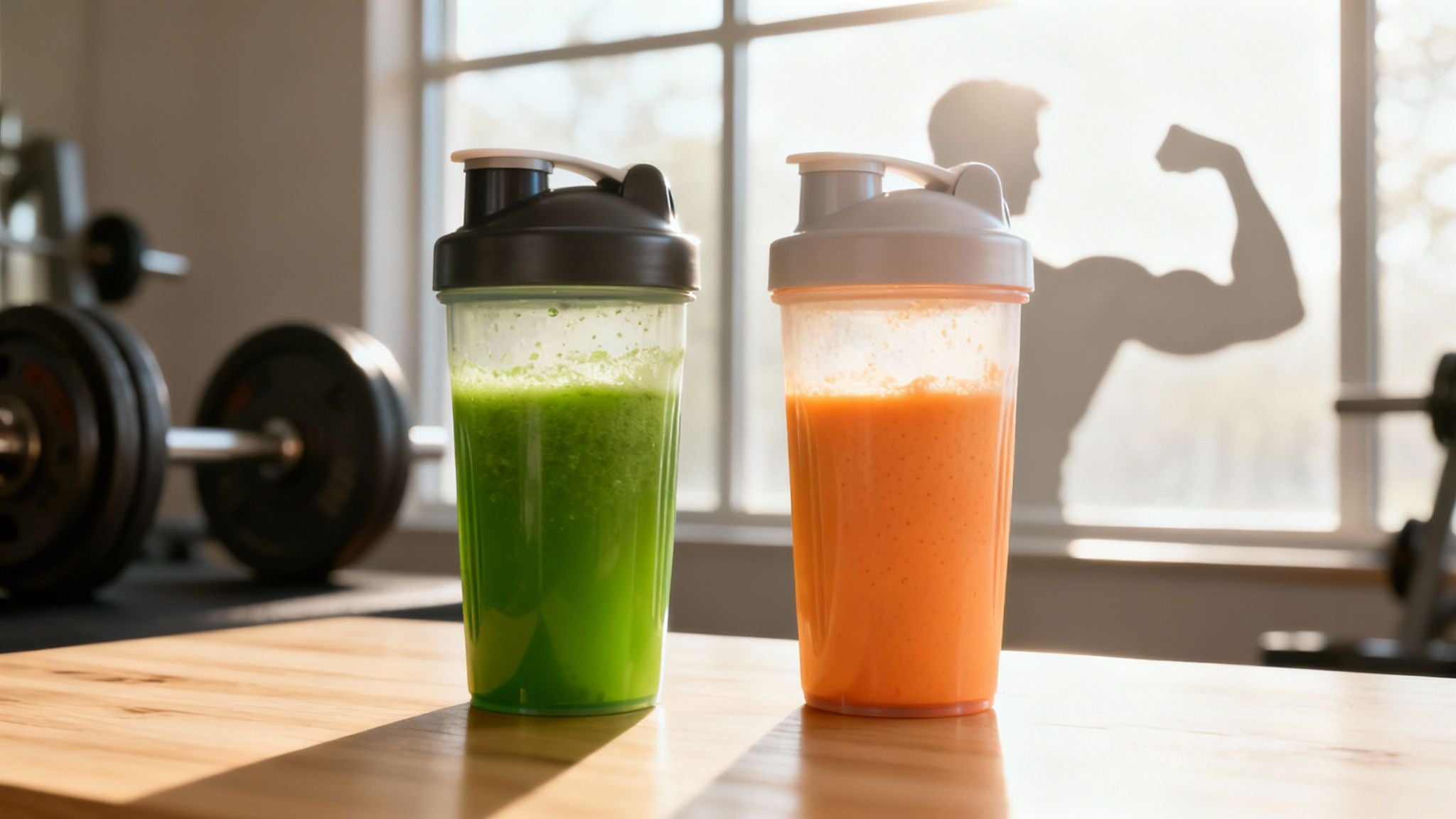
Should you consume your protein before or after your workout? This is a question many fitness enthusiasts, from beginners to professionals, ask themselves. But I can reassure you right away: The exact timing is by no means as crucial as often claimed. Much more important is that you eat enough protein throughout the day to help your muscles grow, recover, and achieve your weight loss goals.
The quick answer: Protein before or after your workout?

Perhaps you've heard of the infamous "anabolic window" – that supposedly magical timeframe of just 30 minutes directly after your workout, during which you absolutely must drink your shake. Good news: This myth has long been debunked. So you can relax and don't have to frantically reach for your shaker in the changing room.
Science today paints a much more relaxed picture. For example, an interesting study with trained college students in Germany showed that there were no significant differences in muscle growth, regardless of whether participants consumed their protein before or after their workout.
What does this mean for you? Simply put: You have a window of several hours around your workout to optimally nourish your body. As long as you consistently feed it high-quality protein, you're laying the foundation for your progress. If you want to know even more, check out our article on When to best drink your protein shake.
Why protein is the building block for your success
Before we delve into the details of proper timing, let's briefly clarify: Why is protein so incredibly important for your fitness goals? Just imagine your body as a construction site. The protein? Those are the bricks.
Without bricks, you can't build a house, patch cracks, or reinforce anything. That's exactly what happens during every workout: Tiny tears occur in your muscles. This is no cause for concern, but rather the crucial stimulus for muscle growth. Your body not only wants to repair these small "damages" but also rebuild the muscles stronger.
The role of amino acids
For these repair jobs, your body needs the right tools: amino acids. These are the individual components that make up every protein. This entire process, i.e., the building of new muscle tissue, is professionally known as muscle protein synthesis.
If there are enough amino acids in the blood after training, the construction site can really get going. If the building blocks are missing, the process stalls, and your recovery suffers.
But protein is much more than just fuel for your muscles. It is also the basis for hormones, enzymes, and the antibodies that keep your immune system going. Good supply is therefore crucial for your overall health.
The foundation for your goals
No matter what your plans are – whether losing weight or building muscle – it will be difficult without a solid protein base. Protein keeps you full for a long time, protects your hard-earned muscles during a diet, and provides exactly what your body needs for rebuilding after exercise.
This knowledge is important to understand why the total amount of protein consumed throughout the day is often more crucial than the exact timing. If you want to dive deeper into the topic, check out our guide with valuable tips for muscle-building nutrition.
But now to the actual question: What are the advantages of consuming your protein before your workout?
What protein can do before your workout
A protein snack before your workout can give you a real advantage, especially if your last meal was a few hours ago. Think of it this way: You give your muscles the necessary building blocks – the amino acids – before the actual work begins.
This ensures your muscles are optimally supplied and protected from the very first minute of your workout. This little trick helps to reduce muscle breakdown (also known as catabolism), which is normal during intense training. This becomes particularly important if you train early in the morning on an empty stomach.
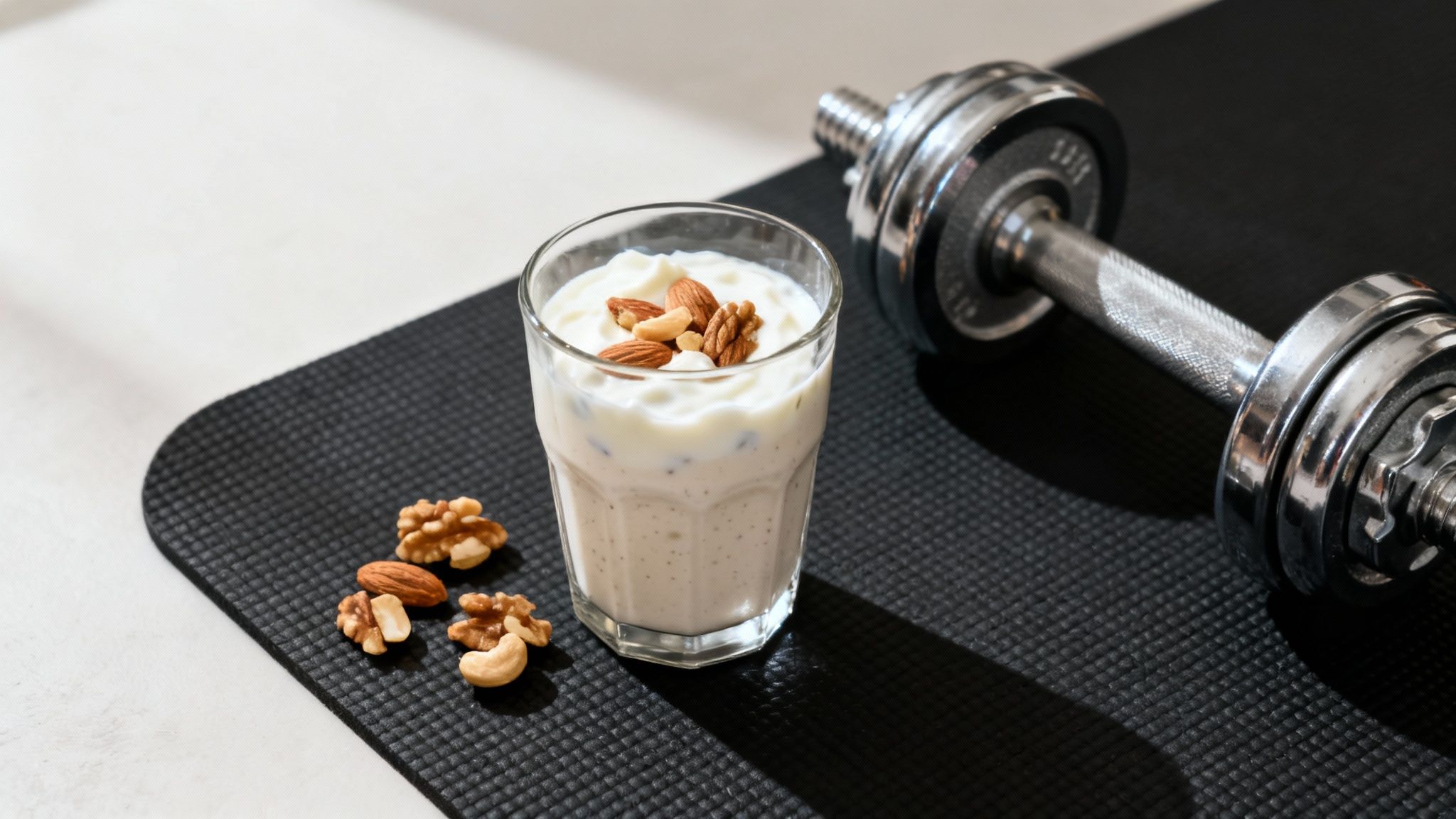
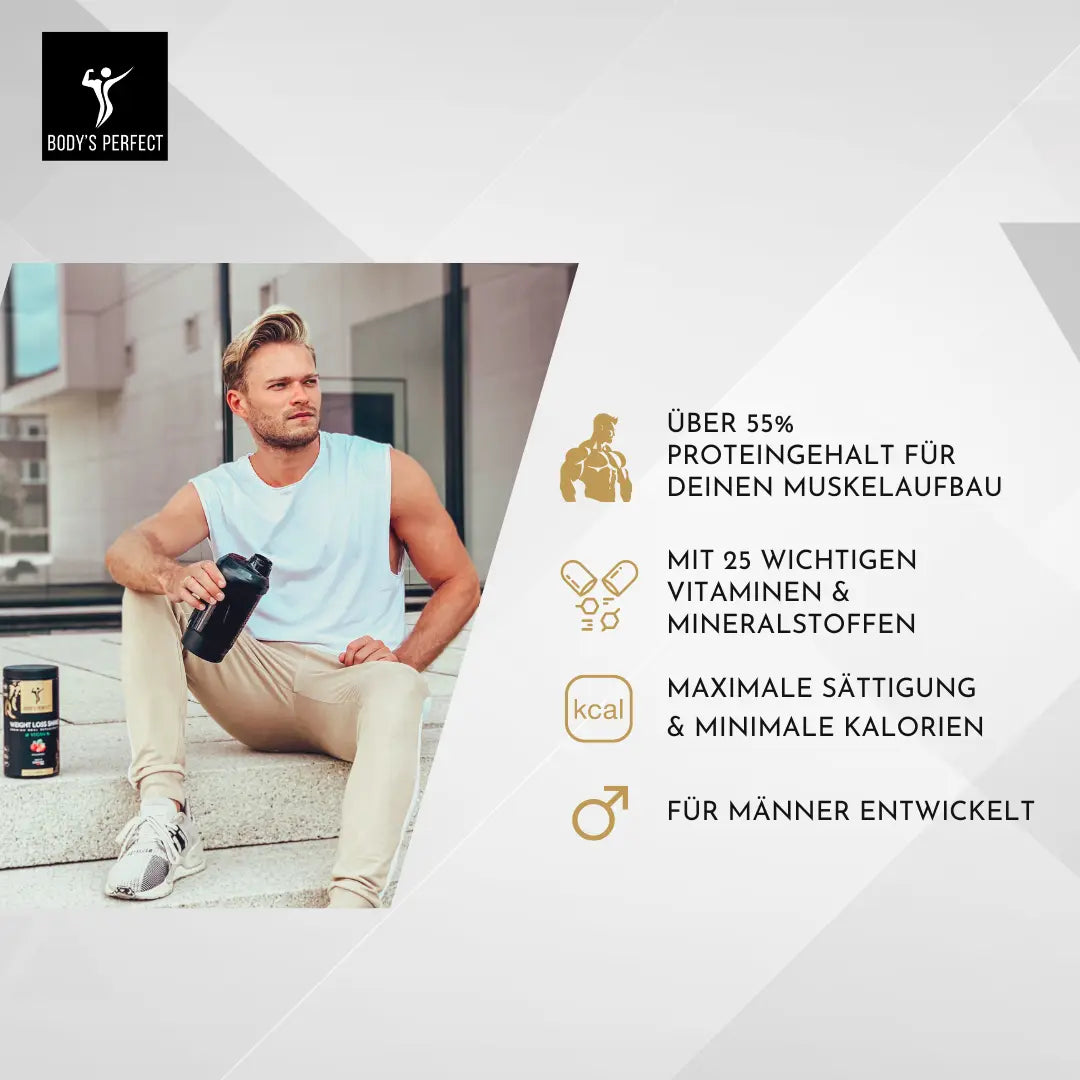
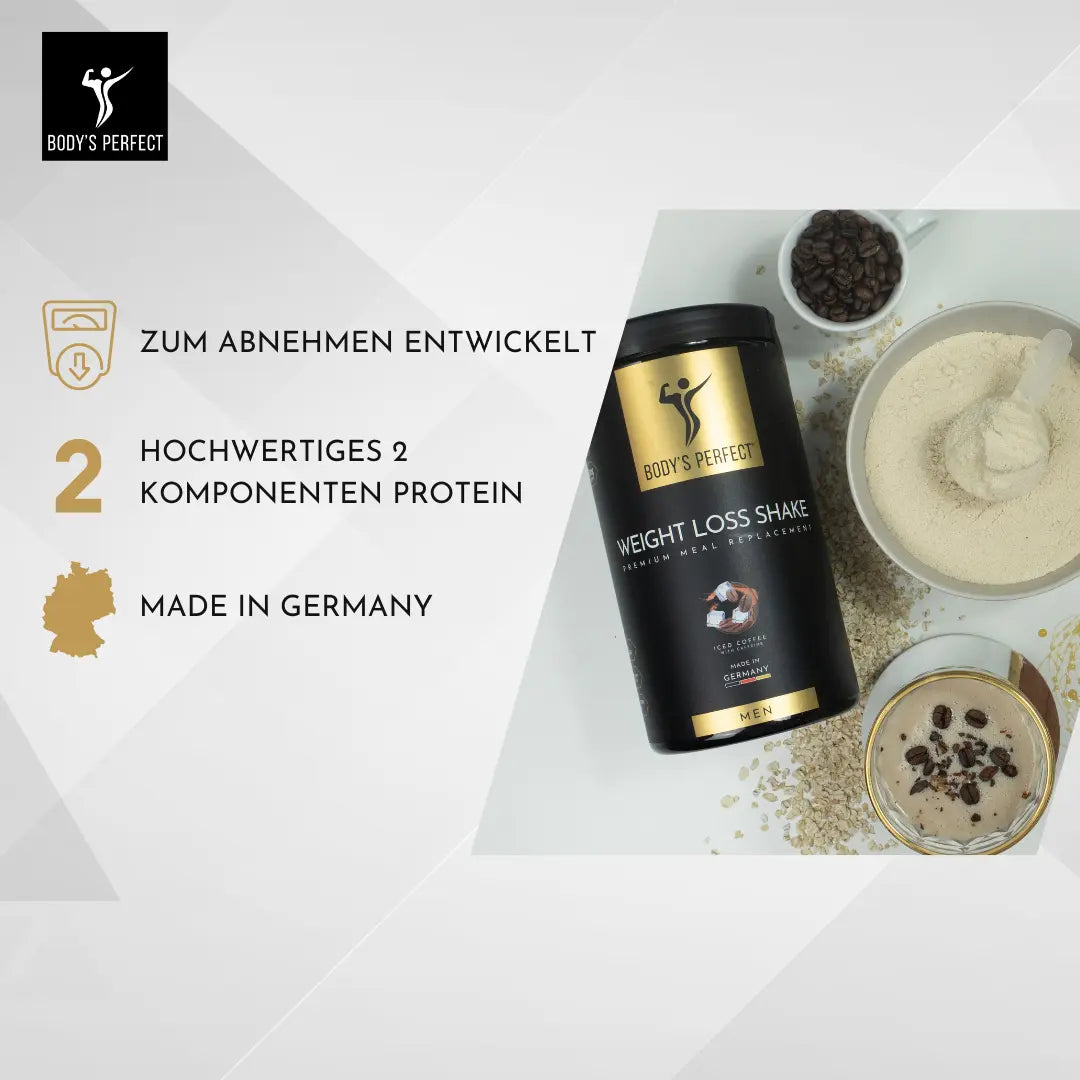
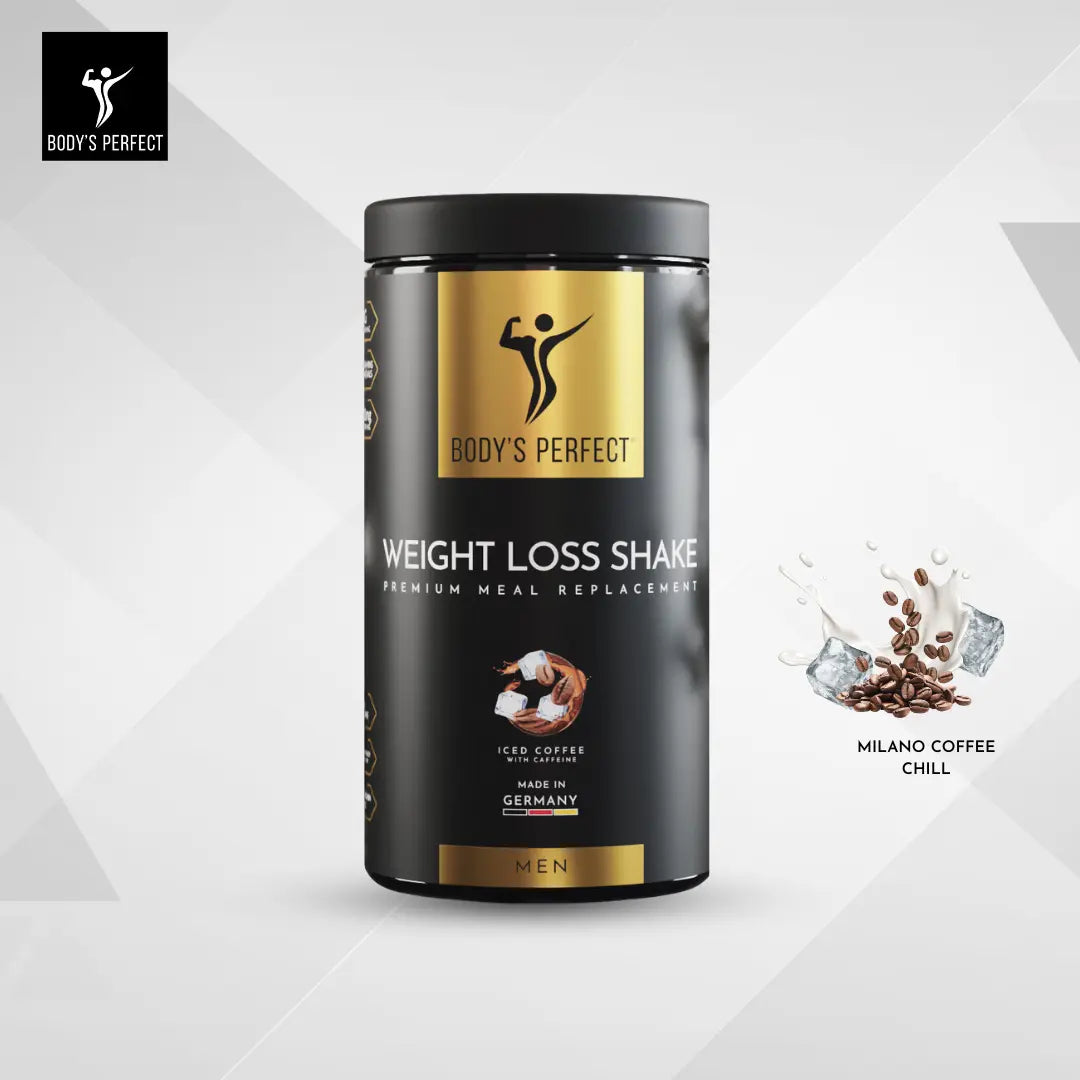
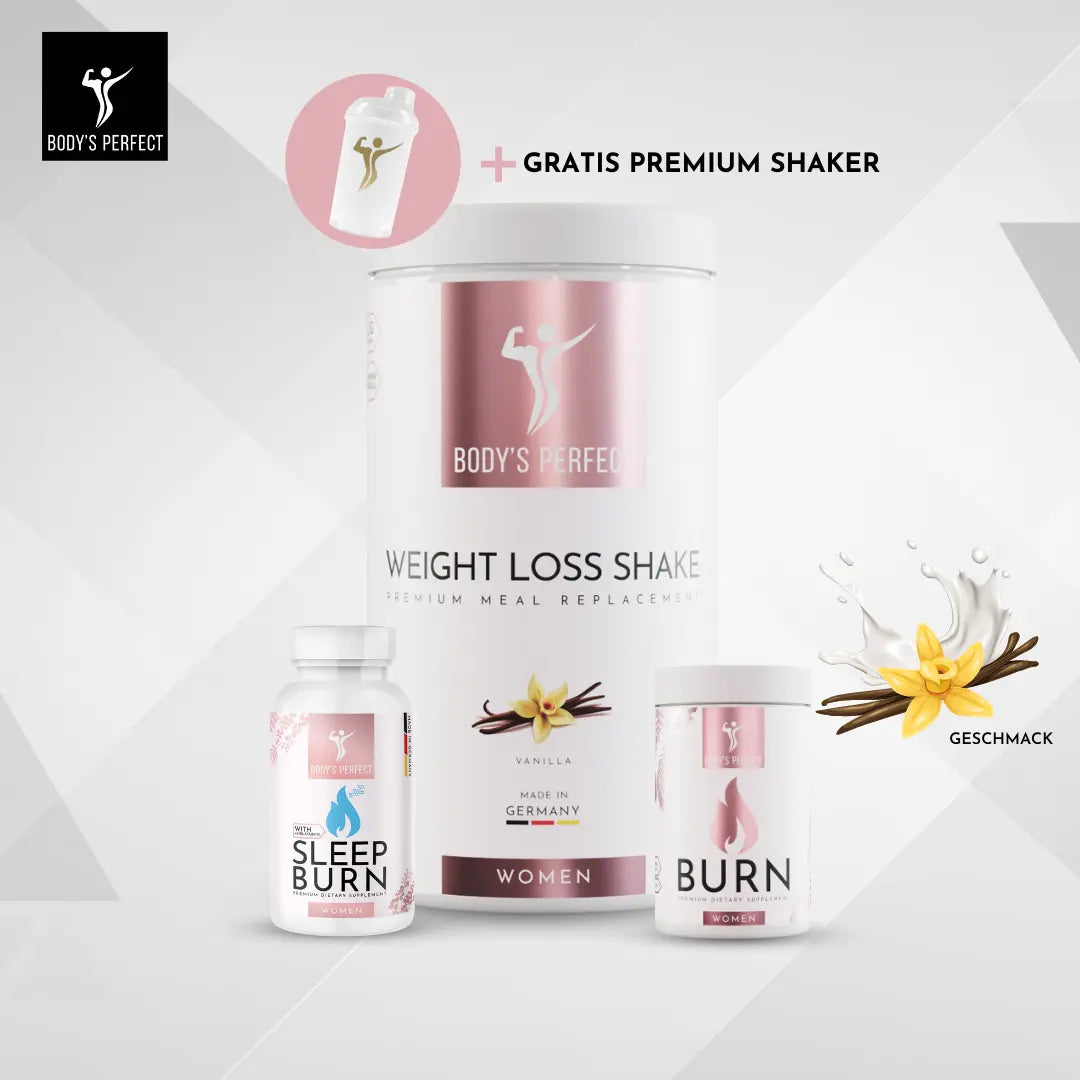
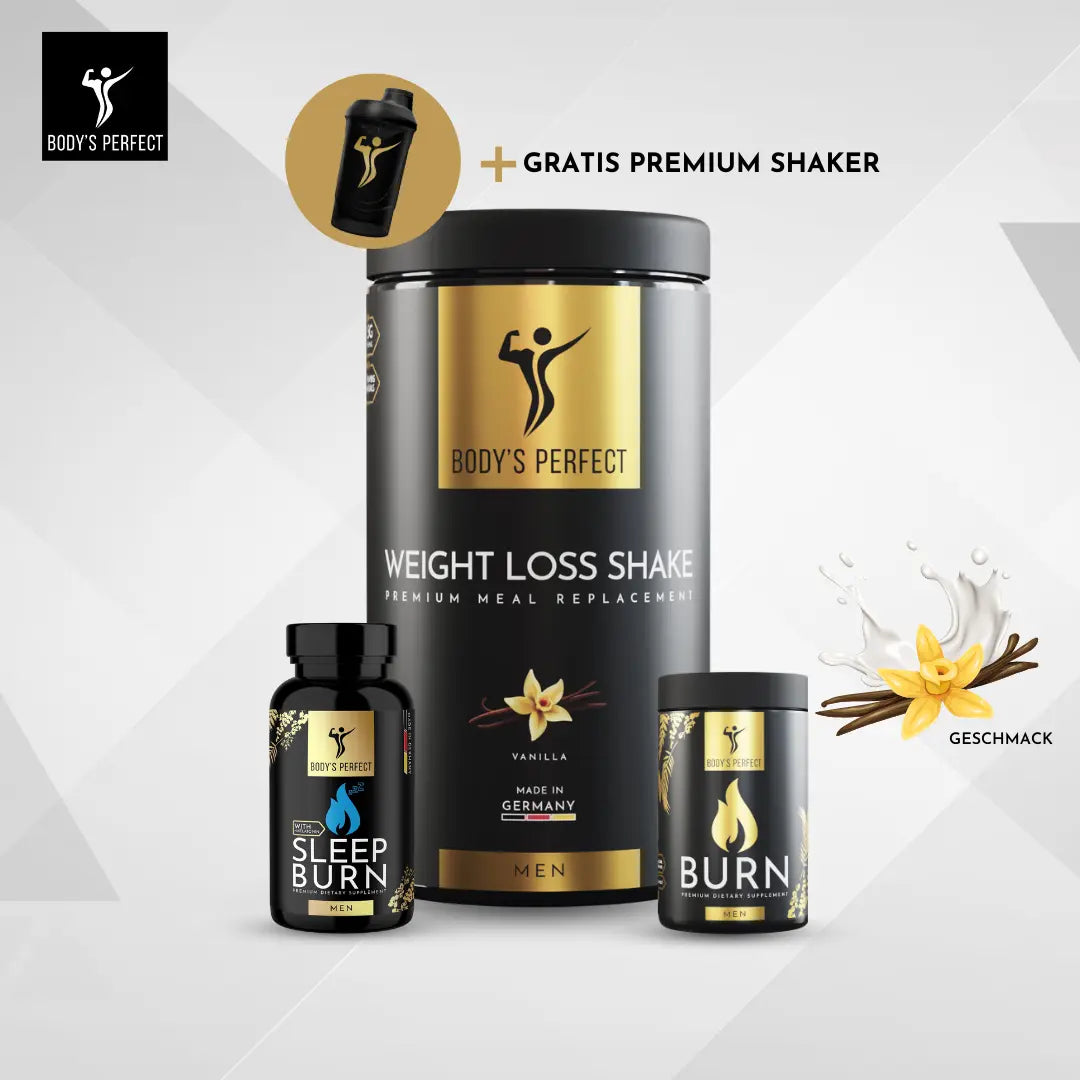
The selection of high-quality proteins, such as those you'll find at bodysperfect.com, provides you with exactly the right support for this. Here you'll find easily digestible options that prepare you perfectly for your workout without weighing heavily on your stomach.
Protect and boost performance
A shake or a light snack before your workout ensures that amino acids are already circulating in your bloodstream when you need them most. This offers several benefits:
- Muscle protection: Your muscles don't have to draw on their own reserves to provide energy.
- Faster regeneration: Repair processes can essentially start during the workout itself.
- Consistent energy: A good protein source helps to keep blood sugar levels stable and prevent cravings.
The goal is to create a positive protein balance even before the exertion begins. An easily digestible protein source, ideally 30 to 60 minutes before training, is perfect for this.
A high-quality protein powder is often the best choice here because it doesn't burden the stomach. It quickly and easily provides you with the nutrients your muscles need for a tough workout. You can learn more about how to supplement your diet effectively in our comprehensive guide to Sports Supplements. This way, you lay the perfect foundation for your performance.
The benefits of protein after training
The classic protein shake right after the last set – for many of us, this is a firm ritual at the gym. And there are good reasons for that. After a tough training session, your muscles are like a dry sponge, greedily soaking up nutrients.
Targeted protein intake now kickstarts the important repair processes. You provide your body with exactly the building blocks it needs to mend the tiny tears in muscle fibers and thus rebuild them stronger. This process is known as muscle protein synthesis and is the actual engine for your muscle growth.
The infographic clearly illustrates how the shake immediately after training initiates the regeneration of muscle fibers.
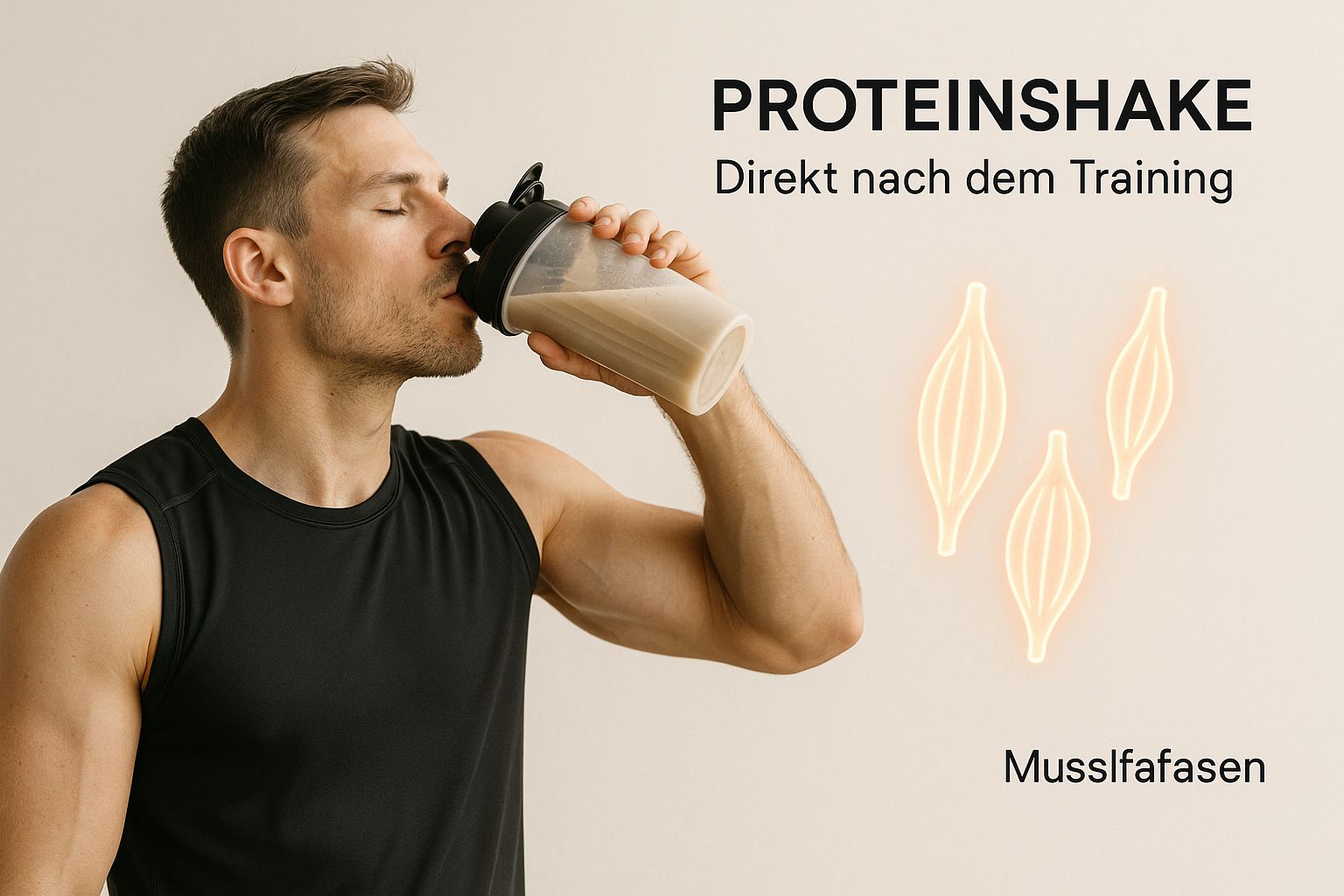
It clearly shows how crucial nutrient intake after exercise is to optimally nourish stressed muscles.
Optimize regeneration and replenish stores
For maximum effect, you can combine your protein with a small amount of readily available carbohydrates. Think of it this way: Your protein is the construction crew, and the carbohydrates are the fuel that brings the truck to the construction site.
Carbohydrates replenish your depleted glycogen stores – these are the energy reserves in your muscles. This not only speeds up your recovery but also helps to transport amino acids more quickly into muscle cells.
A high-quality whey protein shake is ideal after training. It is easily digestible and delivers amino acids extremely quickly to where they are needed. This way, you optimally utilize your body's increased receptiveness.
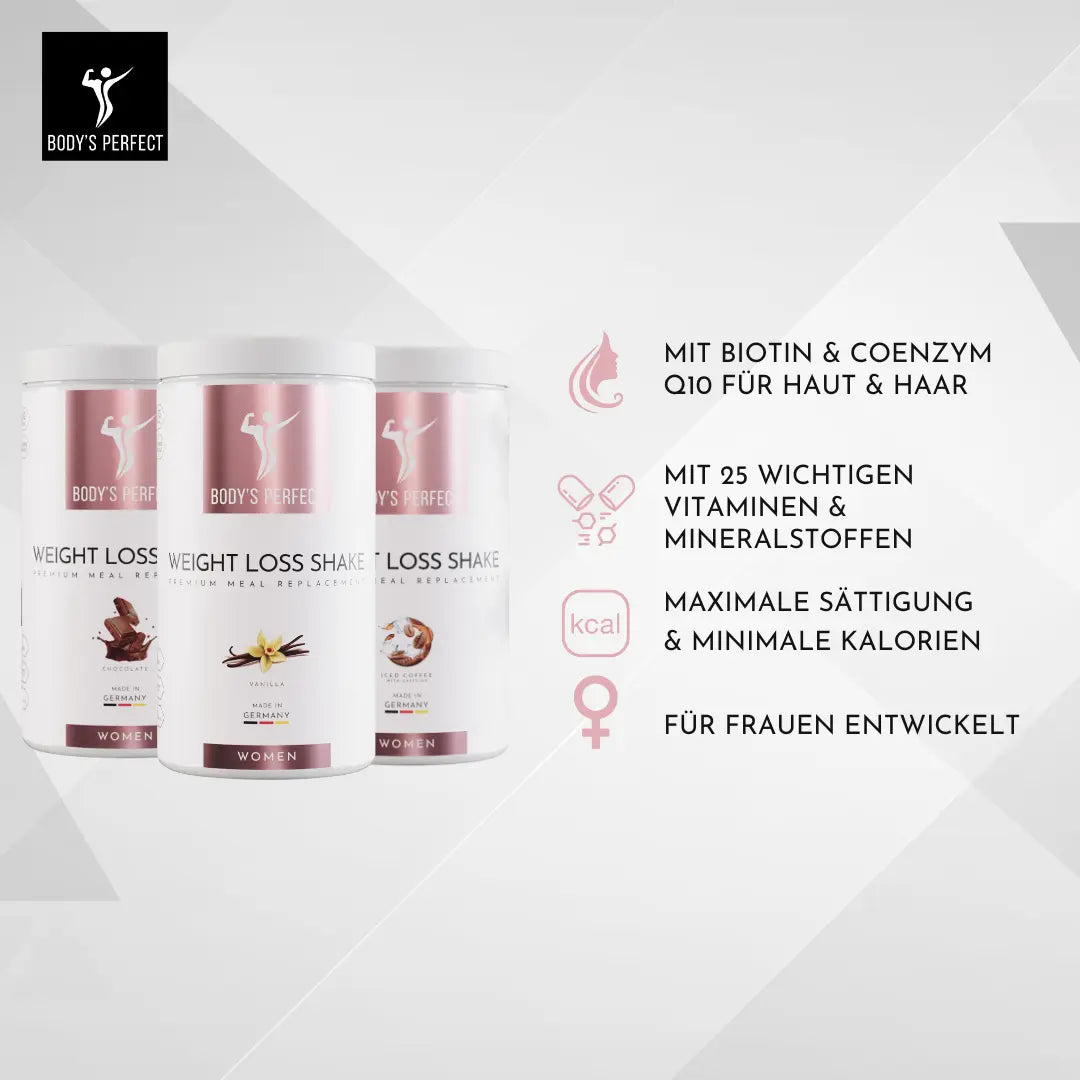
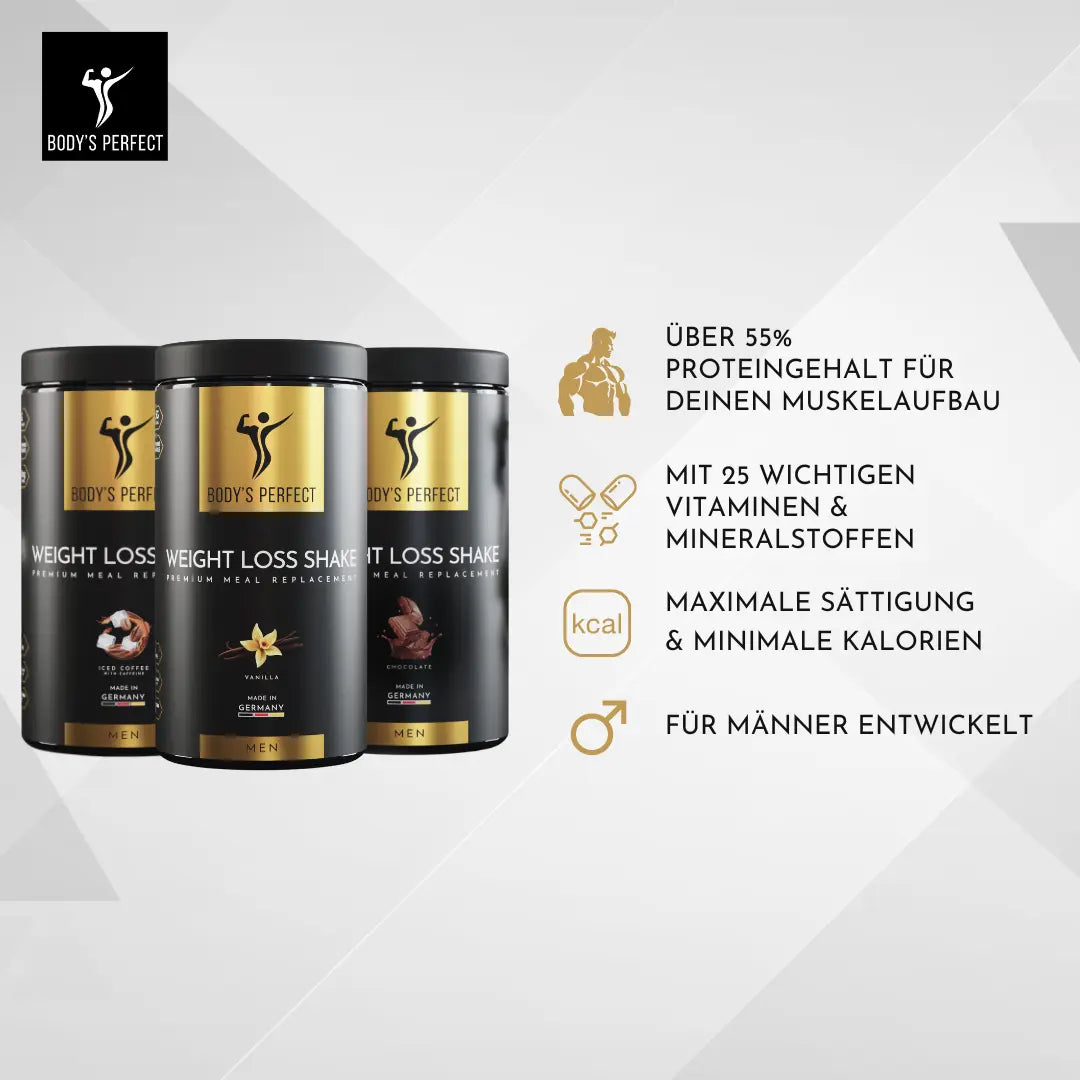
A fast-digesting shake, like those offered by BODY'S PERFECT, is a really practical and effective solution here. It provides you with everything you need for top recovery in a straightforward and quick manner. This ensures that your hard work in training truly pays off and that you're fit for the next session faster.
More important than timing: Your daily total protein intake
We've talked a lot about "before" and "after." But in all the discussion about perfect timing, the most important point often gets lost. The truly crucial question is not when you drink your shake, but rather: Does your body get enough protein throughout the day to achieve your goals?
Imagine it again like a construction site. Whether the bricks are delivered at eight in the morning or three in the afternoon is secondary. The only important thing is that there are enough bricks for the work to progress. It's the same with your body – it needs a constant supply of building blocks, amino acids, to repair and build muscles.
How much protein do you really need?
Your personal needs naturally depend on your weight, your training volume, and your goals. The German Nutrition Society (DGE) generally recommends 0.8 grams of protein per kilogram of body weight, but this value is simply too low for athletes.
Those who want to build muscle or sculpt their physique need significantly more. Sports scientists agree on this.
As a rule of thumb for effective muscle building and maintenance, you can aim for 1.6 to 2.0 grams of protein per kilogram of body weight daily. This total amount remains the key factor for your success – much more important than the exact timing around your workout.
If you ensure this amount, you are laying the foundation upon which everything else is built. More on the scientific background of how protein affects muscle growth can also be found in this Spiegel article.
Set your priorities right
So, first focus on meeting your daily protein requirements. It's best to spread your intake across several meals throughout the day. This ensures a consistent supply. A good protein powder is a practical helper here to fill any nutritional gaps and make it easier to reach your goal.
If you want to delve deeper into what protein powder actually does and how it can support you, we have more information for you here. Only when this foundation is solid does it make sense to think about fine-tuning the timing.
How to cleverly integrate protein into your daily routine
Theory is all well and good, but in the end, what matters is what you implement in your daily life. So how do you manage to consume enough protein even on stressful days? The trick is to develop a simple routine that truly suits you – instead of trying to completely overhaul your diet overnight.
The easiest starting point: Make sure every one of your main meals contains a good source of protein. This doesn't have to be complicated at all. A shake for breakfast, a piece of chicken for lunch, or a large bowl of quark in the evening – that already sets a great foundation. This way, your body always receives the building blocks it needs for muscle growth and long-lasting satiety throughout the day.
Make it easy with clever snacks
Especially between meals, the biggest pitfalls often lurk. This is precisely where smart snacks can save your day and ensure your protein supply.
- For quick hunger: A protein bar is the perfect companion for on the go. It fits in any bag and prevents you from reaching for unhealthy alternatives.
- In the office or home office: A protein-rich yogurt or a handful of nuts are ideal for bridging the afternoon slump and preventing cravings from even arising.
- After training: Here, a fast-digesting shake is simply unbeatable. It immediately provides your muscles with exactly what they need for regeneration.
As a good rule of thumb, remember to aim for about 20–40 grams of protein with each meal. This amount has proven ideal for stimulating muscle protein synthesis and optimally supporting you in your goals, whether weight loss or muscle building.
When you combine solid meals with practical snacks from BODY'S PERFECT, a protein-rich diet becomes child's play. It's not about being perfect, but about staying consistent and adopting good habits.
If you're still unsure which protein powder is right for you, check out our guide to the best whey protein. There you'll find valuable tips to help you make your decision and bring you closer to your goals every day.
Frequently asked: Your most pressing questions about protein timing
Finally, let's clear up the typical questions that constantly pop up in inboxes or at the gym. This way, you can approach your next training and meal planning with a good feeling.
Does the protein shake really have to be consumed immediately after training?
No, don't panic! The myth of the magical 30-minute window, where you lose everything if you don't immediately grab your shaker, has long been debunked.
It's much more relaxed if you replenish your protein within a window of 1-3 hours after your workout. That's completely sufficient to kickstart regeneration. Ultimately, it's much more important that you consume enough protein throughout the entire day.
Shake or a proper meal – which is better?
That's not an either-or question; both have their place. A shake, especially with fast-digesting whey protein, is super convenient and quickly provides the body with what it needs. Think of it as the rapid response team.
However, a complete, solid meal one or two hours later is at least as good for muscle building. It provides longer-lasting nourishment and many other important nutrients.
How much protein per meal is ideal?
As a good rule of thumb, portions of 20-40 grams of high-quality protein per meal have proven effective. This gives your muscle growth a clear boost every time.
Ideally, you should divide your total daily protein intake into 3-5 such meals. This ensures that your muscles are supplied with essential amino acids almost around the clock.
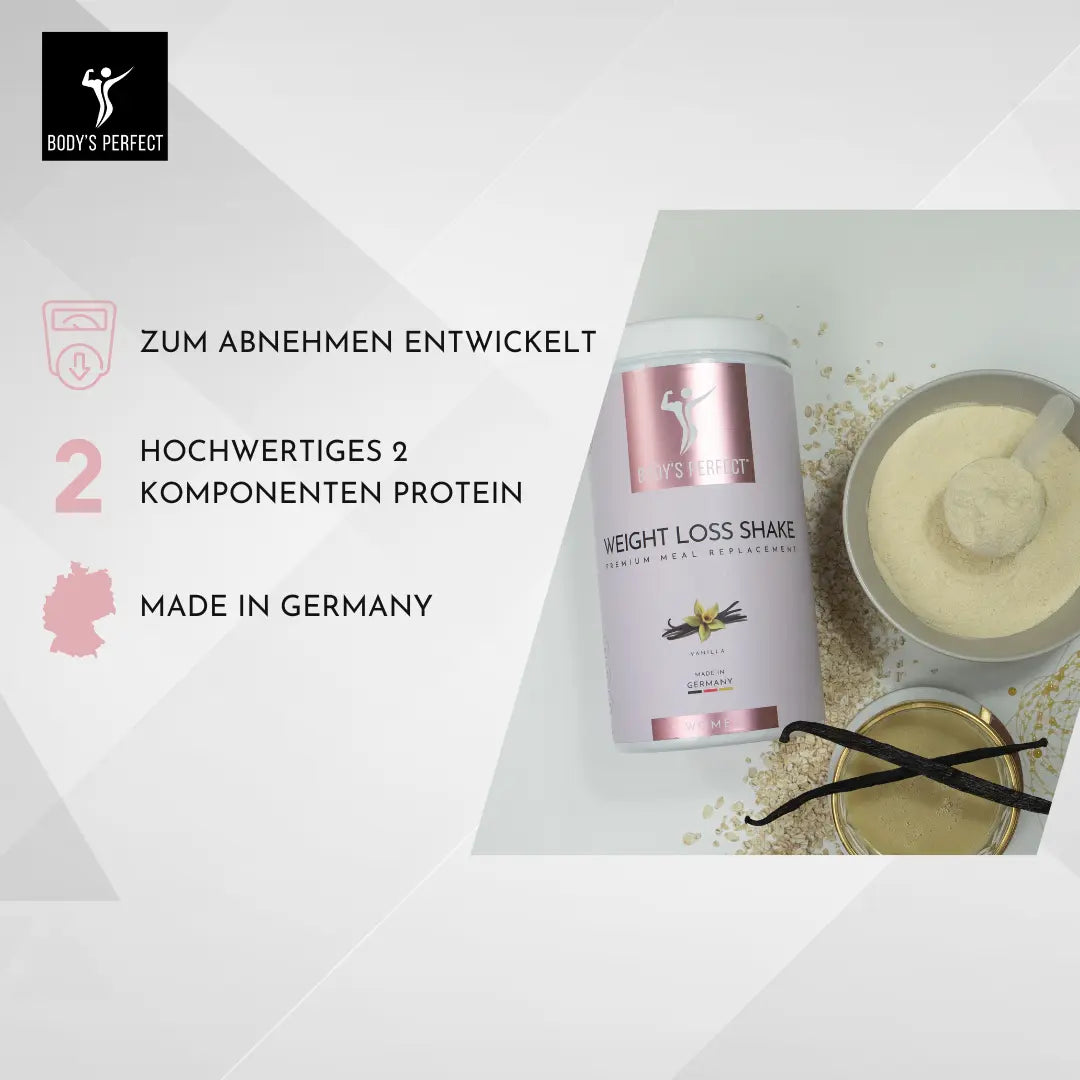
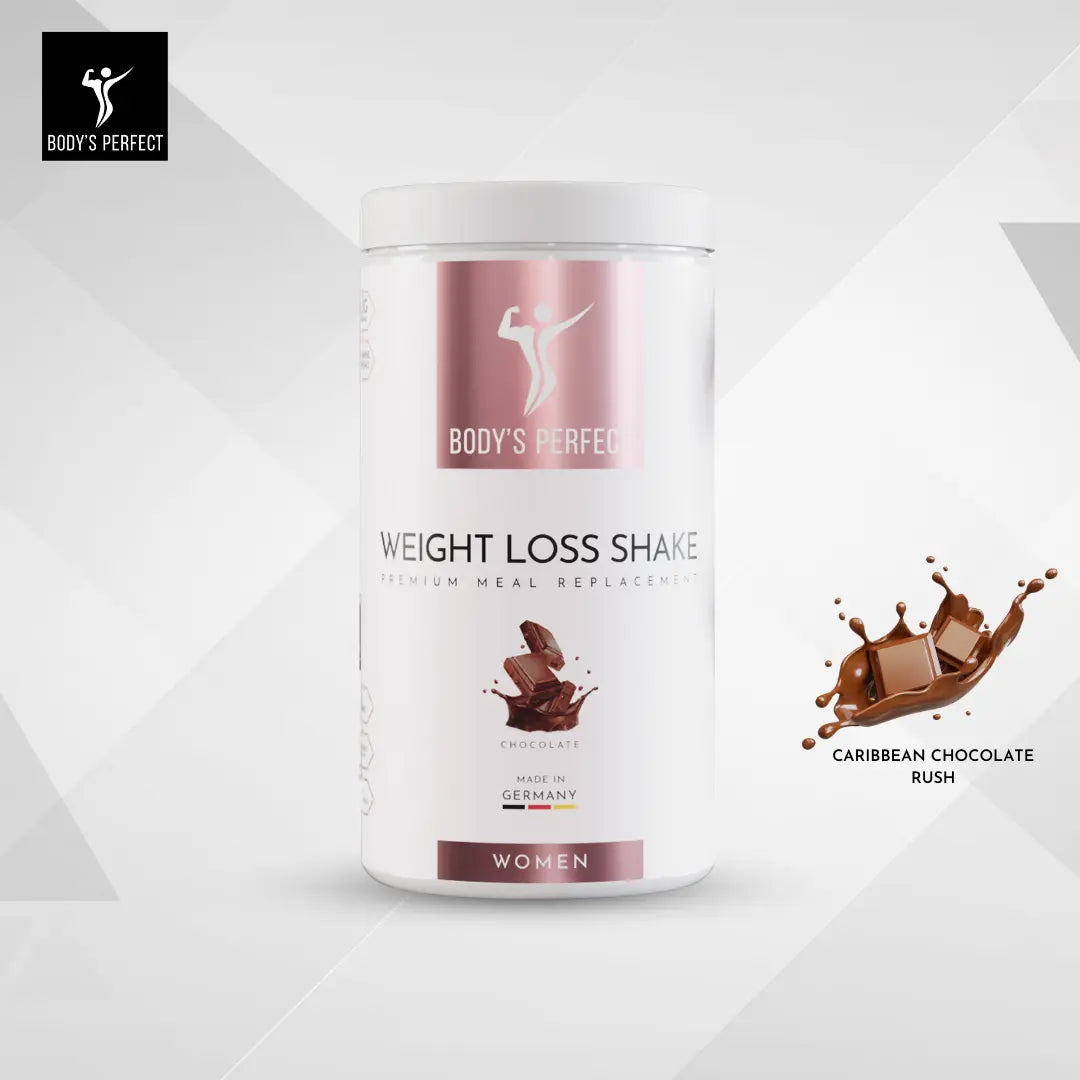
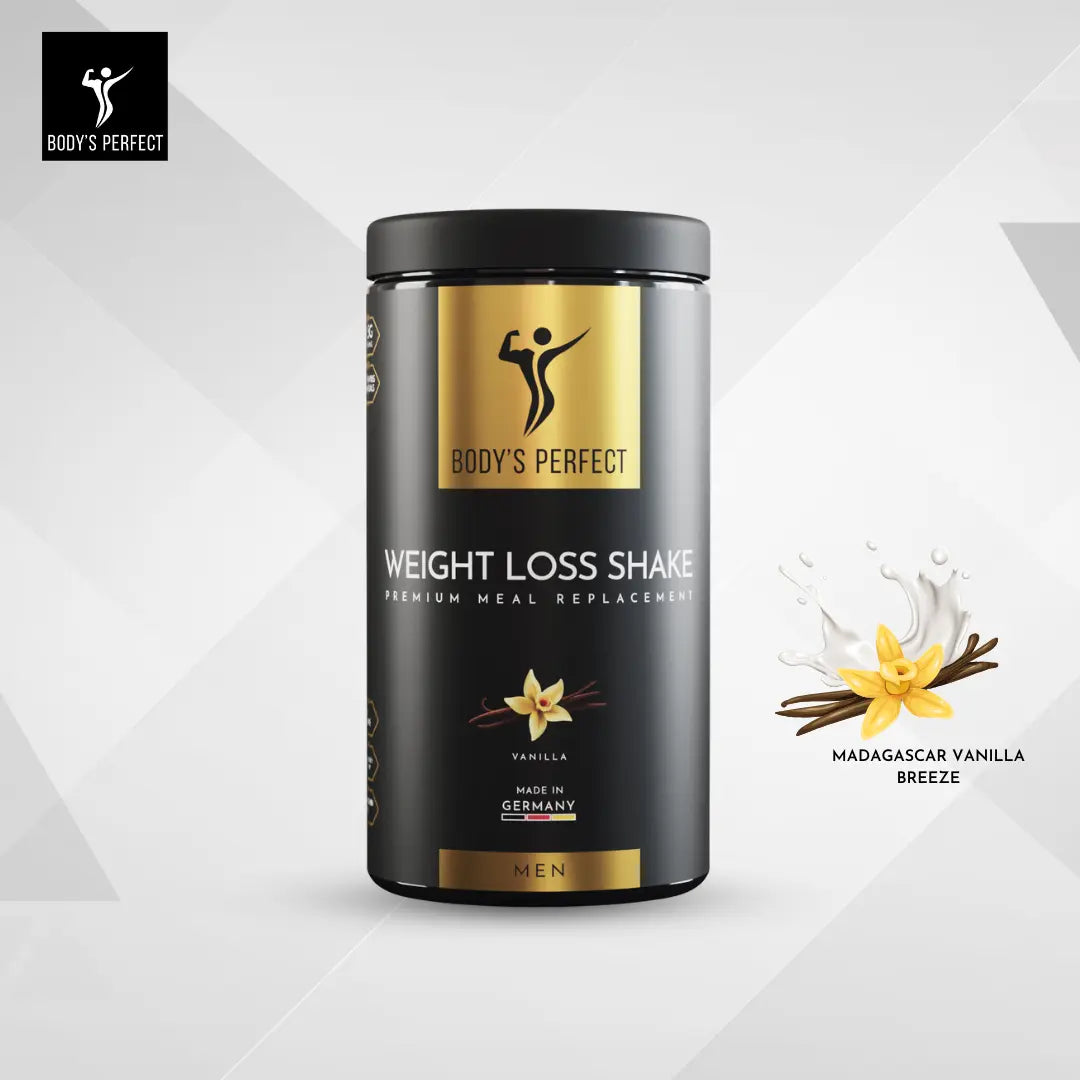
If you're looking for uncomplicated and delicious support for your goals, BODY'S PERFECT shakes are a smart choice. They quickly provide you with high-quality protein that fits perfectly into your daily routine – whether before or after your workout. Find your perfect shake now at bodysperfect.com.



Share:
Lose Weight with Peppermint Tea: Your Honest Guide
How many carbohydrates per day for weight loss: Your ultimate guide