


The dream of a flat stomach – who doesn't know it? But if you think endless sit-ups are the solution, I'm afraid I have to disappoint you. To really get rid of belly fat, we need to dig deeper and understand why it stubbornly settles there. For us women, biological and hormonal reasons play a huge role. And very importantly: we need to distinguish between the harmless padding under the skin and the truly dangerous belly fat.
Why belly fat in women is more than just a cosmetic problem
If you critically examine your midsection in the mirror, you are definitely not alone. Belly fat is often the last to go, and there are reasons for that. But this is about so much more than just appearance or wanting your favorite jeans to fit again.
The crucial point is that there are two completely different types of body fat.
The Difference: Subcutaneous Fat vs. Visceral Fat
The fat you can grab and pinch directly under your skin is called subcutaneous fat. It serves as an energy reserve and insulation, and from a health perspective, it's usually unproblematic.
What should really concern us is visceral fat. This fat sits deep within the abdominal cavity, surrounding vital organs like the liver, stomach, and intestines. You can't see or feel it, but it's extremely metabolically active and can severely impact our health.
Visceral fat is anything but a passive storage. It's a proper little factory that constantly produces pro-inflammatory substances and hormones. These burden the entire body and increase the risk of a whole range of serious diseases.
What your hormones have to do with it
Especially for us women, hormonal balance is often a primary reason for fat distribution. Two candidates play the main roles:
- Estrogen: As long as your estrogen levels are balanced, the body tends to store fat in typical female areas like the hips, butt, and thighs. However, if the levels drop – typically during menopause – fat storage increasingly shifts towards the abdomen.
- Cortisol: The stress hormone is a real villain when it comes to belly fat. Chronic stress means consistently high cortisol levels. Your body thinks it's in a constant emergency, and therefore stores readily available energy as visceral fat directly in the midsection.
These hormonal shifts can also slow down your metabolism. If you suspect this might be a cause, it's best to look at the typical symptoms of a metabolic disorder.
Why a large waist circumference is a real warning sign
The German Adiposity Society (DAG) is sounding the alarm: approximately 37% of women in Germany have "abdominal obesity." This is not a cosmetic flaw, but a clear sign of too much dangerous visceral fat.
This fat can trigger chronic inflammation in the body and weaken the immune system. It has been scientifically proven to increase the risk of cardiovascular diseases, type 2 diabetes, and even severe courses of infections. You can read more about this research directly on the DAG website.
Understanding why belly fat accumulates in the first place is the first and most important step to getting rid of it effectively and, above all, permanently. It's not about a crash diet, but about a smart plan that sensibly combines nutrition, exercise, and your lifestyle.
What's on your plate: Your dietary strategy against belly fat
Forget all the crash diets that only bring you a bad mood and cravings. To specifically lose belly fat as a woman, you need a smart and, above all, sustainable dietary change. It's not about starving yourself, but about giving your body the right building blocks so it burns fat instead of stubbornly storing it.
Focus on three things: protein, healthy fats, and plenty of fiber. This holy trinity not only keeps you wonderfully full for a long time, but also boosts your metabolism and keeps your blood sugar stable. That's exactly the key to avoiding nasty cravings that are often responsible for fat storage in the abdomen.
The right nutrients for a flat stomach
Protein is your most important partner on this mission. Proteins are incredibly filling, and your body even uses extra calories to digest them – this is called the thermic effect of food. Plus, they protect your muscles, and the more muscle mass you have, the more calories you burn at rest. It's that simple.
Top protein sources you can easily incorporate include:
- Lean poultry like chicken or turkey breast
- Fatty fish like salmon (bonus: valuable omega-3 fatty acids!)
- Eggs and low-fat quark
- Plant-based powerhouses like lentils, chickpeas, and tofu
Healthy fats are also an absolute must! Reach for avocados, a handful of nuts, or high-quality oils like olive or flaxseed oil. They are anti-inflammatory and super important for a balanced hormone balance – a topic that particularly affects us women.
One of the biggest myths is the fear of fat. The truth is: the right fats fill you up, provide your body with essential nutrients, and even help you lose weight.
Fiber: The unsung heroes
Fiber is the often underestimated star for a flat stomach. It swells in the stomach, providing a pleasant, long-lasting feeling of fullness. At the same time, it gets your digestion going. A sluggish bowel often leads to bloating, which many mistakenly believe to be belly fat.
Where do you find it? Simple: in whole-grain products, oatmeal, legumes, and of course, lots of vegetables. Broccoli and kale are true champions here. My tip: try to eat a decent portion of vegetables with every main meal.
Proper nutrition and targeted training go hand in hand to strengthen your core – one works only half as well without the other.
To really plan your meals smartly, you naturally need to know what your body needs. The first step is always to get a feel for your individual calorie requirements. If you're unsure, take a look at our guide. There you'll find a clear table for women's calorie needs for weight loss, which will give you a great orientation.
Foods that fight belly fat vs. those that promote it
To make it easier for you to get started, I've put together a small comparison. See it as a cheat sheet for your next shopping trip:
| Recommended Foods (Your Helpers) | Foods to Avoid (The Traps) |
|---|---|
| Proteins: Chicken, turkey, fish (salmon, mackerel), eggs, Greek yogurt, quark, tofu, lentils, chickpeas. | Sugar and White Flour: Sweets, cakes, cookies, white bread, sodas, sweetened juices, ready meals with hidden sugar. |
| Healthy Fats: Avocados, nuts (walnuts, almonds), seeds (chia, flaxseed), olive oil, flaxseed oil. | Unhealthy Fats: Fried foods like fries or chips, fast food, margarine, heavily processed sausage and meat products. |
| Fiber-rich carbohydrates: Oatmeal, quinoa, whole grain bread, sweet potatoes, brown rice. | Alcohol: Especially beer and sugary cocktails can strongly promote fat storage in the abdomen. |
| Plenty of vegetables: Broccoli, spinach, kale, bell peppers, cucumbers – basically anything green and colorful! | Heavily processed foods: Frozen pizzas, instant soups, microwave meals – often full of salt, sugar, and unhealthy fats. |
| Water and unsweetened tea: Green tea can also slightly boost metabolism. | Fruit juices and smoothies from the supermarket: Often pure sugar bombs without the valuable fiber of the whole fruit. |
This list is meant to give you a direction. It's not about forbidding everything tempting forever, but about making conscious choices and making the "helpers" the basis of your diet.
A sustainable strategy doesn't mean renunciation, but making smart choices. Choose foods that truly nourish you and satisfy you. It's a process where you learn to listen to your body more and give it exactly what it needs for your goals.
The right training for a flat midsection

If you think countless sit-ups are the miracle weapon for a flat stomach, I'm afraid I have to disappoint you. Targeted abdominal exercises are great for a strong core, sure. But they alone simply won't melt away the fat that lies above it. The real key to success is an intelligent combination of different types of training.
It's about seeing your body as a whole. Spot reduction, as it's known, is unfortunately a myth. Your body decides for itself where it taps into its fat reserves. So, to specifically lose weight around your stomach, you need to reduce your overall body fat percentage. And that's where strength training comes in.
More than just abdominal muscles
Full-body strength training is your absolute most effective weapon in the fight against belly fat. Why? It's simple: muscles are your personal calorie powerhouses. The more muscle mass you build, the higher your basal metabolic rate – that's the energy your body burns when you're doing absolutely nothing. Even while you sleep!
When you train large muscle groups like your legs, back, and glutes, you don't just burn massive amounts of energy during the workout. You also benefit from the so-called afterburn effect. This means your metabolism continues to run at full speed for hours after training. This is a crucial advantage that pure abdominal training can never offer you. If you're interested in learning more about this topic, check out our guide on strength training and weight loss for women.
An effective workout plan is like a good recipe: only the right mix of ingredients delivers the best result. Your recipe for success for a defined midsection is a mix of full-body strength training, targeted core exercises, and a few endurance sessions.
Your perfect workout mix
For the best results, you should add variety to your routine. A good weekly plan could look something like this:
-
Two to three times a week full-body strength training: Focus on compound exercises that engage many muscles at once.
- Squats: The classic for firm glutes and strong legs.
- Lunges: Shapes your thighs and simultaneously improves your balance.
- Deadlifts: Strengthens the entire back and the back of your legs – an absolute power exercise!
-
Targeted core exercises as a finish: Include two to three exercises for your core at the end of your strength training sessions.
- Plank: Strengthens the entire core musculature. Hold the position as long as possible with proper technique.
- Leg Raises: A fantastic exercise to target the lower abdominal muscles.
- Russian Twists: Activate the obliques and sculpt a nice waist.
-
One to two cardio sessions: Endurance training not only helps burn additional calories, but it's also a brilliant stress reliever.
- A brisk walk or a relaxed jog of 30-45 minutes outdoors.
- HIIT (High-Intensity Interval Training): Short but intense sessions of 15-20 minutes that really boost your metabolism.
Women naturally have a higher body fat percentage than men, on average about 6 to 11 percentage points more. This is completely normal. While men often have a defined abdomen at 17% body fat, this threshold for us women is closer to 24%. This is precisely why the combination of proper nutrition and holistic training is so important to see the desired results.
The most important thing in all of this is to find a routine that you enjoy and that you can stick with long-term. Because only consistency truly leads to the goal.
Small everyday hacks that make a big difference
Real progress in losing belly fat doesn't just happen at the gym or on your plate. The true, often underestimated secrets to success are the small, inconspicuous habits that shape your daily life. Let's take a closer look at those now.
Why good sleep is more important than any ab workout
You can train and eat as disciplined as you want – if you constantly get too little or poor sleep, you're sabotaging your own efforts. And quite significantly, because sleep deprivation completely messes with your hunger hormones.
Your body then produces more ghrelin, the hormone that signals to you: "I'm hungry!" At the same time, levels of leptin, the satiety hormone, drop. The result is a nasty vicious cycle: you have more appetite during the day, especially for sugary and fatty snacks, and you don't feel properly full.
Poor sleep is like an open barn door for cravings. Your body tries to get the missing energy through quick calories – and that promotes fat storage, especially in the abdomen.
Aim for seven to eight hours of sleep per night. Create a consistent evening routine, avoid screens shortly before bed, and ensure a cool, dark room. This isn't a luxury, but an absolute necessity for your goal.
The stress that settles on your belly
Do you often feel rushed and overwhelmed? This constant stress is pure poison for your flat midsection. During stressful periods, your body releases more of the hormone cortisol. Consistently elevated cortisol levels have been shown to cause the body to preferentially store fat in the abdominal region – the so-called visceral fat.
Stress management is therefore not some esoteric hocus pocus, but a central building block for losing belly fat. Find out what does you good and firmly integrate it into your daily life.
A few simple, yet surprisingly effective techniques:
- Conscious breathing exercises: Take just two minutes several times a day to breathe deeply into your belly and slowly out again. This immediately signals relaxation to your nervous system.
- A short walk: Exercise in the fresh air, preferably in nature, can directly lower cortisol levels. Even 15 minutes makes a difference.
- Digital Detox: Consciously put your smartphone away for an hour in the evening and read a book or listen to music instead.
Water: your secret metabolism booster
Drinking enough is one of the simplest and most effective hacks there is. Water is involved in almost all metabolic processes. Even slight dehydration is enough to significantly slow down your metabolism.
Drink at least two liters of water or unsweetened tea throughout the day. A great practical tip: often the body confuses thirst with hunger. A large glass of water before a meal can therefore help you better perceive your feeling of fullness and avoid overeating.
These small adjustments to your lifestyle may sound trivial, but their effect adds up significantly. They create the basis on which your efforts in diet and exercise can truly bear fruit. If you want to delve deeper into the topic, you will find many other tips in our guide on how to naturally boost your metabolism.
How the right supplements can truly help you progress
Clearly: a healthy diet and regular exercise are the foundation for a flat stomach. But sometimes you just hit a plateau, no matter what you try. It's at this point that a few cleverly chosen supplements can make all the difference – not as a magic bullet, but as targeted support for your body.
Think of supplements simply as what the name implies: a supplement. They step in exactly where your body could use a little boost to overcome plateaus and maximize your success.
Stay fuller longer and protect muscles with protein
A good protein powder is honestly one of the best partners on your journey. Why? Because protein is the nutrient that provides the strongest and longest-lasting satiety. A shake after your workout or as a snack in between can curb cravings and make it much easier for you to stay in a calorie deficit.
But something else is even more important: when you reduce calories and exercise, your body doesn't just attack fat reserves, but unfortunately also valuable muscle mass. Enough protein protects your hard-earned muscles from breakdown. And the best part? More muscles burn more calories even at rest. A real win-win.
Naturally Boosting Your Metabolism
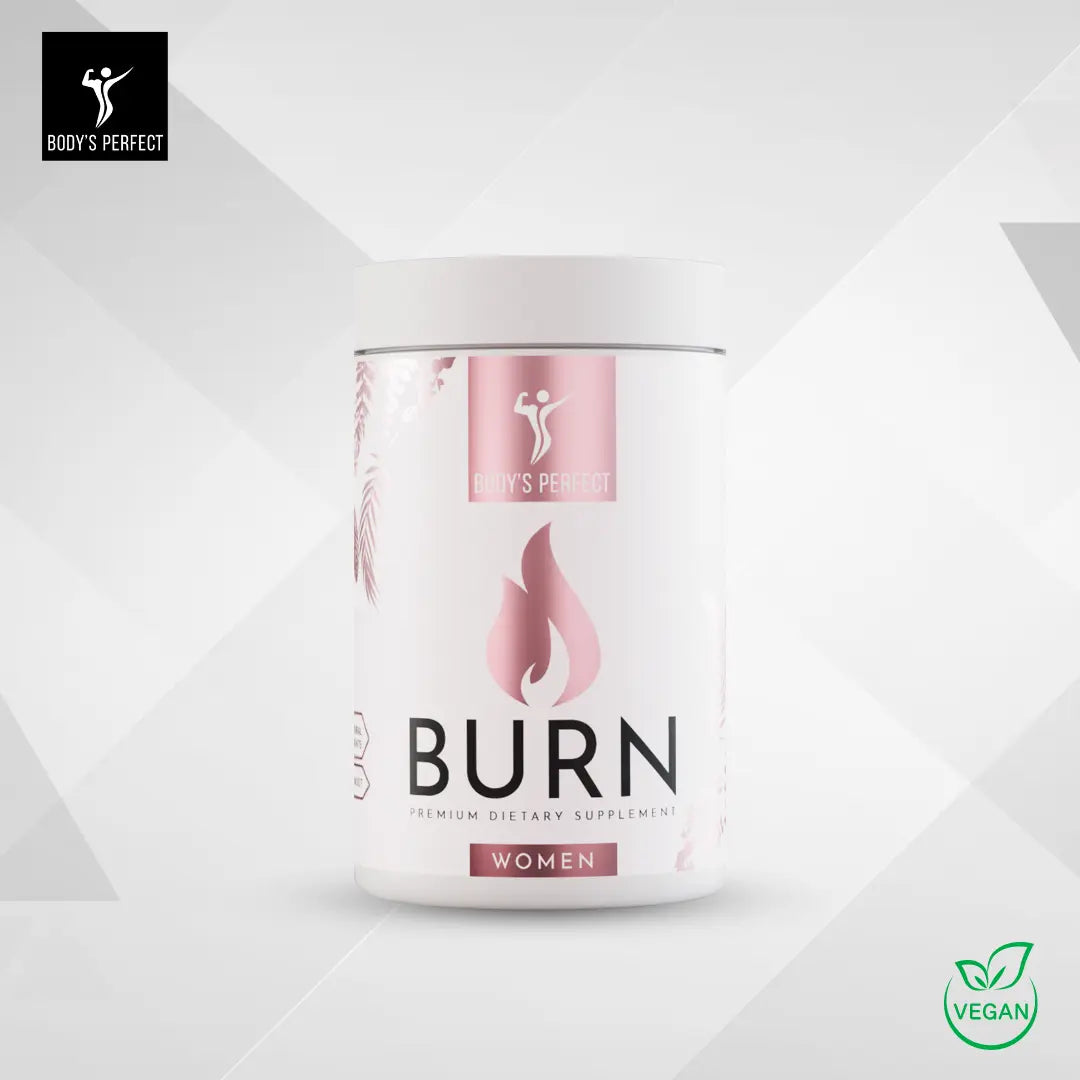
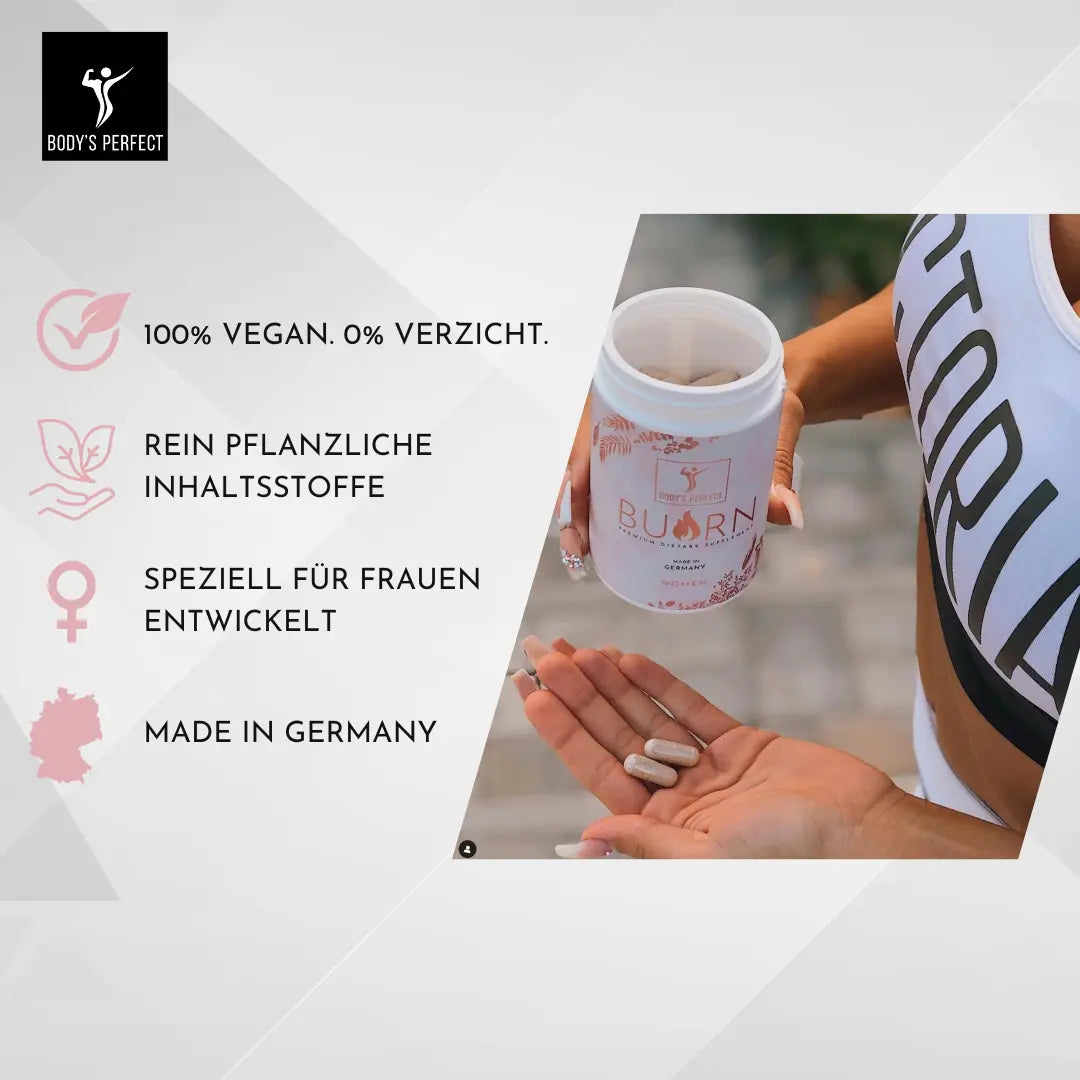
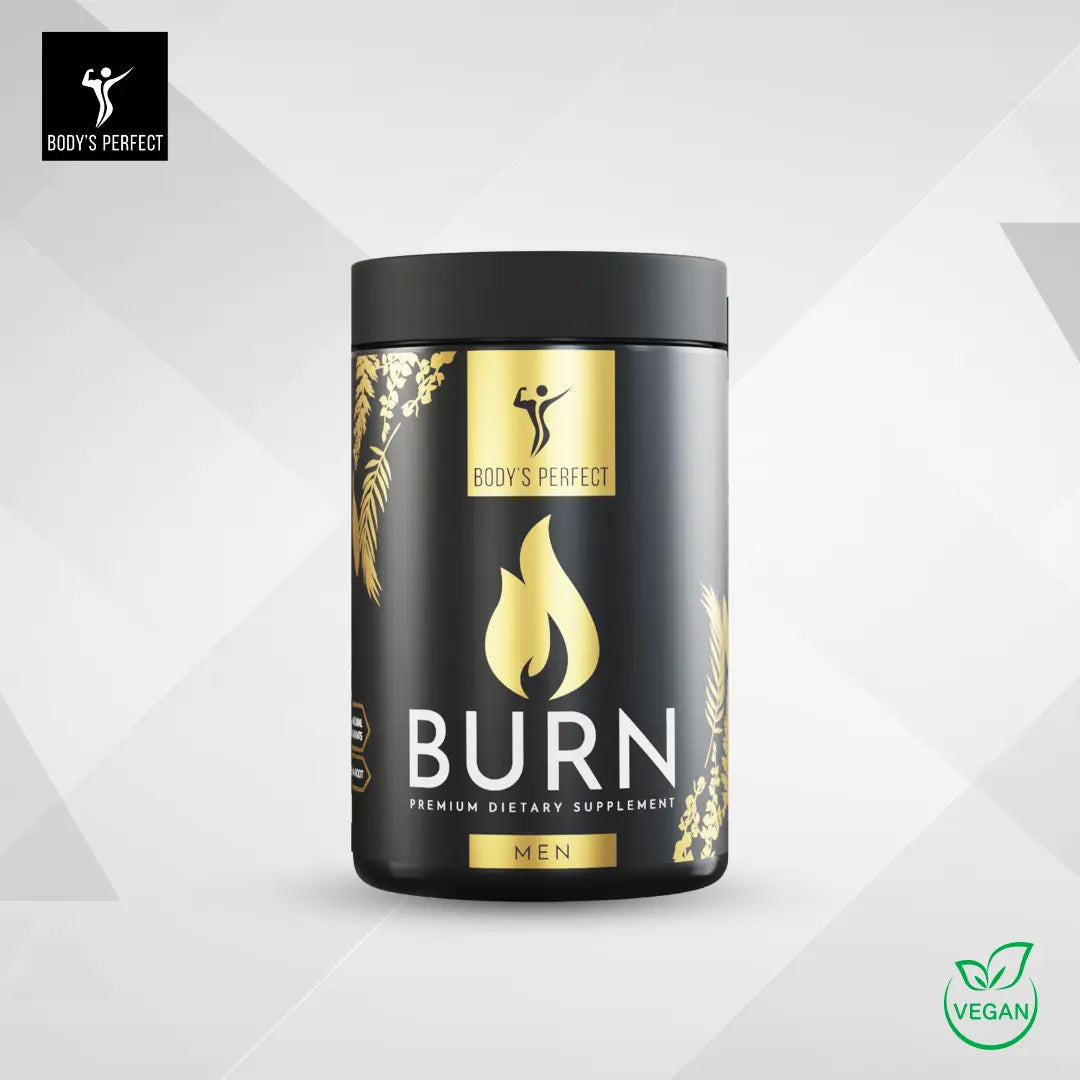
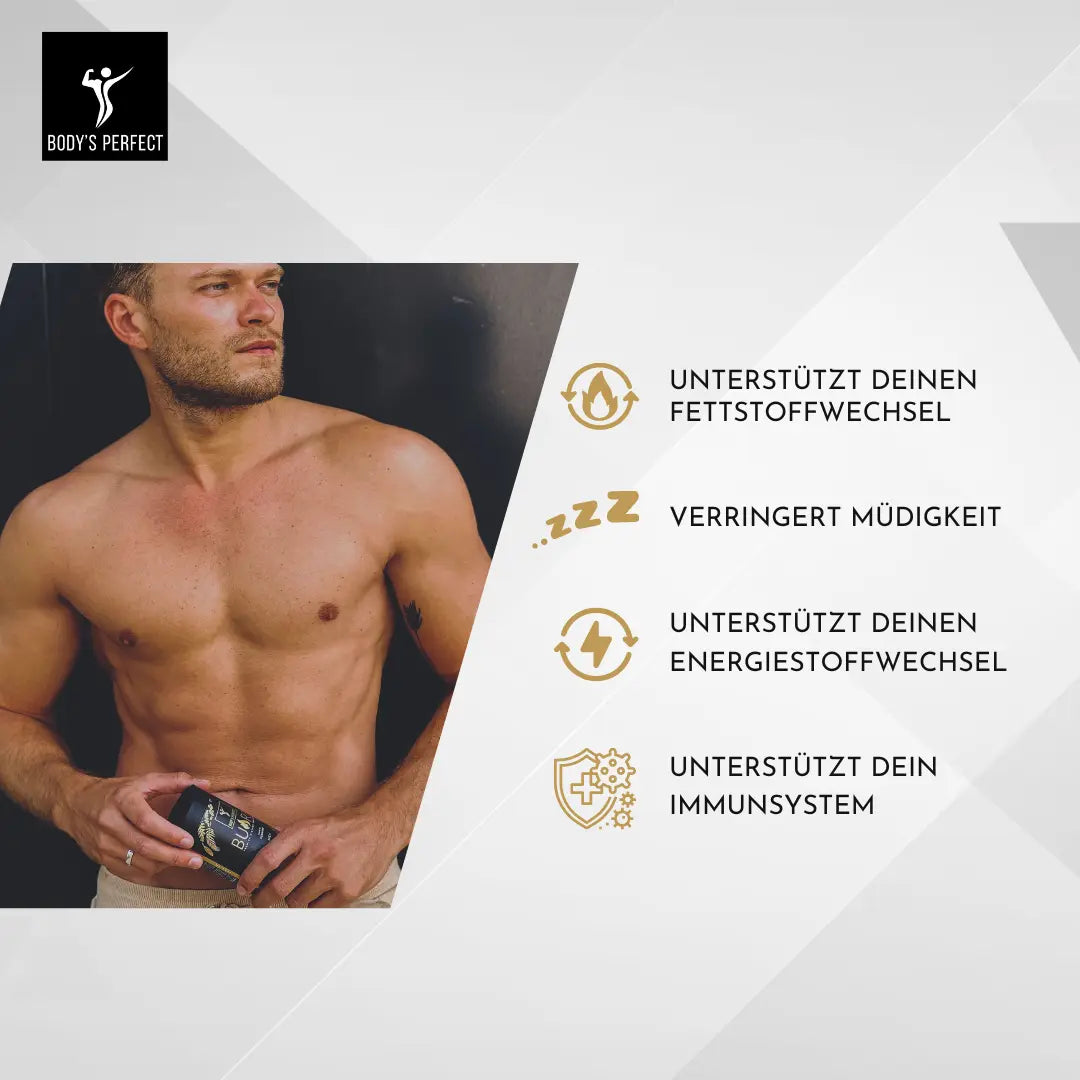
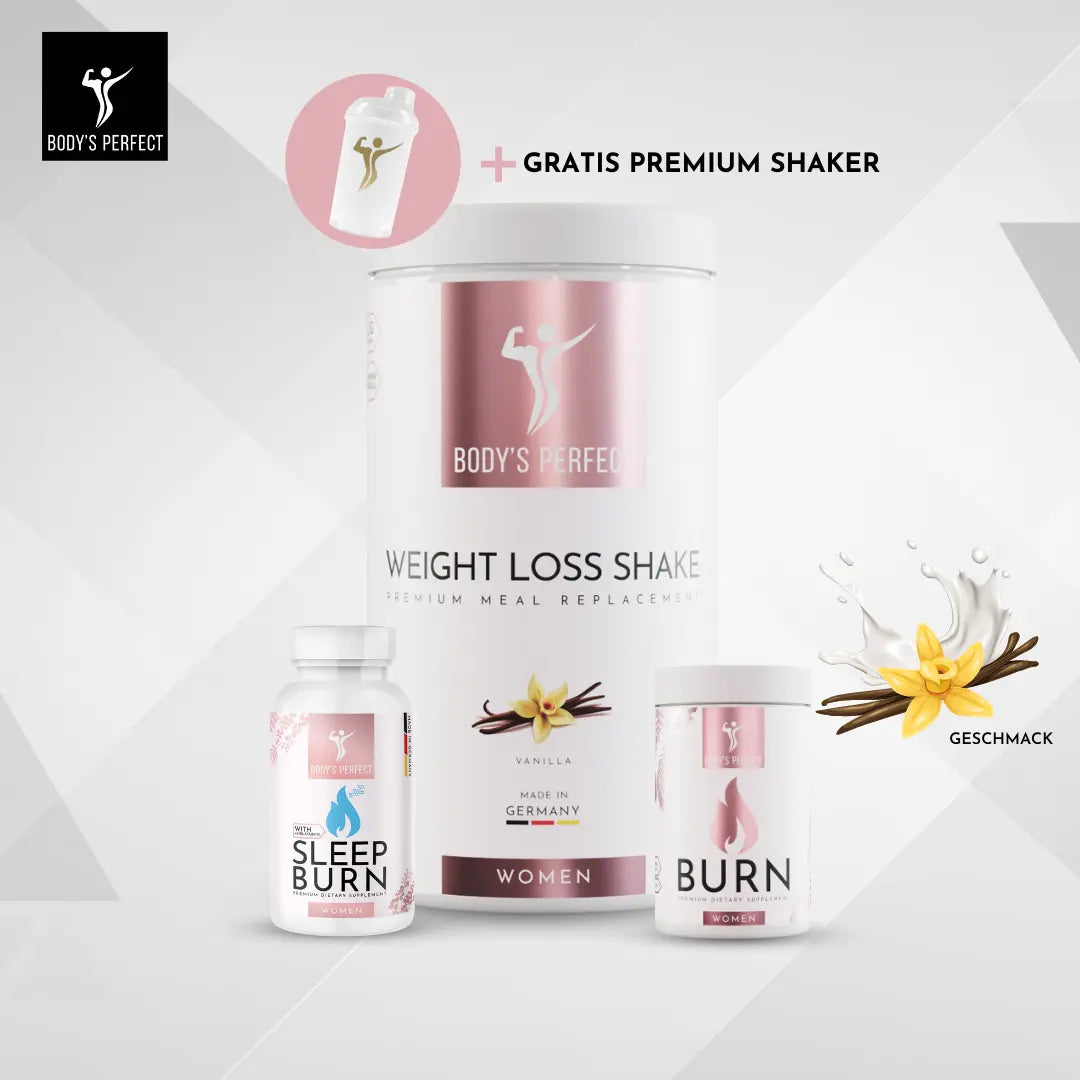
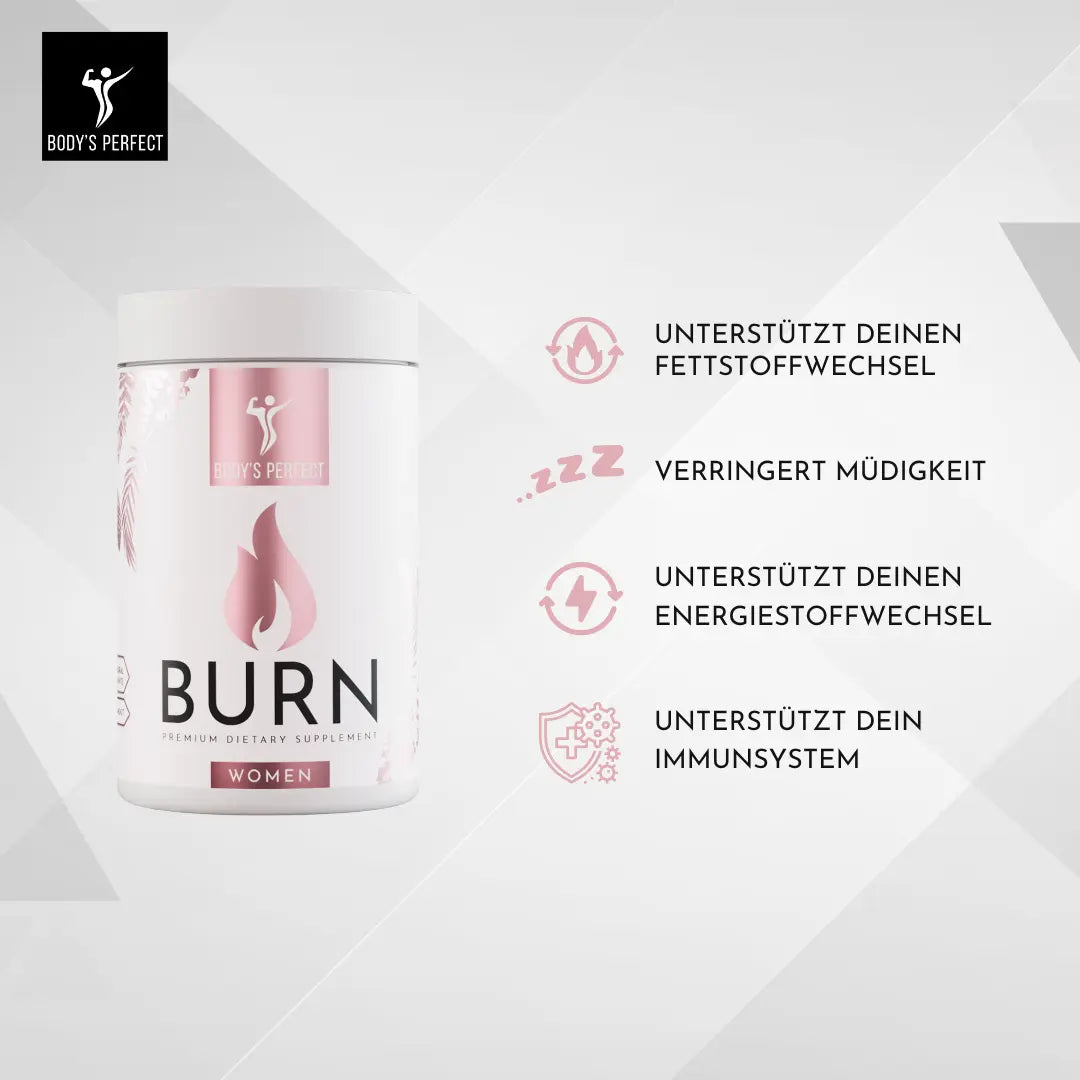
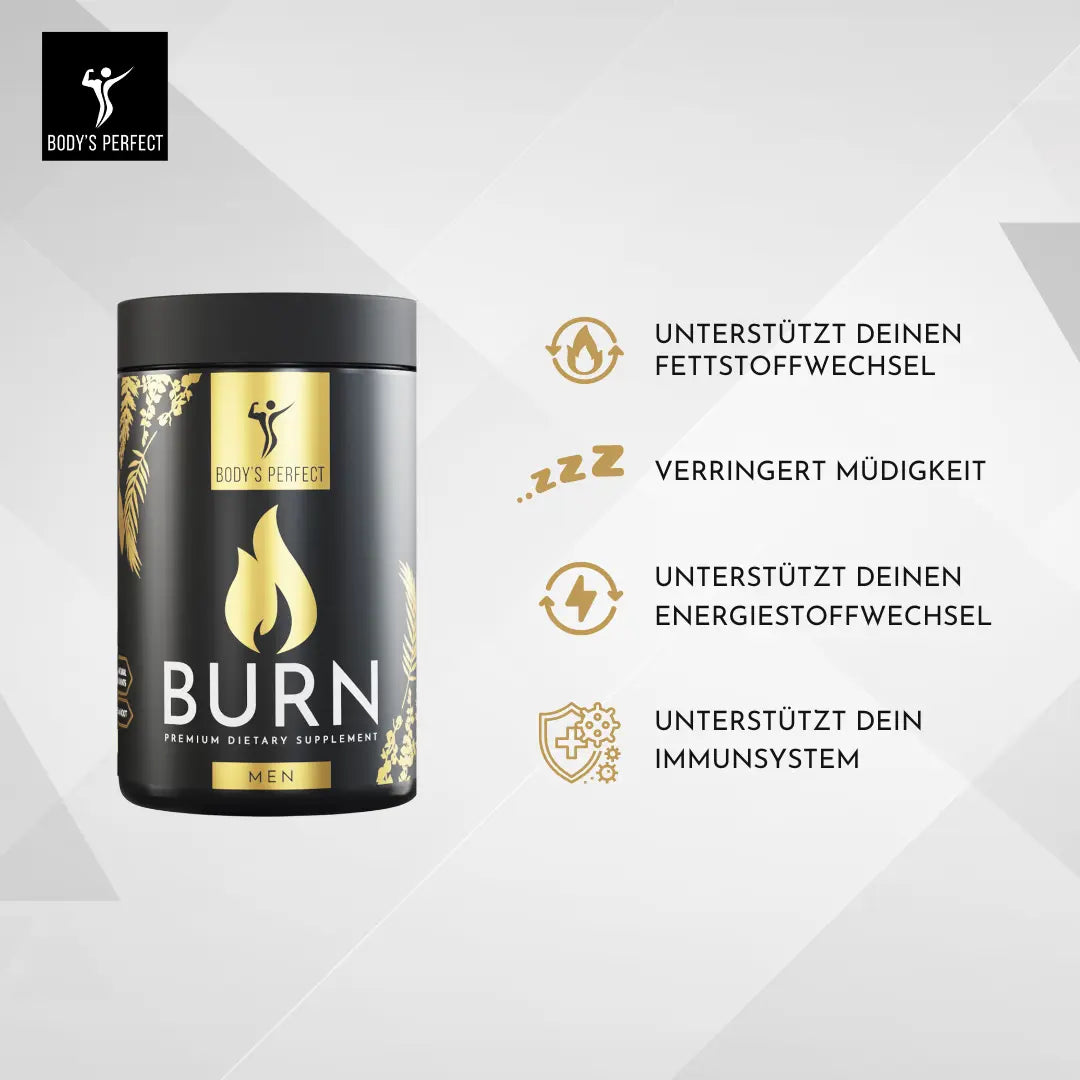
In addition to a good protein supply, there are also active ingredients that can gently kick-start your metabolism. Certain plant extracts or amino acids can signal to the body to burn energy more efficiently. A well-thought-out product like the BURN capsules from bodysperfect.com combines exactly these ingredients. This stimulates your metabolism, giving you more power for everyday life and your workout.
Important: No supplement in the world can replace an unbalanced diet. They are the icing on the cake – the extra that makes the difference when the foundation is solid.
Another exciting helper is L-Carnitine. This amino acid compound is essentially the "taxi" for fat. It helps transport fatty acids into the mitochondria – the powerhouses of your cells – where they are then converted into energy. Especially in combination with exercise, it can effectively support fat burning. If you're interested in learning more about this topic, check out our article on the effects of L-Carnitine specifically for women.
Ultimately, it comes down to what you personally need. View supplements as your personal assistants: you set the direction, and they help you reach your goal faster and more effectively.
Your Most Urgent Questions About Abdominal Fat Loss in Women
When it comes to losing belly fat, so many myths and half-truths circulate online. This can really make you insecure and totally slow you down. So, let's get down to brass tacks: here you'll find honest answers to the most common questions, so you can confidently and well-informed pursue your path.
Can I really target only belly fat for loss?
This is probably the question of all questions – and the honest answer is: Unfortunately, no. We cannot dictate to our bodies where they lose fat first. The idea of "spot reduction," i.e., targeted fat loss in only one area, is and remains a myth.
But the good news is: If you lose fat throughout your body through smart nutrition and training, sooner or later, belly fat will also melt away. The strategies in this guide aim precisely at this – to kick-start the entire process and, above all, to get rid of unhealthy visceral fat.
How long does it take until I see first results?
Patience is truly your most important companion here. How quickly you see results is highly individual. This depends on your starting point, your genetics, and, of course, how consistent you are. Many women, however, feel the first positive changes after one to two weeks.
These are often things like more energy in everyday life, a less bloated stomach, or simply the great feeling of actively doing something for yourself. It usually takes several weeks or even months until you can measure significant, visible results in your abdominal circumference.
Don't see it as a sprint, but as the beginning of a positive, long-term change. Every small step counts and brings you closer to your goal.
Do hormones play a special role in women?
Absolutely! This is a crucial point that many overlook. Our female hormone estrogen has a huge influence on where we store fat. In younger years, it ensures that fat tends to accumulate on the hips and thighs.
However, when estrogen levels drop, for example during menopause, the body increasingly shifts fat storage to the abdominal region. At the same time, the stress hormone cortisol is a real driver of visceral belly fat. This is precisely why targeted stress management and a hormone-friendly diet are so incredibly important for us women.
Do I have to completely cut out carbohydrates?
No, absolutely not! This is one of the most persistent myths and often even counterproductive. Your body needs carbohydrates as fuel. The trick is to choose the right ones.
- Focus on complex carbs: Whole grain products, oatmeal, lentils, and plenty of vegetables. They provide you with long-lasting energy, supply you with important fiber, and make you feel pleasantly full.
- Reduce simple carbs: You should avoid sugar, white flour products, and sweetened drinks. They cause your blood sugar levels to spike, which promotes fat storage in the abdomen.
Complete abstinence is therefore neither necessary nor sustainable in the long run. It's about making conscious choices and doing good for your body.
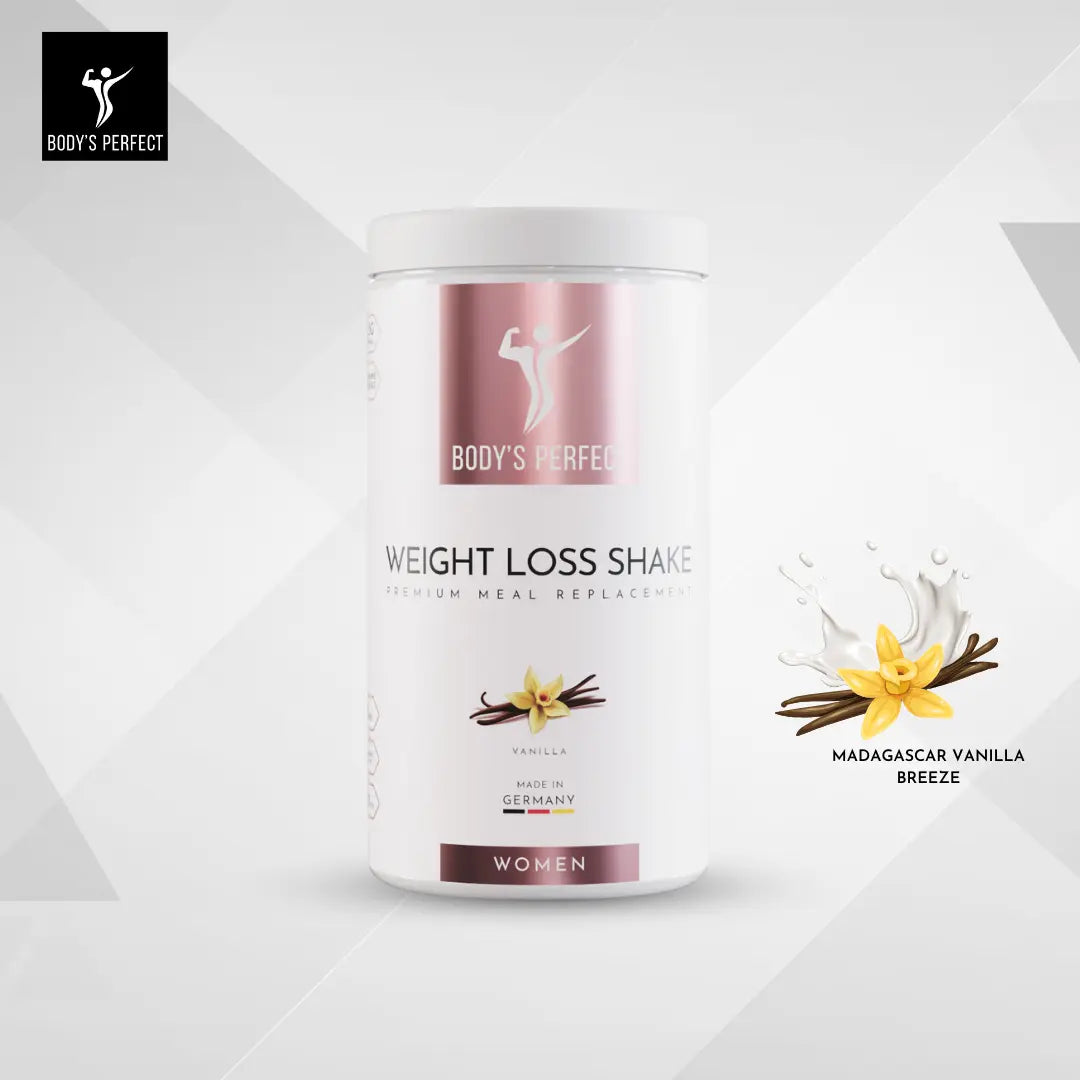
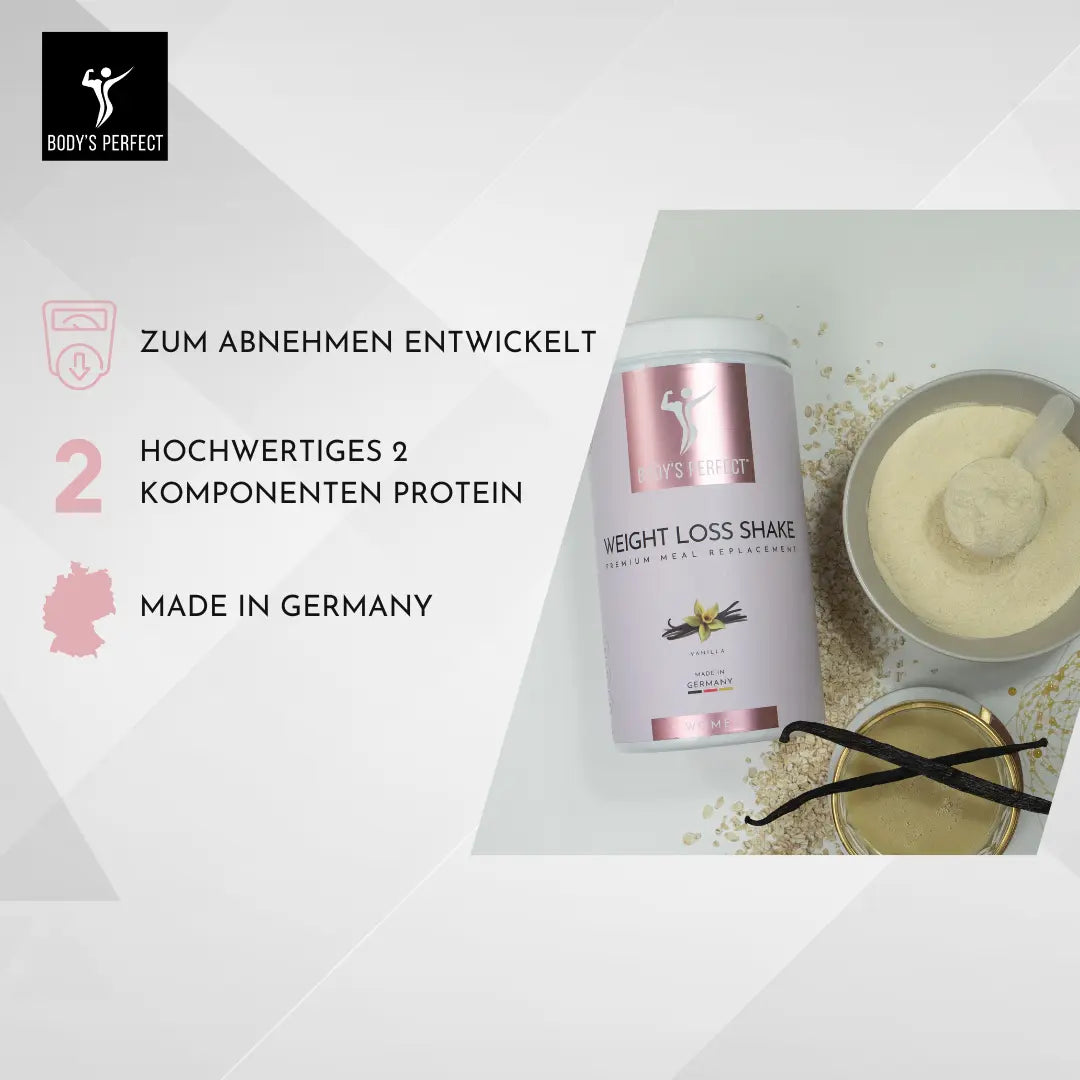
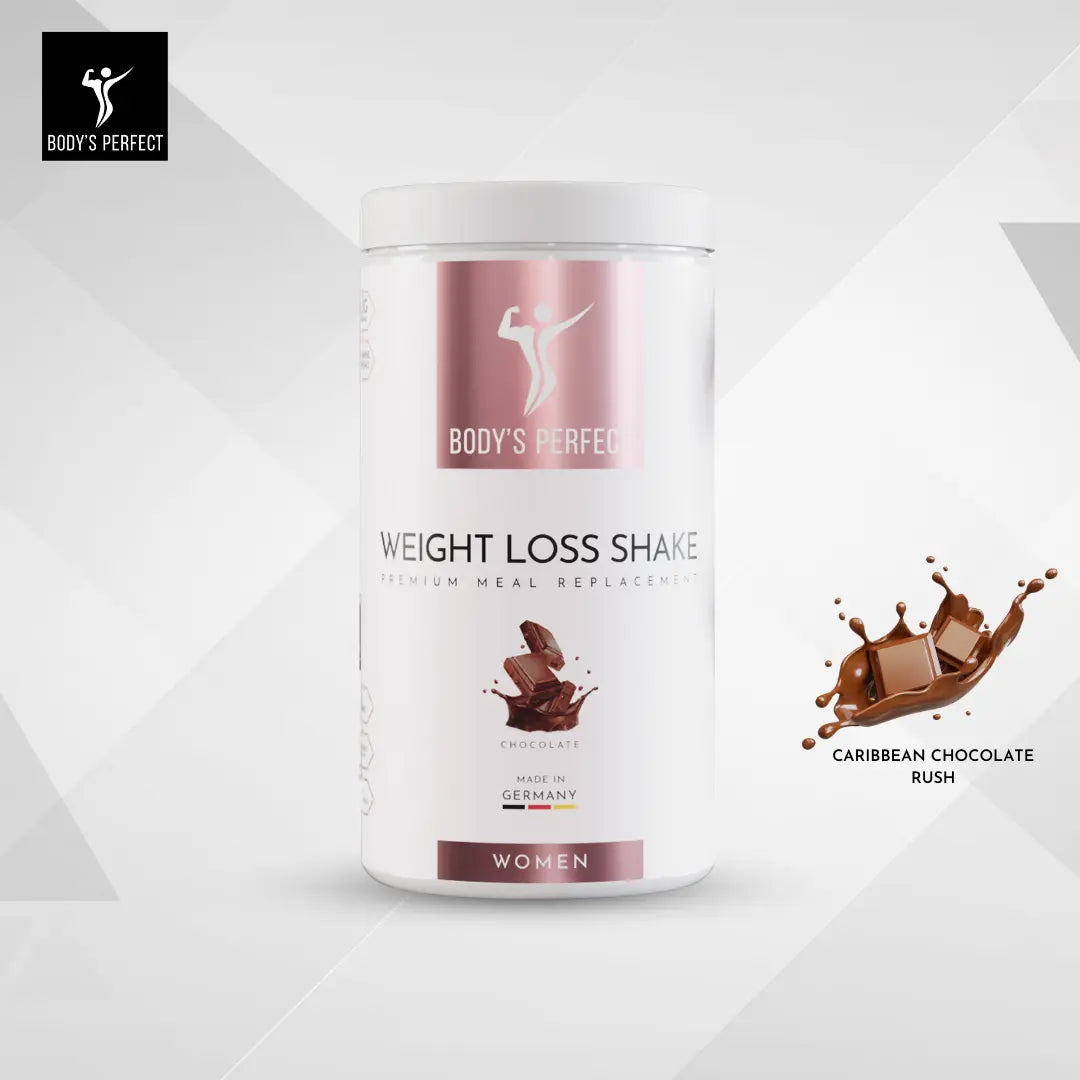
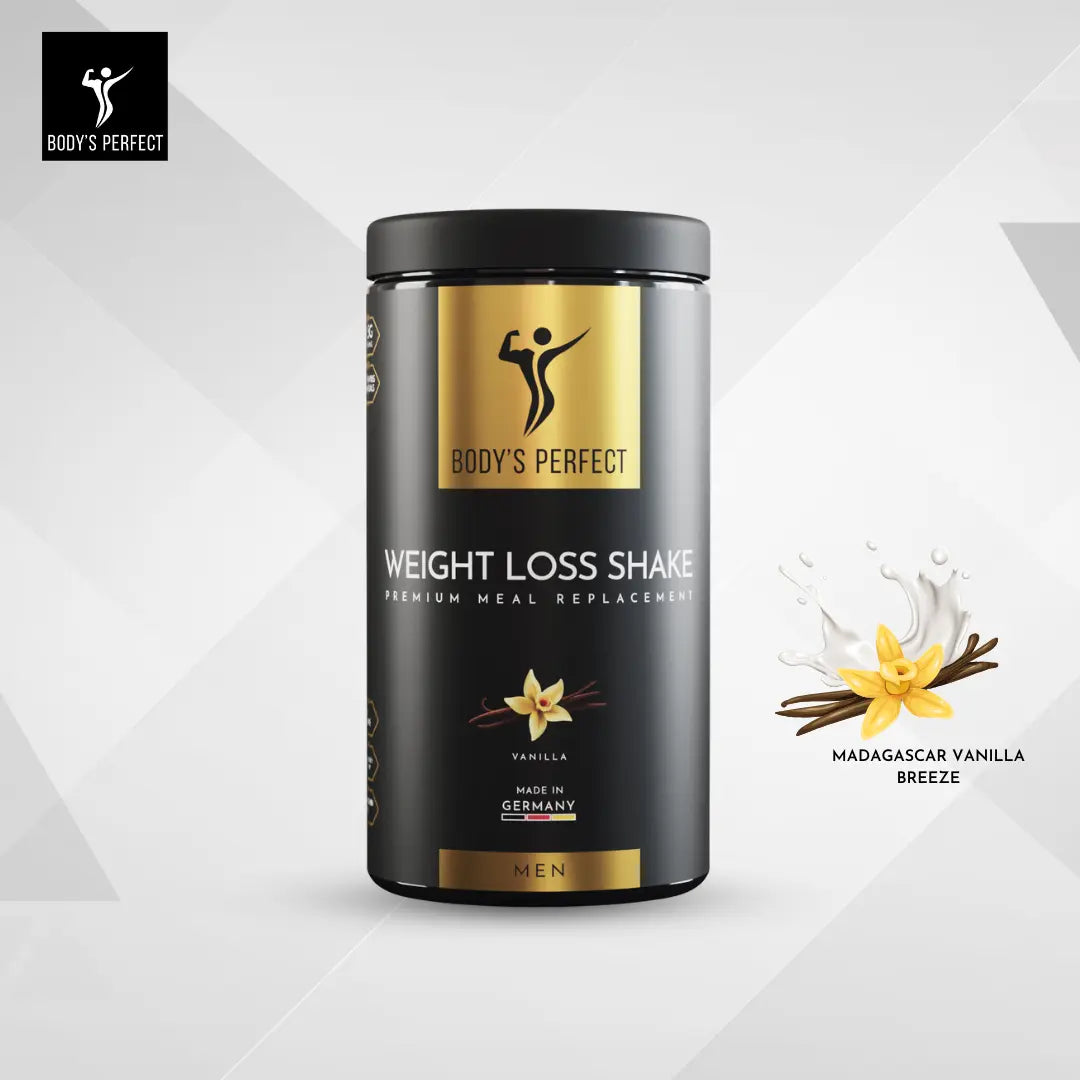
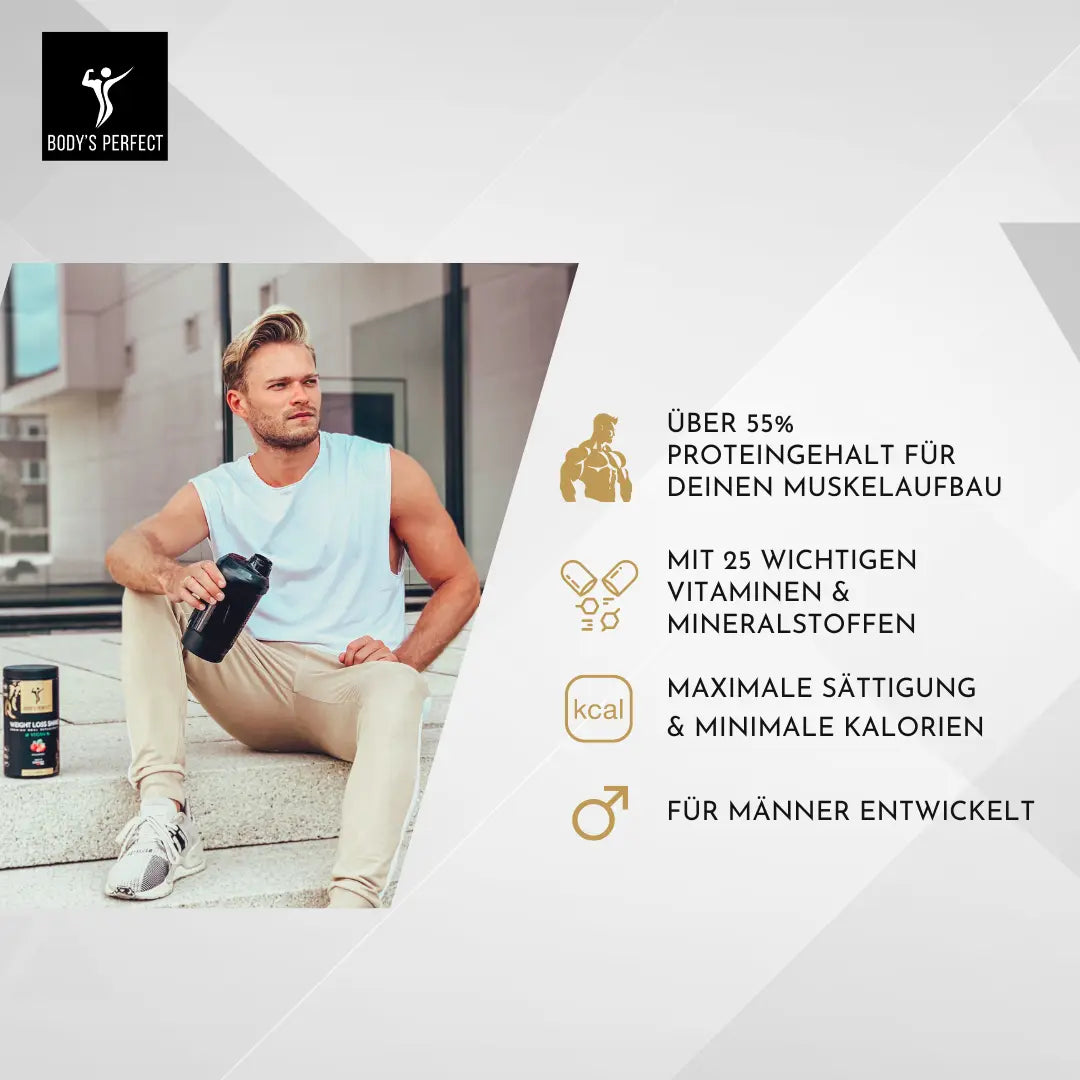
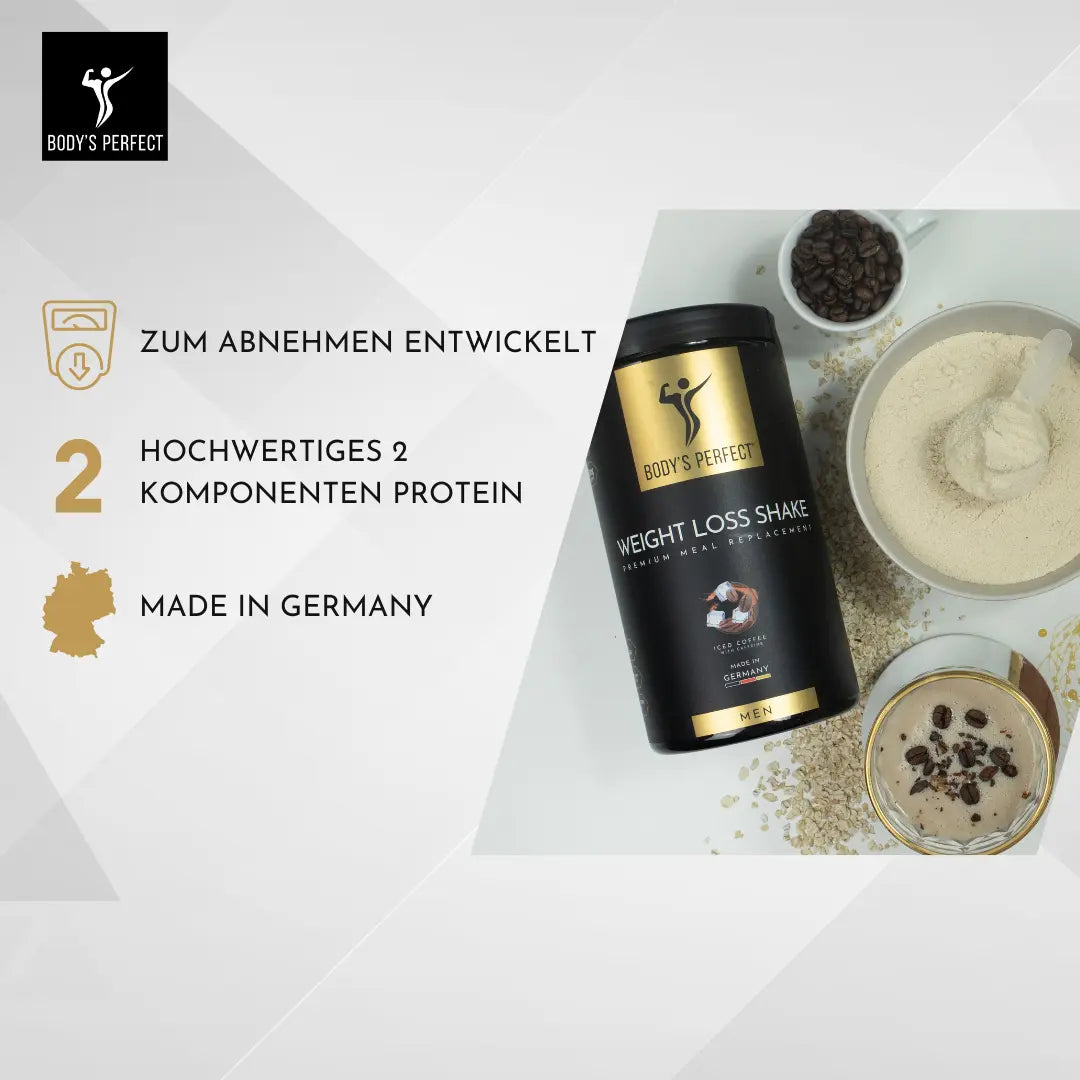
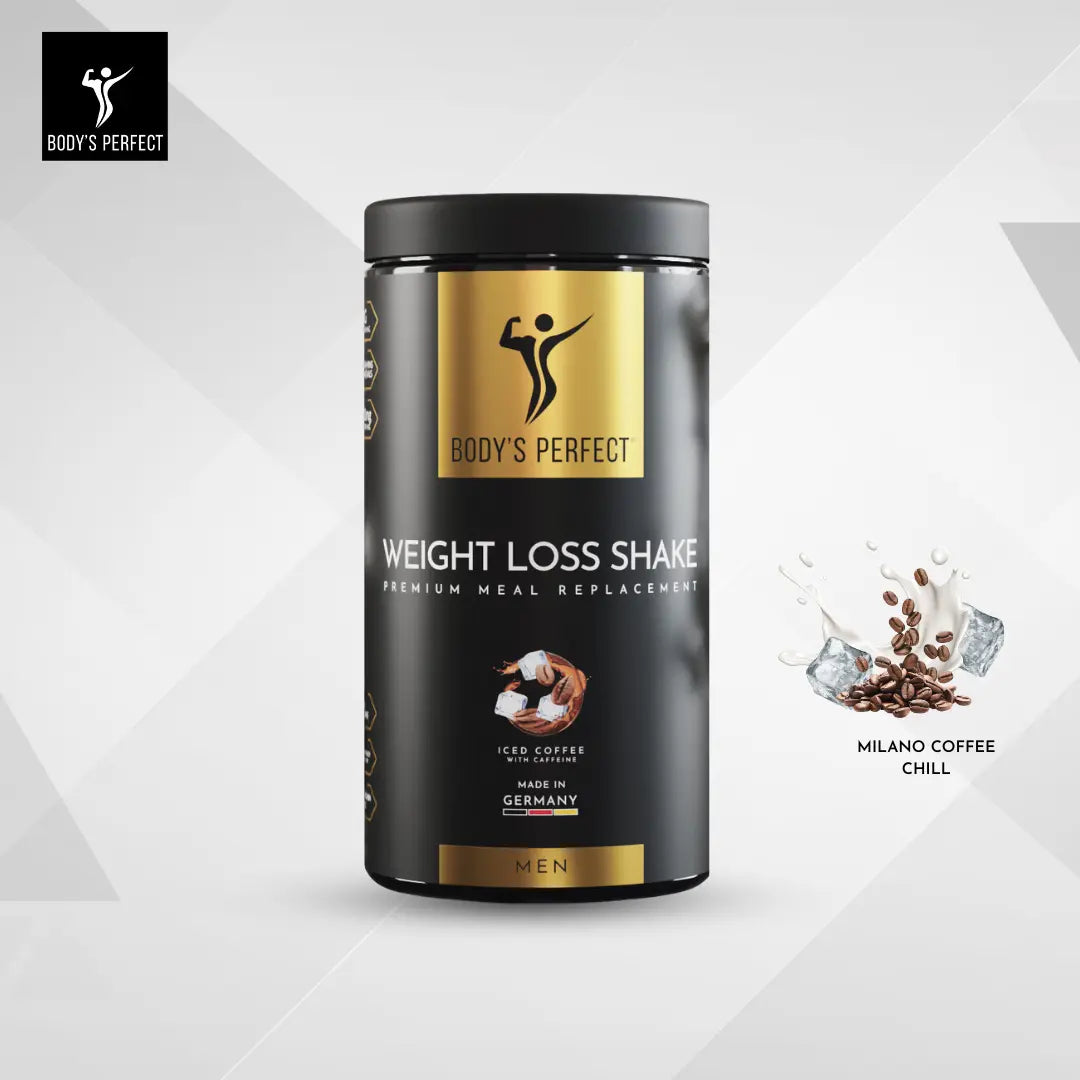
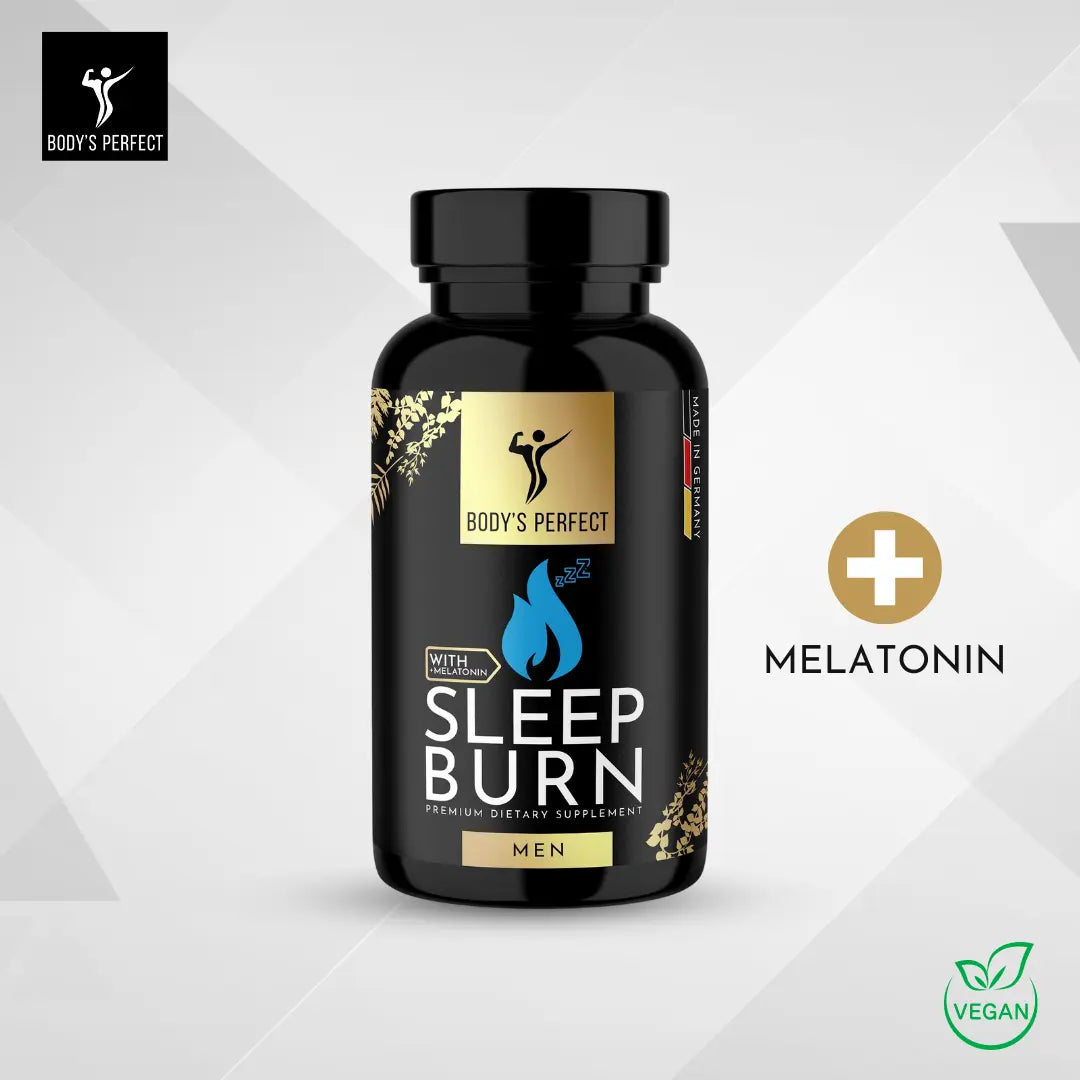
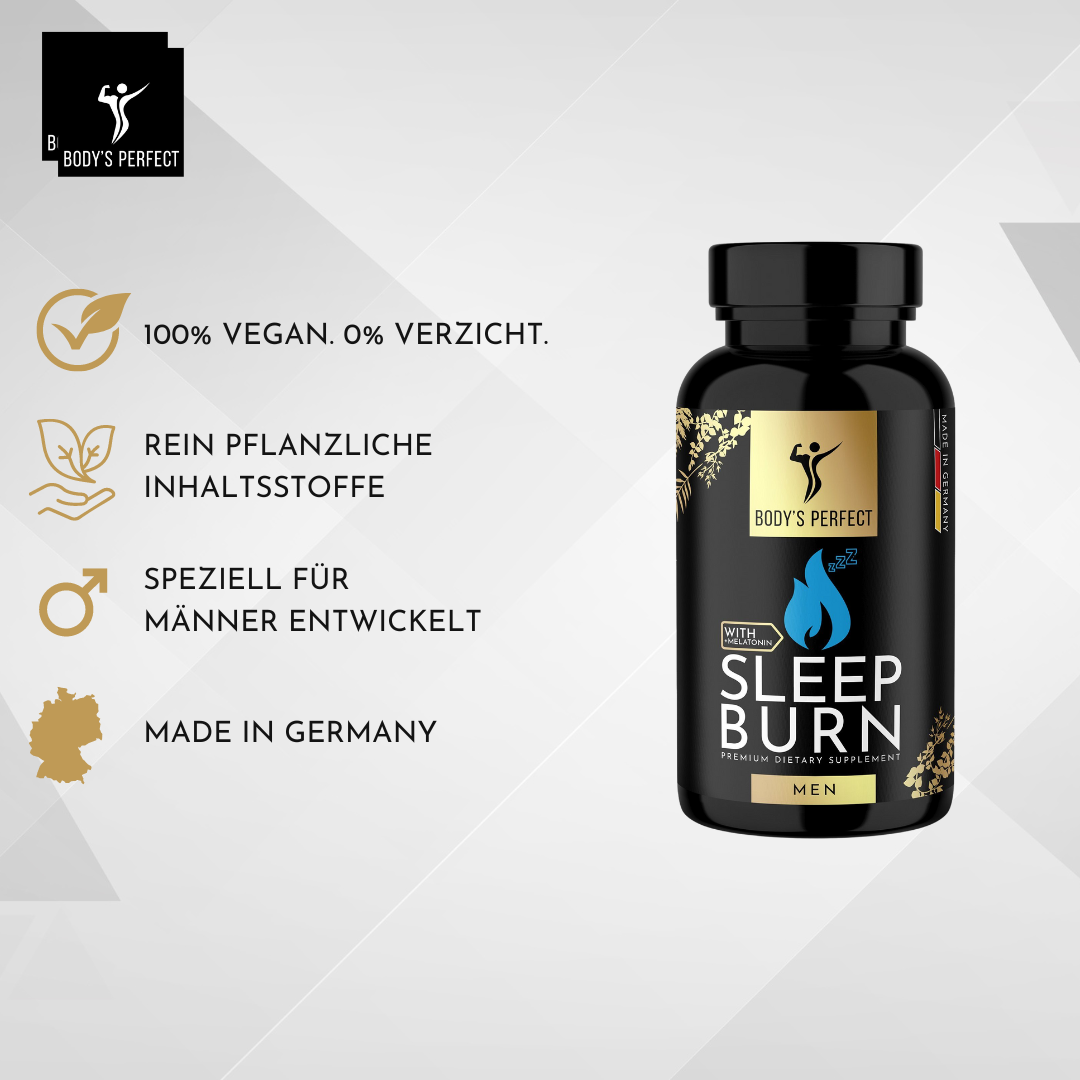
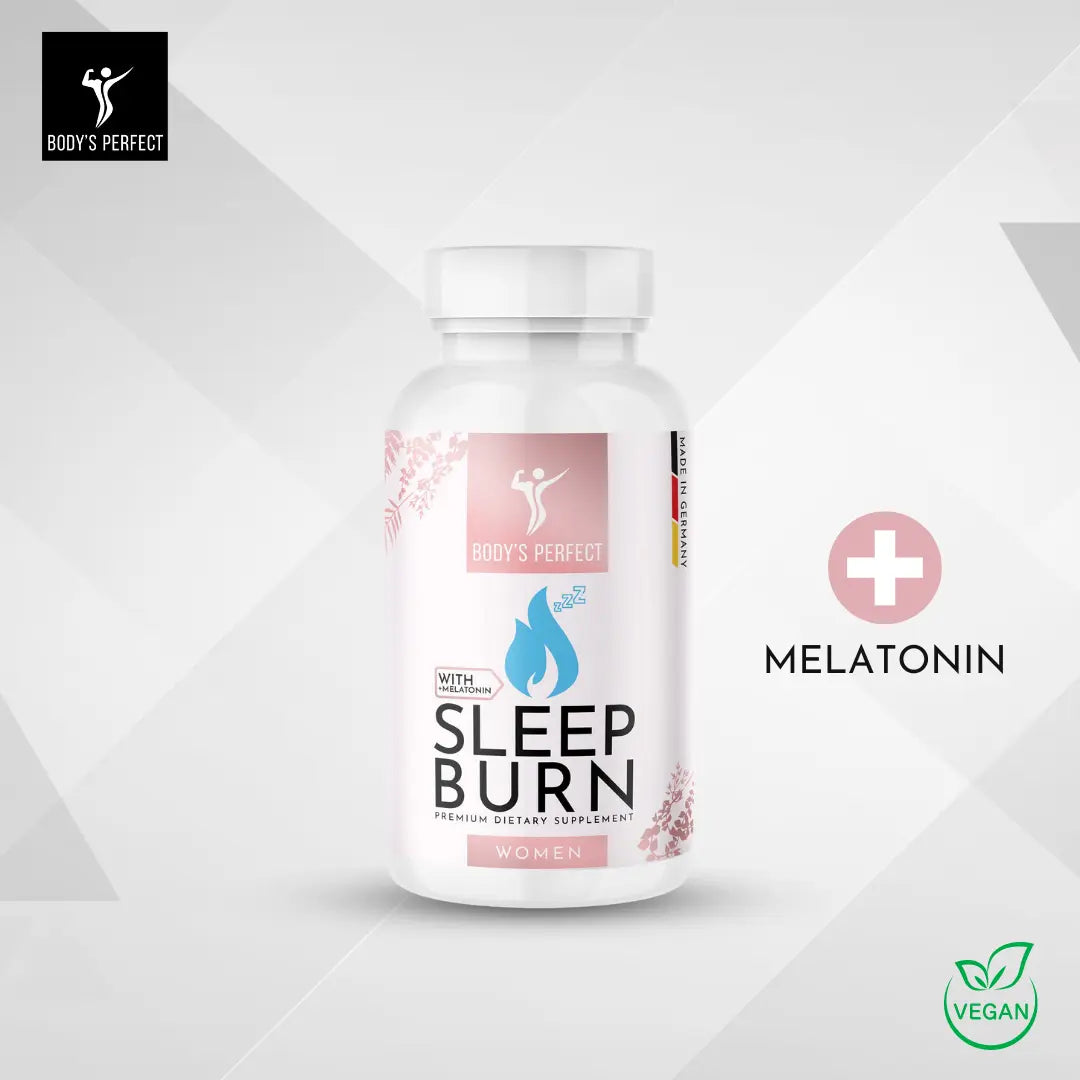
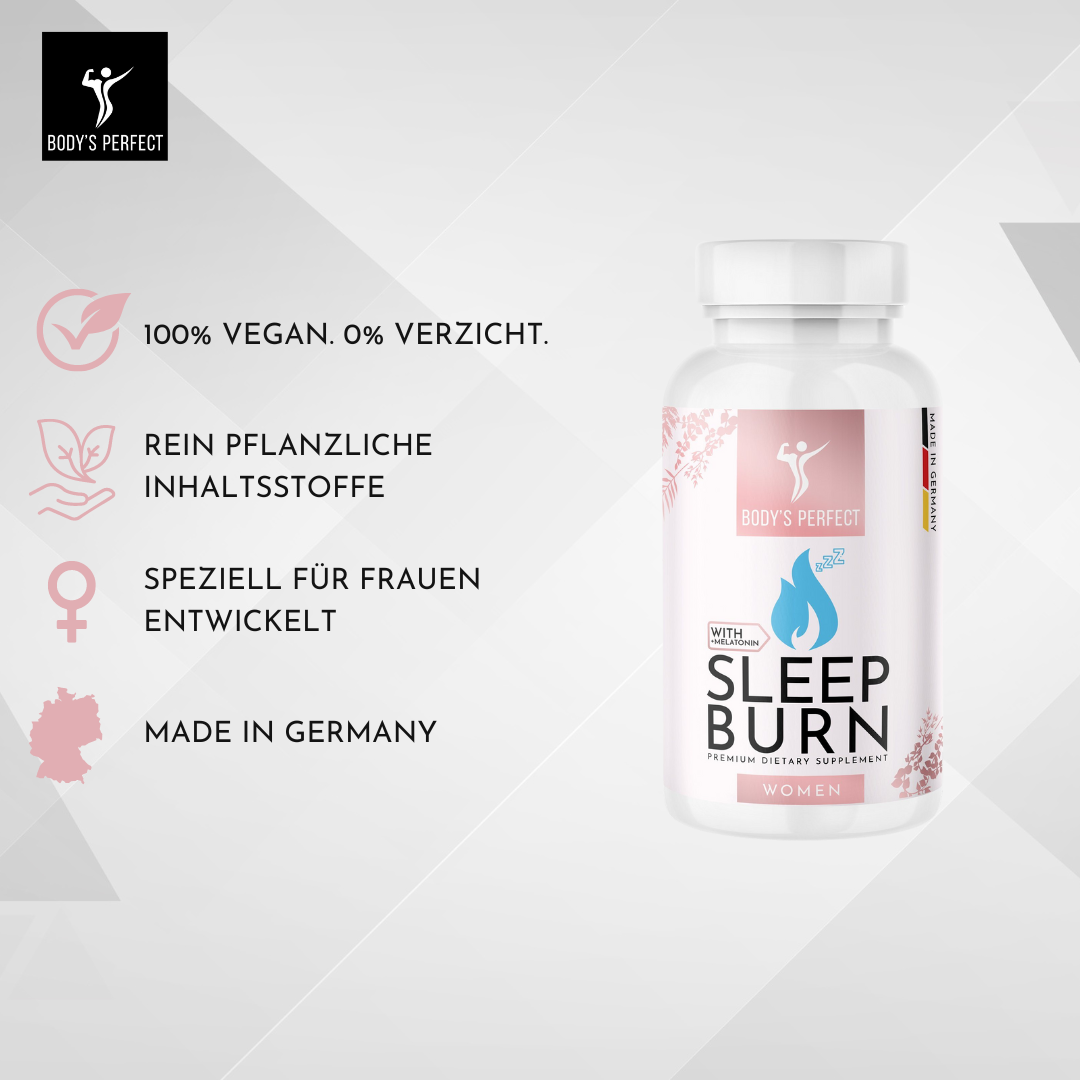
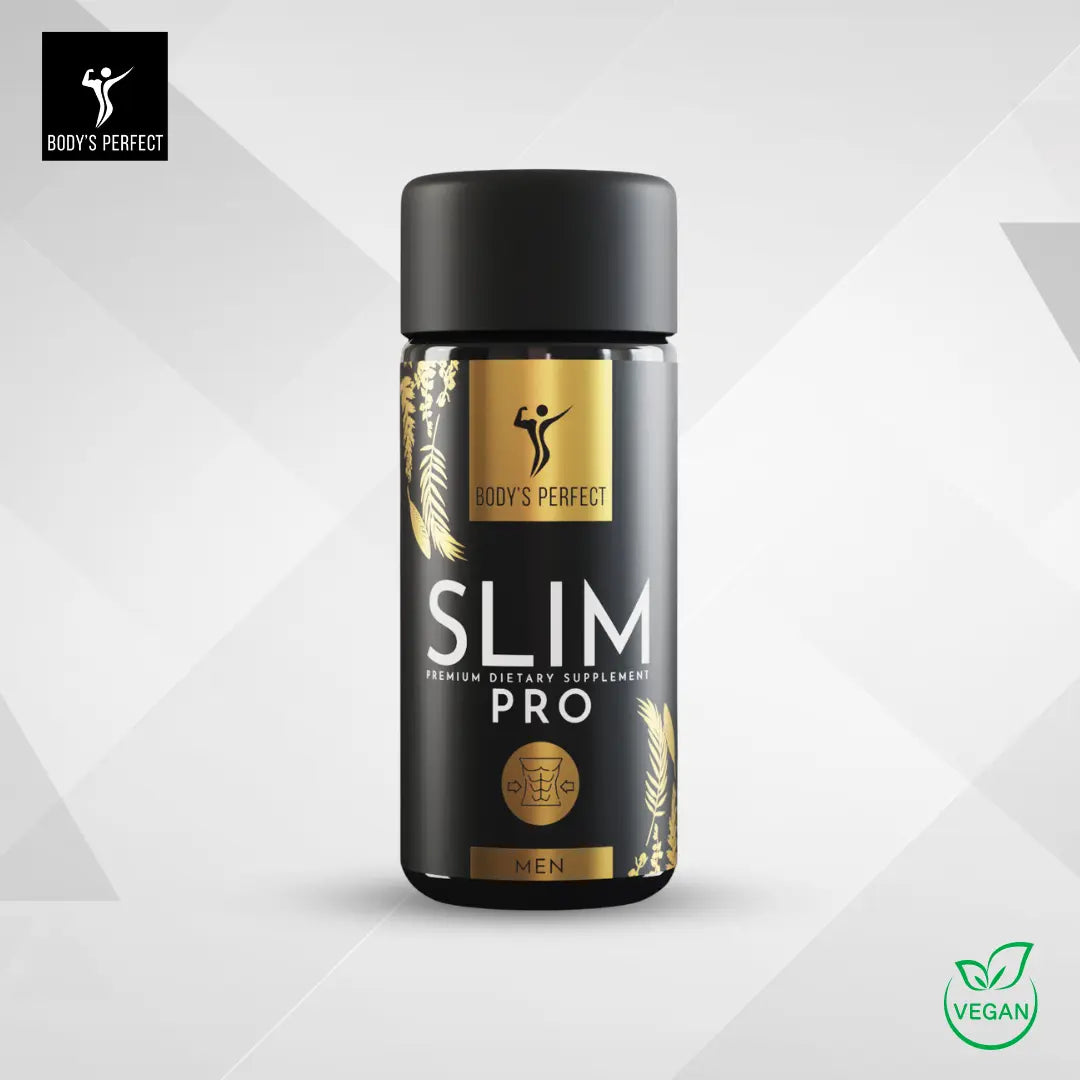
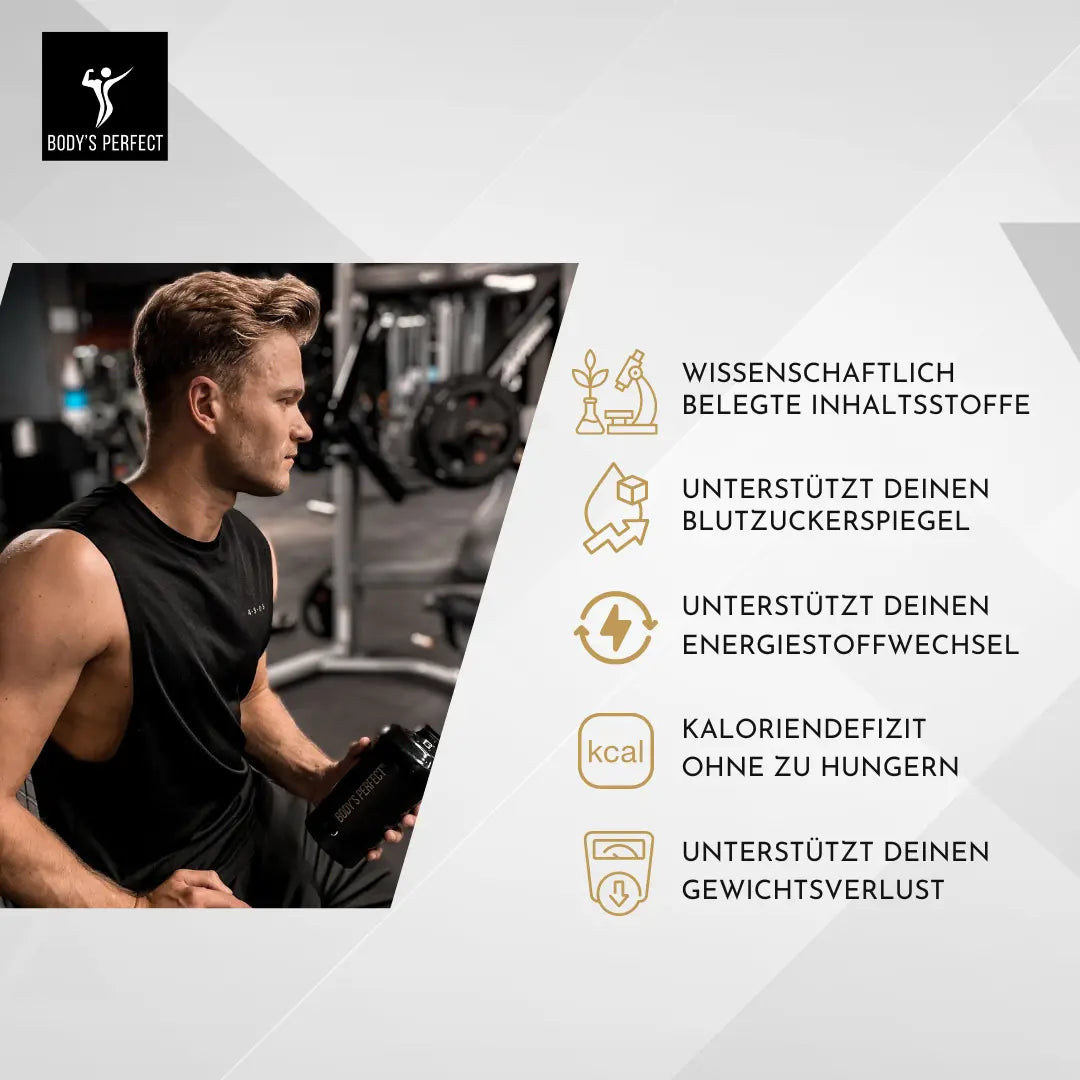
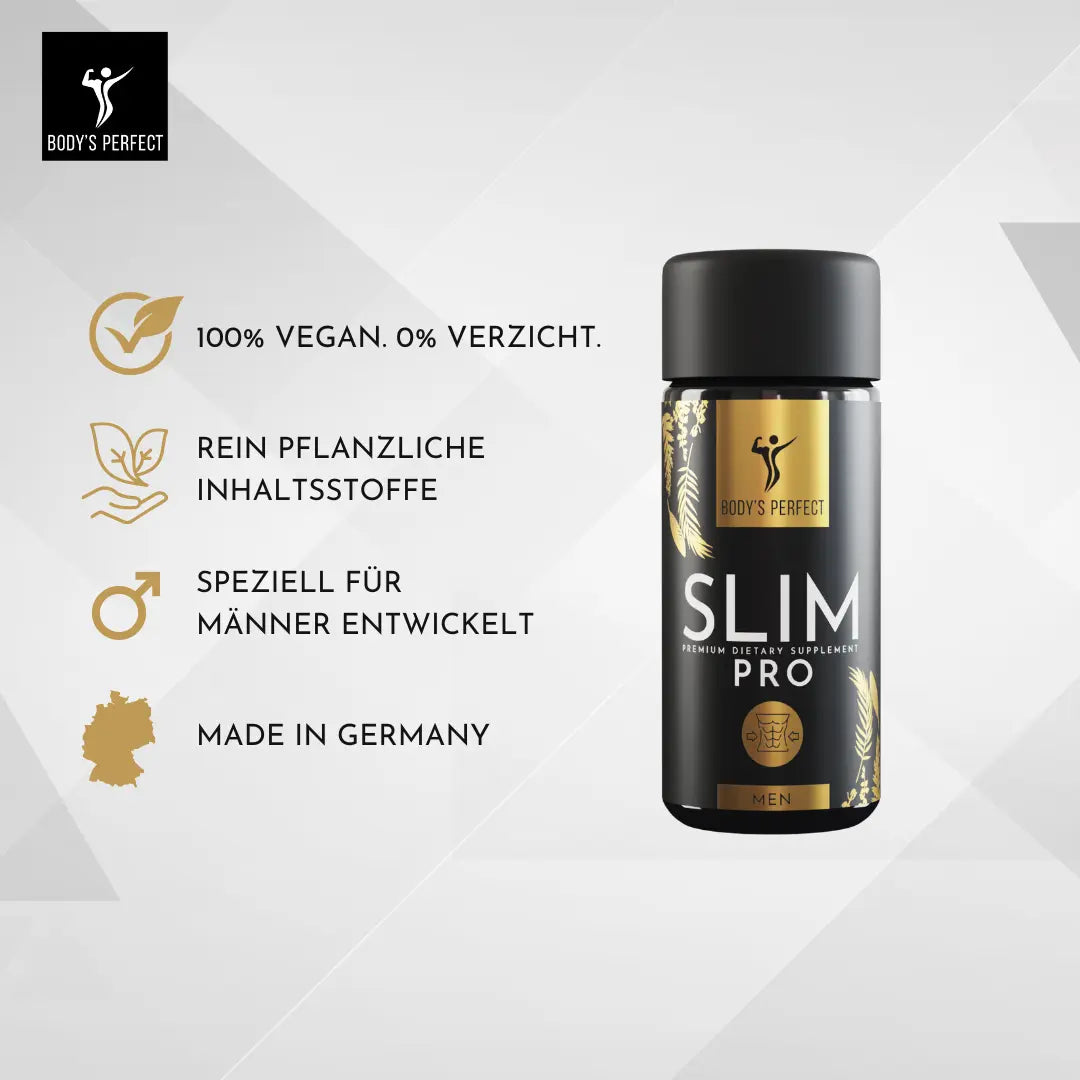
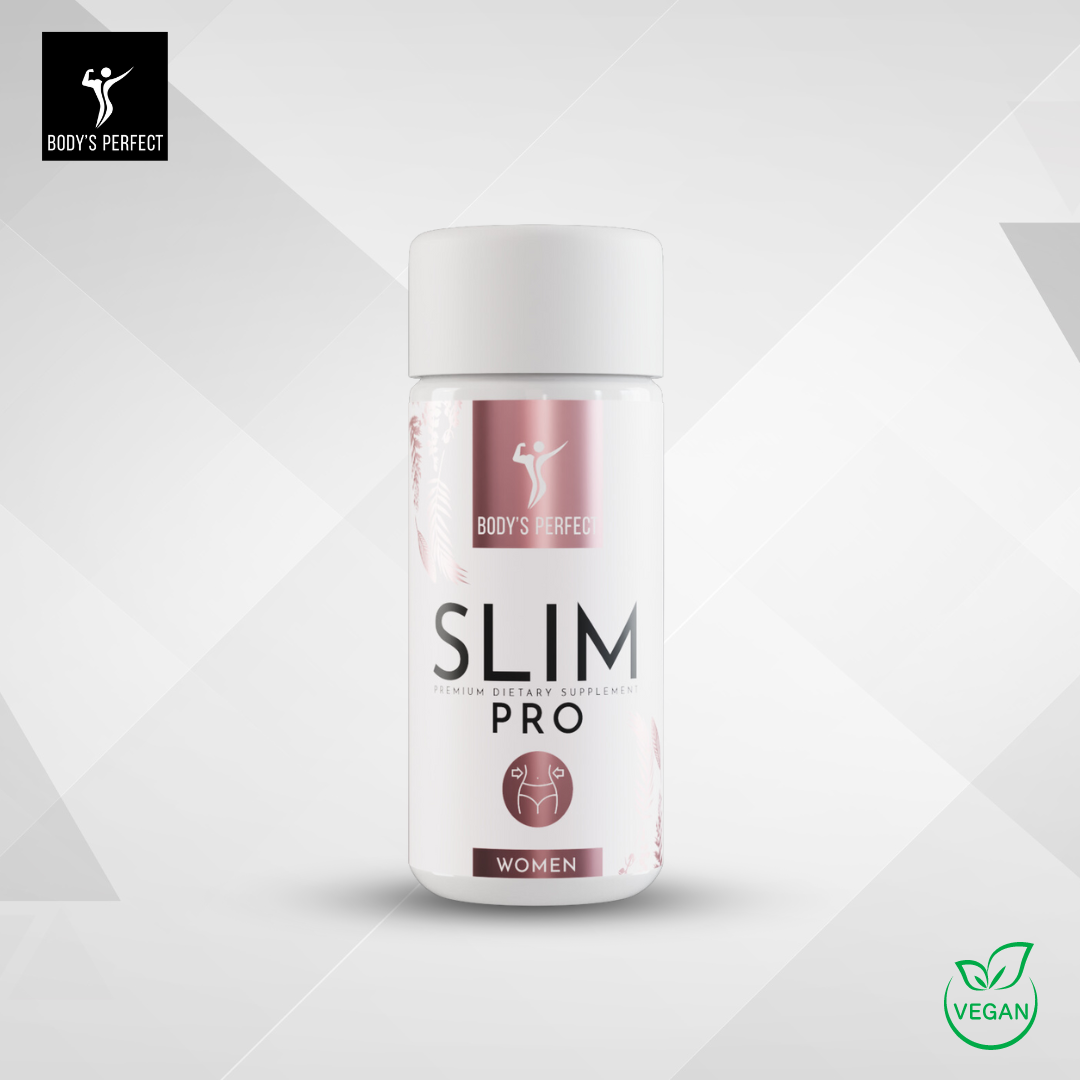
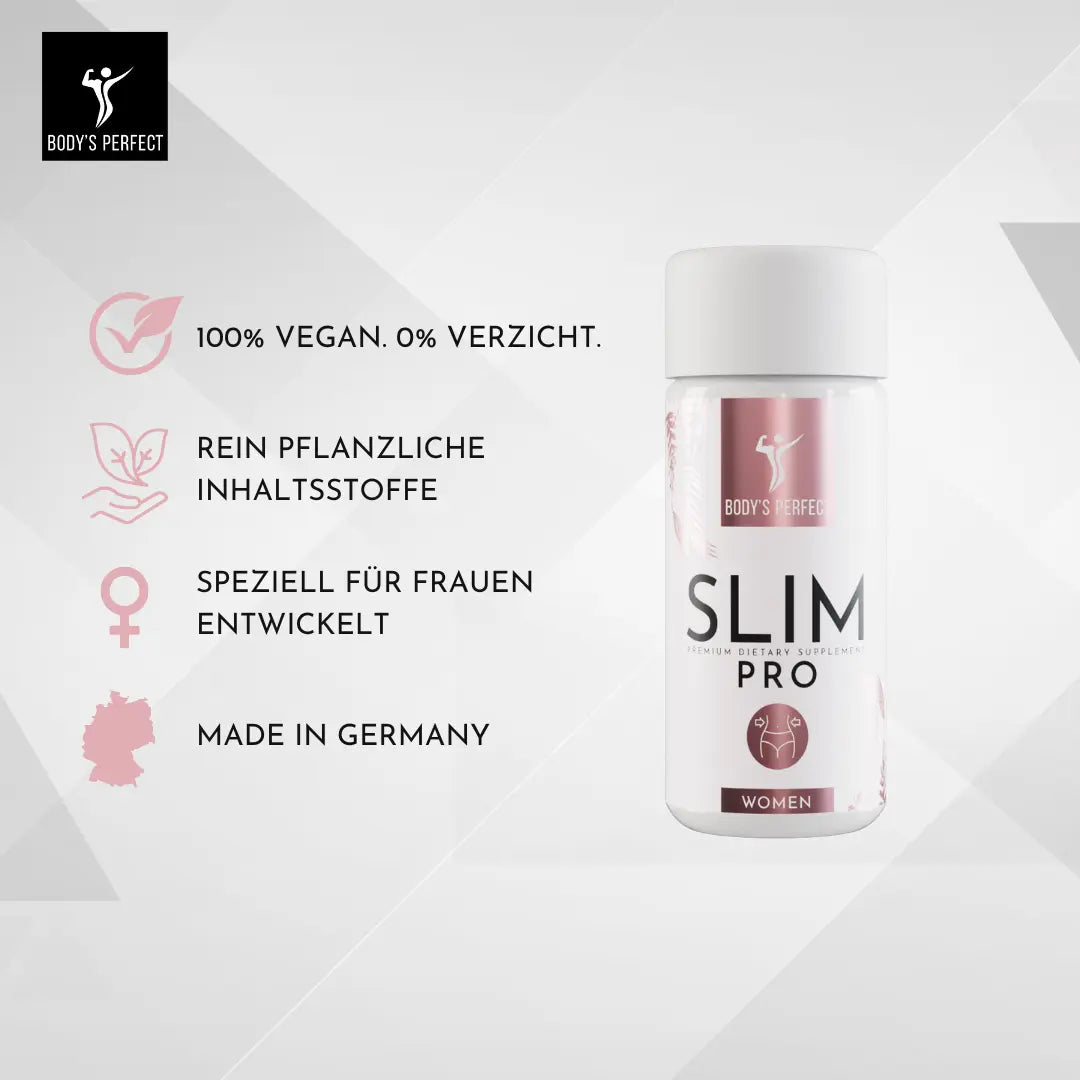
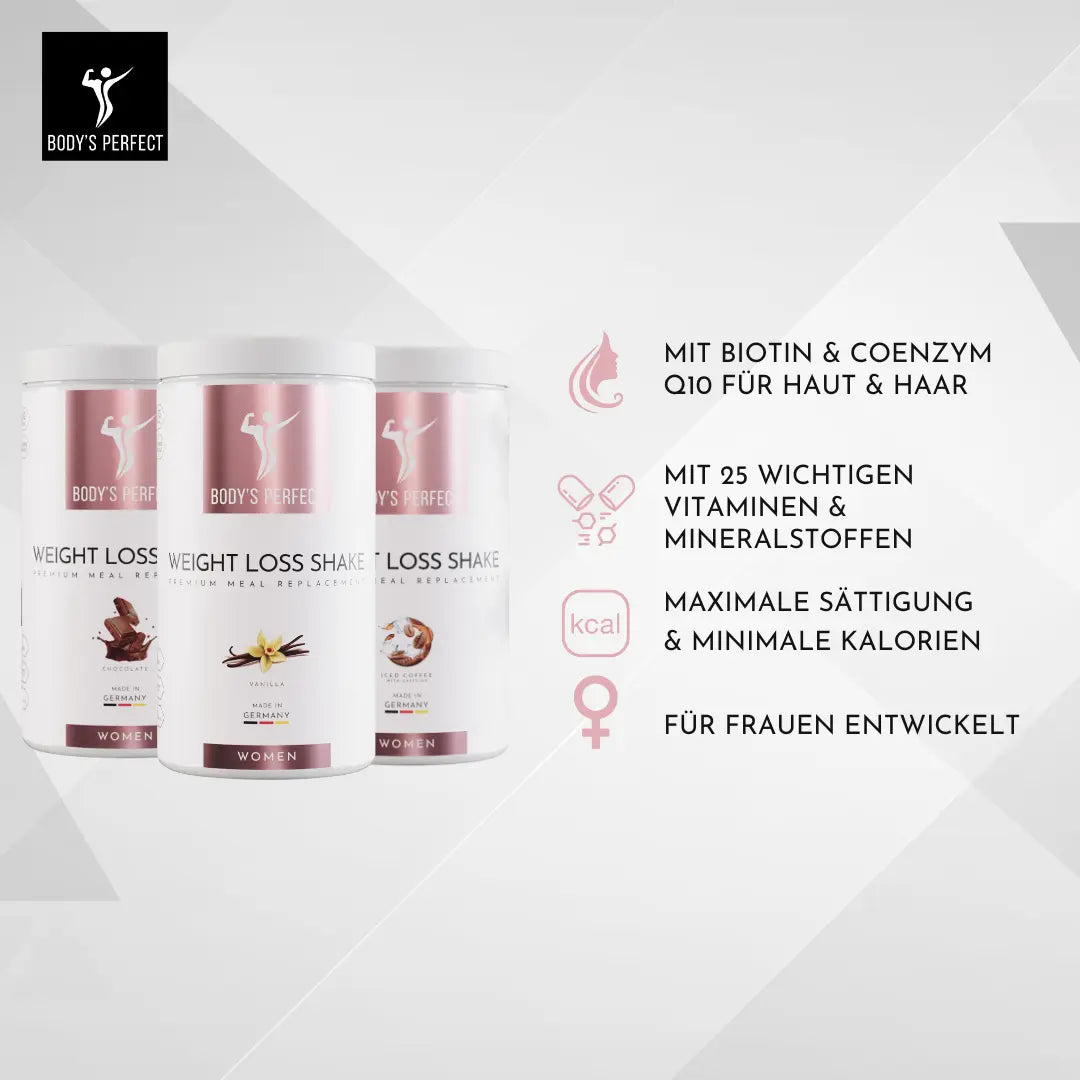
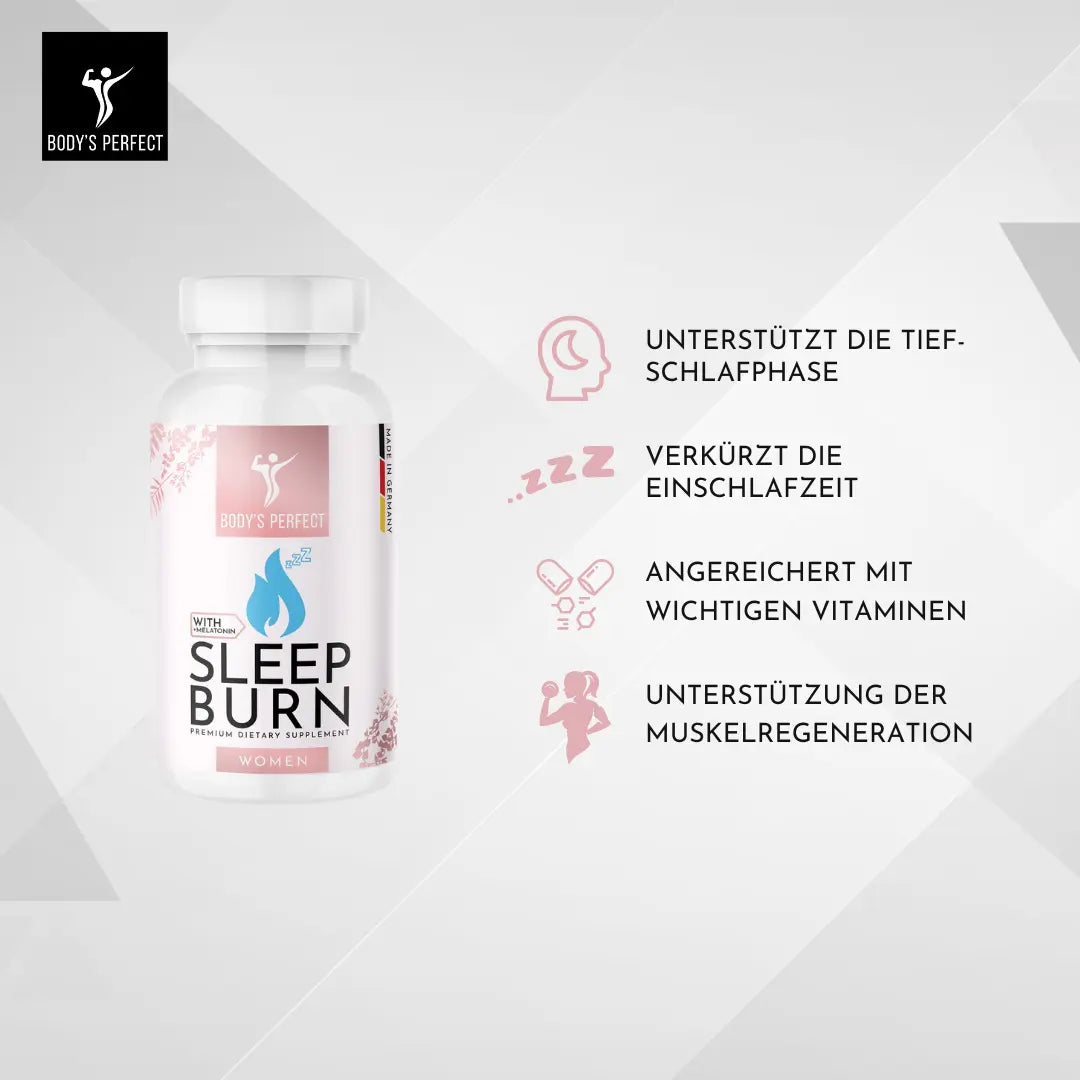
Are you ready to start your journey with the right support? At BODY'S PERFECT, you'll find high-quality, natural products to accompany you on your way. Check out our shakes and capsules specifically developed for women, which can help you achieve your goals.









Share:
Protein & Weight Loss for Women: Your Path to Sustainable Success
Boost Your Metabolism for Fat Burning: How Supplements Can Help