

You're probably asking yourself, how much weight can I lose in a week. The honest and, more importantly, sustainable answer is: Healthy weight loss is in the range of about 0.5 to 1 kilogram per week. Anything significantly above that is usually just a short-term loss of water and not stubborn body fat.
A Realistic Goal for Your Weekly Weight Loss
The idea of losing many kilos in the shortest possible time sounds tempting, of course. But for your body, a moderate pace is the real key to long-term success. Slow, steady weight loss helps you avoid the dreaded yo-yo effect and ensures you stay motivated without overtaxing your health. It's about developing new, healthy habits that you can actually stick to.
If you lose weight too quickly, your body goes into a kind of emergency mode. It doesn't just tap into fat reserves; it also breaks down valuable muscle mass to quickly get energy. The problem with this? Muscles burn calories even at rest. Less muscle therefore means a lower basal metabolic rate – your internal engine runs on standby. As soon as you eat normally again, you'll gain weight faster than ever before.
Patience is your most important partner on the way to your feel-good weight. A slow, conscious approach protects your muscles, keeps your metabolism active, and leads to results that truly last.
This graphic clearly shows what your weight loss is often composed of at the beginning and what a realistic goal for pure fat loss is.
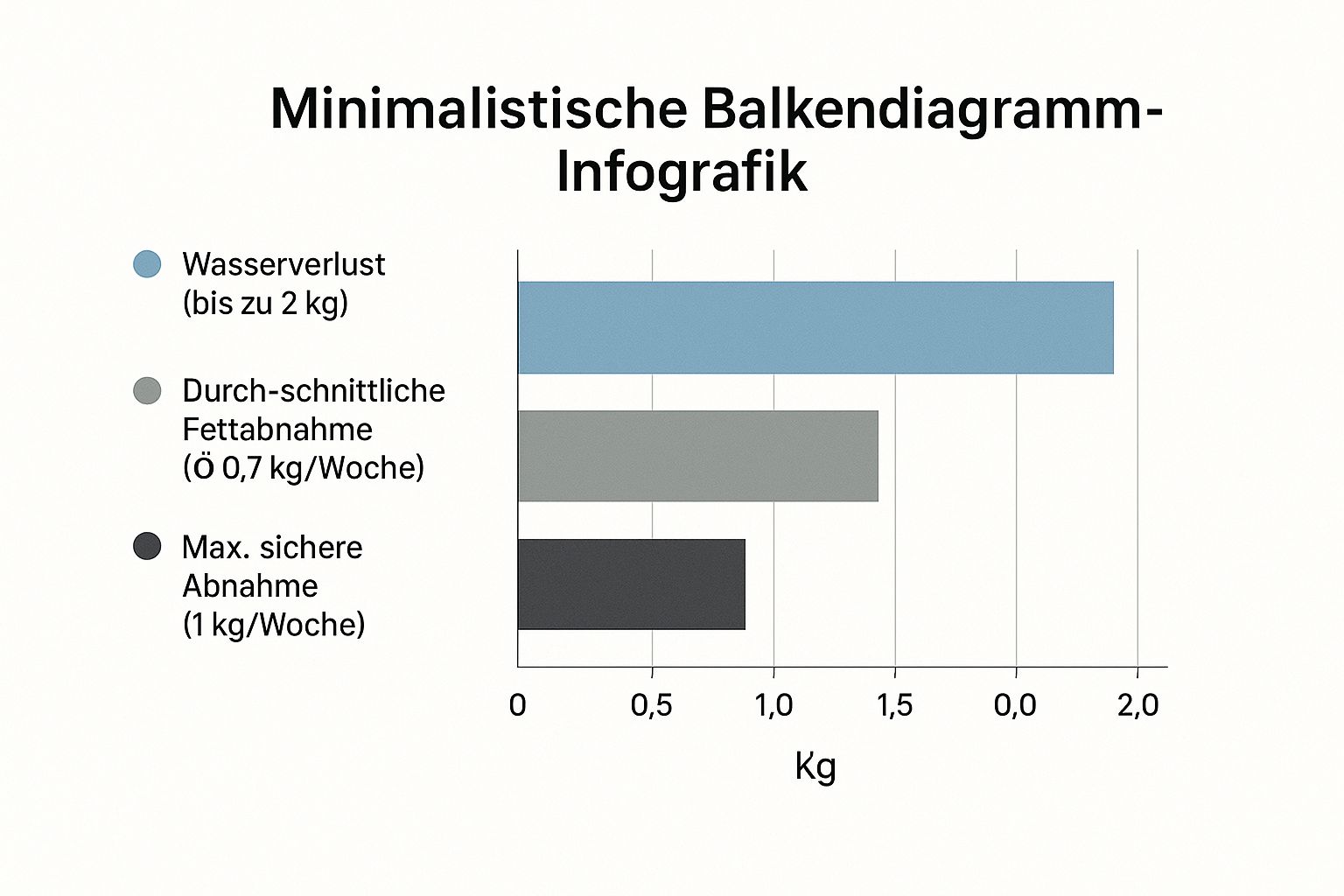
You can clearly see here: The rapid weight loss at the beginning is often just water. Sustainable fat loss is a more moderate but consistent goal.
Why 0.5 to 1 kg per week is ideal
This guideline of 0.5 to 1 kg per week is no coincidence. It is based on simple biological facts. Your body simply needs time to tap into and break down fat reserves. One kilogram of body fat corresponds to approximately 7,000 saved calories.
So, to lose half a kilo per week, you need a daily calorie deficit of about 500 calories. This is a goal that can be achieved through a clever combination of adjusted diet and a little more exercise, without having to torment yourself.
Scientific recommendations from Germany support this approach. Studies, such as the research cited in this dissertation from TU Munich, confirm that safe and effective weight loss is about 0.5 kilograms per week. This also aligns with the guidelines of international professional societies.
A moderate pace has very specific advantages for you:
- Protection of muscle mass: You primarily lose fat and not important muscles.
- Stable metabolism: Your basal metabolic rate remains high, which prevents the yo-yo effect.
- No constant hunger: A slight deficit is much easier to maintain than a radical crash diet.
- Long-term motivation: Realistic goals lead to steady successes that keep you going.
The following table gives you a quick overview of what you can realistically expect.
Realistic Weekly Weight Loss at a Glance
This table shows a realistic assessment of weekly weight loss and its composition.
| Weight Loss per Week | Assessment | What is primarily broken down? |
|---|---|---|
| 0.5 kg | Ideal and sustainable | Mainly body fat |
| 1 kg | Ambitious, but feasible | Mostly fat, small proportion of water/muscles |
| Over 1.5 kg | Not recommended, risky | Lots of water, muscle mass, little fat |
Ultimately, it's about finding a way that works for you and that you can sustain.
If you'd like to know more about how to achieve these goals in a healthy way, check out our article on how much weight loss per week is really healthy. With this approach, you'll not only reach your feel-good weight, but you'll also maintain it.
The Principle of Calorie Deficit Simply Explained

At its core, losing weight is simple math, built on the fascinating biology of our bodies. The crucial point is the calorie deficit. This might sound complicated, but it simply means one thing: you need to expend more energy than you take in through food and drink. Think of it like a bank account – if you spend more than you deposit, you lose weight.
Your daily energy expenditure, also known as total energy expenditure, consists of two parts:
- The Basal Metabolic Rate: This is the energy your body uses at absolute rest, just to keep vital functions like breathing, heartbeat, or digestion running. Think of it like the basic rent for your body.
- The Performance Metabolic Rate: This includes everything you burn through movement. Every walk, every sports session, even climbing stairs in the office counts here.
Together, these two make up the total number of calories your body needs in a day.
How to practically implement the deficit
To realistically answer the question "How much weight can you lose in a week?", we need to look at the numbers. One kilogram of body fat stores approximately 7,000 calories. So, if you want to lose half a kilo per week – an absolutely healthy and sustainable goal – you need to save 3,500 calories over the course of the week.
This means that even a moderate daily deficit of 500 calories adds up to half a kilo of fat loss over the week. This is a goal that can be achieved without constantly being hungry or having to give up everything.
The best way to achieve such a deficit is through a clever combination: for example, save 300 calories from your diet – perhaps by skipping the sugary snack in the afternoon – and burn an additional 200 calories with a brisk walk. This mix of diet and exercise is the easiest and most effective way for most people.
The important thing is not to let the deficit get too large. Radical diets and starvation put your body in an emergency mode. It then starts to break down valuable muscle mass and slows down your metabolism, which hinders progress.
With the necessary knowledge, you have control and can manage your weight loss in a healthy and targeted way. If you want to delve deeper and calculate your personal needs, check out our article. There you will find precise instructions on how to calculate your calorie deficit for weight loss. This knowledge is the perfect tool for your path to success.
Why your body loses weight differently than others

Do you know that feeling? You stick strictly to your plan, pay attention to your diet, and exercise regularly, but the scale shows something completely different than it does for your friend or colleague. This can be frustrating, but it's absolutely normal and no reason to doubt yourself. Your body is unique – and so is your journey to your feel-good weight.
Forget the idea that your body works like a machine that delivers results at the push of a button. It's an incredibly complex system, and your personal weight loss success depends on many different factors.
The factors that determine your weight loss success
There are a whole range of biological and genetic factors that help determine how quickly and in what way you lose weight. Understanding these can help you set realistic expectations for yourself and stay motivated.
Here are the most important individual factors that play a role:
- Age: With age, metabolism often slows down a bit. At the same time, the body tends to break down valuable muscle mass. This sometimes makes losing weight a little more difficult than in younger years.
- Gender: Men naturally tend to have a higher muscle percentage, while women tend to store more body fat. Since muscles are real energy consumers, men often lose weight faster at the beginning of a diet.
- Starting Weight: Those who start at a higher weight generally lose pounds faster initially. The reason is simple: a heavier body uses more energy for everyday movements, resulting in a larger calorie deficit.
- Genetics: Your genes have a say in where your body preferentially stores fat and how efficiently your metabolism works. This explains why some people find it easier to maintain their weight than others.
In Germany, obesity is widespread – more than half of adults are affected. This statistic shows how important a realistic view of the topic is. The starting weight, in particular, has a great influence on how quickly the pounds drop. More about the distribution of obesity in Germany can be found at de.statista.com.
Your individual metabolism and hormones
Your metabolism and hormones are two other invisible but very powerful players in this game. Hormones like insulin, the stress hormone cortisol, or thyroid hormones can either boost or block fat burning. A sluggish metabolism can make the answer to the question "How much weight can you lose in a week?" very different for you personally.
But here's the good news: You're not helplessly at its mercy! You can positively influence your metabolism. Sufficient sleep, good stress management, and the right nutrients are your strongest tools here. Do you want to know how you can get your inner engine running? Then check out our article that shows you how to naturally stimulate your metabolism.
Instead of constantly comparing yourself to others, focus on your own path and celebrate your personal successes. Every small step forward is a victory.
Your Success Formula from Nutrition and Exercise
While a calorie deficit is the mathematical foundation, the true key to success lies in how cleverly you approach it. The best and healthiest method to lose weight week after week is a smart combination of conscious nutrition and targeted exercise. One fuels the other – an unbeatable synergy.
Sure, you can also lose weight just by changing your diet. But in doing so, you're simply leaving a strong ally behind. Exercise not only burns extra calories, which helps you achieve your deficit more easily. More importantly: it shapes your body, increases your well-being, and keeps your metabolism at a high level in the long term.
Nutrition is your foundation
Your diet lays the groundwork for your entire weight loss success. It's not about starving yourself, but about making the right choices and giving your body exactly what it needs.
- Focus on nutrient density: Eat foods that are packed with vitamins, minerals, and fiber, but have comparatively few calories. Vegetables, fruits, lean protein, and whole grain products should be the base. They make you feel full and nourish you optimally.
- Protein is your best friend: A protein-rich diet is golden for weight loss. Proteins keep you full much longer than carbohydrates or fats and are the best weapon against cravings. They also protect your valuable muscles during a diet.
- Drink enough water: Thirst is often mistaken for hunger. Those who drink enough water not only boost their metabolism but also save unnecessary calories.
Exercise is your turbocharger
Exercise is the engine that really kicks your fat burning into gear and strengthens your body. The best strategy is a mix of endurance and strength training.
Cardio training (like running, cycling, swimming) is fantastic for directly burning calories and getting your cardiovascular system fit. It increases your daily calorie consumption and makes it easier for you to stay in a deficit.
Strength training (with weights, resistance bands, or your own body weight) is your guarantee for long-term success. It builds muscle – and muscles are true energy furnaces. They burn calories, even when you're not doing anything at all.
The more muscle mass you have, the higher your basal metabolic rate. You essentially become a more efficient fat-burning machine – even when you're sitting on the couch.
This dual approach of diet and exercise is the most sustainable way to answer the question, "How much weight can I lose in a week?" with a healthy and lasting result. You don't just lose weight; you build a stronger, fitter body.
To make getting started as easy as possible for you, we have compiled many more valuable tips for losing weight in a comprehensive article. This way, you'll find a strategy that not only works but also fits perfectly into your life.
Common Weight Loss Mistakes and How to Avoid Them

Anyone who has ever tried to lose weight knows this all too well: You start highly motivated, but at some point, you just can't continue. That's completely normal! On the way to your feel-good weight, there are a few classic traps that can quickly hinder success. The good news is: if you know these pitfalls, you can skillfully avoid them.
One of the biggest mistakes is to reduce calories too drastically. Of course, the desire to see quick results is understandable. But if you put your body on a near-zero diet, it goes into emergency mode. Metabolism slows down, and in the end, the dreaded yo-yo effect often strikes.
The most common pitfalls – and how to avoid them
It's often the same hurdles that many people fail at. The trick is to recognize these patterns in yourself and simply choose a smarter strategy.
Here are the typical mistakes and what you can do instead:
- Mistake 1: A much too large calorie deficit. Your body panics, breaks down valuable muscles, and slows down your metabolism. The solution: Stick to a moderate deficit of 300 to 500 calories per day. This is healthy, sustainable, and protects your muscles.
- Mistake 2: Focusing only on the scale. Your weight can fluctuate from day to day, for example, due to water retention or intestinal contents. The solution: Weigh yourself only once a week, preferably always at the same time. Also, grab a tape measure – you'll often notice progress much more clearly by how your clothes fit.
- Mistake 3: Underestimating liquid calories. A latte macchiato in between, a juice for breakfast – these calories add up quickly and often unnoticed. The solution: Drink mainly water or unsweetened tea. Also keep an eye on your drinks in your calorie balance.
Crash diets promise quick results, but almost always lead to frustration and the yo-yo effect. Your body learns to get by with less energy. As soon as you eat normally again, it immediately stores any excess calories as fat for the next "famine."
However, you can break this vicious cycle. In Germany, according to a survey, around 23 million people want to lose weight. Experts agree: healthy and sustainable weight loss is about 0.5 to 1 kilogram per week. This moderate pace protects you from muscle loss and health problems. You can find more about the interesting background at de.statista.com.
By avoiding these typical mistakes from the outset, you build a much healthier and more relaxed relationship with your body and your diet. This way, you answer the question, "How much weight can you lose in a week?" with a realistic goal and lasting success.
If you want to delve deeper into the topic and finally break the dreaded cycle, check out our comprehensive guide on losing weight without the yo-yo effect.
Your Burning Questions about Weekly Weight Loss
At the end of this guide, I would like to address the questions that are repeatedly asked in practice. Here you will get honest and clear answers that will hopefully give you even more confidence on your journey.
Can I lose more than 1 kg in the first week?
Yes, absolutely! That's even quite likely and no cause for concern. Especially when you change your diet, the pounds often drop surprisingly quickly at the beginning. However, the main reason for this is usually not fat, but water.
Imagine this: your body stores carbohydrates as glycogen in muscles and liver. Each gram of this glycogen binds about three to four grams of water. If you eat fewer carbohydrates, these stores empty – and the bound water is simply flushed out. This explains the rapid success on the scale.
Take this initial weight loss as a great motivation boost! But be aware that the actual fat loss only really begins afterwards. After the first week, weight loss usually settles down to a healthy and realistic 0.5 to 1 kilogram per week.
Is exercise a must to lose weight per week?
Theoretically, you could lose weight solely through diet, as long as you maintain a calorie deficit. But honestly? That's not the best idea, and I advise against it. Exercise is a crucial partner for your long-term success for several reasons.
Firstly, exercise burns extra calories. This makes it much easier to achieve your daily deficit without constantly feeling hungry. You simply give yourself more leeway with meals.
But the really important point is the protection of your muscles. Especially strength training sends a signal to your body: "Hey, these muscles are needed!" This prevents it from tapping into them as an energy source during a diet. Your muscles are your most important metabolic engine, because they burn calories, even at rest.
Without exercise, you risk losing valuable muscle mass in addition to fat. This lowers your basal metabolic rate, makes losing weight more difficult in the long run, and paves the way for the dreaded yo-yo effect as soon as you eat normally again.
What can I do if my weight stagnates?
Almost everyone who loses weight knows this point: the weight is stagnant. Such a plateau is completely normal and even to be expected. Your body is smart and adapts to the lower weight and lower calorie intake by simply working more efficiently. The most important thing now is: Don't panic and don't throw in the towel!
If nothing happens on the scale for one to two weeks, try the following:
- Be honest with yourself: Take a close look at your diet and exercise diary. Have small oversights crept in? Often it's the little things, like the extra splash of milk in your coffee or an unconsciously larger portion in the evening.
- Set new training stimuli: Your body gets used to routines. Bring variety into your training! Try new exercises, increase the intensity, or extend your workout sessions a little.
- More everyday movement (NEAT): Focus on being more active in everyday life. Take the stairs instead of the elevator, do small shopping trips on foot, or build a regular walk into your lunch break. These small activities make a big difference in total.
- Take a conscious diet break: Sometimes it works wonders to consciously increase calories to maintenance level for one to two weeks. This can calm the metabolism down a bit and signals to the body that there is no famine. Afterwards, you can start a moderate deficit again with new strength.
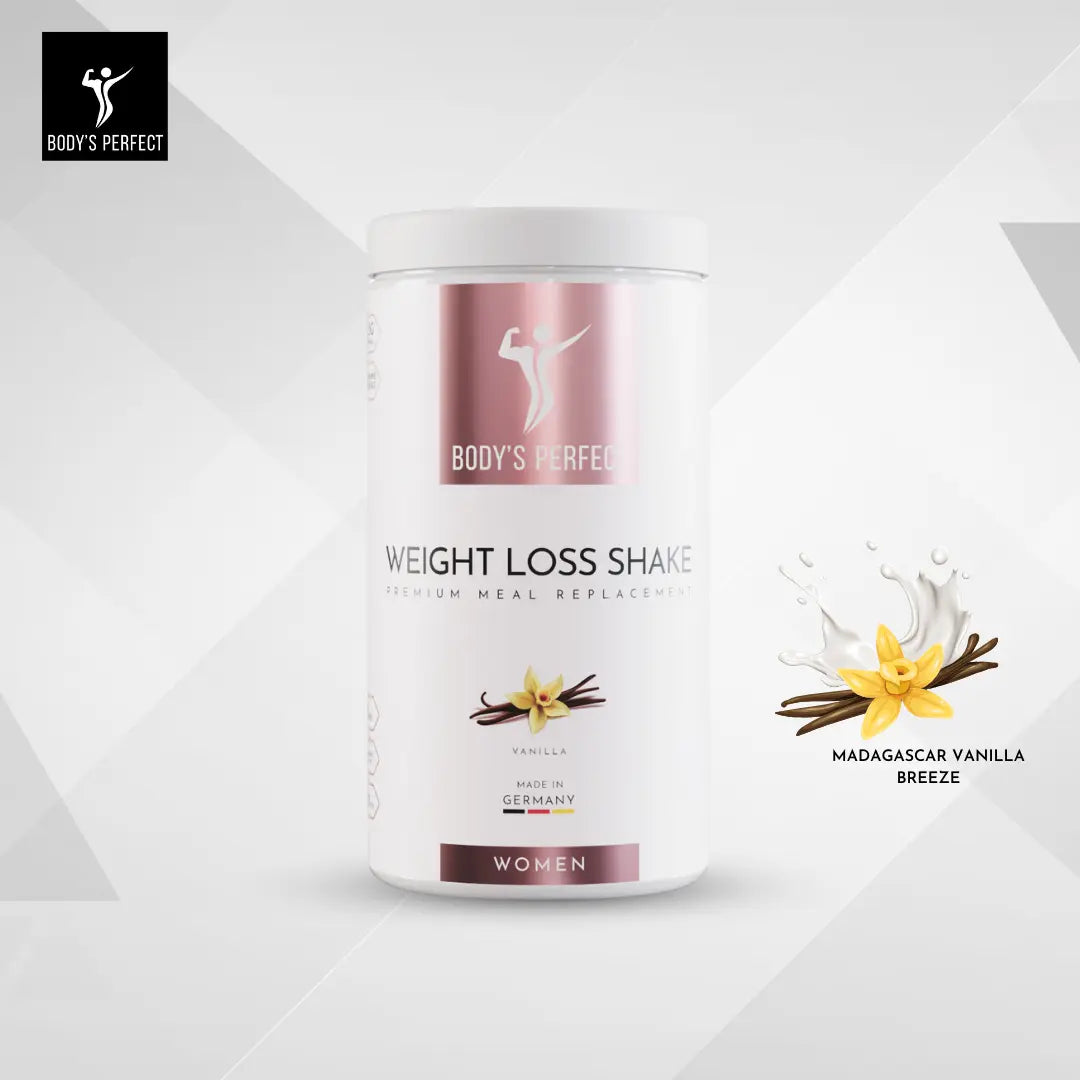
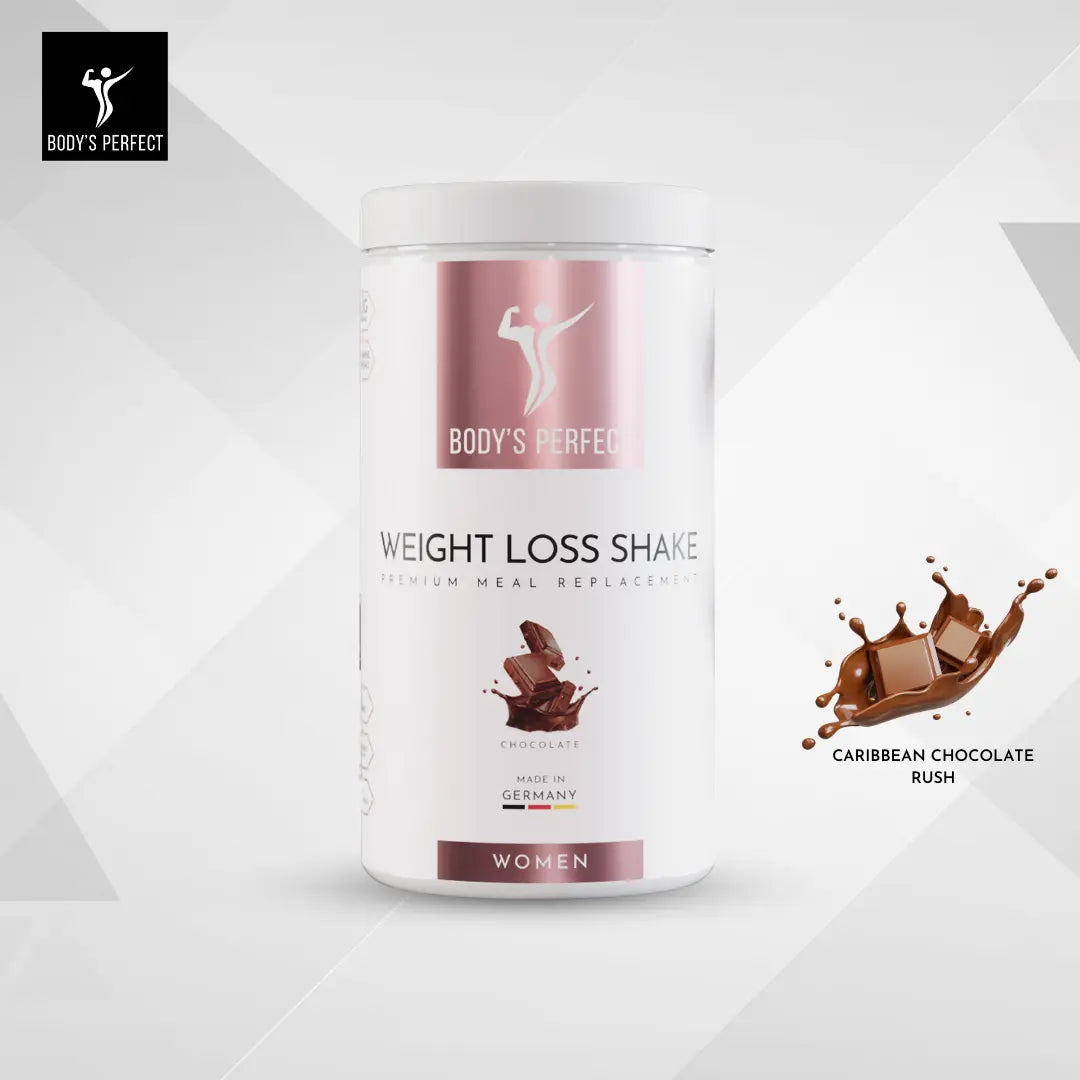
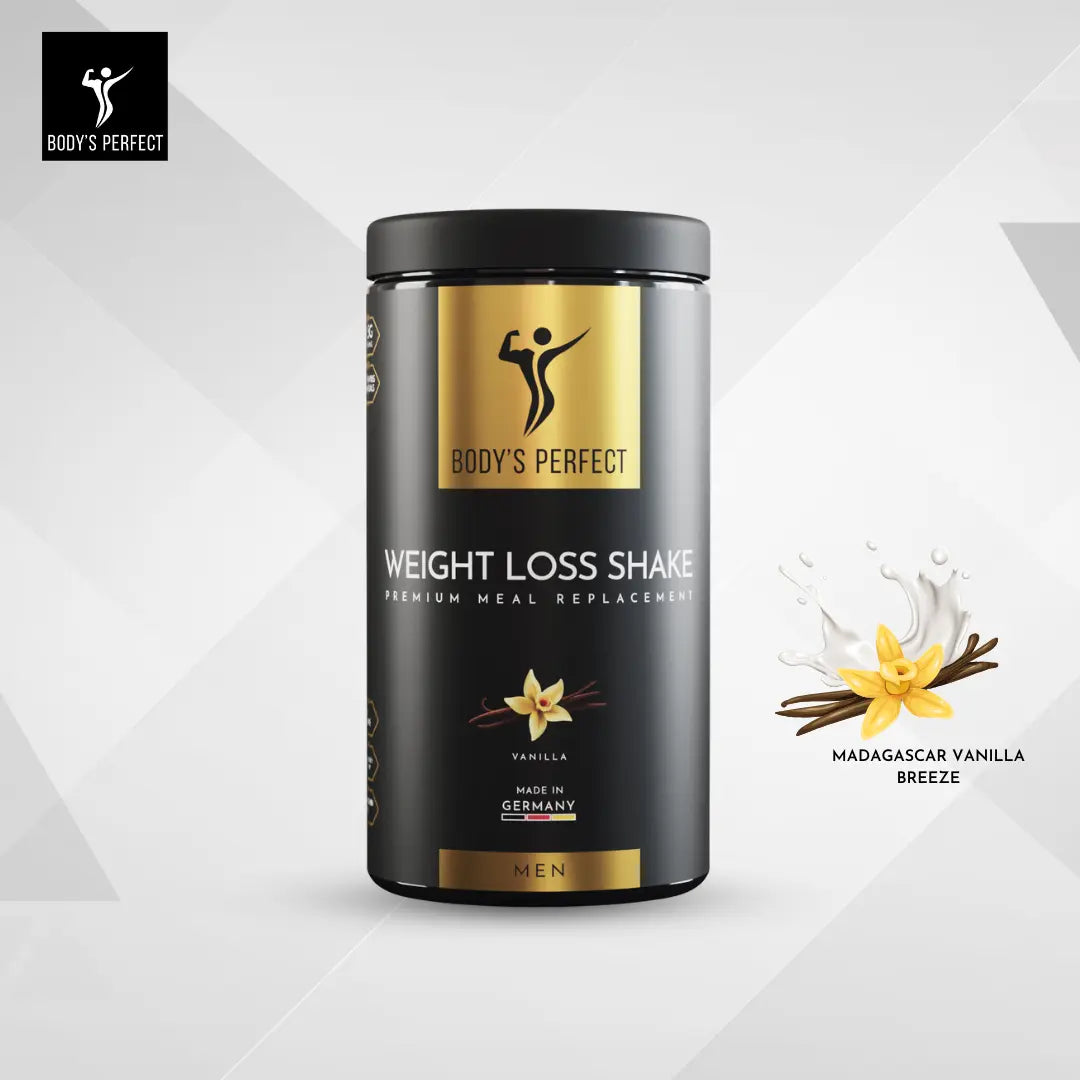
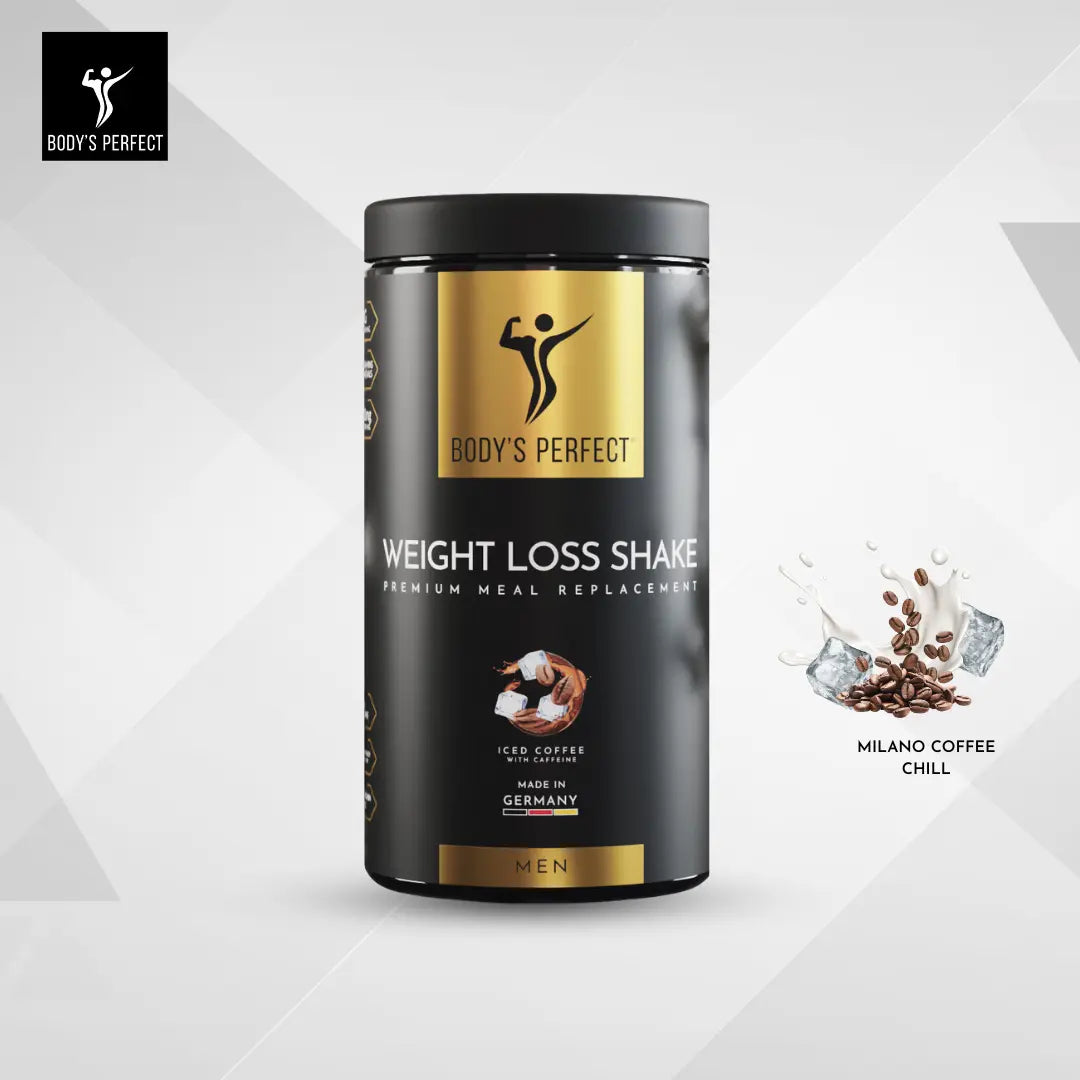
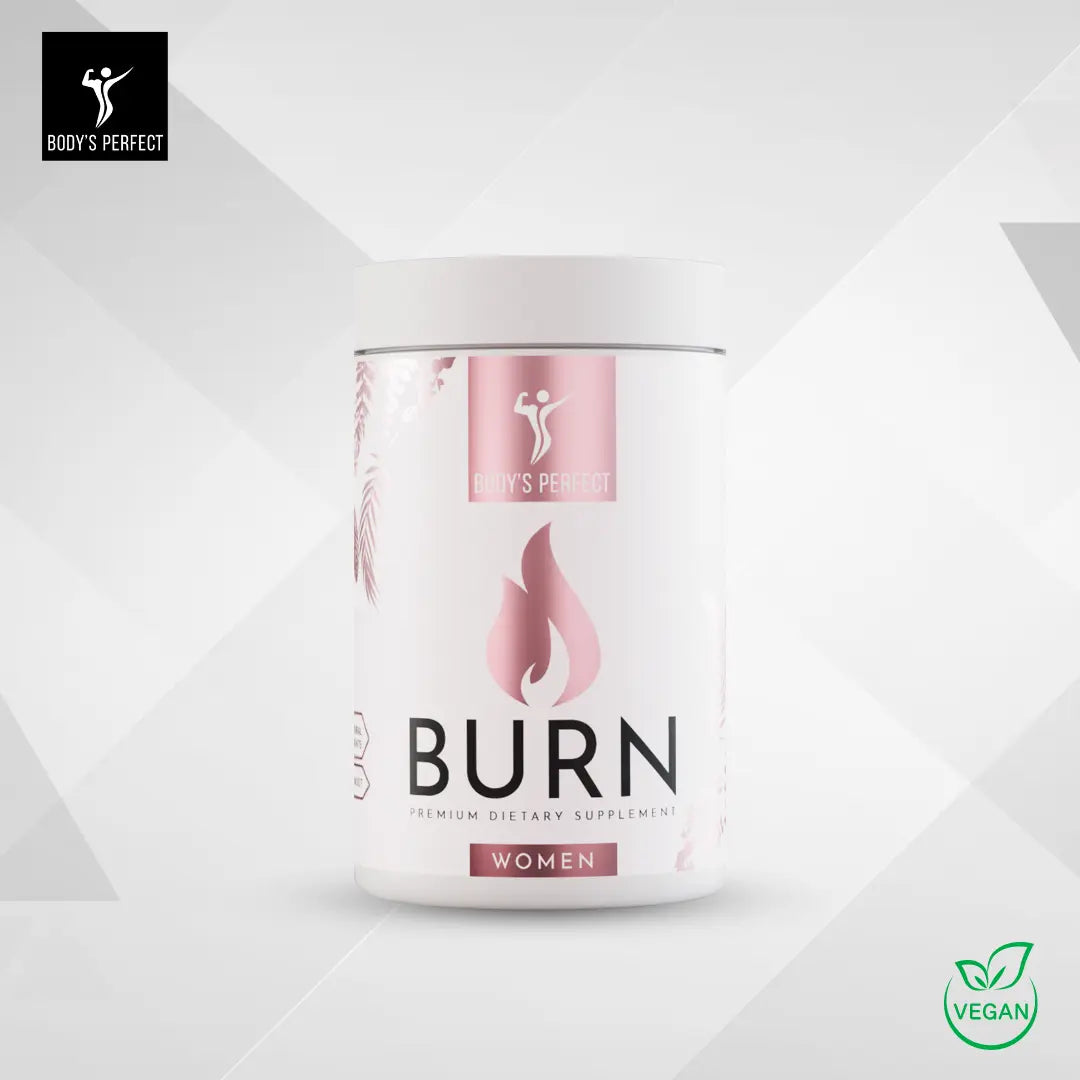
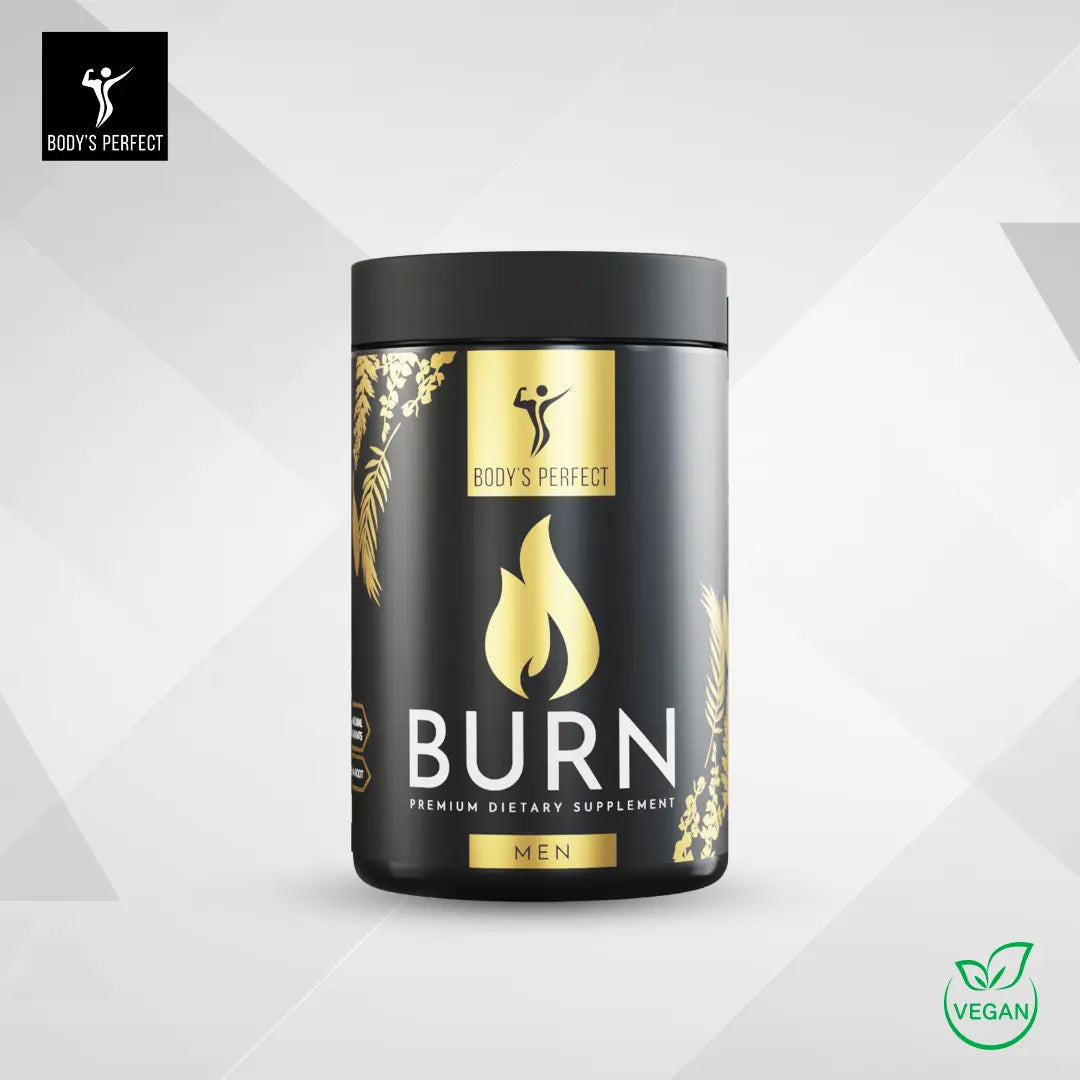
On your journey to a healthier and lighter you, you don't have to be alone. BODY'S PERFECT products are designed to support you specifically. Whether with our delicious weight-loss shakes for a simple, calorie-controlled meal or the BURN capsules to support your metabolism – we offer you natural aids manufactured in Germany. Discover the right support for your individual goals at https://bodysperfect.com.






























Share:
The Perfect Body Burner Guide to Your Goal
Drink with Guarana: Your natural pick-me-up for long-lasting energy